Loading
by BlastRoom
Students connect plate-boundary motion to landforms and hazards.
#us_grade_7_science
20 questions
One question set, multiple game modes. Tap any game to see it in action. Not sure which to pick?
Answer to place stones and capture territory.
Outrun the snow together.
Earn blasts, then hunt the other team.
Answer to earn energy, then climb.

The class blasts through walls together.
Bid on mystery lots. Most money wins.
Sell tours. Nice, standard, or a total scam.

Answer, restock, and serve the rush.
More correct answers pulls the rope your way.
Answer, then shoot down the alien wave.
Answer, then tap to leap the frozen ridge.
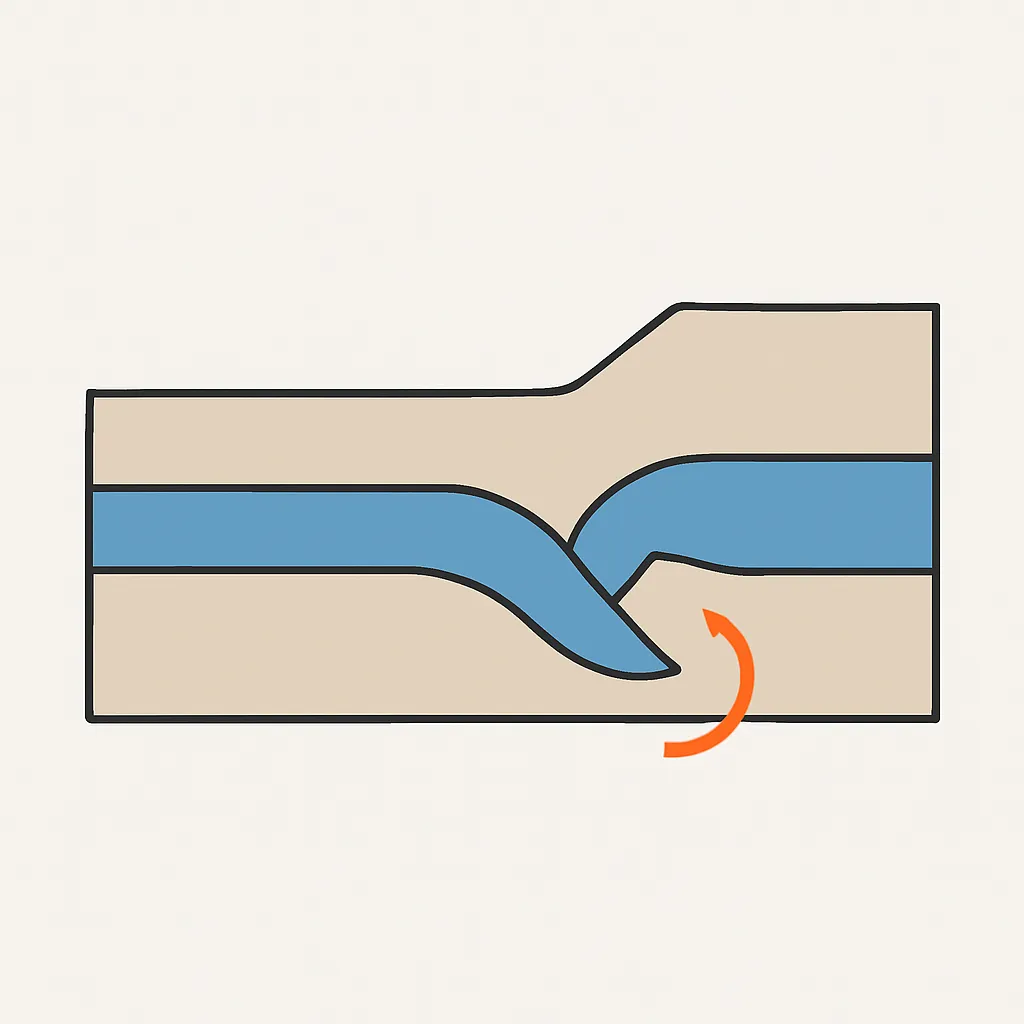
An oceanic plate moves toward a continental plate and sinks beneath it. What landforms and hazards are most likely near the edge?
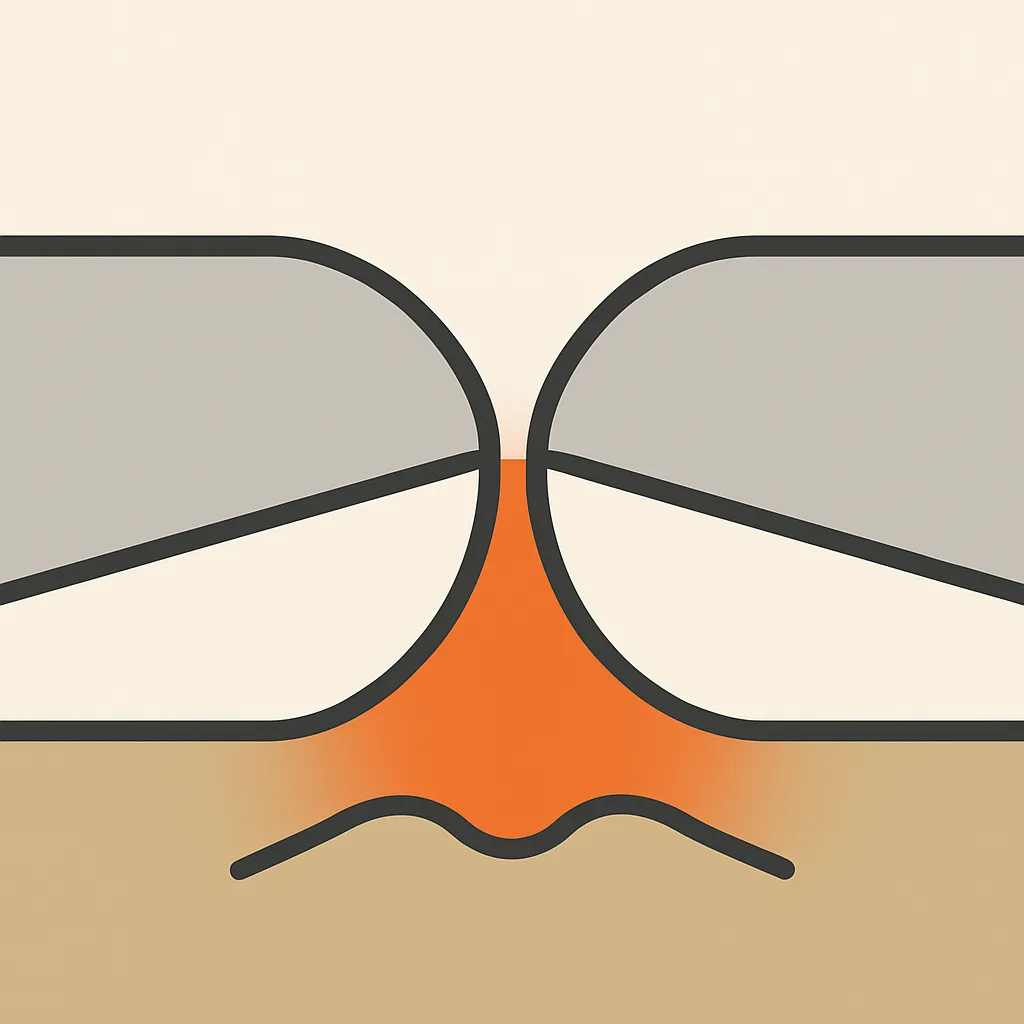
Two oceanic plates move apart under the sea, and magma rises between them. What feature is most likely to form there?
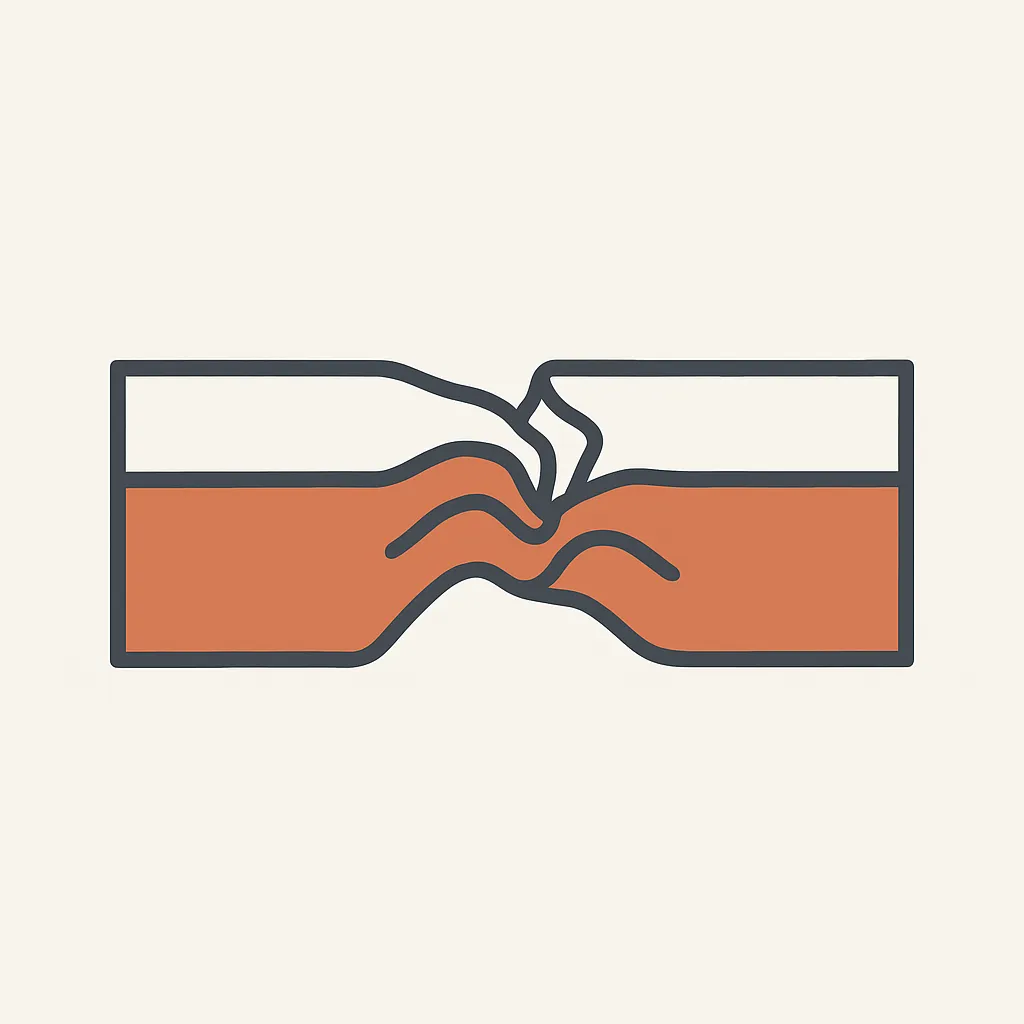
Two continental plates move toward each other after an ocean basin closes. What major feature is most likely to build over millions of years?
Two plates slide horizontally past each other along a boundary. What hazard is most common along that boundary?
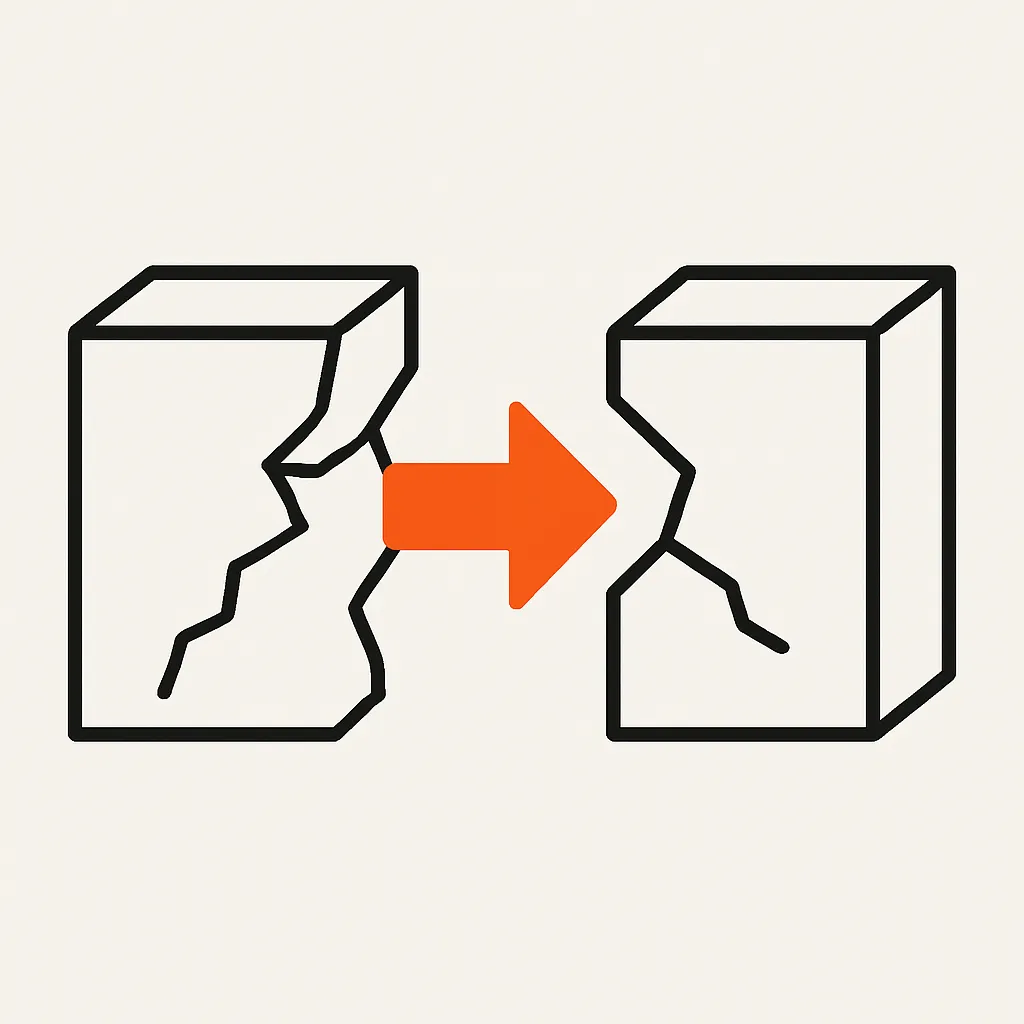
An oceanic plate moves toward another oceanic plate, and the older, denser plate sinks. What feature is likely to form above the sinking plate?
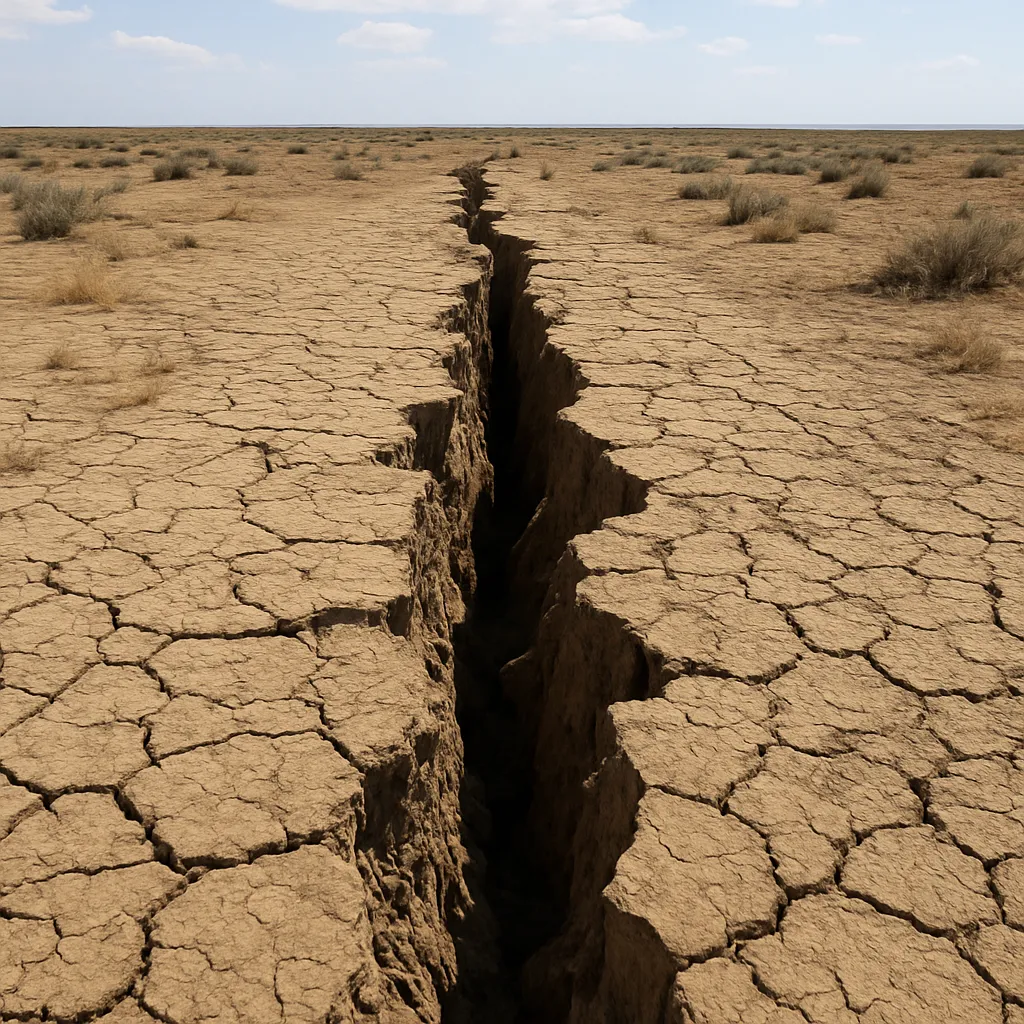
A continent starts splitting as a divergent boundary opens on land. What early landform and hazard are most likely?
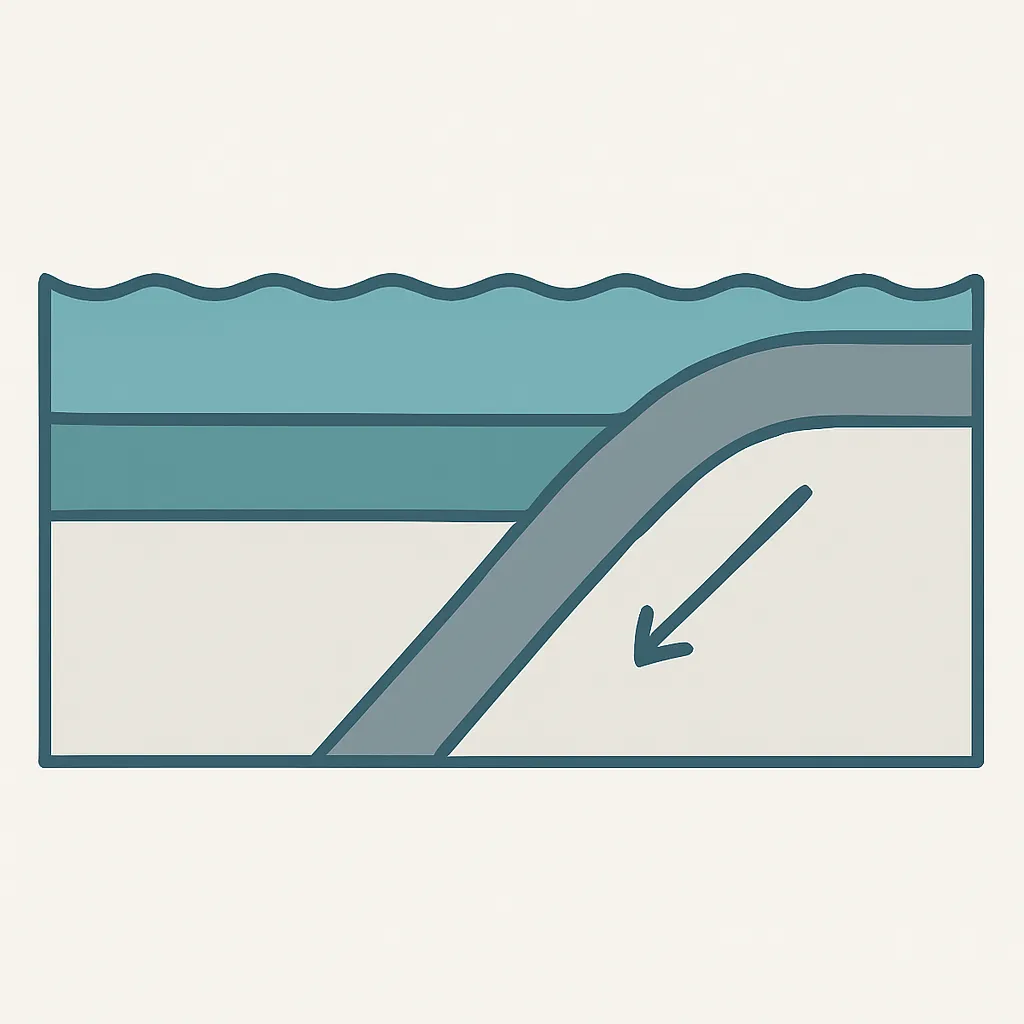
At a subduction zone, one plate bends downward and forms a long, narrow seafloor depression. What is this depression?
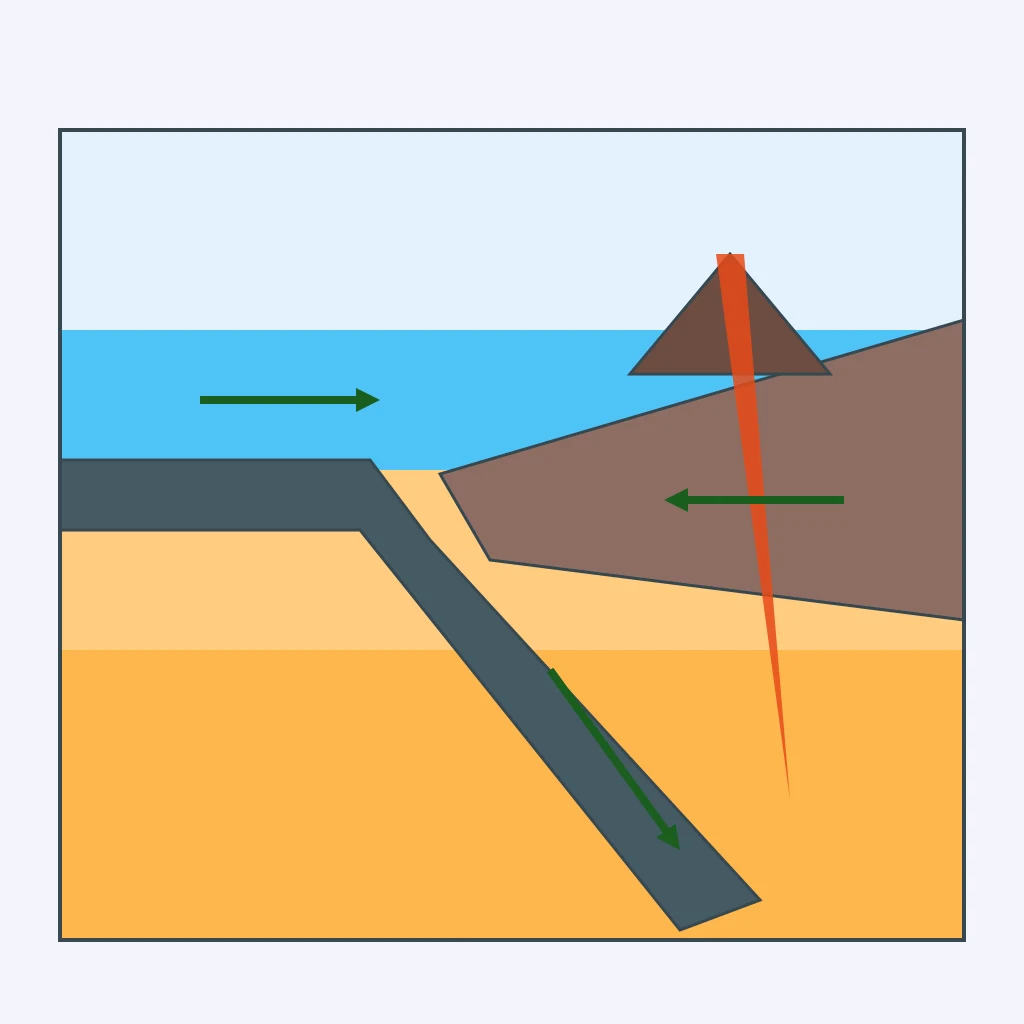
If seafloor spreading continues for millions of years at a divergent boundary, what large feature can grow wider?
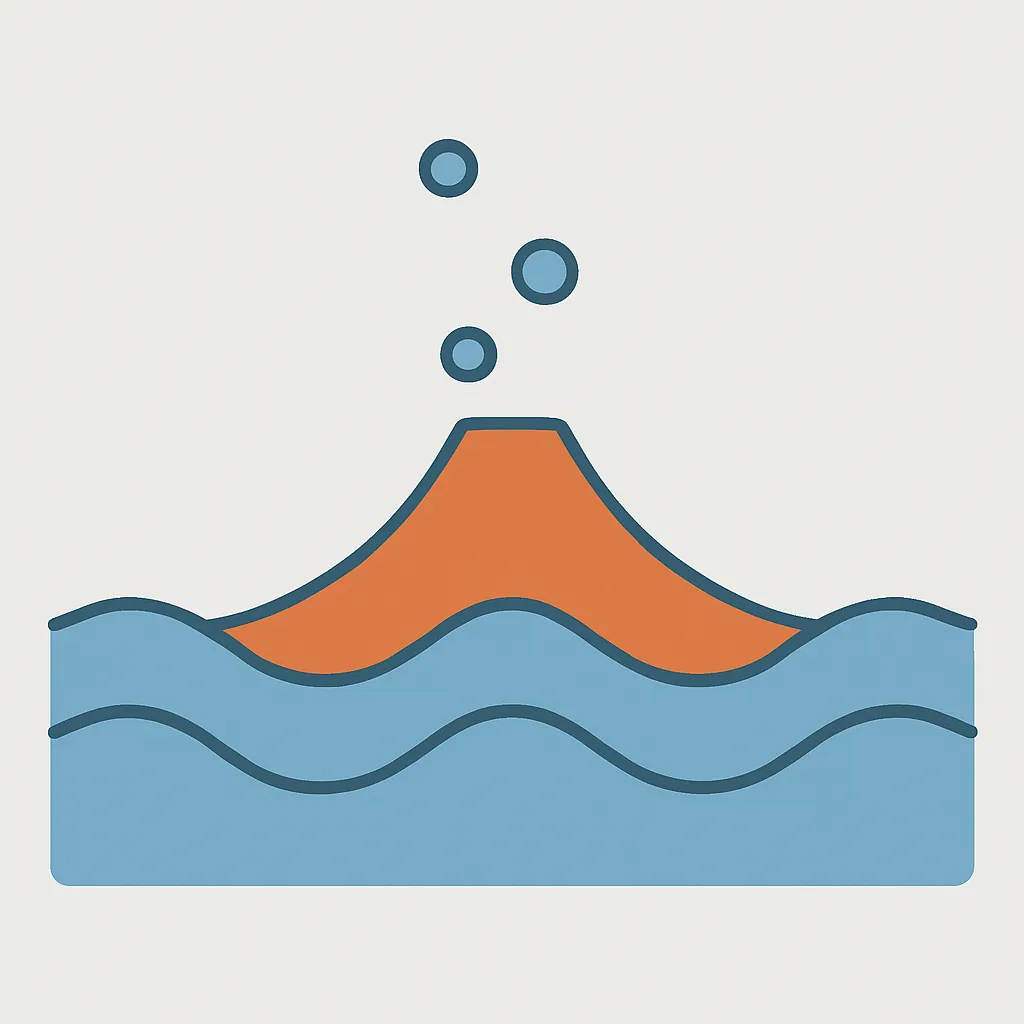
A long underwater mountain chain has shallow earthquakes and new basalt forming along its center. What are the plates doing there?
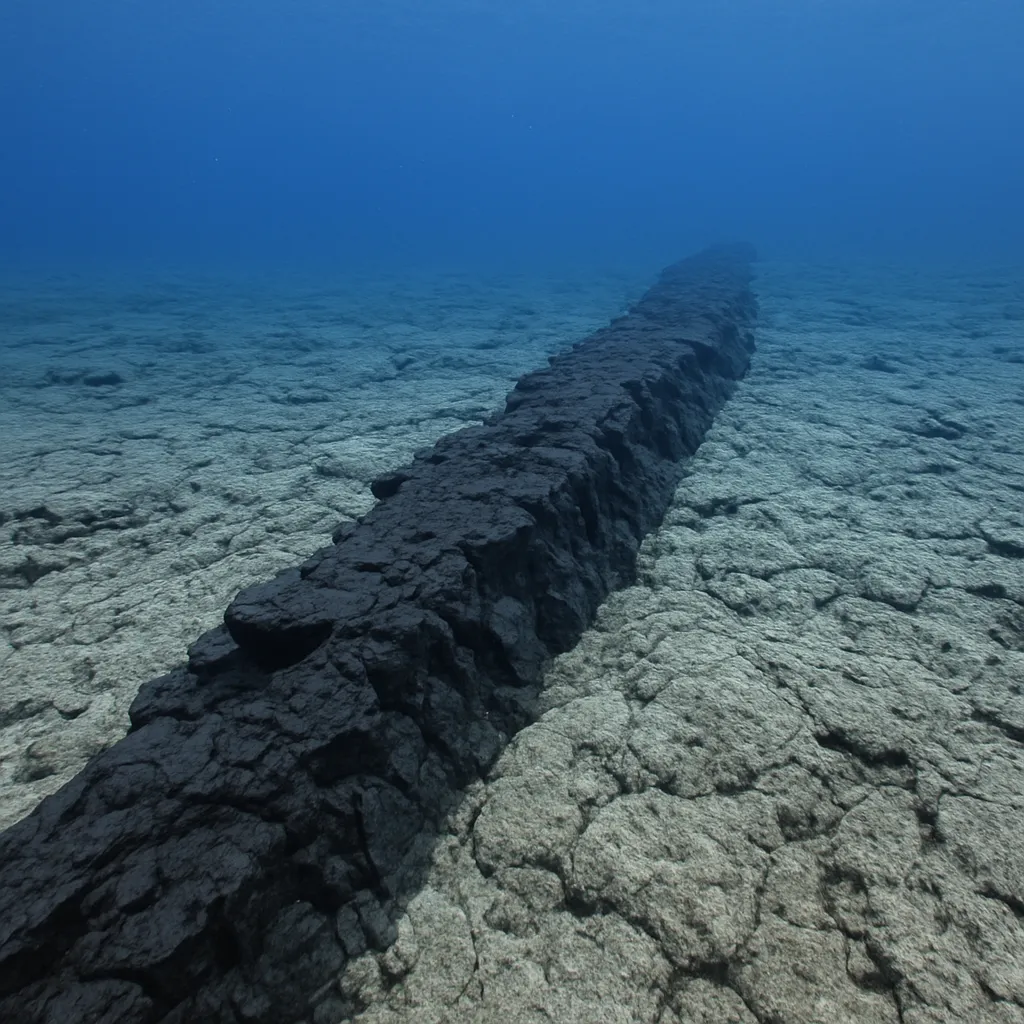
A map shows a deep ocean trench next to a line of explosive volcanoes on a continent. What plate motion best explains this pattern?
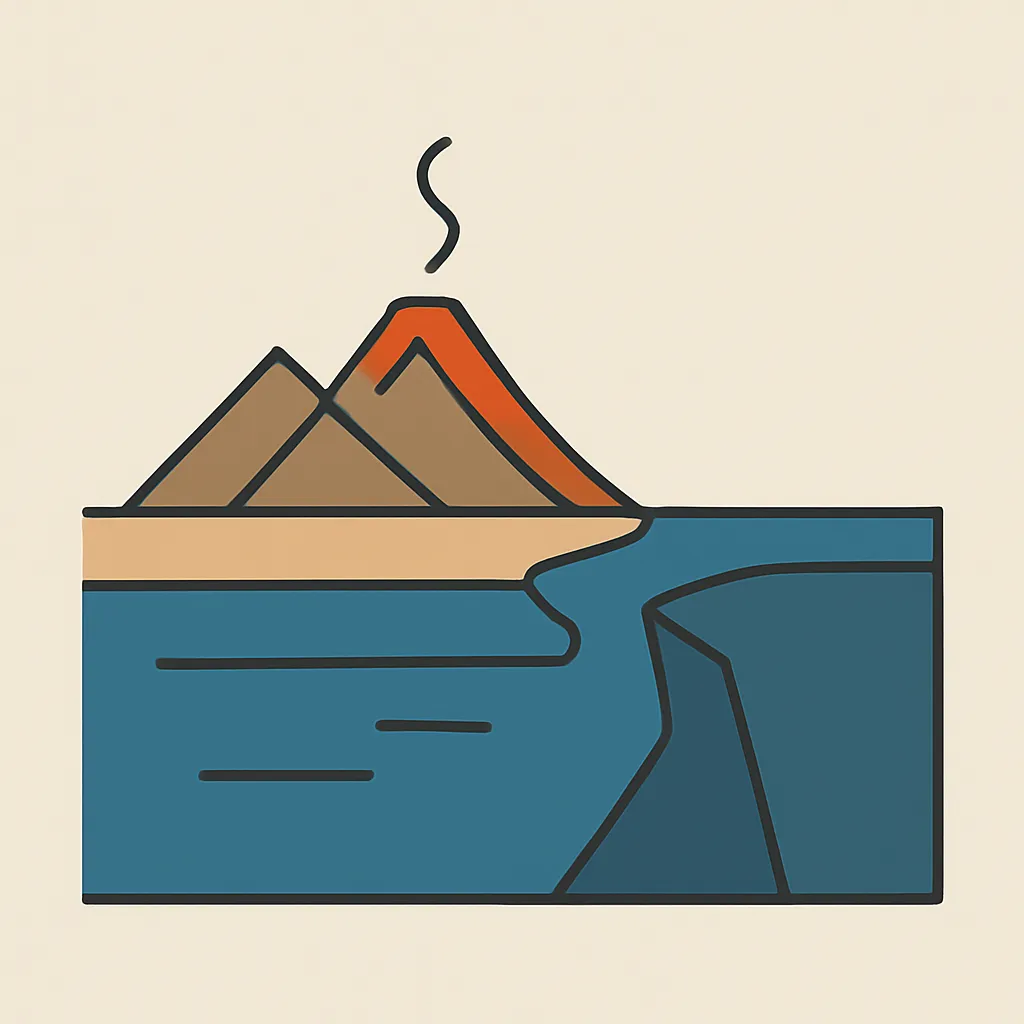
A straight fault cuts across land, with many shallow earthquakes but no chain of volcanoes. What motion is most likely occurring?
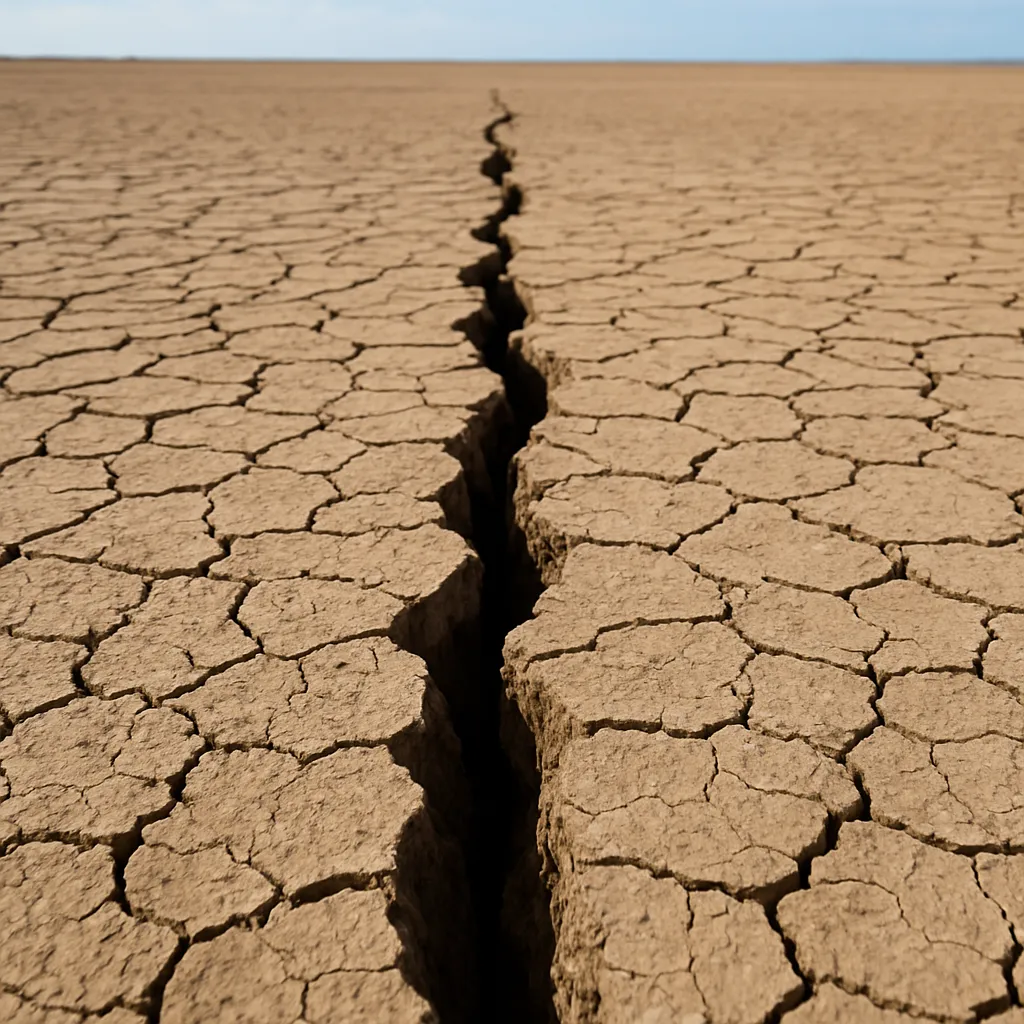
Rock layers in a mountain belt are folded and squeezed, and fossils from old seafloor rocks are high above sea level. What motion likely built the mountains?
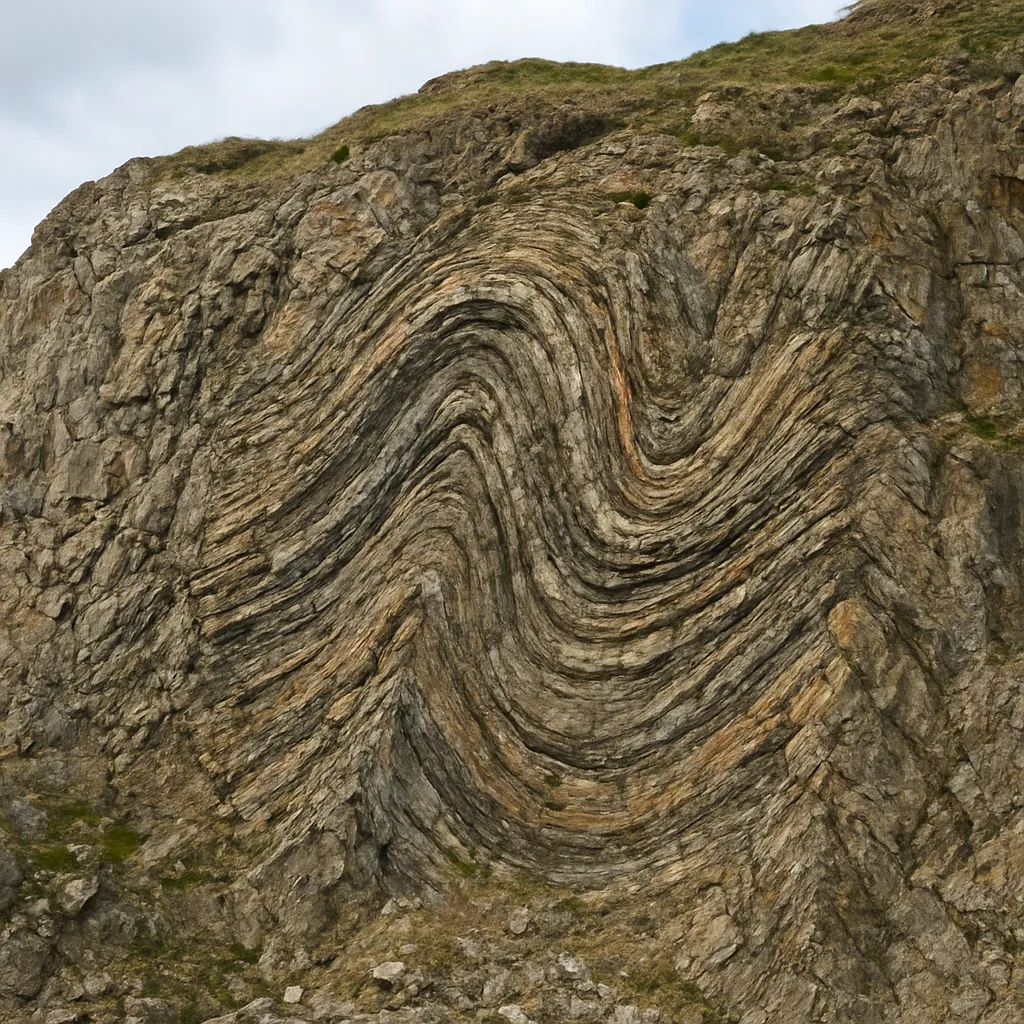
Youngest ocean crust lies at a ridge, and older crust is farther away on both sides. What process does this age pattern show?
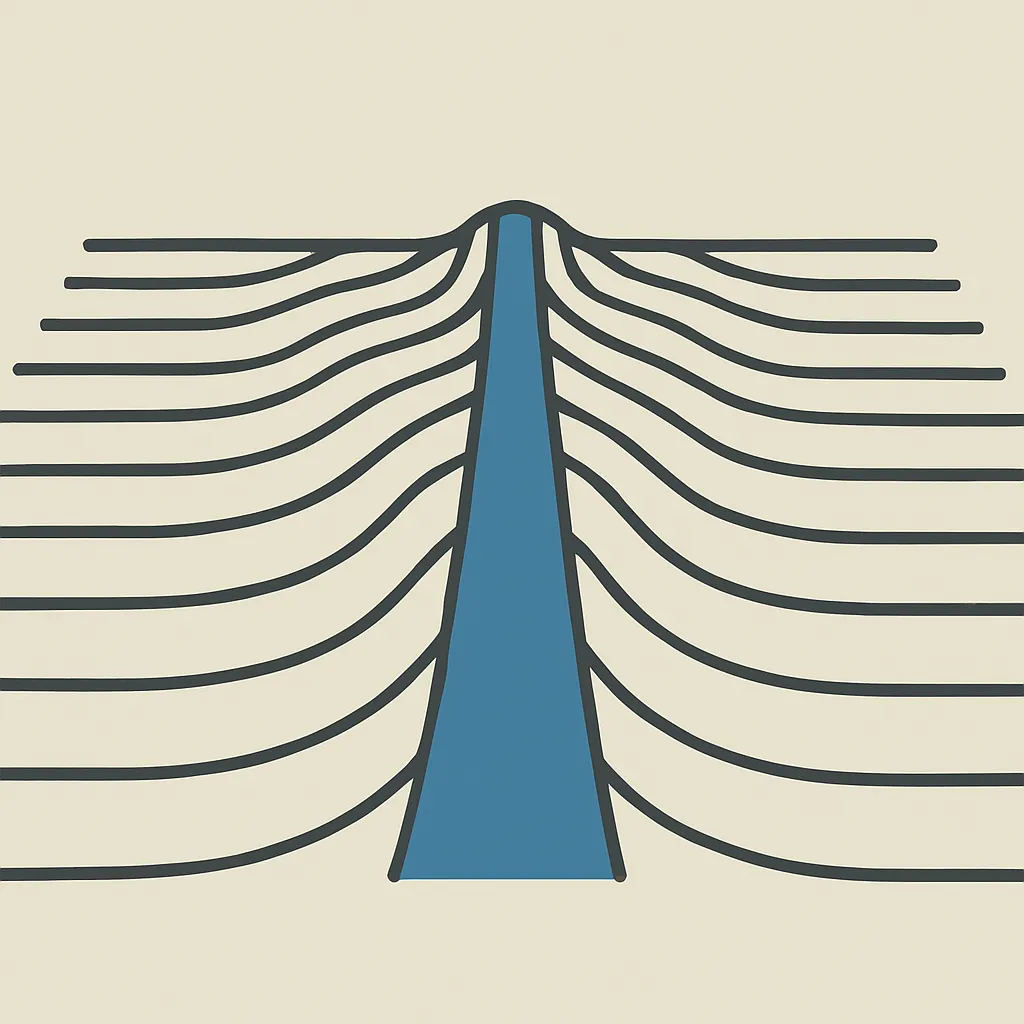
A line of deep earthquakes gets deeper inland beneath a volcanic mountain chain. What plate motion is shown by this dipping earthquake pattern?
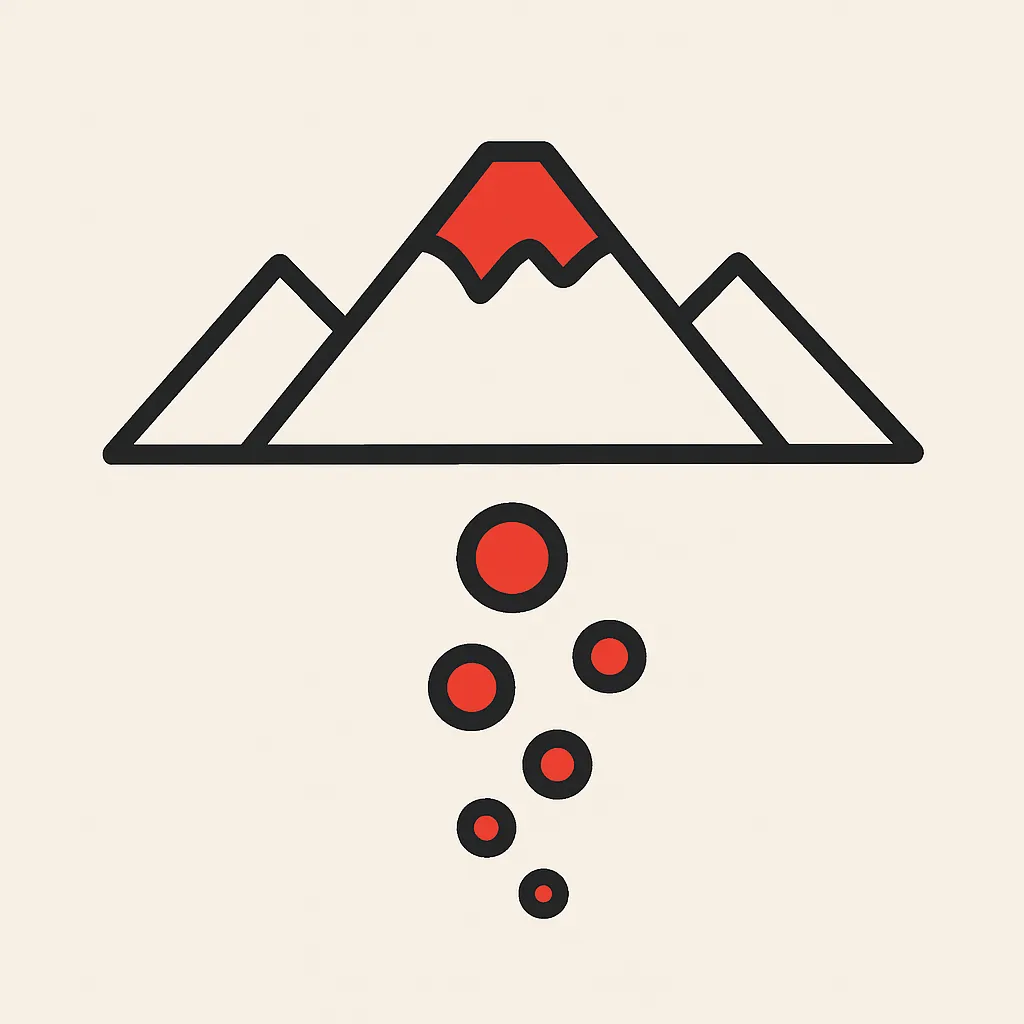
Two plates slide past each other, while two oceanic plates move apart elsewhere. How do their products differ?
How does an ocean-continent convergent boundary differ from a continent-continent collision in what it builds?
A spreading center and a subduction zone both have earthquakes. What difference best compares their crustal changes?
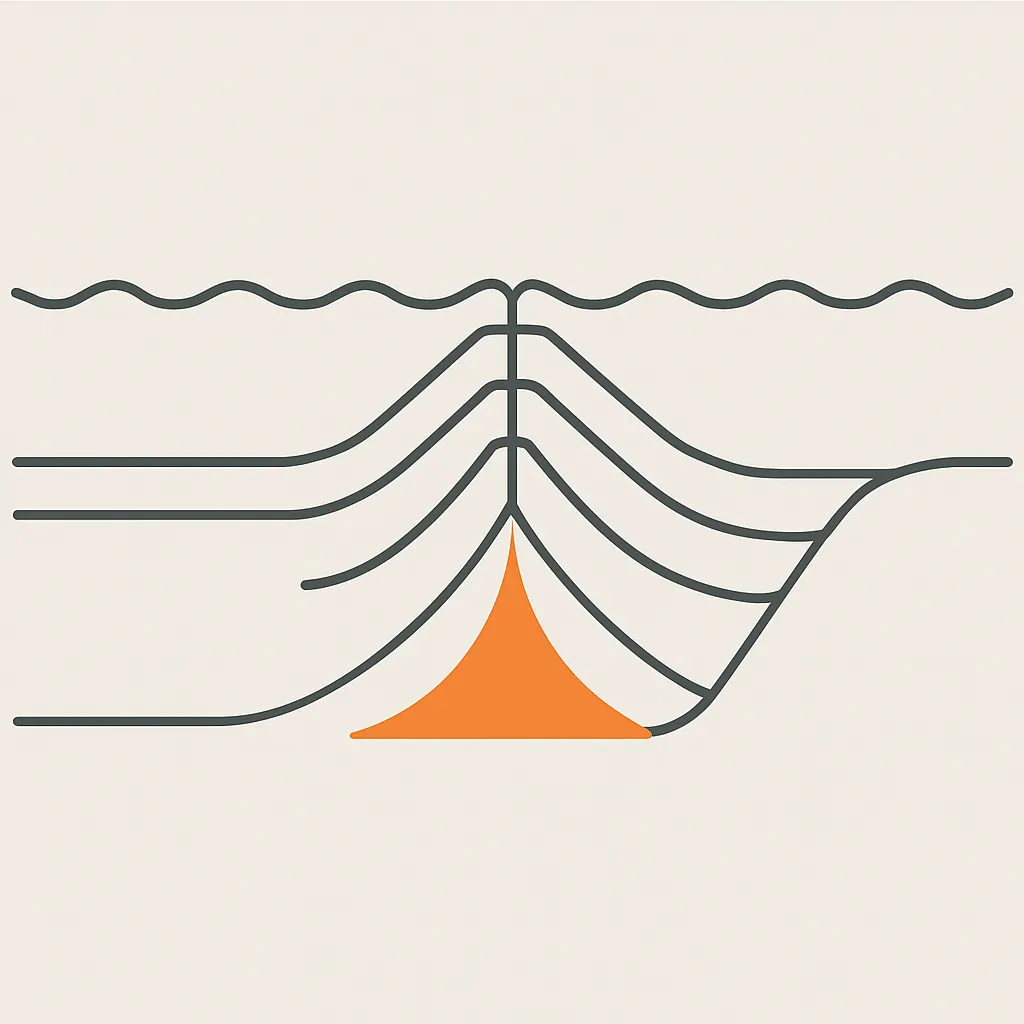
Two oceanic plates converge and build volcanoes, while two continental plates converge elsewhere. Why does the continental collision build few volcanoes?
A rift valley on land and a mid-ocean ridge are both divergent boundaries. What do they have in common?
Compare a transform boundary with a subduction boundary. Which result best fits only subduction?
Crack the passcode before the zombies get in.
Answer, then swat bugs for bonus points.
Race through questions at your own speed.
Same question on every screen. Fastest wins.

Pick a tile, answer, hit bonuses and steals.
Fossils and Earth's History
20 questions