Loading
by BlastRoom
Students explain the goals, leaders, and limits of the early women’s rights movement.
#us_history#us_grade_8_social_studies
20 questions
One question set, multiple game modes. Tap any game to see it in action. Not sure which to pick?
Answer to place stones and capture territory.
Outrun the snow together.
Earn blasts, then hunt the other team.
Answer to earn energy, then climb.

The class blasts through walls together.
Bid on mystery lots. Most money wins.
Sell tours. Nice, standard, or a total scam.

Answer, restock, and serve the rush.
More correct answers pulls the rope your way.
Answer, then shoot down the alien wave.
Answer, then tap to leap the frozen ridge.
At the 1840 World Anti-Slavery Convention in London, women delegates were refused seats as participants. What did Stanton and Mott agree to do afterward?
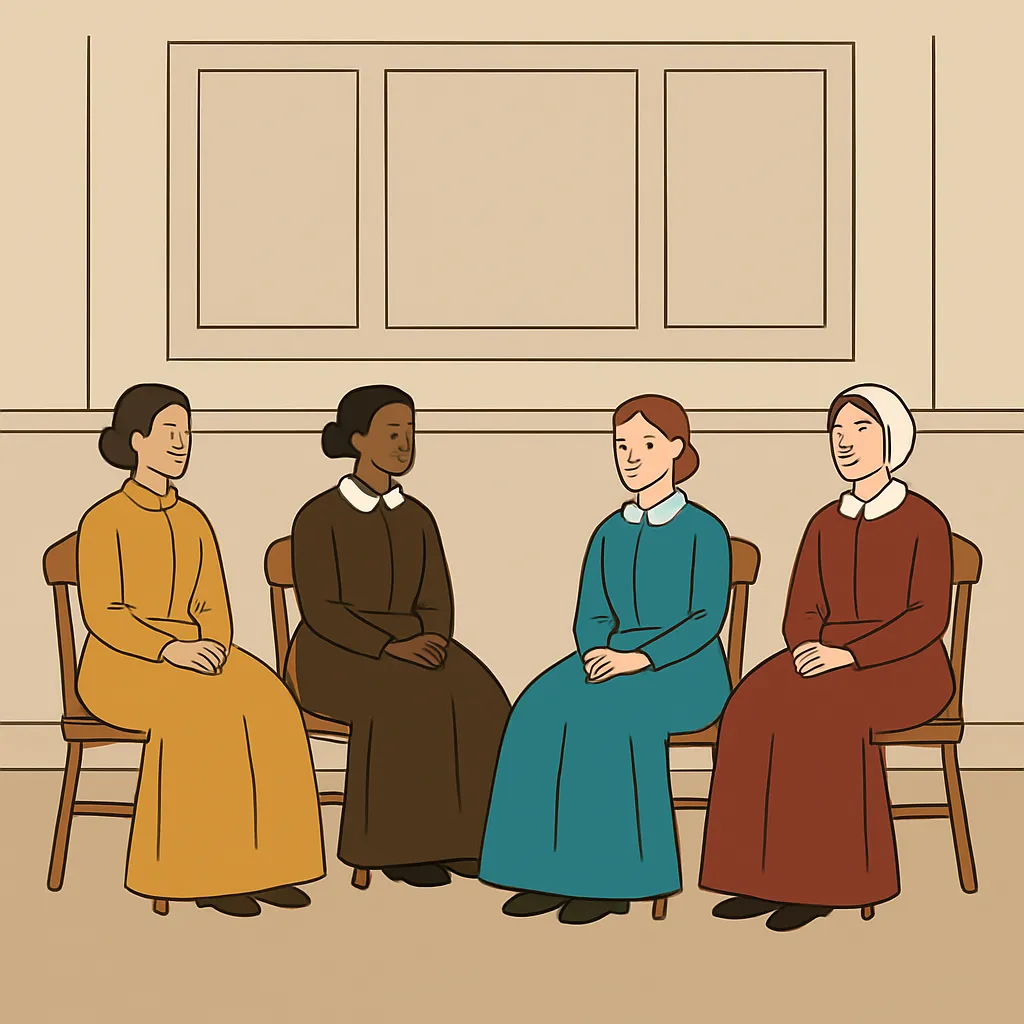
In 1848 Seneca County, abolition and temperance groups already held meetings, petitions, and lectures. How did that setting help women’s rights organizers?
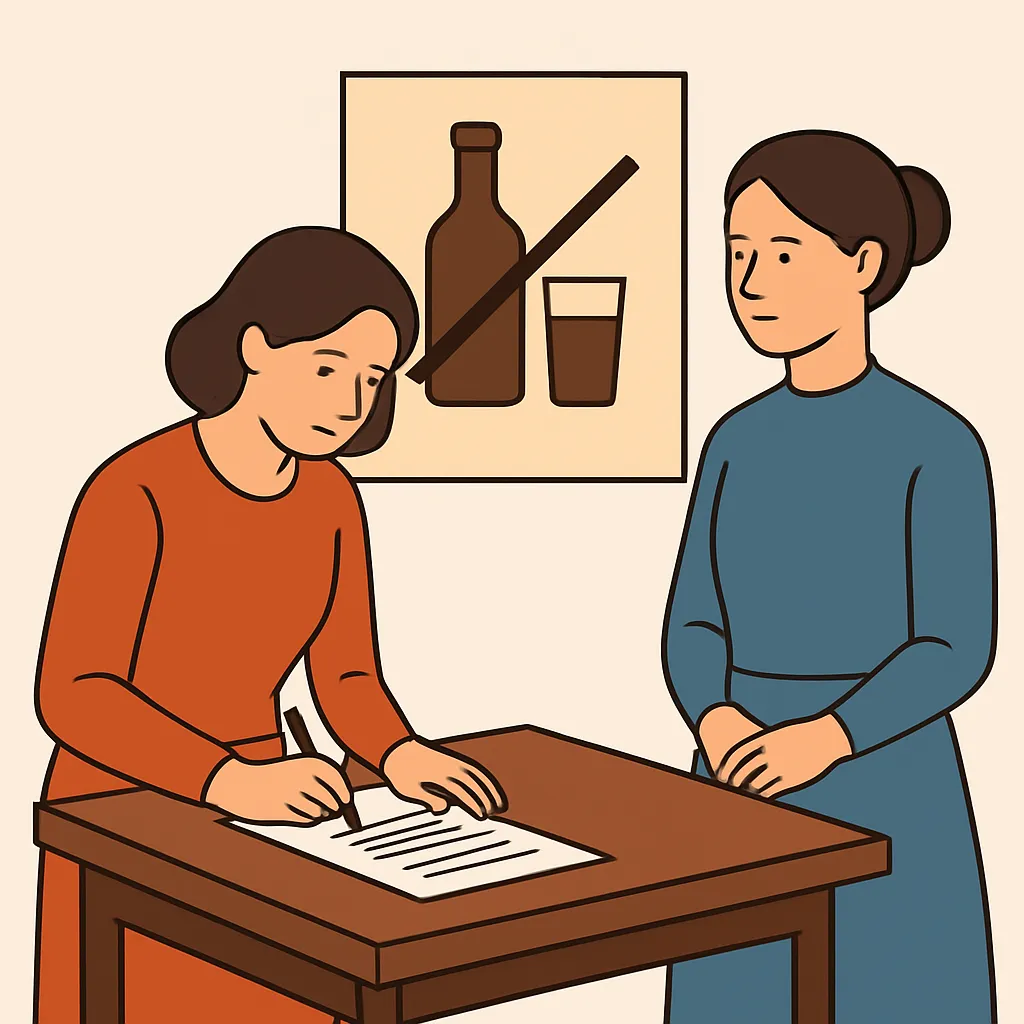
Many Seneca Falls organizers, such as Lucretia Mott and Mary Ann M’Clintock, had learned to run meetings and petition drives in another reform. Which movement most directly prepared them?
Progressive Quakers near Seneca Falls taught equality and supported social reform. What did their network help make possible in July 1848?
The Declaration of Sentiments complained that a married woman was “civilly dead” in the eyes of the law. What did this mean?
A formerly enslaved abolitionist and newspaper editor attended Seneca Falls and spoke in favor of the resolution for women’s voting rights. Who was he?
The 1848 Declaration of Sentiments came from an organizer’s outline and introduced a demand for votes for women. What leader is most closely tied to that role?
A Quaker minister and abolitionist met Stanton in London in 1840, then helped organize Seneca Falls in 1848. Who was she?
At the 1851 women’s rights convention in Akron, Ohio, a formerly enslaved abolitionist gave a famous speech on Black women’s rights. Who was the speaker?
An antislavery lecturer organized the 1850 Worcester national women’s rights convention, and her 1852 Syracuse speech helped convince Susan B. Anthony. Who was she?
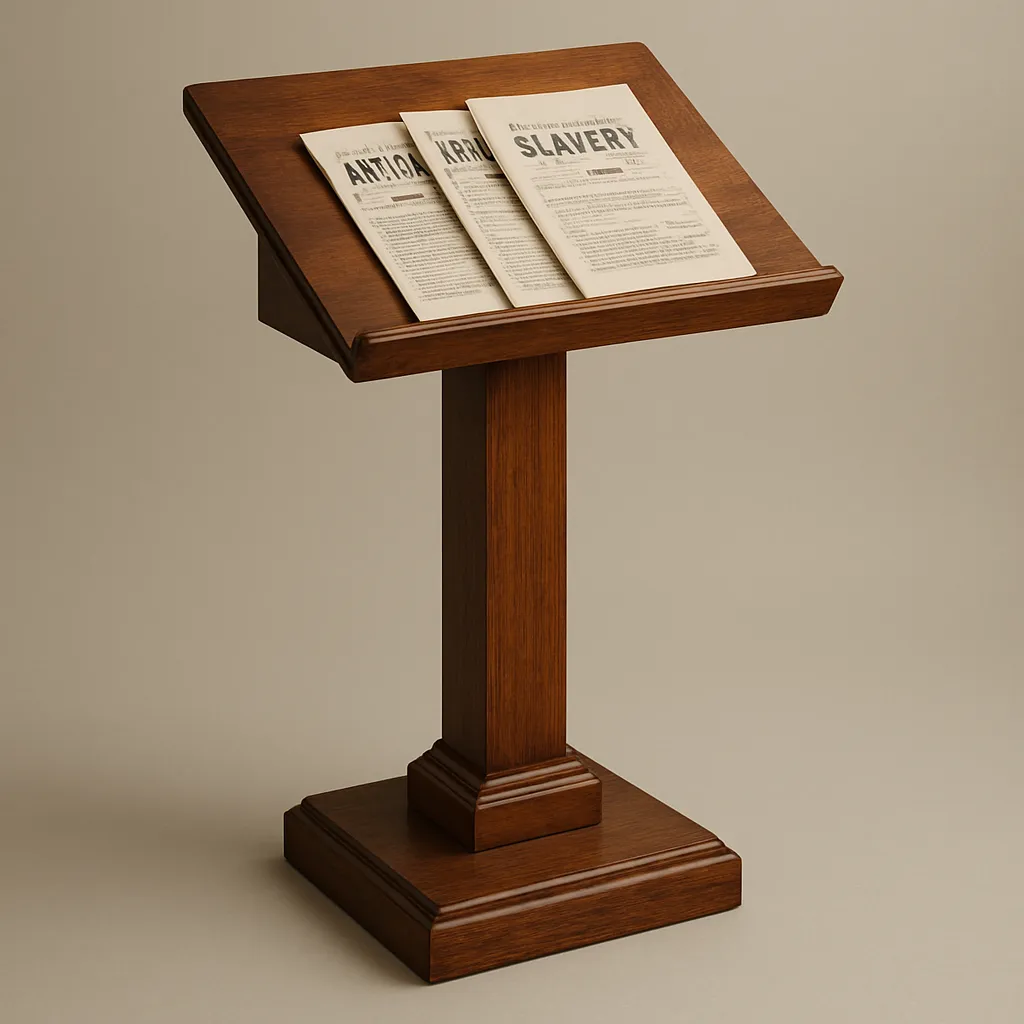
What was the July 19-20, 1848 meeting at the Wesleyan Chapel in Seneca Falls called?
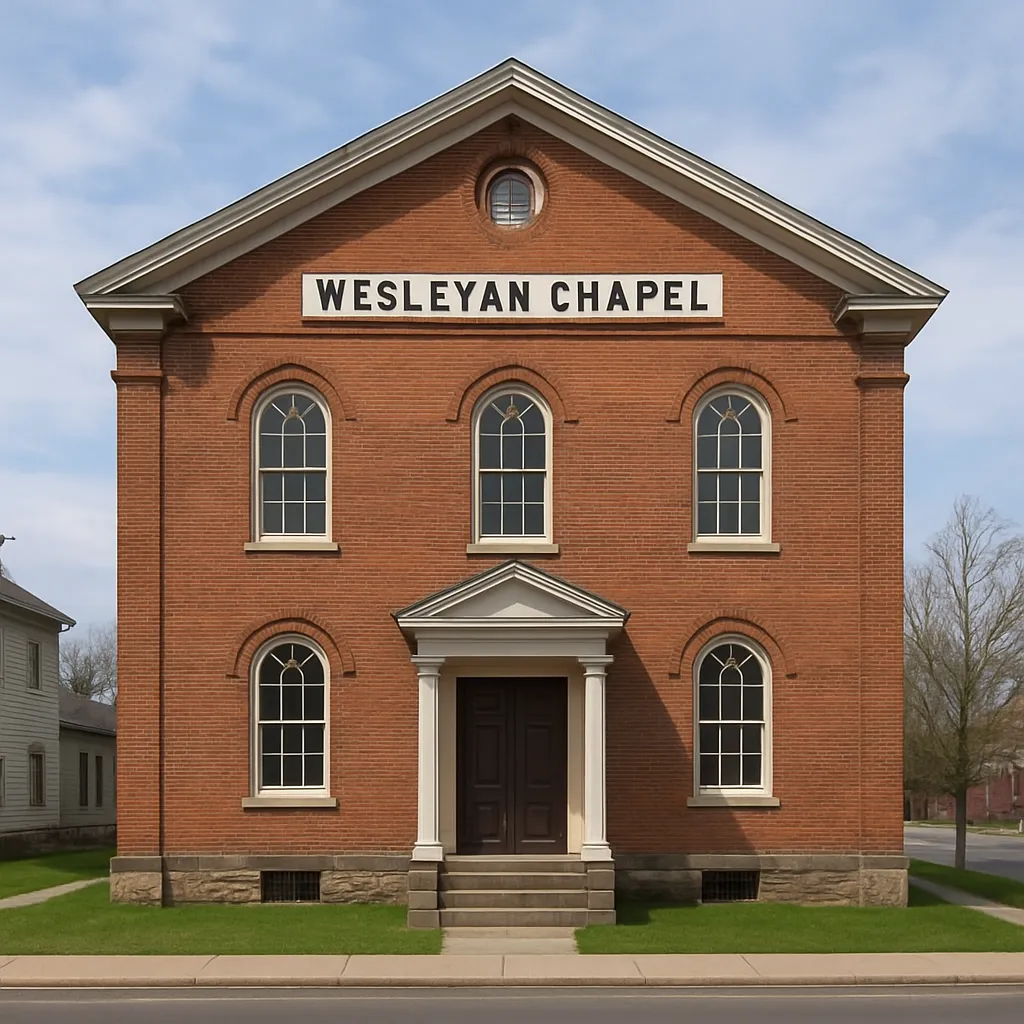
A Seneca Falls statement modeled on the Declaration of Independence listed grievances and demanded women’s rights, including suffrage. What was the document called?
The Seneca Falls statement declared that “all men and women are created equal.” What founding document did this wording echo?
At Seneca Falls, one resolution was the only one that did not pass unanimously, and some supporters feared it would make the movement look ridiculous. What did it demand?
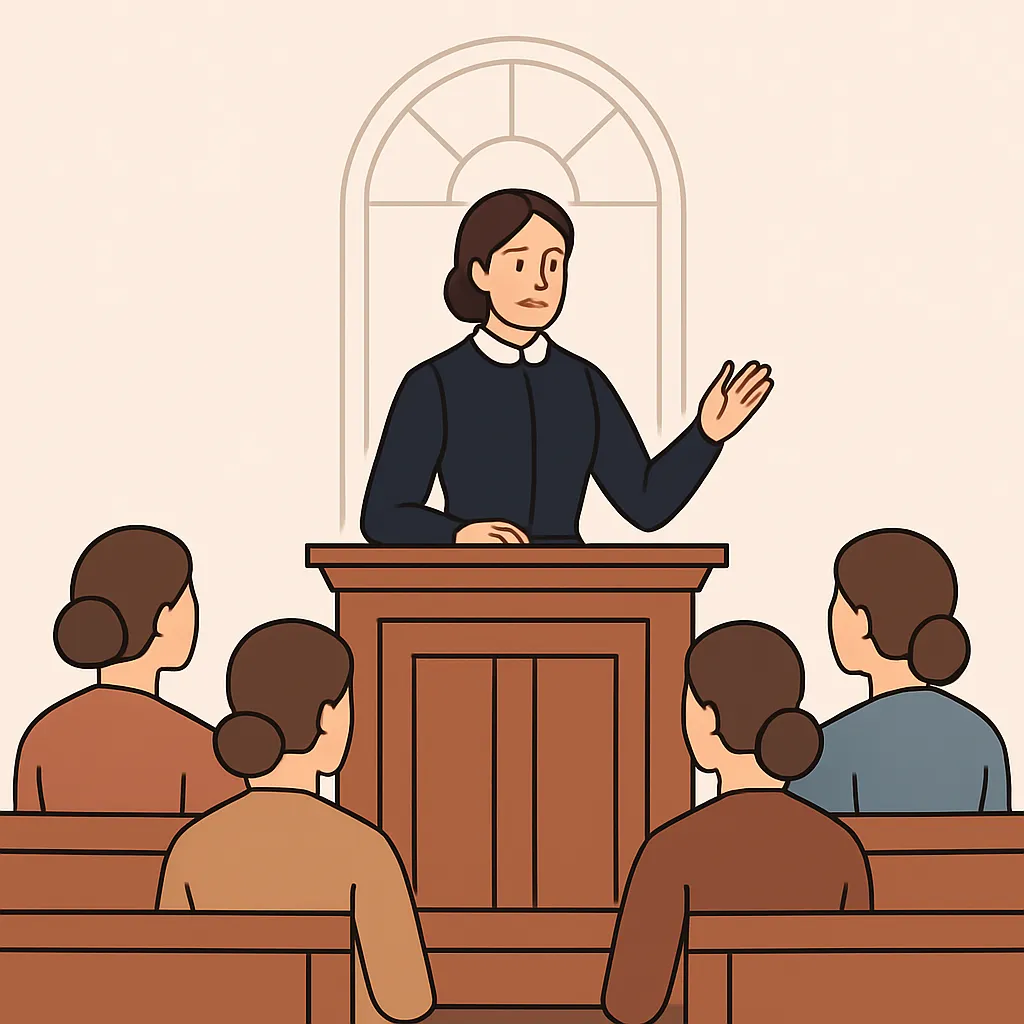
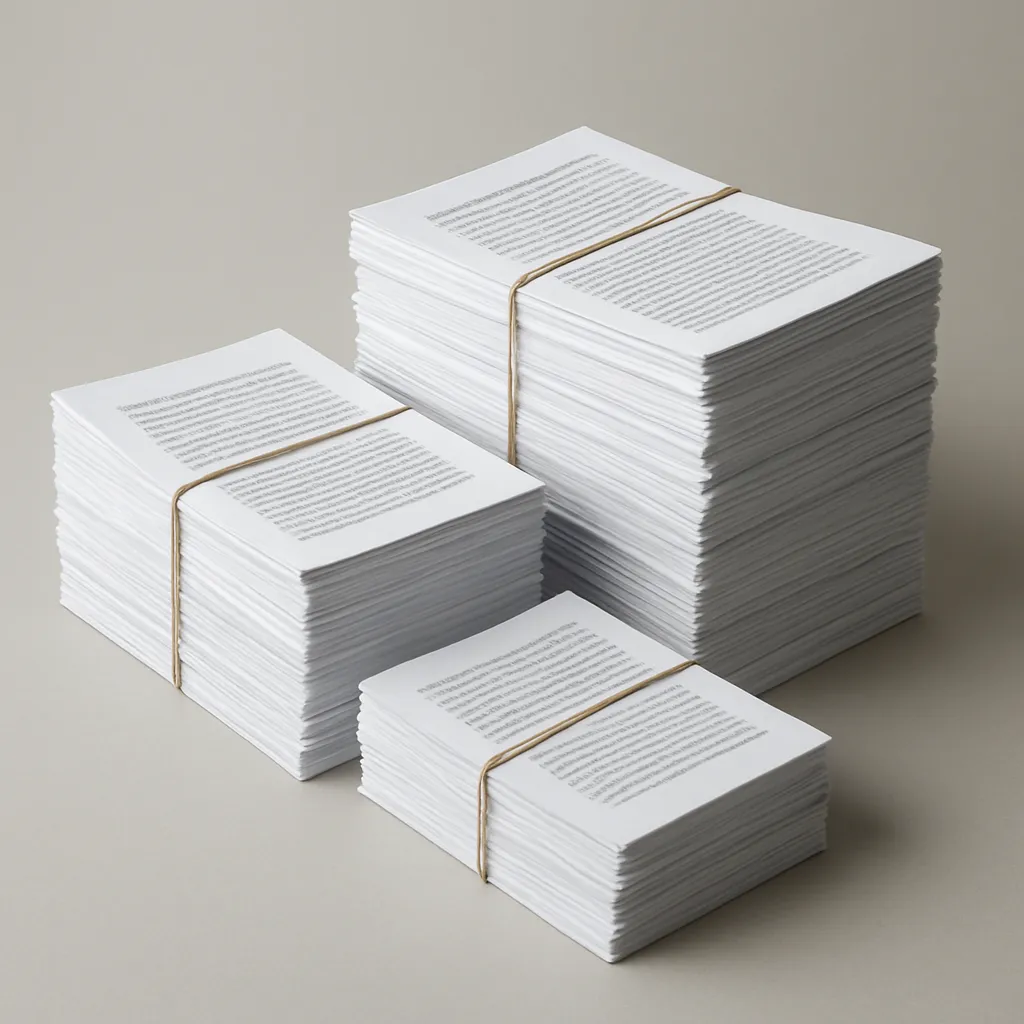
By 1860, women’s rights conventions called for paid agents, printed tracts, petitions to lawmakers, and newspaper support. What kind of strategy was this?
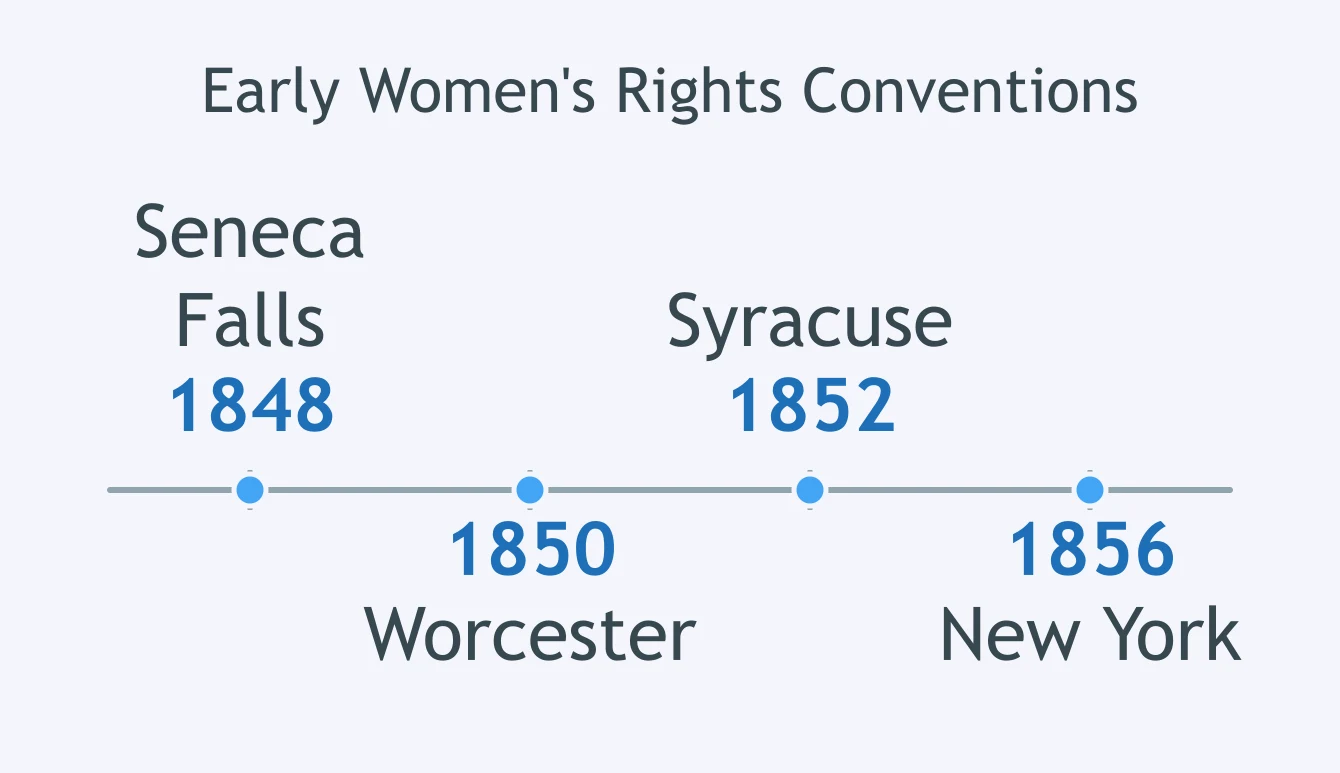
Use the timeline of early women’s rights conventions. What pattern does the 1850s show?
By 1856, reformers celebrated property-law gains in nine northern and midwestern states. What major limit still remained for most women?
New York’s 1860 property-law reforms for women were partly repealed by 1862. What does that outcome show about early legal gains?
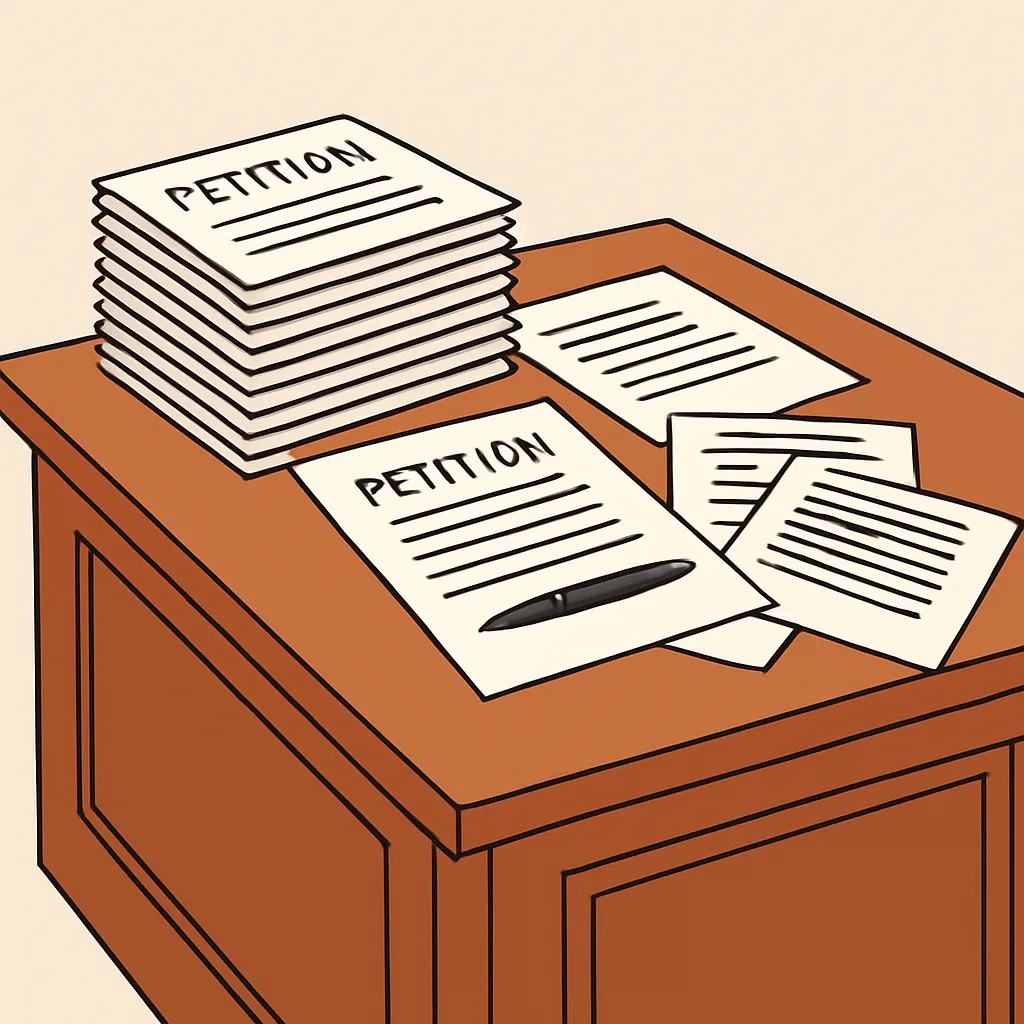
During the Civil War, Stanton and Anthony formed the Women’s Loyal National League in 1863. What cause did it petition Congress to support?
Before the Civil War, women’s rights activists held conventions and circulated petitions, but full woman suffrage came decades later. What best describes the movement’s outcome?

Crack the passcode before the zombies get in.
Answer, then swat bugs for bonus points.
Race through questions at your own speed.
Same question on every screen. Fastest wins.

Pick a tile, answer, hit bonuses and steals.
The Second Great Awakening
20 questions