Loading
by BlastRoom
A review of antebellum temperance, common school, prison, and asylum reform goals and leaders.
#us_history#us_grade_8_social_studies

20 questions
One question set, multiple game modes. Tap any game to see it in action. Not sure which to pick?
Answer to place stones and capture territory.
Outrun the snow together.
Earn blasts, then hunt the other team.
Answer to earn energy, then climb.

The class blasts through walls together.
Bid on mystery lots. Most money wins.
Sell tours. Nice, standard, or a total scam.

Answer, restock, and serve the rush.
More correct answers pulls the rope your way.
Answer, then shoot down the alien wave.
Answer, then tap to leap the frozen ridge.
Reformers warned that alcohol abuse harmed families, workplaces, and public order, so they urged Americans to stop drinking. Which antebellum movement is described?
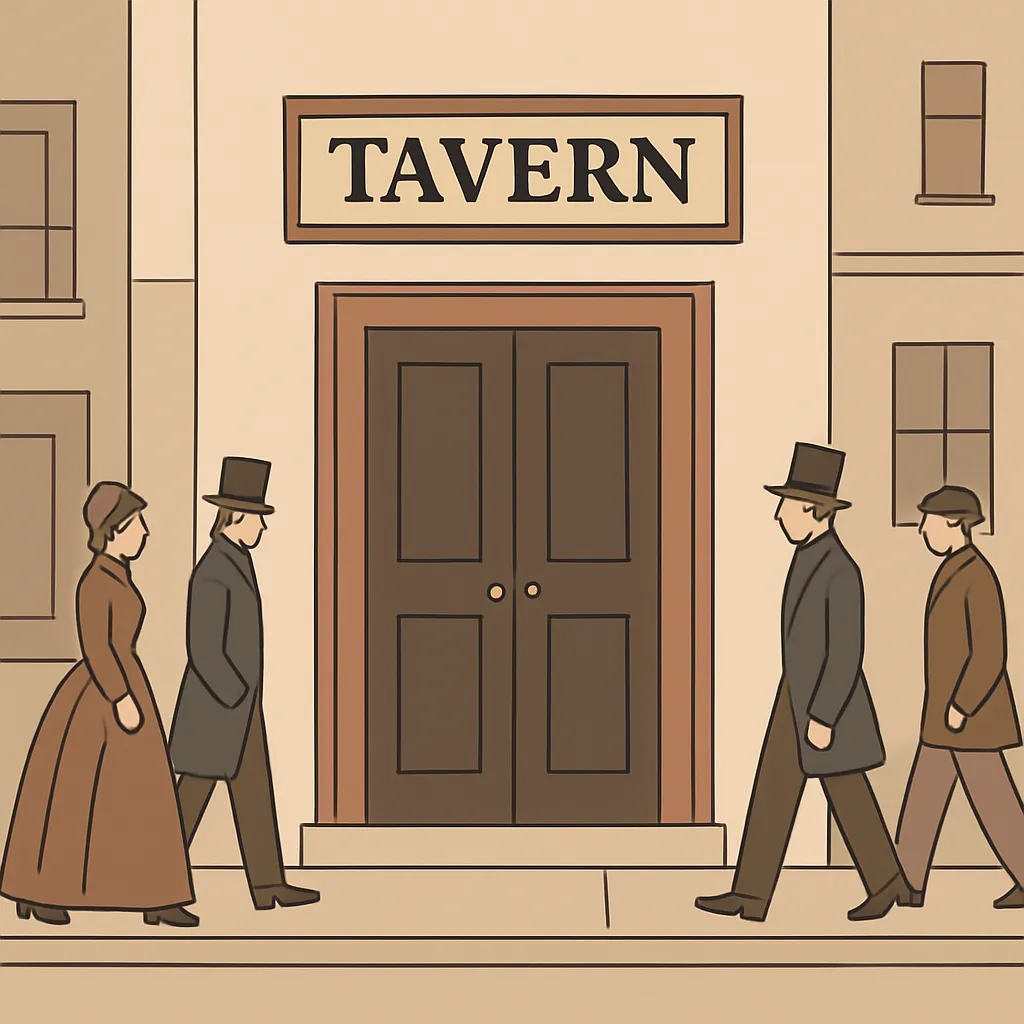
Advocates wanted free, tax-supported elementary education with trained teachers so children from many backgrounds could become good citizens. Which reform movement pursued this goal?

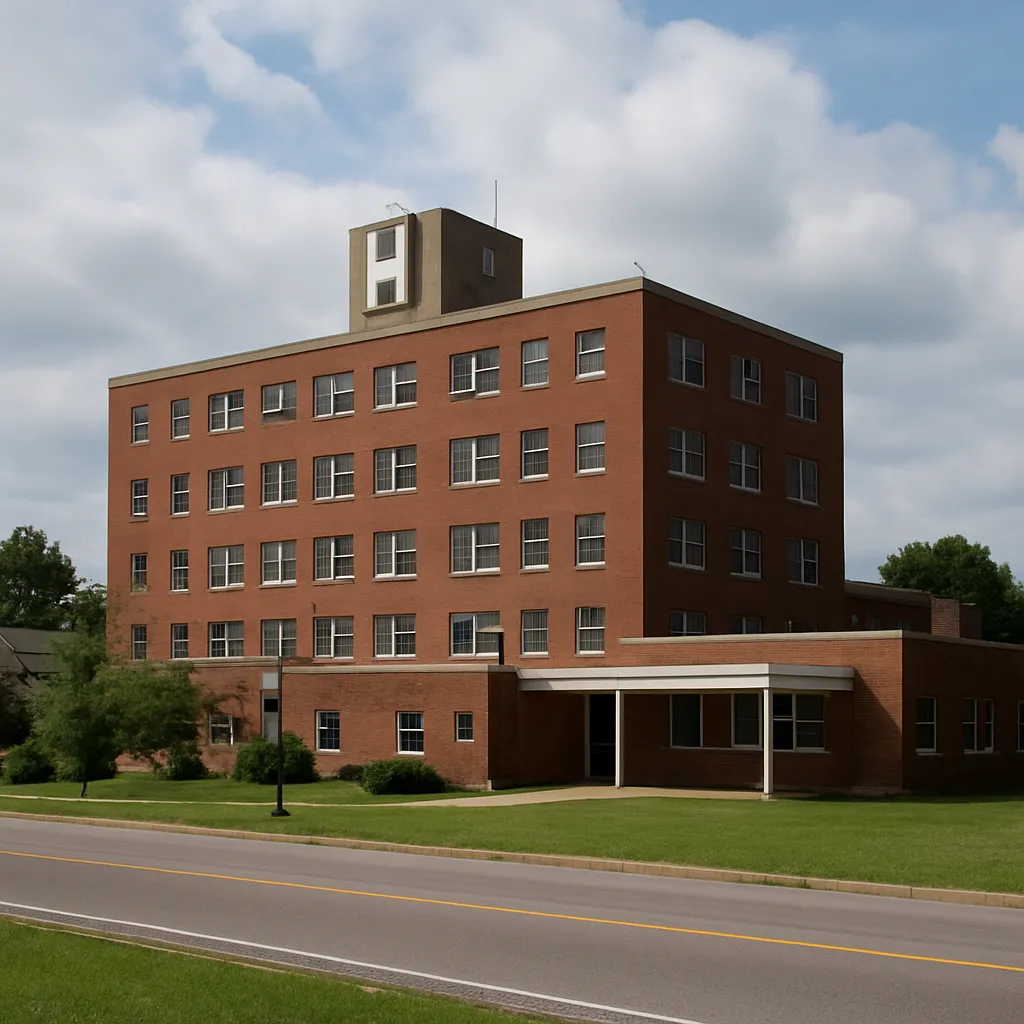
A petition asks lawmakers to move people with mental illness from jails and poorhouses into humane hospitals. Which antebellum reform movement is described?
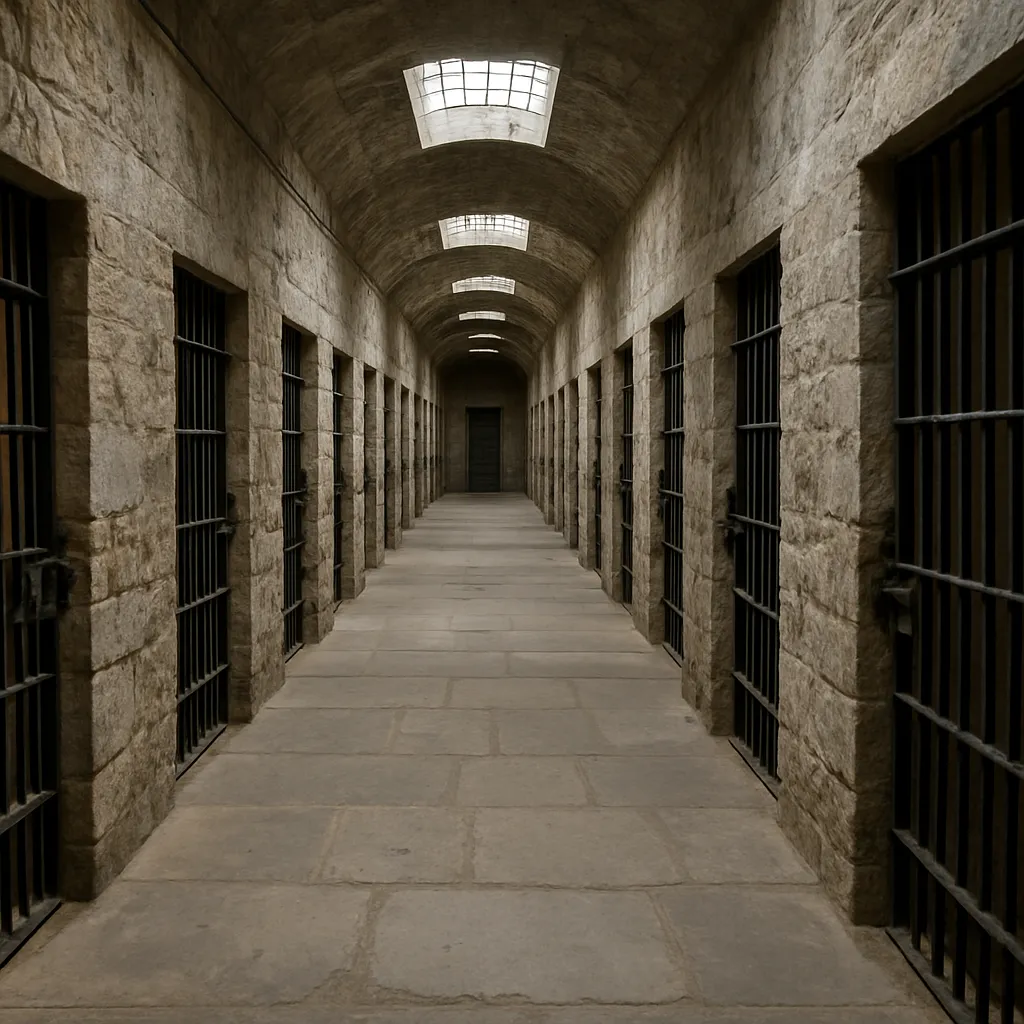
Reformers argued that penitentiaries should change inmates' behavior through order, work, and religious instruction, not only punish them. Which movement aimed at this goal?
Societies collected pledges from members who promised total abstinence from alcoholic drinks. Which reform movement used this strategy?

A Massachusetts official wrote annual reports and gave speeches promoting free public schools and trained teachers. Which reform leader is described?

A teacher visited Massachusetts jails and almshouses, documented abuses, and urged lawmakers to fund hospitals for mentally ill people. Which leader is described?

A Portland mayor helped pass Maine's 1851 law banning the manufacture and sale of liquor. Which temperance leader is described?
A minister helped found the American Temperance Society and wrote Six Sermons on the Nature, Occasions, Signs, Evils, and Remedy of Intemperance. Which leader is described?
An educator founded Hartford Female Seminary and argued that women should be trained as teachers. Which education reformer is described?

Factory towns had children with little schooling and untrained teachers in poor classrooms. Which reform solution best addressed this problem?

In 1840, six men who drank together at a Baltimore tavern pledged to quit and started a society where reformed drinkers told their own stories to help others stop. What was it called?
Dorothea Dix asked Congress to help states pay for hospitals for mentally ill people, but President Franklin Pierce vetoed her bill in 1854. What did the bill offer?

One prison plan of the 1820s kept each prisoner alone in a cell day and night to reflect and repent. A rival plan had prisoners work together in silence by day. What was the first plan called?
Rural districts lacked enough prepared teachers for growing public schools. Which reform solution was designed to train teachers?

As free public schools spread, Massachusetts passed a new kind of school law in 1852, the first of its kind in the nation. What did the law do?

Maine's 1851 law banning most liquor manufacture and sales marked a shift in temperance strategy. What was that shift?

Dorothea Dix investigated how states treated mentally ill people and reported her findings to lawmakers. What lasting result did her work help produce by the 1850s?
Temperance campaigns grew stronger in the 1830s and 1840s. What happened to the amount of alcohol the average American drank between 1830 and 1845?

Horace Mann's Massachusetts school reforms became a model for other states. Which change spread across the North by the 1850s?

Crack the passcode before the zombies get in.
Answer, then swat bugs for bonus points.
Race through questions at your own speed.
Same question on every screen. Fastest wins.

Pick a tile, answer, hit bonuses and steals.

American Arts and Letters in the 1800s
20 questions