Loading
by BlastRoom
Explore how early nineteenth-century revivals encouraged antebellum reform movements.
#us_history#us_grade_8_social_studies
20 questions
One question set, multiple game modes. Tap any game to see it in action. Not sure which to pick?
Answer to place stones and capture territory.
Outrun the snow together.
Earn blasts, then hunt the other team.
Answer to earn energy, then climb.

The class blasts through walls together.
Bid on mystery lots. Most money wins.
Sell tours. Nice, standard, or a total scam.

Answer, restock, and serve the rush.
More correct answers pulls the rope your way.
Answer, then shoot down the alien wave.
Answer, then tap to leap the frozen ridge.
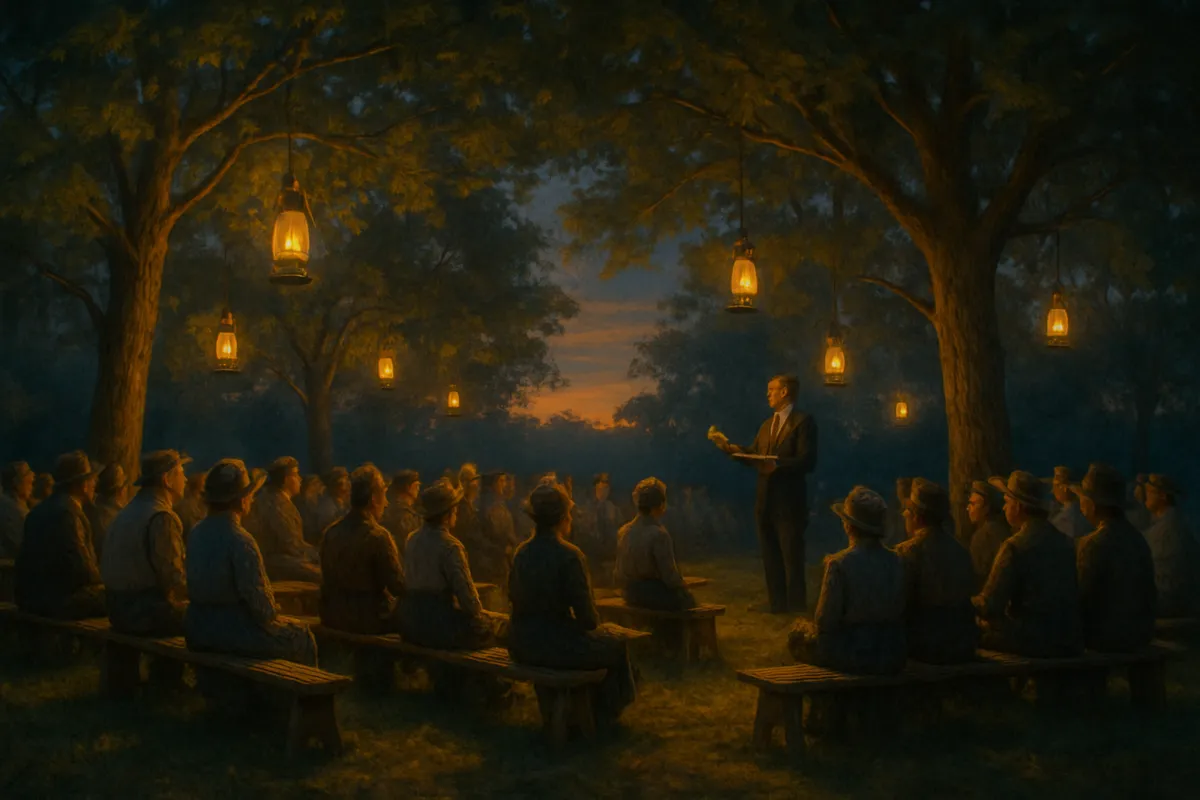
Large outdoor meetings used emotional preaching, hymns, and public conversion to bring people into churches in the early 1800s. Which movement is shown?
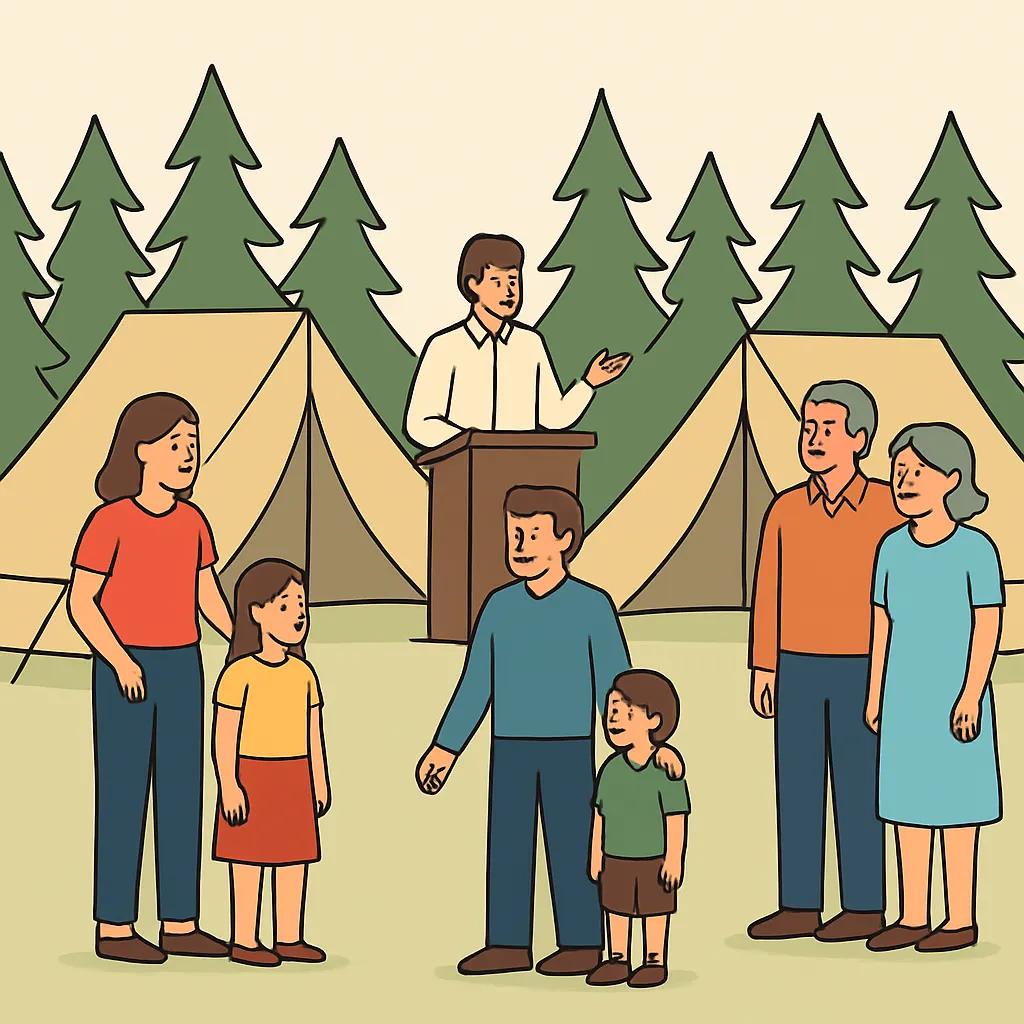
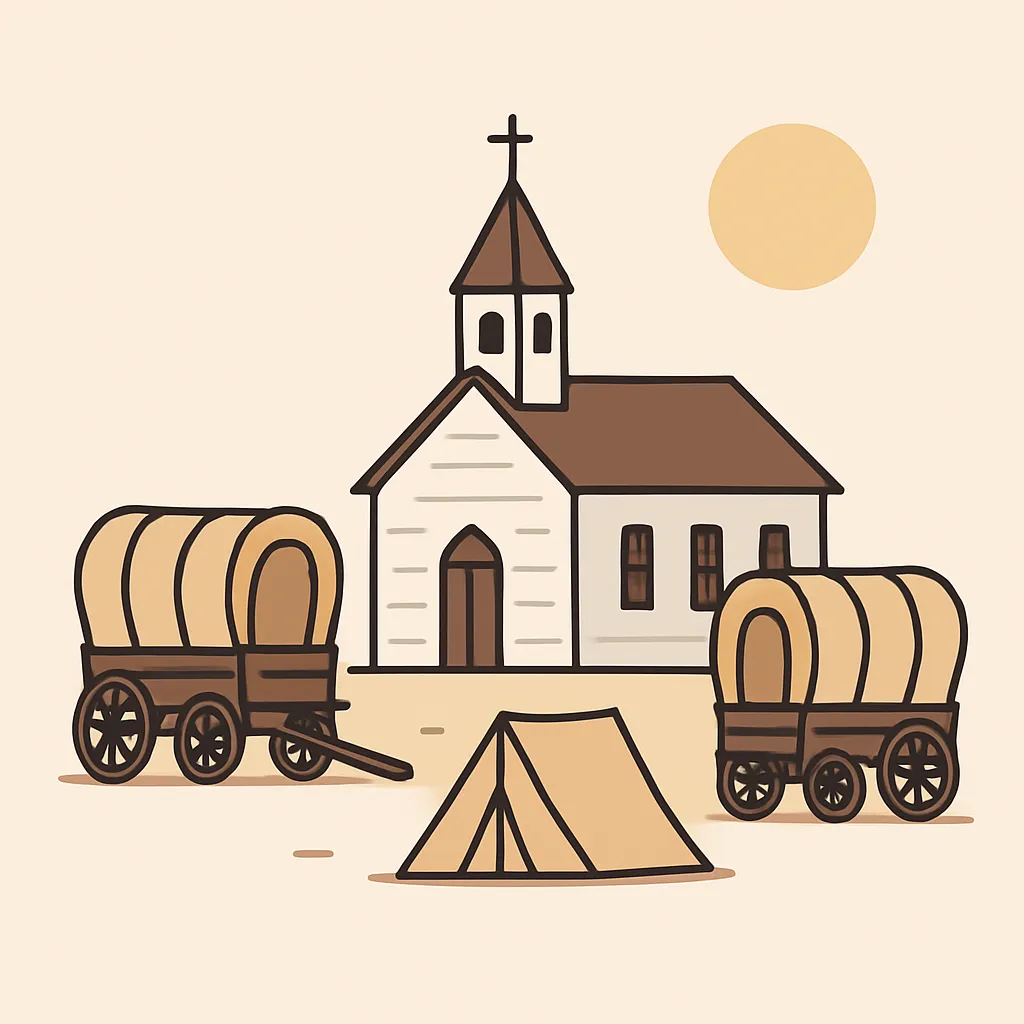
On the Kentucky frontier, families stayed in tents and wagons for several days while different Protestant preachers addressed crowds outdoors. What revival practice was this?
Revival preachers told listeners that every person could decide to repent and accept salvation. Which belief is described?
Finney's revivals used anxious meetings, protracted meetings, and an anxious seat to press listeners toward conversion. What were these practices called?
After 1815, evangelical Protestants founded missions, Sunday schools, and groups that printed Bibles and religious pamphlets, all run by members and their donations. Which feature of revival culture grew?

Revival preachers taught that people could choose salvation and that converts should do good in the world. What effect did this belief encourage?
A convert heard that faith should produce moral action, then joined neighbors opposing alcohol abuse. Which reform did that belief support?
Revival believers argued that slavery was a public sin, not only a political issue. Which reform action matched that idea?
Because revivalists stressed each person's responsibility before God, many reformers tried to change behavior by appealing to conscience. What was this method called?
Women who prayed, testified, and organized in revival churches gained skills they later used in which antebellum activity?
A preacher held powerful revivals in western and central New York, later called the Burned-Over District. Which leader fits this clue?
Use the timeline. Which event belongs at the blank for 1801?
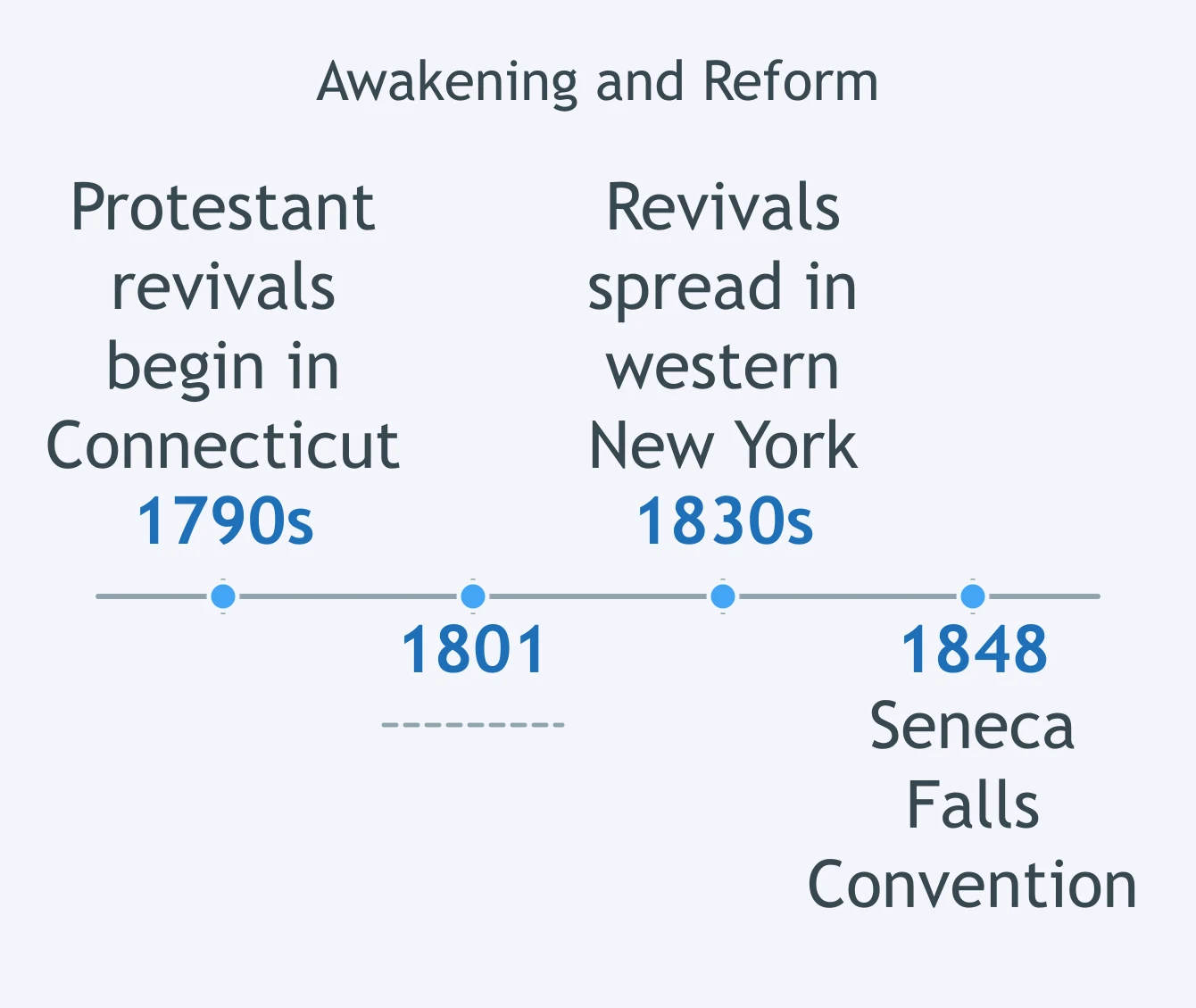
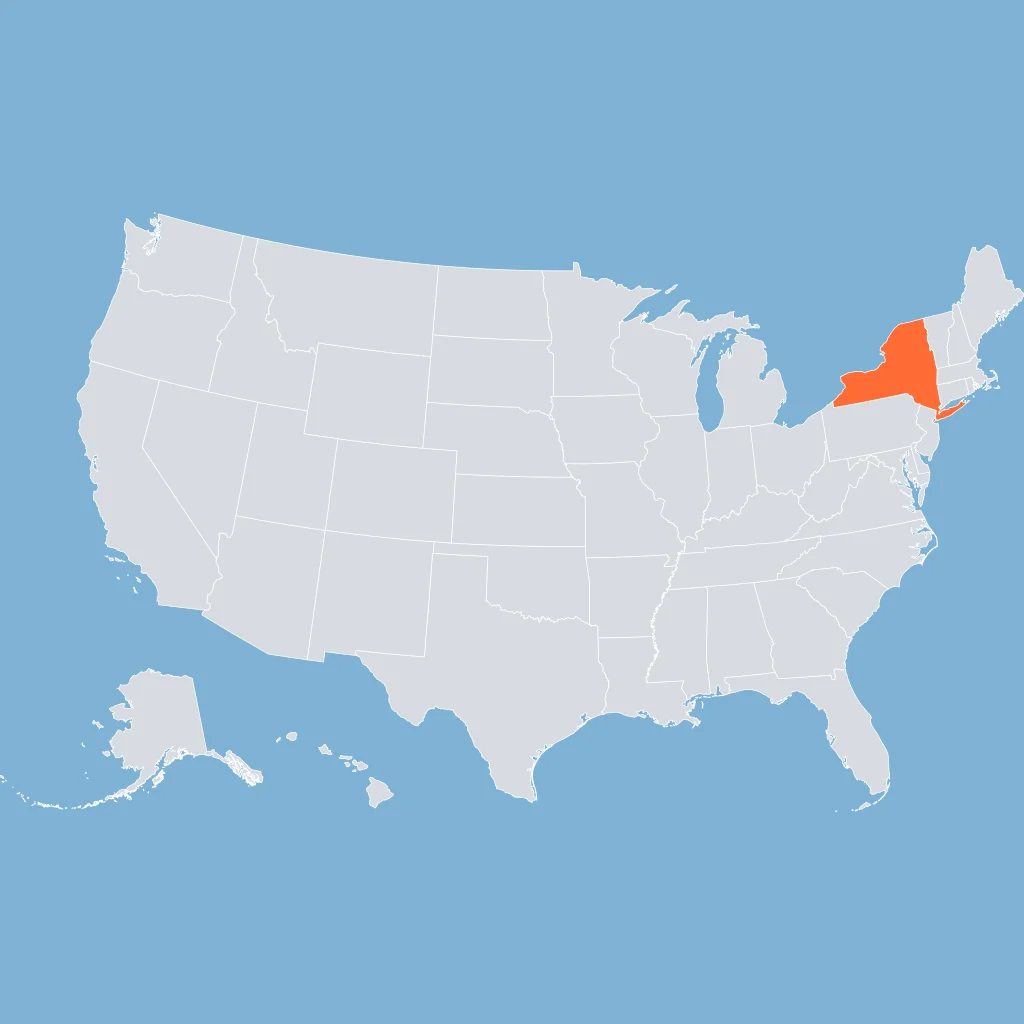
Repeated revivals and reform movements made which area of New York known as the Burned-Over District?
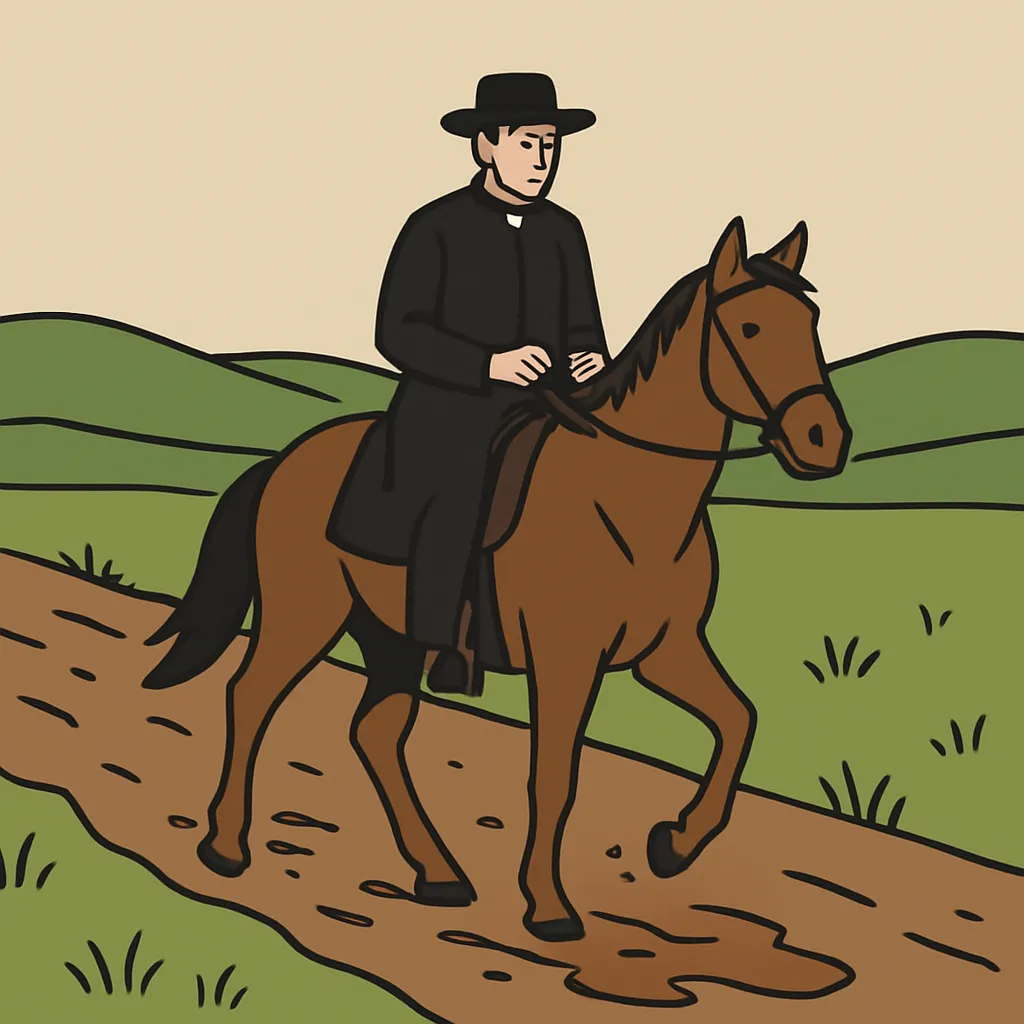
Which Protestant group especially used circuit riders and camp meetings to serve frontier settlements during the revival era?
Born in New York, which Methodist woman led Bible studies, published books, and preached at more than 300 revival camp meetings?
Use the comparison chart. What shared pattern connects revival churches with reform societies?
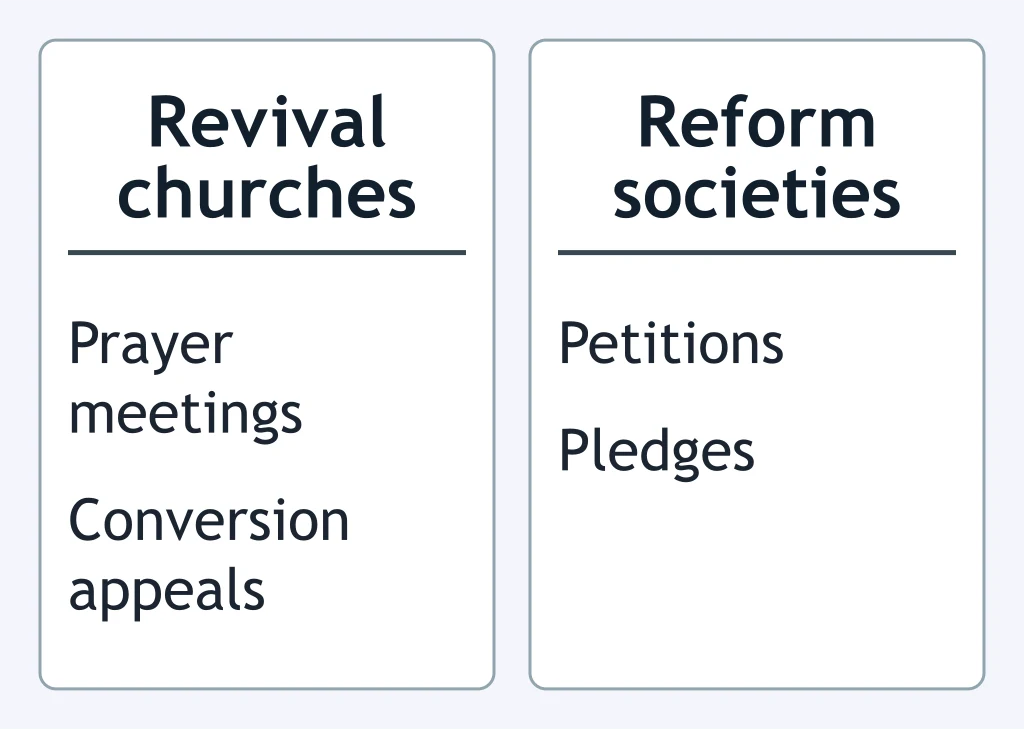
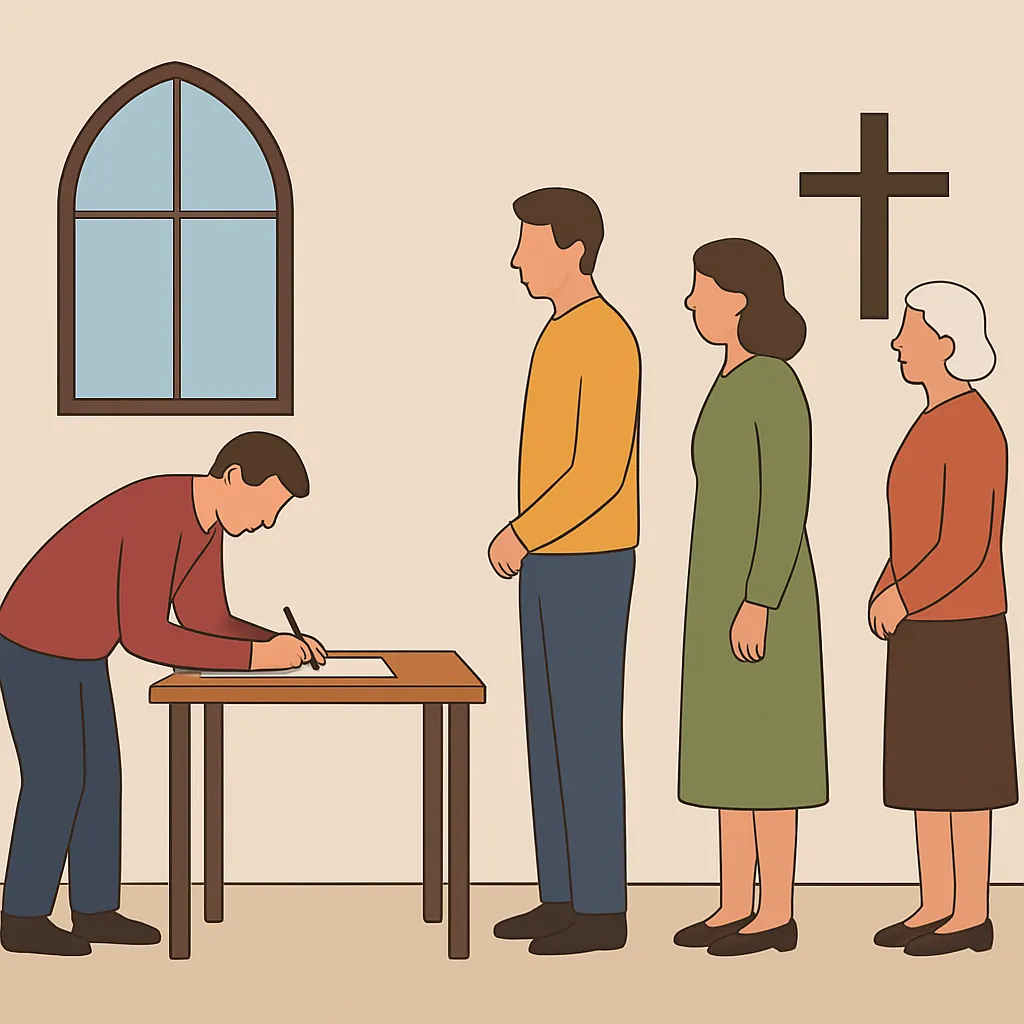
Temperance lecturers asked listeners to confess past drinking and sign a public pledge to quit. What link between religion and reform does this show?
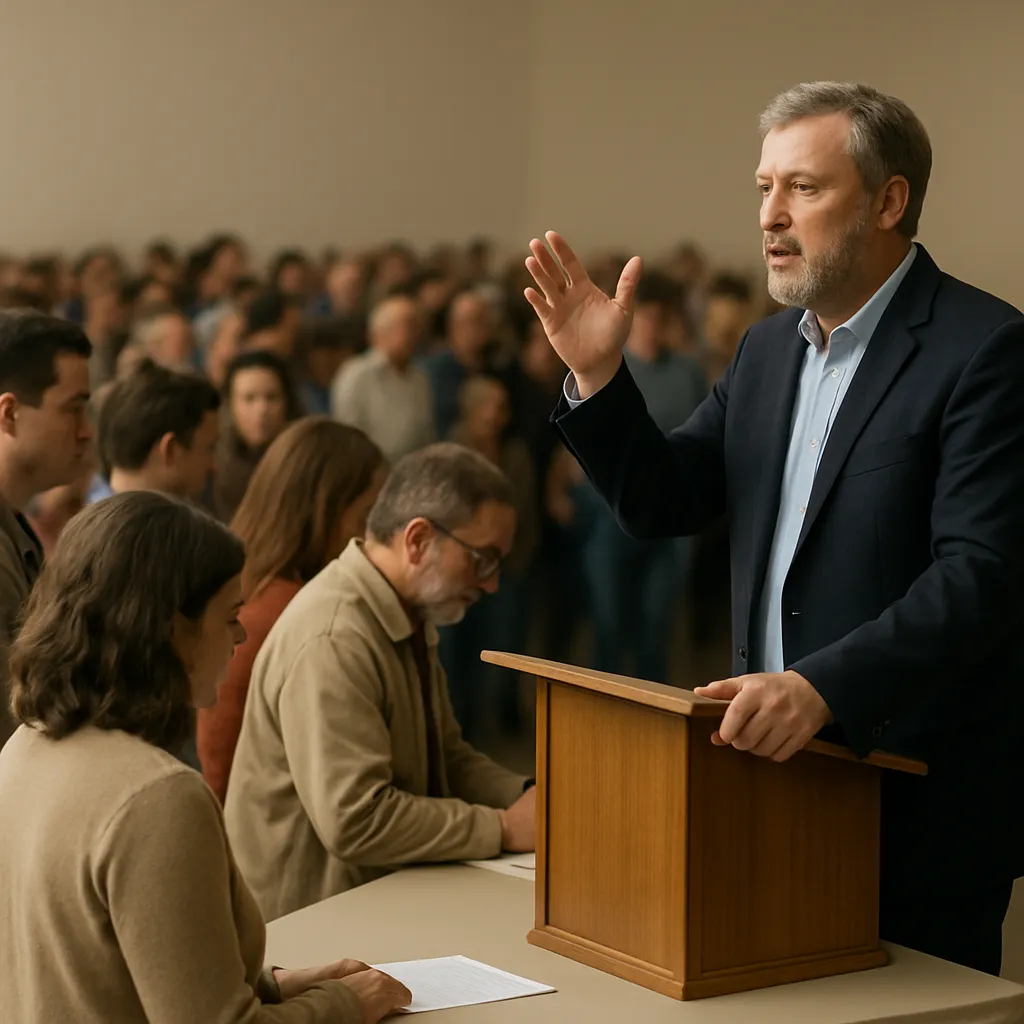
Converted in Finney's Burned-Over District revivals, this lecturer carried revival preaching methods into nightly antislavery speeches across northern towns. Which reformer fits this description?

Quaker reformers who helped organize the 1848 Seneca Falls Convention also worked against slavery. Which Quaker belief connected their faith to both causes?
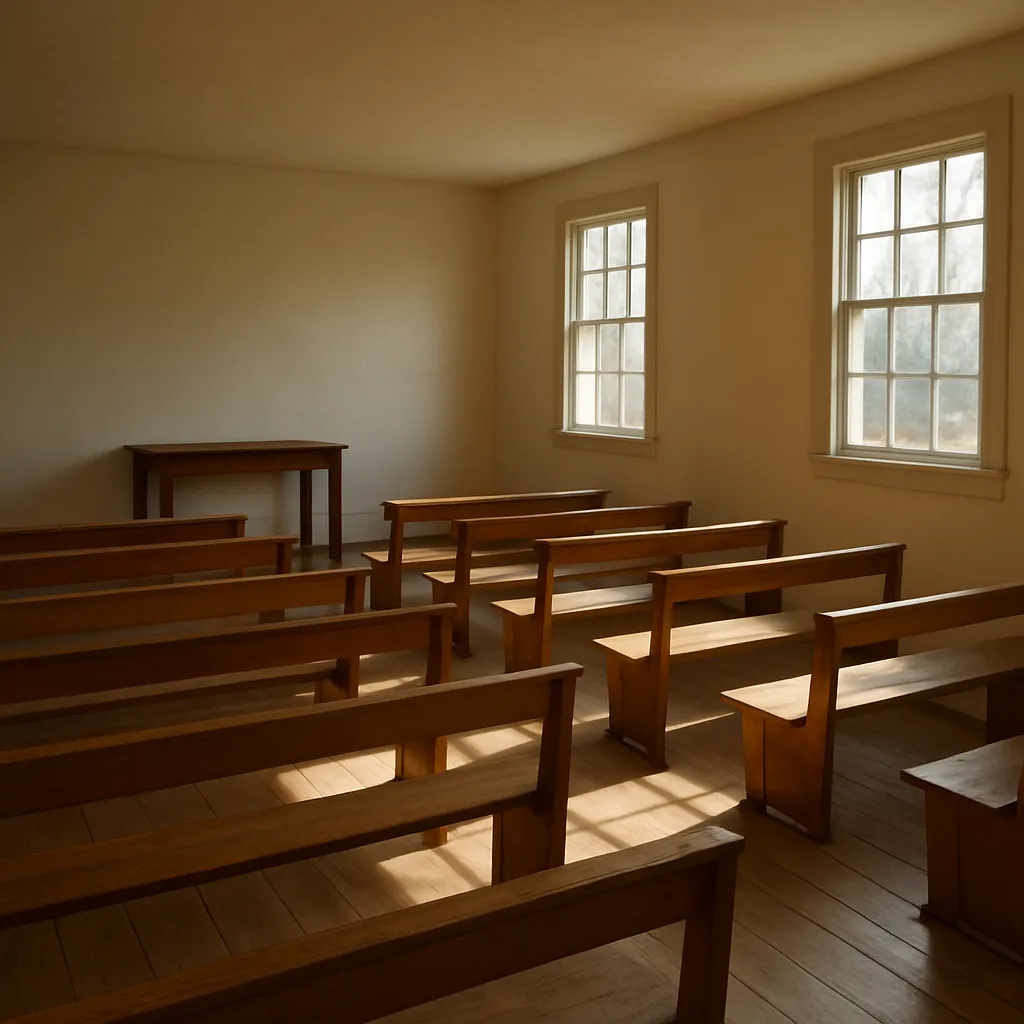
Evangelical societies printed tracts, started missions, and organized Sunday schools. How did these groups connect religion to reform?

Crack the passcode before the zombies get in.
Answer, then swat bugs for bonus points.
Race through questions at your own speed.
Same question on every screen. Fastest wins.

Pick a tile, answer, hit bonuses and steals.
Sectionalism: North, South and West
20 questions