Loading
by BlastRoom
Students explain who immigrated before 1860, why they came, and how cities and nativists responded.
#us_history#us_grade_8_social_studies
20 questions
One question set, multiple game modes. Tap any game to see it in action. Not sure which to pick?
Potato blight and famine in the 1840s pushed many Catholic families across the Atlantic to U.S. port cities. Which immigrant group fits this evidence?
After the failed revolutions of 1848 in central Europe, some educated political refugees settled in cities such as Cincinnati and St. Louis. Which group is described?
In the 1840s and 1850s, crop failures and unrest in central Europe led many families to start farms in Wisconsin, Missouri, and Texas. Which immigrant group is described?
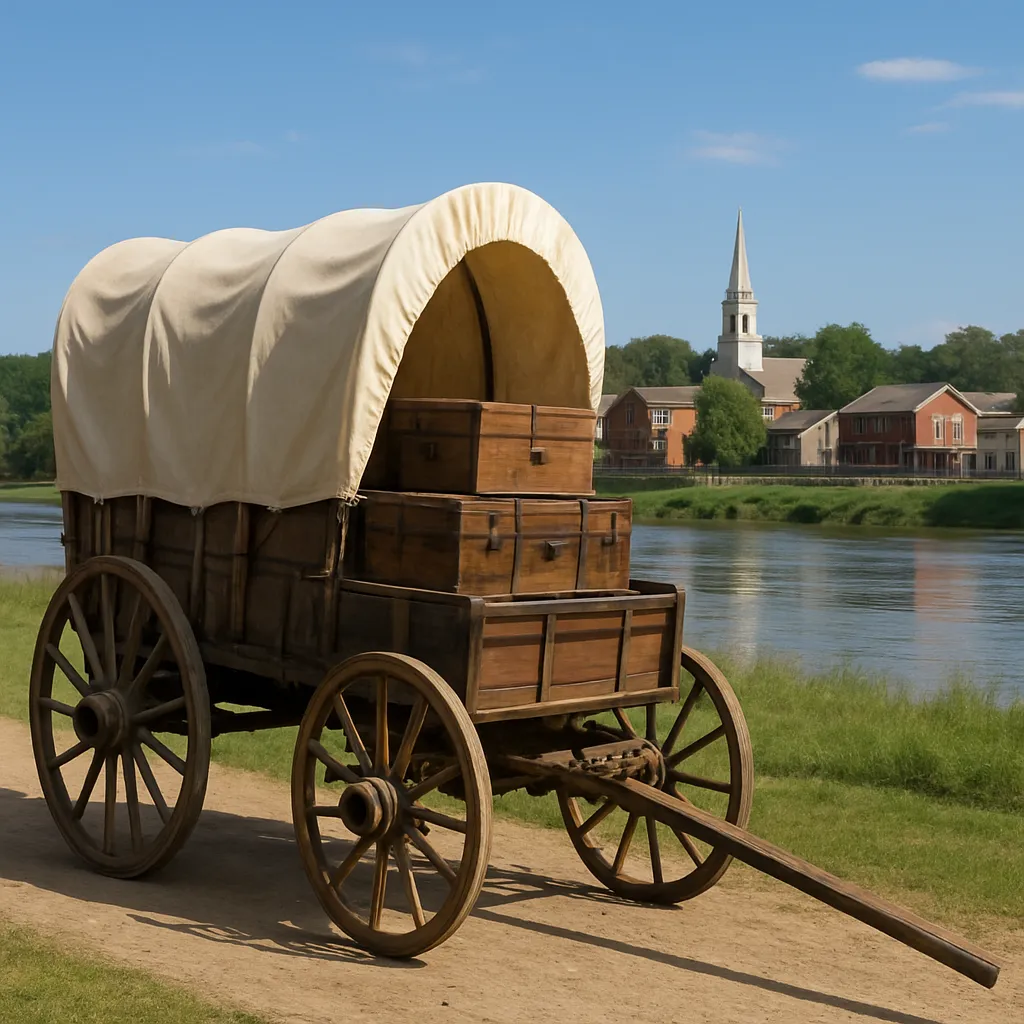
By the 1850s, which immigrant group filled most unskilled day-labor and domestic-servant jobs in Boston?

Between 1840 and 1860, which two groups made up the largest share of immigrants arriving in the United States?
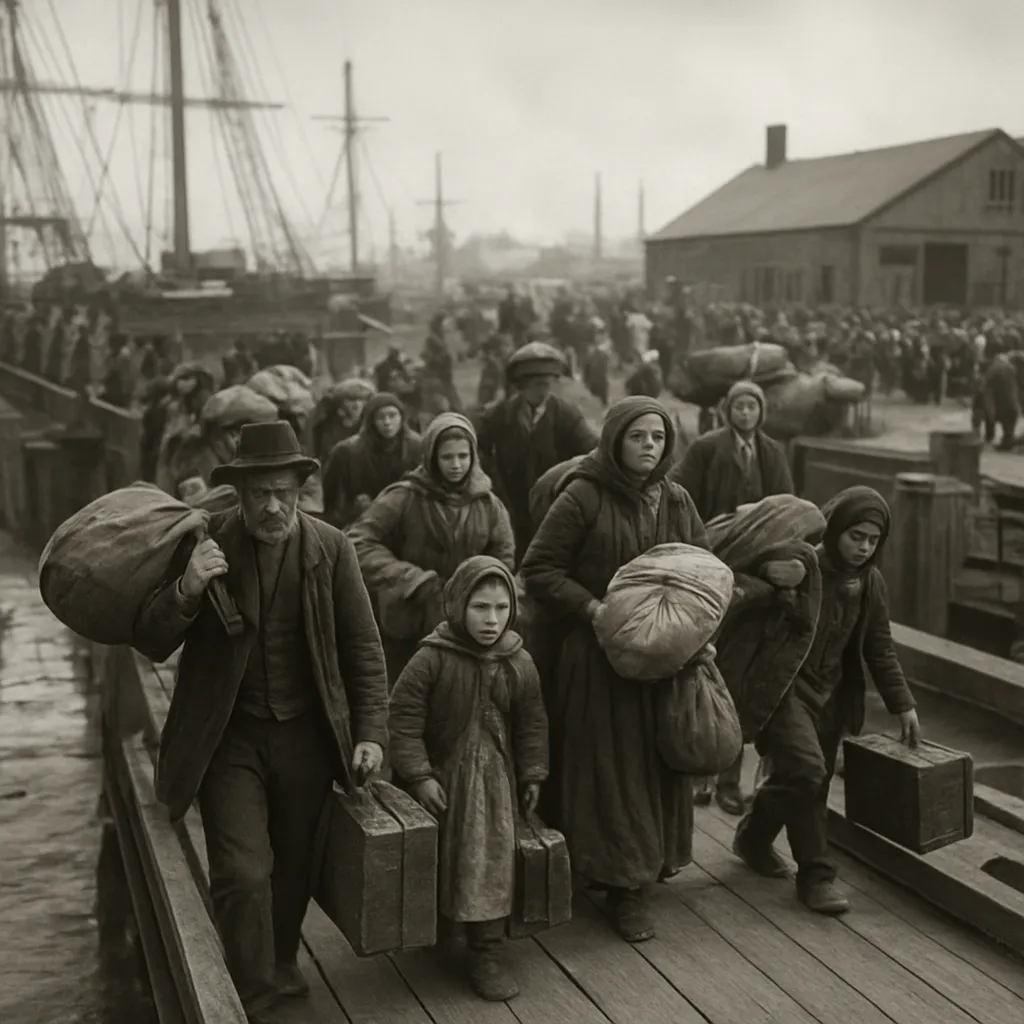
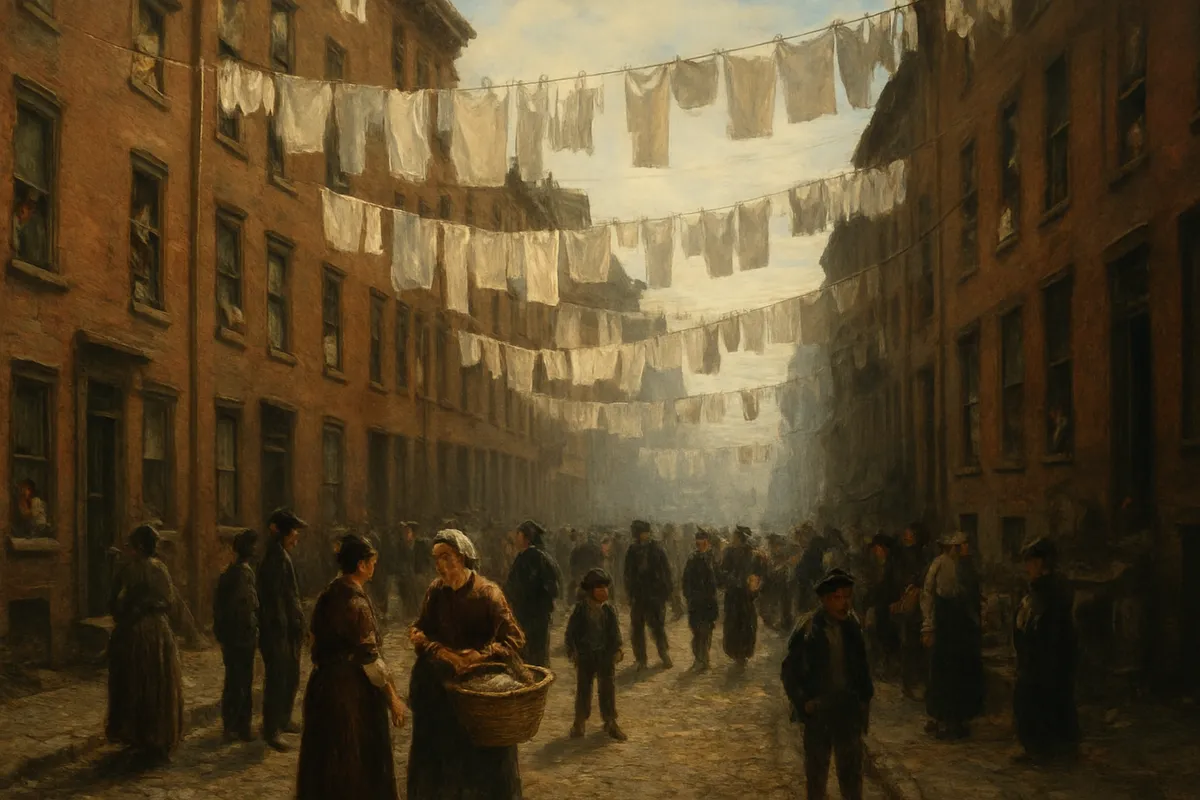
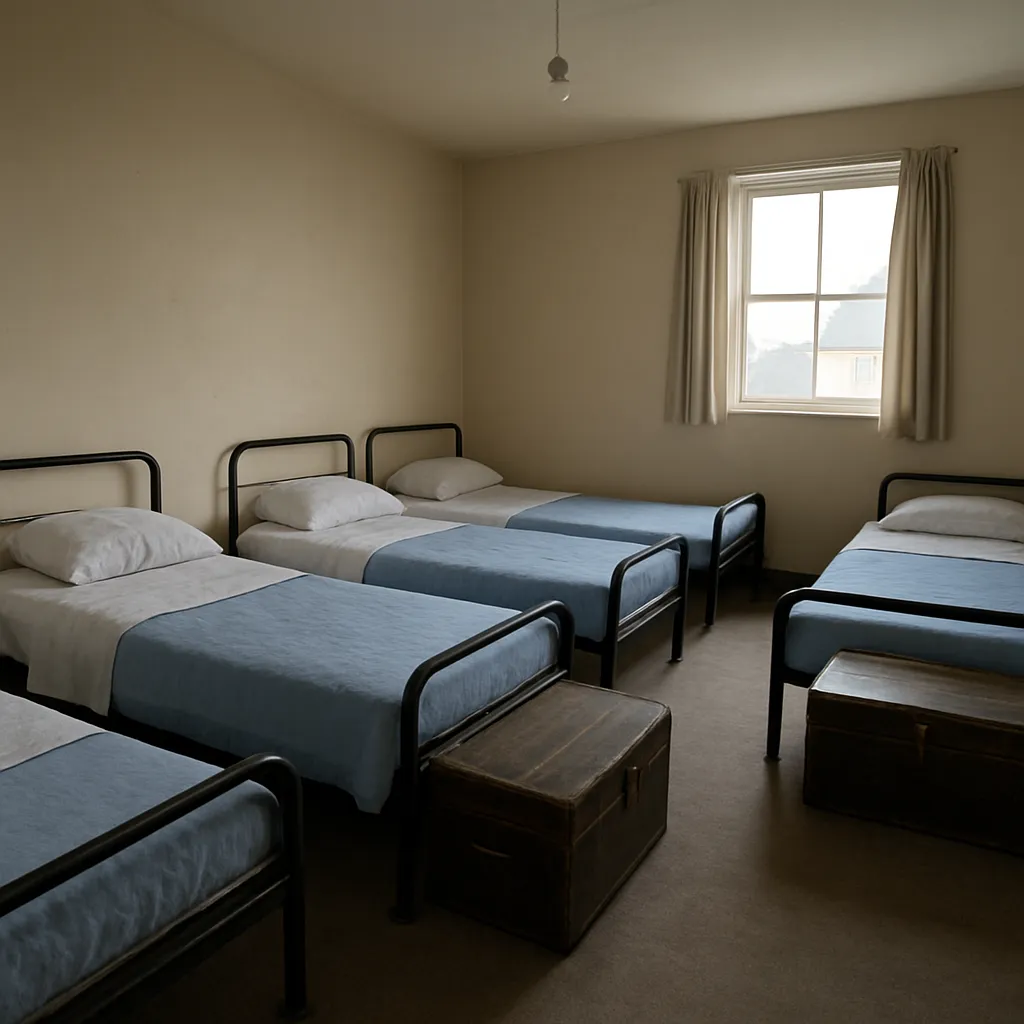
A new family rents crowded rooms in a narrow city apartment building with little light and shared water. What kind of housing is described?
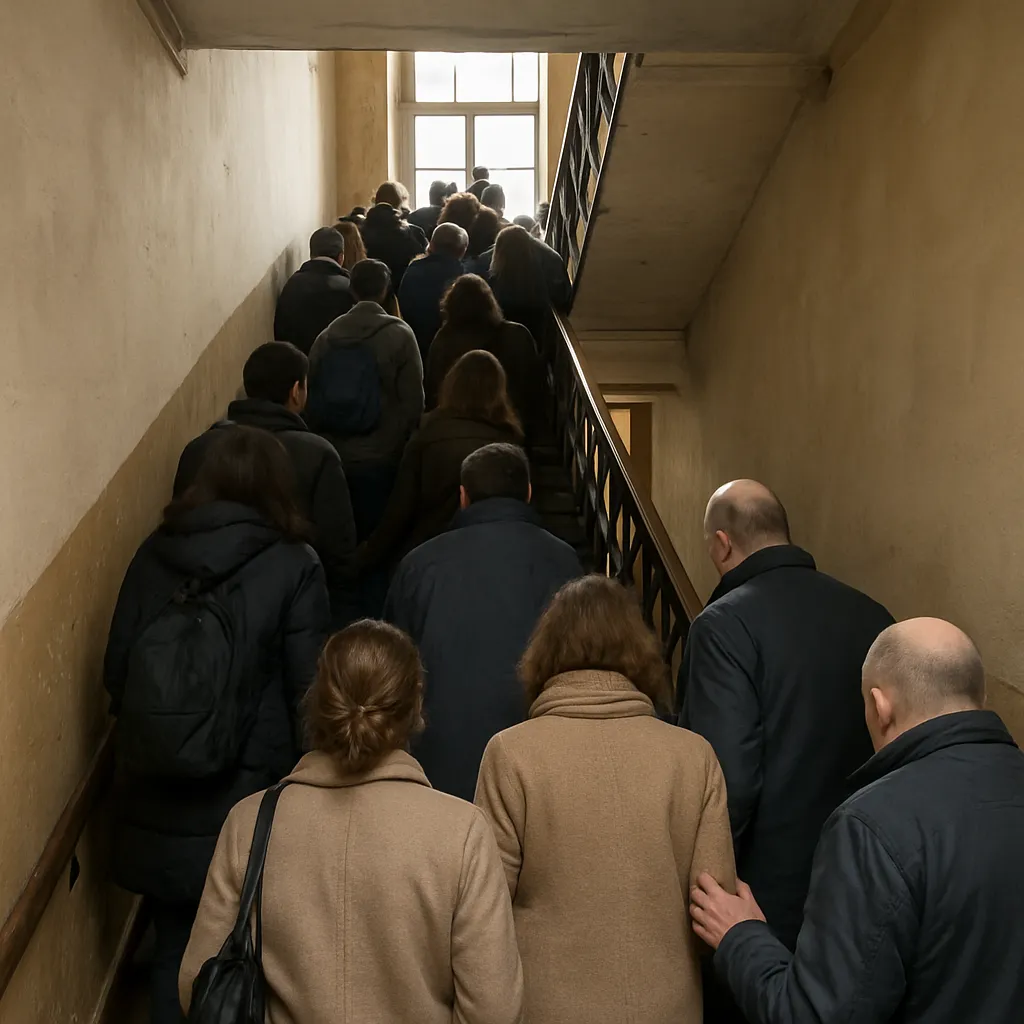
An Irish newcomer in Boston is hired job by job on the docks and at building sites, earning low wages without steady employment. What type of work is described?
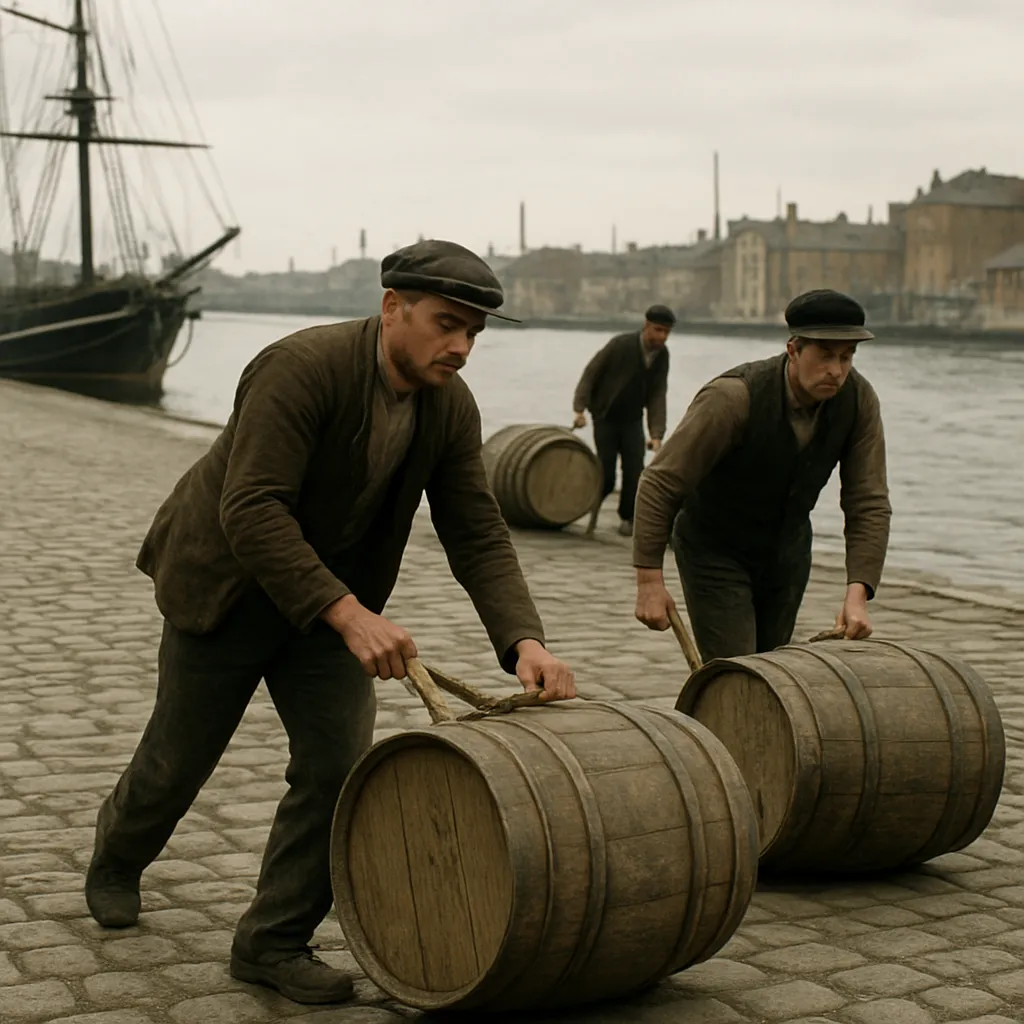
Women in many immigrant families cleaned homes, washed clothes, or worked in wealthy households to help pay rent. What job category is described?

A landlord divides an old house into tiny rented spaces for several immigrant families on each floor. What urban housing problem did this create?
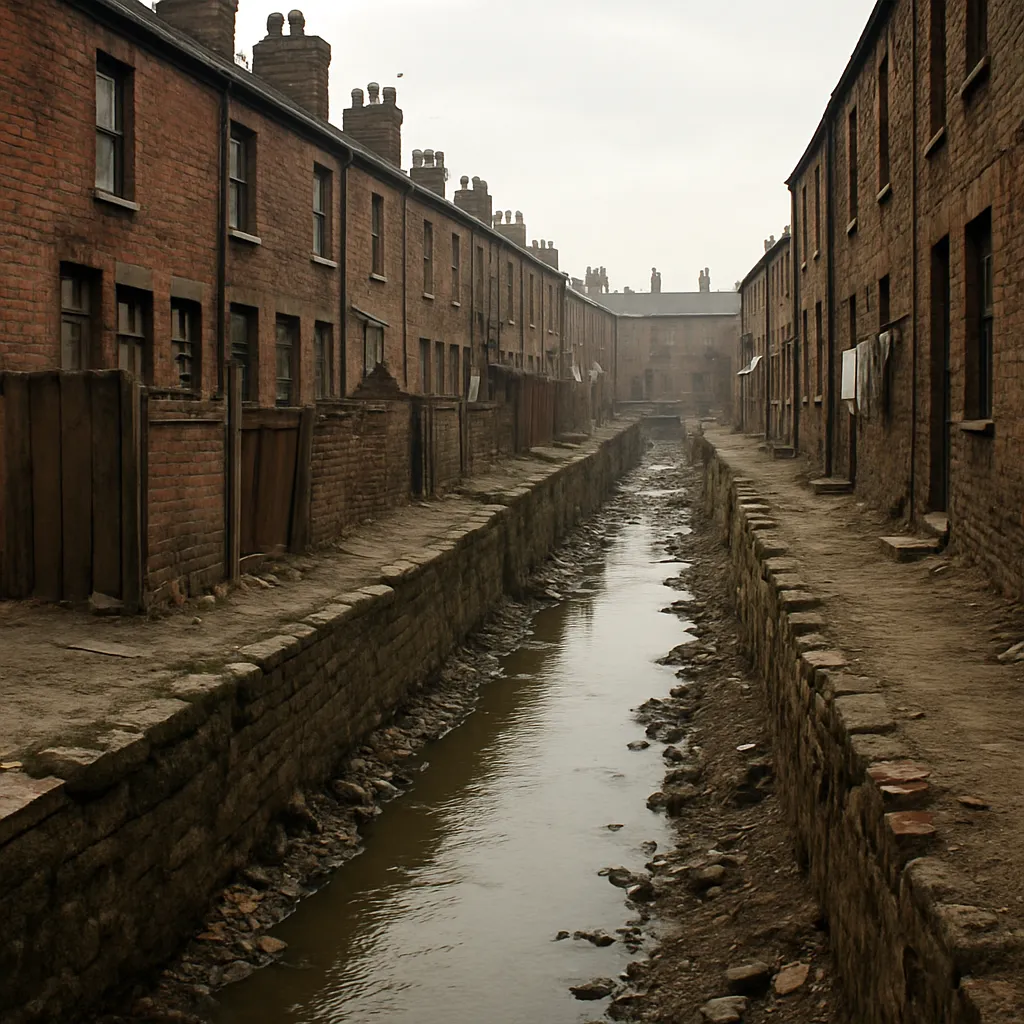
A dockside family lived near shared sinks, open drains, and crowded rooms during cholera outbreaks in the 1840s. What city condition made disease spread faster?
A secretive 1850s political movement opposed Catholic influence and wanted native-born citizens to hold office. What movement was this?

An 1854 party pledge required members to support only American-born citizens for office and exclude Roman Catholics. What attitude did the pledge express?

In Philadelphia in 1844, Protestant mobs attacked Irish Catholic homes and churches after a dispute over Bible reading in public schools. What reaction is described?
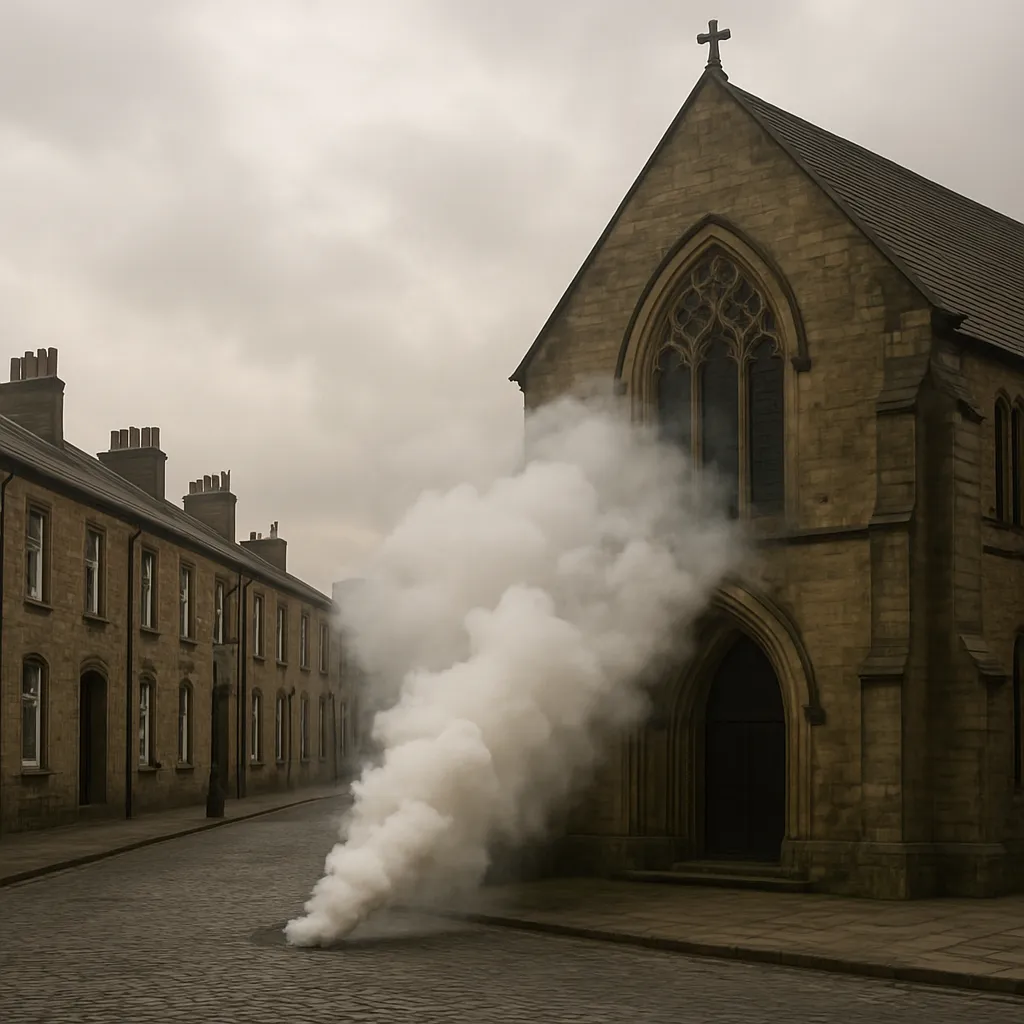
A job notice in the 1850s said “No Irish Need Apply,” even when Irish workers needed city wage work. What reception did immigrants face?
Some native-born Protestants feared immigrants would obey the pope in Rome instead of U.S. civic leaders. What prejudice fed this reaction?
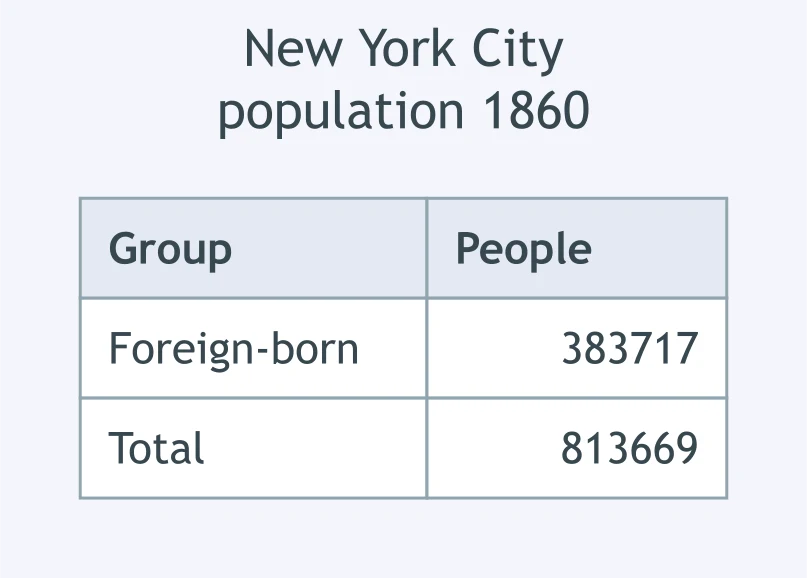
Use the New York City 1860 population table. What conclusion about urban growth is best supported?
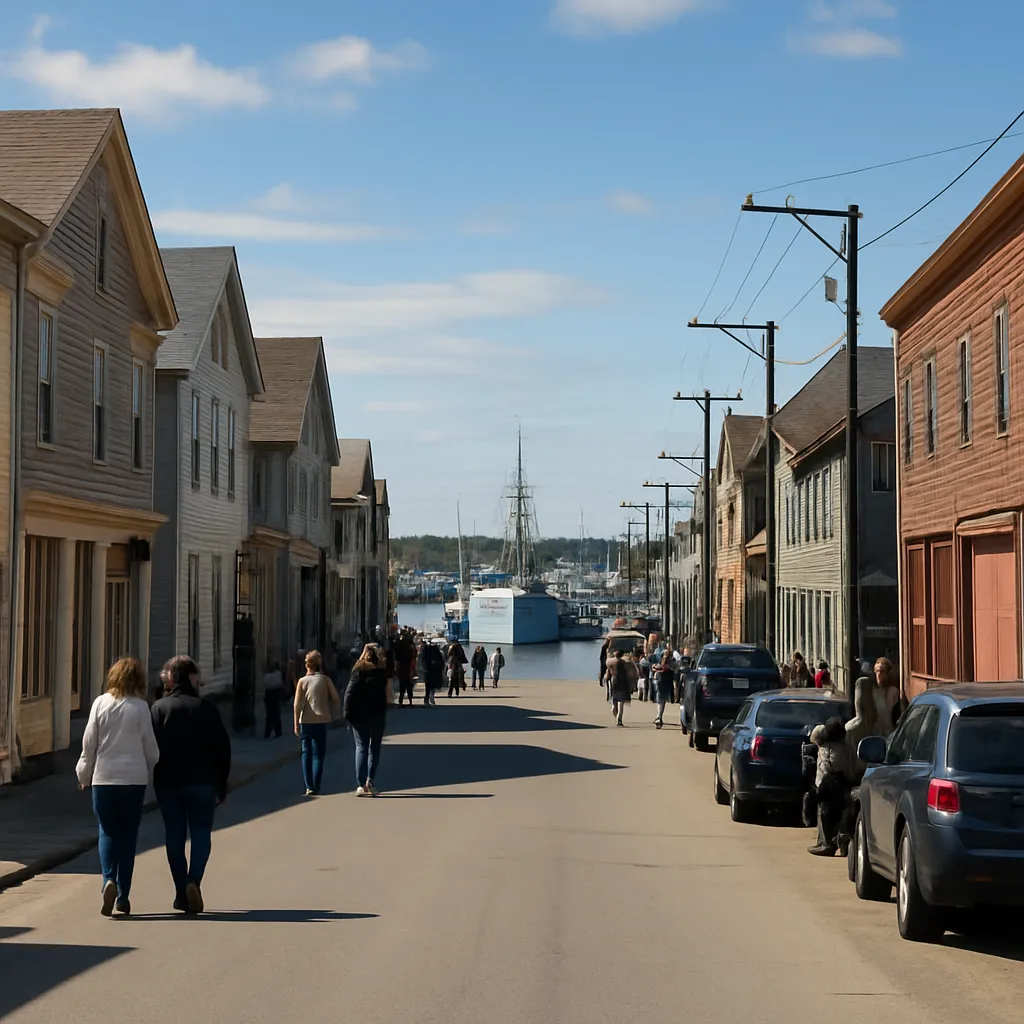
Before 1860, European immigrants often entered Atlantic ports and stayed near docks because moving inland cost money. What happened to neighborhoods near ports?
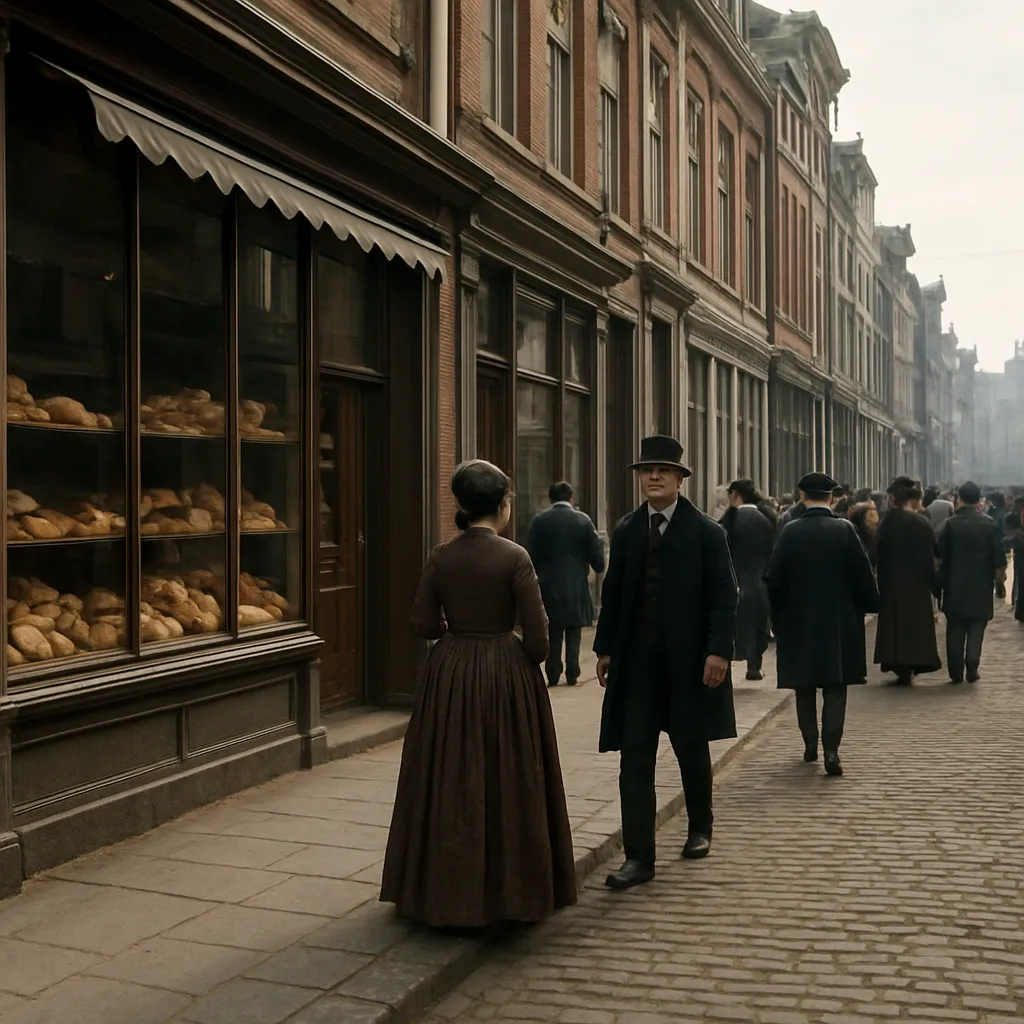
Factories, docks, and construction sites in growing cities needed wage labor, while many newcomers needed work. How did immigration affect urban economies?

German newcomers built communities in cities such as Milwaukee, Cincinnati, St. Louis, and New York. What demographic effect did these settlements have?
Before the Civil War, many Irish arrivals were too poor to leave the ports where they landed, while many Germans came with savings and farming skills. What regional difference did this produce?
Crack the passcode before the zombies get in.

Pick a tile, answer, hit bonuses and steals.

The Women’s Rights Movement and Seneca Falls
20 questions