Loading
by BlastRoom
Students match industrial clues to manufacturing methods, labor changes, inventors, and economic effects.
#economics#us_grade_8_social_studies
20 questions
One question set, multiple game modes. Tap any game to see it in action. Not sure which to pick?
Answer to place stones and capture territory.
Outrun the snow together.
Earn blasts, then hunt the other team.
Answer to earn energy, then climb.

The class blasts through walls together.
Bid on mystery lots. Most money wins.
Sell tours. Nice, standard, or a total scam.

Answer, restock, and serve the rush.
More correct answers pulls the rope your way.
Answer, then shoot down the alien wave.
Answer, then tap to leap the frozen ridge.
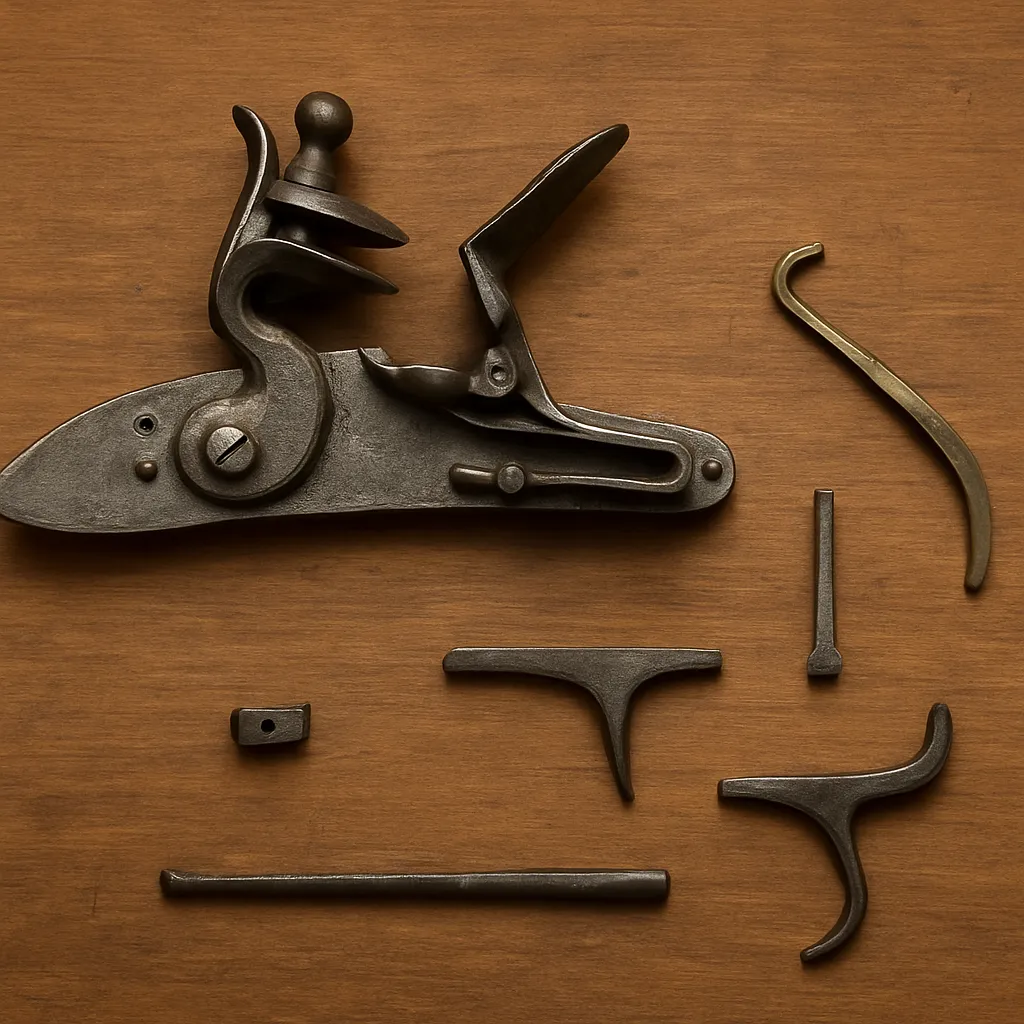
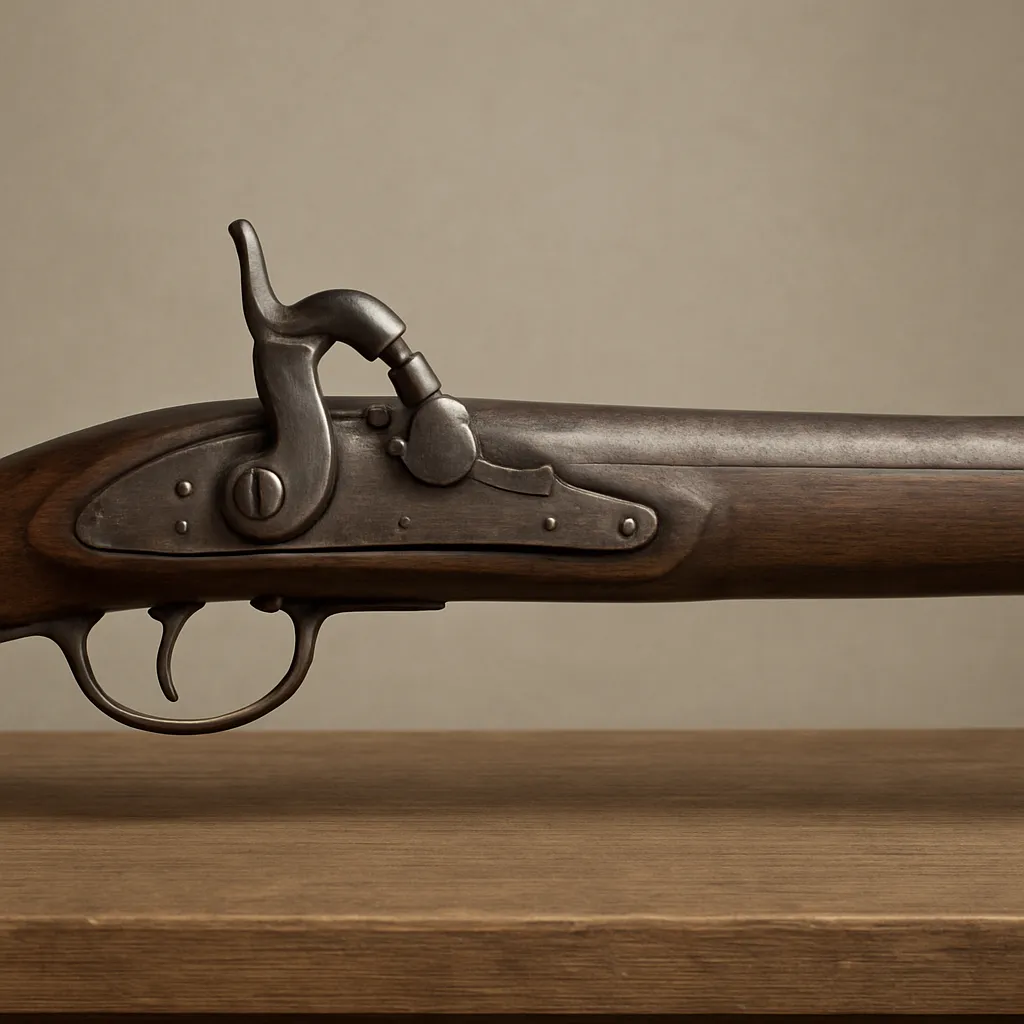
Every musket lock is cut to one pattern, so a damaged lock can be replaced without hand filing. Which manufacturing method is shown?
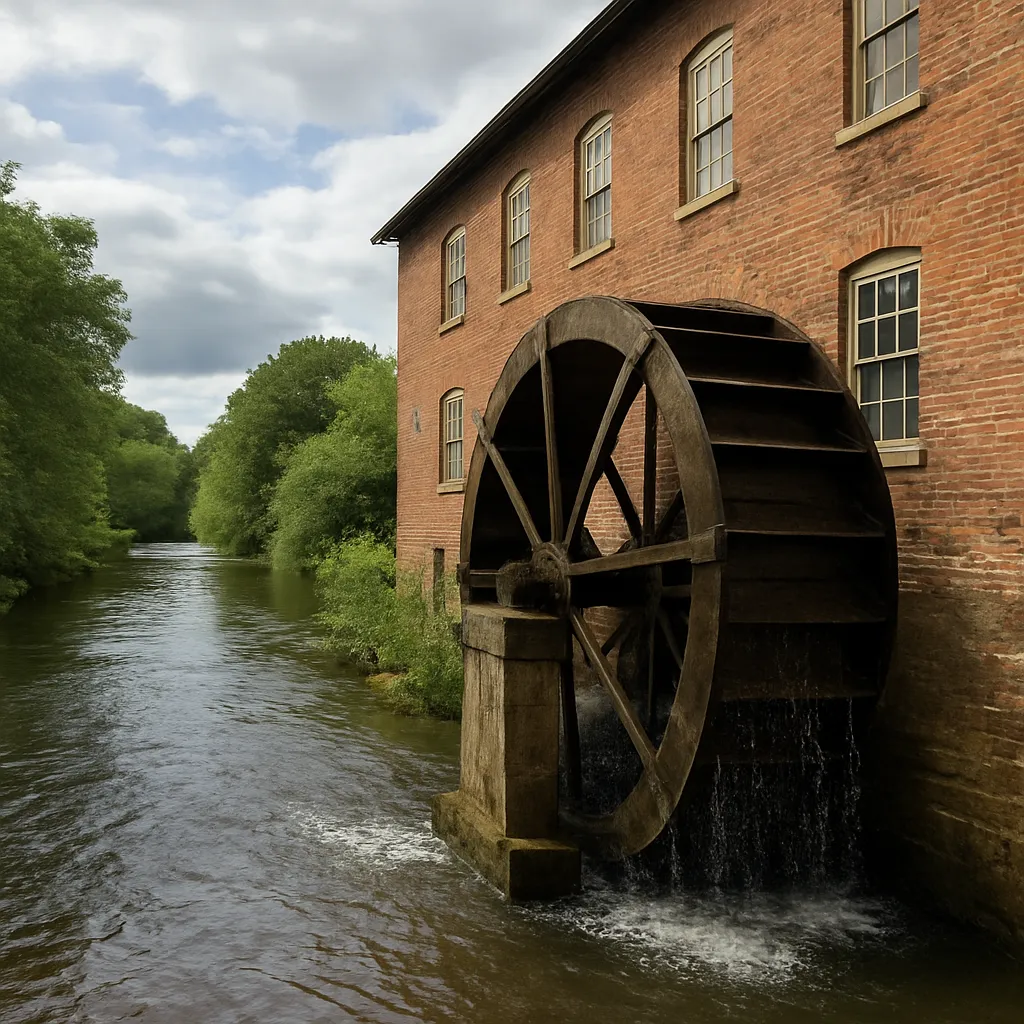
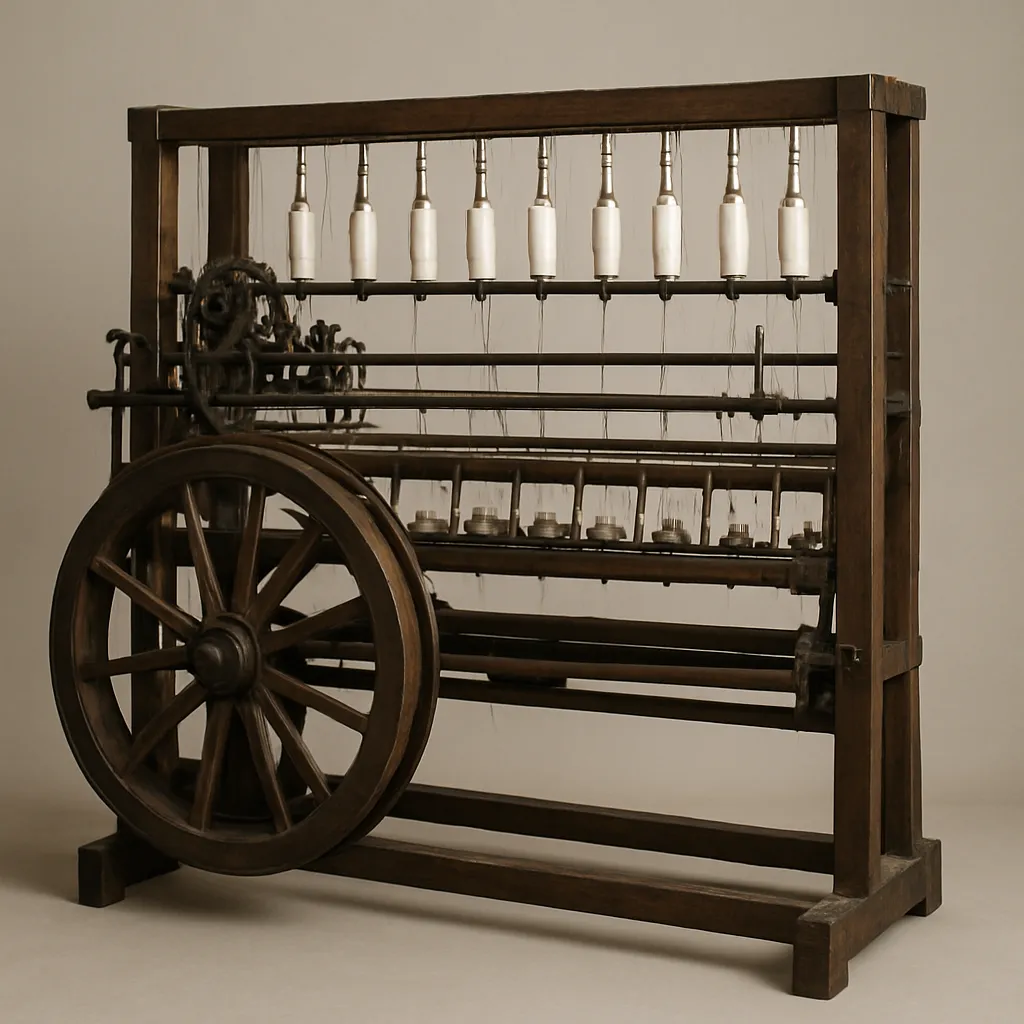
Spinning moves from farm homes into one water-powered building where machines run together. What production system fits this change?
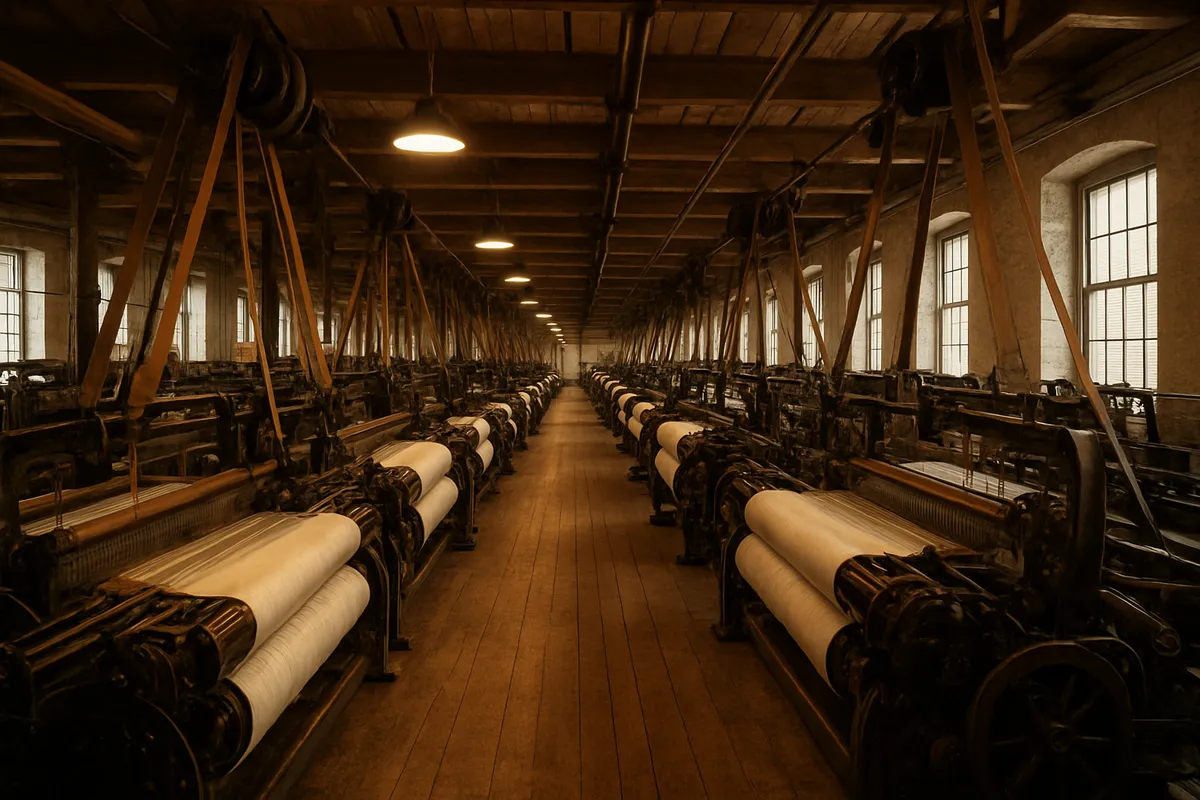
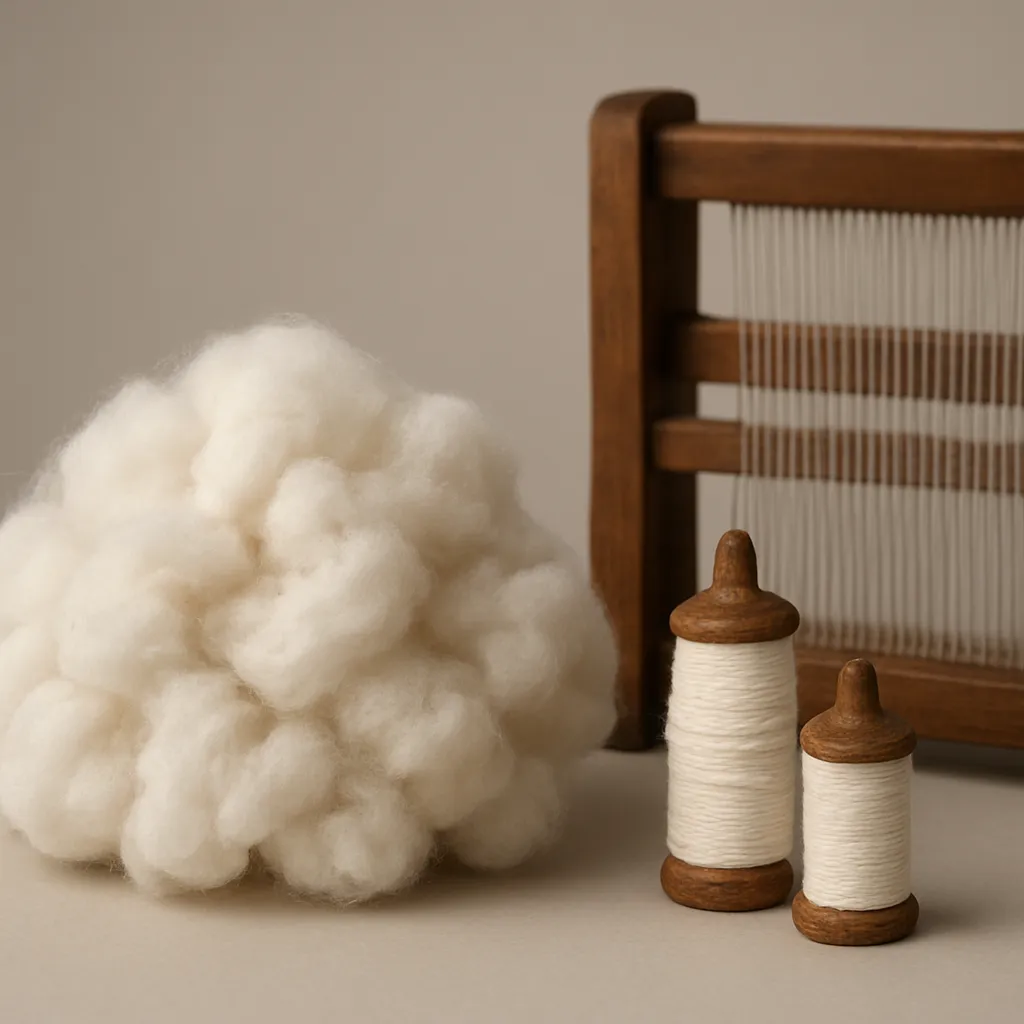
A Lowell mill carries cotton through picking, carding, spinning, and weaving under one roof. Which mill method does this describe?
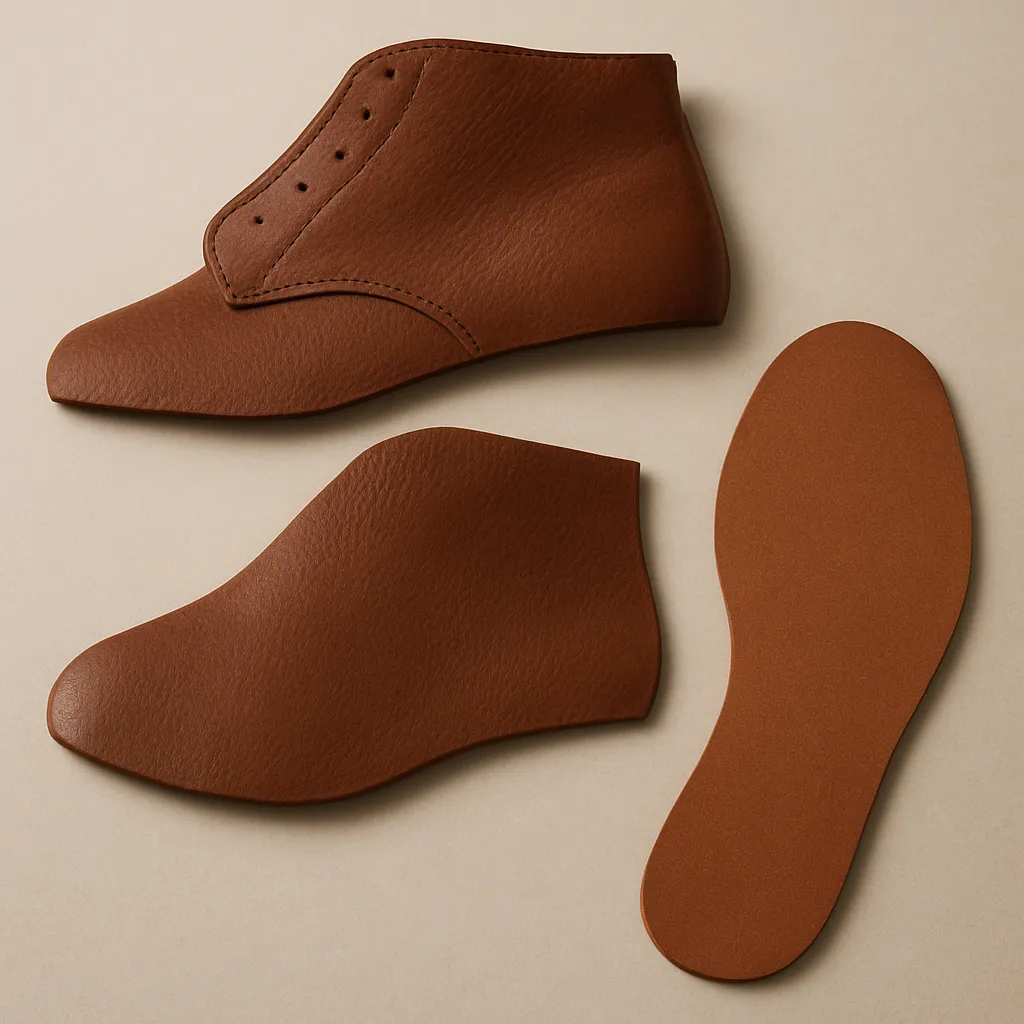
A shoe shop has one crew cut soles, another stitch uppers, and another pack finished pairs. What way of organizing work is shown?
A mill uses a wheel in a raceway to turn overhead shafts and leather belts on each floor. What powers the machines?
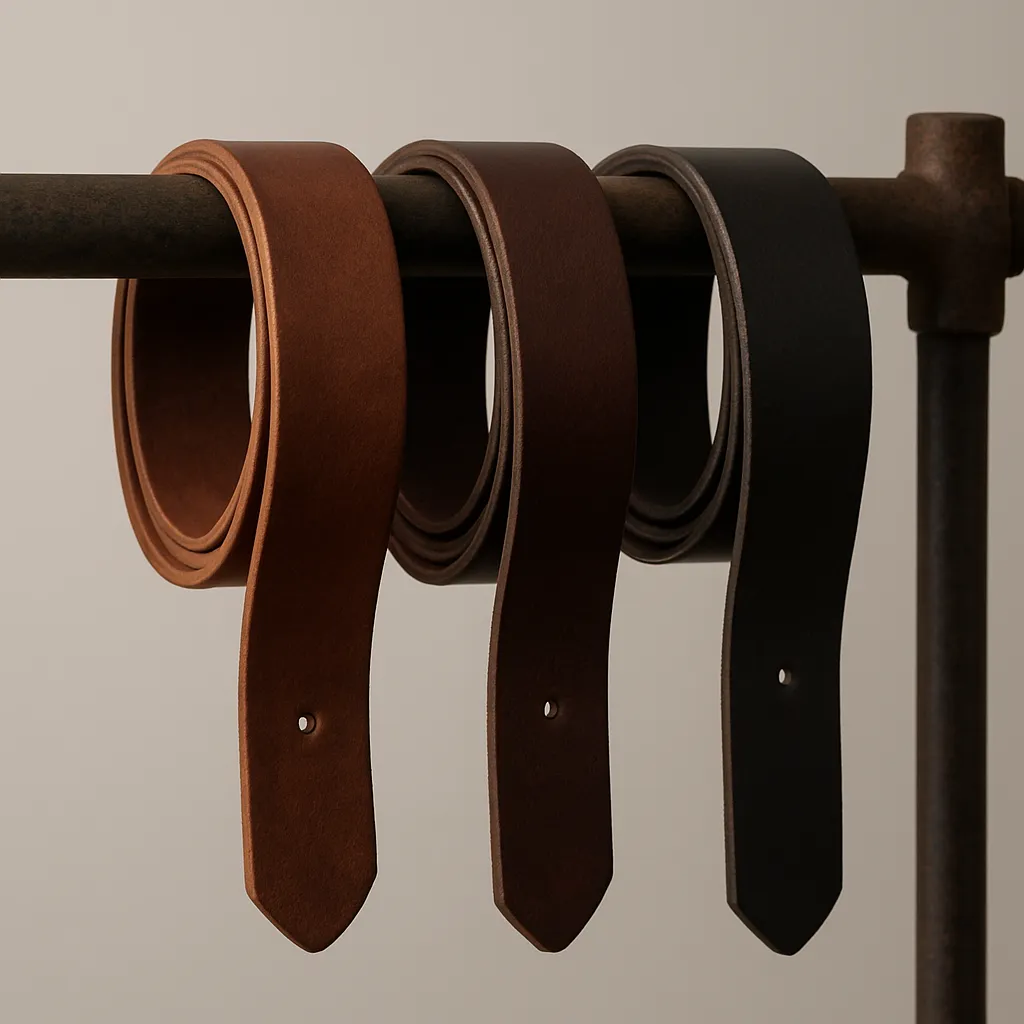
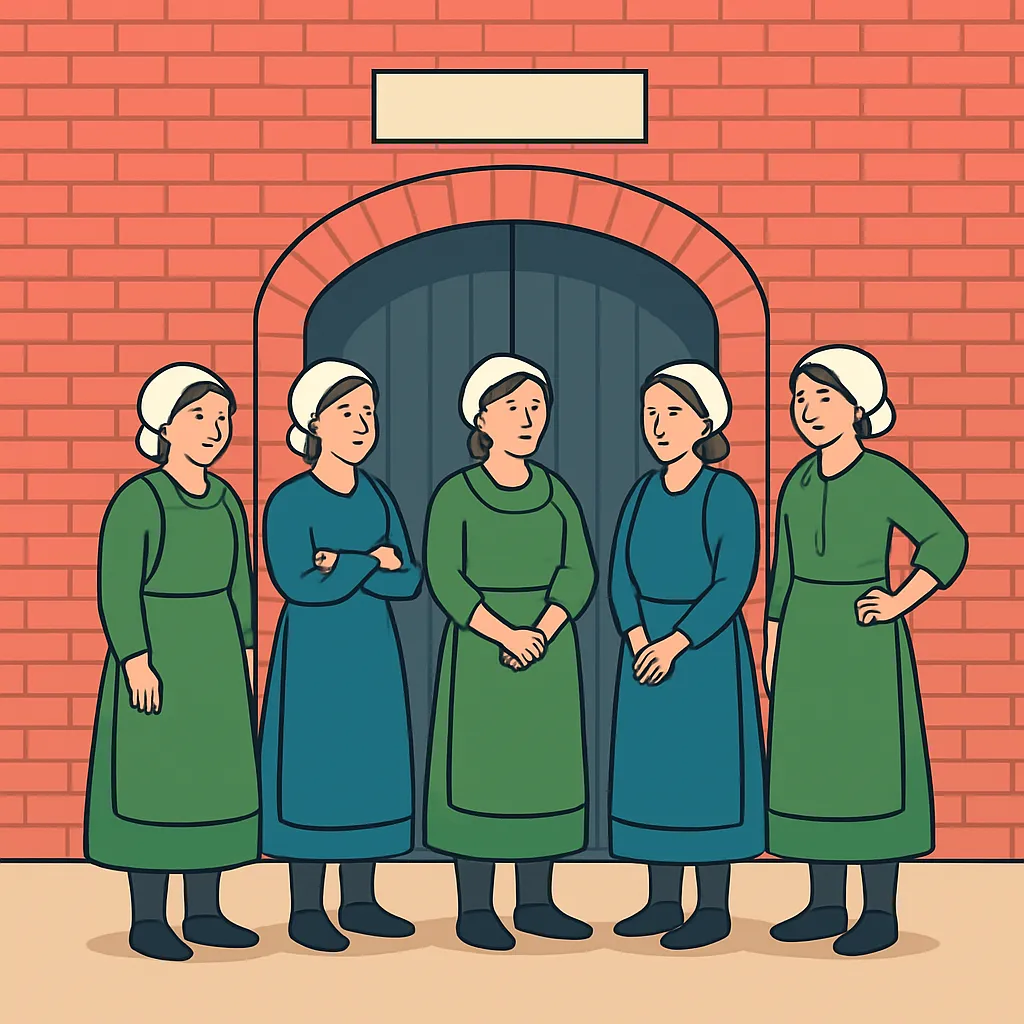
Young women leave New England farms for Lowell mills, boardinghouses, and monthly pay. Which labor change does this show?
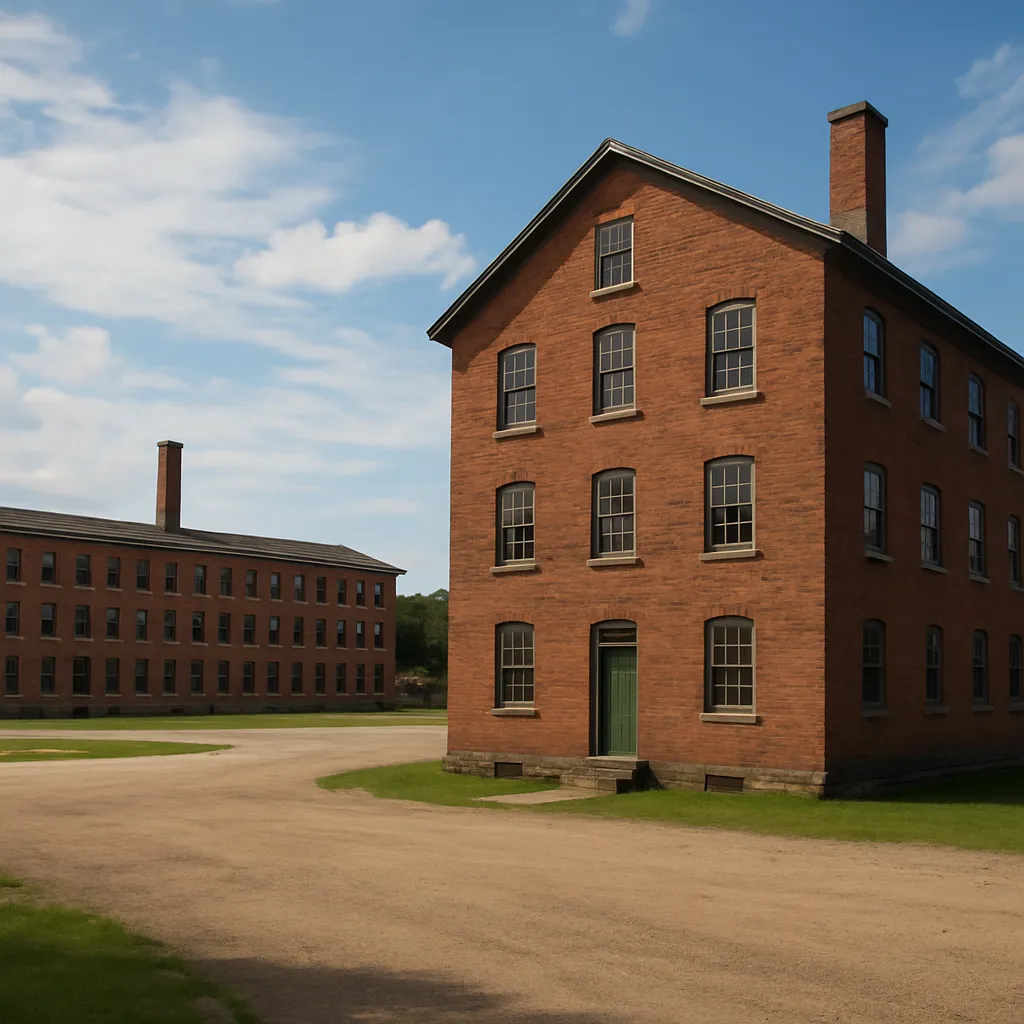
At Lowell, mill bells rang to wake workers, start the machines, and end meals. Which change in work life did this show?
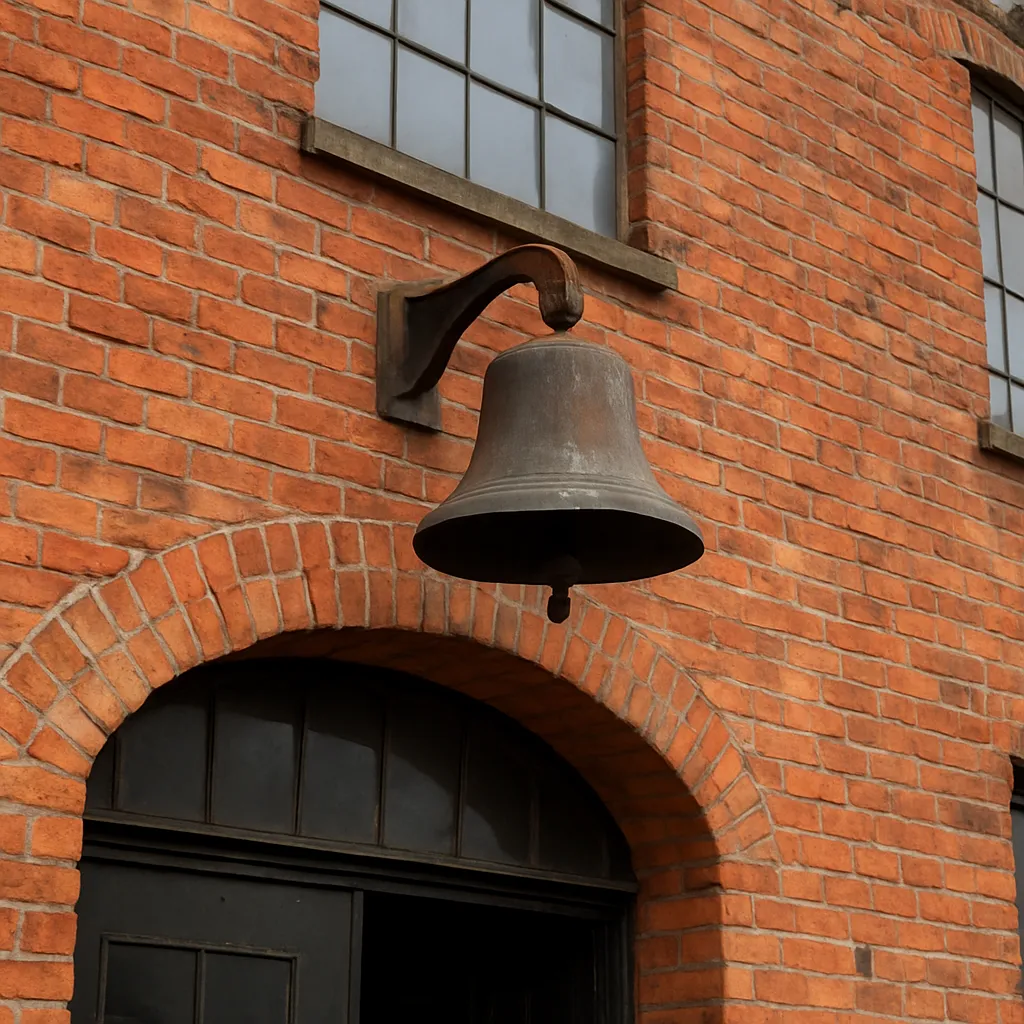
As power looms in mills wove cloth faster and cheaper, what happened to many skilled hand weavers?
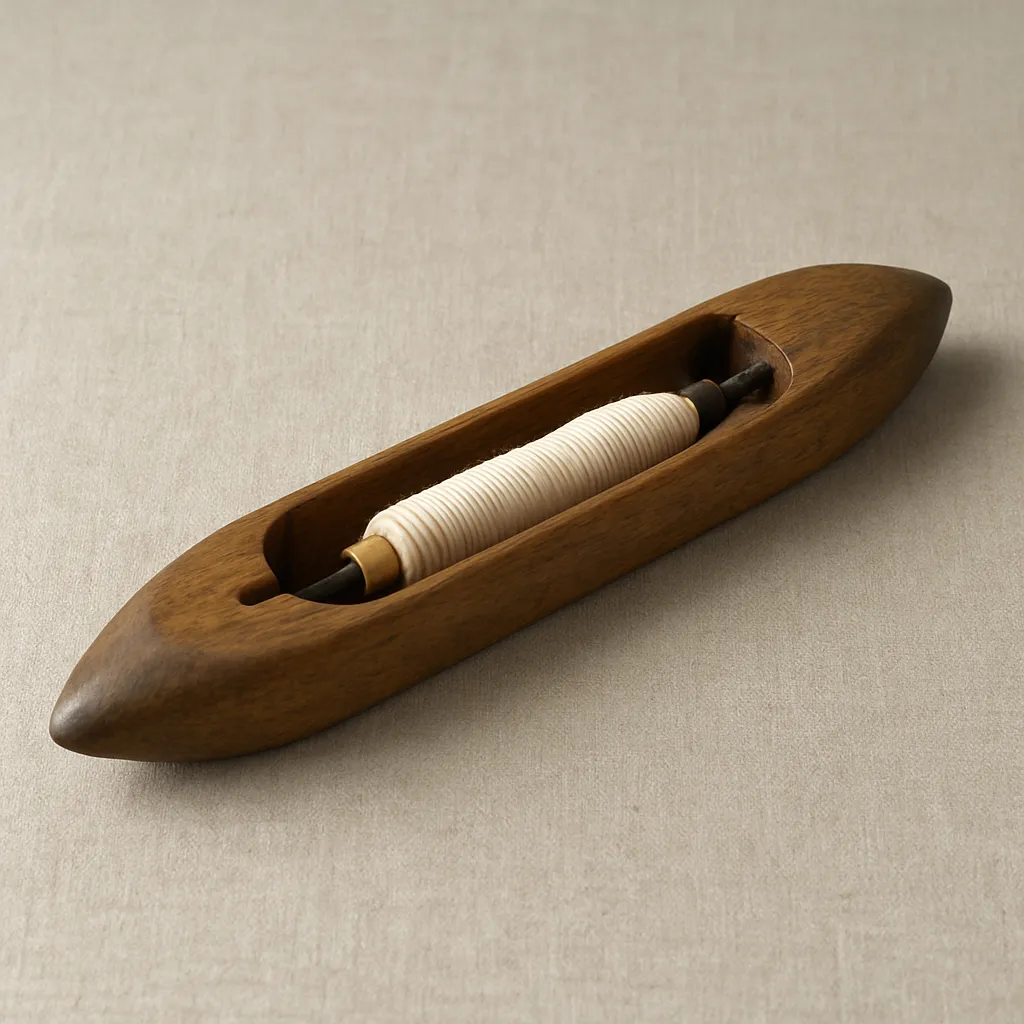
After wage cuts in the 1830s, Lowell women stop work, petition, and march to other mills. Which response to factory labor is shown?
A textile employee works near fast belts, hot rooms, oil lamps, and cotton dust. Which problem do these details show?
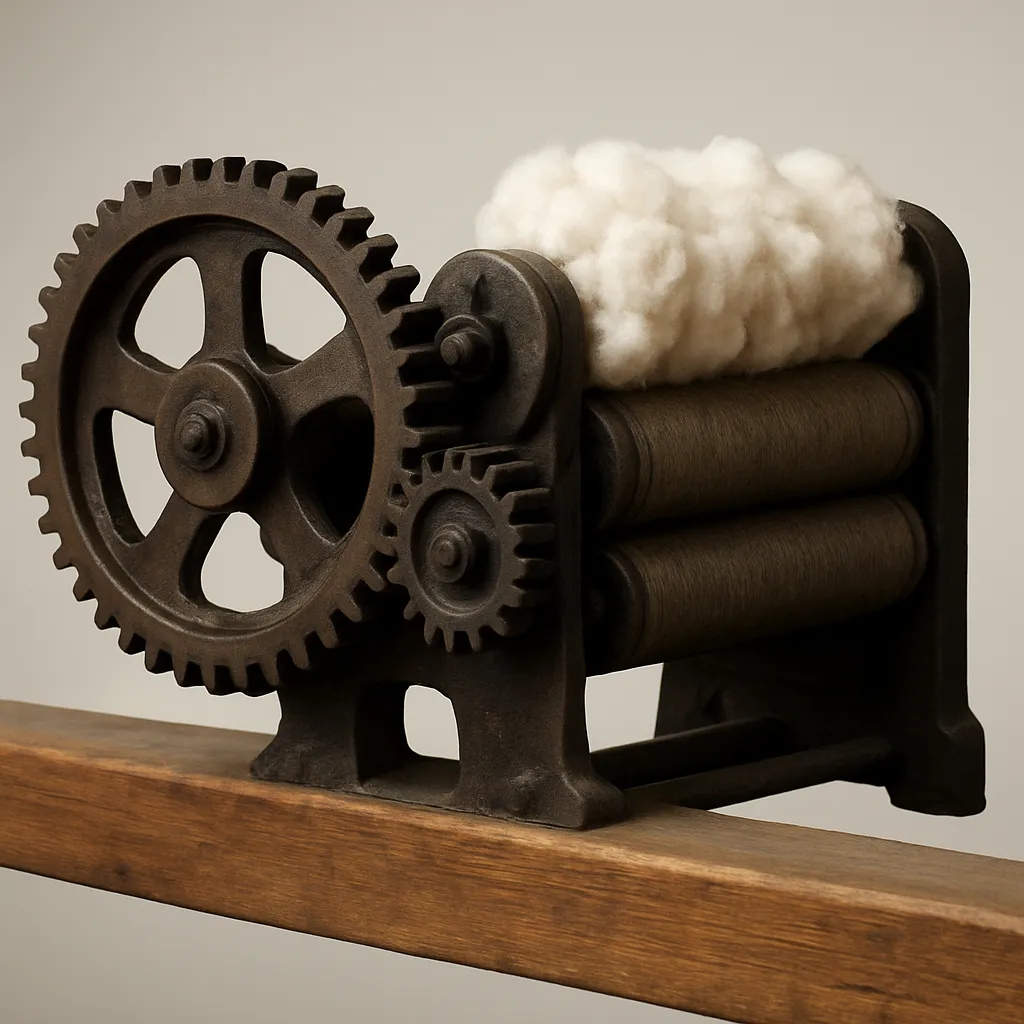
In Pawtucket, Rhode Island, an English immigrant used knowledge of British spinning machines to start a successful water-powered mill. Who was he?
A New Haven armory won a 1798 federal contract for 10,000 muskets and promoted uniform parts. Which inventor ran it?
After touring English textile mills, an American merchant memorized power-loom designs and helped start Waltham textile production. Who was he?
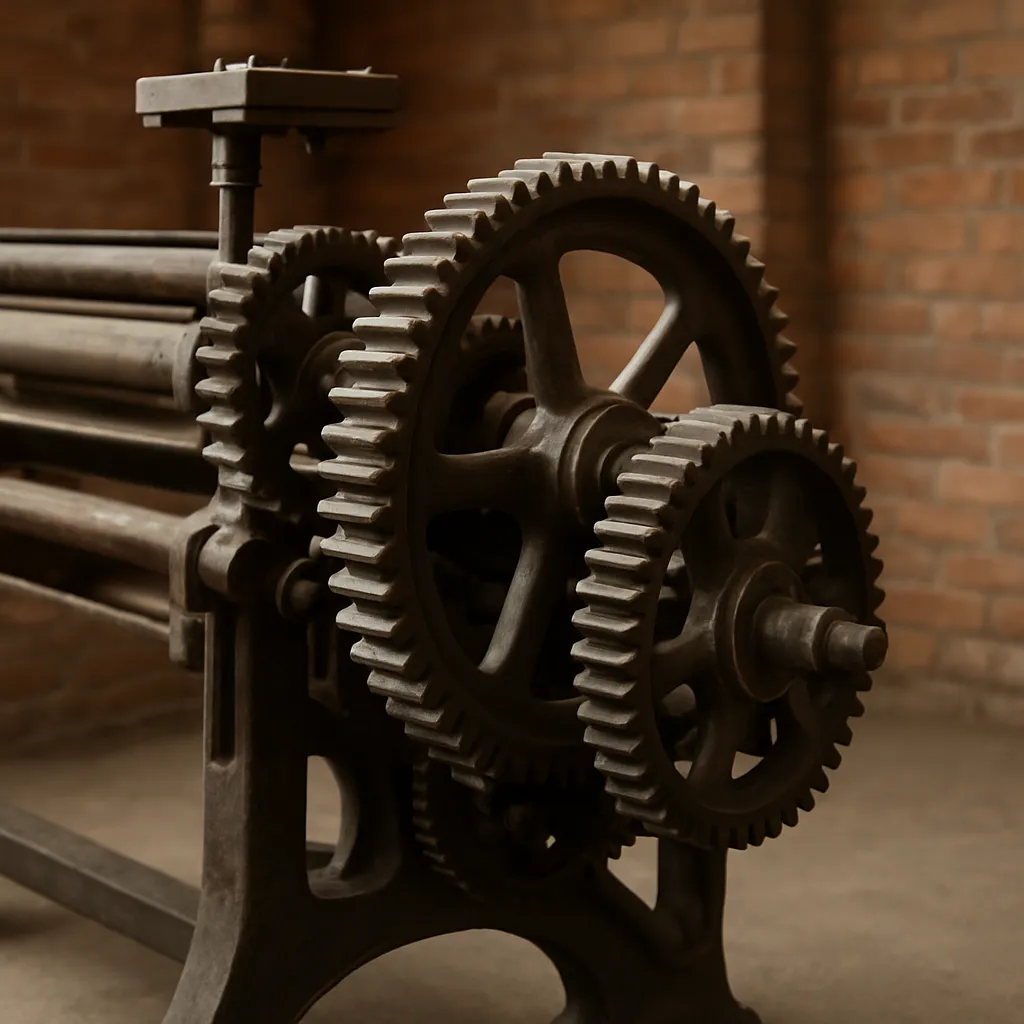
A Waltham master mechanic helped recreate and improve the loom that made weaving keep up with spinning. Who was he?
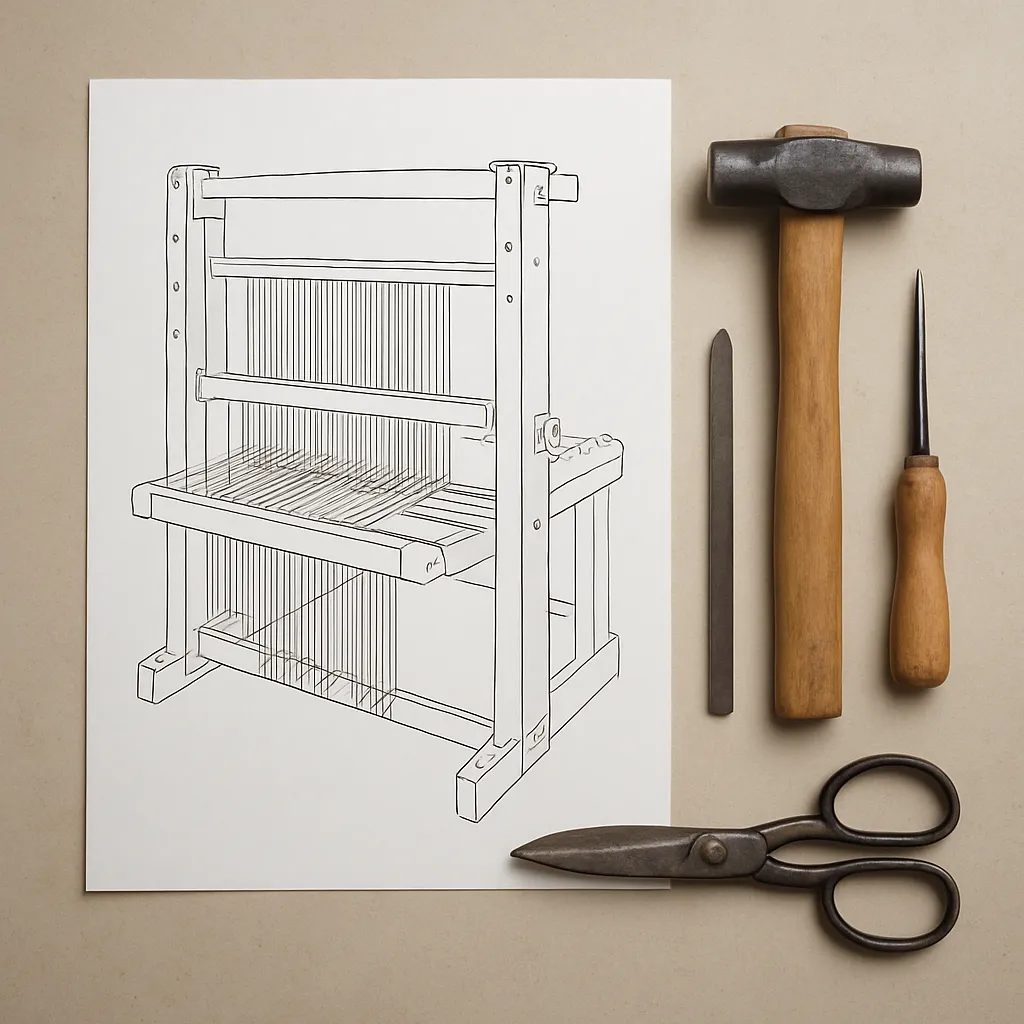
At a Massachusetts mill in 1814, carding, spinning, and weaving cotton cloth happened under one roof. Which company created that mill?
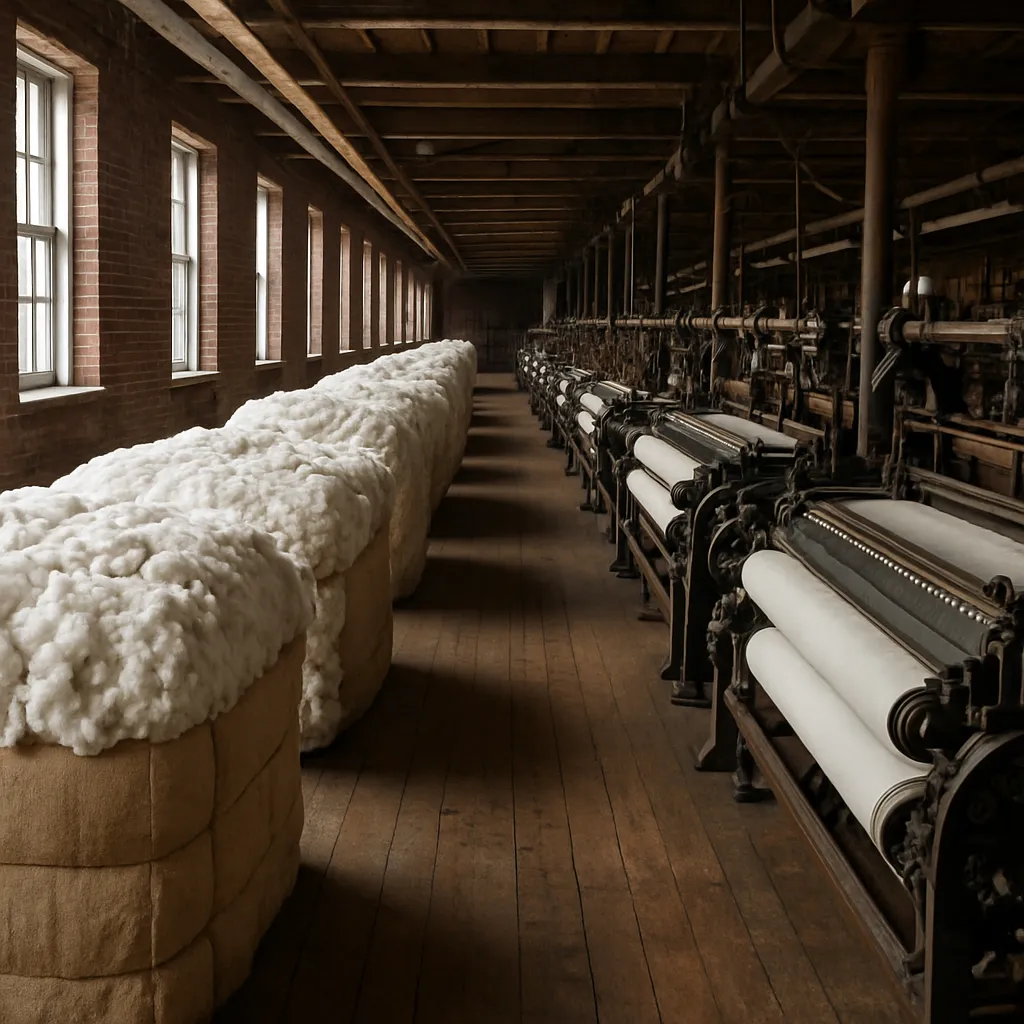
A shoe factory splits shoemaking into simple steps and sells its output to stores across many states. What broader economic result followed?
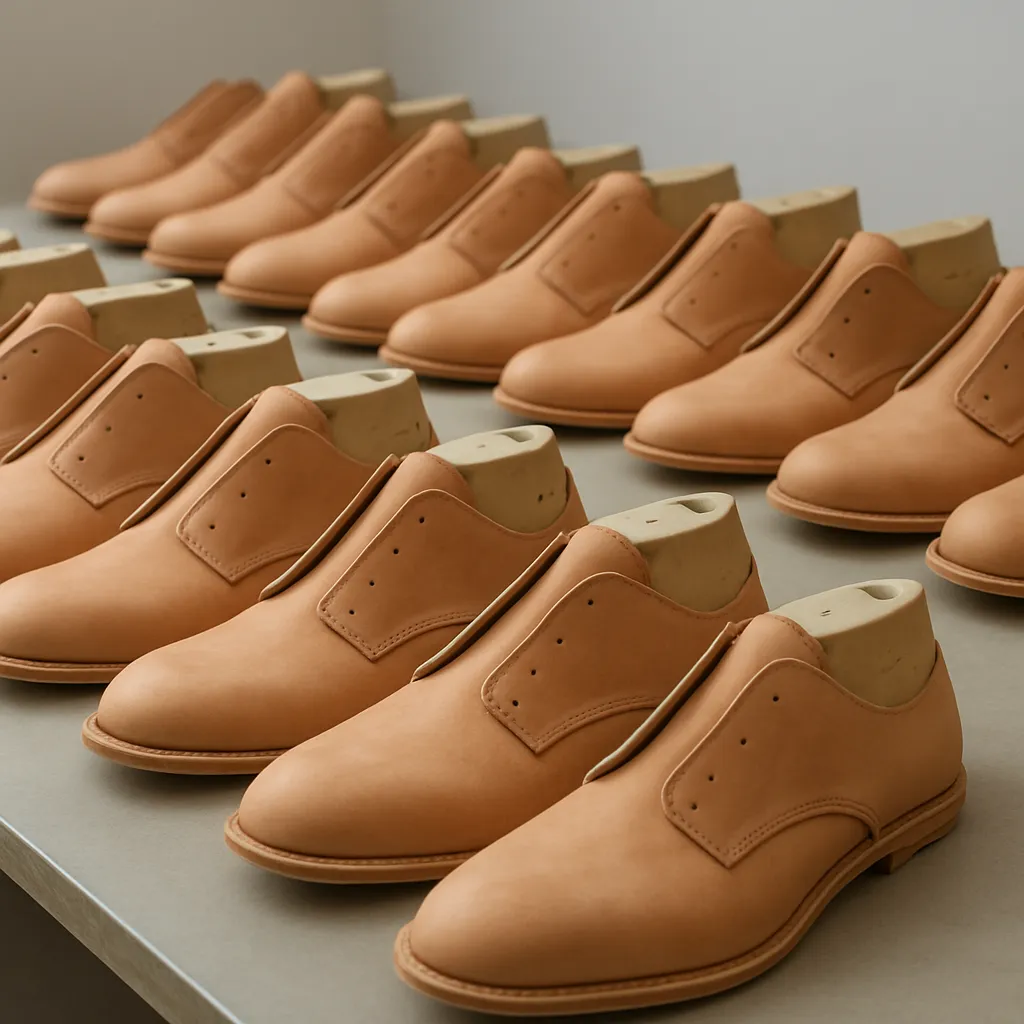
A textile company ships Southern cotton to a mill and finished cloth to distant buyers using canals and railroads. What larger change did this support?
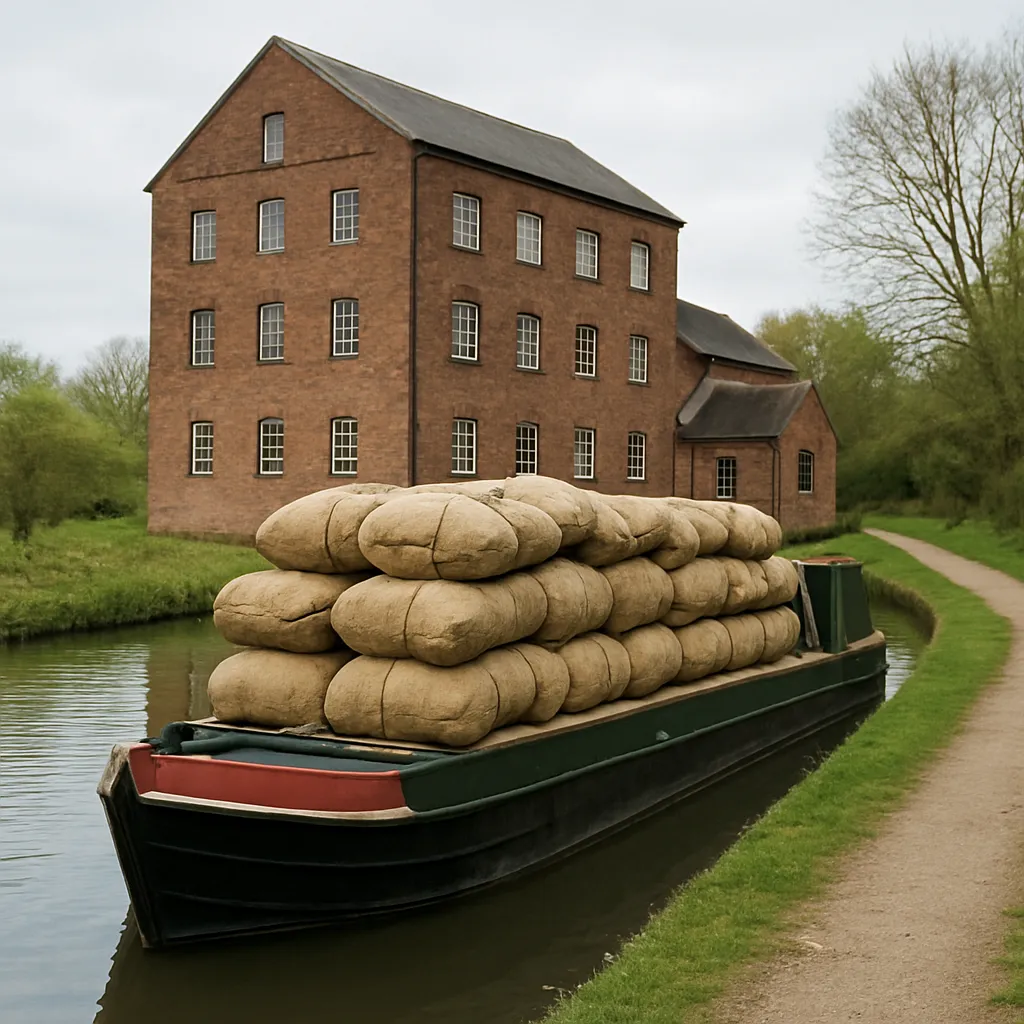
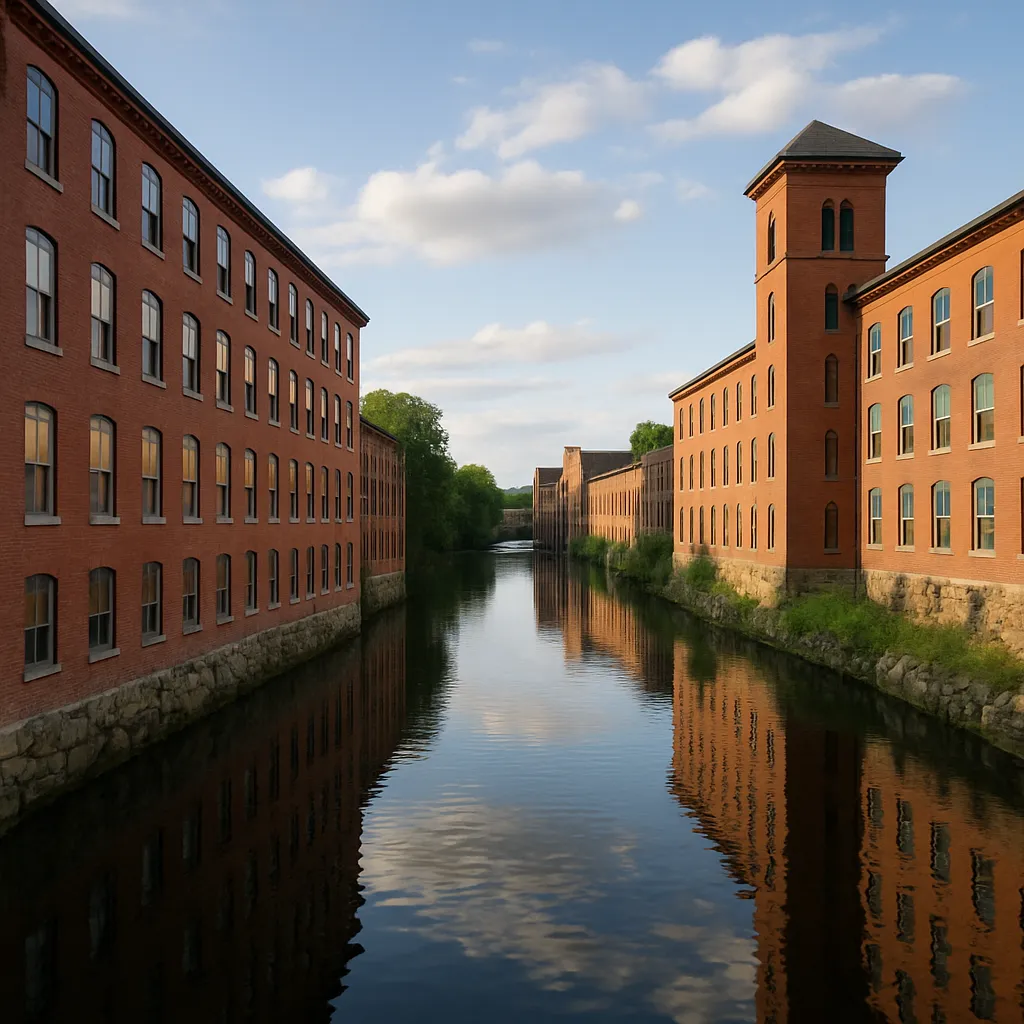
In the 1820s, investors built mills and power canals at the falls of the Merrimack River in Massachusetts. What economic effect followed in that area?
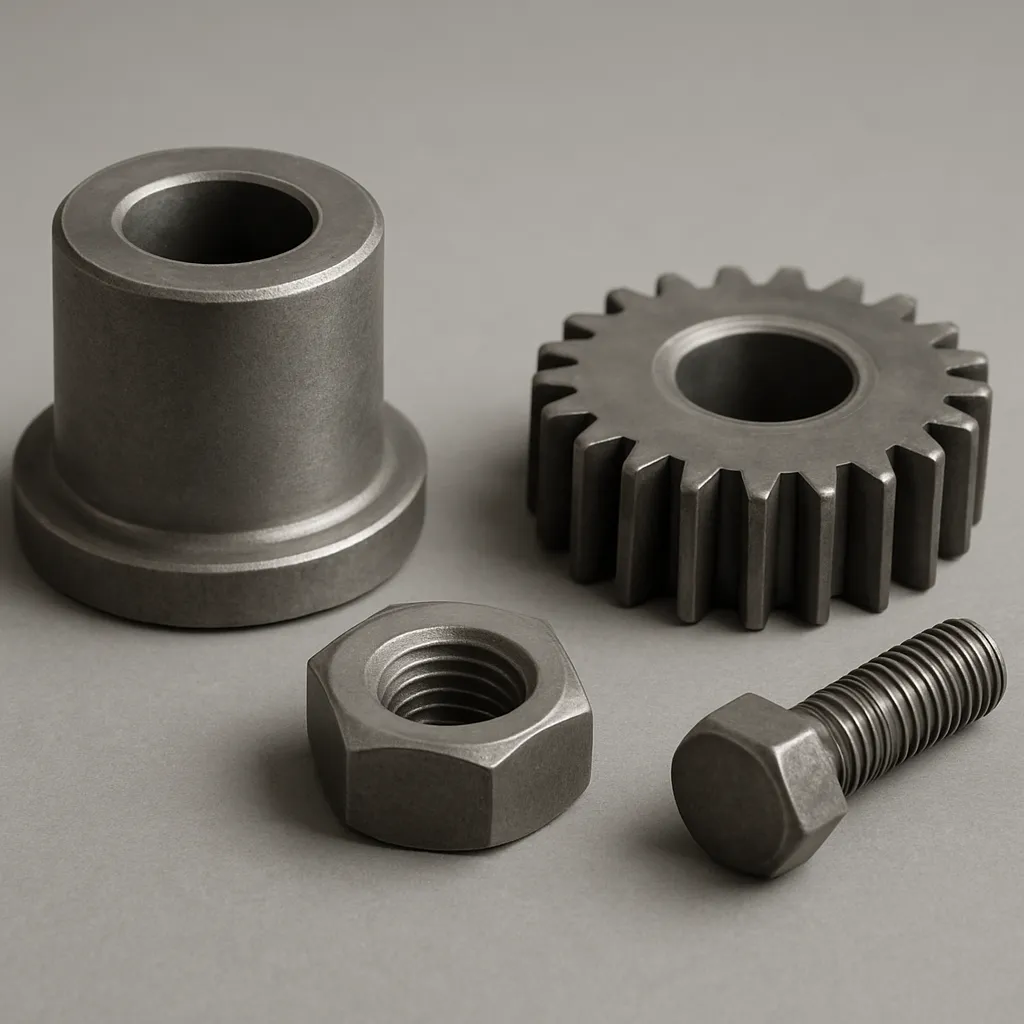
A machine maker cuts replacement pieces to the same size, so repairs and assembly take less time. What broader economic effect followed?
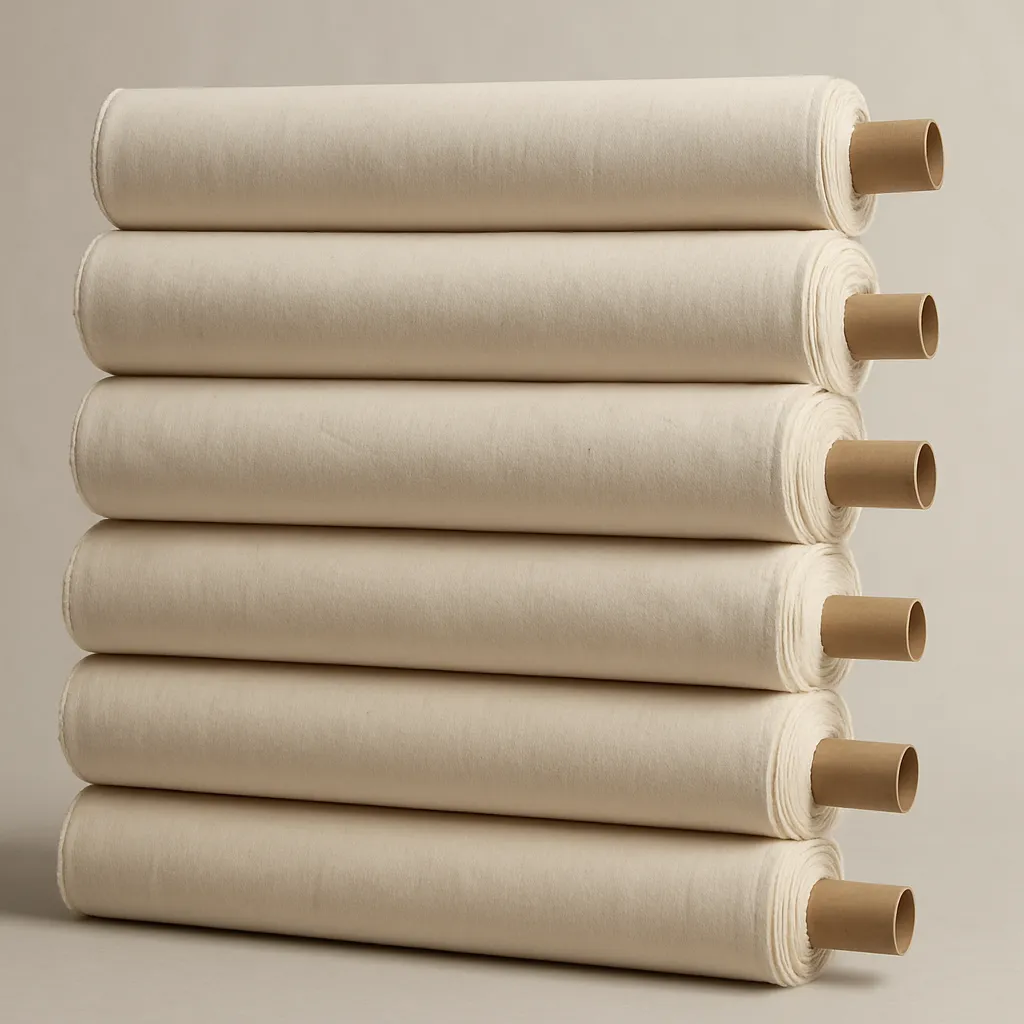
One mechanized mill produces more cloth than many home weavers did in a similar period. What consumer effect followed?
Crack the passcode before the zombies get in.
Answer, then swat bugs for bonus points.
Race through questions at your own speed.
Same question on every screen. Fastest wins.

Pick a tile, answer, hit bonuses and steals.
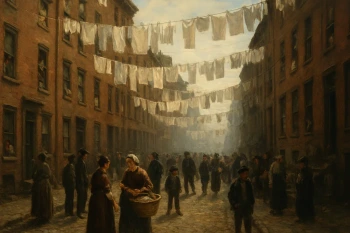
Immigration and Urban Growth Before the Civil War
20 questions