Loading
by BlastRoom
Students explain how canals, steamboats, roads, and railroads changed trade and settlement.
#economics#us_grade_8_social_studies
20 questions
One question set, multiple game modes. Tap any game to see it in action. Not sure which to pick?
Answer to place stones and capture territory.
Outrun the snow together.
Earn blasts, then hunt the other team.
Answer to earn energy, then climb.

The class blasts through walls together.
Bid on mystery lots. Most money wins.
Sell tours. Nice, standard, or a total scam.

Answer, restock, and serve the rush.
More correct answers pulls the rope your way.
Answer, then shoot down the alien wave.
Answer, then tap to leap the frozen ridge.
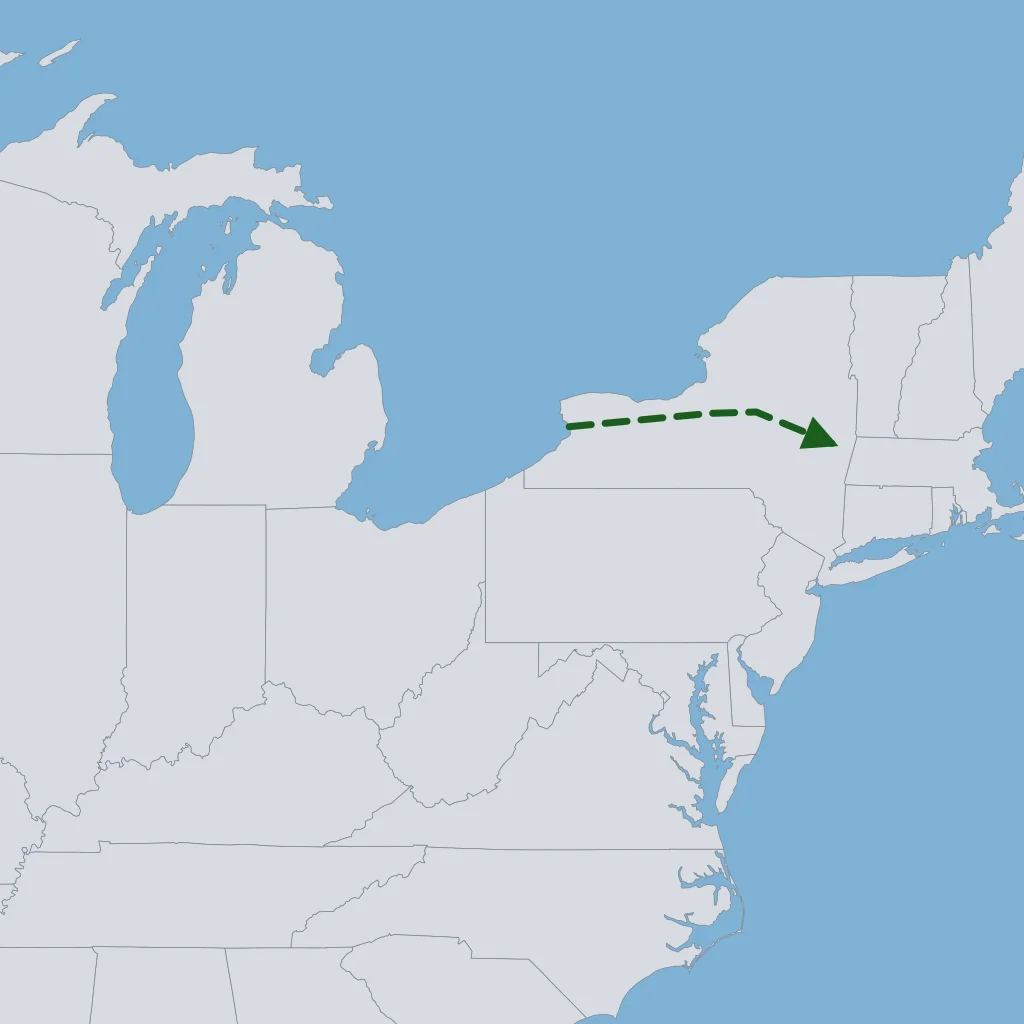
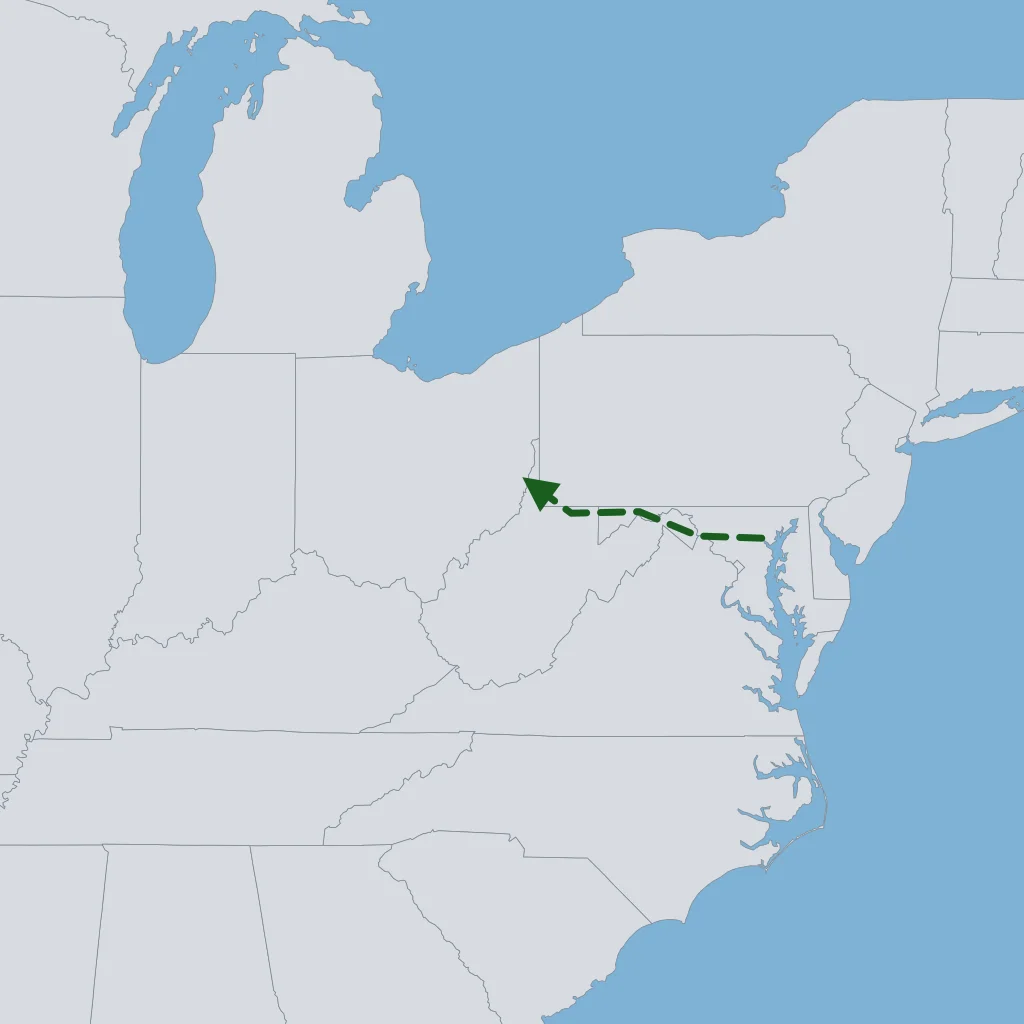
Use the map. Farmers near the Great Lakes ship grain east along the route shown, a water route completed across New York in 1825. Which improvement are they using?
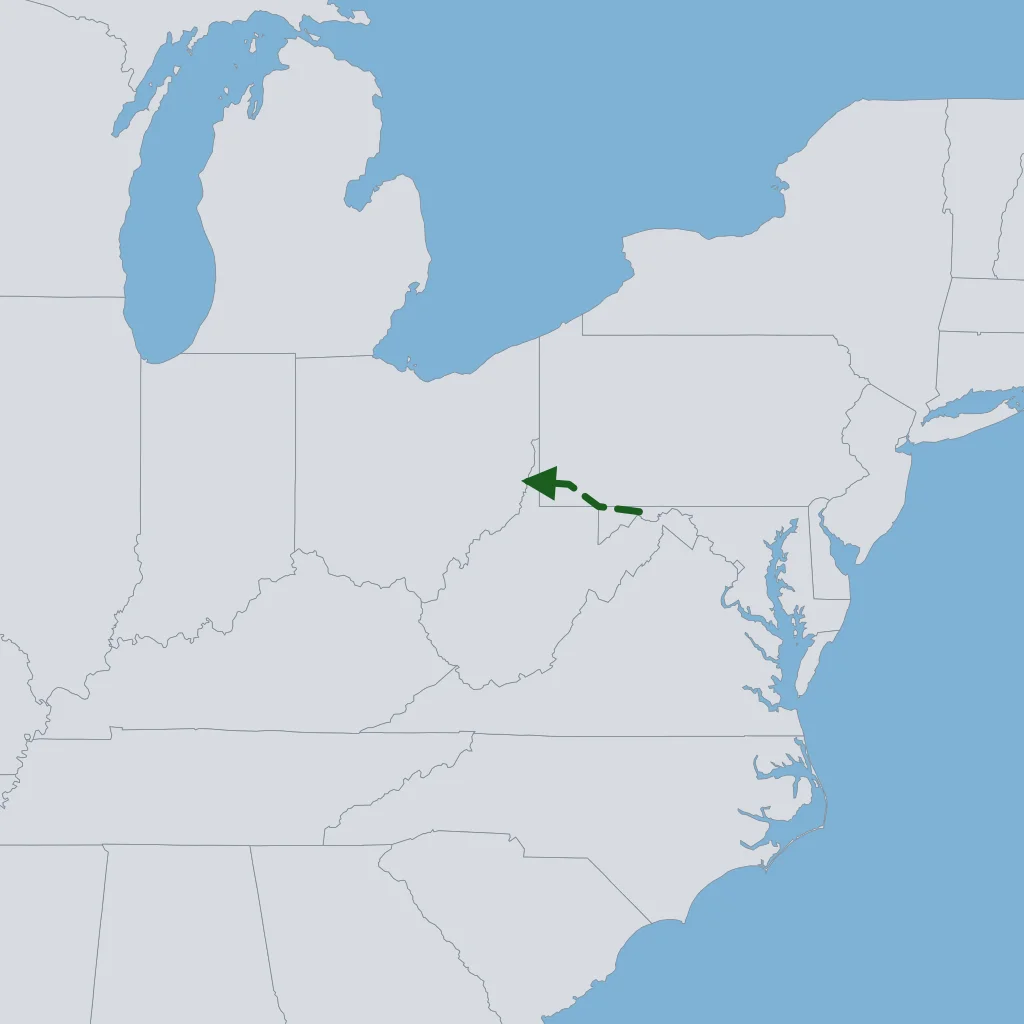
Use the map. By 1818, wagons carry families and farm goods along the route shown, from Cumberland, Maryland, to the Ohio River at Wheeling. Which improvement are they using?
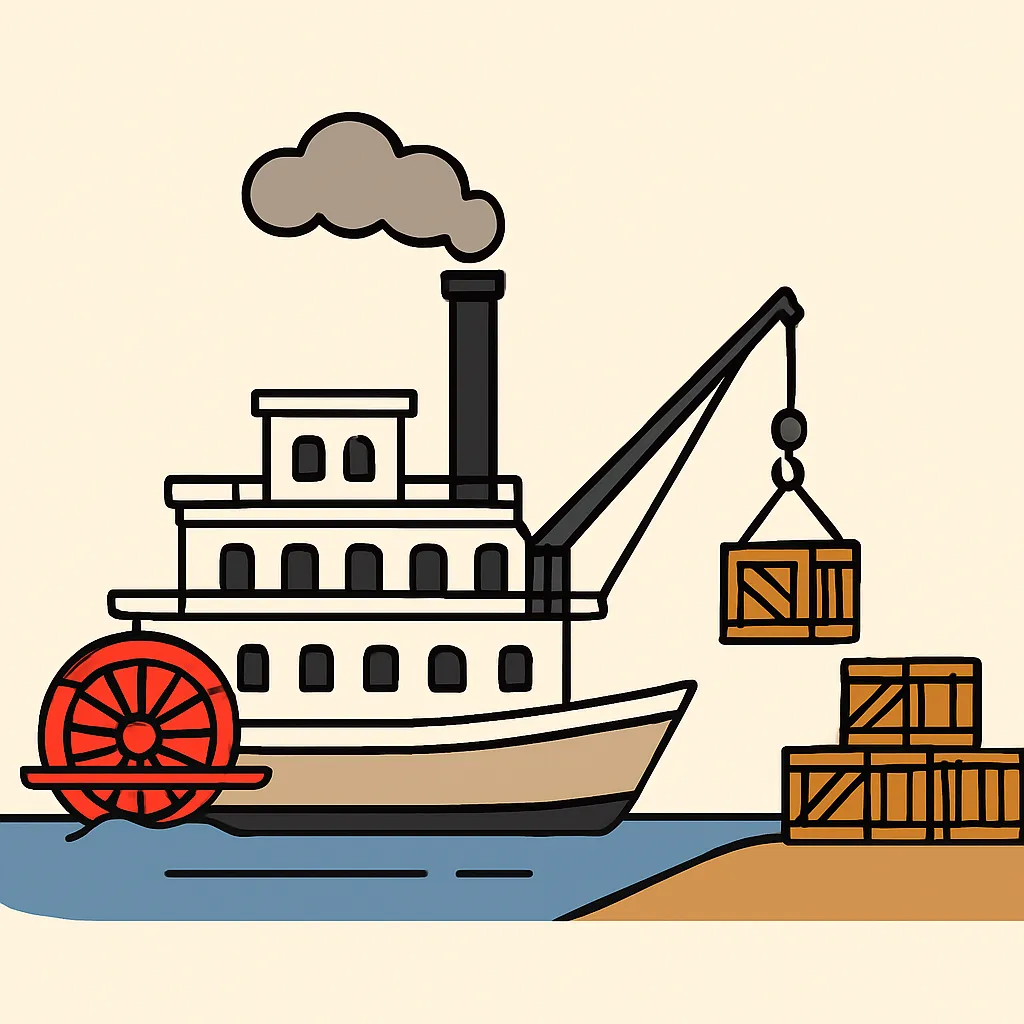
In 1807, the steamboat Clermont carried passengers up the Hudson River from New York City to Albany. Which inventor built it?
Use the map. In 1828 a company begins building an iron-rail line along the route shown, from a Chesapeake Bay port west toward trade on the Ohio River. Which improvement is this?
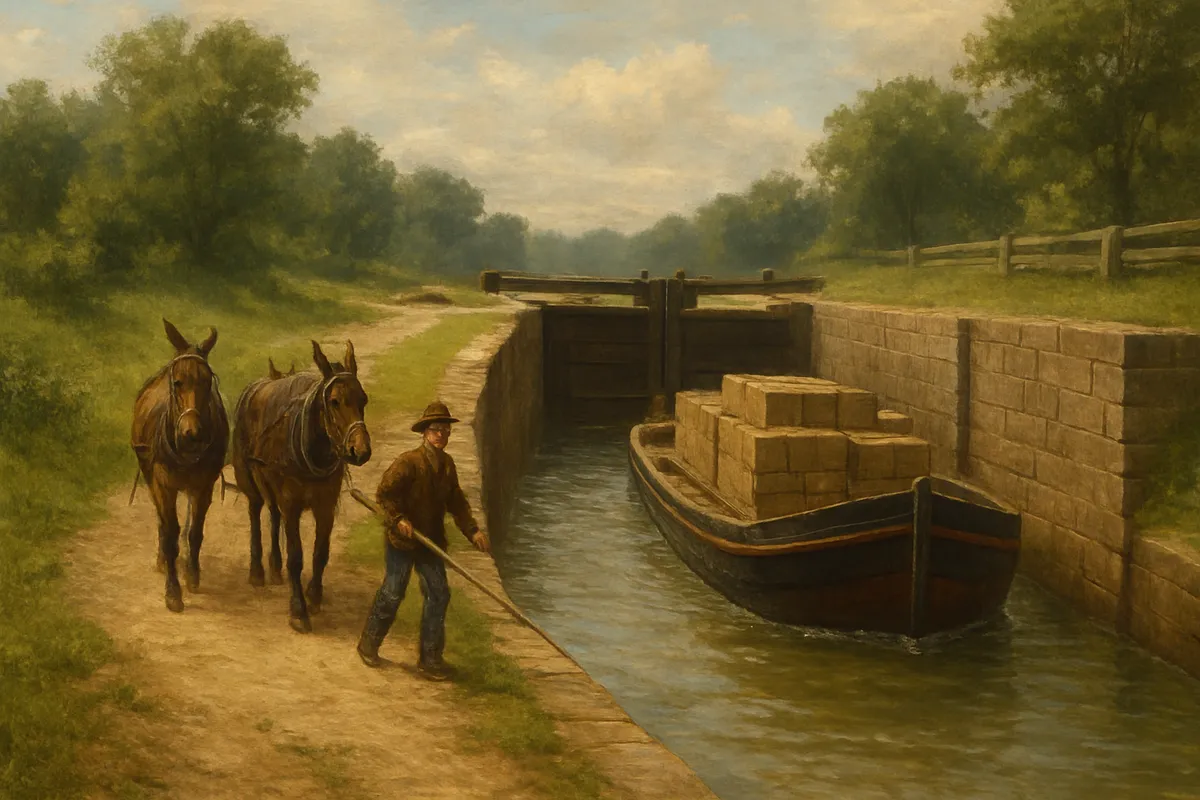
A freight boat is pulled by mules beside an artificial channel while locks raise it over uneven land. Which transportation system is described?
After the Erie Canal opened, shipping wheat from Buffalo to New York City dropped from about $100 to $10 per ton. What effect followed?

Before steam power, flatboats often floated goods downriver but could not easily return upriver with cargo. What did steamboats change?
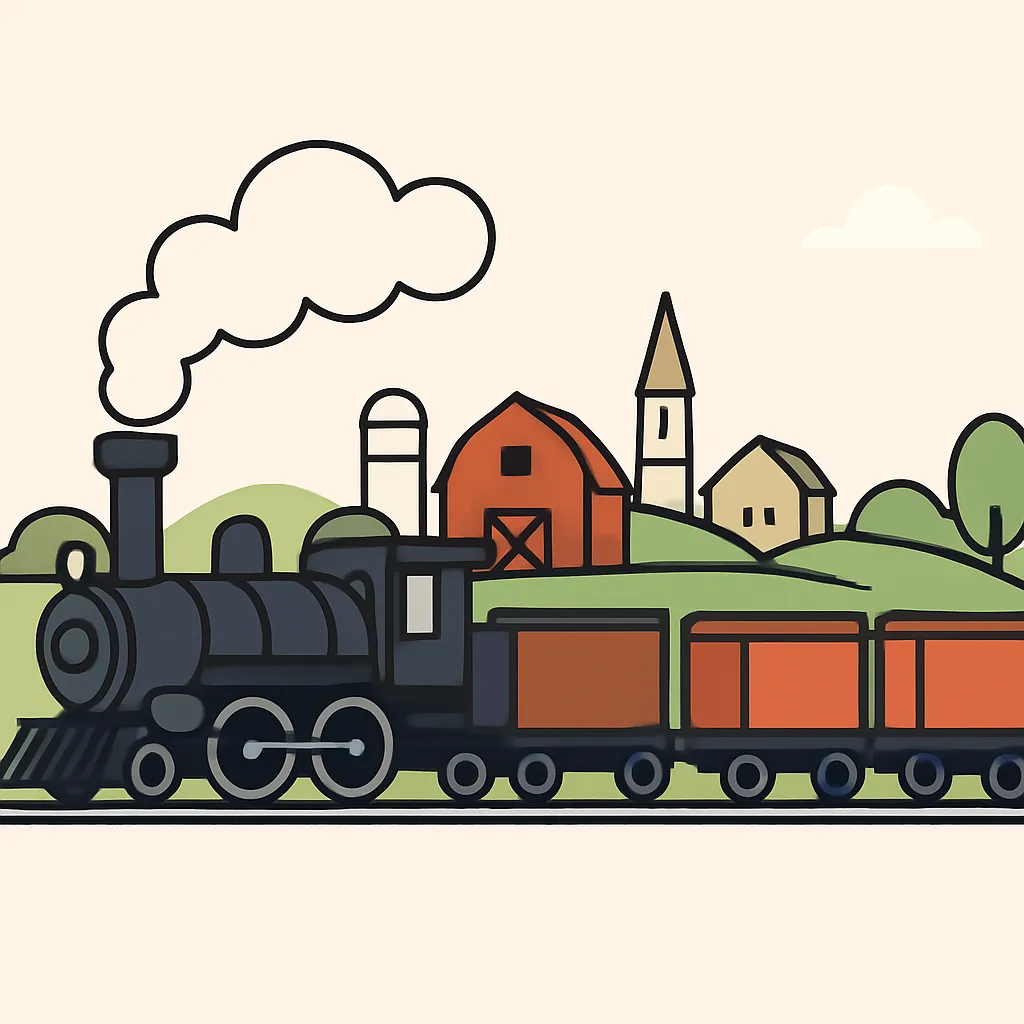
A railroad carries fresh farm products to a city on a regular schedule, even when canal water is frozen. What advantage is shown?
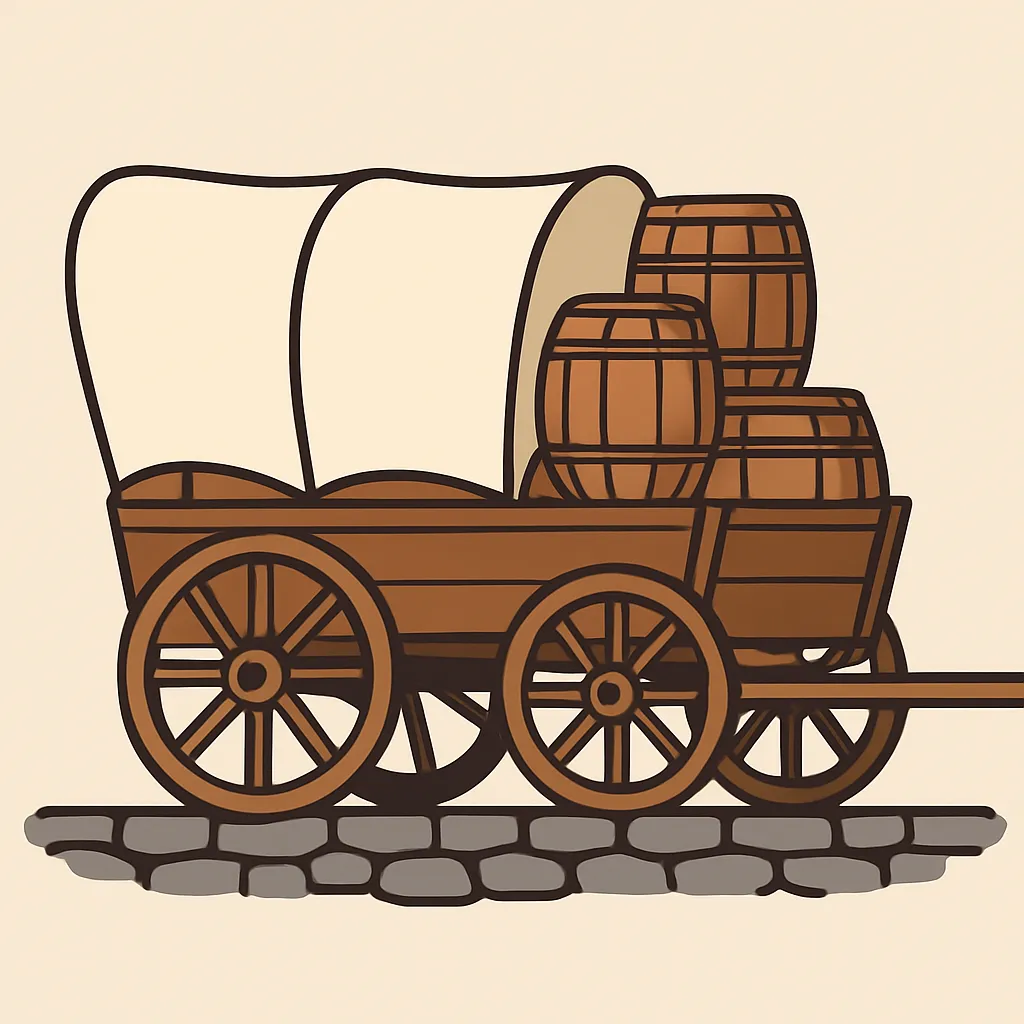
Conestoga wagons on the National Road carried frontier produce east and coffee or sugar west. Which trade effect does this show?
By the 1830s, canals, steamboats, roads, and railroads let farms sell to distant cities more often. Which broad change did this support?
Between 1825 and 1840, Buffalo, Rochester, and Syracuse expanded near the Erie Canal while many inland villages grew slowly. What pattern is shown?
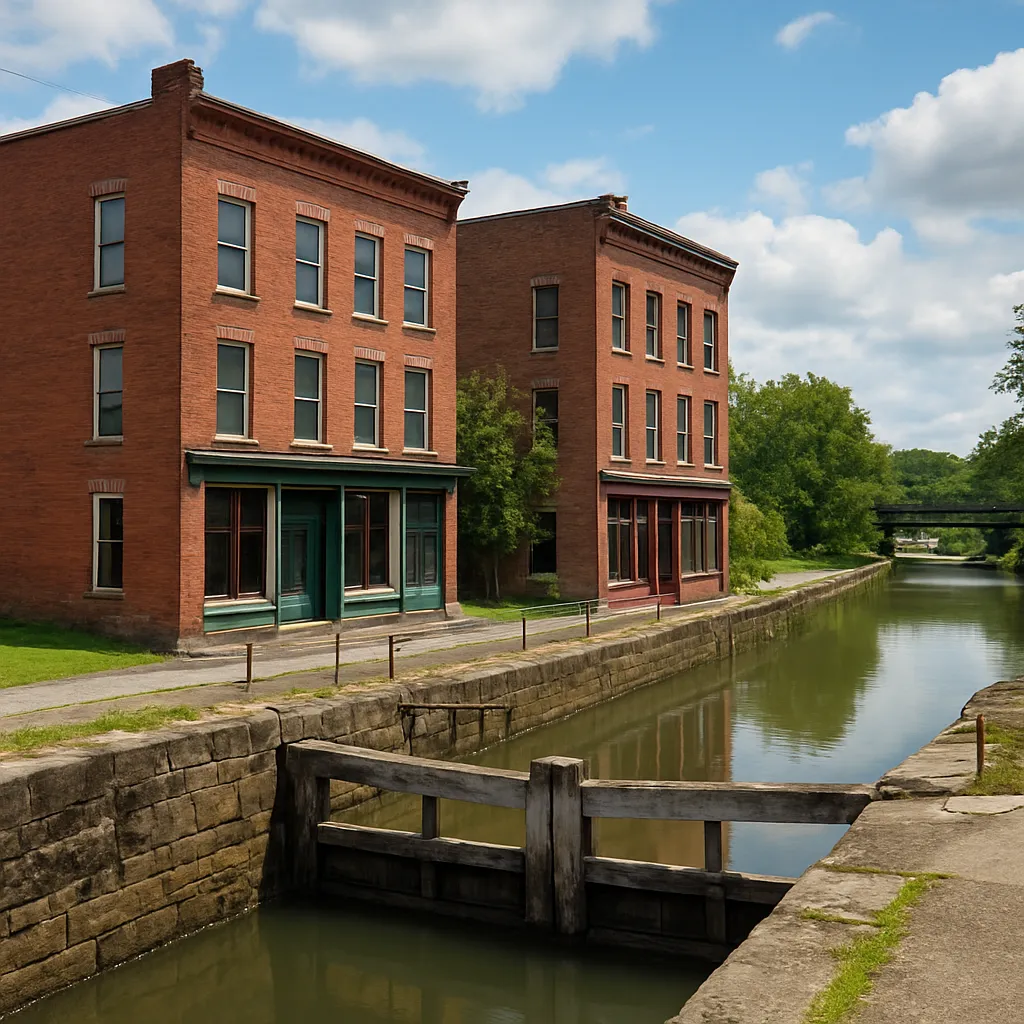
Along the National Road, taverns, inns, and blacksmith shops appeared where wagons and stagecoaches stopped. What settlement effect followed?
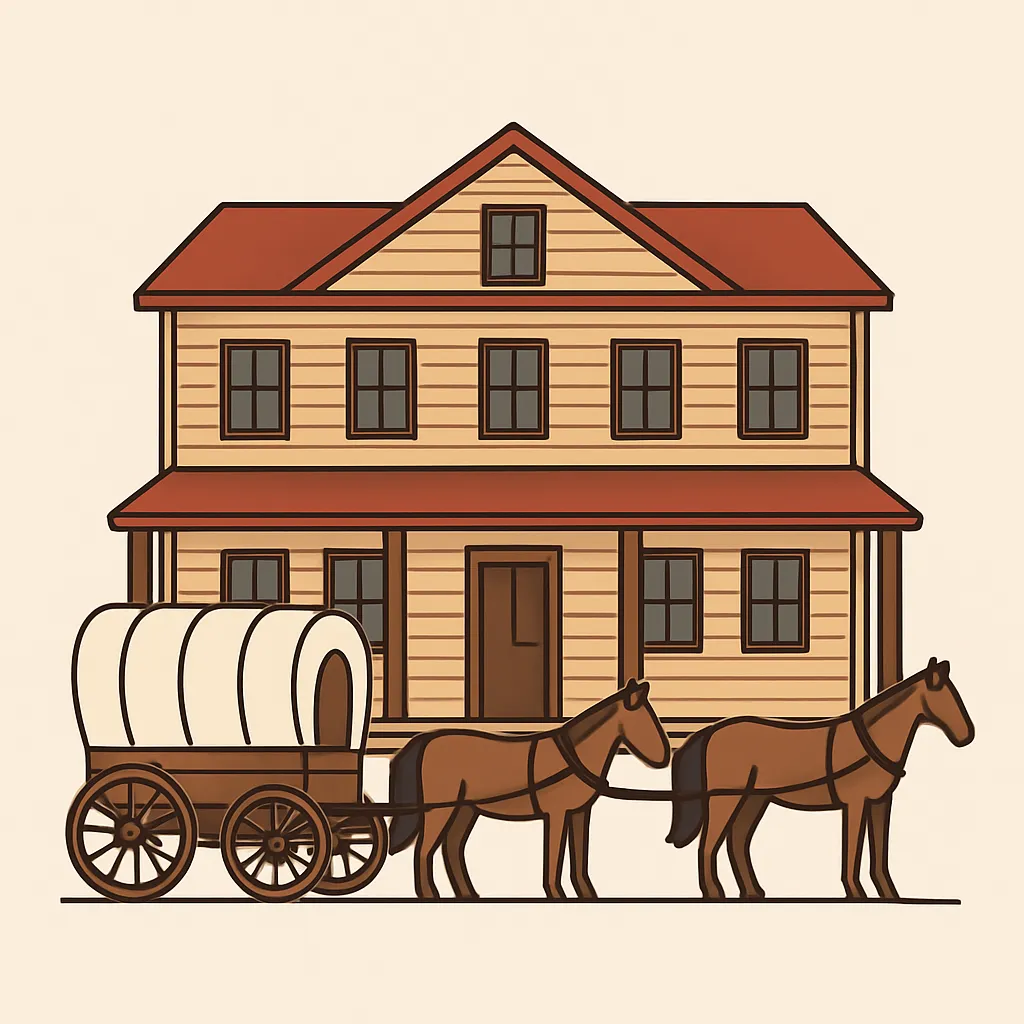
St. Louis became a busy levee city as steamboats connected the Mississippi and Missouri rivers. What does this show about settlement?
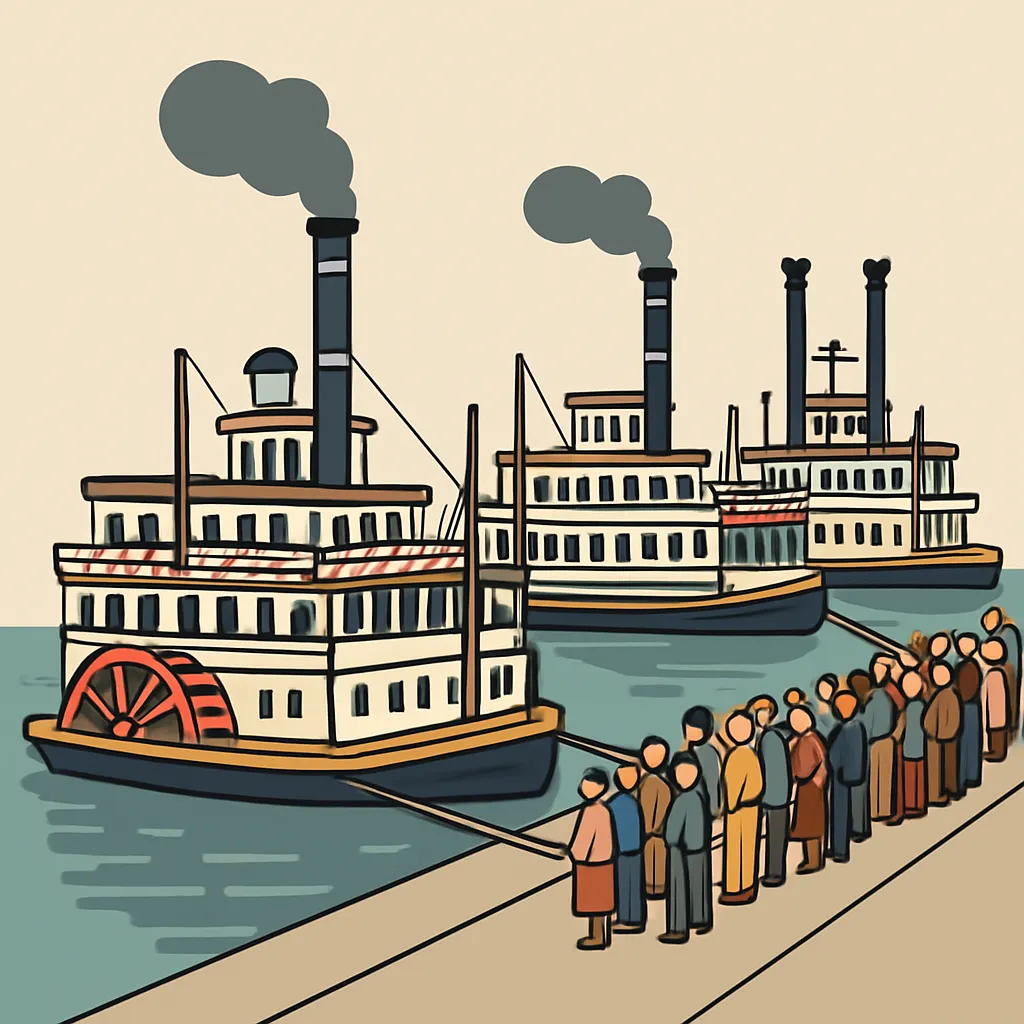
A railroad depot lets an inland farm town ship wheat to distant buyers and receive factory goods. How would this likely affect the town?
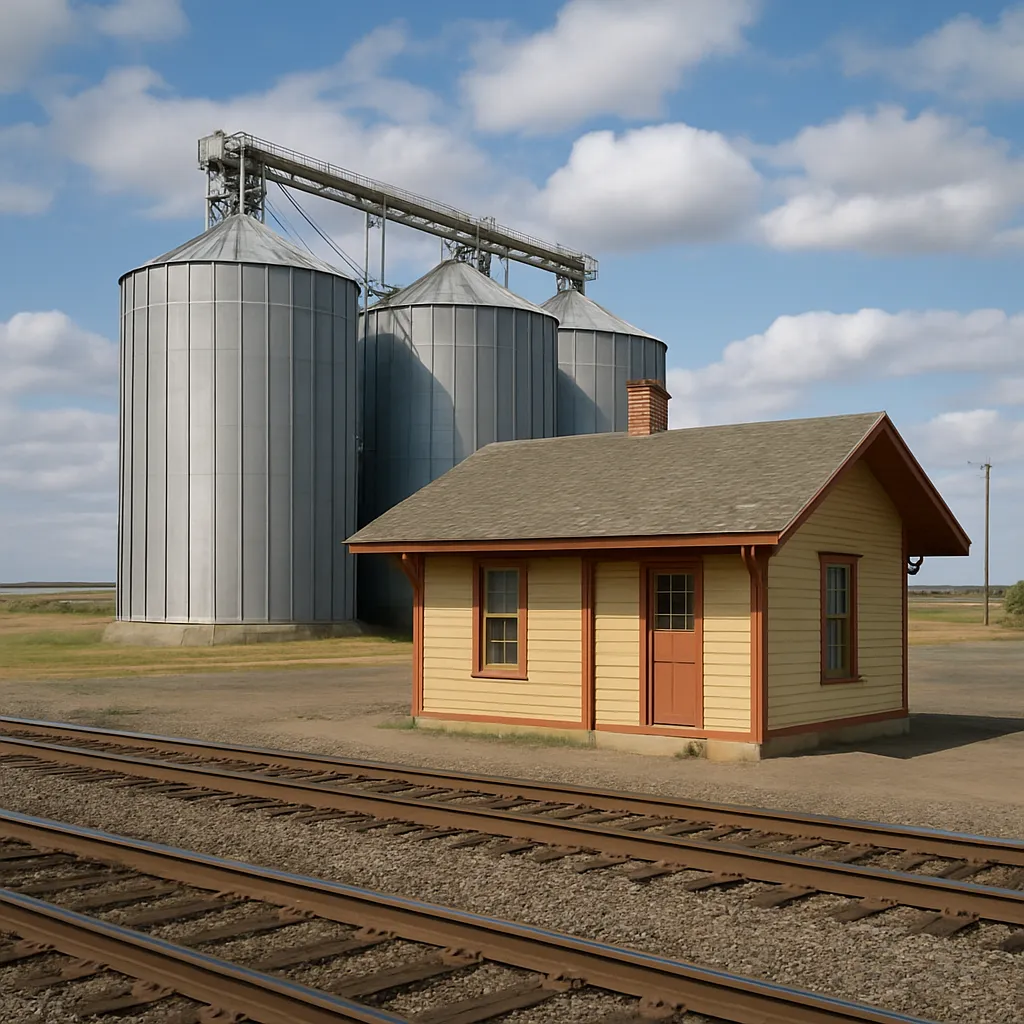
A family choosing land in Ohio in the 1830s wants access to eastern buyers through Lake Erie and New York. Where are they most likely to settle?
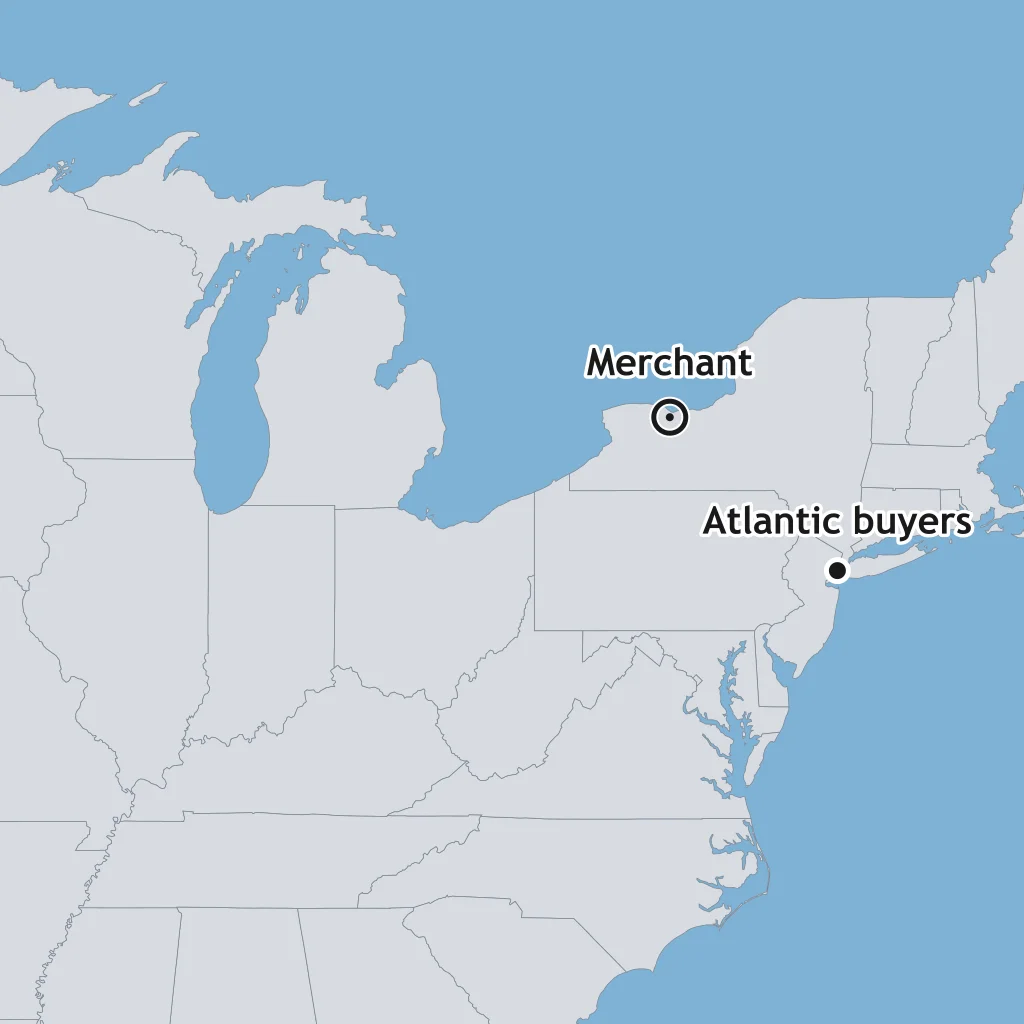
Use the map. A merchant in western New York needs the cheapest 1830s route for heavy flour to reach the Atlantic buyers shown. Which route best fits?
Construction on the National Road began in 1811 at Cumberland, Maryland. Who paid for building it?
A trader needs to send goods from New Orleans upriver to St. Louis and bring farm products back downriver. Which transportation choice best fits?
Baltimore merchants began the Baltimore and Ohio Railroad in 1828. What were they mainly trying to do?
A New York merchant needs manufactured cloth to reach customers near Lake Erie cheaply in 1835. Which route best fits?

Crack the passcode before the zombies get in.
Answer, then swat bugs for bonus points.
Race through questions at your own speed.
Same question on every screen. Fastest wins.

Pick a tile, answer, hit bonuses and steals.

The Abolition Movement
20 questions