Loading
by BlastRoom
Identify abolitionist leaders, arguments, publications, methods, and public reactions before the Civil War.
#us_history#us_grade_8_social_studies

20 questions
One question set, multiple game modes. Tap any game to see it in action. Not sure which to pick?
Answer to place stones and capture territory.
Outrun the snow together.
Earn blasts, then hunt the other team.
Answer to earn energy, then climb.

The class blasts through walls together.
Bid on mystery lots. Most money wins.
Sell tours. Nice, standard, or a total scam.

Answer, restock, and serve the rush.
More correct answers pulls the rope your way.
Answer, then shoot down the alien wave.
Answer, then tap to leap the frozen ridge.
An editor published The Liberator in Boston beginning in 1831 and demanded immediate, uncompensated emancipation. Which abolitionist leader is described?
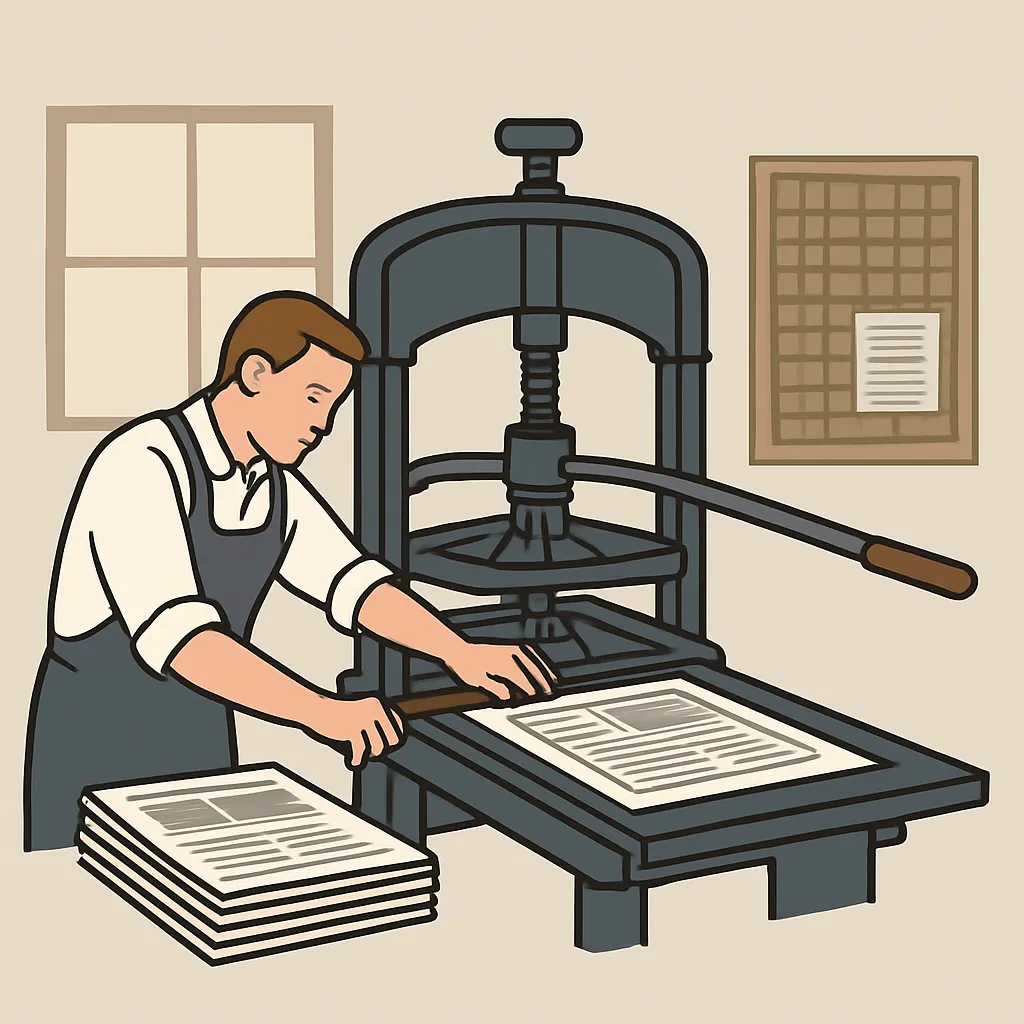
Frederick Douglass founded and edited an antislavery newspaper in Rochester, New York, beginning on December 3, 1847. Which publication was it?
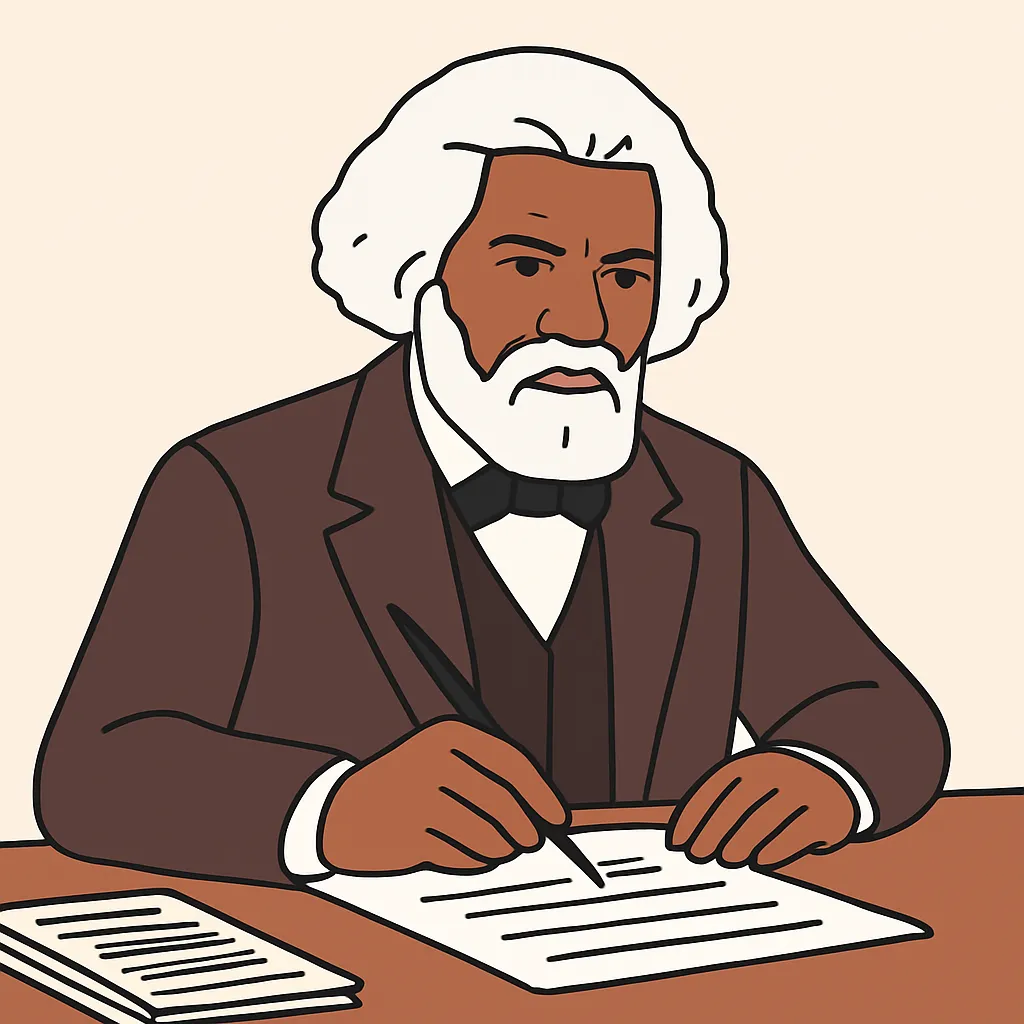
David Walker's 1829 pamphlet urged Black resistance to slavery and criticized colonization plans. Which publication is described?
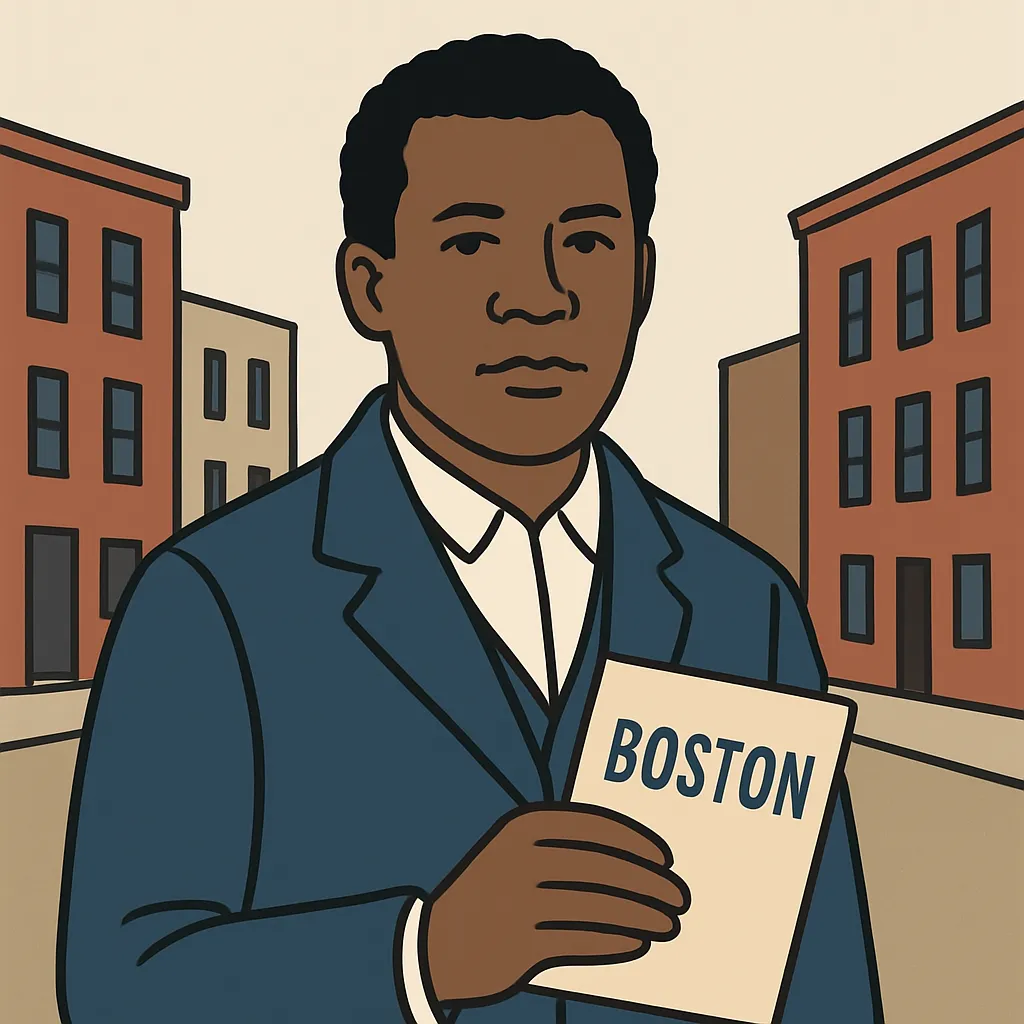
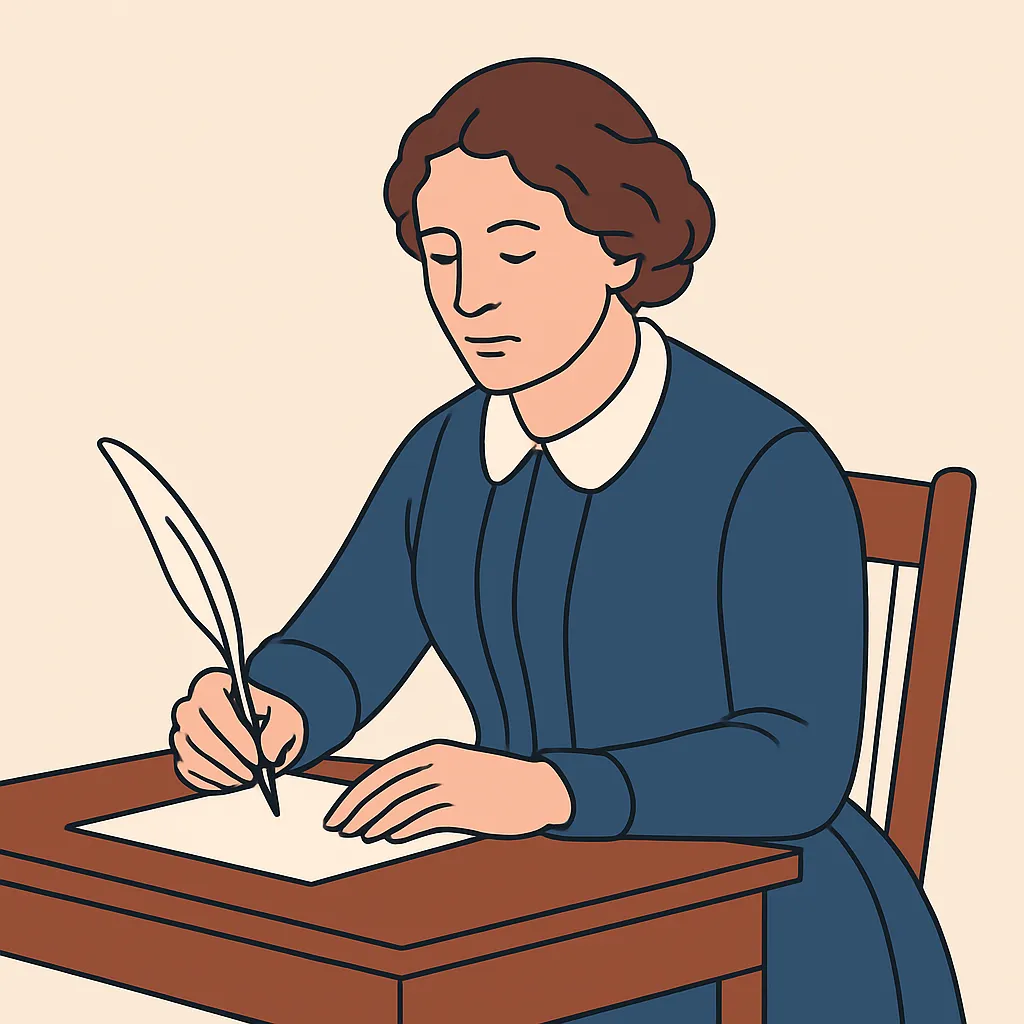
Harriet Beecher Stowe wrote a best-selling antislavery novel published as a two-volume book in 1852. Which work was it?
An 1839 abolitionist book compiled testimony from many witnesses to document the treatment of enslaved people. Which publication was it?
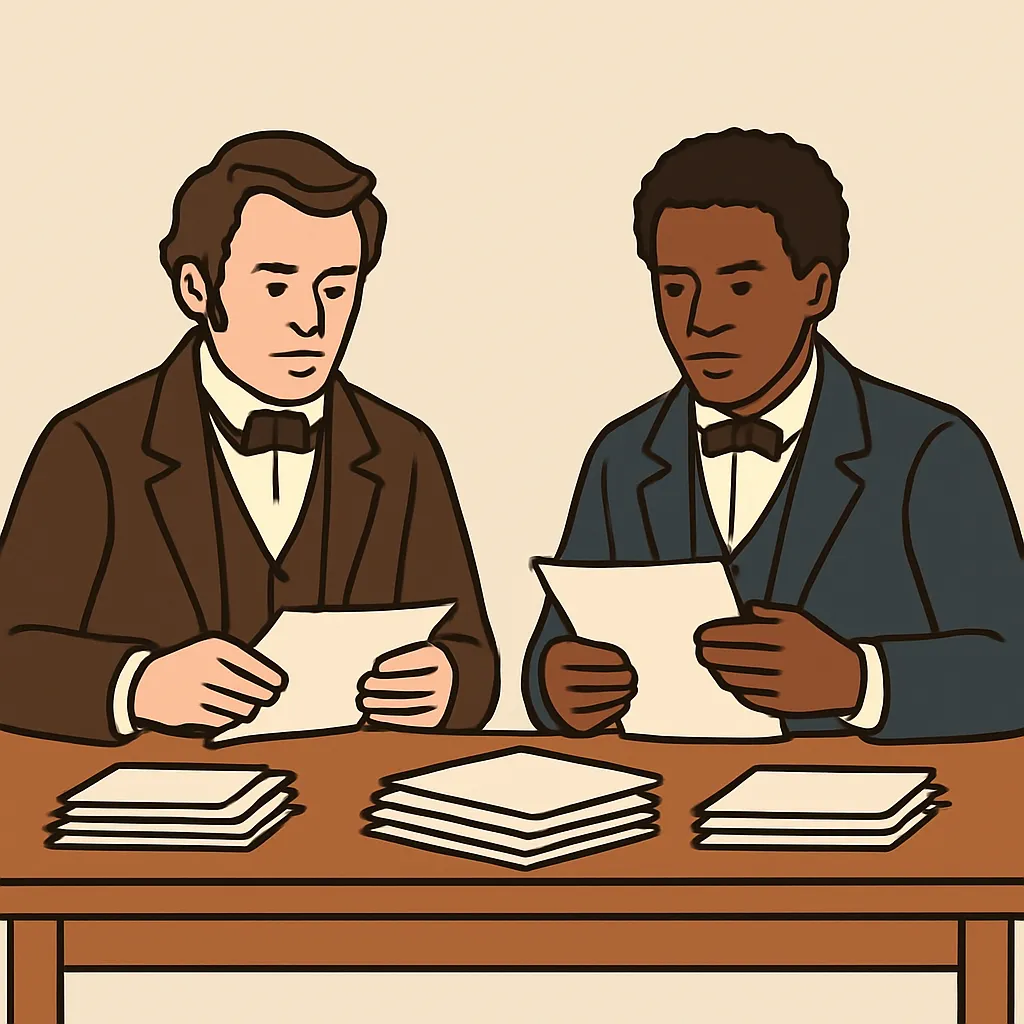
Founded in 1833, the American Anti-Slavery Society broke with older antislavery groups. Which position did it call for?
An abolitionist cited the Declaration of Independence to argue that slavery violated equality and liberty. Which argument was being used?
A reformer called slavery a sin and tried to change public opinion through conscience and repentance. Which abolitionist argument or strategy fits?
A Black abolitionist rejected plans to send free Black Americans to Africa and claimed full rights in the United States. Which position fits?
Frederick Douglass and Harriet Jacobs wrote books about their own lives in slavery and their escapes. What kind of abolitionist writing was this?
Homes, churches, barns, guides, and secret routes helped freedom seekers escape bondage before the Civil War. What antislavery method was this?
In the 1830s, abolitionists, many of them women, sent Congress thousands of petitions. What did most of these petitions ask Congress to do?
After a powerful speech at an 1841 antislavery meeting on Nantucket, a man who had escaped slavery was hired as a lecturer by the Massachusetts Anti-Slavery Society. Who was he?
In 1827, Samuel Cornish and John Russwurm began the first newspaper in the United States owned and run by African Americans. Which paper was it?

The free produce movement urged buyers to avoid sugar, cotton cloth, and other goods made by enslaved labor. Which religious group led this movement?

Southern lawmakers wanted antislavery petitions in the House automatically set aside without debate. What congressional measure resulted?

In 1835, a Charleston crowd seized and burned abolitionist mail sent by the American Anti-Slavery Society. How did U.S. Postmaster General Amos Kendall respond?

In 1837, a proslavery mob killed abolitionist editor Elijah Lovejoy while attacking his newspaper press. Where did this happen?

After the Fugitive Slave Act of 1850, Boston activists organized vigilance committees and resisted slave catchers. What sectional effect followed?
Antislavery attacks grew in the 1830s, and defenders such as John C. Calhoun praised slavery as a positive good. What did this exchange deepen?
Crack the passcode before the zombies get in.
Answer, then swat bugs for bonus points.
Race through questions at your own speed.
Same question on every screen. Fastest wins.

Pick a tile, answer, hit bonuses and steals.

Temperance, Education and Asylum Reform
20 questions