Loading
by BlastRoom
Covers the discovery of gold in California, who came, and the effects on California and the nation.
#us_history#us_grade_8_social_studies
20 questions
One question set, multiple game modes. Tap any game to see it in action. Not sure which to pick?
Answer to place stones and capture territory.
Outrun the snow together.
Earn blasts, then hunt the other team.
Answer to earn energy, then climb.

The class blasts through walls together.
Bid on mystery lots. Most money wins.
Sell tours. Nice, standard, or a total scam.

Answer, restock, and serve the rush.
More correct answers pulls the rope your way.
Answer, then shoot down the alien wave.
Answer, then tap to leap the frozen ridge.
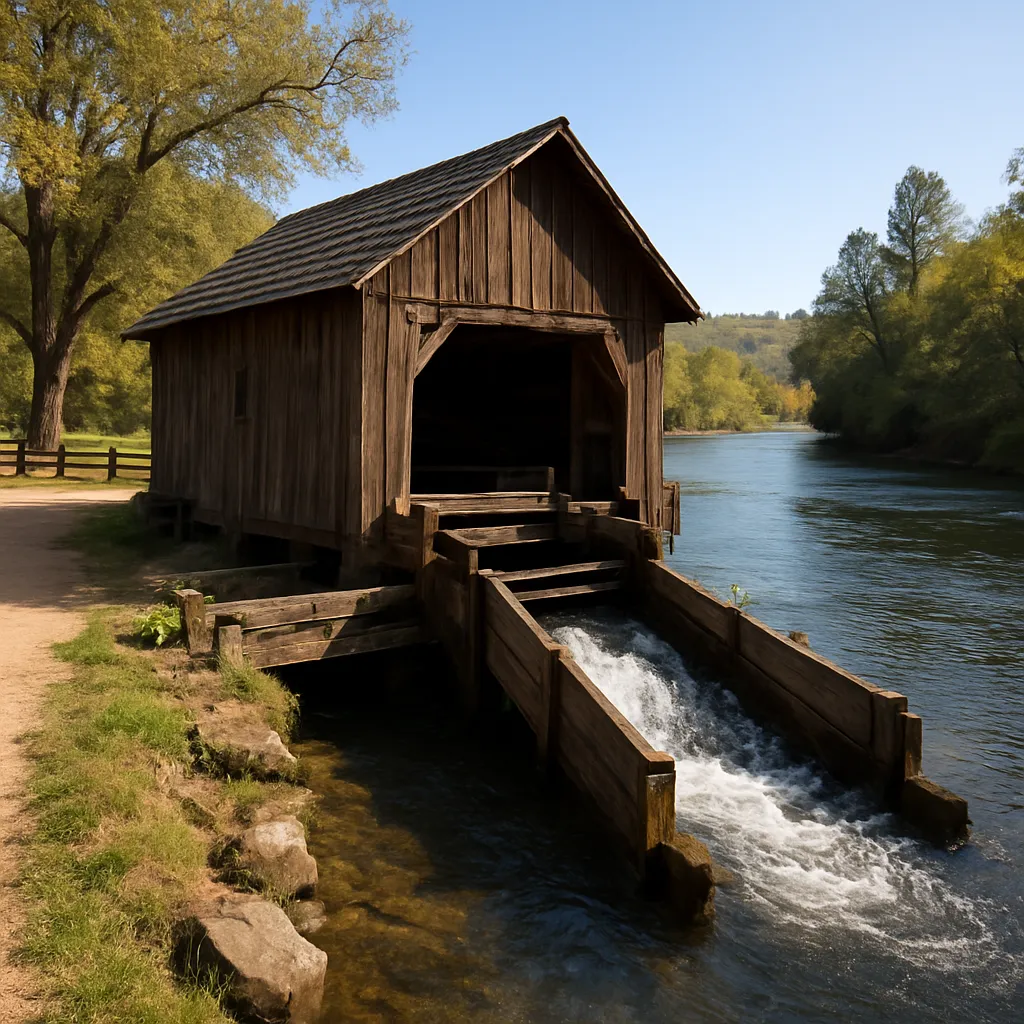
On January 24, 1848, James W. Marshall noticed shiny flakes in the tailrace of Sutter’s sawmill near Coloma. What discovery did he report?
News that gold had been found at Sutter’s Mill spread across the United States in 1848 and 1849. Which movement did this discovery help start?
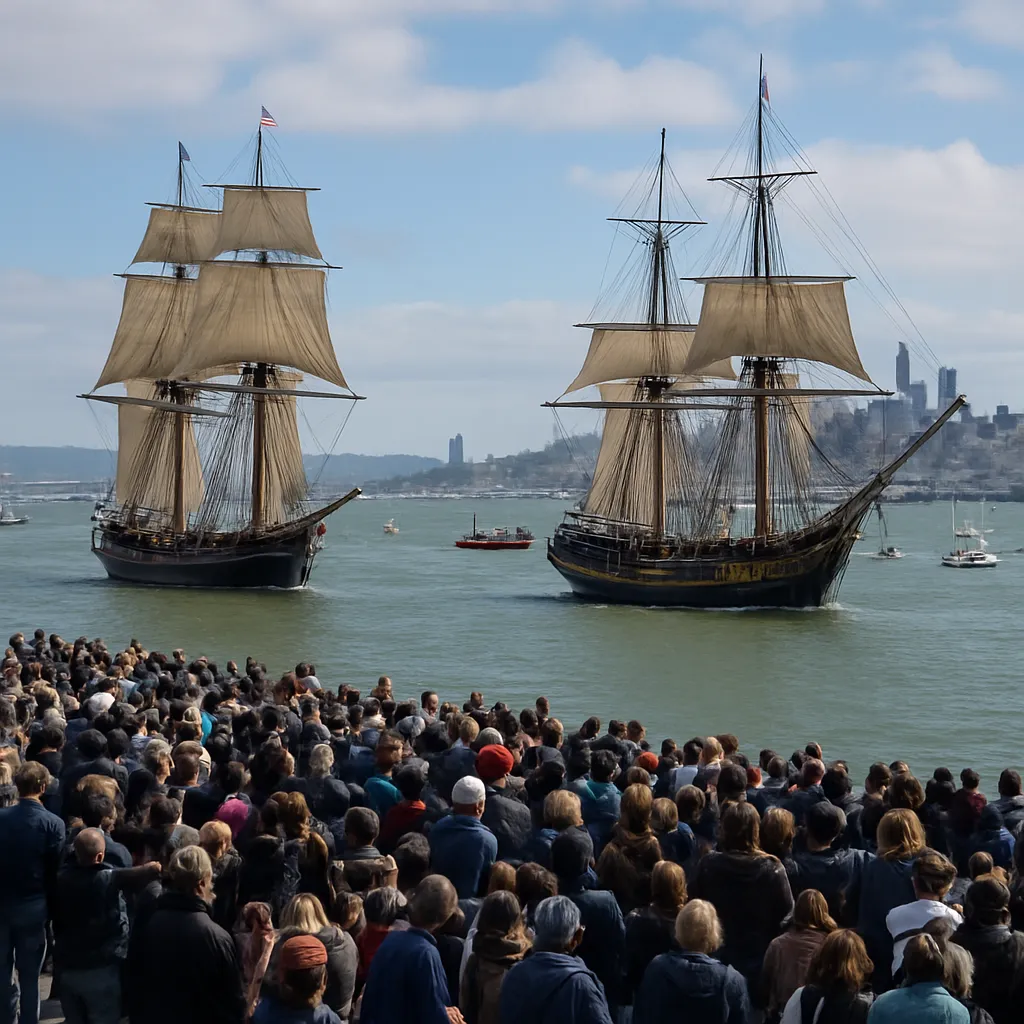
In spring 1848, Sam Brannan displayed gold dust in San Francisco and spread news from the American River. What immediate result followed in northern California?

President James K. Polk confirmed California gold reports to Congress on December 5, 1848. Why did this message matter for eastern Americans?
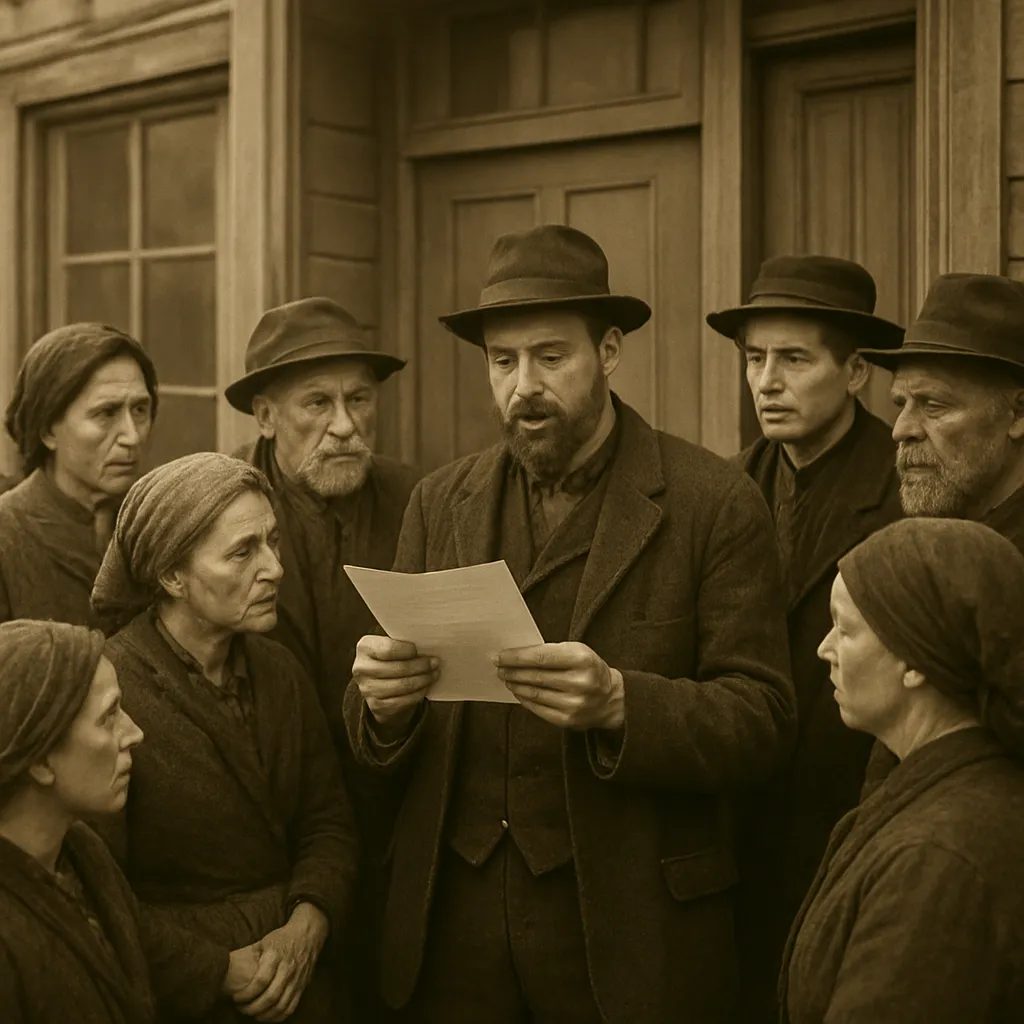
During the California Gold Rush, what did the nickname forty-niners identify?
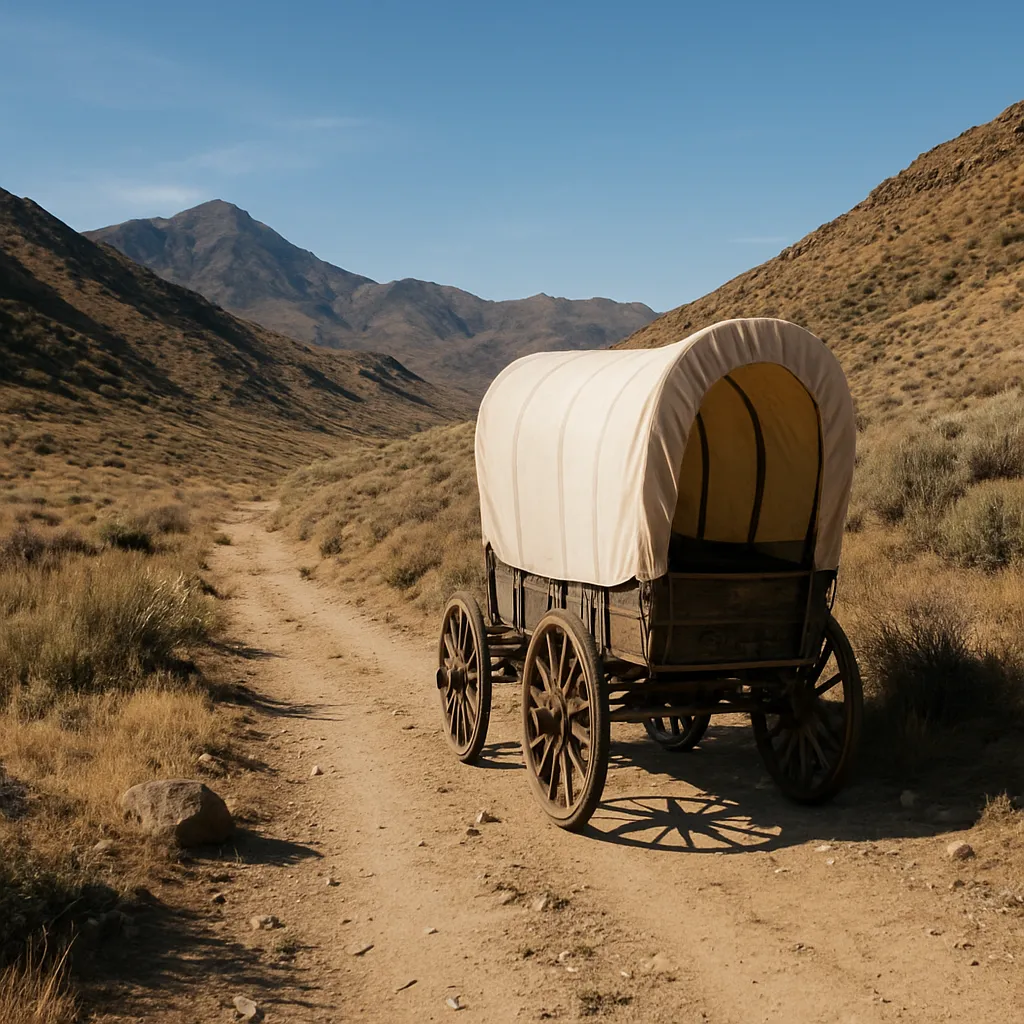
Use the route sketch. What migration pattern did the California Gold Rush create by 1849?
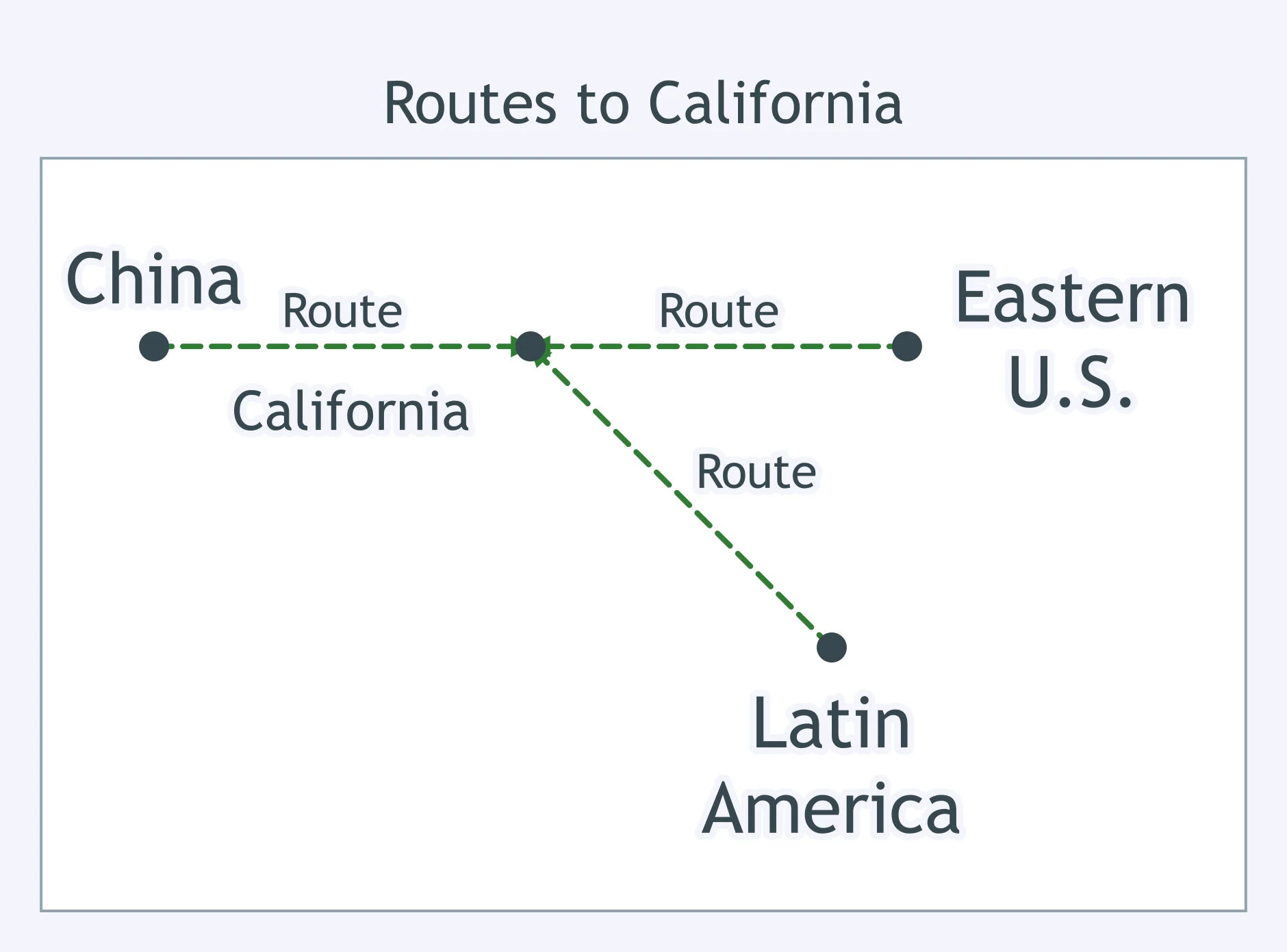
A gold seeker from New York sailed to Central America, crossed the narrow isthmus by canoe and mule, then boarded another ship for California. What route was this?
Some gold seekers from the East Coast sailed about 17,000 miles around South America’s tip to reach California. What route was that?
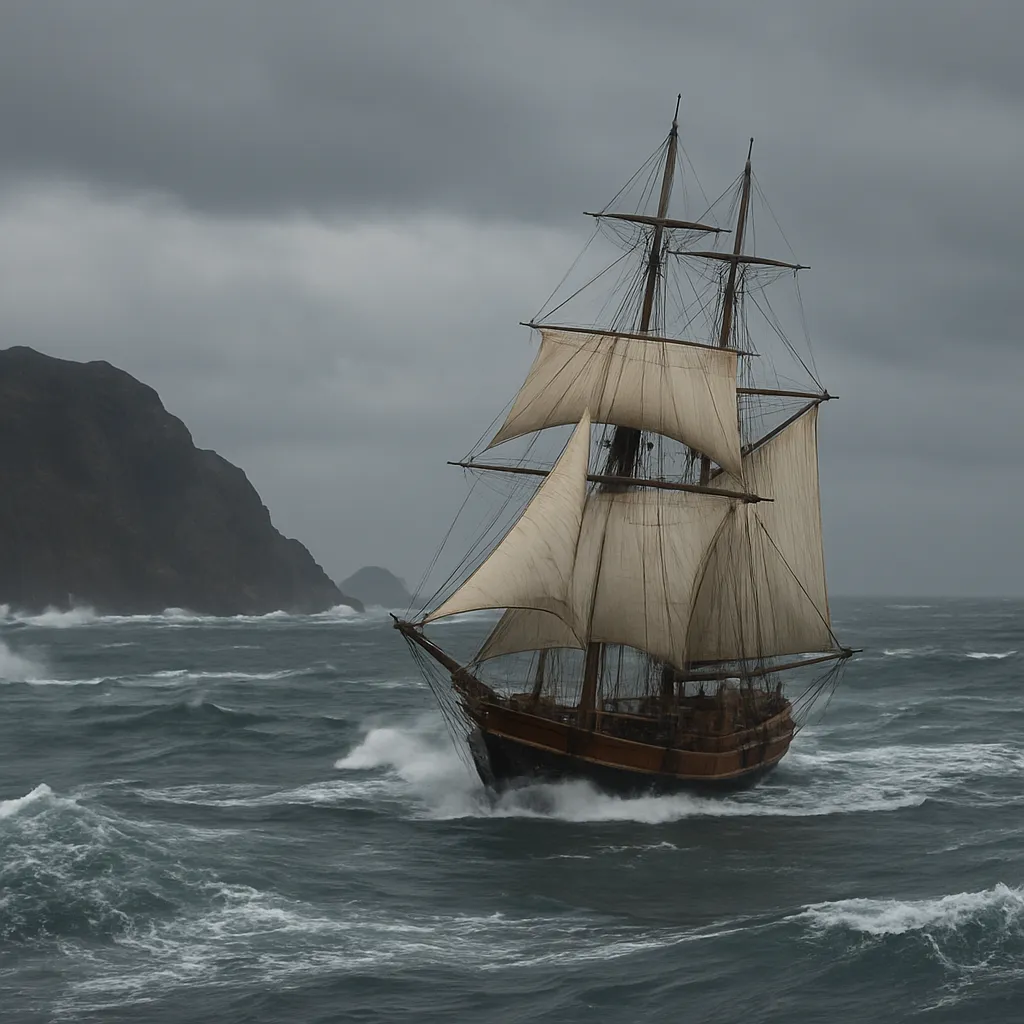
Many Gold Rush miners crossed the Pacific from Guangdong province to reach California. Which country did they come from?
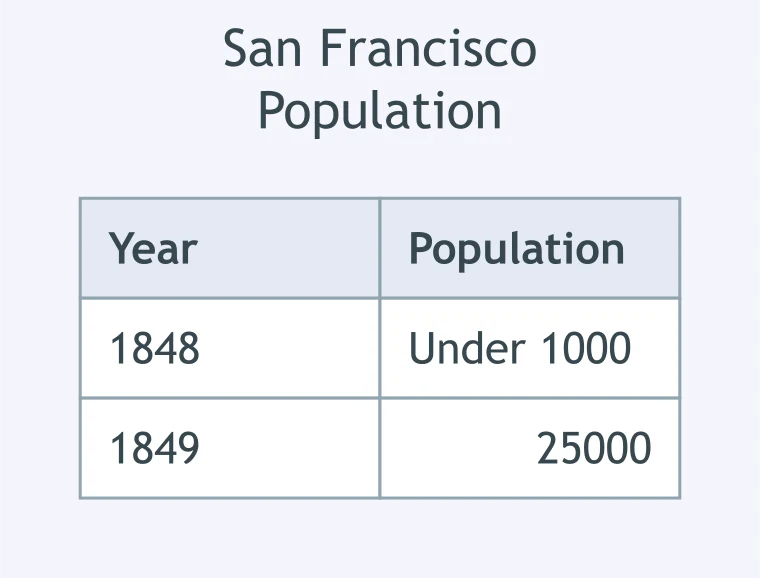
Use the table. What Gold Rush effect does the San Francisco population change show?
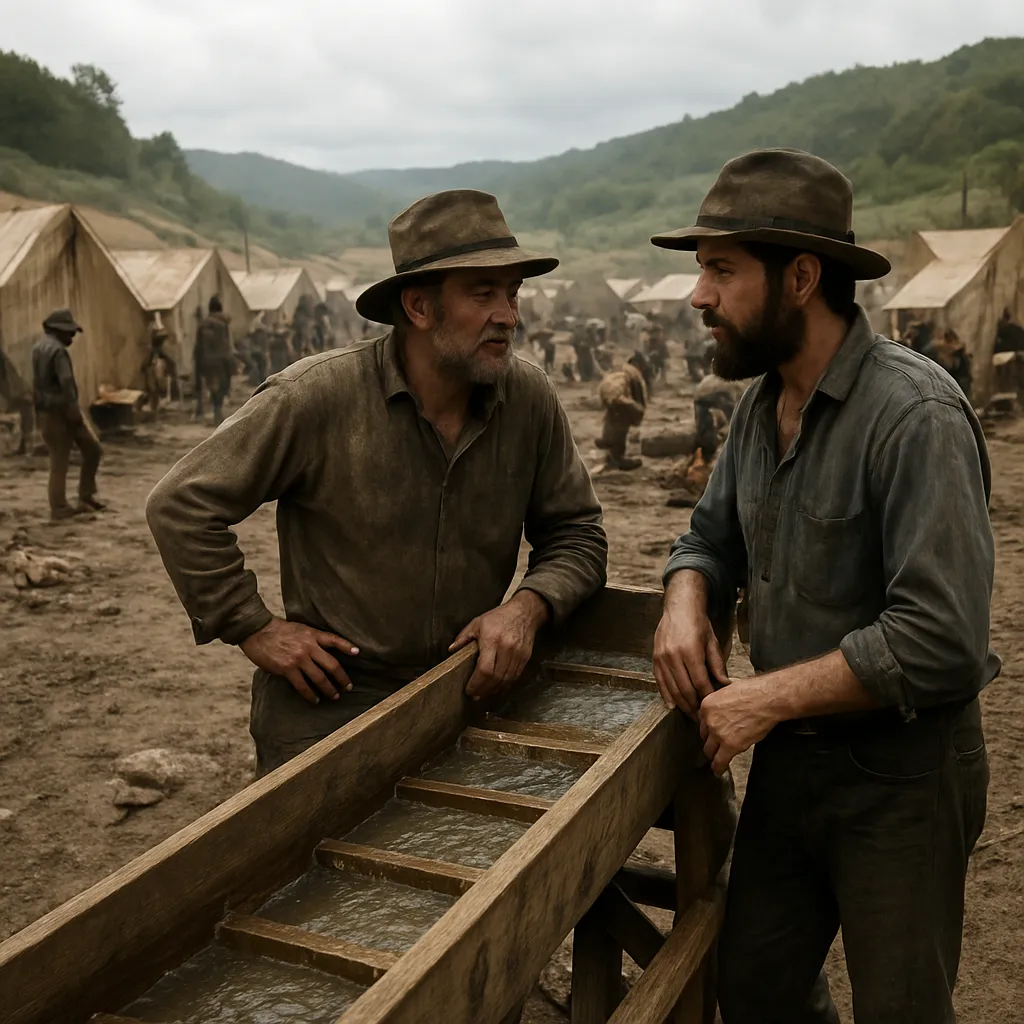
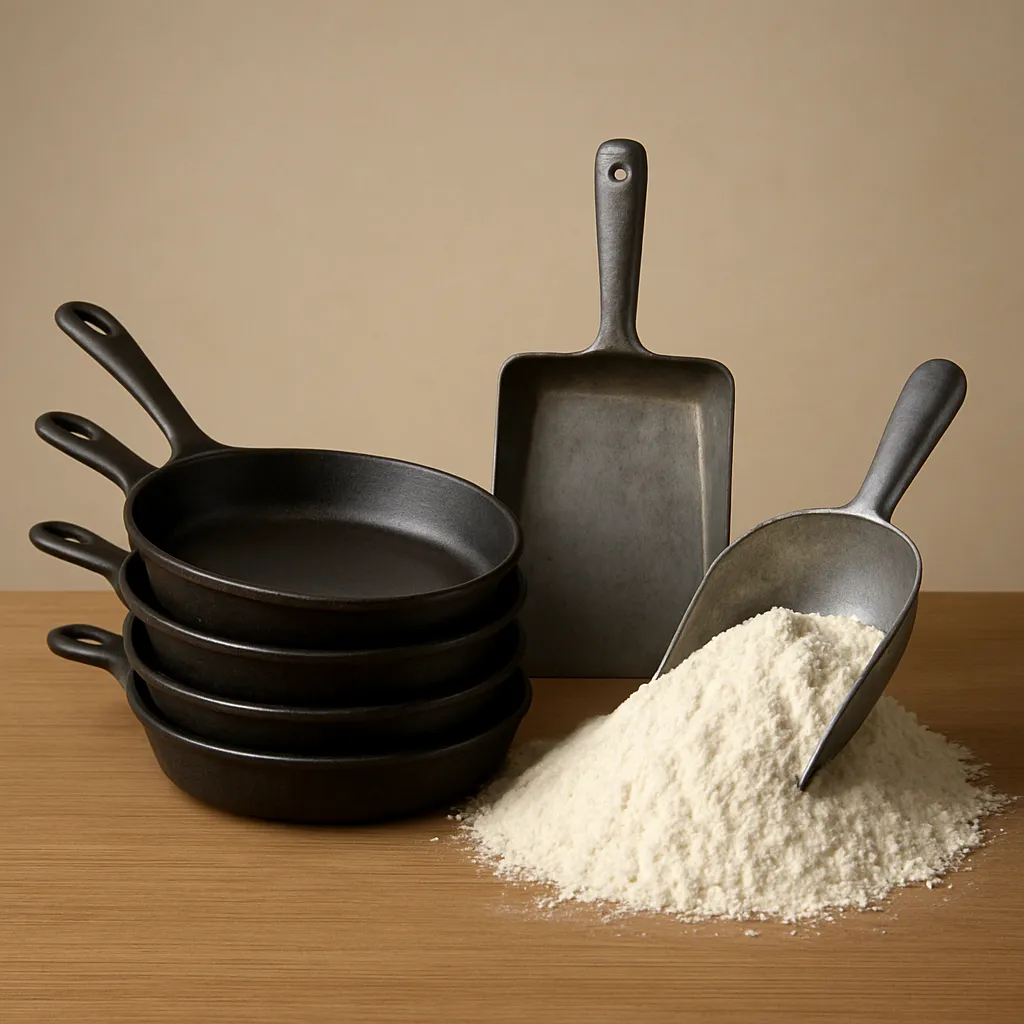
Mining camps needed pans, shovels, food, lodging, and transport even when few miners struck it rich. What economic effect did this demand create?
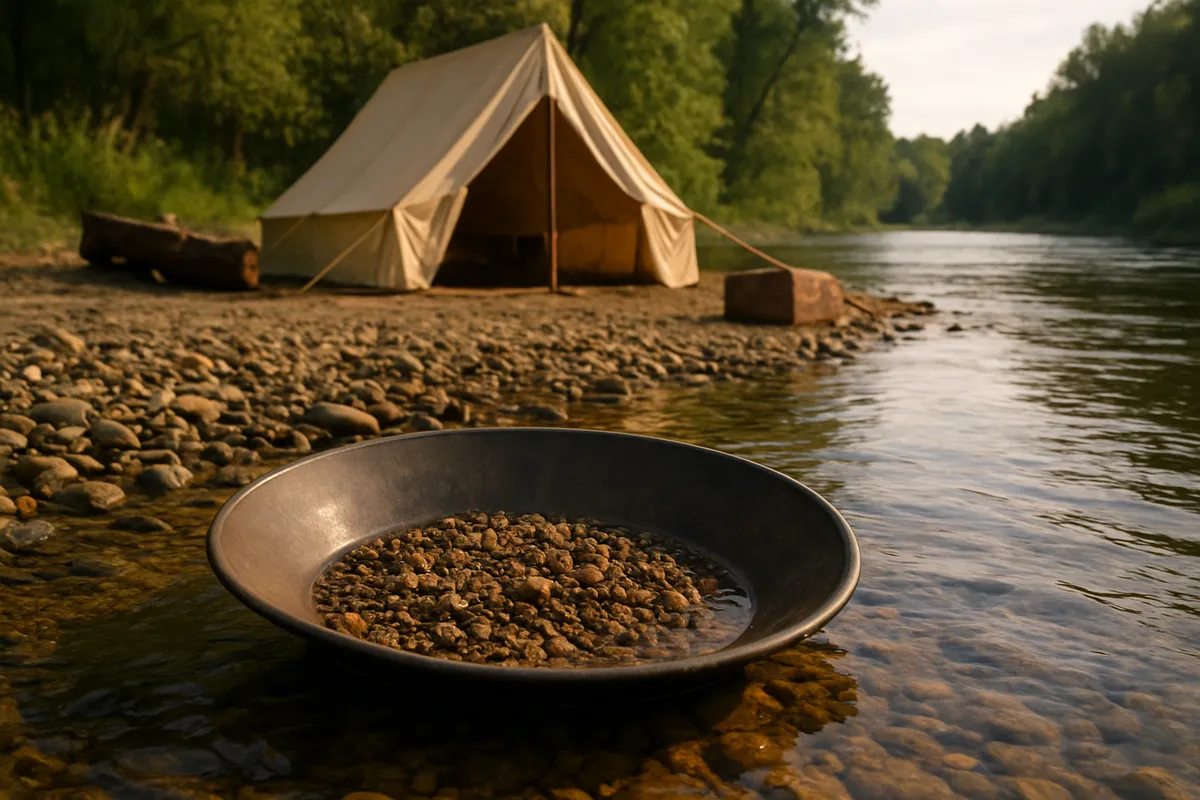
Early miners panned river gravel for gold. As easy surface gold ran out in the early 1850s, what happened to gold mining in California?
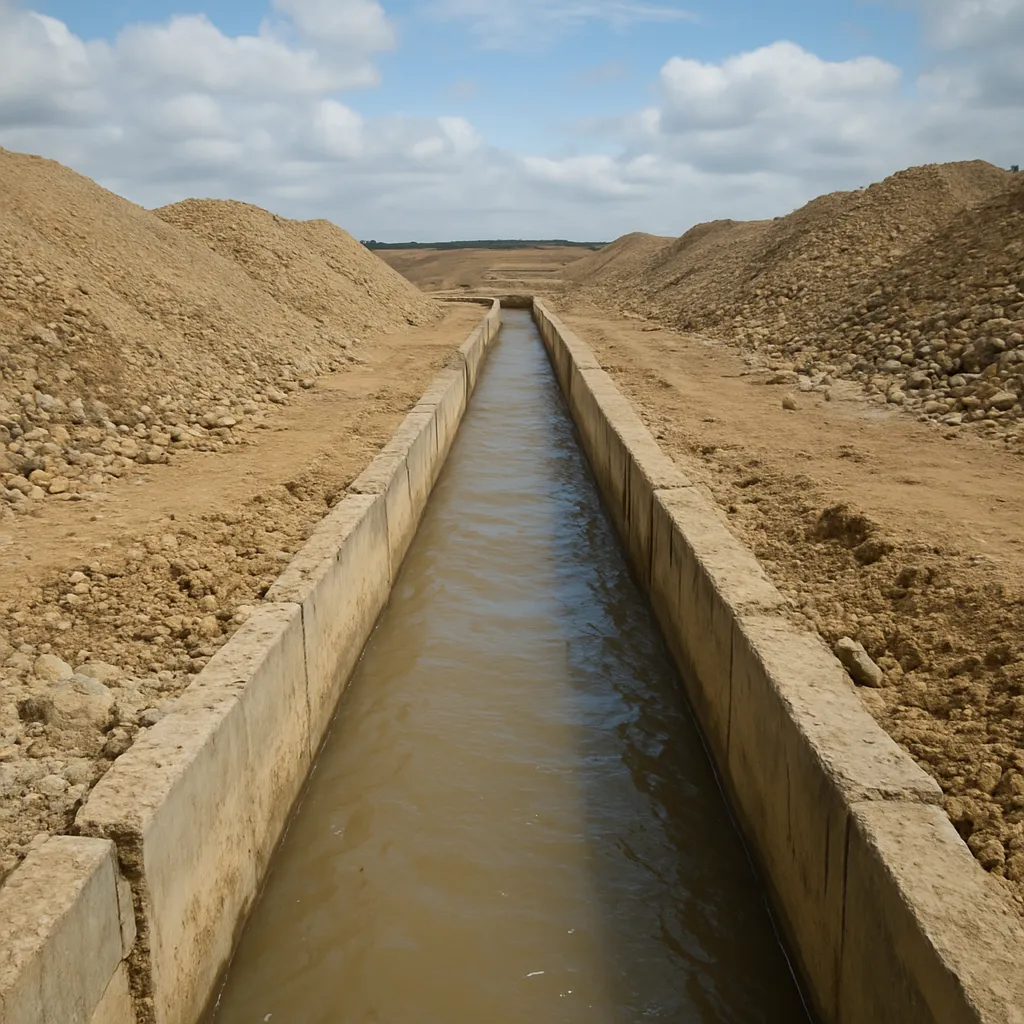
President Polk noted an unusual rise in prices for necessities in Gold Rush California. What basic economic force best explains those high prices?
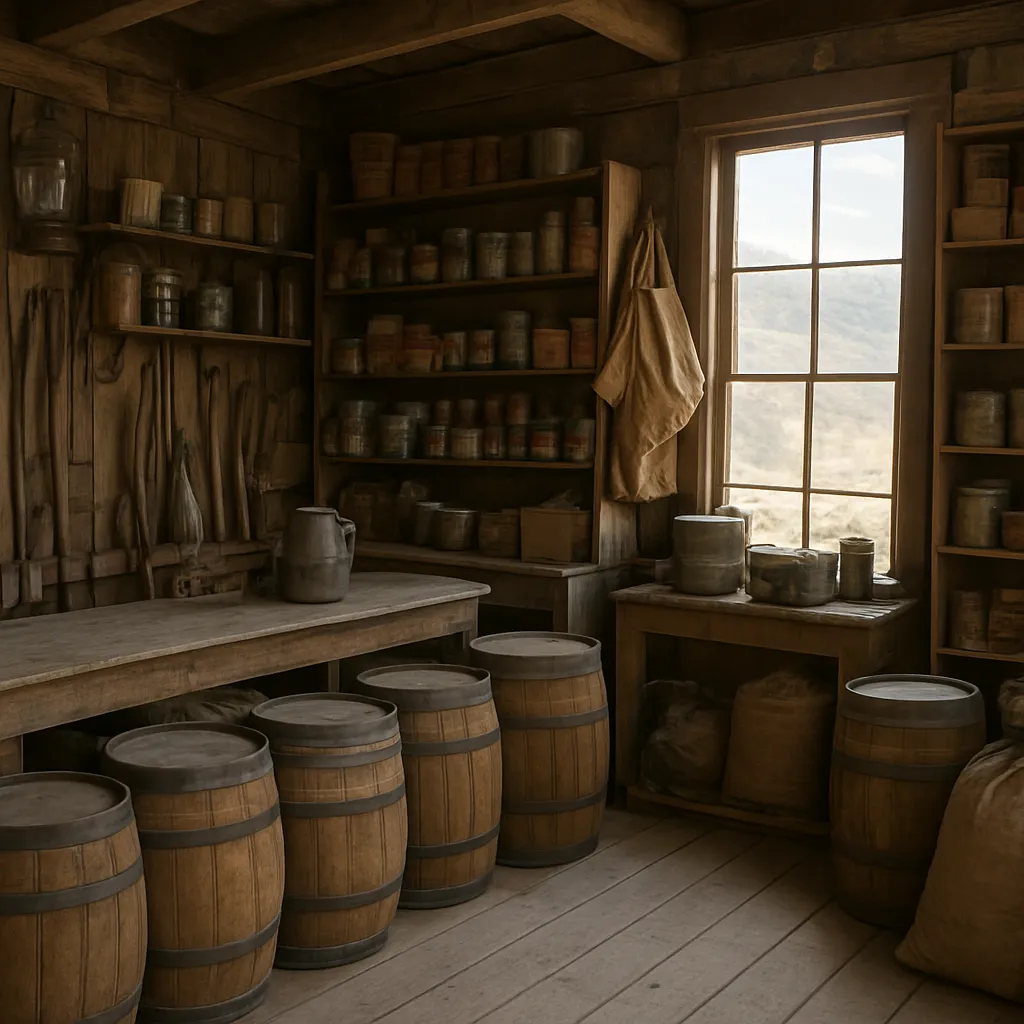
Most of John Sutter's workers left his fields and mills for the diggings, and gold seekers overran his land. What effect of the Gold Rush does this show?
Many California mining camps sprang up almost overnight near new gold strikes and depended on nearby gold alone. What kind of settlements did this pattern produce?
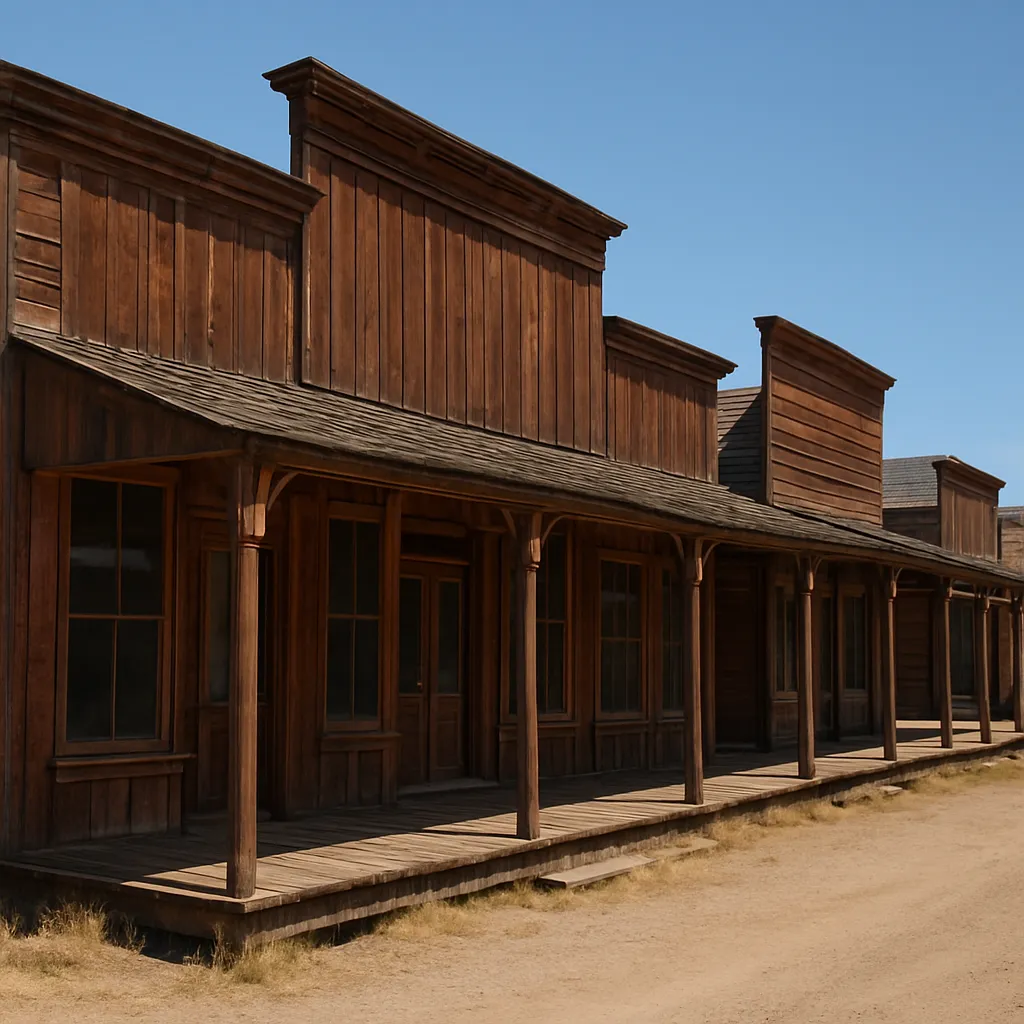
Use the timeline. How did Gold Rush population growth affect California’s political status?
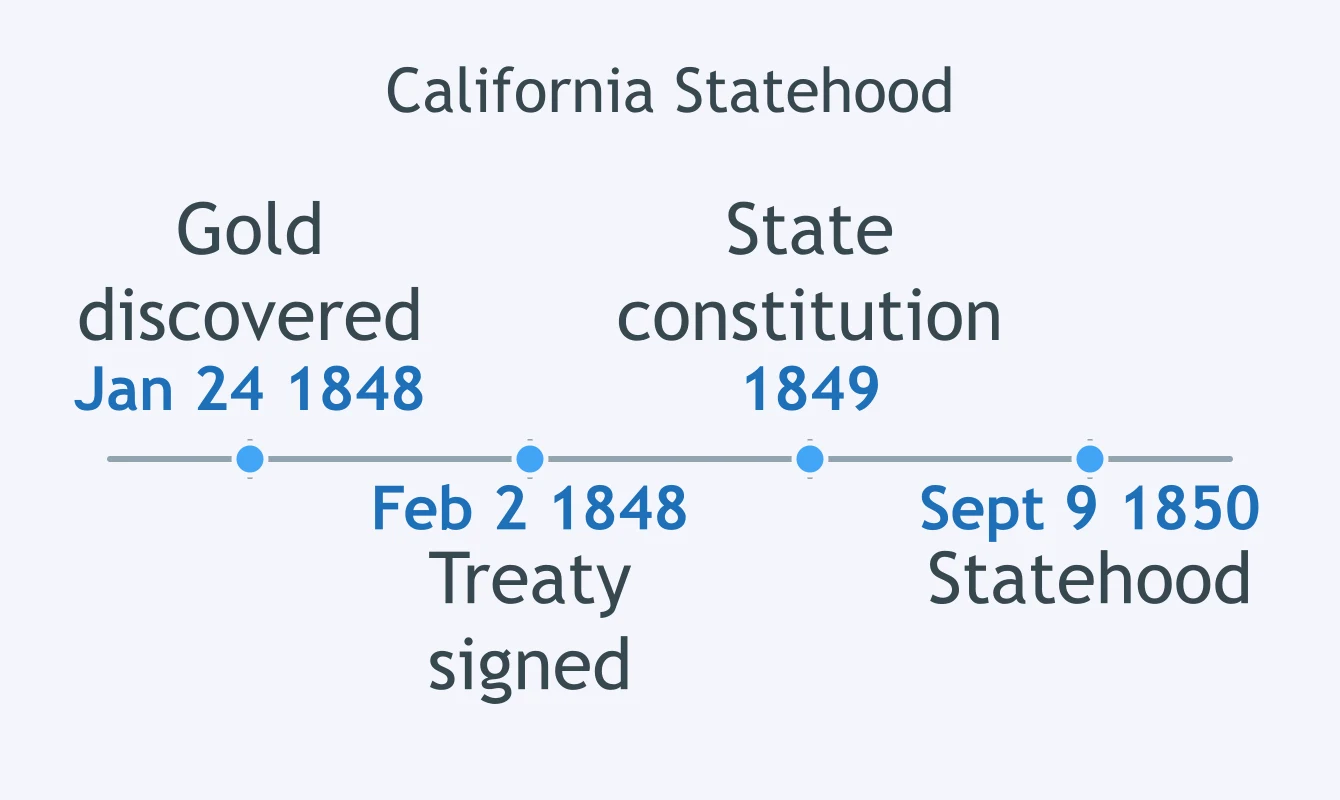
Under the Compromise of 1850, California entered the Union after debate over slavery. What was California’s status on admission?
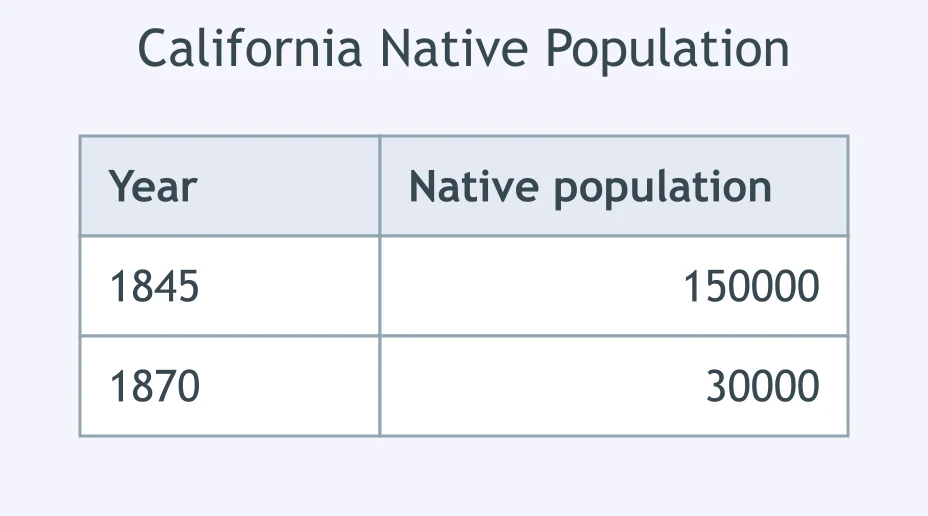
Use the table. What combination best explains the Native population decline in California during and after the Gold Rush?
California passed an 1850 law with a protective-sounding name, the Act for the Government and Protection of Indians. What human cost did it bring for many Native Californians?

The Foreign Miners’ Tax charged many noncitizen miners monthly fees during the Gold Rush. What social effect did this policy have?
Crack the passcode before the zombies get in.
Answer, then swat bugs for bonus points.
Race through questions at your own speed.
Same question on every screen. Fastest wins.

Pick a tile, answer, hit bonuses and steals.
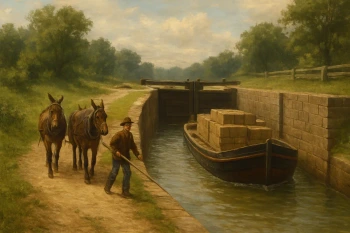
Transportation and the Market Revolution
20 questions