Loading
by BlastRoom
Covers nineteenth-century American writers, painters, and the ideas behind their work.
#us_history#us_grade_8_social_studies
20 questions
One question set, multiple game modes. Tap any game to see it in action. Not sure which to pick?
Answer to place stones and capture territory.
Outrun the snow together.
Earn blasts, then hunt the other team.
Answer to earn energy, then climb.

The class blasts through walls together.
Bid on mystery lots. Most money wins.
Sell tours. Nice, standard, or a total scam.

Answer, restock, and serve the rush.
More correct answers pulls the rope your way.
Answer, then shoot down the alien wave.
Answer, then tap to leap the frozen ridge.
A New England writer urged people to trust themselves and value individual conscience in his 1841 essay “Self-Reliance.” Who was he?

A writer lived near Walden Pond and used Walden to praise simple living, close observation of nature, and independence. Who was he?
The poem “The Raven” uses a midnight visitor and a mourning speaker to create a mood of mystery and dread. Who wrote it?
The antislavery novel Uncle Tom’s Cabin portrayed enslaved people’s suffering and family separation before the Civil War. Who wrote it?
A Hudson River School painter created The Voyage of Life, a four-part landscape allegory about stages from childhood to old age. Who was he?
Writers argued that truth could be found through nature, intuition, and individual conscience rather than only through tradition. Which movement expressed these ideas?
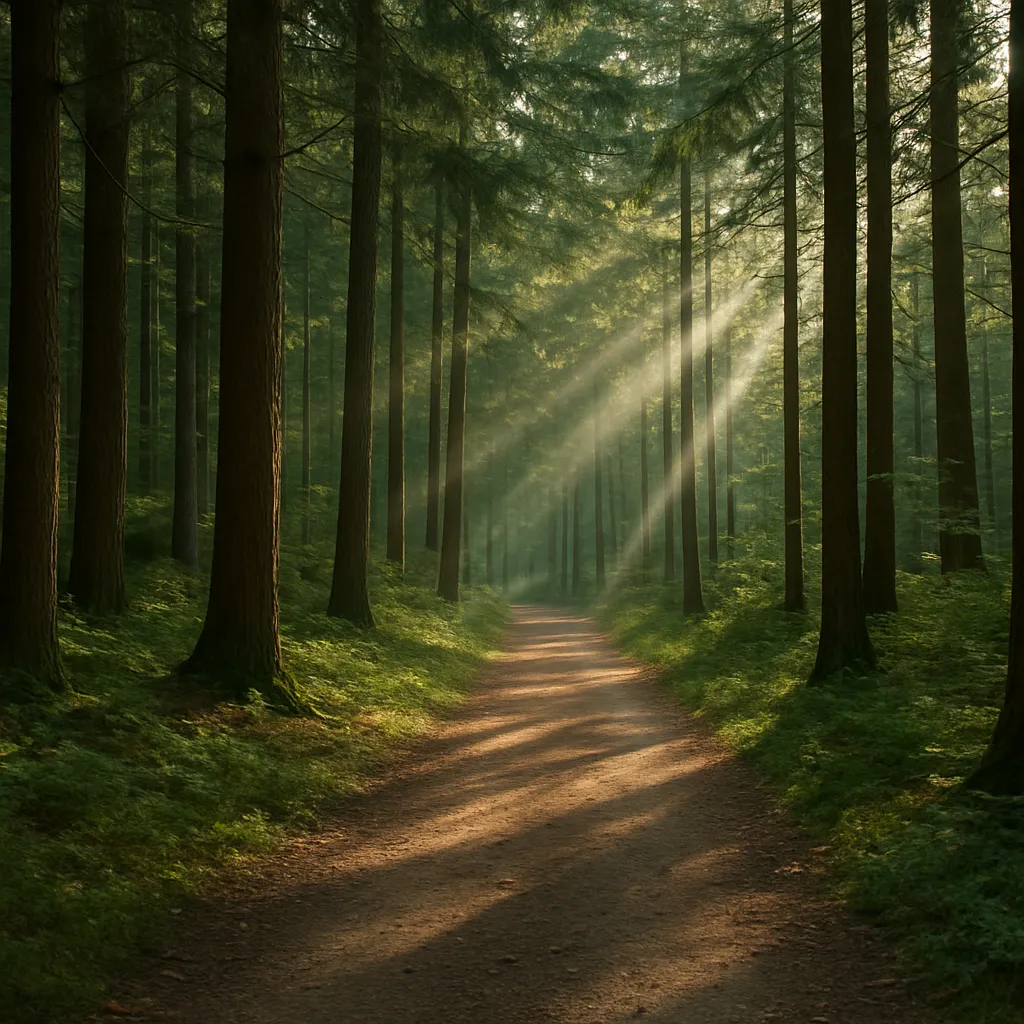
Poets such as Longfellow and Whittier used regular rhyme and memorable stories for homes and classrooms. Which literary group is described?
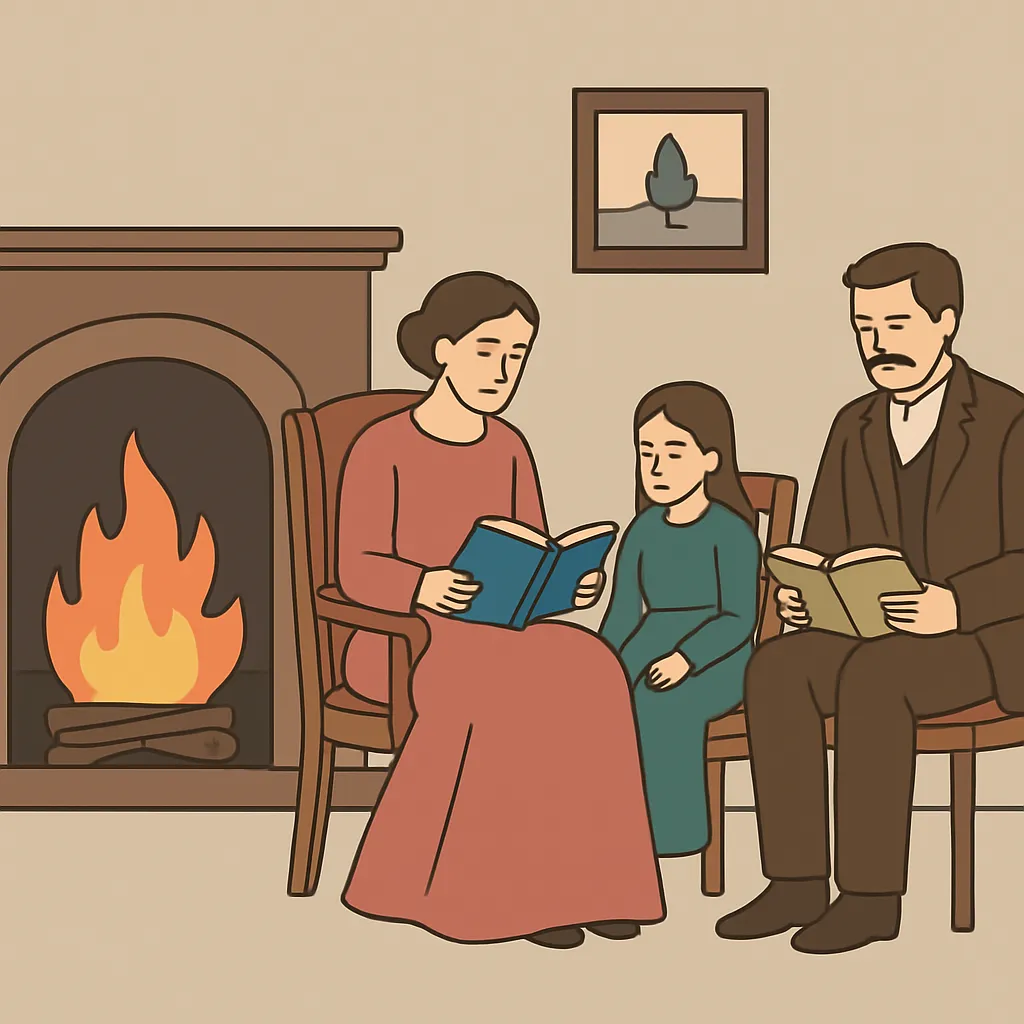
Stories by Poe and Hawthorne often explored guilt, fear, sin, and psychological darkness. Which literary current emphasized these themes?
Frederick Douglass's 1845 Narrative and the newspaper The Liberator both used writing mainly to build support for which nineteenth-century reform movement?
Artists turned American rivers, mountains, and forests into serious subjects for national art. Which movement made landscape central?
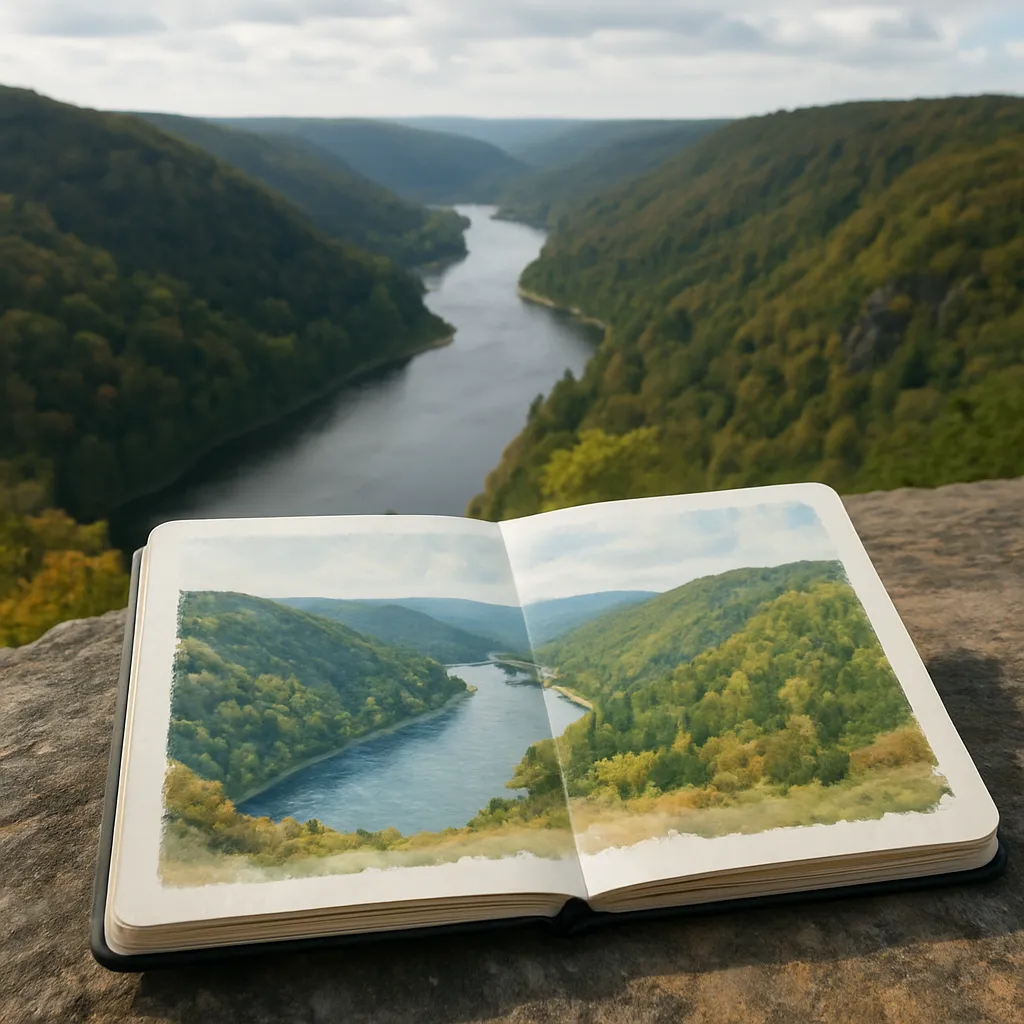
A novelist set The Last of the Mohicans among frontier forests, Native peoples, European armies, settlers, and scouts. Which author fits this description?
Walt Whitman's 1855 book of poems used bold free verse to present many American voices and a broad vision of the nation. What was it called?
A novel about Captain Ahab’s pursuit of a white whale turned whaling and the sea into an American myth. Which work is described?
A popular narrative poem drew on Ojibwe stories collected by Henry Rowe Schoolcraft to create a fictional Ojibwe hero known to many Americans. Which work was it?
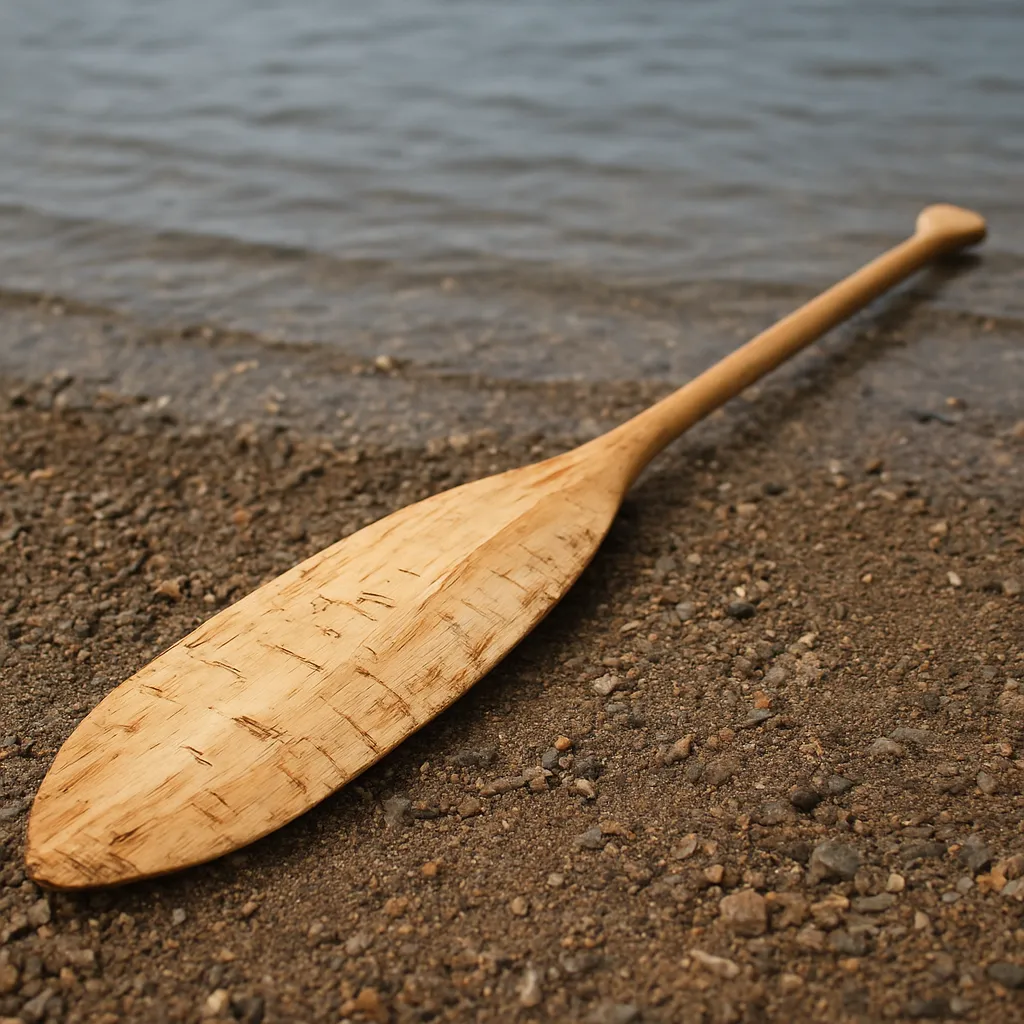
A writer used a Mississippi River journey and colloquial American speech to expose racism and hypocrisy in Adventures of Huckleberry Finn. Who was he?

Frederic Edwin Church exhibited Heart of the Andes in 1859, a huge imagined South American wilderness scene with a snow-capped volcano that drew paying crowds. Which style does this fit?
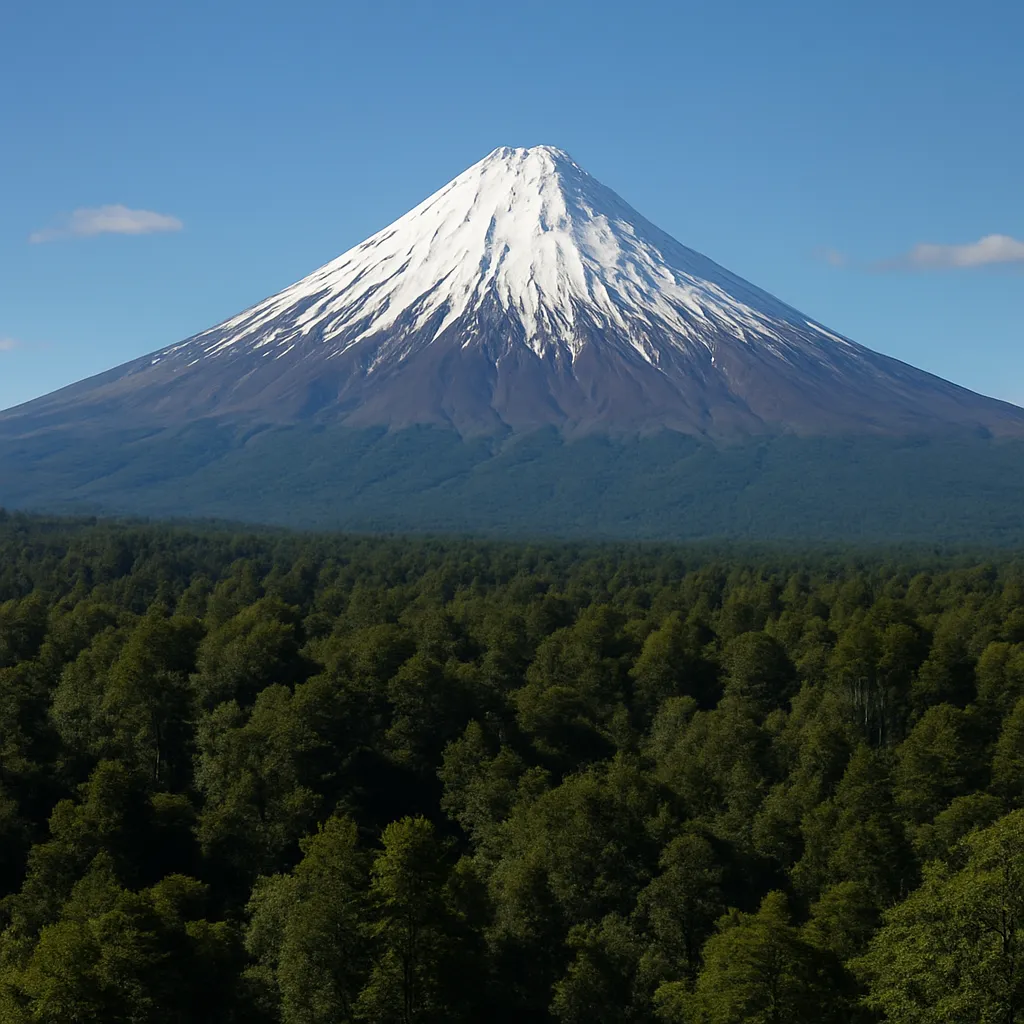
Thomas Cole's The Voyage of Life has four paintings. In which one does the traveler's boat, its rudder gone, rush through storms and rapids while he looks to heaven for help?
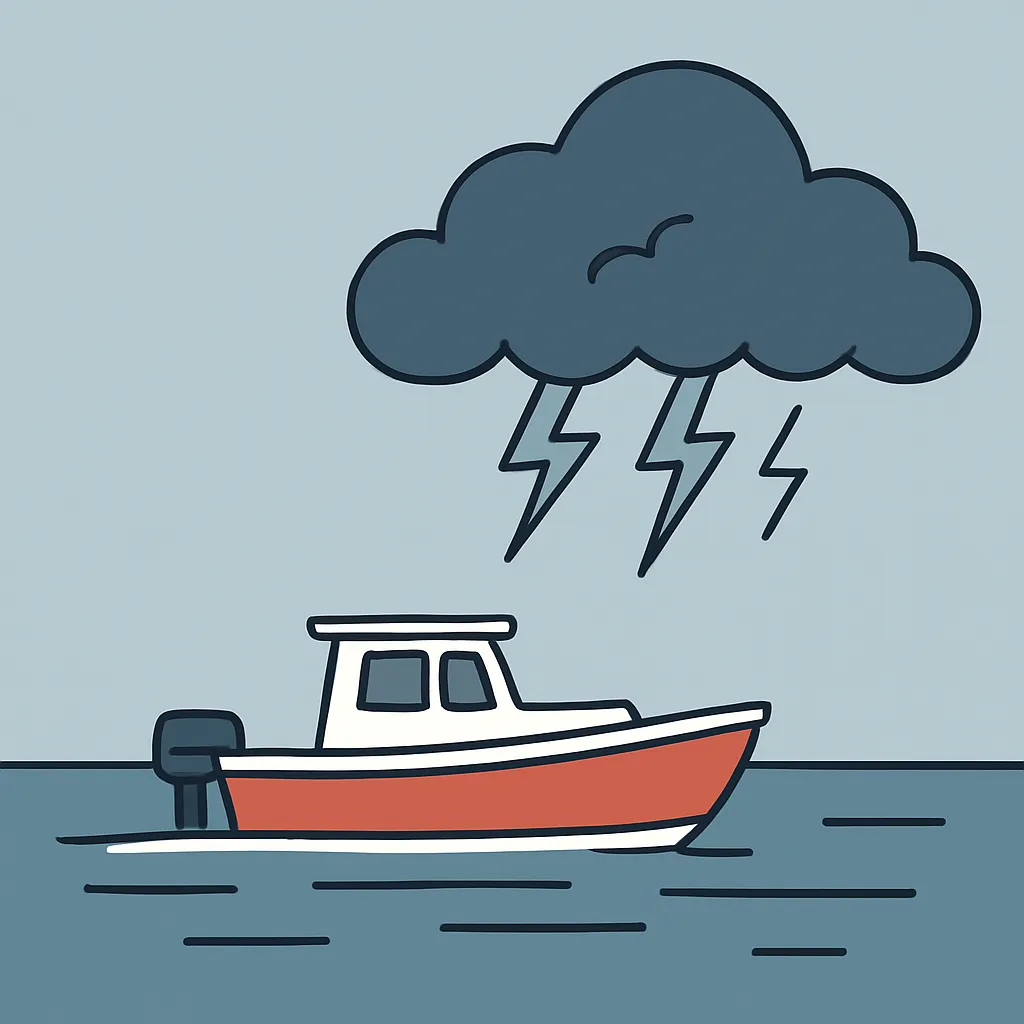
Albert Bierstadt's The Rocky Mountains, Lander's Peak presented western land as a frontier for White settlers while ignoring Indigenous claims. Which idea did it support?
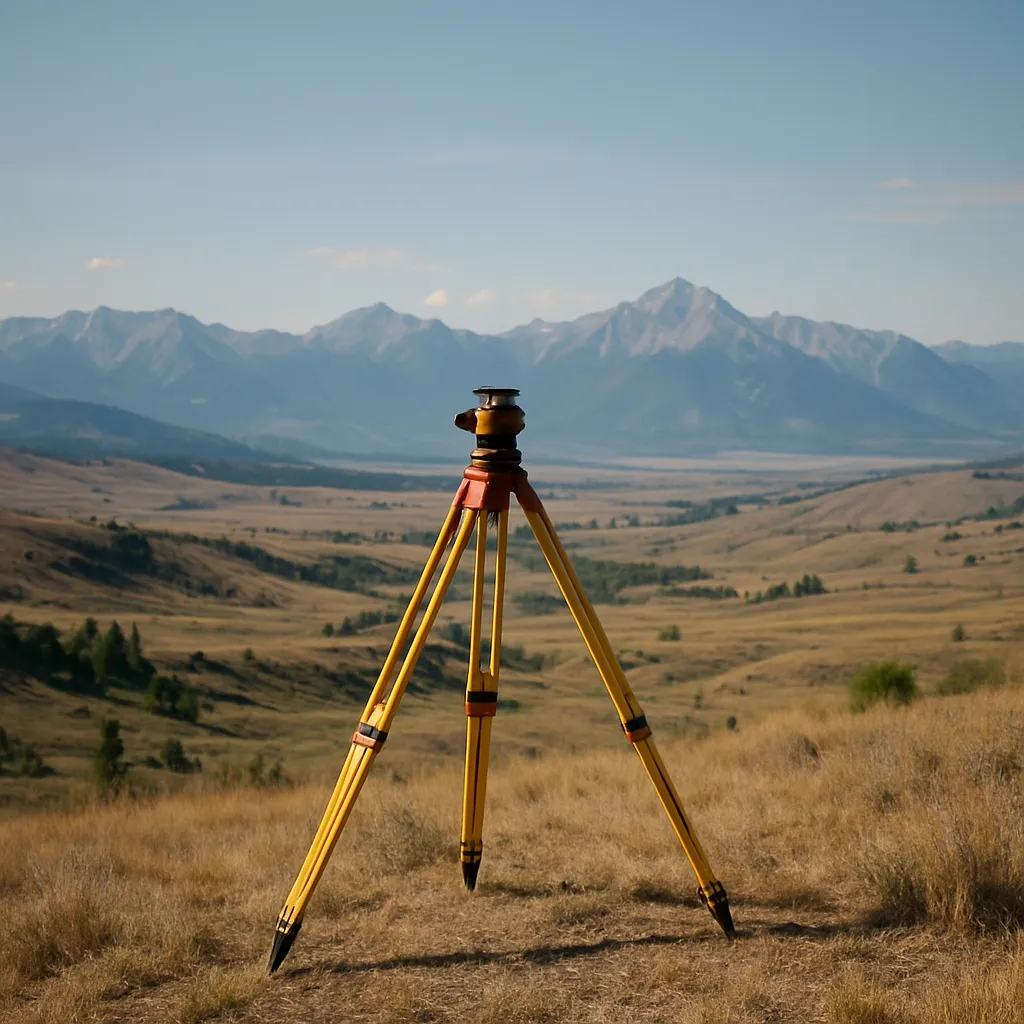
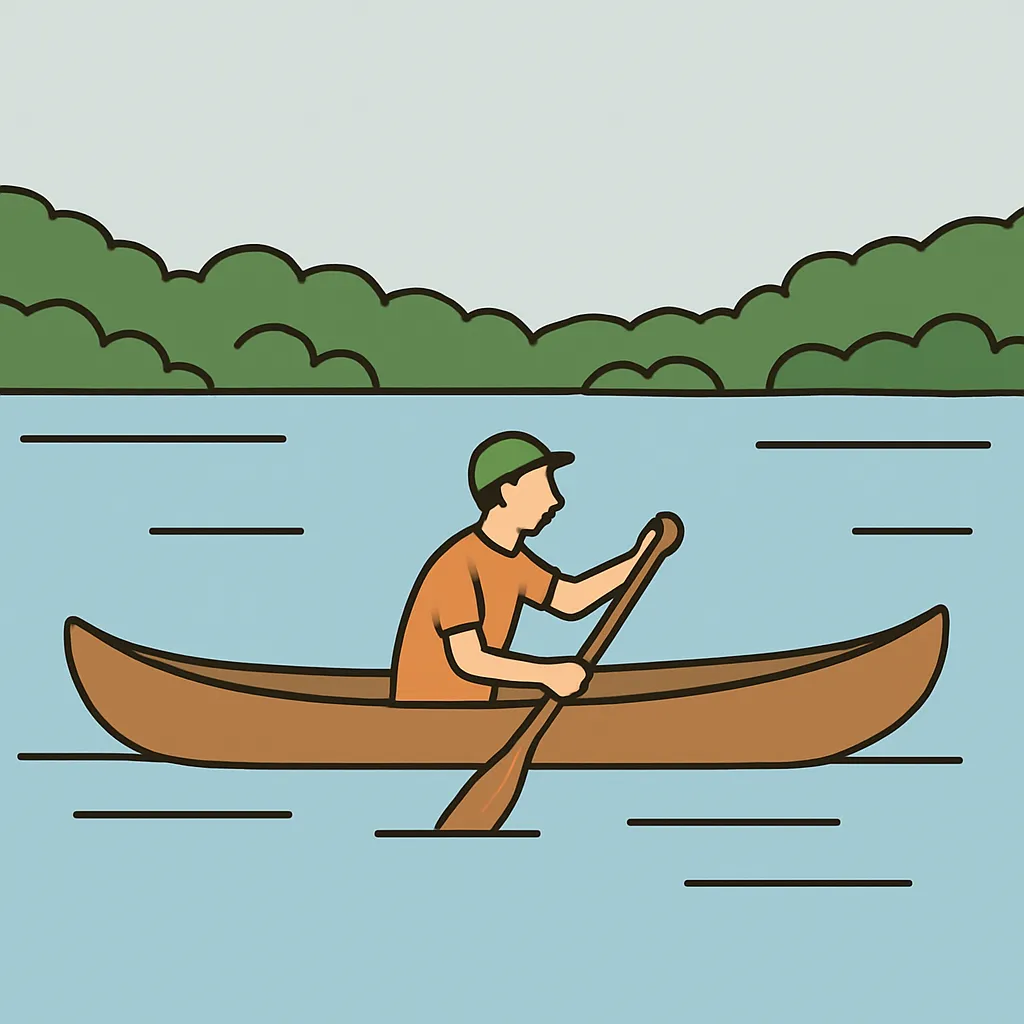
George Caleb Bingham's Fur Traders Descending the Missouri shows a fur trader and his son floating down the river in a canoe as part of their work. Which style of painting does it fit?
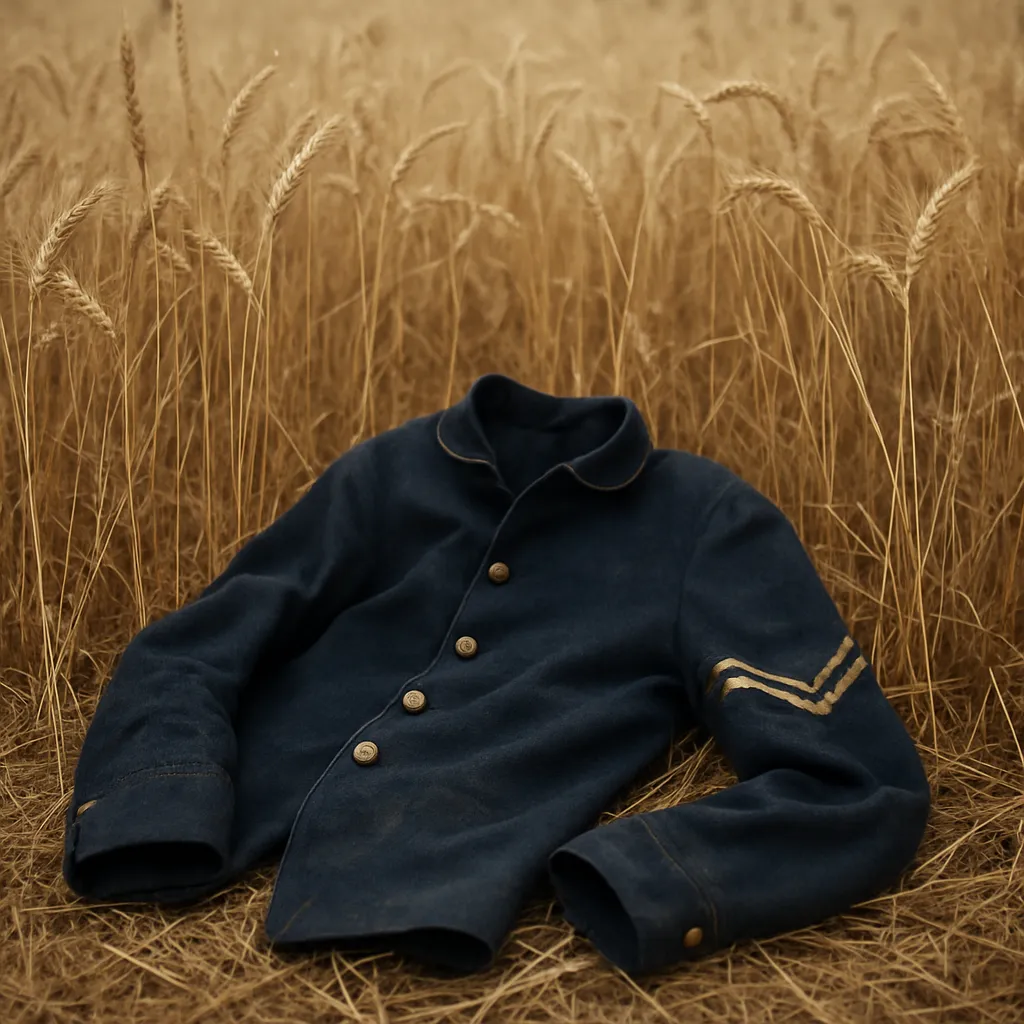
Winslow Homer's The Veteran in a New Field shows a former Union soldier harvesting wheat after the Civil War. What theme did the symbols express?
Crack the passcode before the zombies get in.
Answer, then swat bugs for bonus points.
Race through questions at your own speed.
Same question on every screen. Fastest wins.

Pick a tile, answer, hit bonuses and steals.
Slavery and the Compromises: Missouri to Kansas-Nebraska
40 questions