Loading
by BlastRoom
Trace rocks through melting, cooling, weathering, and compaction as they cycle between the igneous, sedimentary, and metamorphic classes.
#earth_space_science
40 questions
One question set, multiple game modes. Tap any game to see it in action. Not sure which to pick?
Answer to place stones and capture territory.
Outrun the snow together.
Earn blasts, then hunt the other team.
Answer to earn energy, then climb.

The class blasts through walls together.
Bid on mystery lots. Most money wins.
Sell tours. Nice, standard, or a total scam.

Answer, restock, and serve the rush.
More correct answers pulls the rope your way.
Answer, then shoot down the alien wave.
Answer, then tap to leap the frozen ridge.
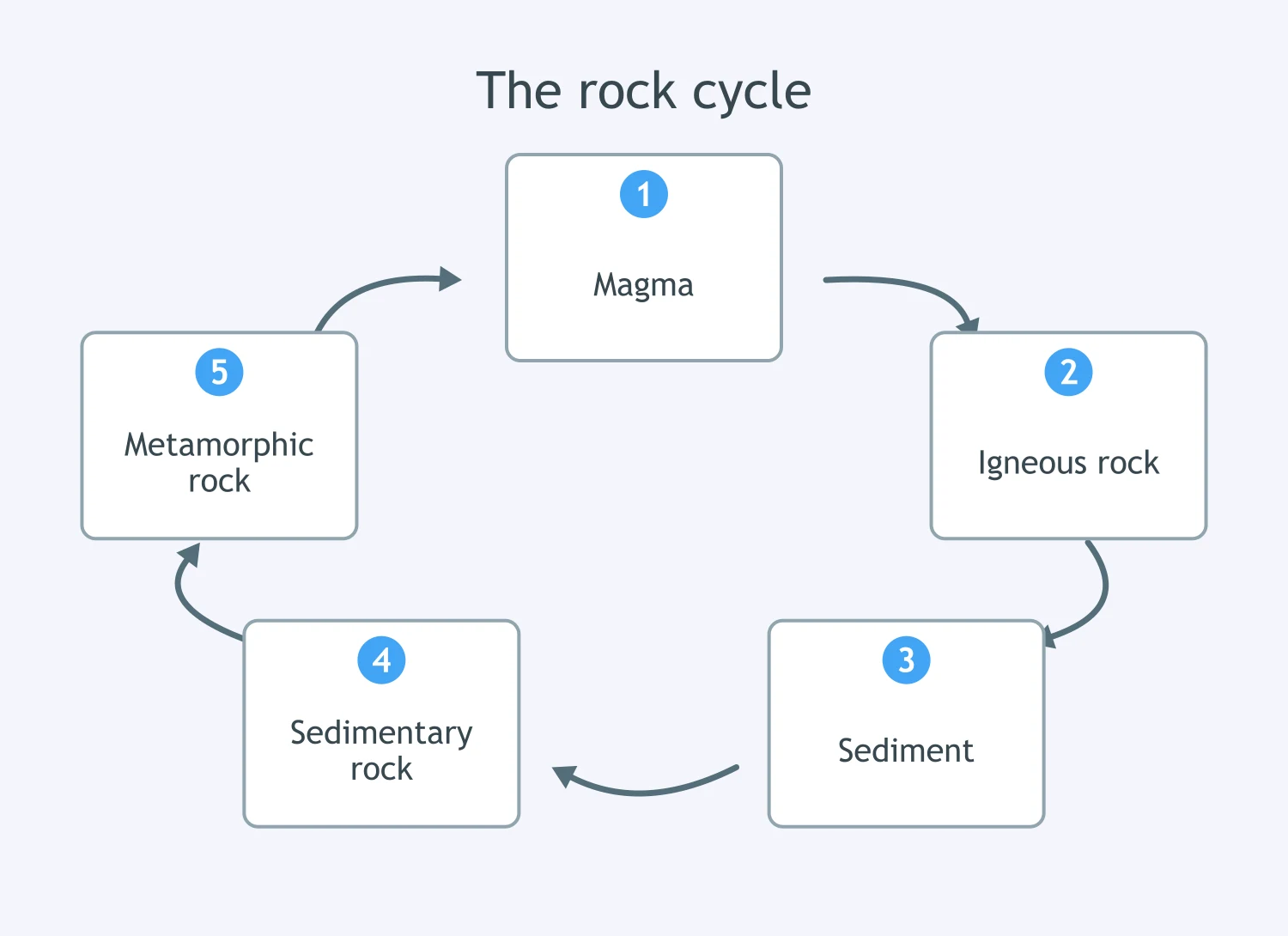
In the rock cycle diagram, an arrow runs from the magma box to the igneous rock box. Which process belongs on that arrow?
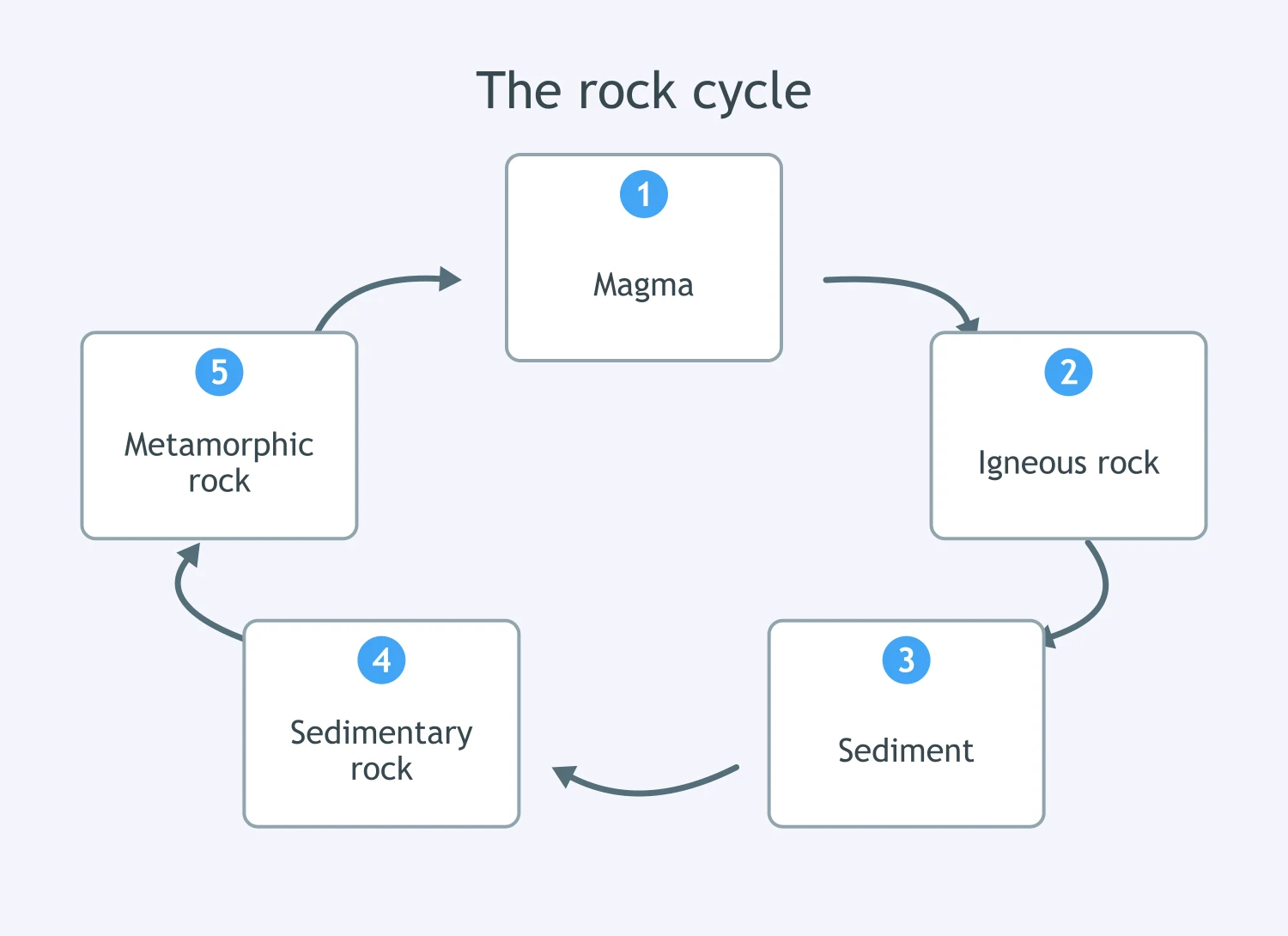
In the same cycle diagram, an arrow runs from the igneous rock box to the sediment box. Which process belongs on that arrow?
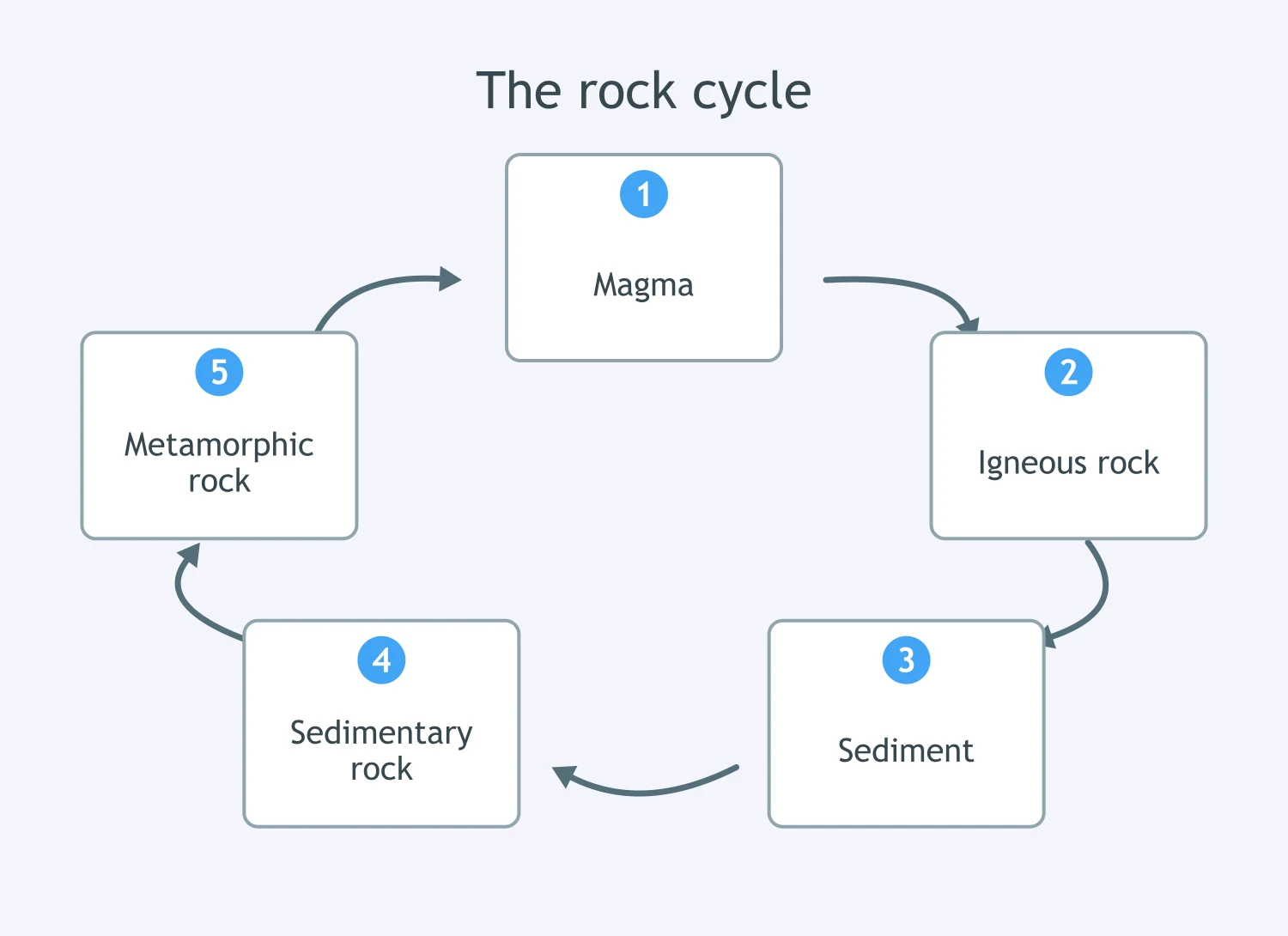
In the same cycle diagram, an arrow runs from the sediment box to the sedimentary rock box. Which process belongs on that arrow?
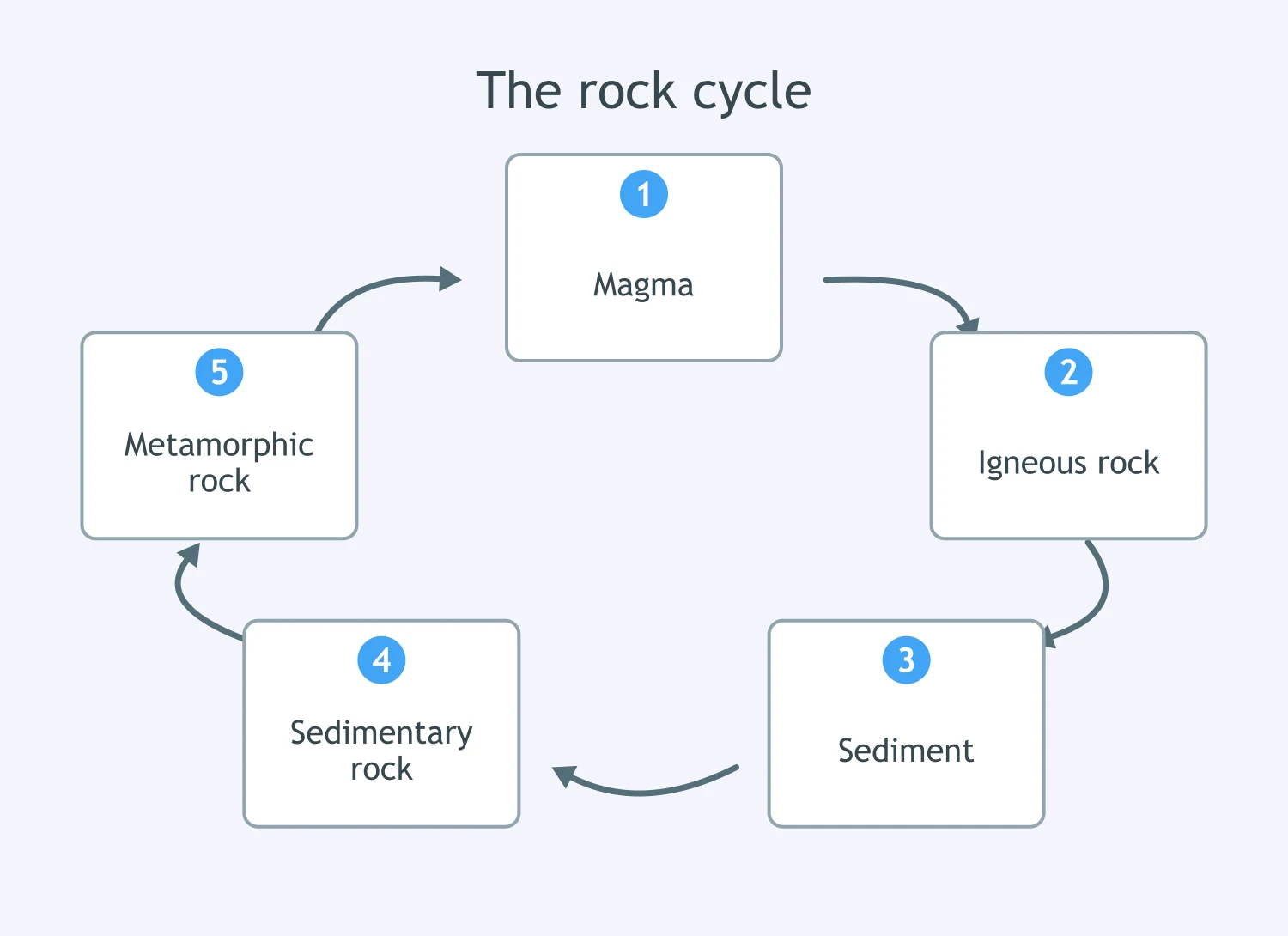
In the same cycle diagram, an arrow runs from the sedimentary rock box to the metamorphic rock box. Which process belongs on that arrow?
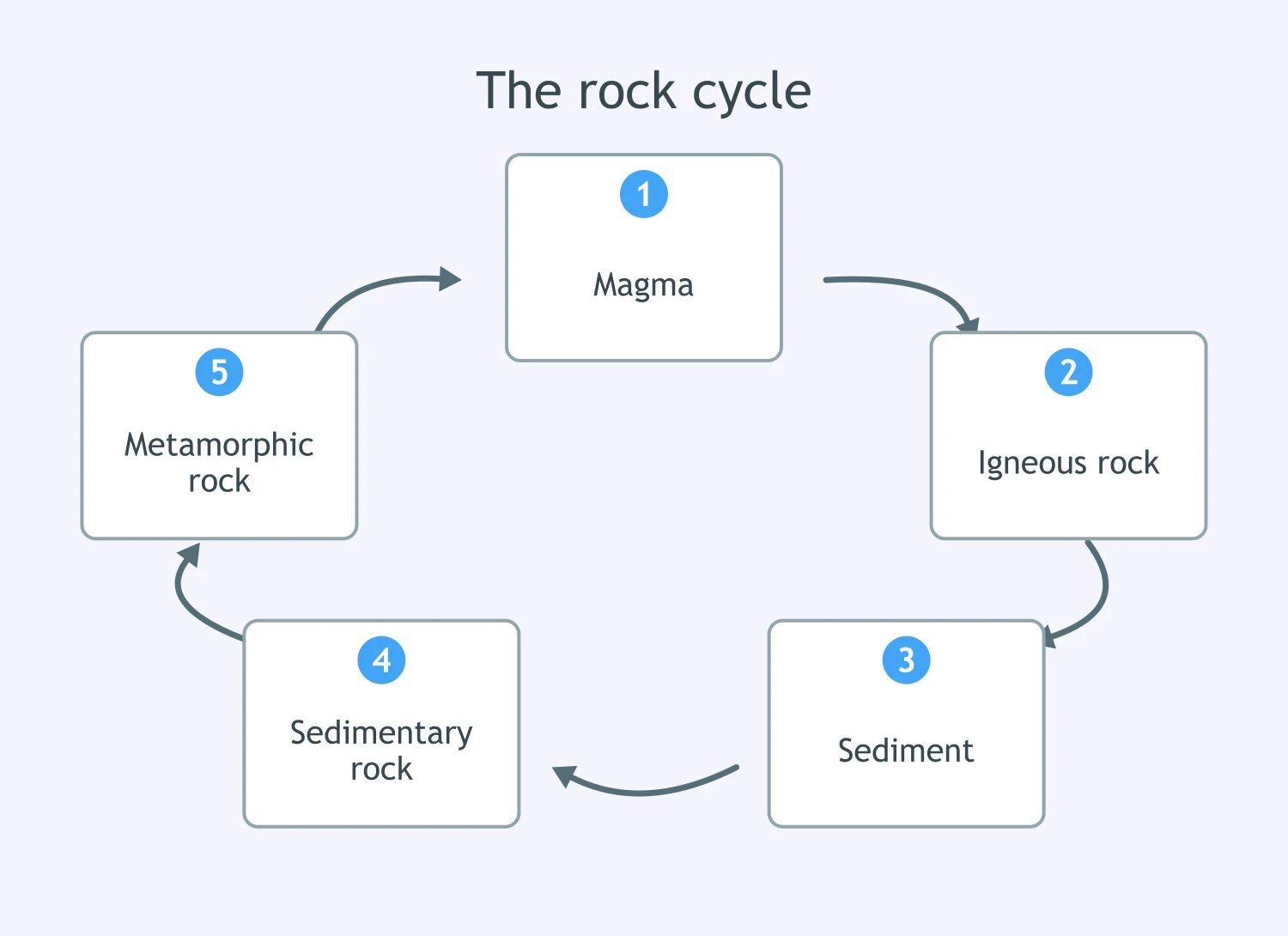
In the same cycle diagram, an arrow runs from the metamorphic rock box back to the magma box. Which process belongs on that arrow?
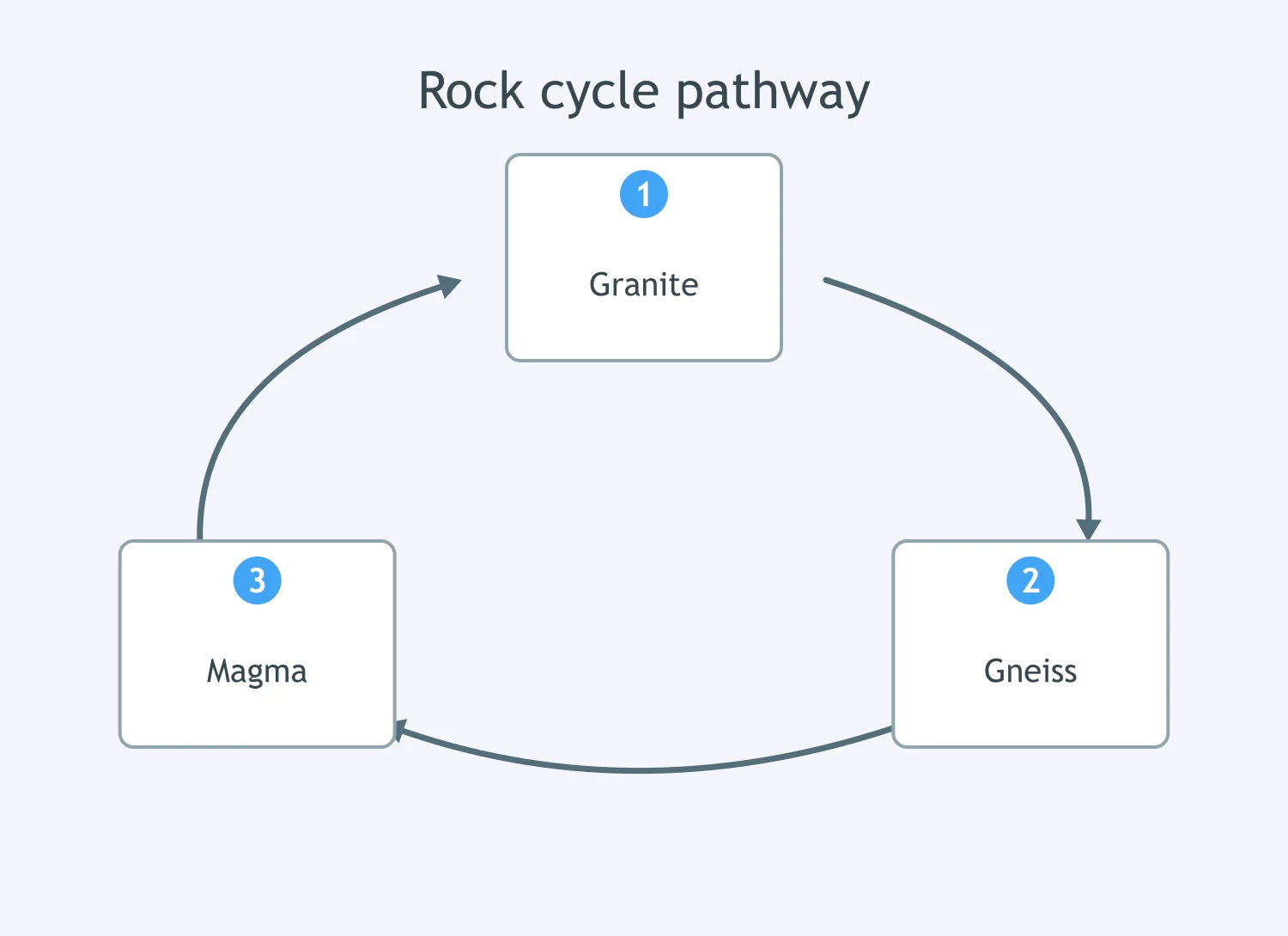
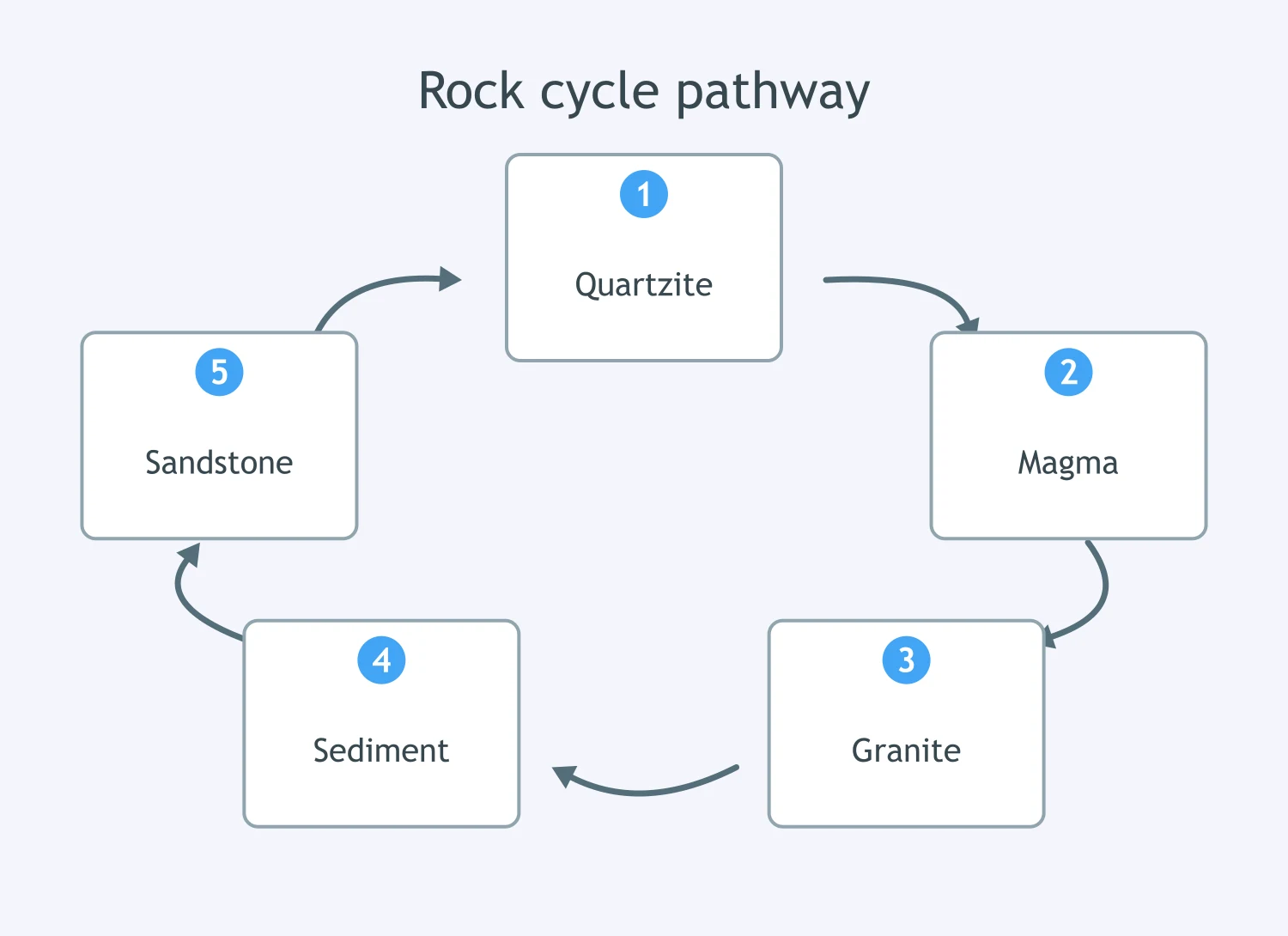
In this pathway diagram, an arrow runs from the granite box to the gneiss box. Which process belongs on that arrow?
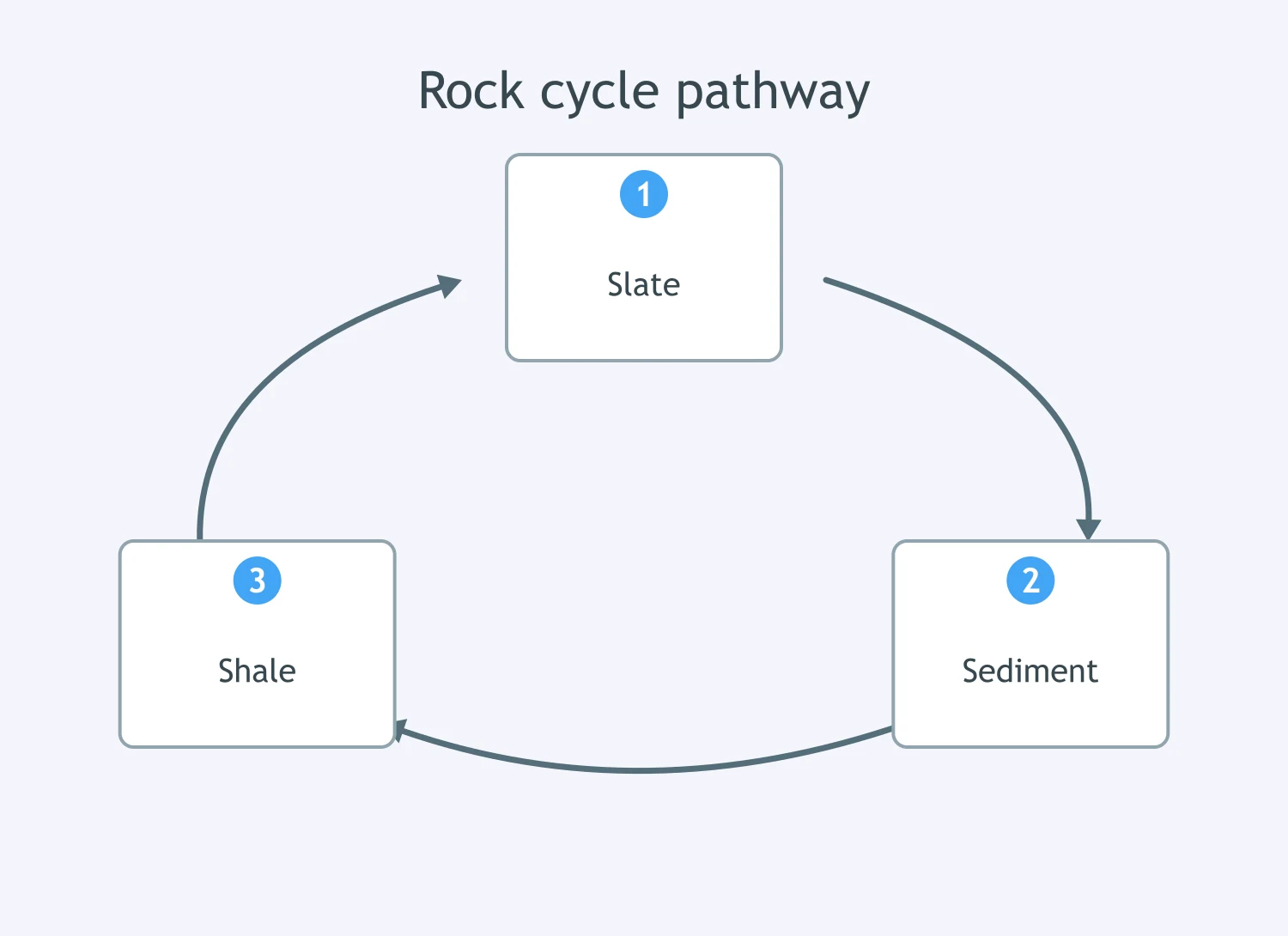
In this pathway diagram, an arrow runs from the slate box to the sediment box. Which process belongs on that arrow?
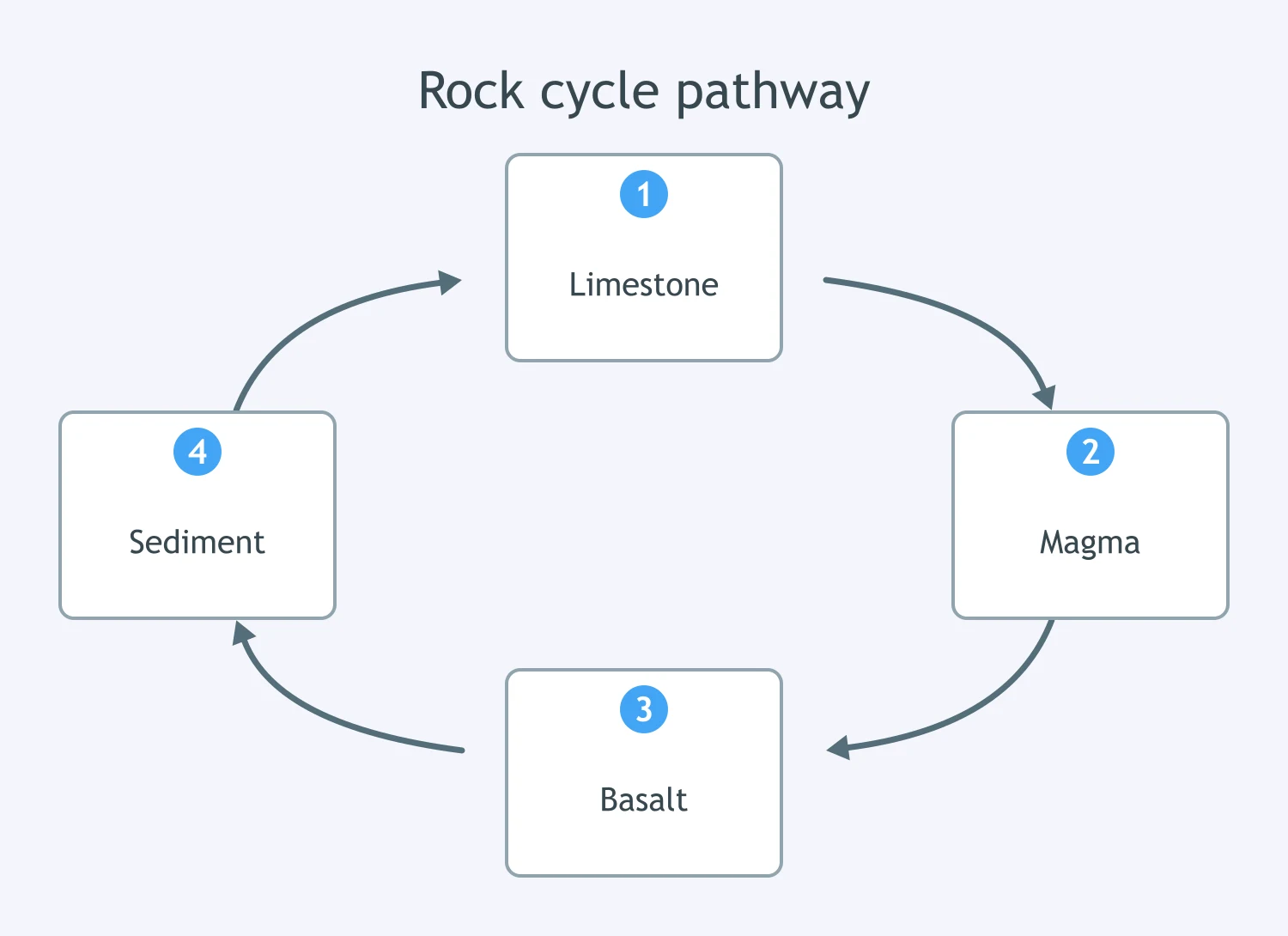
In this pathway diagram, an arrow runs from the limestone box to the magma box. Which process belongs on that arrow?
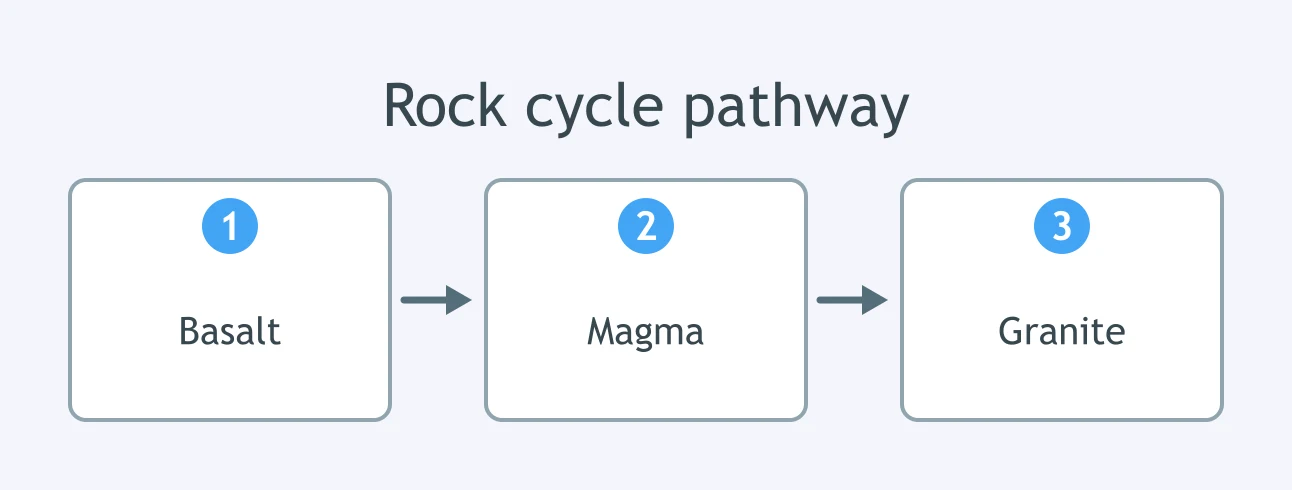
In this pathway diagram, an arrow runs from the basalt box to the magma box. Which process belongs on that arrow?
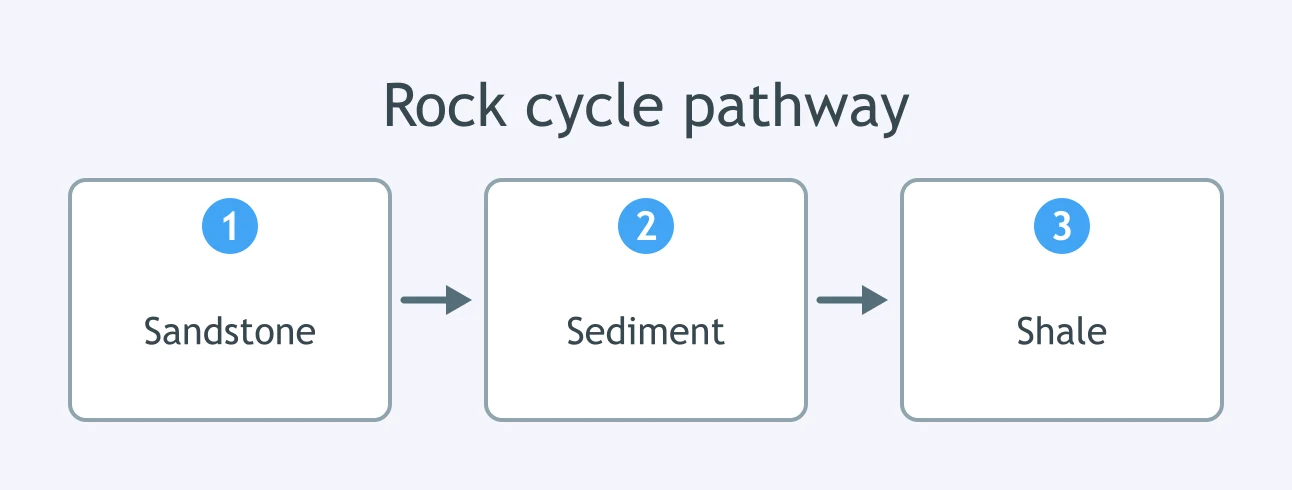
In this pathway diagram, an arrow runs from the sandstone box to the sediment box. Which process belongs on that arrow?
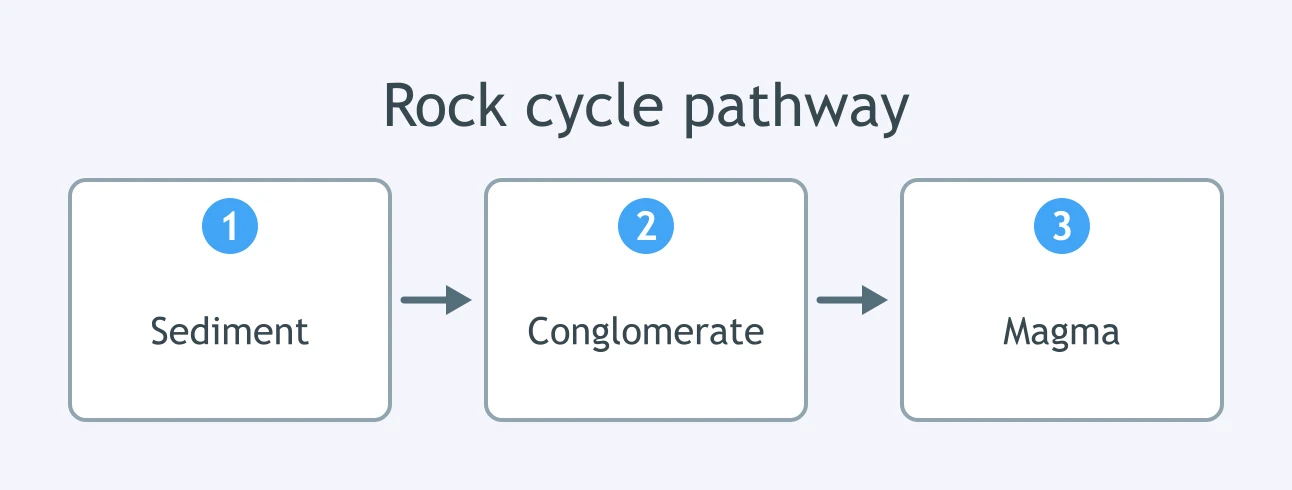
In this pathway diagram, an arrow runs from the sediment box to the conglomerate box. Which process belongs on that arrow?
In this pathway diagram, an arrow runs from the quartzite box to the magma box. Which process belongs on that arrow?
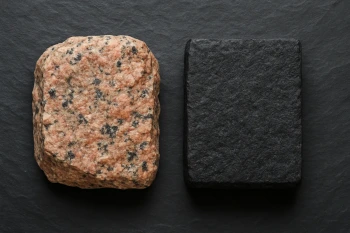
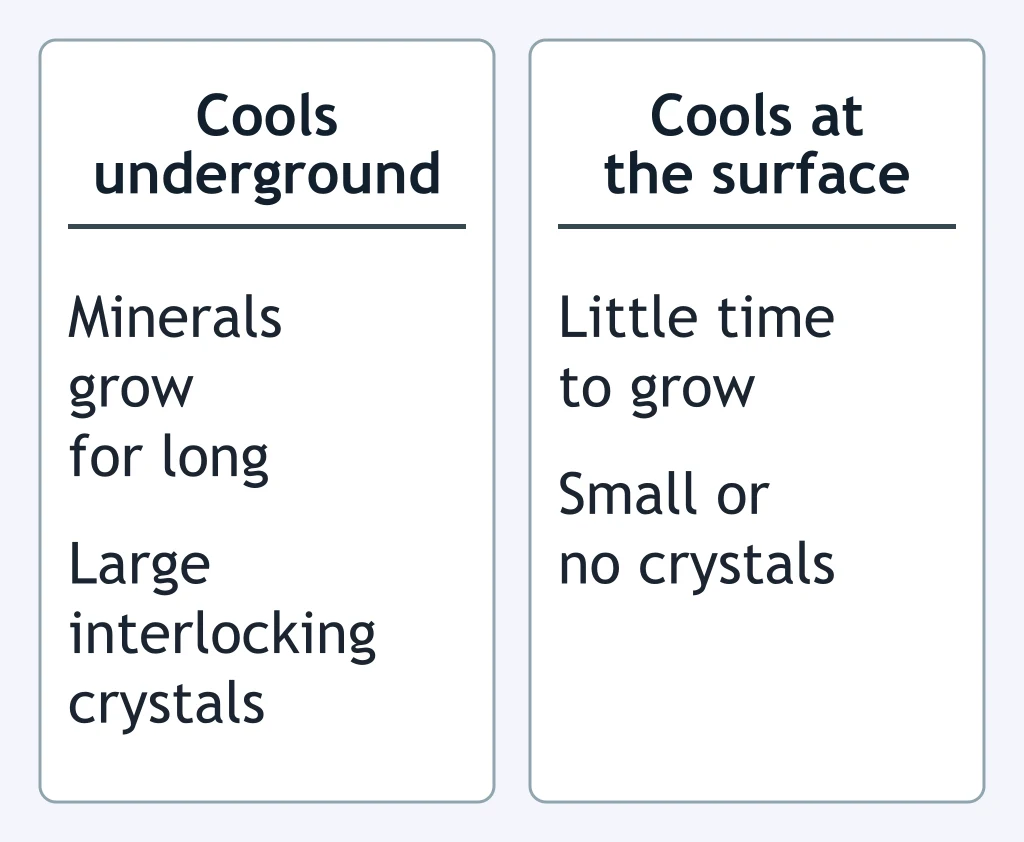
Magma cools very slowly deep underground, giving minerals time to grow into large crystals in an intrusive igneous rock. What rock forms?
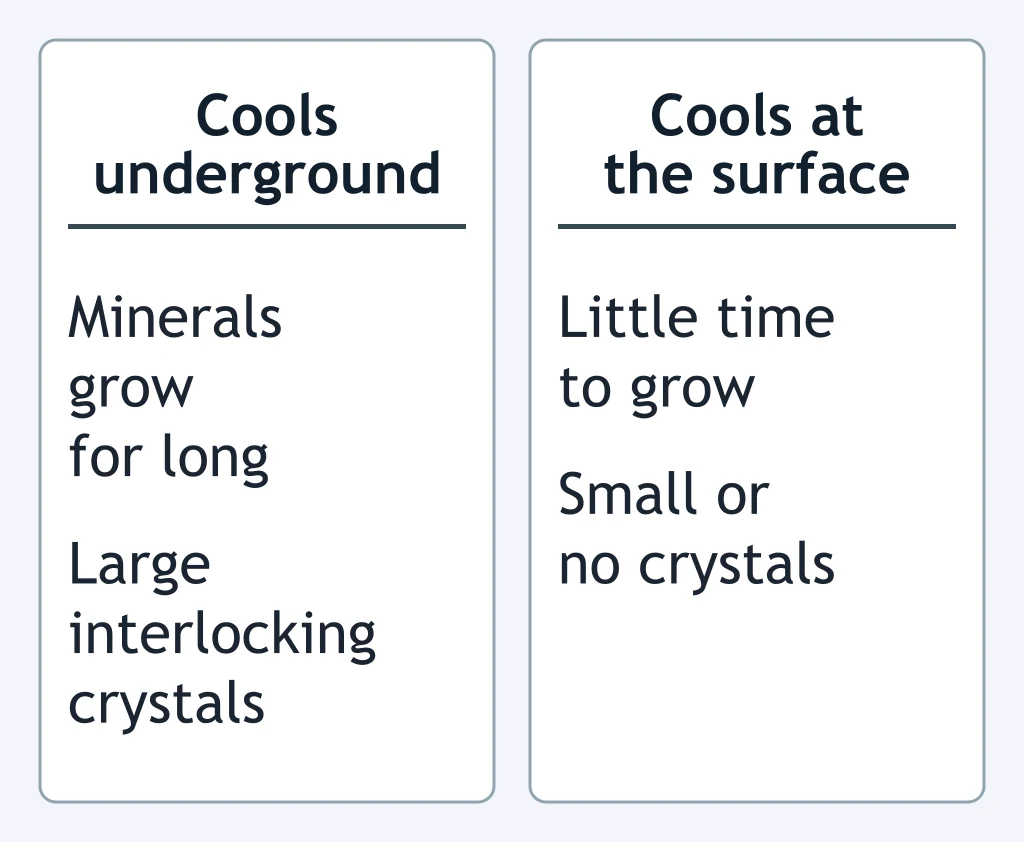
Lava erupts and cools within minutes at the surface, forming a fine-grained extrusive igneous rock. What rock is produced?
Dissolved calcium carbonate precipitates from seawater and shell fragments accumulate on the sea floor, forming a chemical sedimentary rock over time. What rock forms?
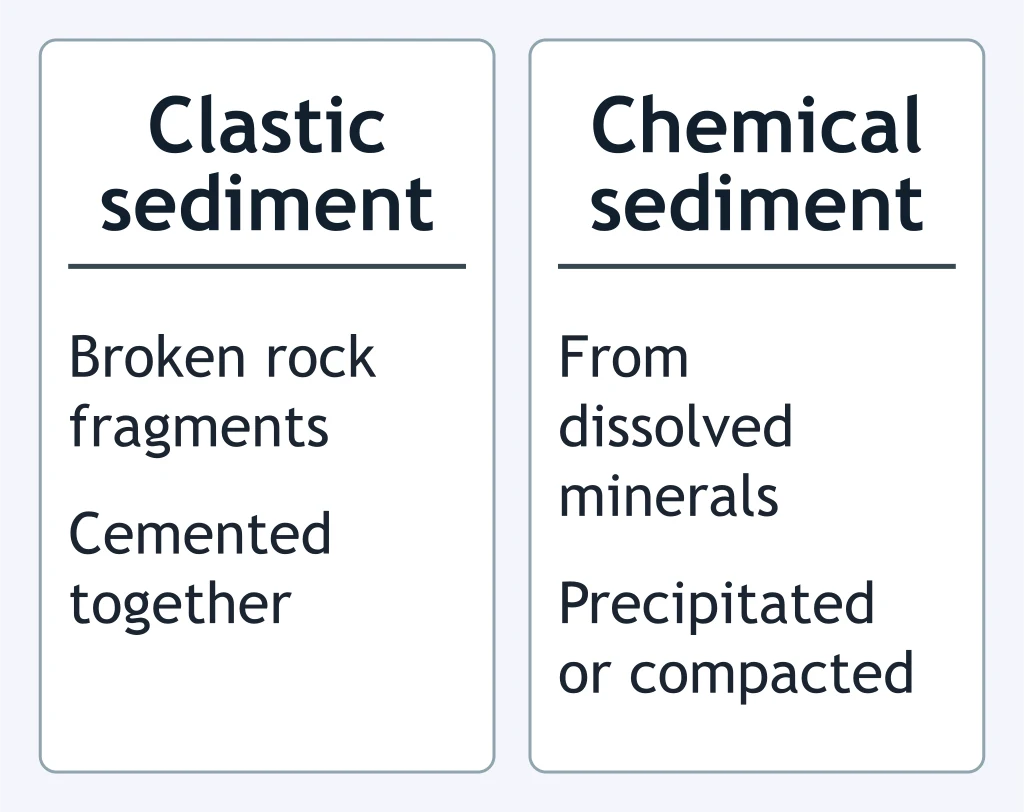
Fine clay particles settle in still water and are compacted into thin parallel layers of clastic sedimentary rock. What rock forms?
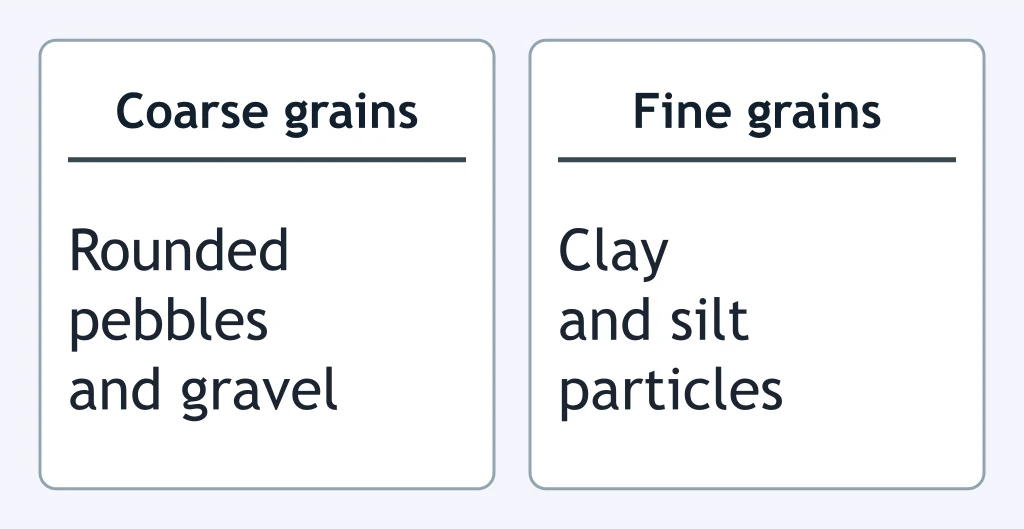
Sand grains buried under many layers of younger sediment are pressed together by the weight above until they lock into a solid mass. What rock forms?
Thick layers of dead plant matter build up in a swamp and are buried, compressed, and heated over millions of years. What rock forms?
Seawater in a shallow basin evaporates completely under a hot dry climate, leaving dissolved minerals behind as a solid layer. What rock forms?
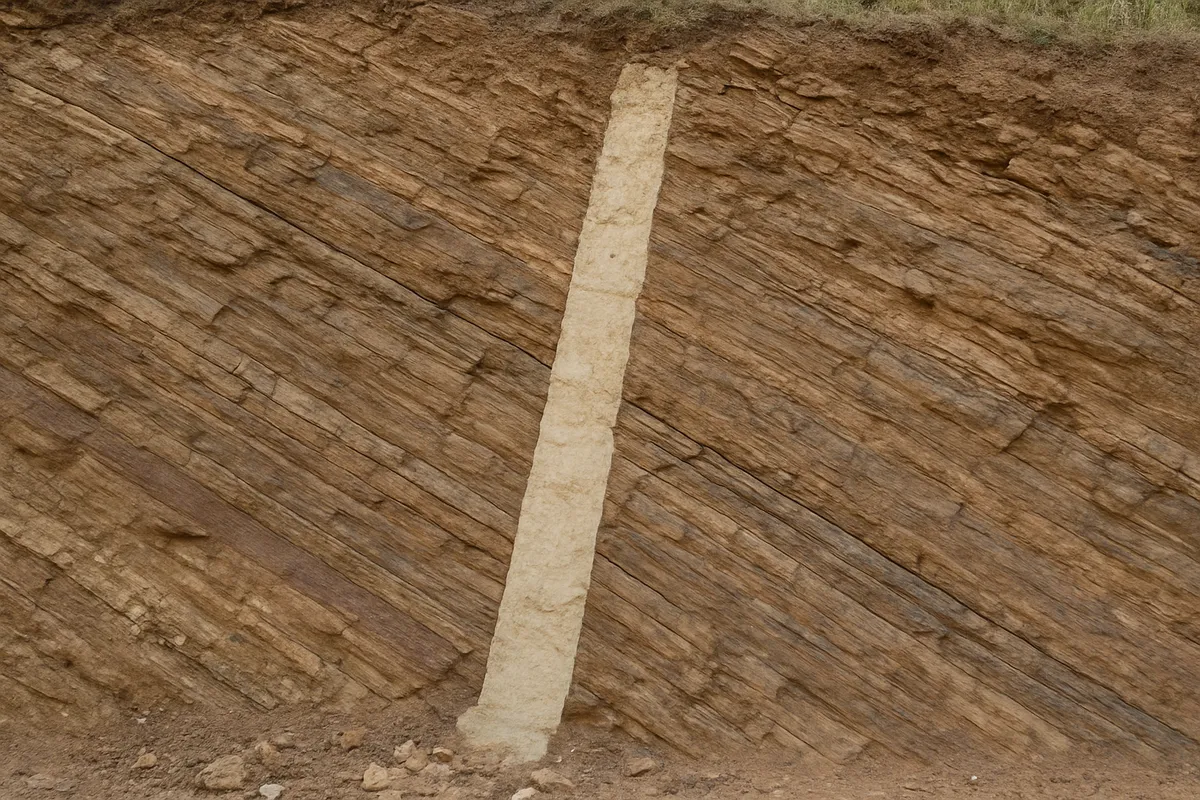
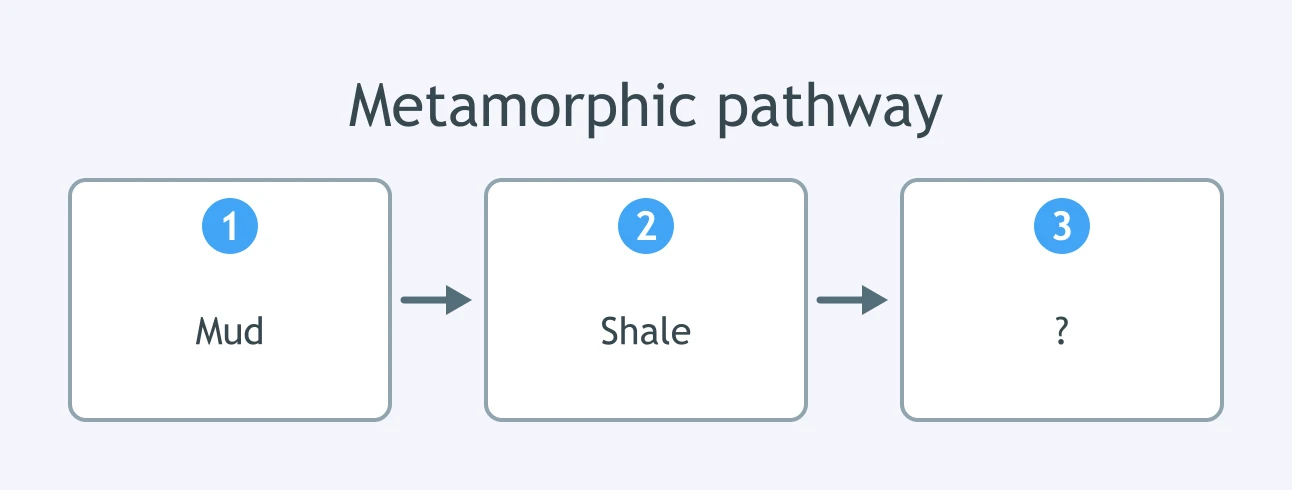
A layer of shale lying directly against a small volcanic intrusion is baked by localized contact metamorphism, hardening without any increase in regional pressure. What does the shale become?
A layer of shale lies near a rising magma body and is heated and squeezed until its clay minerals align into thin sheets, though it never melts. What does the shale become?
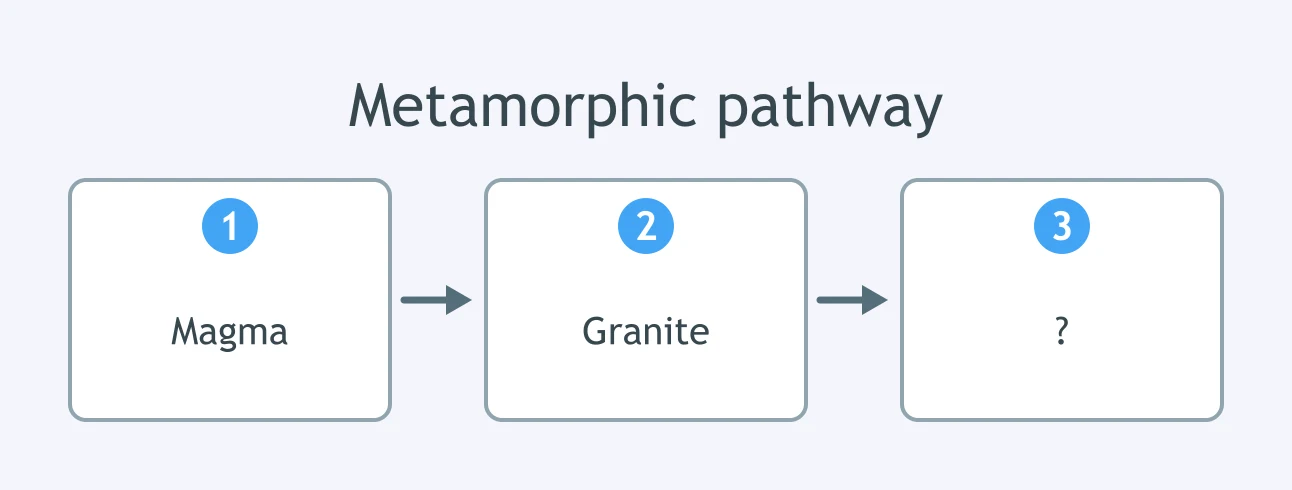
A body of granite undergoes regional metamorphism during mountain building, with heat and pressure separating its minerals into light and dark bands, though it never melts. What does the granite become?
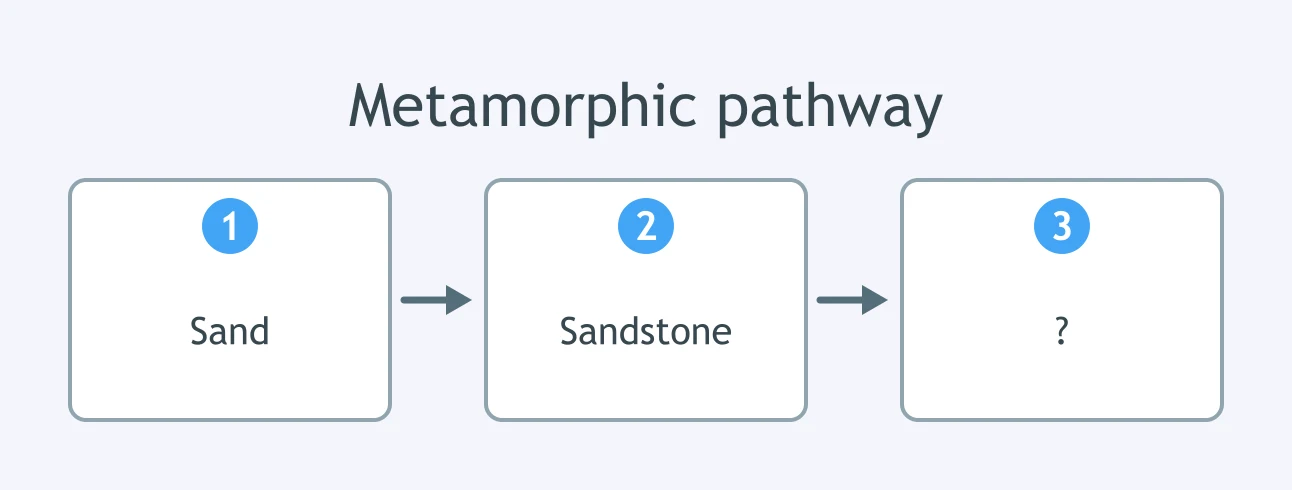
A layer of pure quartz sandstone is buried deep beneath a mountain range and is heated and compressed until its sand grains fuse into an interlocking mass. What does the sandstone become?
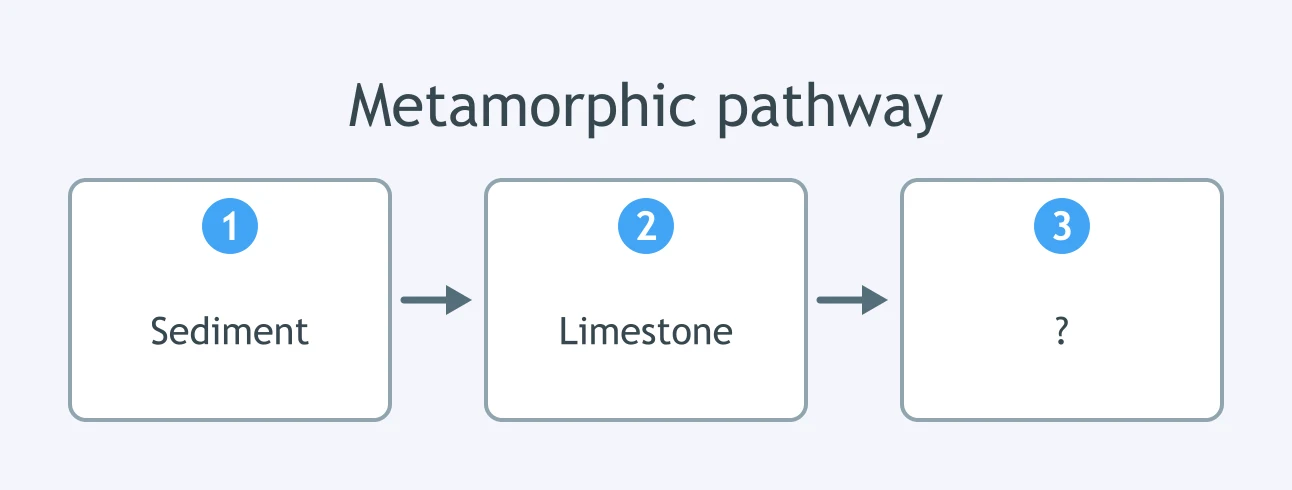
A bed of limestone lies beside an intruding magma body and is heated until its calcite recrystallizes into larger, interlocking grains, though it never melts. What does the limestone become?
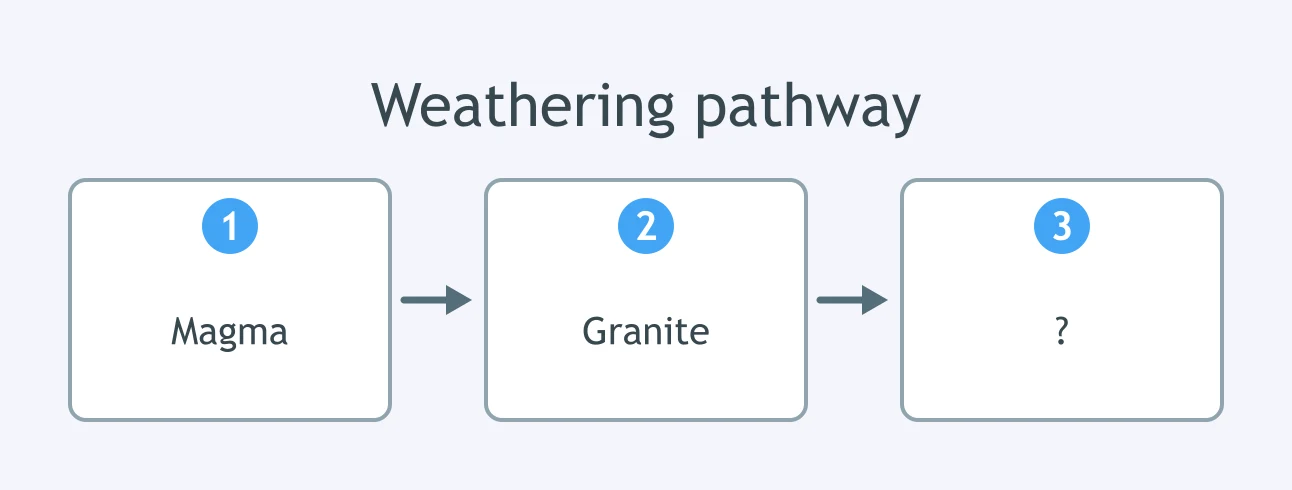
A granite outcrop is uplifted to the surface, broken apart by frost and plant roots, and the loose grains are carried away by a stream. What has the granite become?
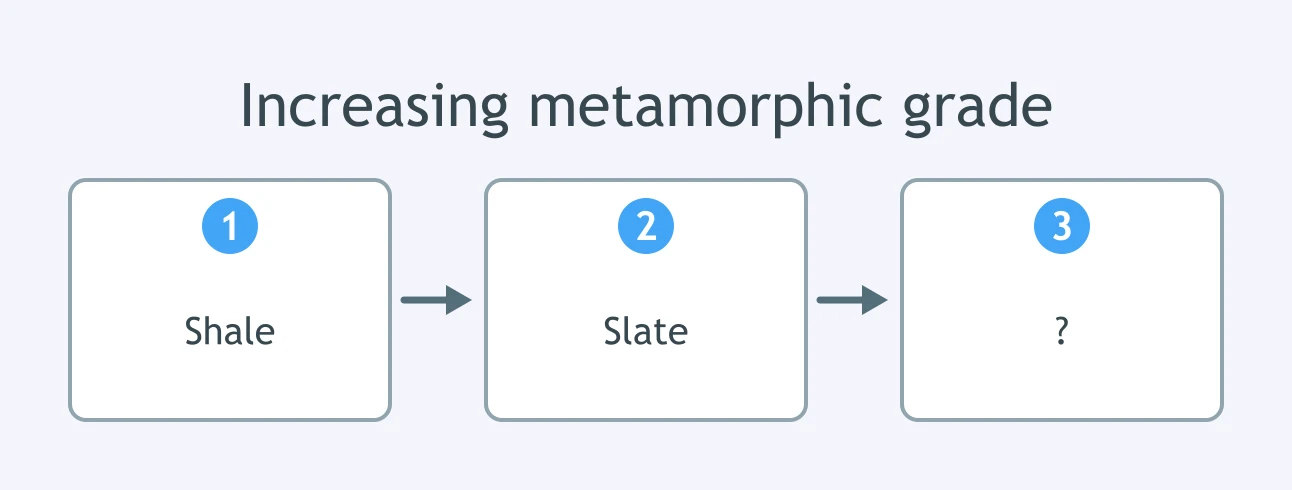
A slate that formed at moderate heat and pressure is carried deeper into a mountain root, where the temperature and pressure rise further and its minerals recrystallize into larger, coarser bands. What does the slate become?
A basalt flow is buried under later lava flows, then heated and squeezed deep underground without melting, so its minerals recrystallize into a denser rock. What class of rock does the basalt become?
A mass of gneiss is carried down into the mantle by subduction and is heated past its melting point. What does the gneiss become?
A basalt lava flow cools and solidifies at the surface. Which sequence could turn it into a sedimentary rock?
A shale bed lies buried two kilometers underground, far from any rising magma. Which sequence could turn it into a metamorphic rock without ever melting?
A granite body sits deep underground, far from any magma or tectonic stress. Which sequence could eventually turn it into a new igneous rock?
A sandstone sample still shows distinct sand grains and faint layering. Which history is consistent with that description?
A rock sample is made of rounded pebbles held in a finer-grained matrix, showing no crystals and no banding. Which pathway could have produced it?
Marble found in a mountain range is examined and shows no fossils and no layering, only interlocking calcite crystals. Which pathway is consistent with how it formed?
A rock sample is made of tightly interlocking crystals that grew as a molten material slowly cooled, with no layers and no fossils present. Which class does it belong to?
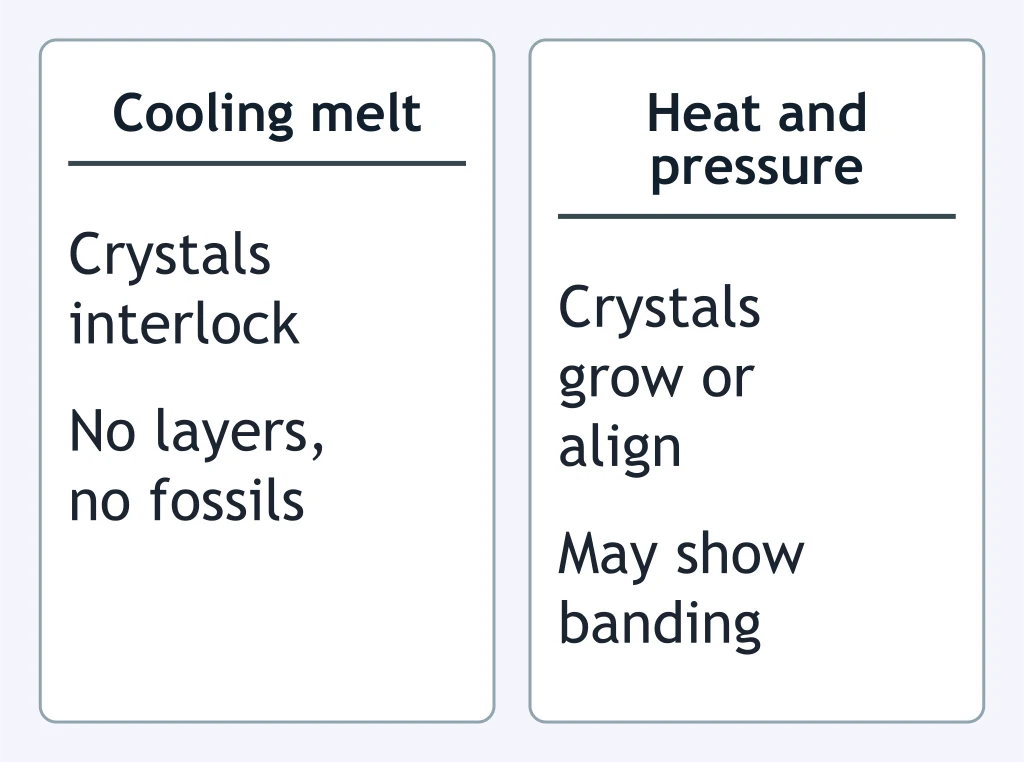
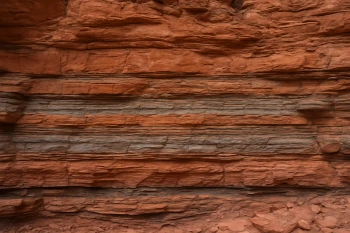
A rock sample is made of visible rounded grains of sand cemented together, with faint horizontal layering and a few embedded shell fragments. Which class does it belong to?
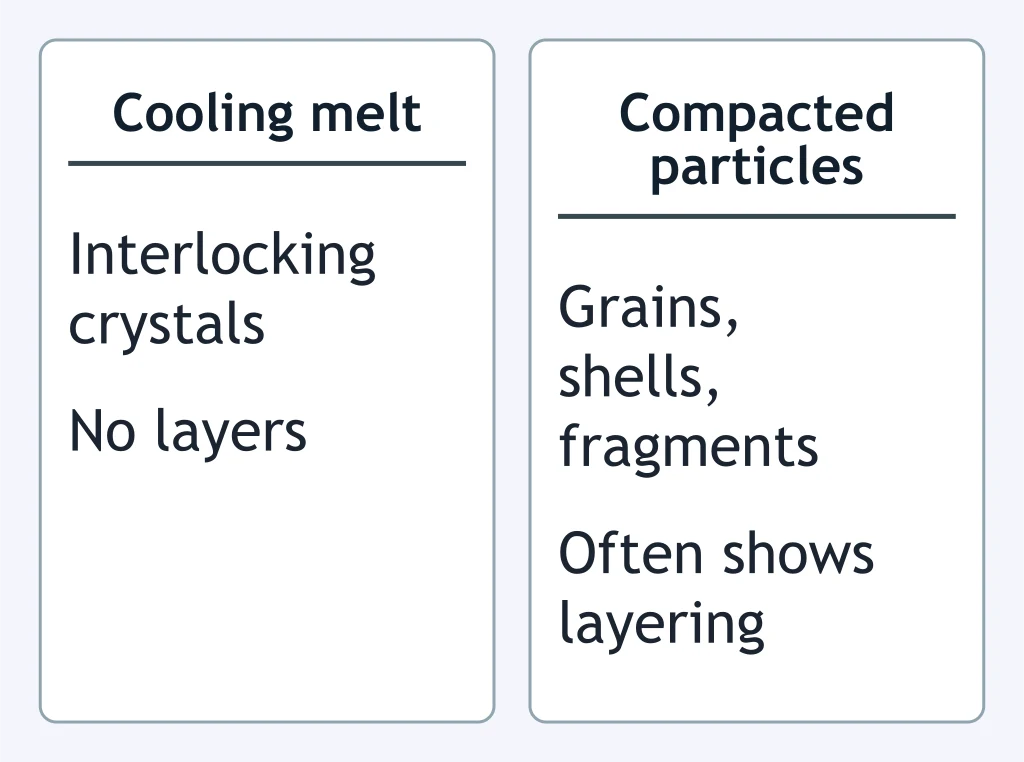
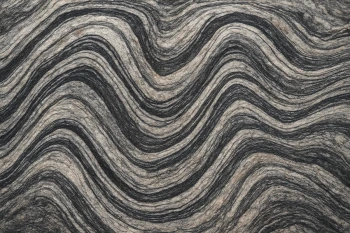
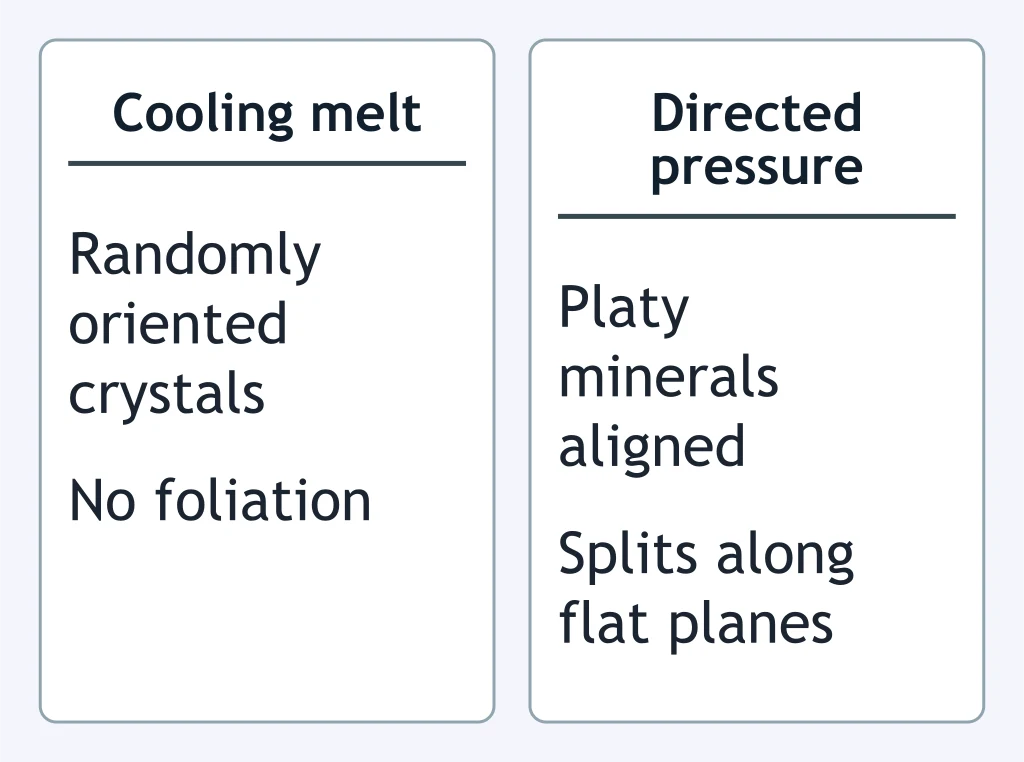
A rock sample shows minerals separated into alternating light and dark bands, with no layering of sediment and no fossils. Which class does it belong to?
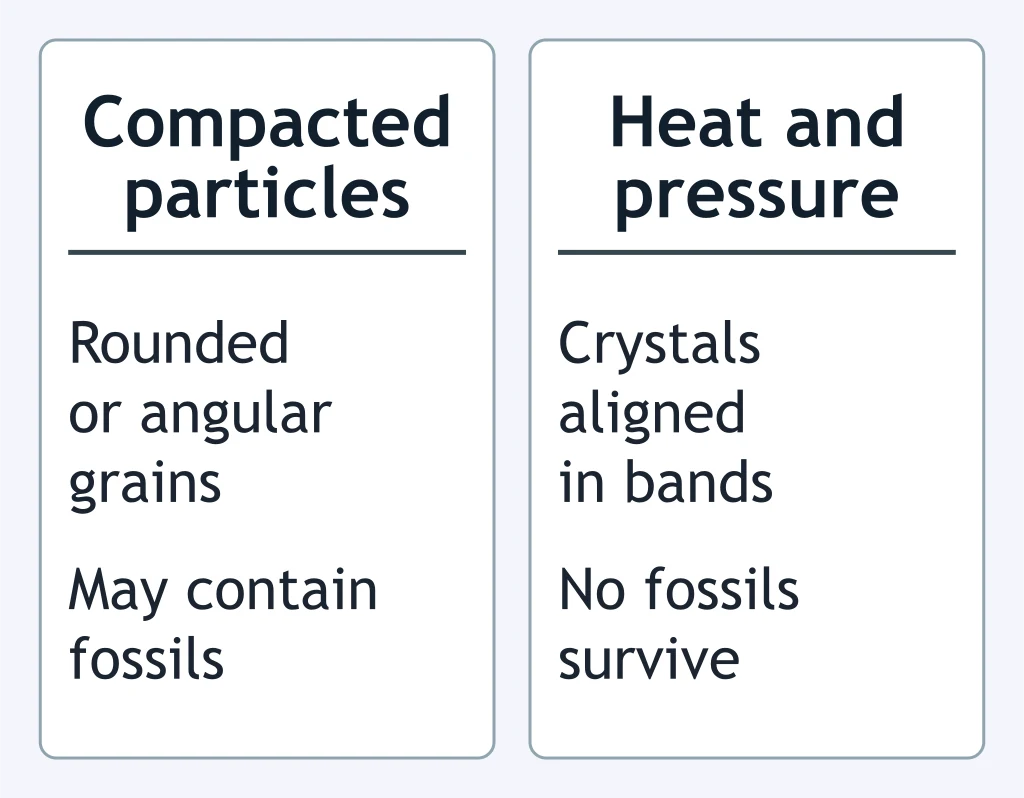
A rock shows foliation, splitting easily along flat, parallel surfaces because its platy minerals were squeezed into alignment. Which class does it belong to?
A rock sample is composed of loosely bound angular rock fragments of many different sizes with visible gaps between them and no interlocking crystals. Which class does it belong to?
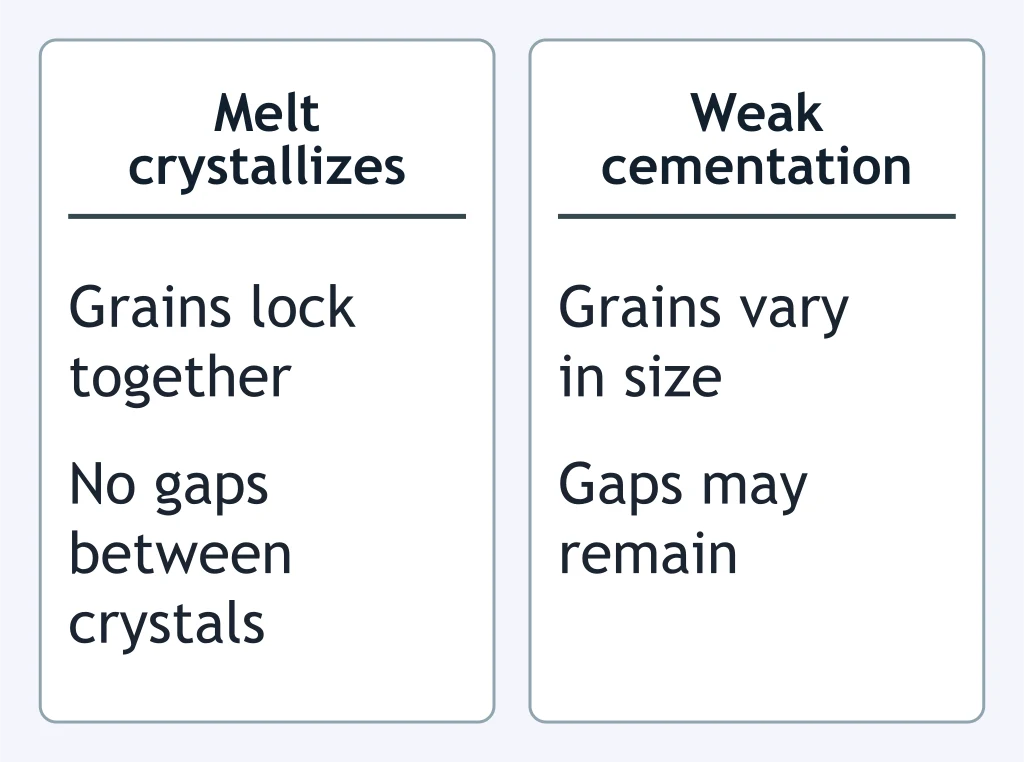
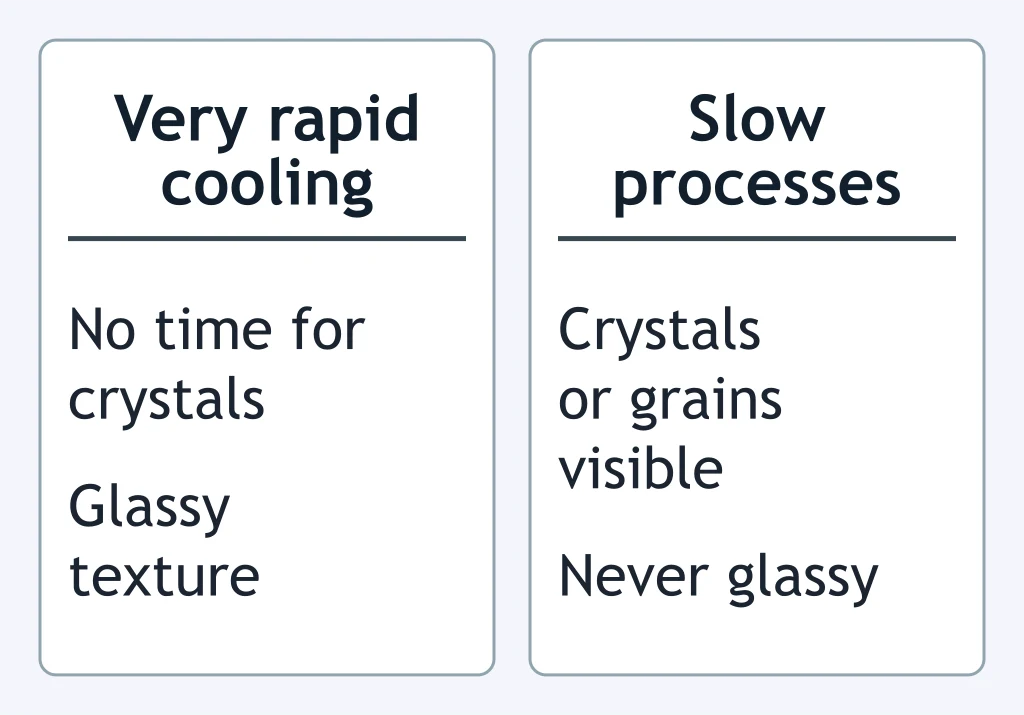
A rock sample is glassy, with no visible crystals at all, and formed as molten rock cooled almost instantly on contact with air or water. Which class does it belong to?
Crack the passcode before the zombies get in.
Answer, then swat bugs for bonus points.
Race through questions at your own speed.
Same question on every screen. Fastest wins.

Pick a tile, answer, hit bonuses and steals.
40 questions