Loading
by BlastRoom
Identify minerals from luster, streak, cleavage and fracture, hardness, special properties, and a properties table.
#earth_space_science
60 questions
One question set, multiple game modes. Tap any game to see it in action. Not sure which to pick?
Answer to place stones and capture territory.
Outrun the snow together.
Earn blasts, then hunt the other team.
Answer to earn energy, then climb.

The class blasts through walls together.
Bid on mystery lots. Most money wins.
Sell tours. Nice, standard, or a total scam.

Answer, restock, and serve the rush.
More correct answers pulls the rope your way.
Answer, then shoot down the alien wave.
Answer, then tap to leap the frozen ridge.
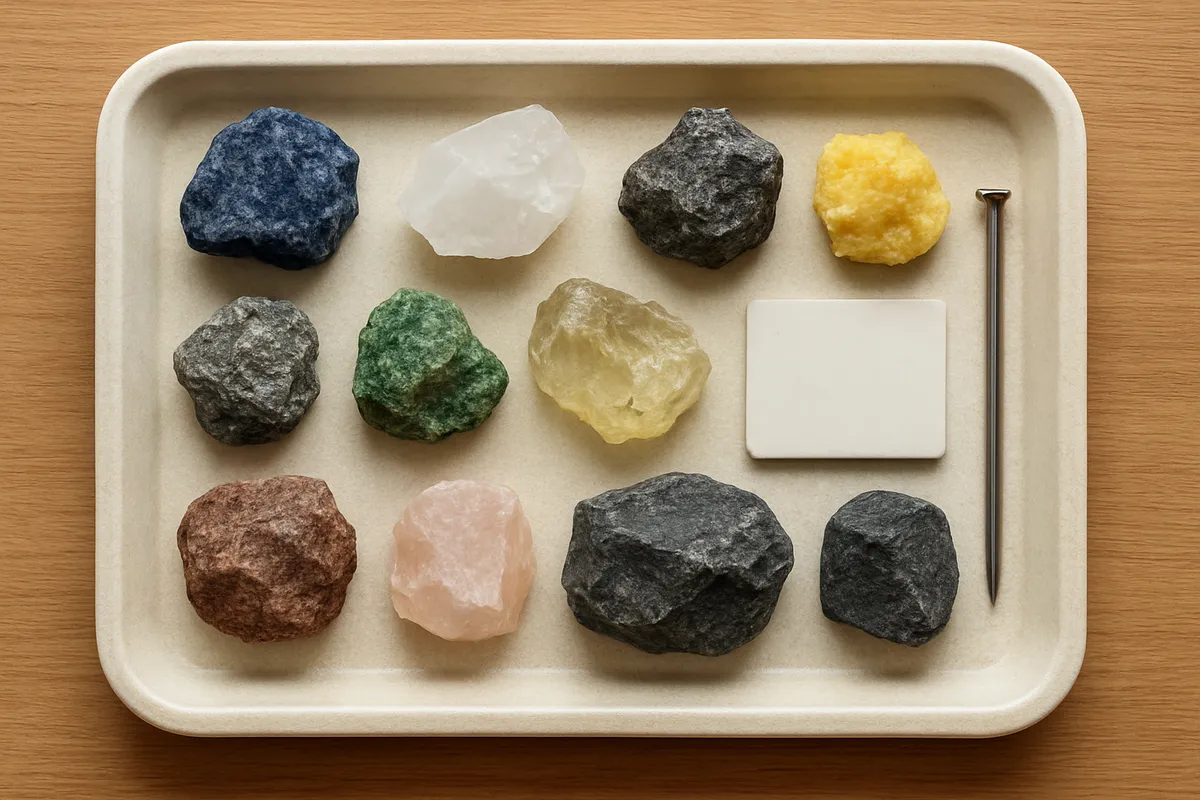
The specimen in the photograph has a bright brassy surface, with no light passing through even at a thin edge. What luster does it show?
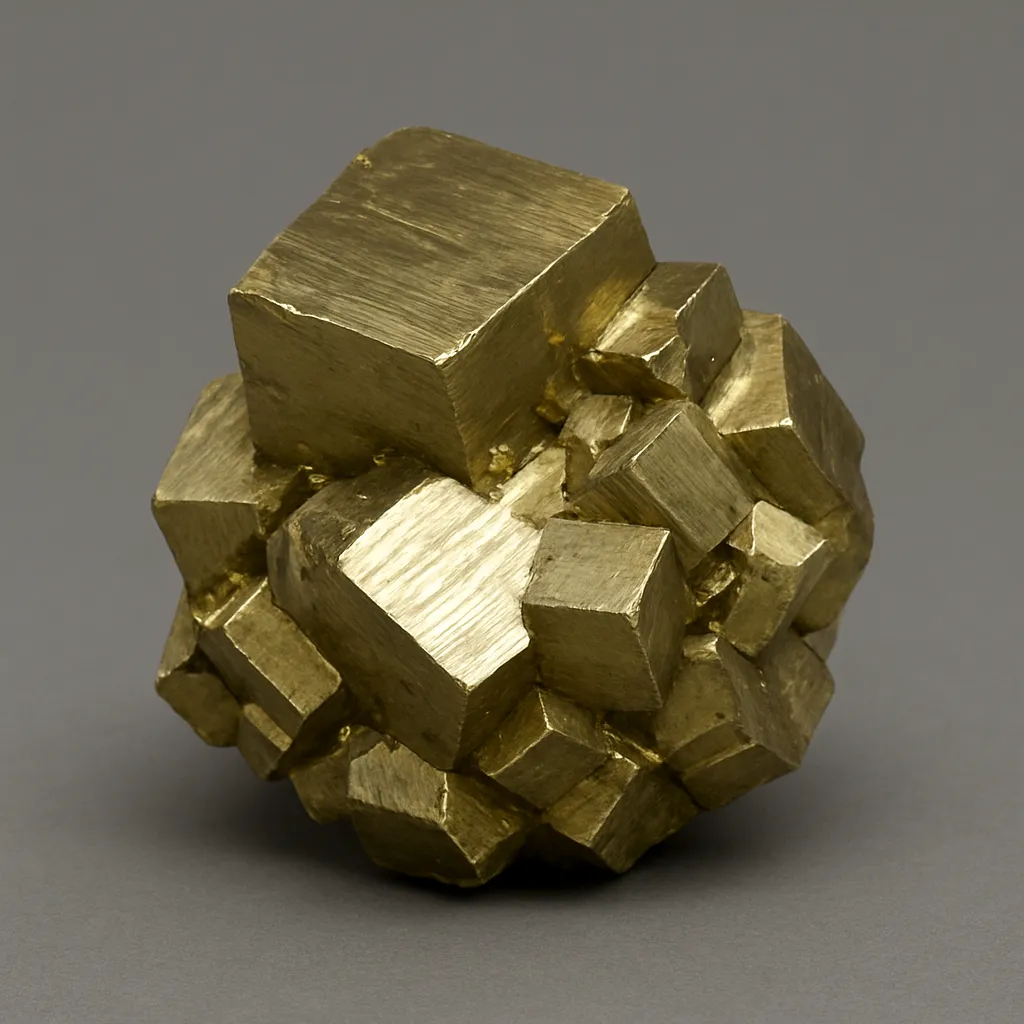
A lead-gray cubic specimen in the photograph reflects light the way polished metal does. Which mineral property does this observation describe?
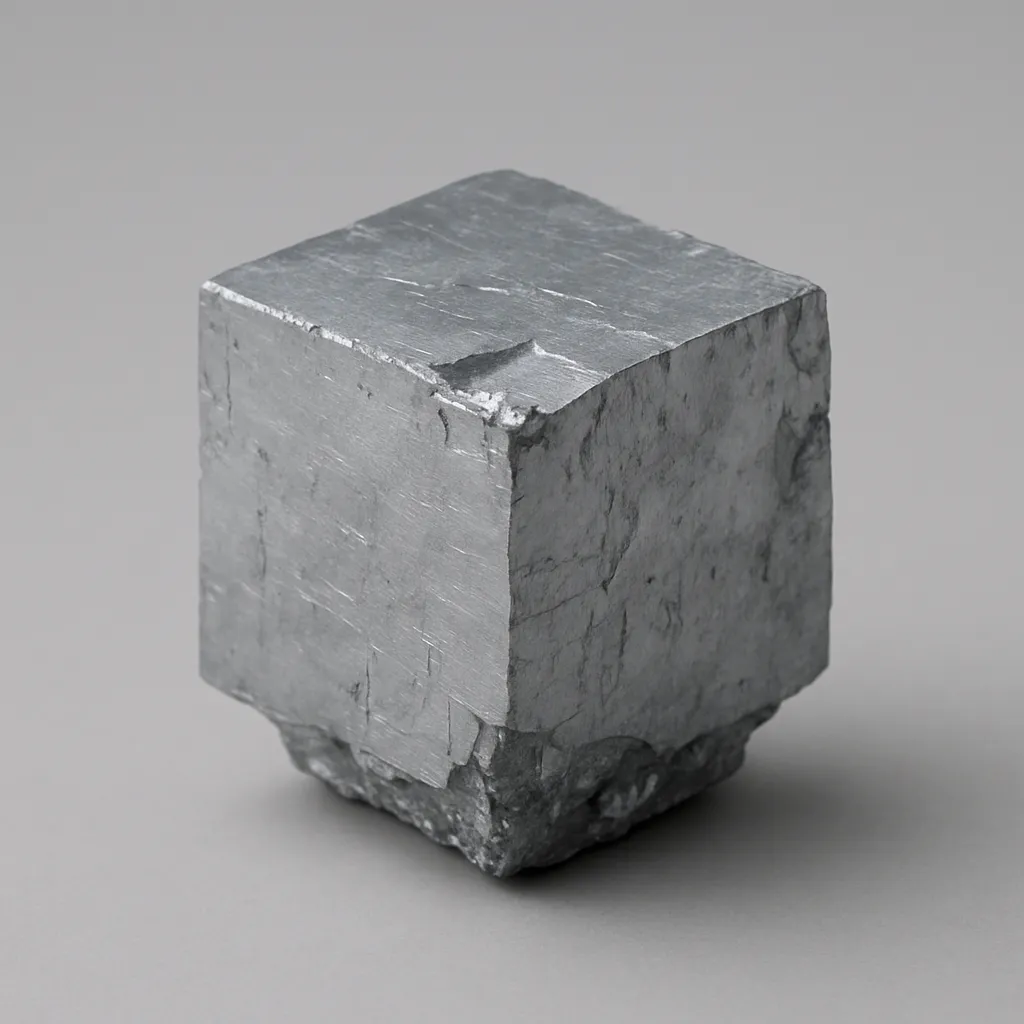
The photograph shows a clear six-sided crystal with a glassy shine like a broken glass surface. What luster is shown?
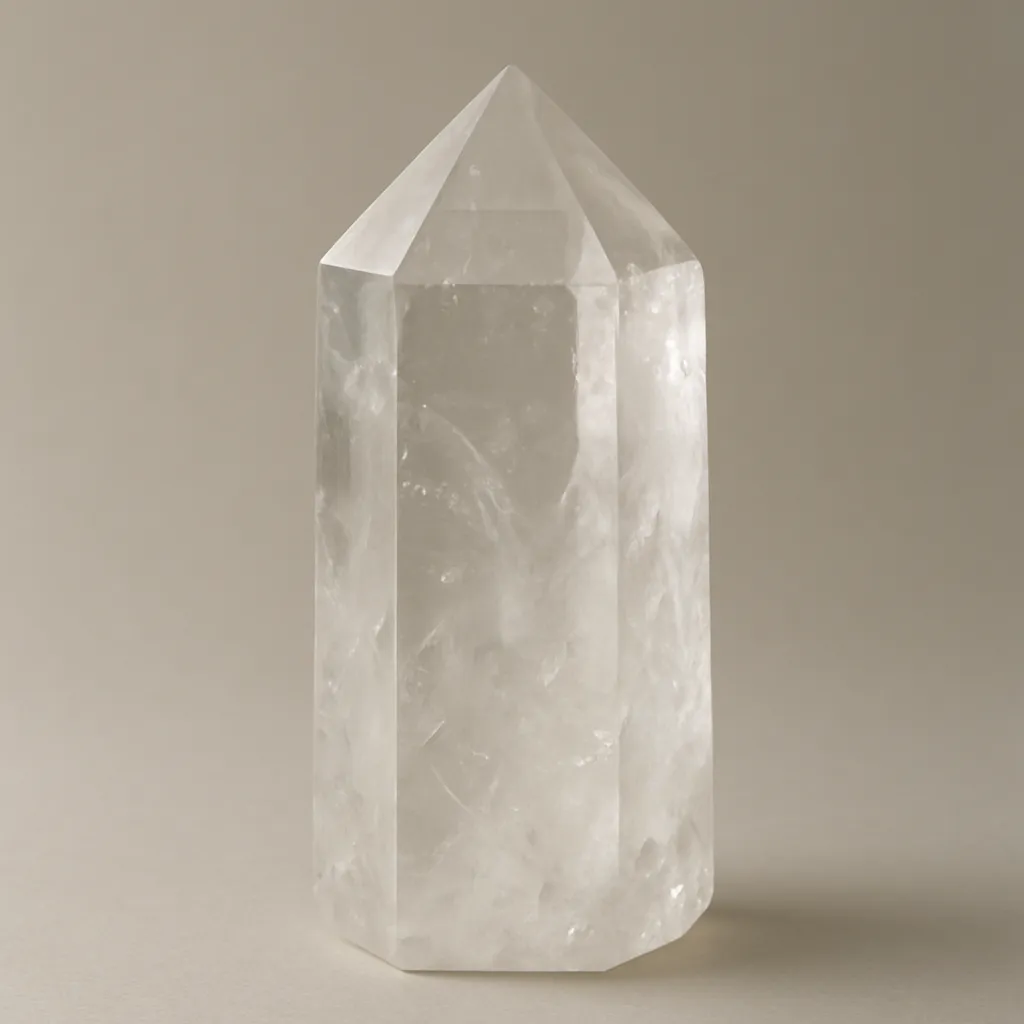
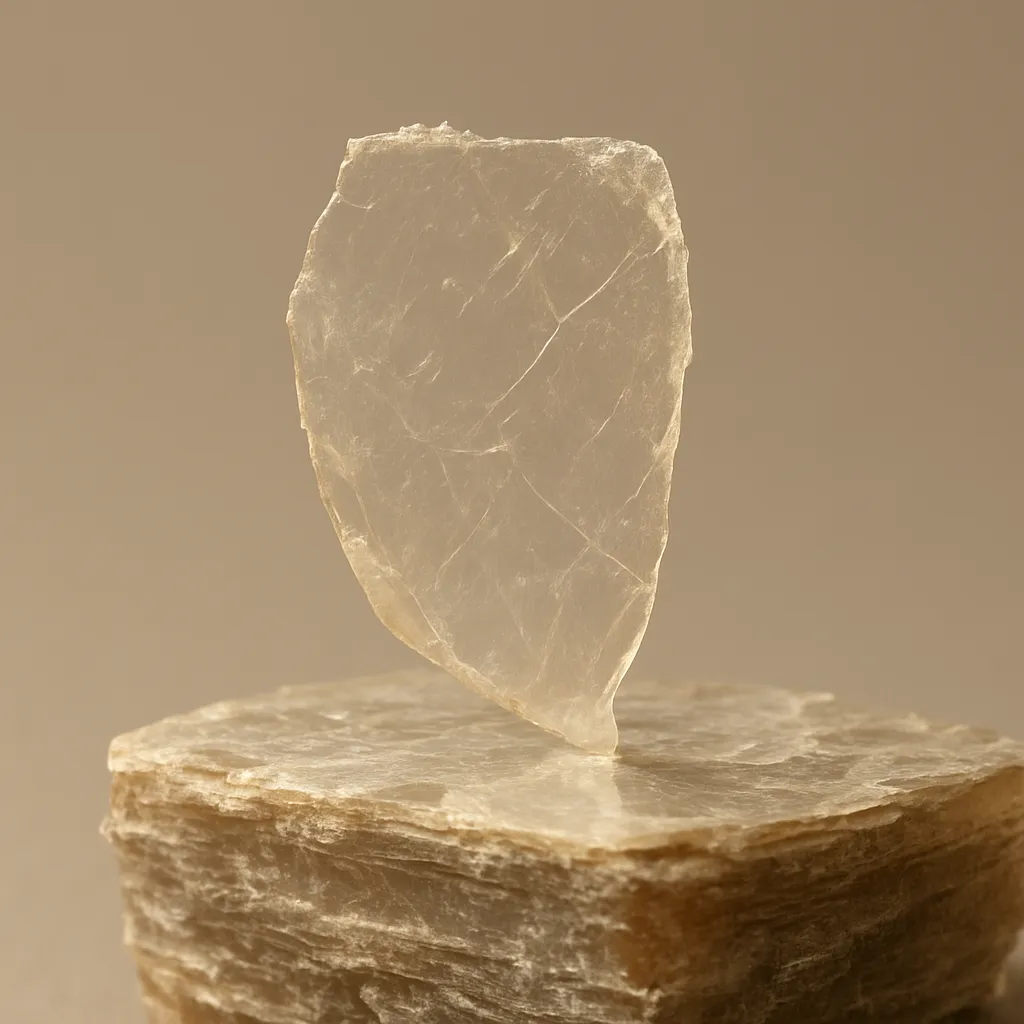
A thin, colorless sheet peeled from the specimen catches light with a soft, shimmering sheen like the inside of a shell. Which luster does this show?
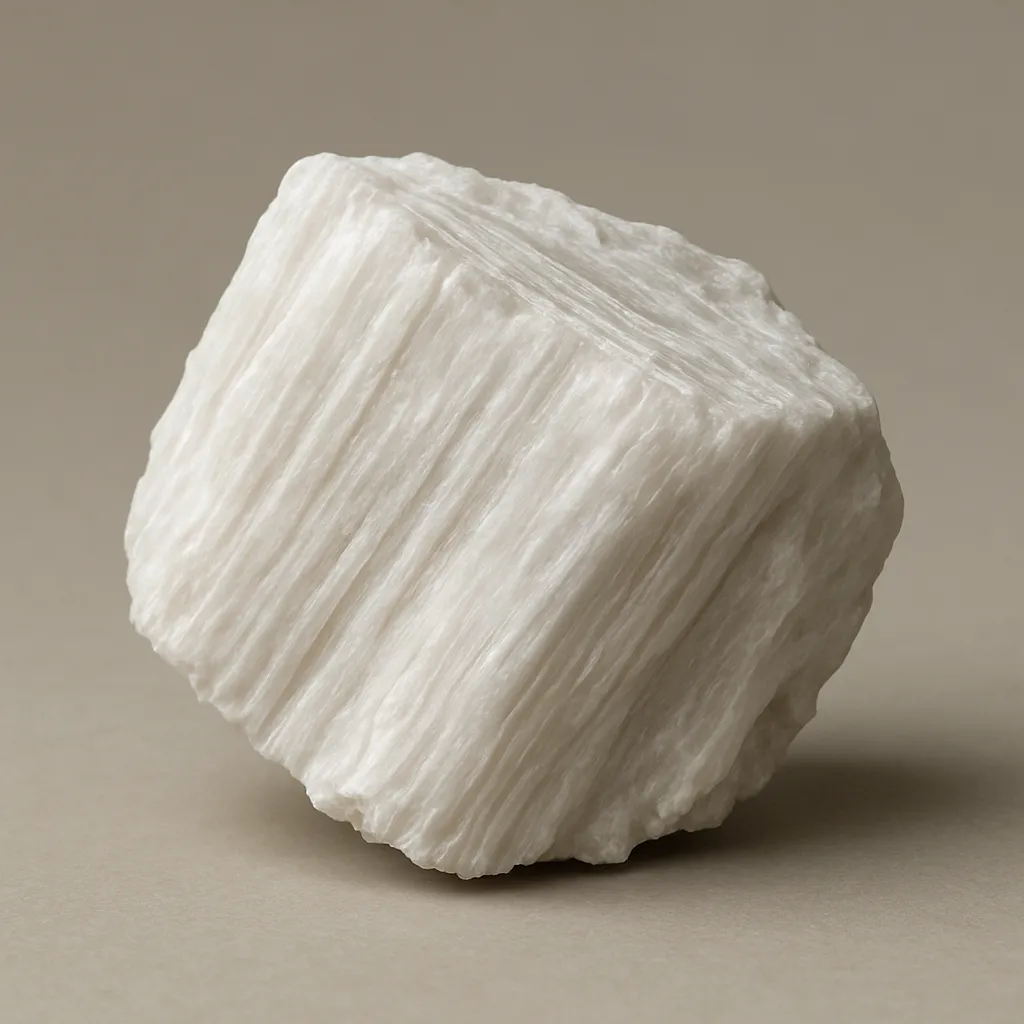
The photograph shows a specimen made of fine parallel fibers with a soft sheen like the surface of woven thread. What luster is this?
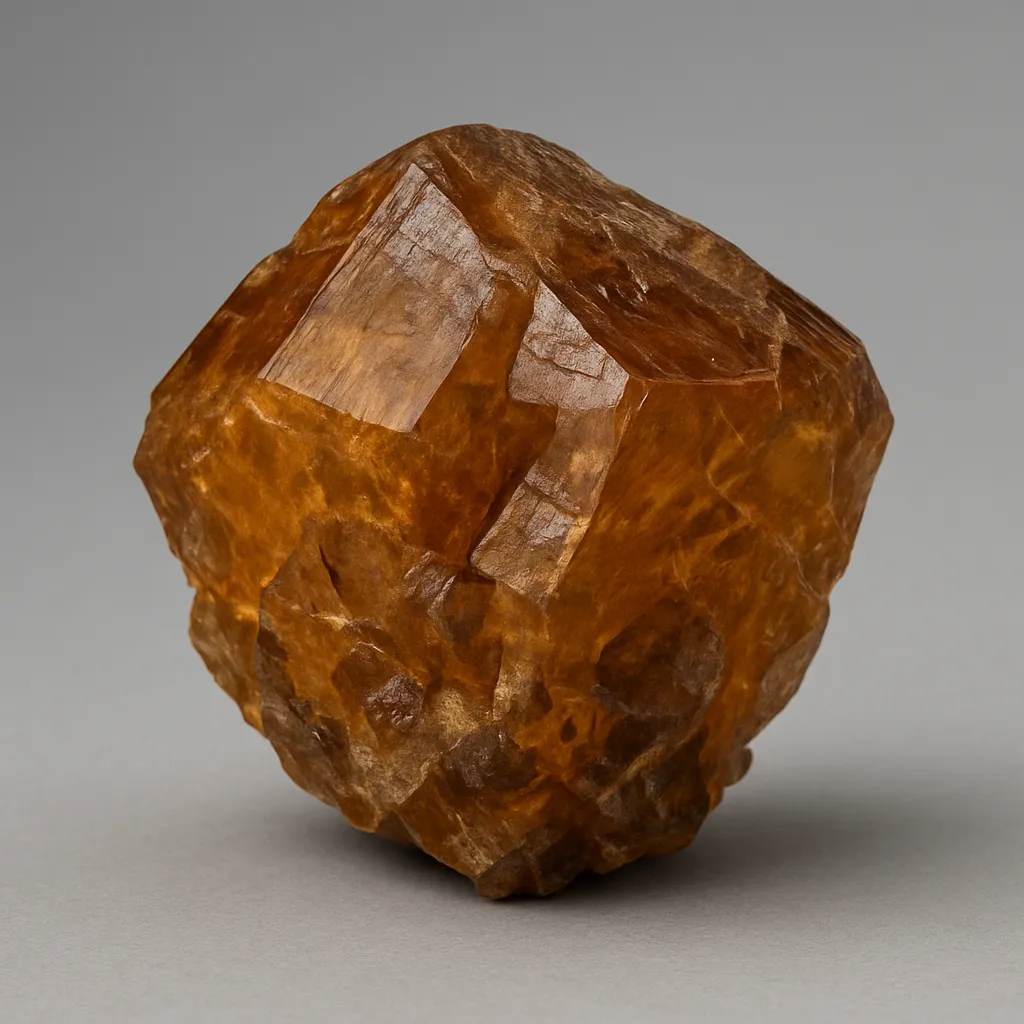
A honey-brown specimen in the photograph has a warm shine like amber or hardened tree sap, not like polished metal or glass. Which luster is being shown?
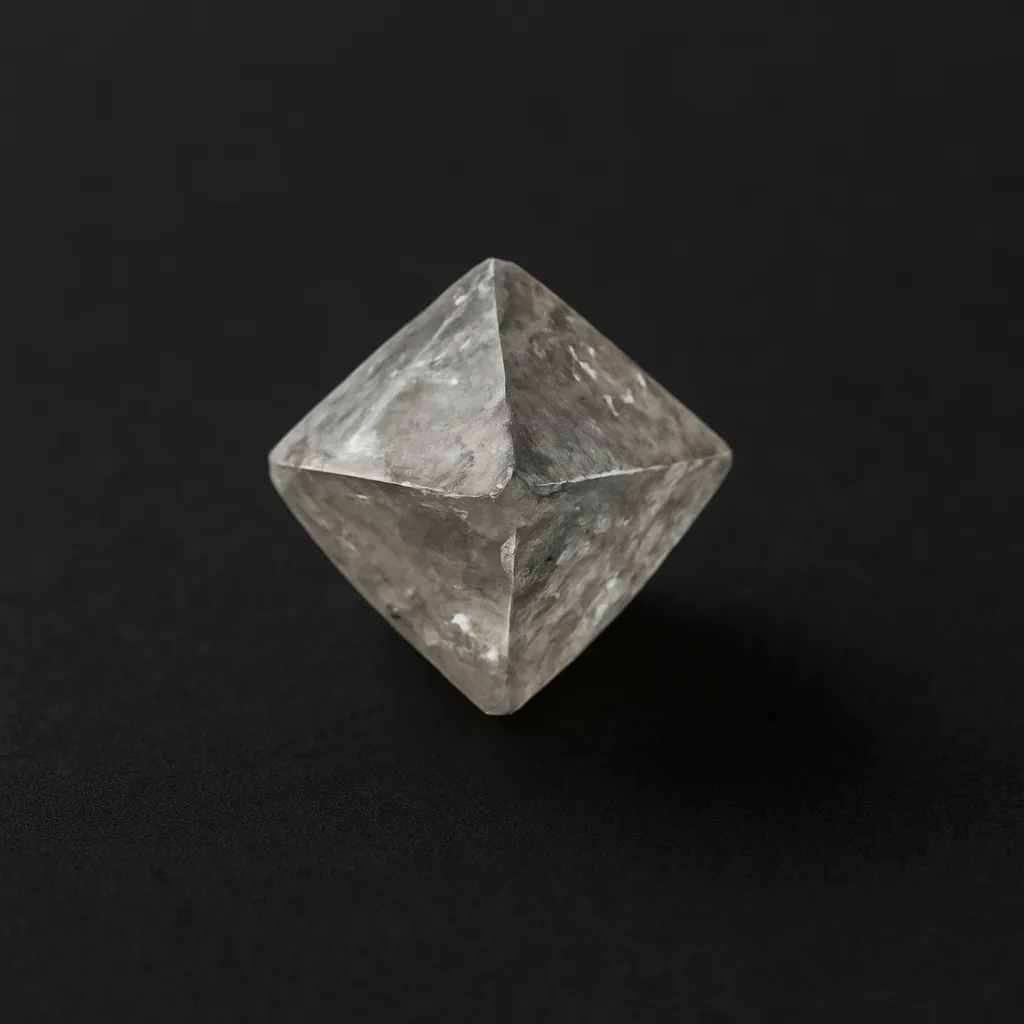
The photograph shows a small colorless crystal with a brilliant, high sheen much stronger than ordinary glass. What luster is this?
A dull reddish-brown specimen in the photograph absorbs light rather than reflecting it, with a chalky, non-shiny surface. Which luster is this?
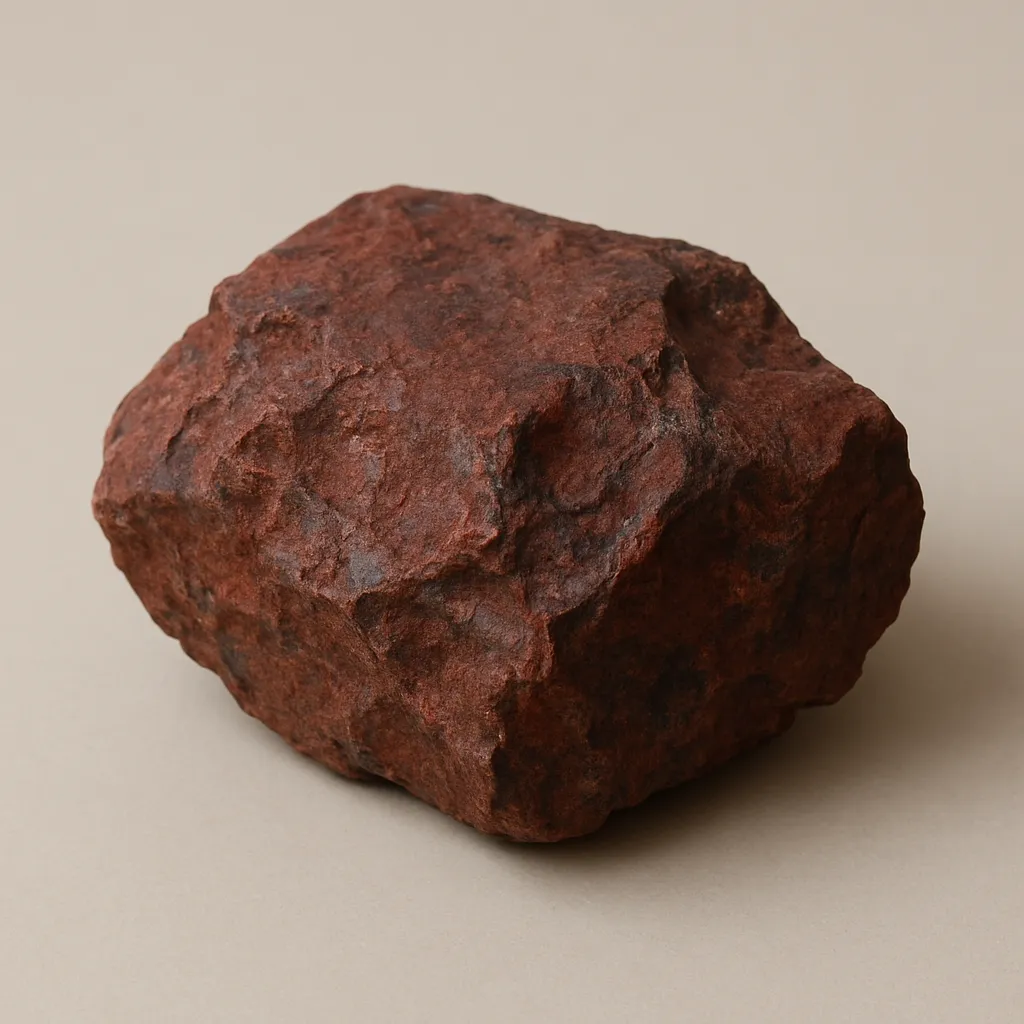
The photograph shows a pale green massive specimen with a surface that looks slick, as though coated in a thin film of oil. What luster is this?
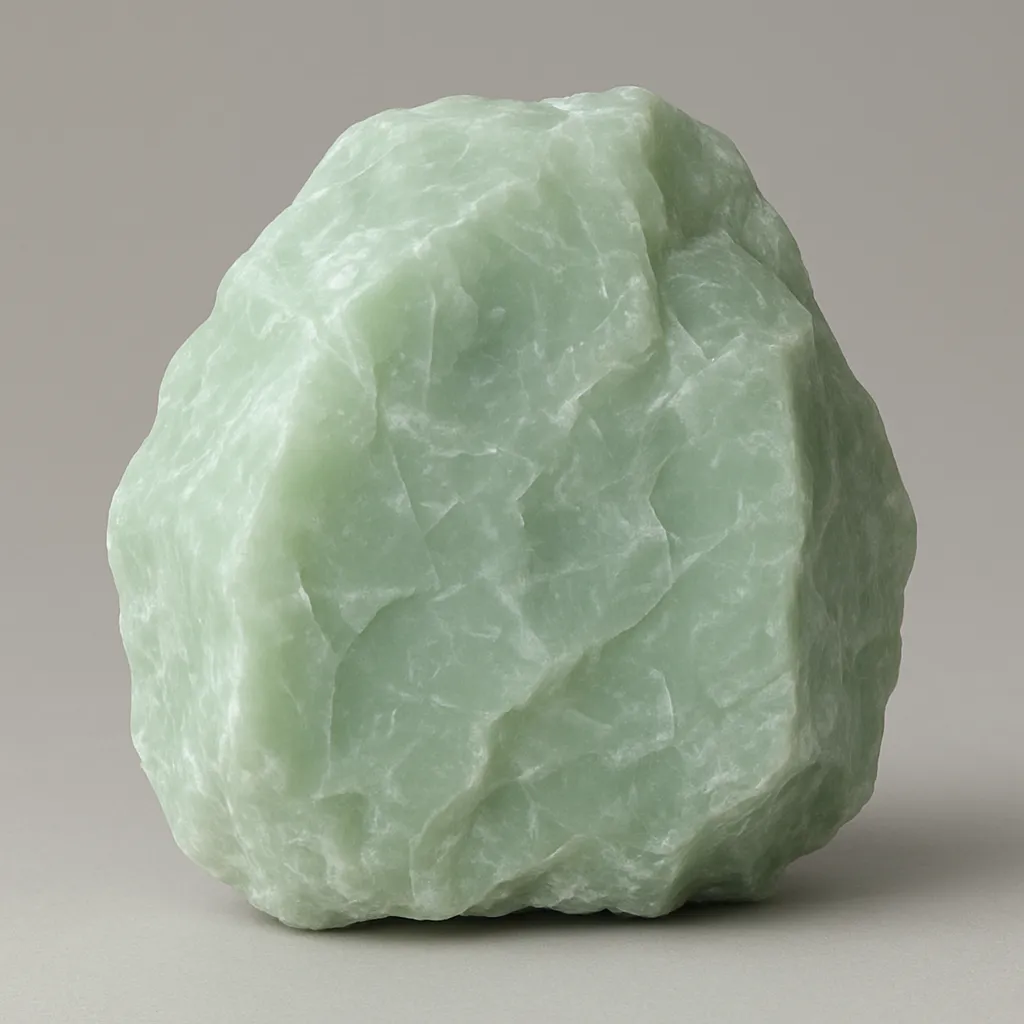
A freshly broken specimen in the photograph is opaque, with a bright copper-red surface that shines like a new penny. What luster is this?
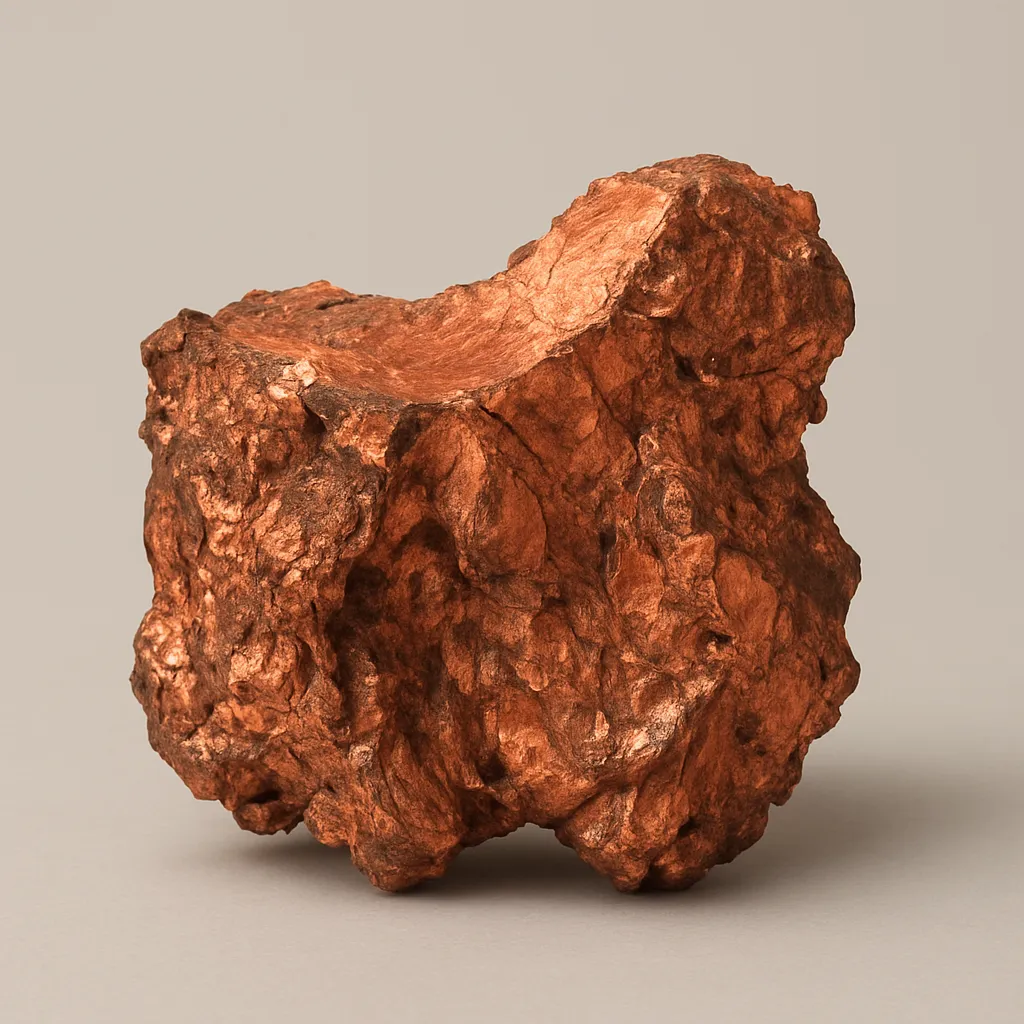
A brass-yellow cubic specimen is rubbed across an unglazed porcelain plate and leaves a greenish-black powder line. Which mineral is this?
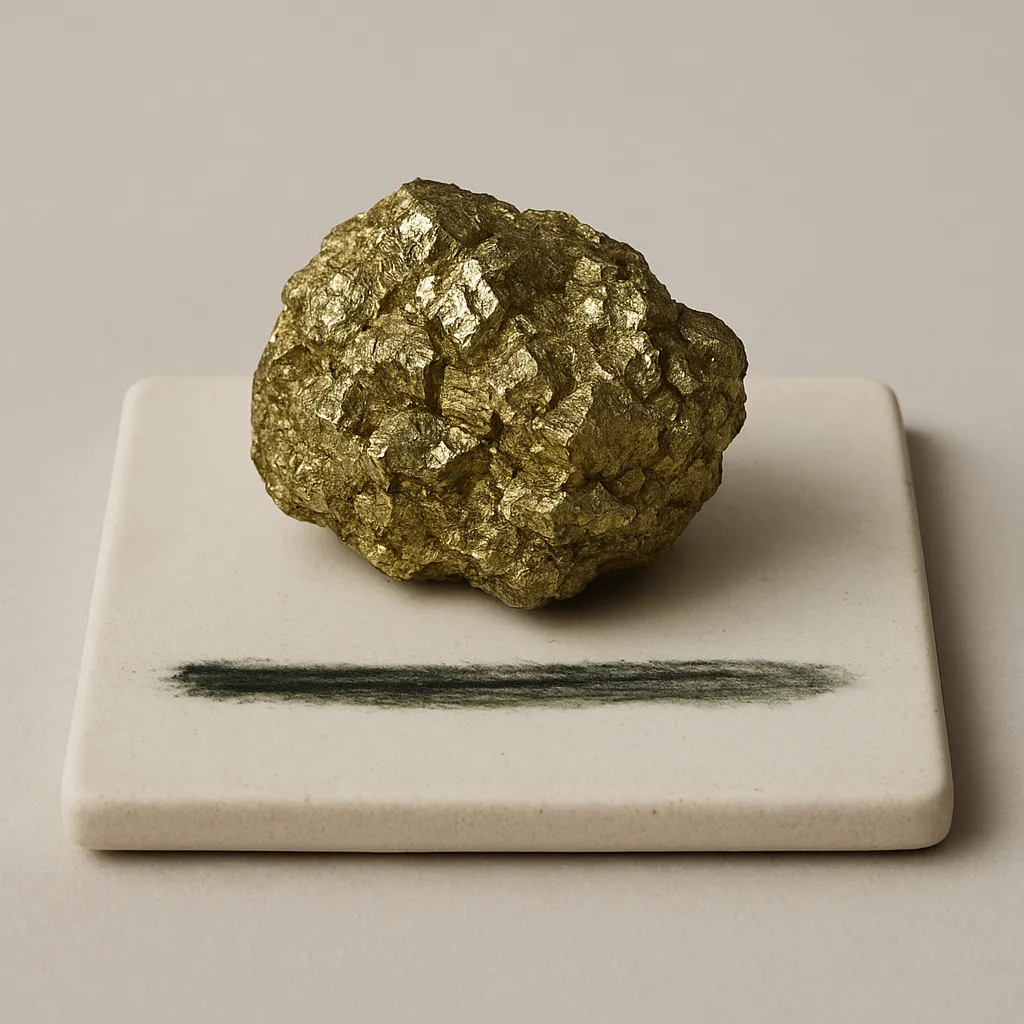
A dark gray, almost black metallic-looking specimen is dragged across a streak plate and leaves a reddish-brown powder line. Which mineral is this?
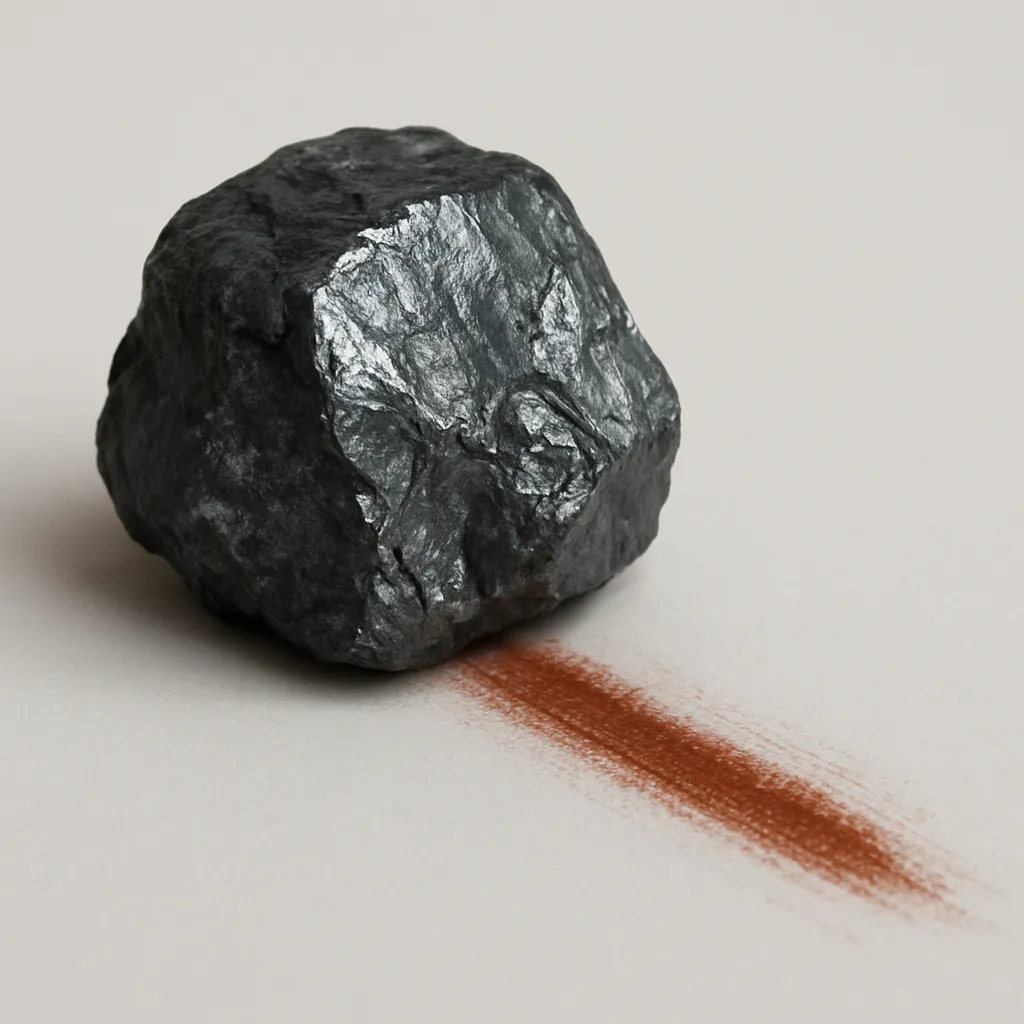
A heavy, hard black specimen is rubbed on a streak plate and leaves a black powder line the same color as the specimen. Which mineral is this?
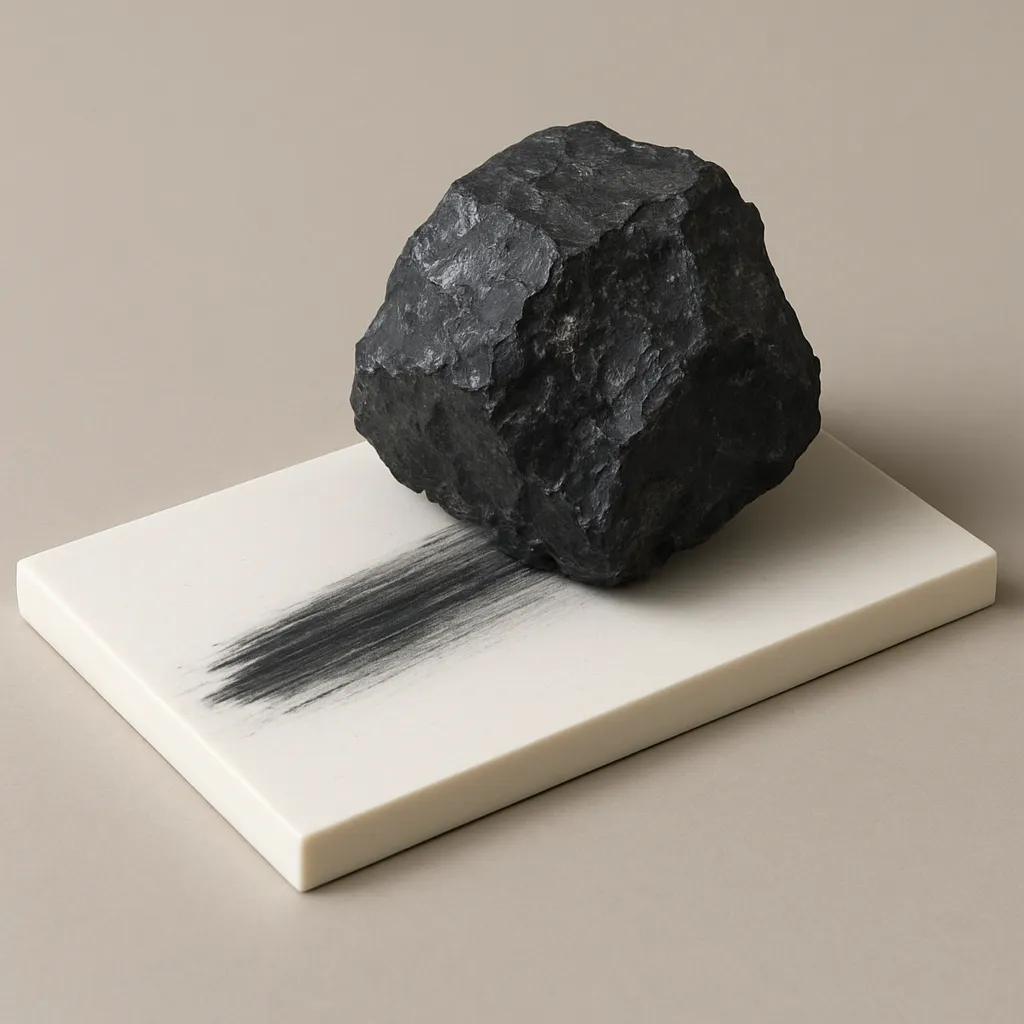
A silvery cubic specimen is rubbed on a streak plate and leaves a dark lead-gray powder line. Which mineral is this?
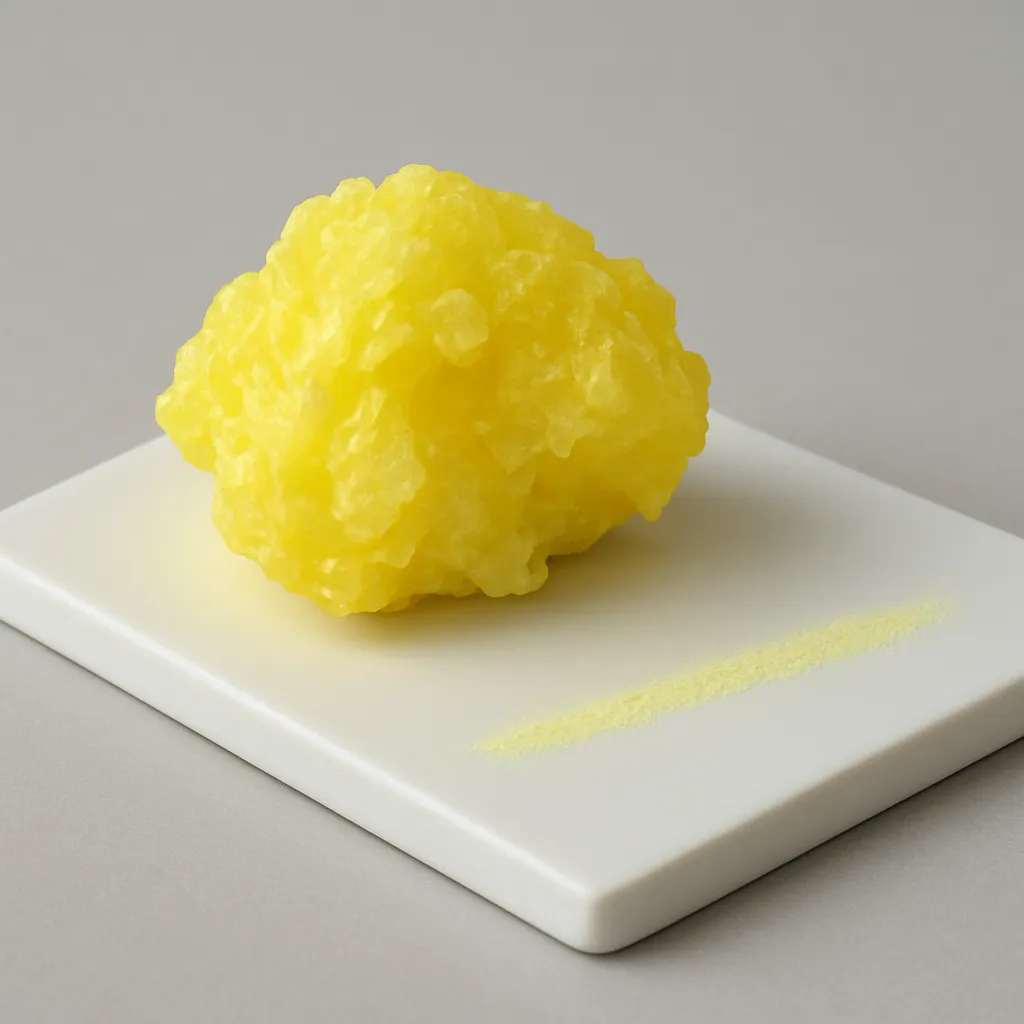
A bright yellow specimen is rubbed on a streak plate and leaves a pale yellowish-white powder line. Which mineral is this?
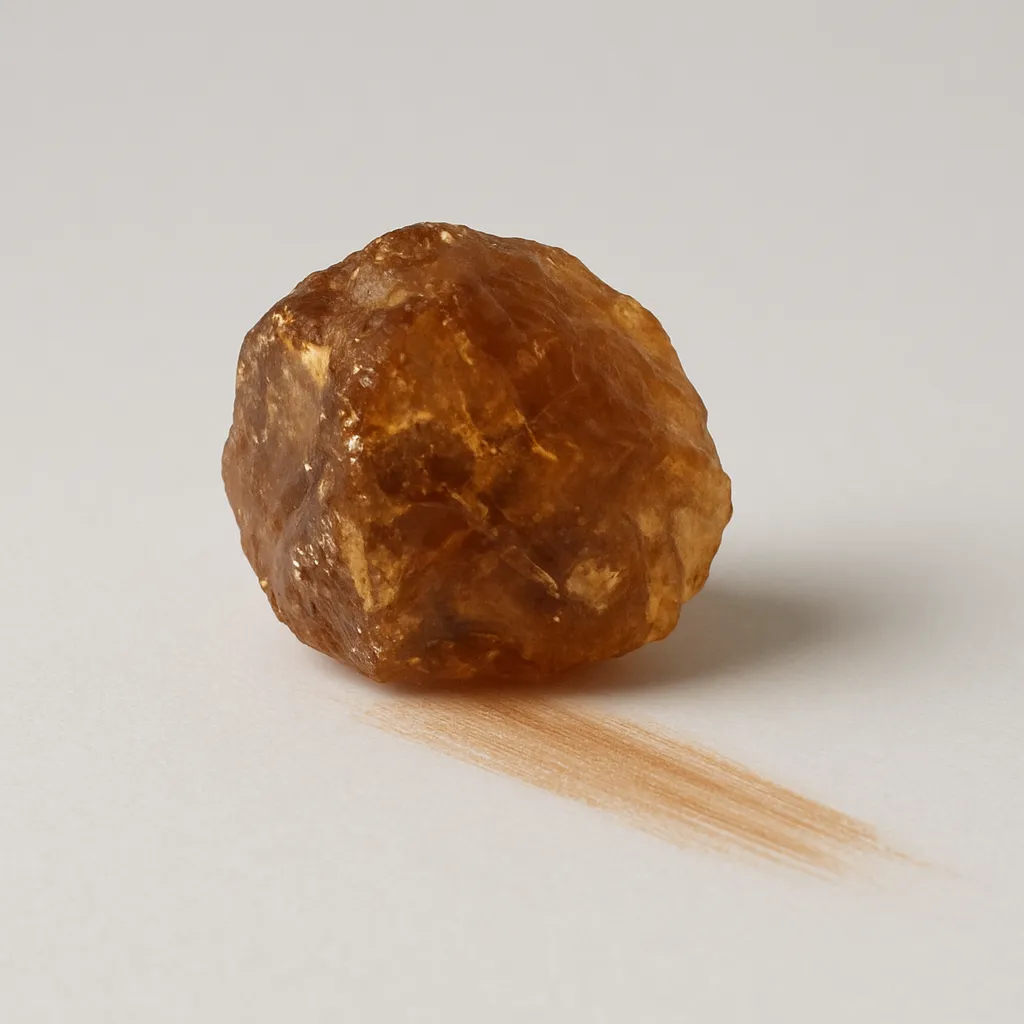
A honey-brown resinous specimen is rubbed on a streak plate and leaves a pale yellowish-brown powder line. Which mineral is this?
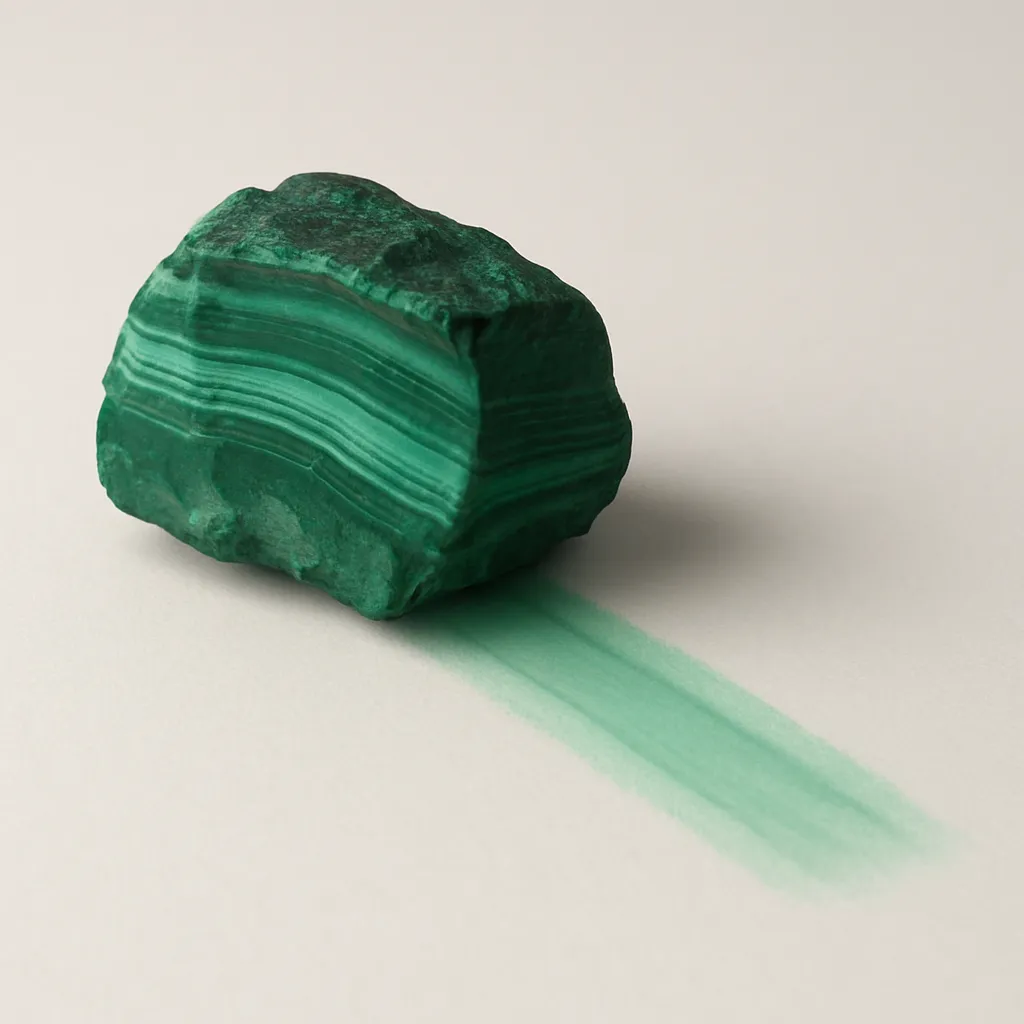
A banded green specimen is rubbed on a streak plate and leaves a pale green powder line. Which mineral is this?
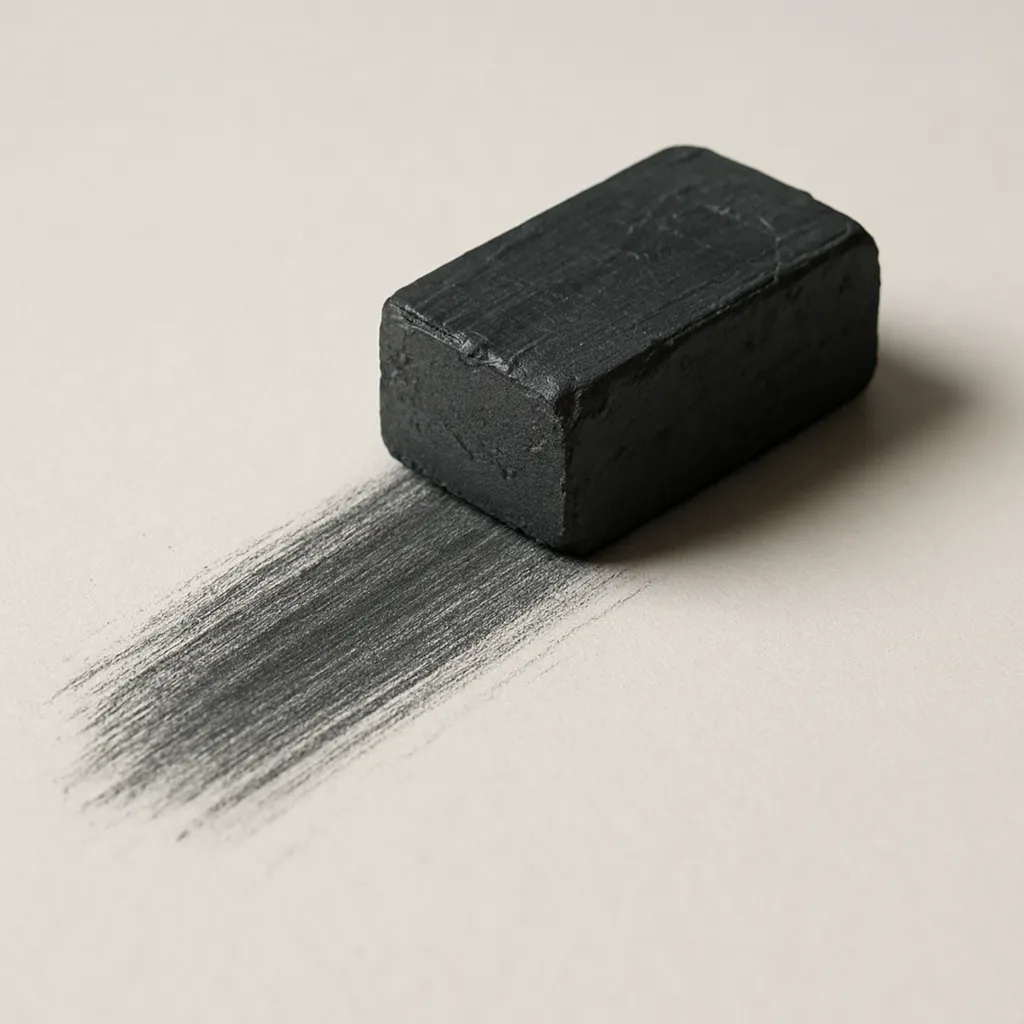
A soft gray specimen is rubbed on a streak plate and leaves a shiny black-gray powder line that feels greasy to the touch. Which mineral is this?
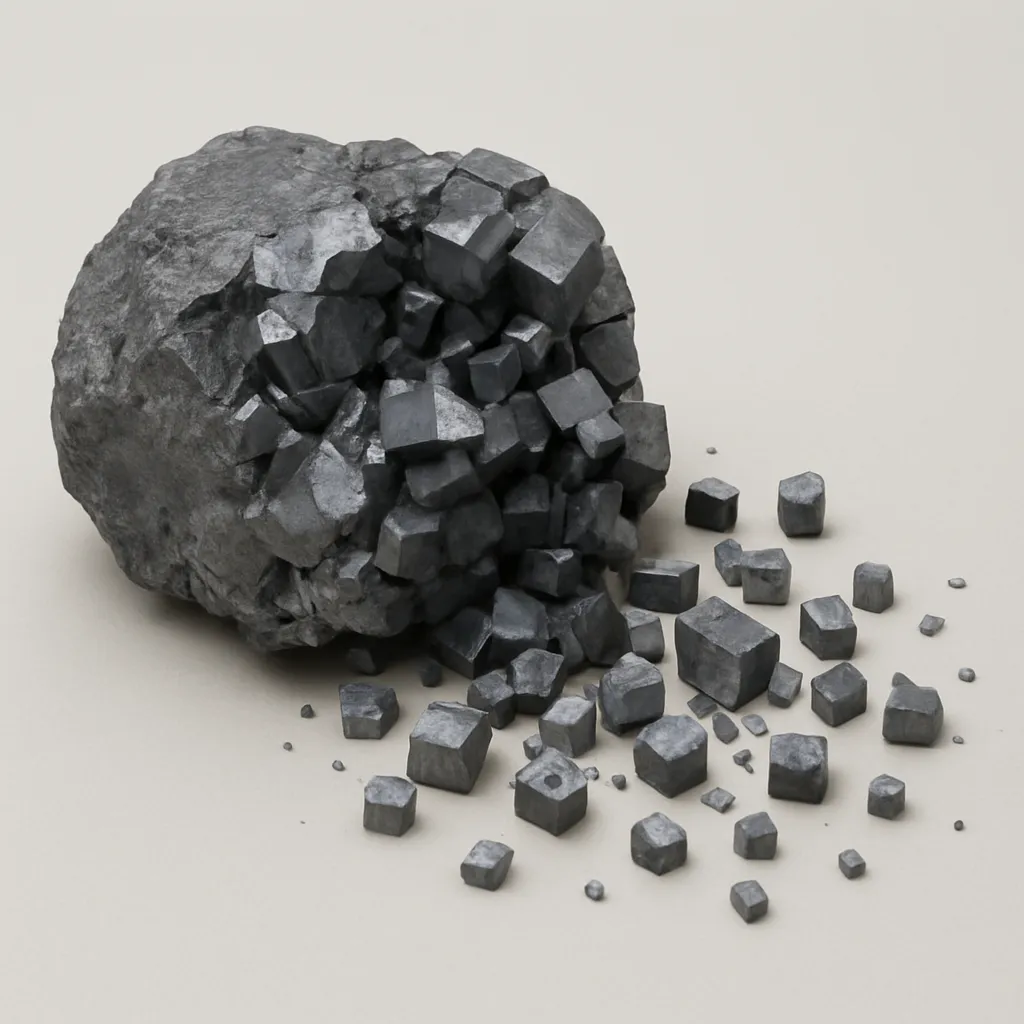
The photograph shows a specimen broken into small cubes with flat shiny faces meeting only at right angles. How should this break be described?
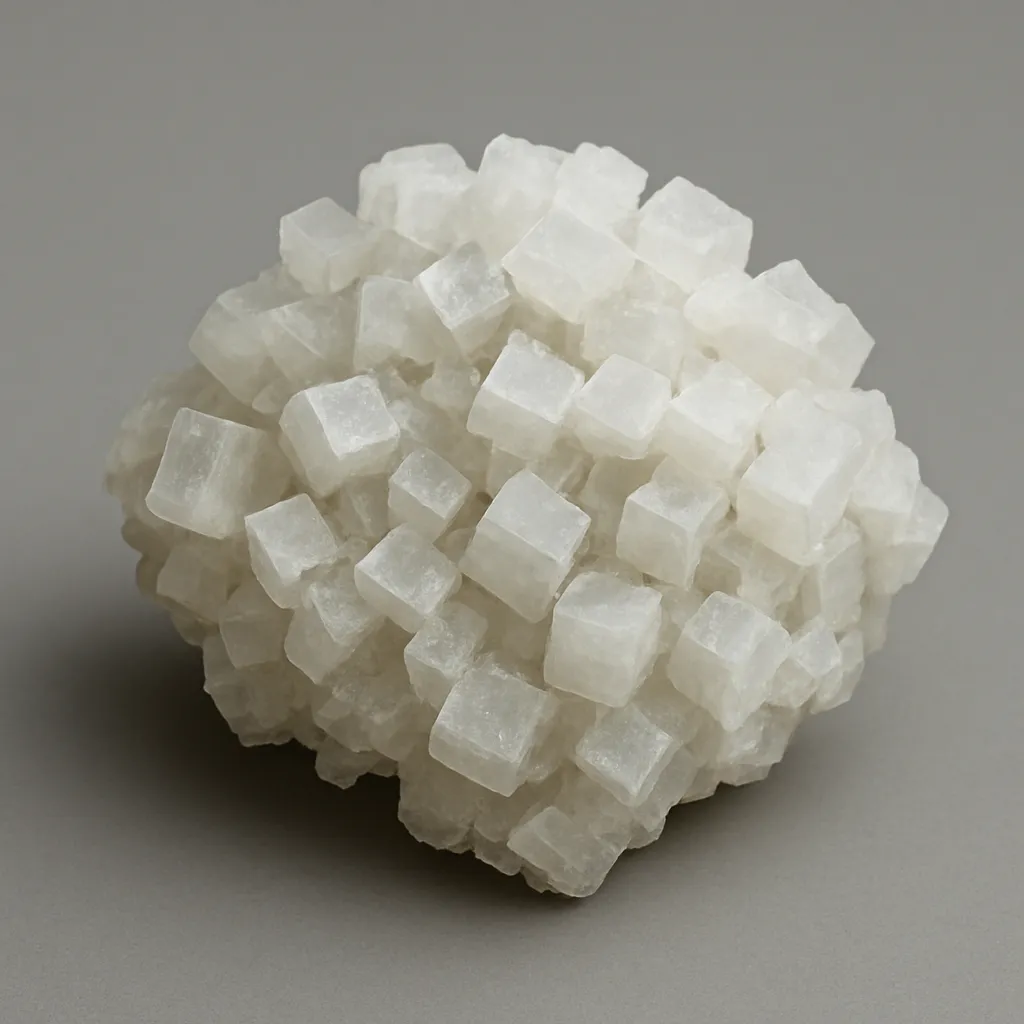
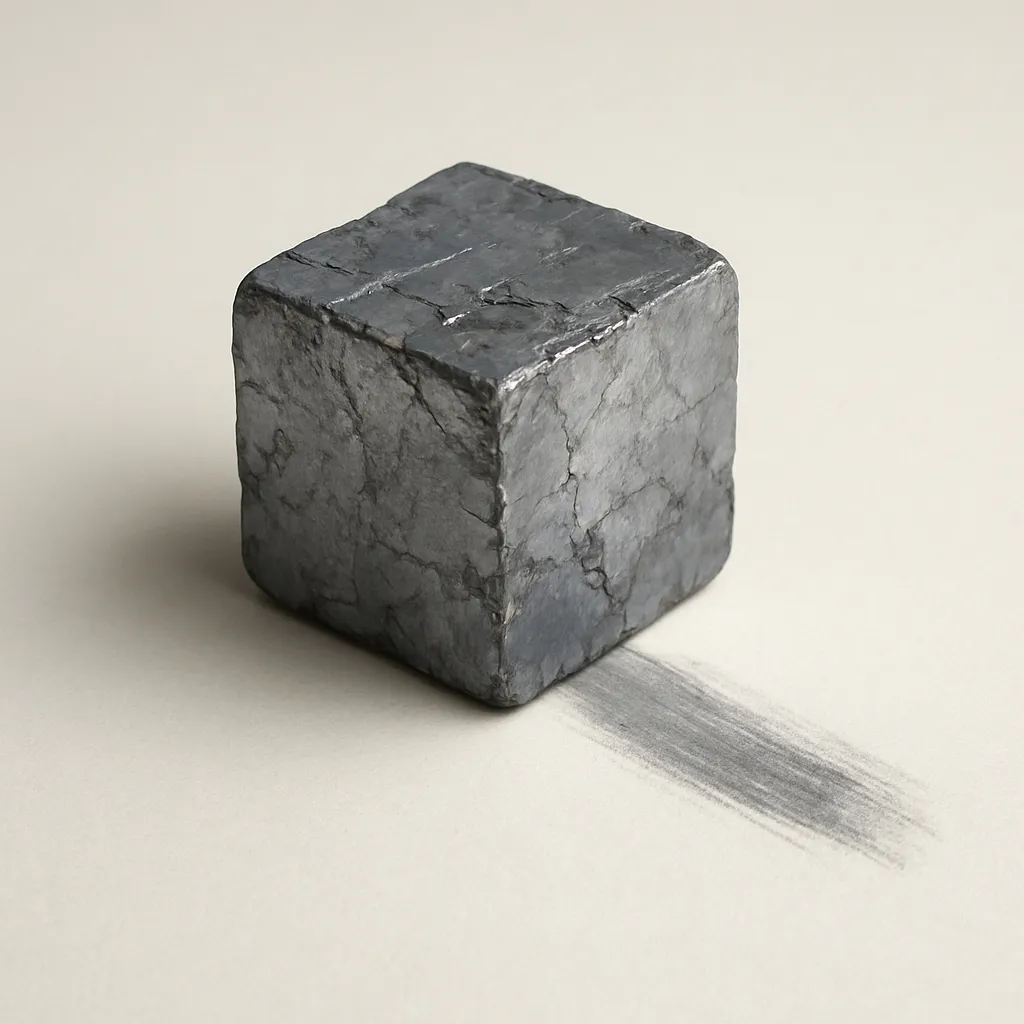
The photograph shows a heavy, lead-gray metallic specimen broken into small cube-shaped fragments with flat faces at 90 degrees. Which mineral is this?
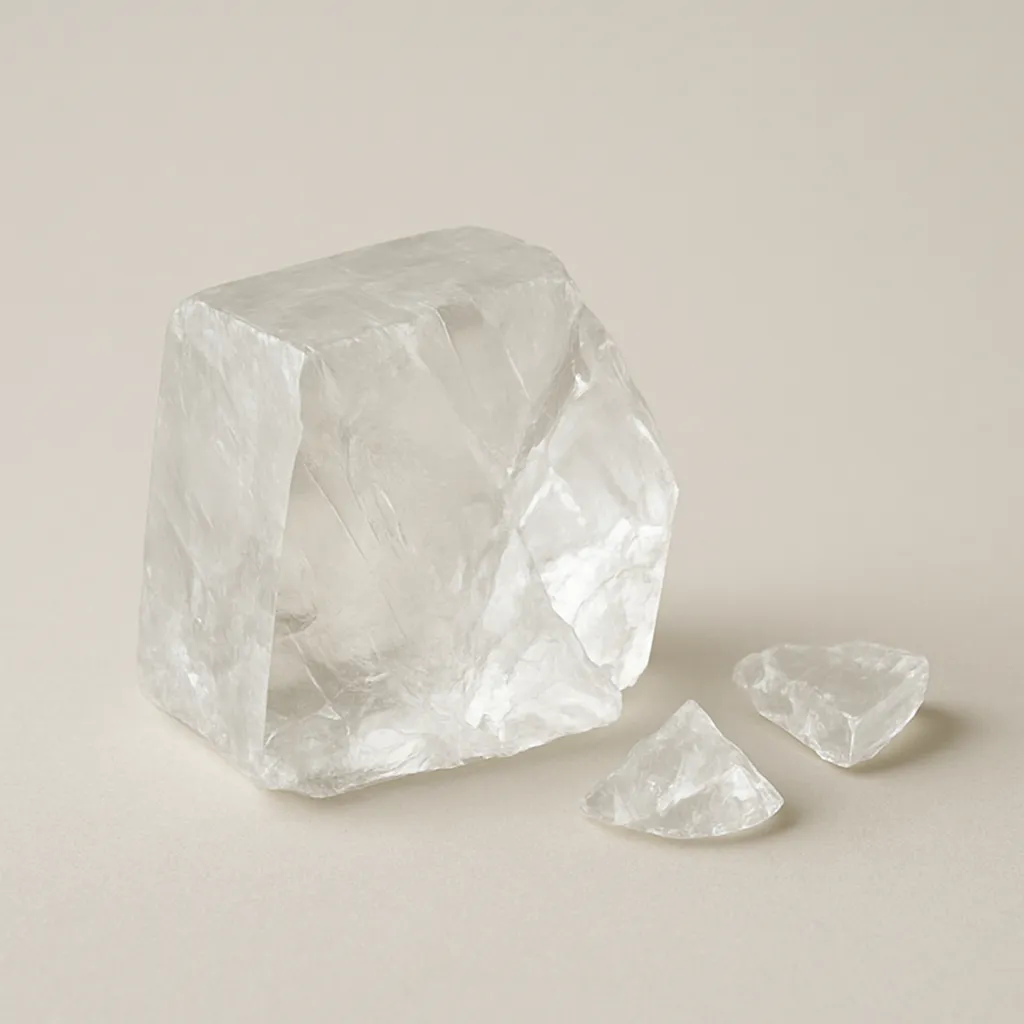
The photograph shows a clear specimen broken into slanted, box-shaped blocks whose flat faces meet at angles that are not 90 degrees. How should this break be described?
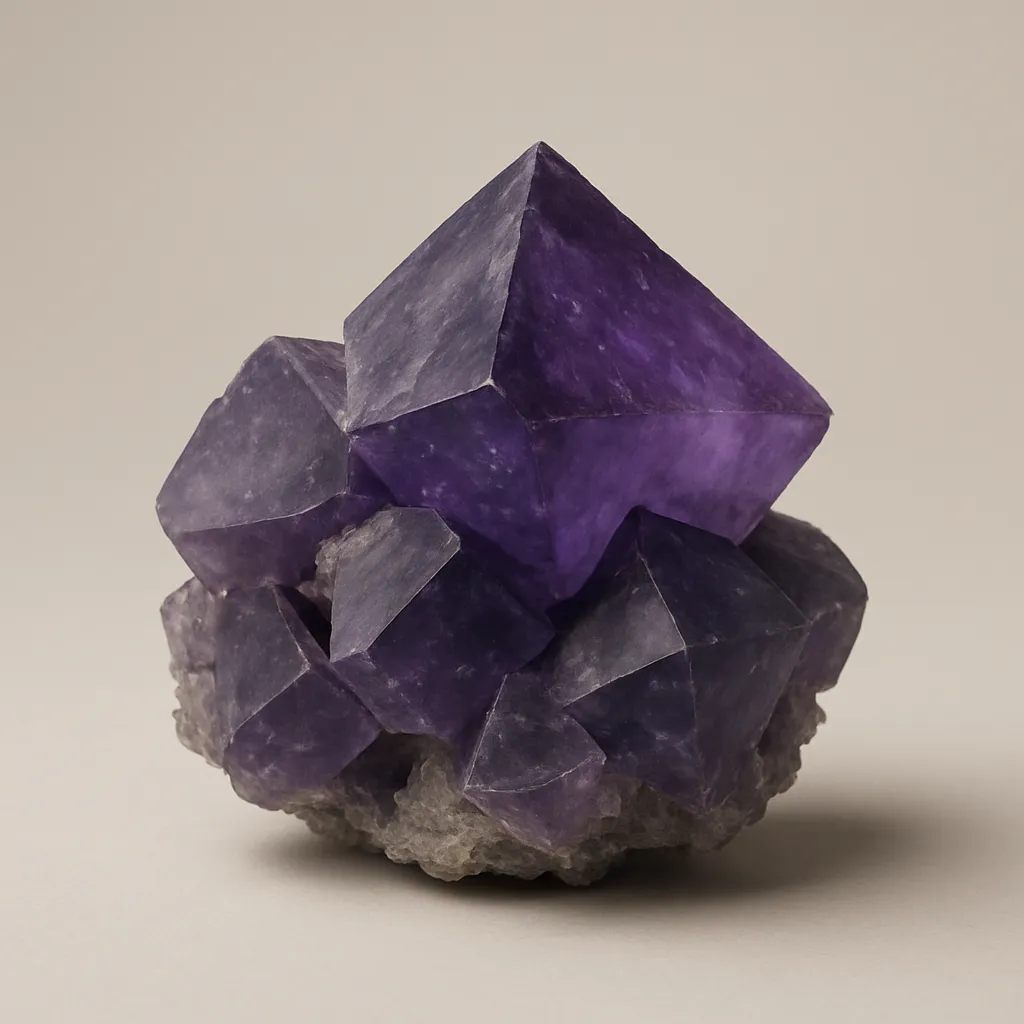
The photograph shows a purple specimen that breaks into pointed fragments shaped like two pyramids joined at their bases. How should this break be described?
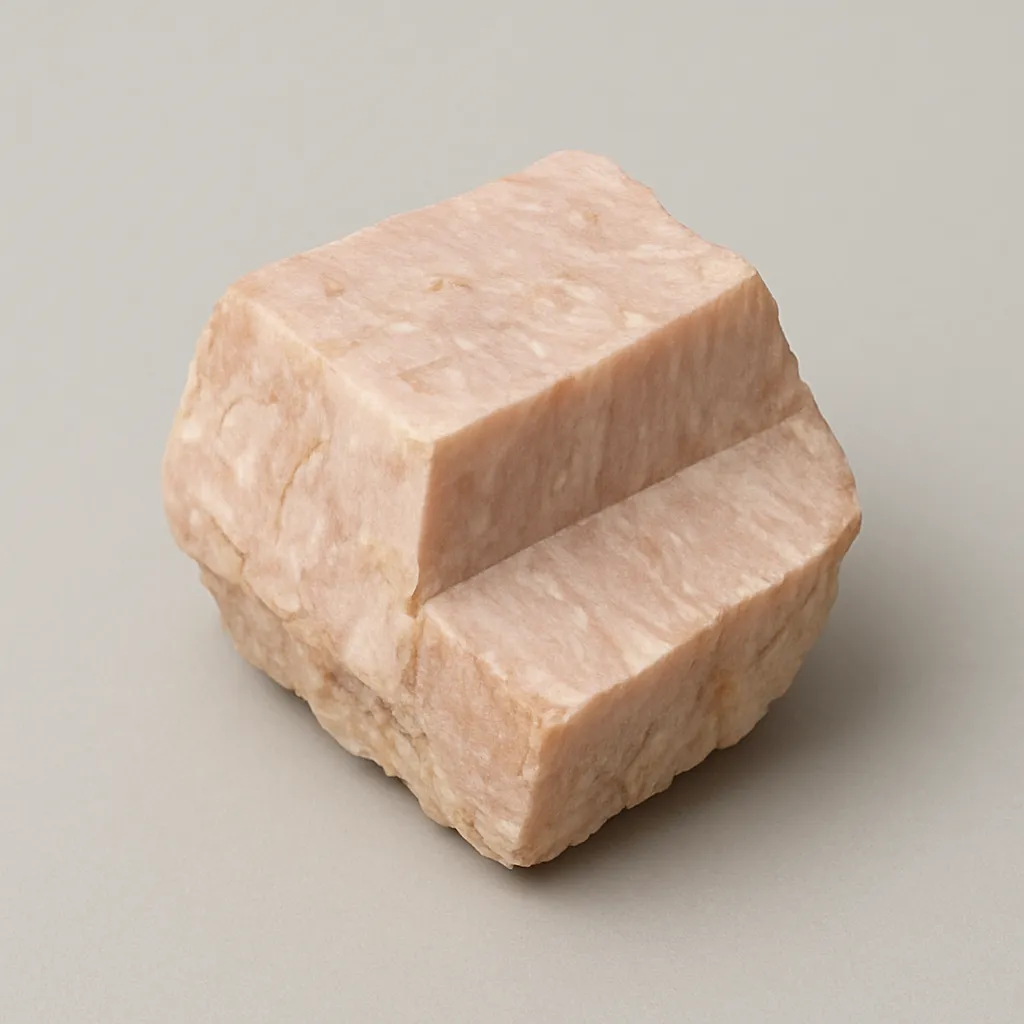
A pale pink feldspar specimen in the photograph breaks into blocky, stair-stepped pieces. How should this break be described?
A dark green-black hornblende specimen in the photograph breaks along flat faces that give it a diamond-shaped cross section. How should this break be described?
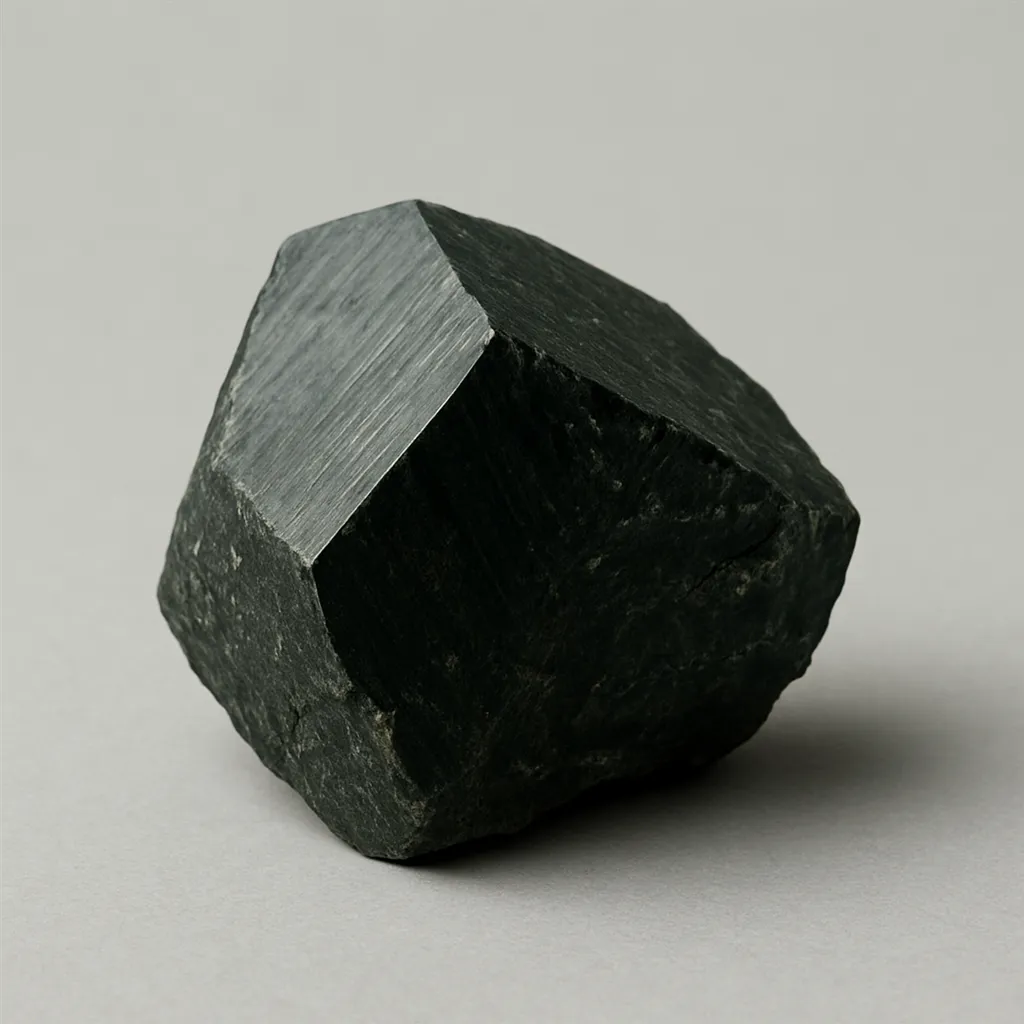
The photograph shows a specimen peeling apart into thin, flat, flexible sheets, like pages coming off a book. How should this break be described?
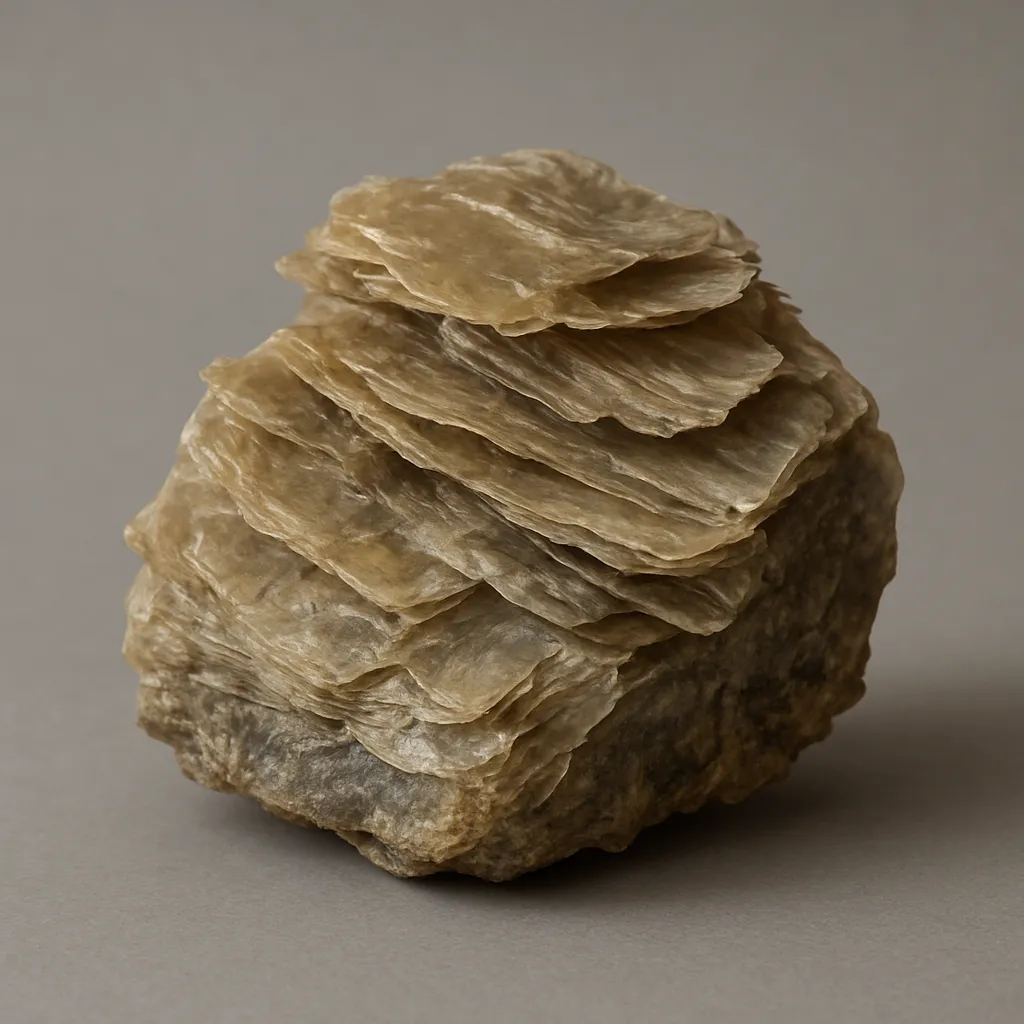
The photograph shows a specimen broken with smooth, rippled surfaces shaped like the inside of a seashell, with no flat faces. How should this break be described?
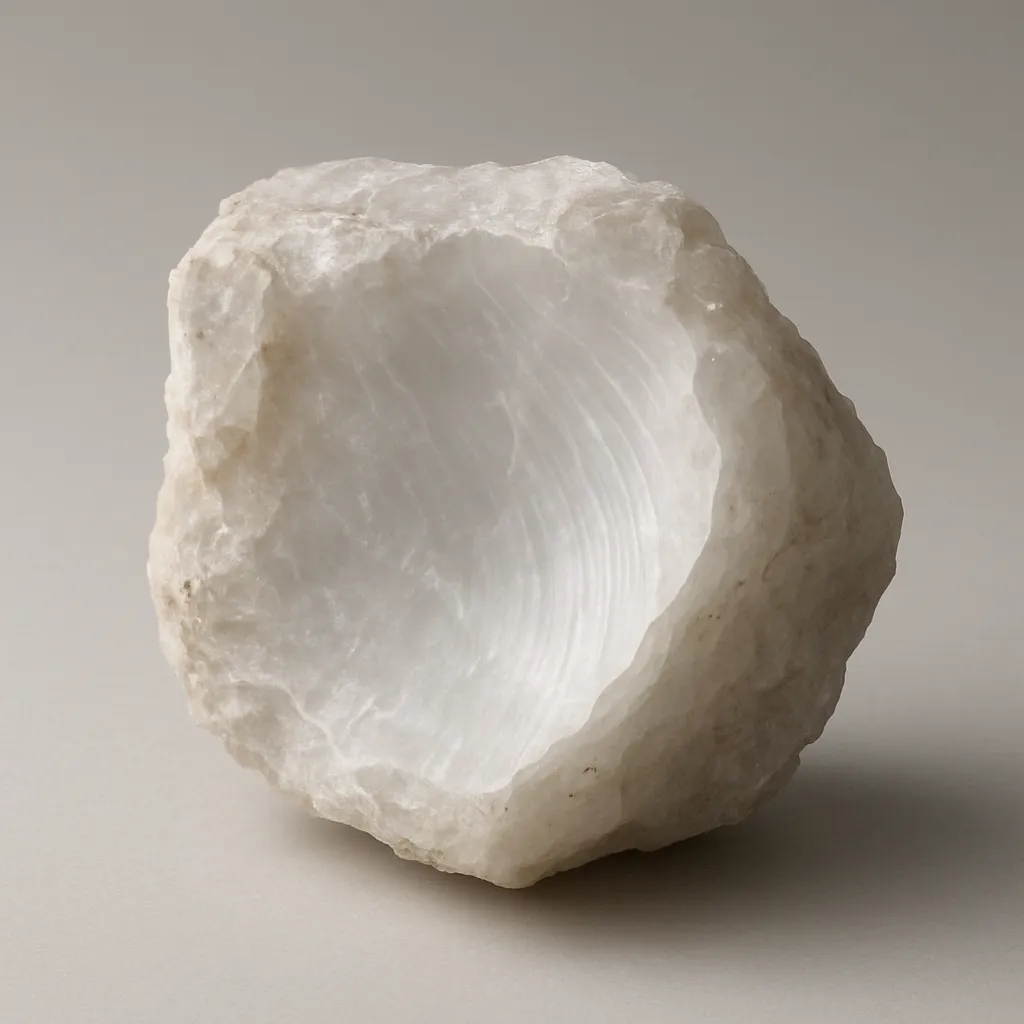
The photograph shows a copper specimen broken with sharp, hooked, torn-looking edges, rather than flat faces or smooth curved surfaces. How should this break be described?
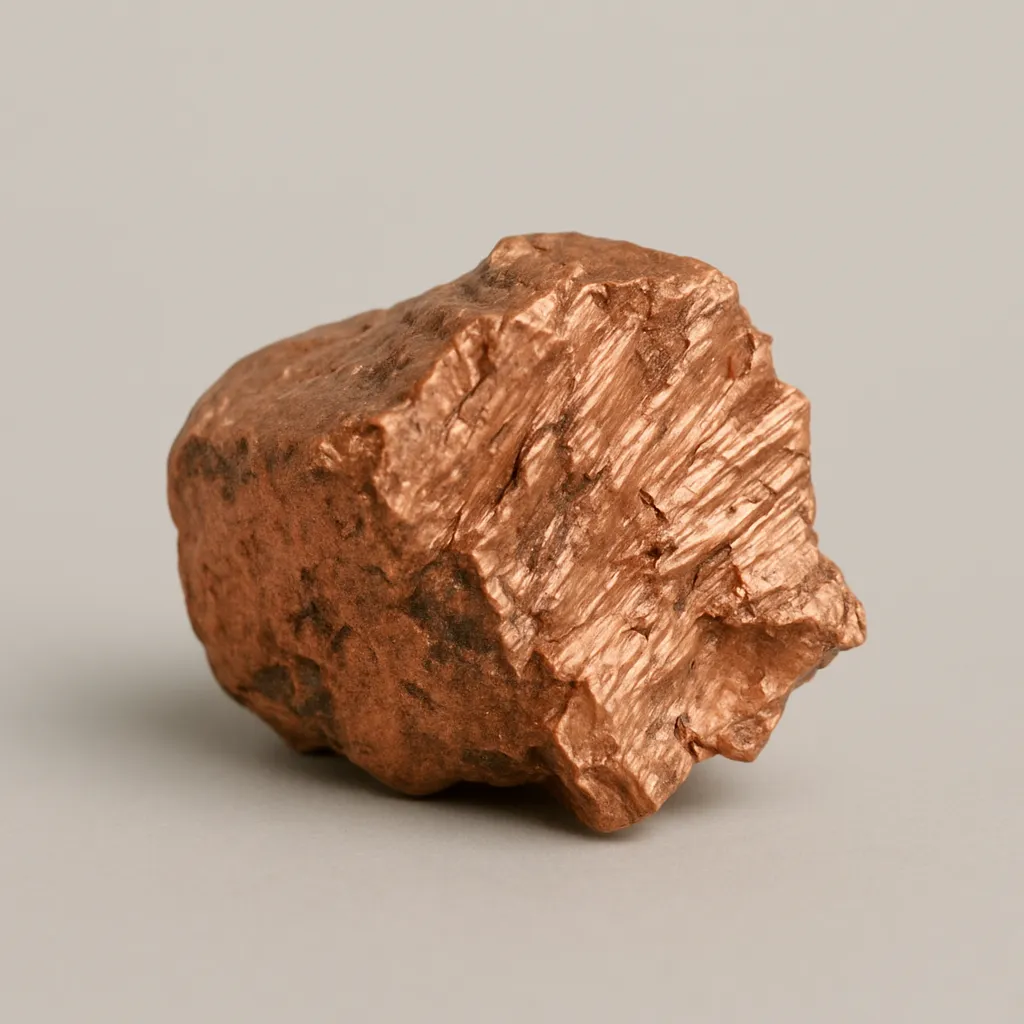
The photograph shows a red specimen broken with a rough, bumpy, uneven surface, showing neither flat faces nor curved shell-like surfaces. How should this break be described?
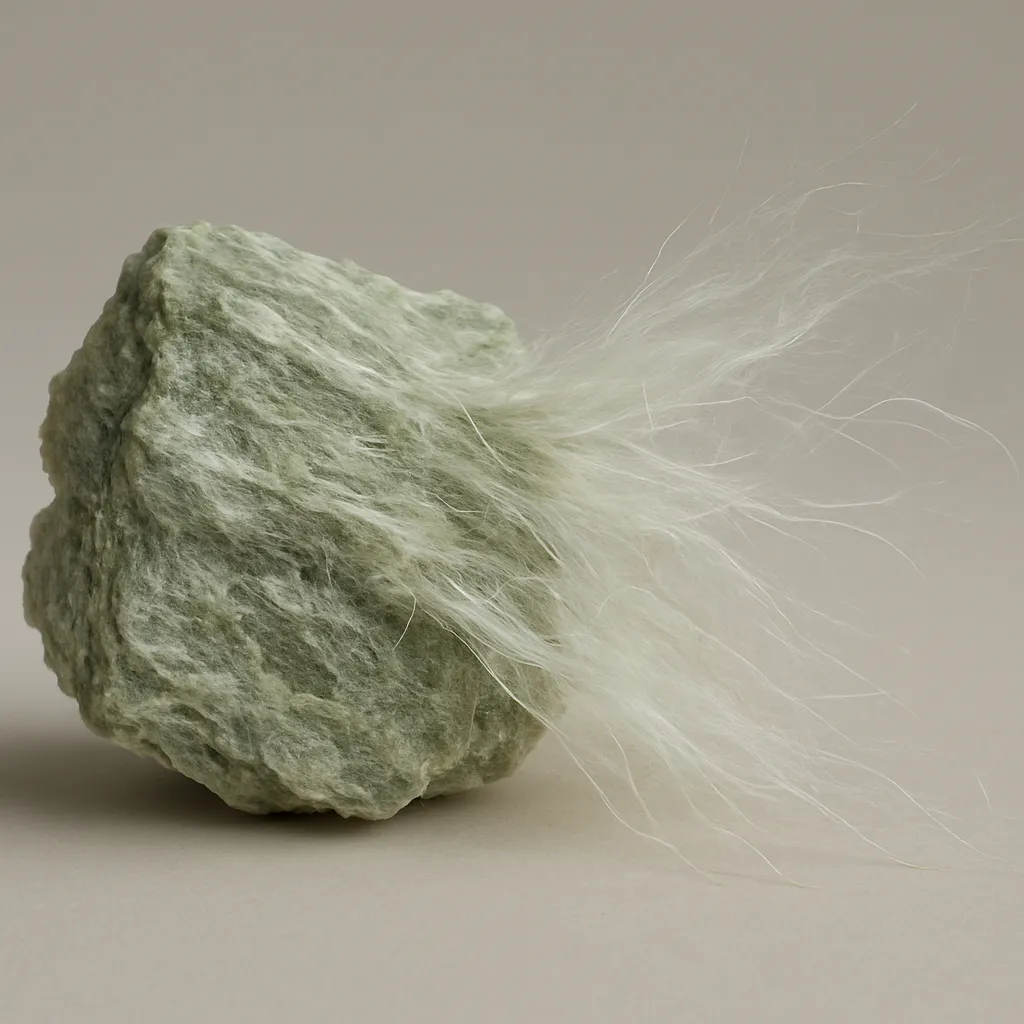
The photograph shows a pale green specimen that separates into fine, flexible, hair-like strands rather than flat sheets or blocks. How should this break be described?
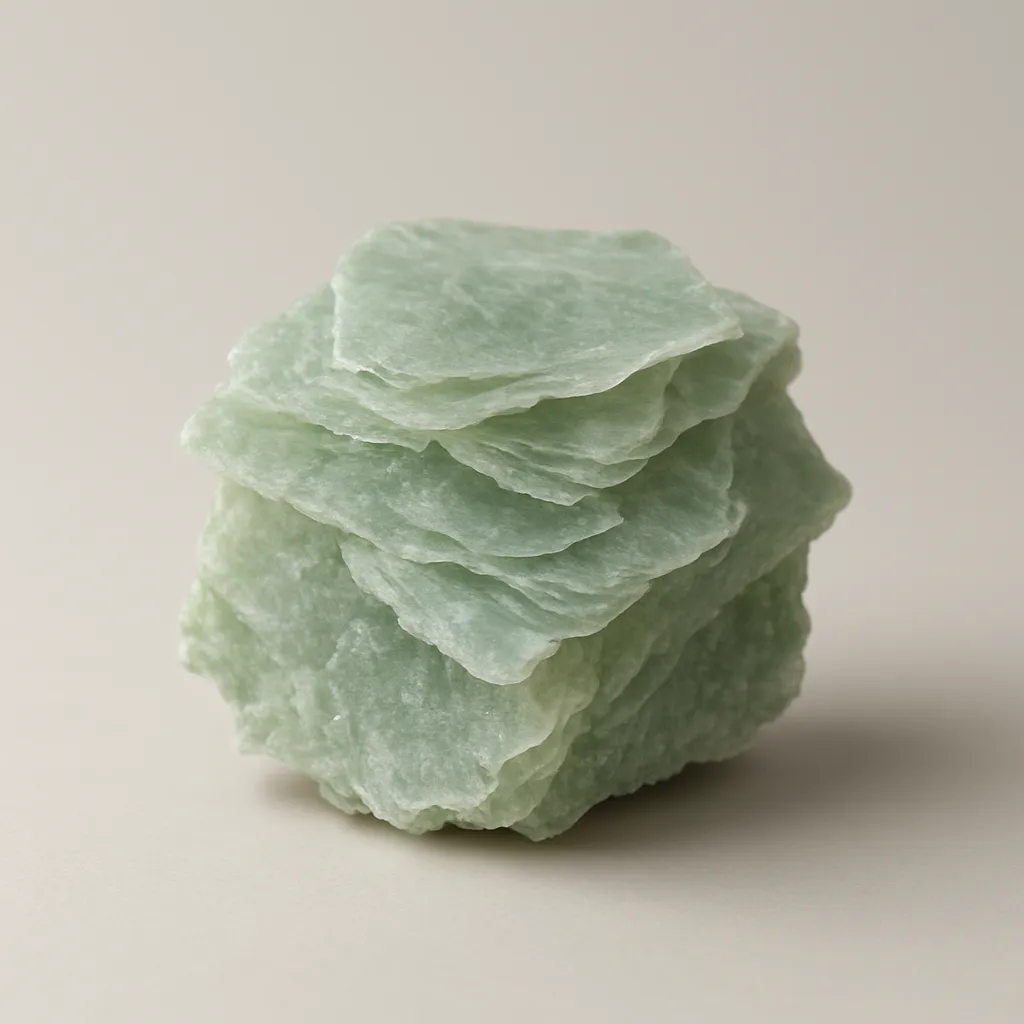
The photograph shows a pale green specimen peeling into thin, flat, stacked sheets, but the sheets crumble rather than bend back into shape. How should this break be described?
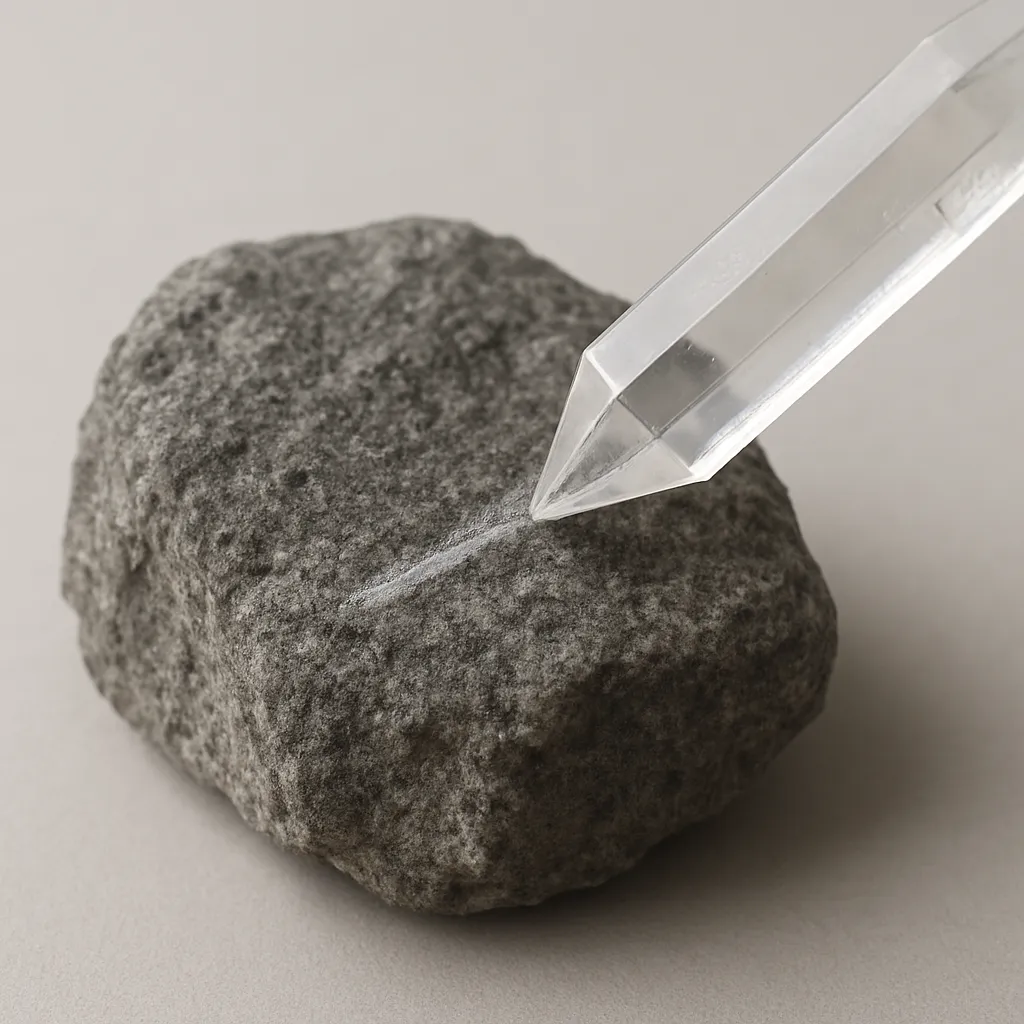
A specimen scratches a quartz crystal but is itself scratched by a topaz crystal. Where does its hardness fall on the Mohs scale?
A specimen scratches a gypsum crystal but is itself scratched by a calcite crystal. Where does its hardness fall on the Mohs scale?
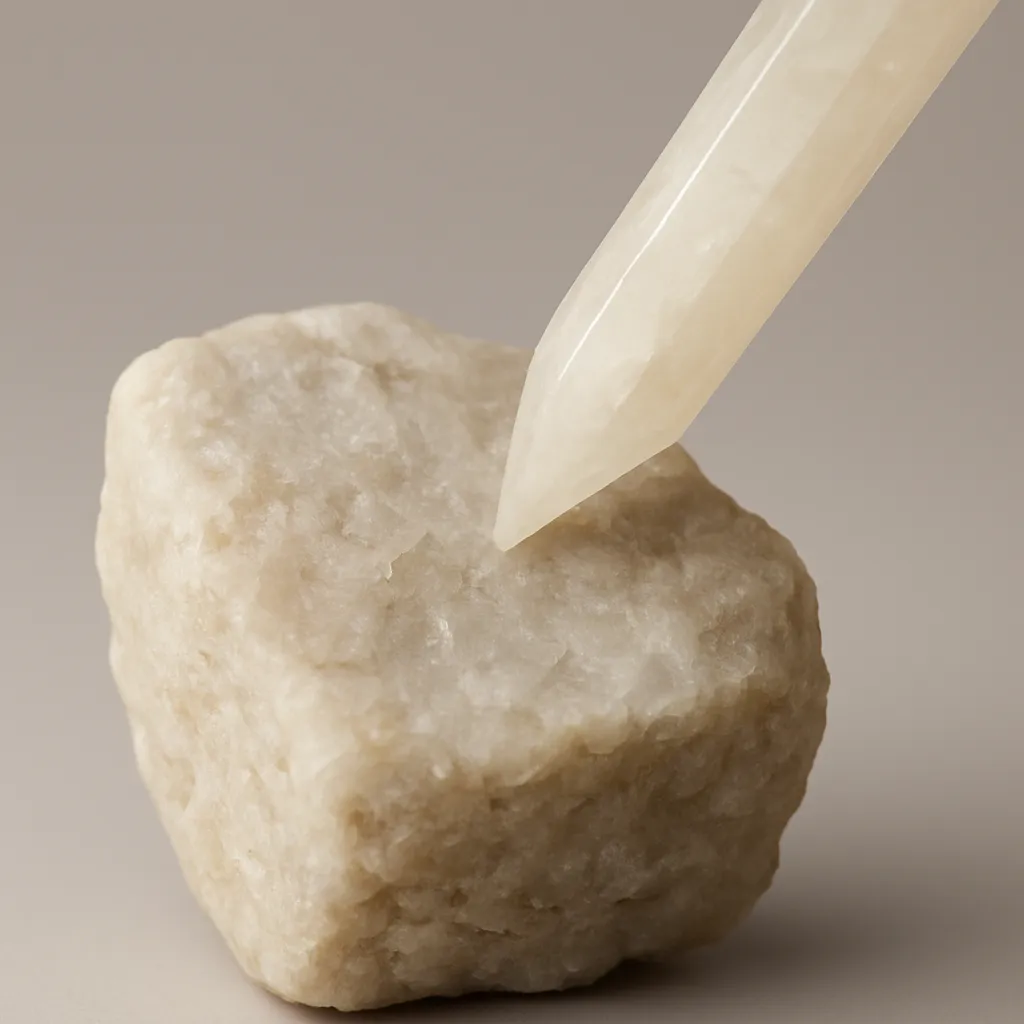
A specimen scratches a fluorite crystal but is itself scratched by an apatite crystal. Where does its hardness fall on the Mohs scale?
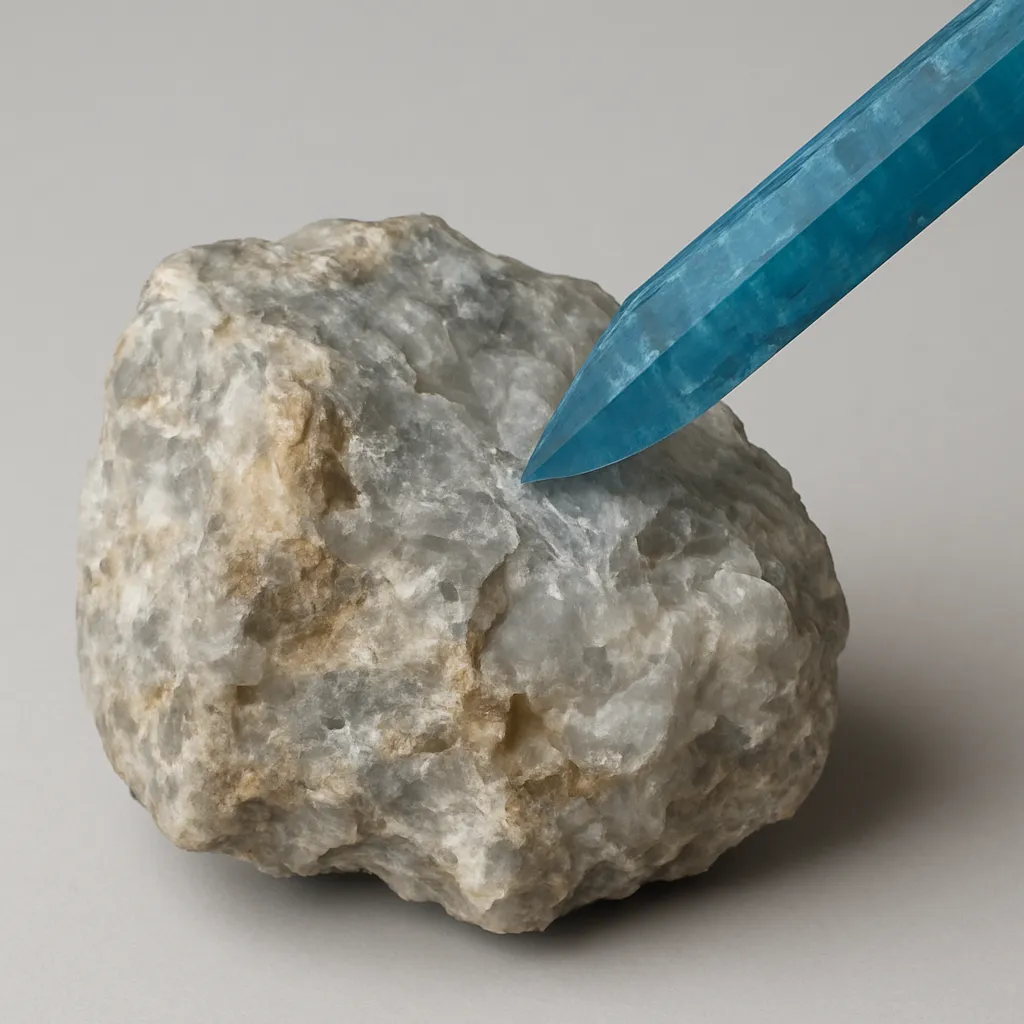
A specimen scratches an apatite crystal but is itself scratched by an orthoclase feldspar crystal. Where does its hardness fall on the Mohs scale?
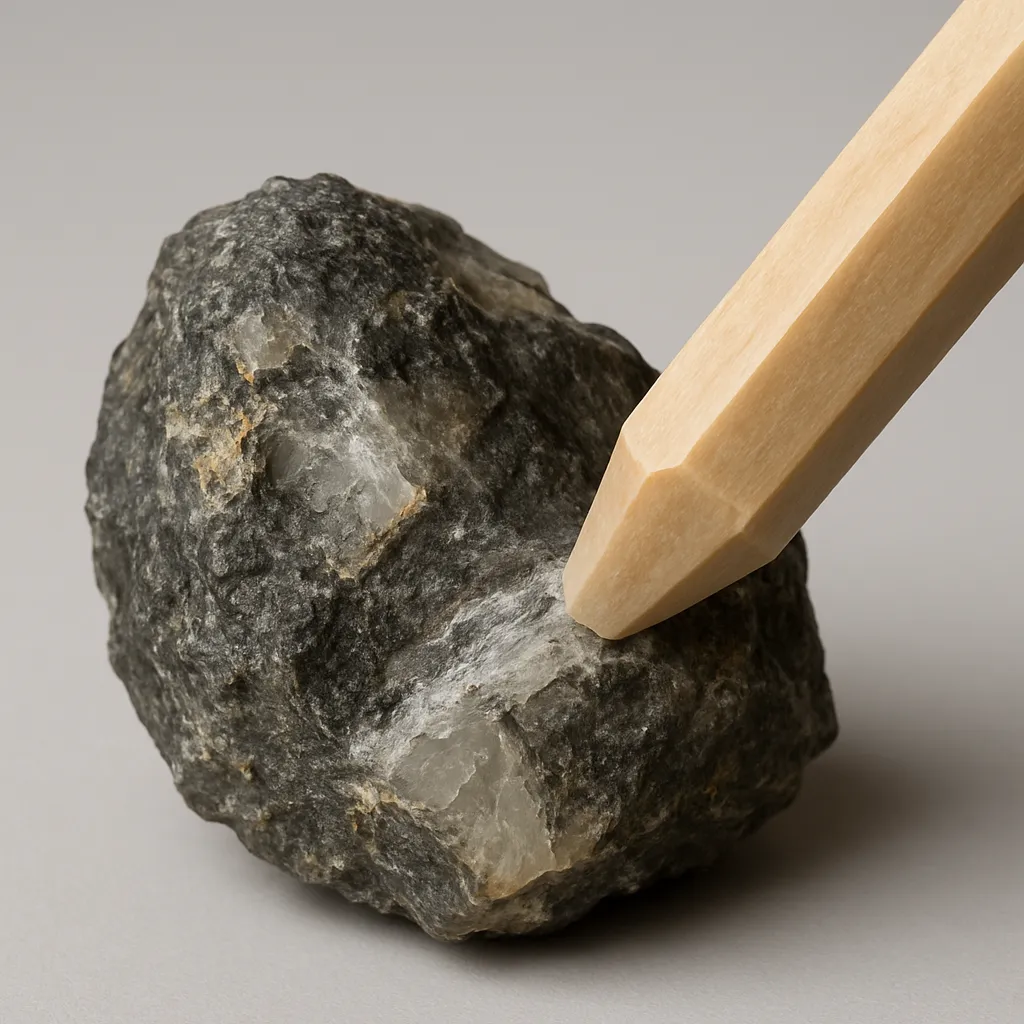
A specimen scratches a topaz crystal but is itself scratched by a corundum crystal. Where does its hardness fall on the Mohs scale?
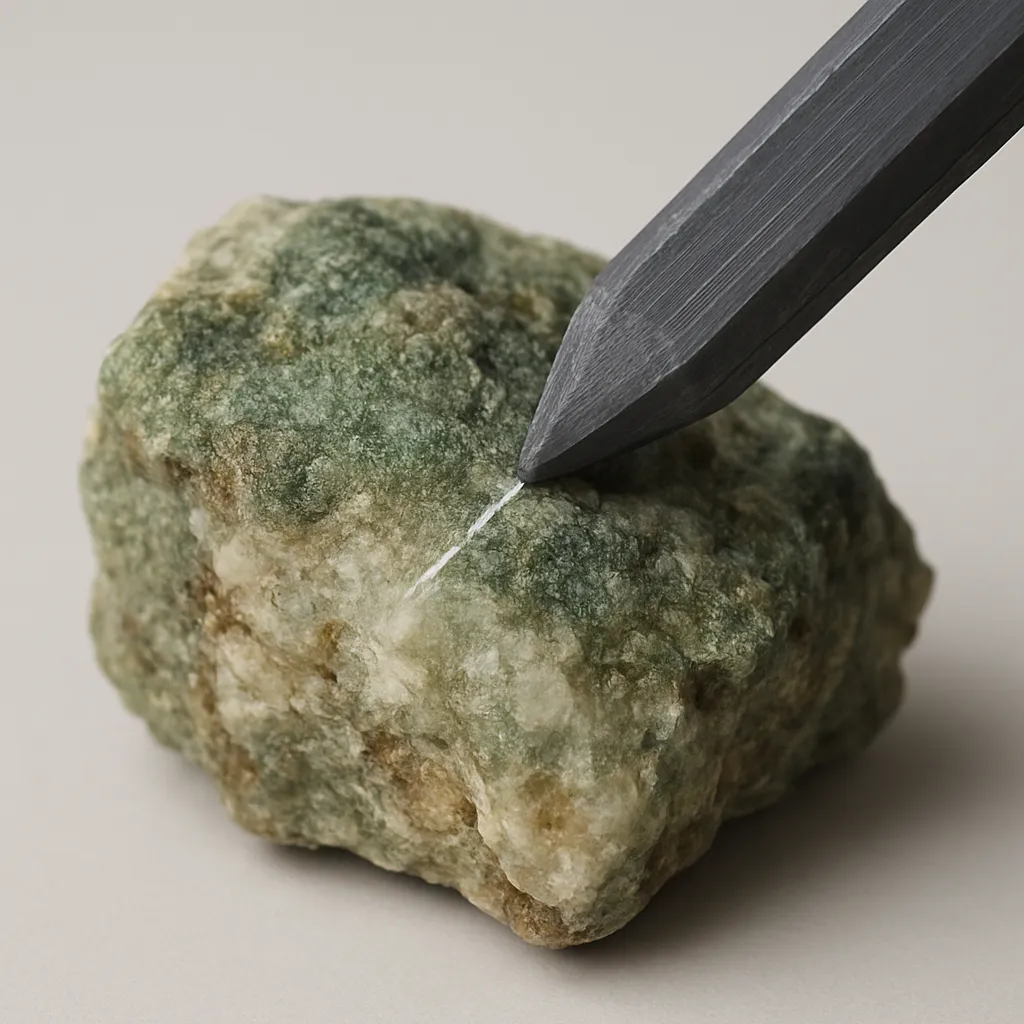
A specimen is easily scratched by a fingernail and cannot scratch a gypsum crystal. Where does its hardness fall on the Mohs scale?
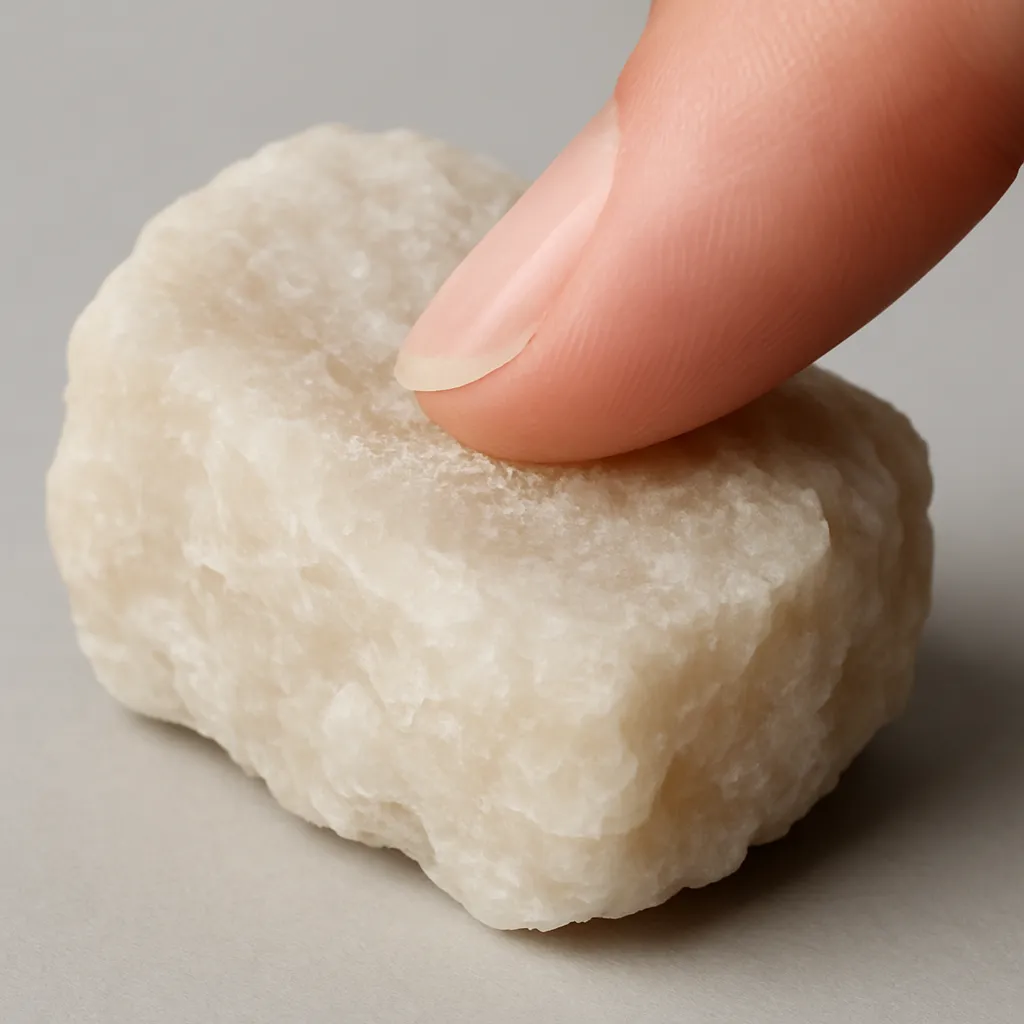
A specimen scratches a corundum crystal and is scratched by nothing else tested. Where does its hardness fall on the Mohs scale?
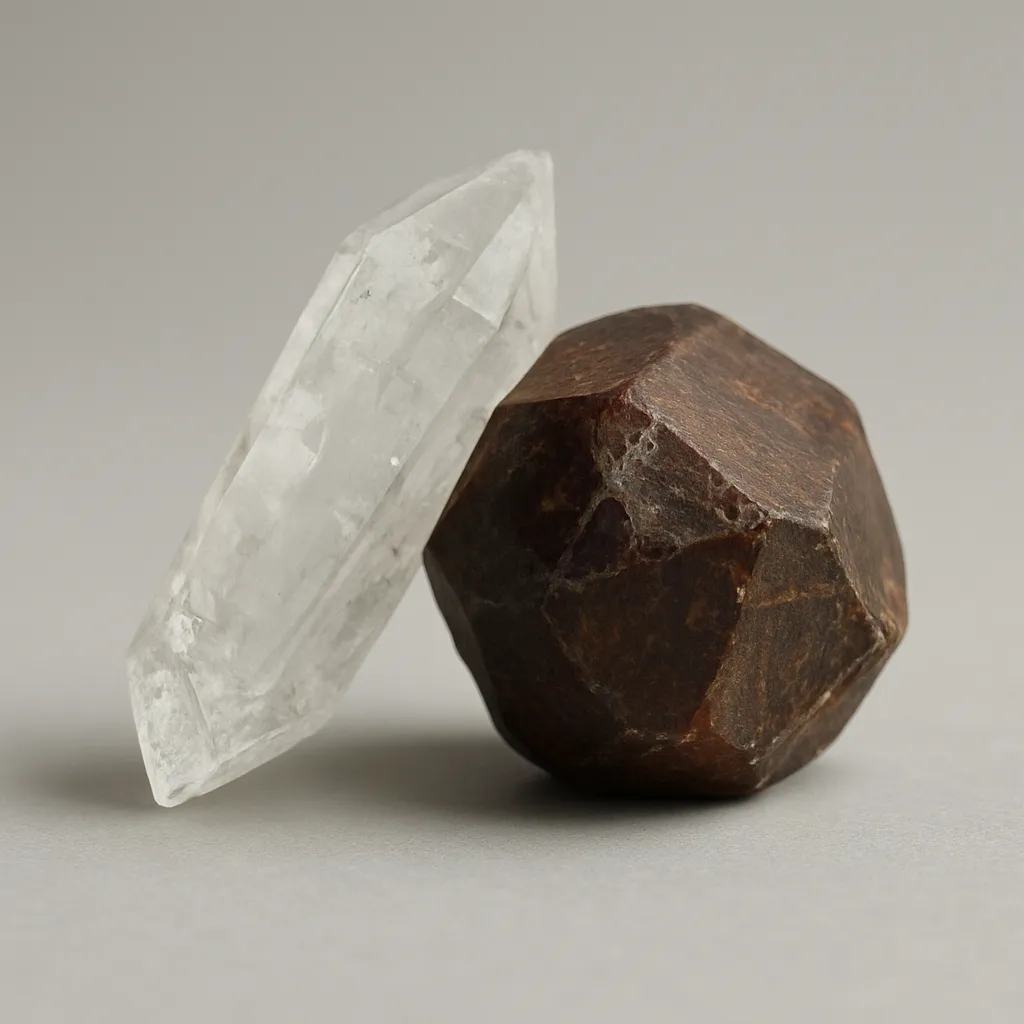
A specimen scratches an orthoclase feldspar crystal but is itself scratched by a quartz crystal. Where does its hardness fall on the Mohs scale?
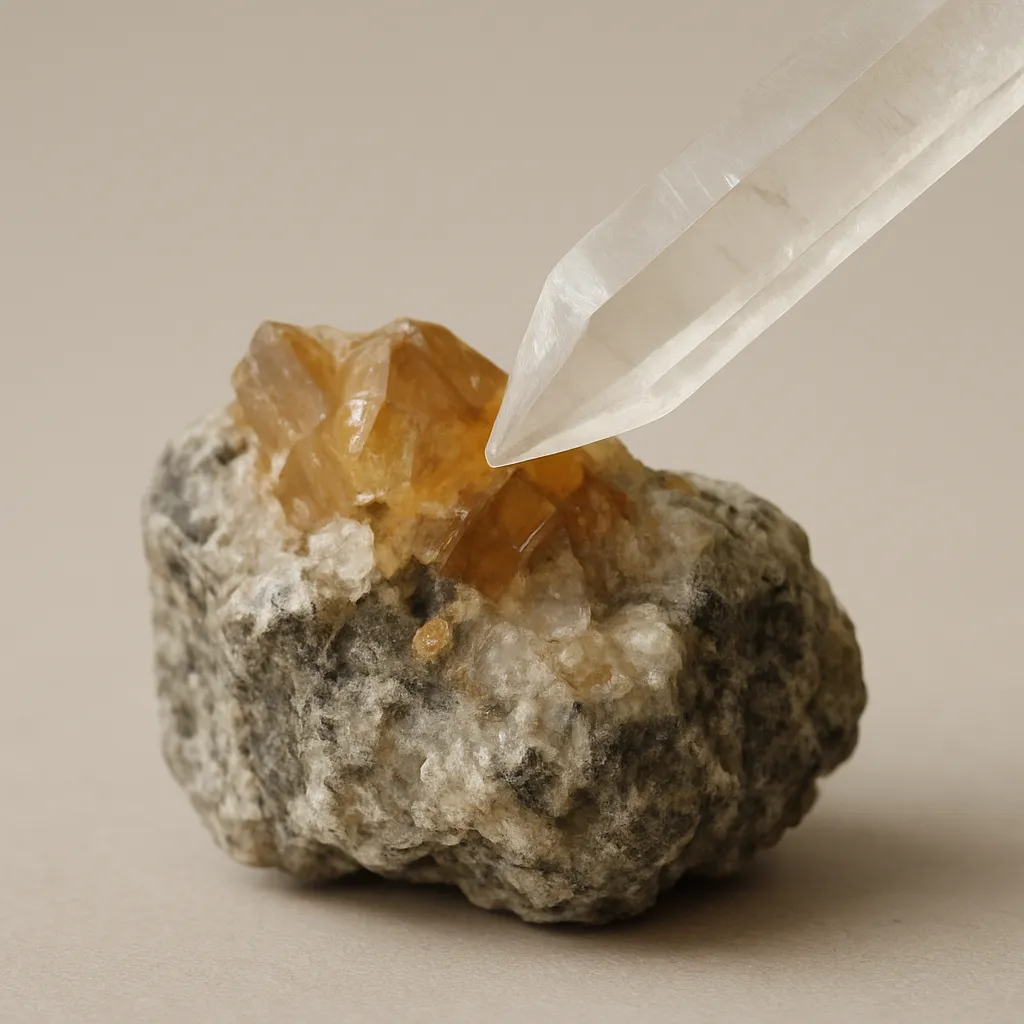
A specimen scratches a calcite crystal but is itself scratched by a fluorite crystal. Where does its hardness fall on the Mohs scale?
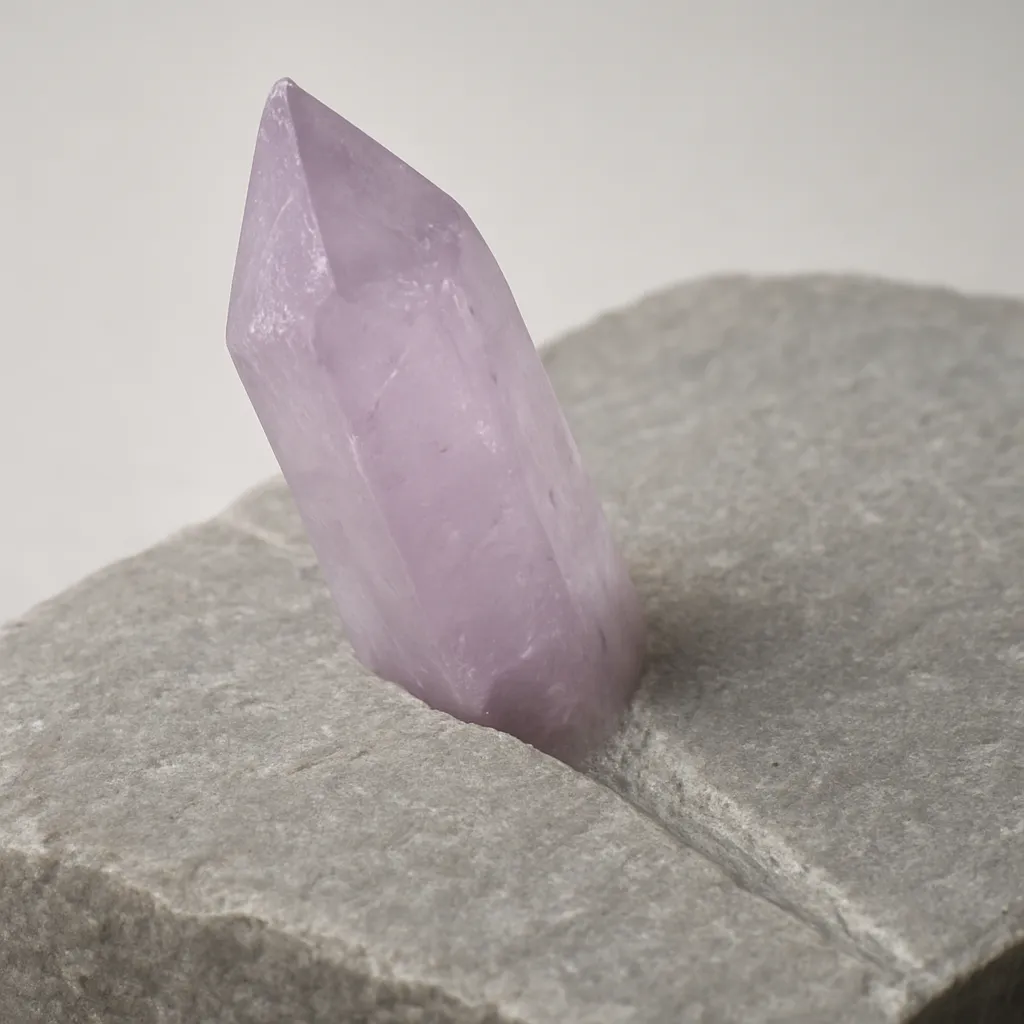
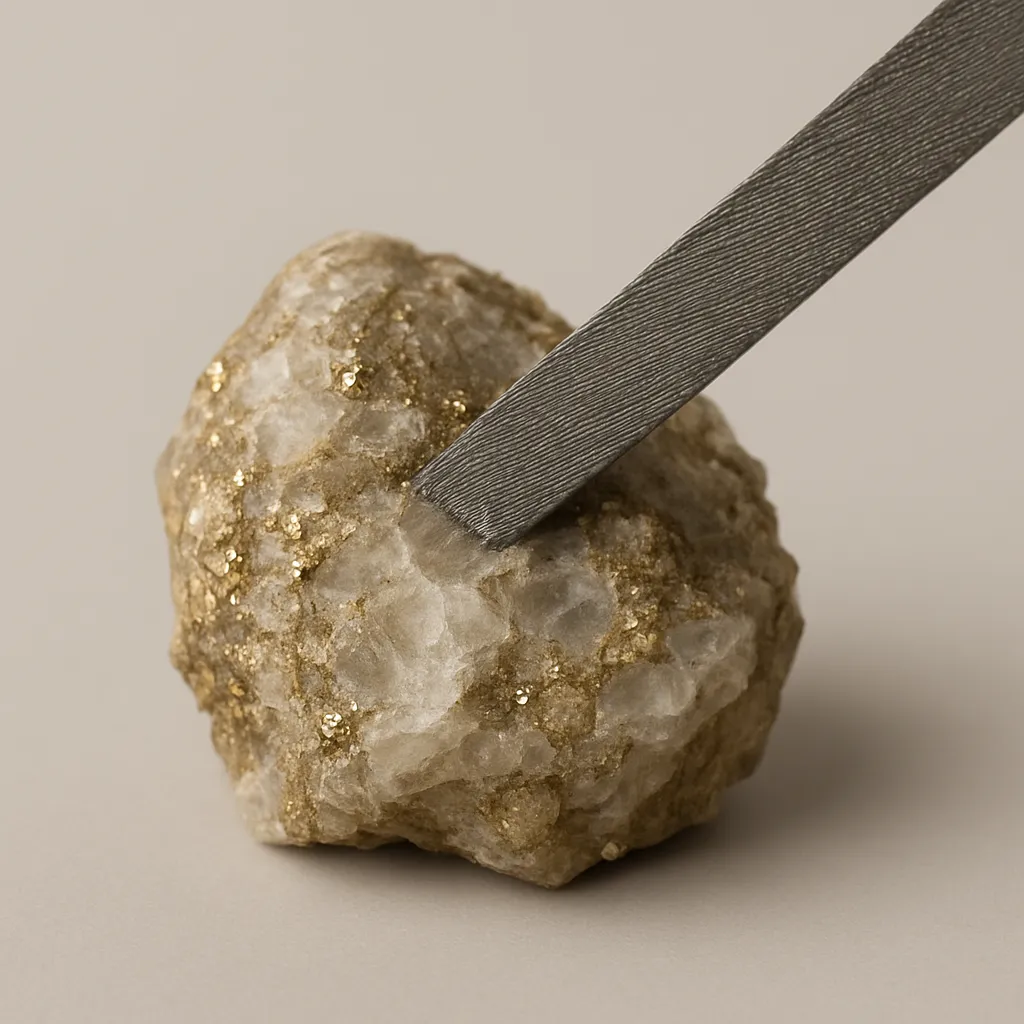
A specimen cannot be scratched by a steel file of hardness about 6.5 but is scratched by a quartz crystal. Where does its hardness fall on the Mohs scale?
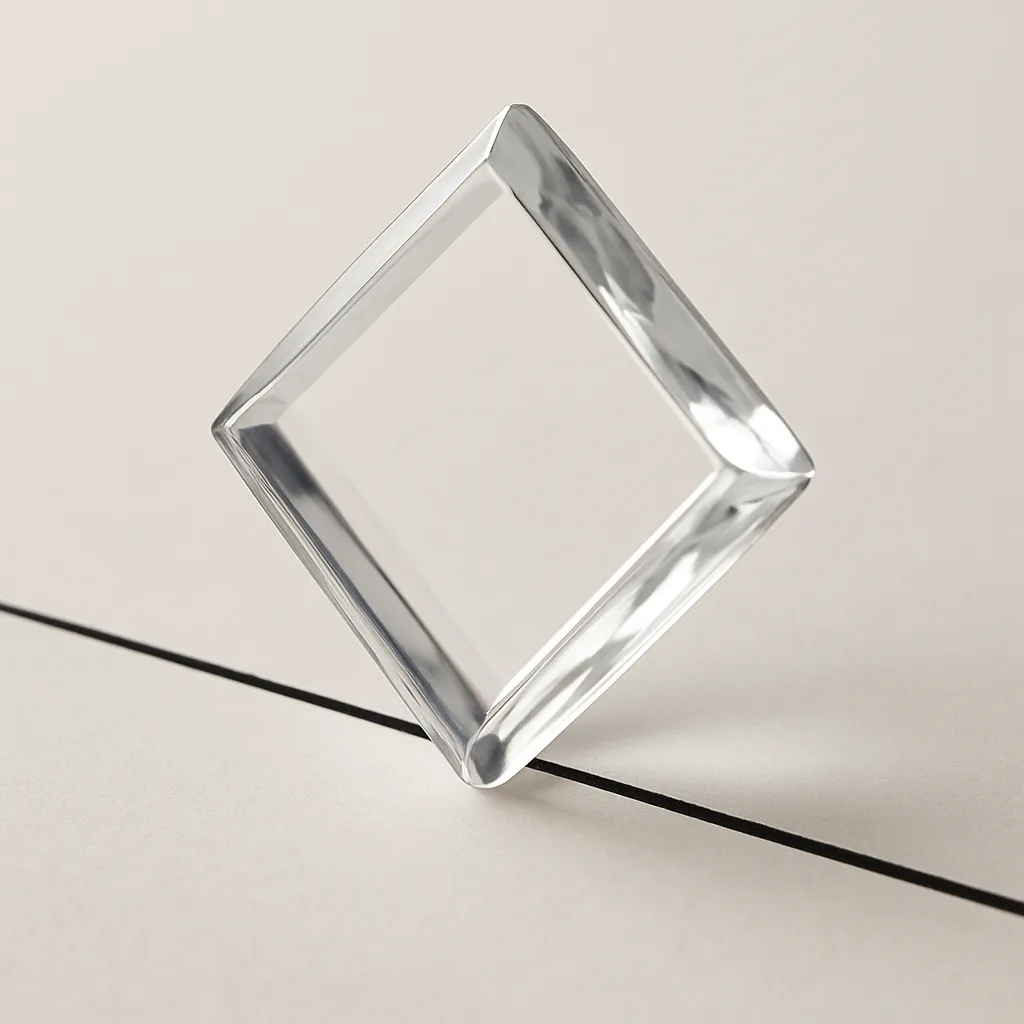
A clear colorless rhombohedral fragment is placed over a printed line on a page, and the line appears doubled through the crystal. Which mineral behaves this way?
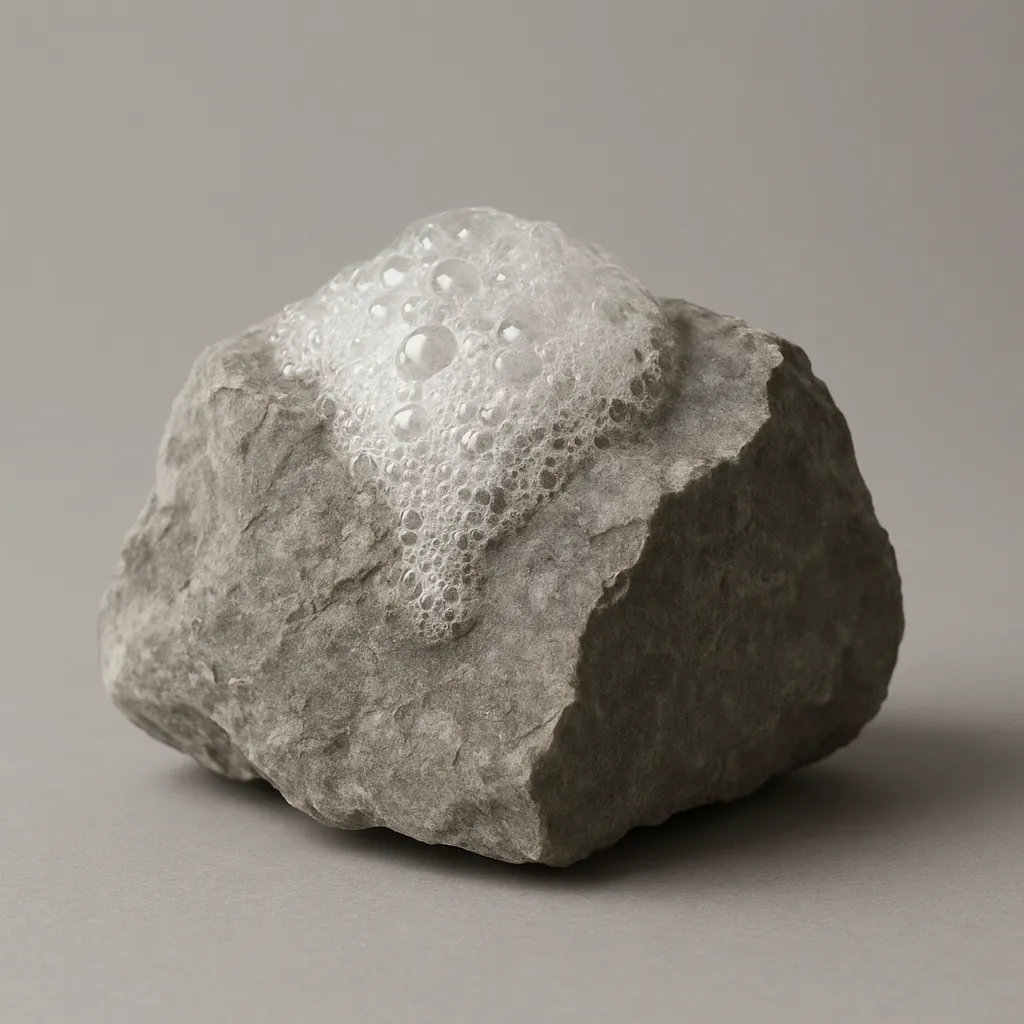
A gray specimen is touched with a drop of dilute acid and immediately fizzes with visible bubbles. Which mineral is this?
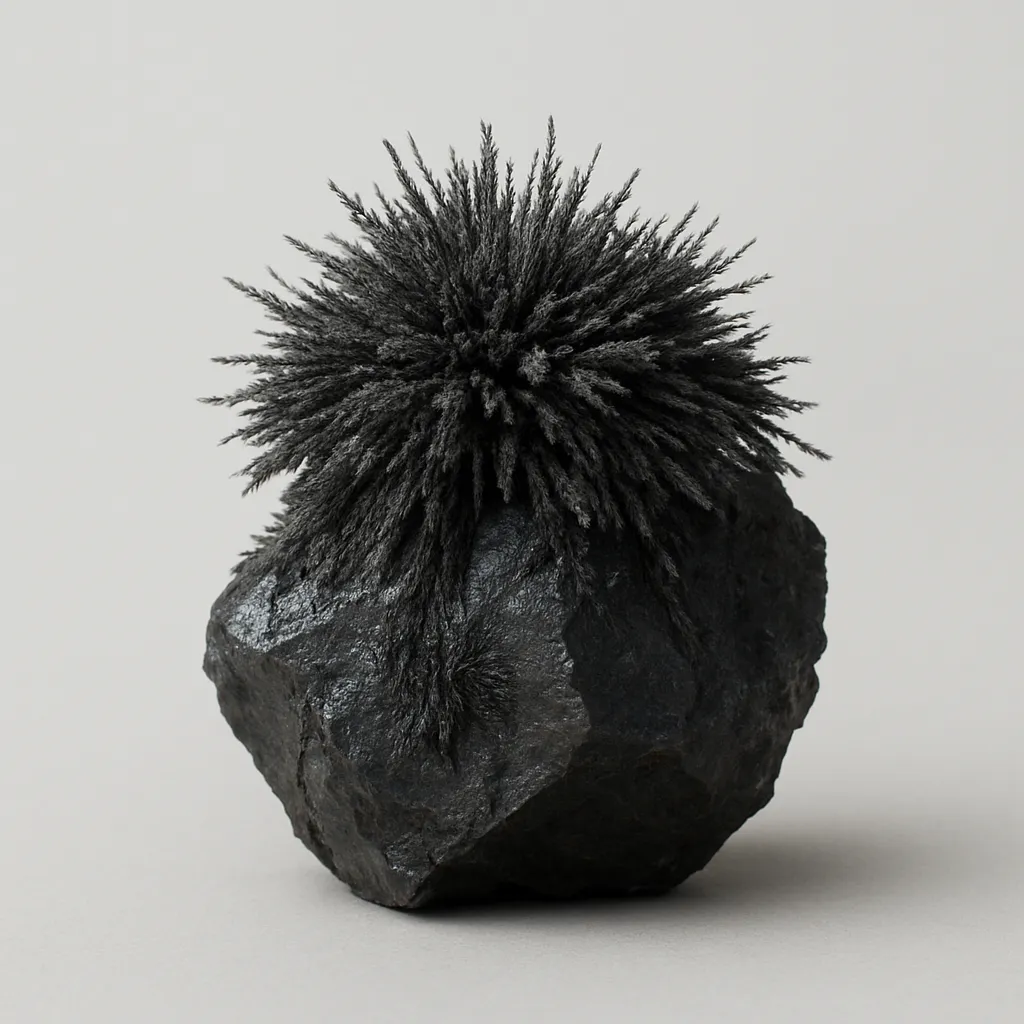
A black specimen in the photograph is shown attracting small iron filings to its surface without being touched by anything else. Which mineral is this?
A colorless specimen in the photograph naturally grows as perfect small cubes with square faces. Which mineral is this?
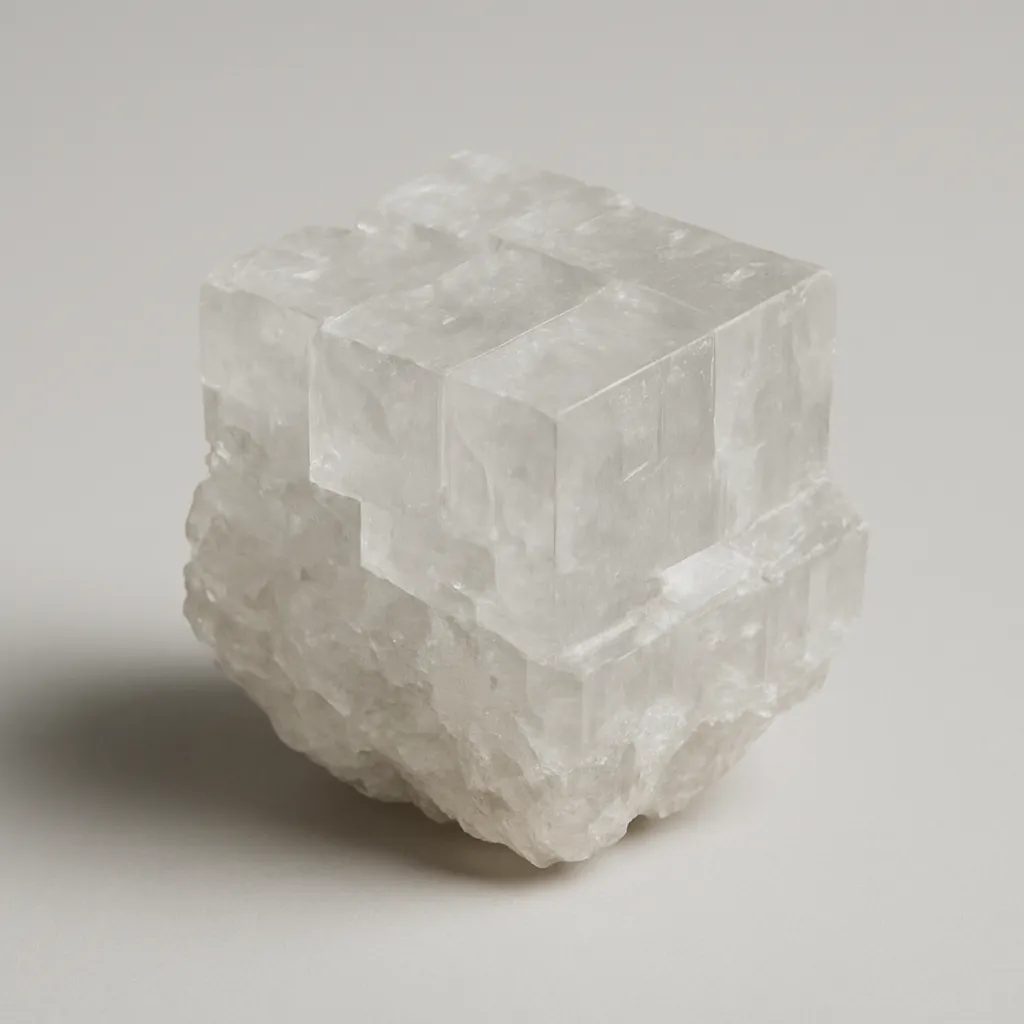
A brassy specimen in the photograph shows natural cube-shaped crystal faces with fine parallel grooves, or striations, across each face. Which mineral is this?
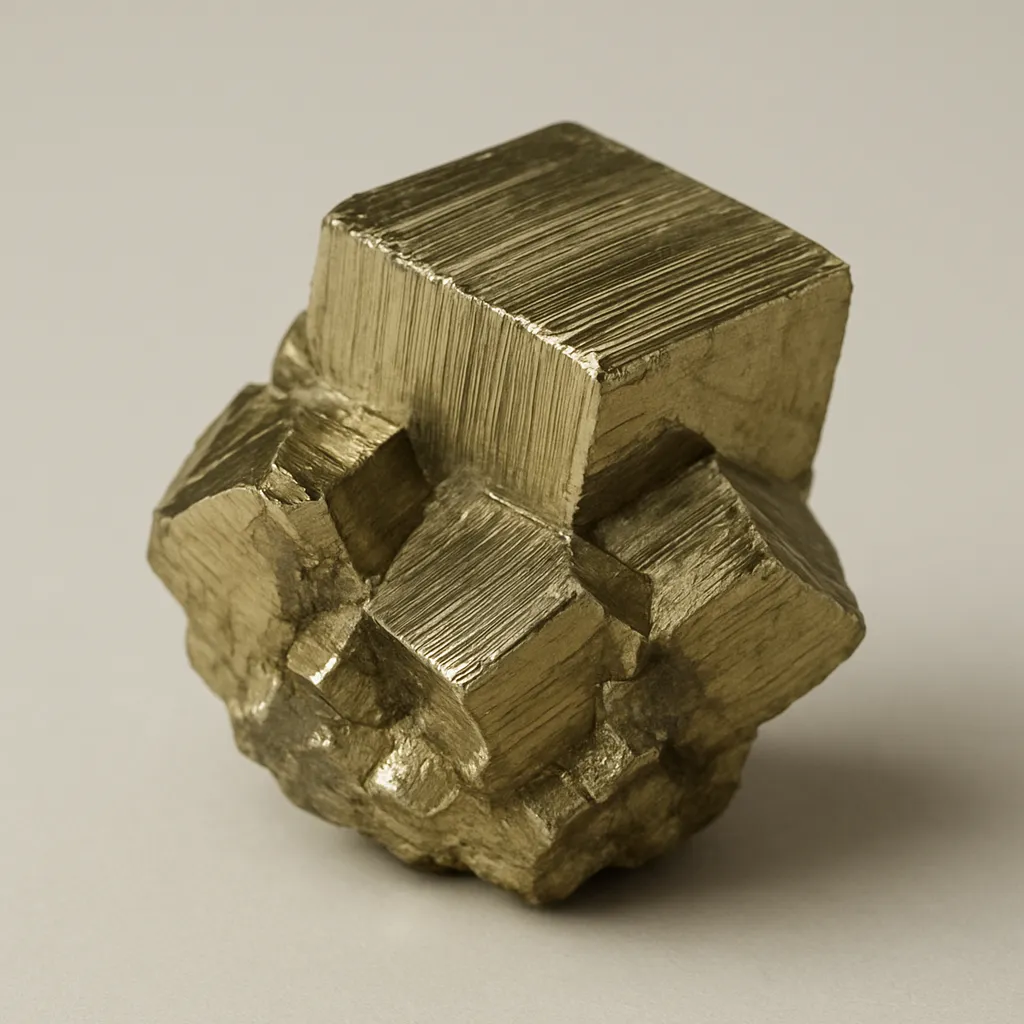
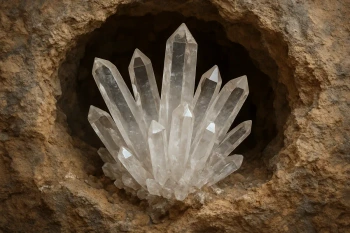
A clear specimen in the photograph naturally grows as a six-sided prism ending in a pointed pyramid. Which mineral is this?
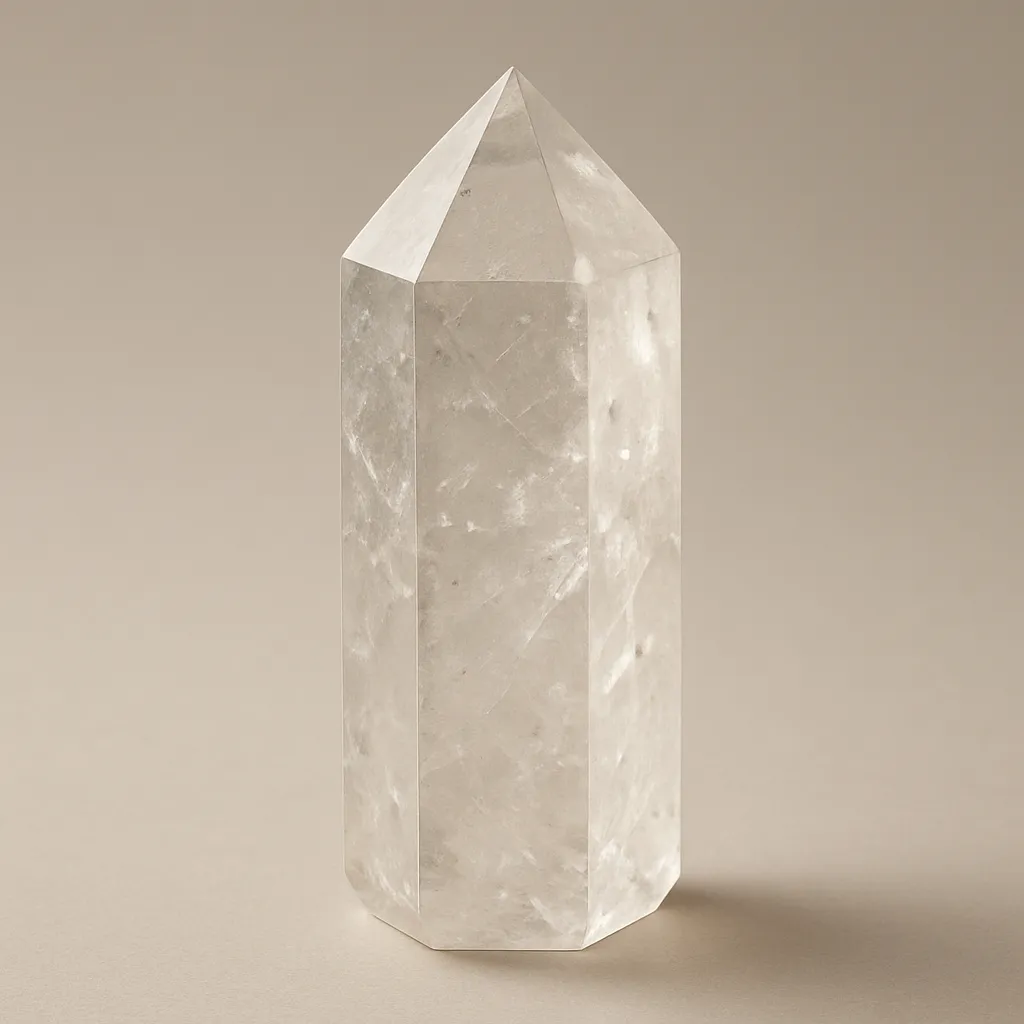
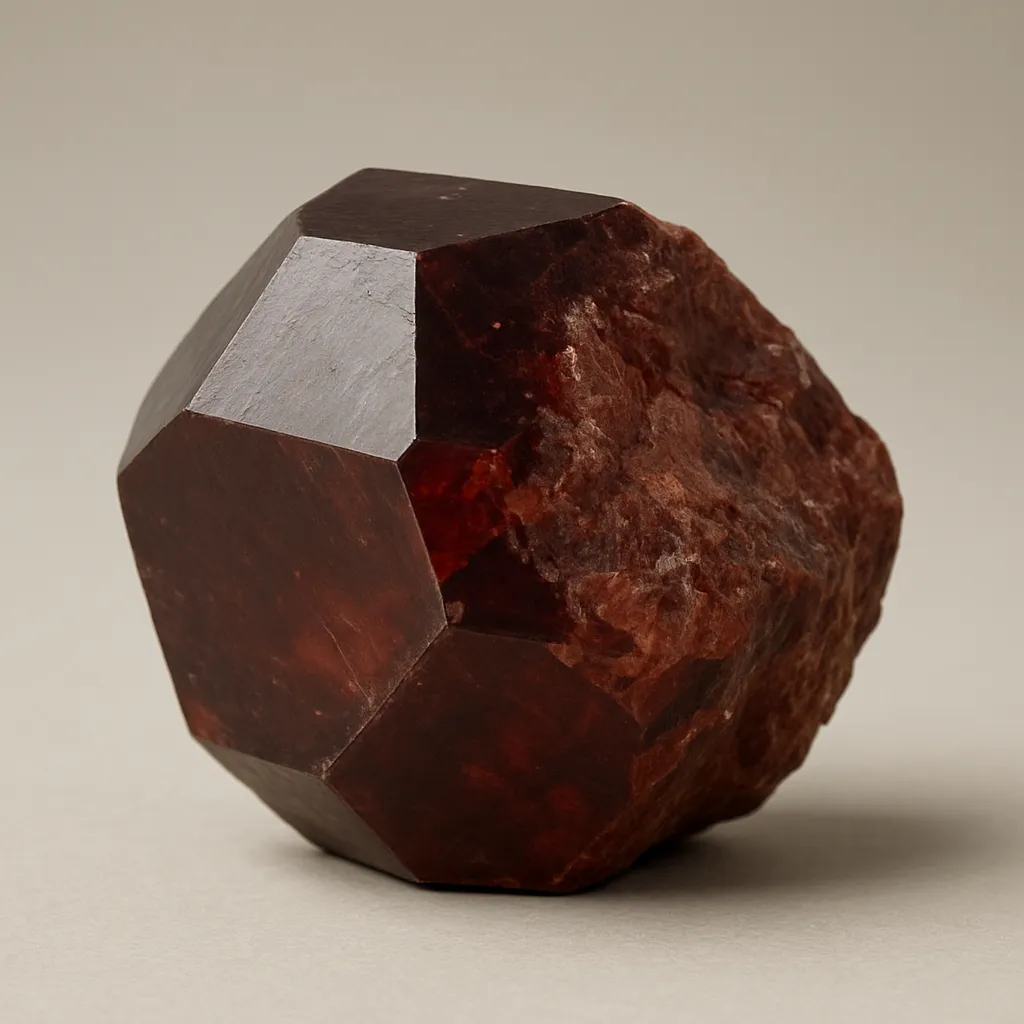
A deep red specimen in the photograph naturally grows as a rounded, twelve-sided crystal shape. Which mineral is this?
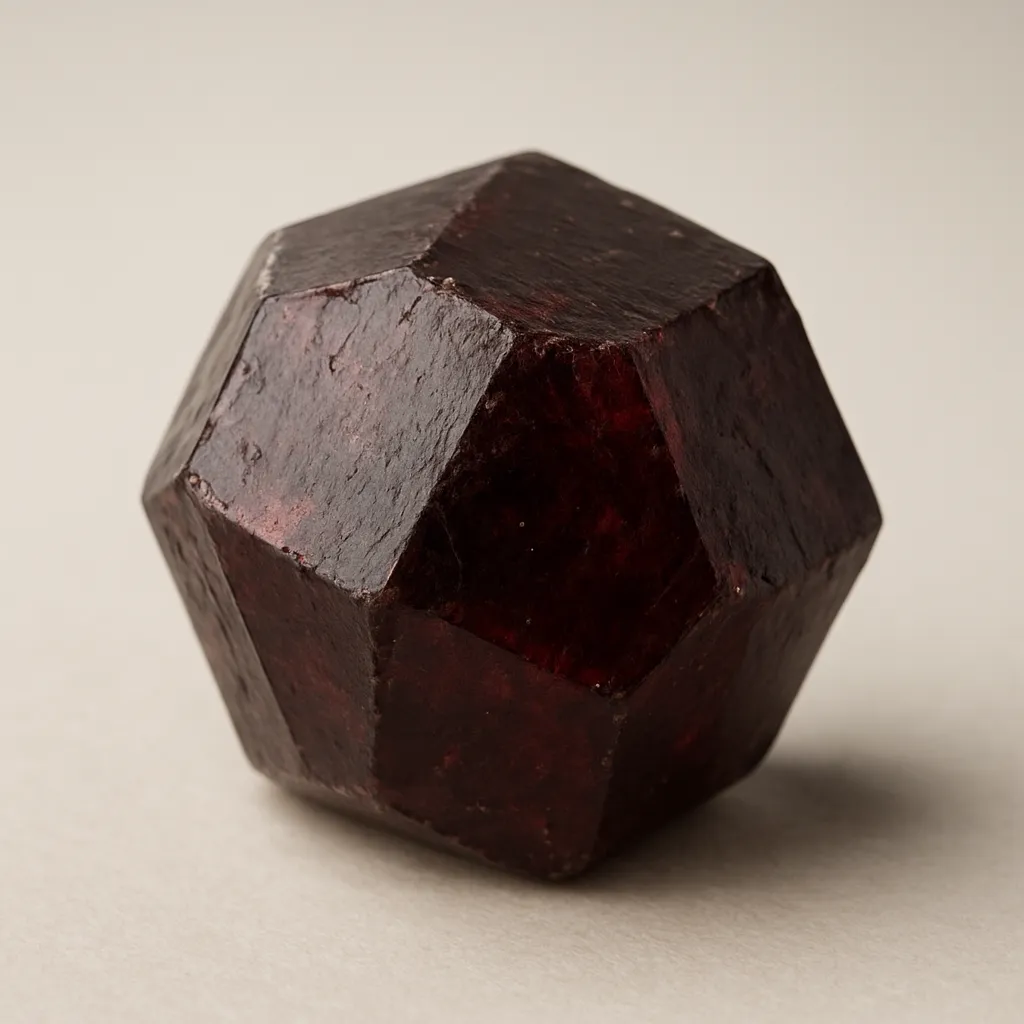
A specimen that appears purple in daylight is placed under an ultraviolet lamp in a darkened room, where it glows a bright blue. Which mineral is this?
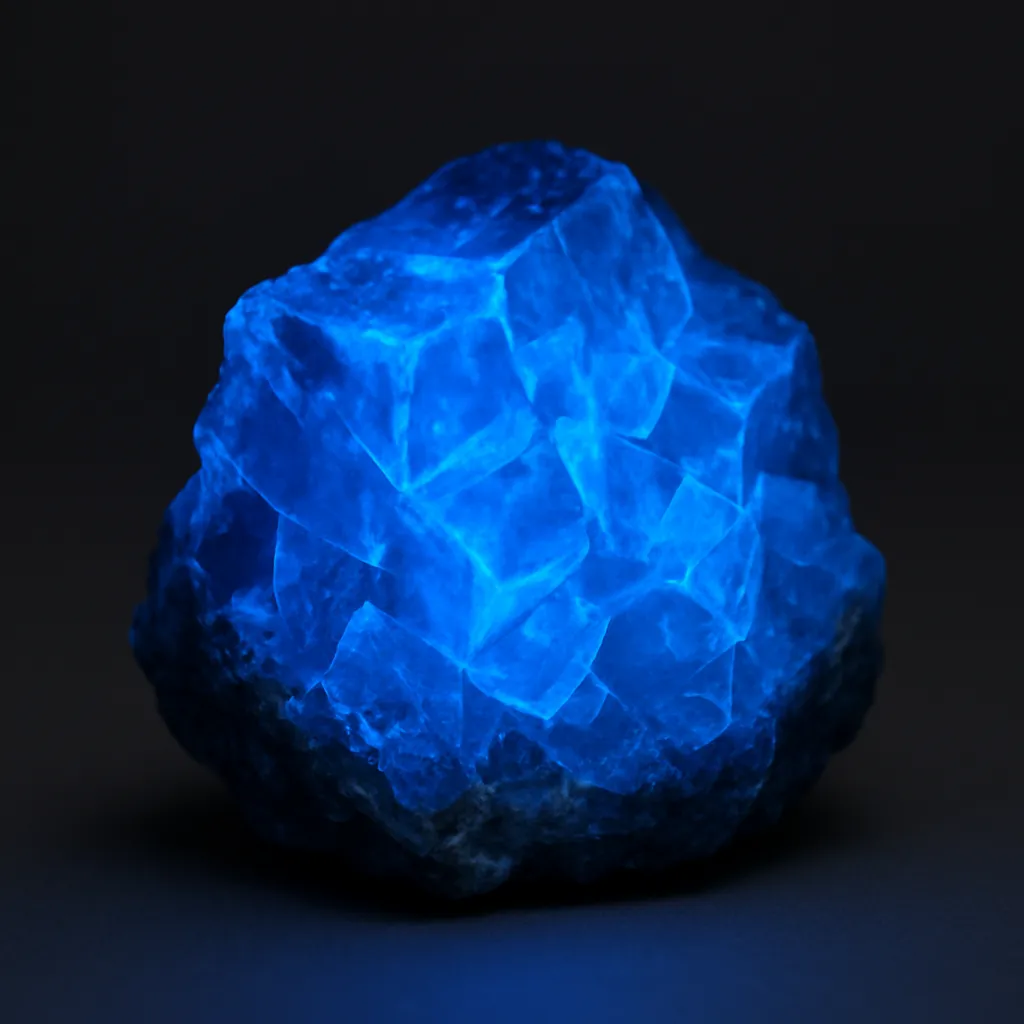
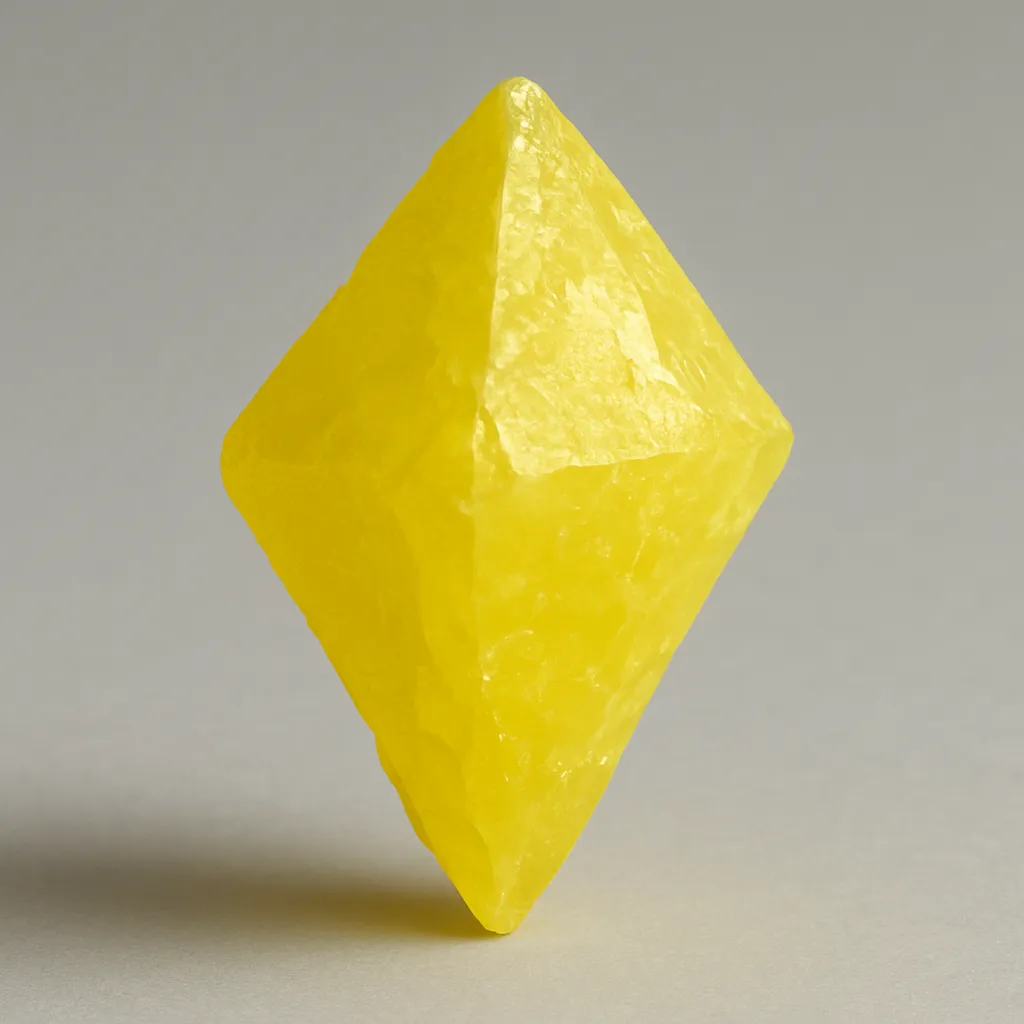
A bright yellow specimen in the photograph naturally grows as a stubby, double-pointed crystal. Which mineral is this?
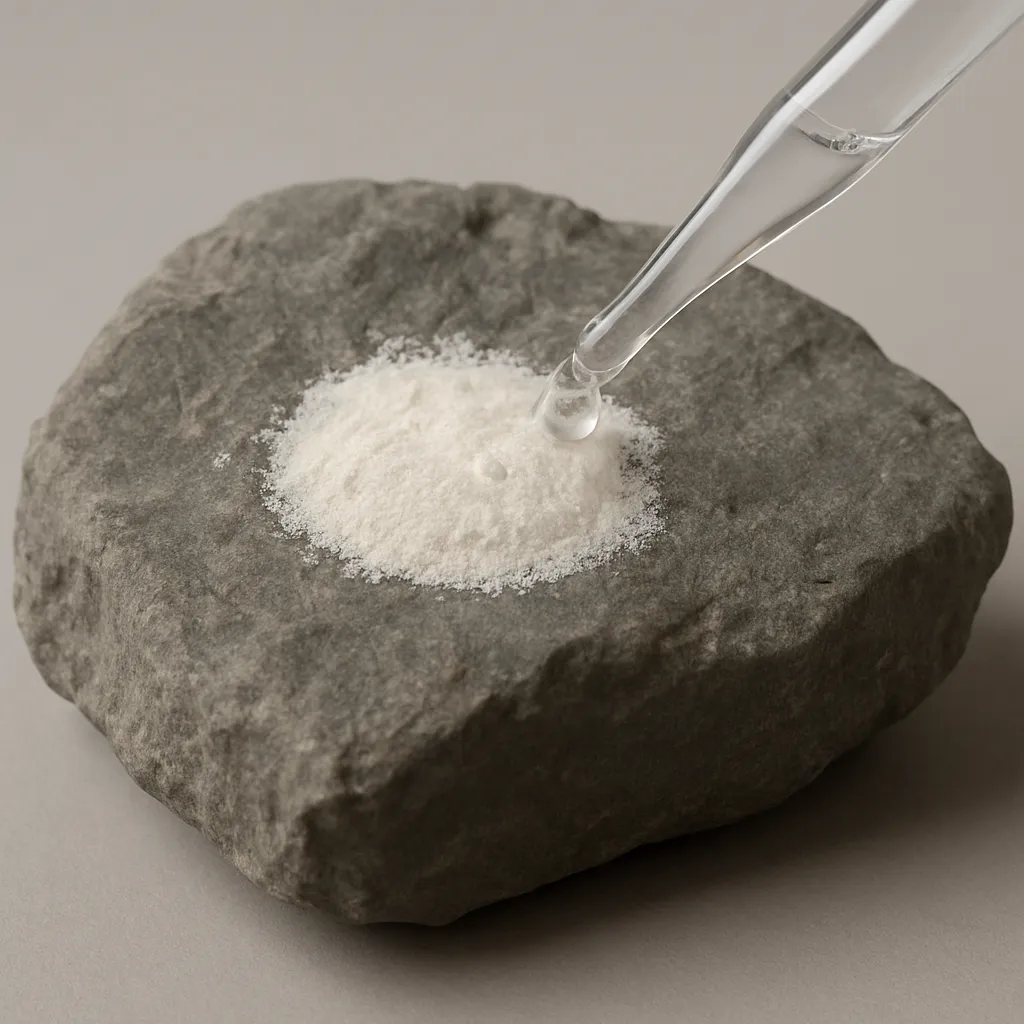
A gray specimen shows no reaction to a drop of dilute acid on its solid surface, but the powder scratched from it fizzes vigorously. Which mineral is this?
The properties table lists hardness, streak and sheet behavior for four minerals. An unknown specimen reads hardness 2.5, a white streak, and peels into sheets that spring back into shape. Which mineral matches?
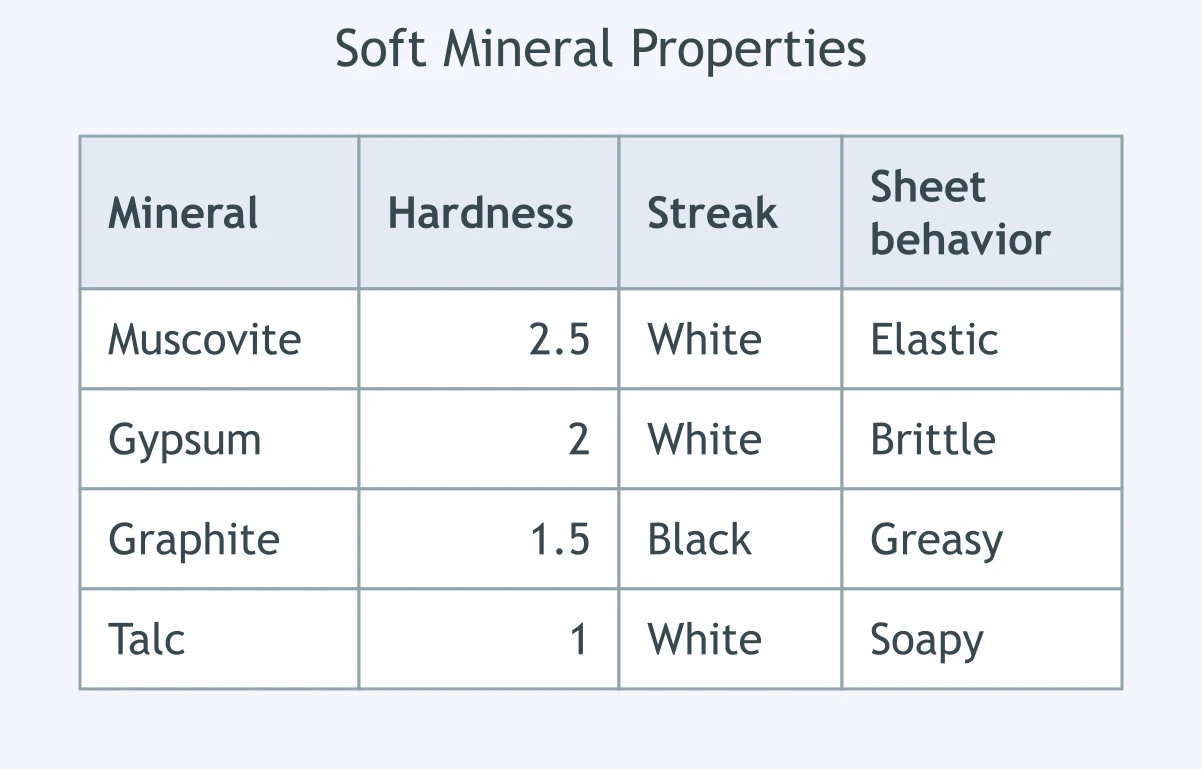
The properties table lists hardness, streak and sheet behavior for four minerals. An unknown specimen reads hardness 1, a white streak, and feels soapy or slippery to the touch. Which mineral matches?
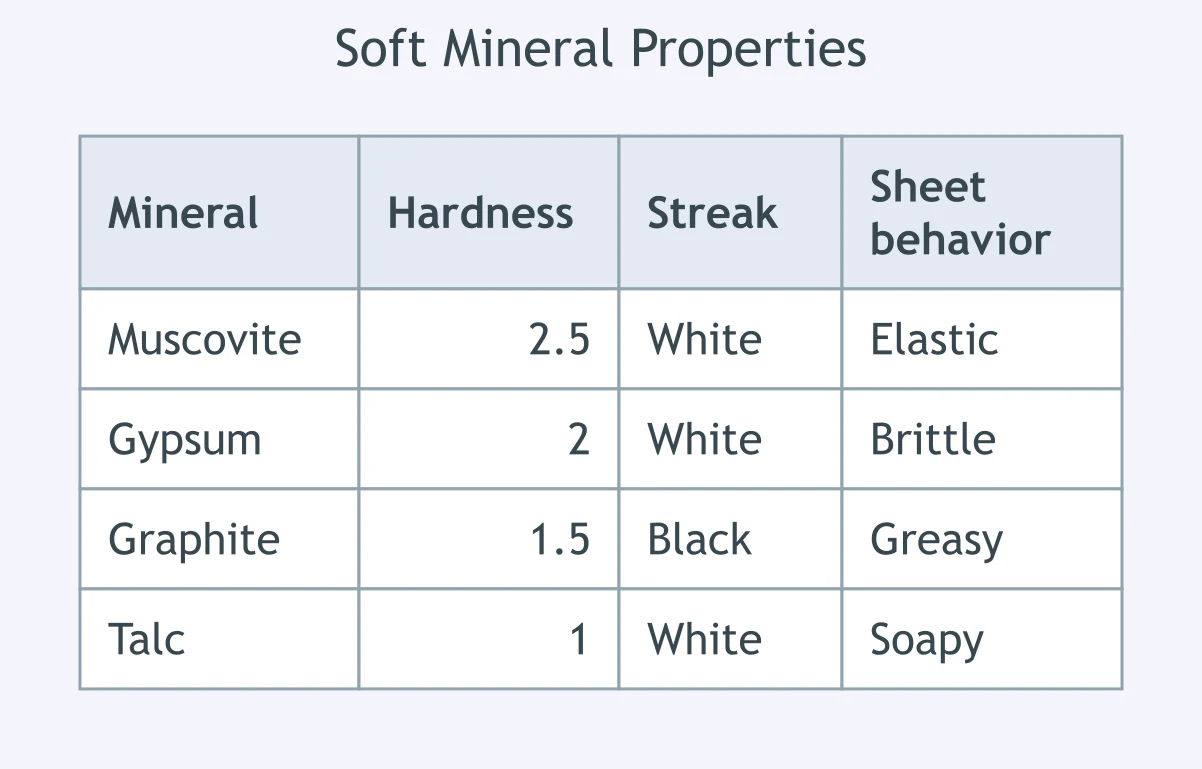
The properties table lists hardness, streak and sheet behavior for four minerals. An unknown specimen reads hardness 1.5, a black streak, and feels greasy to the touch. Which mineral matches?
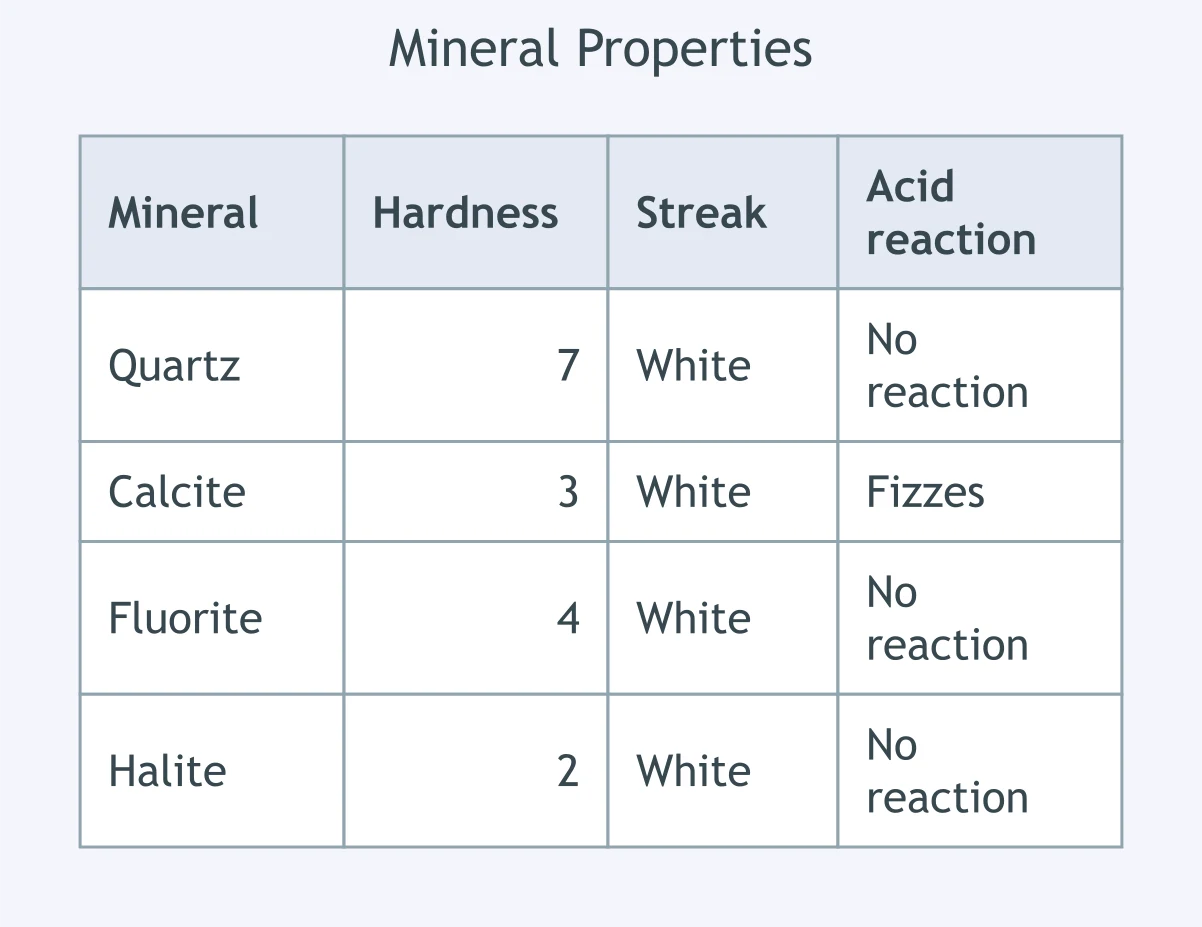
The properties table lists hardness, streak and acid reaction for four minerals. An unknown specimen reads hardness 3, a white streak, and fizzes when touched with dilute acid. Which mineral matches?
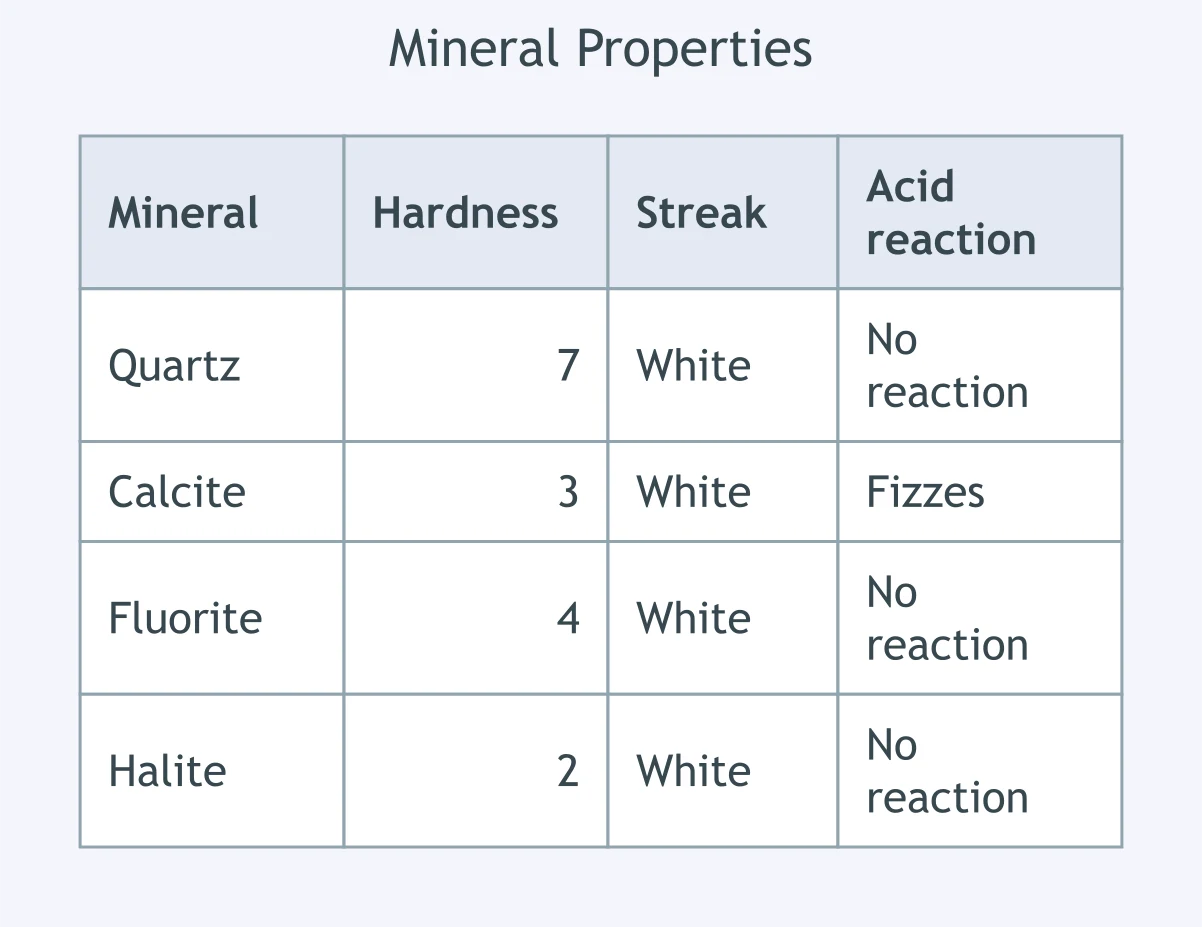
The properties table lists hardness, streak and acid reaction for four minerals. An unknown specimen reads hardness 7, a white streak, and shows no reaction to acid. Which mineral matches?
The properties table lists hardness, streak and acid reaction for four minerals. An unknown specimen reads hardness 4, a white streak, and shows no reaction to acid. Which mineral matches?
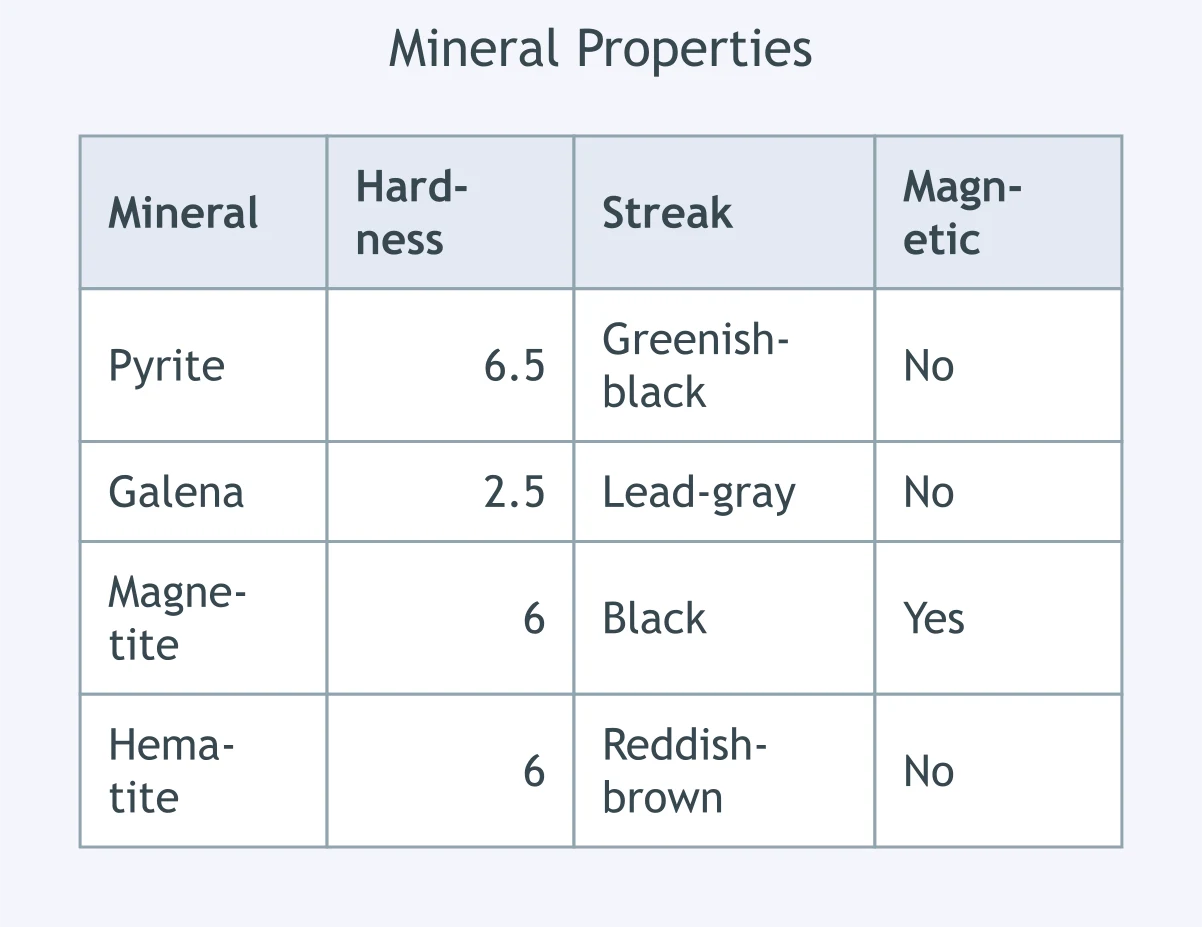
The properties table lists hardness, streak and magnetism for four metallic-looking minerals. An unknown specimen reads hardness 6, a black streak, and is strongly attracted to a magnet. Which mineral matches?
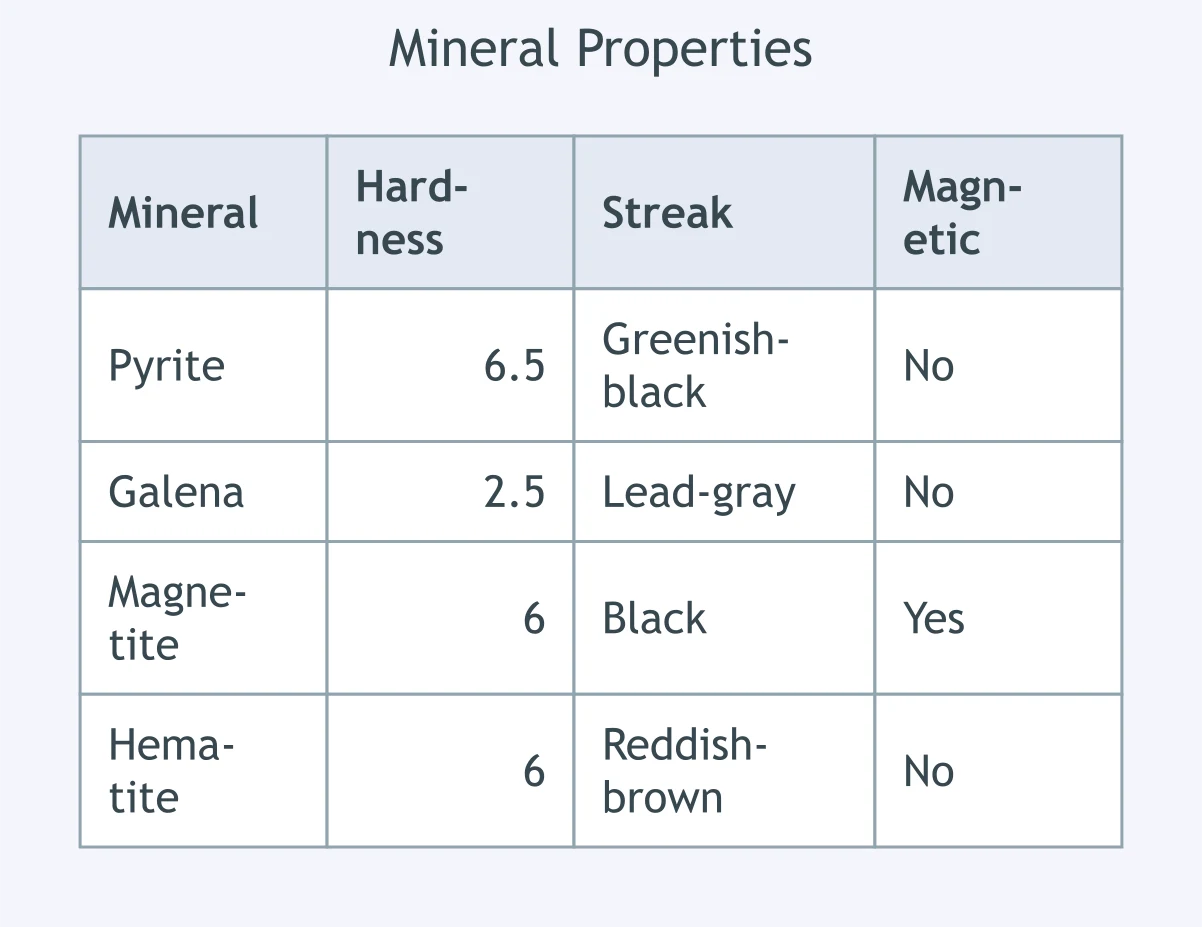
The properties table lists hardness, streak and magnetism for four metallic-looking minerals. An unknown specimen reads hardness 6, a reddish-brown streak, and shows no attraction to a magnet. Which mineral matches?
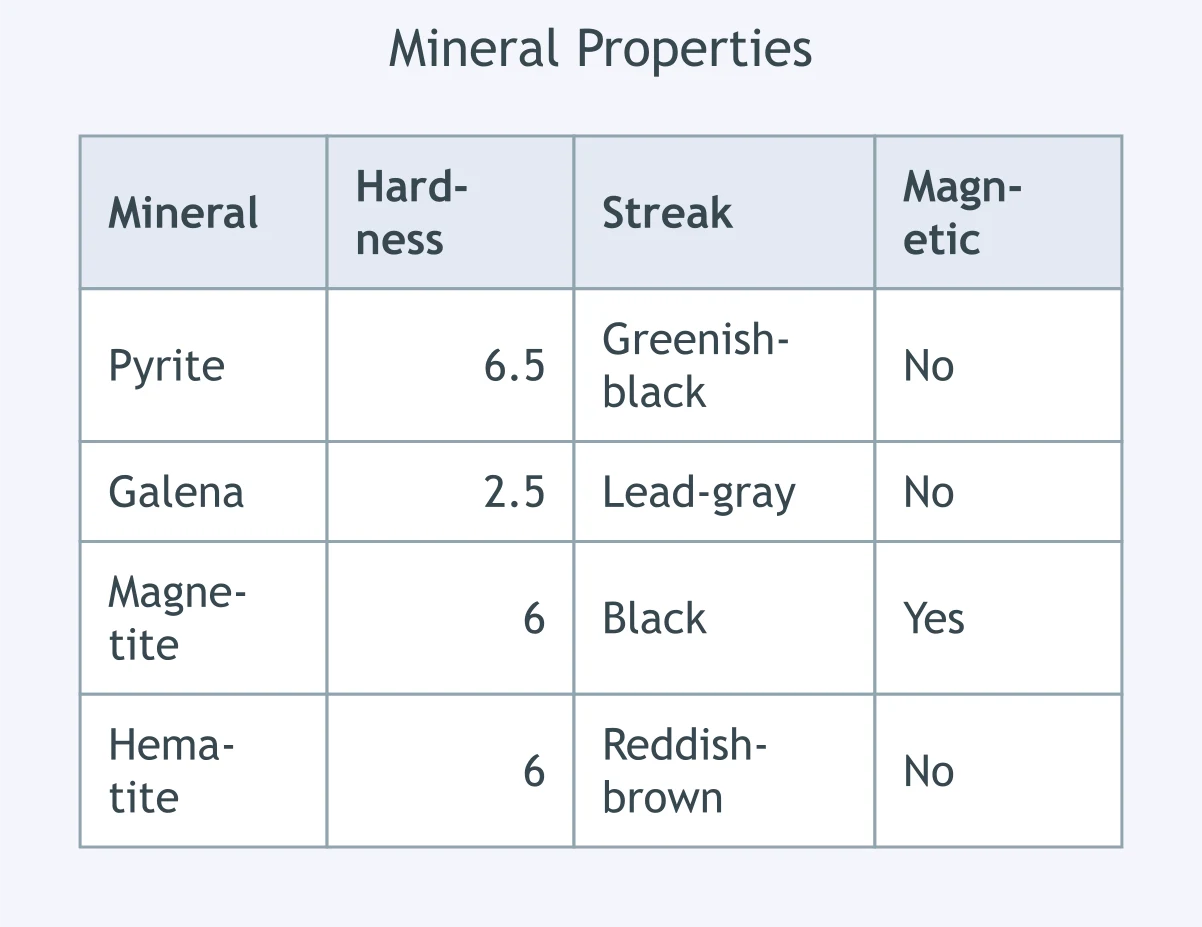
The properties table lists hardness, streak and magnetism for four metallic-looking minerals. An unknown specimen reads hardness 2.5, a lead-gray streak, and shows no attraction to a magnet. Which mineral matches?
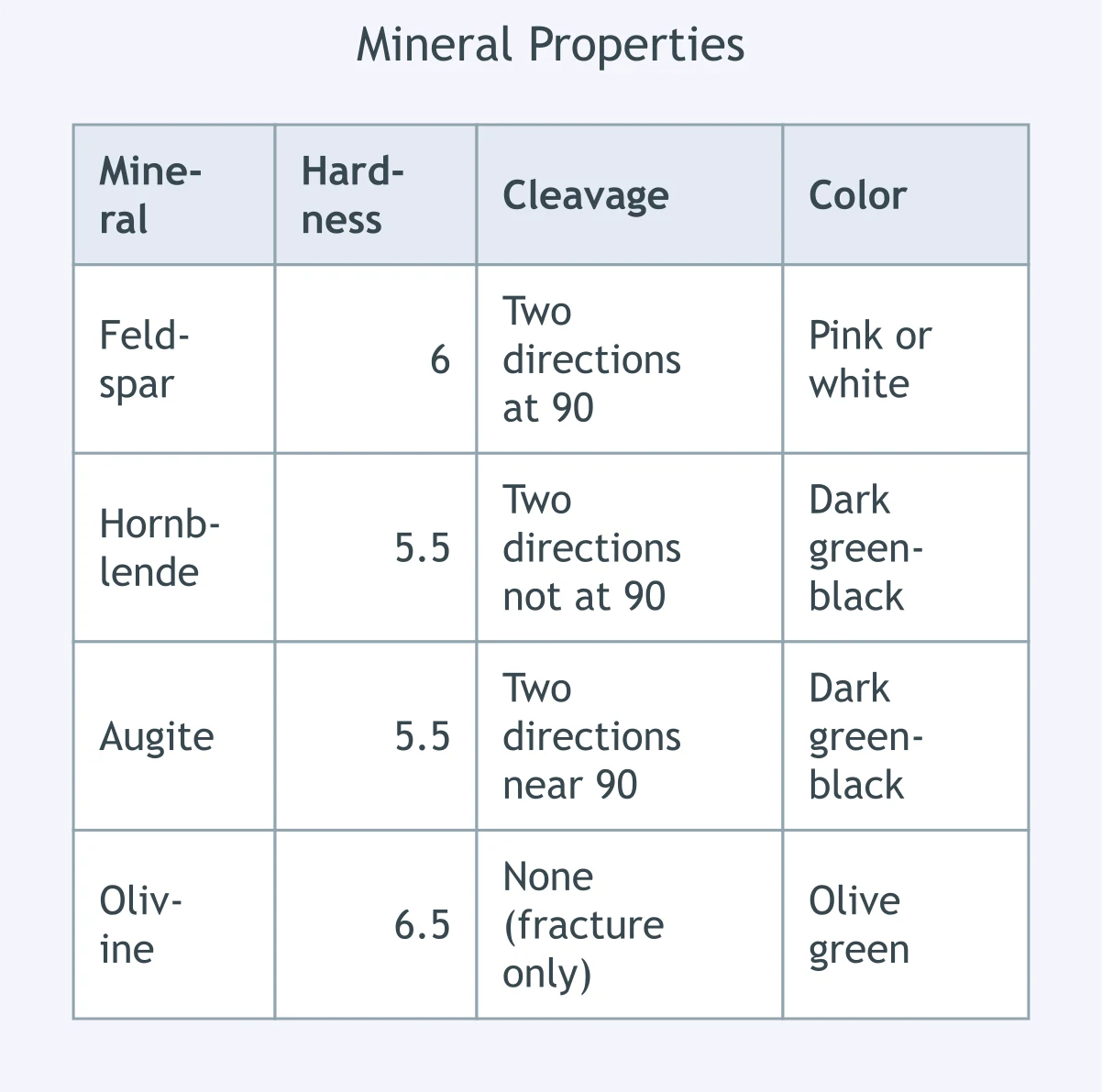
The properties table lists hardness, cleavage and color for four rock-forming minerals. An unknown specimen reads hardness 6.5, an olive-green color, and shows no cleavage, only fracture surfaces. Which mineral matches?
Crack the passcode before the zombies get in.
Answer, then swat bugs for bonus points.
Race through questions at your own speed.
Same question on every screen. Fastest wins.

Pick a tile, answer, hit bonuses and steals.
20 questions