Loading
by BlastRoom
Identify common rock-forming minerals from their physical properties, their place in rocks, and the products they supply.
#earth_space_science
40 questions
One question set, multiple game modes. Tap any game to see it in action. Not sure which to pick?
Answer to place stones and capture territory.
Outrun the snow together.
Earn blasts, then hunt the other team.
Answer to earn energy, then climb.

The class blasts through walls together.
Bid on mystery lots. Most money wins.
Sell tours. Nice, standard, or a total scam.

Answer, restock, and serve the rush.
More correct answers pulls the rope your way.
Answer, then shoot down the alien wave.
Answer, then tap to leap the frozen ridge.
The specimen is milky white and glassy, breaks along curved conchoidal surfaces with no flat cleavage planes, and scratches a steel knife blade. Which rock-forming silicate is it?
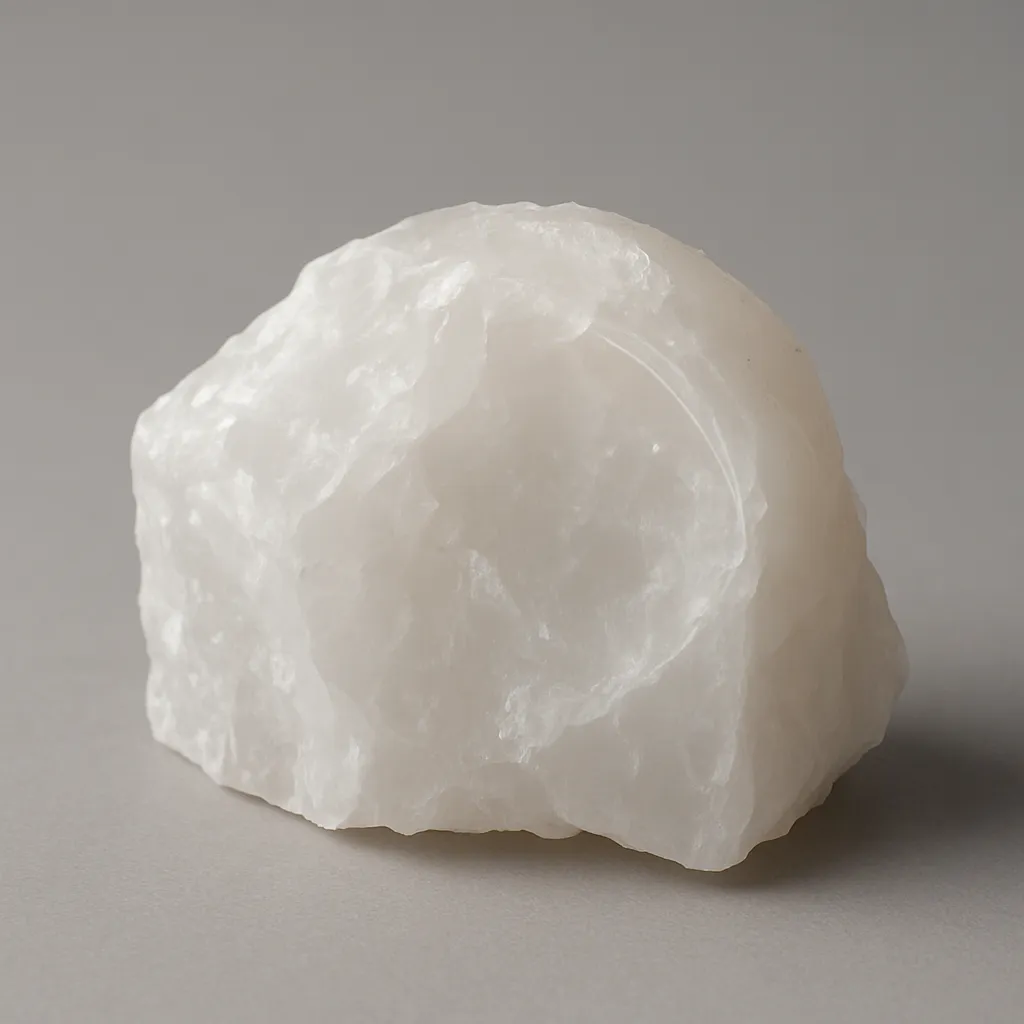
The specimen is salmon-pink, splits along two smooth flat cleavage planes meeting at close to 90 degrees, and scratches a steel knife blade. Which mineral is it?
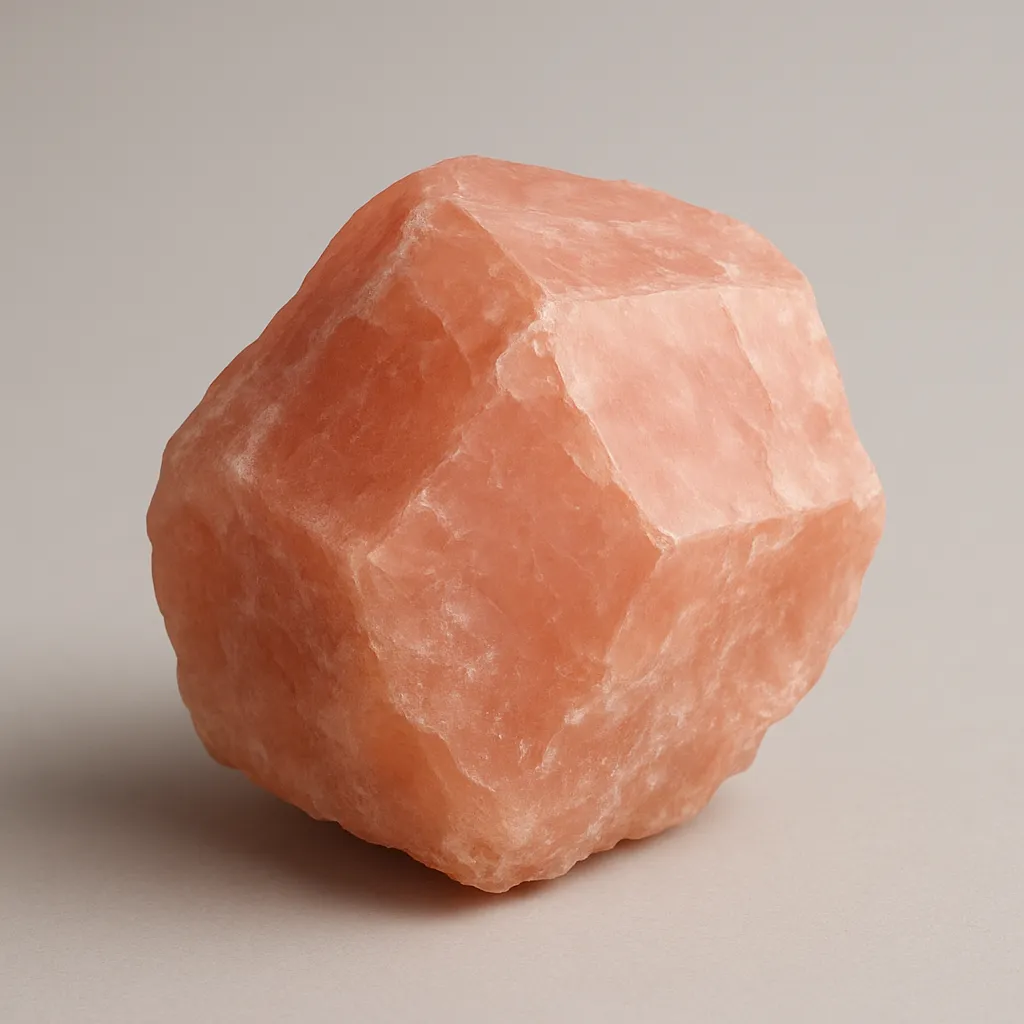
The specimen is white to gray, has two cleavage planes meeting near 90 degrees, and shows fine parallel grooves called striations across one cleavage face. Which mineral is it?
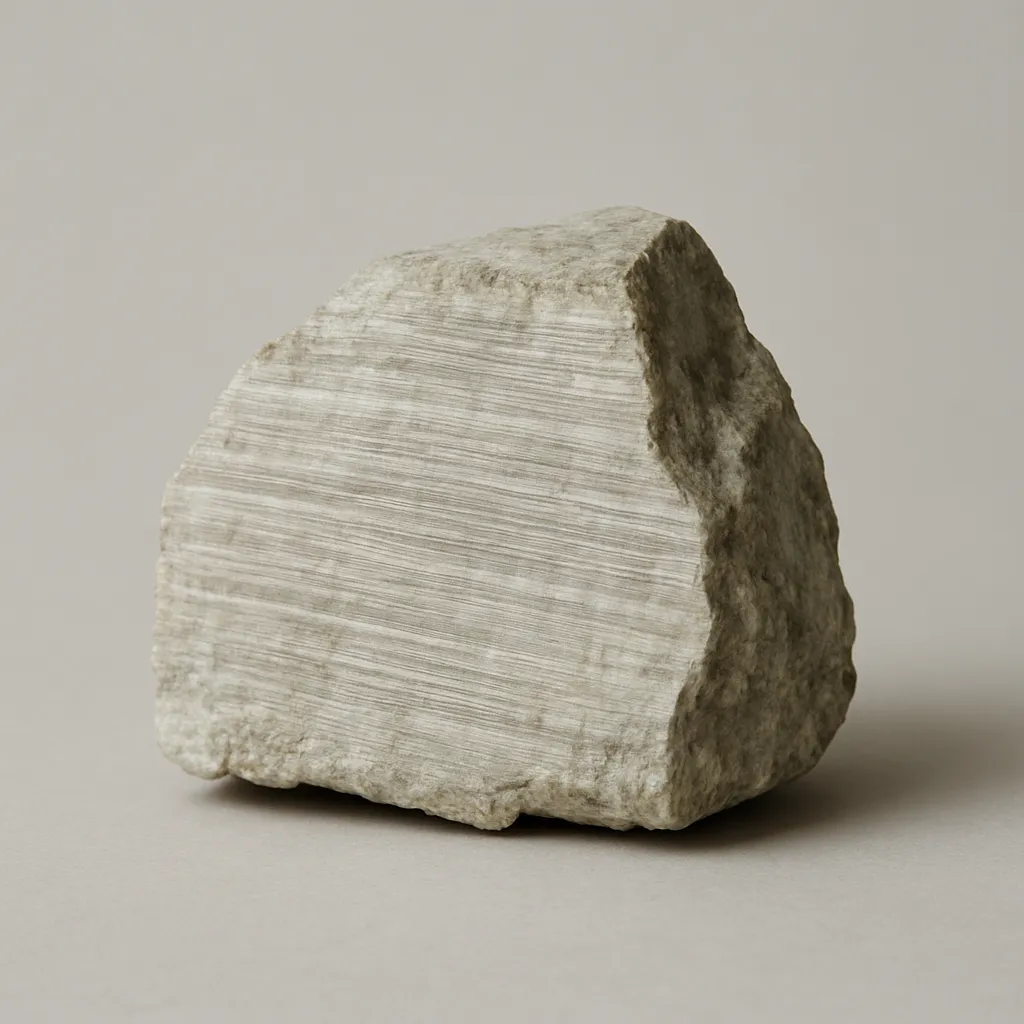
The specimen is colorless to pale tan and peels into thin, flexible, transparent sheets along one perfect cleavage. Which mineral is it?
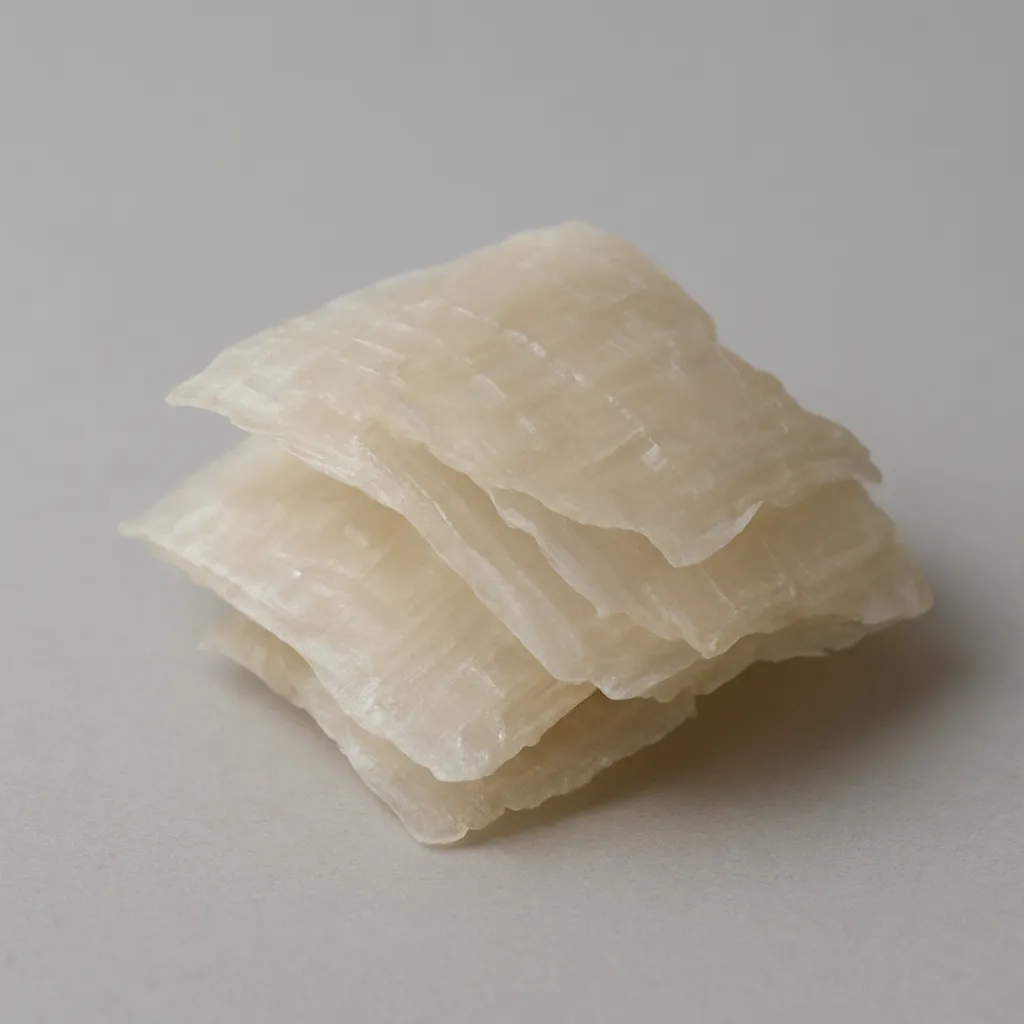
The specimen is black to dark brown and splits into thin, flexible sheets along one perfect cleavage direction. Which mineral is it?
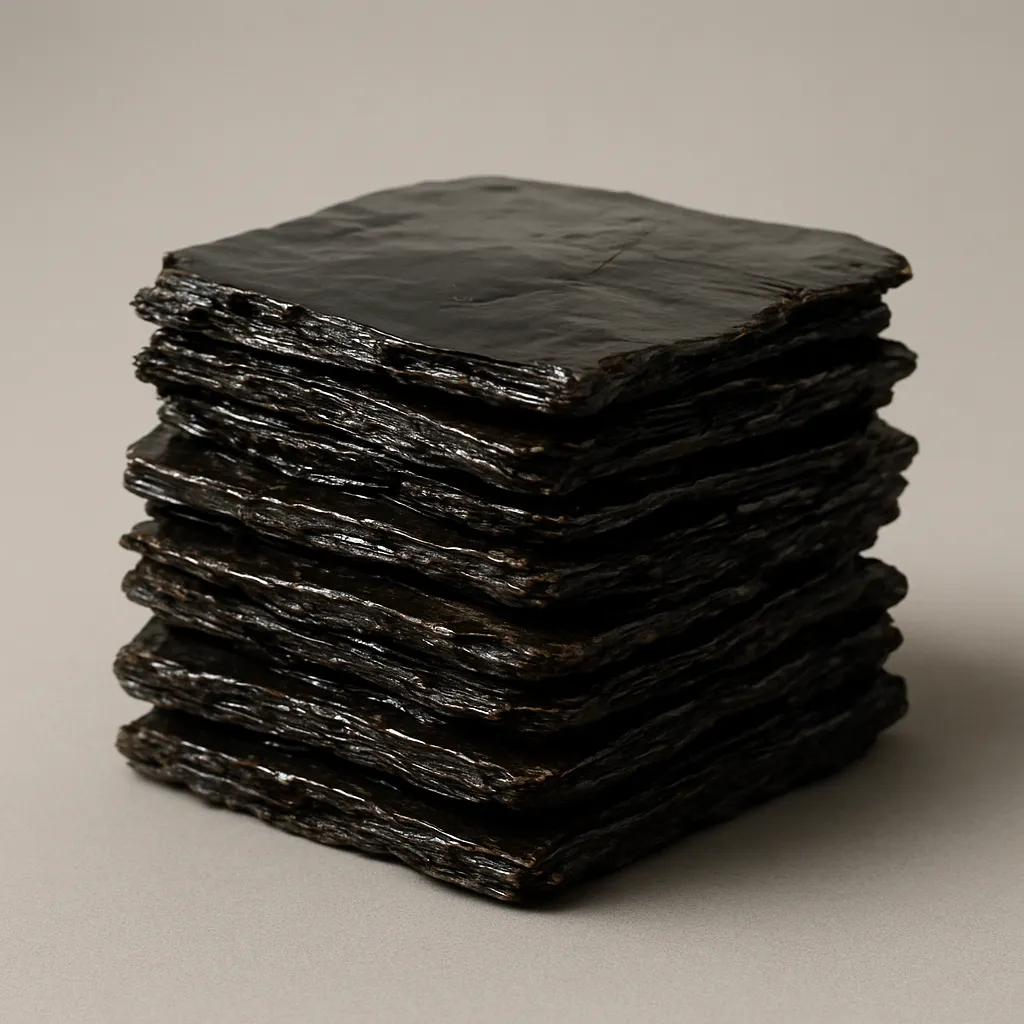
The specimen is yellow-green to bottle-green, granular in texture, has no cleavage, and breaks with a curved conchoidal fracture. Which mineral is it?
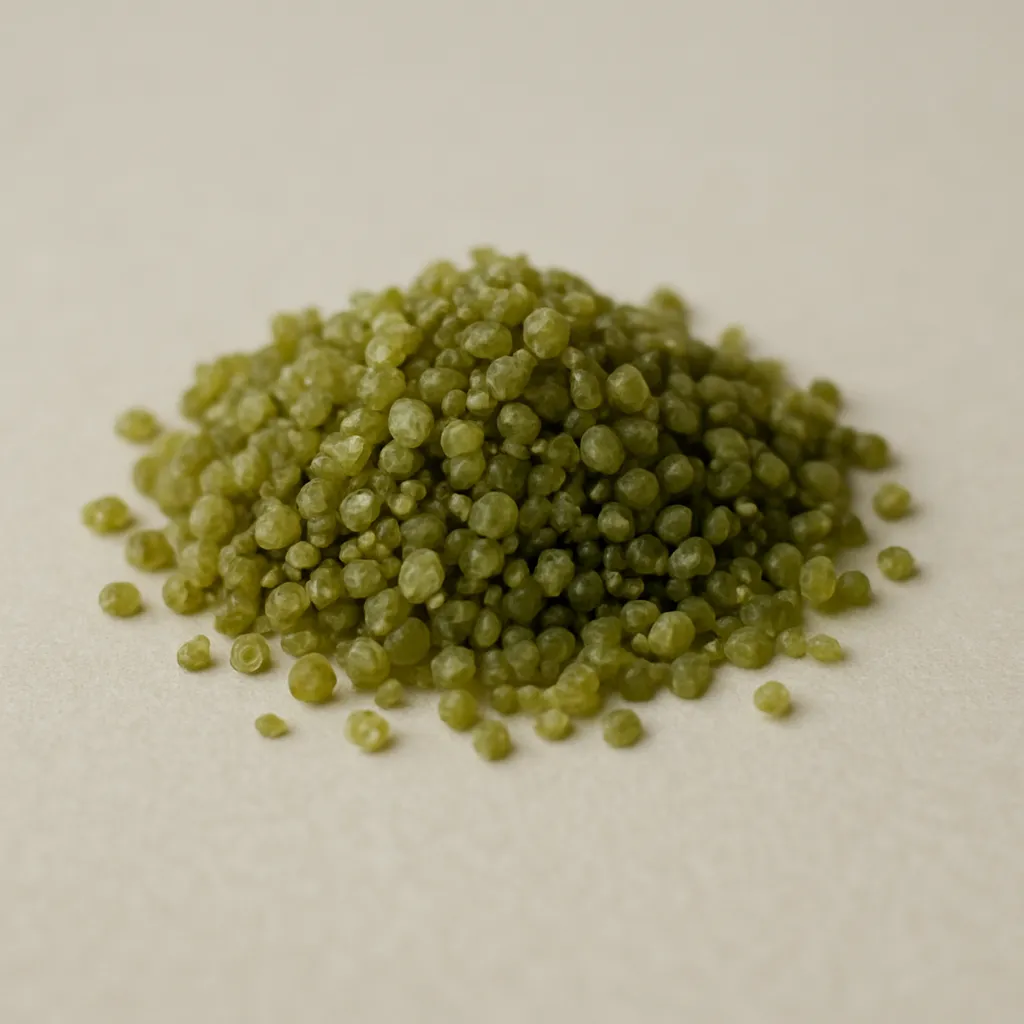
The specimen is dark green to black, has two cleavage planes meeting at close to 90 degrees, and shows a dull to glassy luster. Which mineral is it?
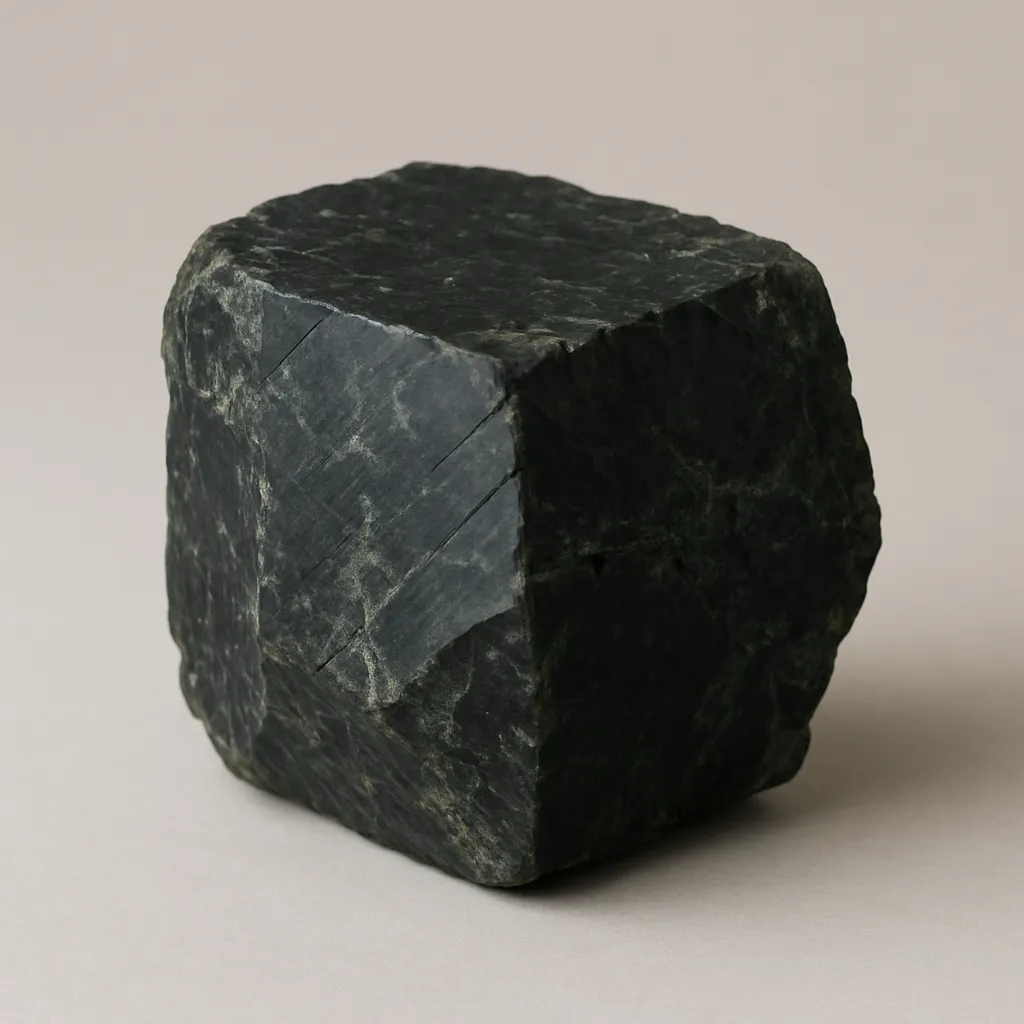
The specimen is dark green to black, elongated, and splits along two cleavage planes that meet at about 56 and 124 degrees rather than 90. Which mineral is it?
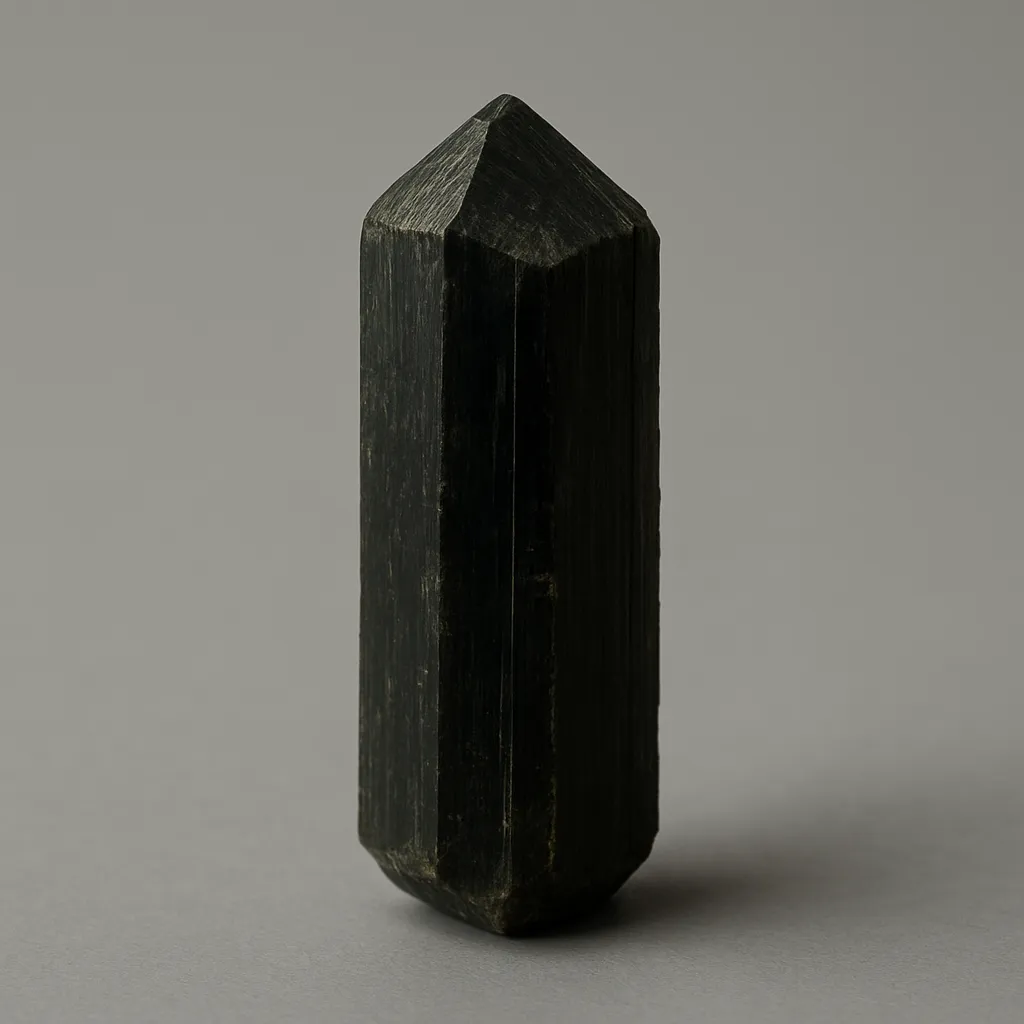
The specimen is deep red, has a glassy luster, no cleavage, and forms rounded, many-sided crystal faces. Which mineral is it?
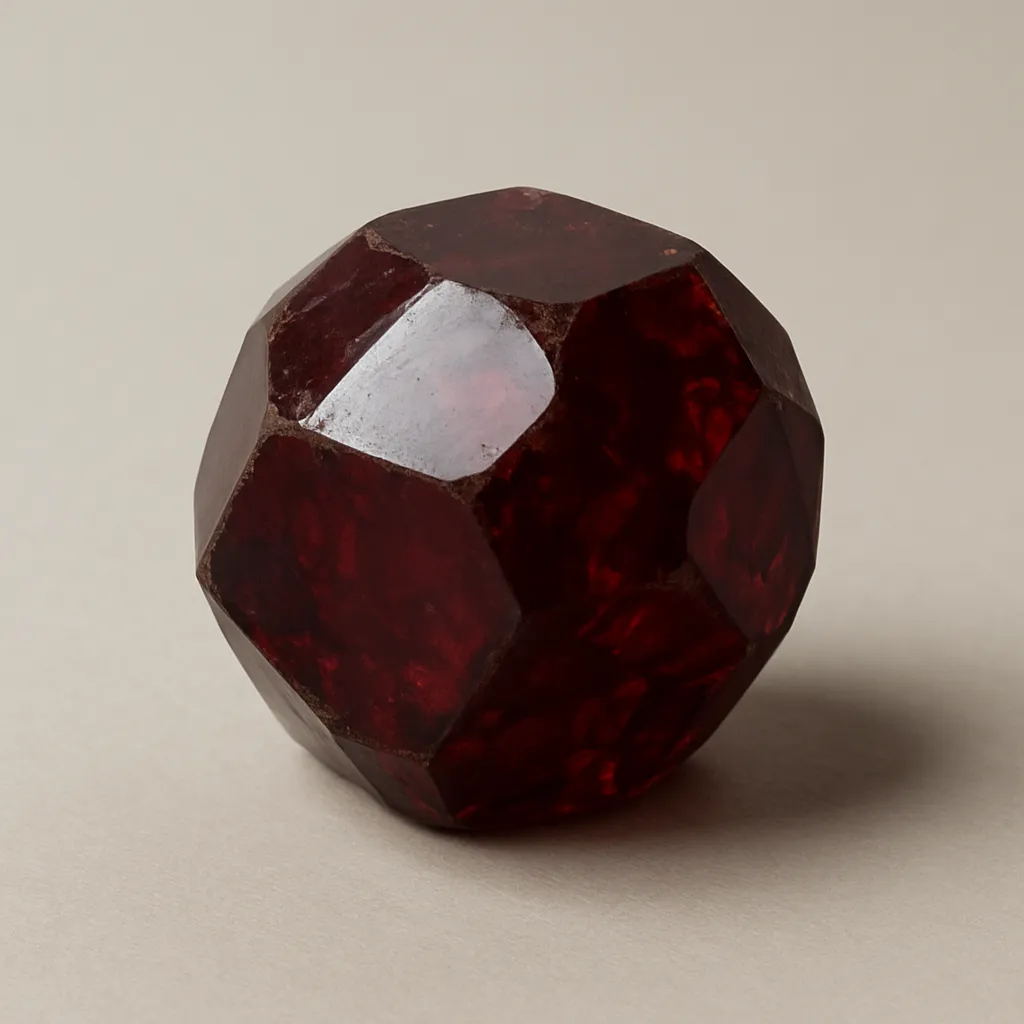
The specimen is pale green to white, feels greasy or soapy to the touch, and can be scratched easily with a fingernail. Which mineral is it?
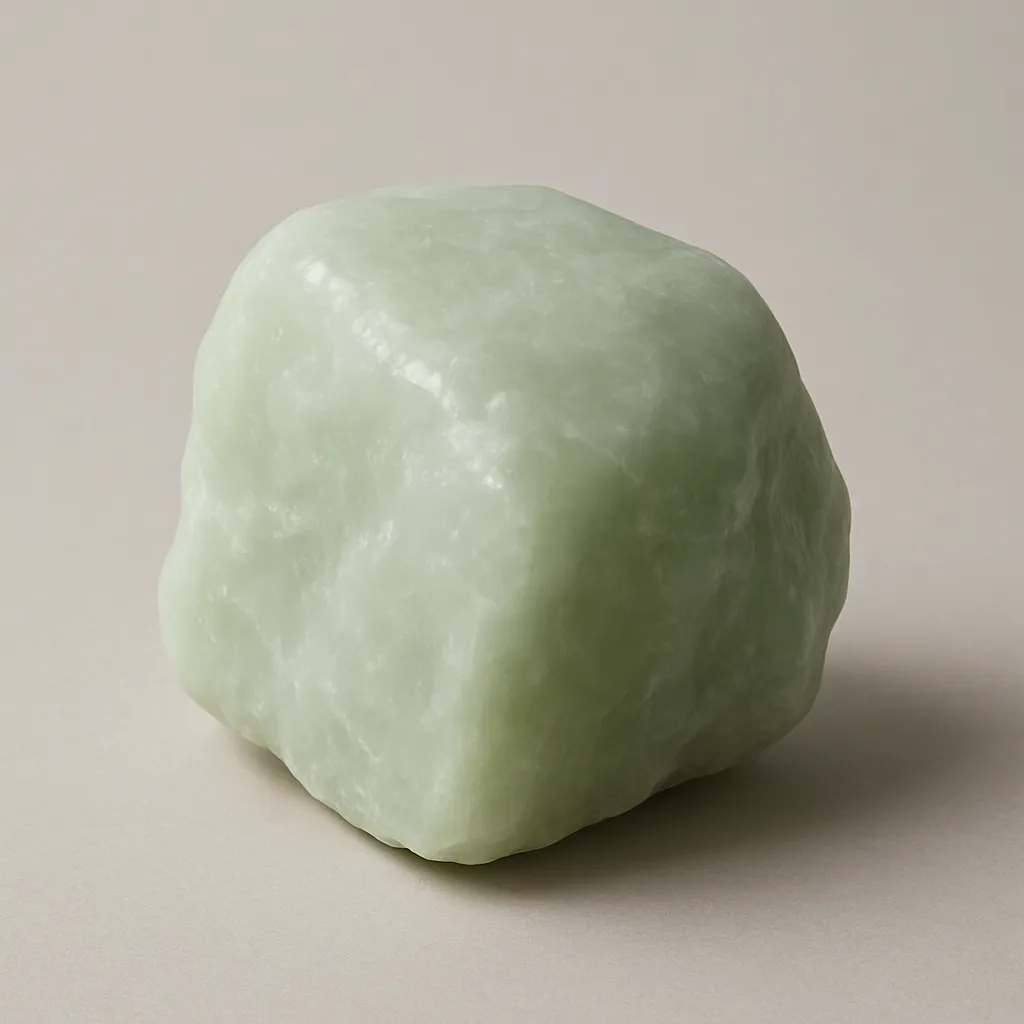
The specimen is green and scaly and splits into thin sheets along one cleavage, but unlike mica the sheets are flexible without springing back. Which mineral is it?
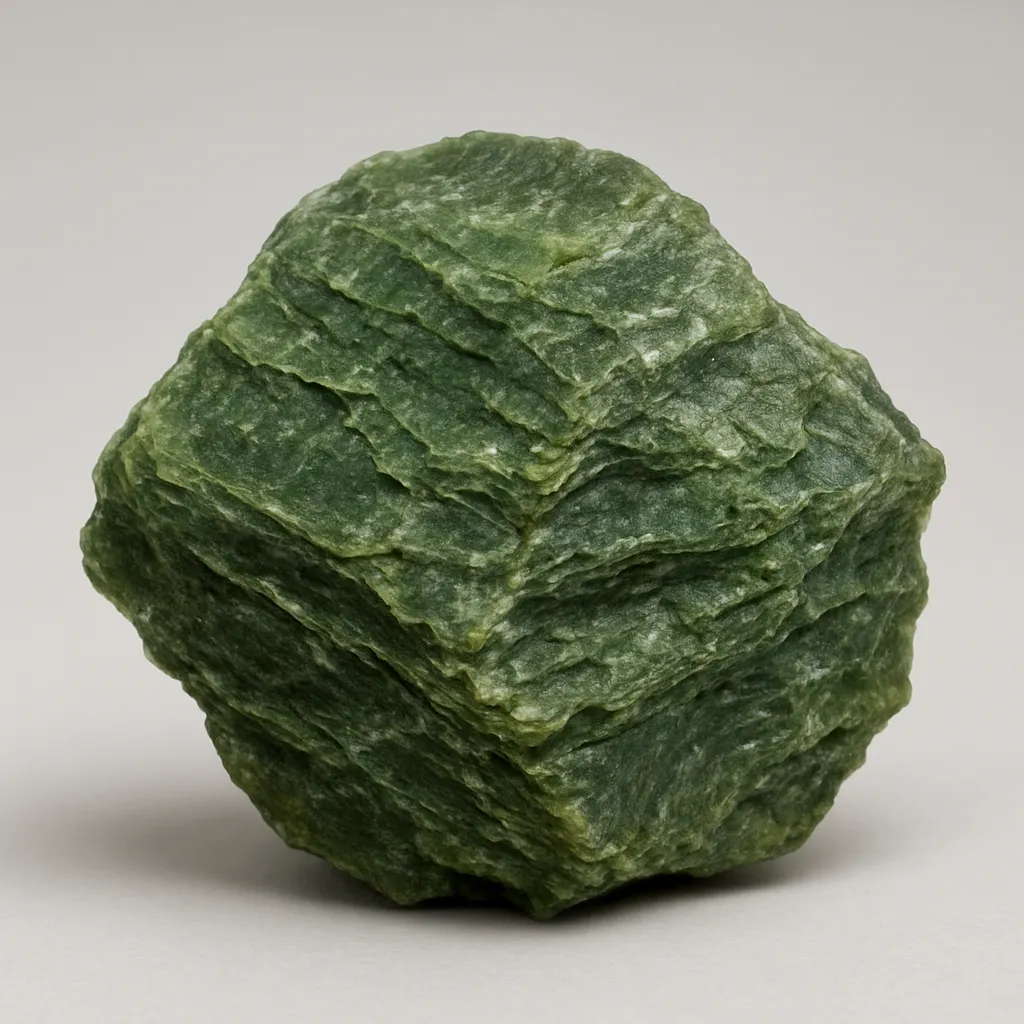
The specimen is white to pale gray, earthy and dull in luster, feels chalky, and shows no visible crystal faces or cleavage to the unaided eye. Which mineral is it?
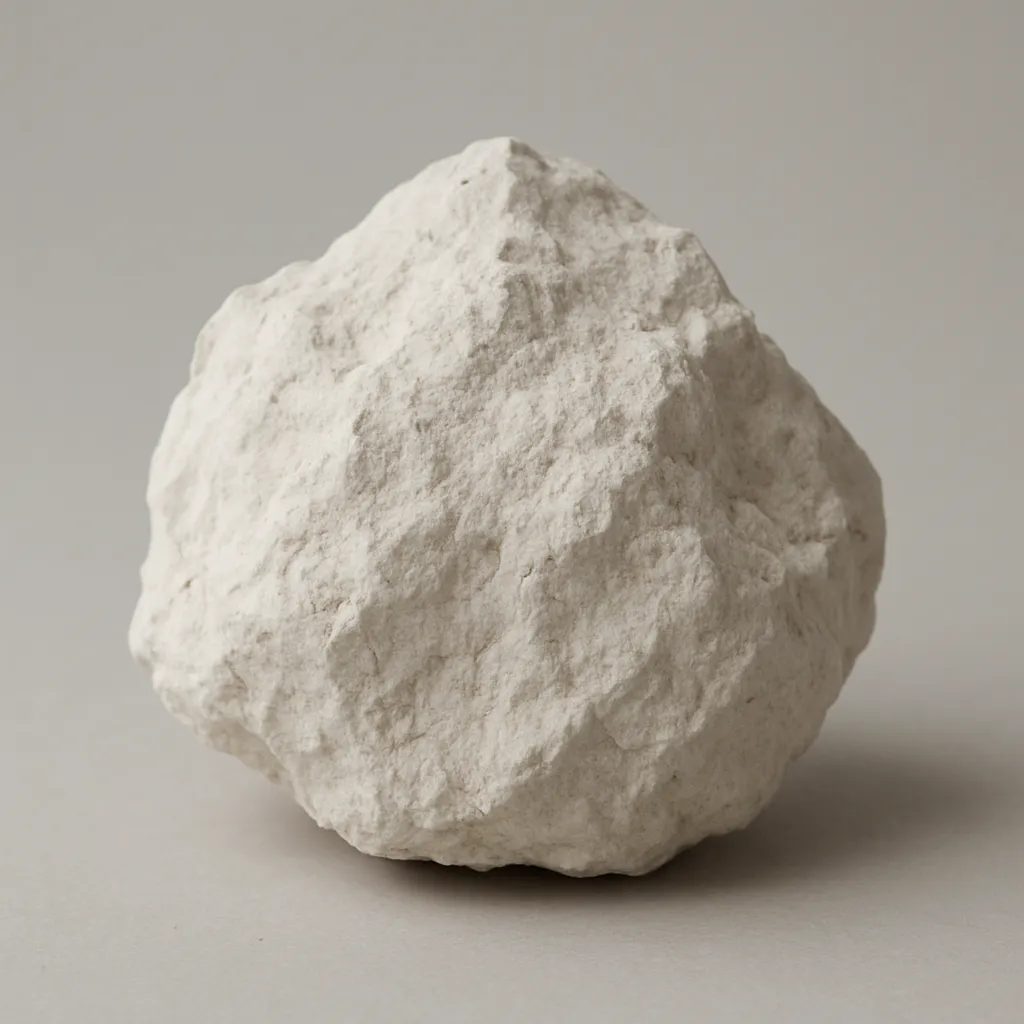
The specimen is colorless to white, breaks into rhombohedral pieces along three cleavage planes not at 90 degrees, and fizzes vigorously when a drop of dilute acid is applied. Which mineral is it?
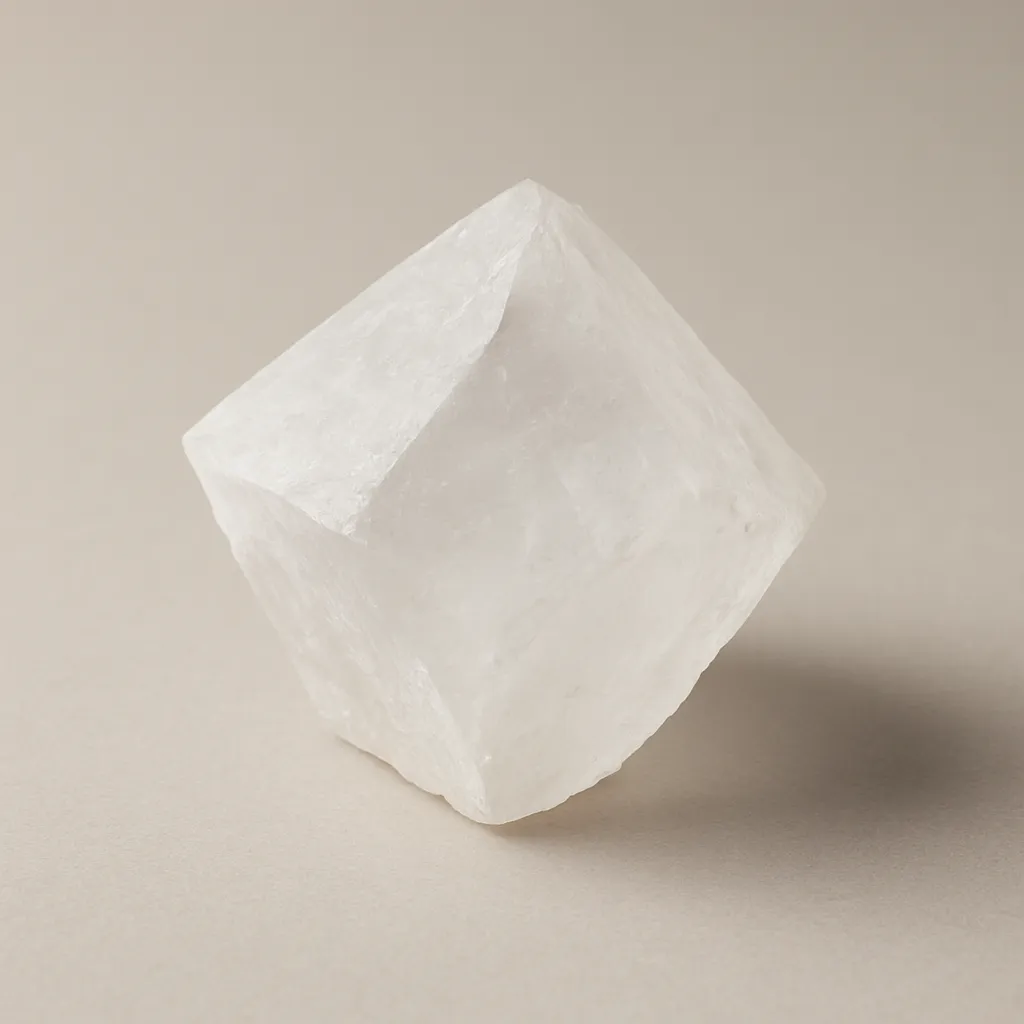
The specimen is pinkish-white, breaks into rhombohedral pieces like calcite, but only fizzes with acid after it has been scratched into a powder. Which mineral is it?
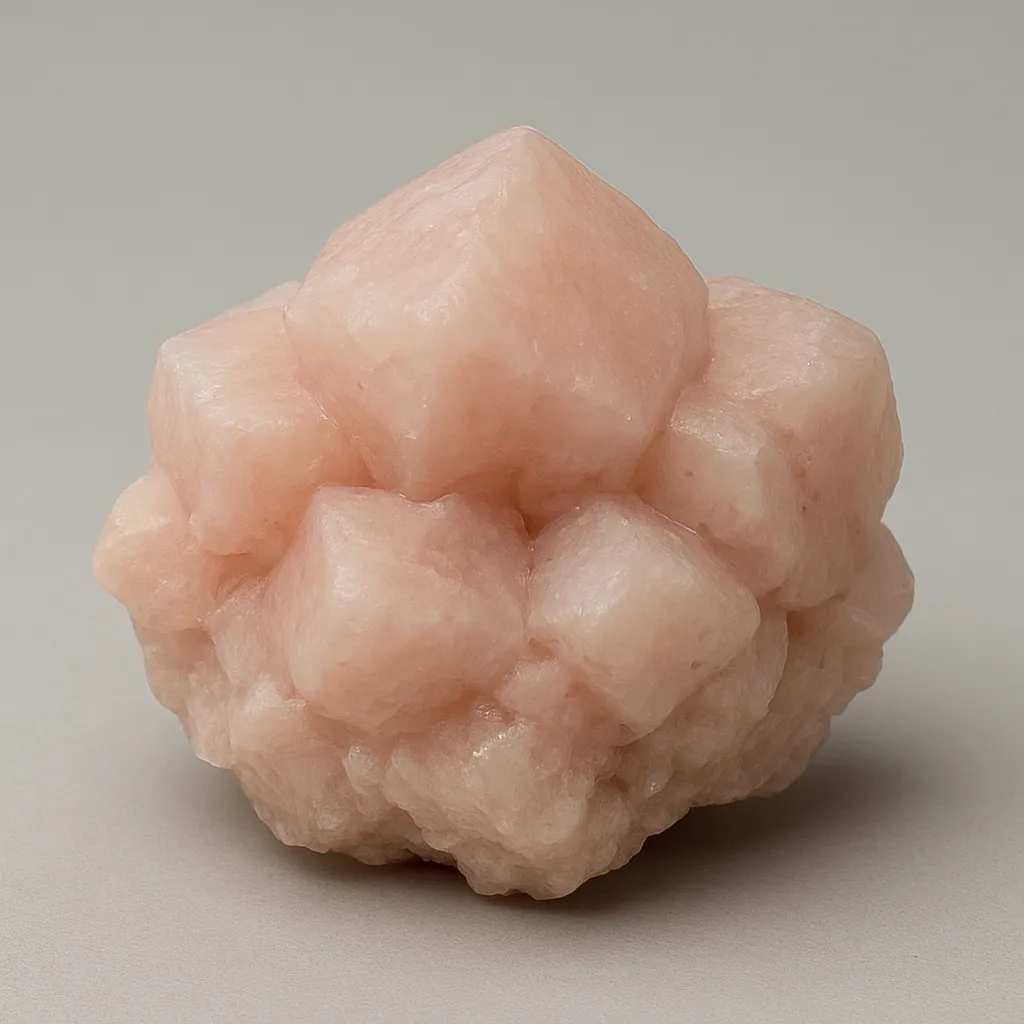
The specimen forms perfect cube-shaped crystals, is colorless to white, tastes salty, and dissolves easily in water. Which mineral is it?
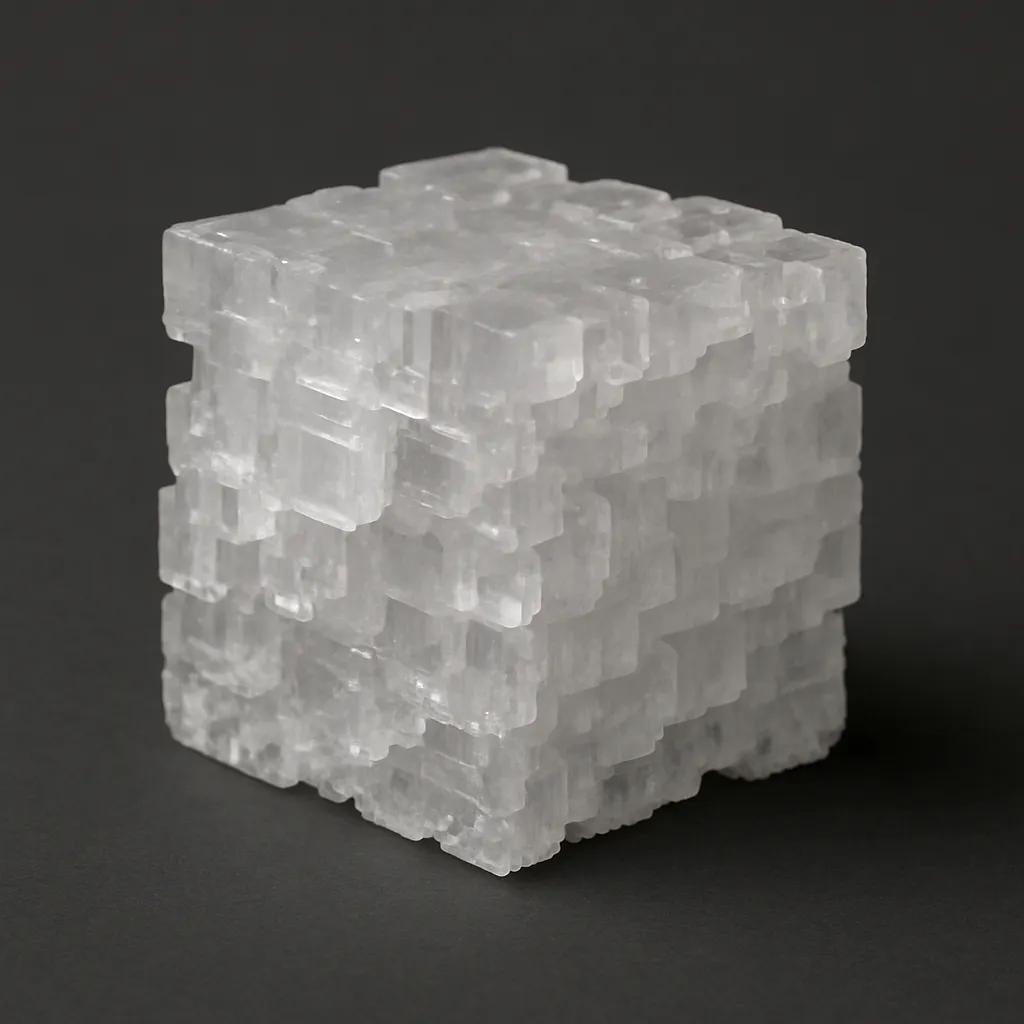
The specimen is colorless to white with a satiny to pearly luster, splits along one flat cleavage, and is soft enough to be scratched with a fingernail. Which mineral is it?
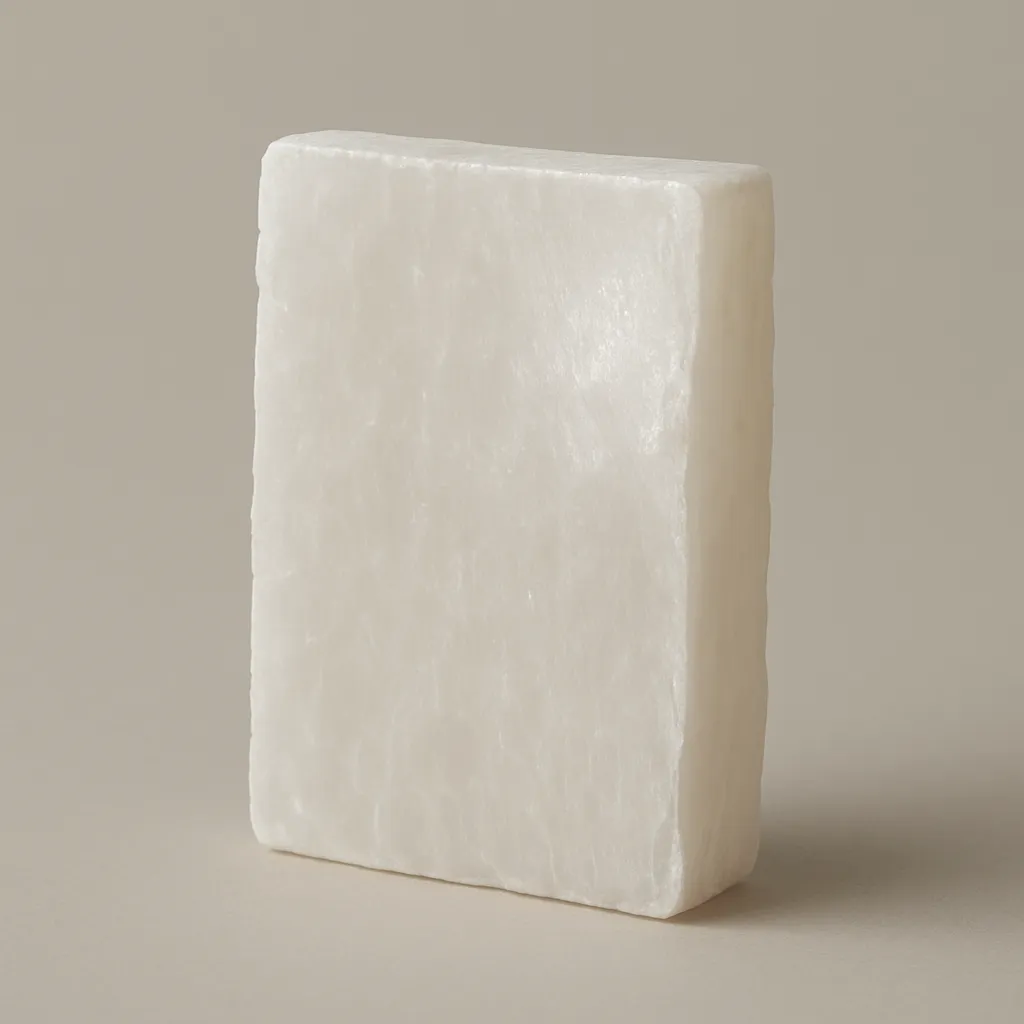
The specimen is reddish-brown to black on the outside but leaves a reddish-brown streak when scraped across an unglazed porcelain plate. Which mineral is it?
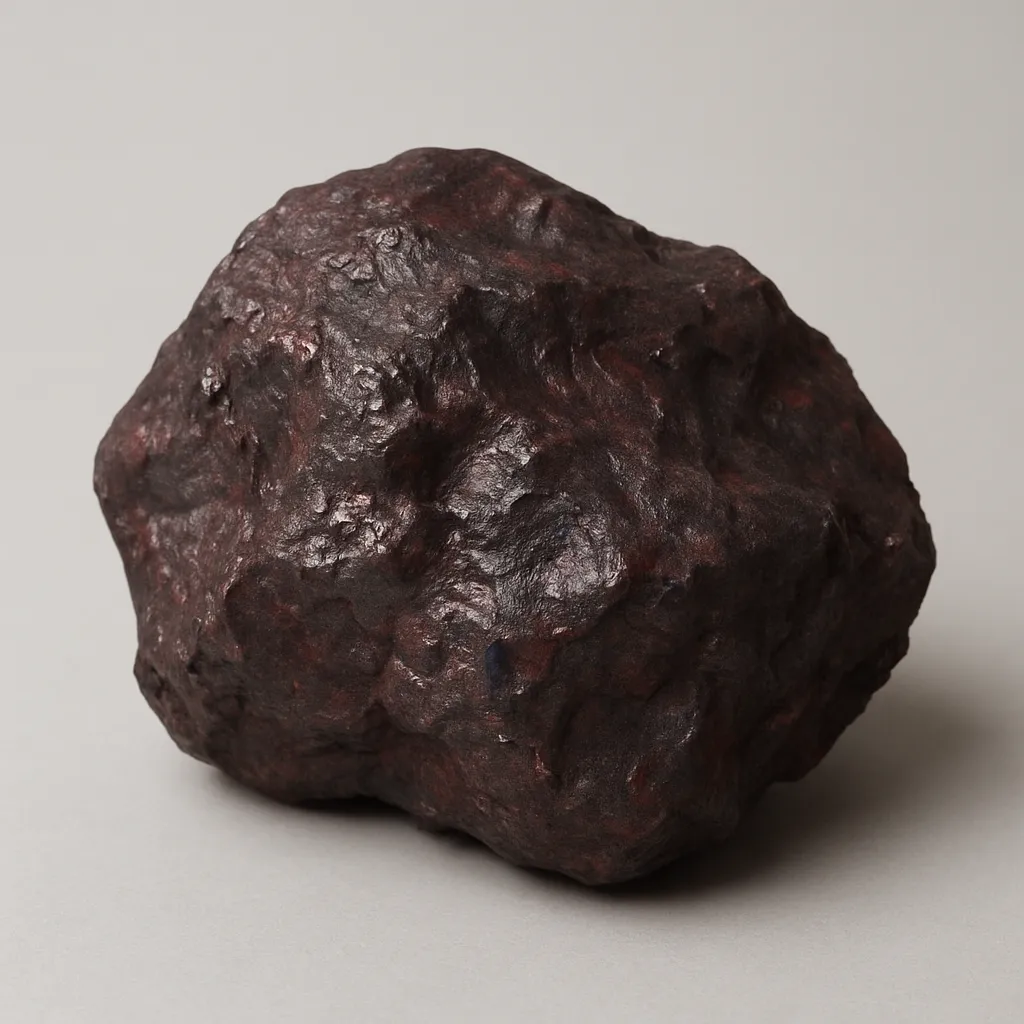
The specimen is black with a metallic luster, leaves a black streak, and strongly attracts a small compass needle. Which mineral is it?
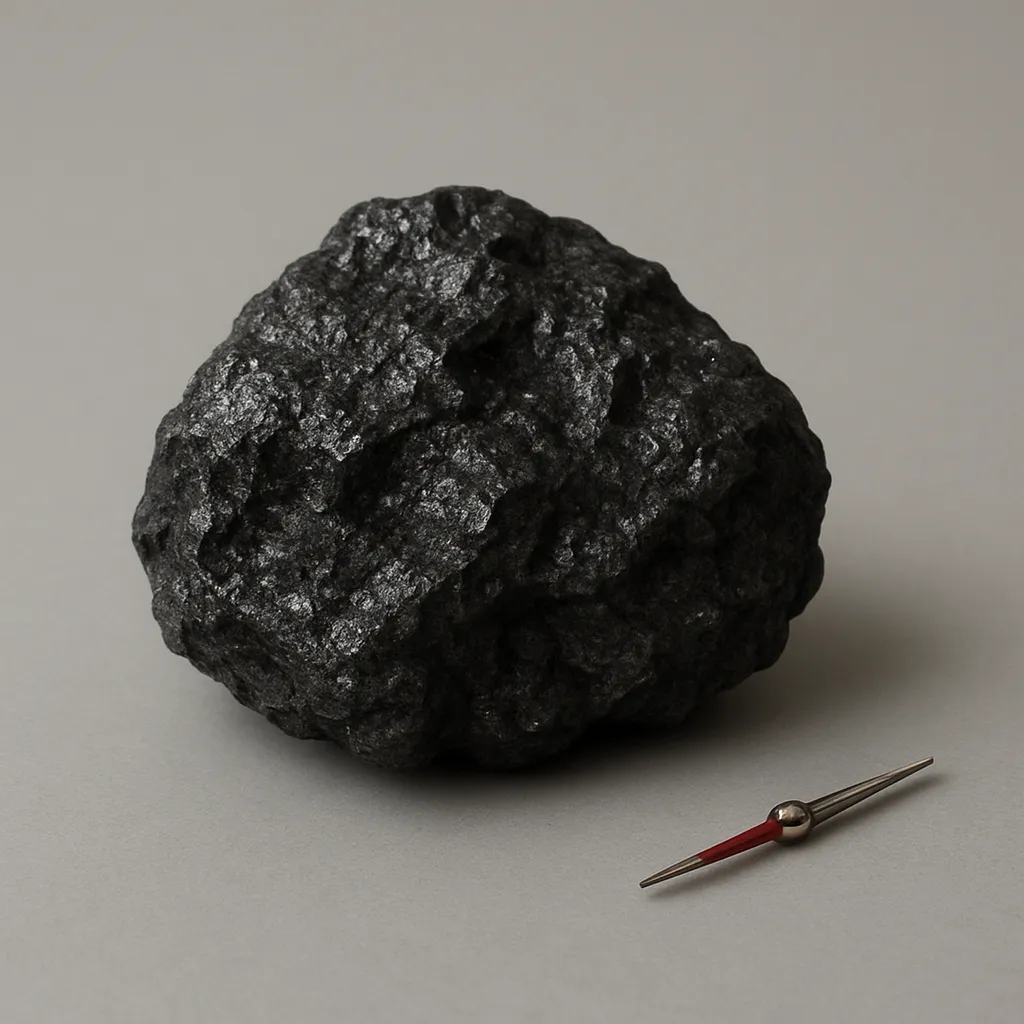
The specimen is brassy yellow with a bright metallic luster, forms cube-shaped crystals with fine parallel grooves on their faces, and leaves a greenish-black streak. Which mineral is it?
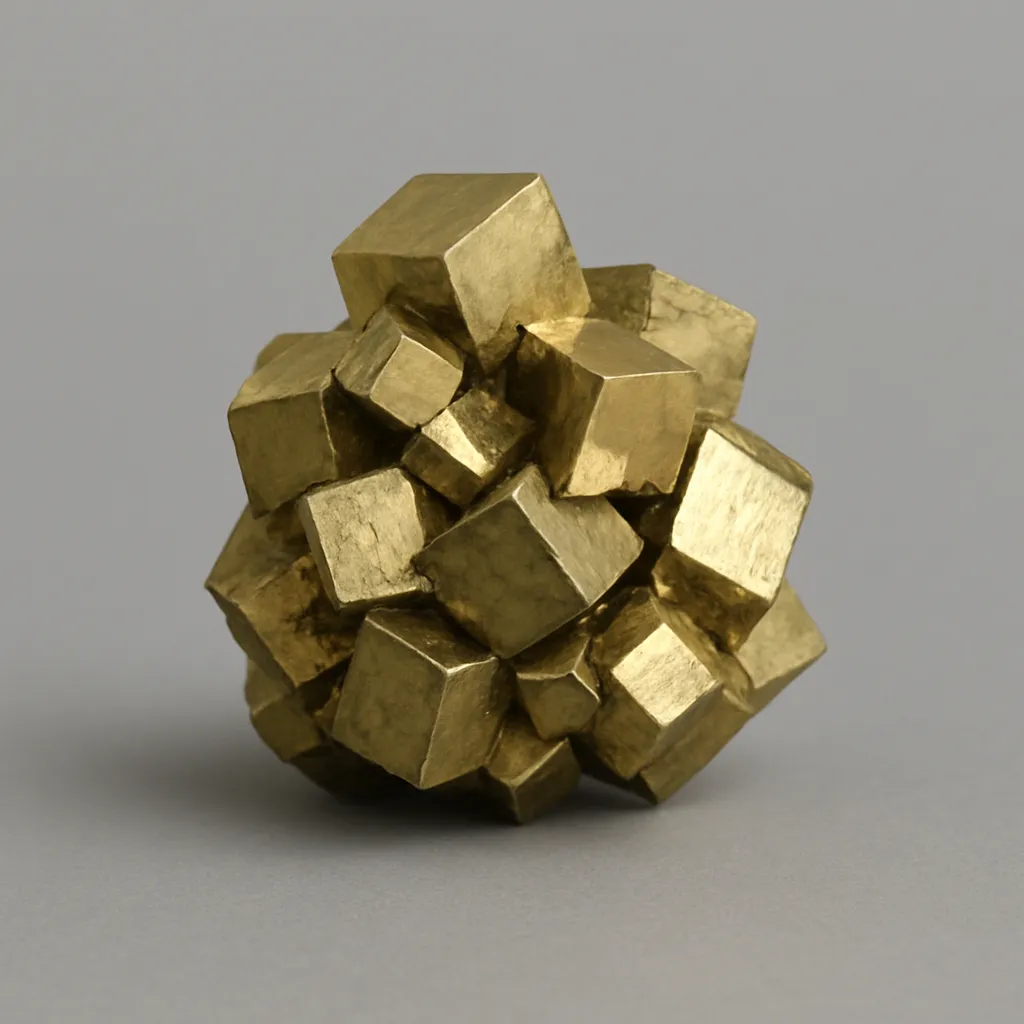
The specimen is lead-gray, unusually heavy for its size, has a metallic luster, and splits into perfect cubes along three cleavage planes at 90 degrees. Which mineral is it?
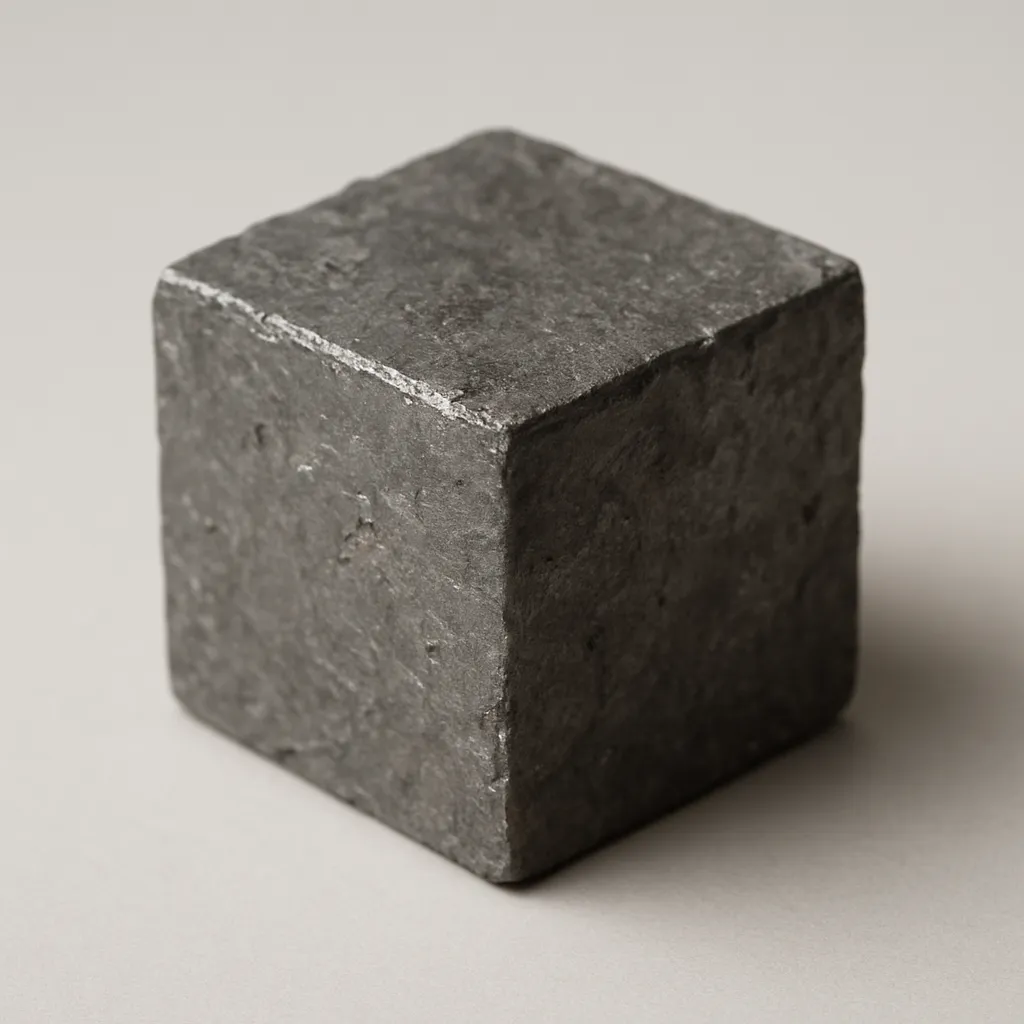
The specimen is dark gray to black, feels greasy and slippery, marks paper like a pencil, and is soft enough to be scratched with a fingernail. Which mineral is it?
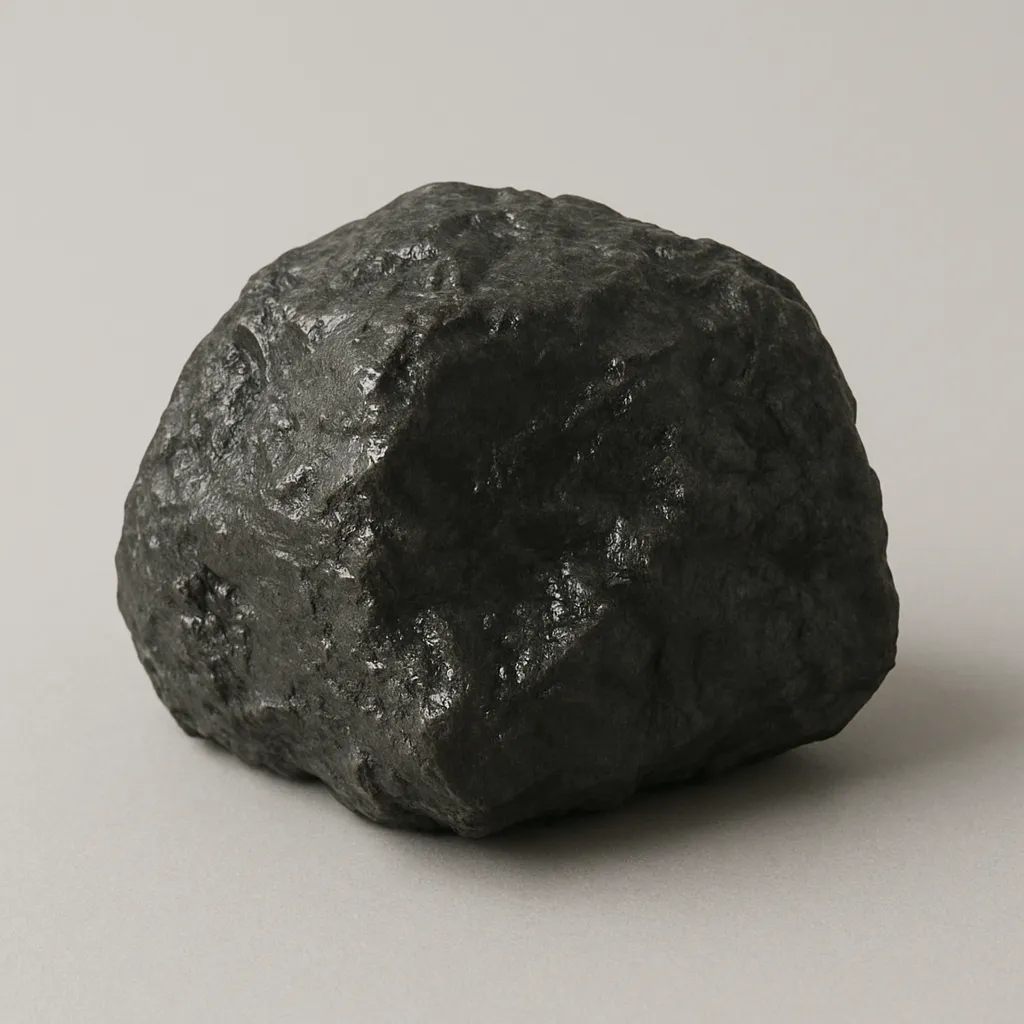
The specimen is bright yellow, has a resinous luster, is brittle, and breaks with an uneven to conchoidal fracture. Which mineral is it?
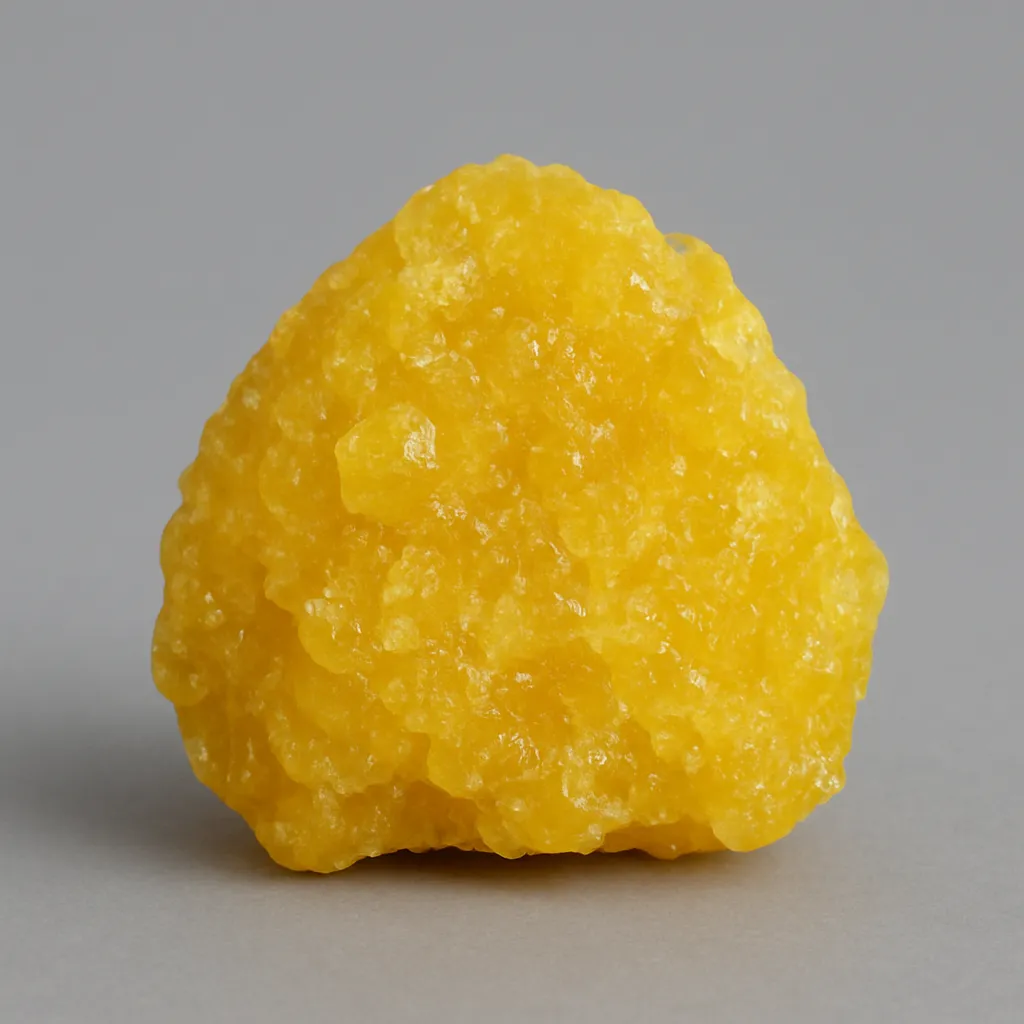
A wallboard manufacturer grinds a soft white mineral that a fingernail can scratch, then heats it to drive off water and form plaster. Which mineral is the raw material?
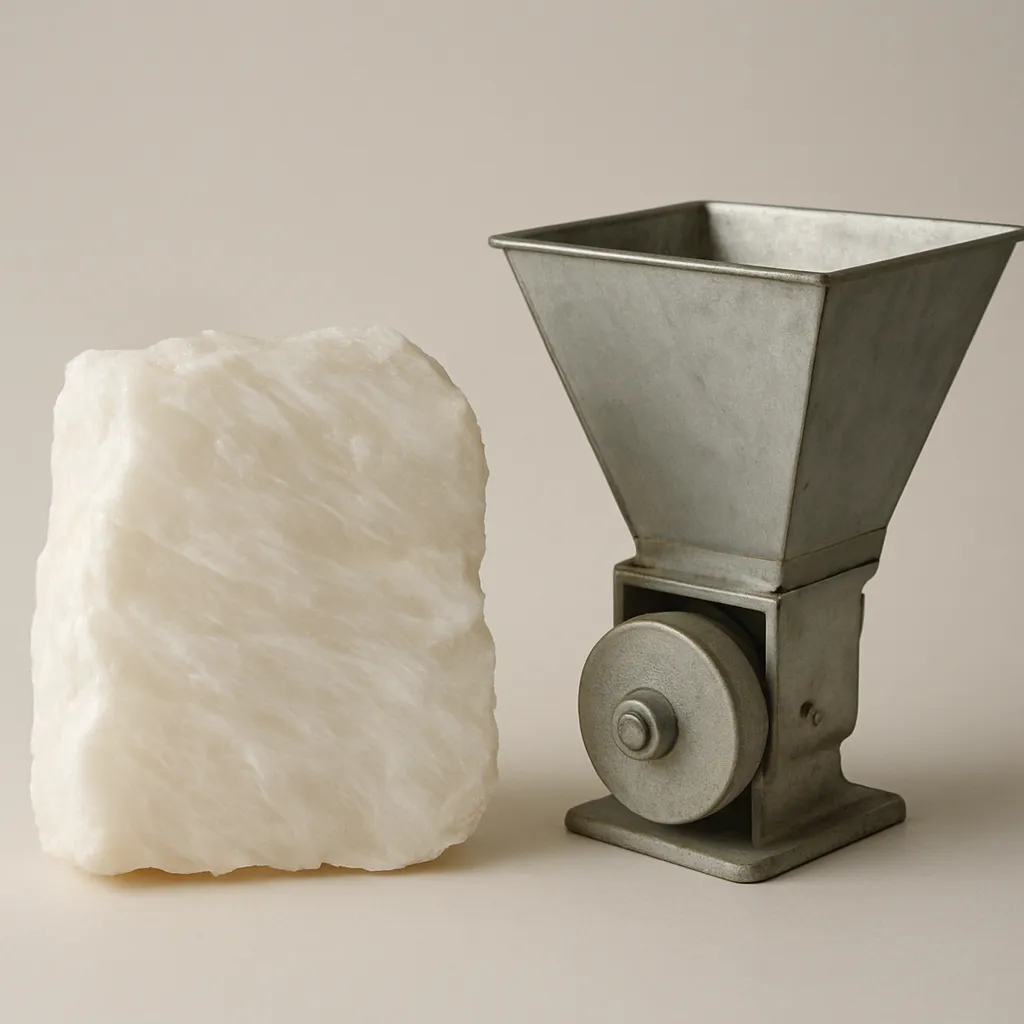
A mining company crushes a colorless cubic mineral to sell as table salt and as a de-icer spread on winter roads. Which mineral is it?
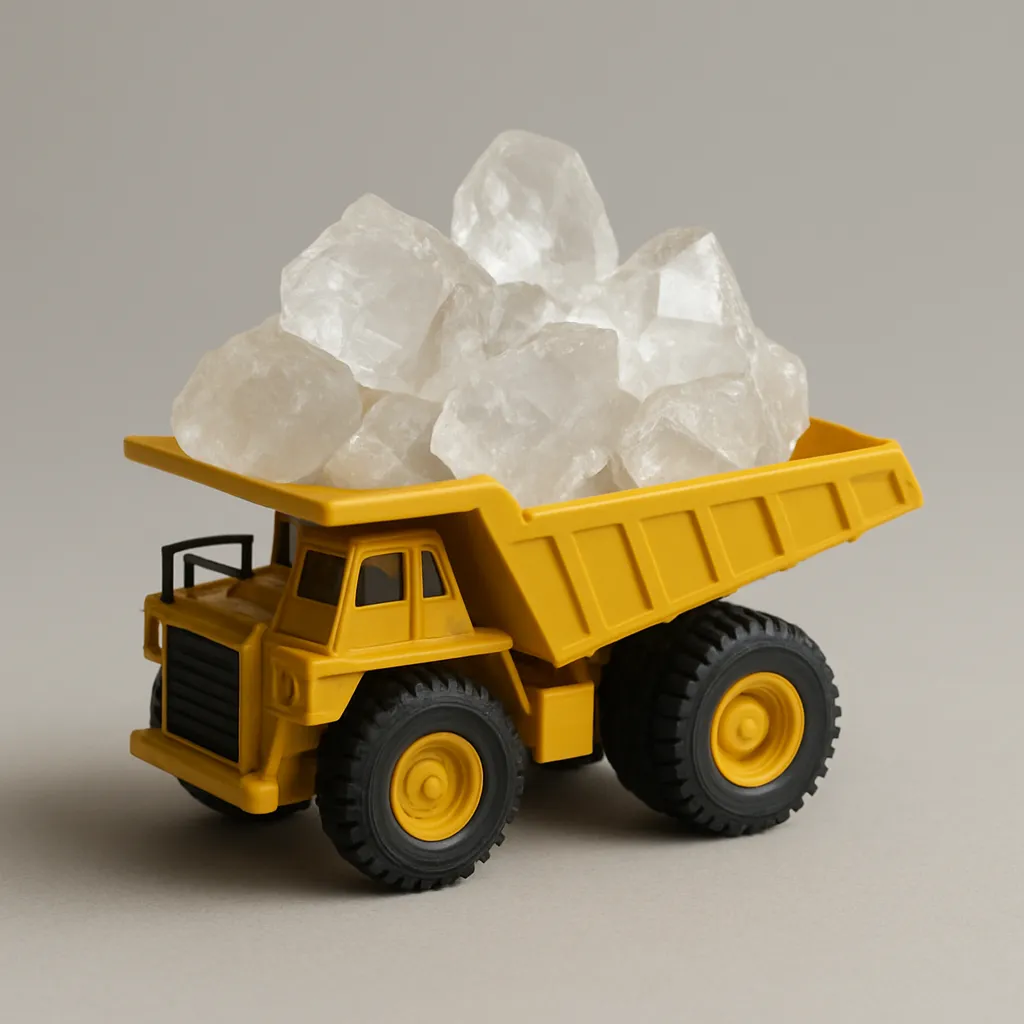
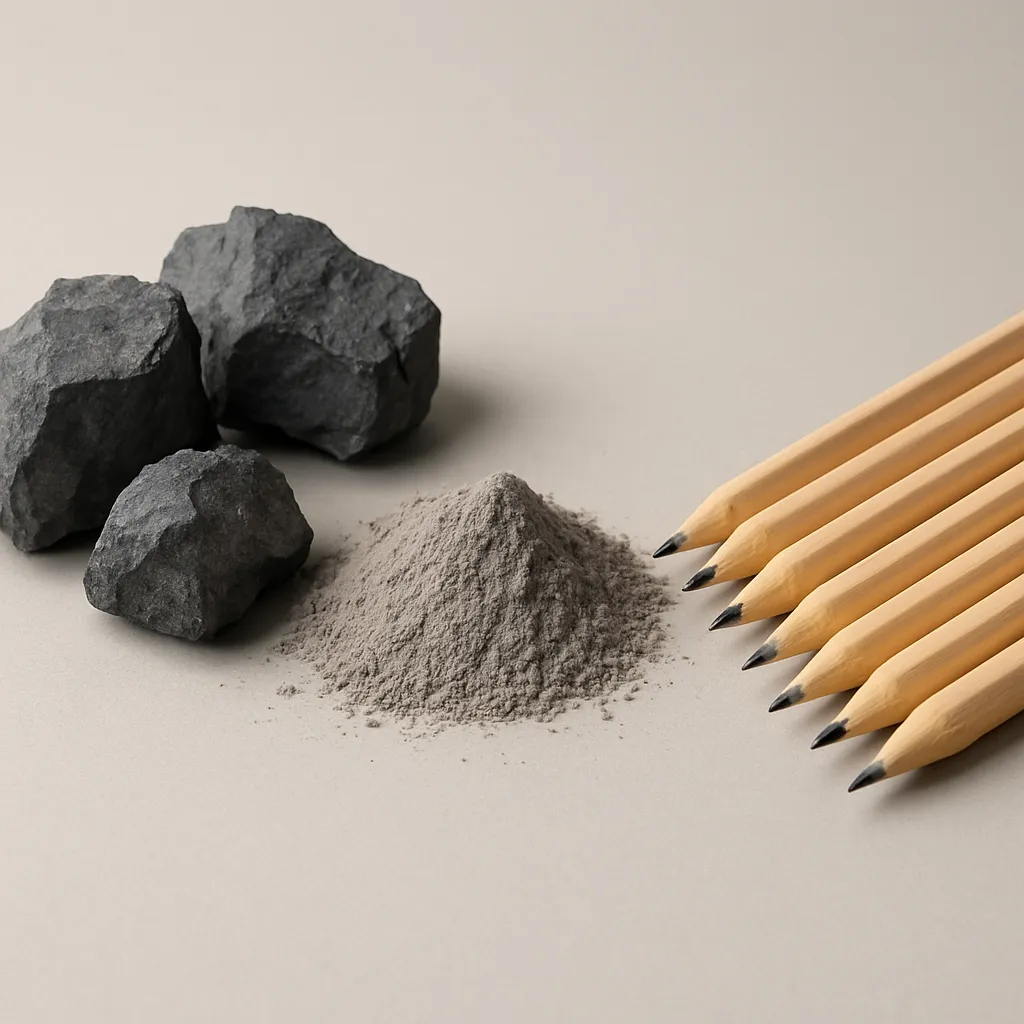
A pencil factory mixes a soft, slippery gray-black mineral with clay to form the writing core of a pencil. Which mineral is it?
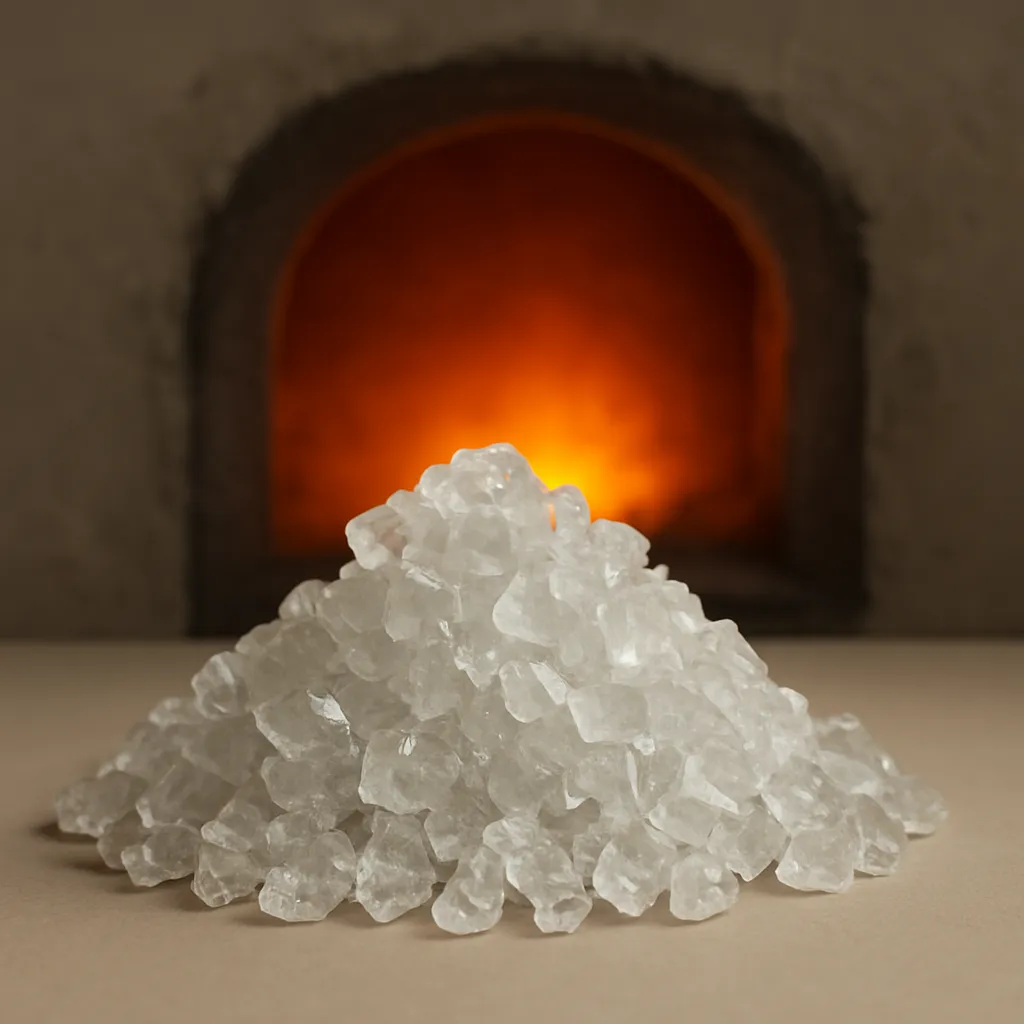
A glassmaker melts down a hard, glassy, colorless mineral sand to produce glass, and a chip maker purifies the same mineral to make computer silicon. Which mineral is it?
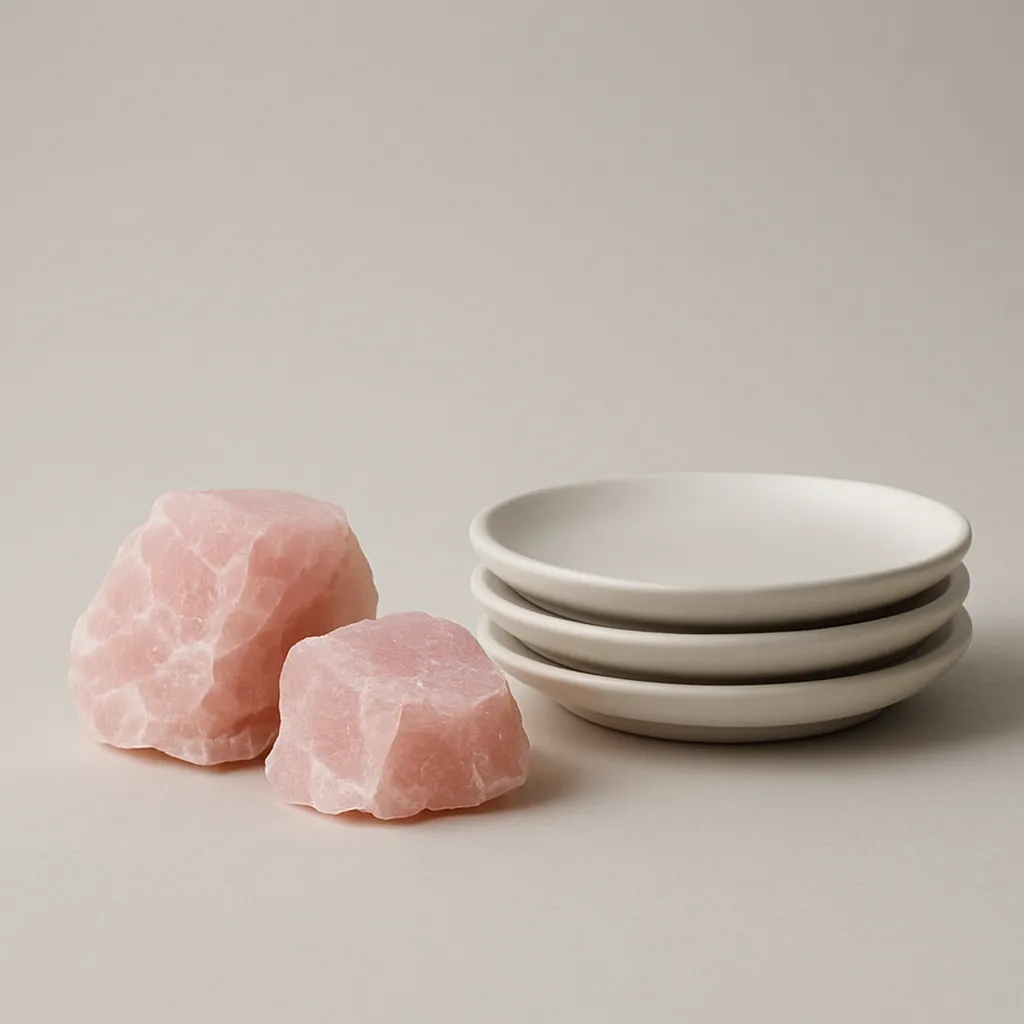
A ceramics factory grinds a pink to white mineral with two cleavage planes at 90 degrees into a powder used in porcelain glaze. Which mineral is it?
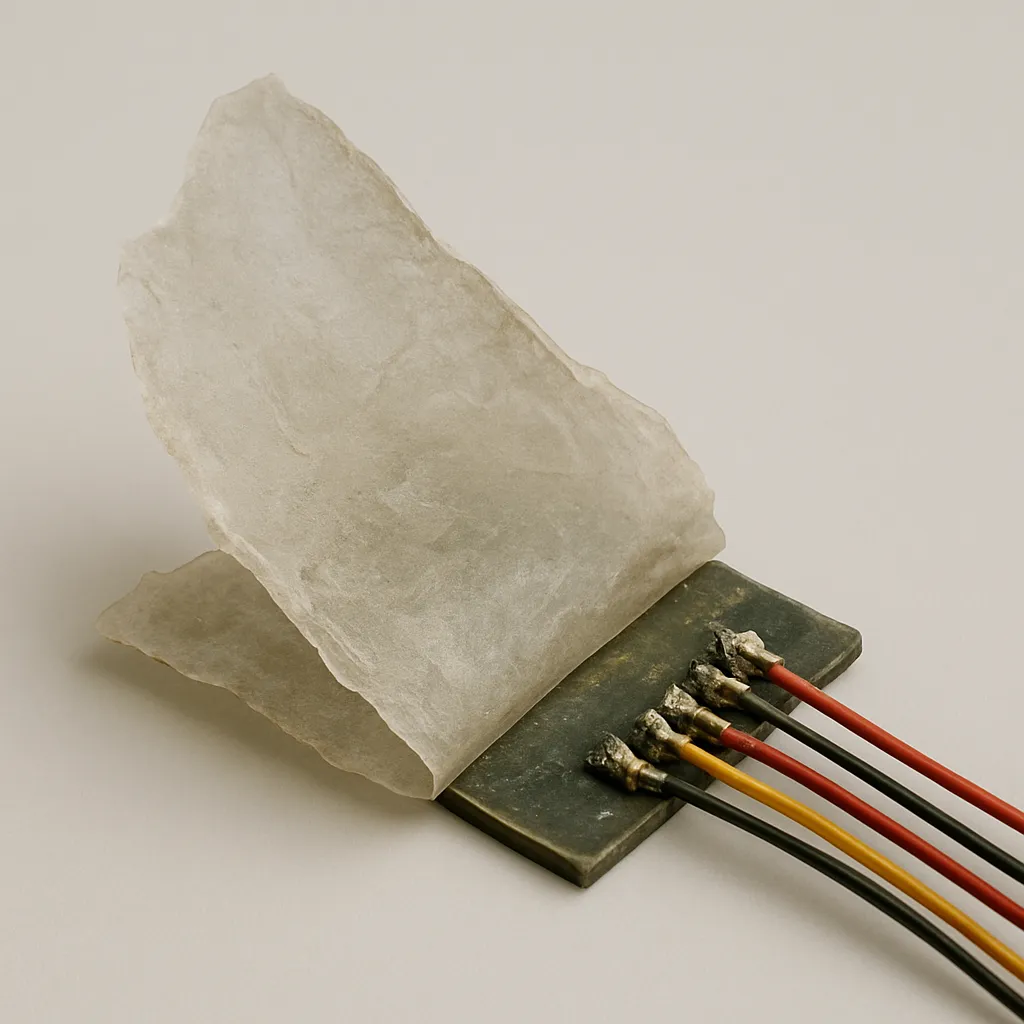
An electronics manufacturer slices a colorless mineral into thin, flexible, transparent sheets and uses them to insulate wiring in appliances. Which mineral is it?
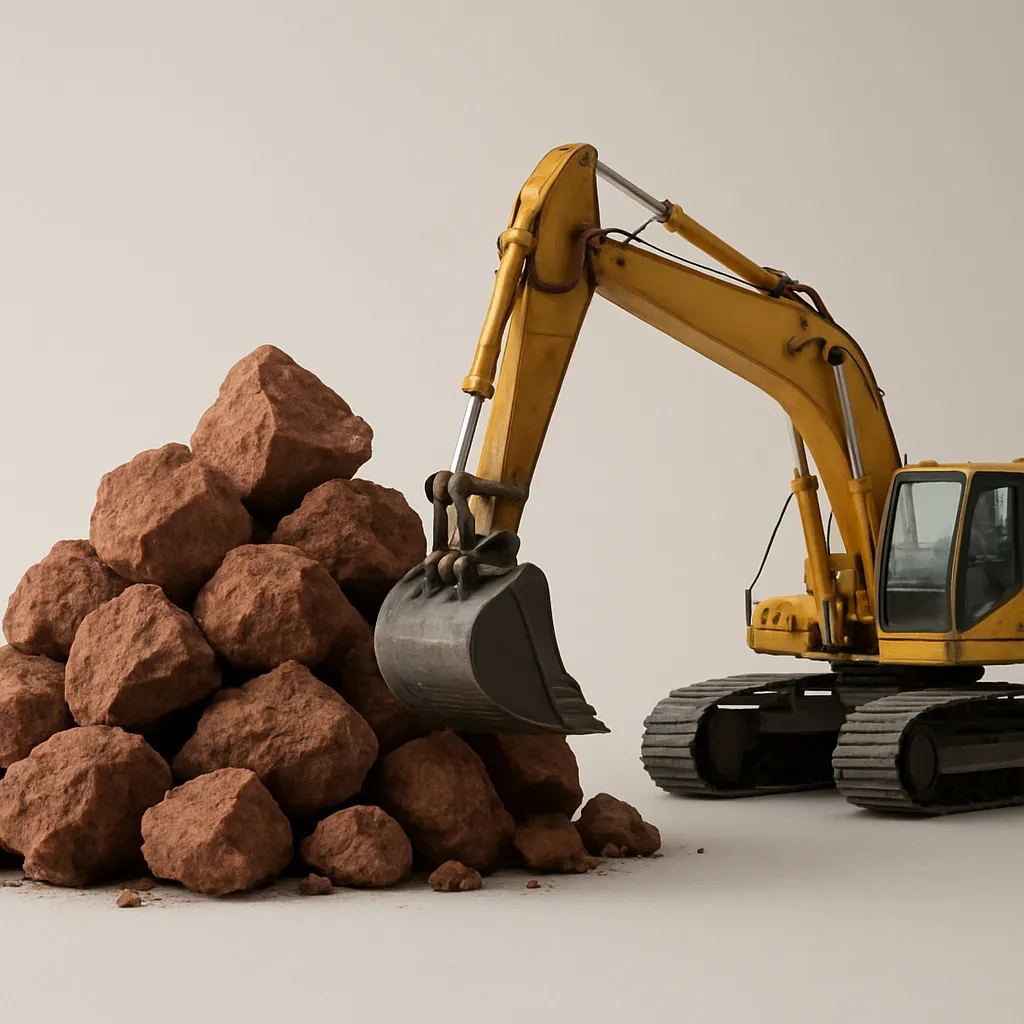
A steel mill smelts a reddish-brown mineral, mined by the ton from open pits, to extract the iron used to make steel. Which mineral is it?
A smelter processes a heavy, lead-gray, metallic mineral to extract the lead metal used in vehicle batteries. Which mineral is it?
A chemical plant burns a bright yellow native element mined near volcanic vents to manufacture sulfuric acid. Which mineral is the raw material?
A cosmetics company grinds the softest common mineral, one easily scratched by a fingernail, into a fine powder for baby powder and cosmetics. Which mineral is it?
A coarse-grained granite is built from pink potassium feldspar, black flaky biotite mica, and a hard glassy gray mineral with no cleavage. Which mineral is the gray one?
A dark, coarse-grained gabbro contains gray plagioclase feldspar, black pyroxene, and scattered olive-green granular crystals with no cleavage. Which mineral is the olive-green one?
A fine-grained basalt is dark gray to black overall, and under a hand lens tiny dark green crystals with two cleavage planes near 90 degrees are visible. Which mineral are they?
A marble specimen fizzes readily when a drop of dilute acid is applied and shows small rhombohedral cleavage faces under a hand lens. Which mineral makes up nearly all of it?
A well-cemented sandstone is made of rounded, sand-sized grains of a hard, glassy mineral that resists weathering better than feldspar or mica. Which mineral are the grains?
A silvery schist has a sparkly, wavy foliation made by many parallel, flexible, colorless sheet-like crystals aligned in the same direction. Which mineral produces that sheen?
A banded granitic gneiss shows alternating light pink bands and dark bands. Which mineral makes up most of the pink bands?
A gray, fine-grained andesite contains scattered dark, elongated crystal phenocrysts with cleavage planes meeting at about 56 and 124 degrees. Which mineral are they?
Crack the passcode before the zombies get in.
Answer, then swat bugs for bonus points.
Race through questions at your own speed.
Same question on every screen. Fastest wins.

Pick a tile, answer, hit bonuses and steals.
Minerals Review
40 questions