Loading
by BlastRoom
Classify igneous rocks by texture, composition and cooling environment using specimens and the classification chart.
#earth_space_science
40 questions
One question set, multiple game modes. Tap any game to see it in action. Not sure which to pick?
Answer to place stones and capture territory.
Outrun the snow together.
Earn blasts, then hunt the other team.
Answer to earn energy, then climb.

The class blasts through walls together.
Bid on mystery lots. Most money wins.
Sell tours. Nice, standard, or a total scam.

Answer, restock, and serve the rush.
More correct answers pulls the rope your way.
Answer, then shoot down the alien wave.
Answer, then tap to leap the frozen ridge.
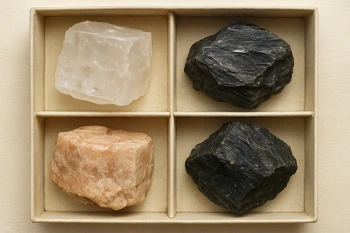
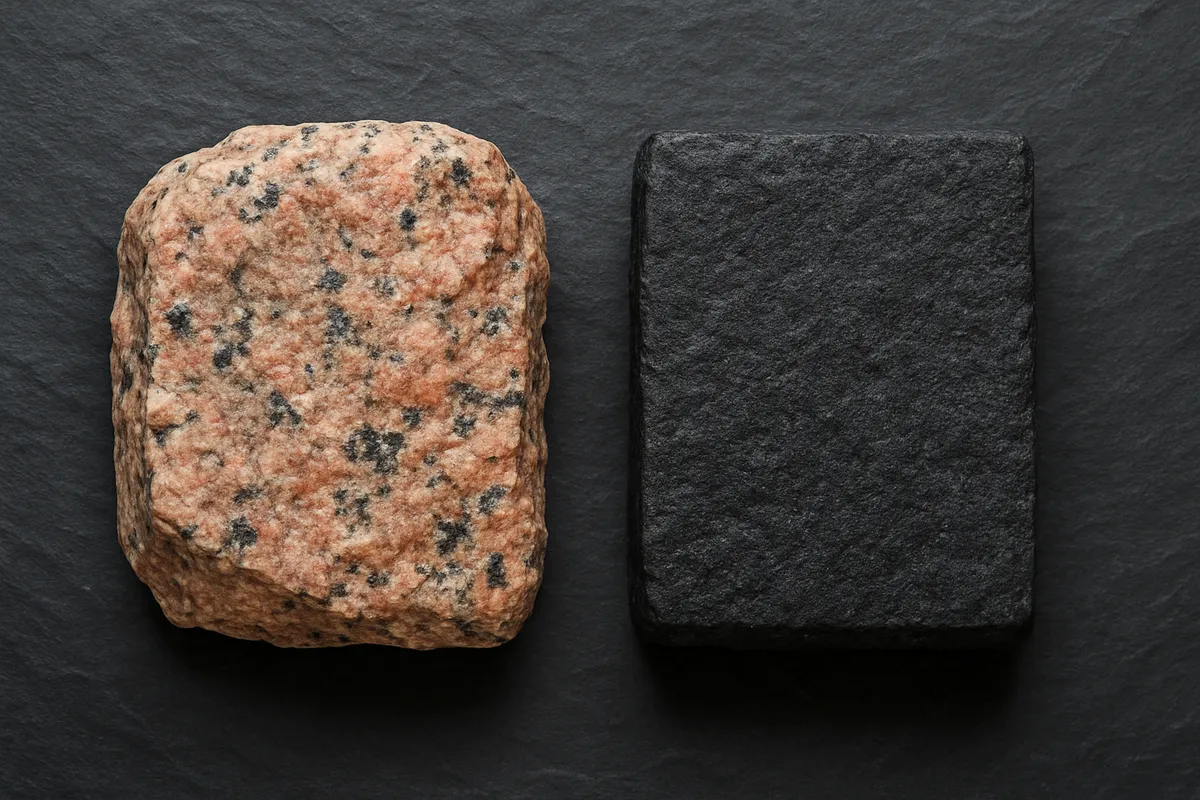
A specimen is made of large, easily visible crystals of quartz, feldspar and mica that are tightly interlocked with no fine-grained matrix. In what setting did this magma most likely cool?
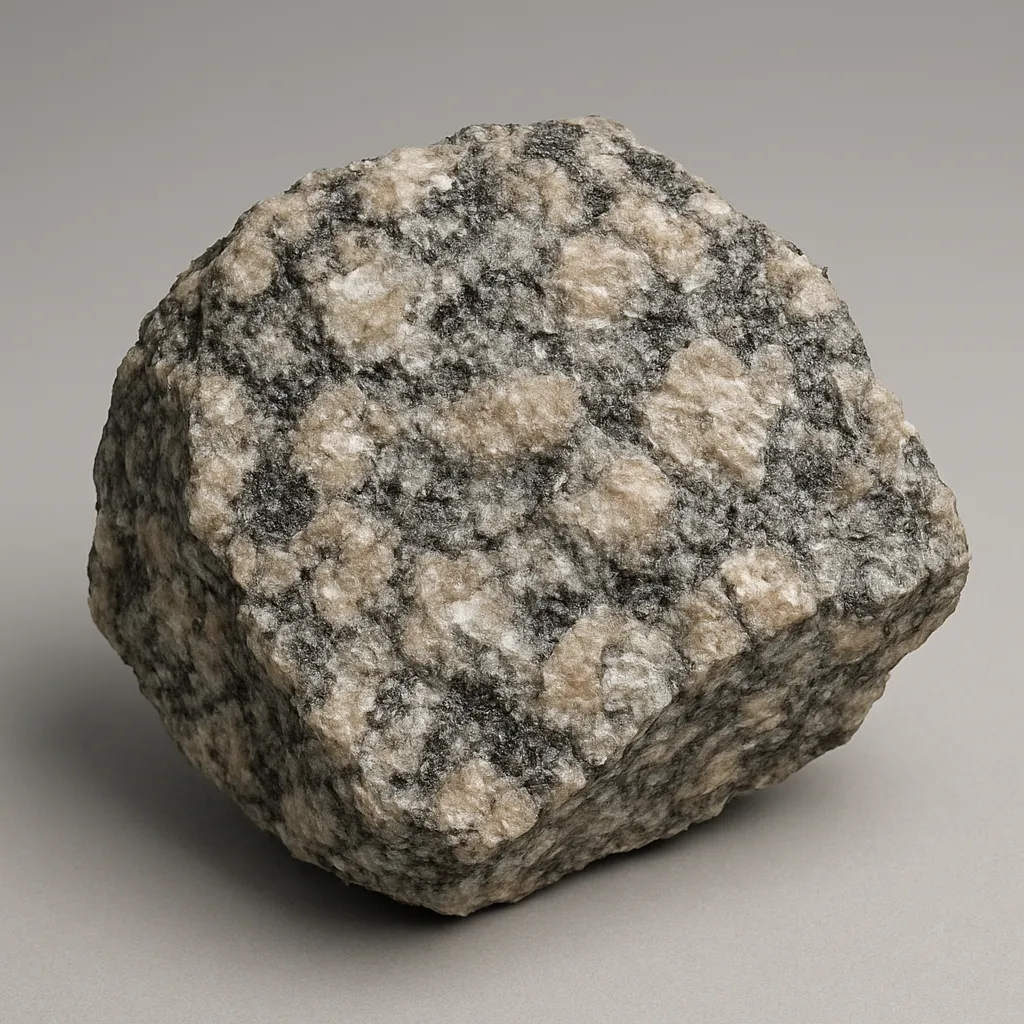
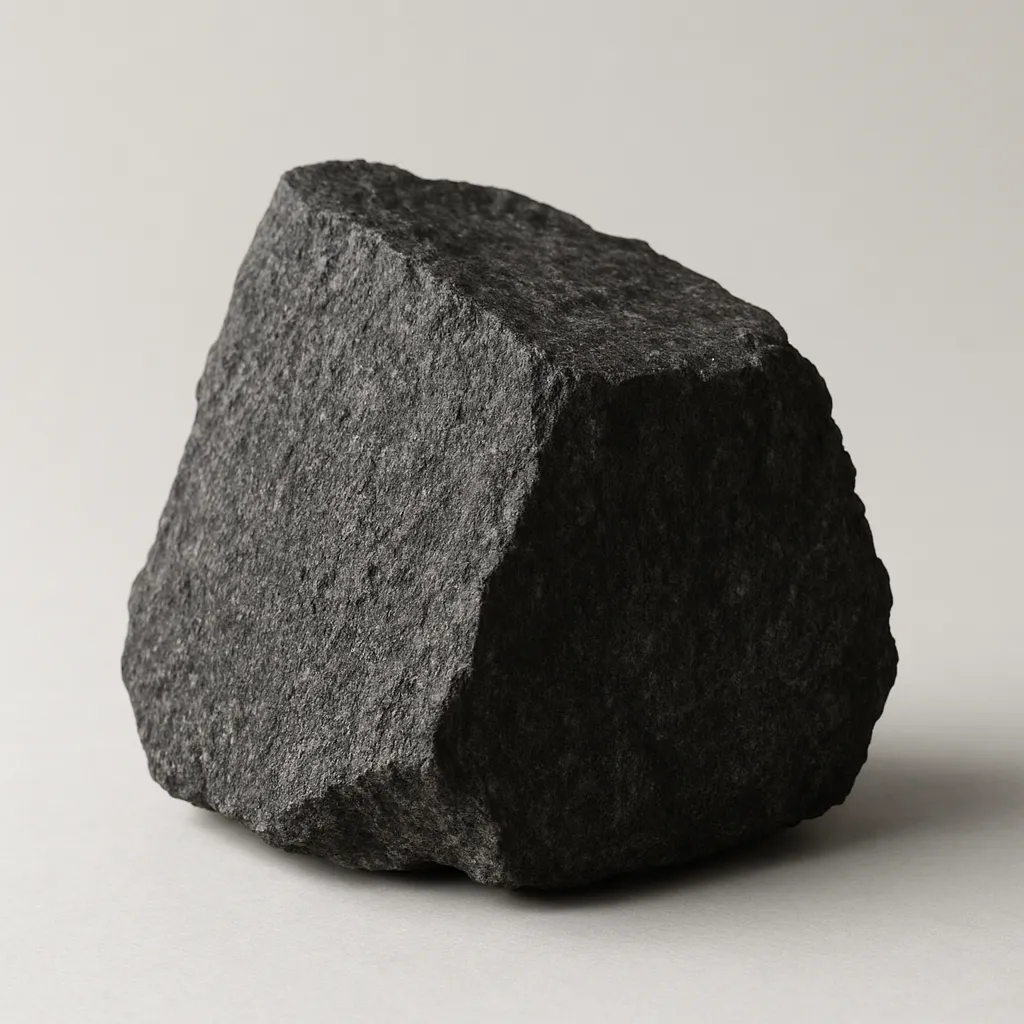
A specimen's crystals are so small they cannot be identified with the naked eye, giving the rock a uniform, dense appearance. Where did this rock most likely cool?
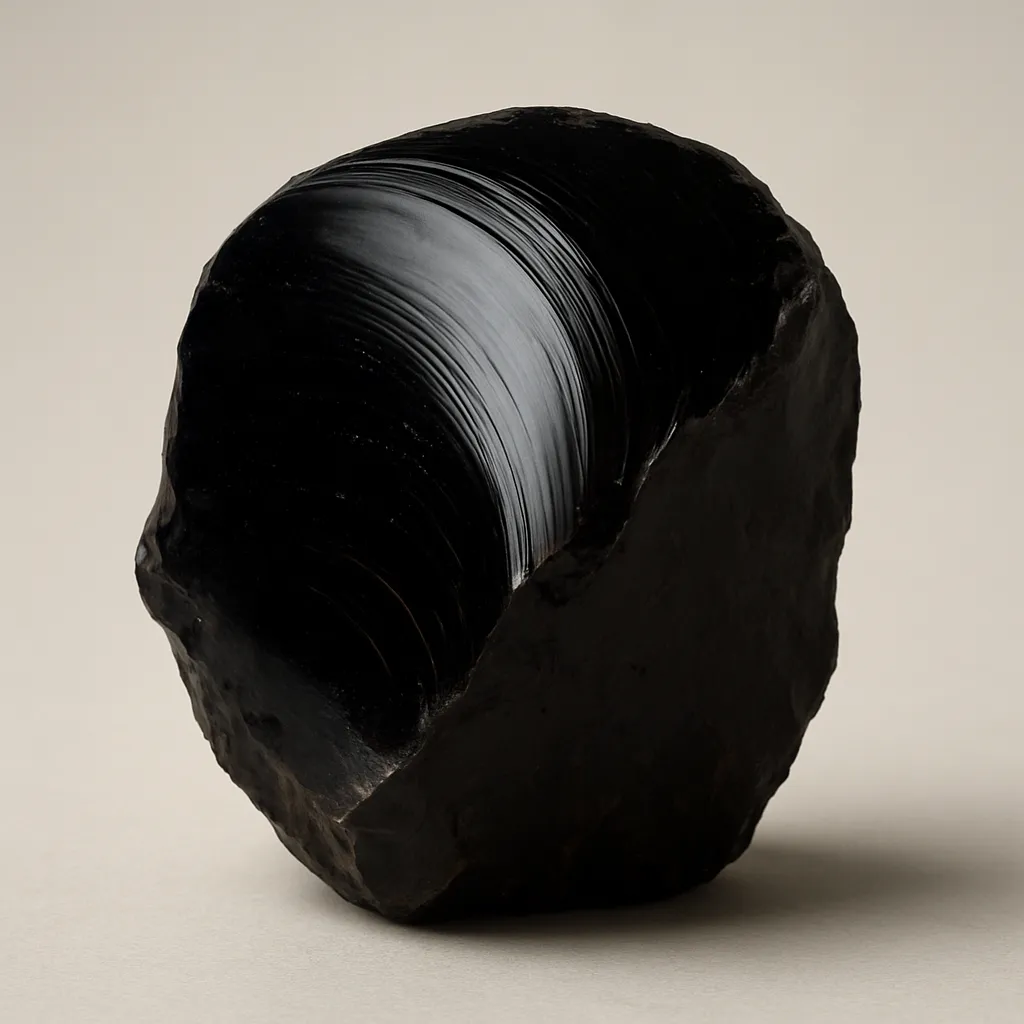
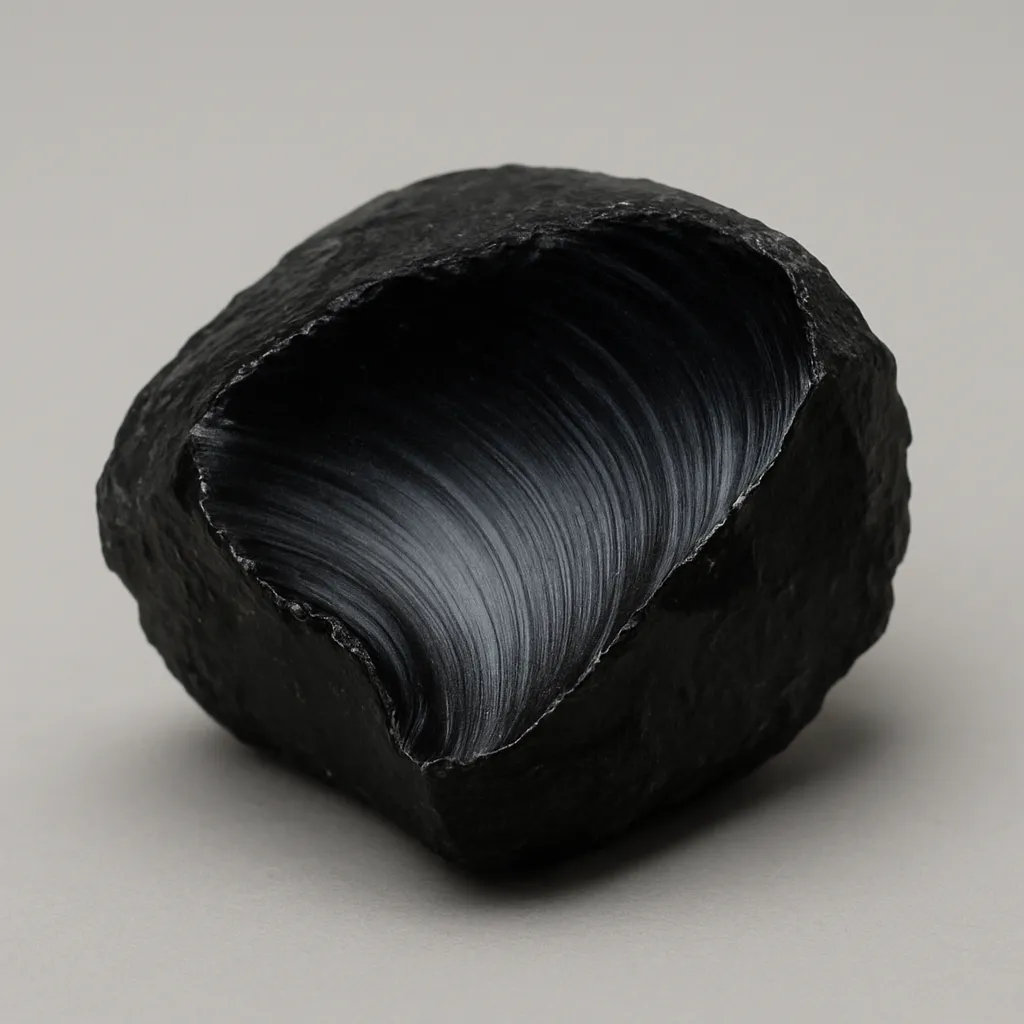
A specimen is smooth, black and glassy with no visible crystals and breaks with curved, shell-like fractures. Under what cooling condition did this rock form?
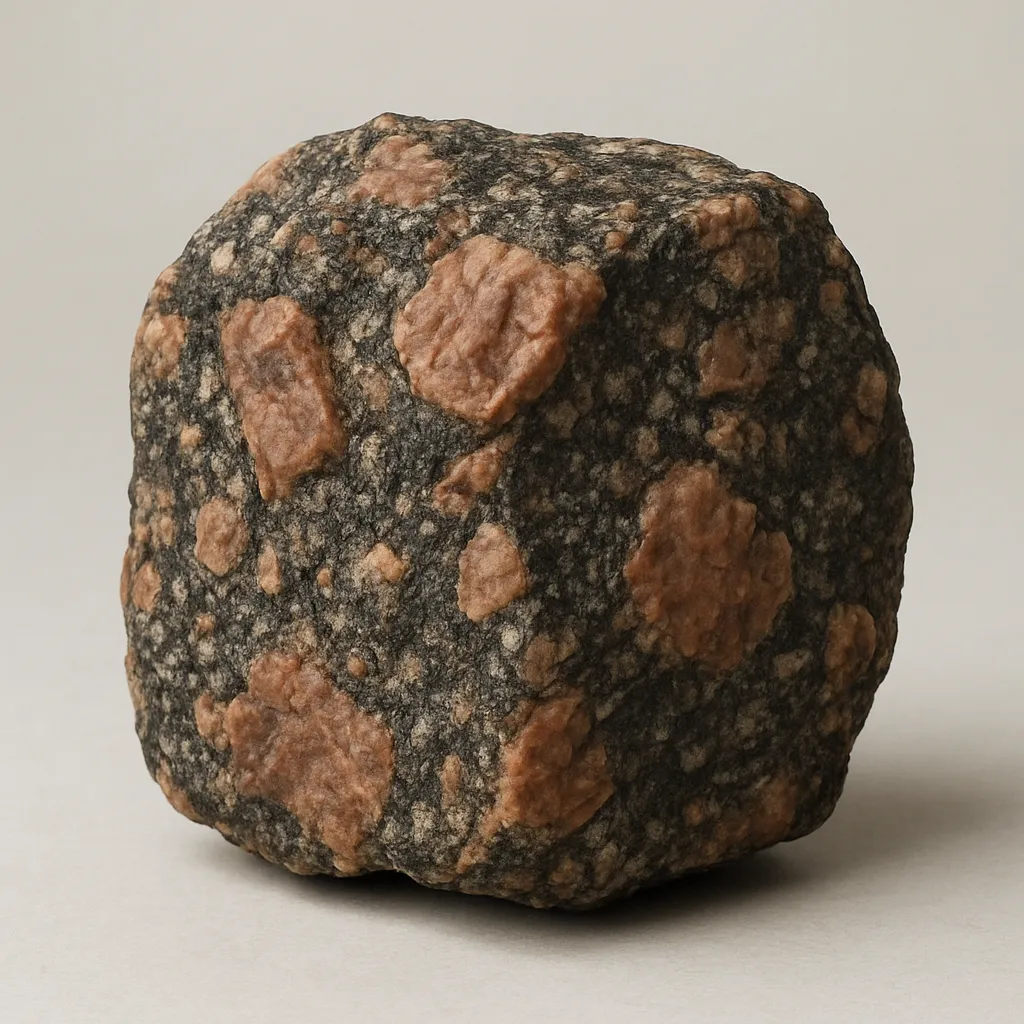
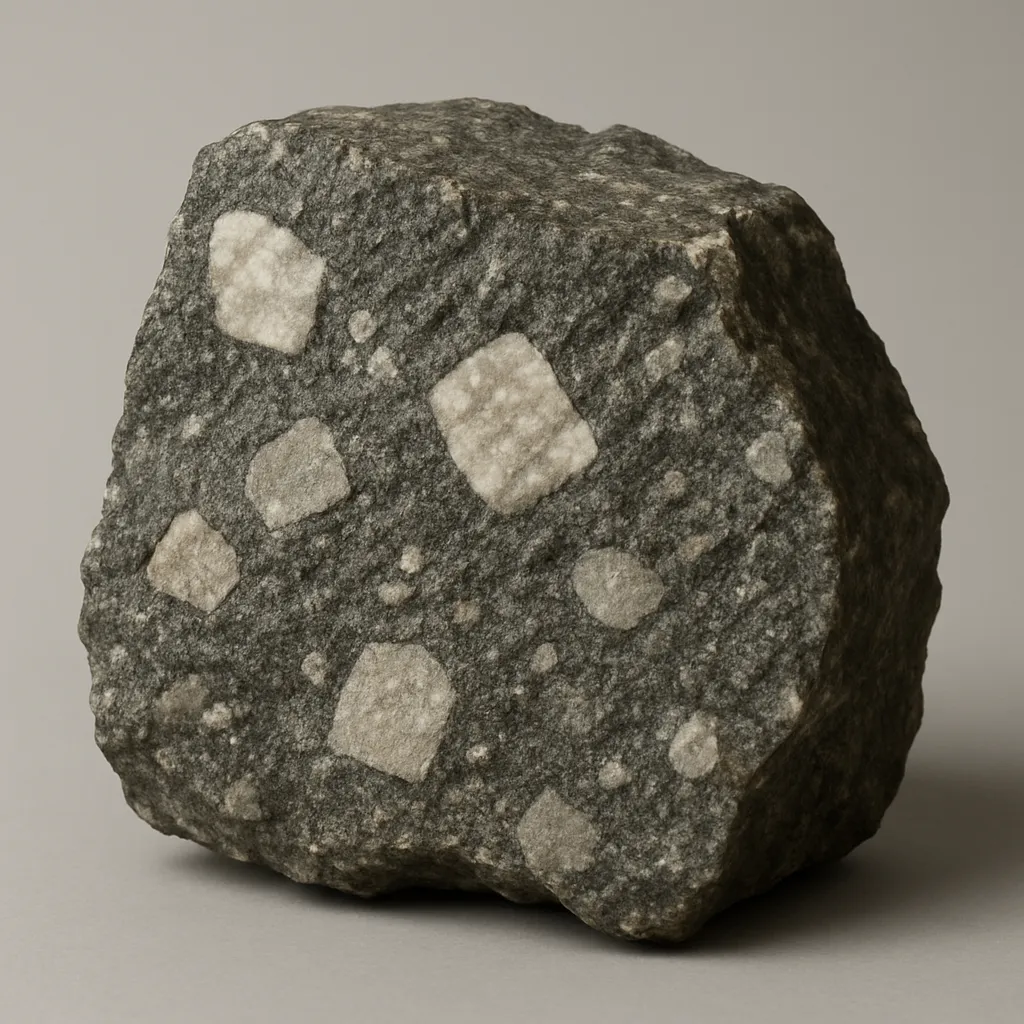
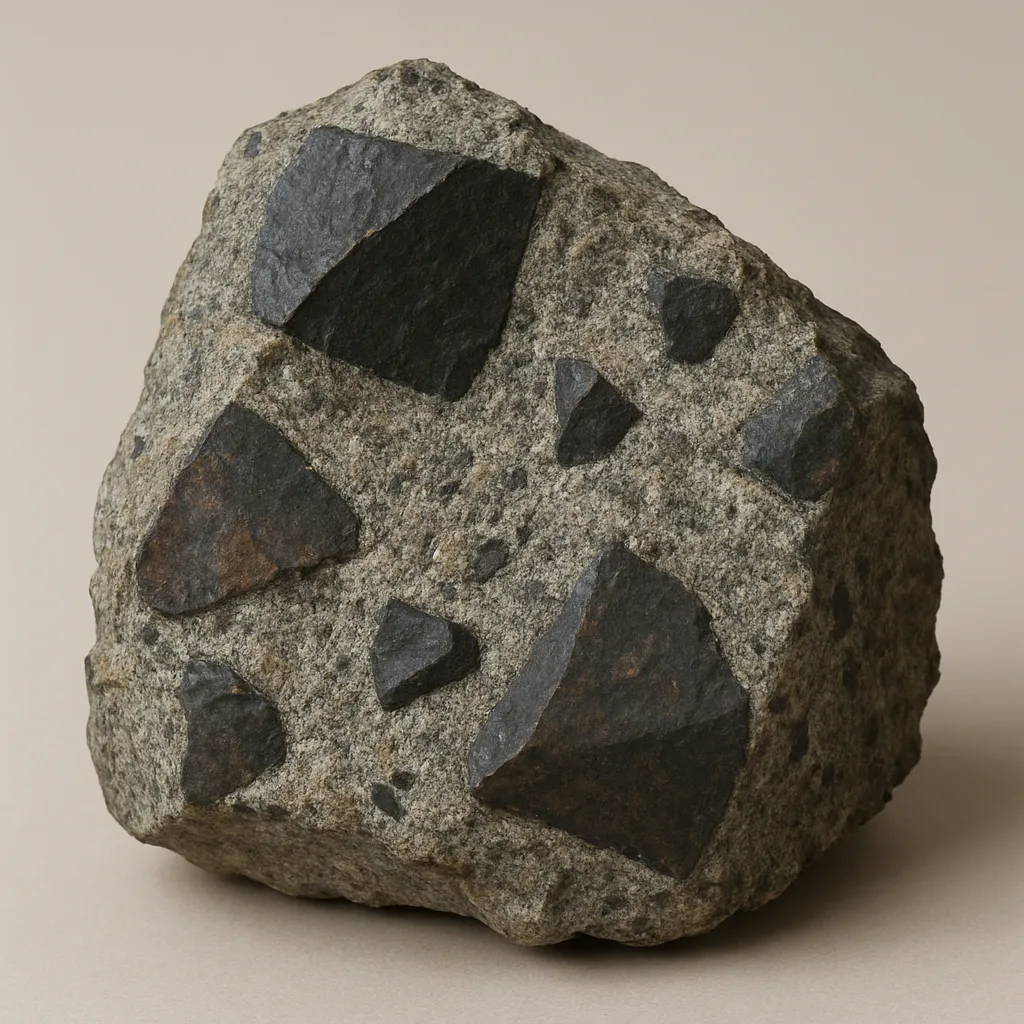
A specimen has a few large crystals scattered through a much finer-grained background material. What does this porphyritic texture reveal about its cooling history?
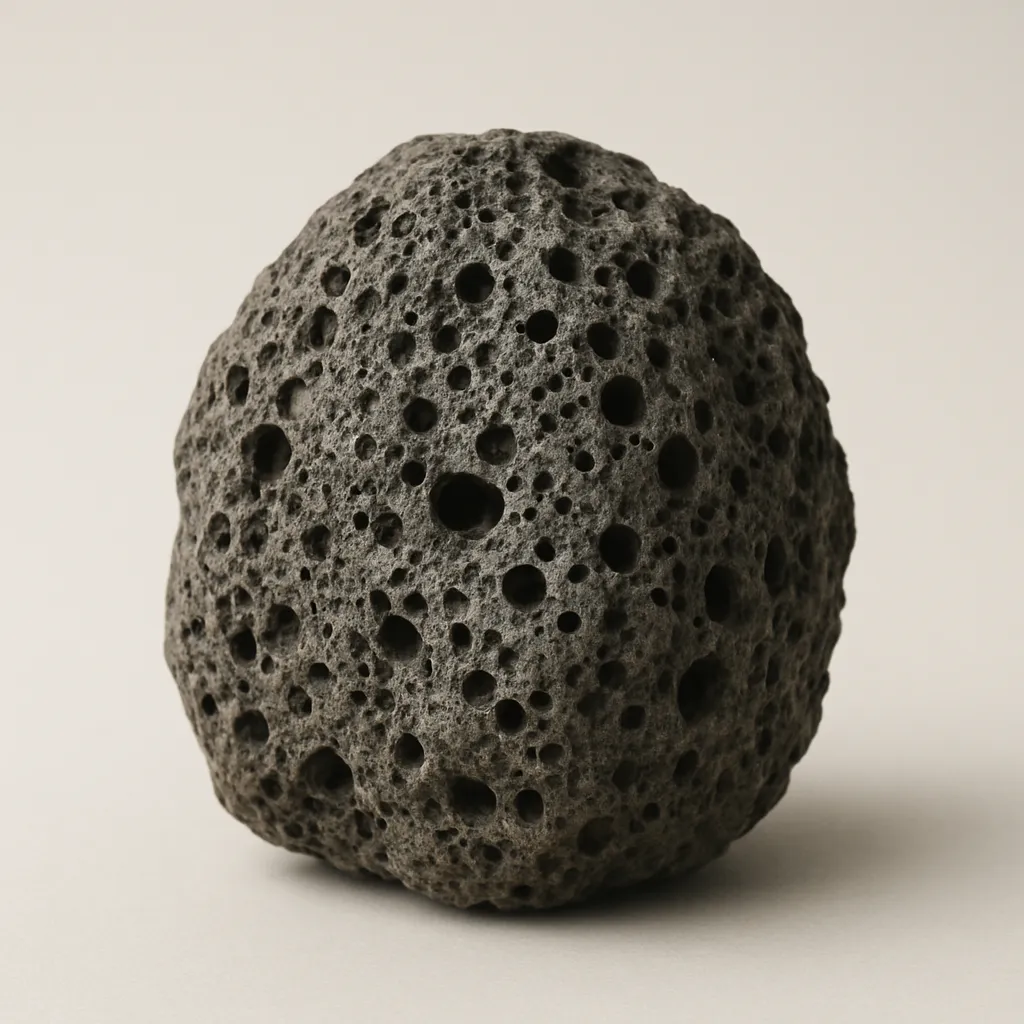
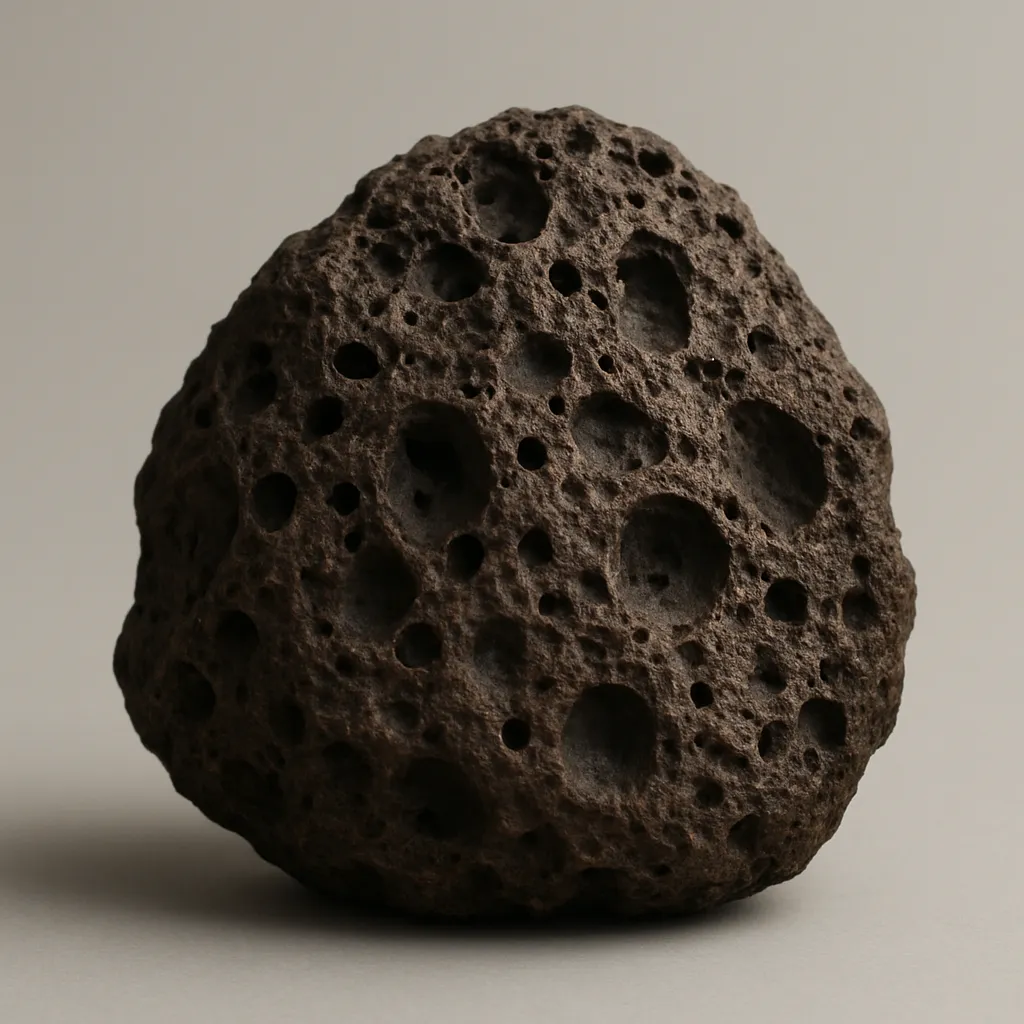
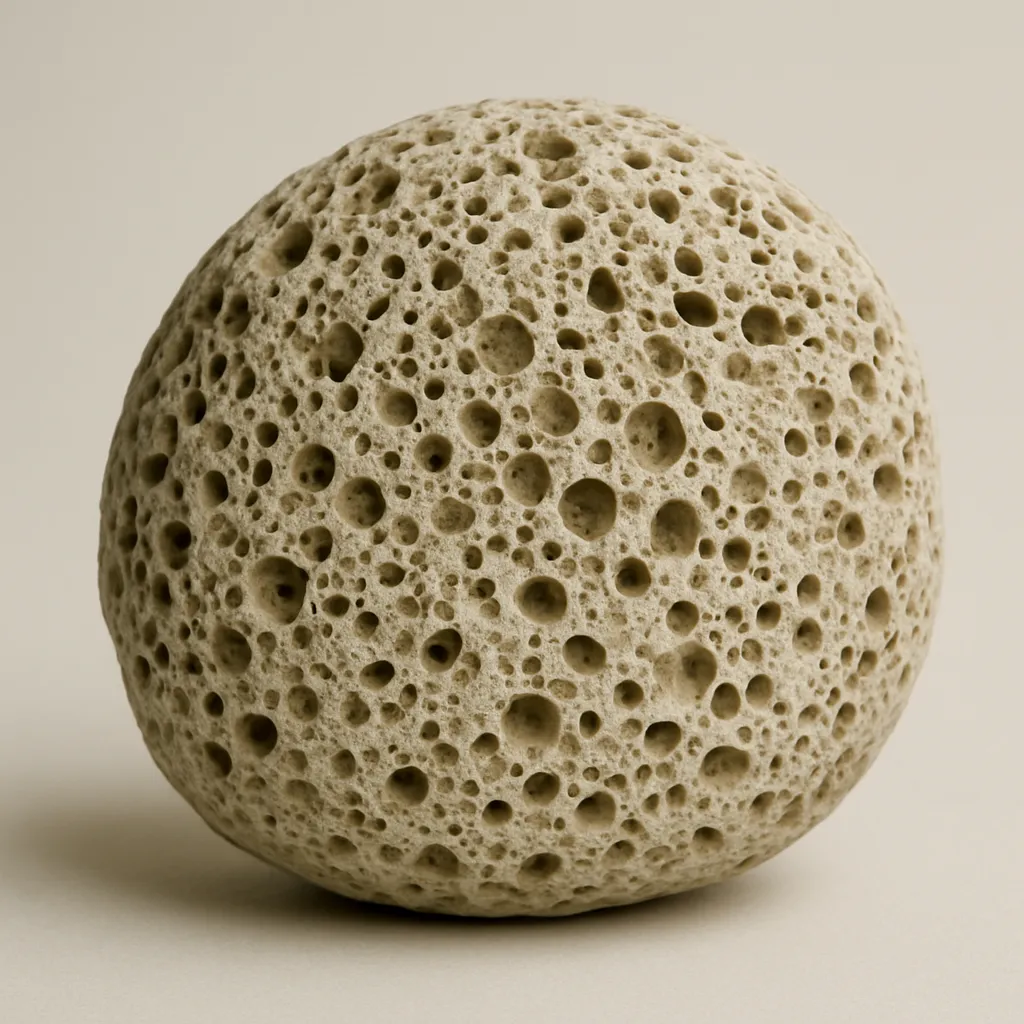
A specimen is full of small, rounded holes and feels lighter than a solid rock of the same size. What does this vesicular texture indicate about its cooling?
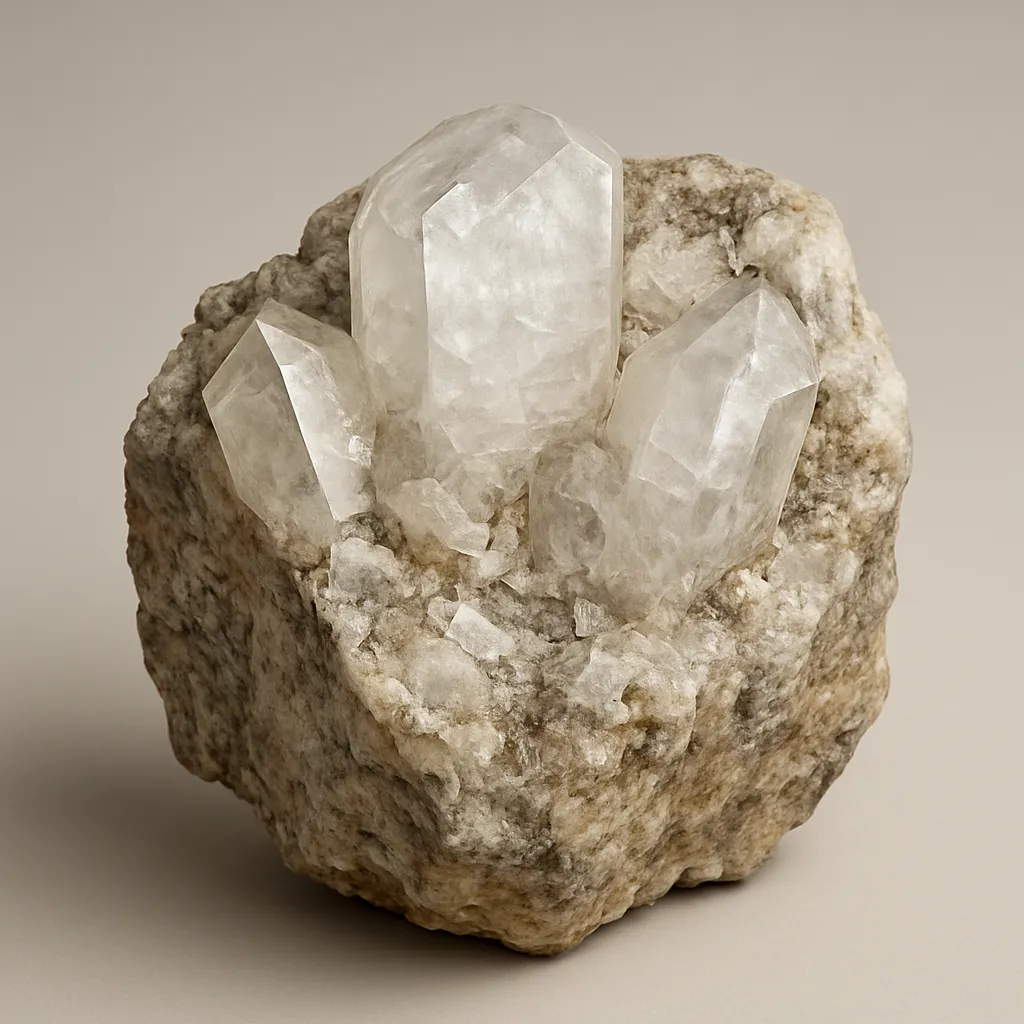
A specimen has individual crystals several centimeters long, far larger than in ordinary granite. What cooling condition produced these unusually large crystals?
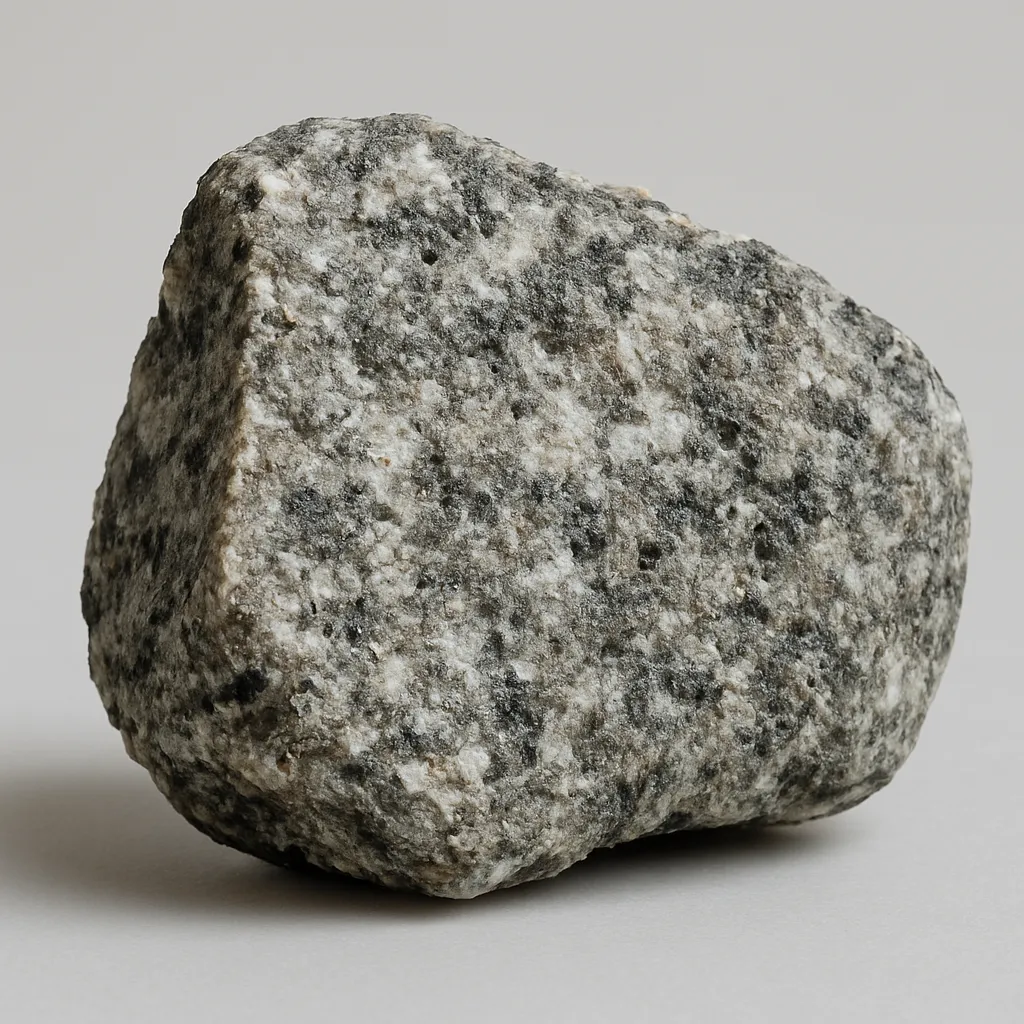
A specimen shows medium-sized crystals, larger than in a surface lava flow but smaller than in a deep intrusion. Where did this magma most likely cool?
A specimen is frothy, riddled with tiny gas bubbles, and light enough to float on water. What does this tell you about how it cooled?
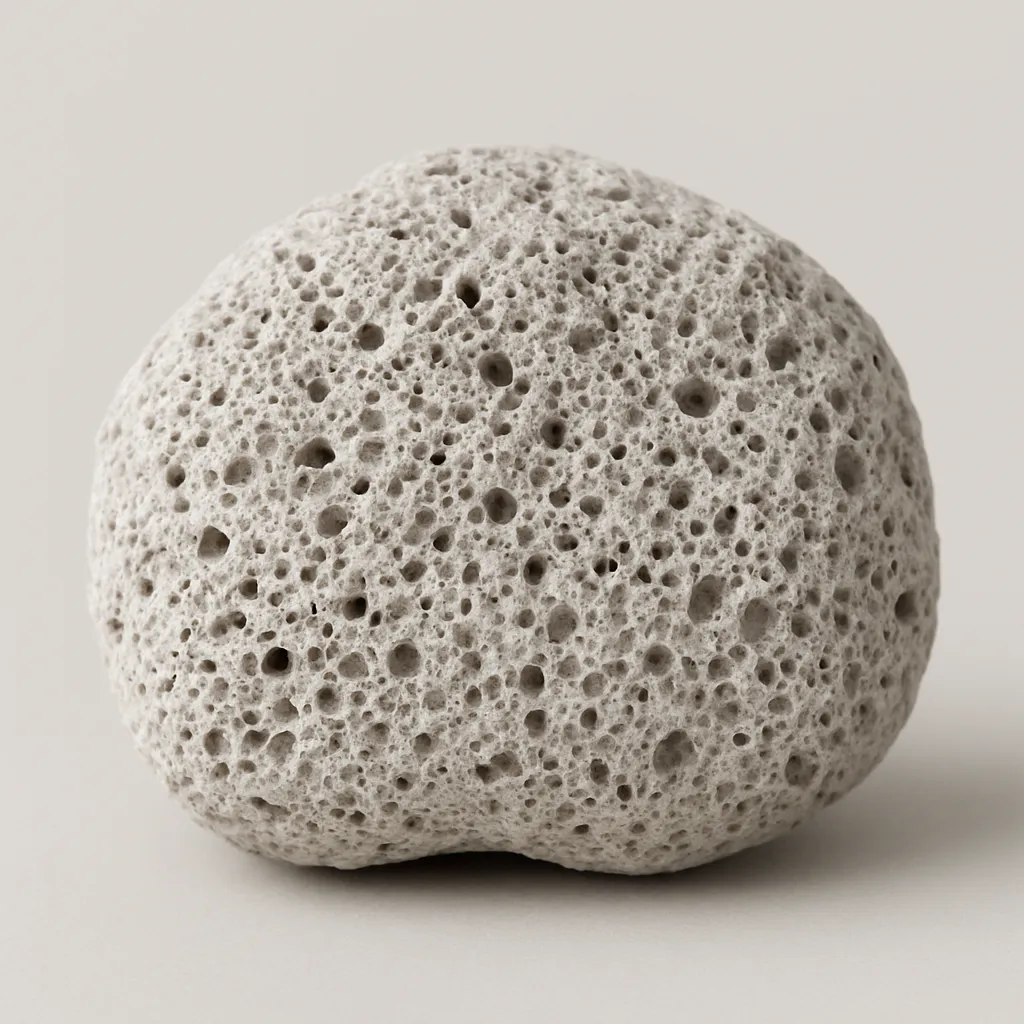
A specimen shows fine crystals near one edge that grade into coarser crystals farther away, next to a boundary with surrounding rock. What does the fine edge indicate?
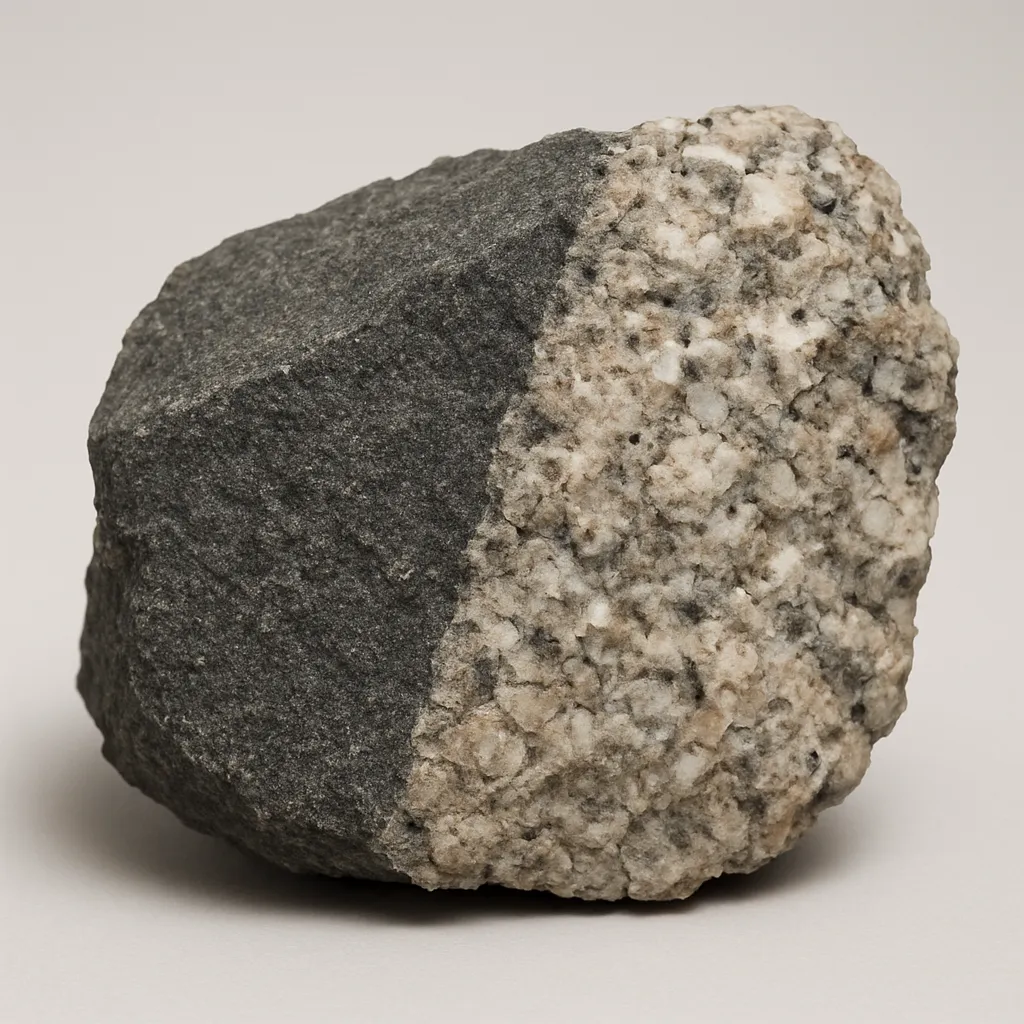
A specimen shows medium to coarse crystals with no layering or preferred orientation. Which cooling environment best matches this texture?
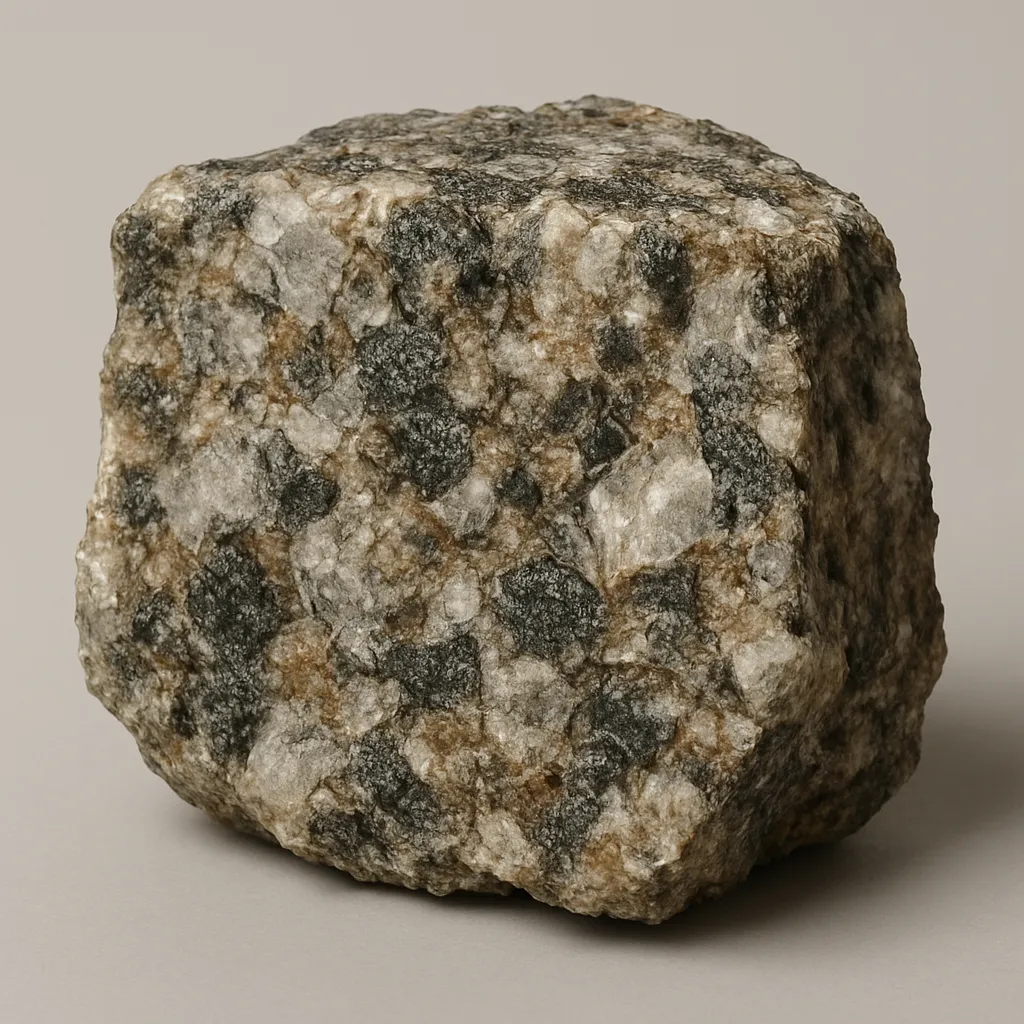
Which term describes an igneous rock that is dark colored, about 50 percent silica, and rich in iron- and magnesium-bearing minerals such as pyroxene?
Which term describes an igneous rock that is light colored and rich in silica-heavy minerals such as quartz and potassium feldspar?
An igneous rock with roughly 60 percent silica that contains a mix of light plagioclase and dark minerals in nearly equal amounts is described as which composition?
An igneous rock made almost entirely of olivine and pyroxene, with silica content below about 45 percent, is described as which composition?
The specimen is dark gray to black, heavy in the hand, and rich in pyroxene and calcium-rich plagioclase. How is its composition described?
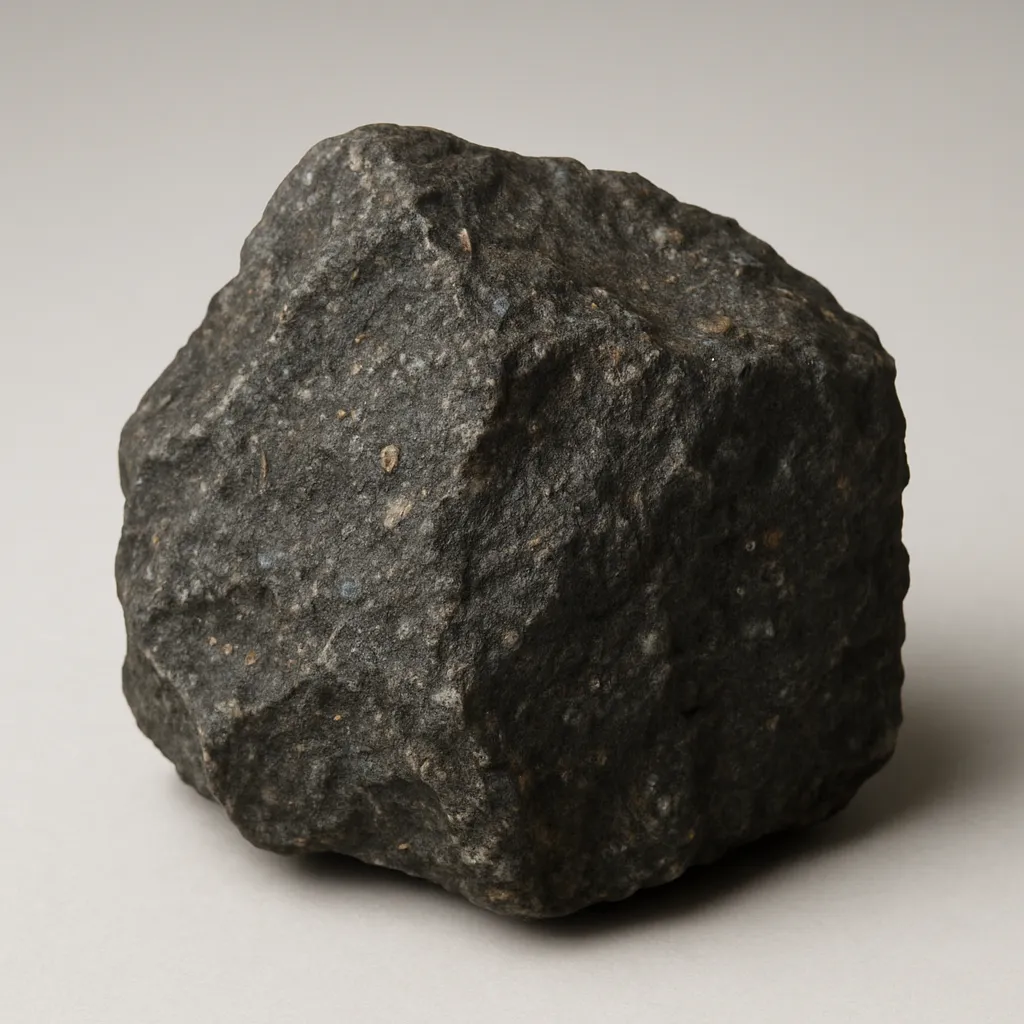
The specimen is very light in color, low in density, and made largely of quartz and potassium feldspar. How is its composition described?
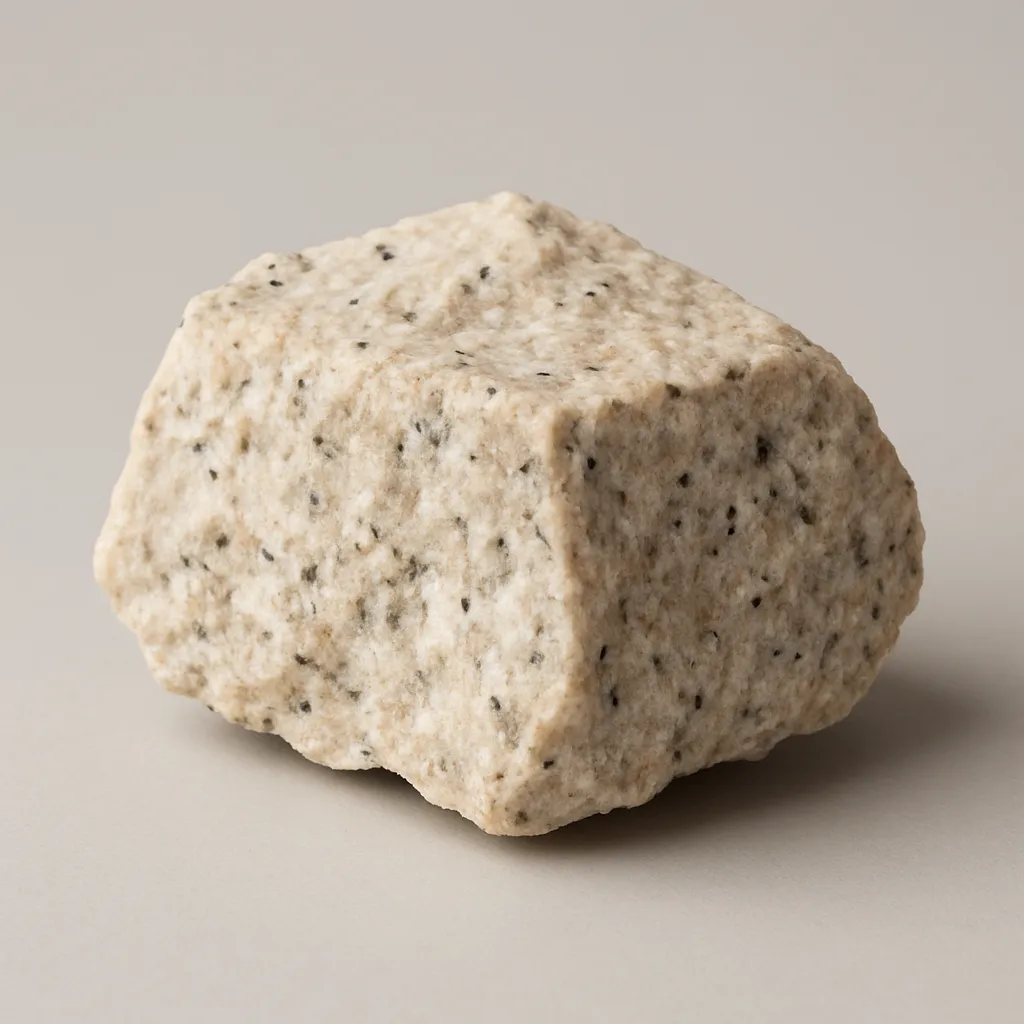
The specimen is dense, olive-green throughout, and made almost entirely of olivine with no visible quartz or feldspar. How is its composition described?
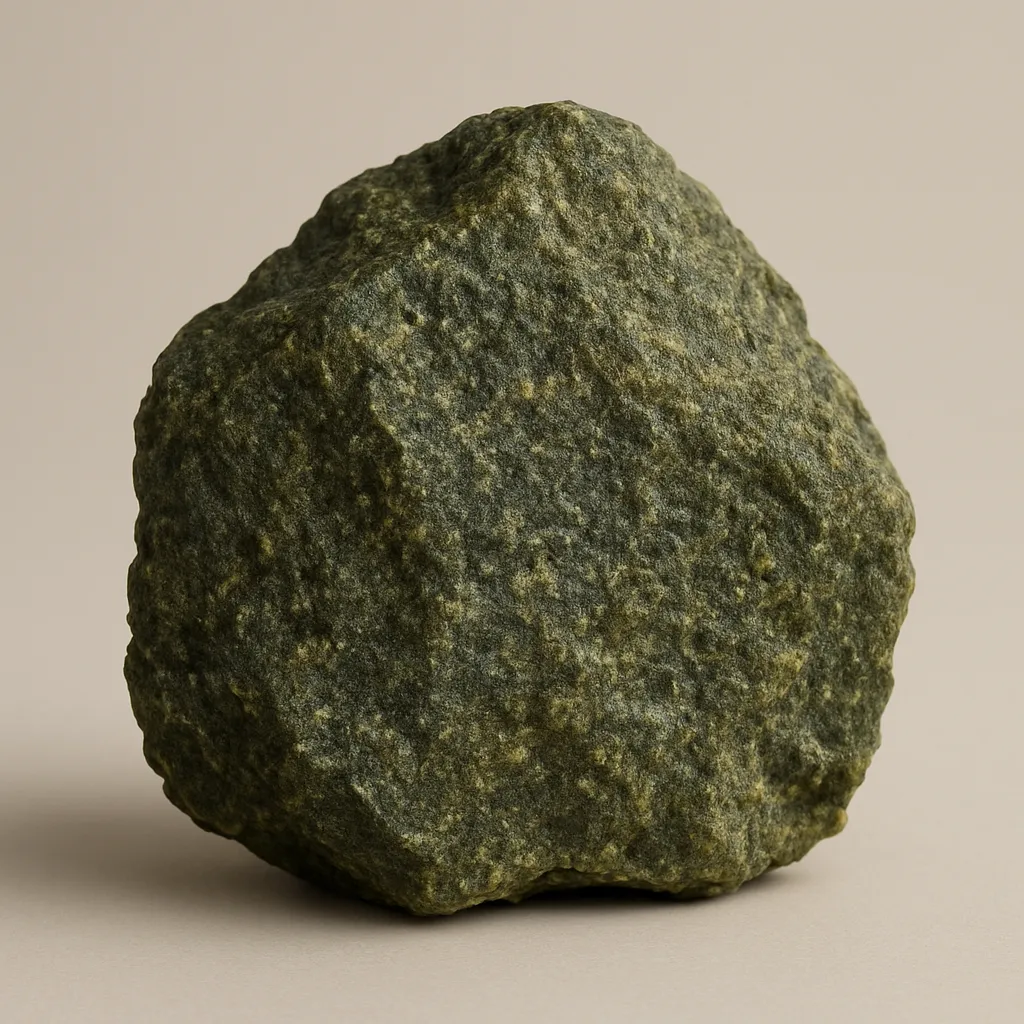
The specimen is medium gray, with roughly equal amounts of white plagioclase and dark amphibole or biotite. How is its composition described?
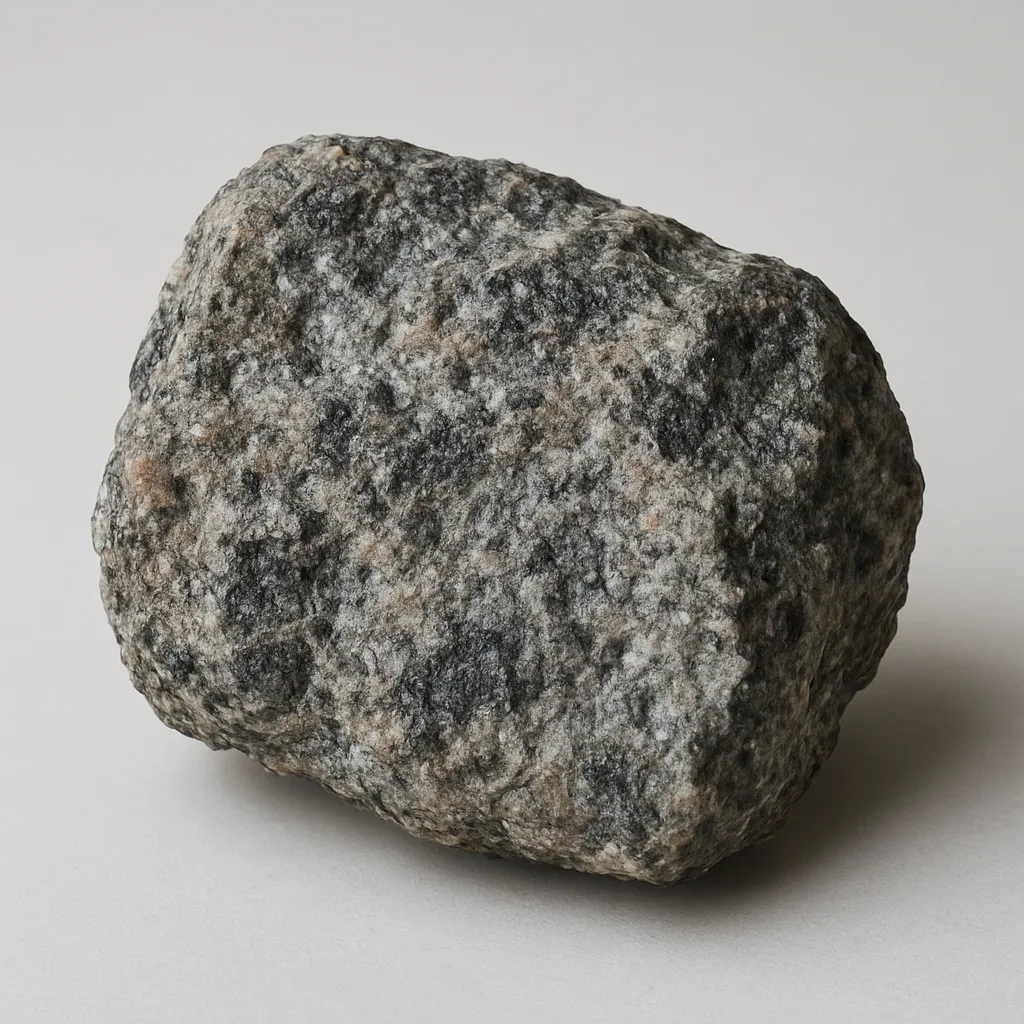
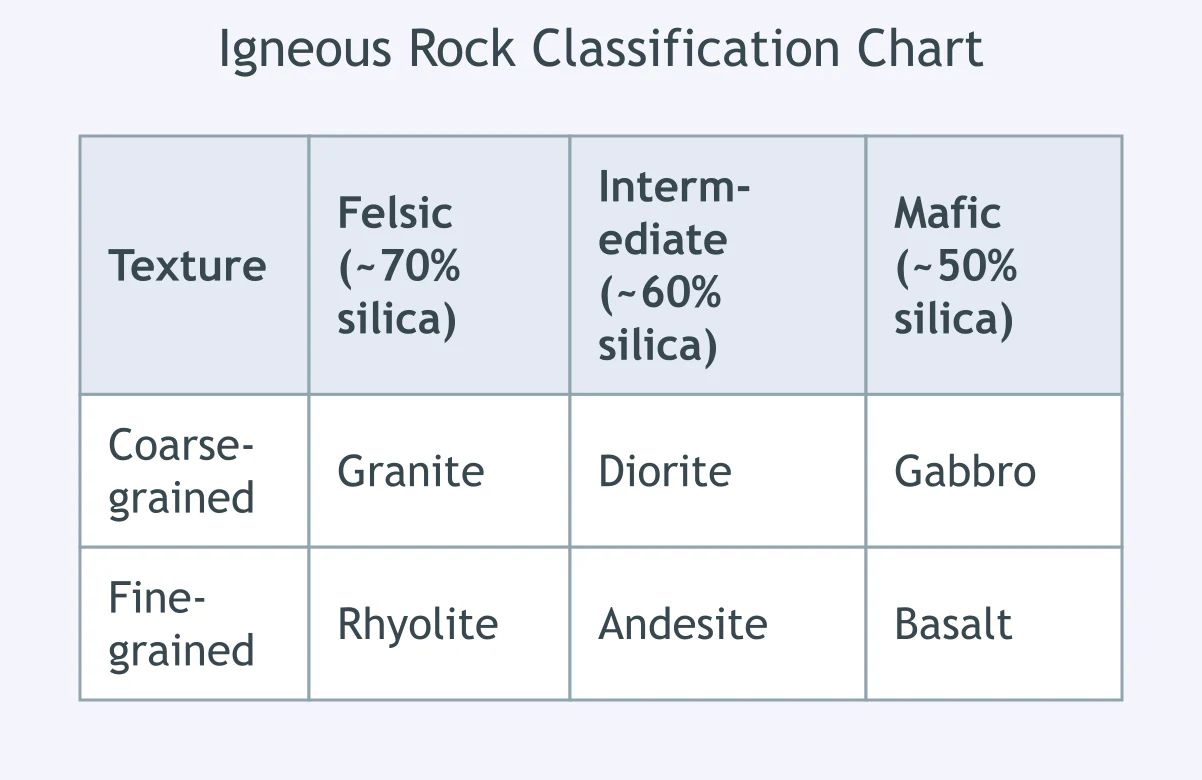
A specimen is coarse-grained and light colored, built from visible quartz, pink feldspar and scattered biotite flakes of similar size. Which rock is it?
A specimen is fine-grained and light colored, with the same high-silica composition as granite but crystals too small to see. Which rock is it?
A specimen is coarse-grained and medium gray, built from visible plagioclase and dark amphibole or biotite, with no quartz present. Which rock is it?
A specimen is fine-grained and medium gray to greenish, sharing diorite's intermediate composition but with crystals too small to see. Which rock is it?
A specimen is coarse-grained and dark, built from visible plagioclase and pyroxene crystals of similar size. Which rock is it?
A specimen is fine-grained and dark, sharing gabbro's mafic composition, and makes up most of the ocean floor. Which rock is it?
A specimen is coarse-grained and greenish, built almost entirely of olivine and pyroxene with no feldspar. Which rock is it?
A specimen is made of hardened volcanic ash and rock fragments cemented together after an explosive eruption. Which rock is it?
The specimen is a frothy, light-colored rock so full of tiny gas bubbles that it floats on water. Which rock is it?
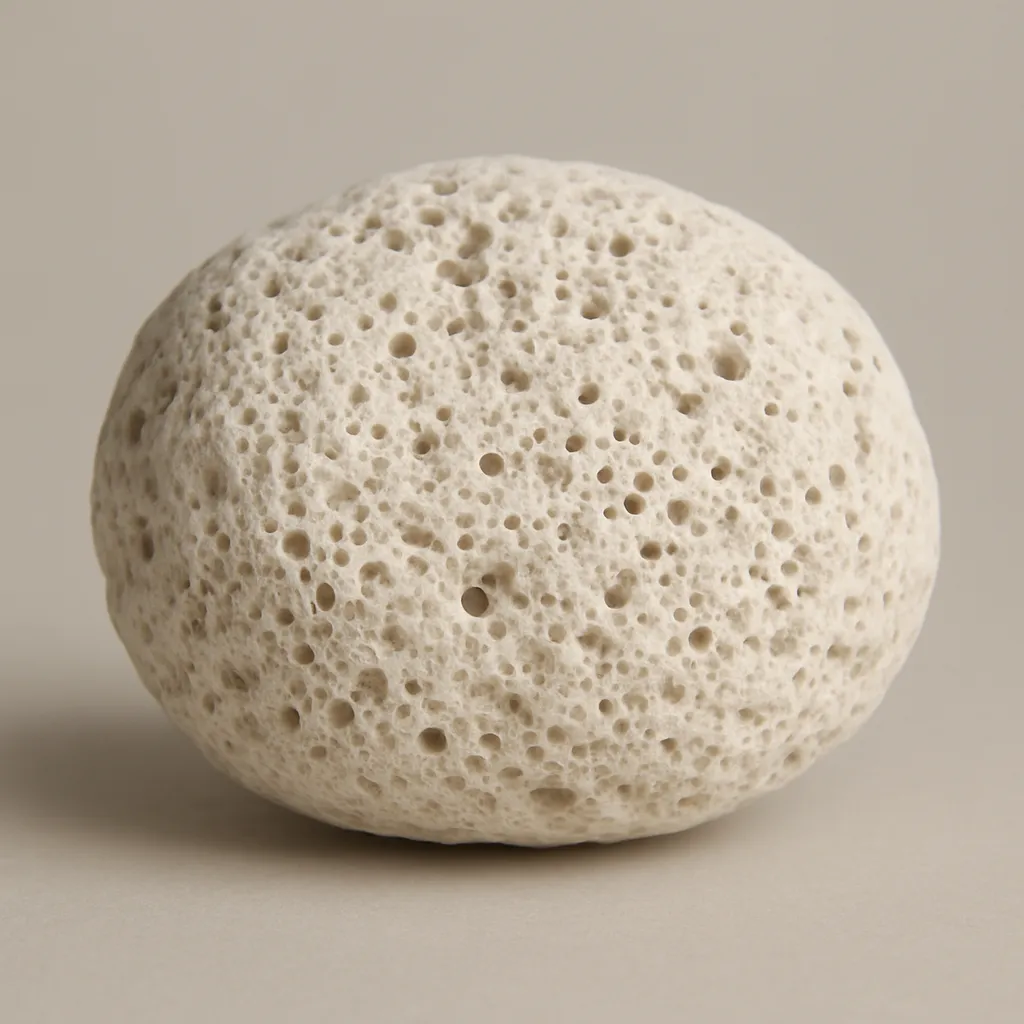
The specimen is a dark, dense rock riddled with gas bubbles, but it sinks in water rather than floating. Which rock is it?
The specimen is a smooth black rock with no crystal structure and sharp, curved fracture surfaces. Which rock is it?
The specimen shows a few large crystals scattered through a fine-grained gray groundmass, matching an intermediate composition. Which rock name applies?
On the classification chart, a rock plots in the column for about 70 percent silica and the row for coarse-grained texture. Which rock name sits at that spot?
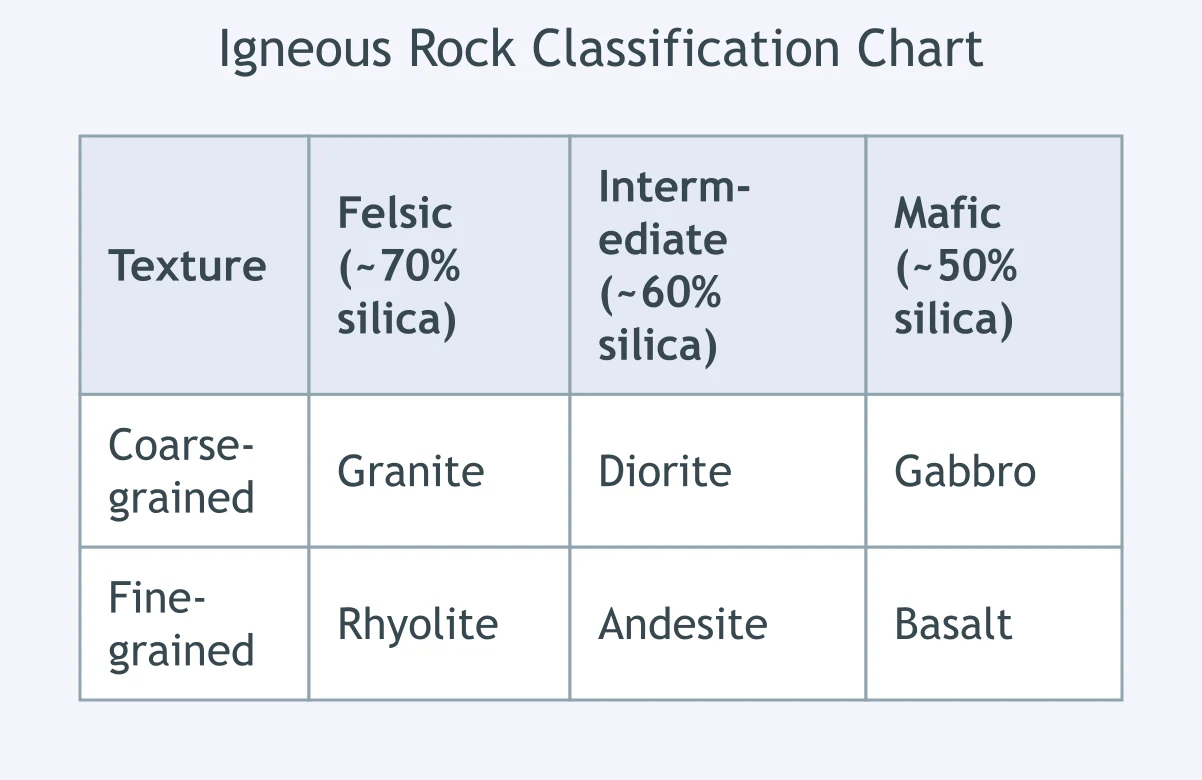
On the classification chart, a rock plots in the column for about 70 percent silica and the row for fine-grained texture. Which rock name sits at that spot?
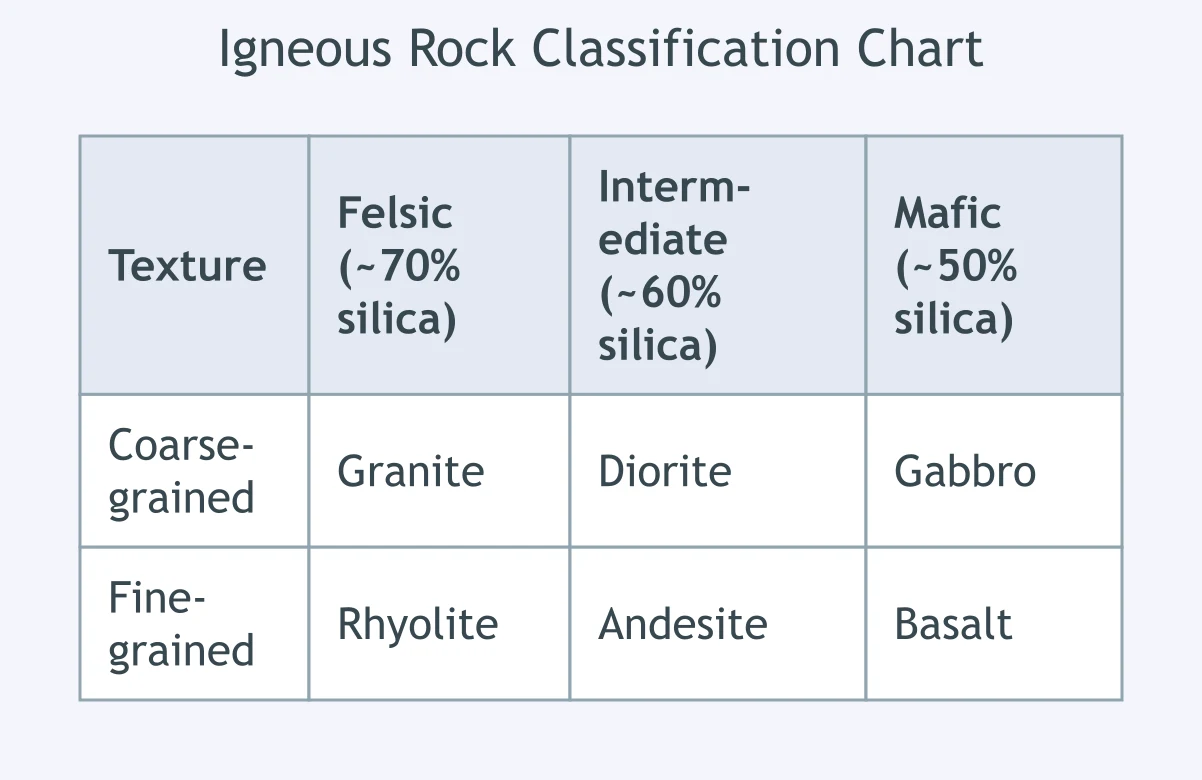
On the classification chart, a rock plots in the column for about 60 percent silica and the row for coarse-grained texture. Which rock name sits at that spot?
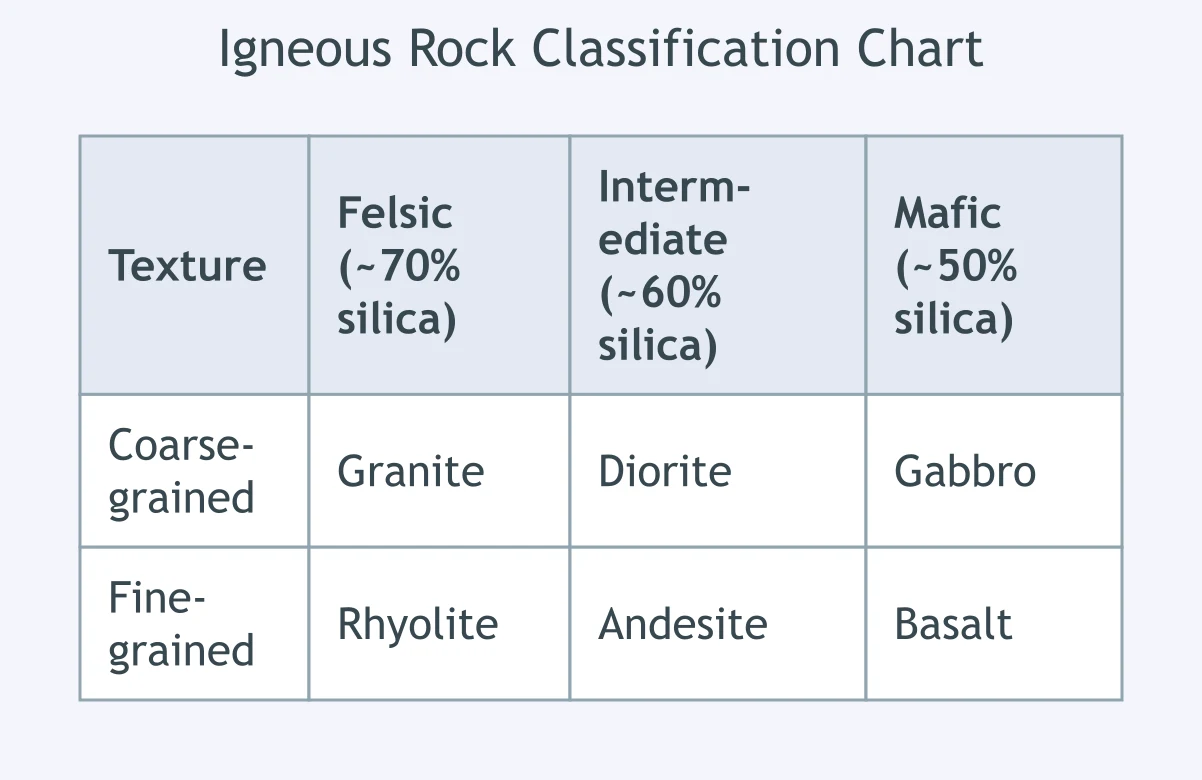
On the classification chart, a rock plots in the column for about 60 percent silica and the row for fine-grained texture. Which rock name sits at that spot?
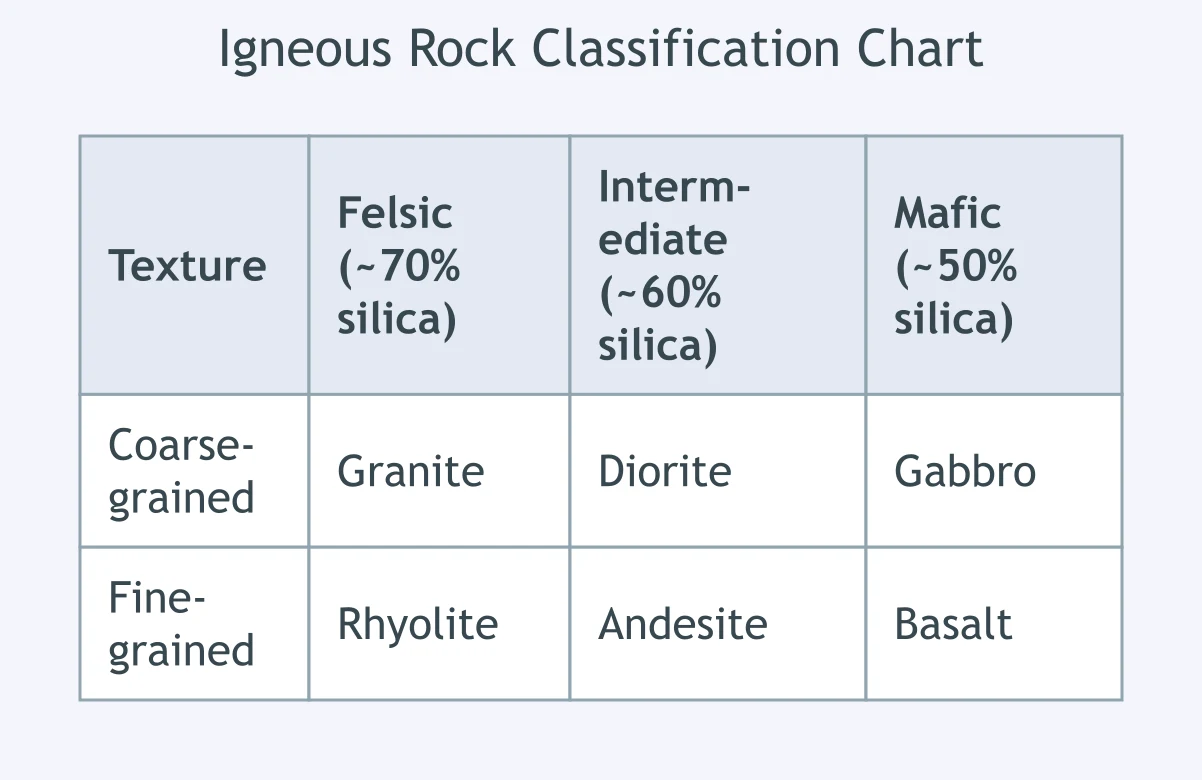
On the classification chart, a rock plots in the column for about 50 percent silica and the row for coarse-grained texture. Which rock name sits at that spot?
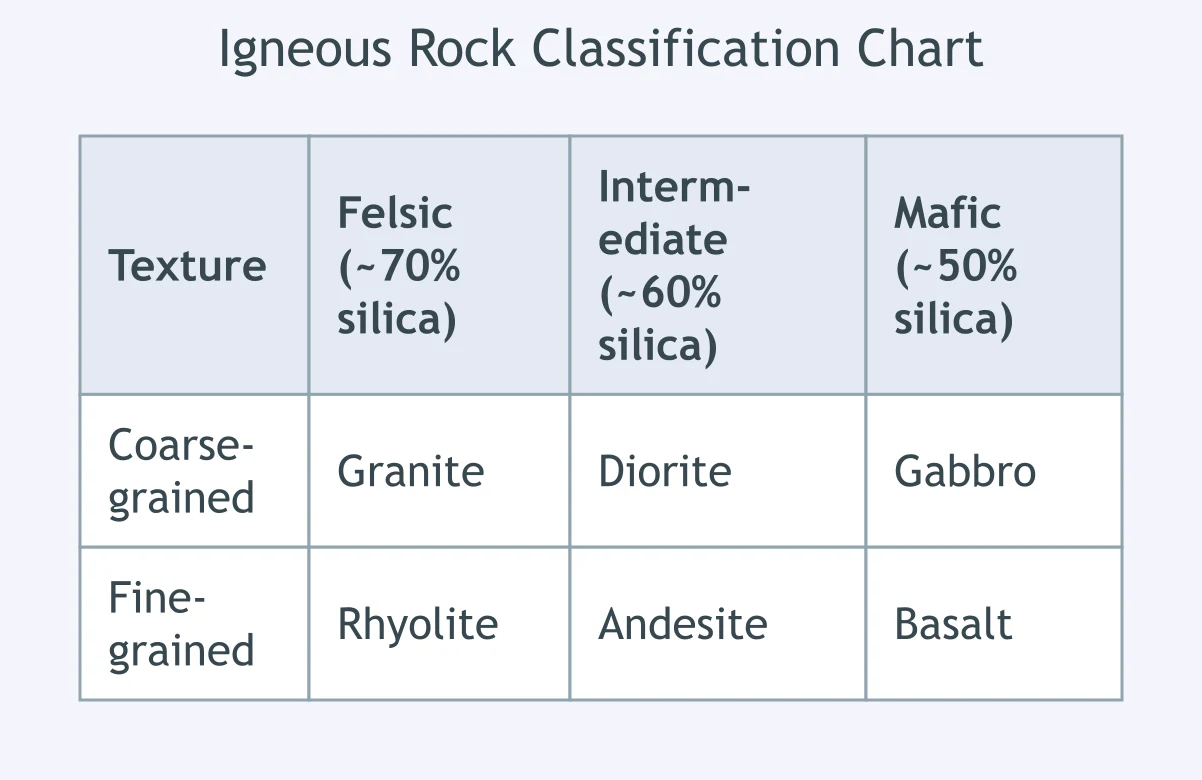
On the classification chart, a rock plots in the column for about 50 percent silica and the row for fine-grained texture. Which rock name sits at that spot?
A specimen is riddled with small round cavities and is light enough to float in water. What produced the cavities?
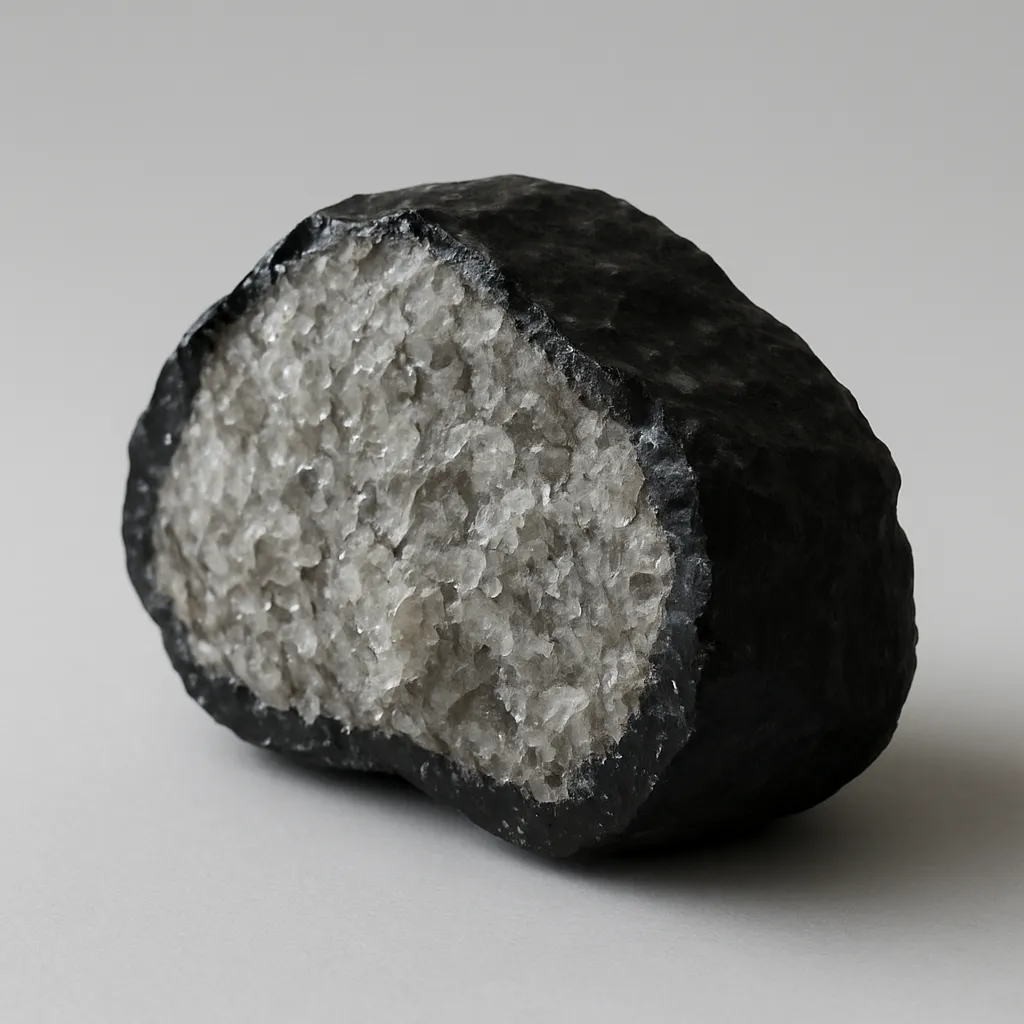
A specimen has a thin, glassy black rind surrounding a paler, more crystalline core. What cooling sequence does this rind reveal?
A specimen contains angular fragments of a different-colored rock embedded within its crystalline mass. What do these xenoliths reveal about how the magma cooled?
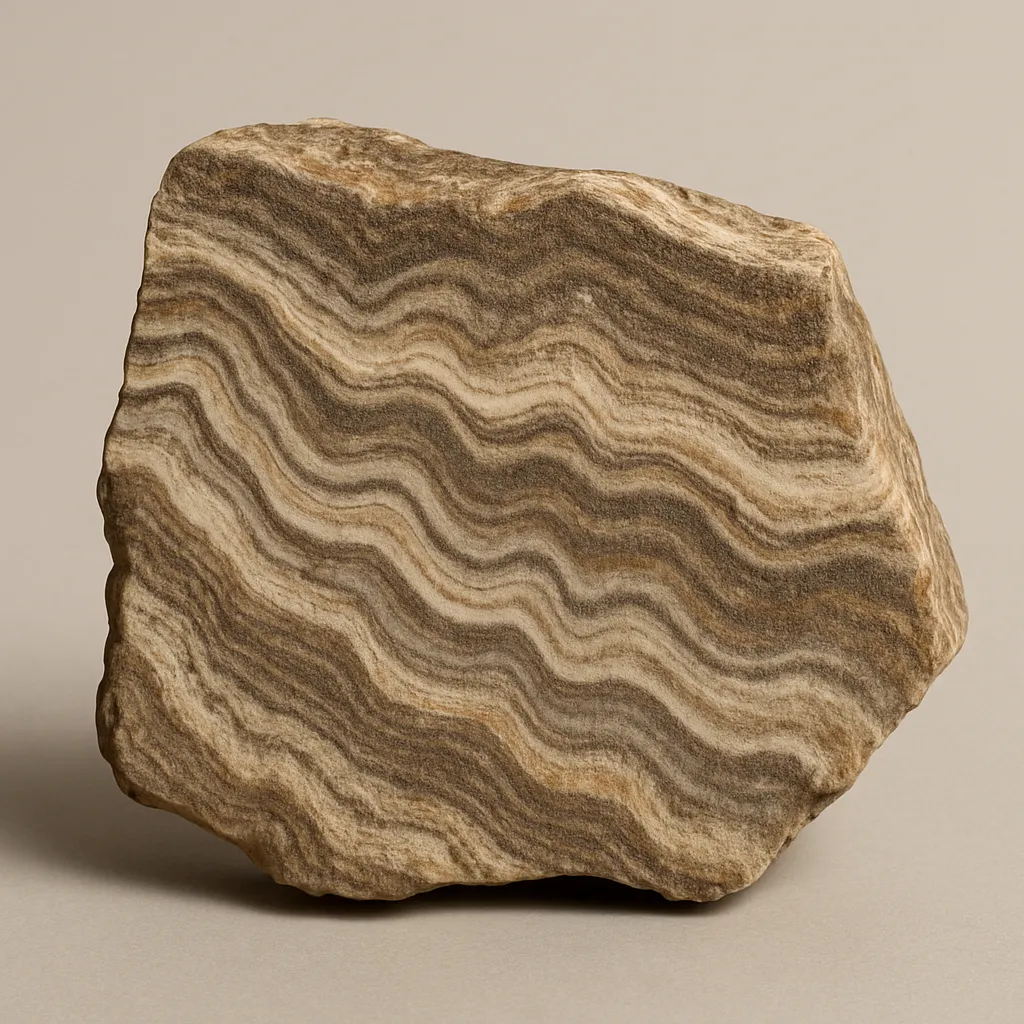
A specimen shows thin, wavy bands of alternating light and dark glassy layers. What does this flow banding reveal about its cooling?
Crack the passcode before the zombies get in.
Answer, then swat bugs for bonus points.
Race through questions at your own speed.
Same question on every screen. Fastest wins.

Pick a tile, answer, hit bonuses and steals.
30 questions