Loading
by BlastRoom
Review rock-cycle processes and rock identification across igneous, sedimentary, and metamorphic rocks.
#earth_space_science
40 questions
One question set, multiple game modes. Tap any game to see it in action. Not sure which to pick?
Answer to place stones and capture territory.
Outrun the snow together.
Earn blasts, then hunt the other team.
Answer to earn energy, then climb.

The class blasts through walls together.
Bid on mystery lots. Most money wins.
Sell tours. Nice, standard, or a total scam.

Answer, restock, and serve the rush.
More correct answers pulls the rope your way.
Answer, then shoot down the alien wave.
Answer, then tap to leap the frozen ridge.
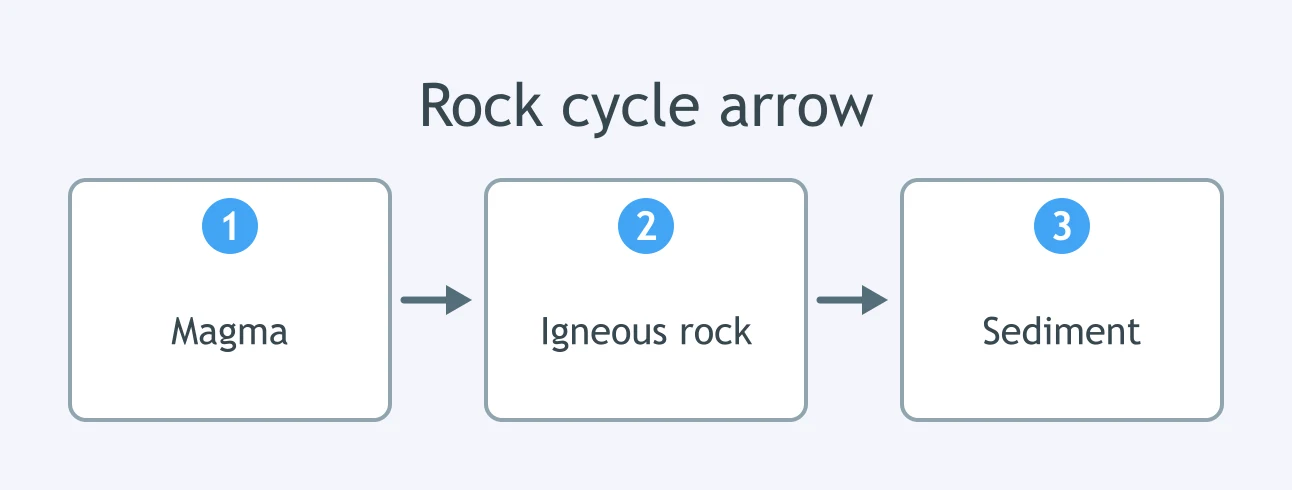
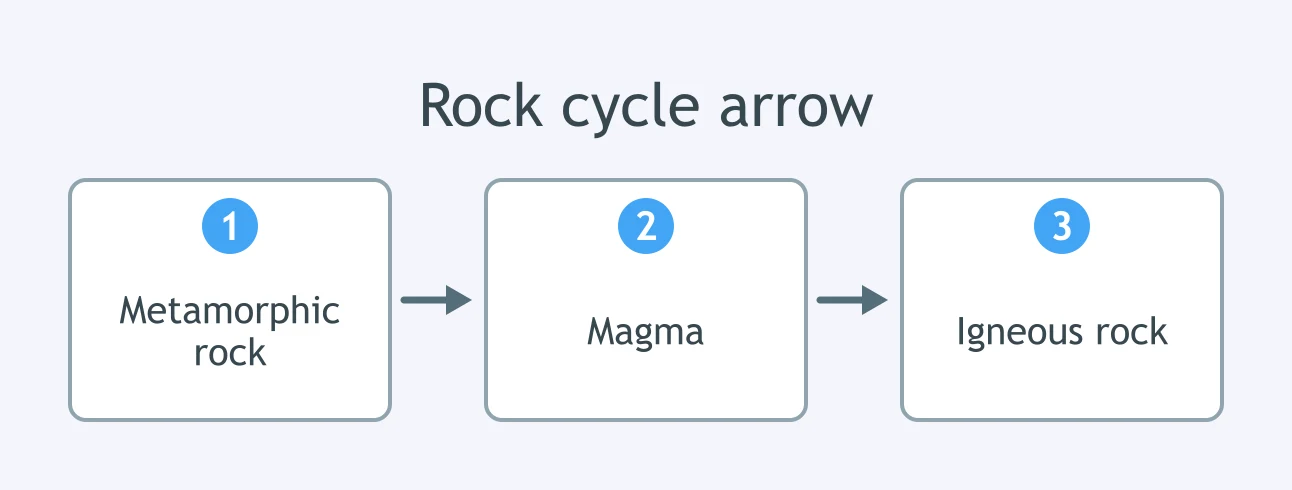
Use the rock-cycle arrow from magma to igneous rock. What process belongs on that arrow?
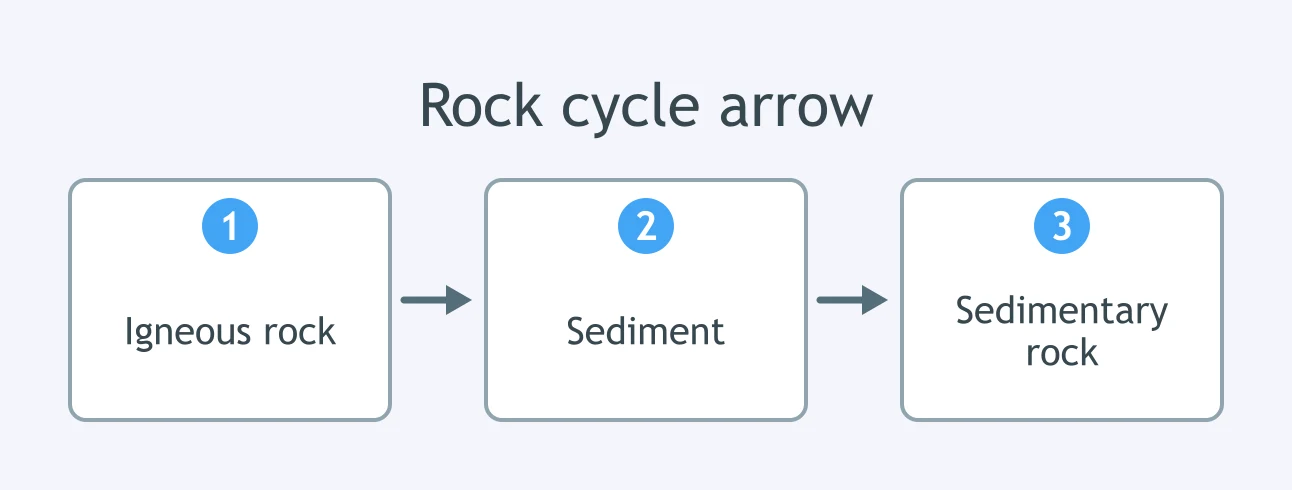
A rock-cycle diagram shows igneous rock changing into sediment. What pair of processes makes that change?
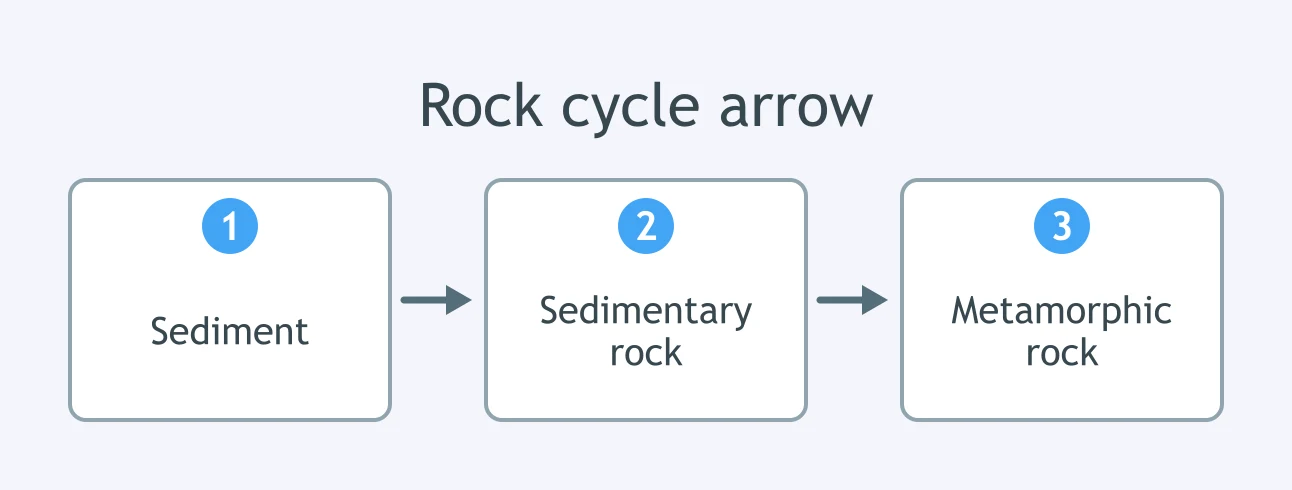
On the rock-cycle arrow from sediment to sedimentary rock, what process pair should be written?
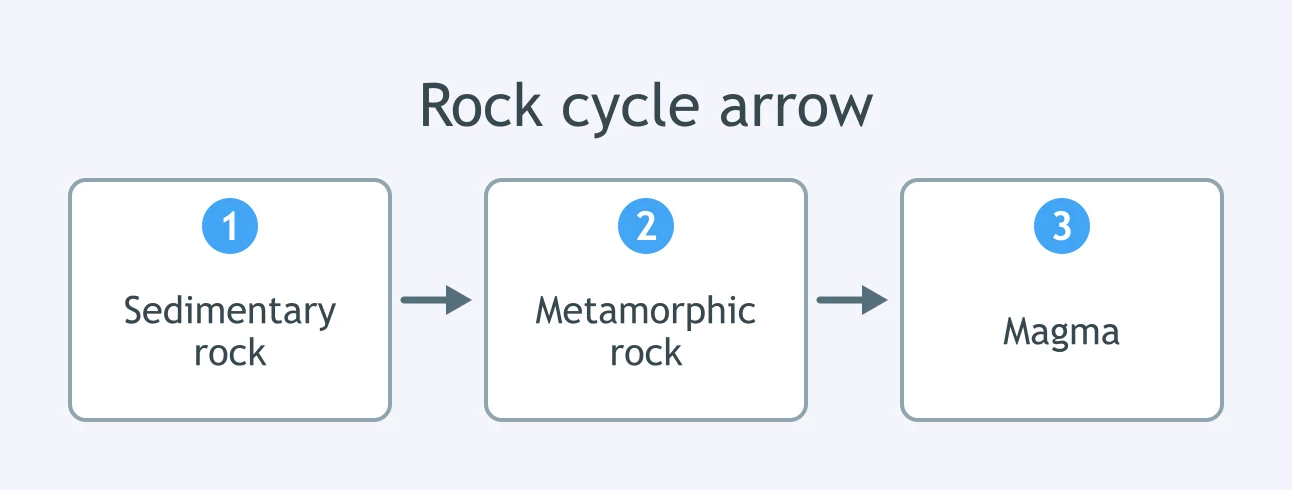
A cycle arrow leads from sedimentary rock to metamorphic rock. What change does that arrow represent?
In a rock-cycle path from metamorphic rock to magma, what process must occur?
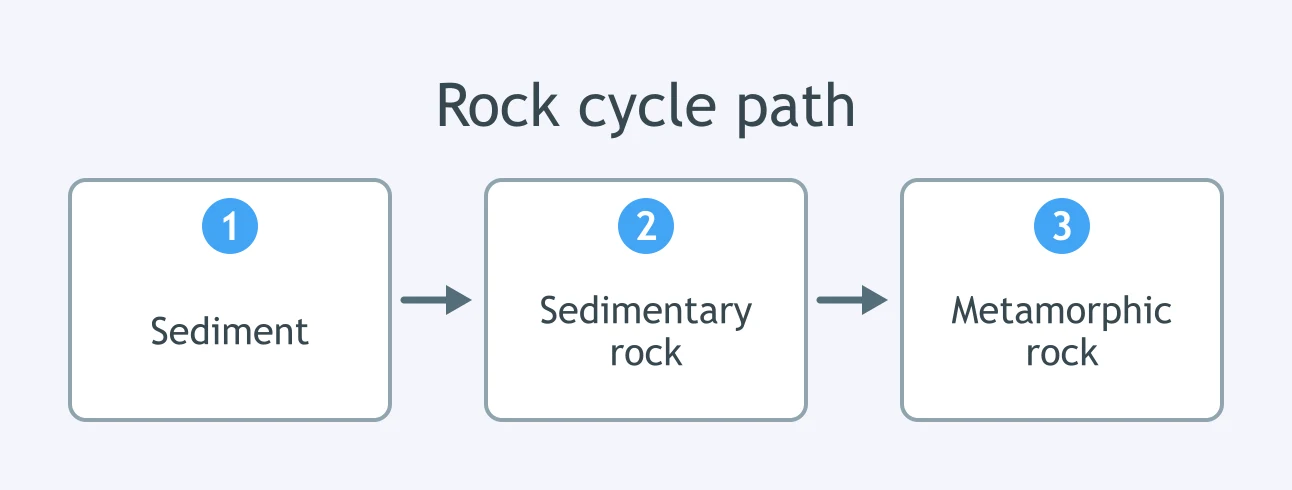
The path shown is sediment → sedimentary rock → metamorphic rock. What are the two process steps in order?
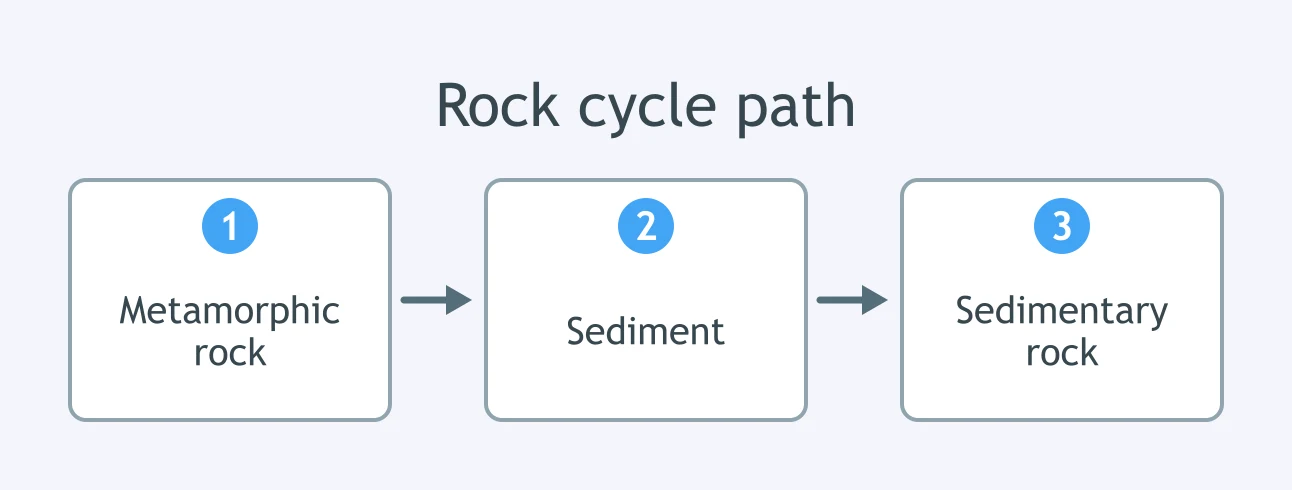
A diagram path reads metamorphic rock → sediment → sedimentary rock. What process makes the first change?
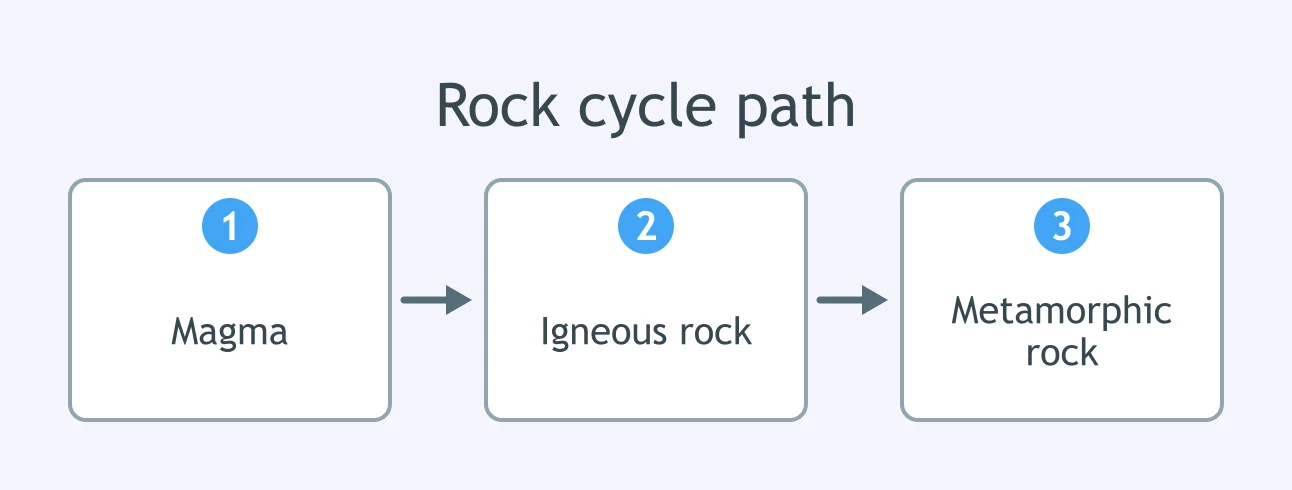
The path shown is magma → igneous rock → metamorphic rock. What process makes the second change?
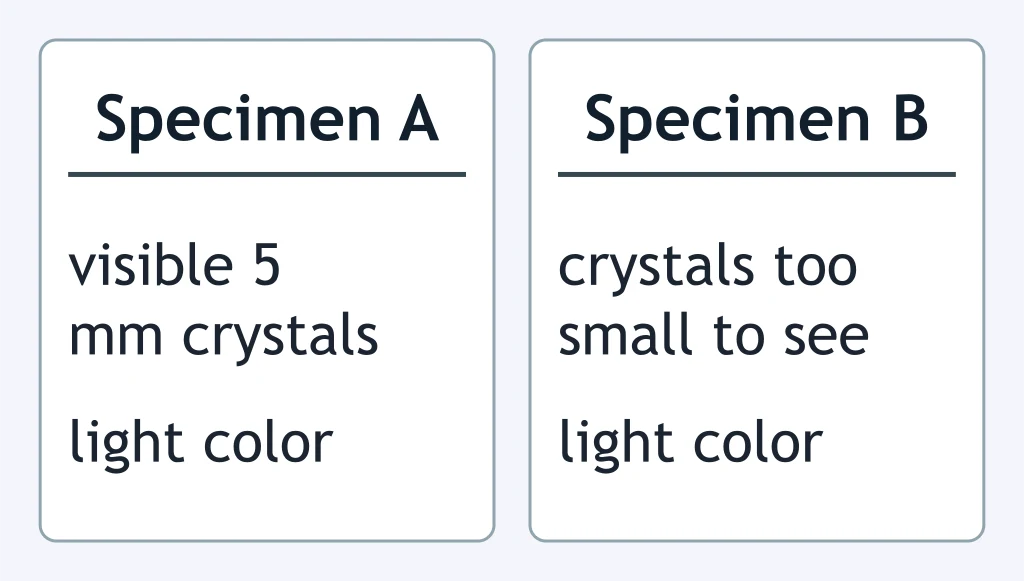
Two felsic specimens differ: A has visible 5 mm crystals, and B has crystals too small to see. What differed most as they formed?
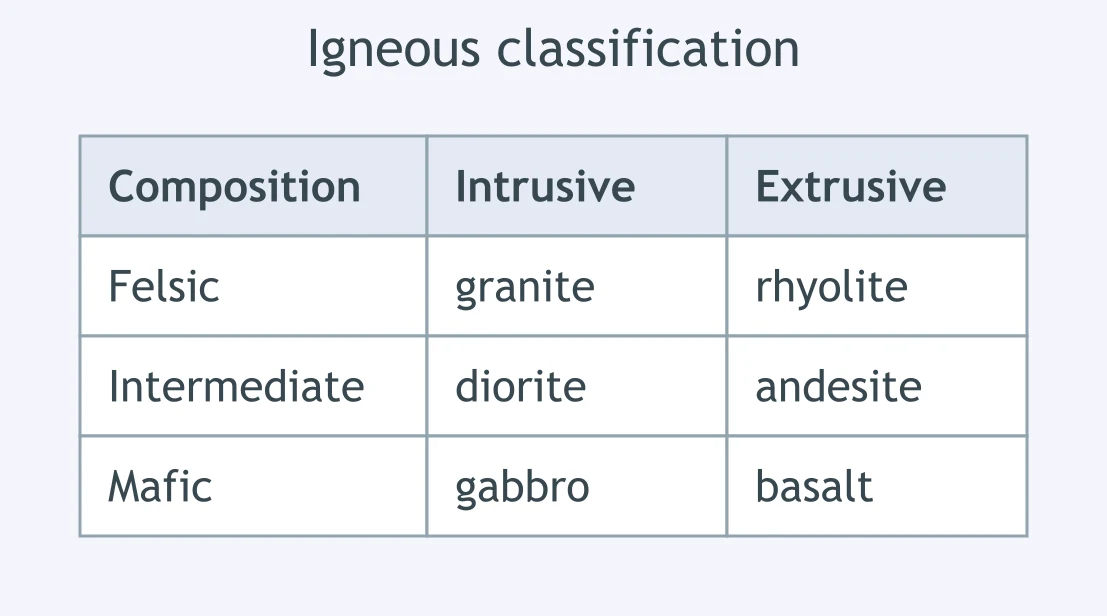
Use the igneous classification chart. A felsic extrusive rock should be identified as what?
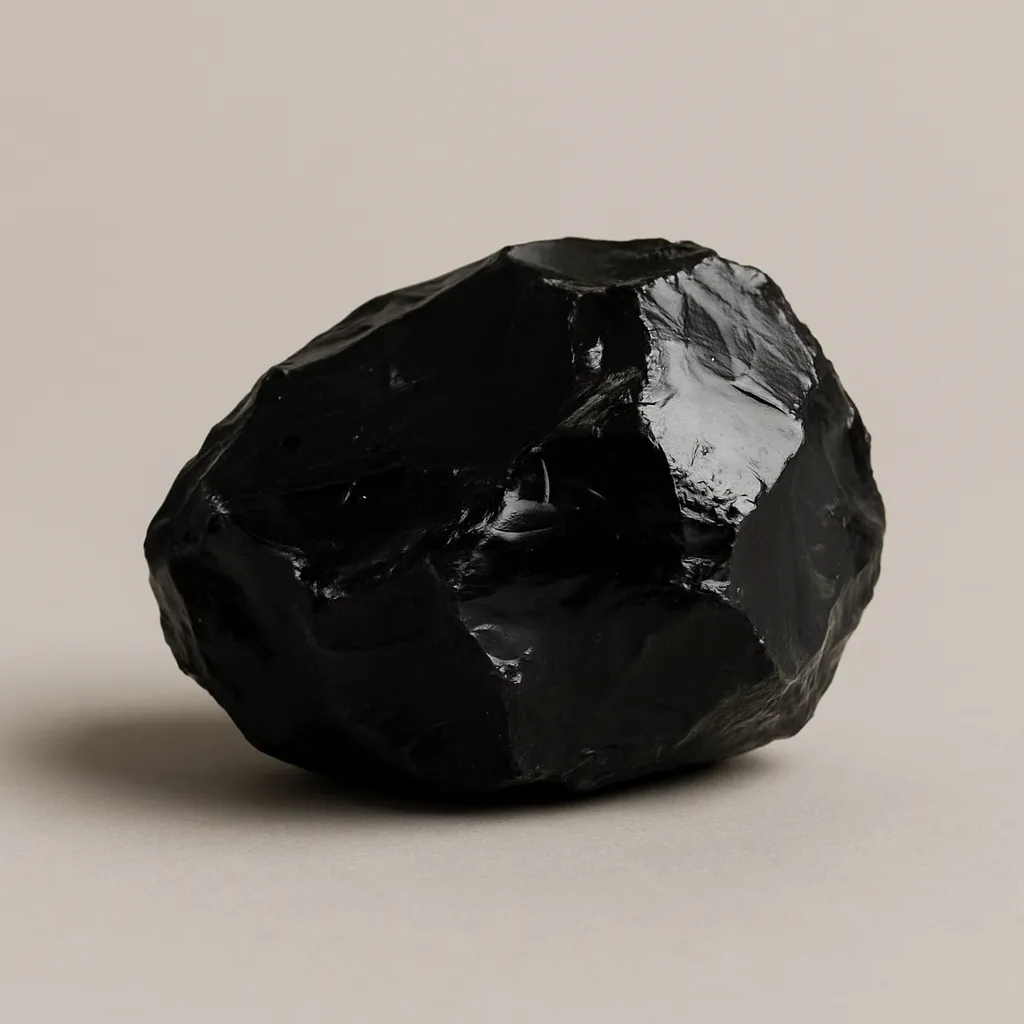
A black igneous specimen breaks with a smooth, shiny, curved fracture and shows no crystals even under magnification. What texture best describes it?
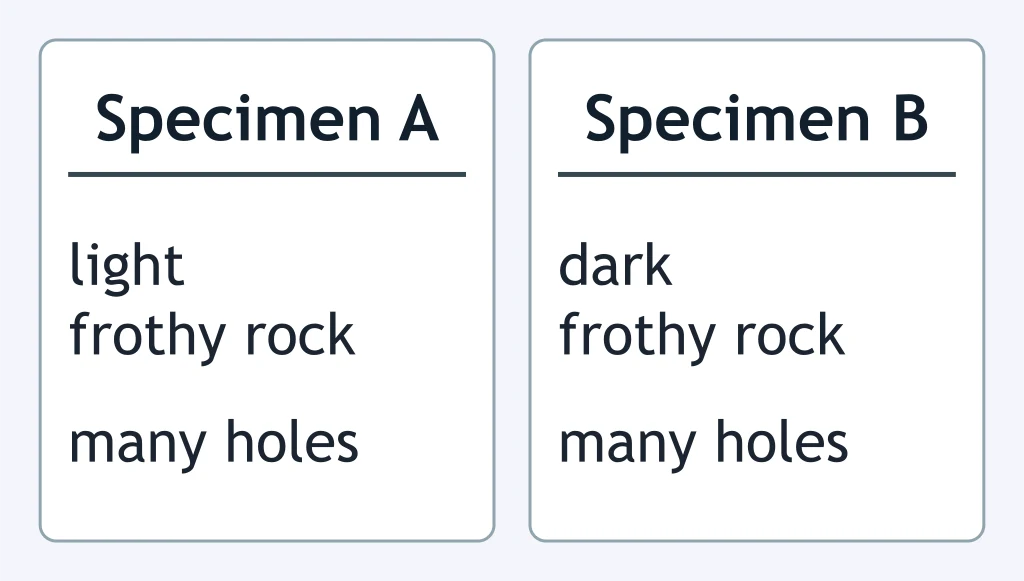
Both specimens are frothy igneous rocks with many rounded holes from trapped gas bubbles. What texture do they share?
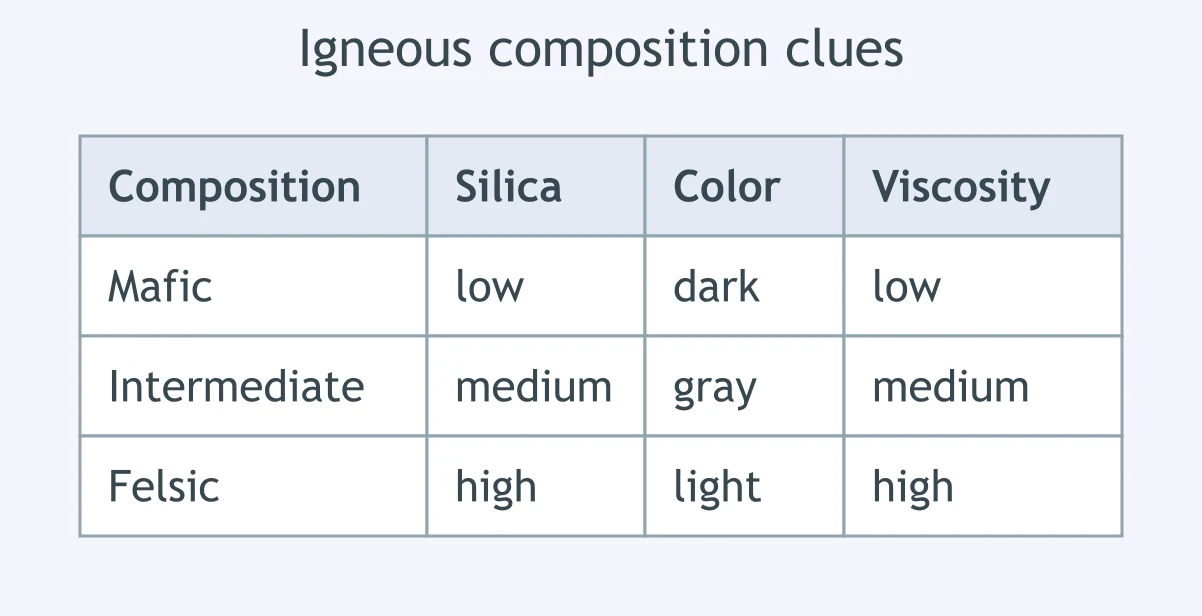
Use the composition clues chart. A dark, low-silica, low-viscosity lava sample is what composition?
An igneous rock has large crystals embedded in a fine-grained groundmass. What cooling history does this texture record?
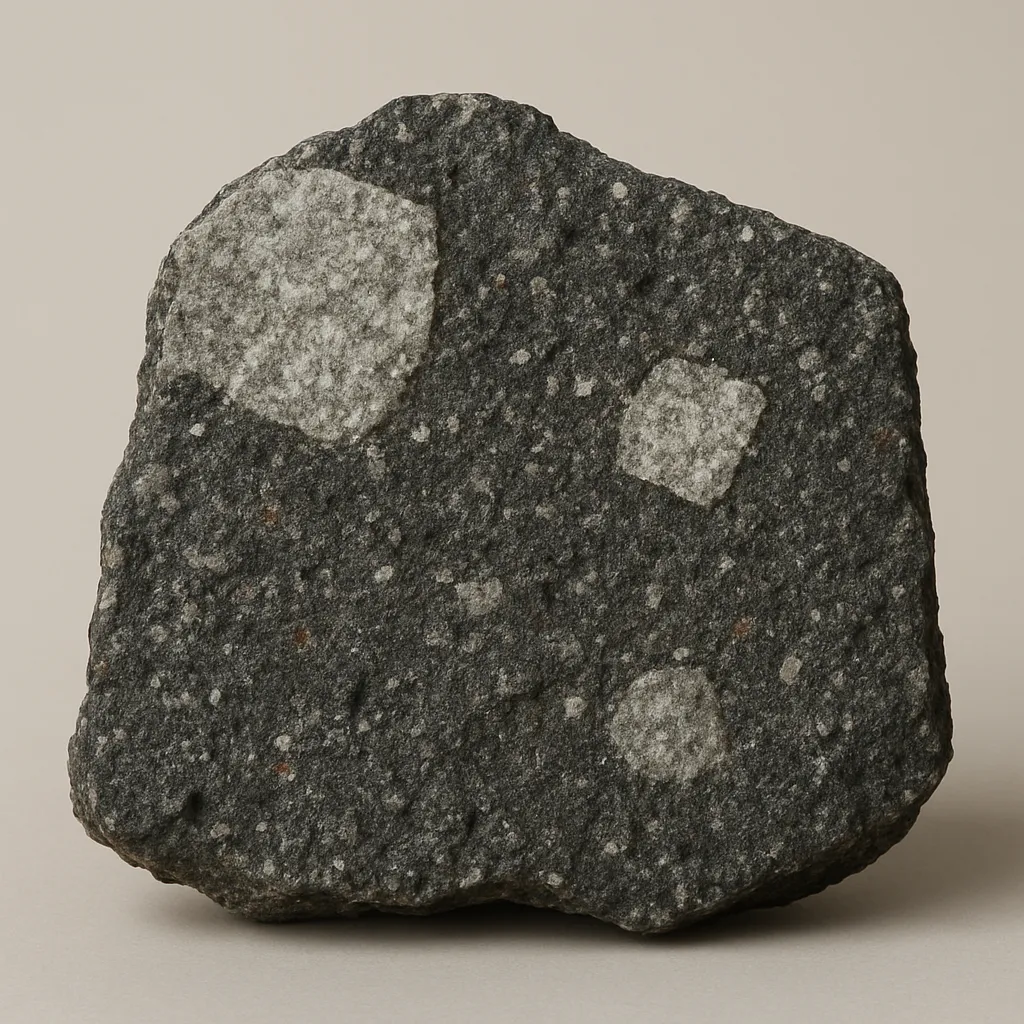
A dark, coarse-grained igneous rock has mafic composition. What rock name fits those properties?
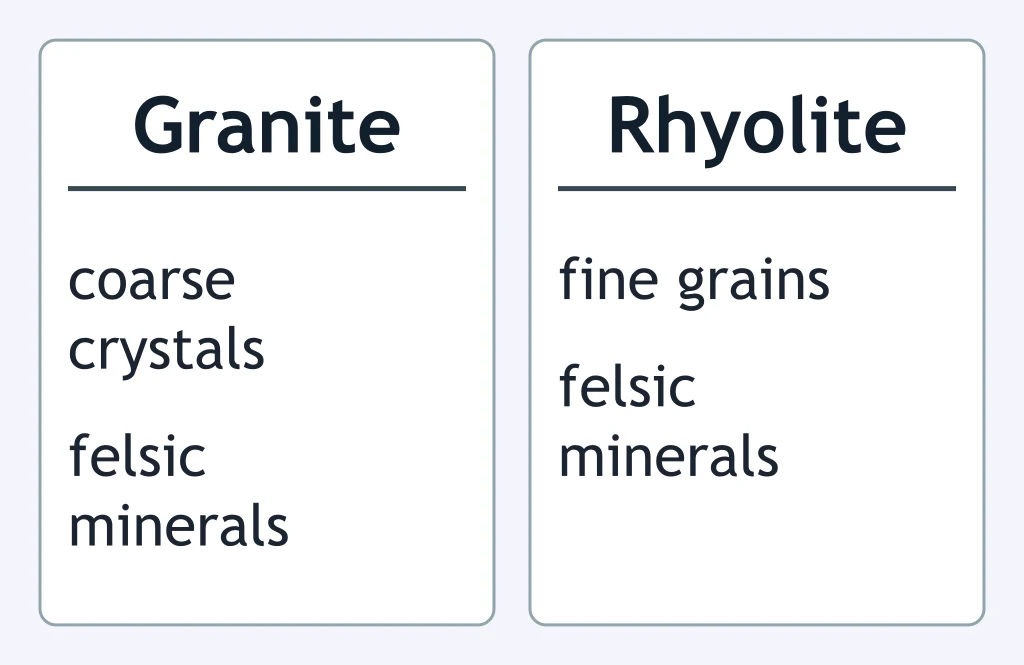
Granite and rhyolite can have similar felsic composition, but granite has coarse crystals. What does that show about granite?
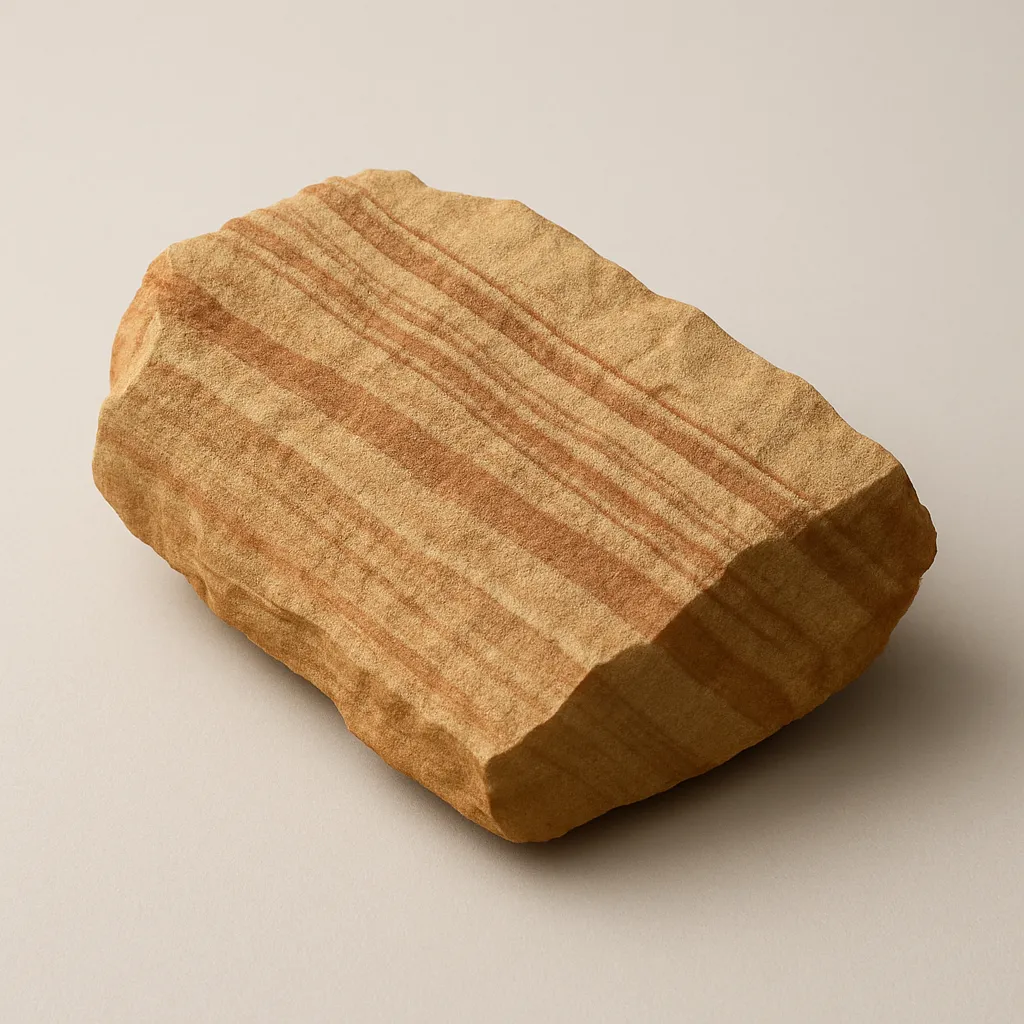
A sandstone bed contains inclined layers cut off by flatter layers above them. What does that cross-bedding record?
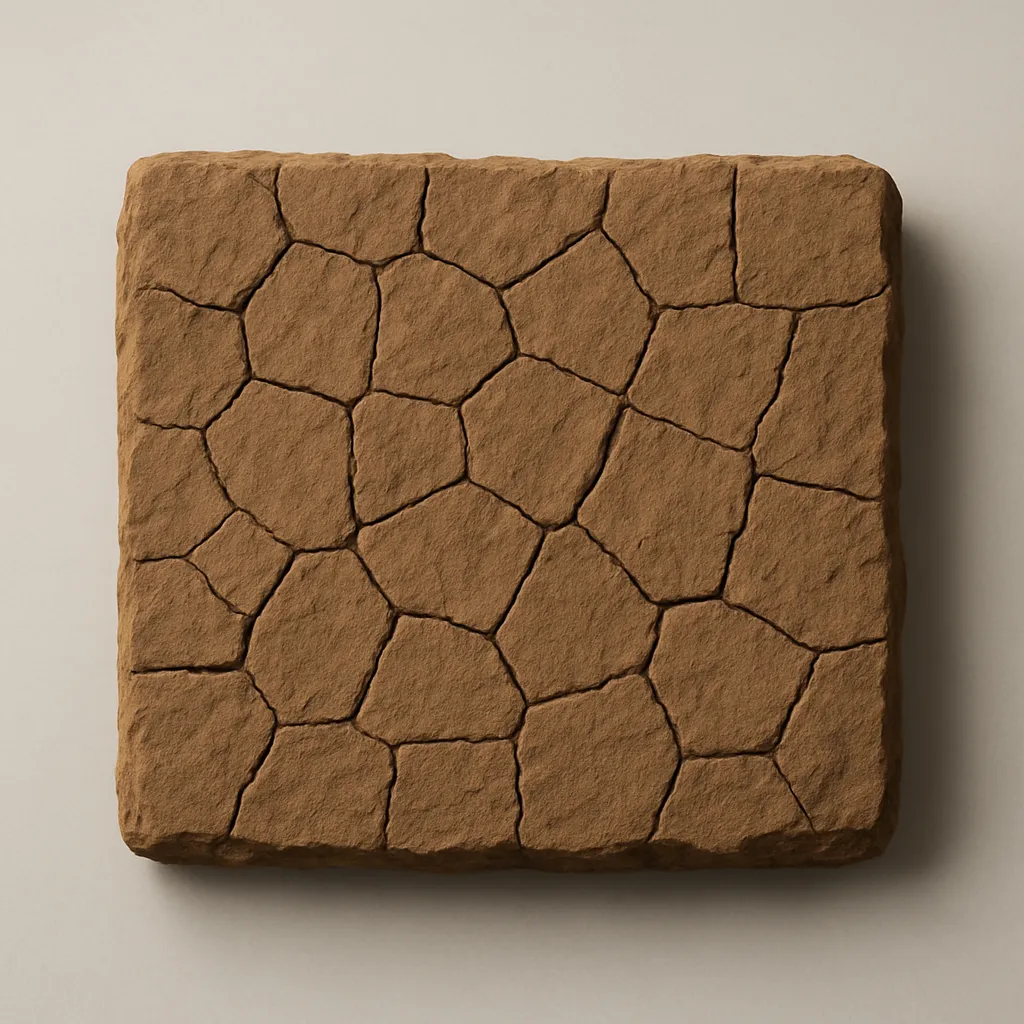
A mudstone slab shows polygon-shaped cracks filled with later sediment. What environment is recorded?
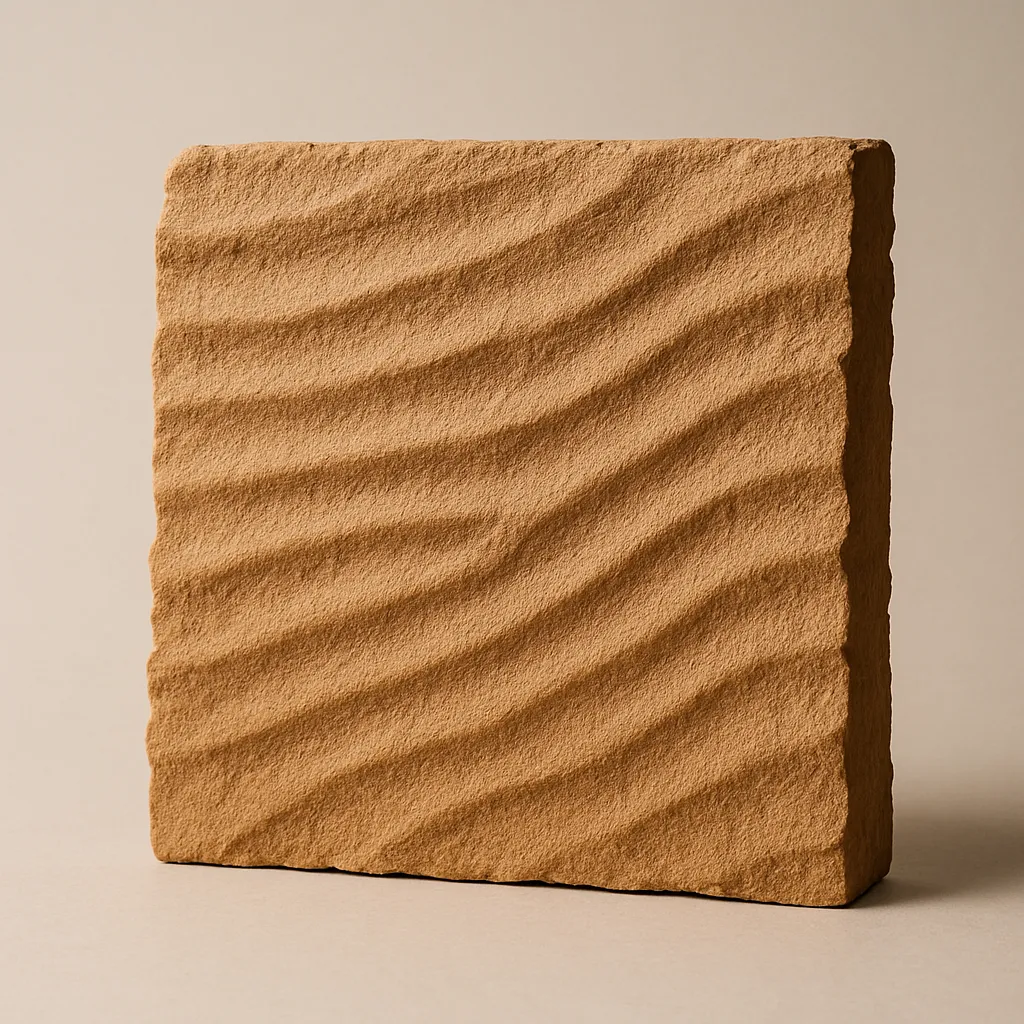
A sandstone surface preserves symmetrical ripple marks. What process most likely shaped the loose sediment?
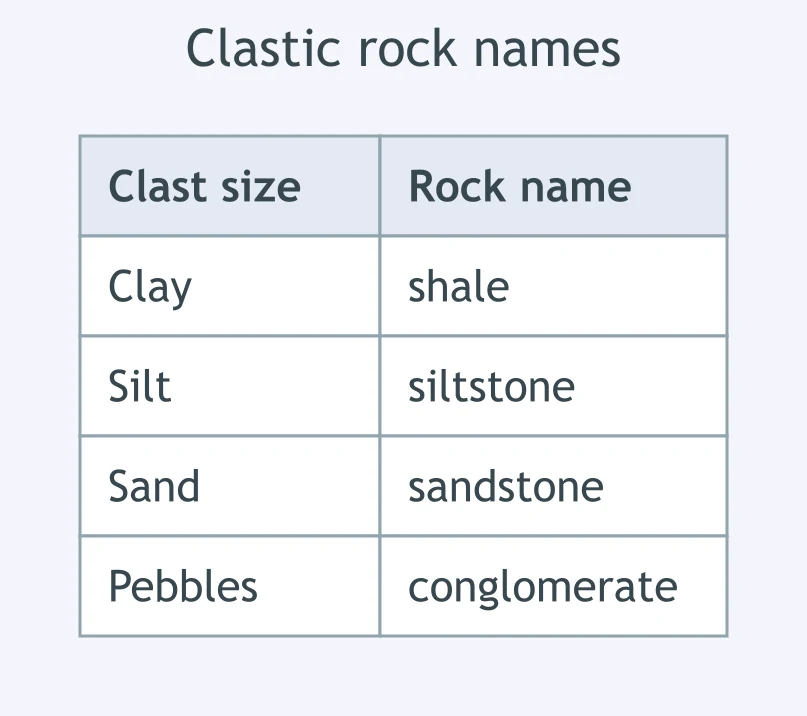
Use the grain-size chart. A clastic rock made of rounded pebbles larger than 2 millimeters is classified as what?
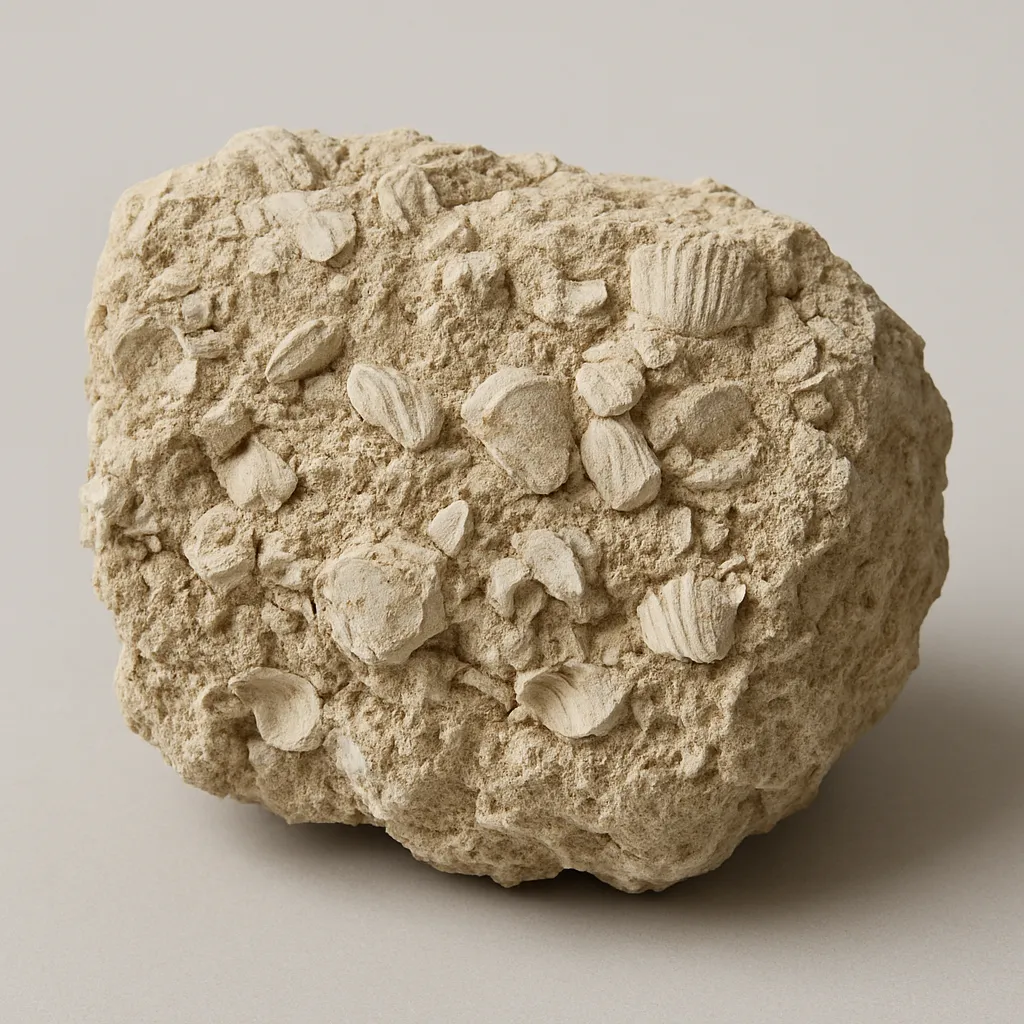
A limestone sample is packed with broken shell fragments. What sedimentary origin does the sample show?
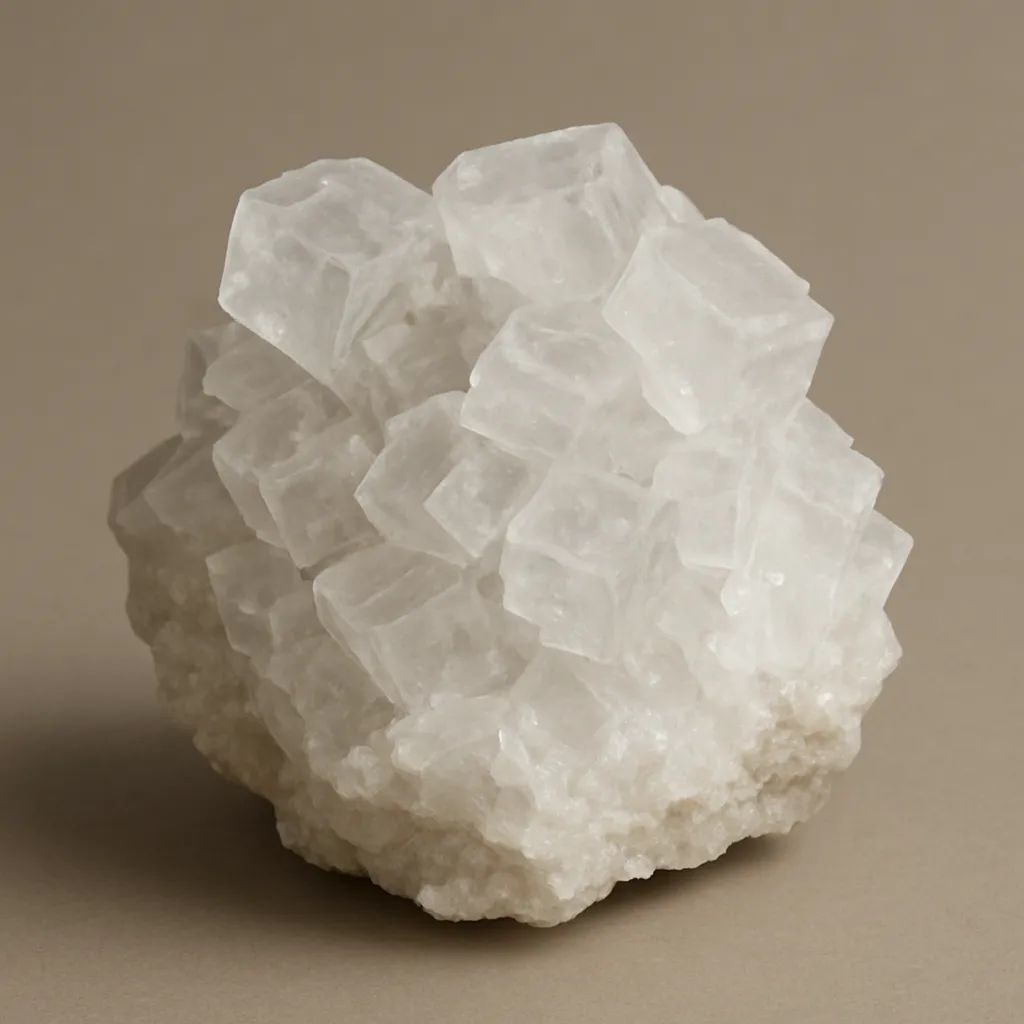
A rock-salt layer is made of intergrown halite crystals and contains no clasts. What origin best explains it?
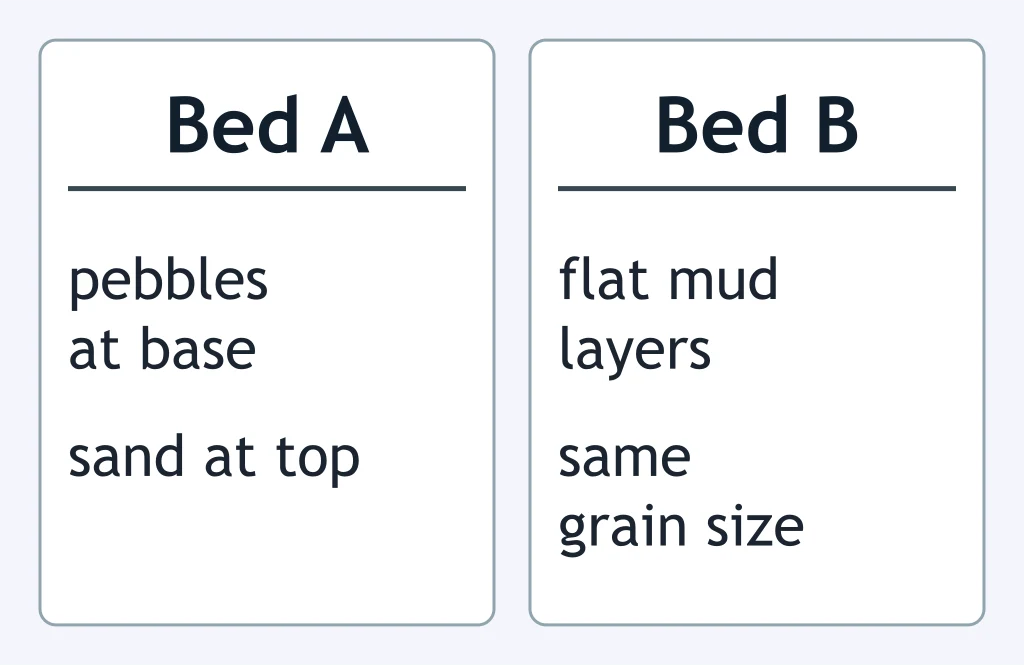
Bed A grades from pebbles at the bottom to sand at the top. What happened during that depositional event?
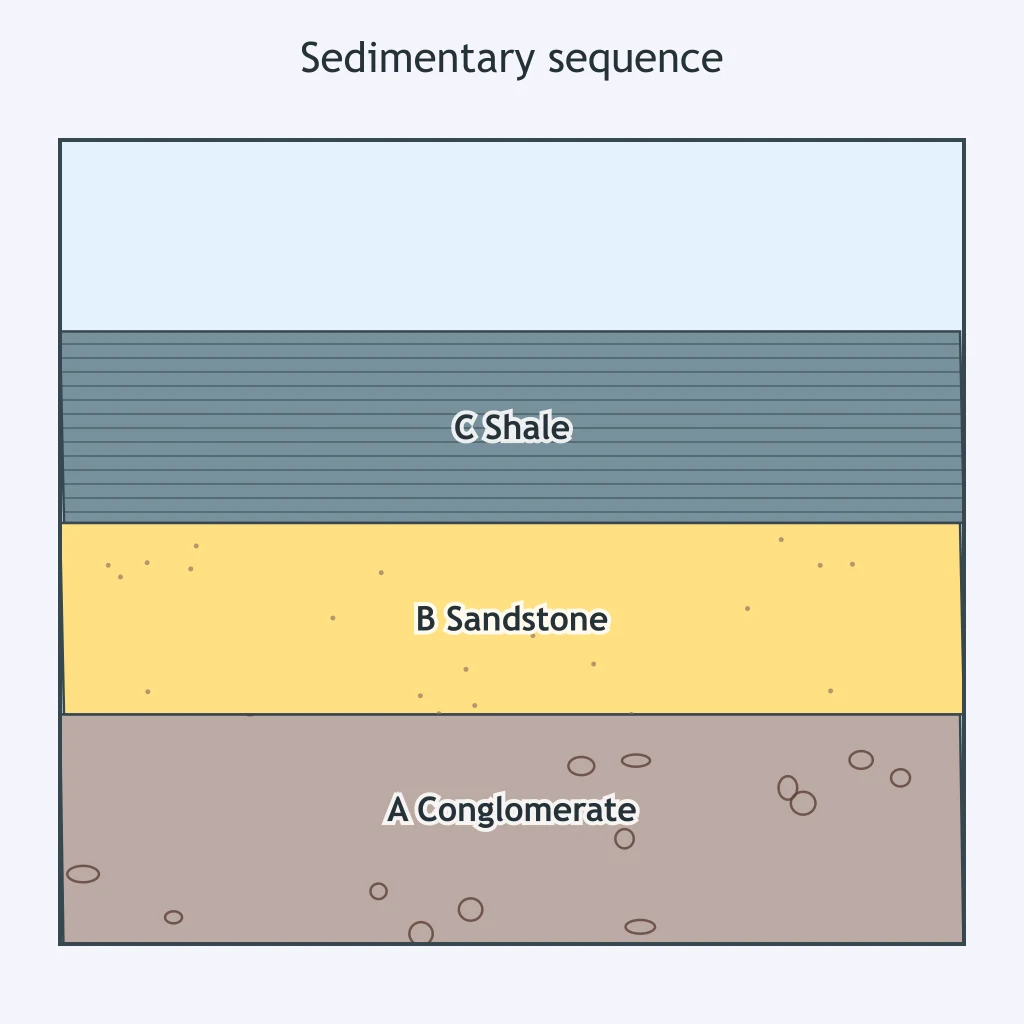
A sequence changes upward from conglomerate to sandstone to shale. What energy trend does that vertical sequence show?
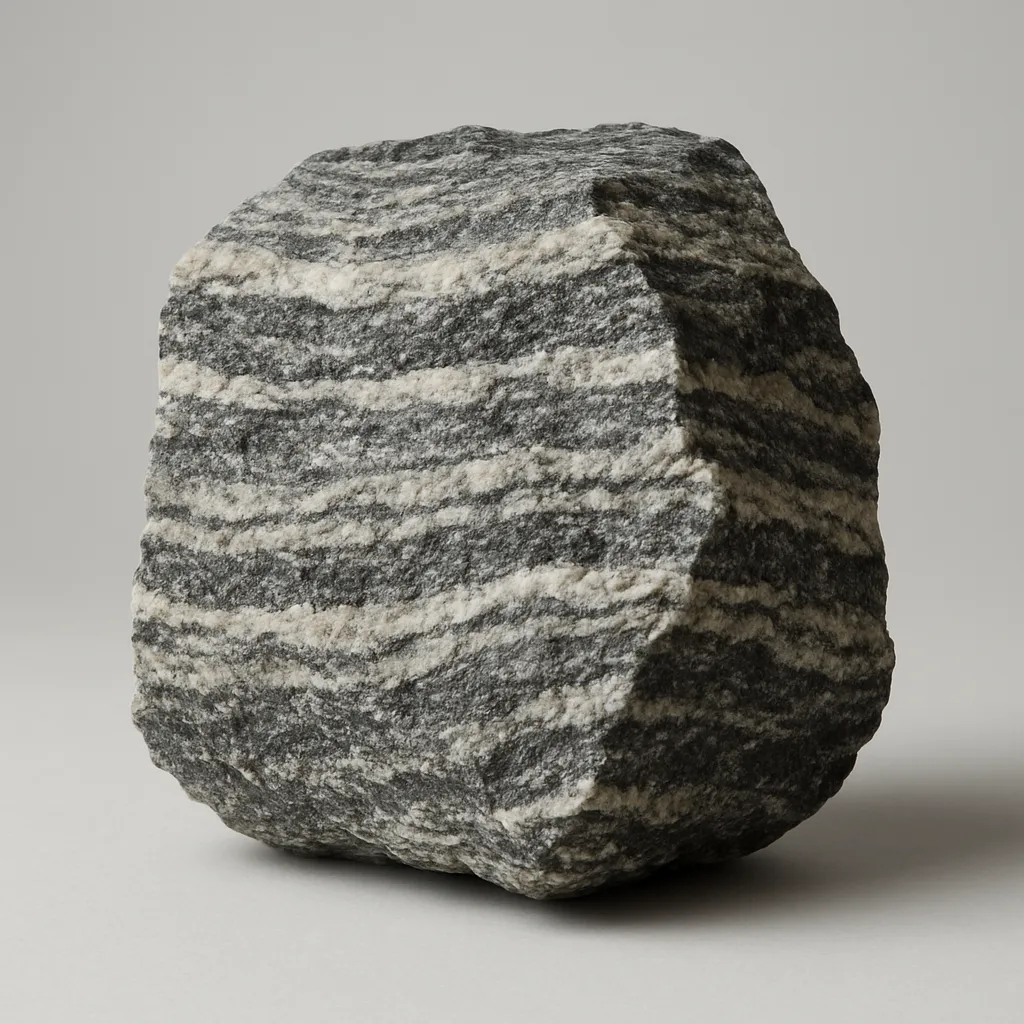
A coarse metamorphic specimen shows alternating light and dark mineral bands several millimeters wide. What rock is it?
A fine-grained metamorphic rock splits into thin, flat, smooth sheets and rings when tapped. What rock is it?
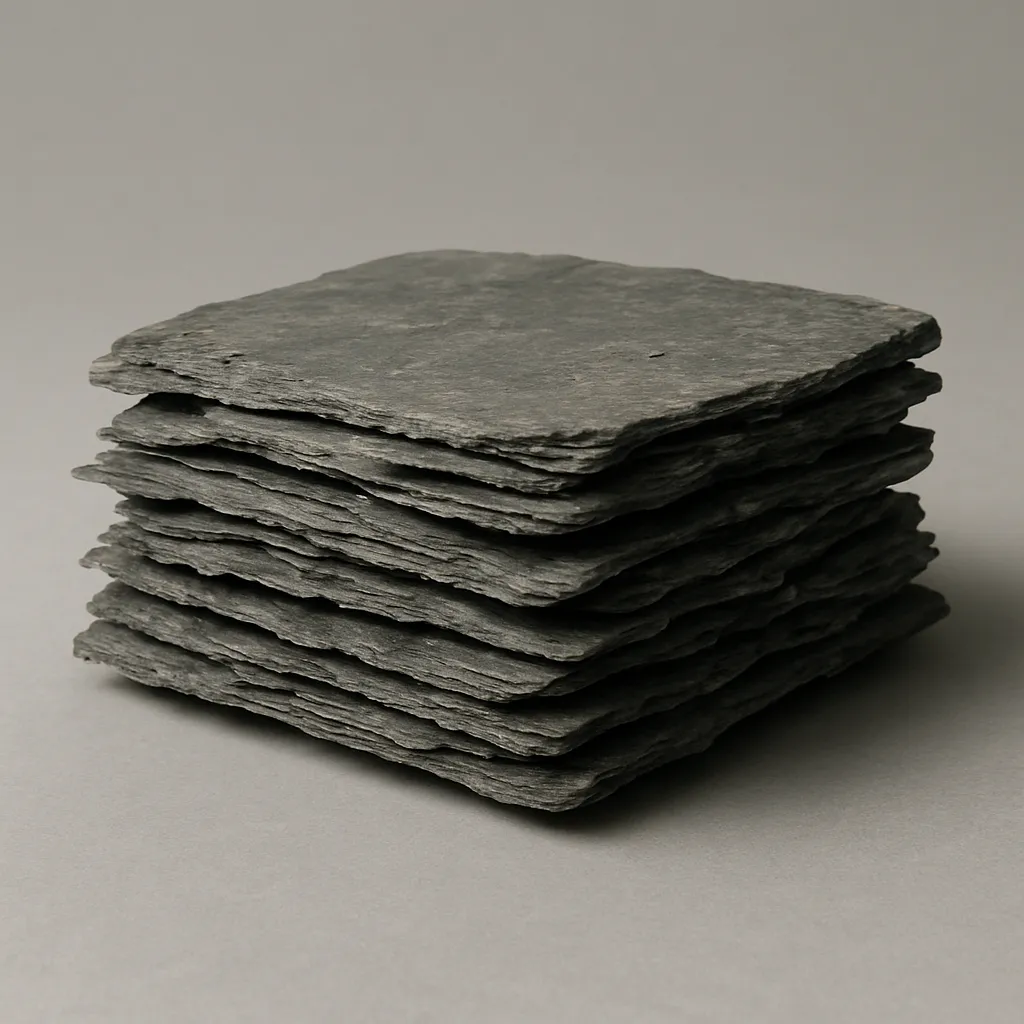
A shiny metamorphic rock has visible mica flakes aligned in layers but lacks gneissic banding. What rock is it?
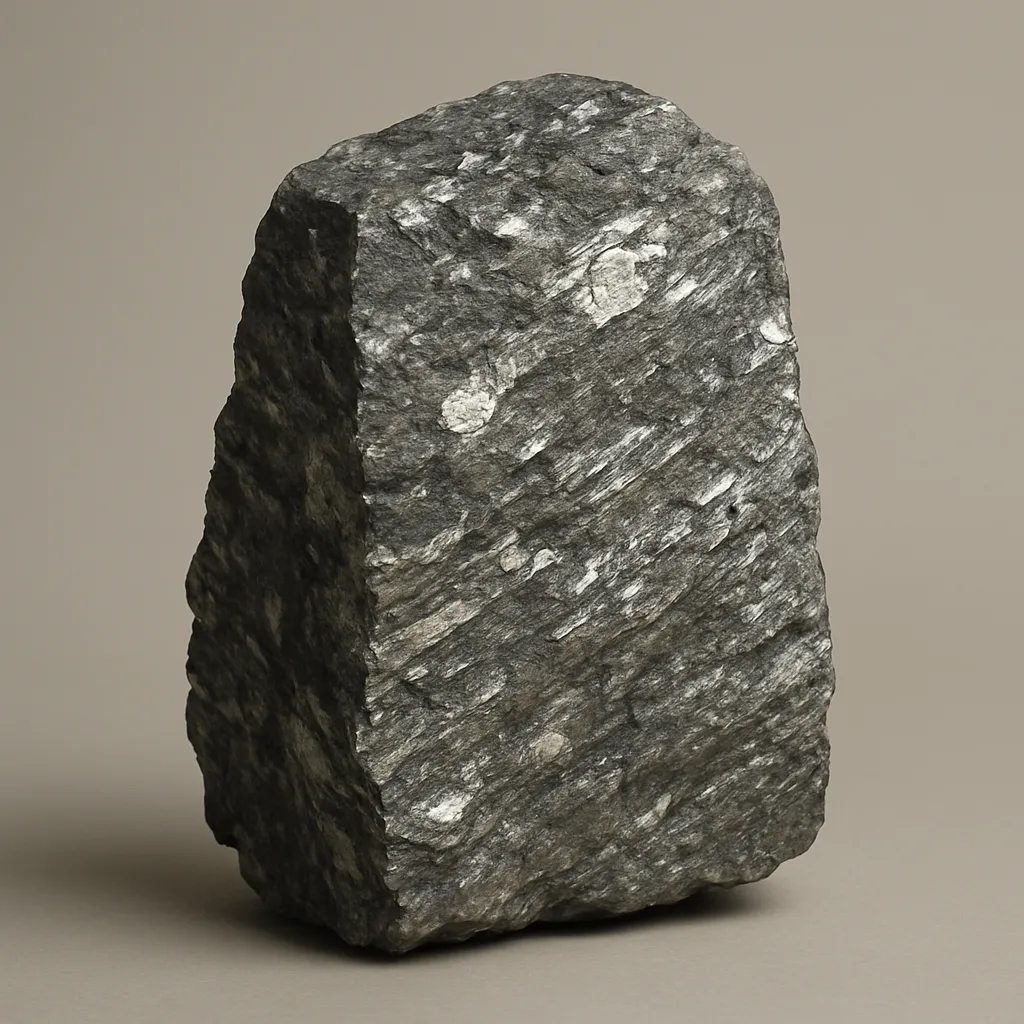
A foliated rock has a silky sheen and wavy surfaces, but individual mica flakes are hard to see. What rock is it?
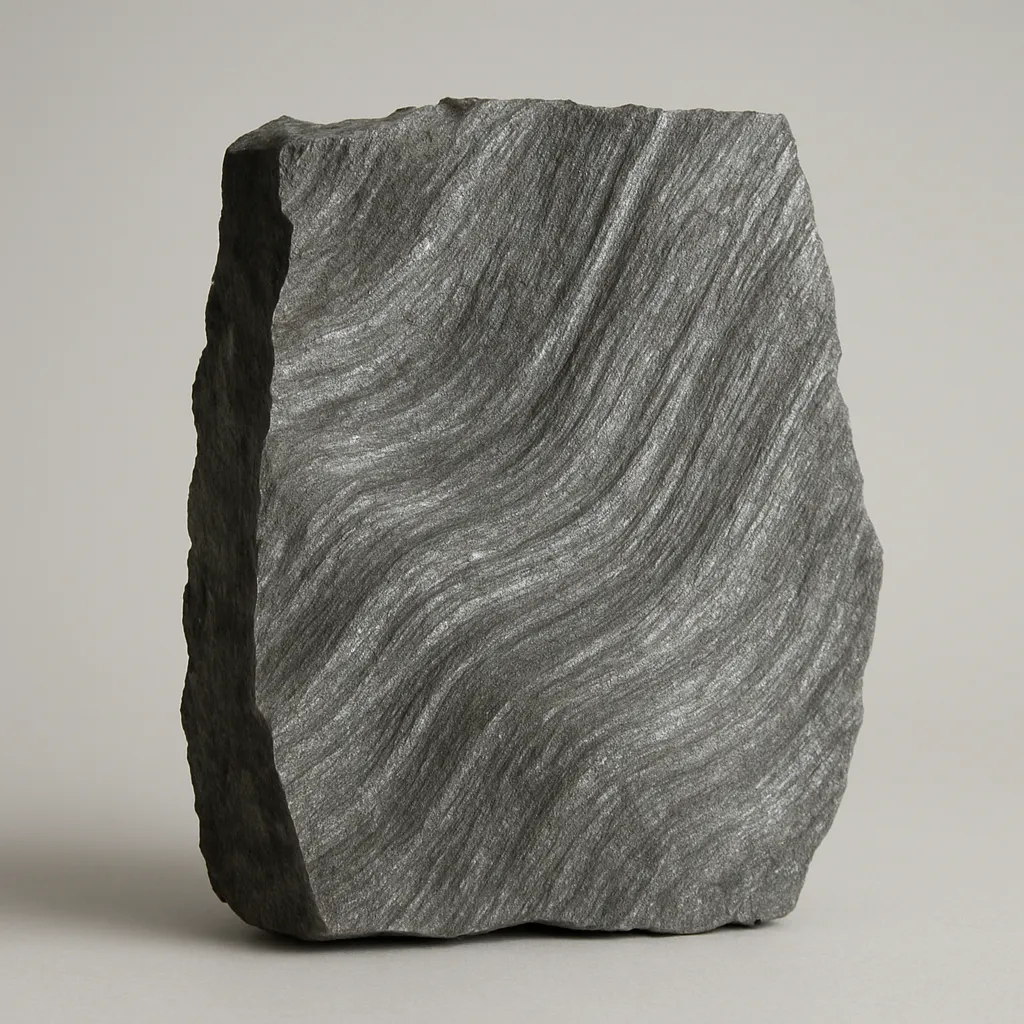
Limestone is heated by a nearby granite intrusion without strong directed pressure. What metamorphic rock can form?
A sandstone is buried and recrystallized so its quartz grains interlock tightly. What metamorphic rock forms?
Use the metamorphic chart. Under high-grade regional metamorphism, mudrock is most likely to become what?
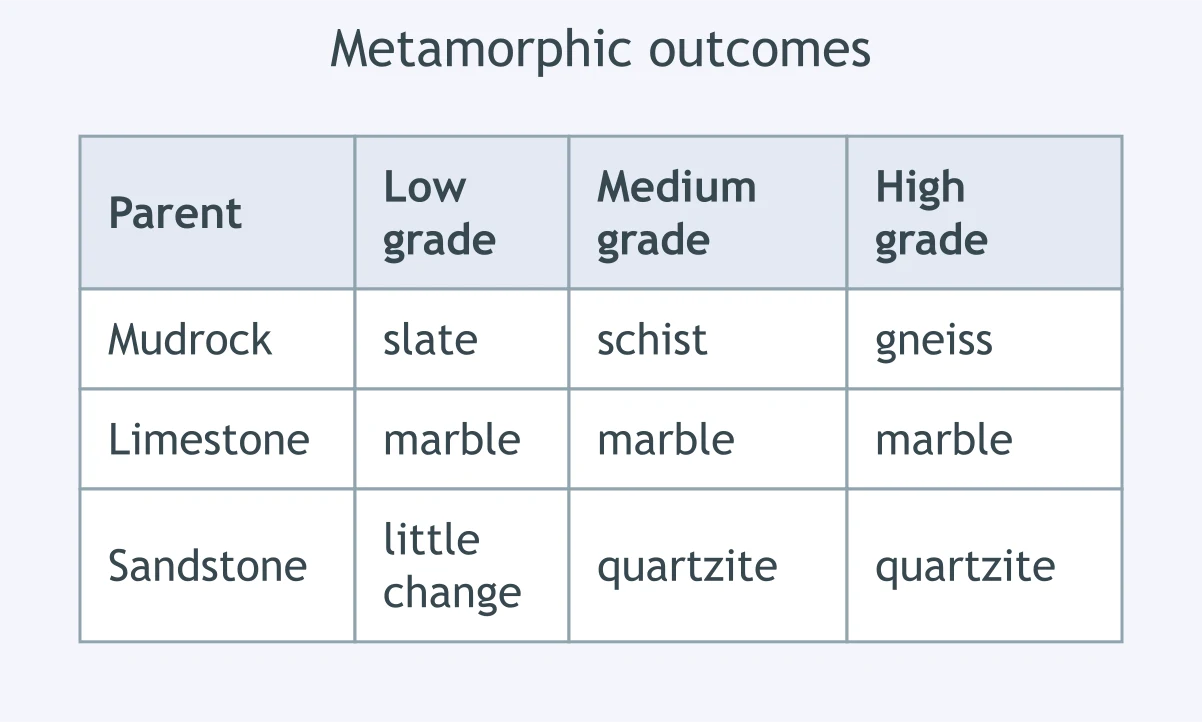
What causes foliation in many metamorphic rocks?
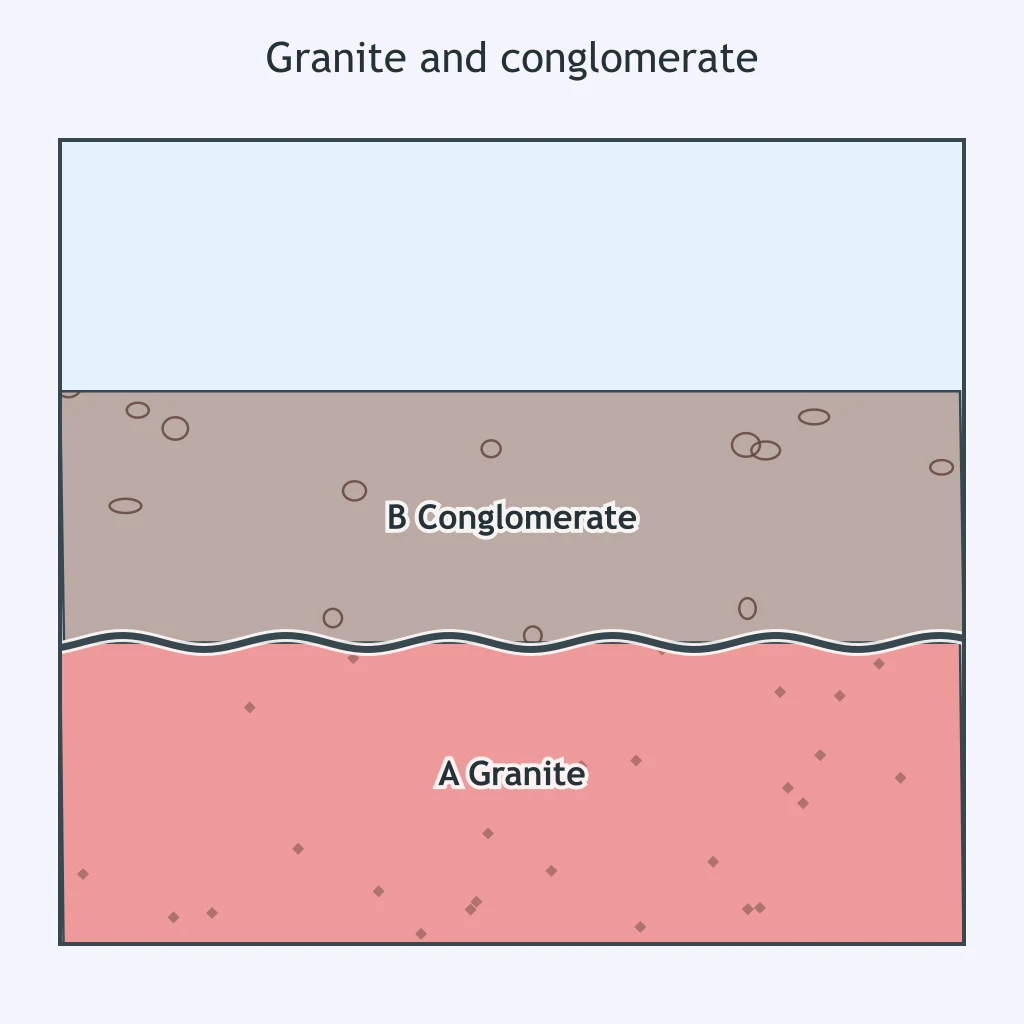
A wavy contact separates granite below from conglomerate above, and the conglomerate contains granite pebbles. What history does this show?
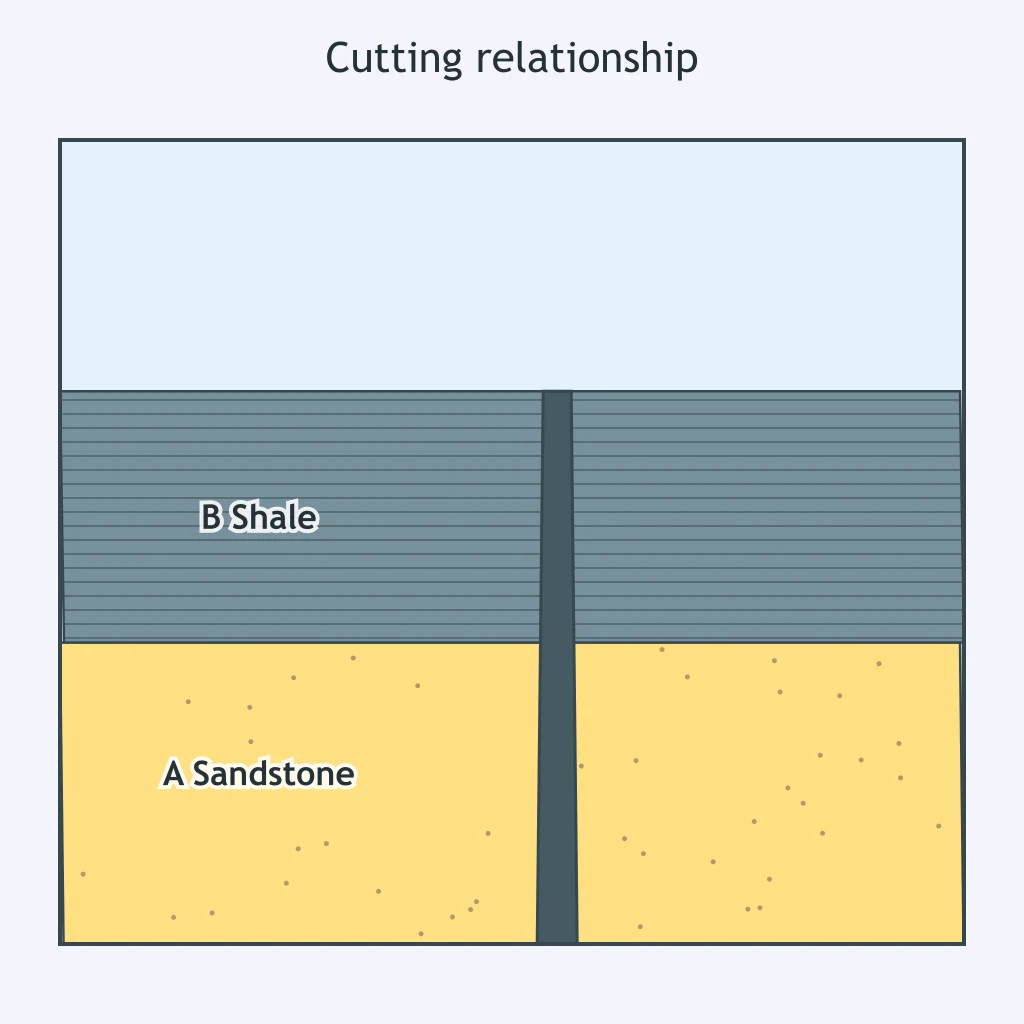
A dark igneous dike cuts across sandstone and shale layers. What relative age conclusion is best?
Limestone next to a granite intrusion changed to marble only along the contact. What process explains the marble zone?
Slate grades into phyllite closer to a granite sill. What changed most toward the sill?
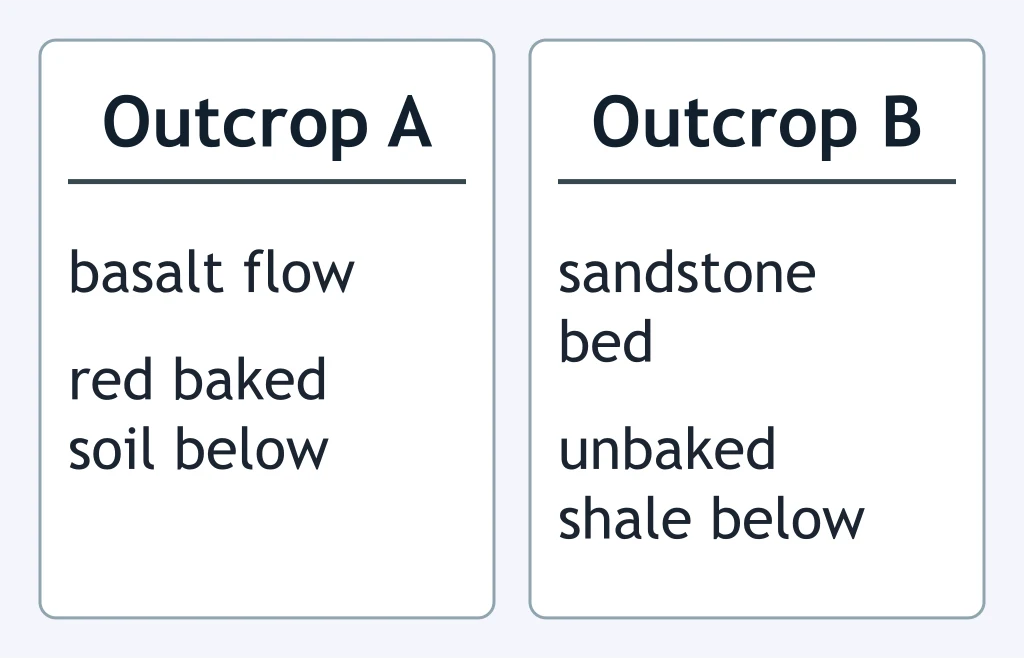
A basalt flow lies on a red baked soil horizon. What does the baked soil show about relative age?
A conglomerate resting on quartzite bedrock contains rounded quartzite pebbles. Which rock is older?
A basalt flow contains angular sandstone fragments along its base. What must be true about the sandstone?
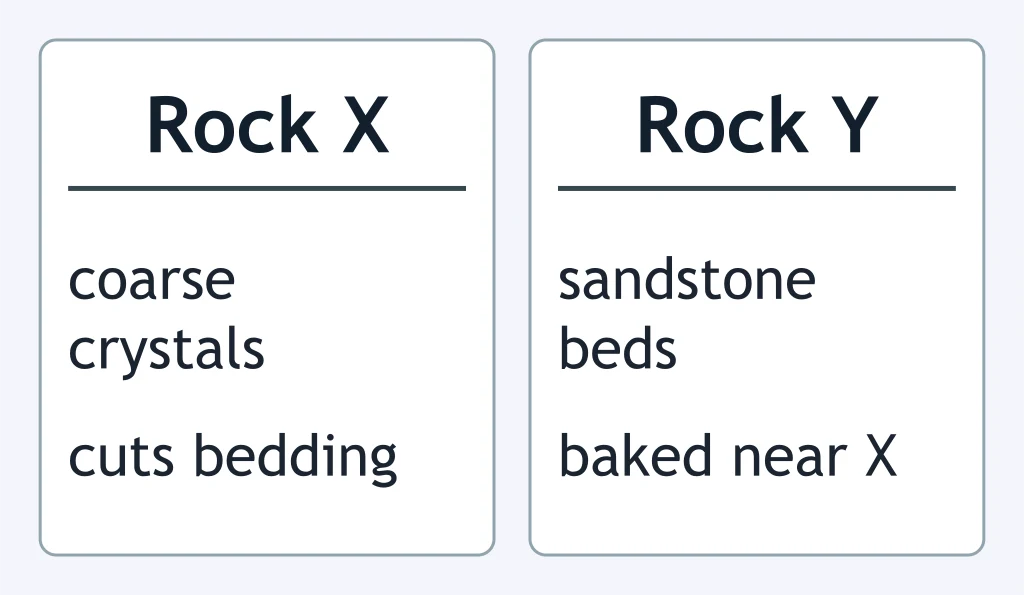
Rock X has coarse crystals, cuts across sandstone bedding, and baked the edge of Rock Y. What is Rock X?
Crack the passcode before the zombies get in.
Answer, then swat bugs for bonus points.
Race through questions at your own speed.
Same question on every screen. Fastest wins.

Pick a tile, answer, hit bonuses and steals.
30 questions