Loading
by BlastRoom
Classify clastic, chemical, and organic sedimentary rocks from specimens, settings, and structures.
#earth_space_science
40 questions
One question set, multiple game modes. Tap any game to see it in action. Not sure which to pick?
Answer to place stones and capture territory.
Outrun the snow together.
Earn blasts, then hunt the other team.
Answer to earn energy, then climb.

The class blasts through walls together.
Bid on mystery lots. Most money wins.
Sell tours. Nice, standard, or a total scam.

Answer, restock, and serve the rush.
More correct answers pulls the rope your way.
Answer, then shoot down the alien wave.
Answer, then tap to leap the frozen ridge.
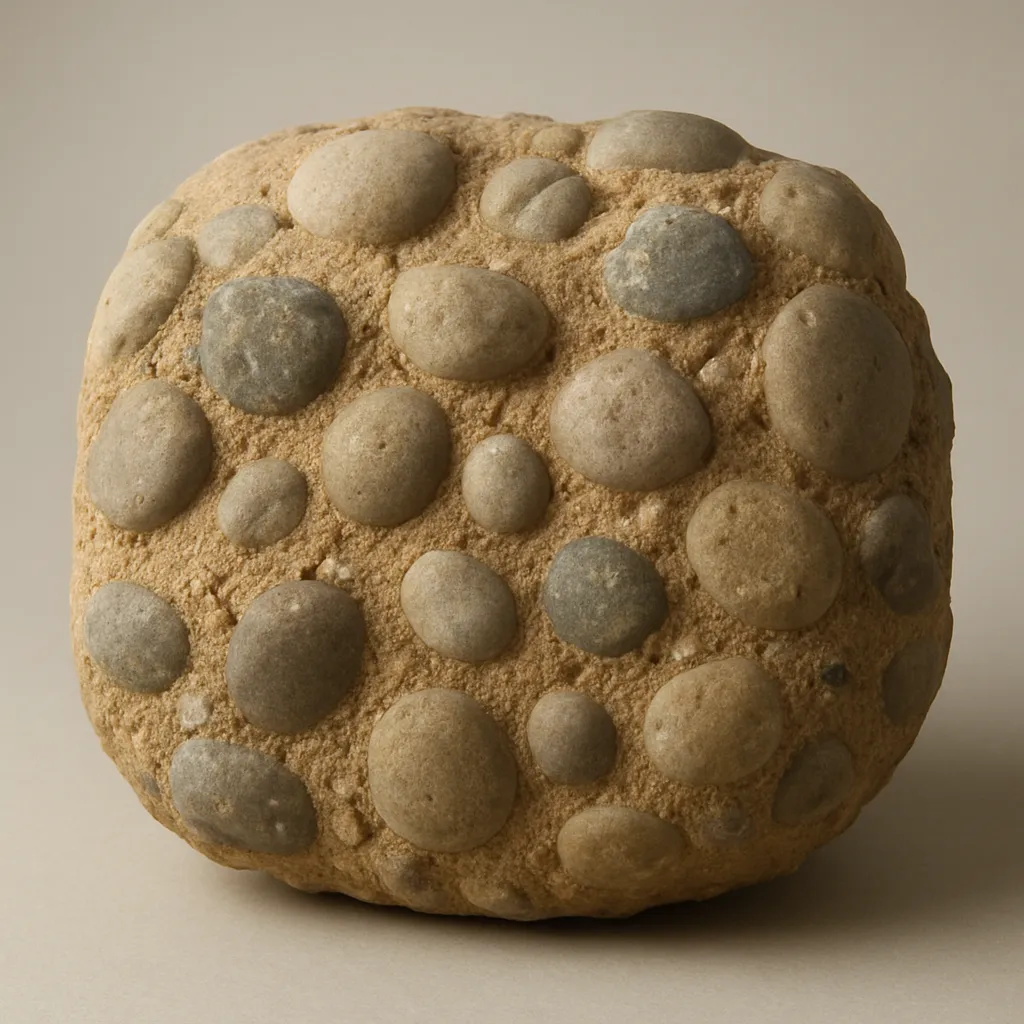
The specimen is built from rounded pebbles cemented together in a sandy matrix. Which clastic rock is it?
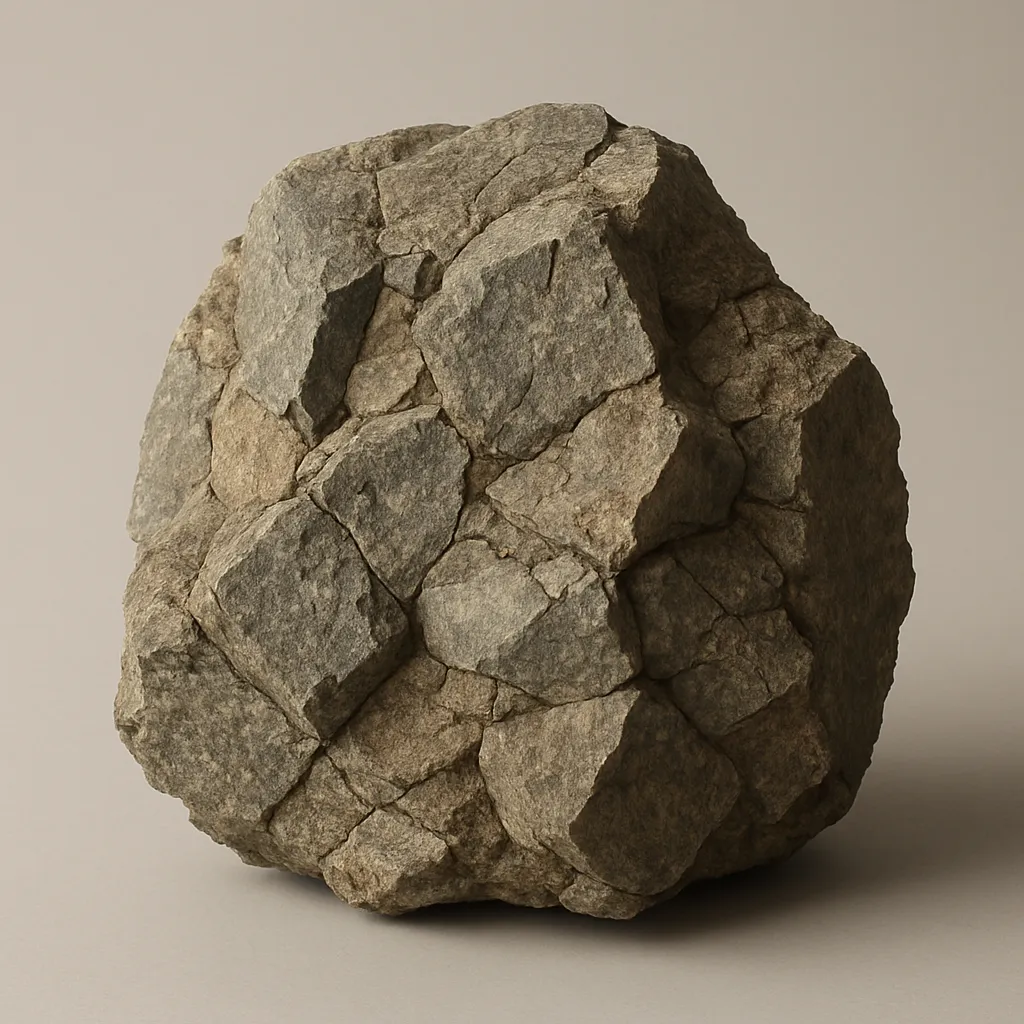
The specimen is made of sharp, angular rock fragments cemented tightly together. Which clastic rock is it?
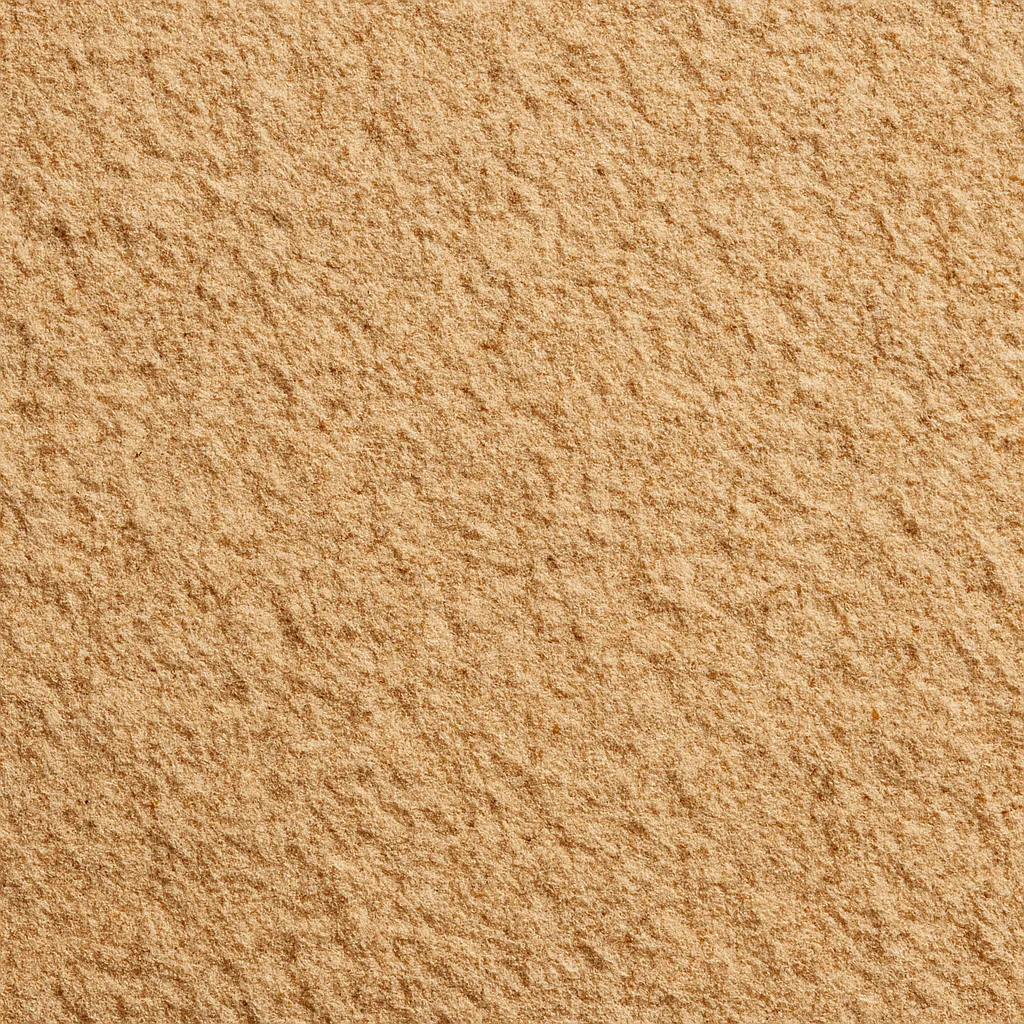
The specimen has visible, gritty sand-sized grains cemented into a solid tan rock. Which clastic rock is it?
The specimen feels gritty but its grains are too fine to see individually without a hand lens. Which clastic rock is it?

The specimen is made of extremely fine clay grains and splits easily into thin flat sheets. Which clastic rock is it?
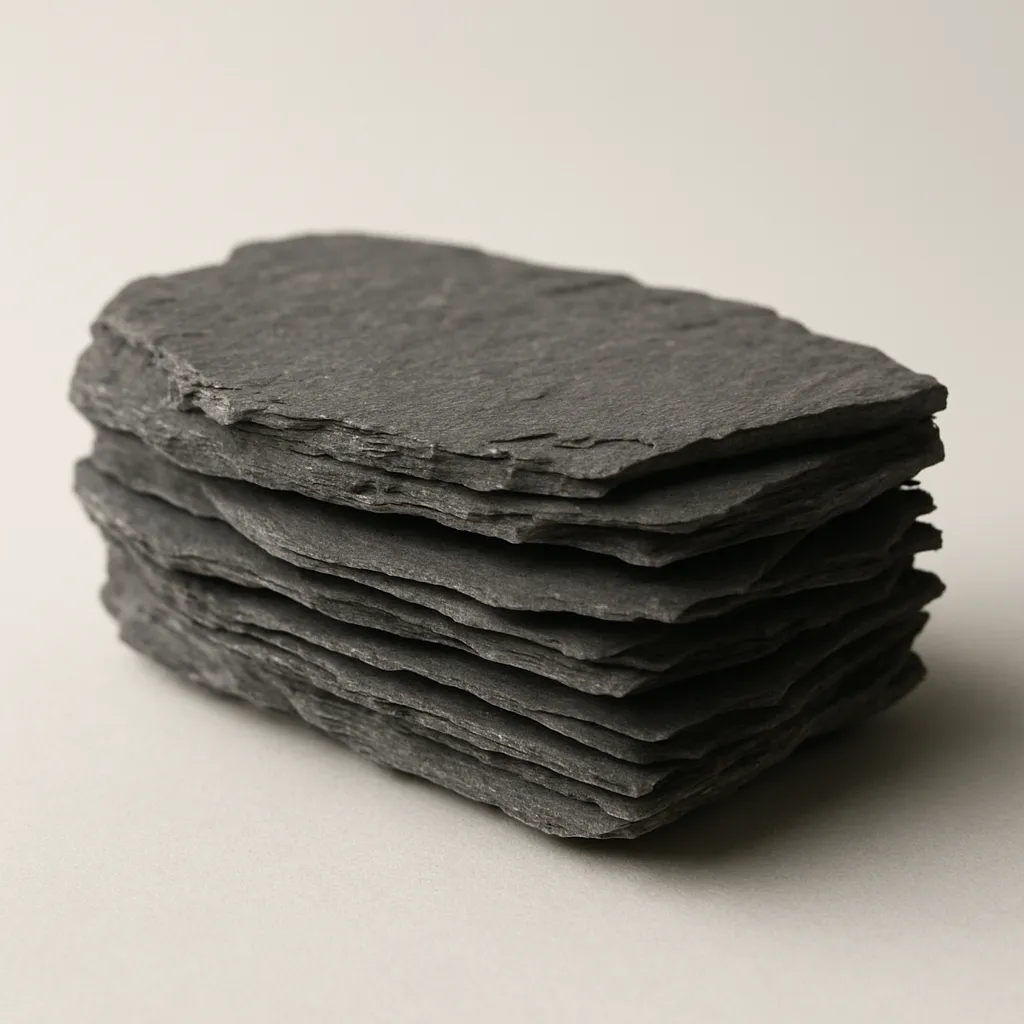
A sandstone specimen's grains are well rounded and nearly all the same size. What does this most likely indicate?
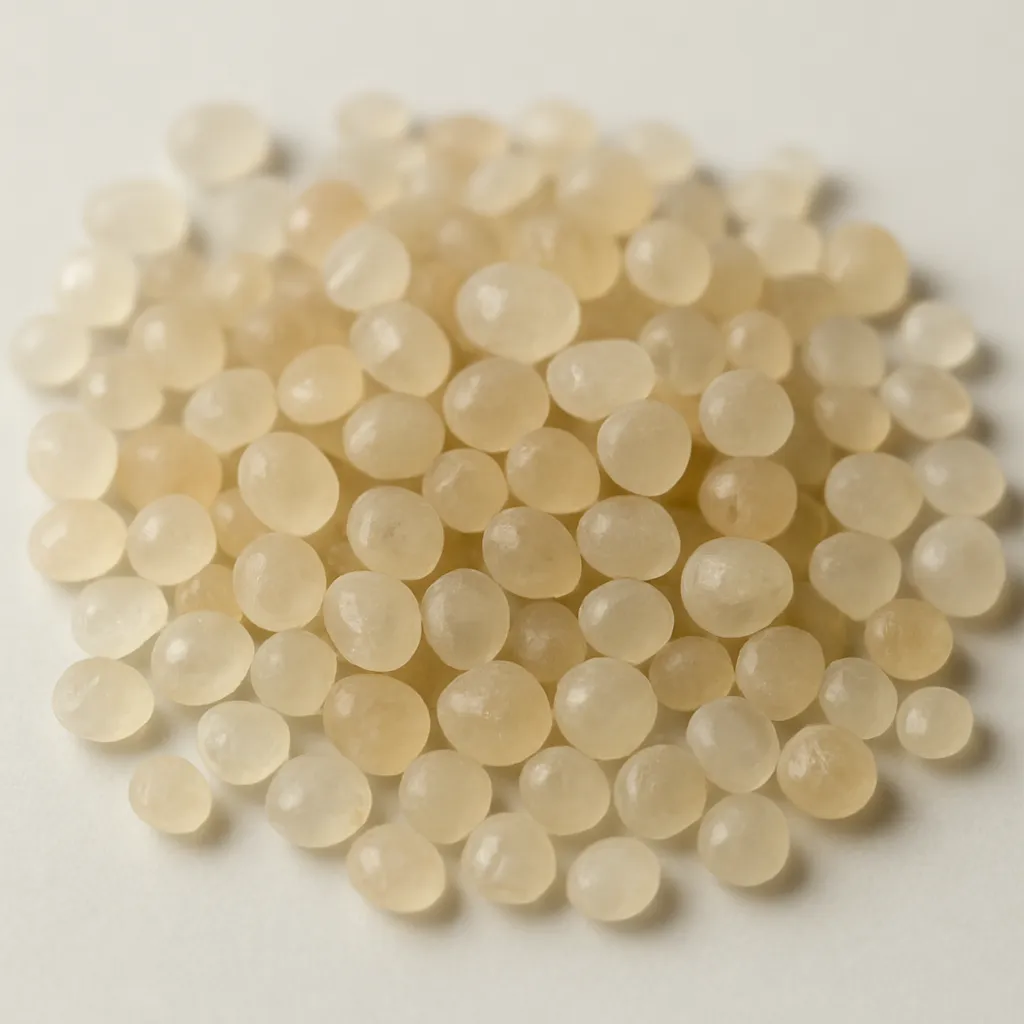
Which grain size range defines sand, the size class that makes up sandstone?
A sandstone specimen's quartz grains are sharply angular rather than rounded. What does this most likely indicate?
A specimen contains pebbles, sand, and clay all mixed together with no separation by size. How is this sediment's sorting best described?
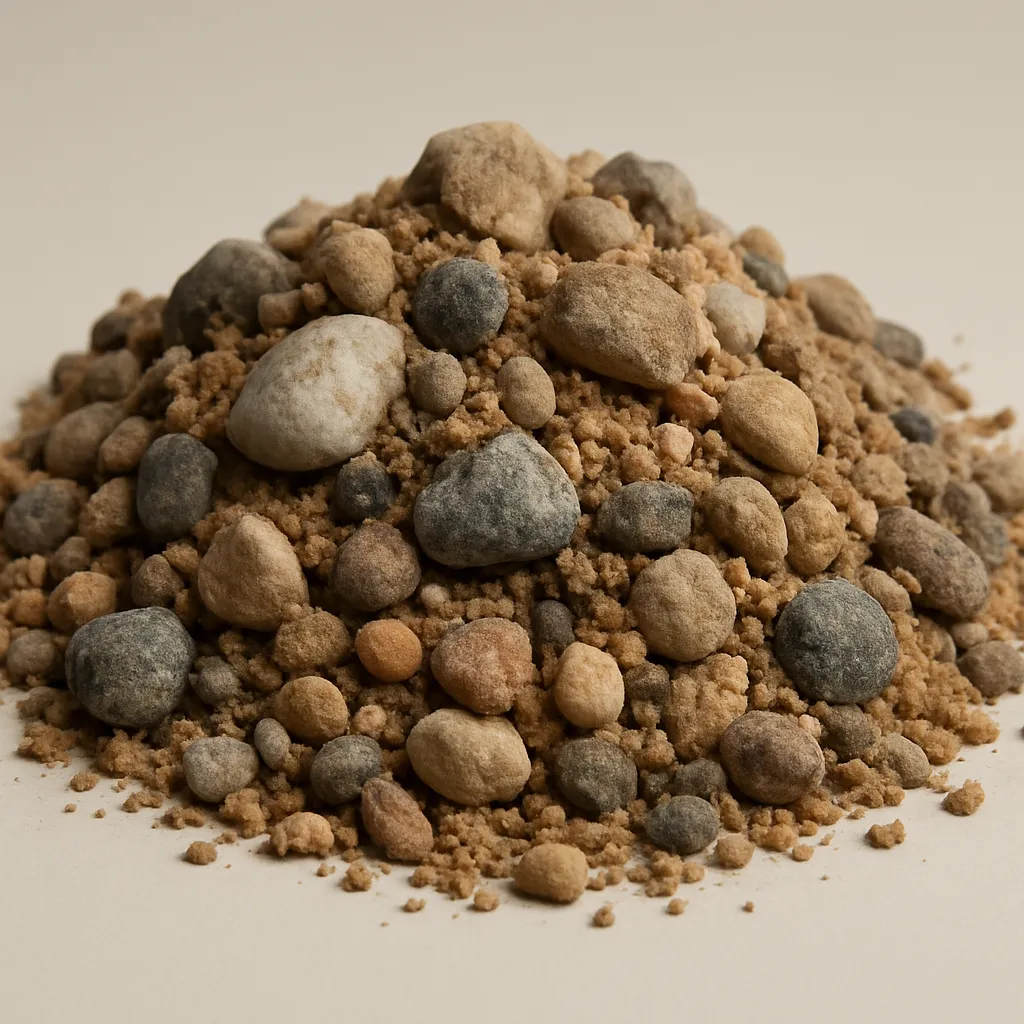
The specimen is a sandstone containing abundant pink and white feldspar grains along with quartz sand. Which clastic rock is it?
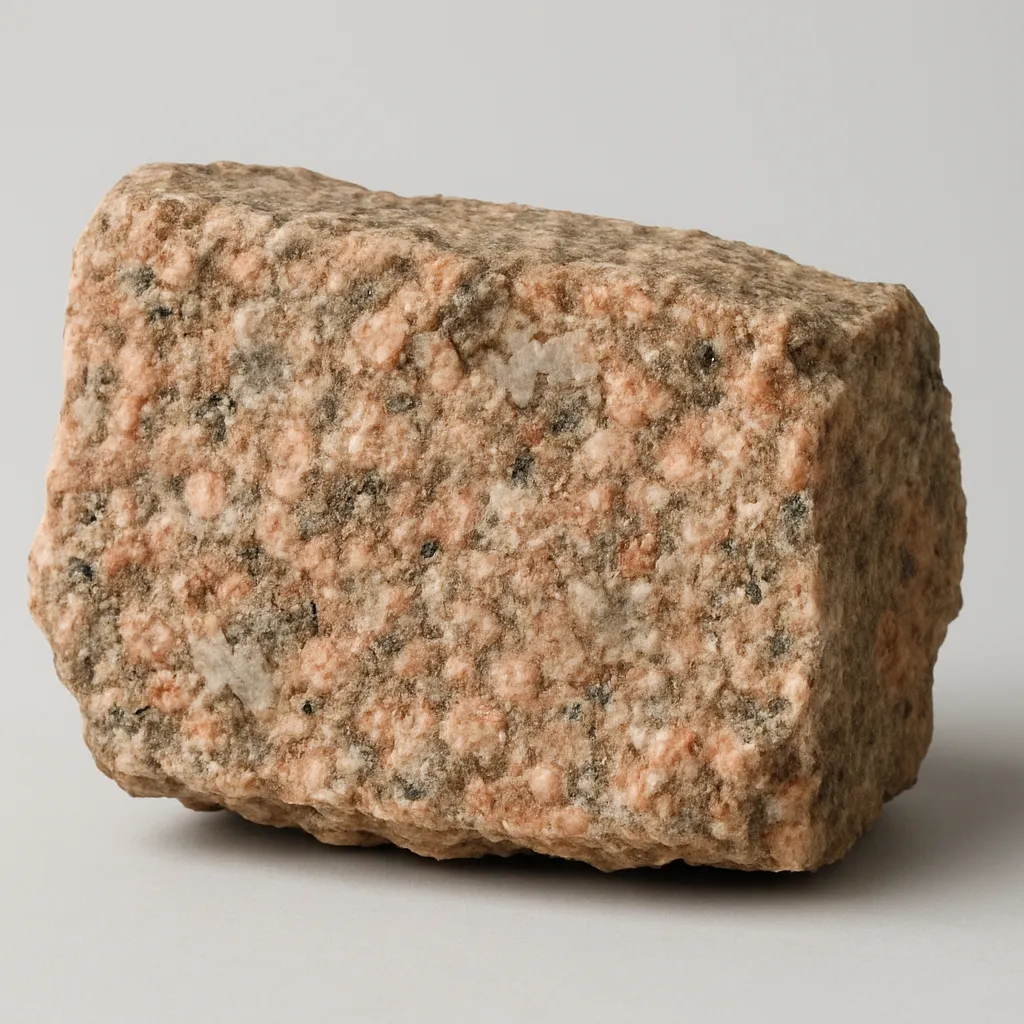
A thick bed of rock salt formed when a shallow arm of the sea was cut off from the ocean and evaporated. What does this bed tell us about the climate when it formed?
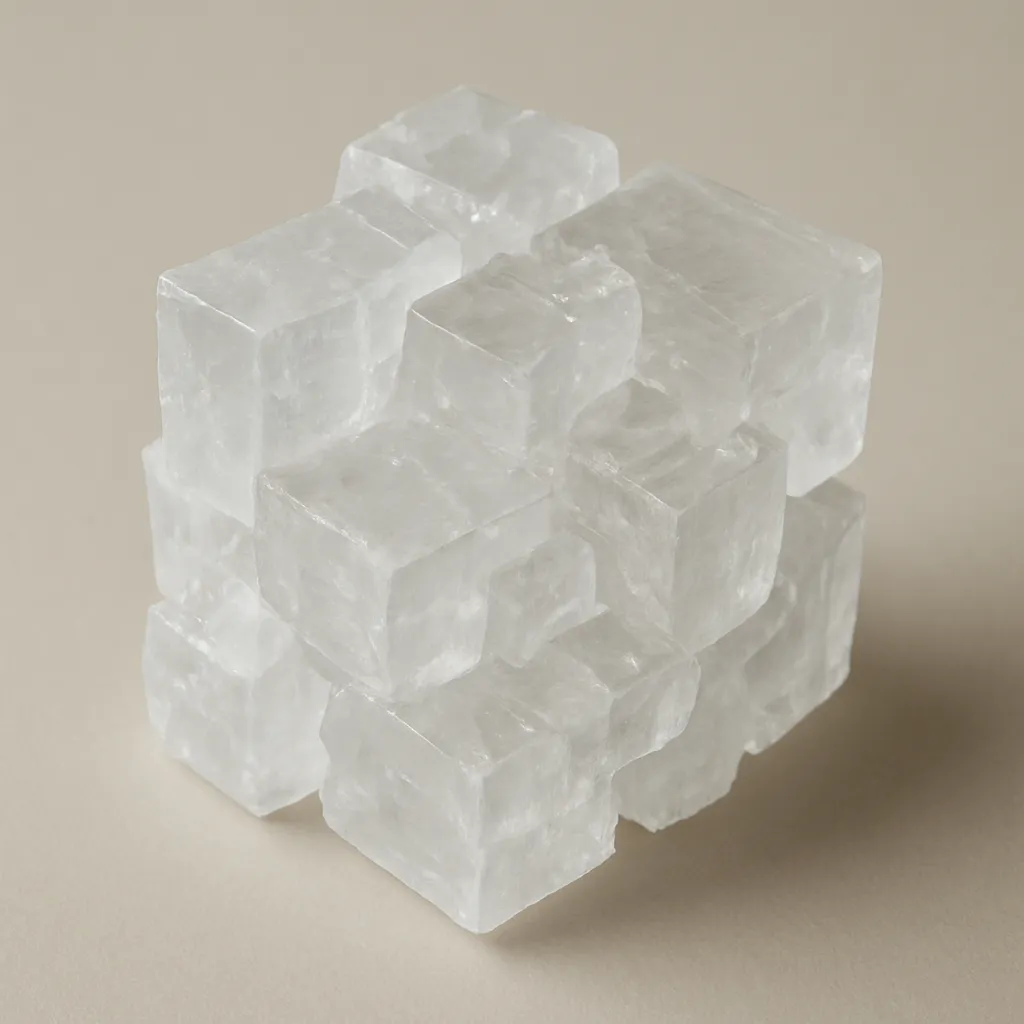
A shallow sea partly evaporates, precipitating a soft mineral that forms interlocking fibrous crystals. Which rock is this?
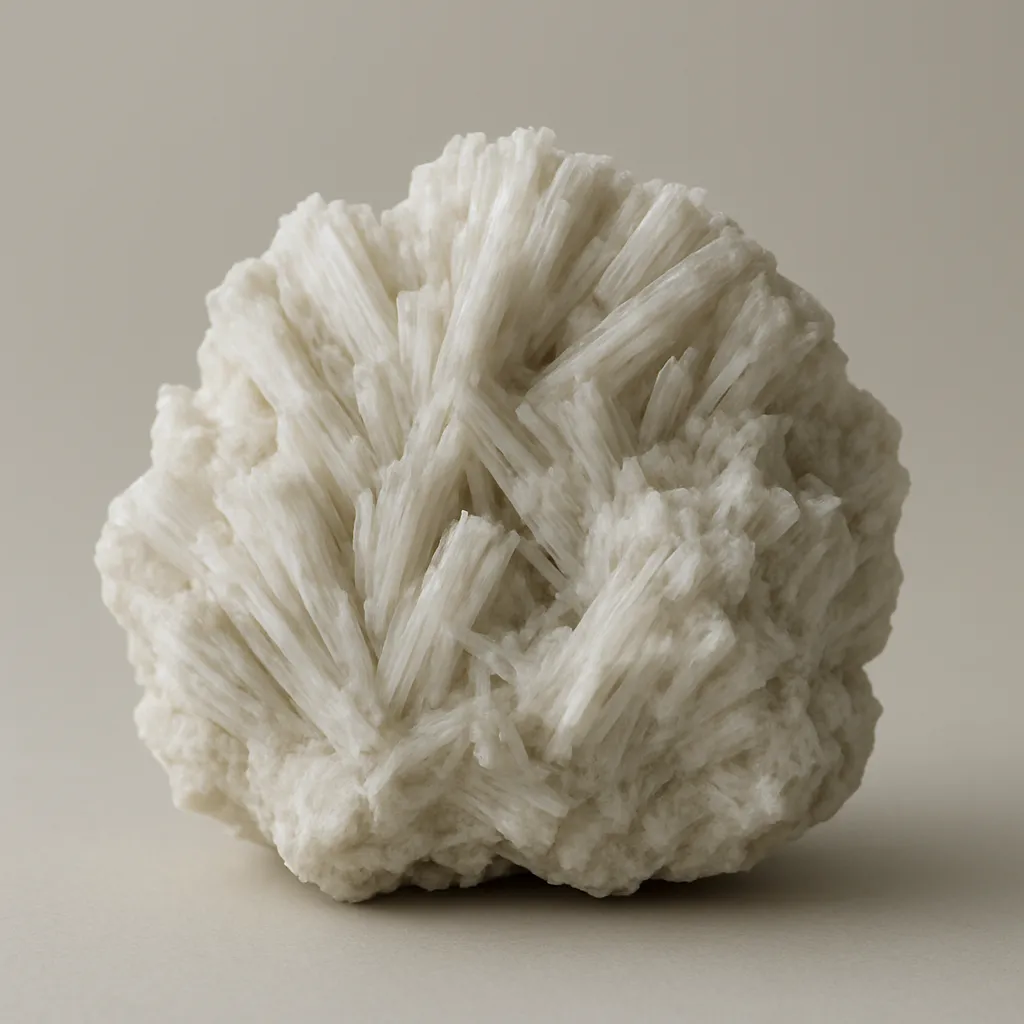
Plant material accumulates in a swampy, oxygen-poor environment and is buried, compacted, and heated over time. Which rock forms?
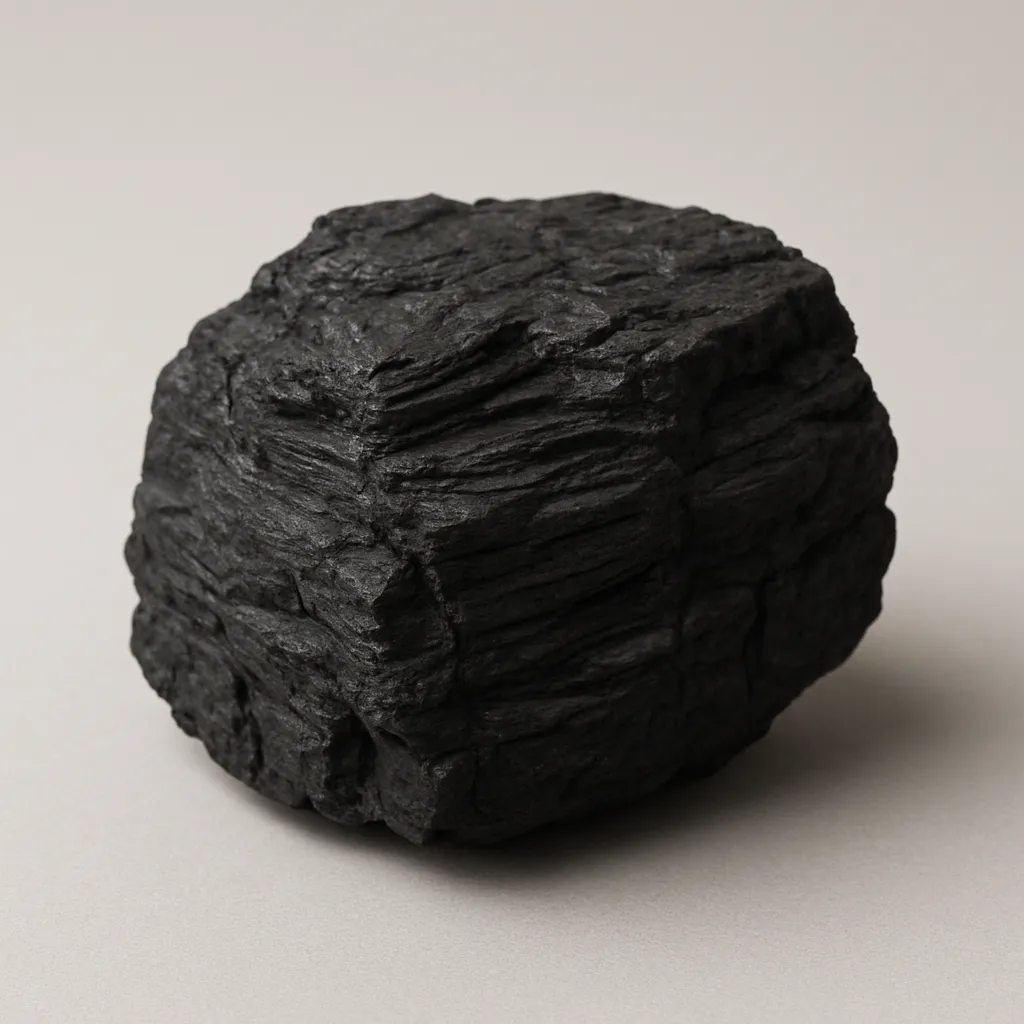
Waves break apart shells and coral along a beach, and the fragments are cemented together where they settle. Which rock forms?
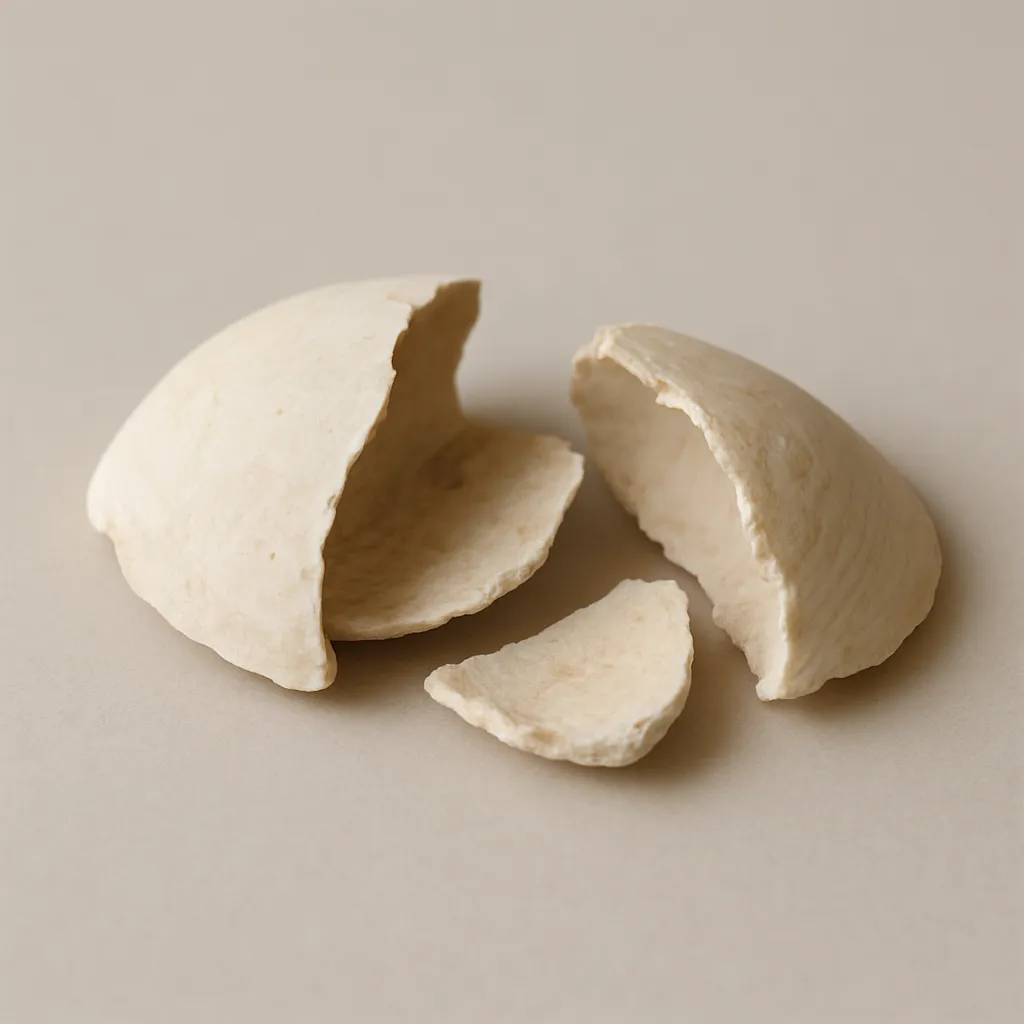
A white specimen is soft enough to scratch easily with a fingernail, does not taste salty, and formed as seawater evaporated. Which rock is it?
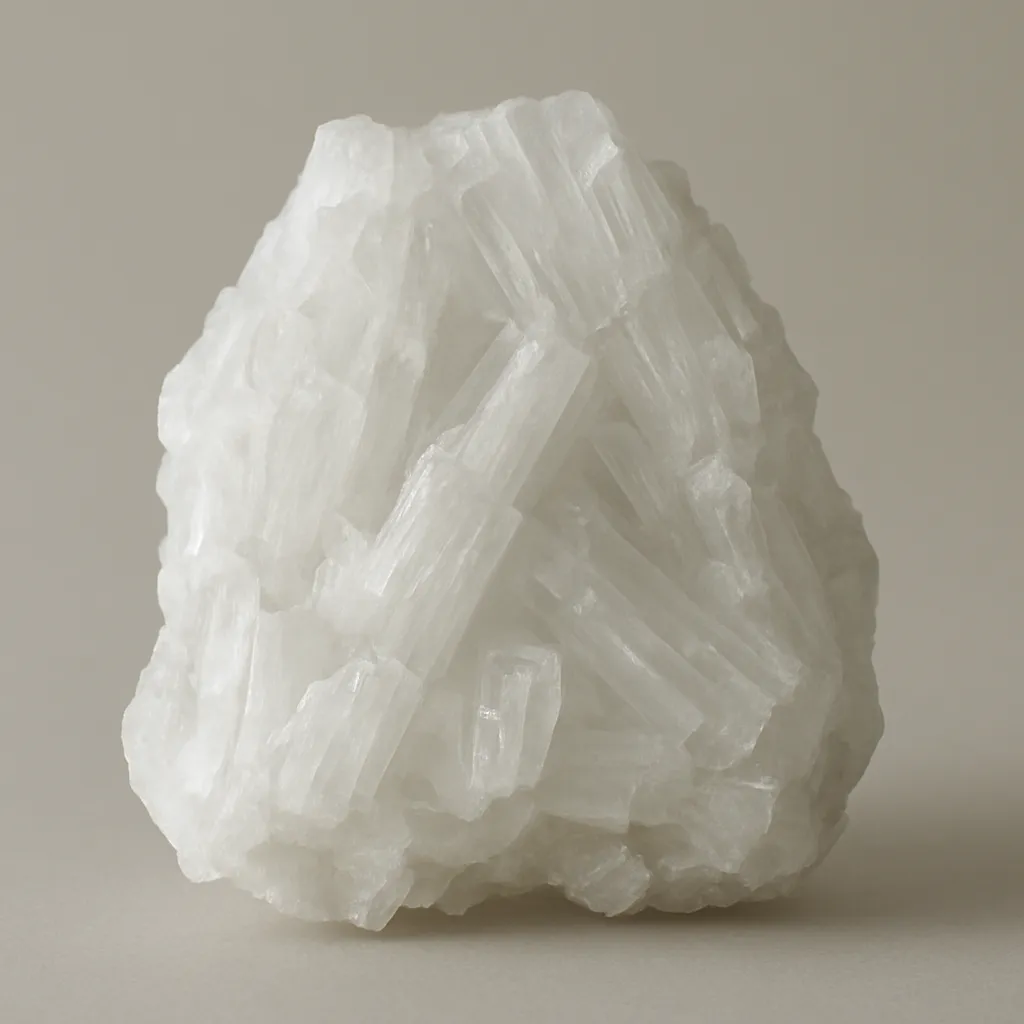
Mineral-rich water cools as it flows from a hot spring, precipitating a banded, porous rock around the vent. Which rock forms?
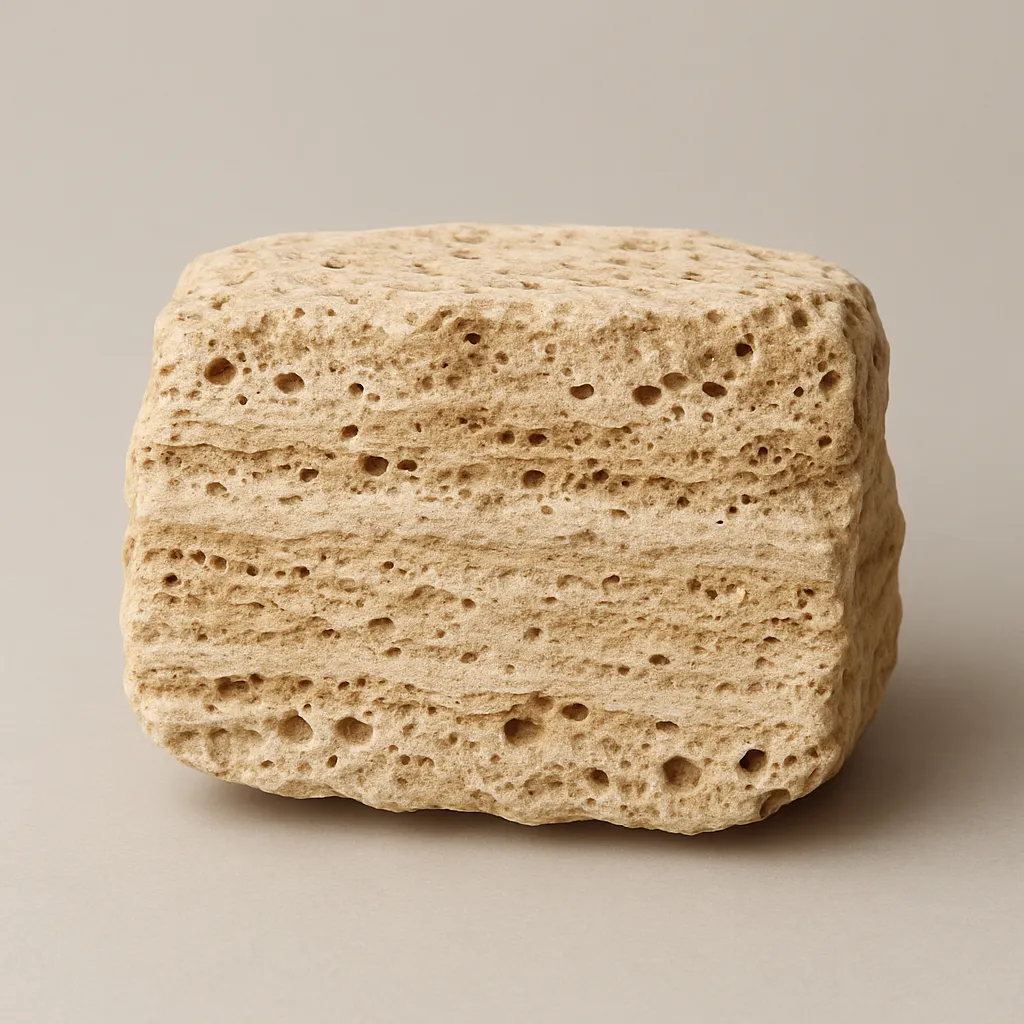
Groundwater rich in magnesium slowly reacts with buried limestone, replacing some of its calcium. What rock does this produce?
Which two processes turn loose sediment grains into solid sedimentary rock?
The specimen is gray and fine grained, fizzes in dilute hydrochloric acid, and holds broken shell fragments throughout. Which rock is it?
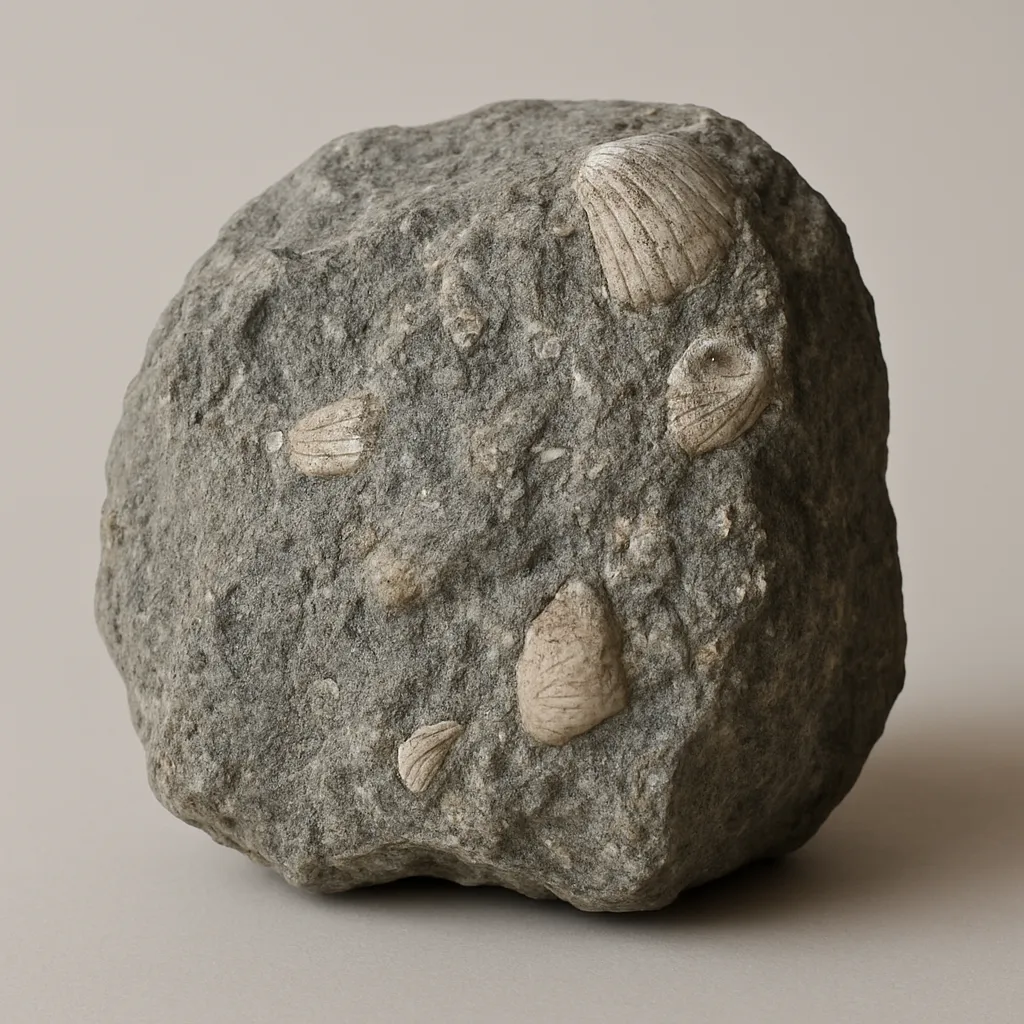
The specimen is light gray, extremely fine grained, breaks with a smooth curved fracture, and does not react with acid. Which rock is it?
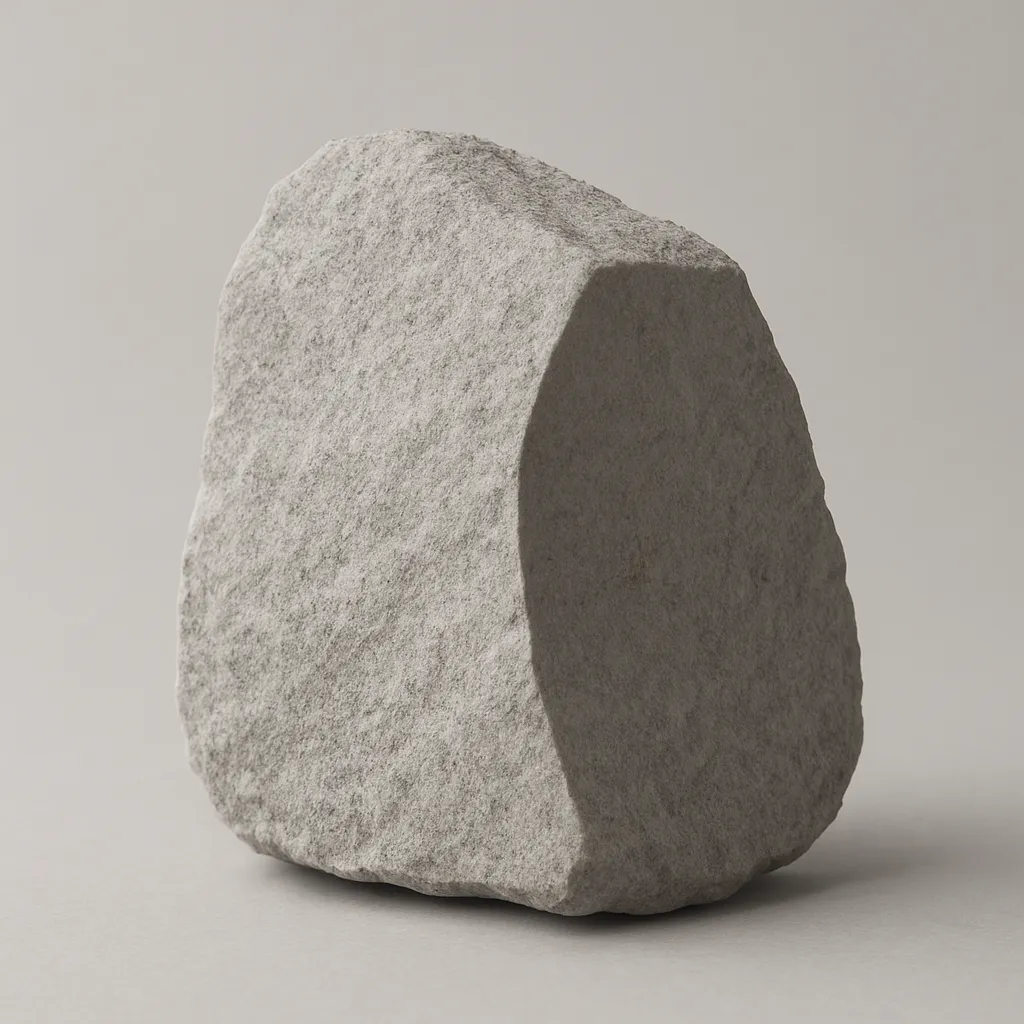
The specimen has a sugary texture and fizzes in dilute acid only when scratched into powder, not as a solid piece. Which rock is it?
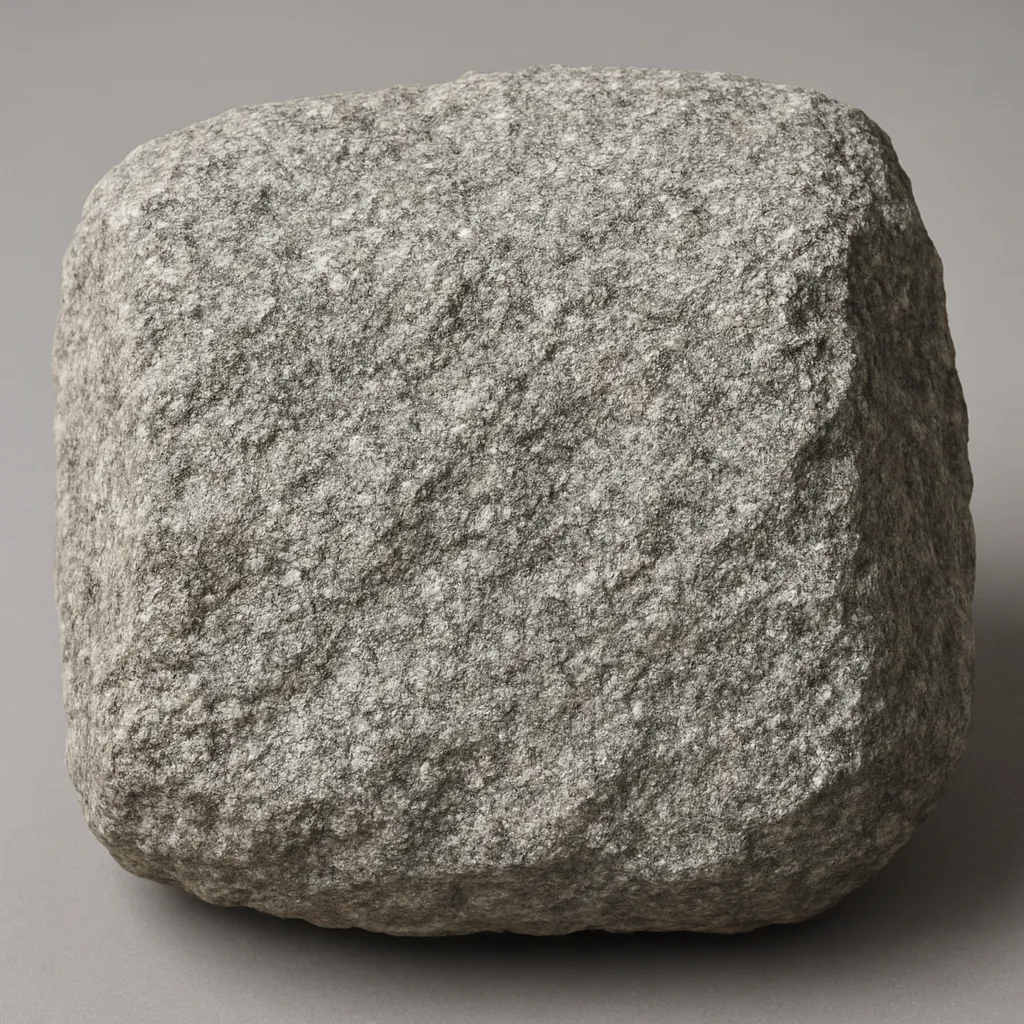
The specimen forms interlocking cubic crystals, tastes salty, and does not react with dilute acid. Which rock is it?
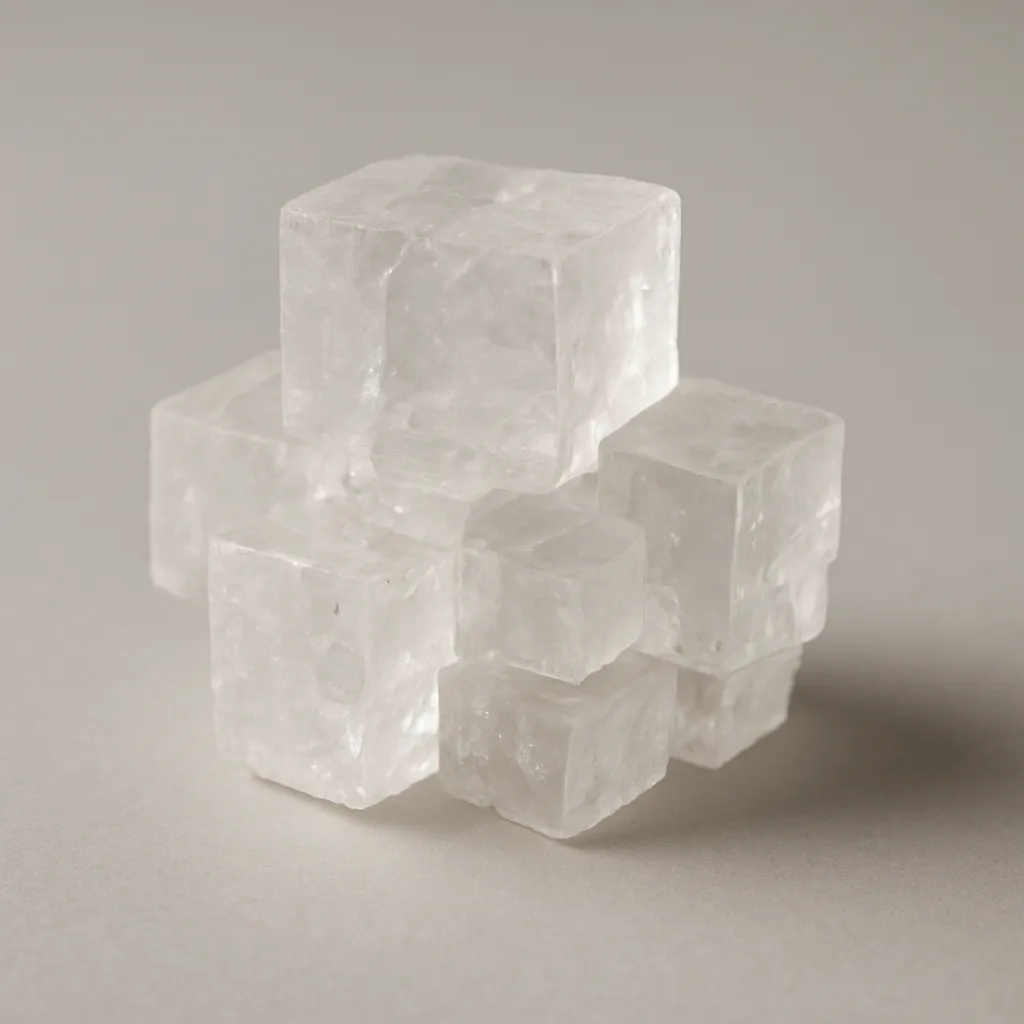
The specimen is black, dull to slightly shiny, lightweight, and burns readily but does not react with acid. Which rock is it?
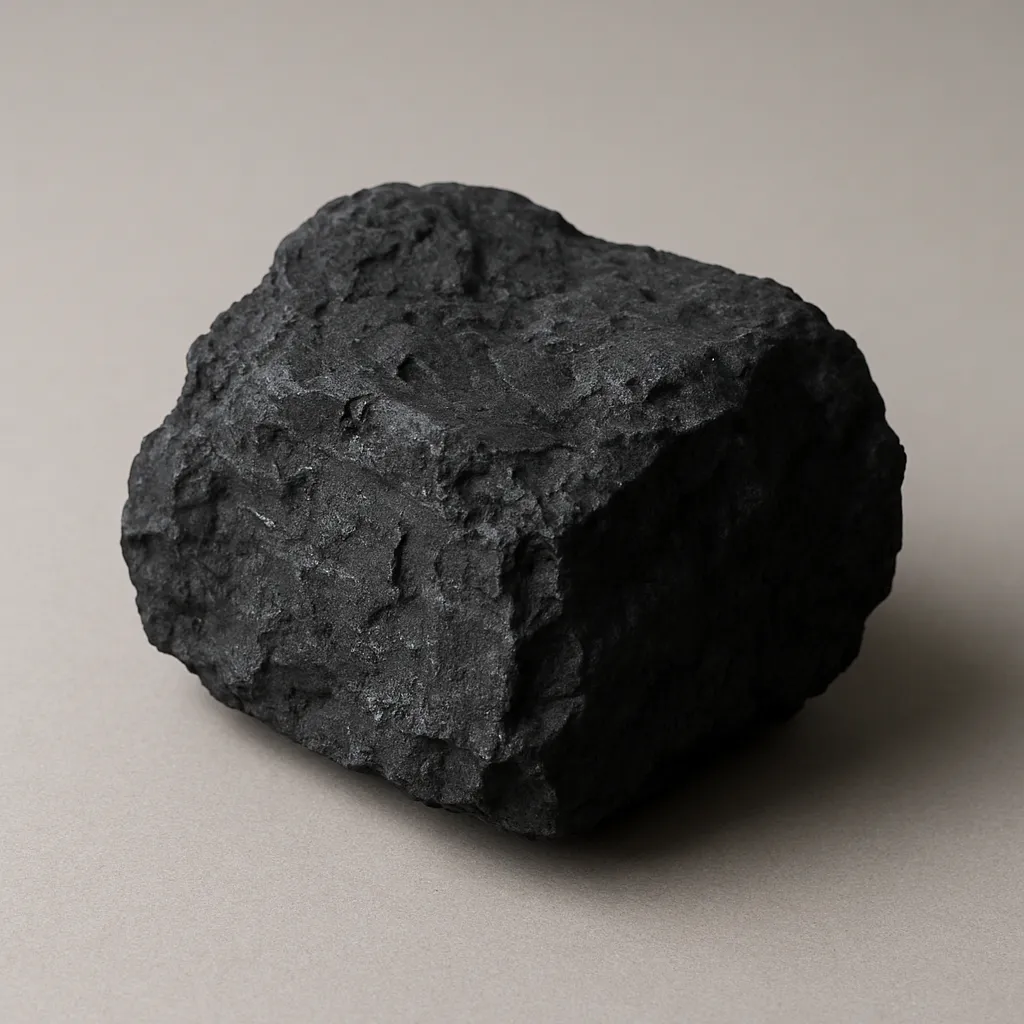
The specimen is black, hard, and has a bright metallic luster, with a very high carbon content. Which rock is it?
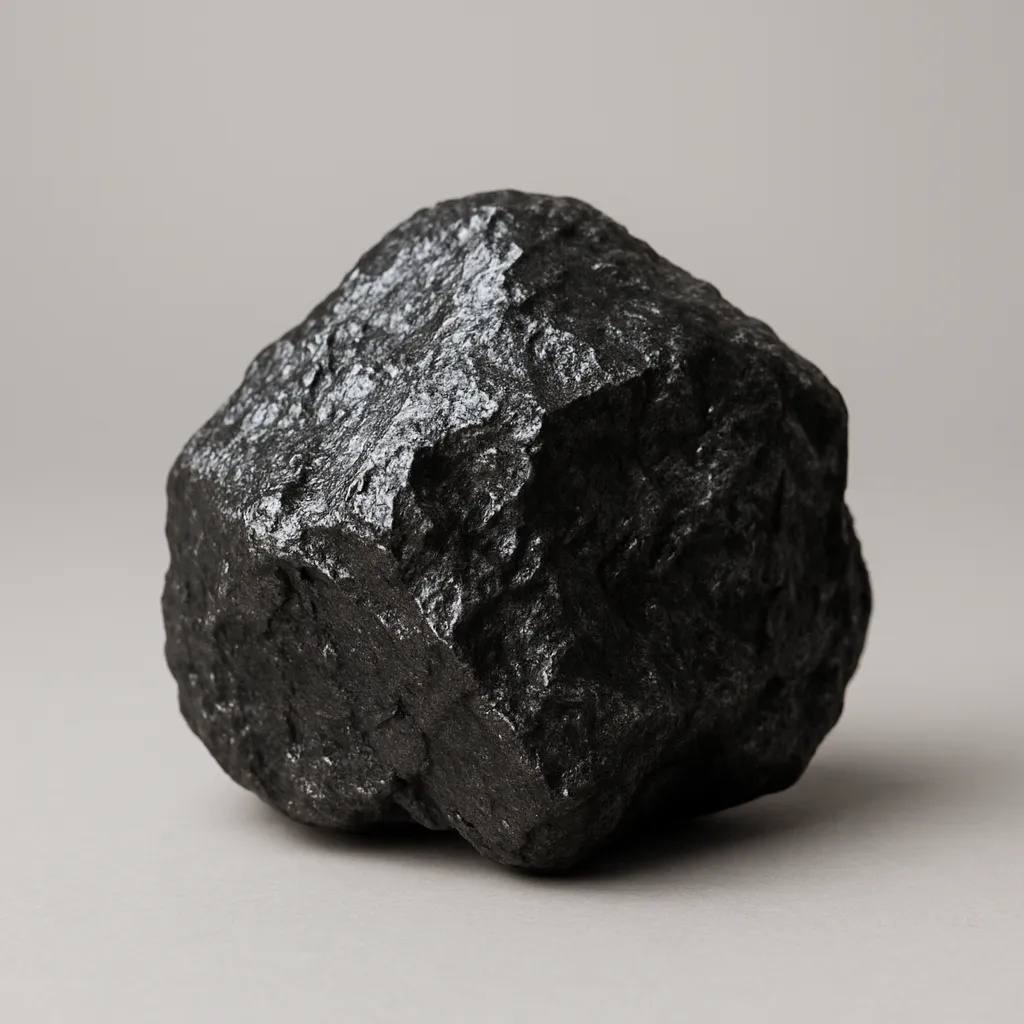
The specimen splits into thin layers and feels smooth, not gritty, when scraped with a fingernail. It does not fizz in dilute acid. Which rock is it?
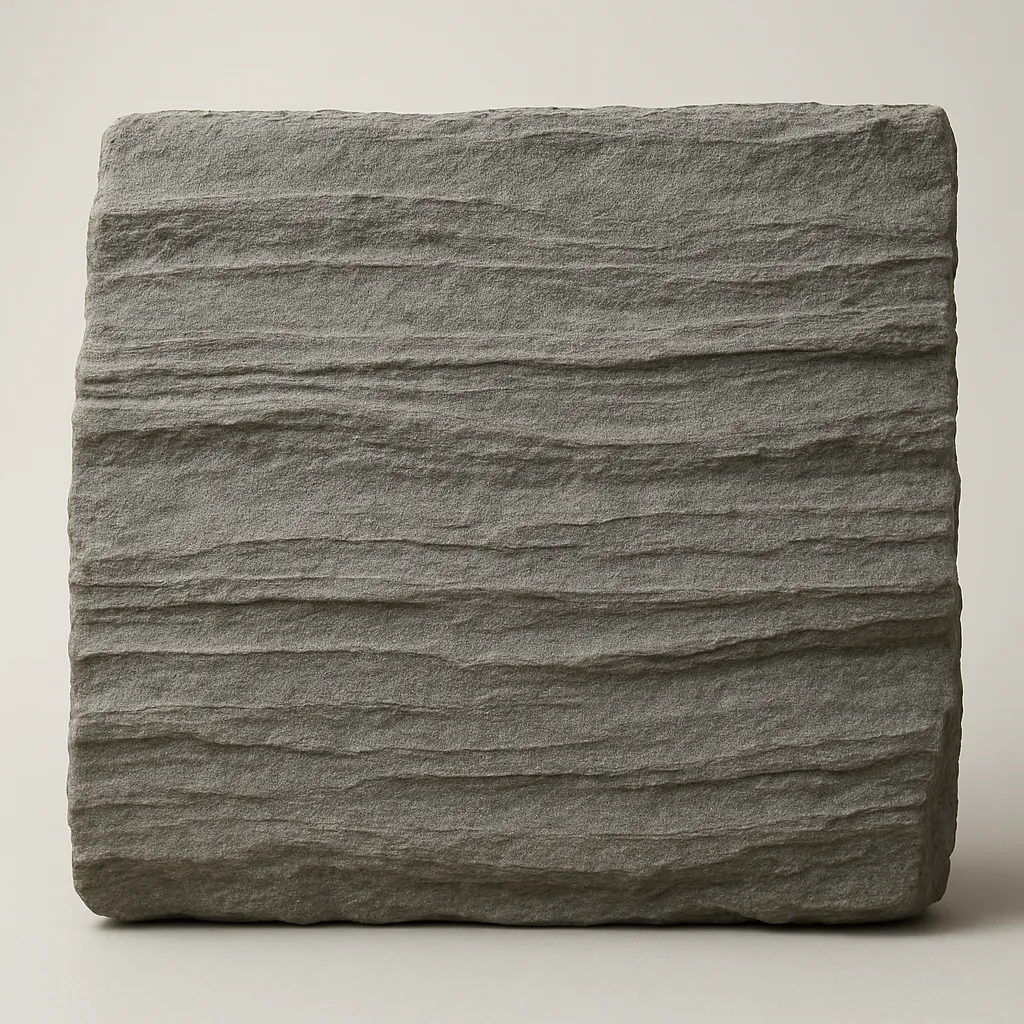
Water dripped onto the specimen soaks in quickly through spaces between its quartz grains, each about the size of a sugar crystal. It does not fizz in acid. Which rock is it?
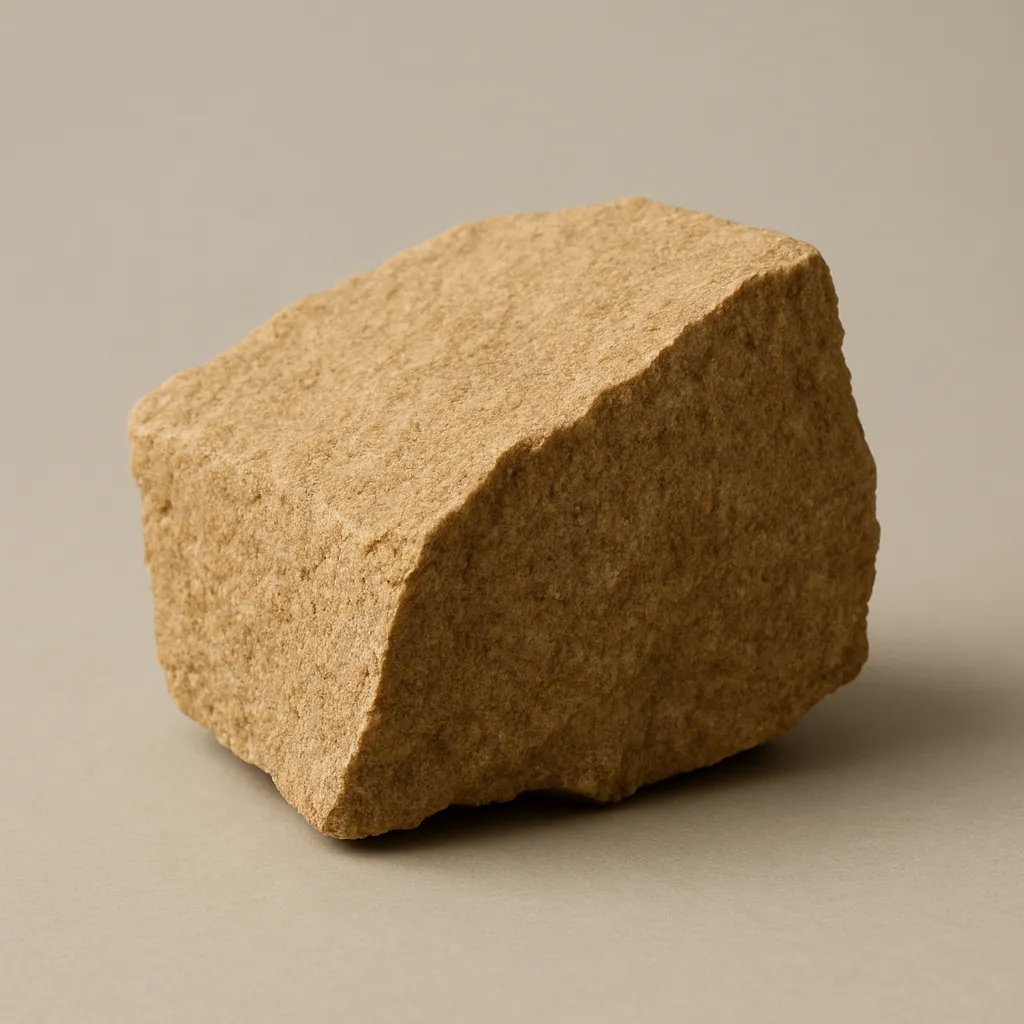
This specimen formed from rockfall debris at the foot of a cliff that was cemented together before the sharp corners of its pieces could be worn away. Which rock is it?
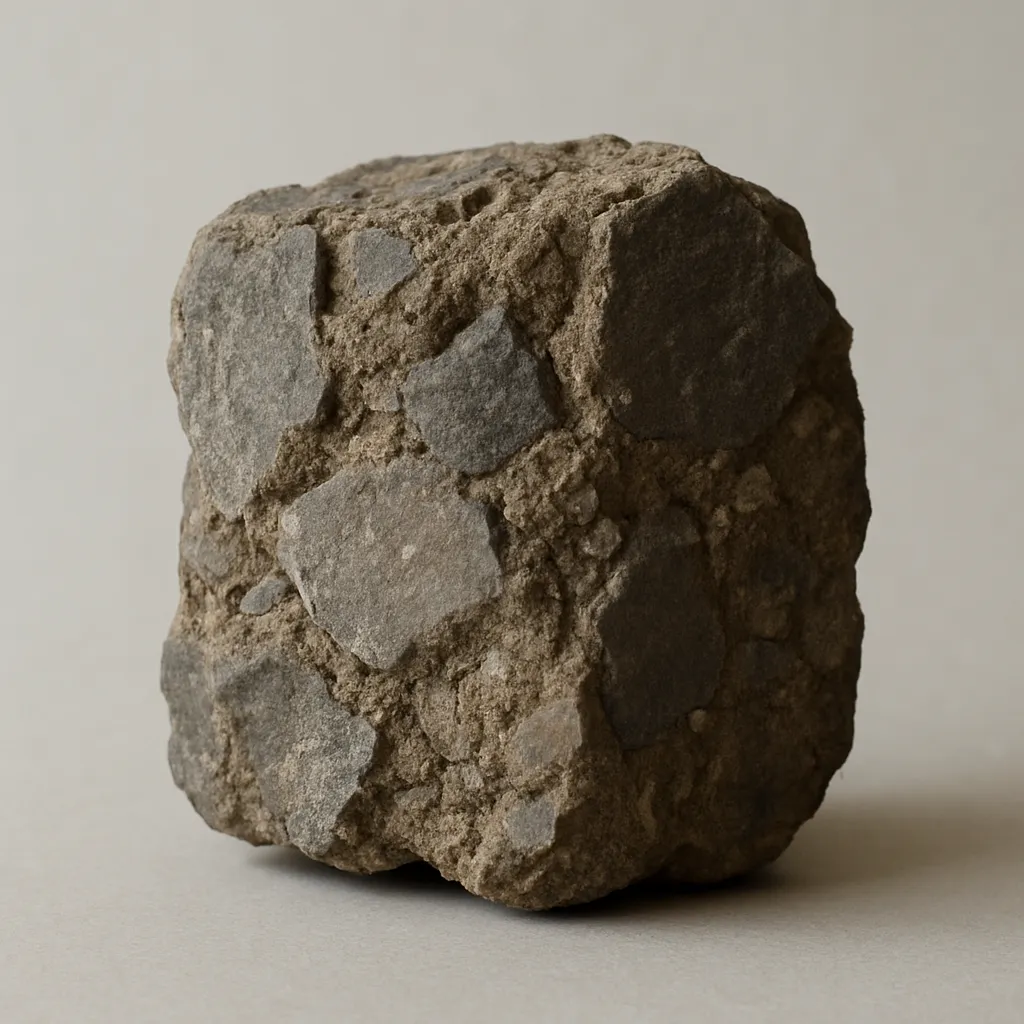
The specimen is loosely cemented whole and broken shells and fizzes vigorously in dilute acid. Which rock is it?
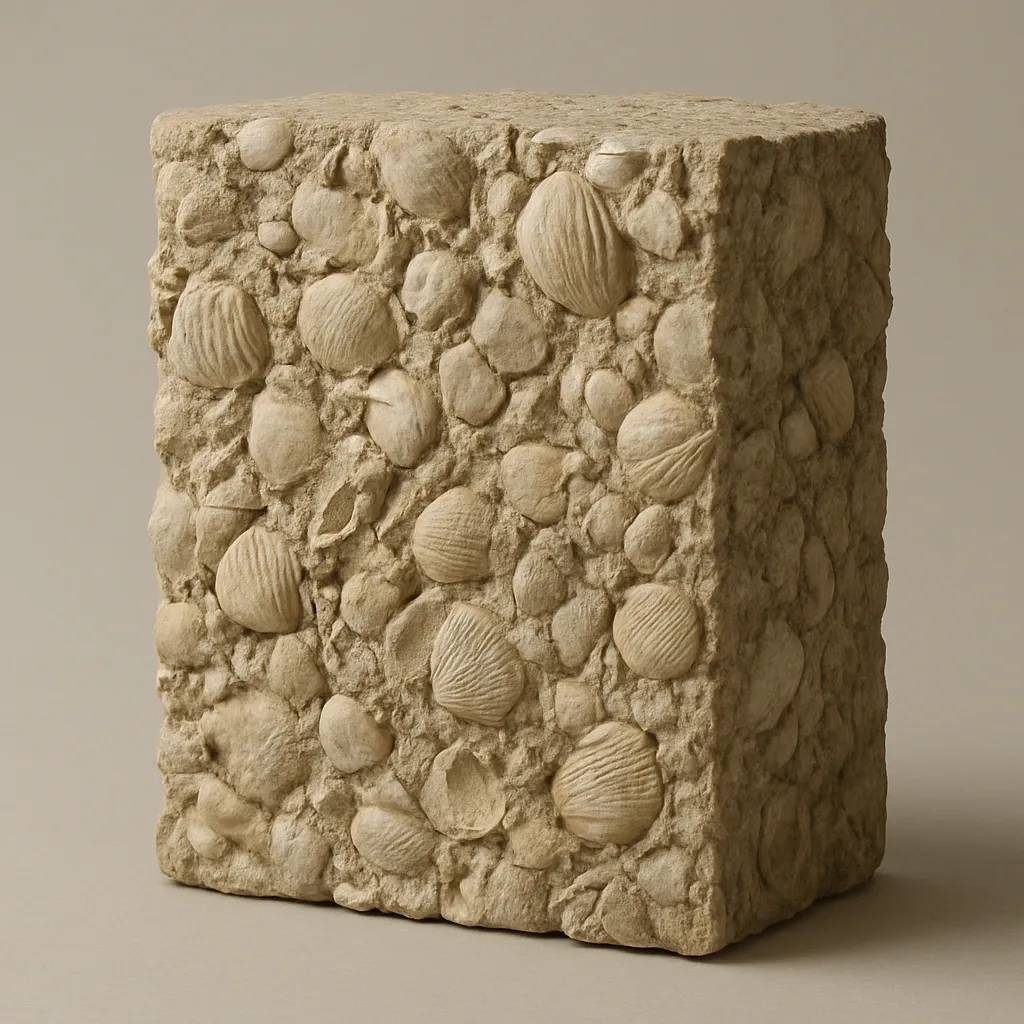
A river enters a lake, dropping coarse sand near its mouth while fine clay is carried far out and settles in deep, quiet water. Which rock forms from the material farthest from the mouth?
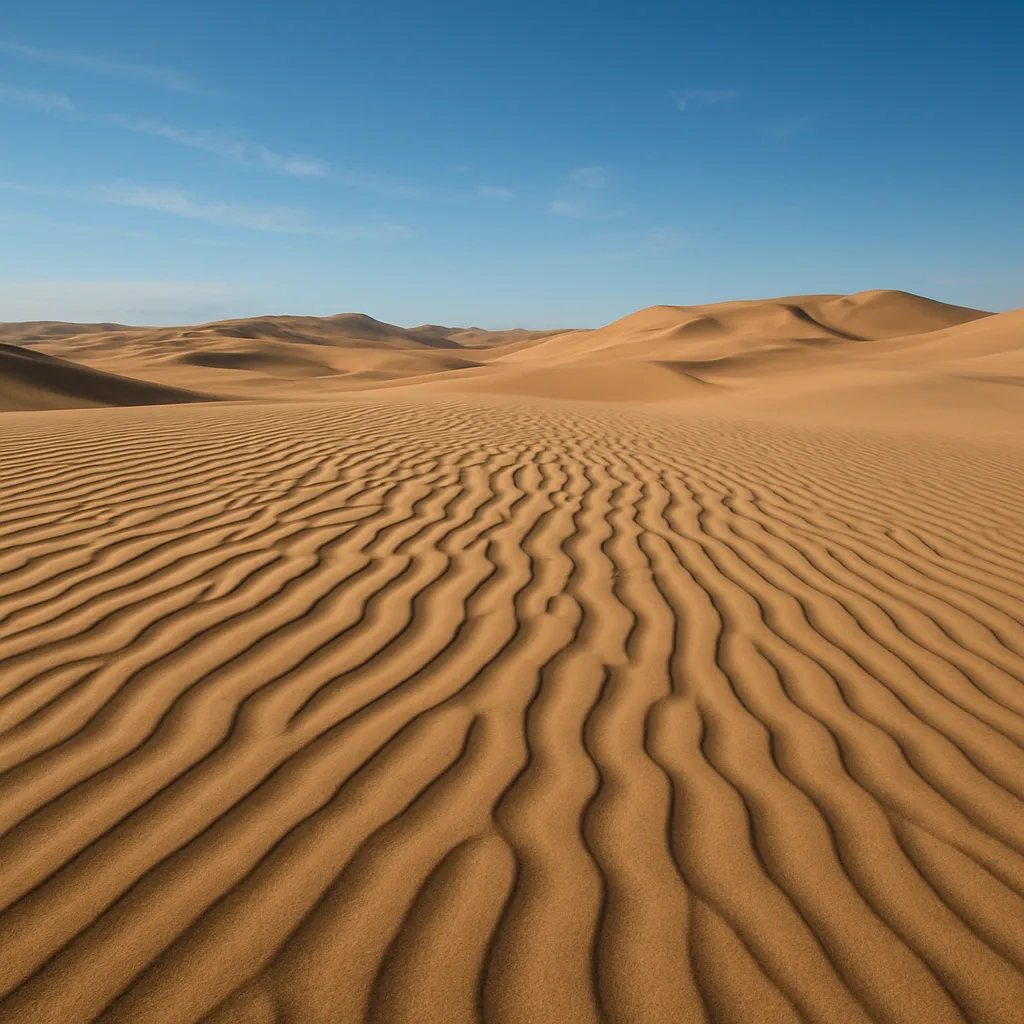
Wind blows sand into large dunes across a desert, rounding and sorting the grains as they migrate. Which rock is most likely to form here?
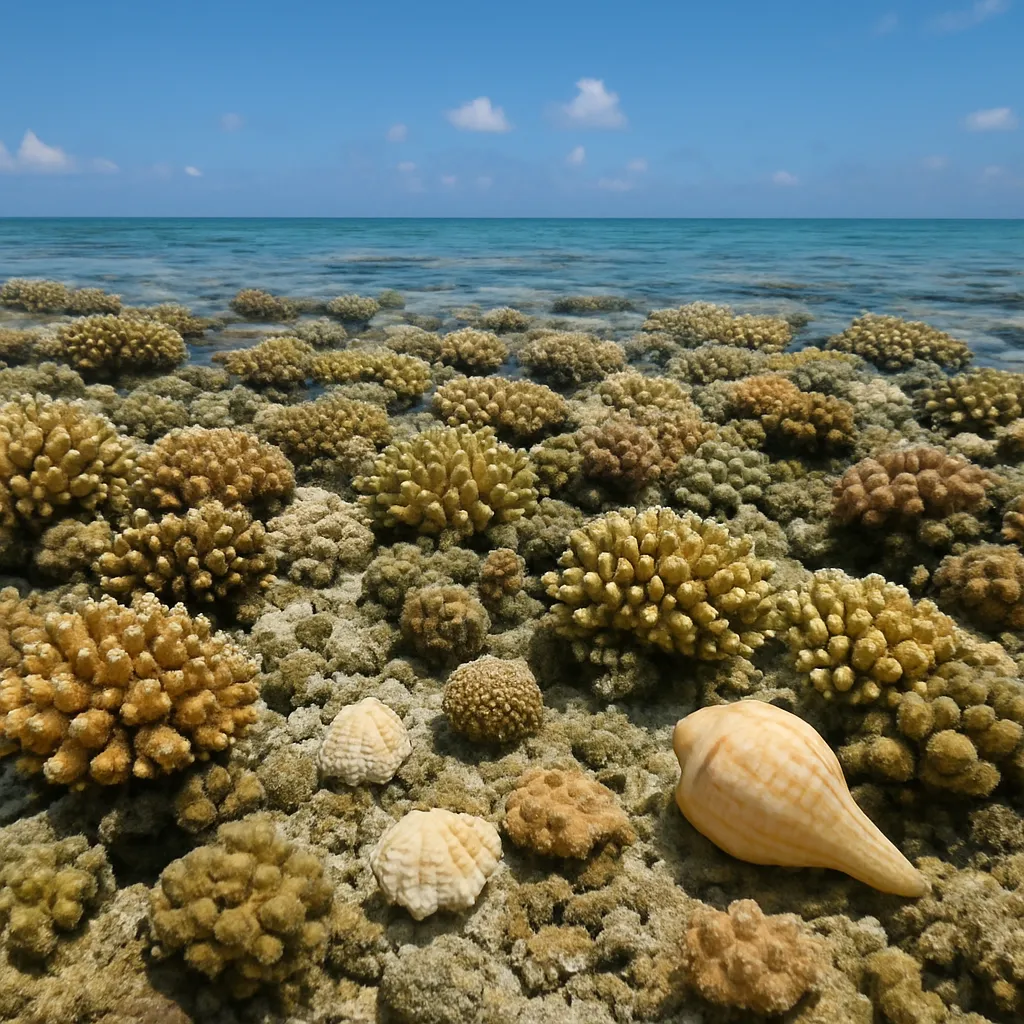
A shallow, warm tropical sea supports an abundant coral reef, and shell and coral debris accumulate on the sea floor. Which rock is most likely to form here?
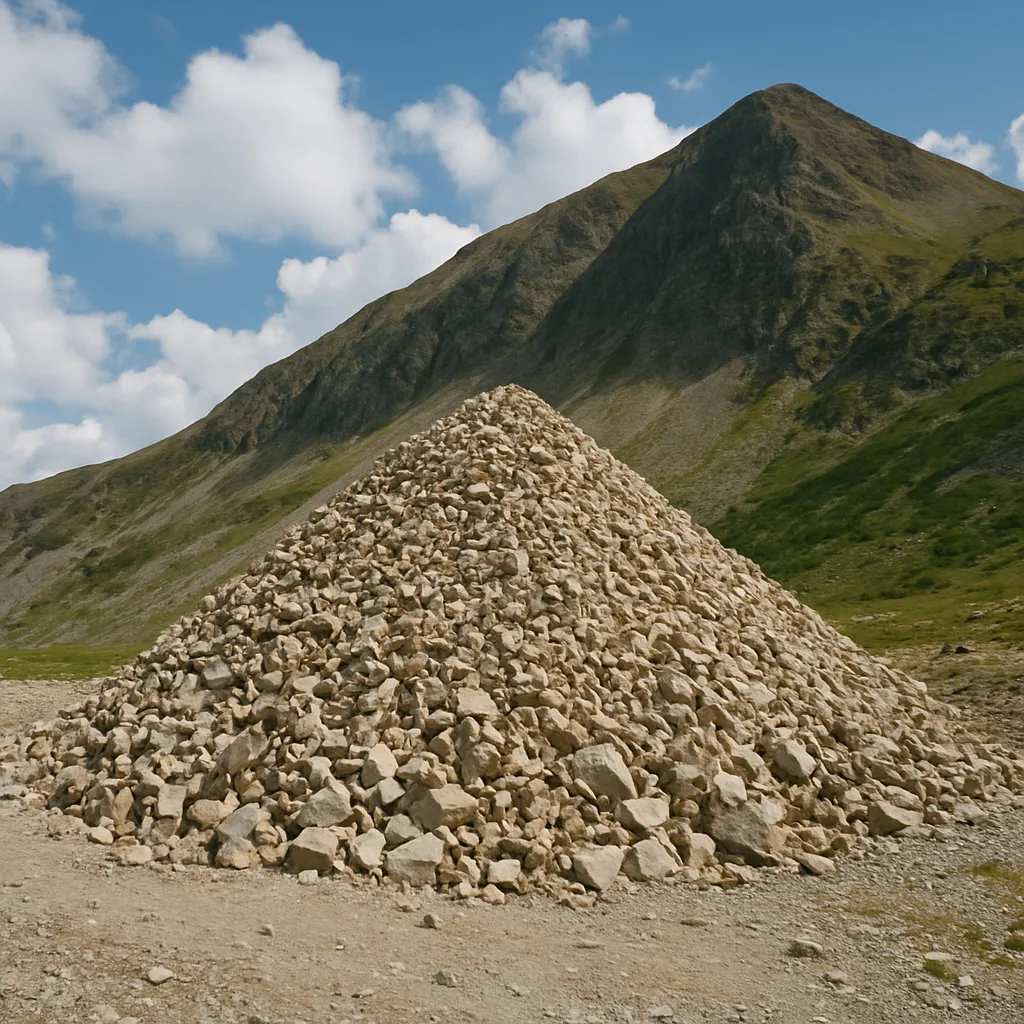
At the base of a steep mountain, flash floods carry angular rock debris only a short distance before dropping it in a fan-shaped pile. Which rock is most likely to form here?
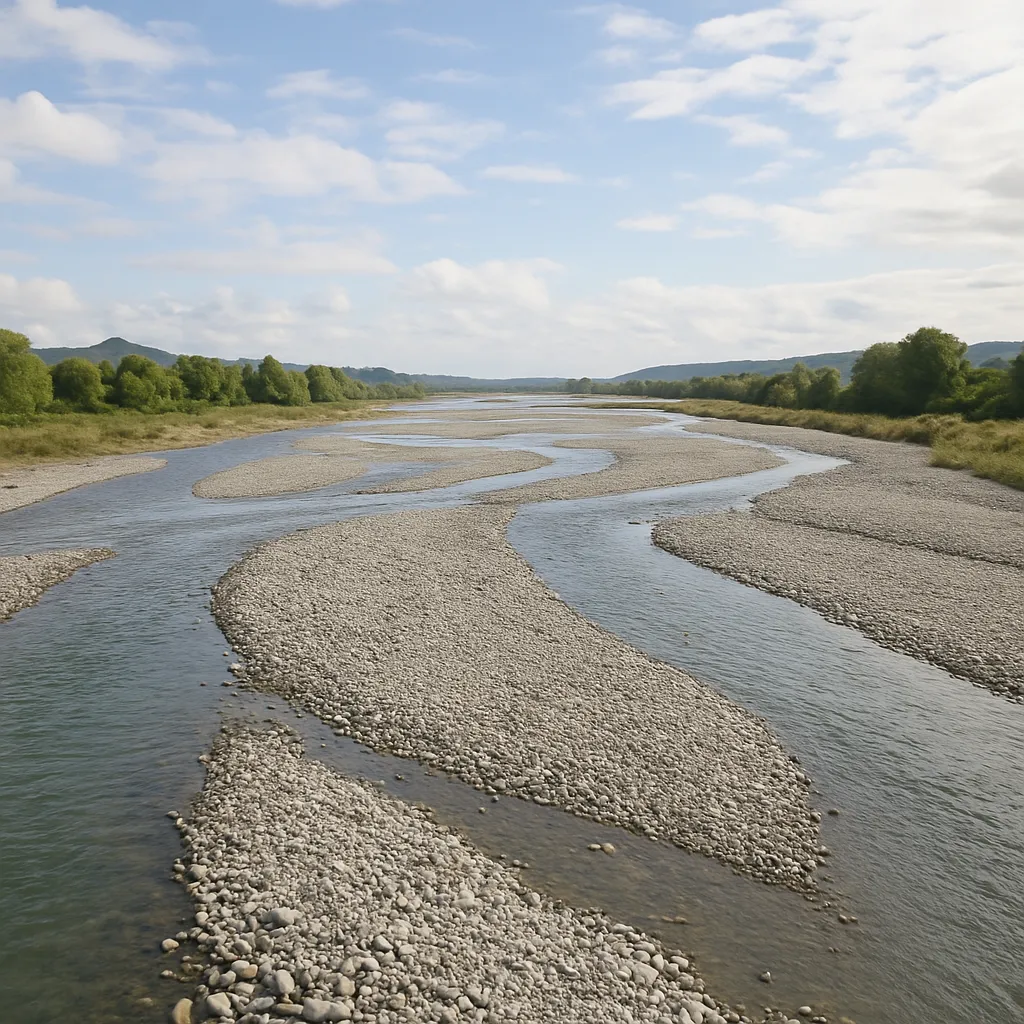
A fast, high-energy braided river carries and rounds coarse gravel and cobbles along its channel. Which rock is most likely to form here?
A desert lake with no outlet dries up each summer, leaving a crust of cubic crystals on its floor. Over thousands of years the crusts build a thick bed. Which rock is most likely to form here?
A bedding surface preserves a network of polygonal cracks with V-shaped profiles, filled from above by sand. What does this record?
A single sedimentary bed is coarse grained at its base and grades to fine grained near its top. What does this pattern most likely record?
A sandstone bed contains internal layers tilted at an angle within the bed, all leaning the same direction. What does this structure most likely record?
A bedding surface preserves a symmetrical, evenly spaced pattern of small ridges and troughs. What most likely formed this pattern?
A bedding surface preserves a trail of footprints later buried by a new layer of sediment. What does this most likely indicate about that surface?
A lake bed preserves thousands of thin, alternating light and dark layers, one pair deposited each year. What can these layers be used to do?
Crack the passcode before the zombies get in.
Answer, then swat bugs for bonus points.
Race through questions at your own speed.
Same question on every screen. Fastest wins.

Pick a tile, answer, hit bonuses and steals.
60 questions