Loading
by BlastRoom
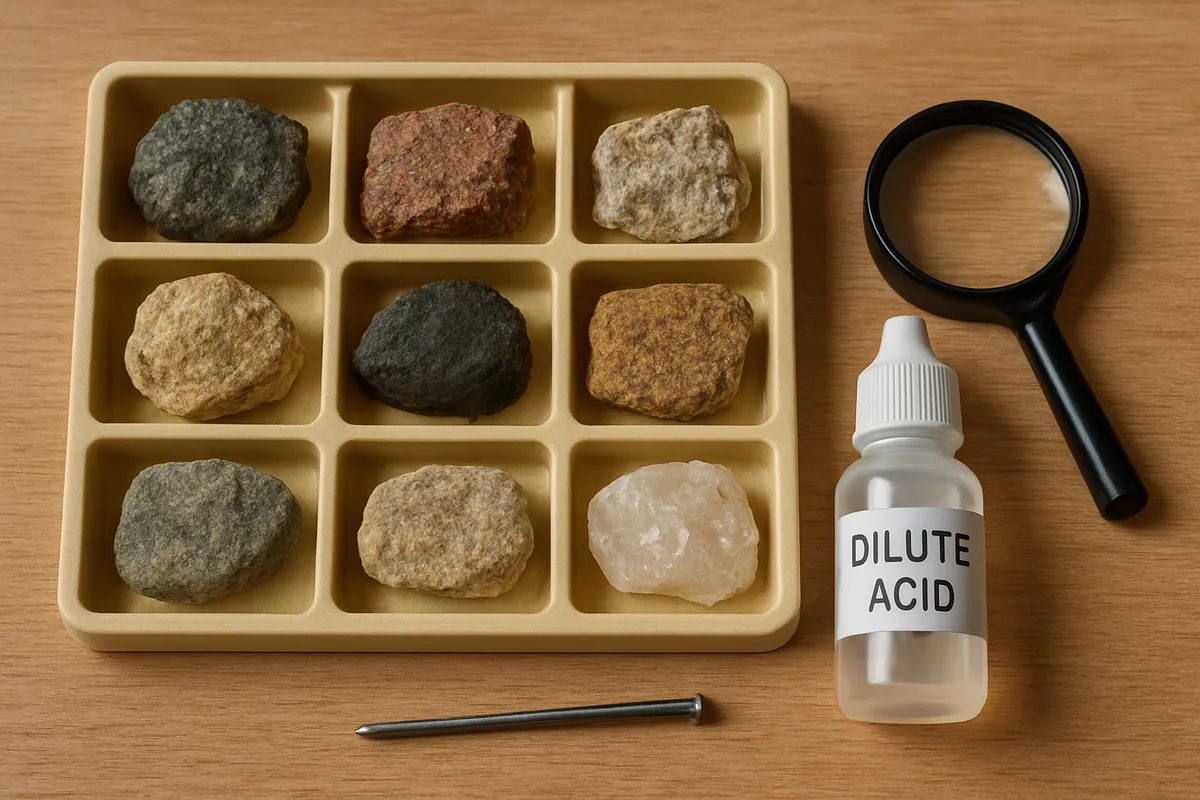
Sort, name and key out rock specimens by their observable texture and composition.
#earth_space_science
60 questions
One question set, multiple game modes. Tap any game to see it in action. Not sure which to pick?
Answer to place stones and capture territory.
Outrun the snow together.
Earn blasts, then hunt the other team.
Answer to earn energy, then climb.

The class blasts through walls together.
Bid on mystery lots. Most money wins.
Sell tours. Nice, standard, or a total scam.

Answer, restock, and serve the rush.
More correct answers pulls the rope your way.
Answer, then shoot down the alien wave.
Answer, then tap to leap the frozen ridge.
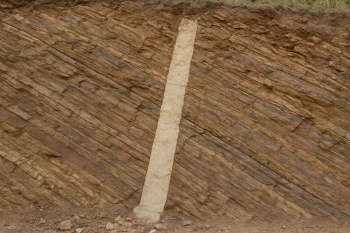
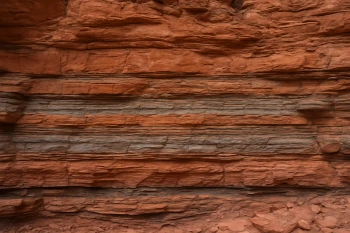
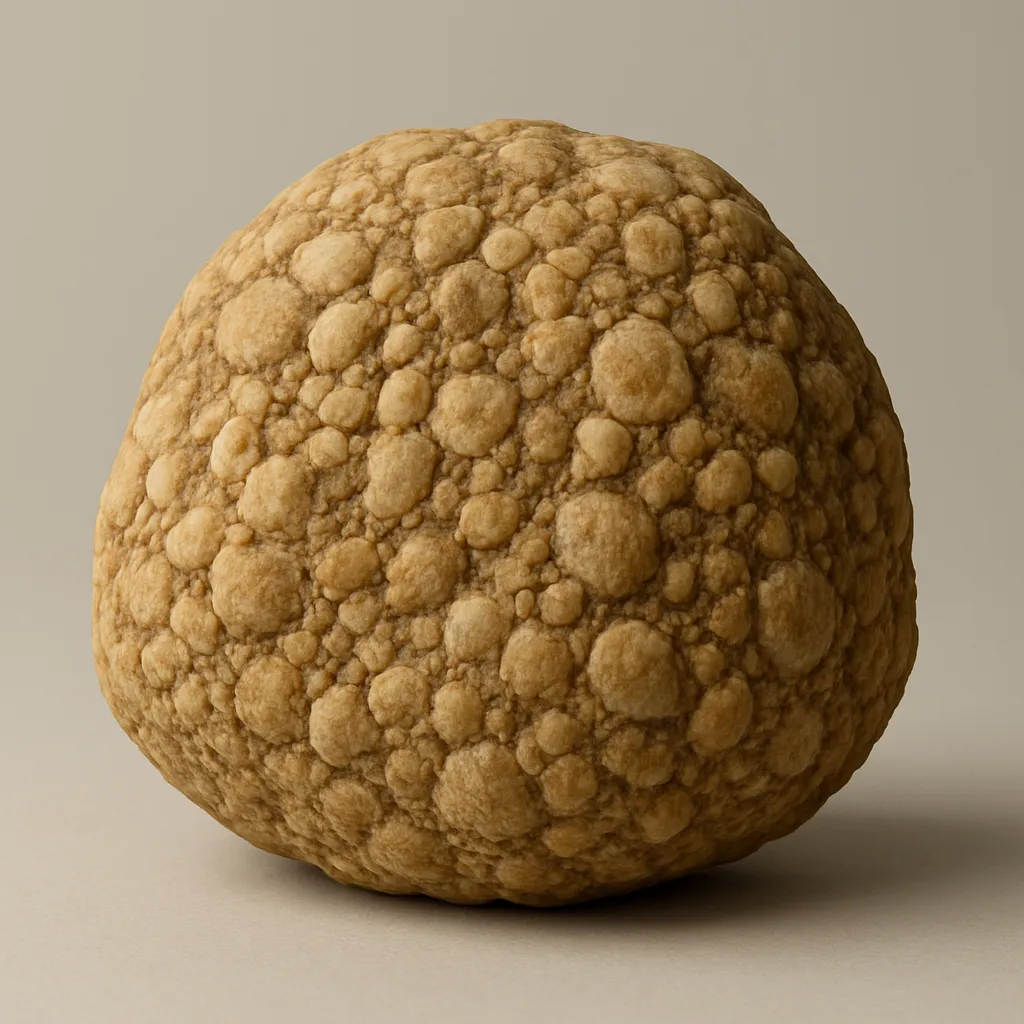
The specimen is built from rounded sand grains held together by visible cement, and it crumbles at the edges under a fingernail. Which class is it?
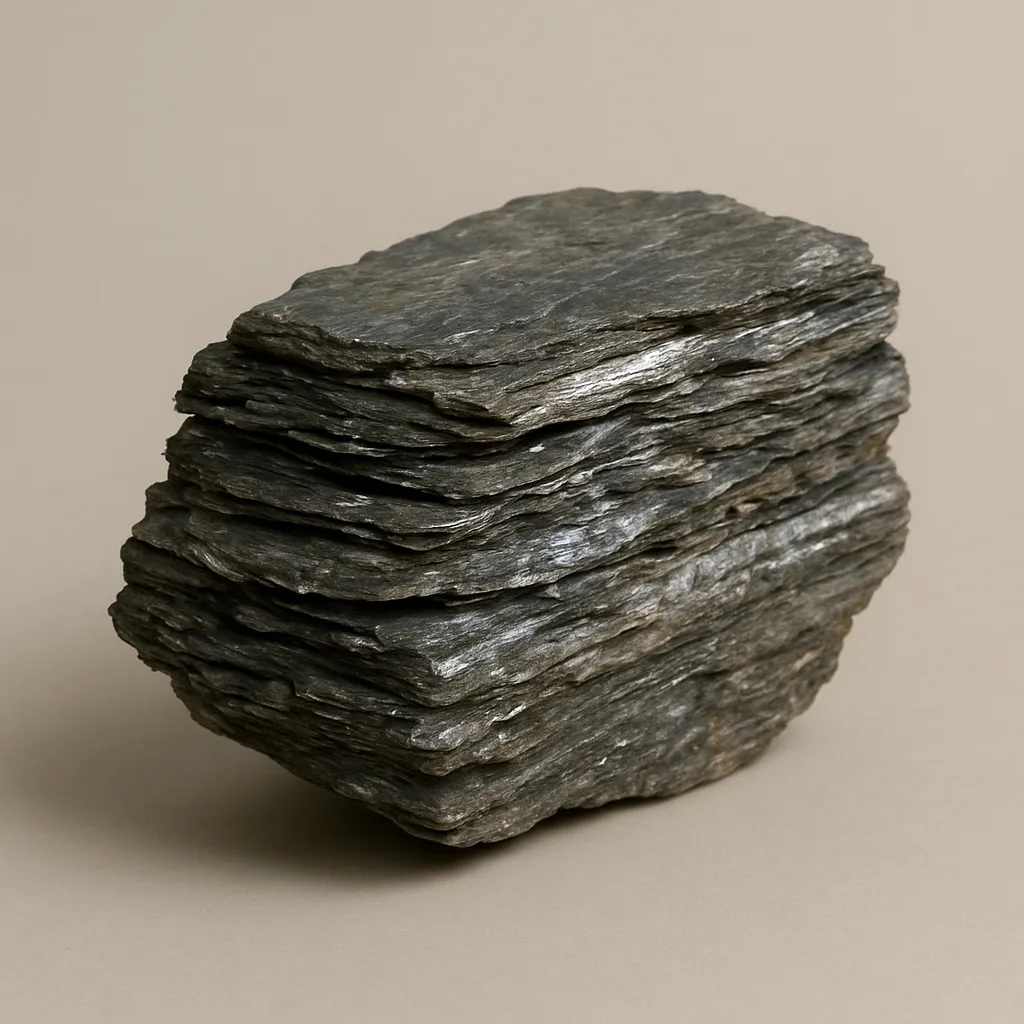
The specimen glitters with tiny mica flakes all aligned the same way, and it splits into flat sheets along those flakes. Which class is it?
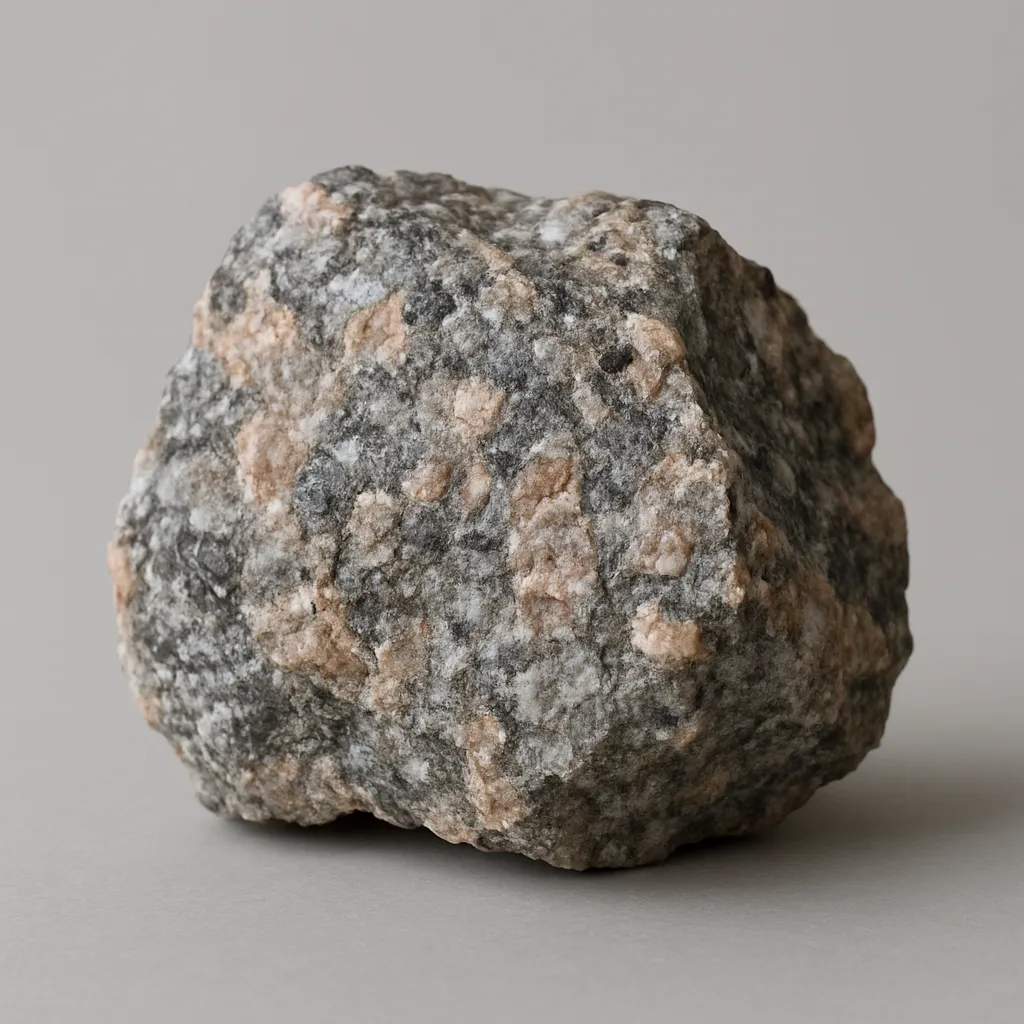
The specimen is a solid mass of interlocking crystals of several minerals, coarse enough to see with the naked eye, with no layering. Which class is it?
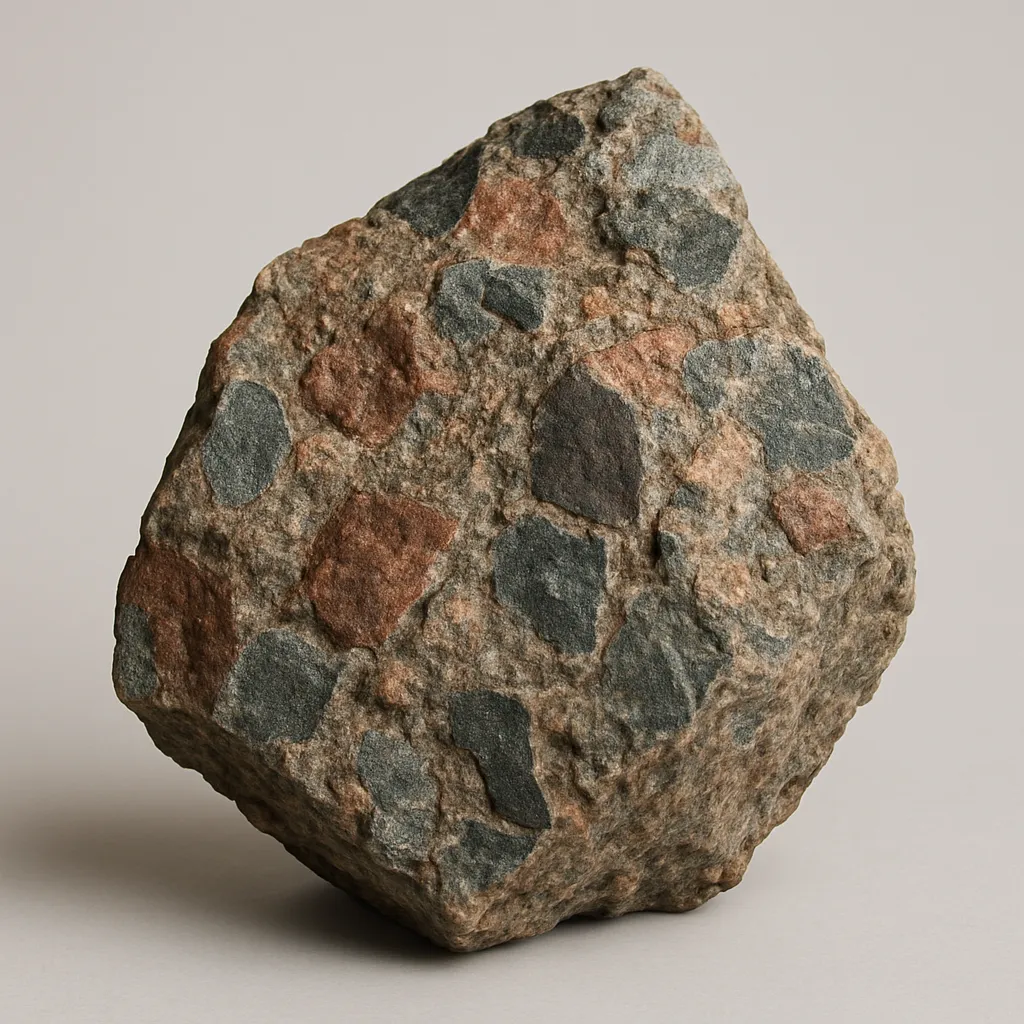
The specimen is angular rock fragments of many colors and sizes cemented in a fine matrix, with visible gaps between fragments. Which class is it?
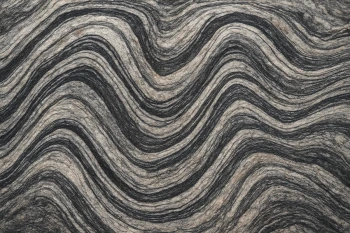
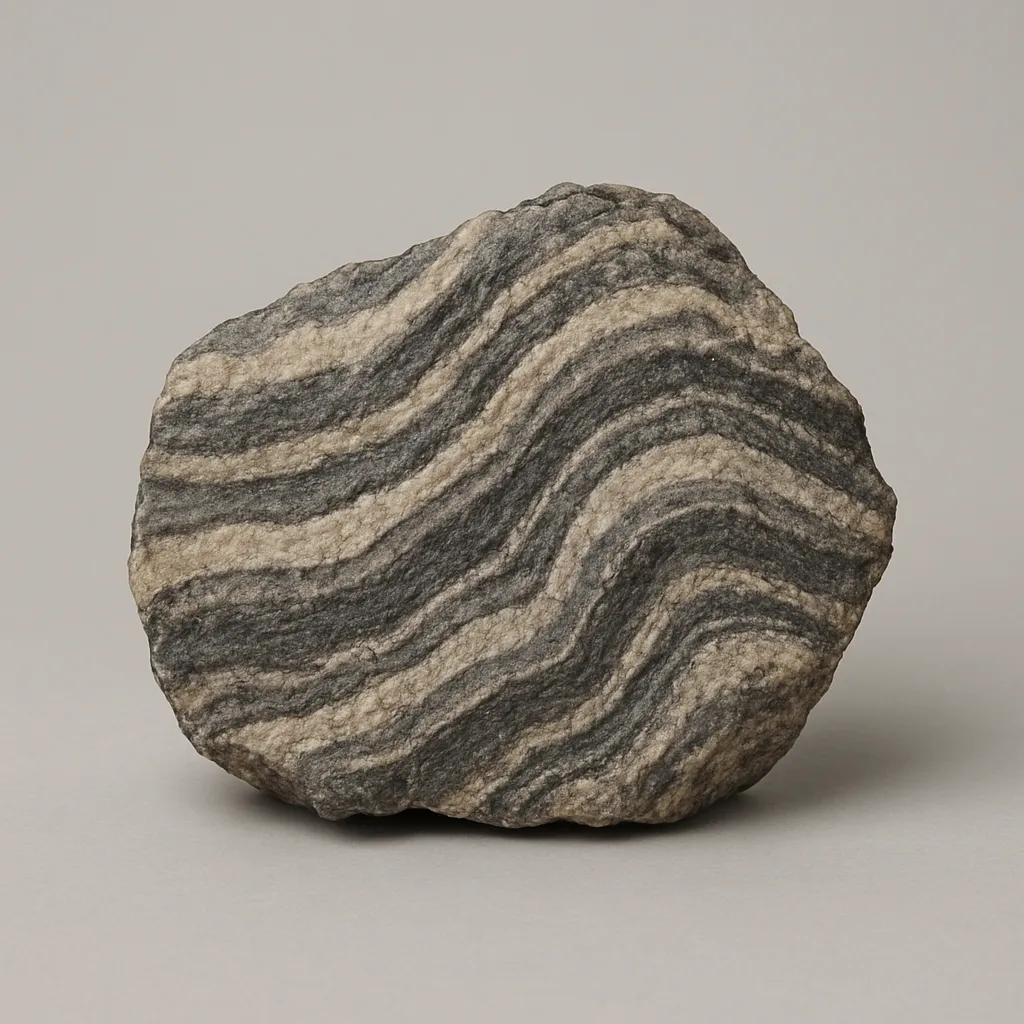
The specimen shows wavy alternating light and dark mineral bands that were once mixed uniformly, now separated into streaks. Which class is it?
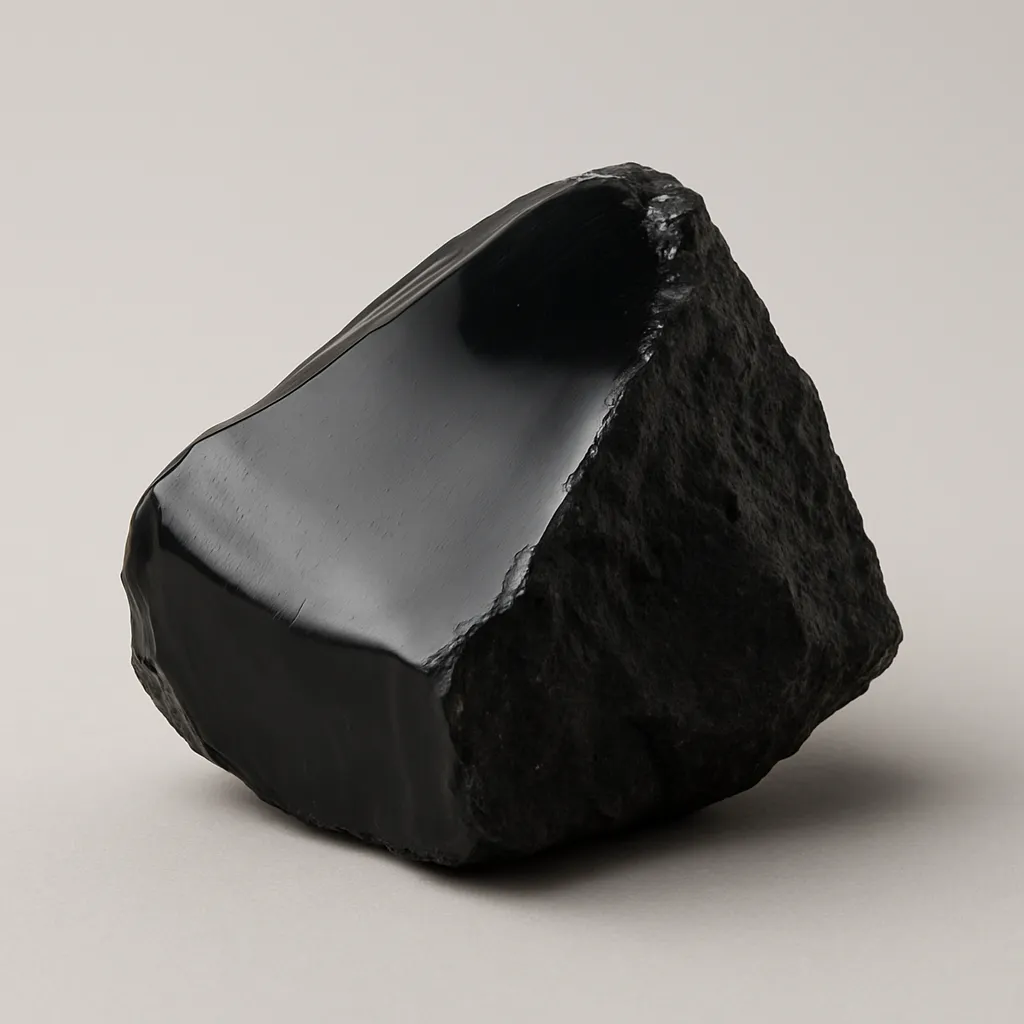
The specimen is glassy and dark with no crystals visible even under magnification, and it breaks with a smooth curved surface. Which class is it?
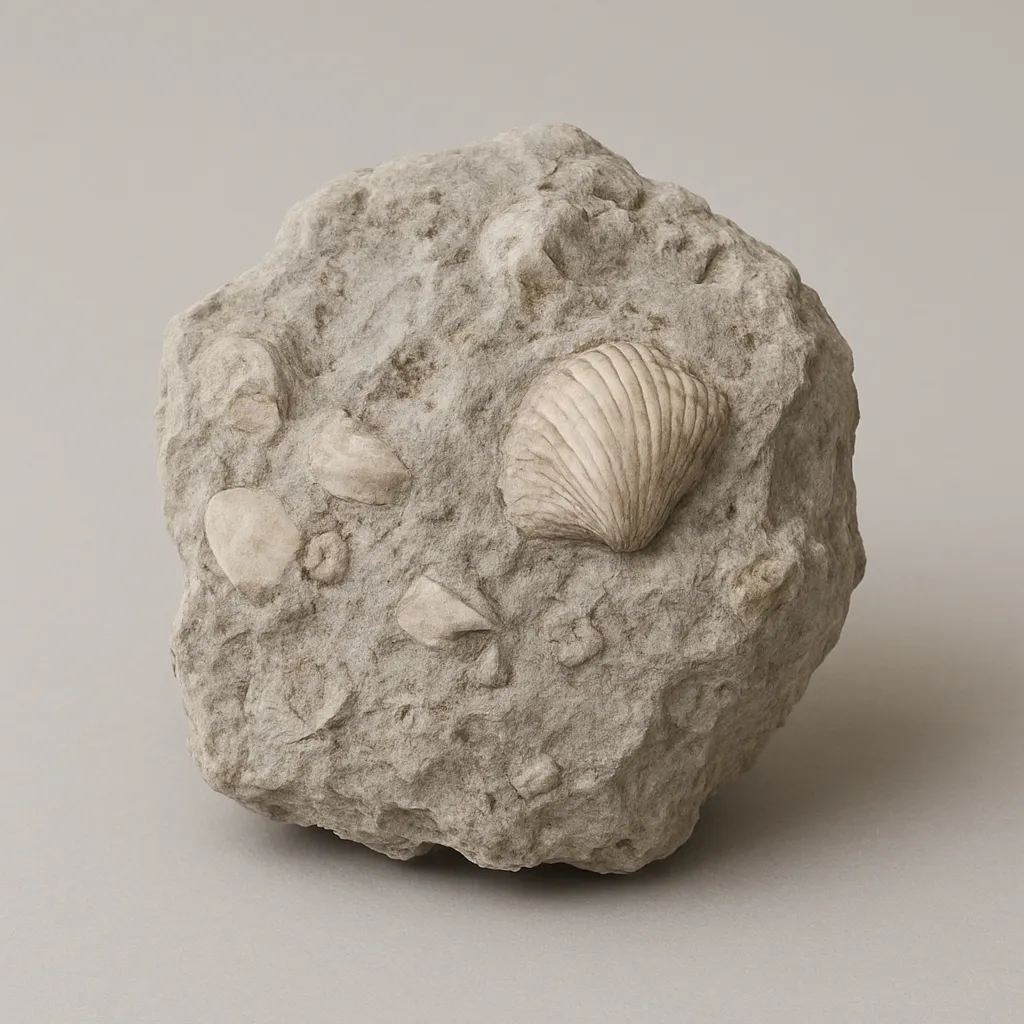
The specimen contains visible fossil shell fragments cemented together in a light gray matrix. Which class is it?
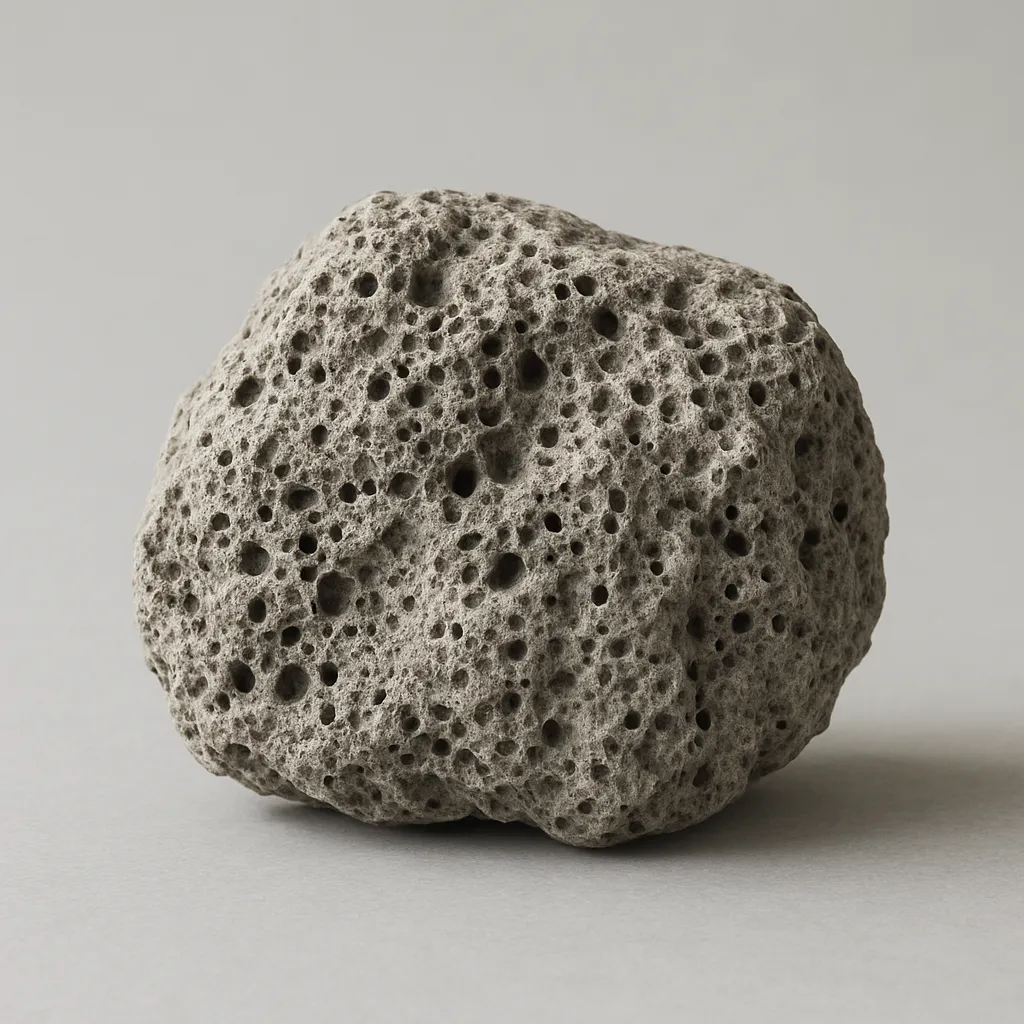
The specimen is full of tiny gas bubble holes frozen into the rock, and it is light enough to nearly float on water. Which class is it?
The specimen has fine, tightly interlocking crystals of uniform size with no layering, no sand grains, and no fossils, and it fizzes when acid is applied. Which class is it?
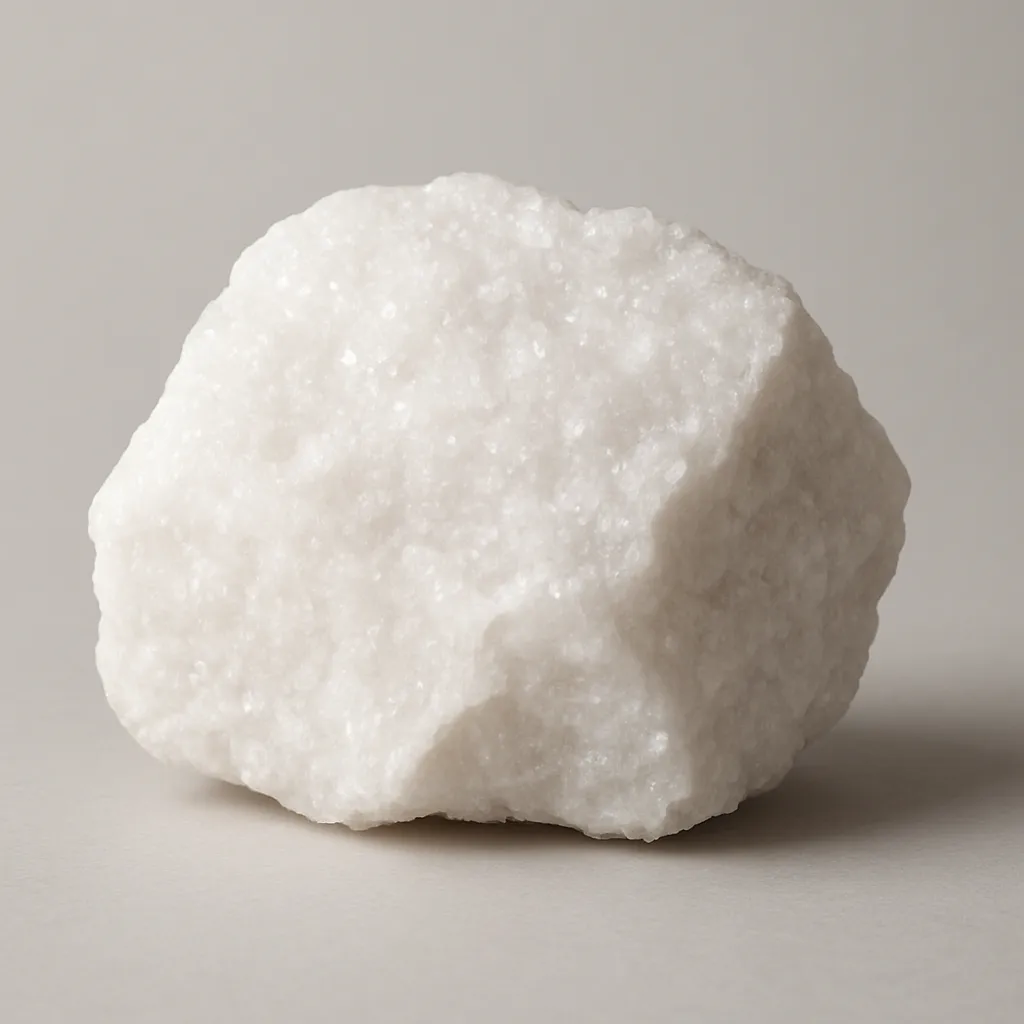
Rock formed by the cooling and crystallization of molten material belongs to which class?
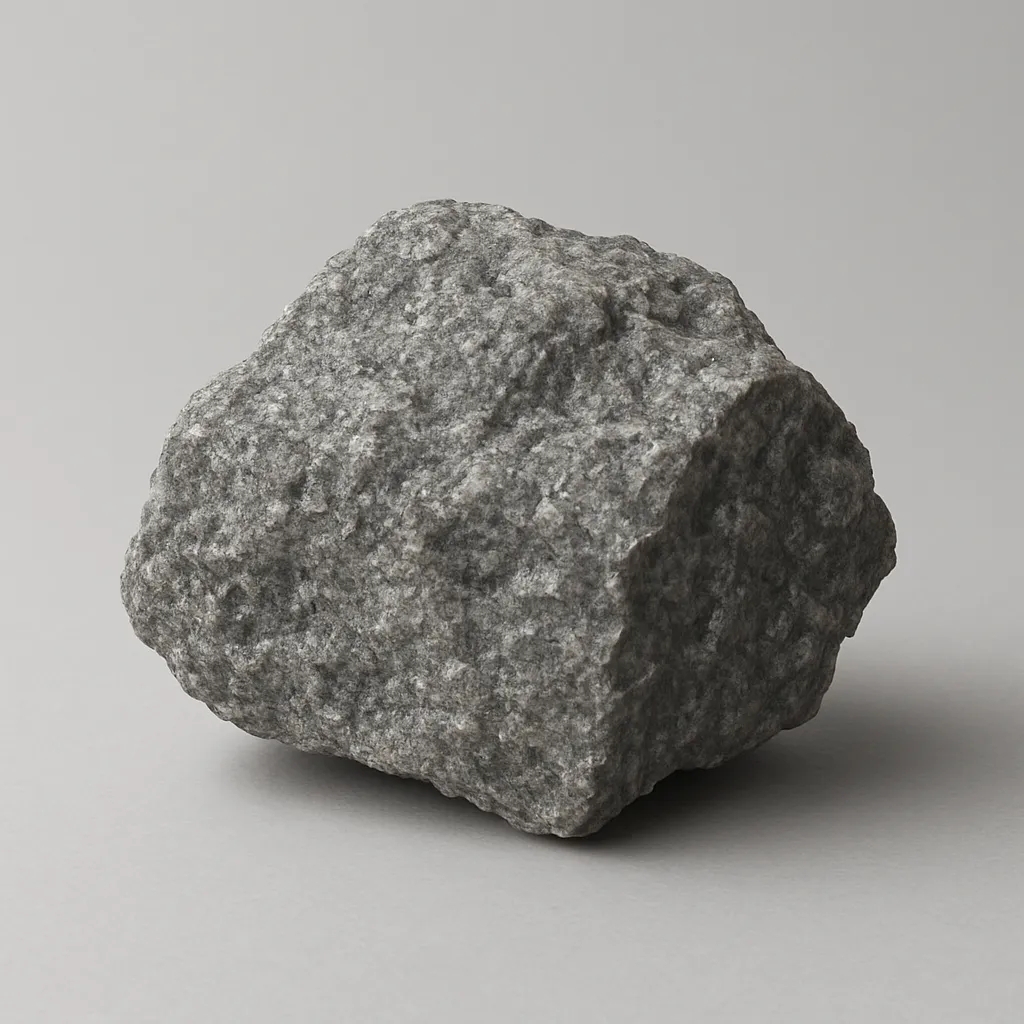
Rock formed when existing rock is transformed by intense heat and pressure without melting belongs to which class?
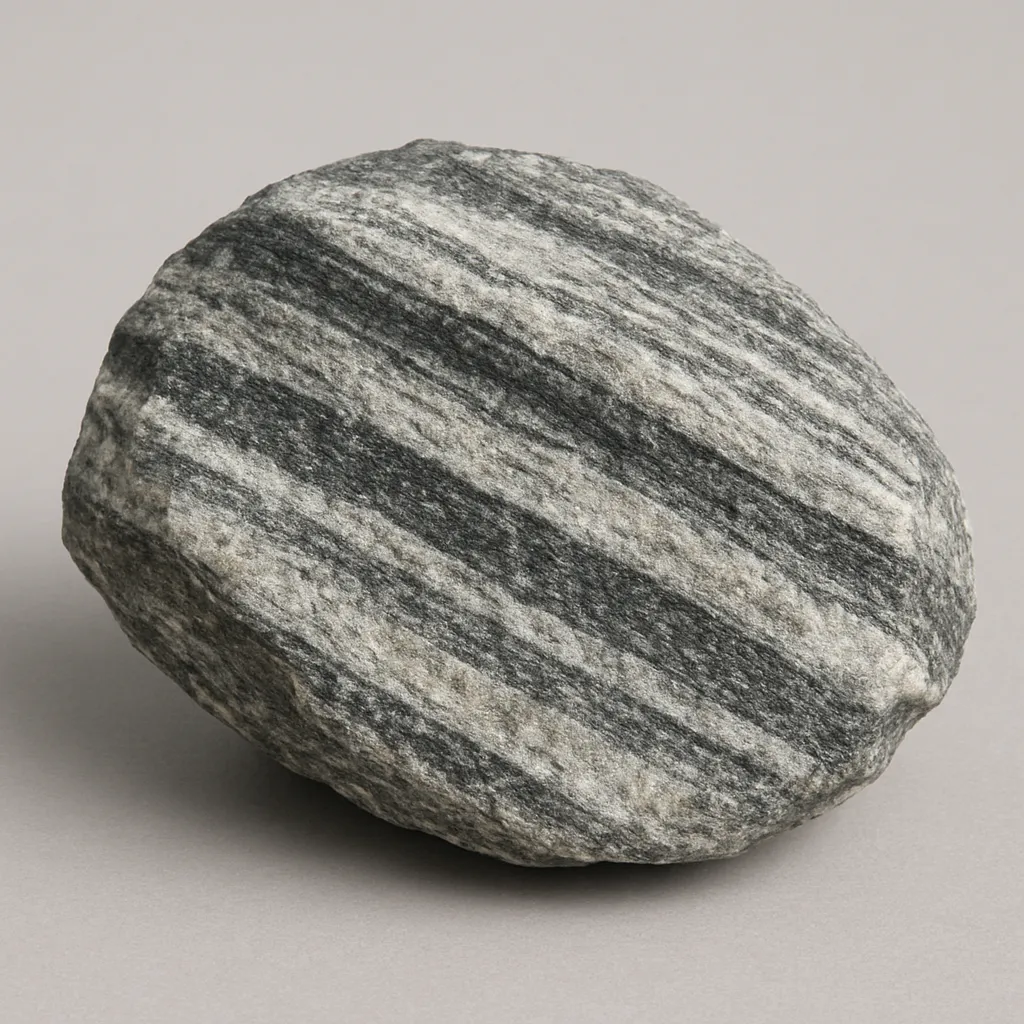
Rock formed by the compaction and cementation of loose sediment such as sand, mud, or shell fragments belongs to which class?
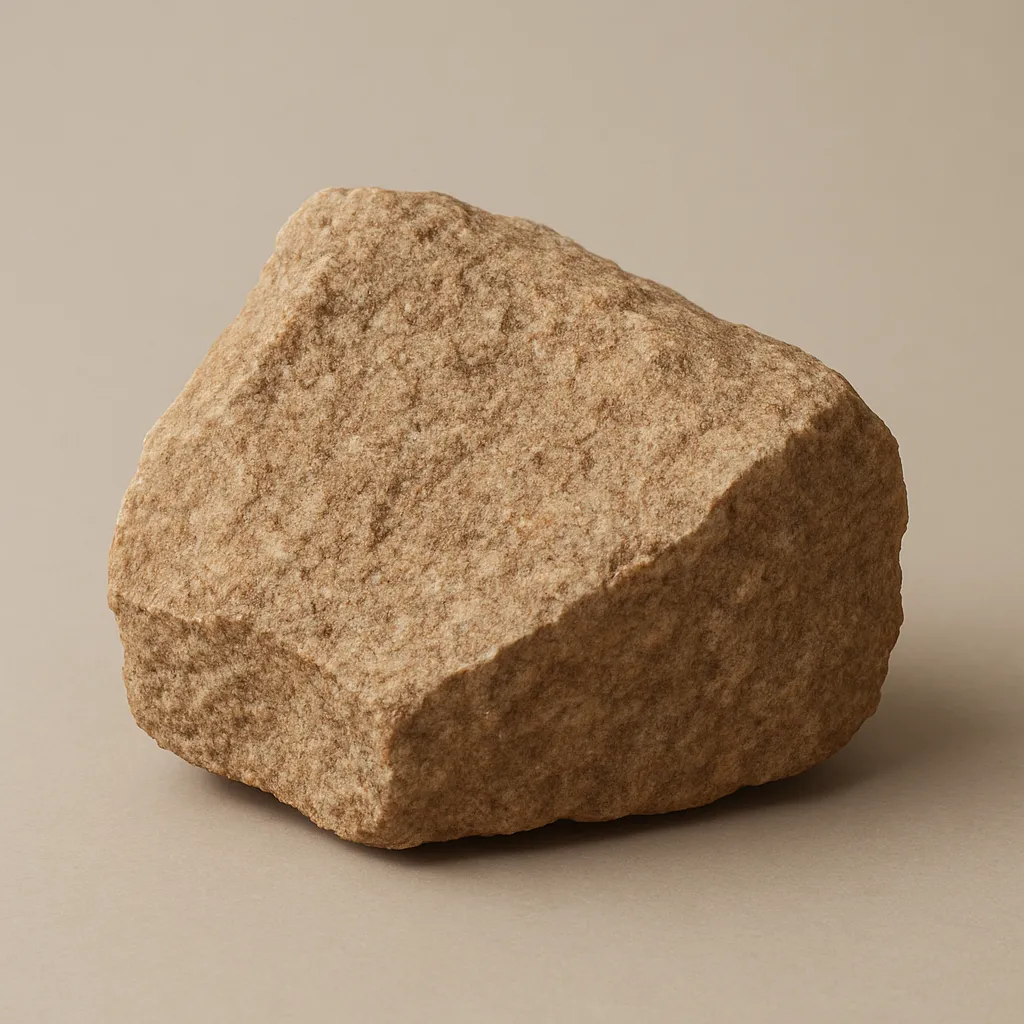
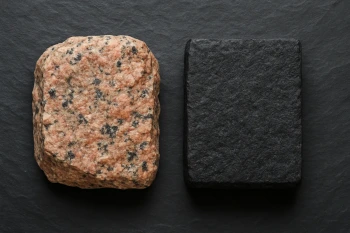
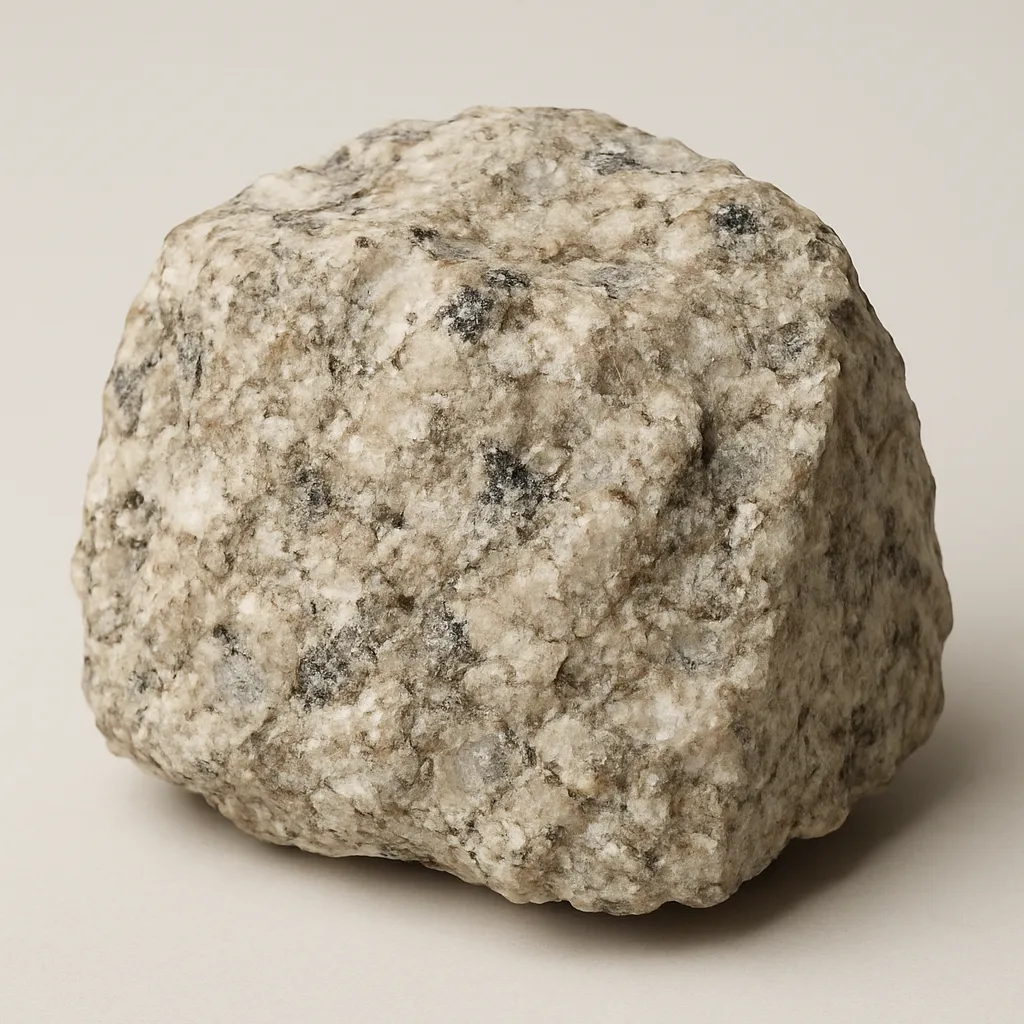
Light-colored, coarse-grained specimen with visible interlocking crystals of quartz, feldspar, and mica, cooled slowly deep underground. Which rock is it?
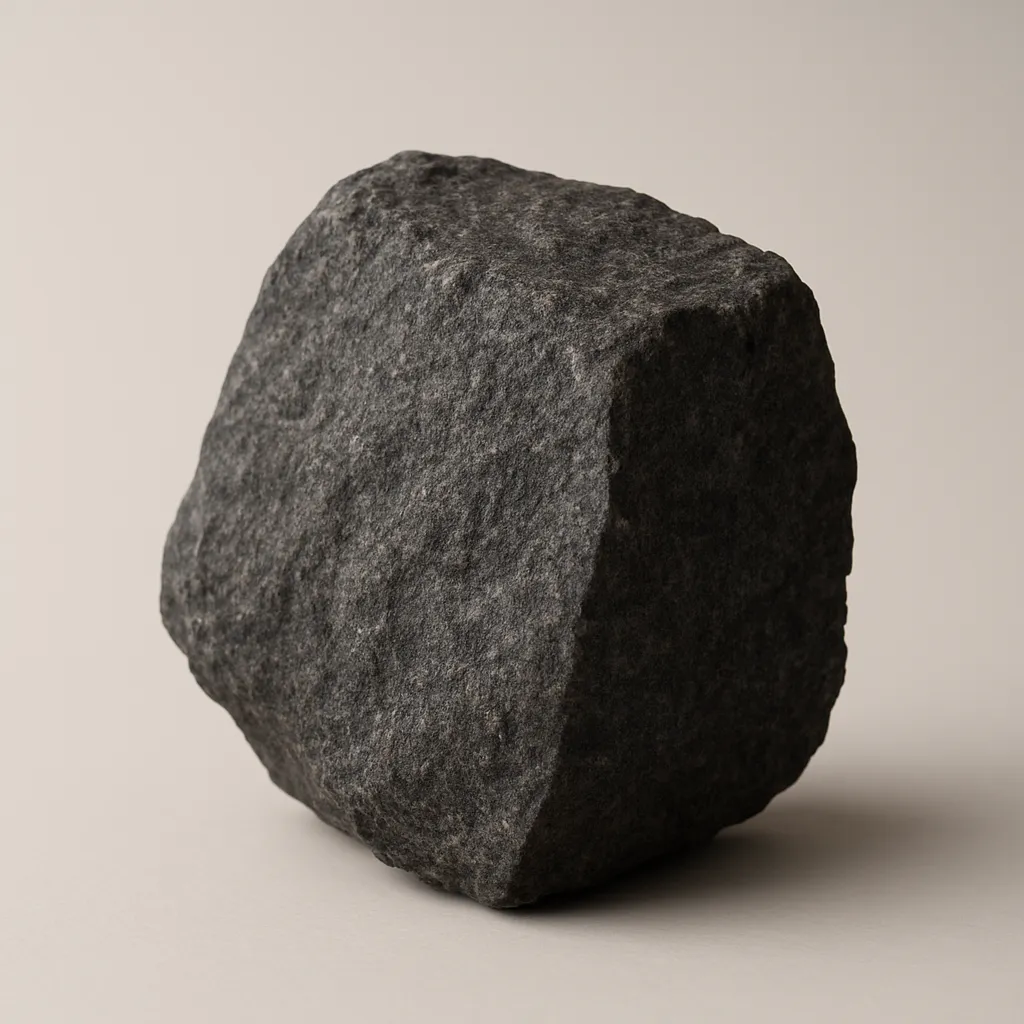
Fine-grained, dark gray to black specimen with no visible crystals, cooled quickly at Earth's surface and common in Hawaiian lava flows. Which rock is it?
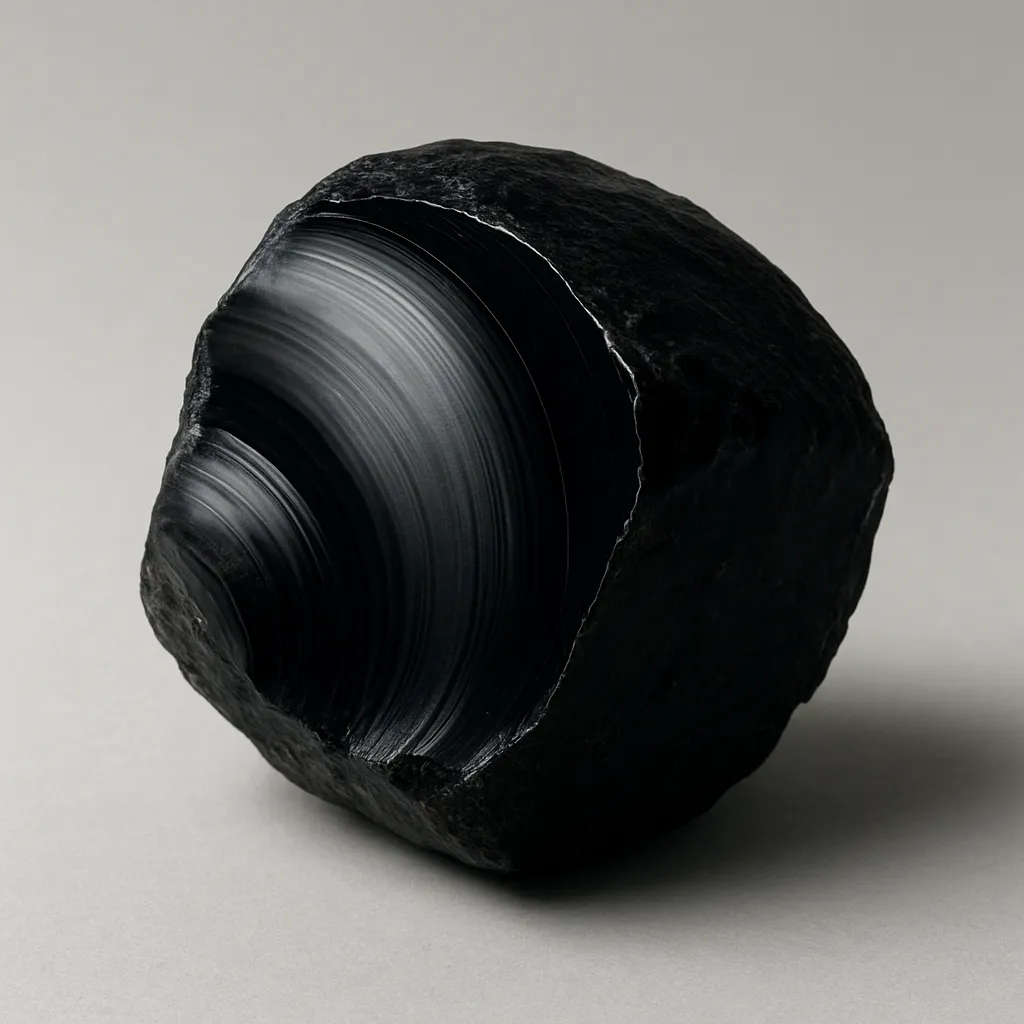
Glassy black specimen with a smooth curved conchoidal fracture and sharp edges, and no crystals at all. Which rock is it?
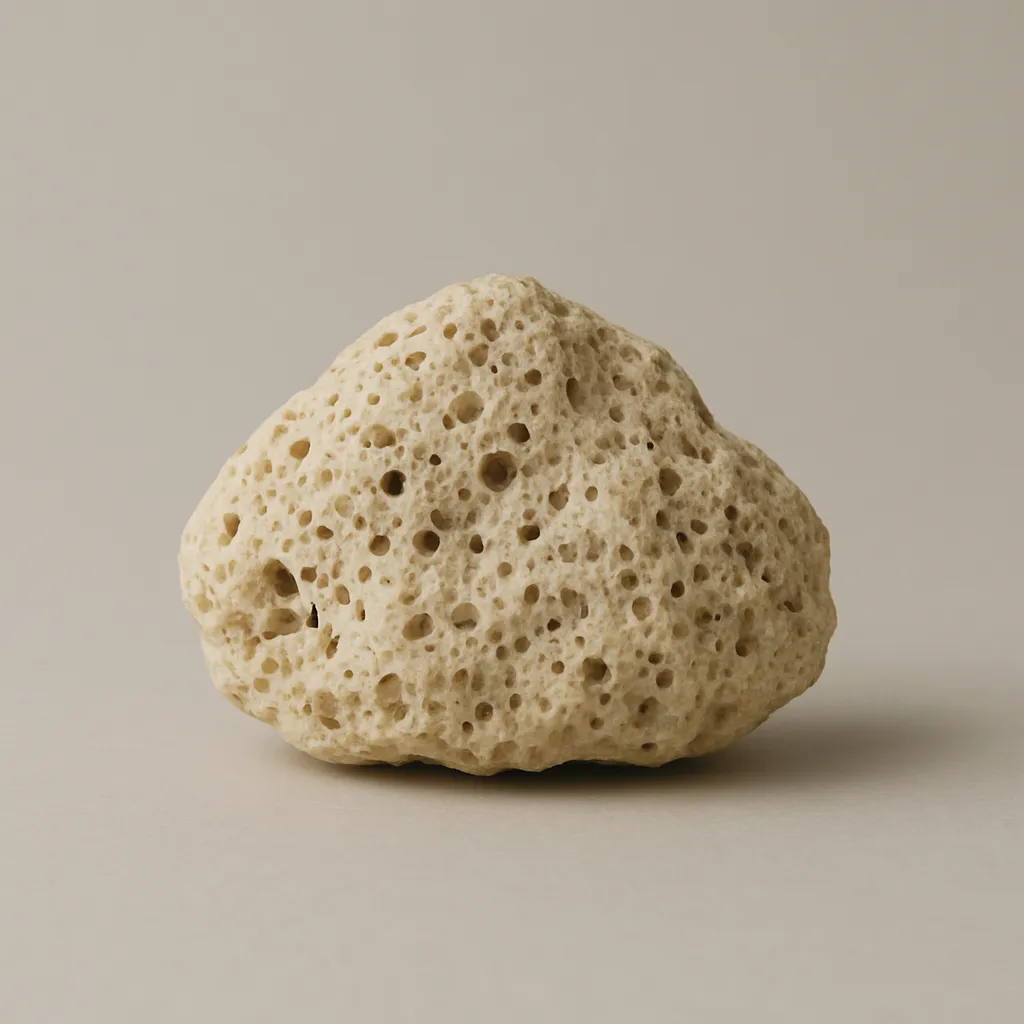
Light-colored, extremely lightweight specimen so full of tiny gas bubble holes it can float on water. Which rock is it?
Dark, coarse-grained specimen of interlocking crystals, chemically identical to basalt but cooled slowly deep underground. Which rock is it?
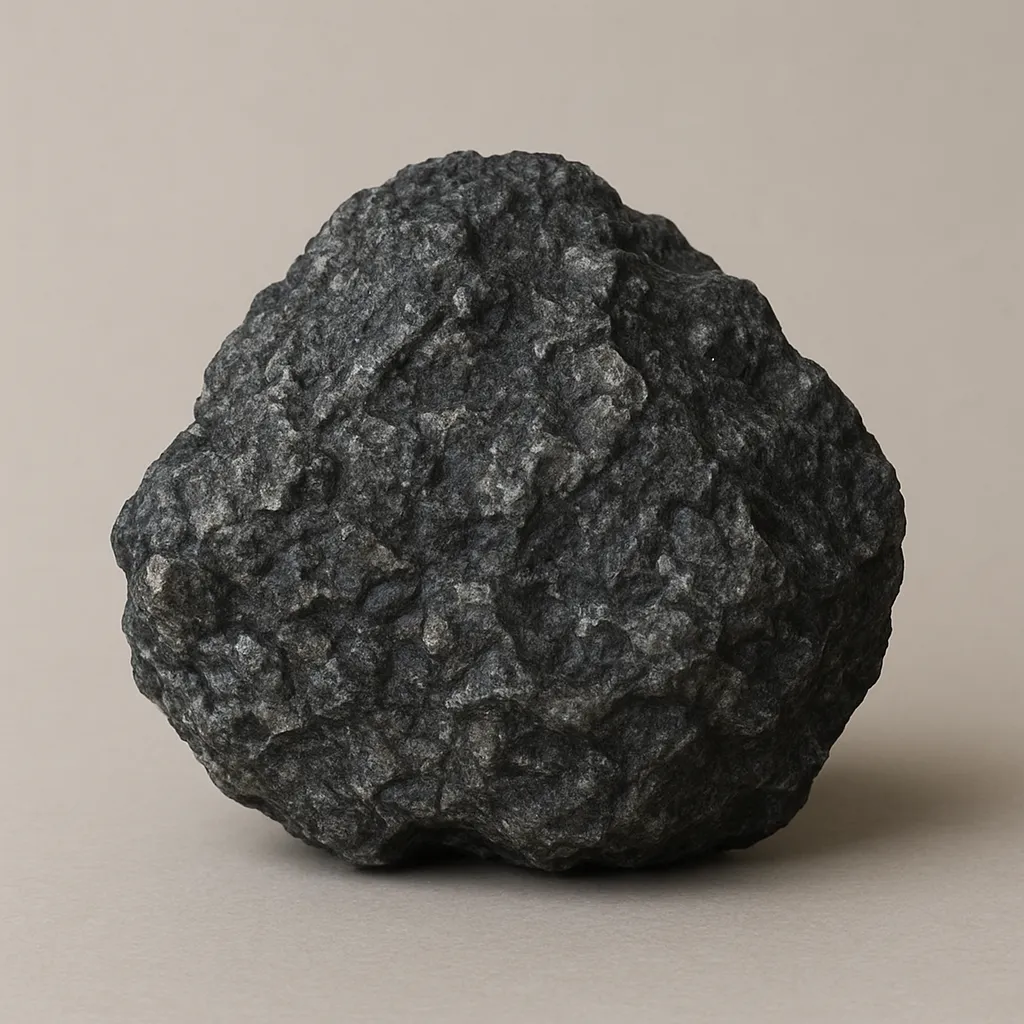
Coarse-grained specimen with a salt-and-pepper look from roughly equal amounts of light and dark interlocking crystals. Which rock is it?
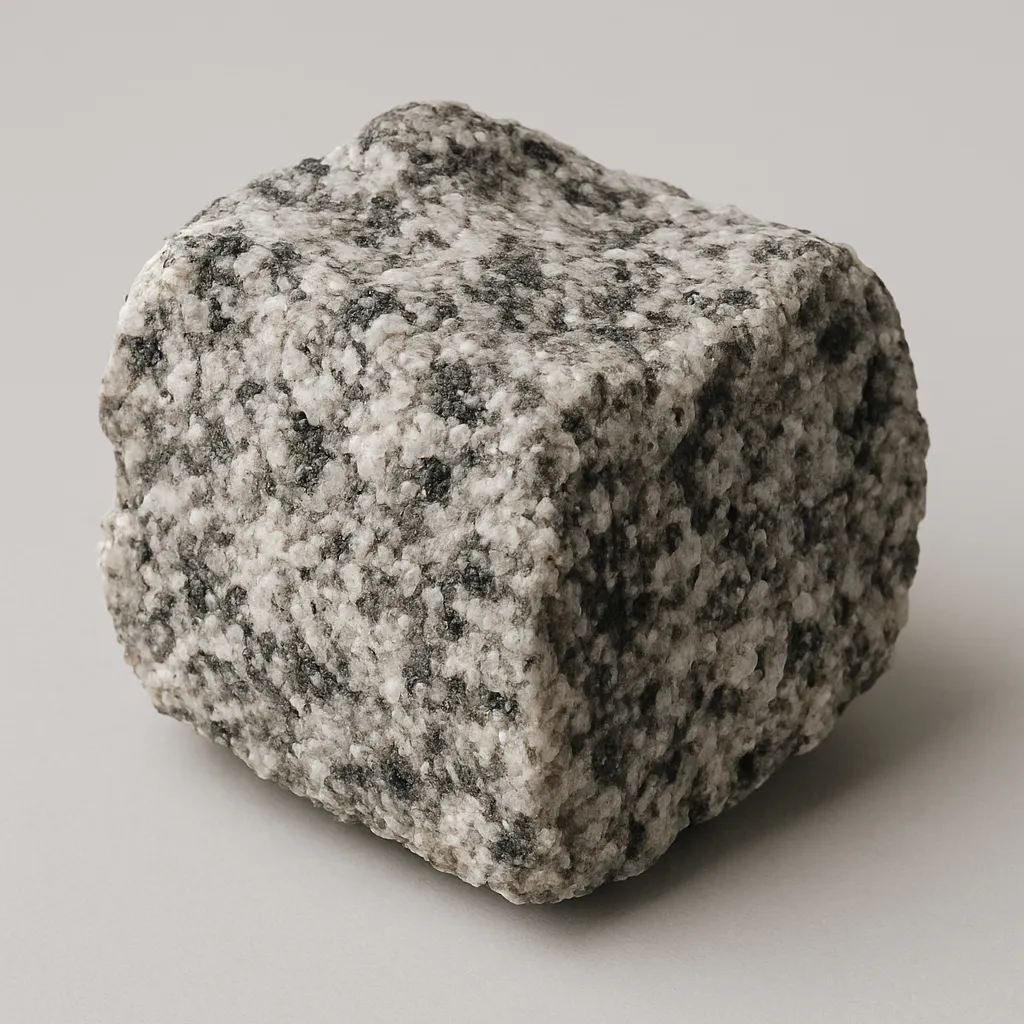
Light-colored, fine-grained specimen chemically identical to granite but cooled quickly at Earth's surface. Which rock is it?
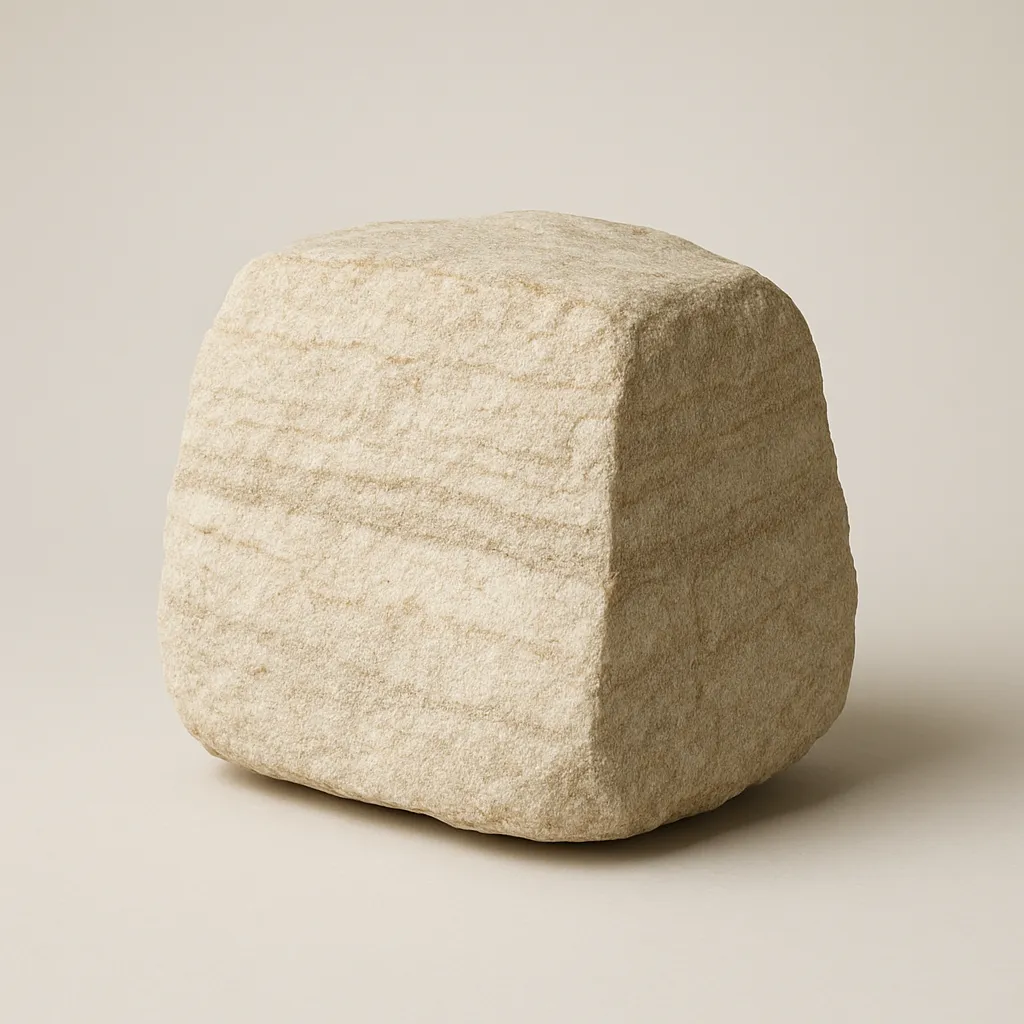
Medium gray, fine-grained specimen intermediate in composition between rhyolite and basalt, common in volcanic arcs. Which rock is it?
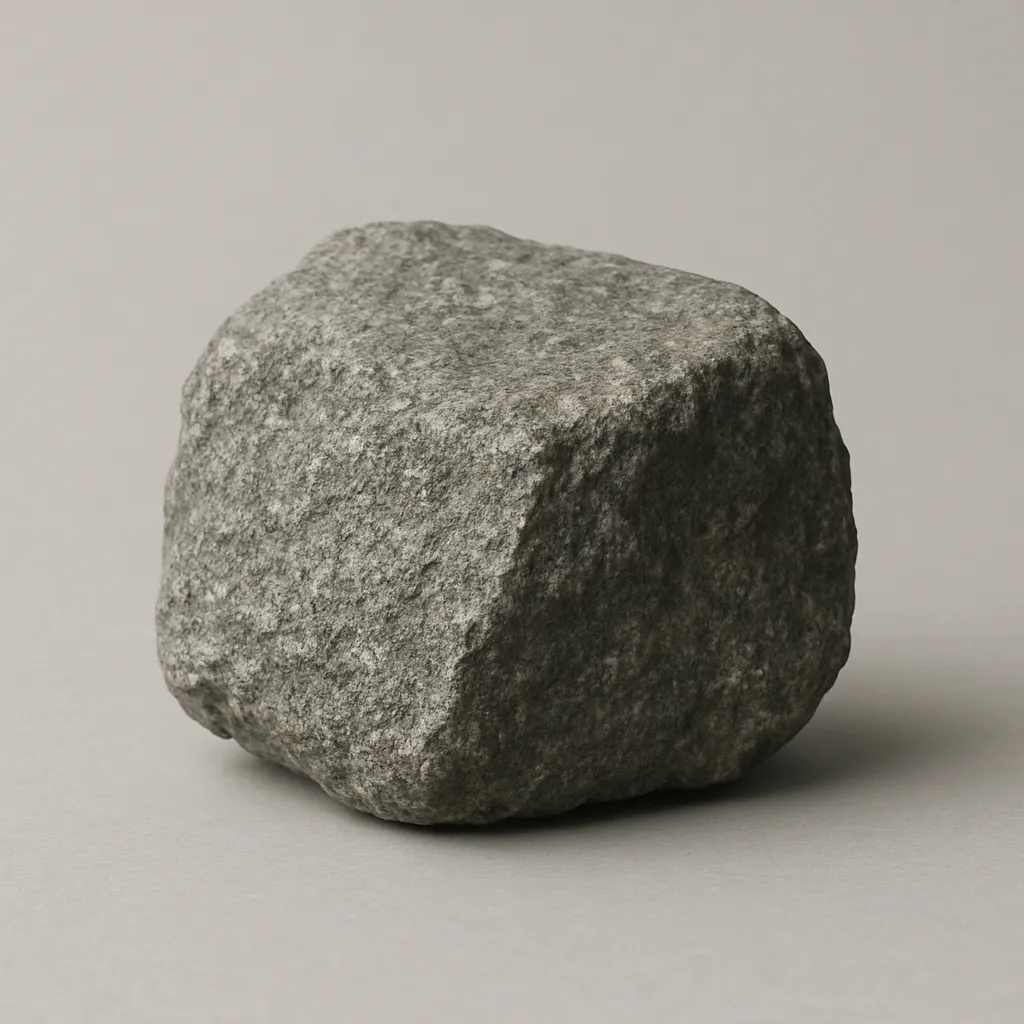
Dark specimen so riddled with gas bubble holes that it is mostly empty space, yet it still sinks in water, unlike its lighter-colored cousin. Which rock is it?
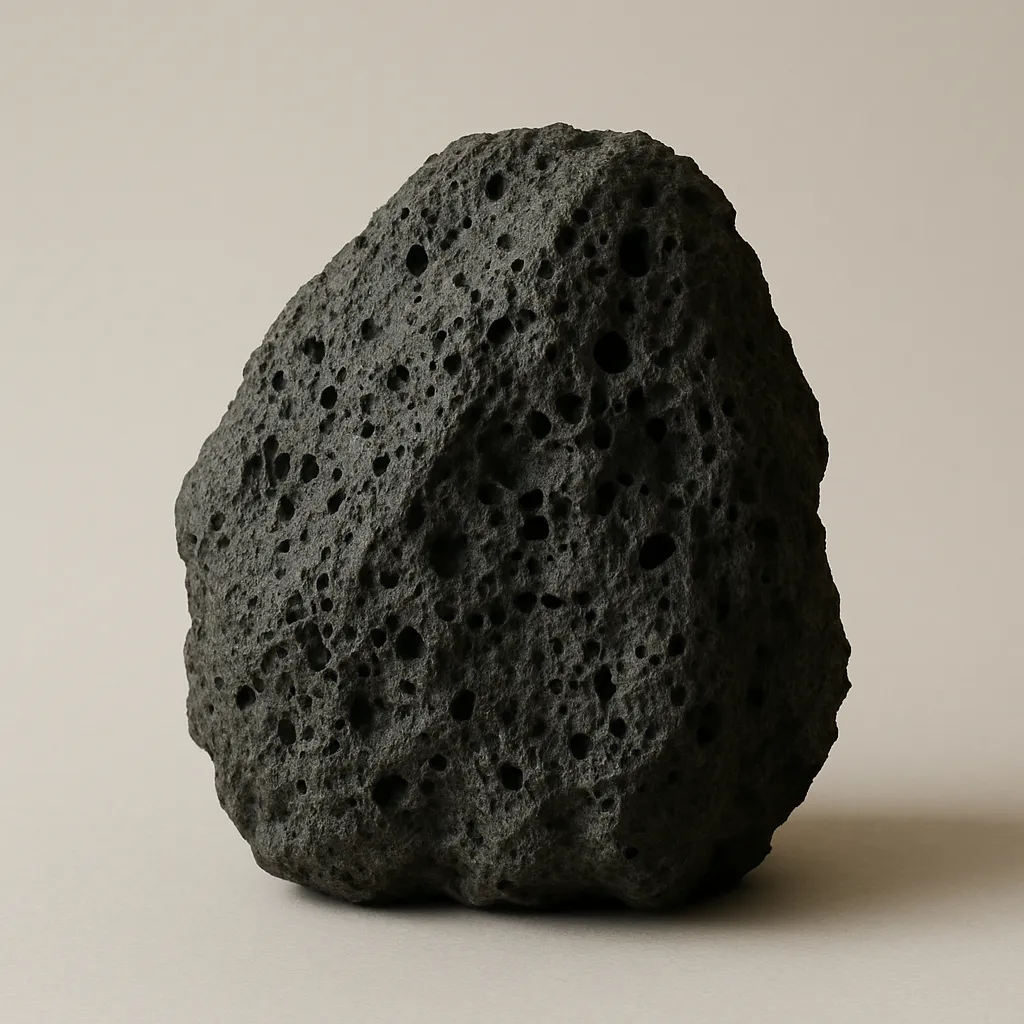
Which igneous rock forms from volcanic ash and rock fragments compacted together after an explosive eruption?
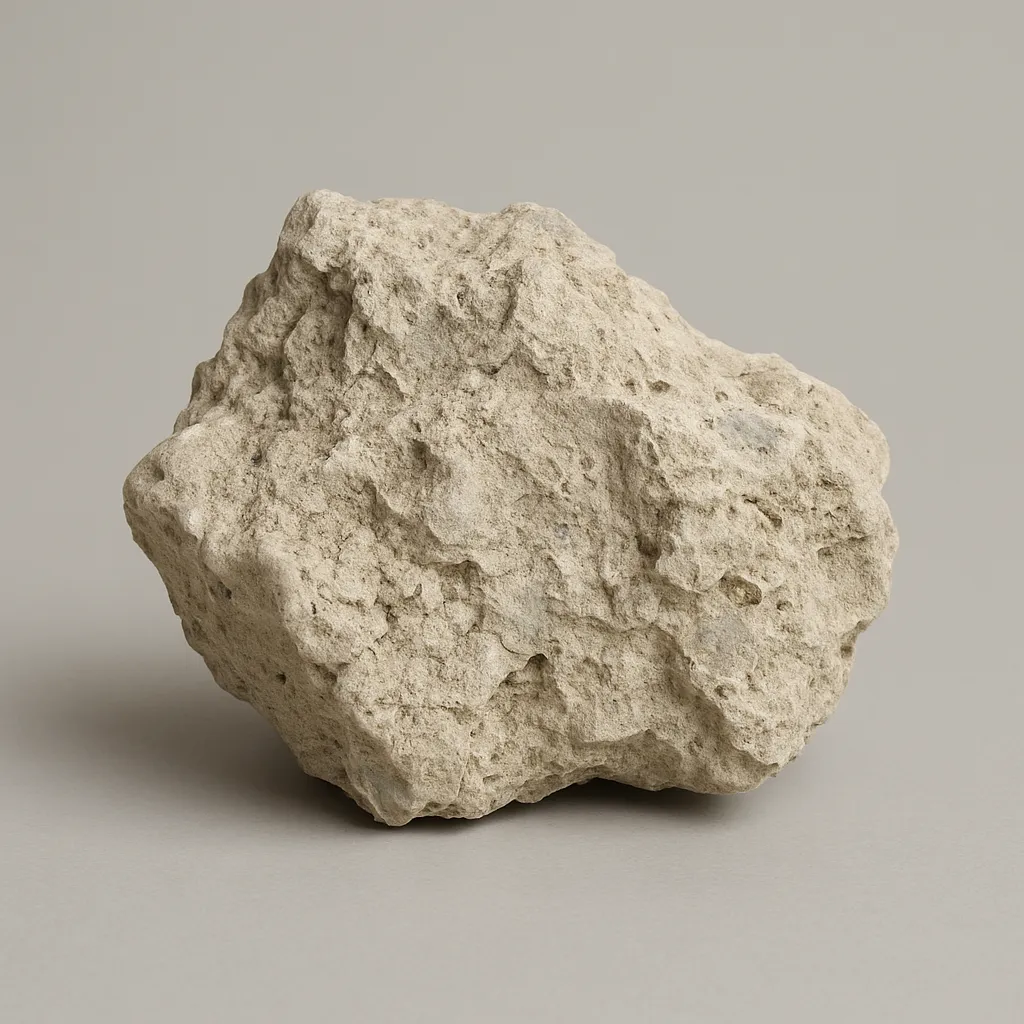
Which coarse-grained igneous rock forms deep underground from magma of the same composition as granite, but with crystals often many centimeters to over a meter long?
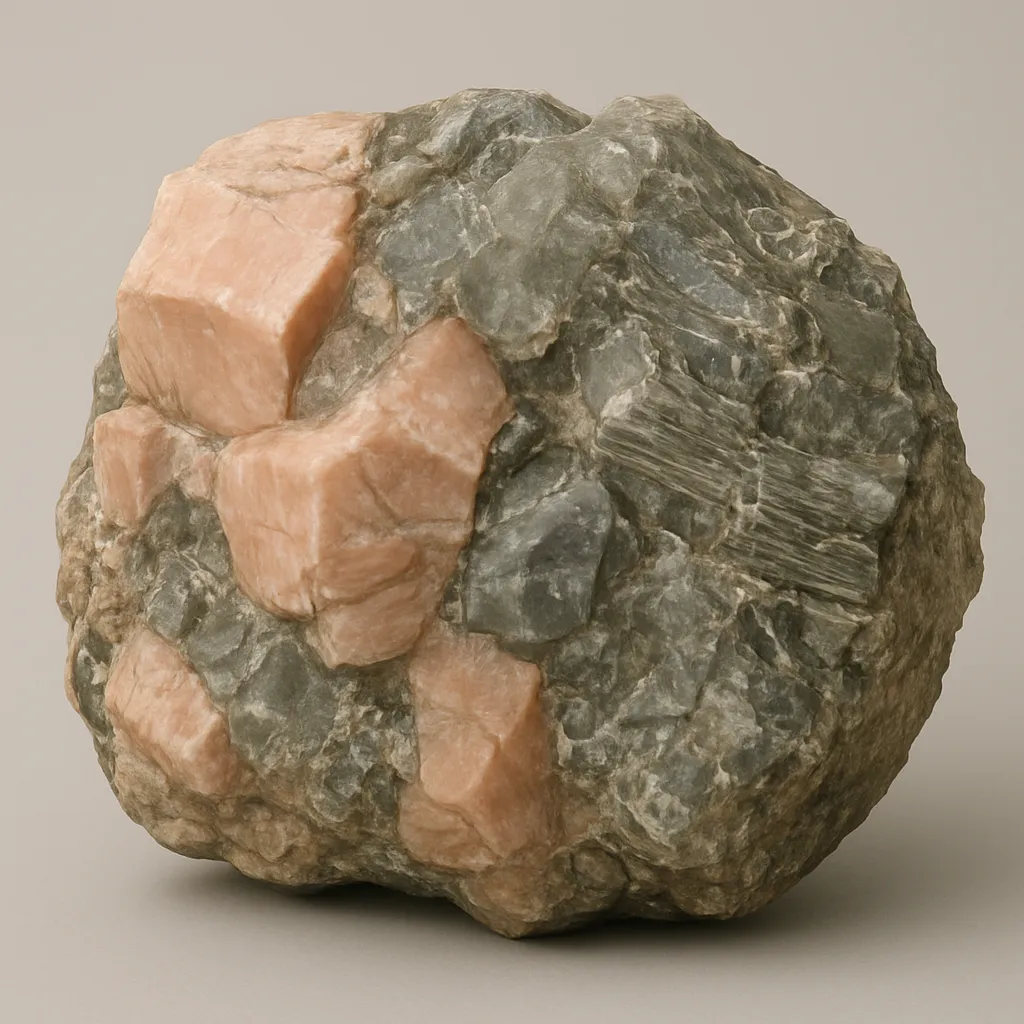
Which igneous rock, rich in iron and magnesium, crystallizes at very high temperature and makes up most of Earth's mantle?
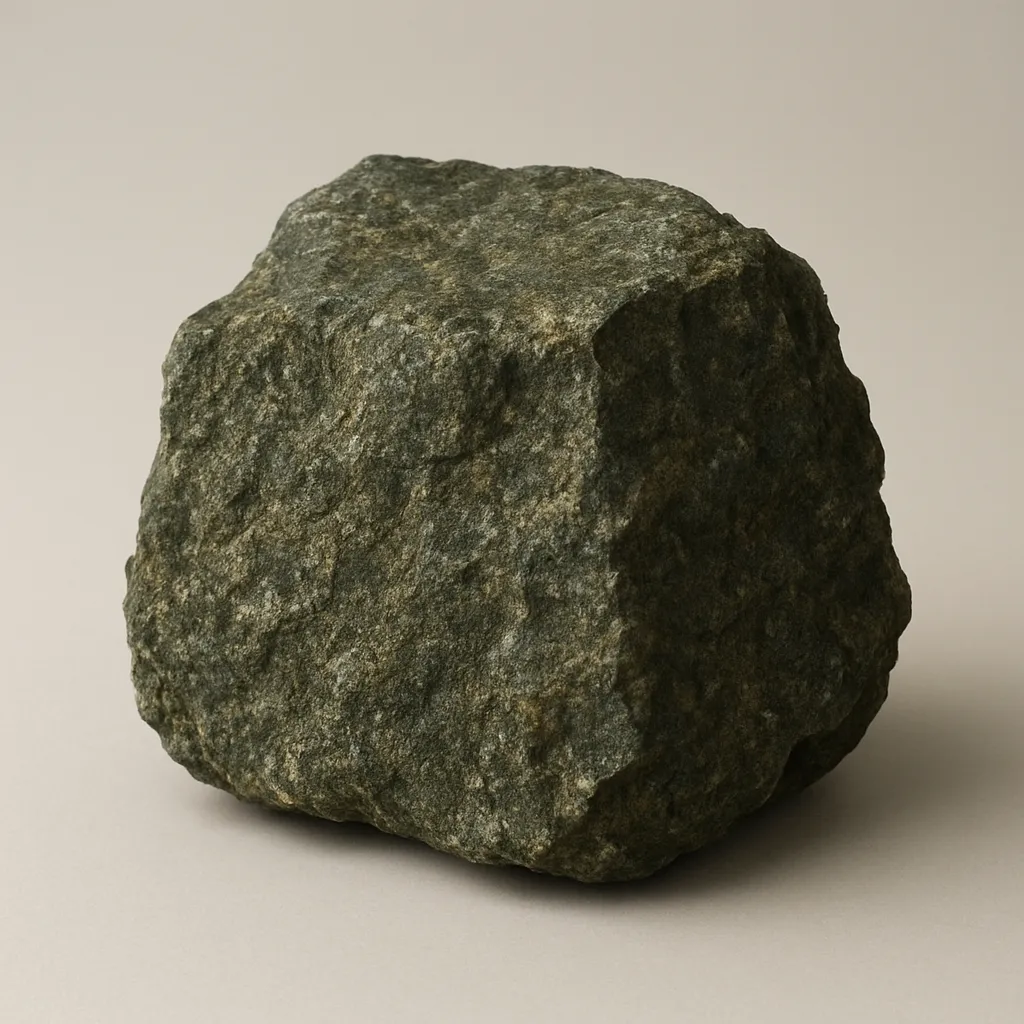
Grains of sand large enough to feel individually, rounded and cemented together, colored tan to reddish brown. Which rock is it?
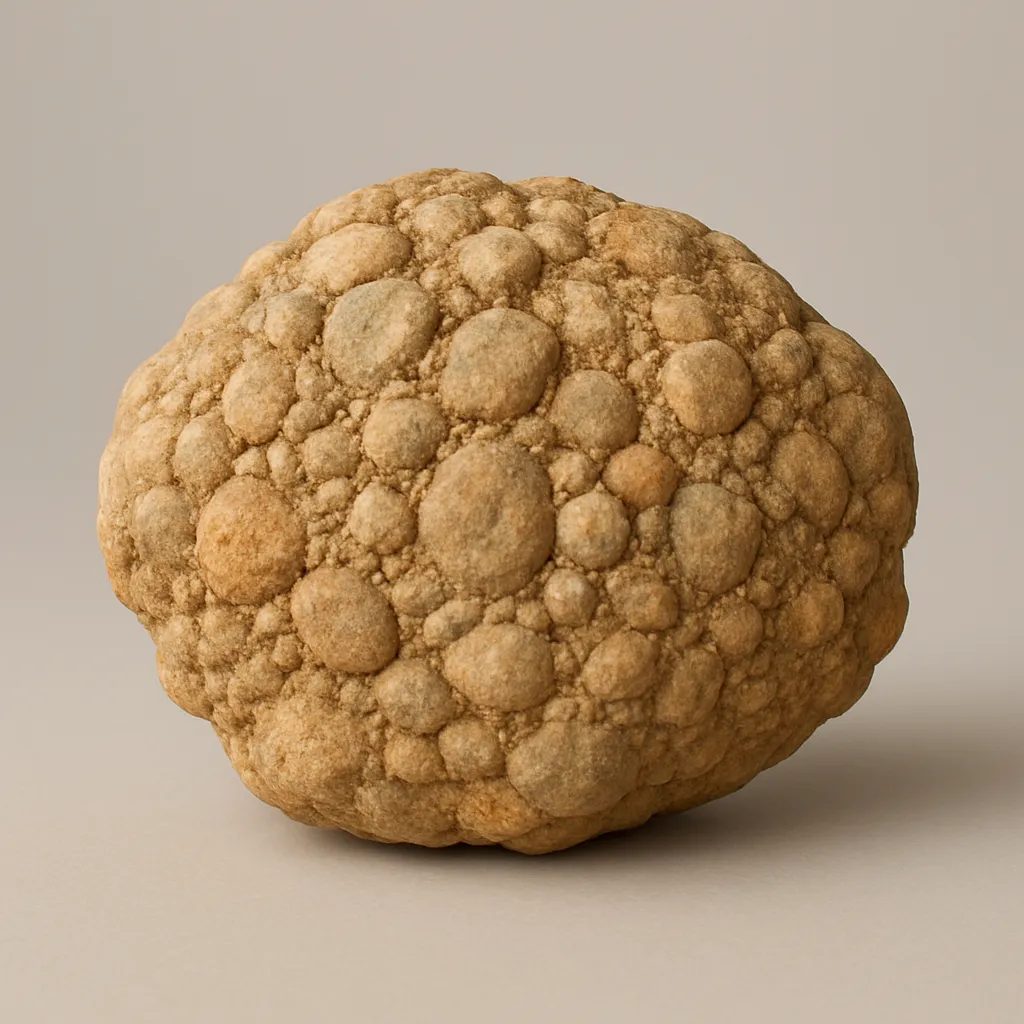
Extremely fine-grained, dark gray specimen that splits into thin, dull, easily crumbled layers and smells earthy when breathed on. Which rock is it?
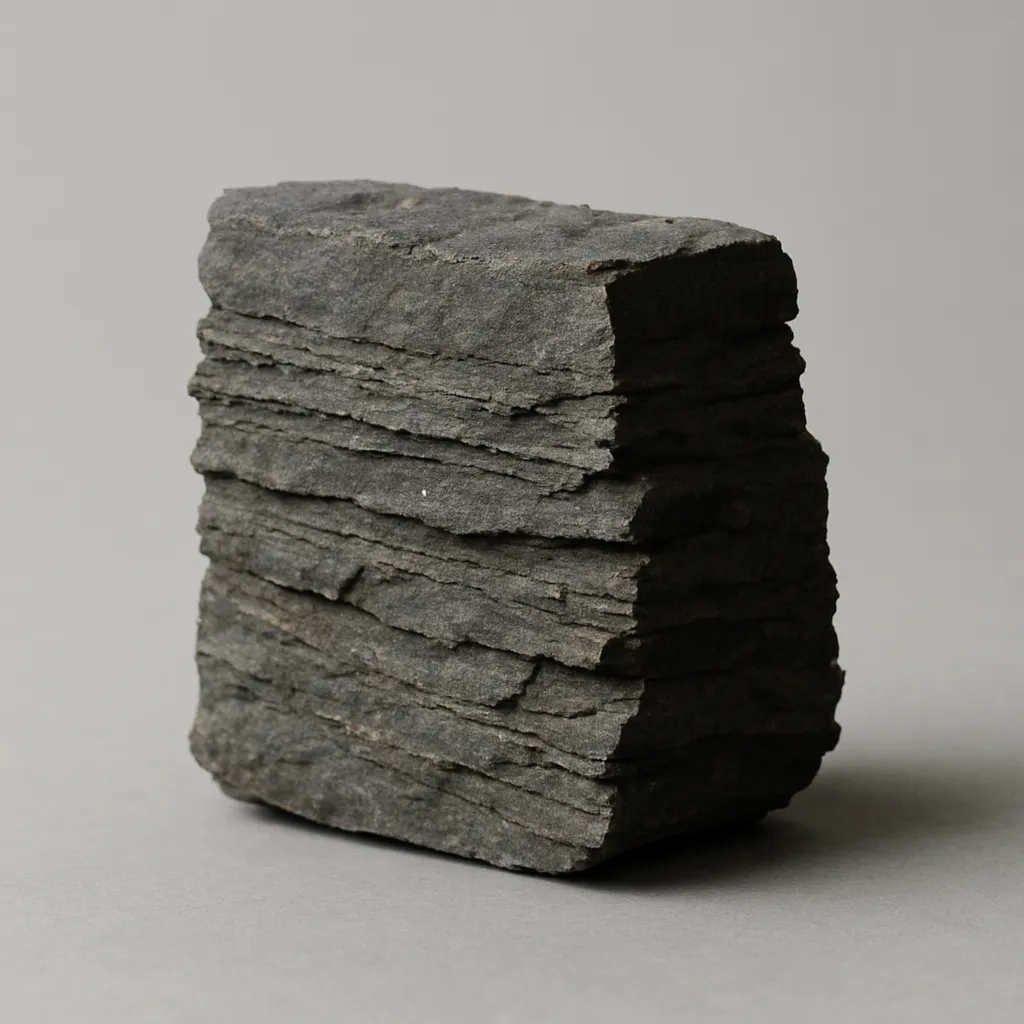
Light gray specimen made of fine calcite grains and visible fossil fragments, fizzing vigorously when a drop of dilute acid is applied. Which rock is it?
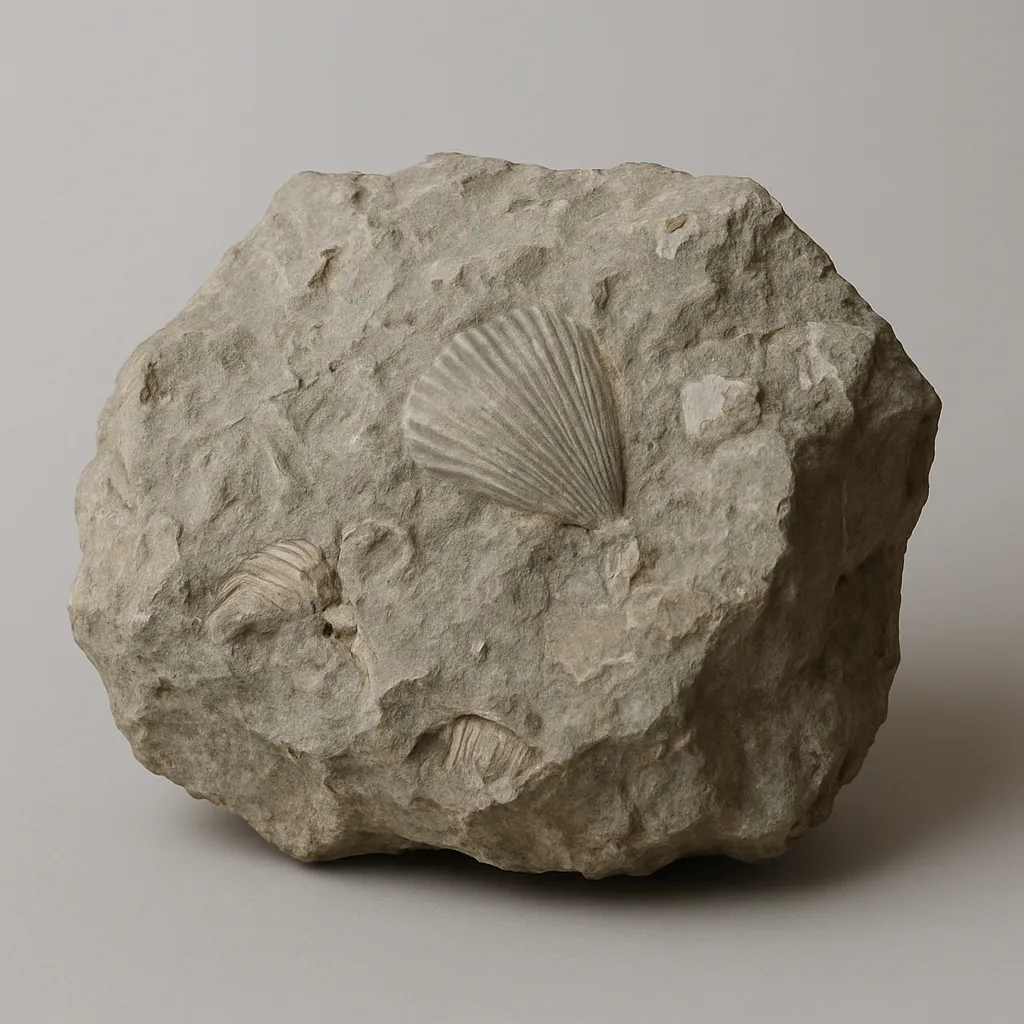
Rounded pebbles and cobbles of many different rock types cemented together in a sandy matrix. Which rock is it?
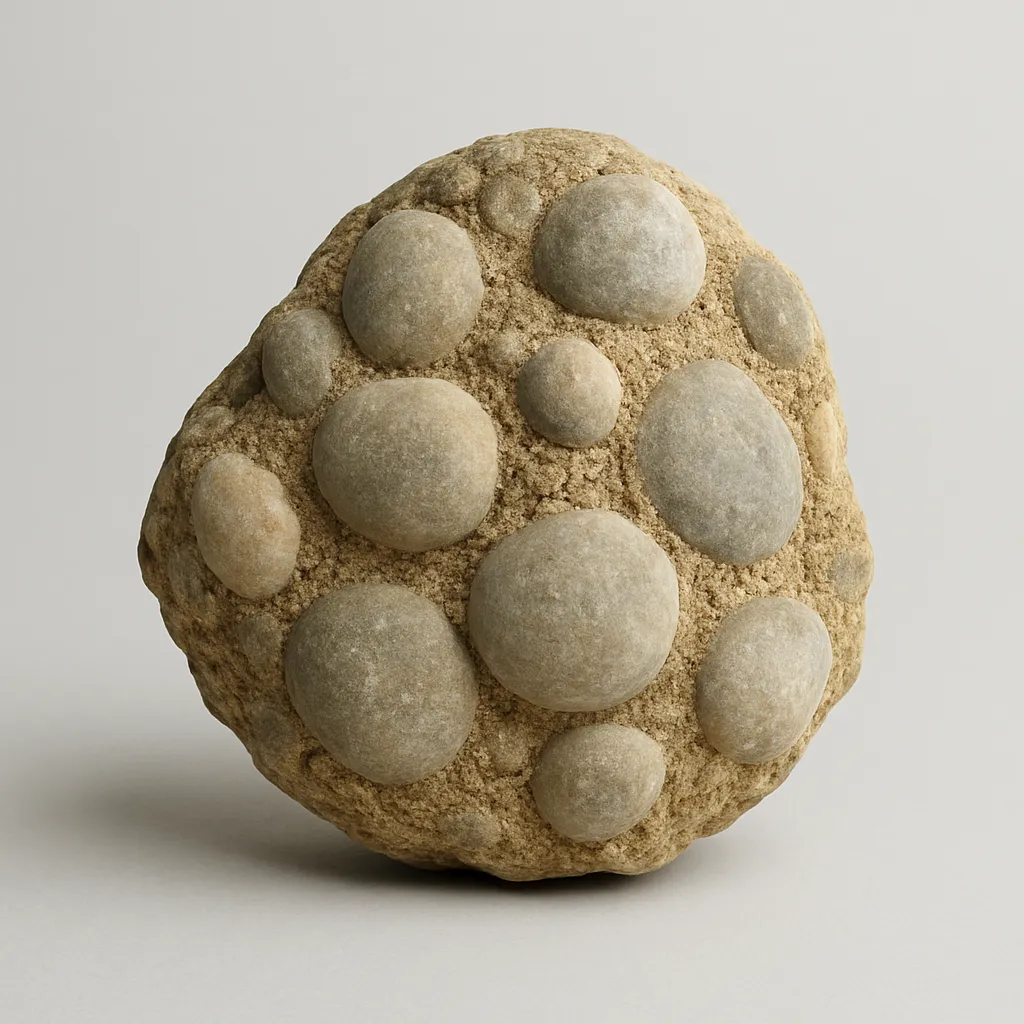
Sharp, angular rock fragments of many sizes cemented together with almost no rounding at the edges. Which rock is it?
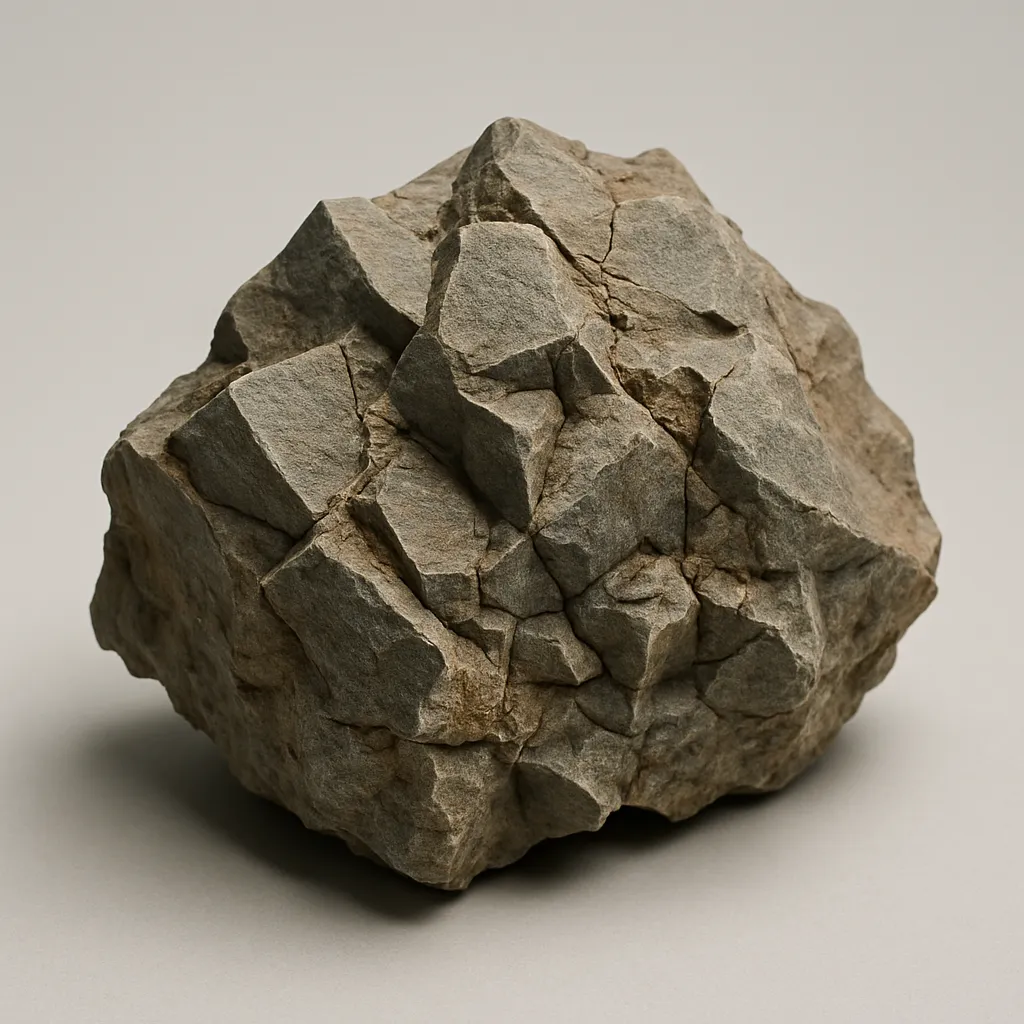
Coarse, glassy, colorless to white crystals that taste salty and dissolve readily in water. Which rock is it?
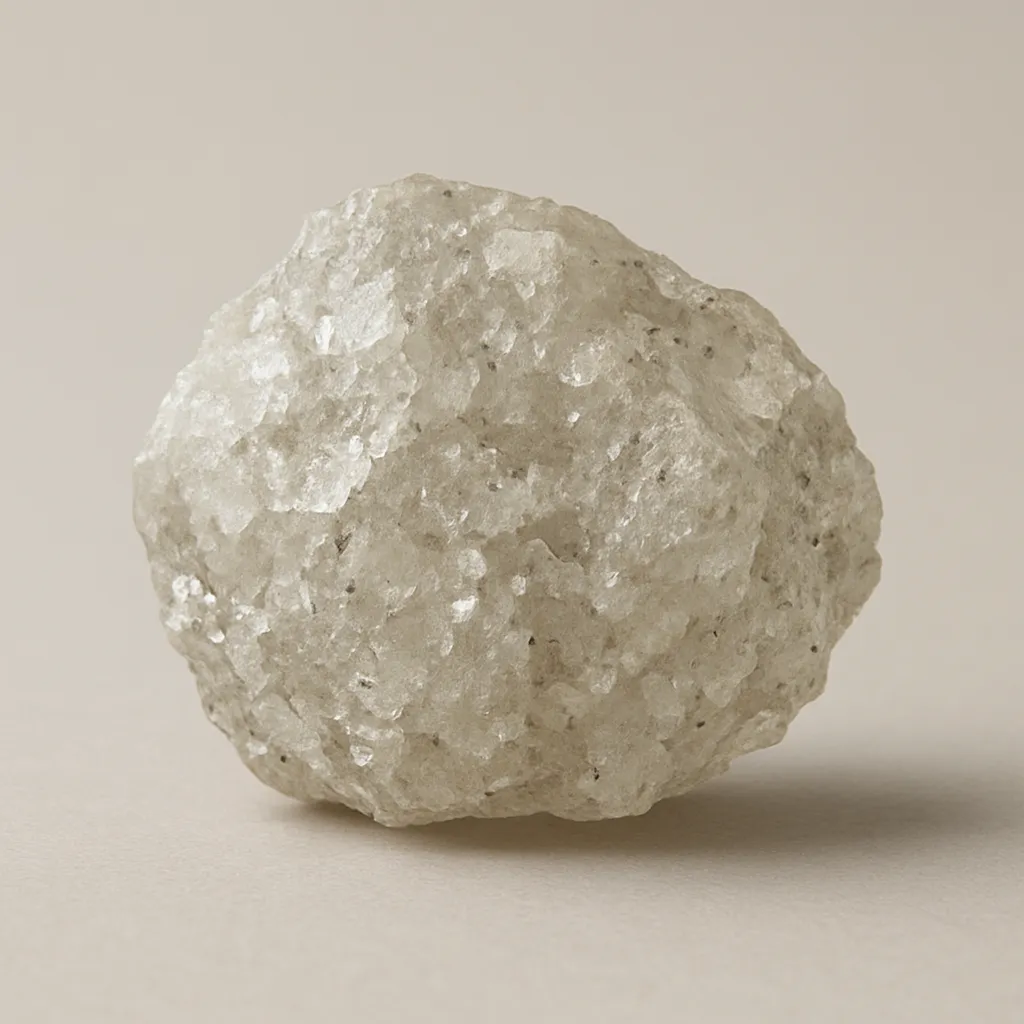
Black, lightweight, dull to shiny specimen made of compressed plant material that burns readily. Which rock is it?
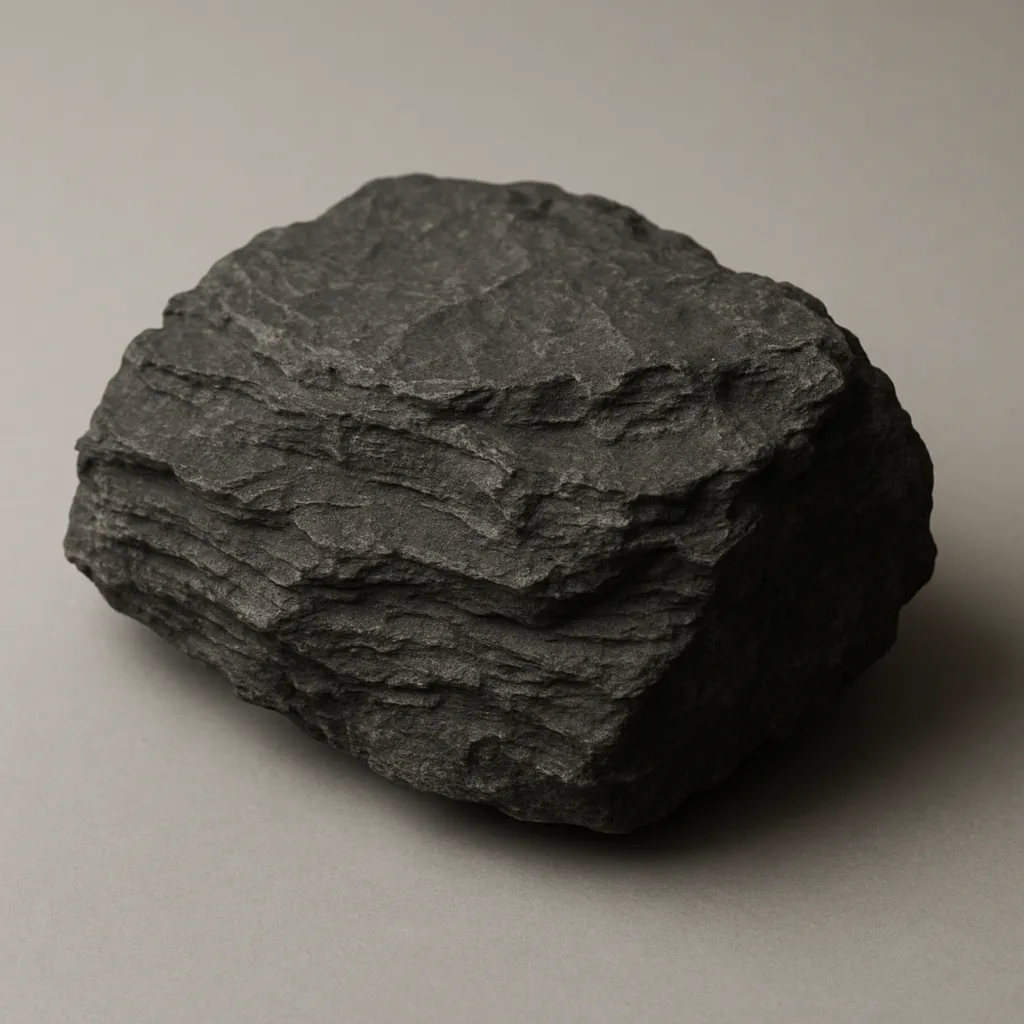
Extremely hard, fine-grained specimen with a smooth, glassy conchoidal fracture, in gray, red, or black. Which rock is it?
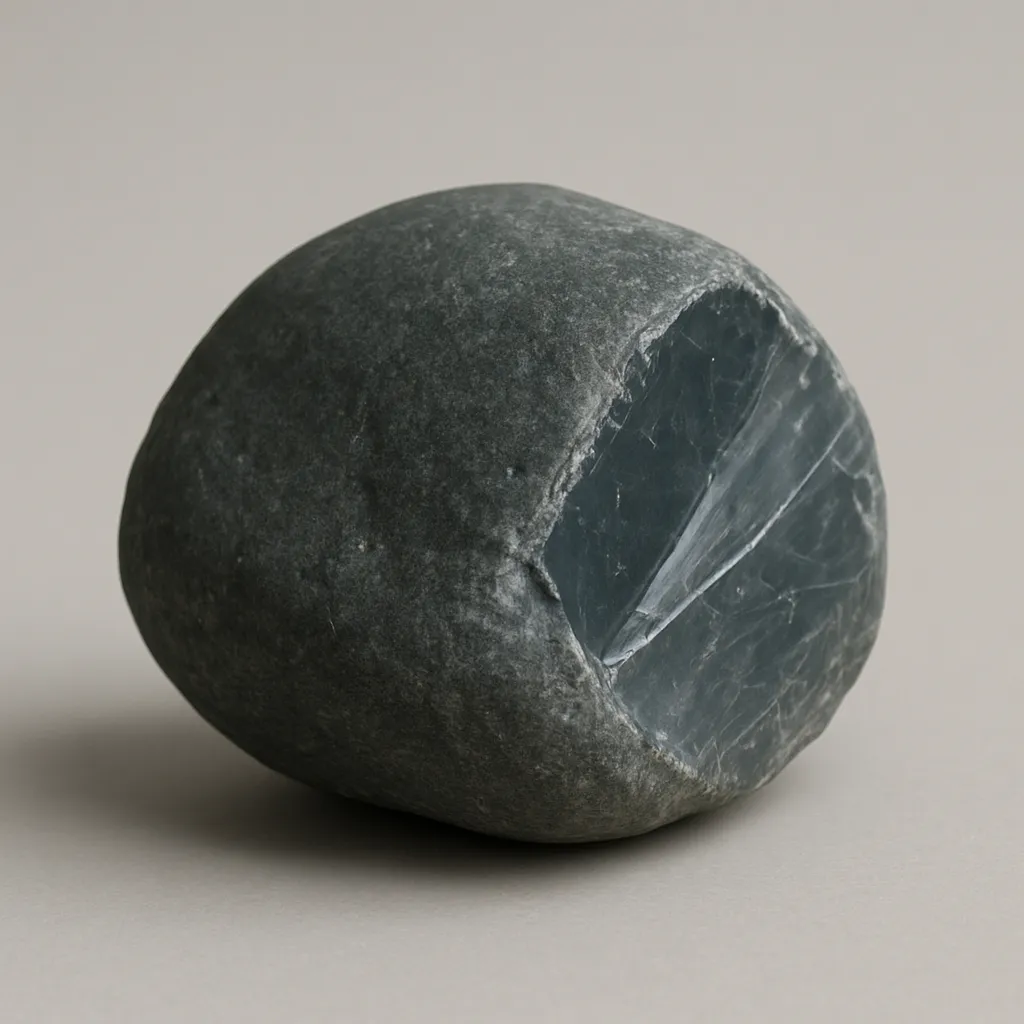
Light gray to pinkish specimen of fine crystals that fizzes with acid only when scratched to a powder first, unlike its more common look-alike. Which rock is it?
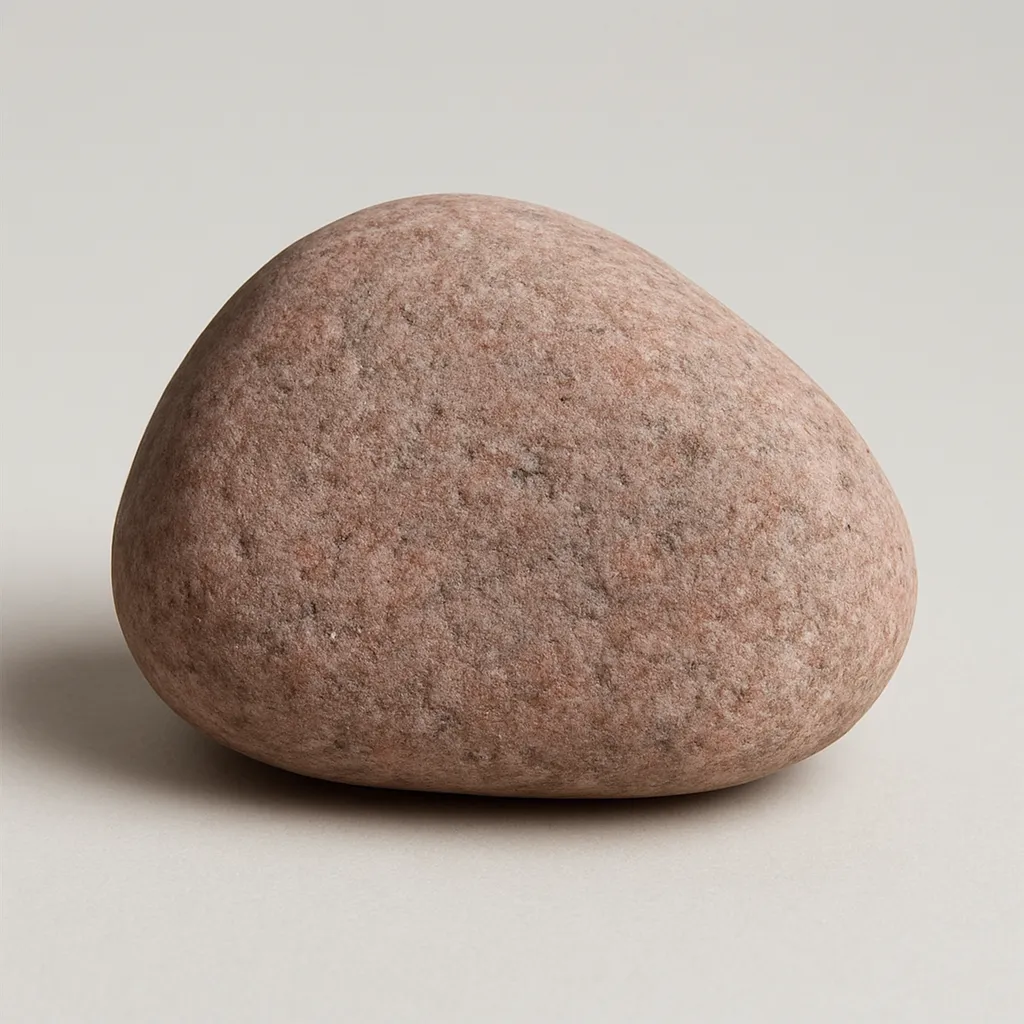
Which sedimentary rock forms from the cemented, broken shell fragments of marine organisms such as clams and other mollusks?
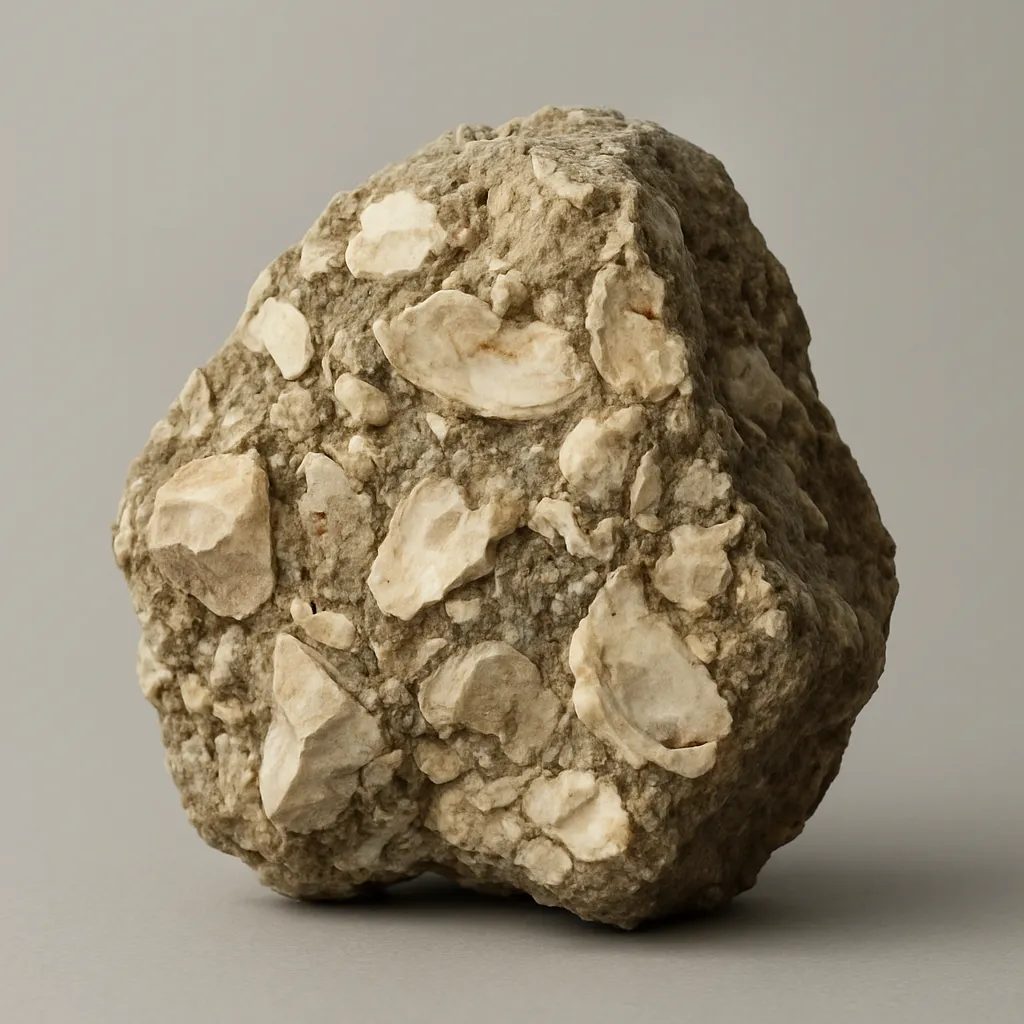
Which sedimentary rock forms when a shallow sea evaporates, leaving behind soft crystals that a fingernail can scratch and that do not taste salty?
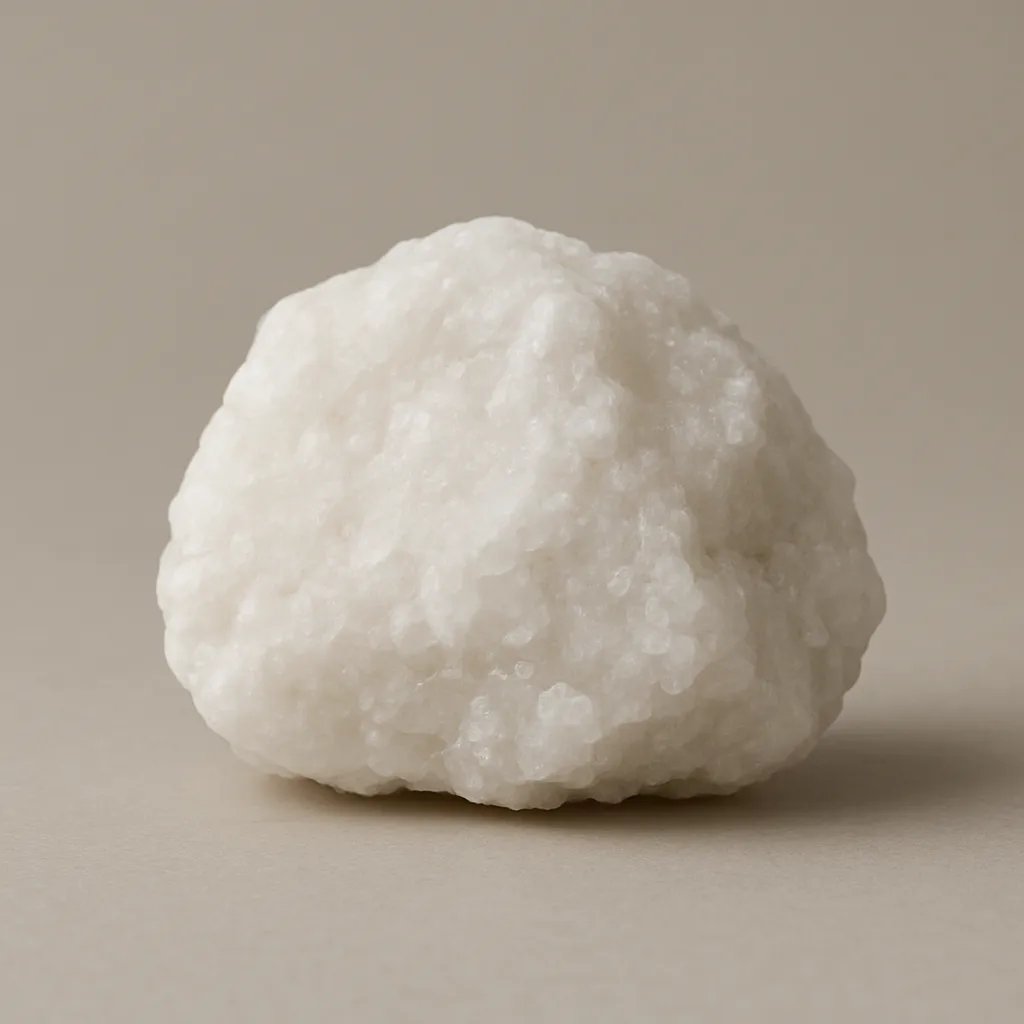
Which sedimentary rock has grains finer than sand but coarser than shale, gritty like fine sandpaper when rubbed between the fingers?
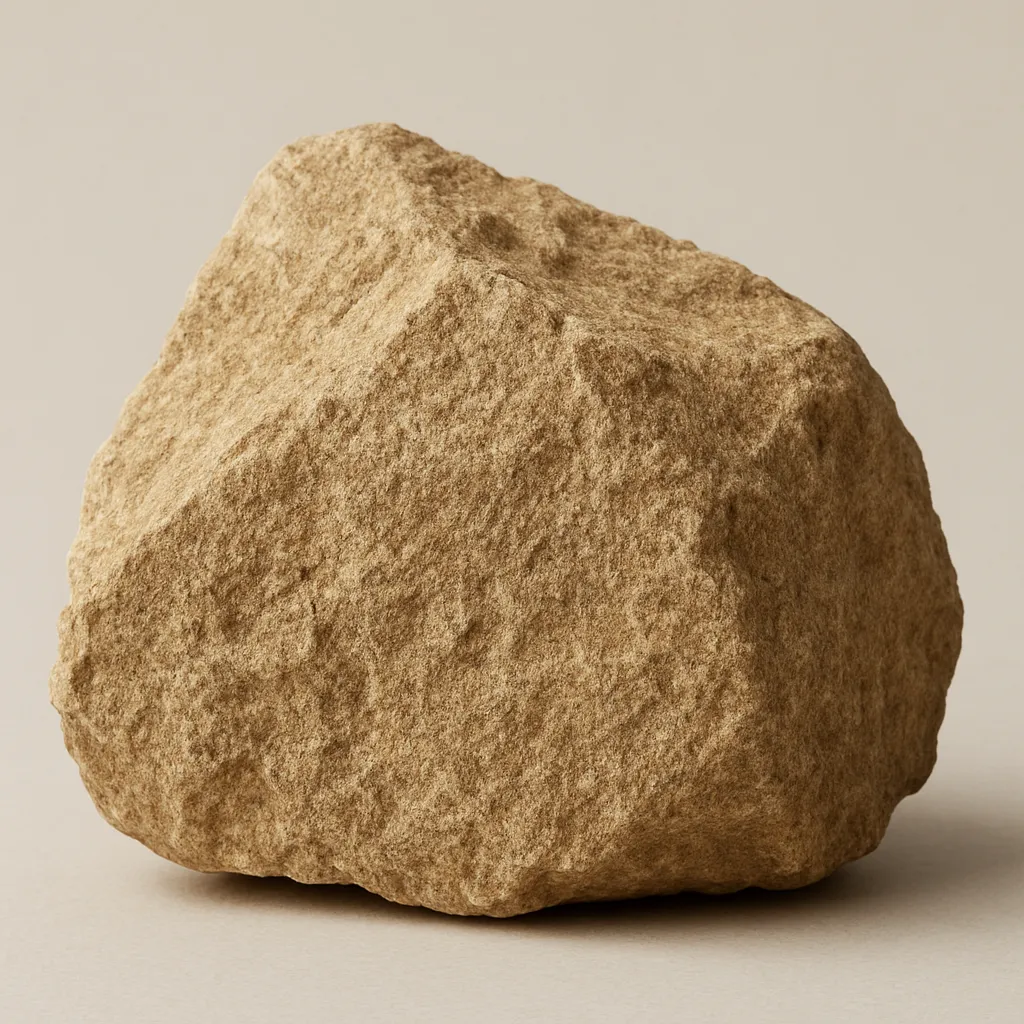
A mass of interlocking calcite crystals that fizzes readily in dilute acid, with no layering, banding, grains, or fossils visible. Which rock is it?
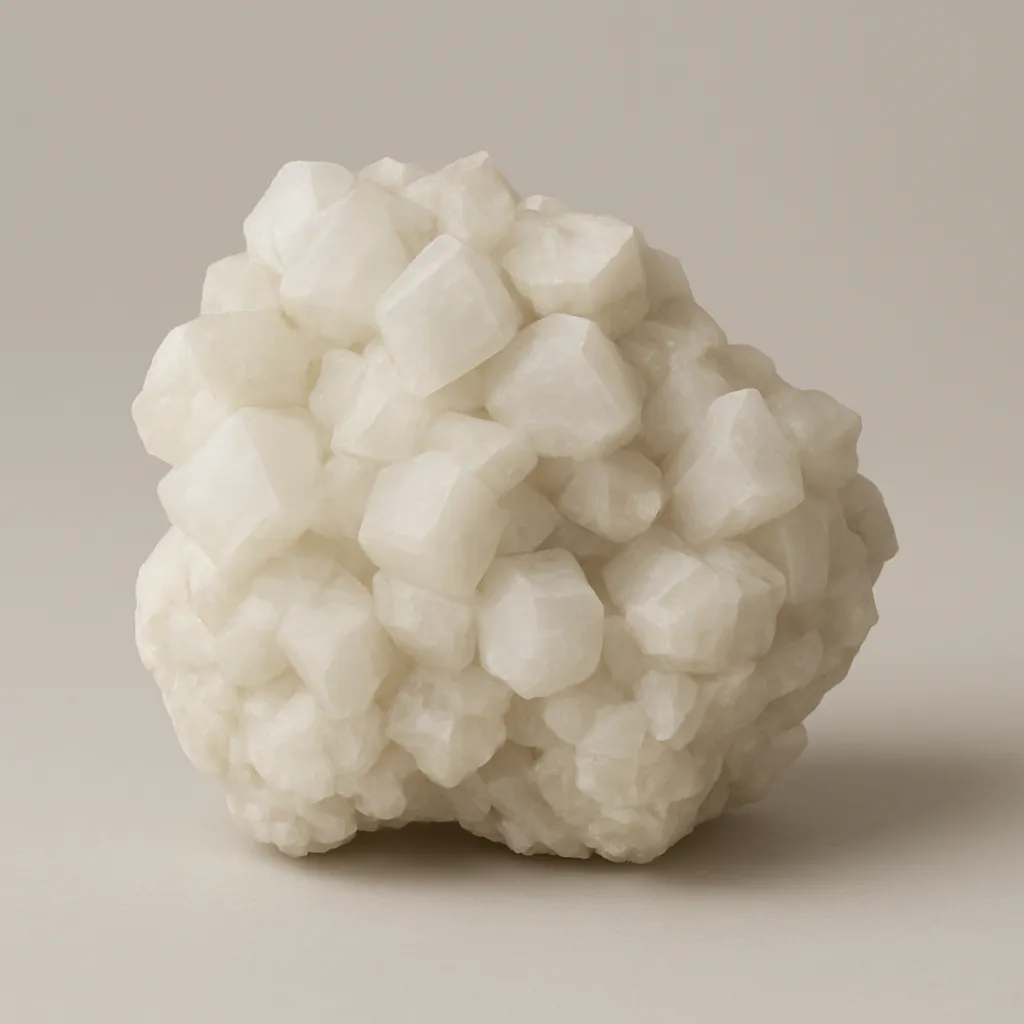
Extremely hard, sugary-looking specimen of interlocking quartz crystals that will scratch glass, with no layering. Which rock is it?
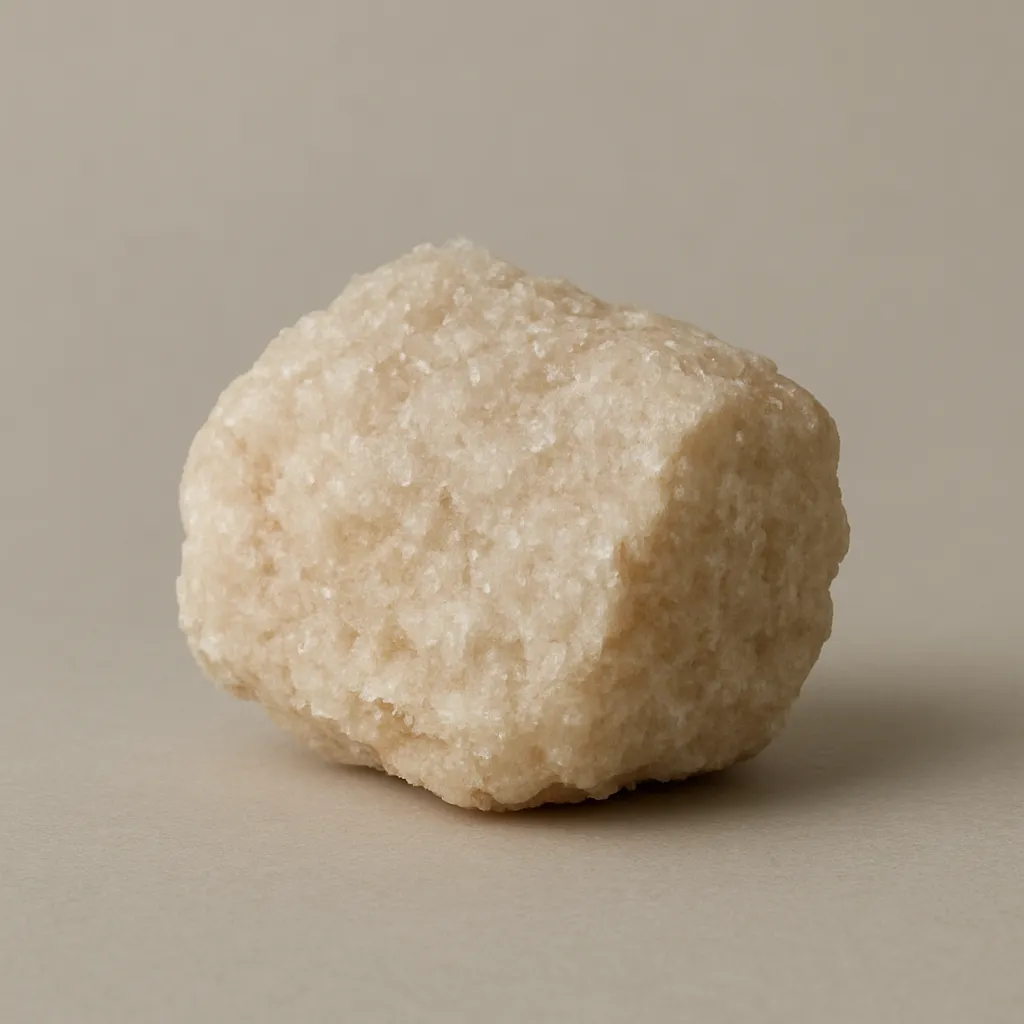
Fine-grained, dark gray specimen that splits into smooth, flat, ringing sheets with a dull to slightly shiny surface. Which rock is it?
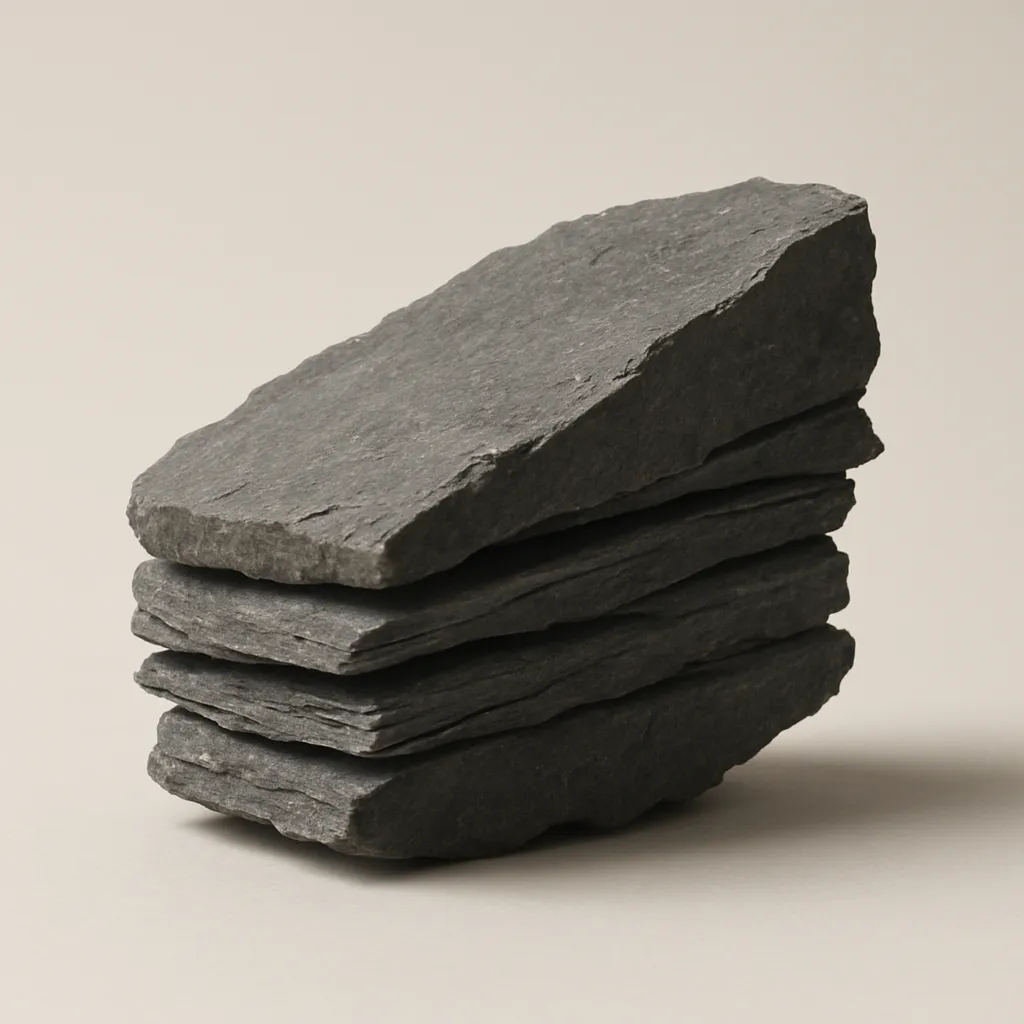
Fine-grained specimen with a silky, wavy sheen on its surface, intermediate in grain size between slate and schist. Which rock is it?
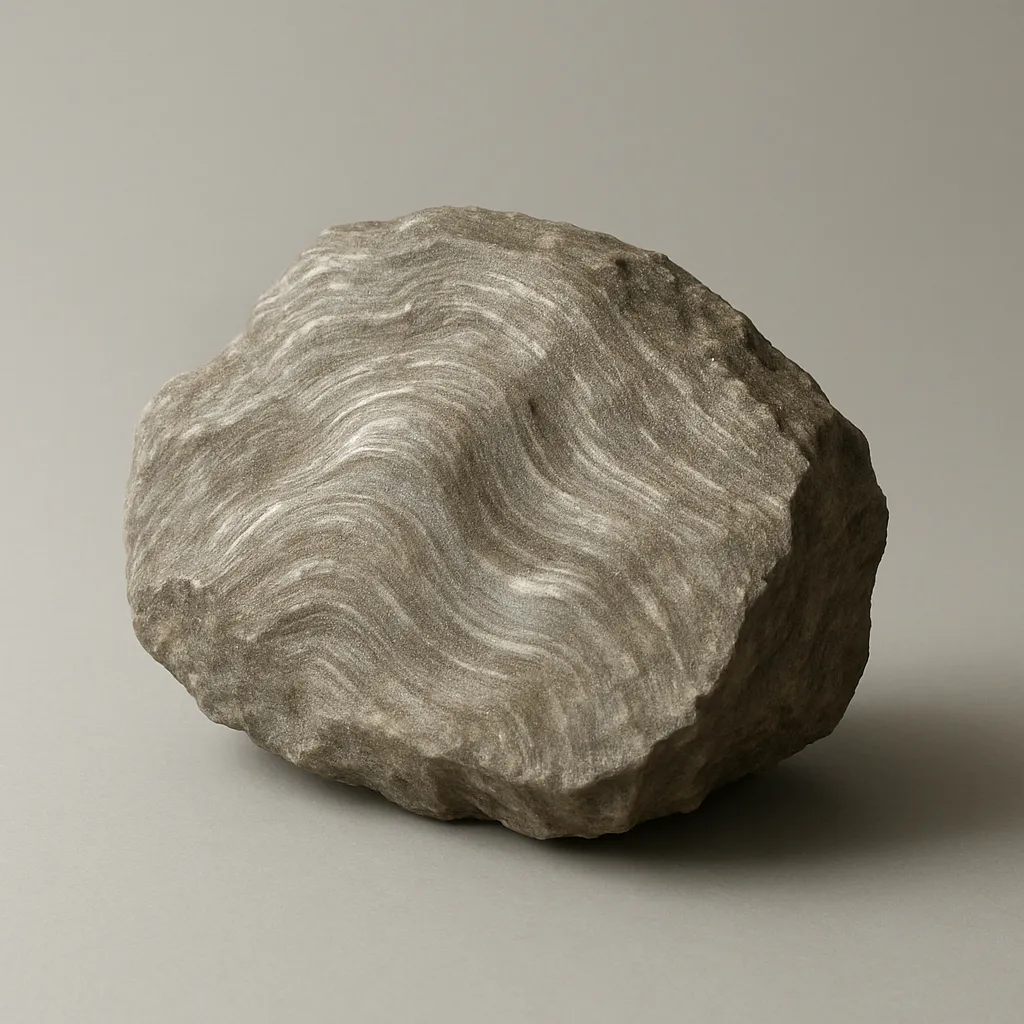
Medium to coarse-grained specimen packed with visible, aligned mica flakes that give it a strong sparkly foliation and easy splitting. Which rock is it?
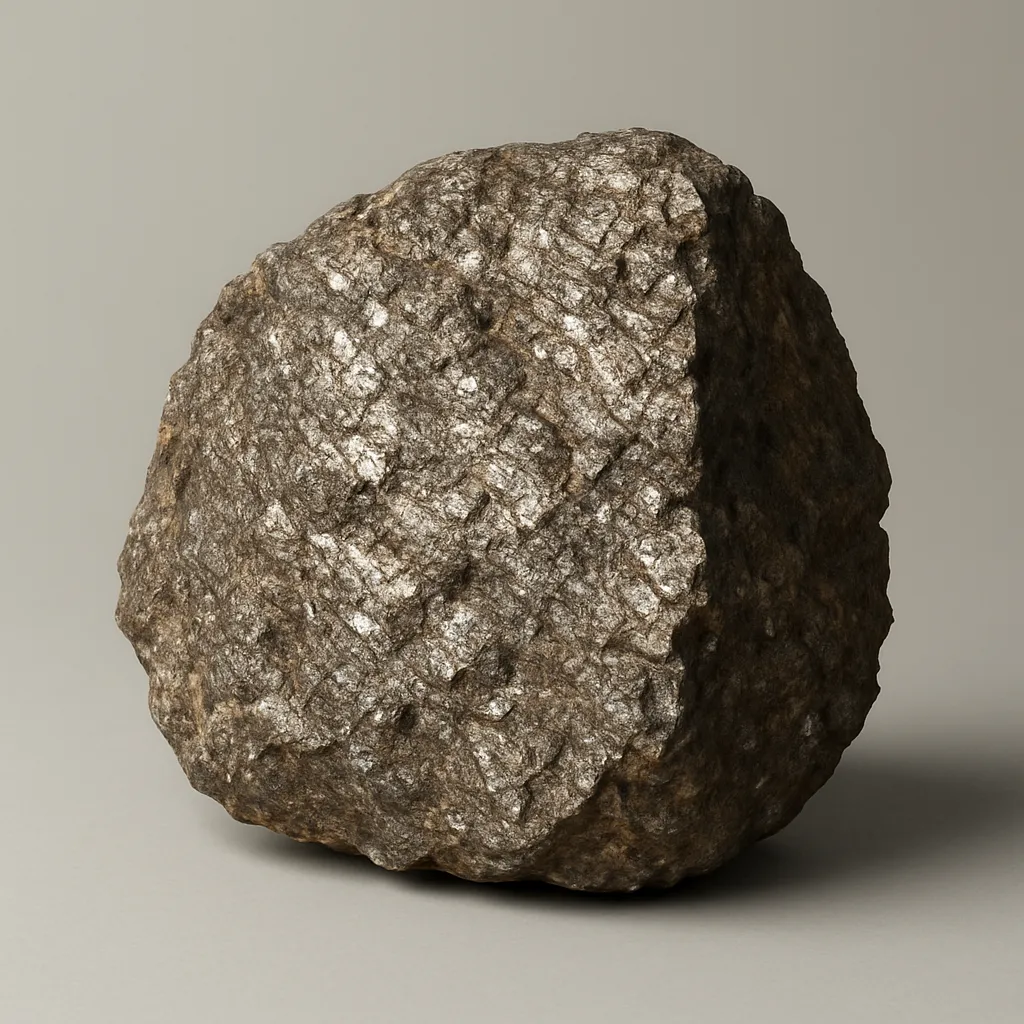
Coarse-grained specimen showing distinct alternating light and dark mineral bands, but does not split into flat sheets. Which rock is it?
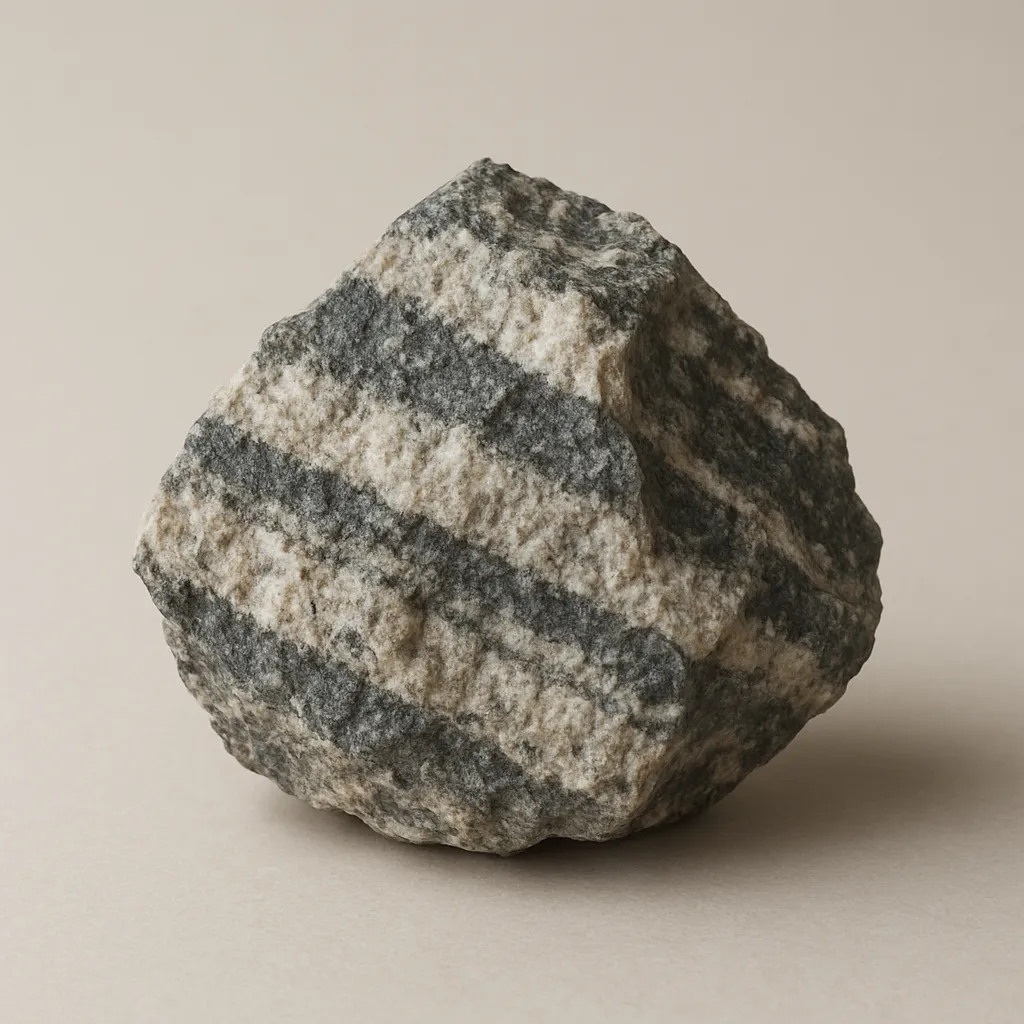
Very hard, fine-grained, dark specimen with a splintery fracture, baked and hardened where magma once touched surrounding rock. Which rock is it?
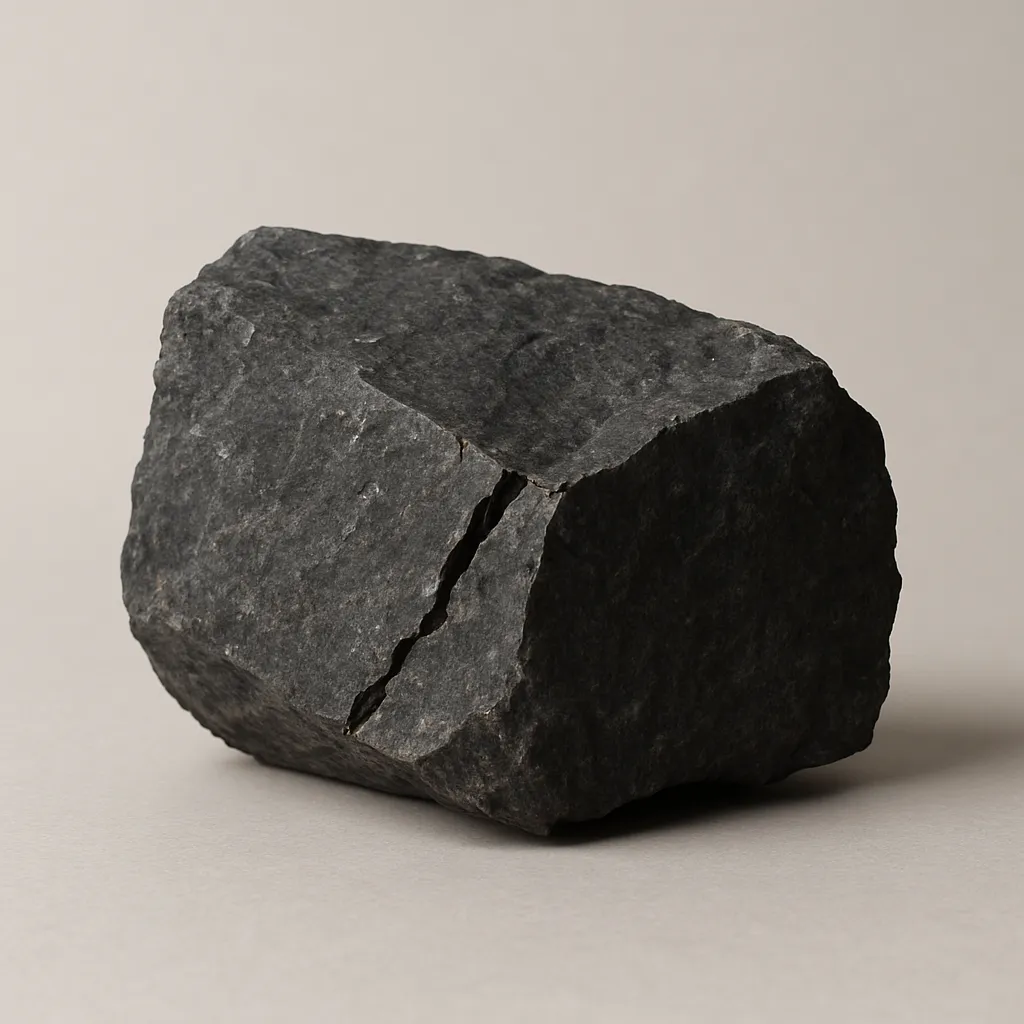
Specimen with swirled, partially melted light-colored bands mixed through darker unmelted layers, as if it began turning back into magma. Which rock is it?
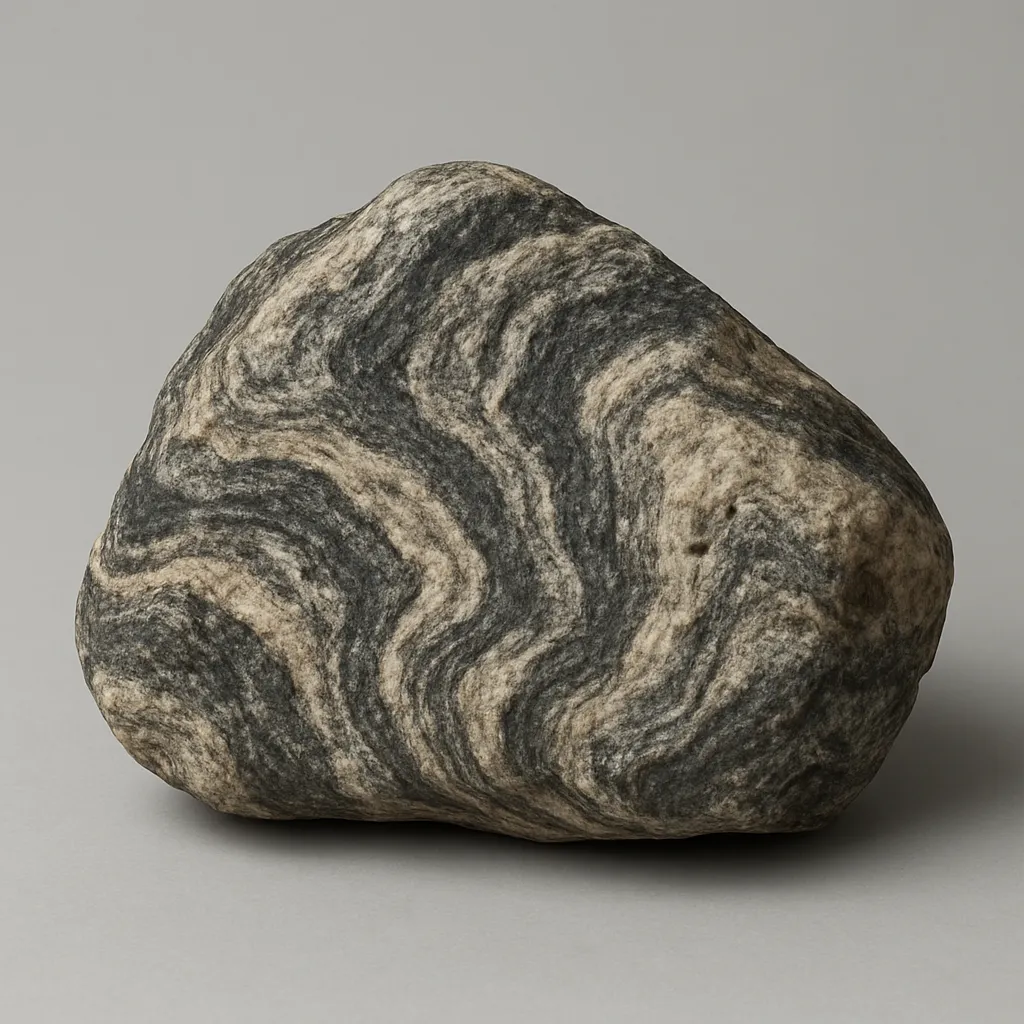
Smooth, waxy, mottled green specimen that feels slippery, formed from the metamorphism of oceanic mantle rock. Which rock is it?
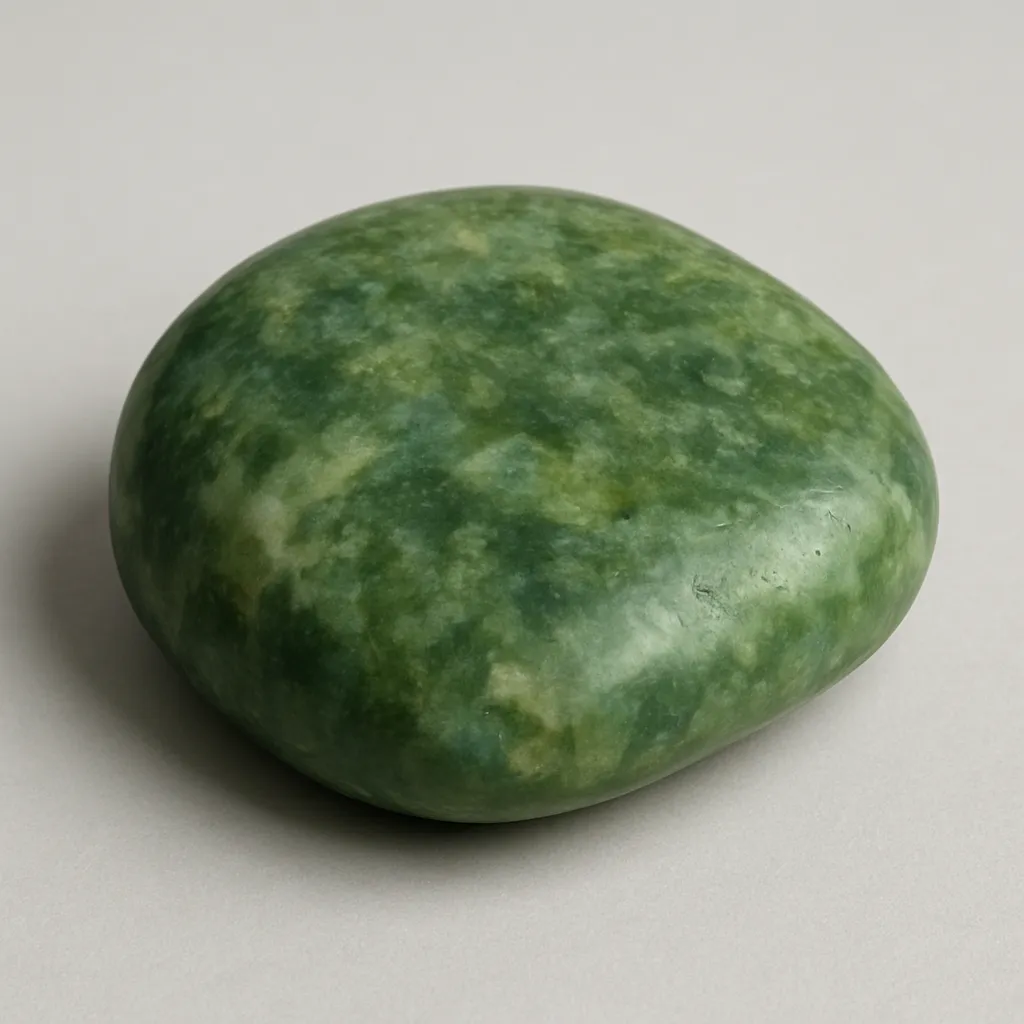
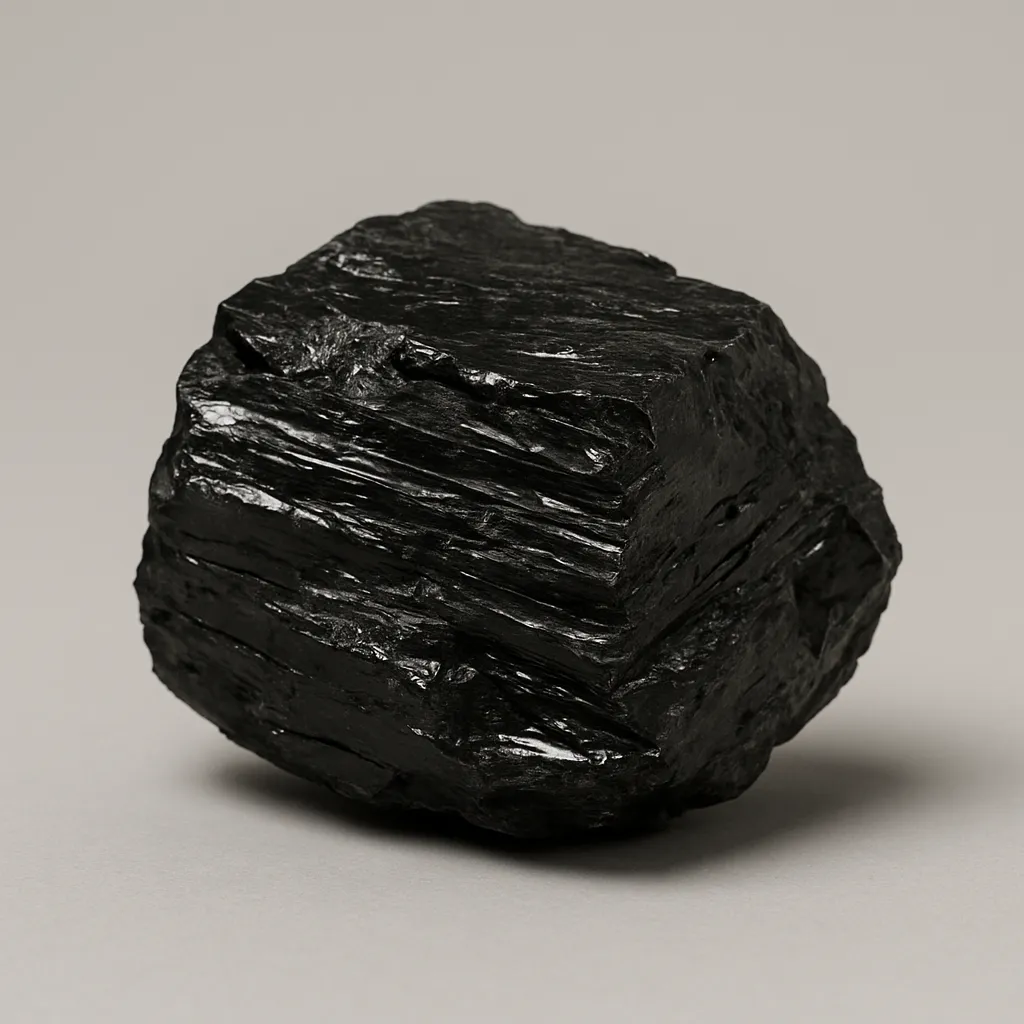
Which metamorphic rock forms when coal is subjected to high heat and pressure, becoming harder, shinier, and higher in carbon content?
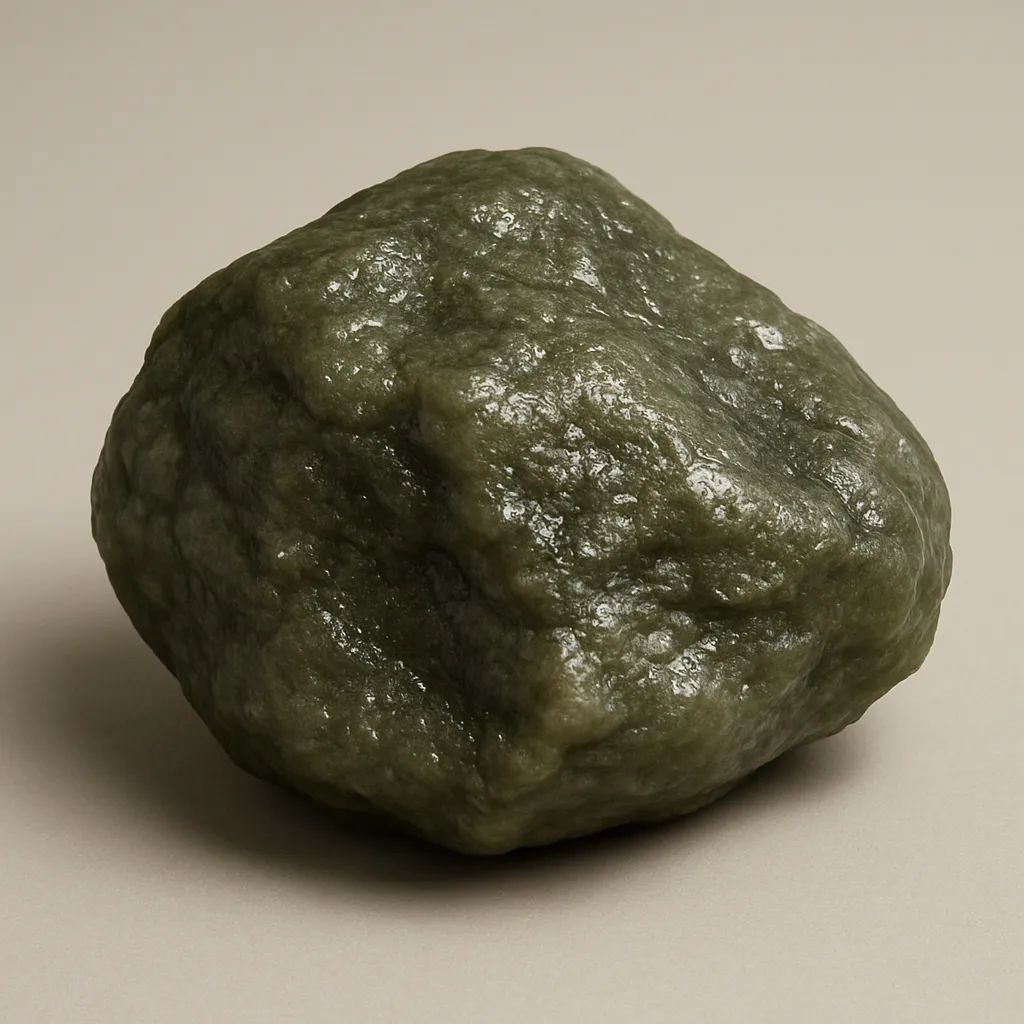
Which soft, greasy-feeling metamorphic rock forms almost entirely of the mineral talc, and is soft enough to scratch with a fingernail?
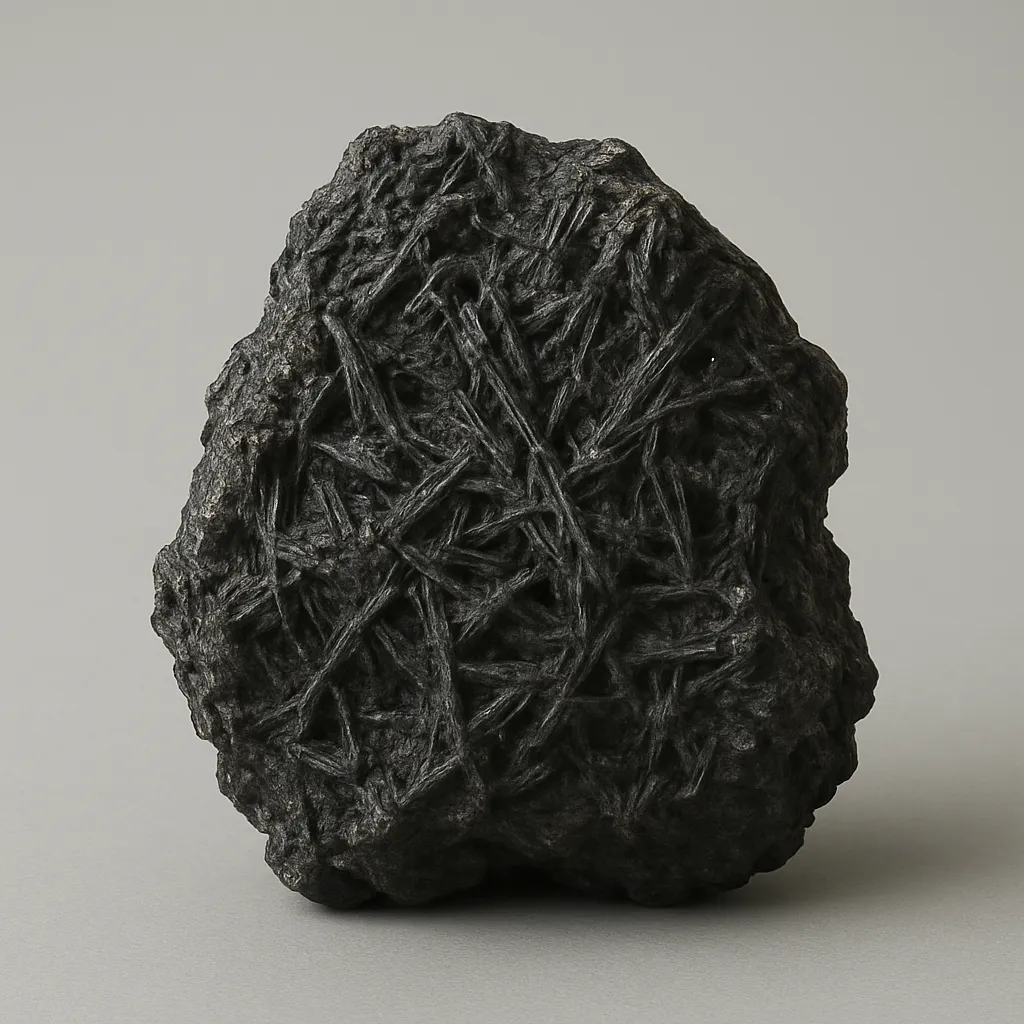
Which metamorphic rock forms from basalt or gabbro altered by heat and pressure, made mostly of dark, needle-like hornblende crystals?
Using the key shown, a specimen answers yes to the first question and yes to the second. Which branch does it end on?
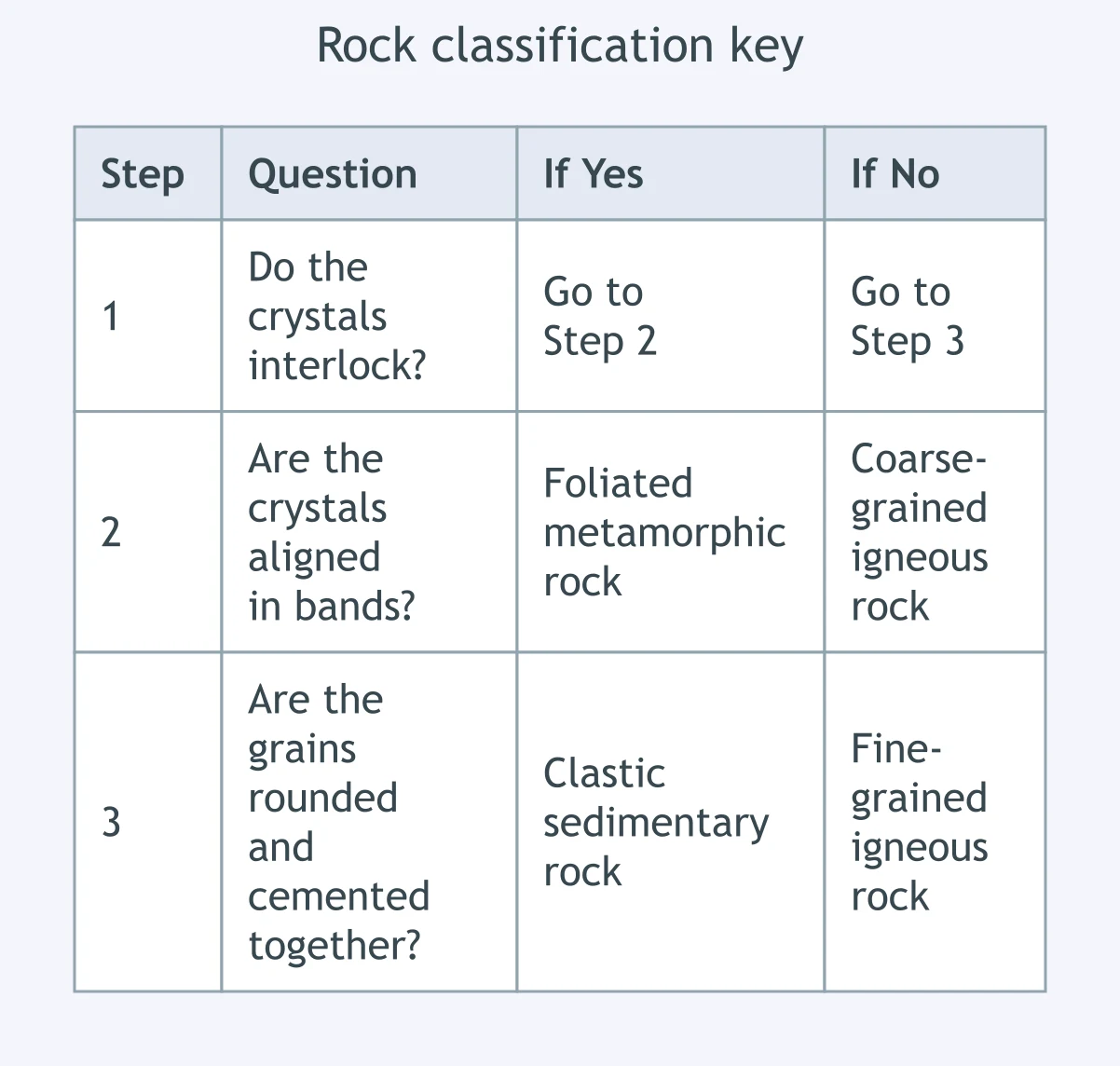
Using the key shown, a specimen answers yes to the first question and no to the second. Which branch does it end on?
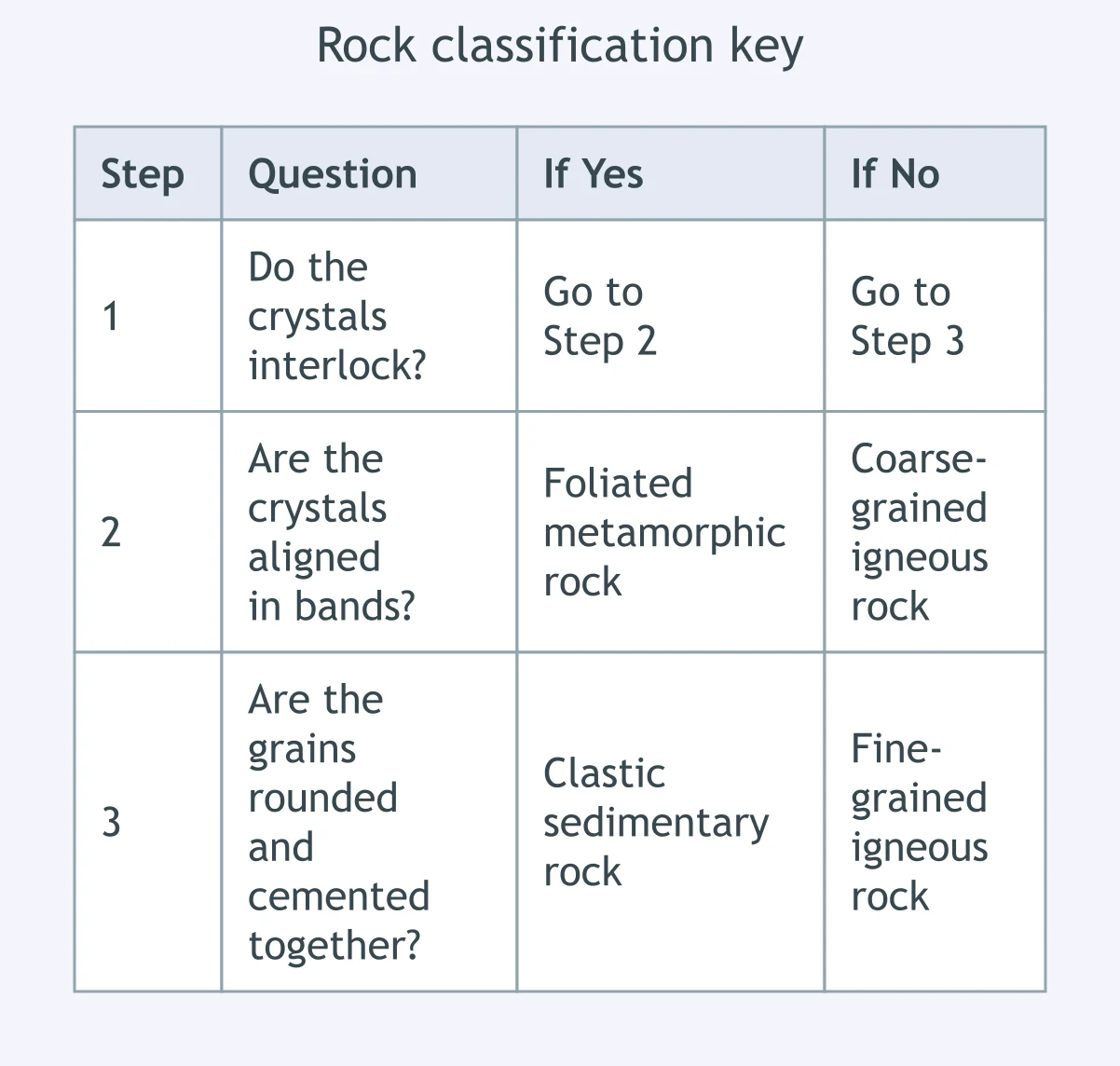
Using the key shown, a specimen answers no to the first question and yes to the third. Which branch does it end on?
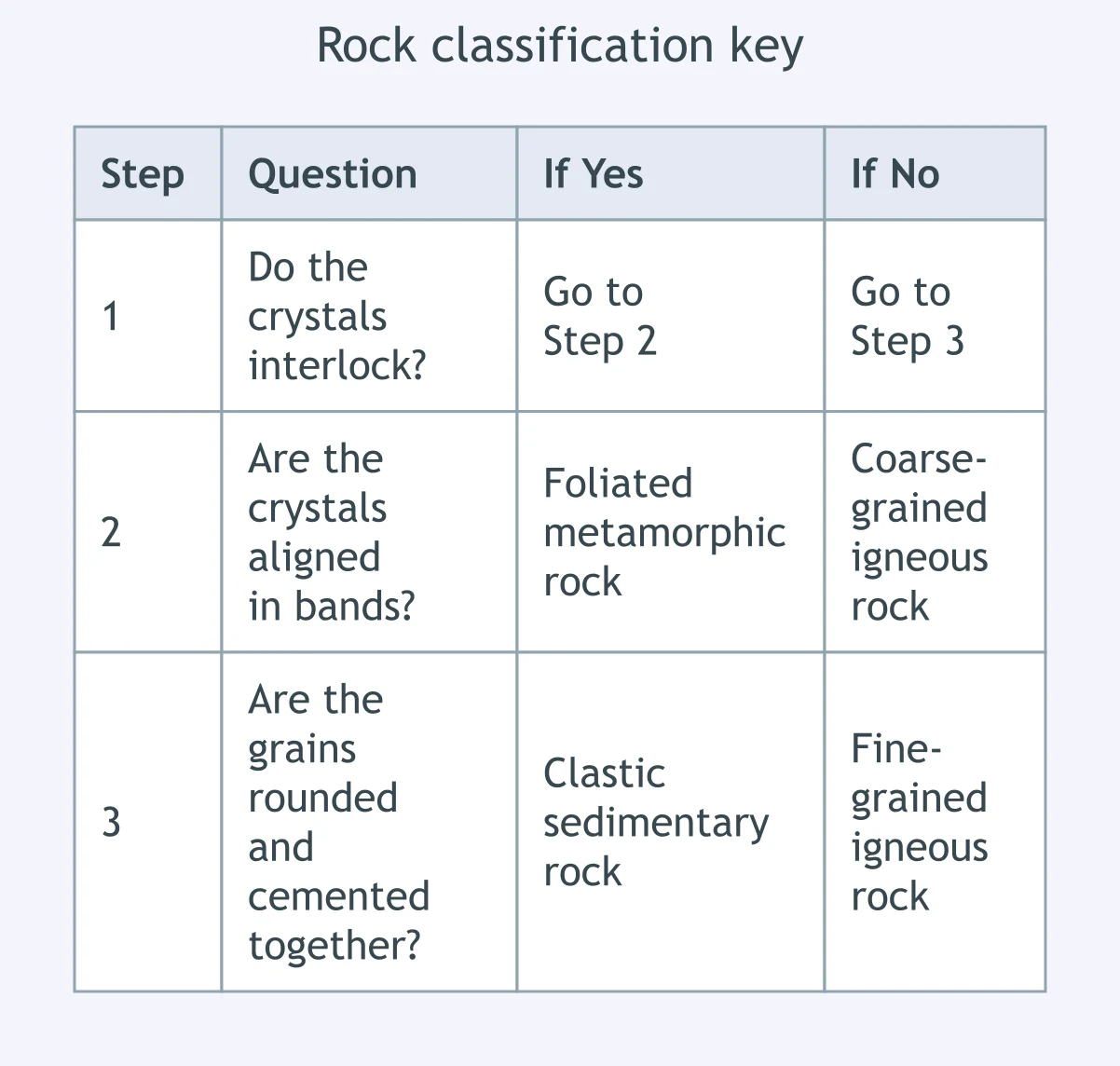
Using the key shown, a specimen answers no to the first question and no to the third. Which branch does it end on?
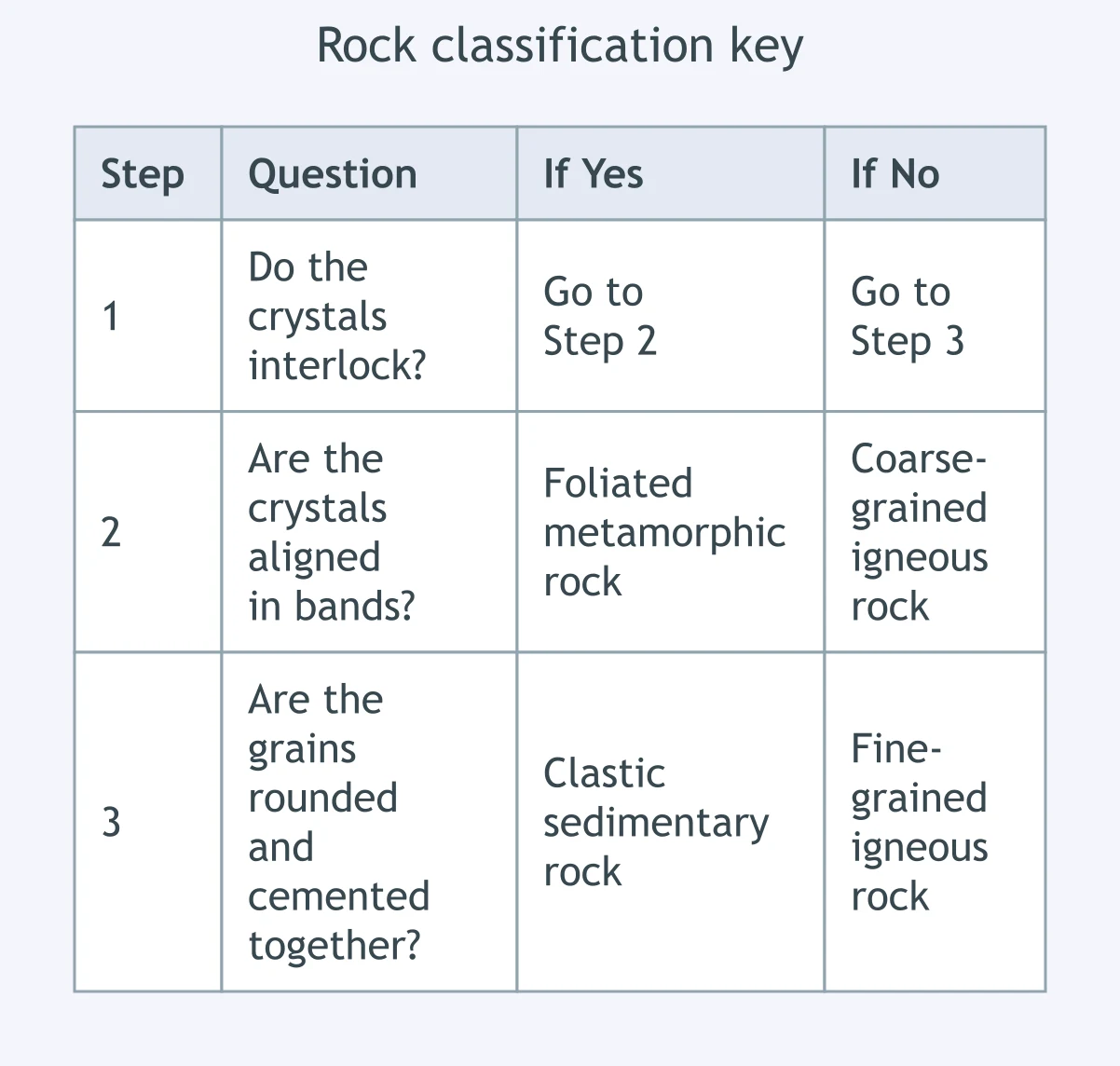
Using the key shown, a specimen answers yes to the first question and no to the second. Which branch does it end on?
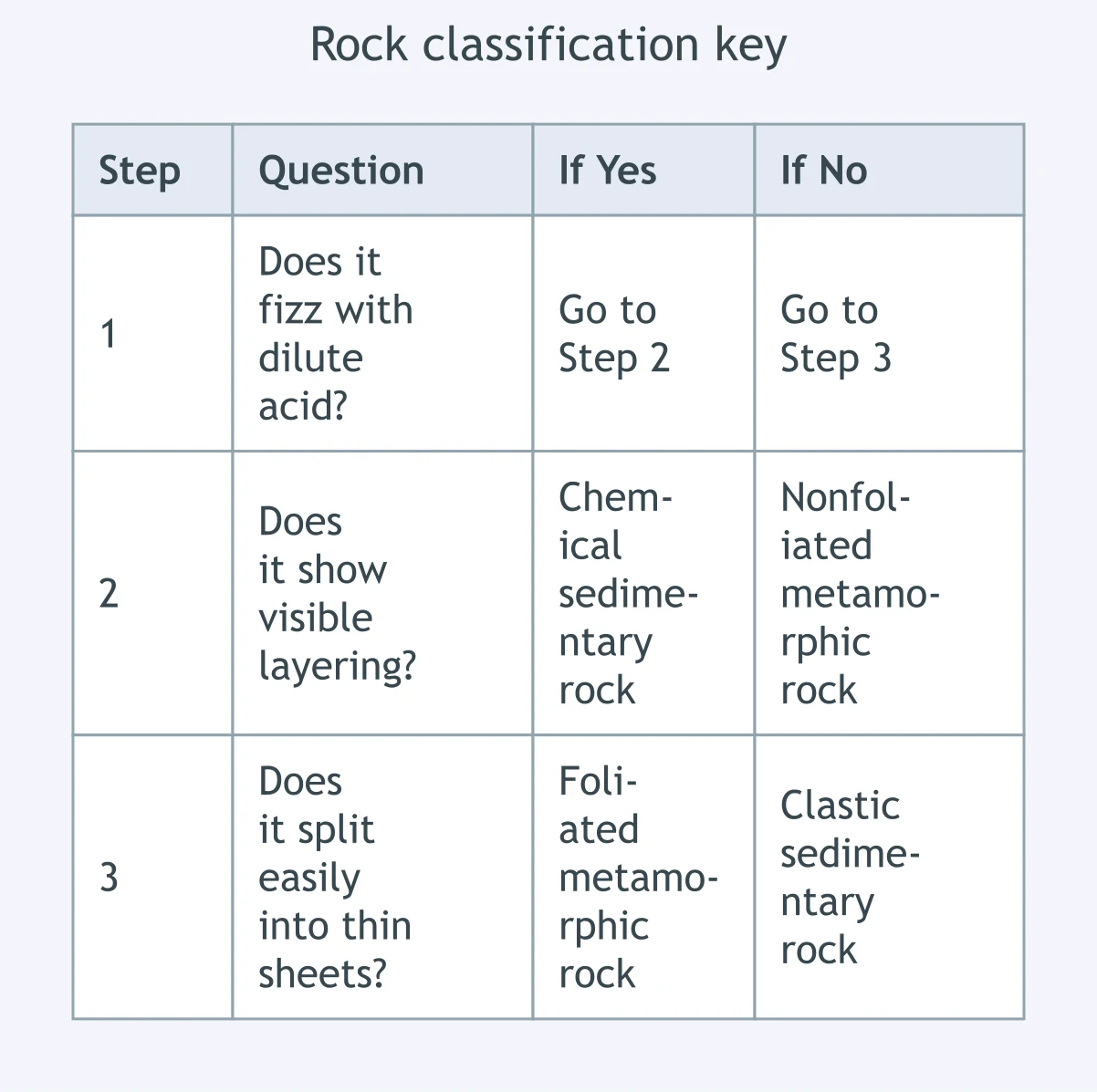
Using the key shown, a specimen answers yes to both the first and second questions. Which branch does it end on?
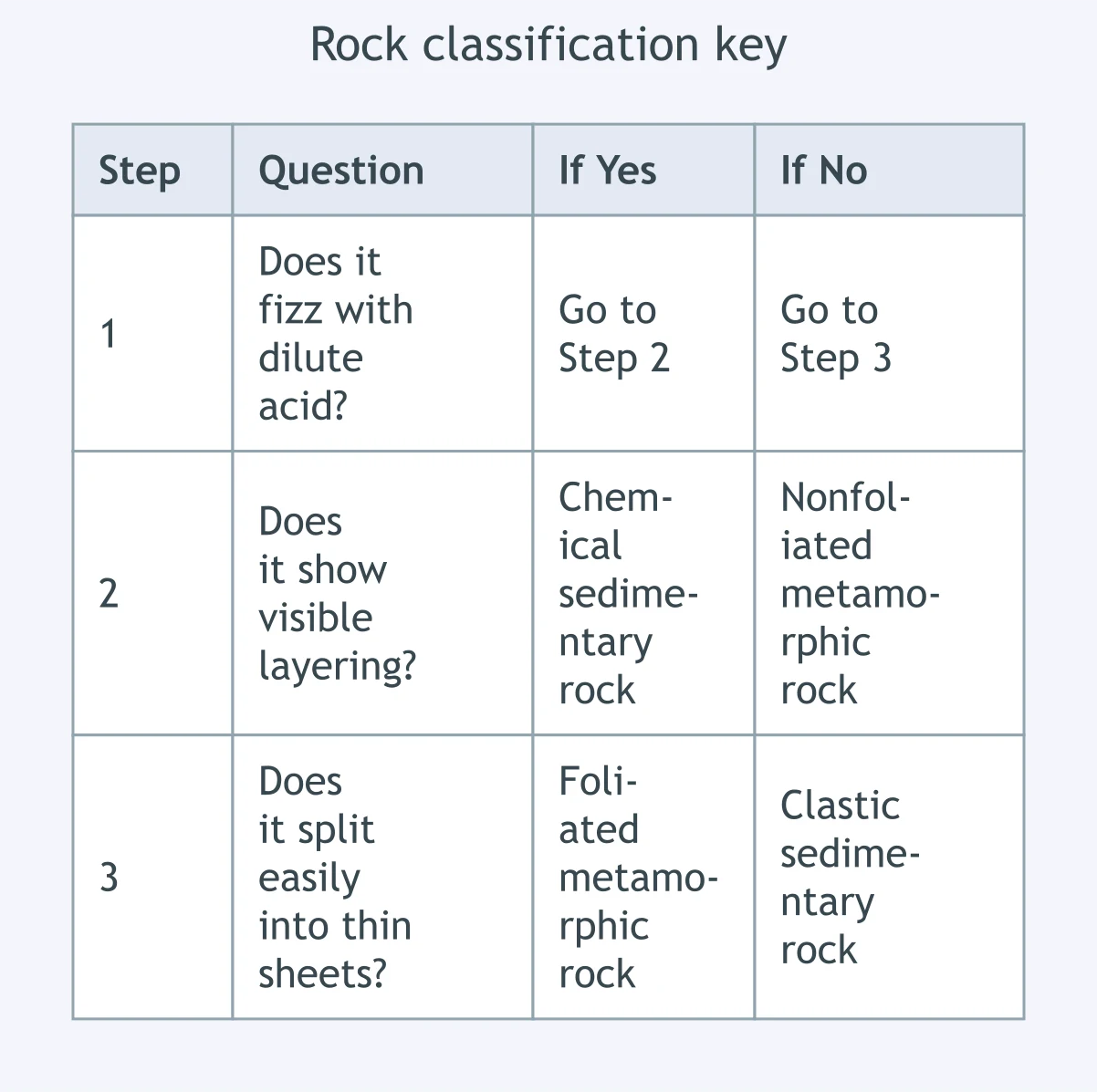
Using the key shown, a specimen answers no to the first question and yes to the third. Which branch does it end on?
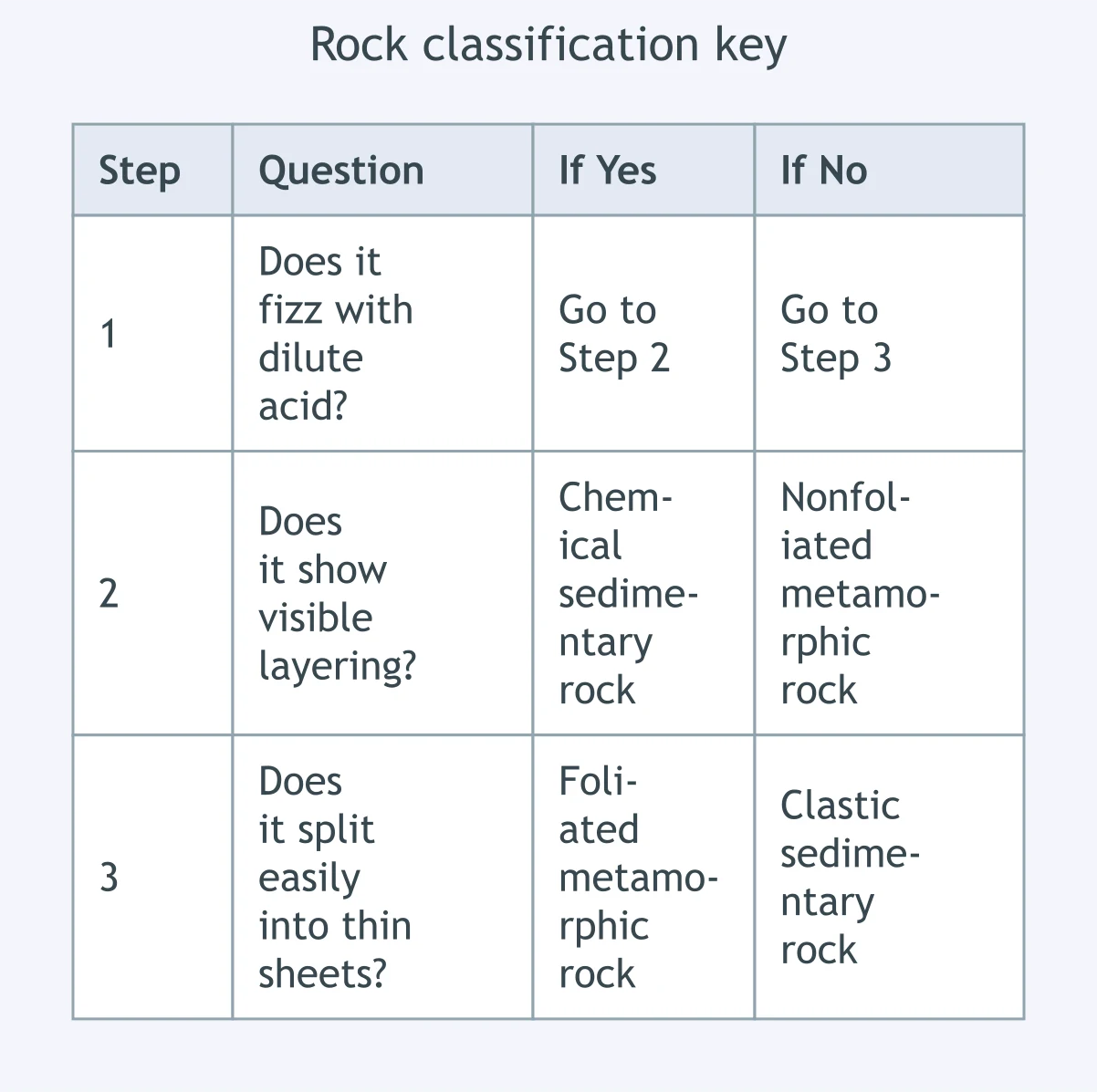
Using the key shown, a specimen answers no to the first question and no to the third. What rock class does the key assign it?
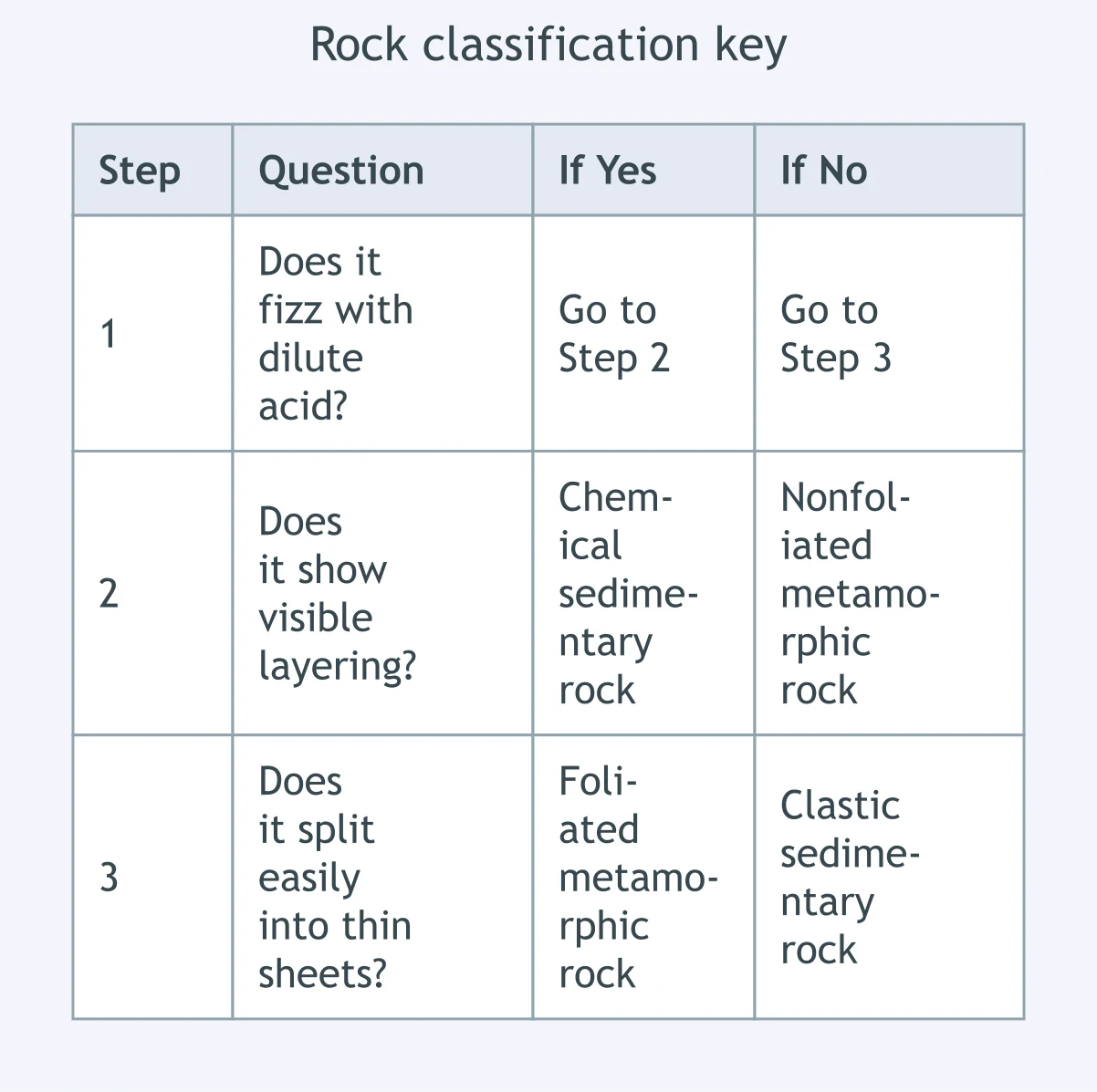
Using the key shown, a specimen answers yes to the first question and yes to the second. Which branch does it end on?
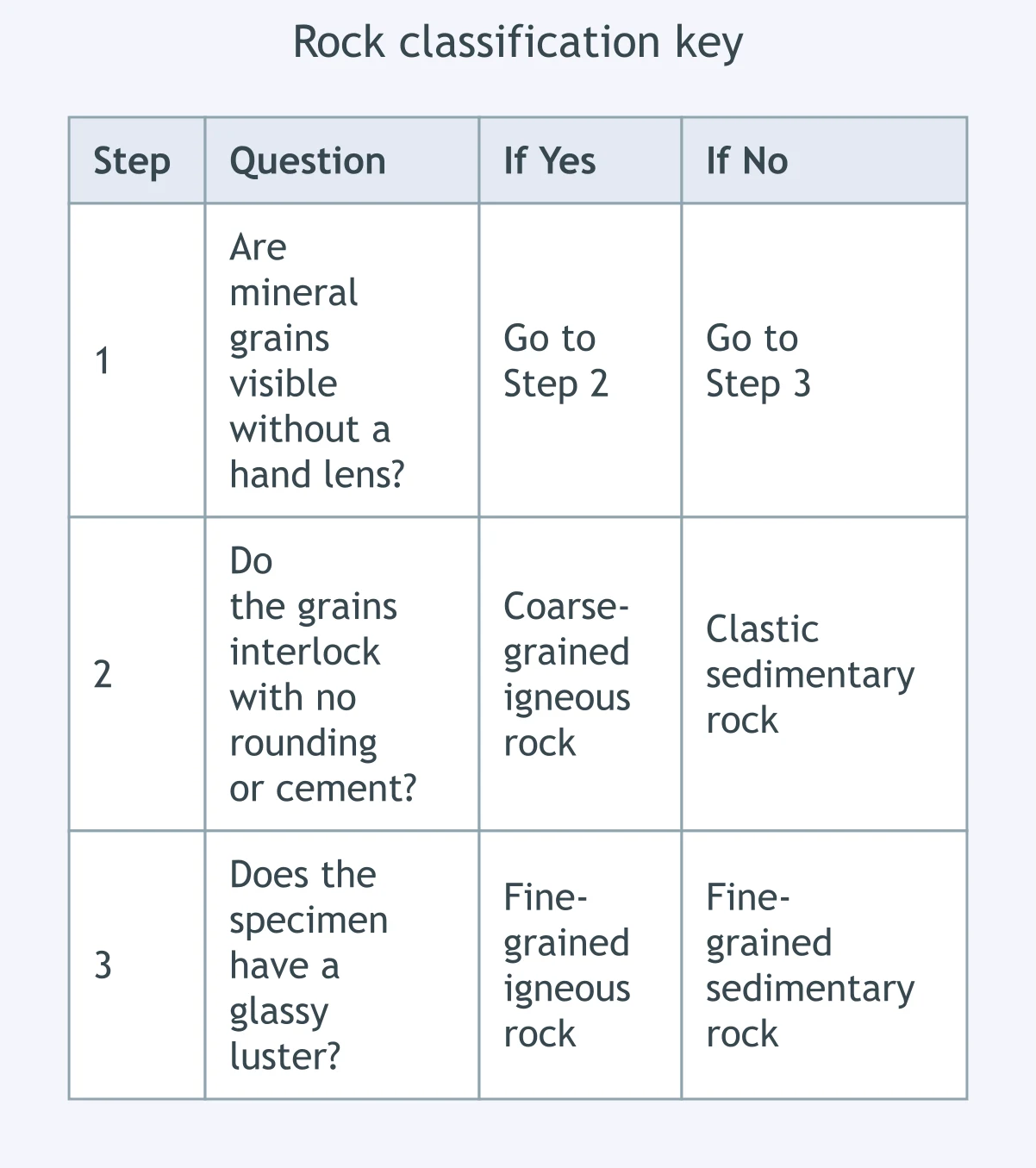
Using the key shown, a specimen answers yes to the first question and no to the second. Which branch does it end on?
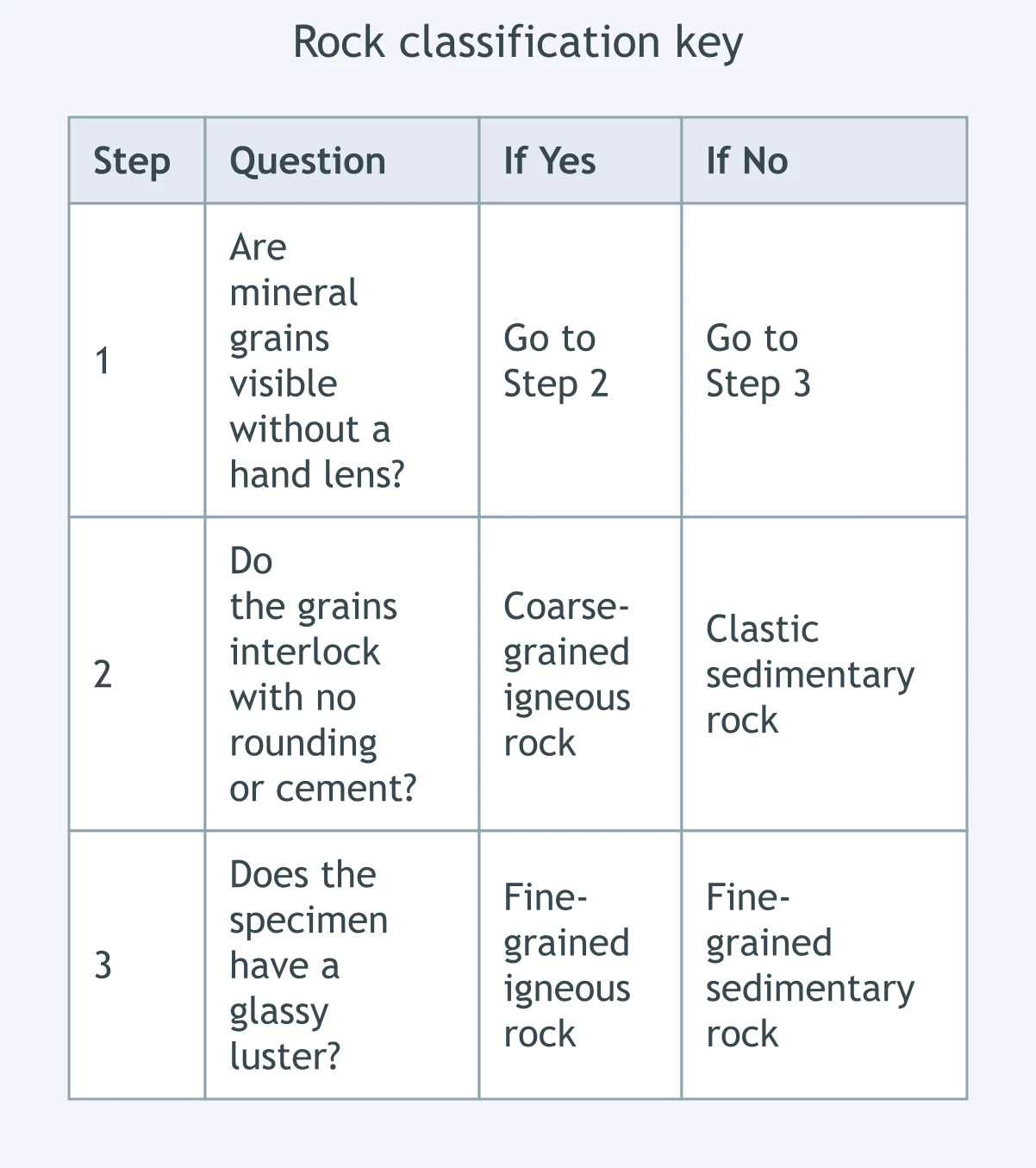
Using the key shown, a specimen answers no to the first question and yes to the third. Which branch does it end on?
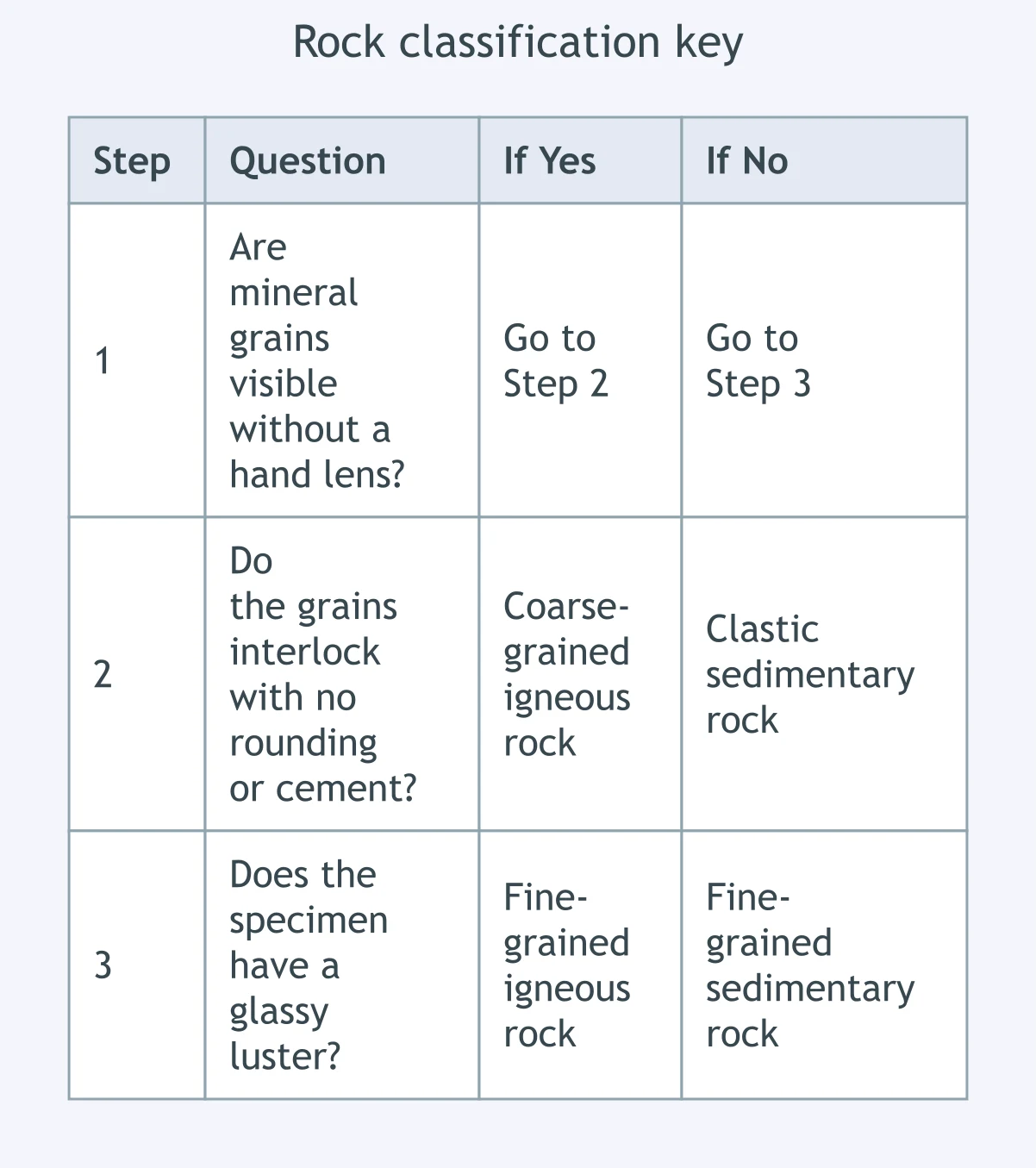
Using the key shown, a specimen answers no to the first question and no to the third. Which branch does it end on?
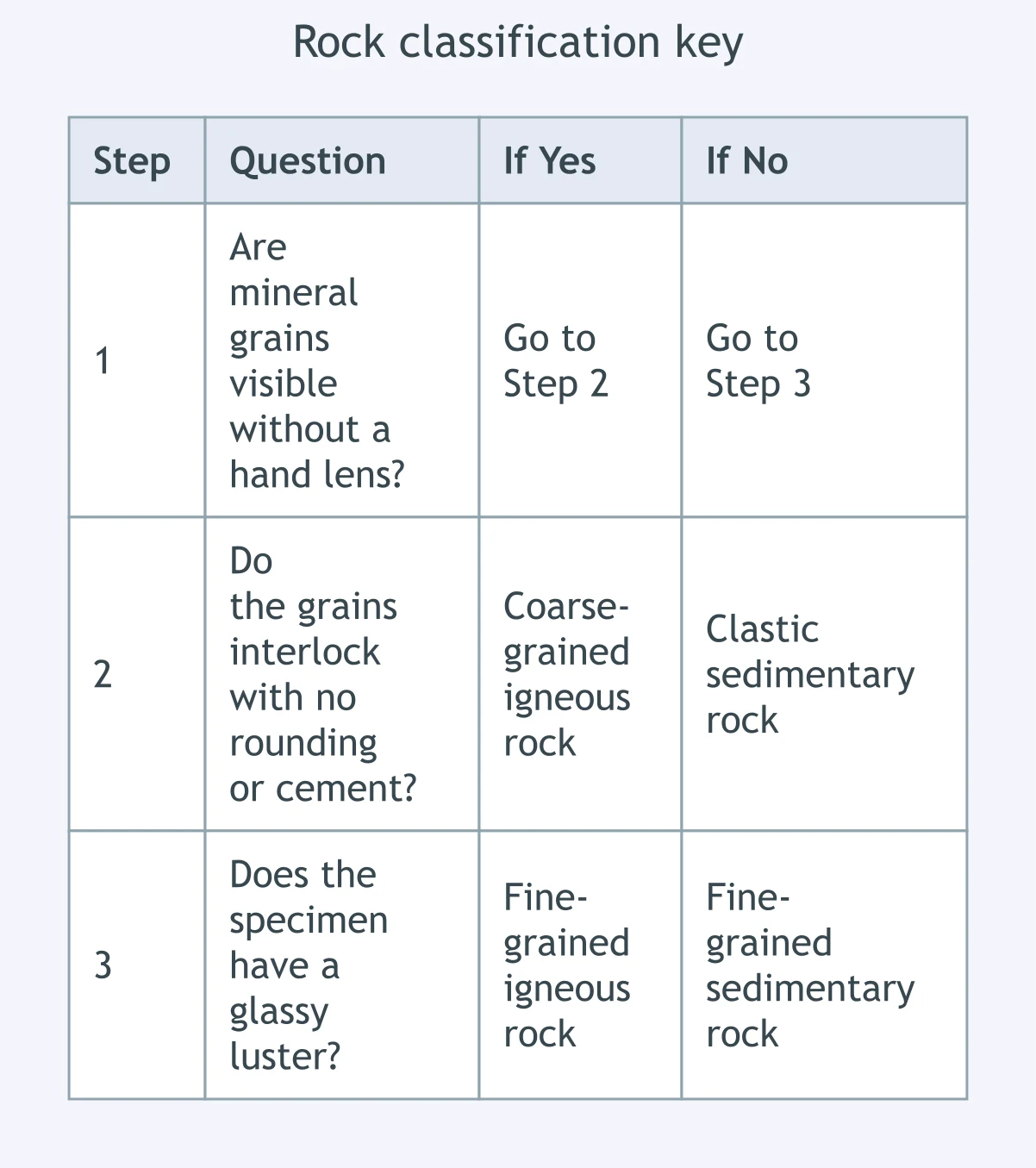
Crack the passcode before the zombies get in.
Answer, then swat bugs for bonus points.
Race through questions at your own speed.
Same question on every screen. Fastest wins.

Pick a tile, answer, hit bonuses and steals.
40 questions