Loading
by BlastRoom
Mixed review of early U.S. presidents, parties, foreign policy, Jacksonian democracy, removal, and court cases.
#review#us_grade_8_social_studies
40 questions
One question set, multiple game modes. Tap any game to see it in action. Not sure which to pick?
Answer to place stones and capture territory.
Outrun the snow together.
Earn blasts, then hunt the other team.
Answer to earn energy, then climb.

The class blasts through walls together.
Bid on mystery lots. Most money wins.
Sell tours. Nice, standard, or a total scam.

Answer, restock, and serve the rush.
More correct answers pulls the rope your way.
Answer, then shoot down the alien wave.
Answer, then tap to leap the frozen ridge.
A president warned the nation to avoid permanent alliances and political party division before leaving office. Who gave that warning?

A president voluntarily retired after two terms, creating a tradition followed until Franklin Roosevelt. Which president set that precedent?
In 1794, Washington used militia forces to enforce a federal excise tax in western Pennsylvania. What event was this?
In 1793, Washington declared that the United States would not take sides in the war between Britain and France. What policy was this?
Under John Adams, Congress passed 1798 laws that restricted immigrants and punished some criticism of the government. What were they called?
Thomas Jefferson approved the 1803 purchase of a huge territory west of the Mississippi River from France. What was this acquisition?
Jefferson tried to pressure Britain and France by stopping nearly all U.S. foreign trade in 1807. What law did Congress pass?
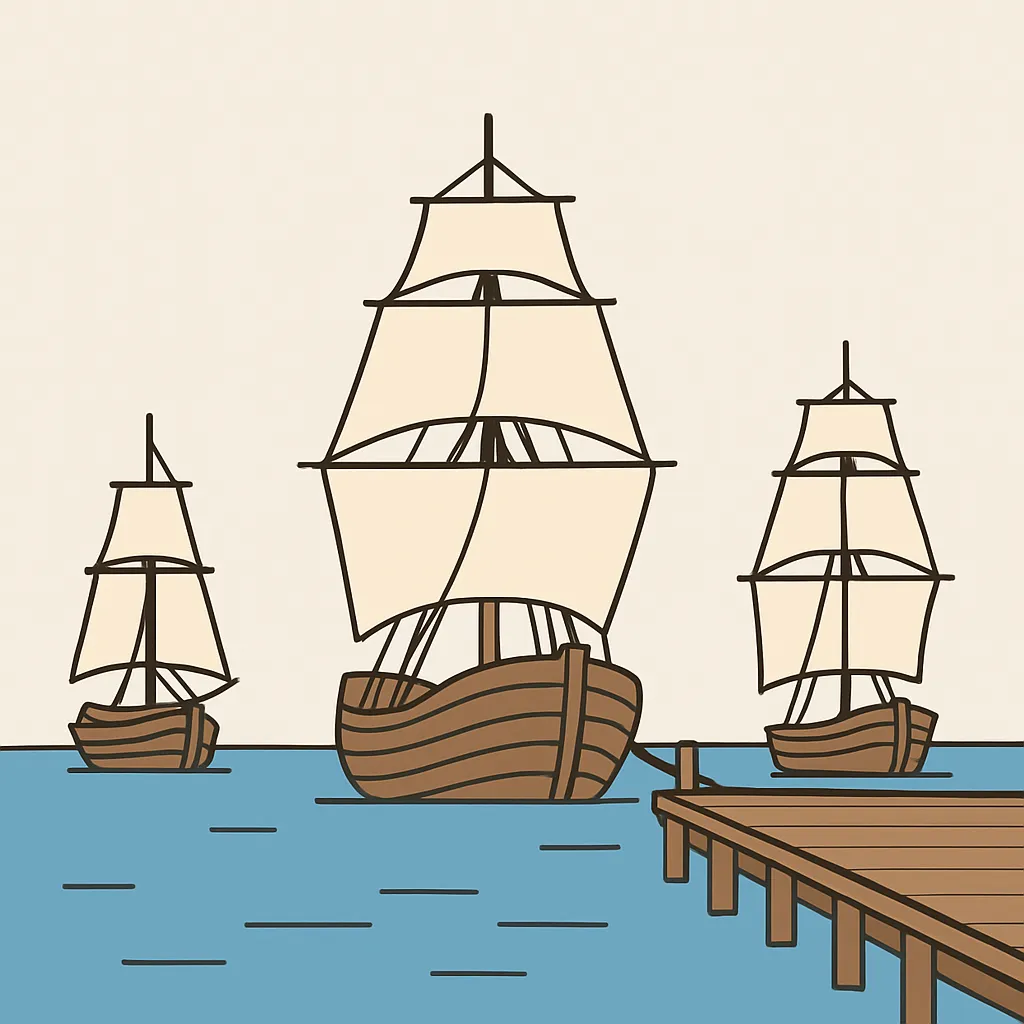
James Madison asked Congress for war after British impressment and interference with U.S. trade continued. What conflict followed?
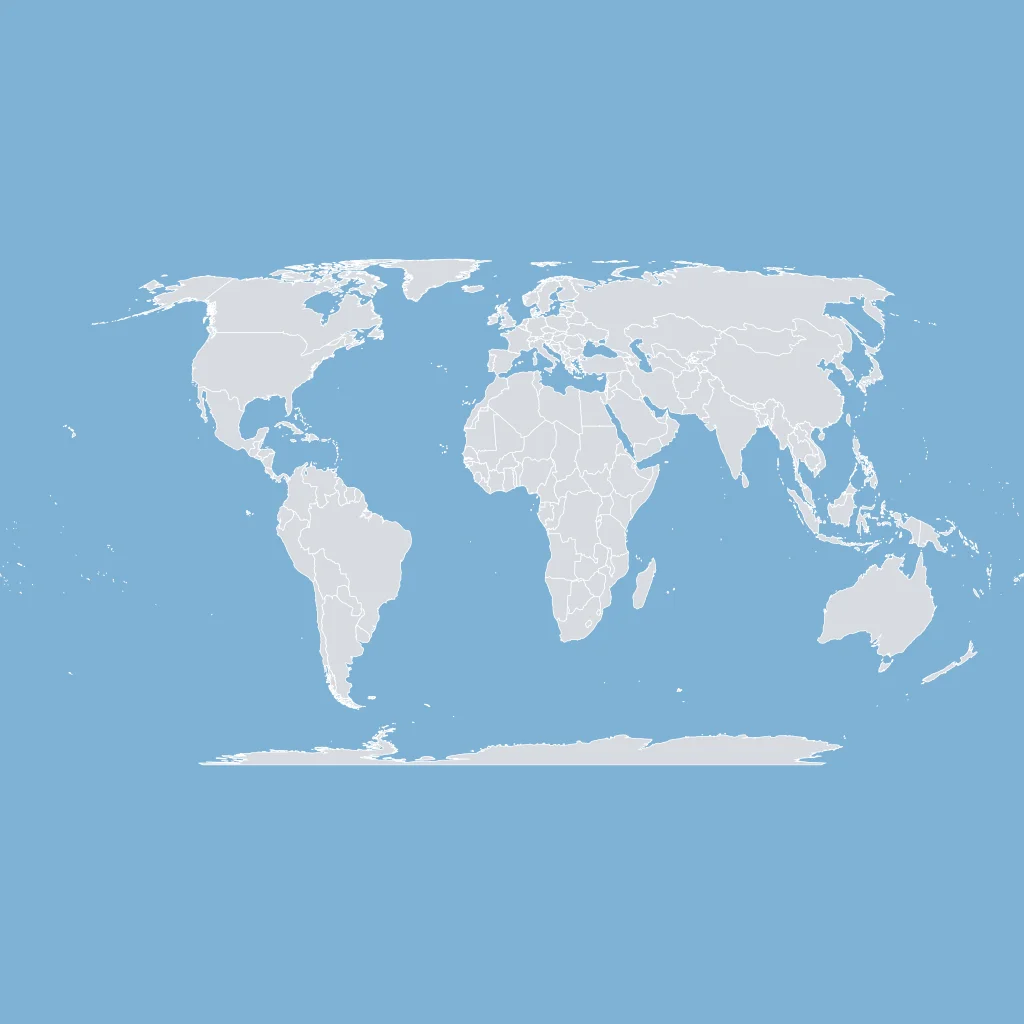
James Monroe's 1823 message warned European powers against new colonization or intervention in the Western Hemisphere. What policy was this?
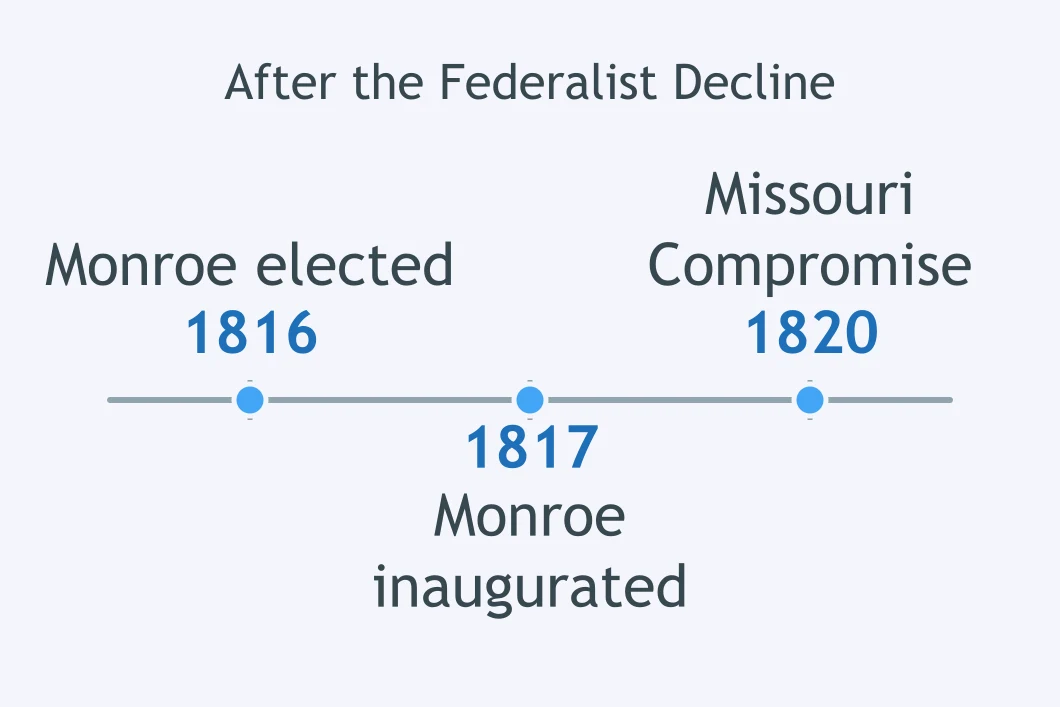
After the Federalist Party declined, James Monroe's presidency was known for reduced national party conflict. What name is given to this period?
A leader favored a national bank, federal assumption of state debts, manufacturing, and closer trade with Britain. Whose program was this?

In 1791, Jefferson argued that the Constitution did not allow Congress to create a national bank because it did not list that power. What is this view called?
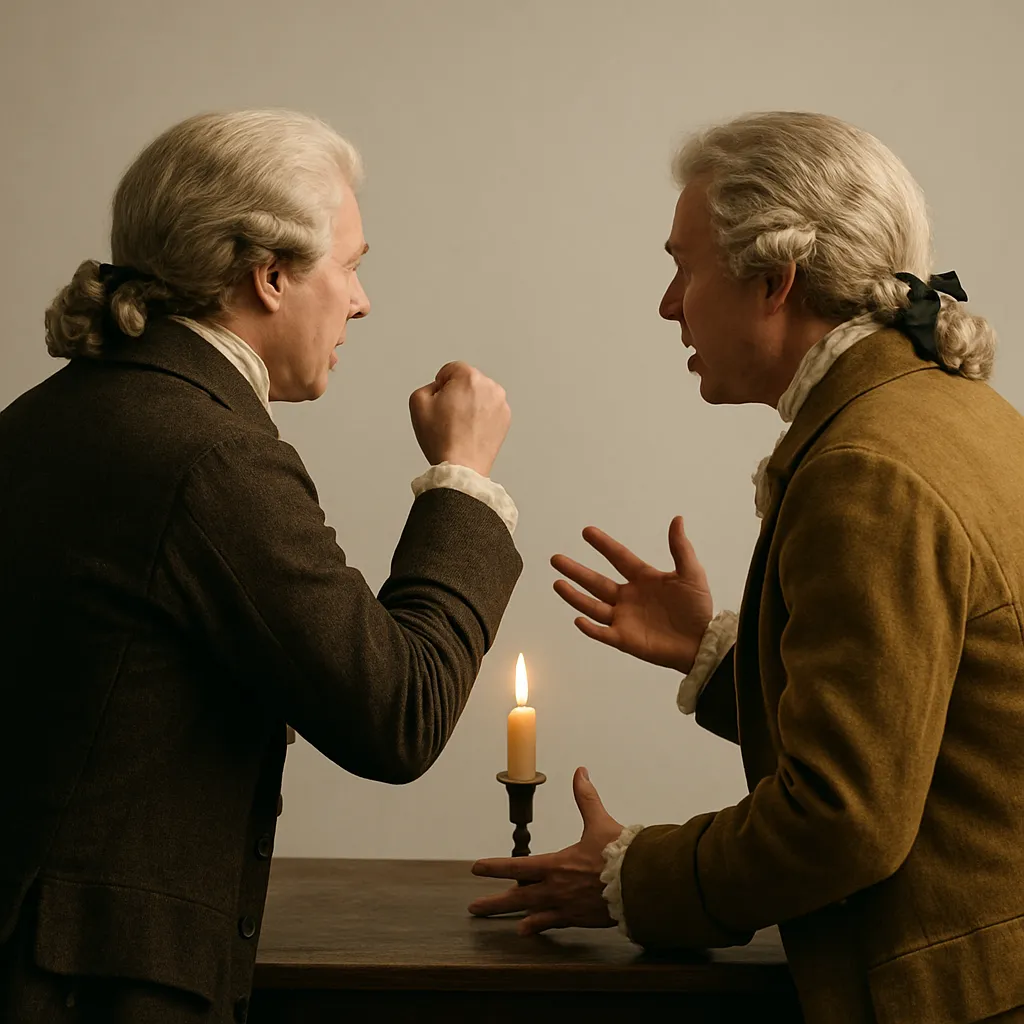
Which early party generally supported stronger federal power, Hamilton's financial program, and commercial ties with Britain?
Which early party defended states' rights, distrusted centralized government, and was associated with Jefferson and Madison?
John Adams served as president from 1797 to 1801 and was identified with which early political party?
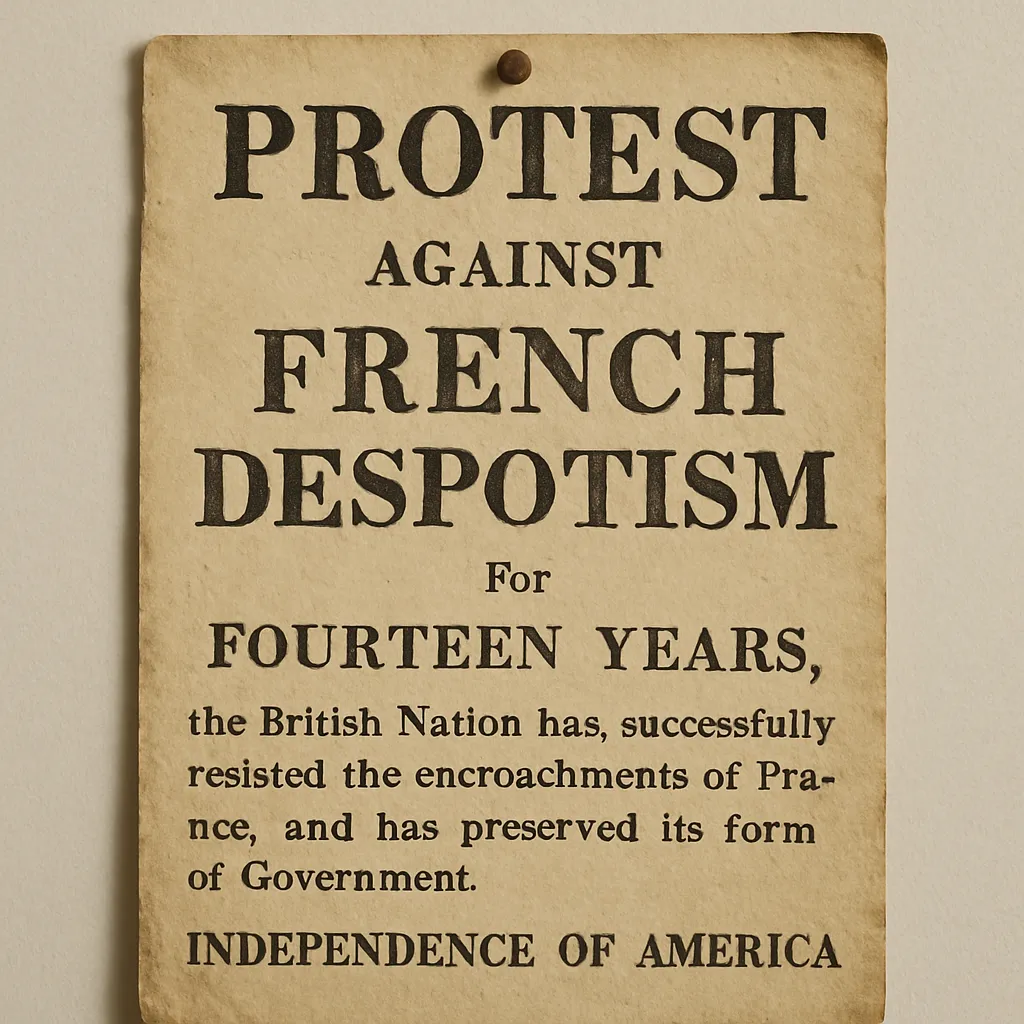
After the Alien and Sedition Acts, which leaders wrote resolutions claiming states could challenge unconstitutional federal laws?
Which party was most likely to support Jay's Treaty because it helped preserve peace and trade with Britain?
An early leader supported France's revolution, agrarian interests, and a narrower reading of federal power. Which leader fits this profile?
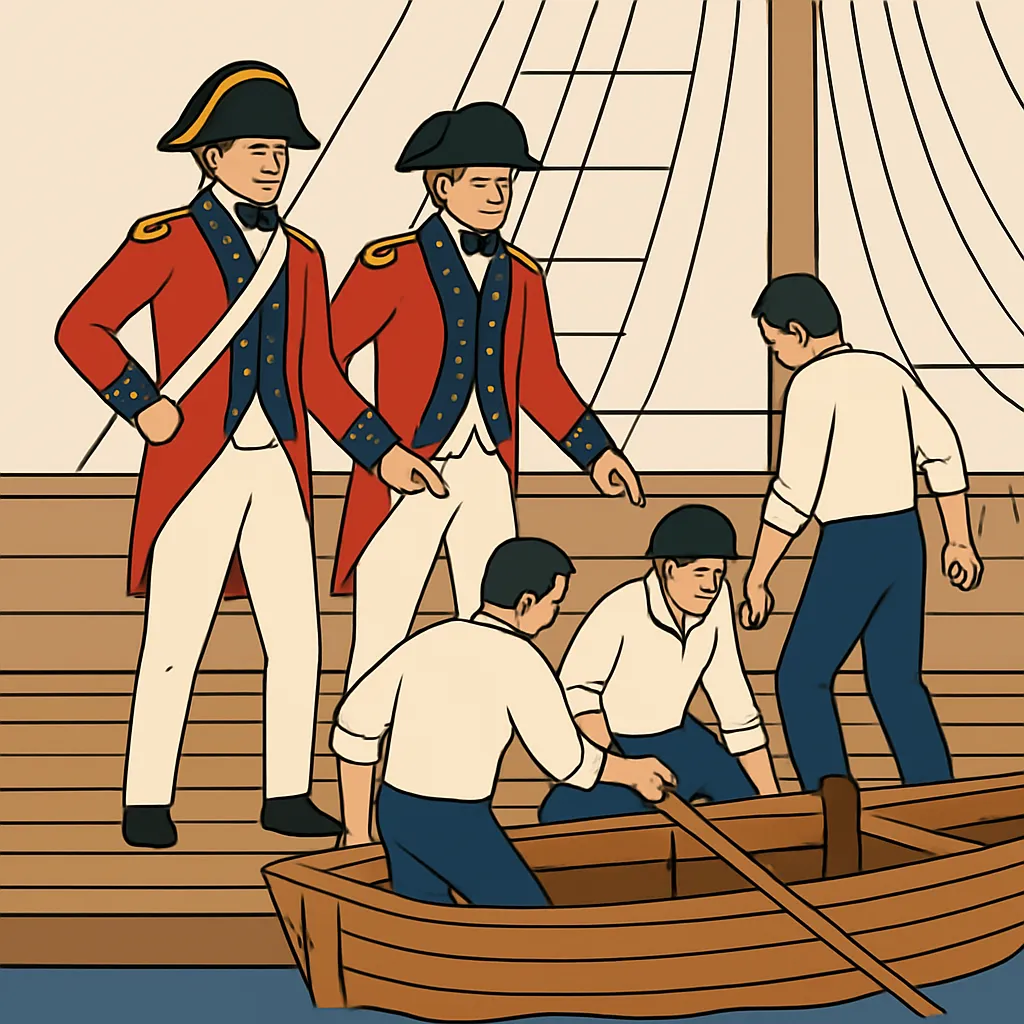
Before the War of 1812, British officers seized sailors from American ships and forced them to serve in the Royal Navy. What was this practice called?
French agents demanded payments from U.S. diplomats in the XYZ Affair, leading to an undeclared naval conflict. What was that conflict?
North African rulers demanded tribute and seized U.S. merchant ships, leading Jefferson to send naval forces. What wars followed?
The 1814 agreement signed at Ghent and ratified in 1815 ended which U.S. war with Britain?
Oliver Hazard Perry's 1813 victory secured U.S. control of a Great Lake during the War of 1812. What battle was it?
Francis Scott Key watched the bombardment of Fort McHenry in 1814. What writing grew from that event?
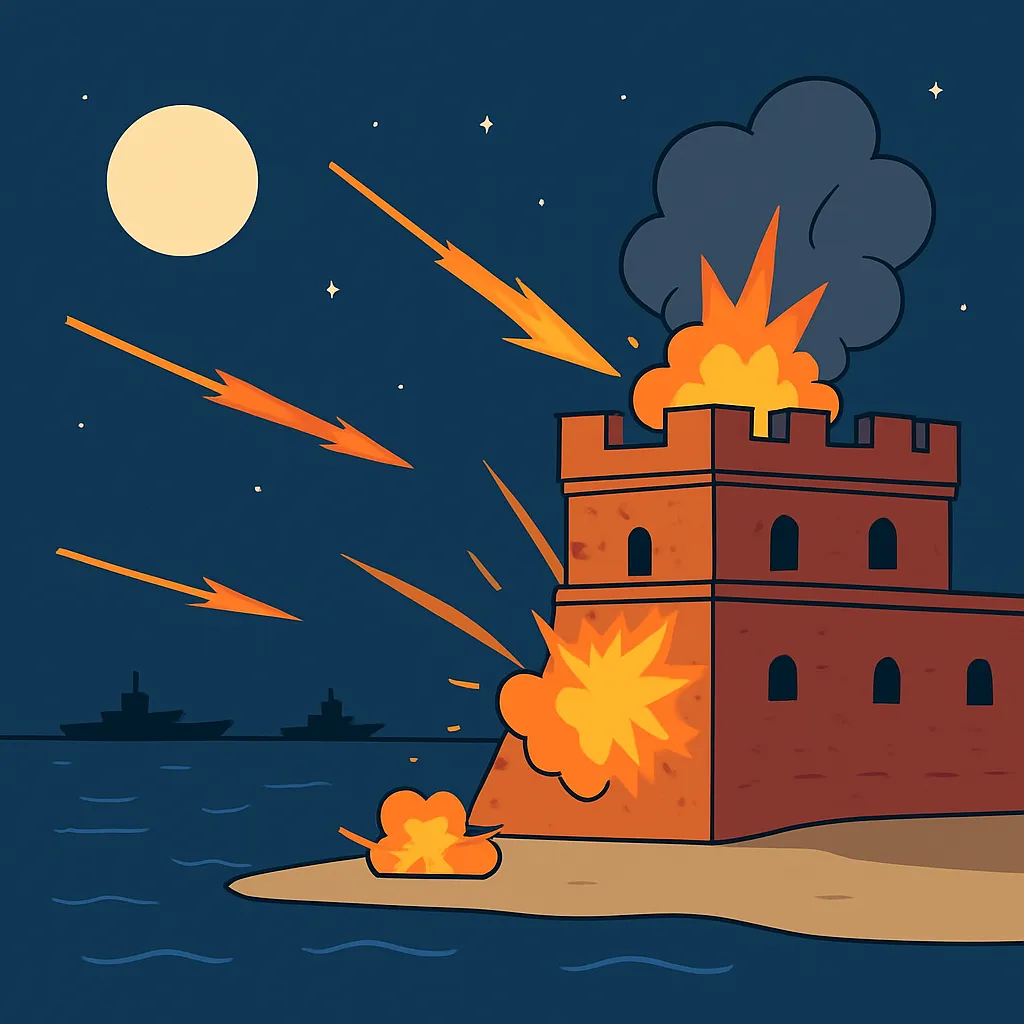
Why did the Battle of New Orleans occur after peace negotiators signed the Treaty of Ghent?
After the War of 1812, which agreement limited U.S. and British warships on the Great Lakes?
What was a major result of the Adams-Onis Treaty of 1819 between the United States and Spain?
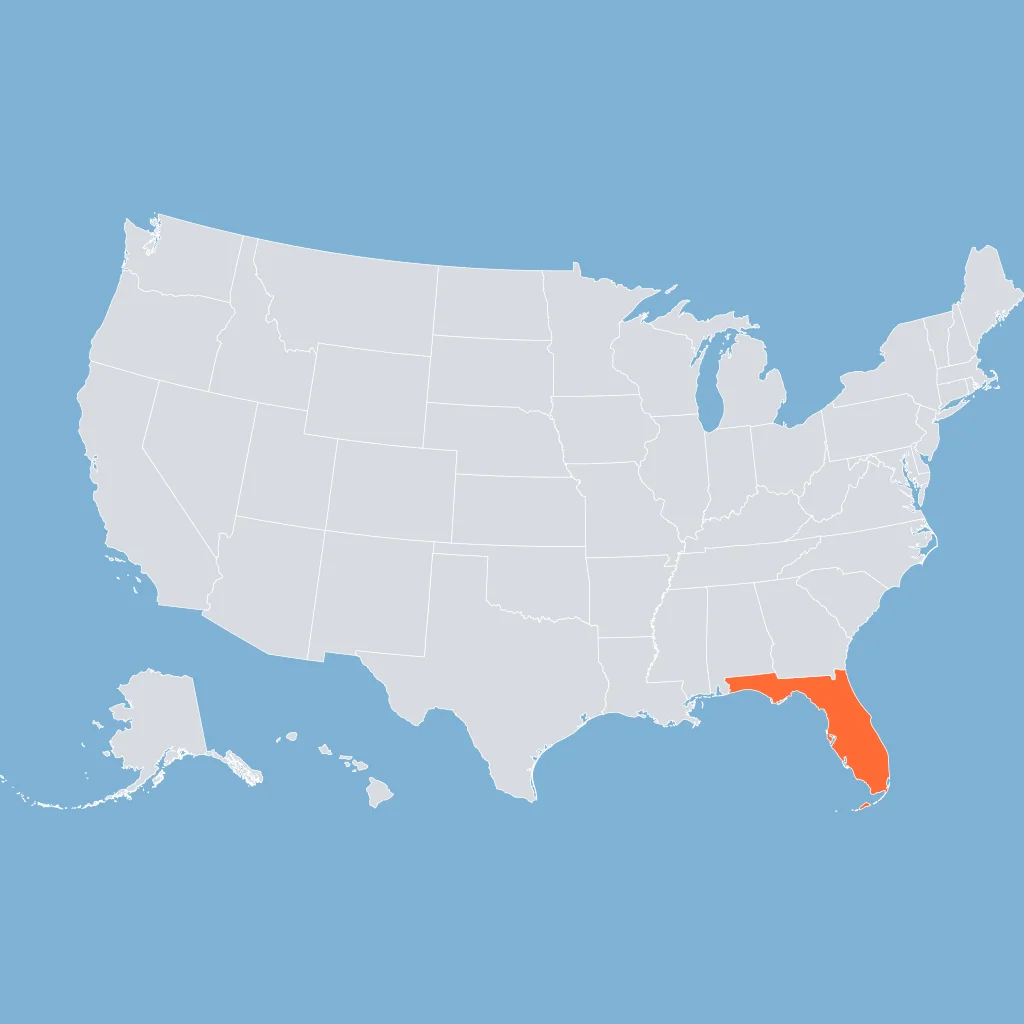
Fear of European intervention in newly independent Latin American republics led to the Monroe Doctrine. Which secretary of state helped write it?
In Marbury v. Madison, the Supreme Court claimed the power to declare laws unconstitutional. What principle did this establish?
In McCulloch v. Maryland, Maryland tried to tax the Second Bank of the United States. How did the Court rule?
In Gibbons v. Ogden, a steamboat monopoly conflicted with federal licensing. What power did the Court strengthen?
In Cherokee Nation v. Georgia, why did the Supreme Court dismiss the Cherokee Nation's suit?
In Worcester v. Georgia, Samuel Worcester challenged Georgia laws inside Cherokee territory. What did the Court decide?
After Worcester v. Georgia was not enforced, what happened to many Cherokee people in the late 1830s?
The Indian Removal Act of 1830 supported moving Native nations from the Southeast to lands west of the Mississippi. Who signed it?
The Treaty of New Echota was signed by a small Cherokee faction despite majority opposition. What did it lead to?
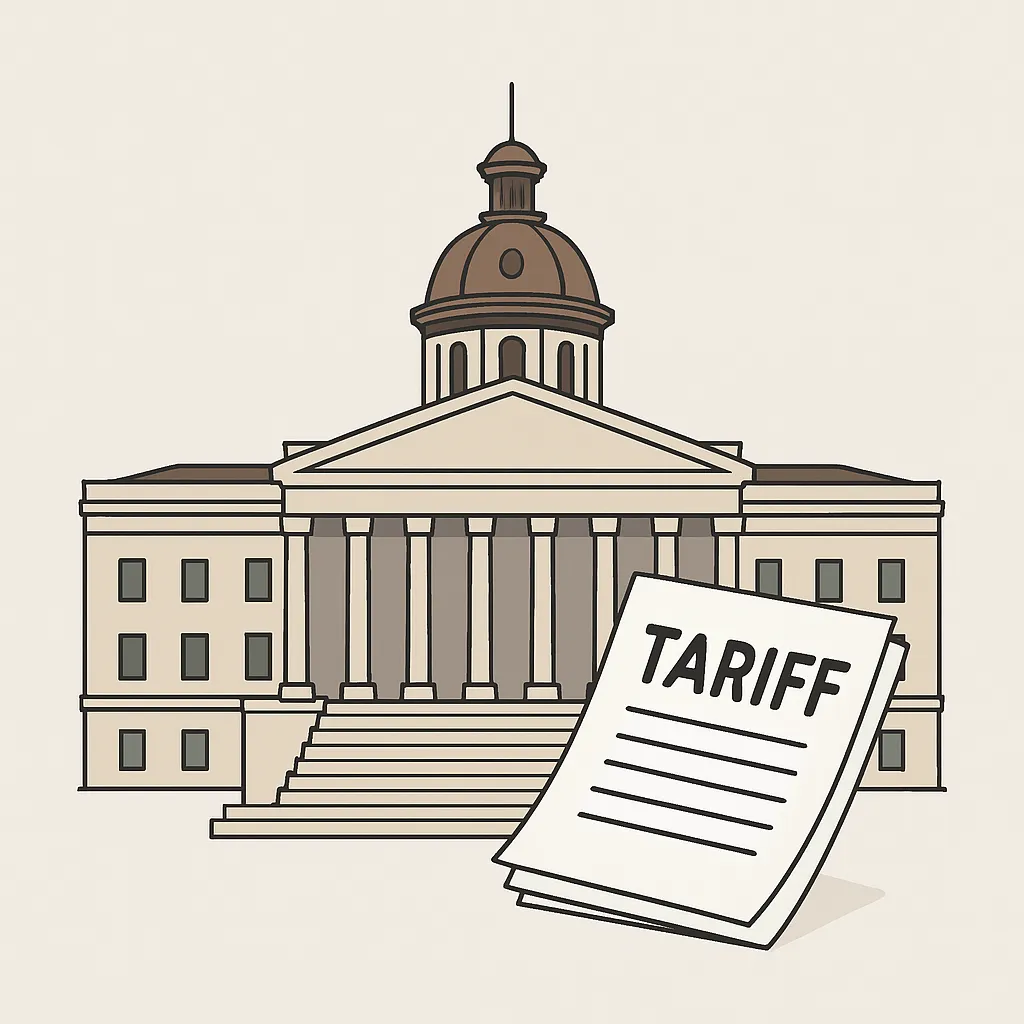
South Carolina claimed it could nullify federal tariffs in 1832. What measure helped end the Nullification Crisis?
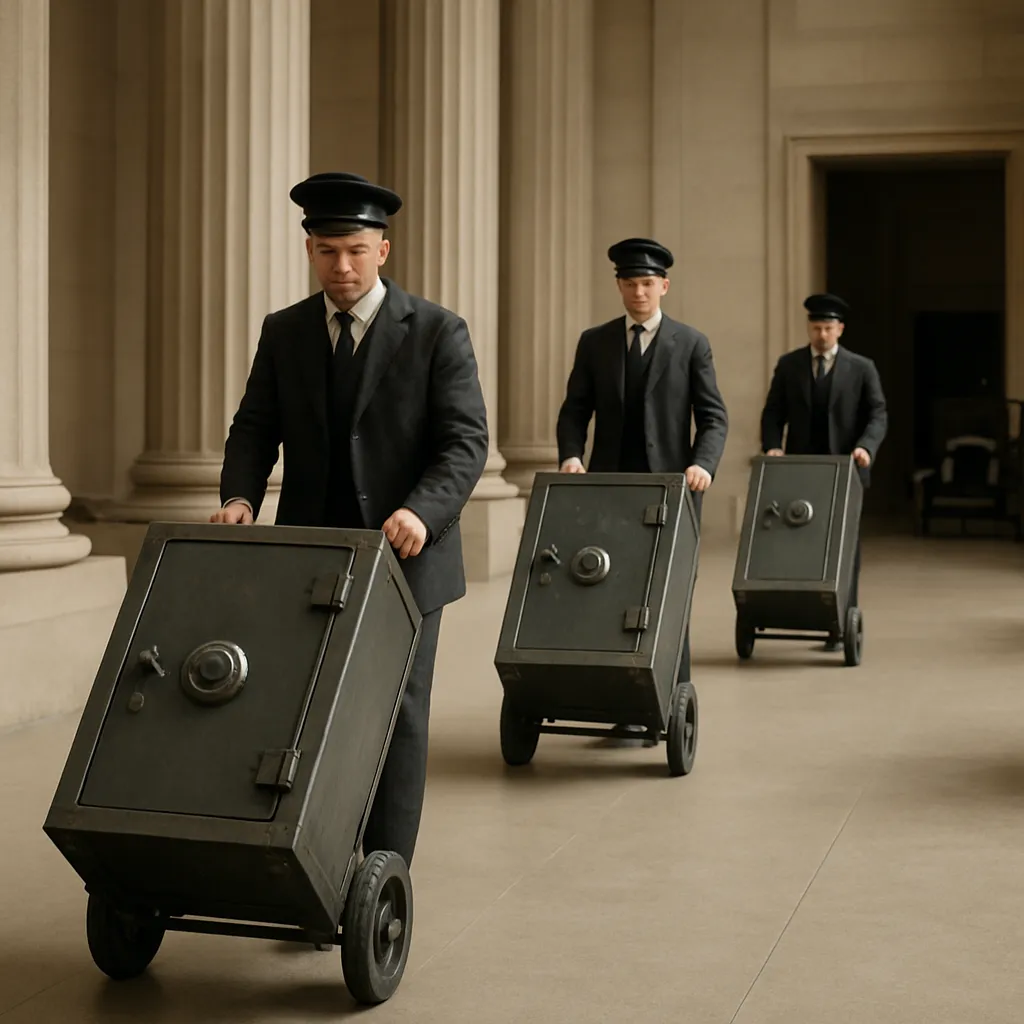
During the Bank War, Jackson vetoed the recharter of the Second Bank of the United States and then moved federal money where?
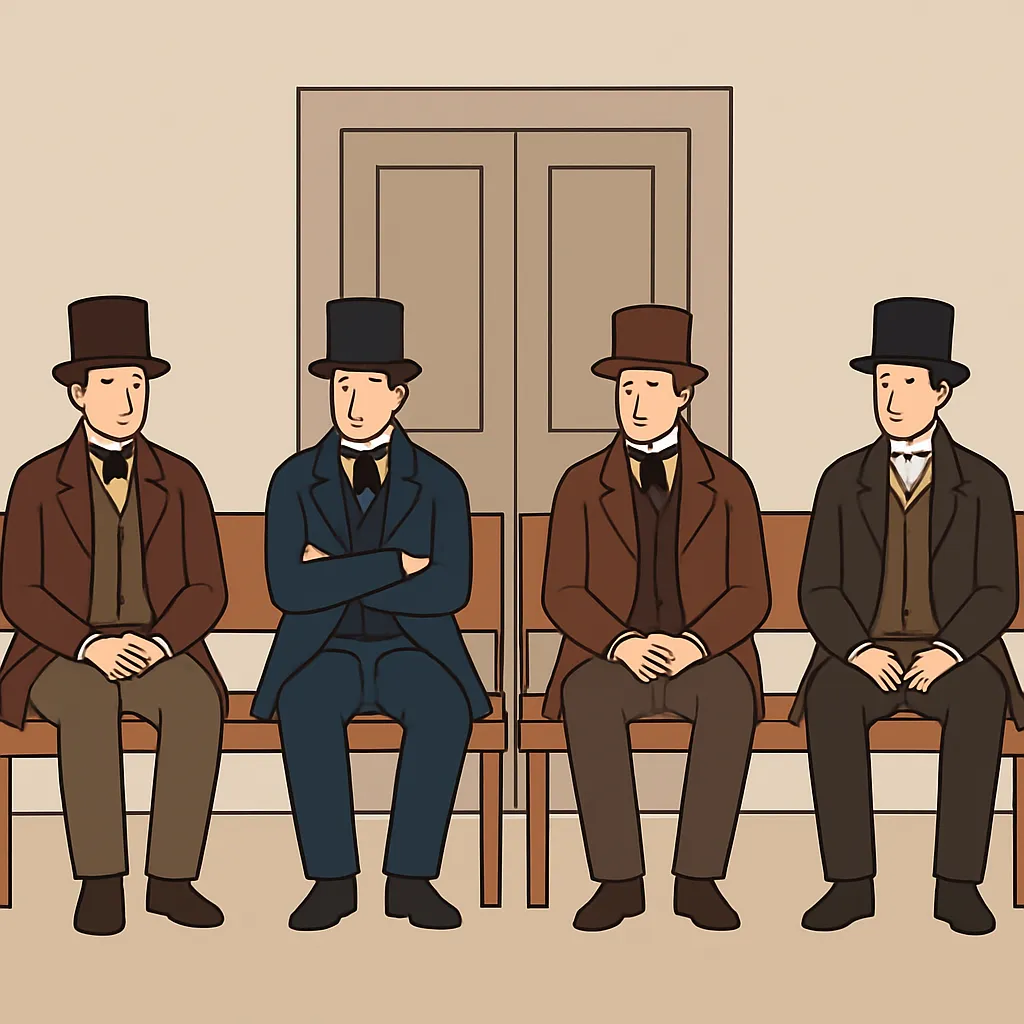
The spoils system rewarded political friends and supporters with what kind of benefit?
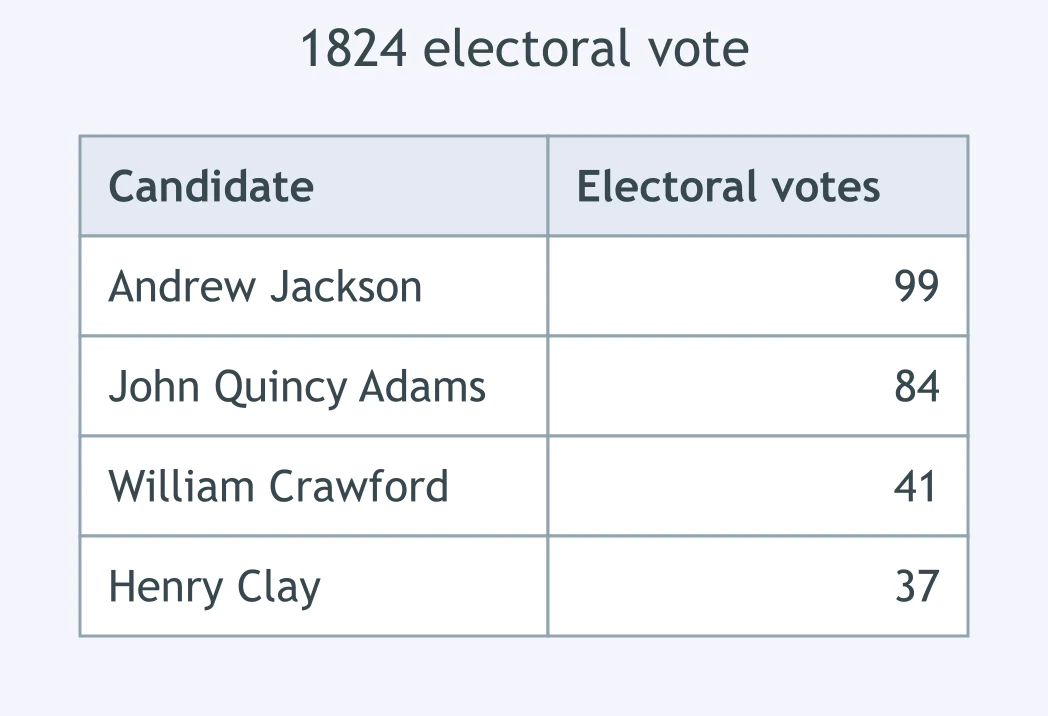
Use the 1824 election table. Because no candidate won an Electoral College majority, the House chose which candidate as president?
Crack the passcode before the zombies get in.
Answer, then swat bugs for bonus points.
Race through questions at your own speed.
Same question on every screen. Fastest wins.

Pick a tile, answer, hit bonuses and steals.
Review: Sectionalism, Civil War and Reconstruction
40 questions