Loading
by BlastRoom
A cumulative review of major United States history, government, geography, and economics ideas.
#review#us_grade_8_social_studies
40 questions
One question set, multiple game modes. Tap any game to see it in action. Not sure which to pick?
Answer to place stones and capture territory.
Outrun the snow together.
Earn blasts, then hunt the other team.
Answer to earn energy, then climb.

The class blasts through walls together.
Bid on mystery lots. Most money wins.
Sell tours. Nice, standard, or a total scam.

Answer, restock, and serve the rush.
More correct answers pulls the rope your way.
Answer, then shoot down the alien wave.
Answer, then tap to leap the frozen ridge.
Which founding document, adopted on July 4, 1776, announced the colonies' separation from Great Britain and stated ideals about rights and government?
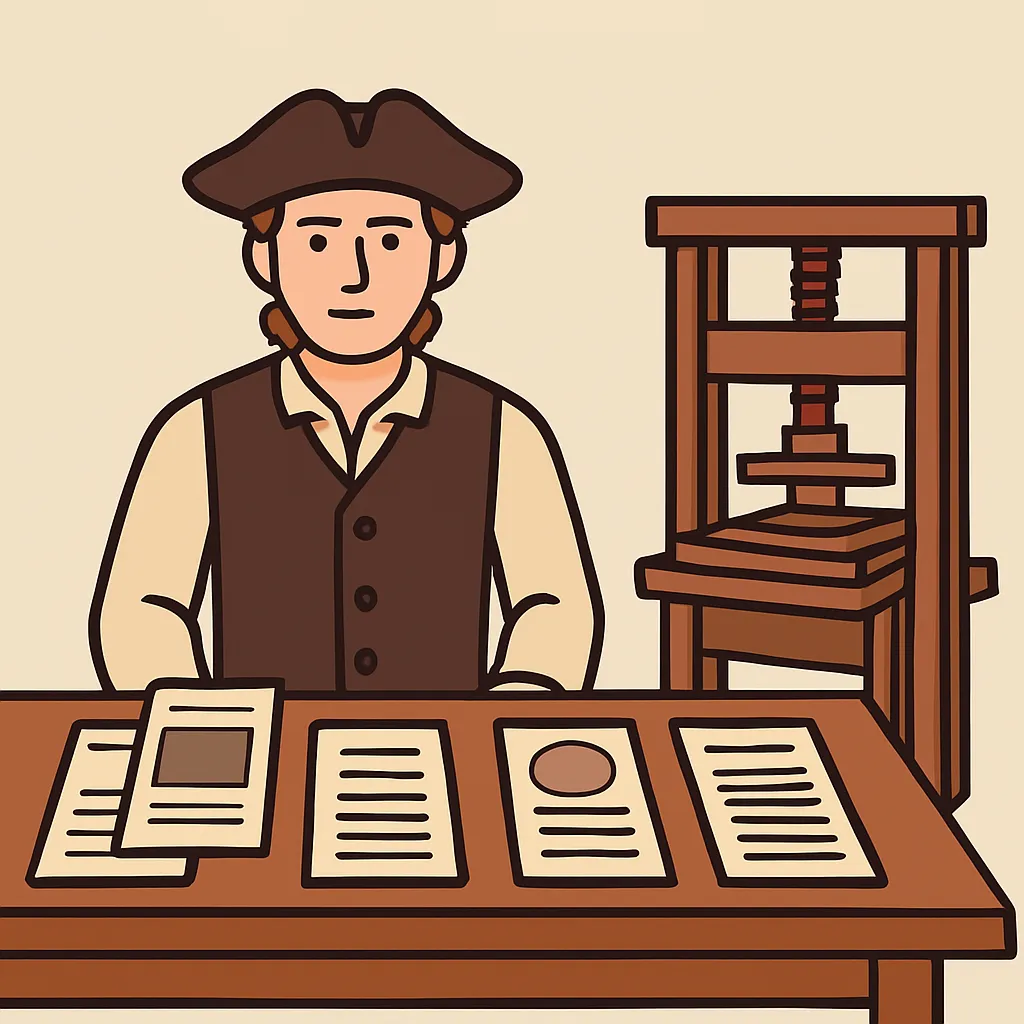
Which national framework served as the United States' first constitution and gave each state one vote in Congress?

Which 1787 law created a government for the Northwest Territory and set a process for admitting new states?
A policy warned European powers against new colonization in the Western Hemisphere while keeping the United States out of European wars. Which policy was it?
Which 1803 acquisition from France doubled the size of the United States and expanded it west of the Mississippi River?
Which Jackson-era measure led to treaties and forced relocations of Native peoples from the Southeast to Indian Territory?
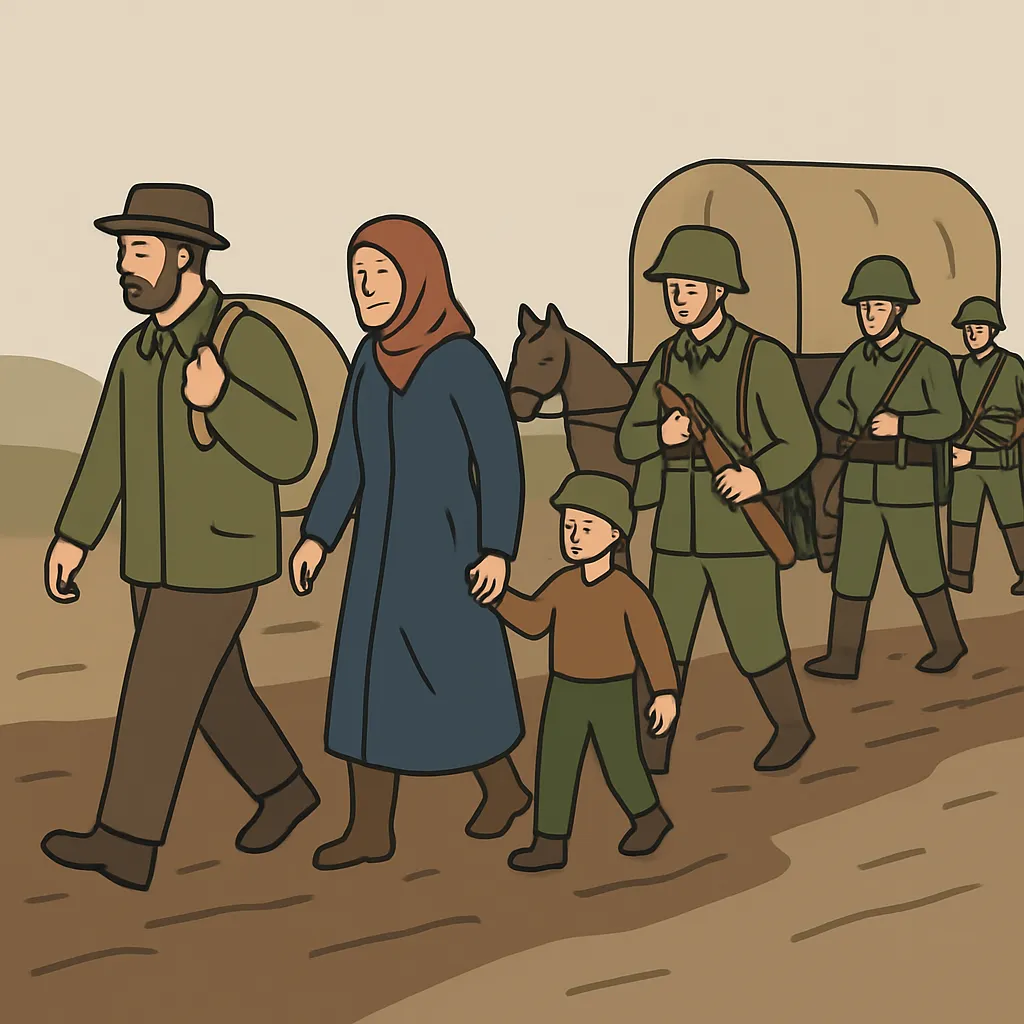
Which 1820 agreement admitted Missouri as a slave state, Maine as a free state, and drew a slavery line in Louisiana Territory?
Which sectional agreement admitted California as a free state and created a stricter fugitive slave law?
Which 1854 law let settlers in two new territories decide on slavery by popular sovereignty and repealed the Missouri Compromise line there?
Which Supreme Court case established judicial review by letting federal courts declare government actions unconstitutional?
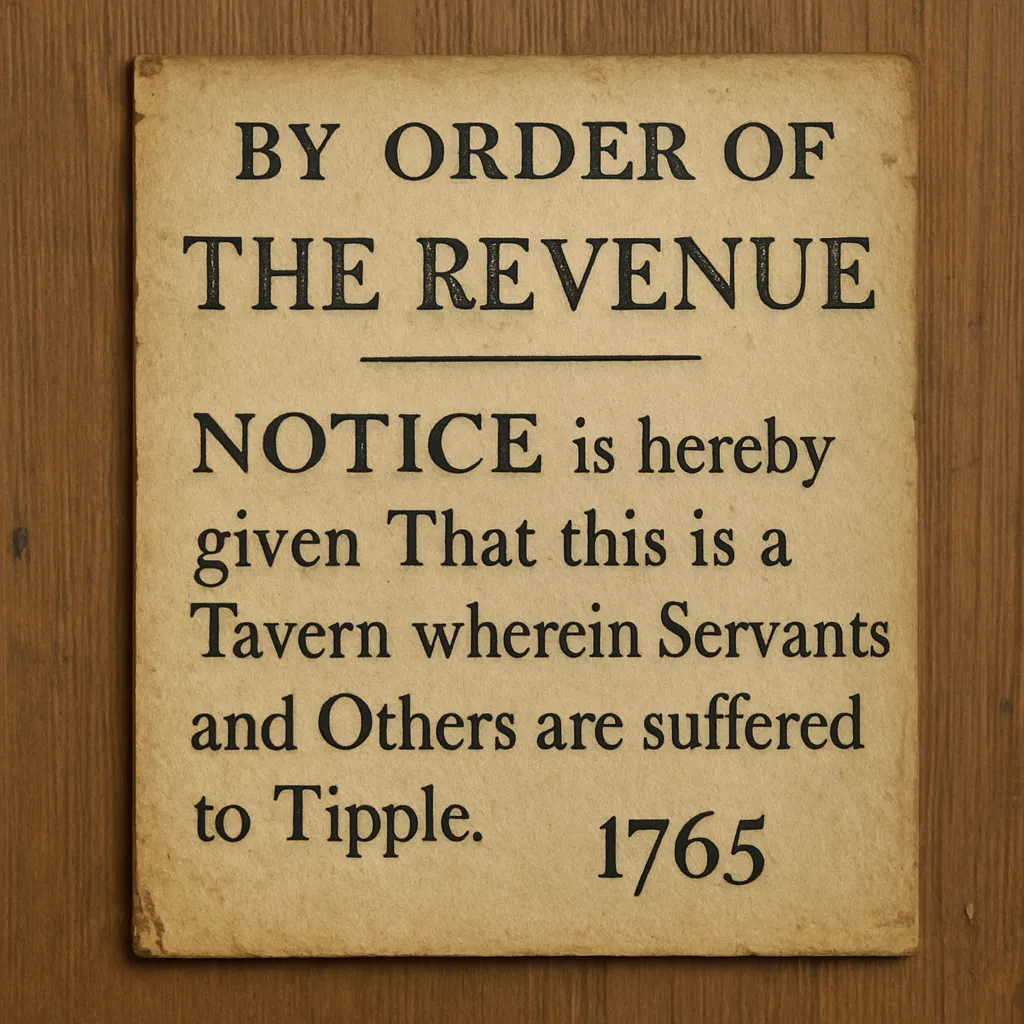
Britain's war debt after the French and Indian War led Parliament to tax the colonies. Which effect followed in the 1760s and 1770s?
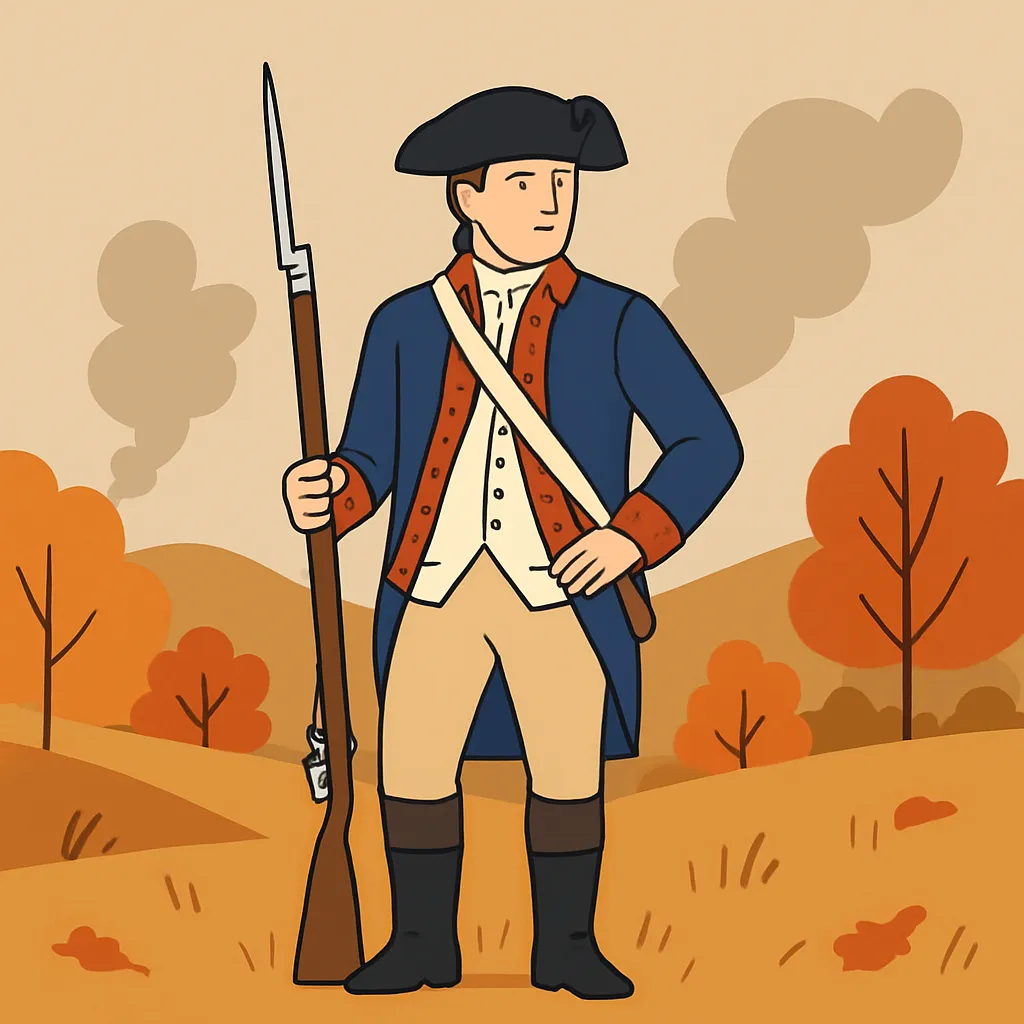
After the American victory at Saratoga in 1777, which diplomatic result strengthened the Revolution?
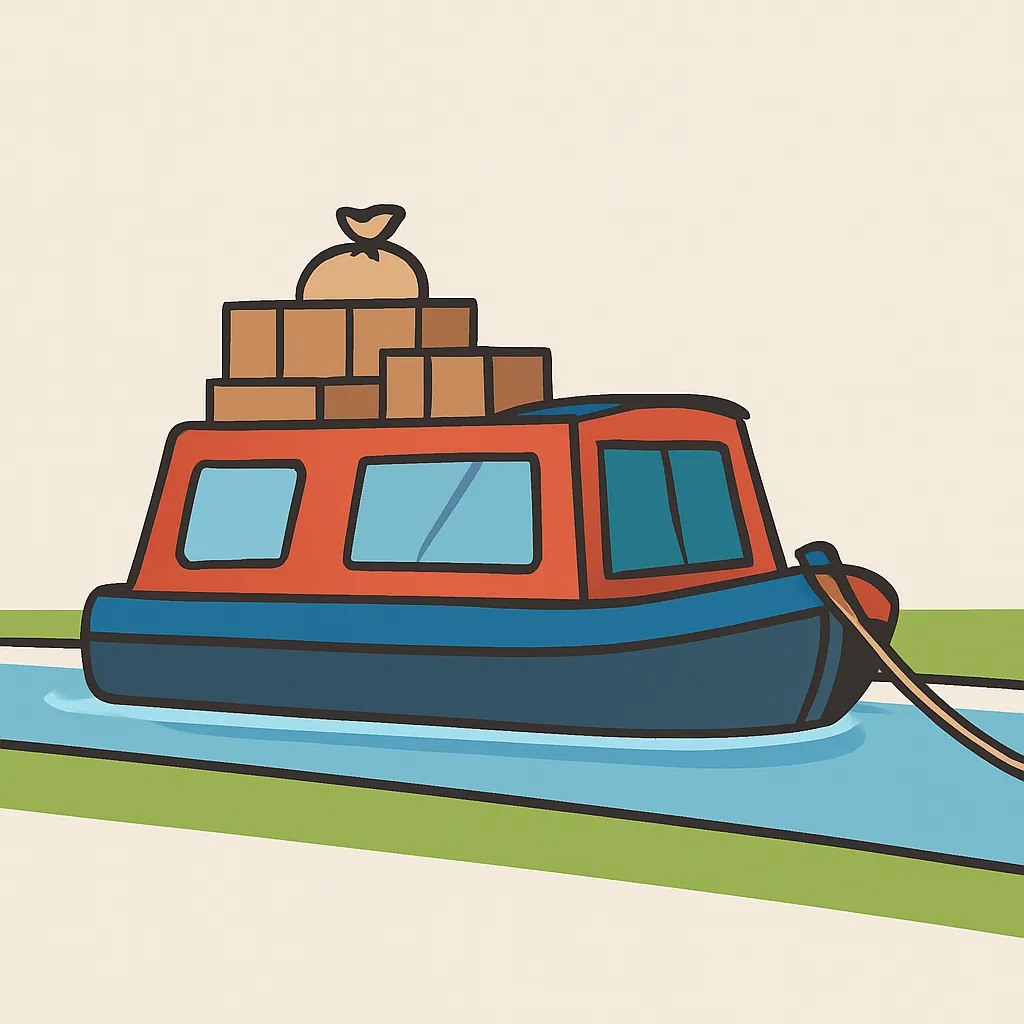
The Erie Canal linked Lake Erie to the Hudson River in 1825. Which economic change did that connection encourage?
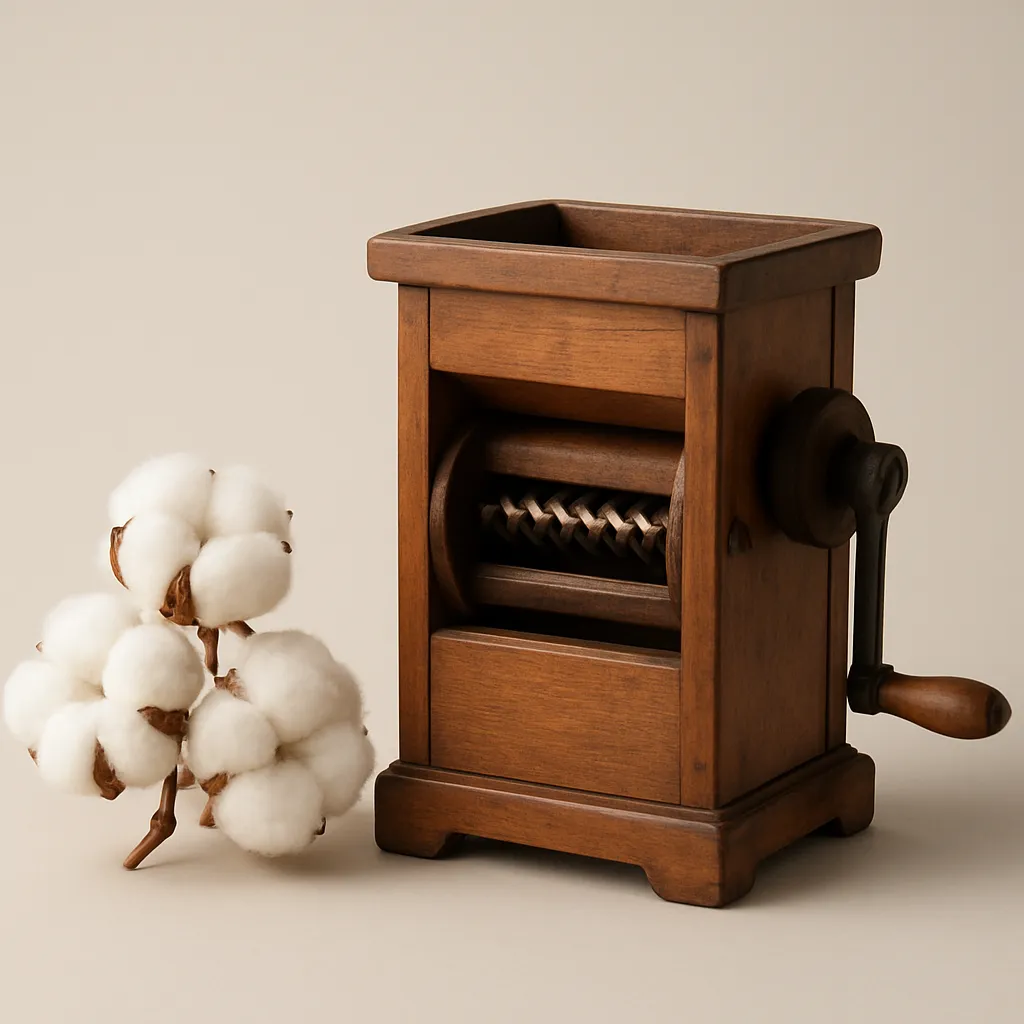
Eli Whitney's cotton gin made short-staple cotton easier to process. Which effect on the US economy followed by the mid-1800s?
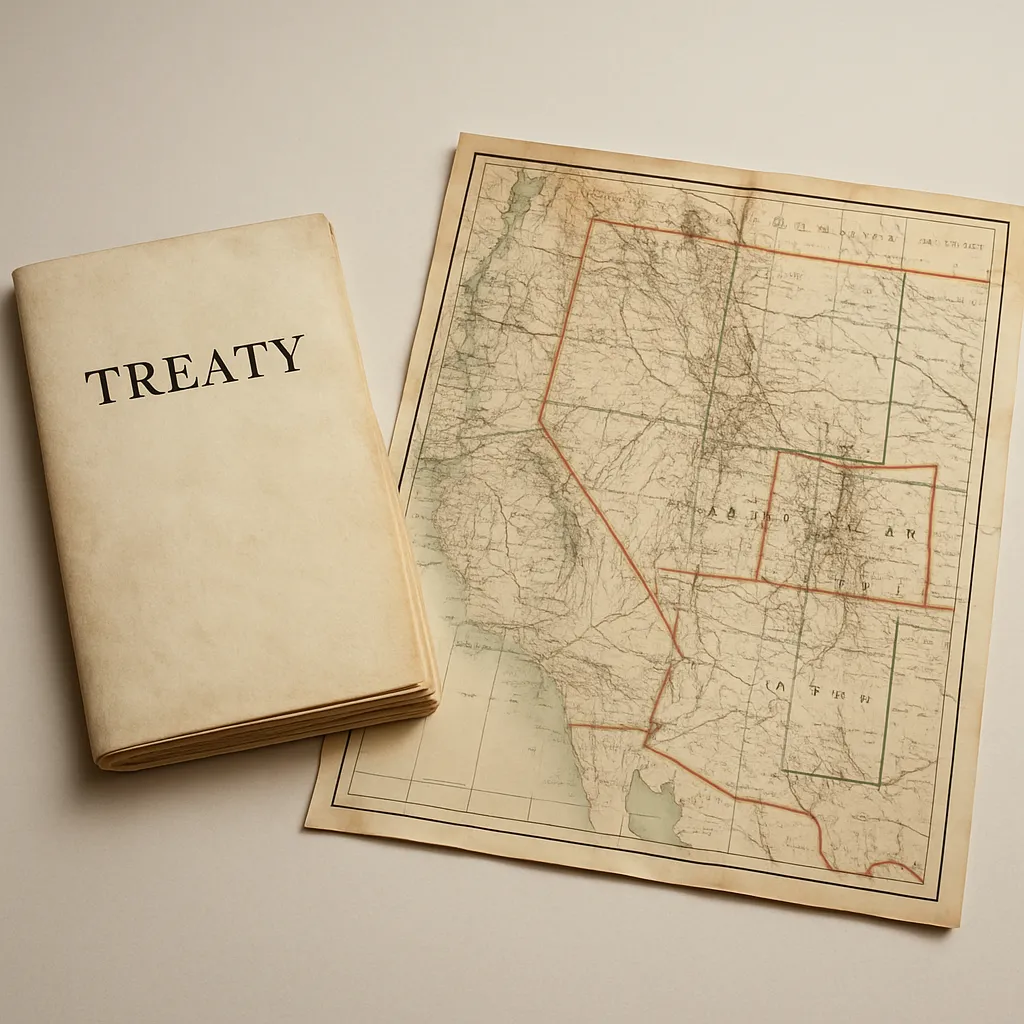
The Treaty of Guadalupe Hidalgo added vast western lands in 1848. Which national conflict did that expansion intensify?
The Homestead Act offered settlers 160 acres of public land after residence and improvement. Which movement did it encourage?

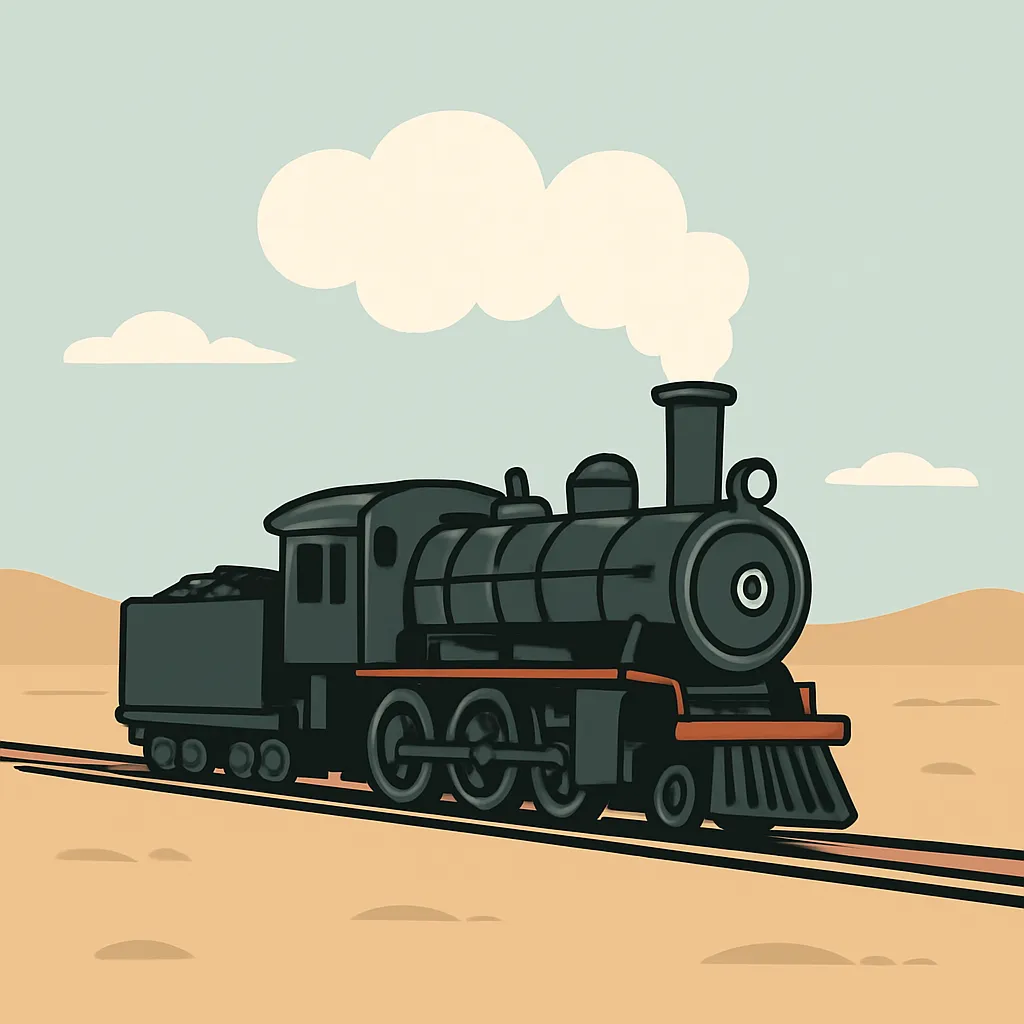
The transcontinental railroad was completed at Promontory, Utah, in 1869. Which group made up most of the Central Pacific's workforce building east from California?
After Antietam, Lincoln issued the preliminary Emancipation Proclamation. When it took effect on January 1, 1863, which enslaved people did it declare free?
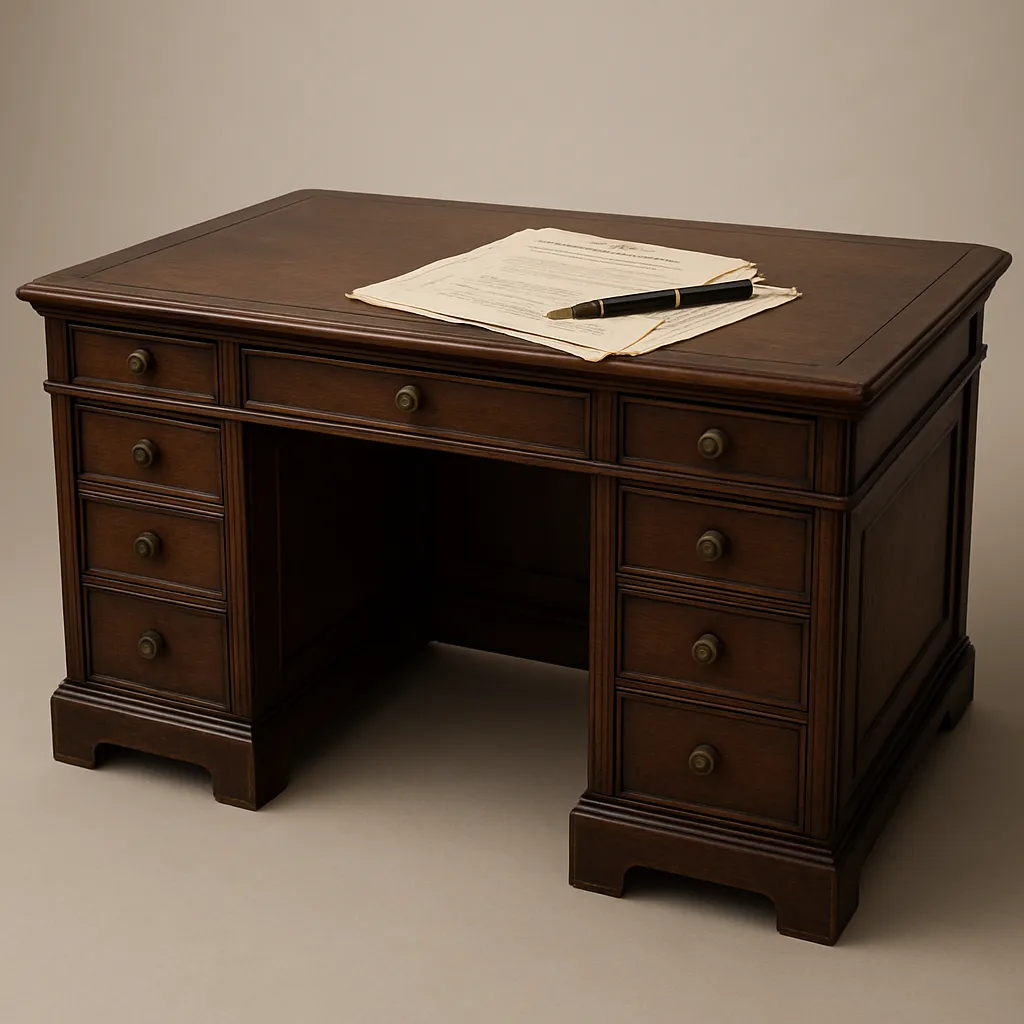
After the Civil War, the Thirteenth, Fourteenth, and Fifteenth Amendments were ratified. Which long-term change did they support?
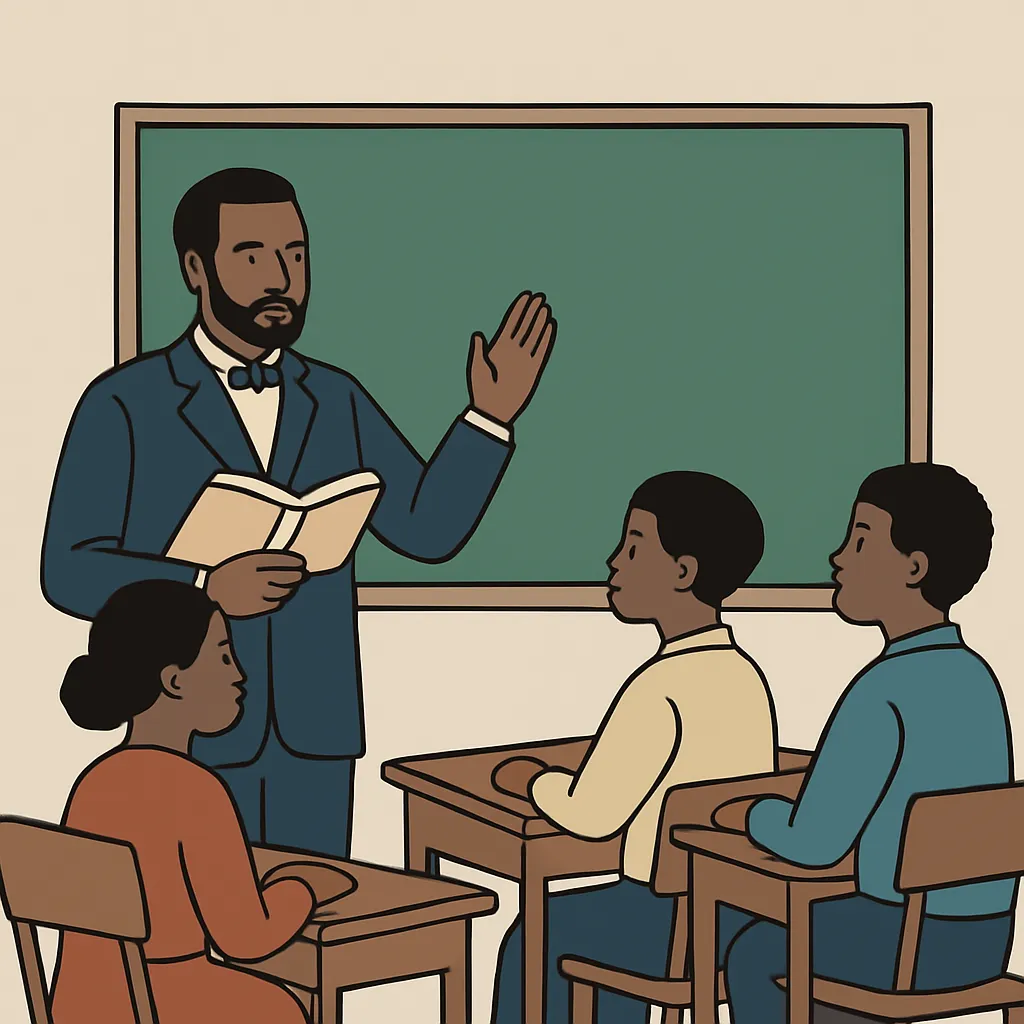
Severe drought and poor soil conservation struck the Great Plains in the 1930s. Which result followed?
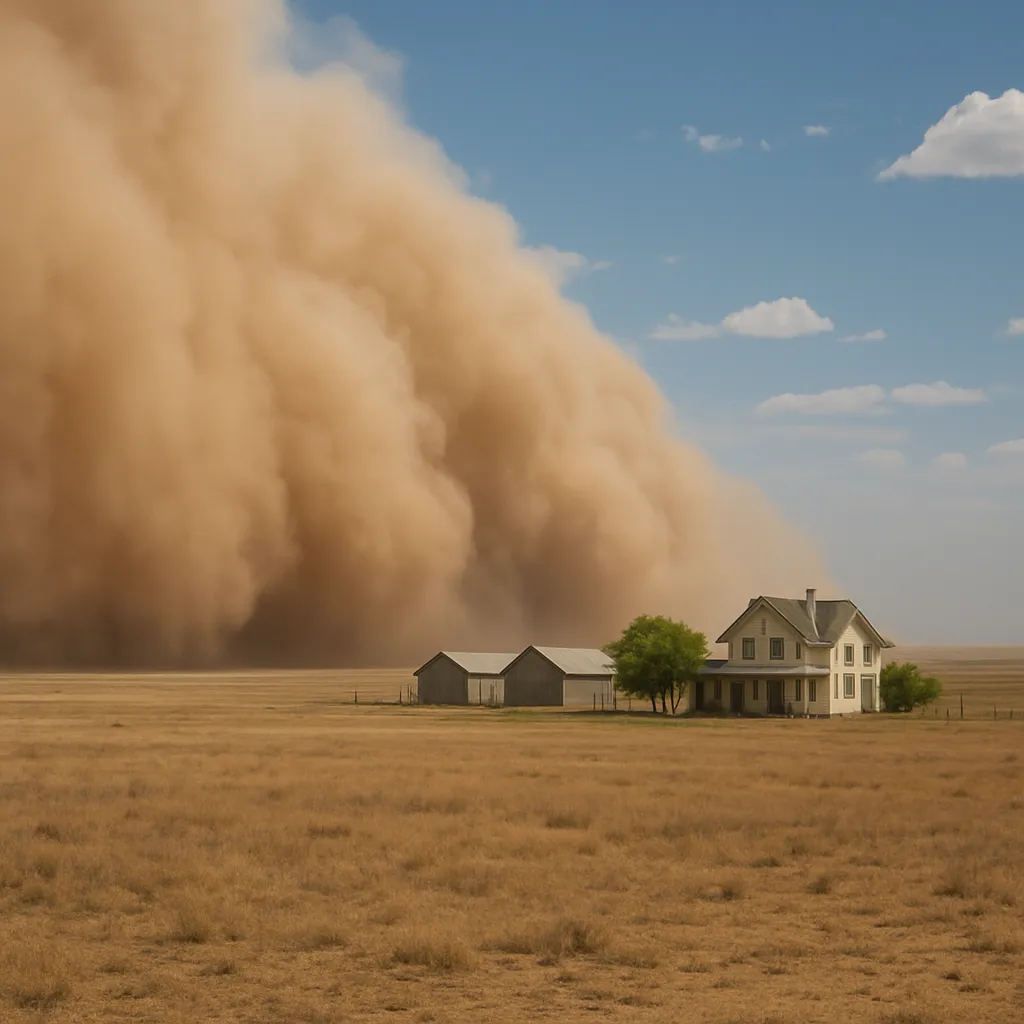
Congress passes a law, the president vetoes it, and Congress overrides the veto by a two-thirds vote. Which principle is shown?
A state licenses teachers while Congress regulates trade among states. Which constitutional principle divides authority this way?
Citizens elect lawmakers to debate and vote on bills instead of voting on every national law themselves. Which principle is this?
The Supreme Court rules that a federal law conflicts with the Constitution and cannot be enforced. Which principle is applied?
The president nominates a Supreme Court justice, but the Senate must vote to confirm the nominee. Which principle is shown?
A city government cannot punish a newspaper for criticizing the mayor. Which First Amendment freedom is most directly involved?
Police want to search a person's home for evidence. Which amendment protects against unreasonable searches and seizures?
A person cannot be imprisoned without fair legal procedures. Which constitutional protection is this?
A criminal defendant must be told the charges, may have a lawyer, and may have an impartial jury. Which amendment protects these rights?
Powers not given to the federal government and not banned to the states are reserved to the states or the people. Which amendment says this?
A historian claims Parliament's punishment of Boston after the Tea Party pushed the colonies toward united resistance. Which evidence best supports the claim?
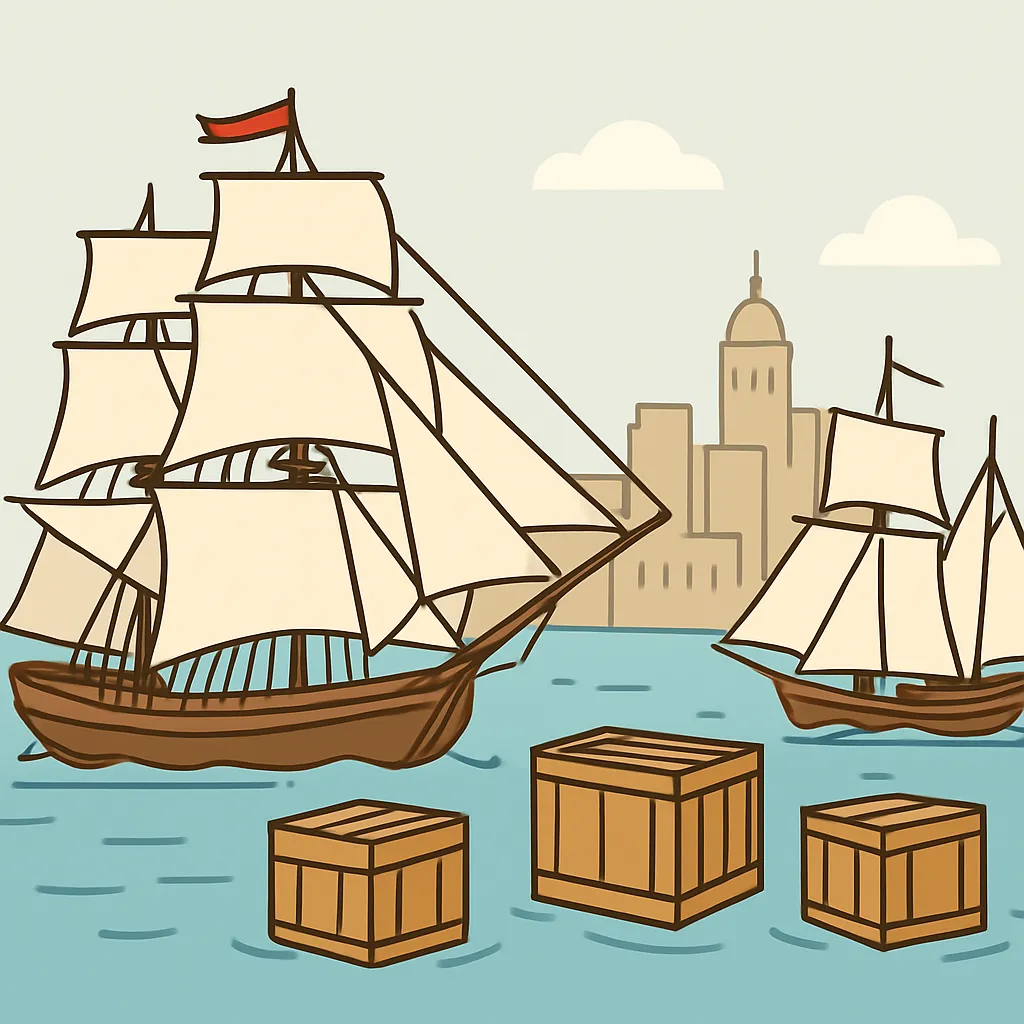
A historian claims the Declaration justified independence through natural rights and consent. Which evidence best supports the claim?

A historian claims the Articles of Confederation made the national government economically weak. Which evidence best supports the claim?
A historian claims the Northwest Ordinance created an orderly path from territory to statehood. Which evidence best supports the claim?
A historian claims westward expansion intensified sectional conflict over slavery before the Civil War. Which evidence best supports the claim?
A historian claims reformers used founding language to demand expanded rights. Which evidence best supports the claim?
A historian claims technology and markets expanded slavery in the antebellum South. Which evidence best supports the claim?
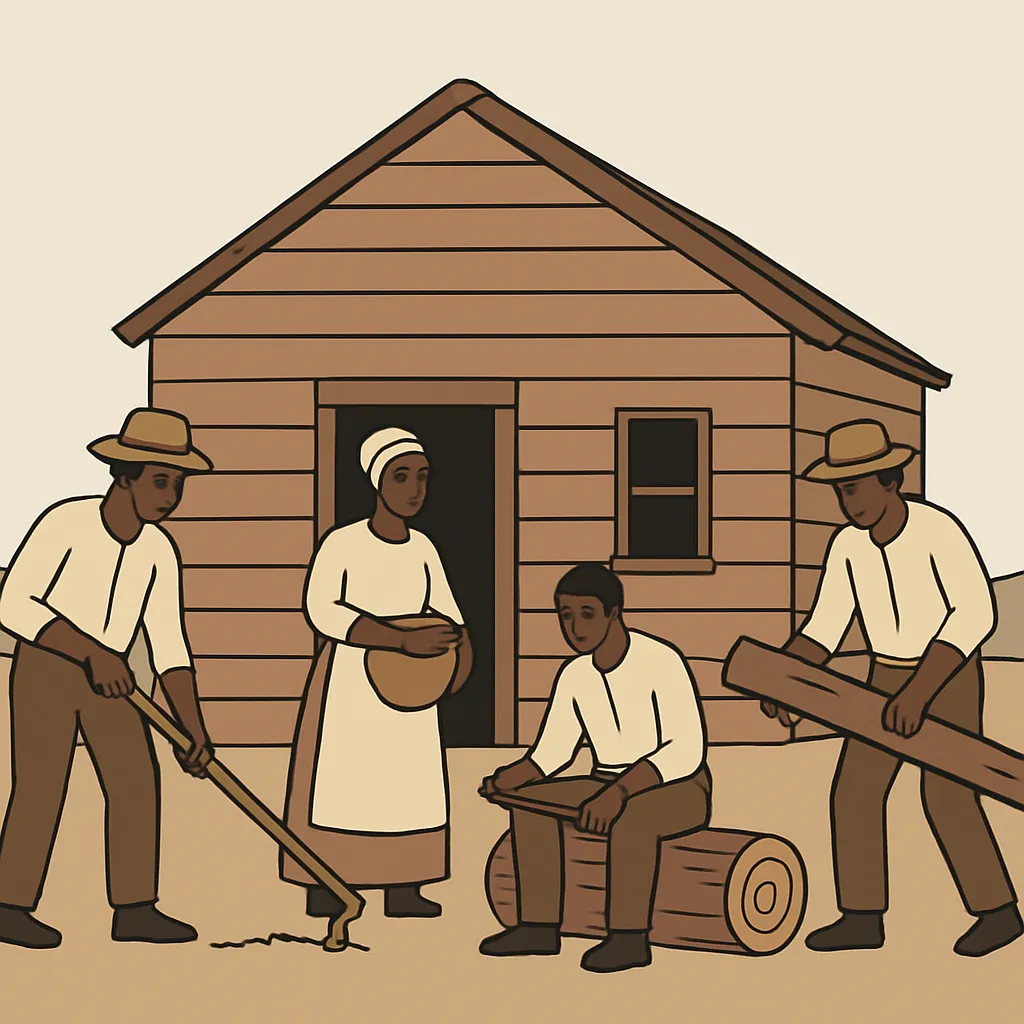
A historian claims the Civil War became a war over slavery as well as Union. Which evidence best supports the claim?
A historian claims Reconstruction defined national citizenship and equal protection. Which evidence best supports the claim?
A historian claims transportation tied national markets together after the Civil War. Which evidence best supports the claim?
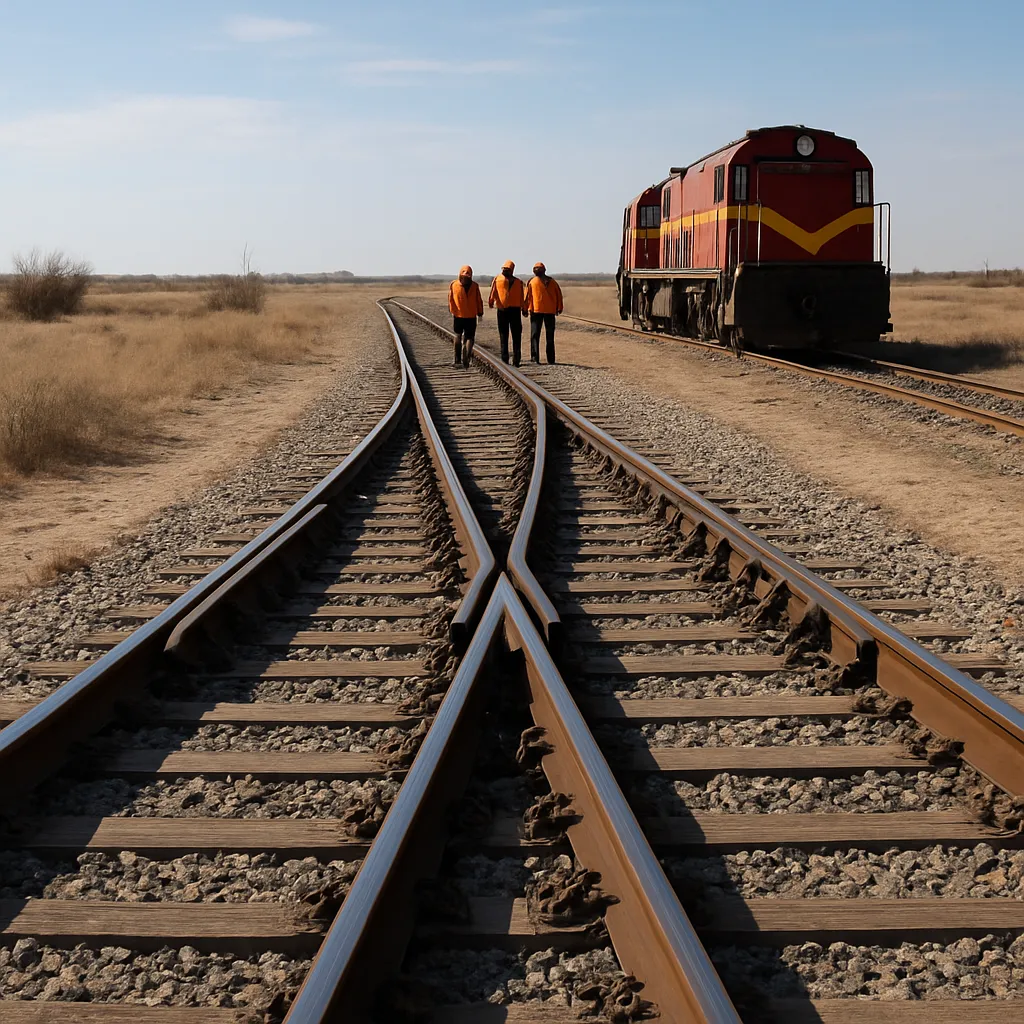
Crack the passcode before the zombies get in.
Answer, then swat bugs for bonus points.
Race through questions at your own speed.
Same question on every screen. Fastest wins.

Pick a tile, answer, hit bonuses and steals.
Review: Expansion, Industry and Reform
40 questions