Loading
by BlastRoom
Mixed review across westward expansion, the market revolution, immigration, and reform movements.
#review#us_grade_8_social_studies
40 questions
One question set, multiple game modes. Tap any game to see it in action. Not sure which to pick?
Answer to place stones and capture territory.
Outrun the snow together.
Earn blasts, then hunt the other team.
Answer to earn energy, then climb.

The class blasts through walls together.
Bid on mystery lots. Most money wins.
Sell tours. Nice, standard, or a total scam.

Answer, restock, and serve the rush.
More correct answers pulls the rope your way.
Answer, then shoot down the alien wave.
Answer, then tap to leap the frozen ridge.
A belief said the United States was destined to spread across North America. What idea is described?
In 1803 the United States bought a vast western territory from France and doubled its size. What acquisition was this?

Spain ceded Florida to the United States and accepted a western boundary in an 1819 agreement. What treaty did this?
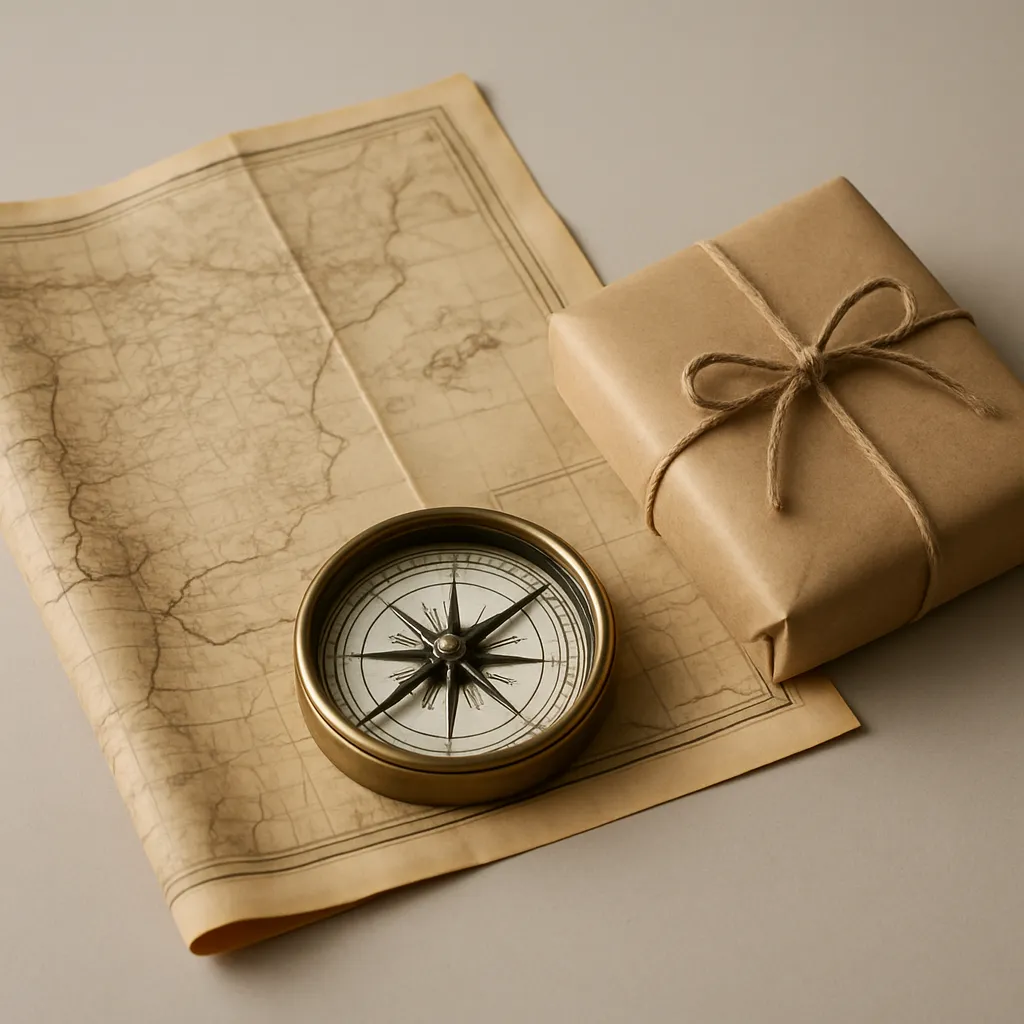
In the 1840s, wagon trains left Missouri for the Willamette Valley in the Pacific Northwest. What route did they follow?
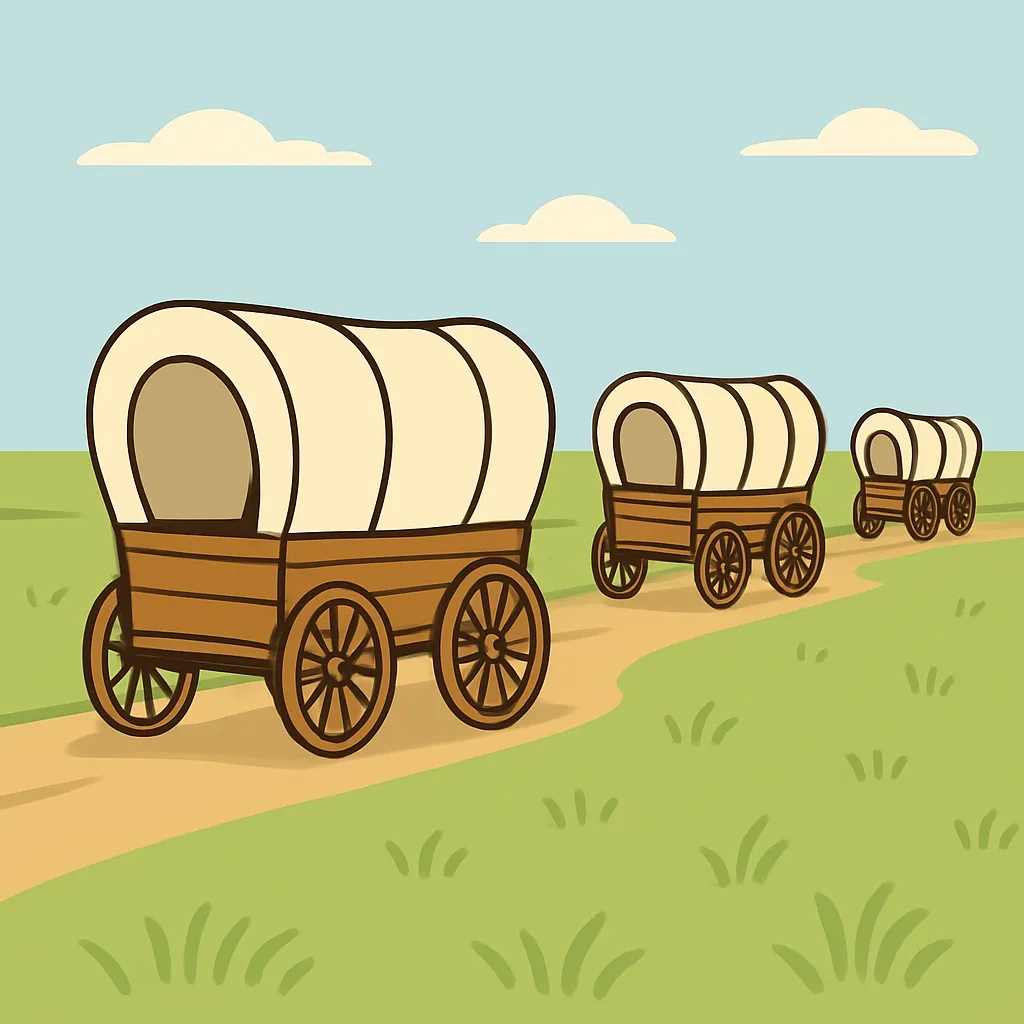
In 1846 the United States and Britain agreed to divide the Pacific Northwest at the 49th parallel. What agreement did this?
Cherokee people were forced west to Indian Territory in 1838 and 1839 after removal policy and the Treaty of New Echota. What event was this?
A treaty signed in 1848 ended the Mexican-American War and transferred much of the Southwest to the United States. What treaty was it?
In 1845 the United States admitted a former republic as the twenty-eighth state, increasing tension with Mexico. What event was this?

In 1853 the United States bought land from Mexico along the present southern border for a possible railroad route. What purchase was this?
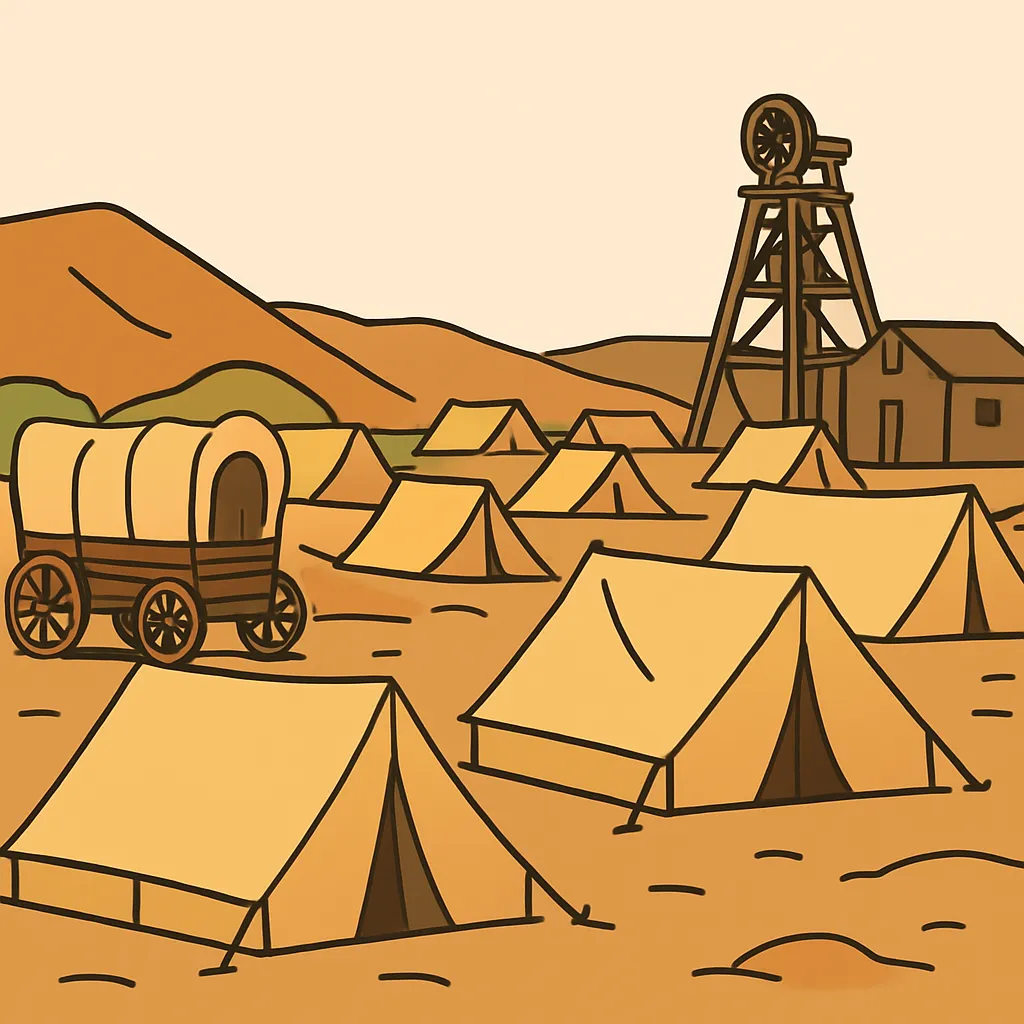
Thousands of miners rushed west after James Marshall found gold at Sutter's Mill in 1848. What event is described?
California was ready to seek statehood by 1849, soon after gold was found in 1848. What Gold Rush result made that possible?
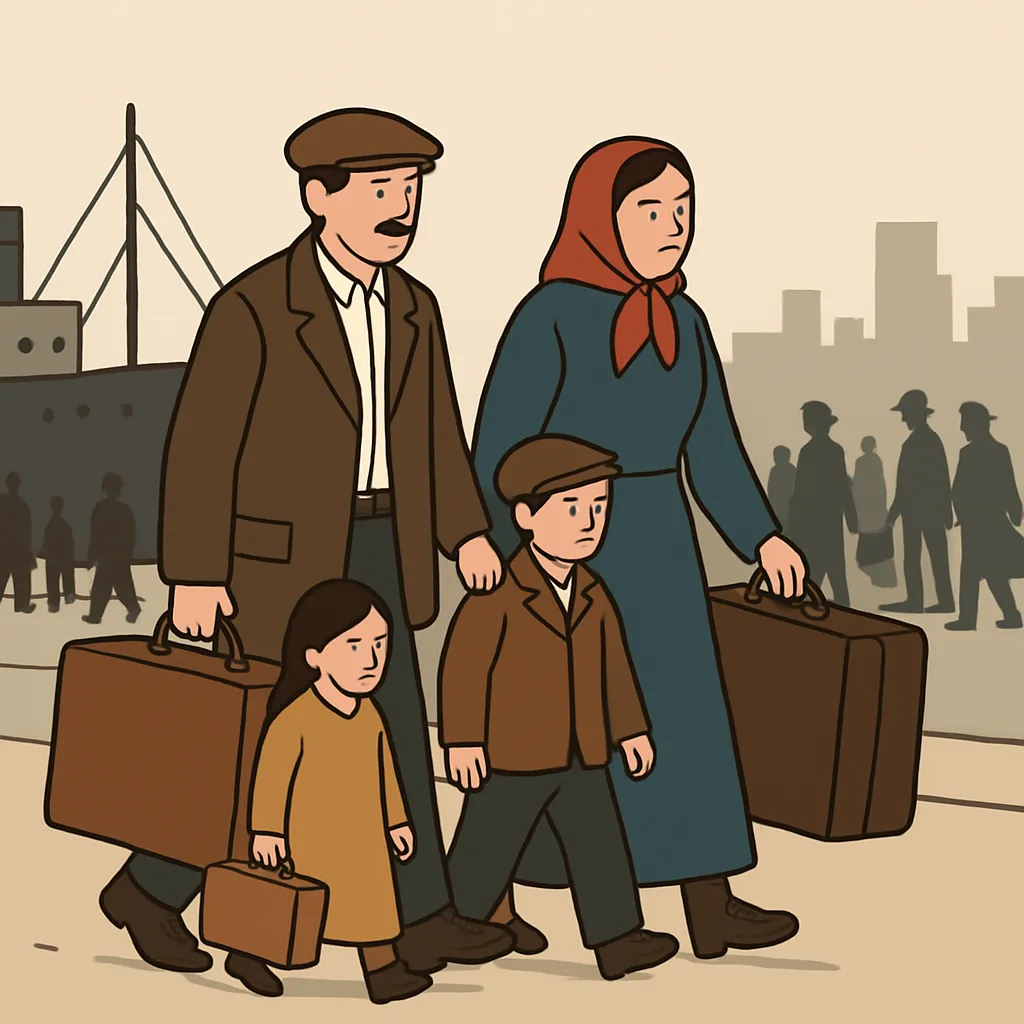
Irish immigration to U.S. cities rose sharply between 1845 and 1855. What was the main push factor?
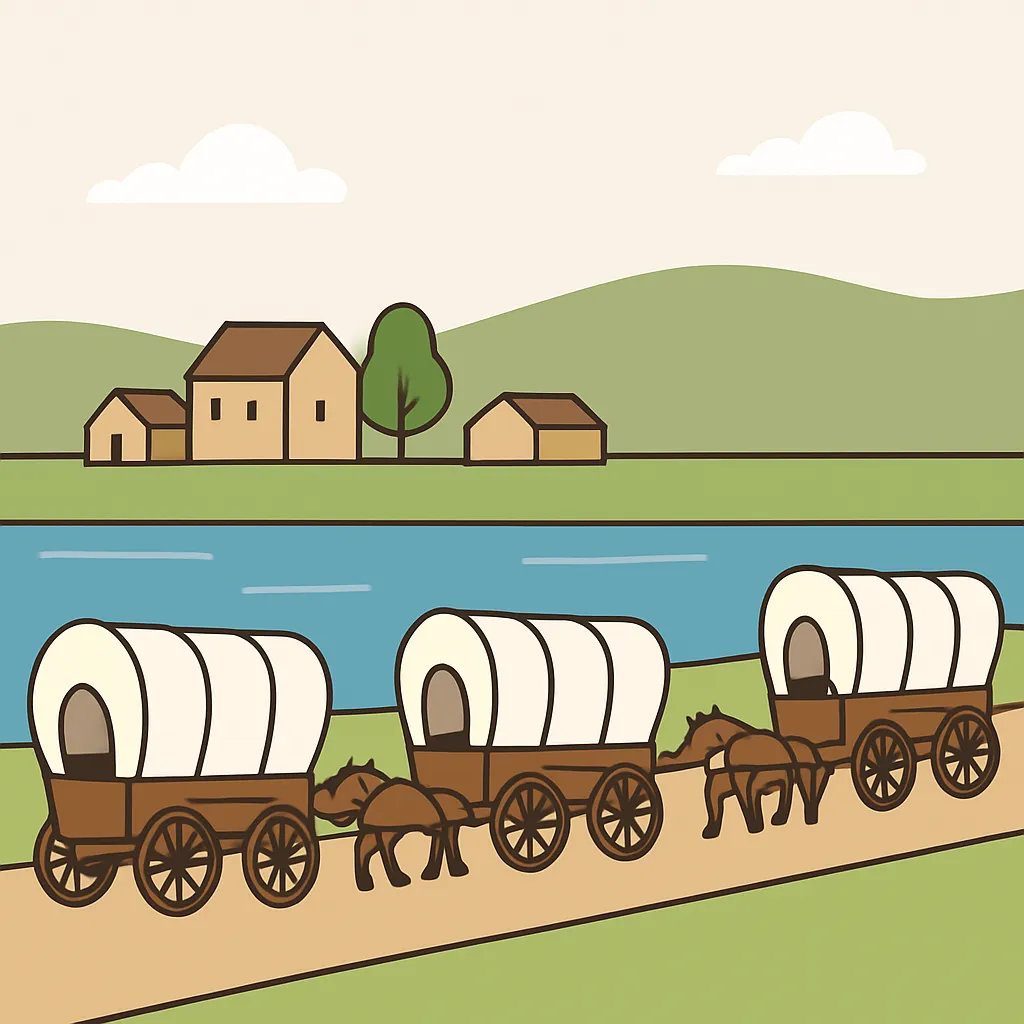
Mormon pioneers left Nauvoo, Illinois, in 1846 and moved west. What motive best explains this migration?
The United States and Mexico went to war in 1846. Which cause best fits the conflict?
The 1862 Homestead Act offered settlers land after residence and improvement. What effect did this law have?

The first transcontinental railroad was completed at Promontory Summit, Utah, in 1869. What effect followed?
Mexico ceded present-day California, Nevada, and Utah to the United States in 1848. What question did the new land soon raise in Congress?
Some native-born Americans formed the Know-Nothing movement in response to Irish and German Catholic immigration. What attitude did it show?

The Erie Canal linked the Hudson River and Lake Erie, letting goods move more cheaply between farms and Atlantic ports. What larger change followed?
Robert Fulton's Clermont showed in 1807 that steam power could move boats upstream. What market effect did this technology support?
A farmer used railroads to sell grain to distant city buyers instead of only local neighbors. What economic change does this show?
Samuel Morse sent a telegraph message from Washington to Baltimore in 1844. What change did the telegraph make possible?
Eli Whitney's cotton gin made cotton cleaning faster and more profitable. What major effect followed in the South?
Factories made muskets from identical, standard pieces, so a broken piece could be swapped for a new one. What manufacturing idea is described?
Lowell textile mills brought workers, water power, and machines together in one place to make cloth. What system did this show?
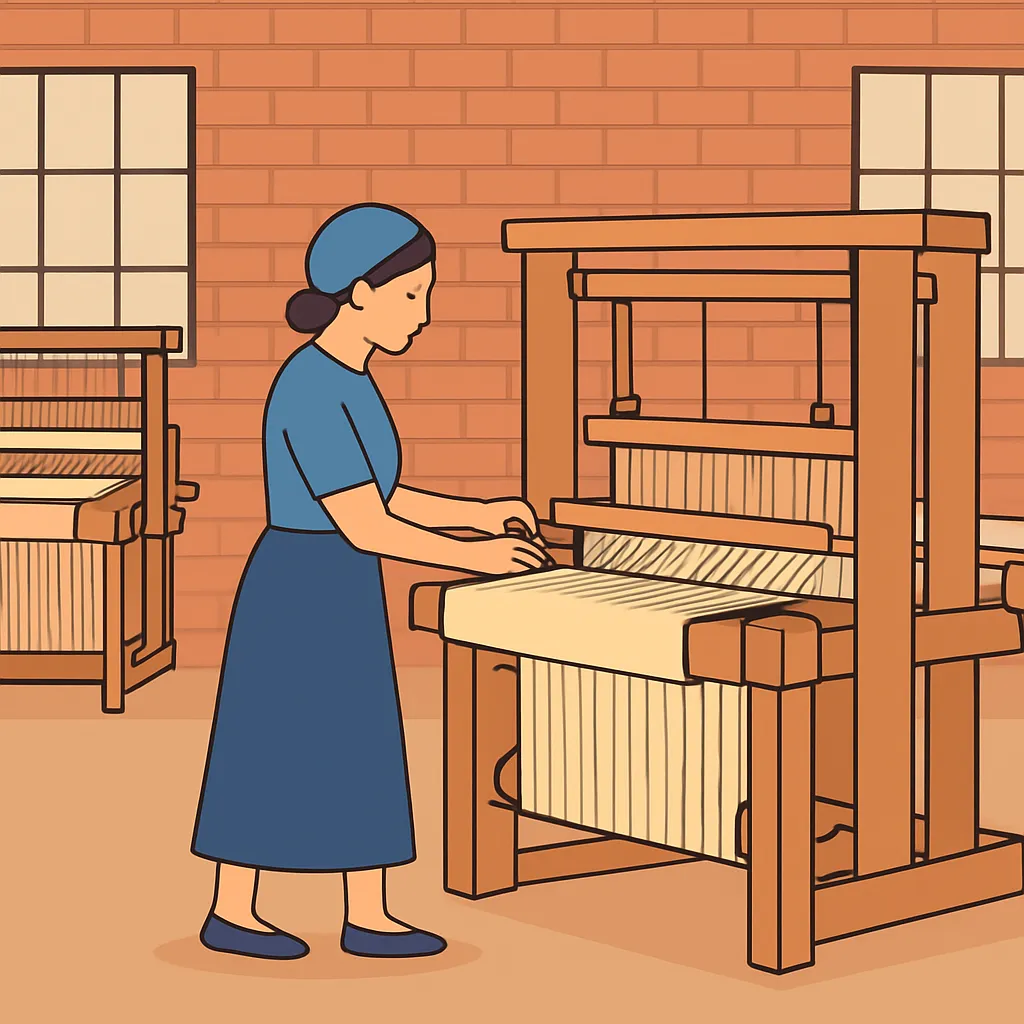
Cyrus McCormick's machine cut grain faster than hand tools, helping farmers harvest larger fields. What invention was it?
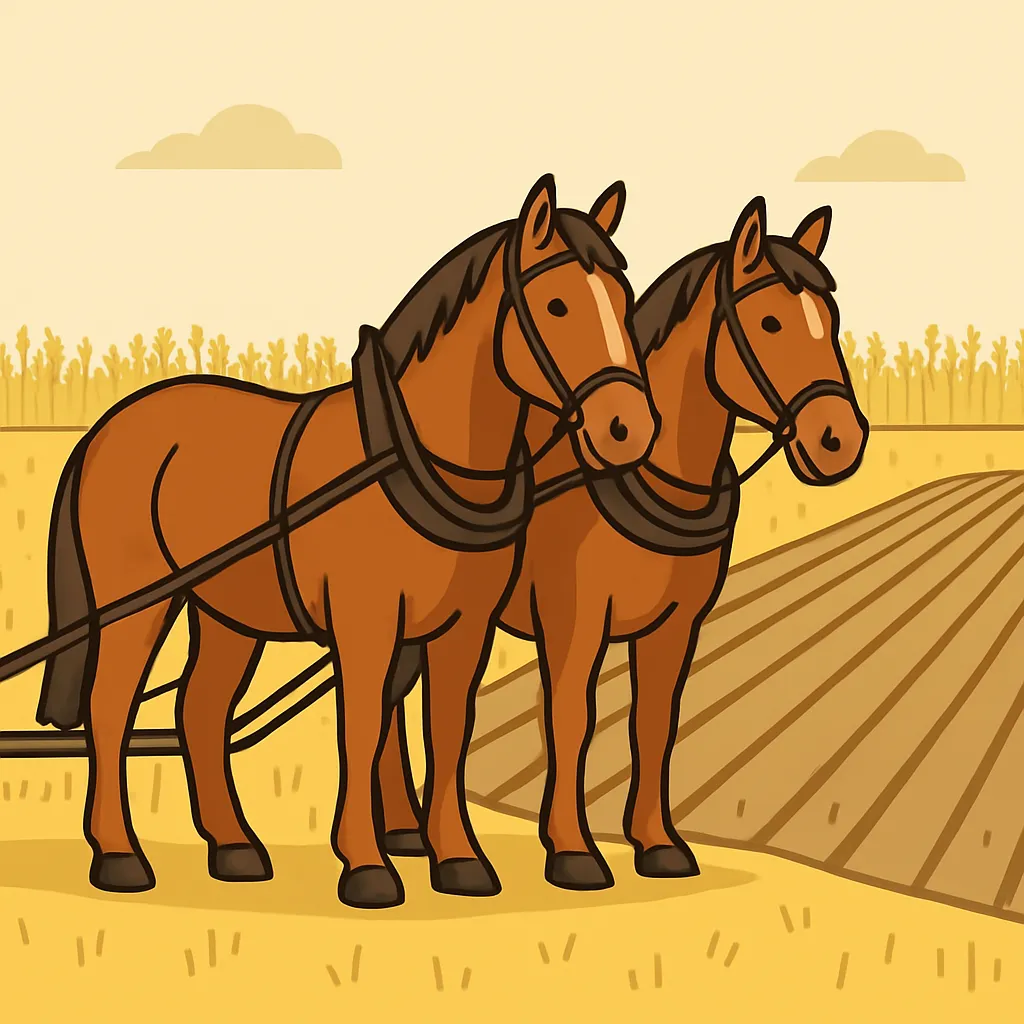
Roads, canals, and bridges built with public support were meant to connect farms, towns, and markets. What were they called?
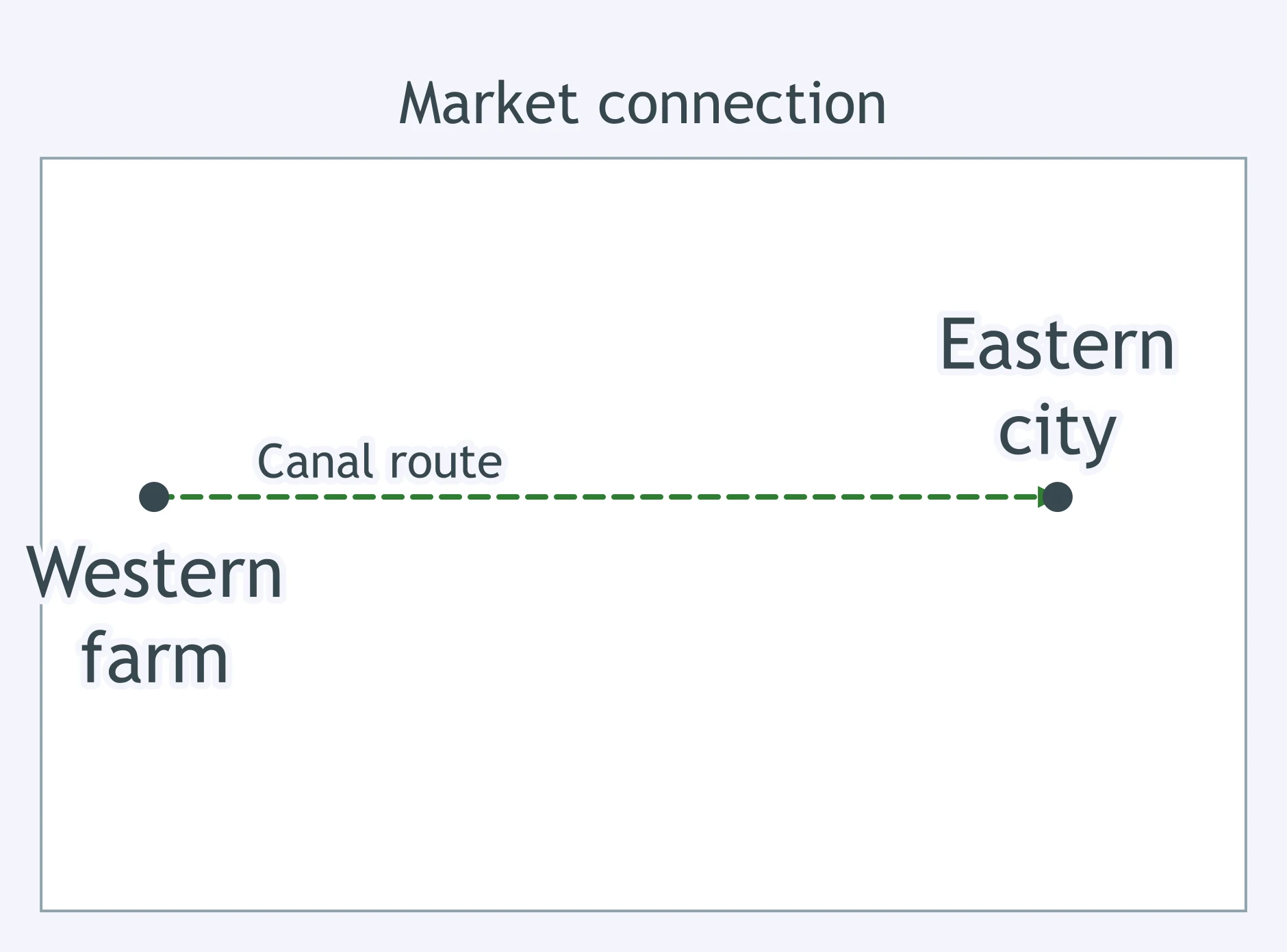
Elias Howe patented this device in 1846, and Isaac Singer patented an improved version in 1851. It changed clothing production. What invention was this?
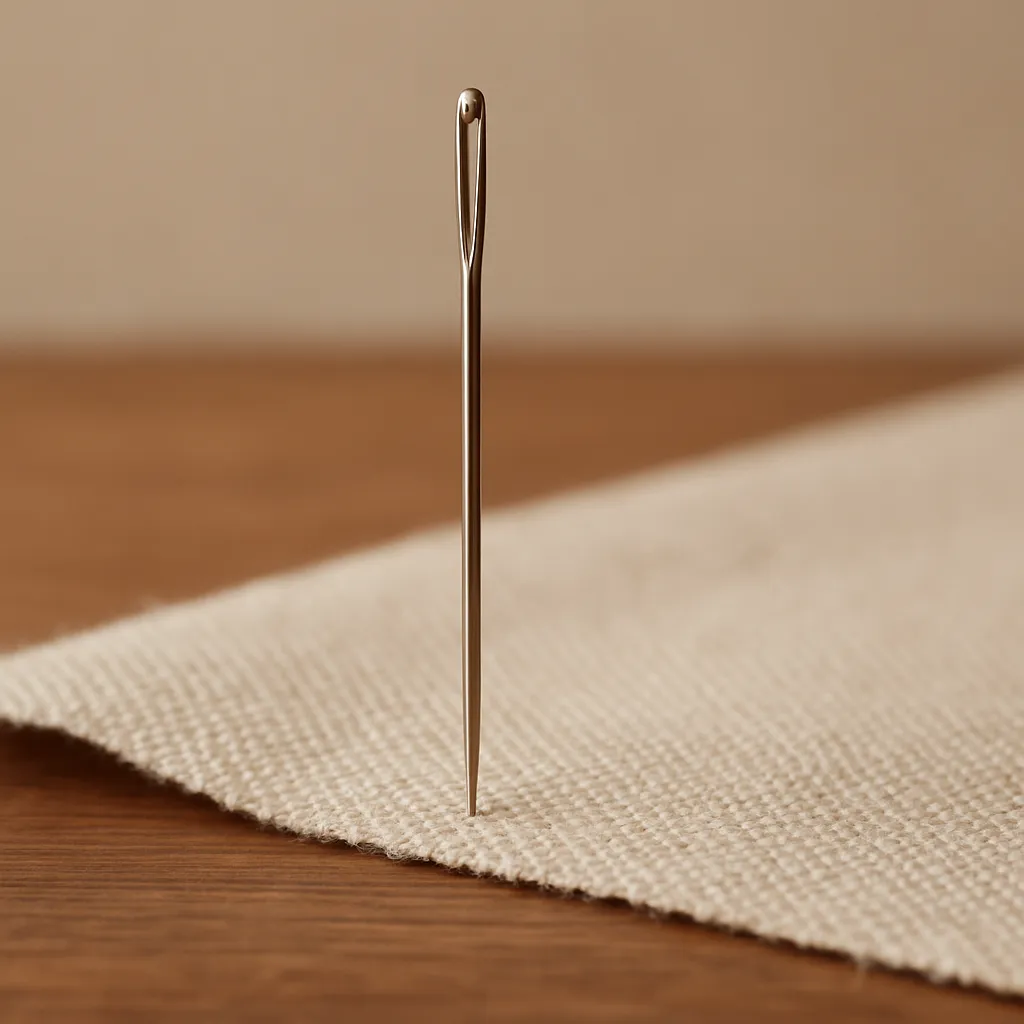
A reformer investigated prisons and asylums, then reported harsh conditions to state governments. Which reformer did this work?
A Massachusetts reformer promoted common schools, teacher training, and public education. Which reformer fits this work?

William Lloyd Garrison edited The Liberator, a newspaper that attacked slavery. What reform goal did he demand?
An abolitionist who escaped slavery founded The North Star newspaper in Rochester in 1847. Which reformer was he?
A former enslaved woman spoke for abolition and women's rights, including at Akron, Ohio, in 1851. Which reformer was she?

Two reformers helped organize the first women's rights convention at Seneca Falls, New York, in July 1848. Which pair fits?

A Seneca Falls document modeled on the Declaration of Independence listed demands for women's rights. What was it called?
Two South Carolina sisters wrote and spoke against slavery and defended women's public role in reform. Which sisters were they?
Reformers argued that reducing or banning alcohol would improve family and social life. What movement had this goal?
Religious revivals in the early 1800s encouraged many Americans to improve society through reform. What movement was this?

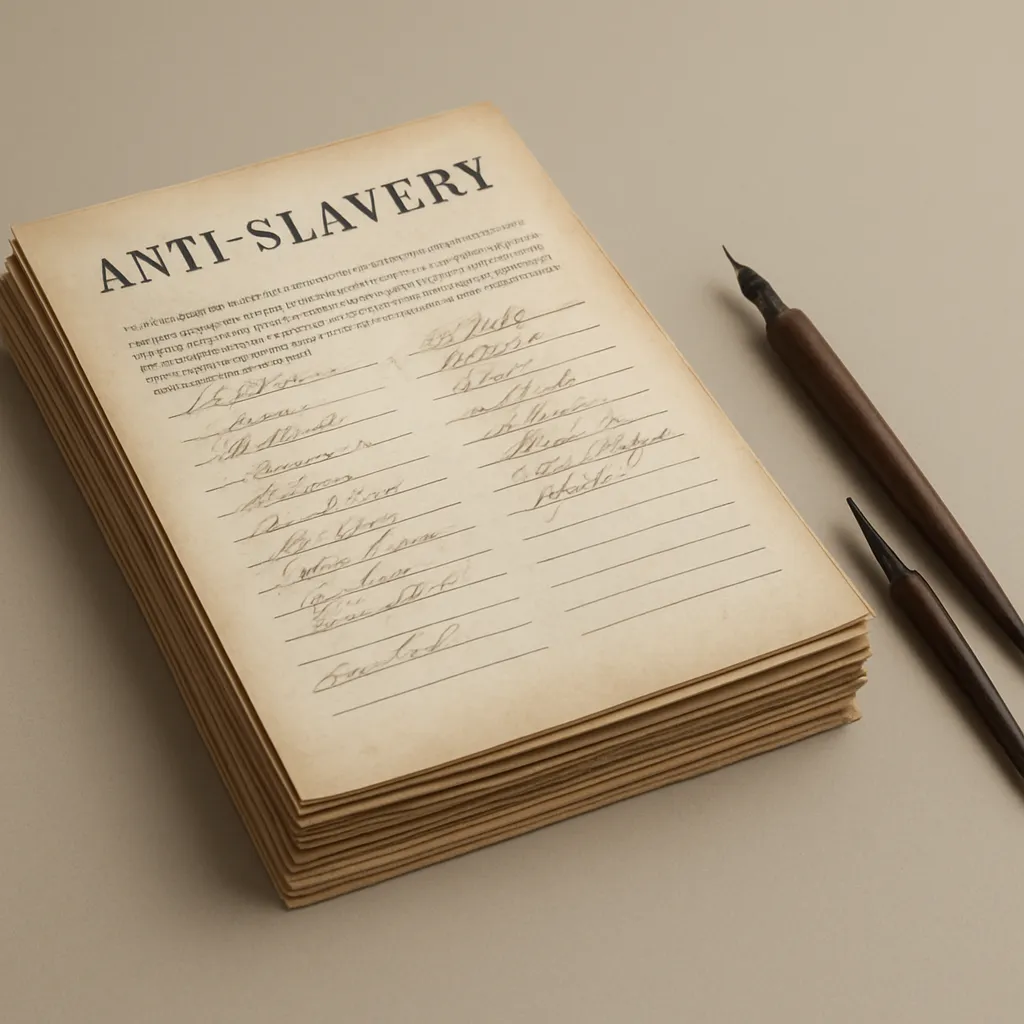
Anti-slavery societies gathered signatures and sent them to legislatures to press for change. What reform method is described?
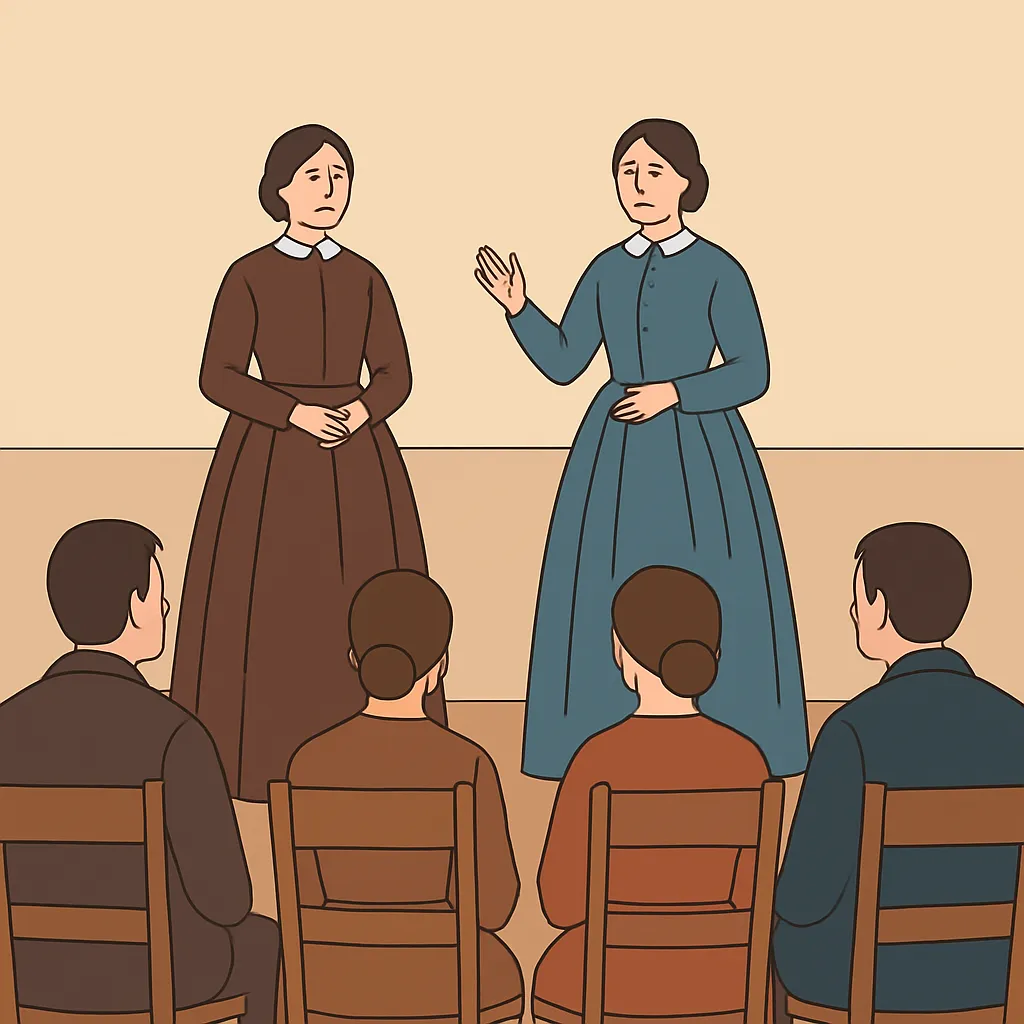
Campaigners at women's rights meetings demanded that women be allowed to vote. What reform goal were they pursuing?
Crack the passcode before the zombies get in.
Answer, then swat bugs for bonus points.
Race through questions at your own speed.
Same question on every screen. Fastest wins.

Pick a tile, answer, hit bonuses and steals.
Review: Sectionalism, Civil War and Reconstruction
40 questions