Loading
by BlastRoom
Mixed review across sectionalism, the Civil War, and Reconstruction.
#review#us_grade_8_social_studies
40 questions
One question set, multiple game modes. Tap any game to see it in action. Not sure which to pick?
Answer to place stones and capture territory.
Outrun the snow together.
Earn blasts, then hunt the other team.
Answer to earn energy, then climb.

The class blasts through walls together.
Bid on mystery lots. Most money wins.
Sell tours. Nice, standard, or a total scam.

Answer, restock, and serve the rush.
More correct answers pulls the rope your way.
Answer, then shoot down the alien wave.
Answer, then tap to leap the frozen ridge.
An 1820 deal admitted one new slave state and Maine as a free state while banning slavery north of 36°30′ in most Louisiana Purchase lands. Which compromise was it?

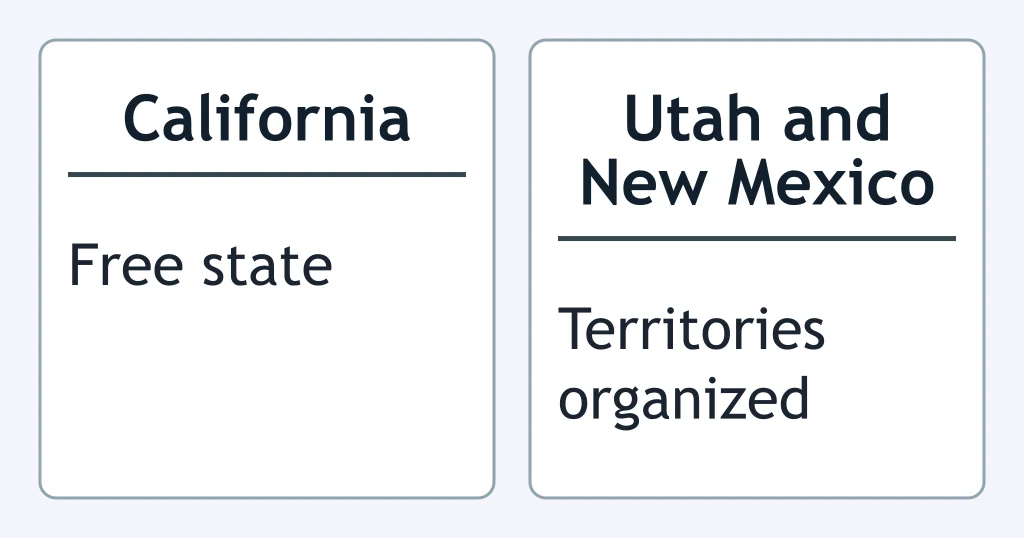
A package admitted California as a free state, organized Utah and New Mexico, and strengthened enforcement against people escaping slavery. Which compromise was it?
A federal law required officials in free states to help capture suspected escapees from slavery and punished people who aided them. Which law was it?
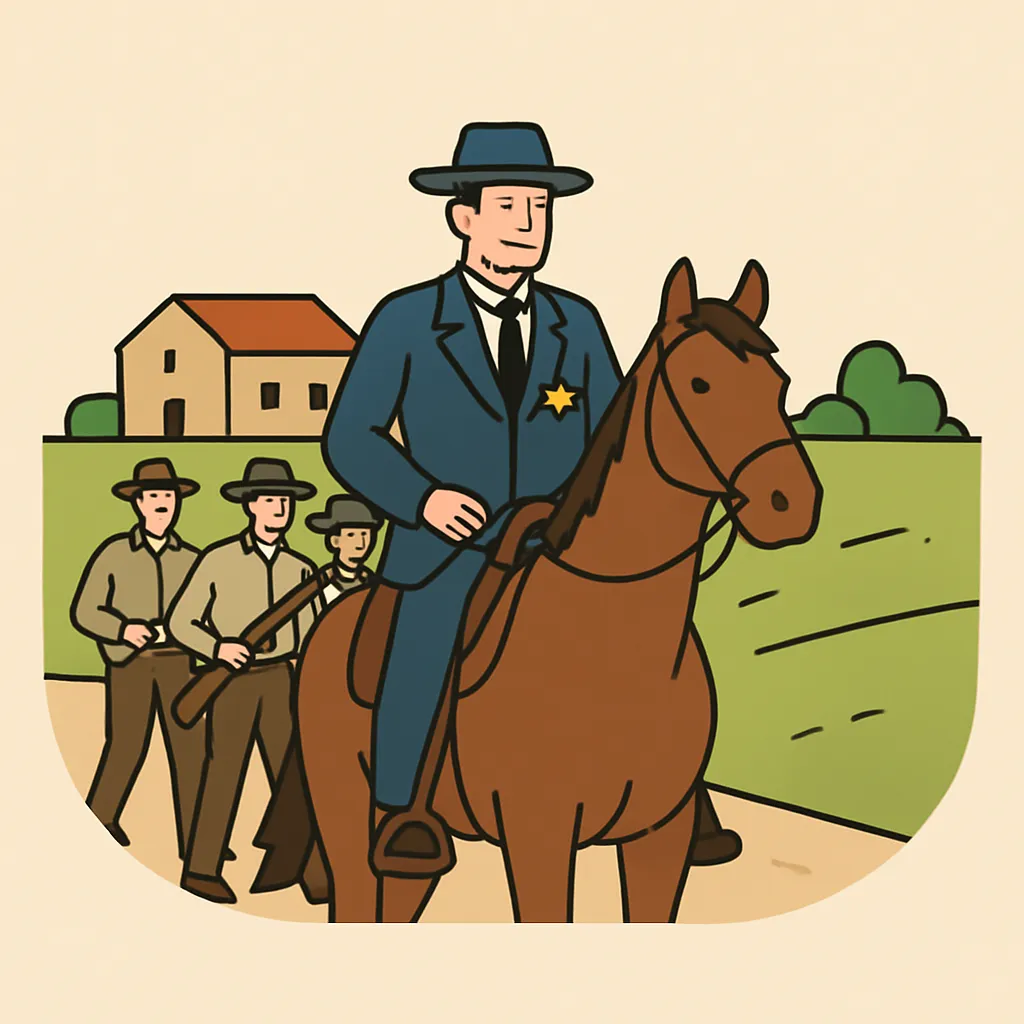
An 1854 law let settlers in two new territories vote on slavery and repealed the Missouri Compromise line, leading to violence. Which law was it?
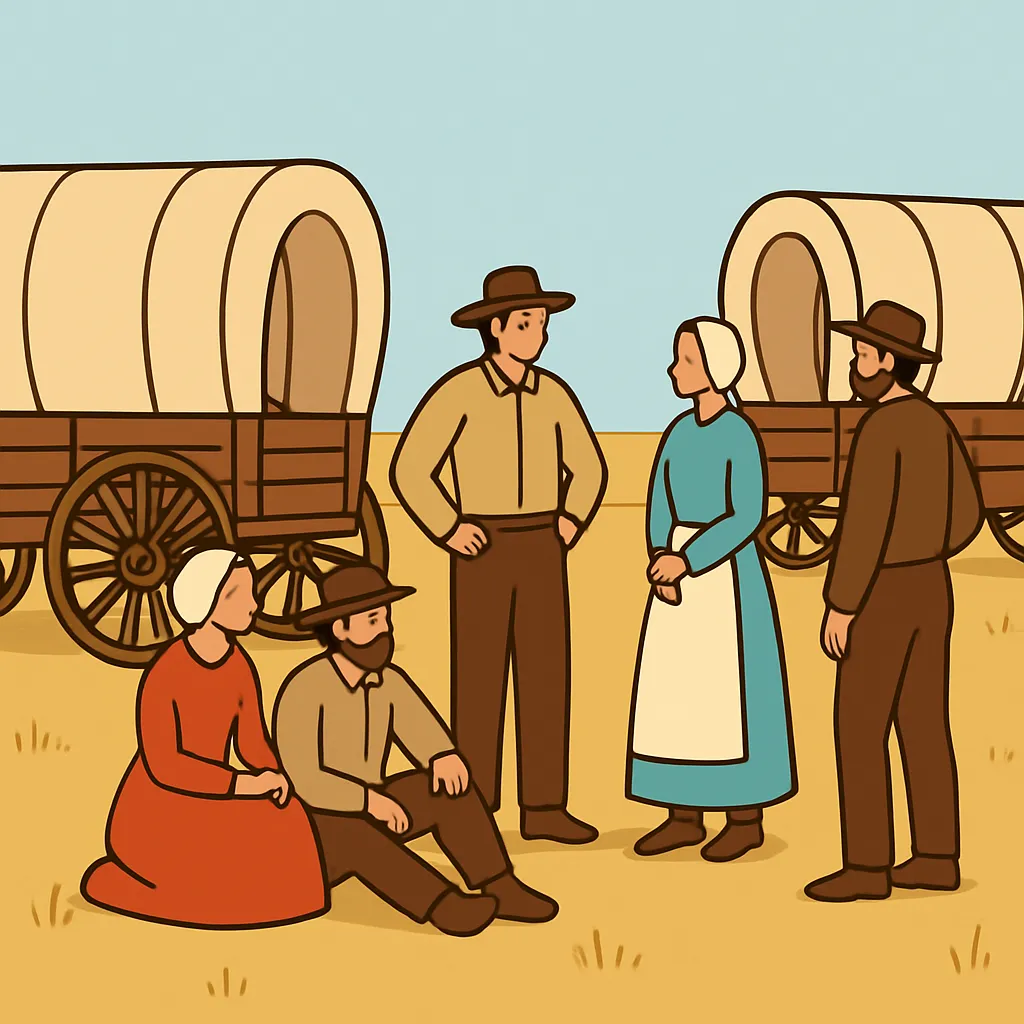
The Supreme Court ruled that enslaved people were not U.S. citizens and that Congress lacked power to ban slavery in federal territories. Which decision was it?
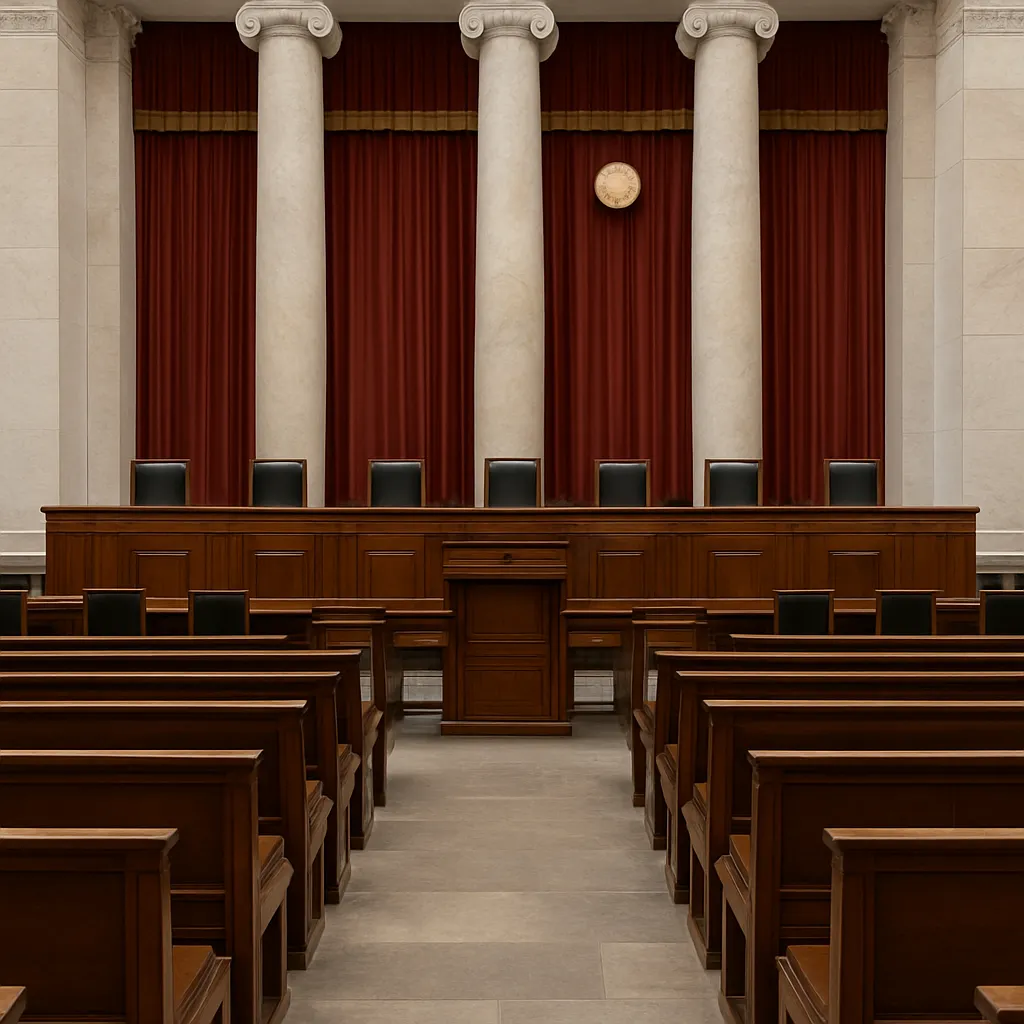
A House proposal tried to ban slavery in any territory gained from Mexico, but the Senate did not pass it. Which proposal was this?
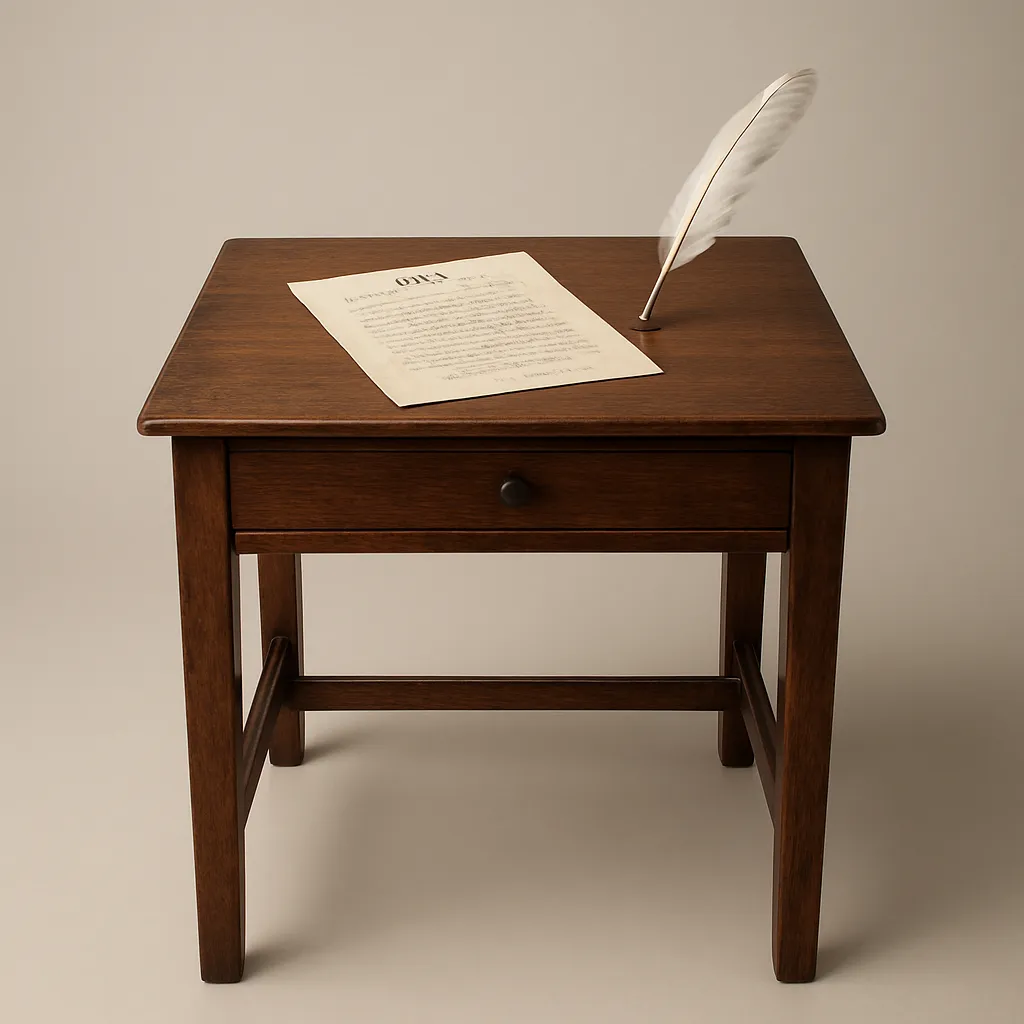
A policy said residents of a territory should vote on whether slavery would be legal there. What was this idea called?
An 1848 party opposed the expansion of slavery into western territories and later helped shape the Republican Party. Which party was it?
In 1860, a failed peace proposal tried to extend the Missouri Compromise line to the Pacific to prevent secession. Which proposal was it?
A compromise ended the slave trade, but not slavery, in Washington, DC, while strengthening fugitive slave enforcement. Which compromise was it?
Southern secessionists reacted to a president-elect whose party opposed slavery’s spread into the territories. Which election triggered the first secession wave?
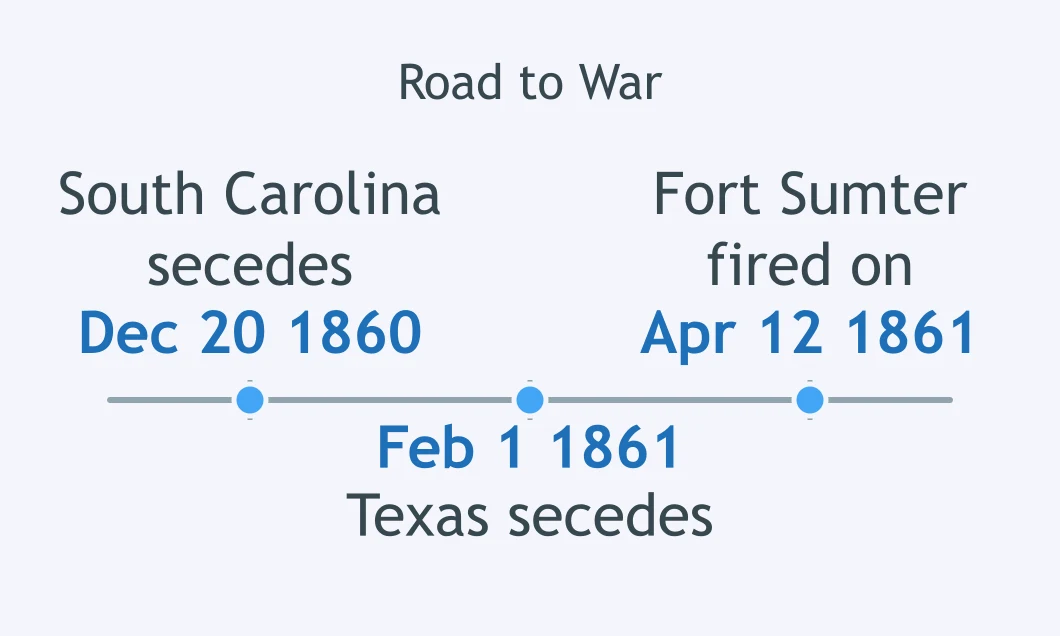
On December 20, 1860, one state became the first to vote to leave the Union. Which state was it?
In February 1861, seceded states chose a Mississippi politician as provisional president in Montgomery, Alabama. Who was chosen?
Confederate forces fired on a federal fort in Charleston Harbor on April 12, 1861, beginning the Civil War. Which fort was it?
Right after Fort Sumter, a Lincoln action in April 1861 led four upper South states to secede. What was it?
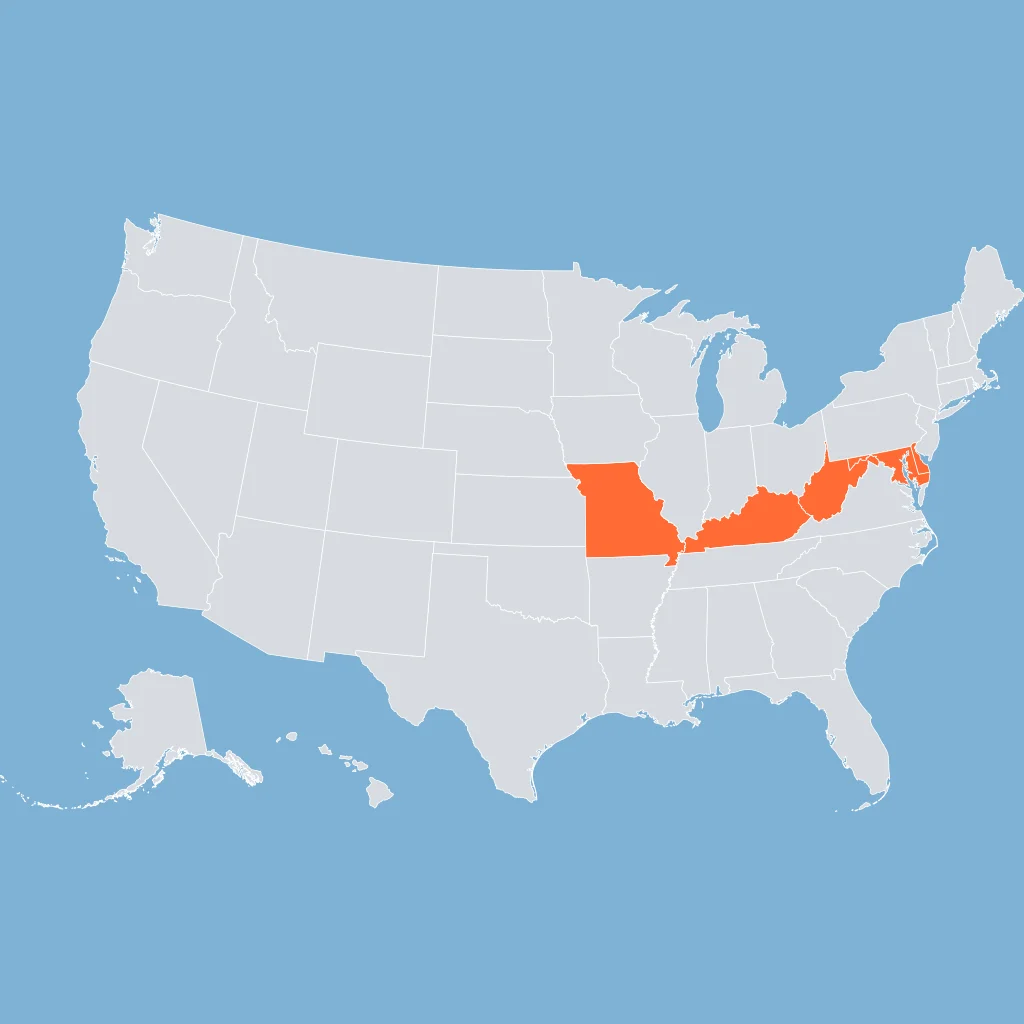
Maryland, Kentucky, Missouri, Delaware, and later West Virginia, shaded on the map, stayed in the Union despite slavery’s presence there. What were they called?
Two days after Lincoln called for volunteers in April 1861, a large upper South state voted to secede and later housed the Confederate capital. Which state was it?
Delegates from the seceded states meeting in Montgomery, Alabama, adopted a permanent founding document for the new Confederacy on March 11, 1861. What was this document?
In July 1861, Union troops marching toward Richmond were routed in Virginia, showing many Americans the war would not be short. Which battle was it?
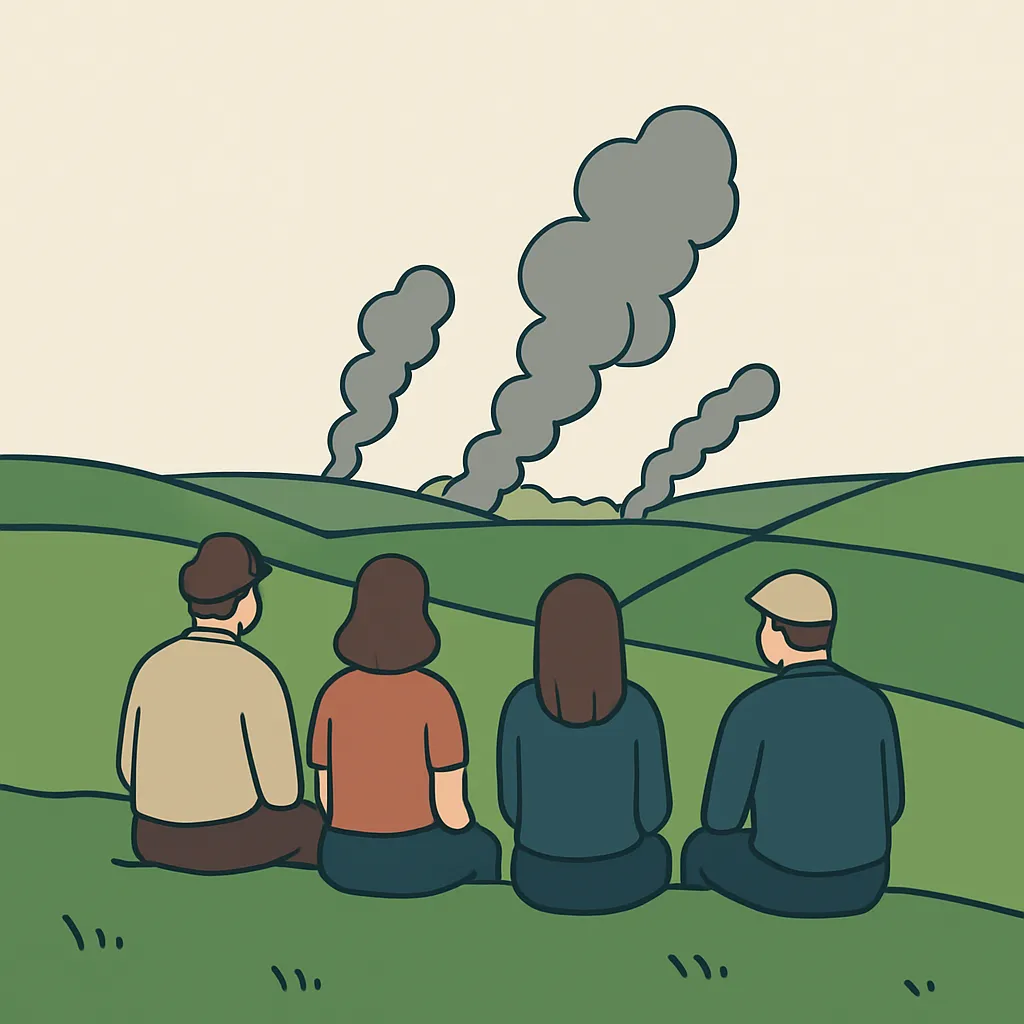
In February 1862, Grant captured this Confederate stronghold on the Cumberland River and demanded unconditional surrender, which made him famous. Which battle was it?
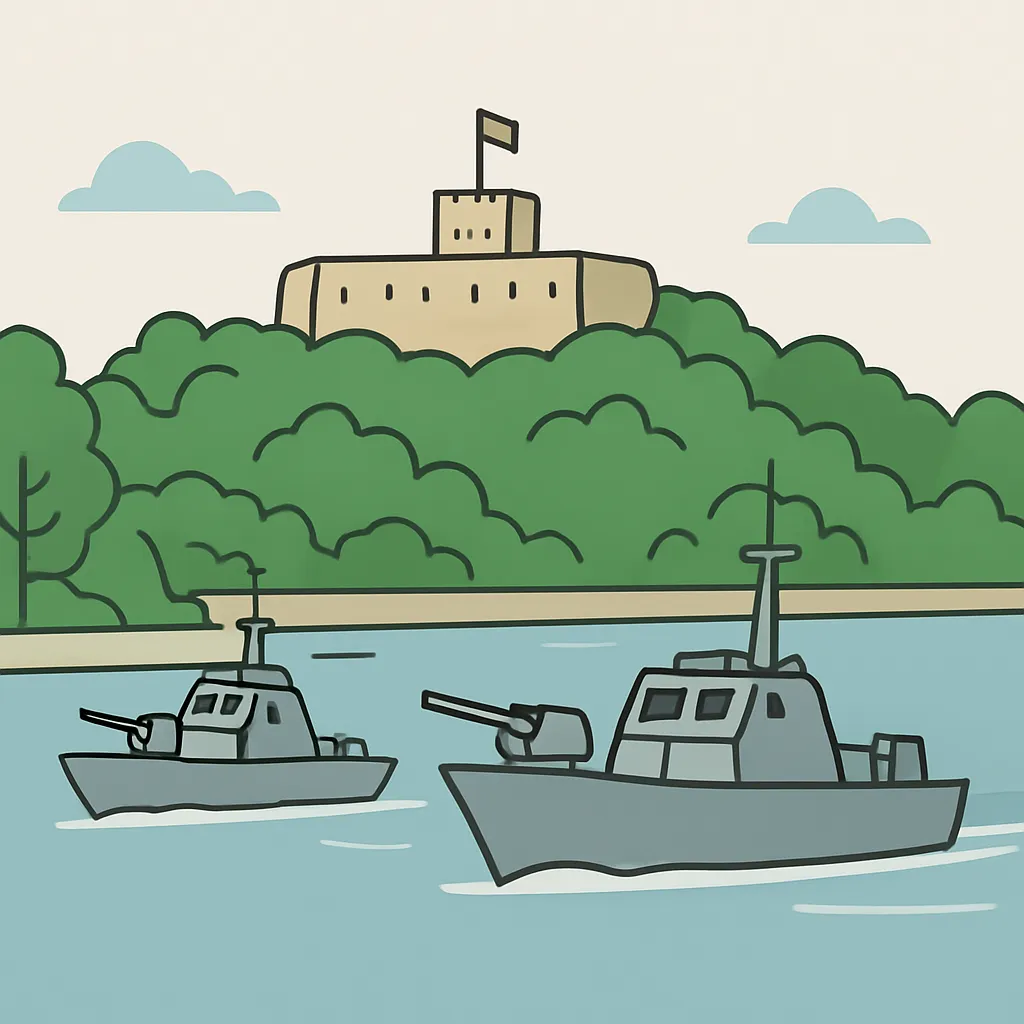
Two armored ships fought to a draw in March 1862, showing that ironclads could change naval warfare. Which battle was it?
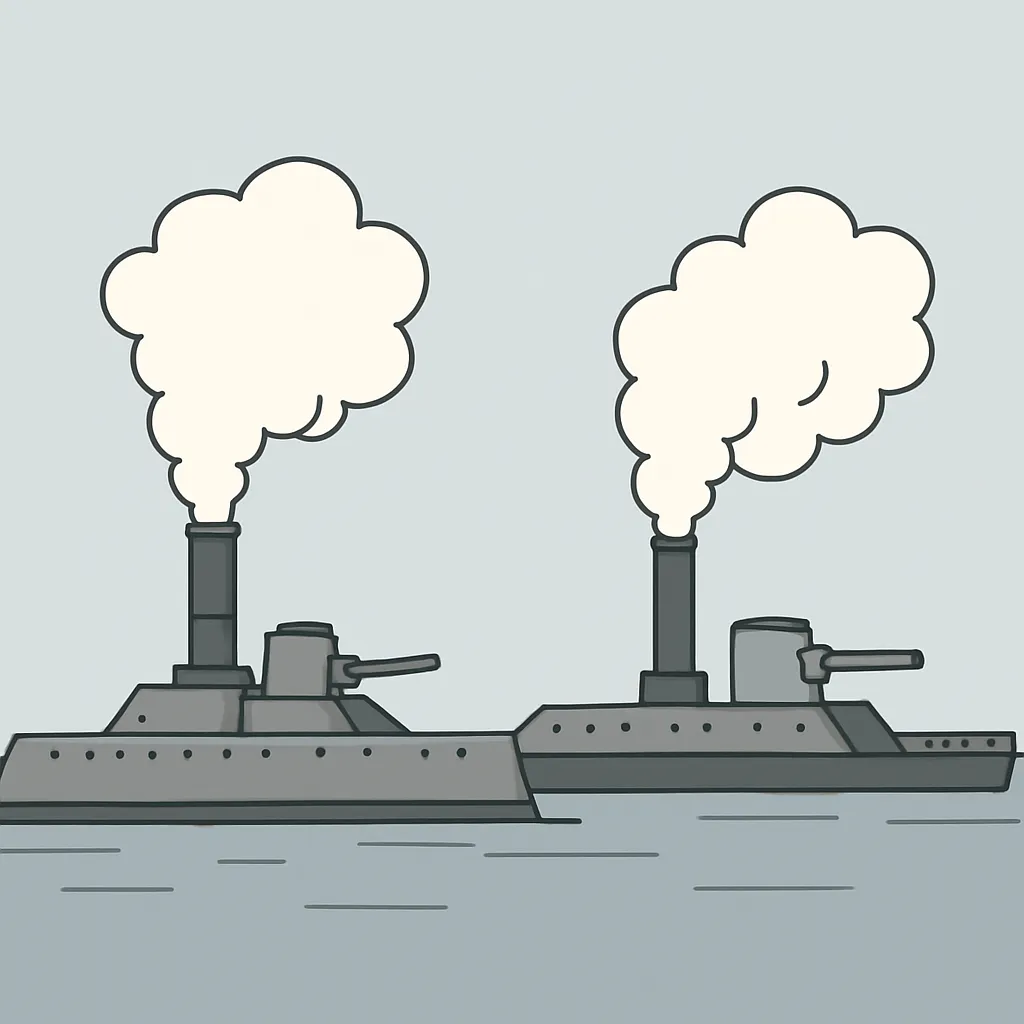
A two-day battle near Pittsburg Landing shocked the nation with heavy casualties and kept the Union advance in Tennessee alive. Which battle was it?
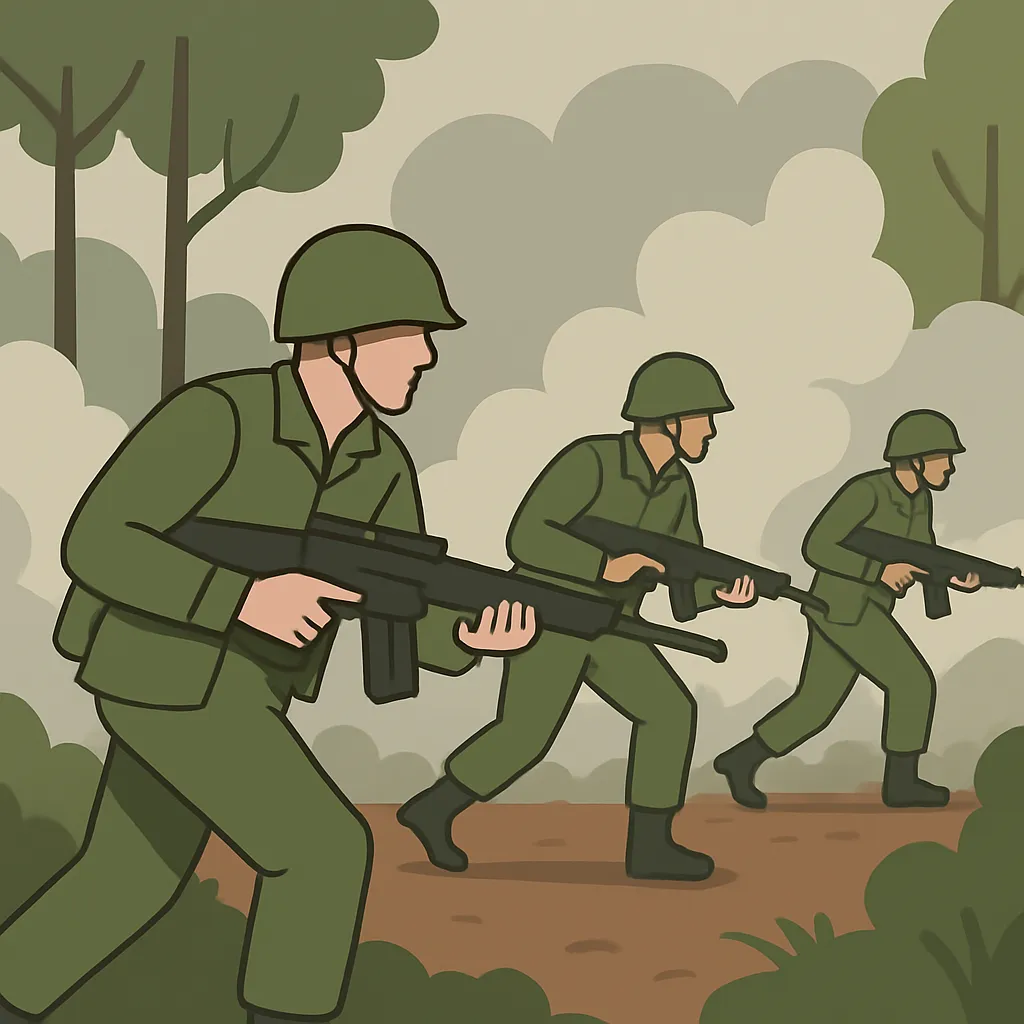
This Maryland battle was the single bloodiest day in U.S. history and gave Lincoln the opening for a preliminary emancipation order. Which battle was it?
A Union victory in Pennsylvania stopped Lee’s invasion of the North and became a major turning point in the eastern theater. Which battle was it?
A Mississippi River stronghold surrendered on July 4, 1863, splitting the Confederacy and boosting Grant’s reputation. Which victory was it?
Sherman’s capture of a Confederate rail center in Georgia raised Northern morale and helped Lincoln’s reelection in 1864. Which campaign produced this result?
A Union army left Atlanta, cut communications, lived off the land, and captured Savannah in late 1864. Which campaign was this?
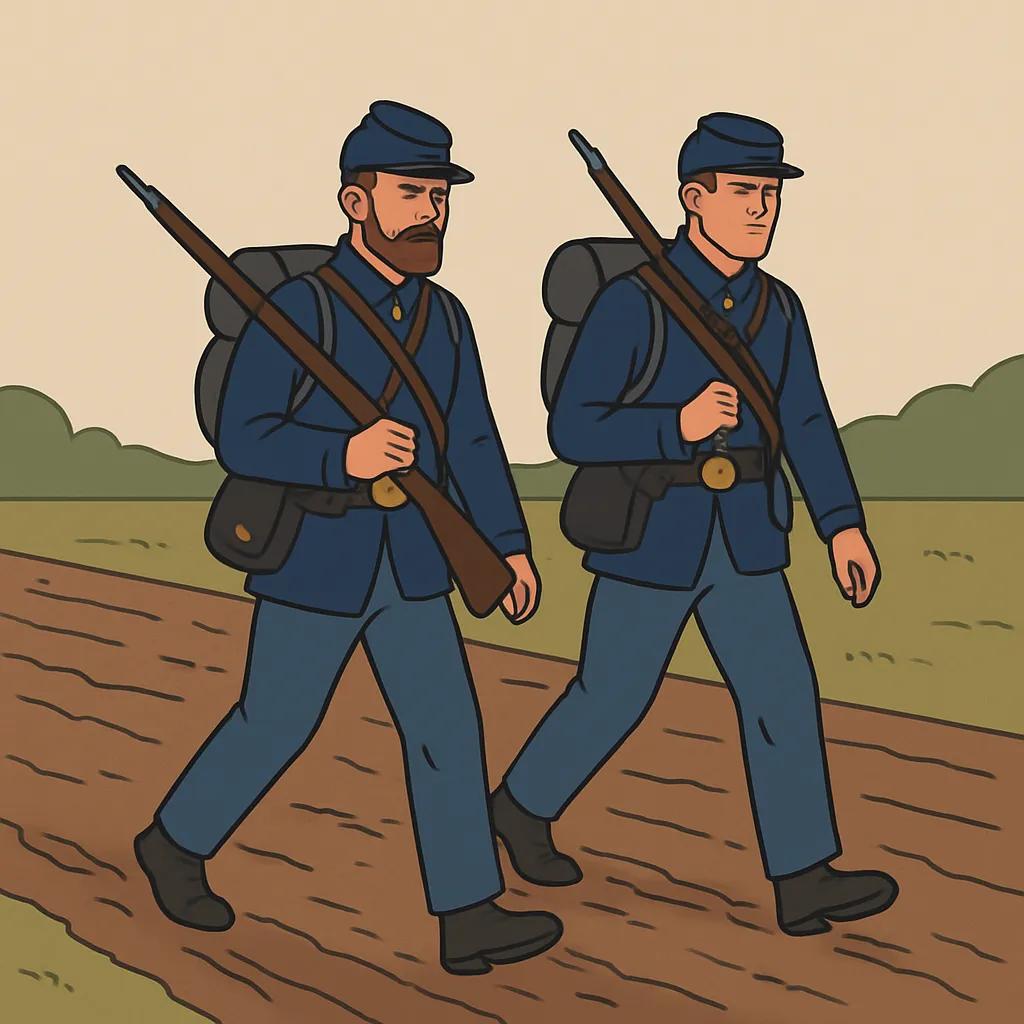
Robert E. Lee surrendered the Army of Northern Virginia to Ulysses S. Grant in April 1865, signaling the war’s effective end. Where did this occur?
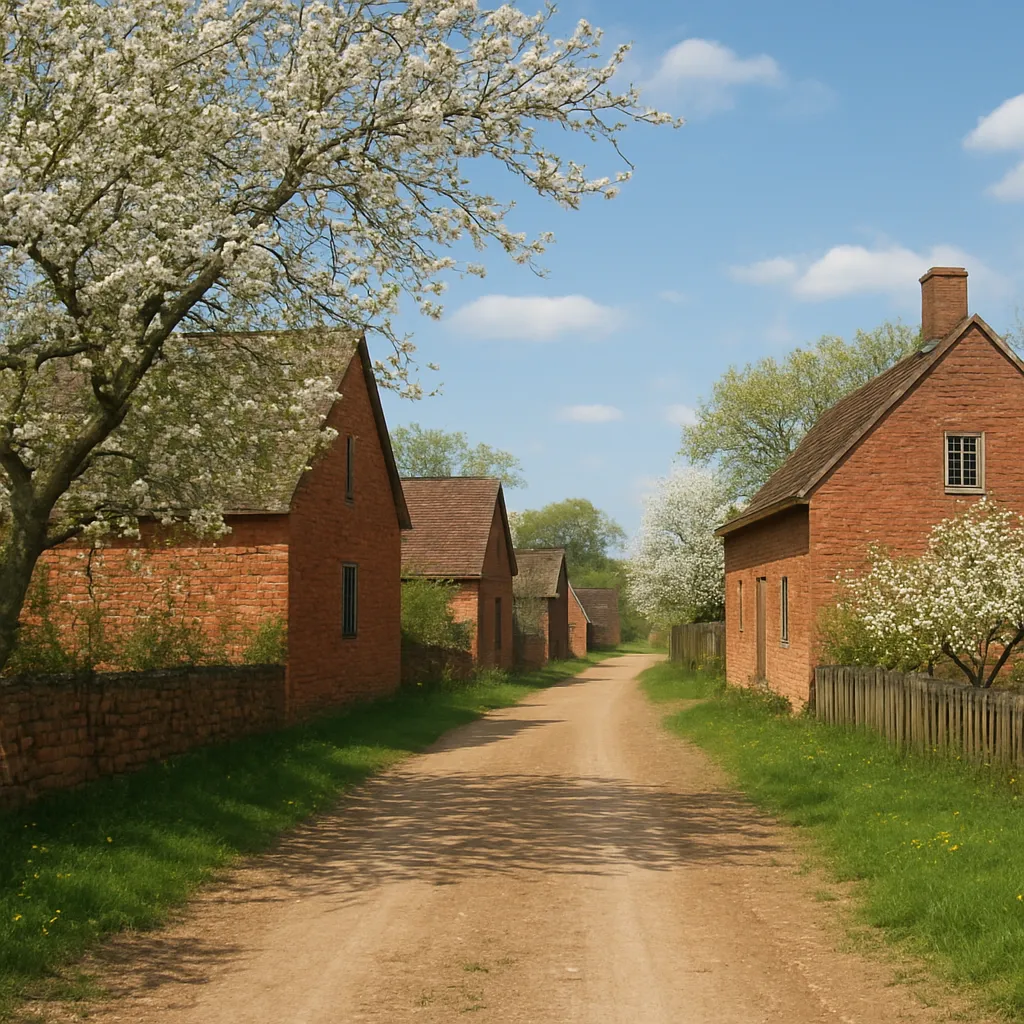
Lincoln's 1863 Reconstruction plan let a former Confederate state form a new government once a small share of its voters swore loyalty. Which plan was it?
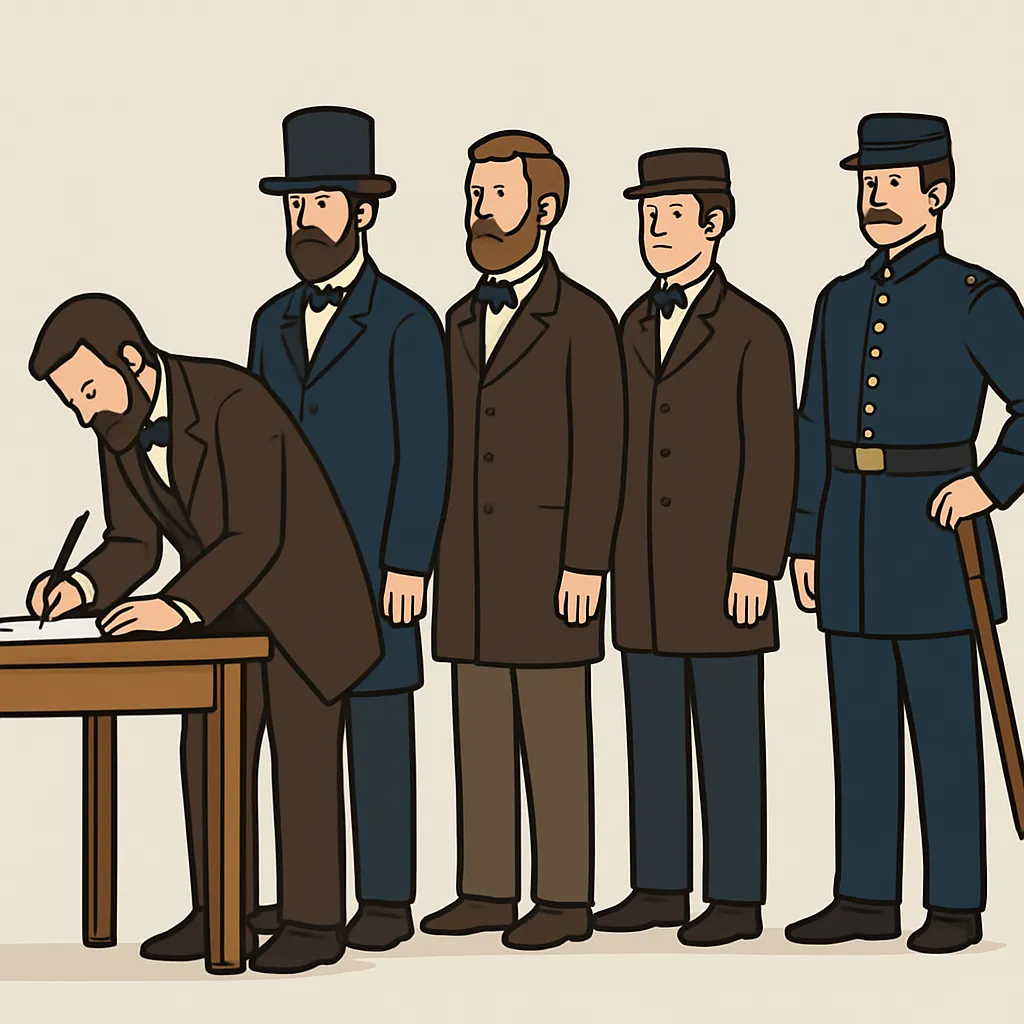
Congress proposed a stricter Reconstruction plan that required a majority of white male voters in a former Confederate state to swear loyalty before readmission. Which measure was it?
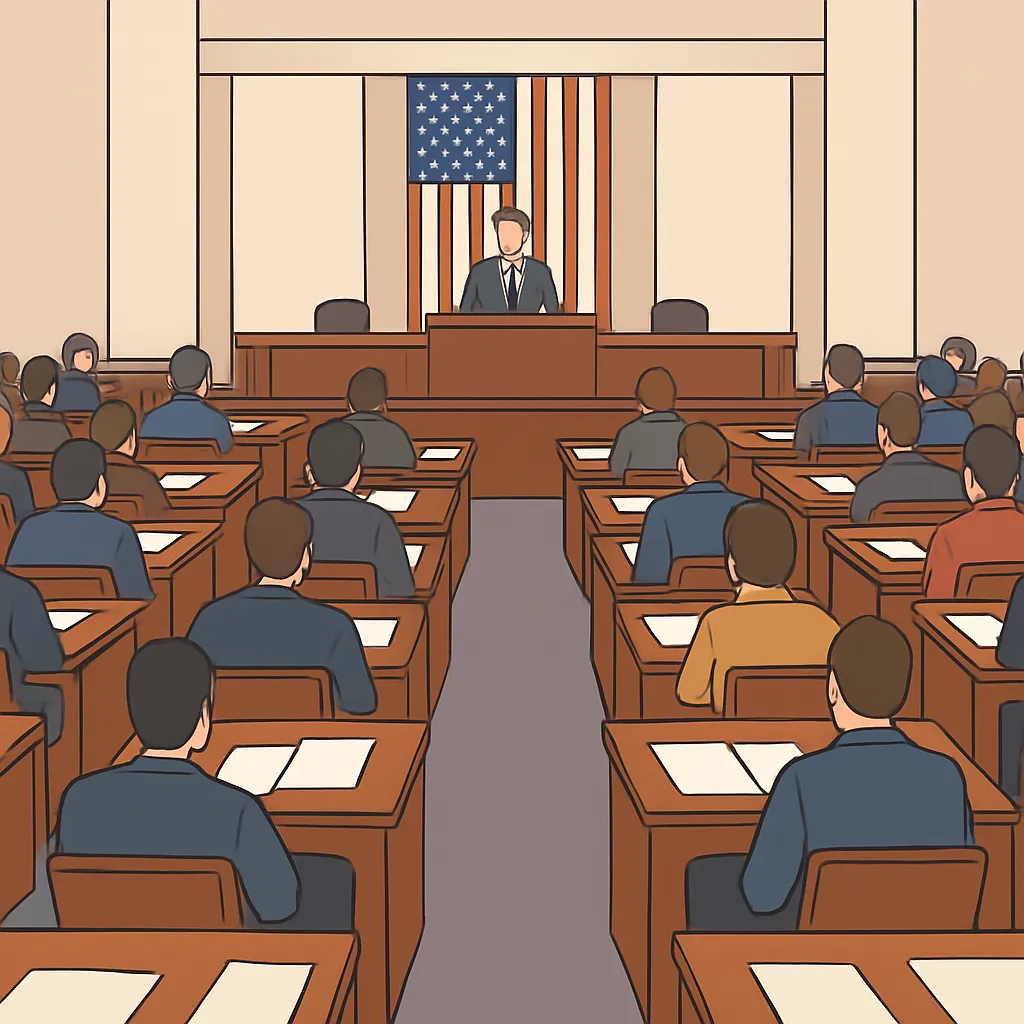
An agency created in 1865 helped formerly enslaved people with schools, food, medical aid, legal help, and labor contracts. Which agency was it?
Southern legislatures passed laws in 1865 and 1866 that restricted freedpeople’s rights and pushed them into yearly labor contracts. What were these laws called?
A law defined people born in the United States as national citizens with equal legal rights and passed over Johnson's veto. Which law was it?
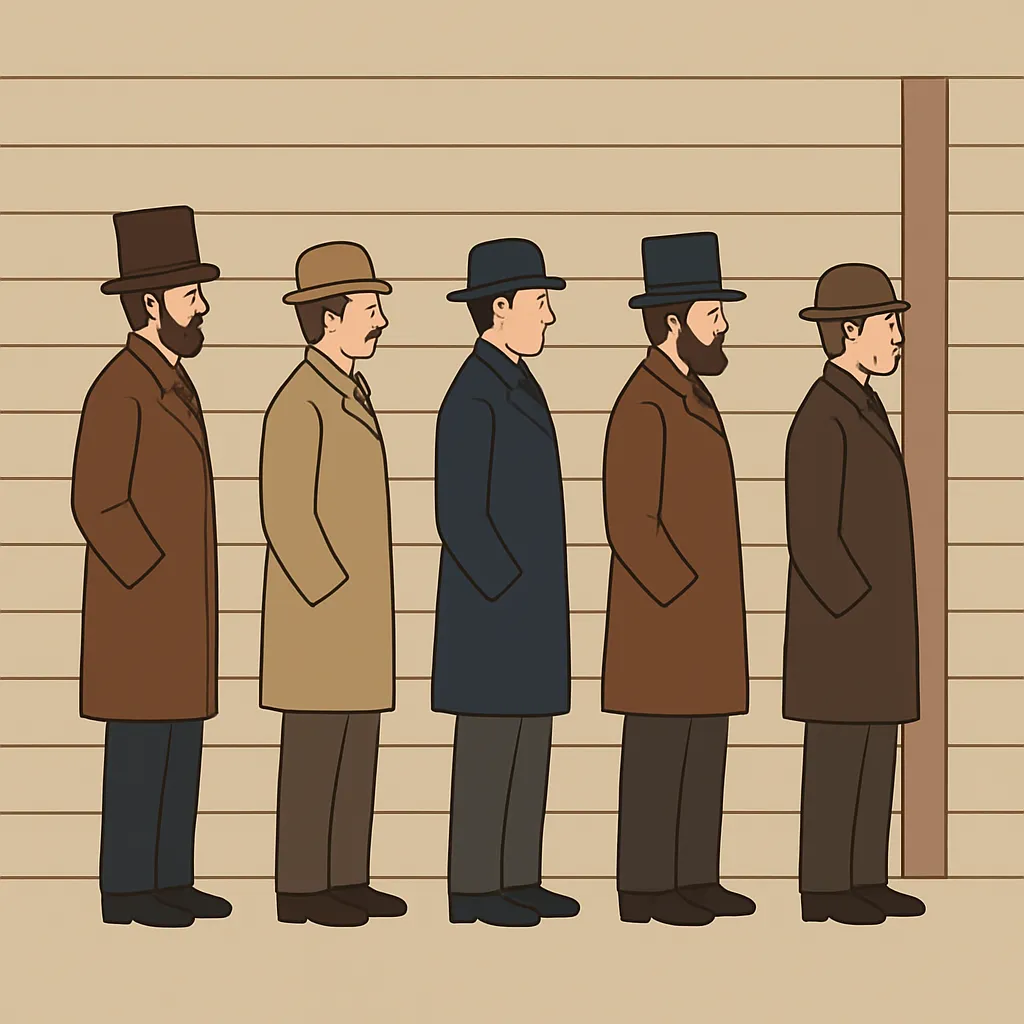
One Reconstruction amendment abolished slavery and involuntary servitude except as punishment for crime. Which amendment was it?
One Reconstruction amendment granted birthright citizenship and promised equal protection of the laws. Which amendment was it?
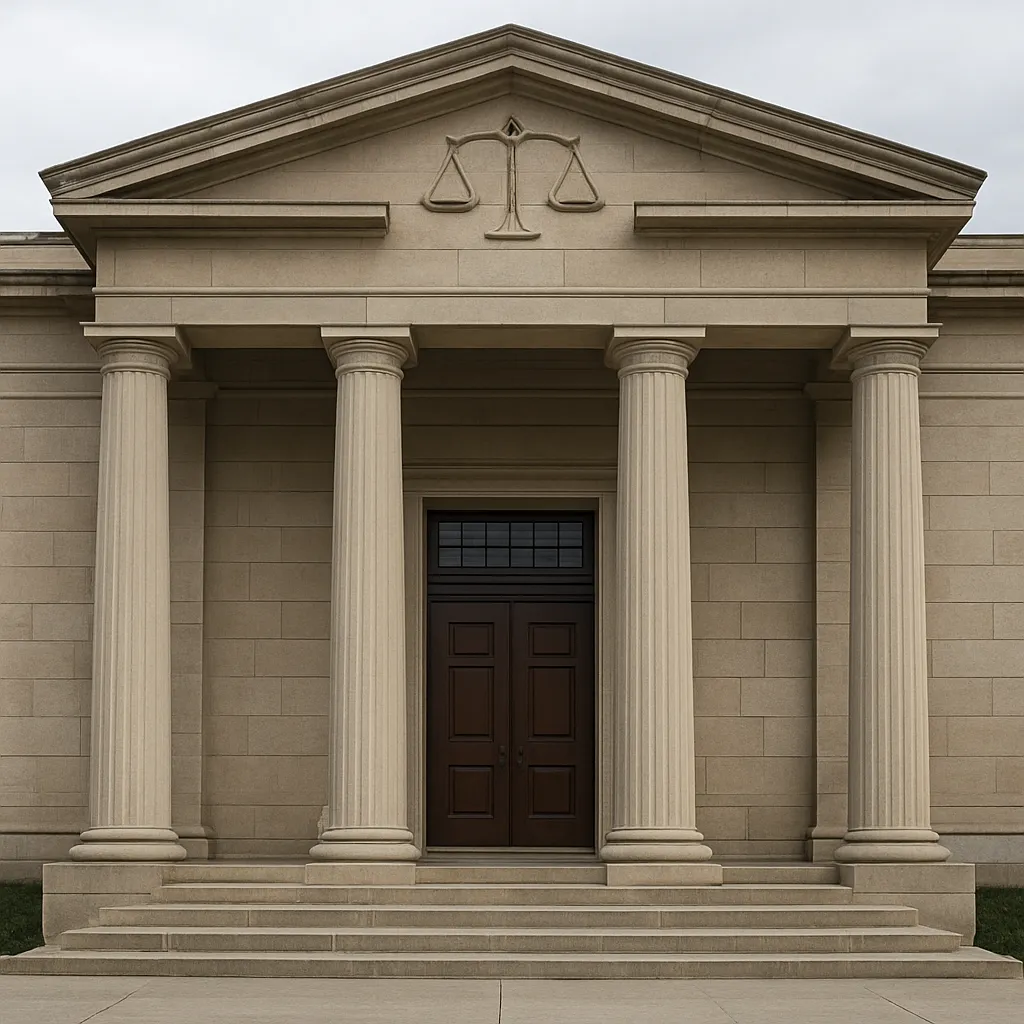
One Reconstruction amendment barred denial of voting rights because of race, color, or previous condition of servitude. Which amendment was it?
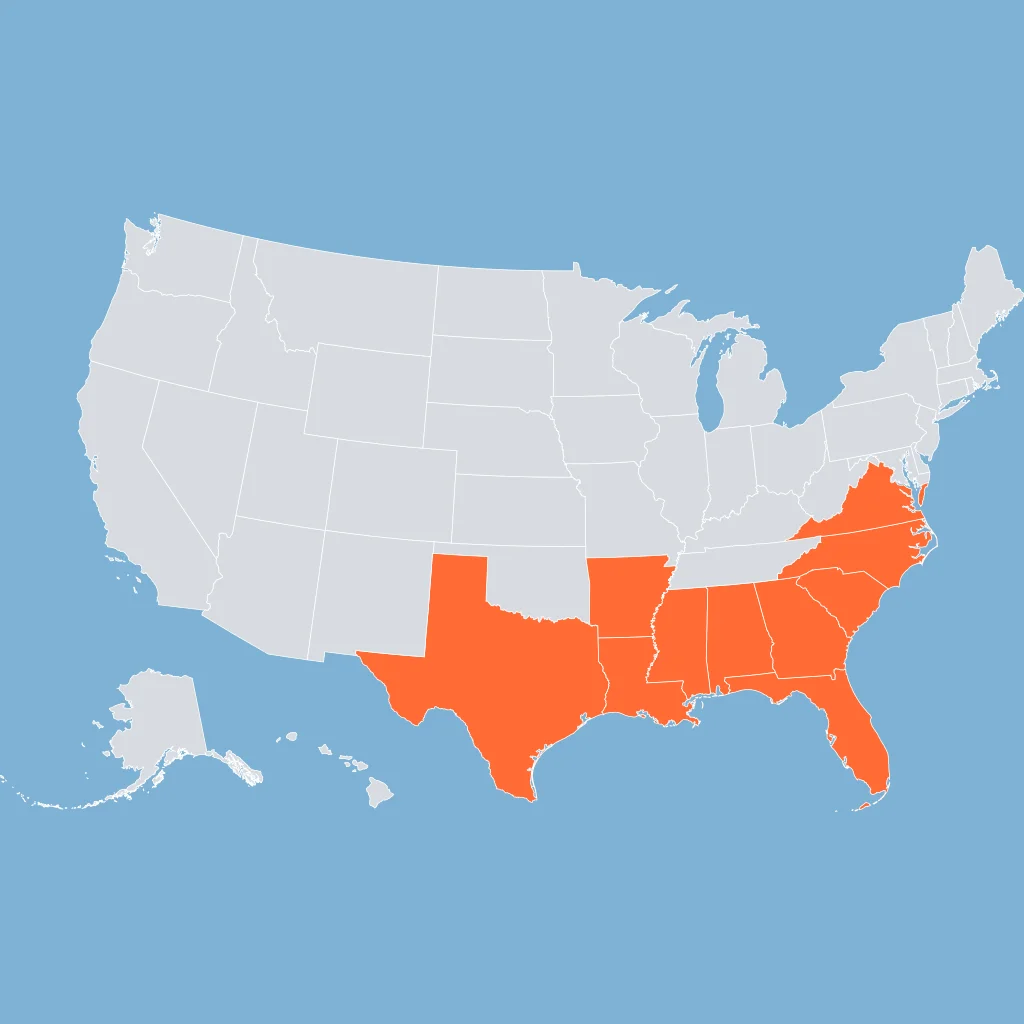
Congress divided ten former Confederate states, shaded on the map, into five military districts and set rules for new state governments. Which policy did this?
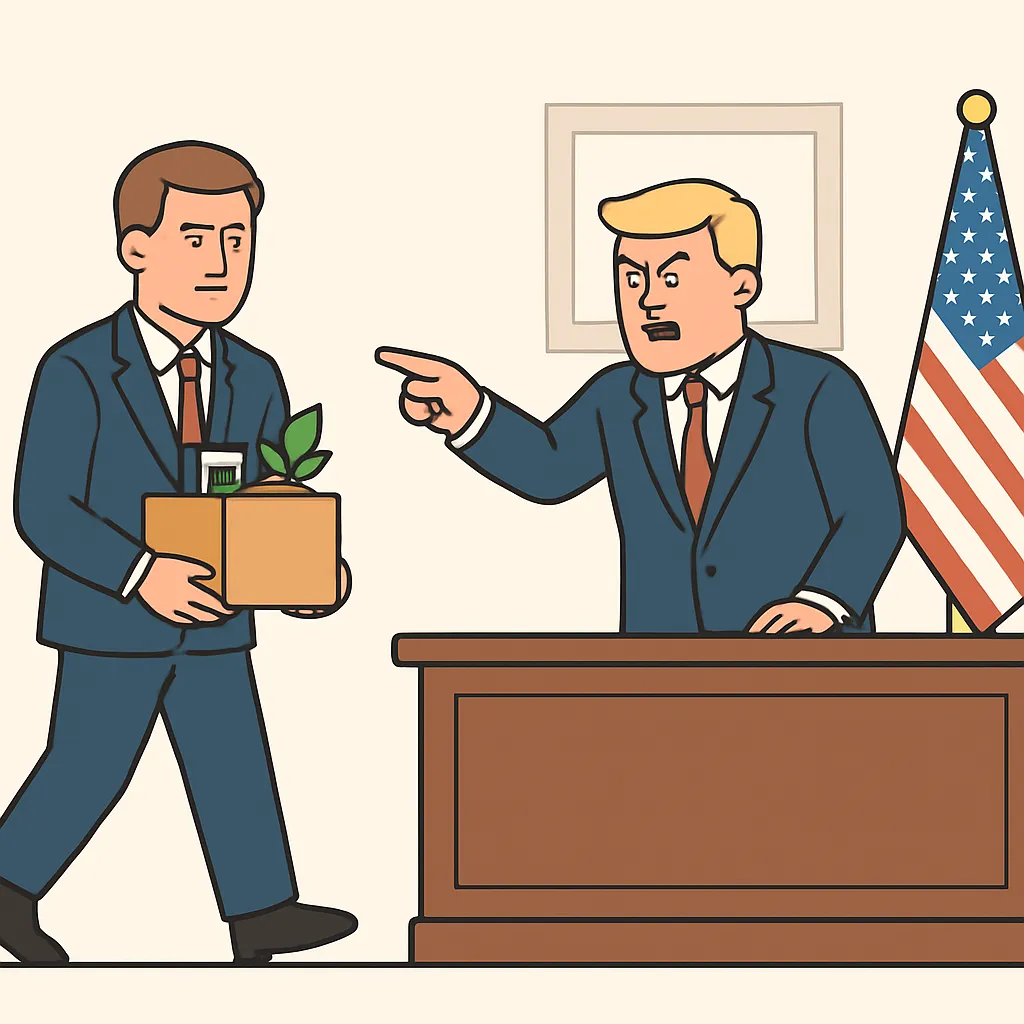
A dispute over Andrew Johnson’s removal of Edwin Stanton led the House to impeach Johnson in 1868. Which law was central to the charge?
Congress passed laws in 1870 and 1871 to fight terror and force used to stop Black citizens from voting. Which laws were these?
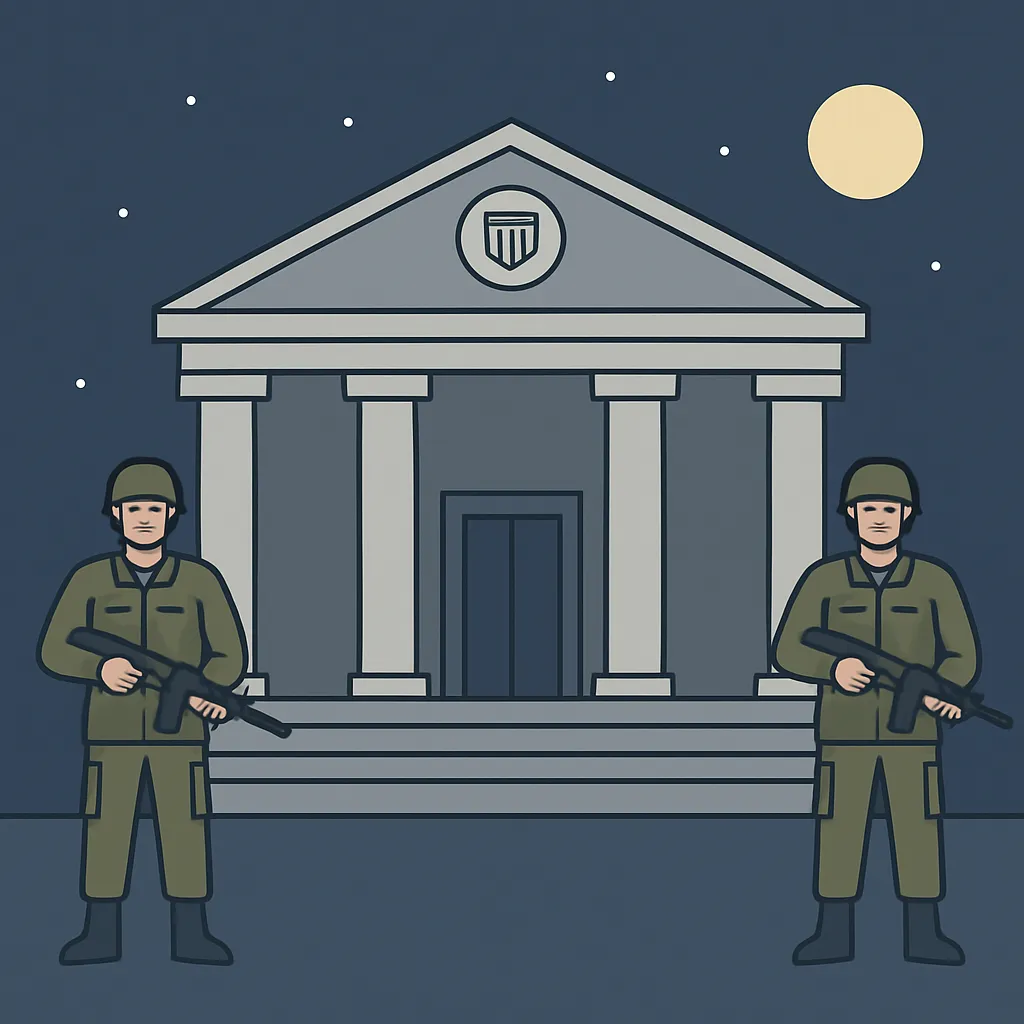
A political deal after the disputed 1876 election removed the last federal troops from the South and ended federal Reconstruction. What was it?
Crack the passcode before the zombies get in.
Answer, then swat bugs for bonus points.
Race through questions at your own speed.
Same question on every screen. Fastest wins.

Pick a tile, answer, hit bonuses and steals.
Review: Expansion, Industry and Reform
40 questions