Loading
by BlastRoom
Mixed review of major people, reforms, conflicts, and legal changes in modern U.S. history.
#review#us_grade_8_social_studies
40 questions
One question set, multiple game modes. Tap any game to see it in action. Not sure which to pick?
Answer to place stones and capture territory.
Outrun the snow together.
Earn blasts, then hunt the other team.
Answer to earn energy, then climb.

The class blasts through walls together.
Bid on mystery lots. Most money wins.
Sell tours. Nice, standard, or a total scam.

Answer, restock, and serve the rush.
More correct answers pulls the rope your way.
Answer, then shoot down the alien wave.
Answer, then tap to leap the frozen ridge.
A Scottish-born industrialist built a huge steel company in Pittsburgh and later funded thousands of public libraries. What industrialist was this?
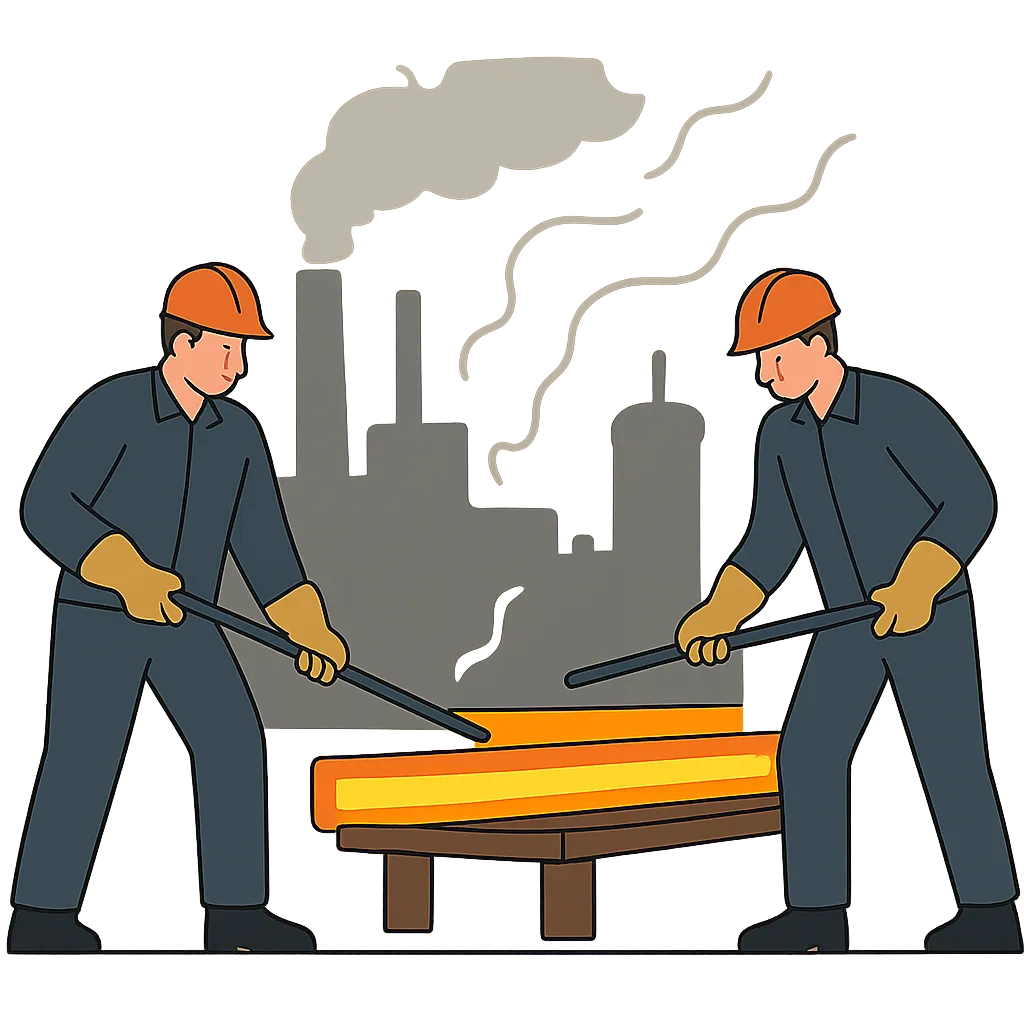
A businessman built Standard Oil into a dominant oil trust during the Gilded Age. What industrialist was this?
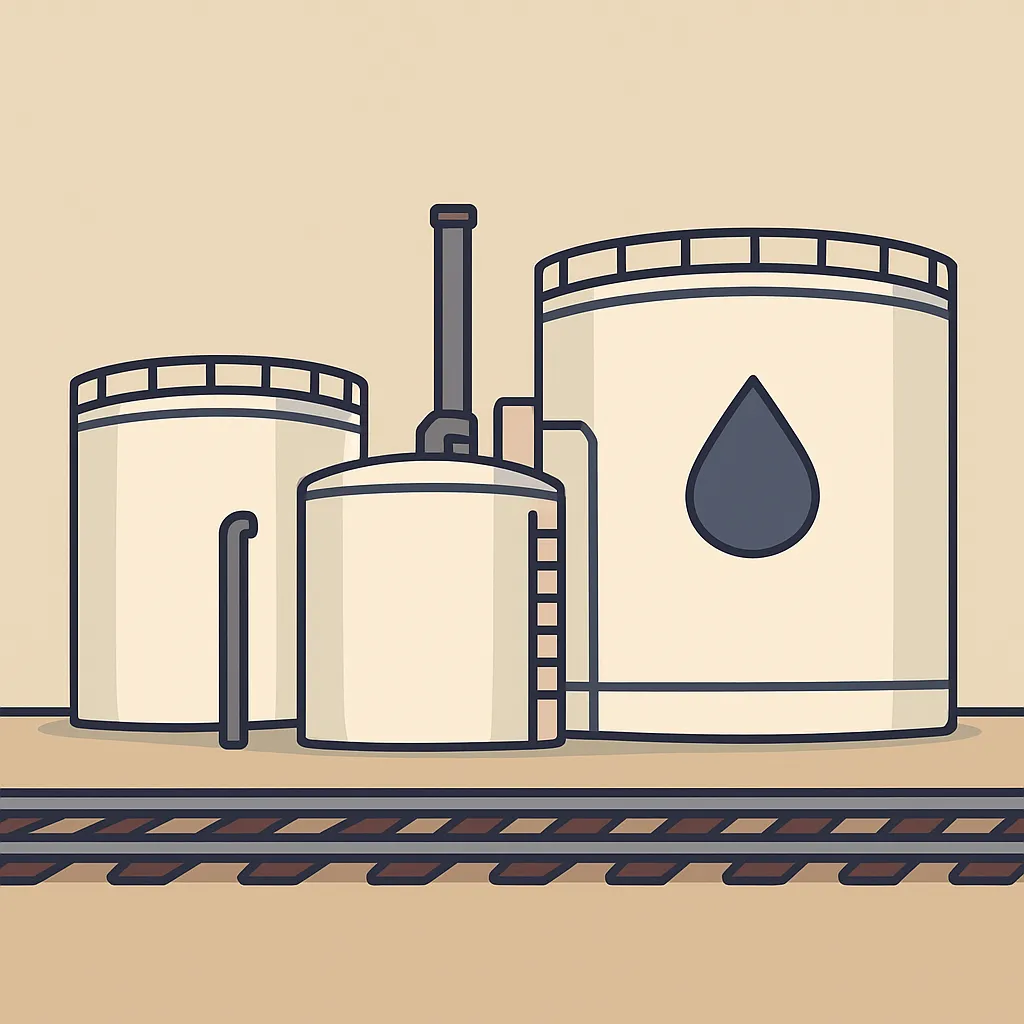
A powerful banker bought Carnegie Steel in 1901 and helped create U.S. Steel. What financier was this?
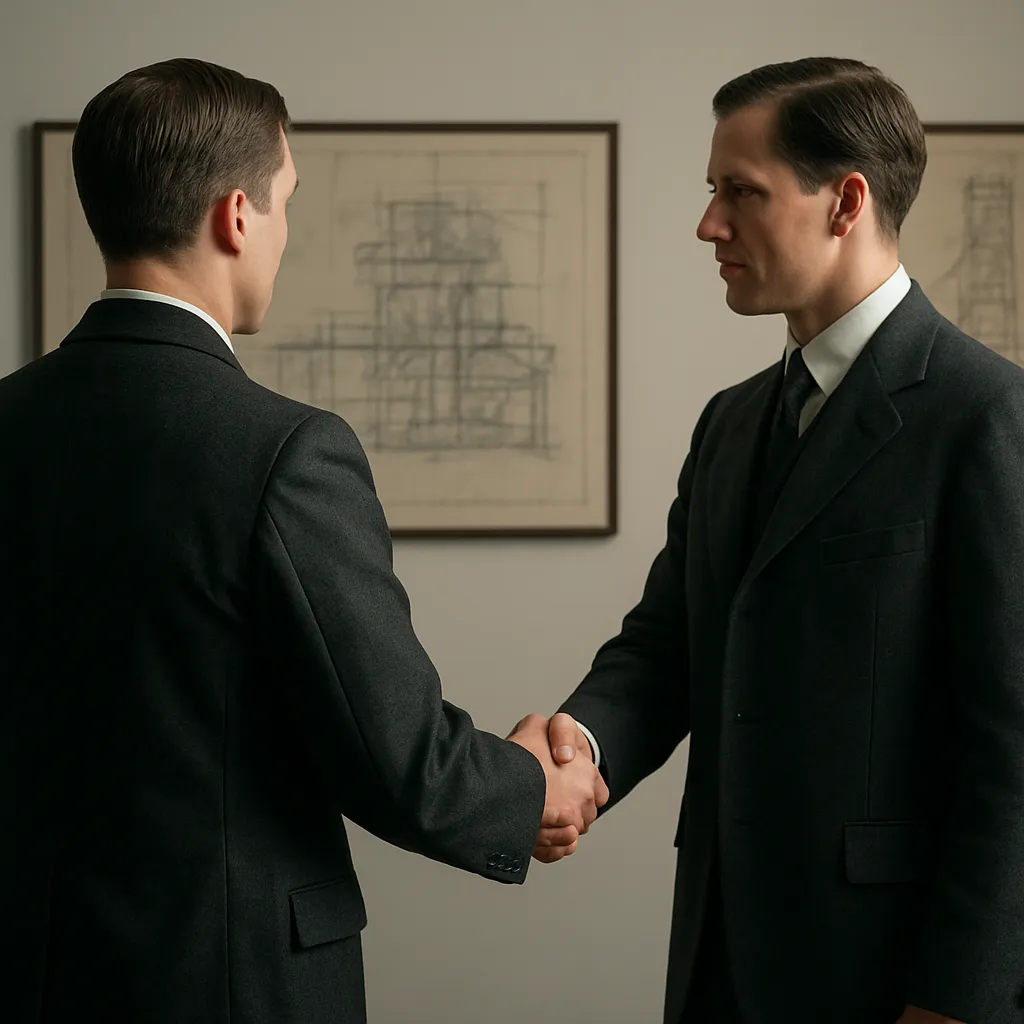
A transportation magnate built a fortune in steamships and railroads, including the New York Central system. What businessman was this?
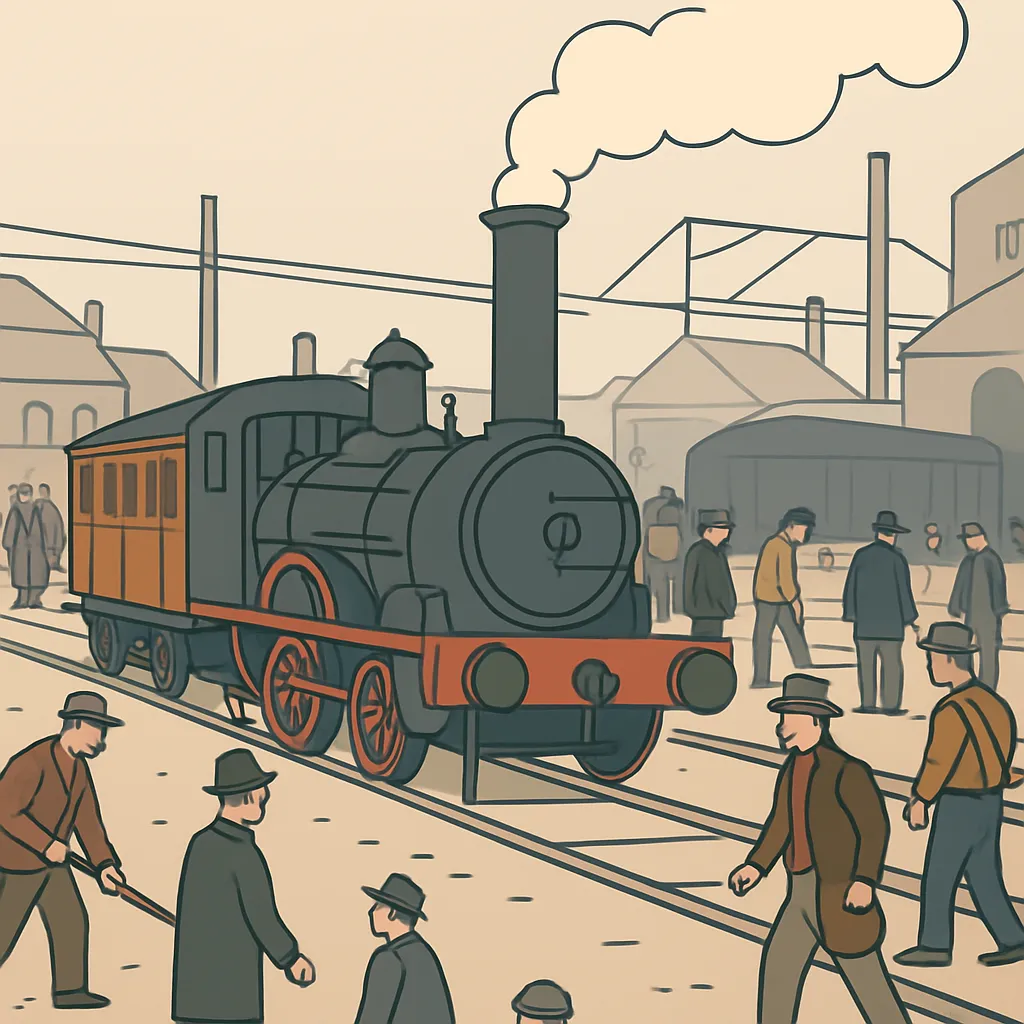
An automaker used the moving assembly line at Highland Park to produce Model T cars faster and cheaper. What industrialist was this?
An inventor at Menlo Park developed the phonograph and a practical incandescent electric lighting system. What inventor was this?

A labor leader headed the American Federation of Labor and focused on wages, hours, and working conditions. What leader was this?
A union leader headed the American Railway Union during the Pullman Strike and later ran for president as a socialist. What leader was this?
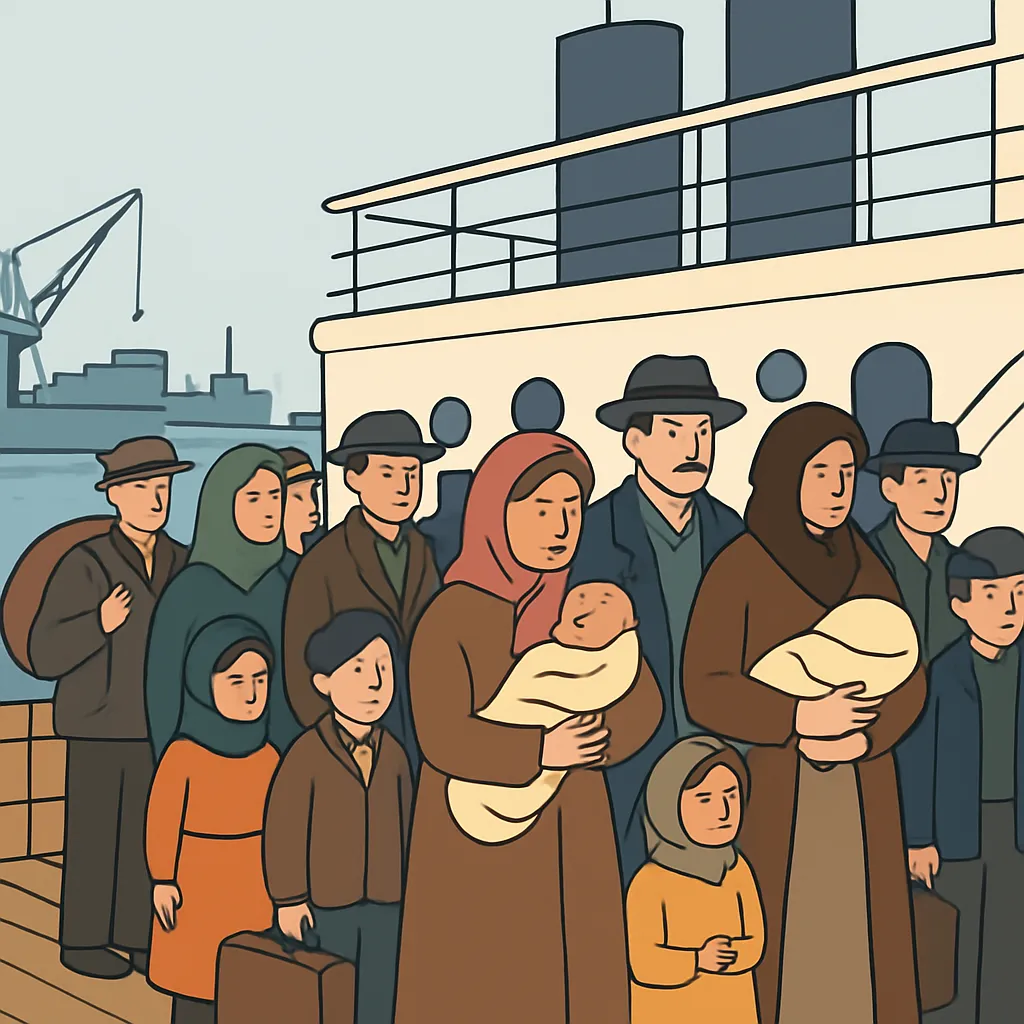
After 1892, millions of immigrants entering New York Harbor were processed at a federal inspection station. What station was this?
A 1907 diplomatic deal between the United States and Japan restricted immigration by laborers from Japan and Korea. What was it called?
A 1920s law used the 1890 census to set national-origins quotas that sharply cut immigration from southern and eastern Europe. What law was this?
A Chicago settlement house offered child care, classes, and legal aid to immigrant and working-class neighbors. Who co-founded it in 1889?
A photojournalist exposed crowded tenement housing in How the Other Half Lives. What reformer was this?
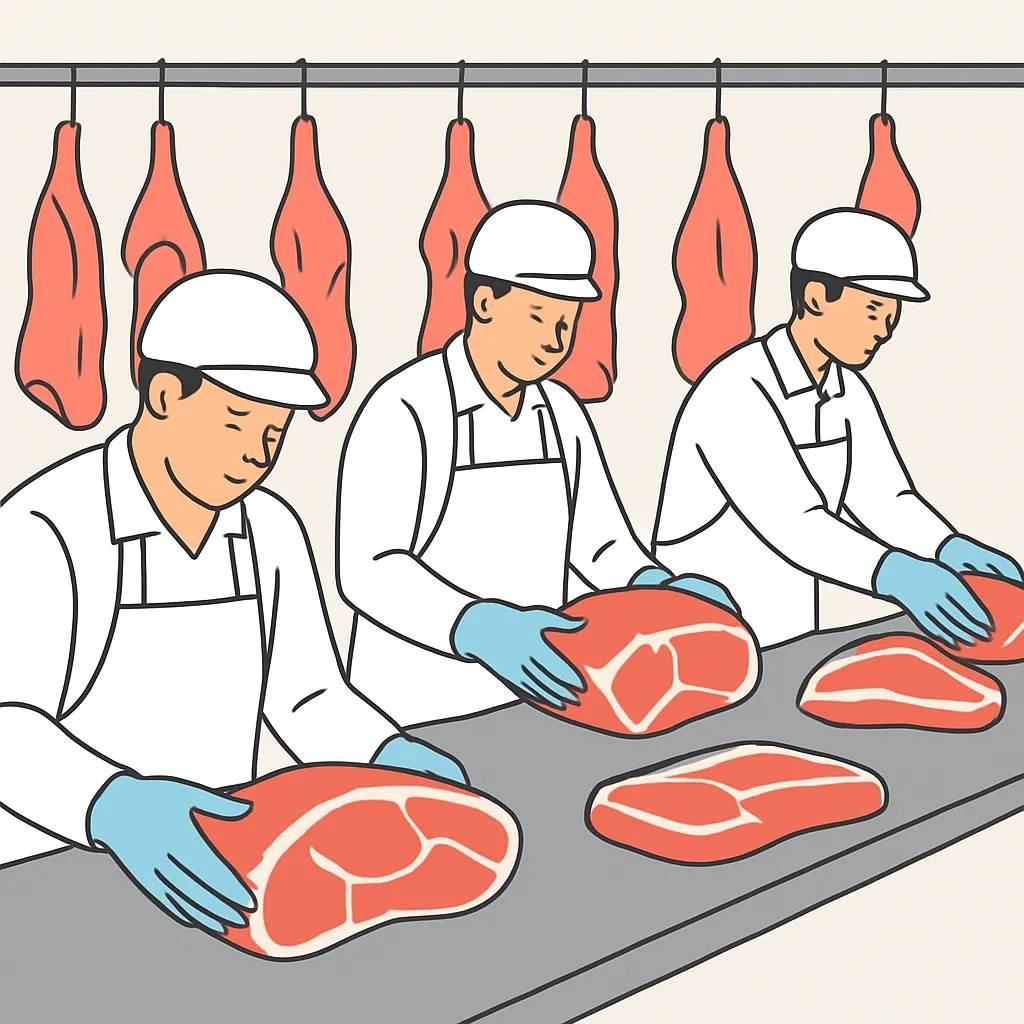
A novelist exposed meatpacking conditions in The Jungle, helping spur federal food and meat inspection laws. What writer was this?
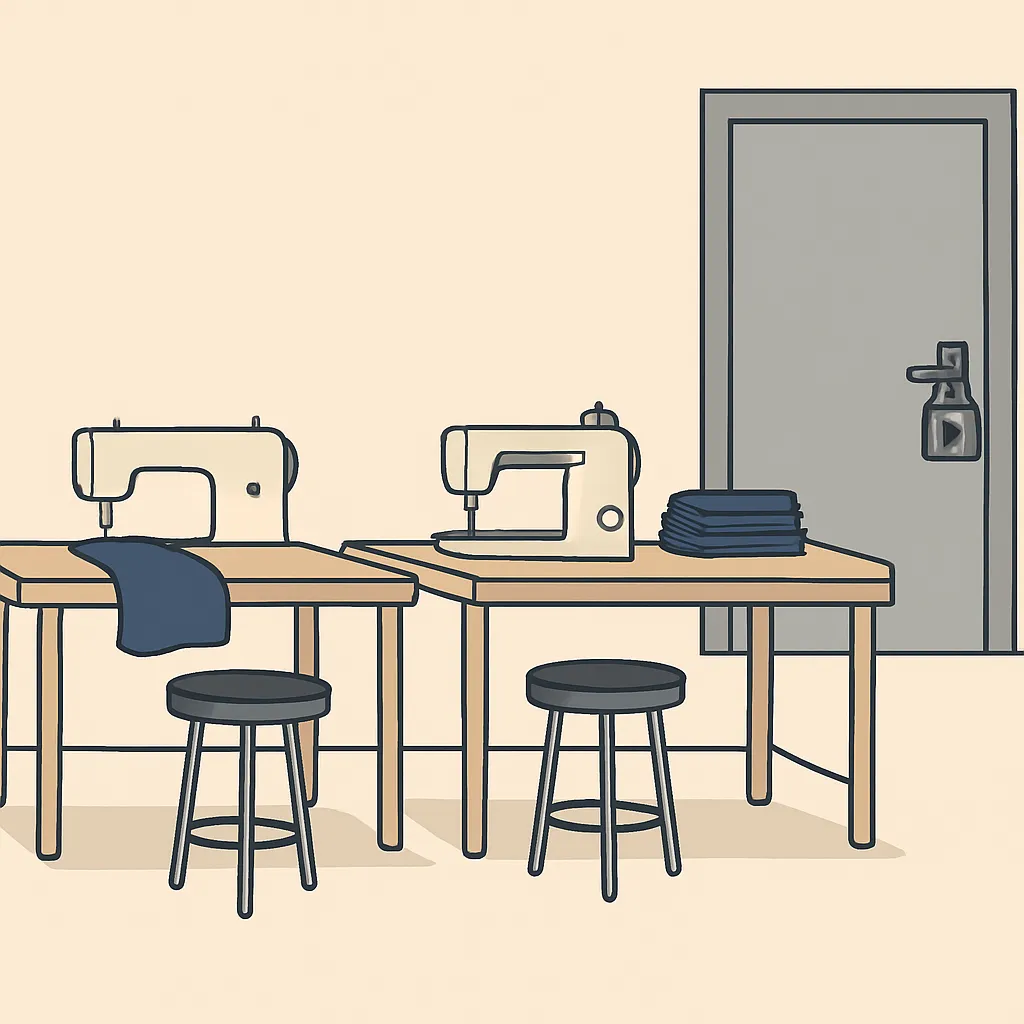
A 1911 disaster at a New York City clothing workshop killed 146 workers, many trapped behind locked doors. What event was this?
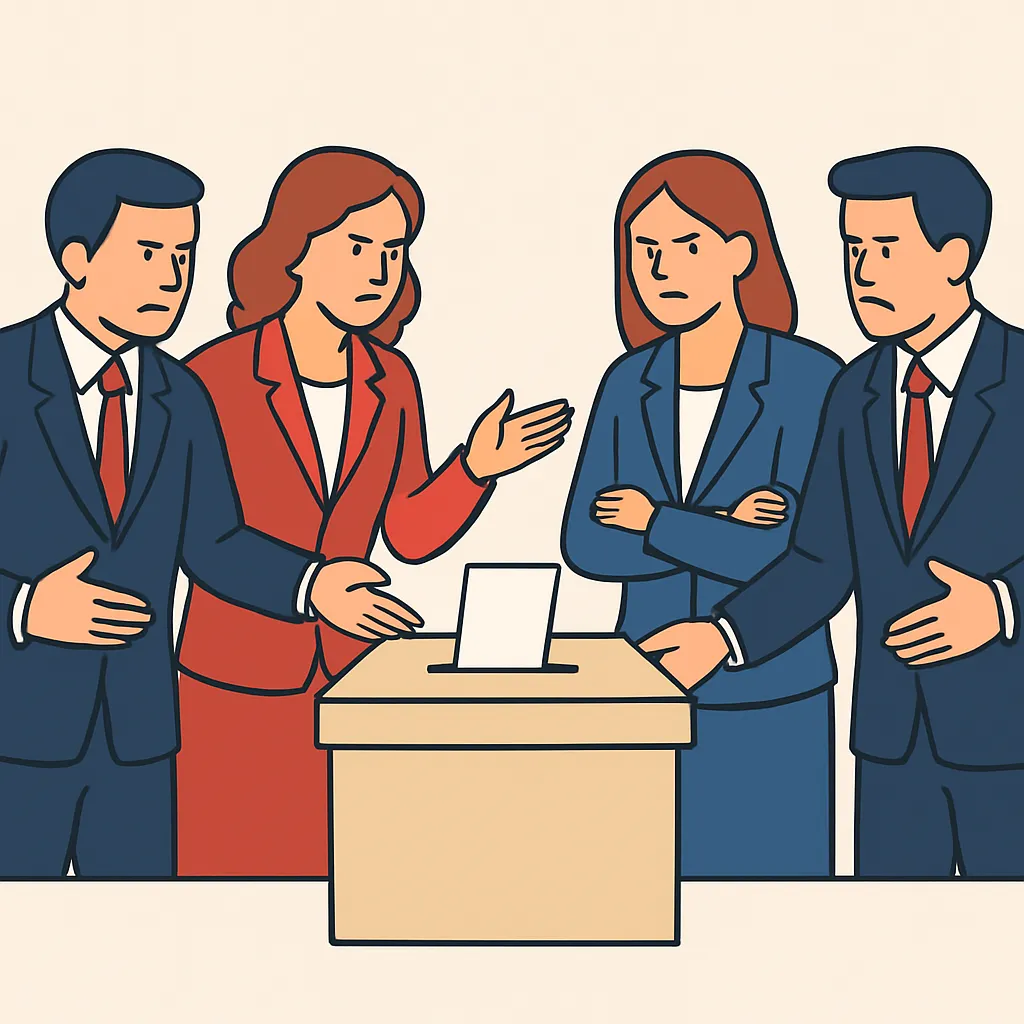
Progressives wanted voters, not state legislatures, to choose U.S. senators. What amendment made this change in 1913?
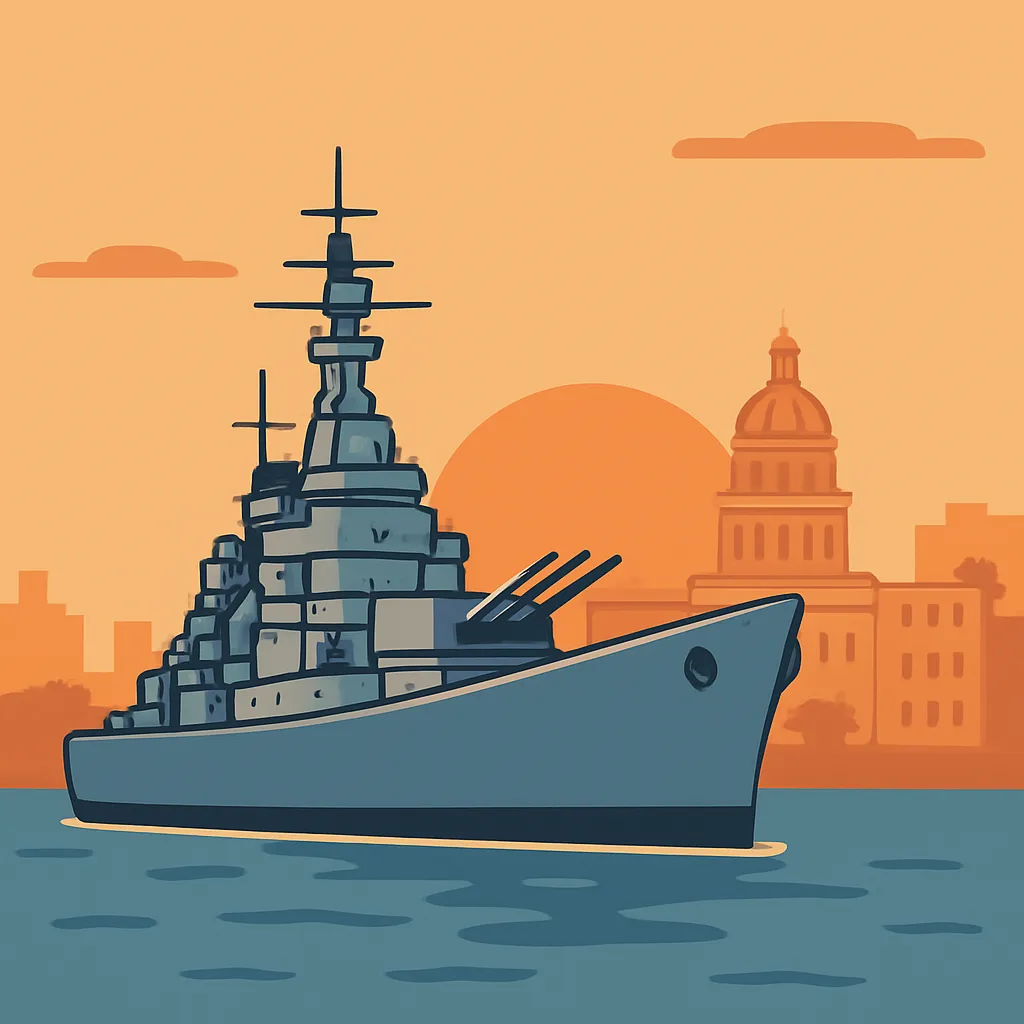
A U.S. battleship exploded in Havana Harbor in 1898, increasing pressure for war with Spain. What ship was it?
After a short war in 1898, the United States gained Puerto Rico, Guam, and the Philippines. What war was this?
A decoded German message offered Mexico an alliance against the United States in 1917. What document was this?
A surprise attack on a U.S. naval base in Hawaii led Congress to declare war on Japan. What event was this?
During World War II, an order authorized forced removal and incarceration of Japanese Americans from the West Coast. What order was it?
Allied forces landed in Normandy on June 6, 1944, opening a Western Front against Germany. What event was this?
A secret World War II program developed atomic bombs at sites including Los Alamos, Oak Ridge, and Hanford. What program was this?
An event in October 1929 wiped out the savings of many investors and helped trigger the Great Depression. What event was this?
A 1935 New Deal law created old-age benefits and unemployment insurance. What law was this?
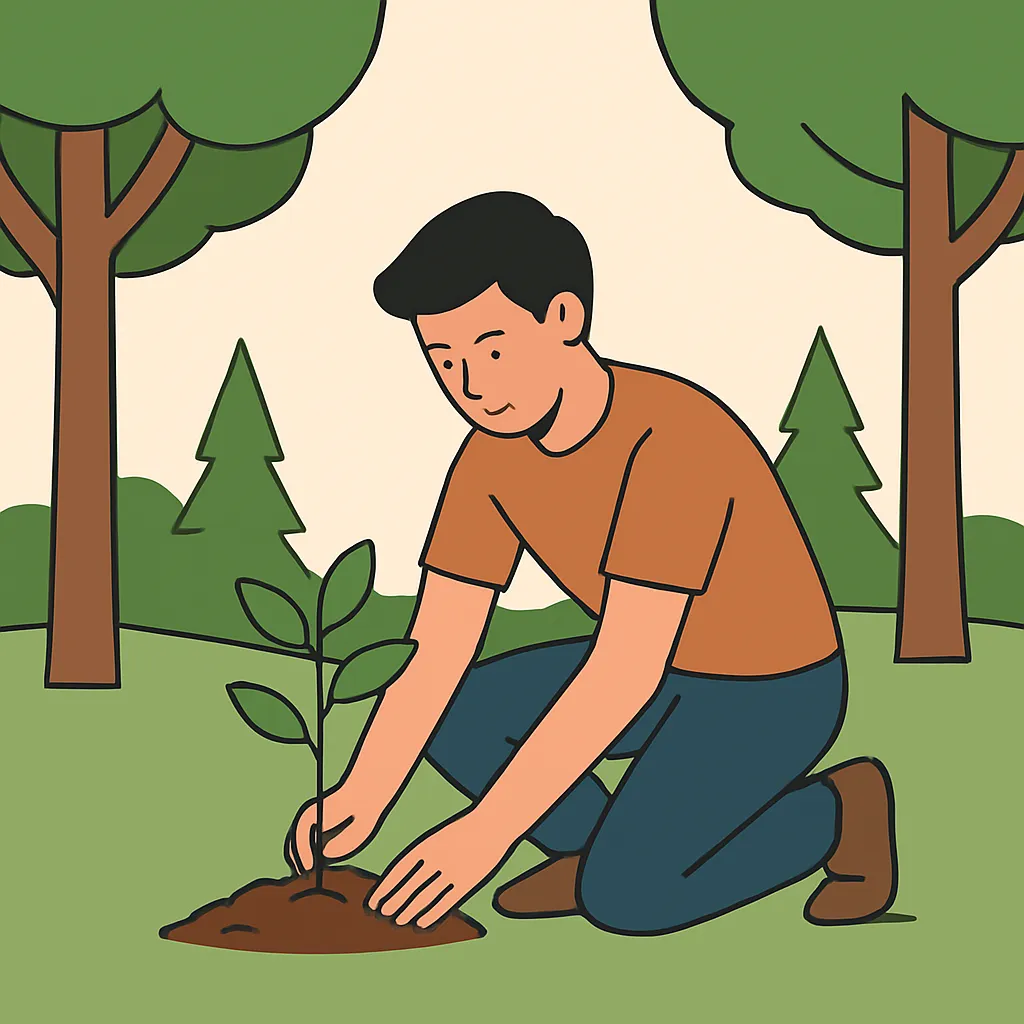
A New Deal agency put young unemployed men to work planting trees and improving parks. What agency was this?
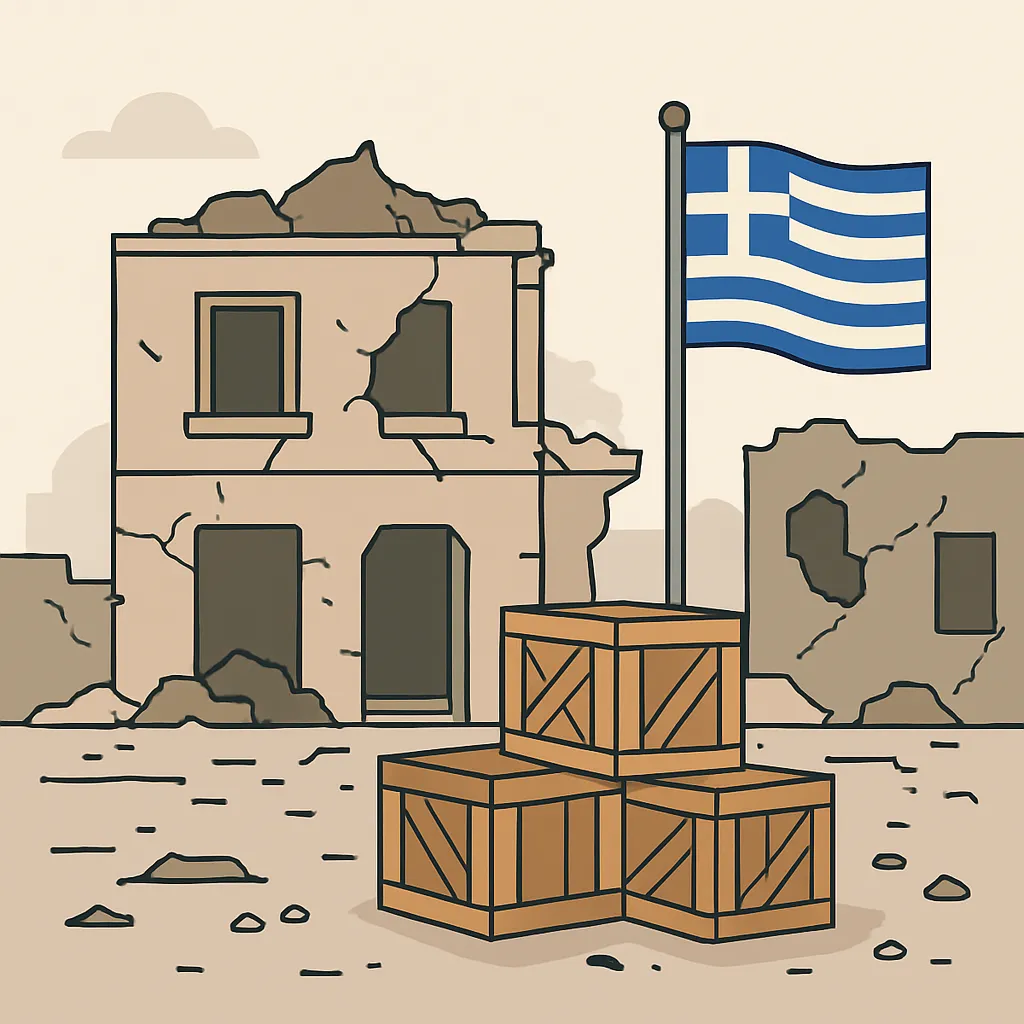
In 1947 the president asked Congress for aid to Greece and Turkey to resist communist pressure. What policy was this?
The United States funded European economic recovery after World War II to rebuild allies and support stability. What program was this?
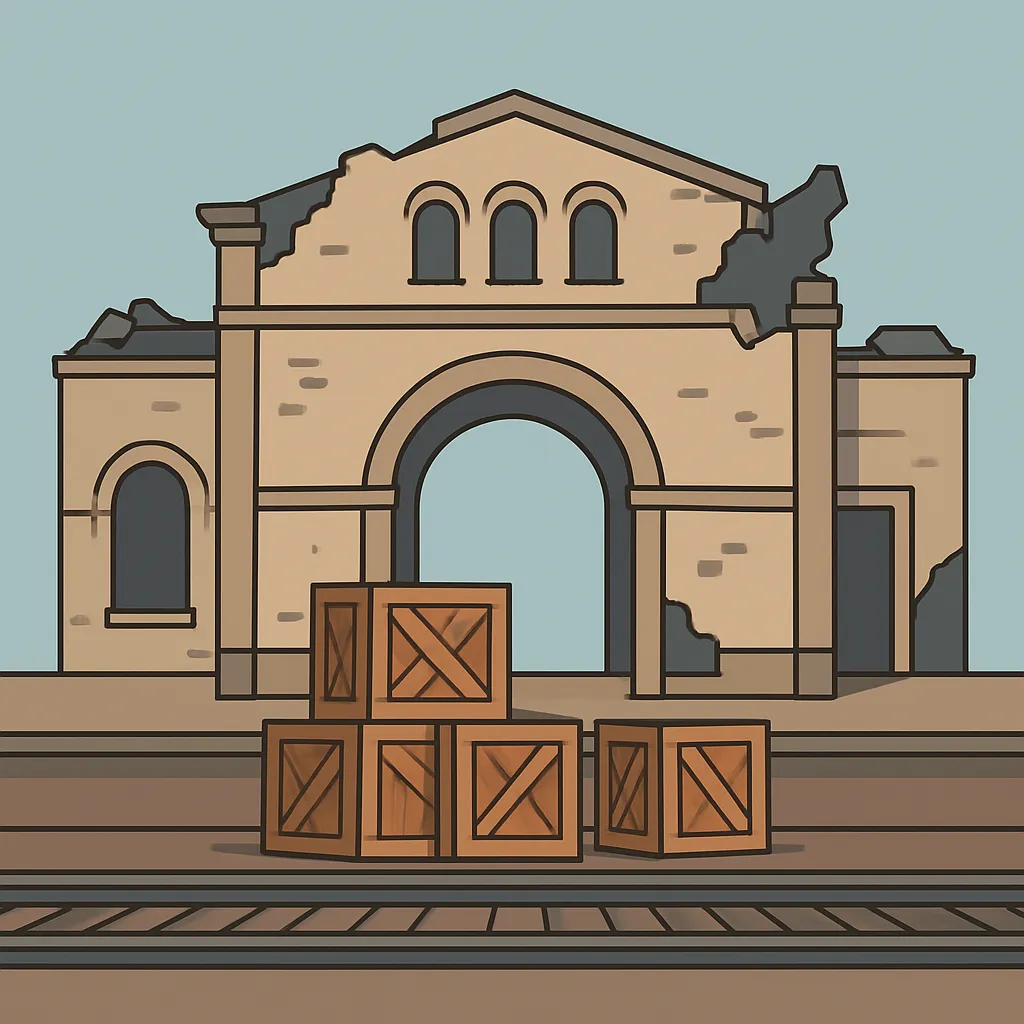
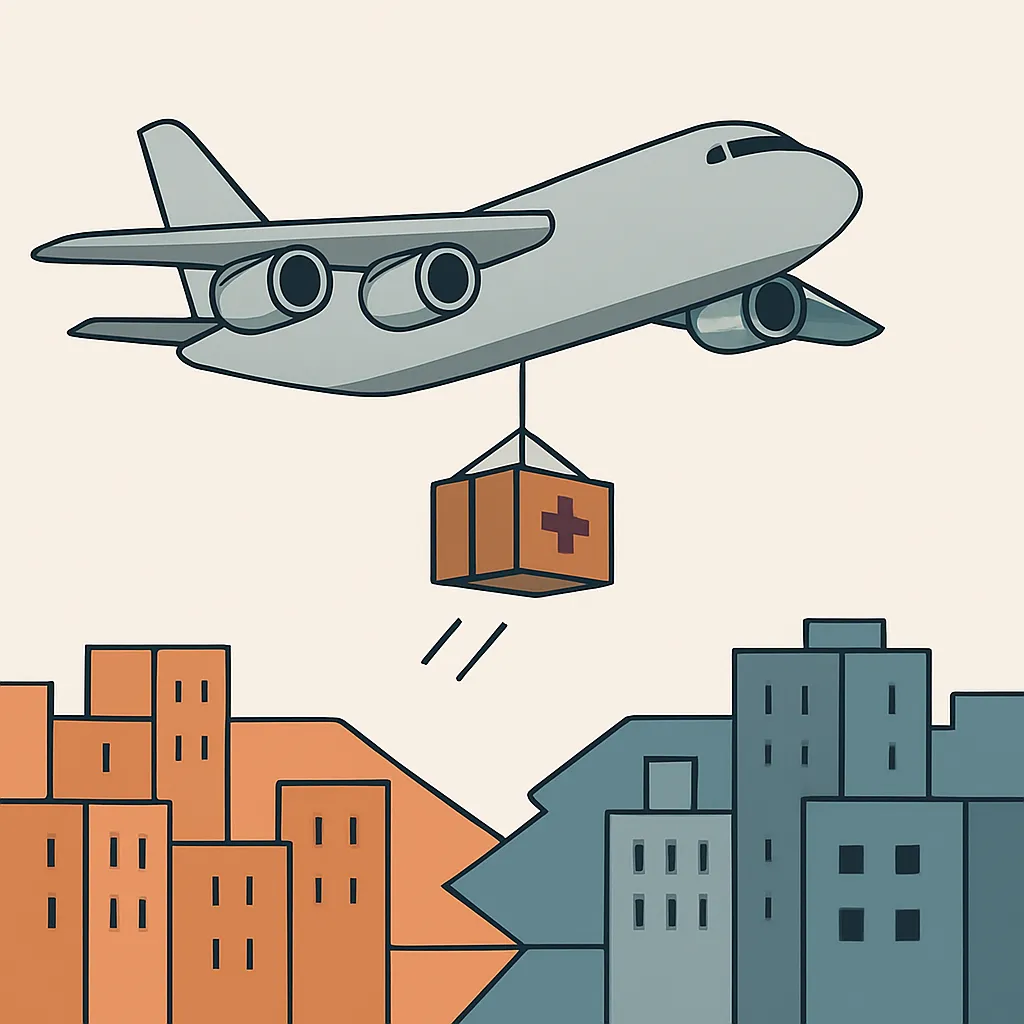
In 1948 the Soviet Union blocked all roads and rail lines into West Berlin. What U.S. and Allied response kept the city supplied for nearly a year?
In October 1962, U.S. spy planes photographed Soviet nuclear missile sites about 90 miles from Florida, starting a 13-day standoff. What was this?
President Truman banned racial segregation in the U.S. armed forces in 1948. What order made this change?
A 1954 Supreme Court ruling declared segregated public schools unconstitutional. What case was this?
Rosa Parks's 1955 arrest in Alabama helped spark a 381-day protest. What protest was this?
A federal law banned segregation in public places such as restaurants and hotels and outlawed job discrimination. What law was this?
A 1960s federal law ended literacy tests in many Southern states and sent federal examiners to register Black citizens. What law was this?
A 1965 Great Society law created federal health insurance for older adults and low-income Americans. What law was this?
A 1944 law helped many World War II veterans pay for college, training, and home loans. What law was this?
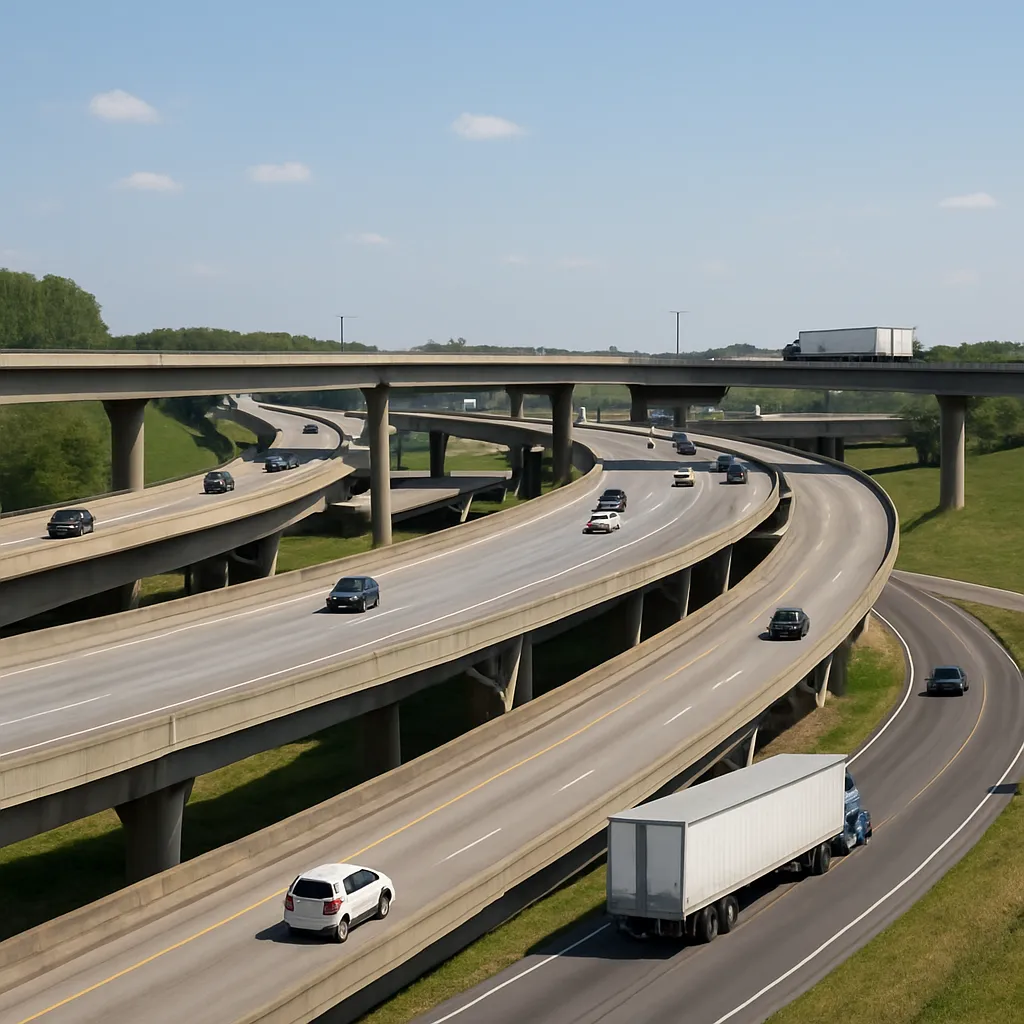
A 1956 law funded a 41,000-mile national network of limited-access roads for travel, commerce, and Cold War defense. What law was this?
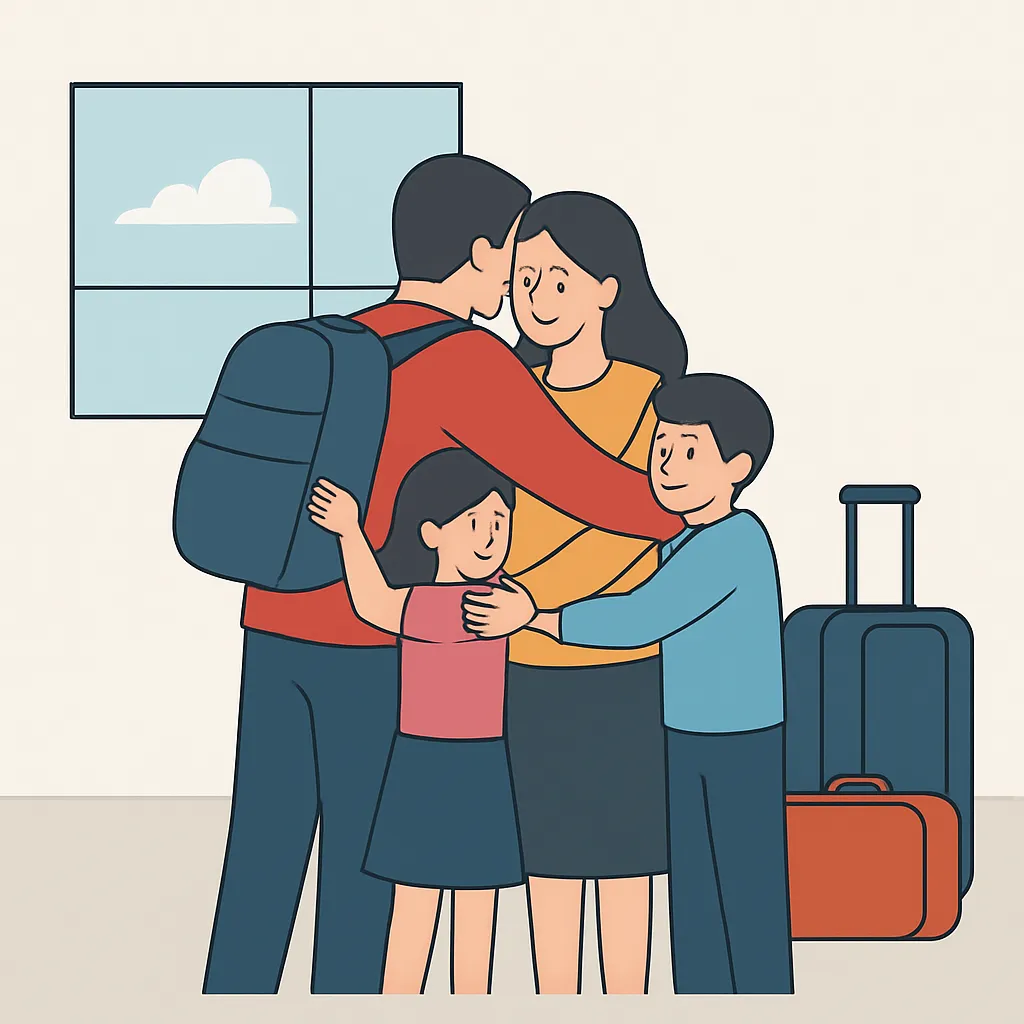
A 1965 law ended the national-origins quota system and emphasized family ties and skills in immigration. What law was this?
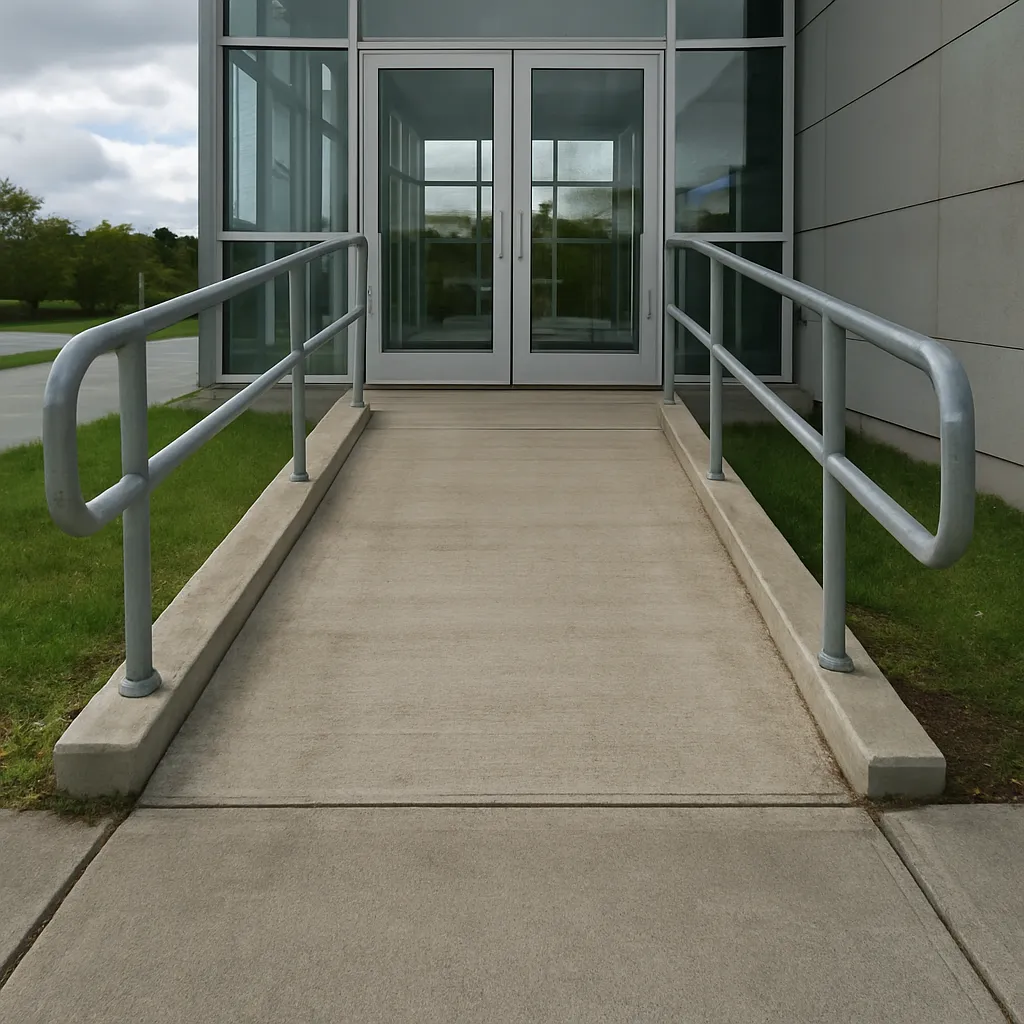
A 1990 law prohibited discrimination against people with disabilities in employment, public services, transportation, and public accommodations. What law was this?
Crack the passcode before the zombies get in.
Answer, then swat bugs for bonus points.
Race through questions at your own speed.
Same question on every screen. Fastest wins.

Pick a tile, answer, hit bonuses and steals.
Review: Expansion, Industry and Reform
40 questions