Loading
by BlastRoom
Students identify major U.S. demographic, cultural, and reform changes after 1945.
#us_history#us_grade_8_social_studies
20 questions
One question set, multiple game modes. Tap any game to see it in action. Not sure which to pick?
Answer to place stones and capture territory.
Outrun the snow together.
Earn blasts, then hunt the other team.
Answer to earn energy, then climb.

The class blasts through walls together.
Bid on mystery lots. Most money wins.
Sell tours. Nice, standard, or a total scam.

Answer, restock, and serve the rush.
More correct answers pulls the rope your way.
Answer, then shoot down the alien wave.
Answer, then tap to leap the frozen ridge.
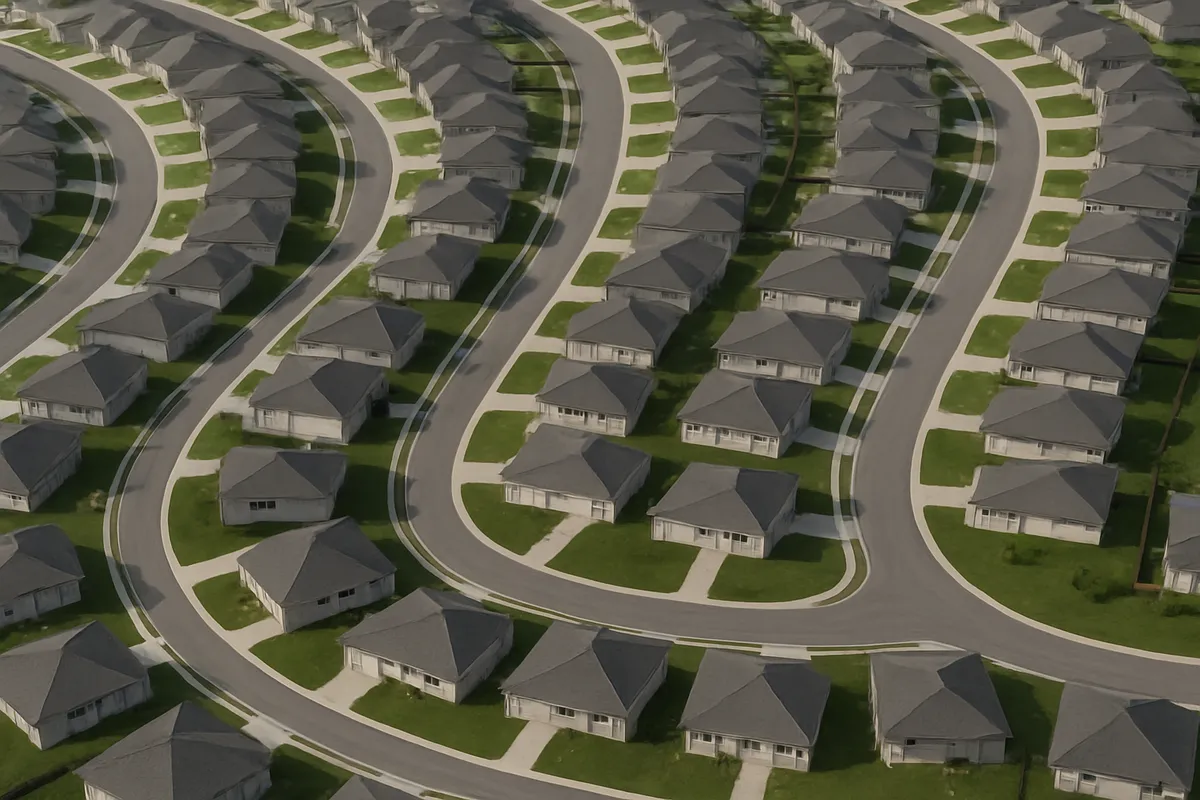
After World War II, GI Bill loan guarantees and new highways helped families buy homes outside central cities. What postwar pattern does this describe?
Phoenix and Las Vegas grew rapidly after 1950 as people and jobs moved into the South and Southwest. What regional shift is described?
A sudden rise in U.S. births from 1946 through 1964 changed the age makeup of the population. What was this demographic change called?
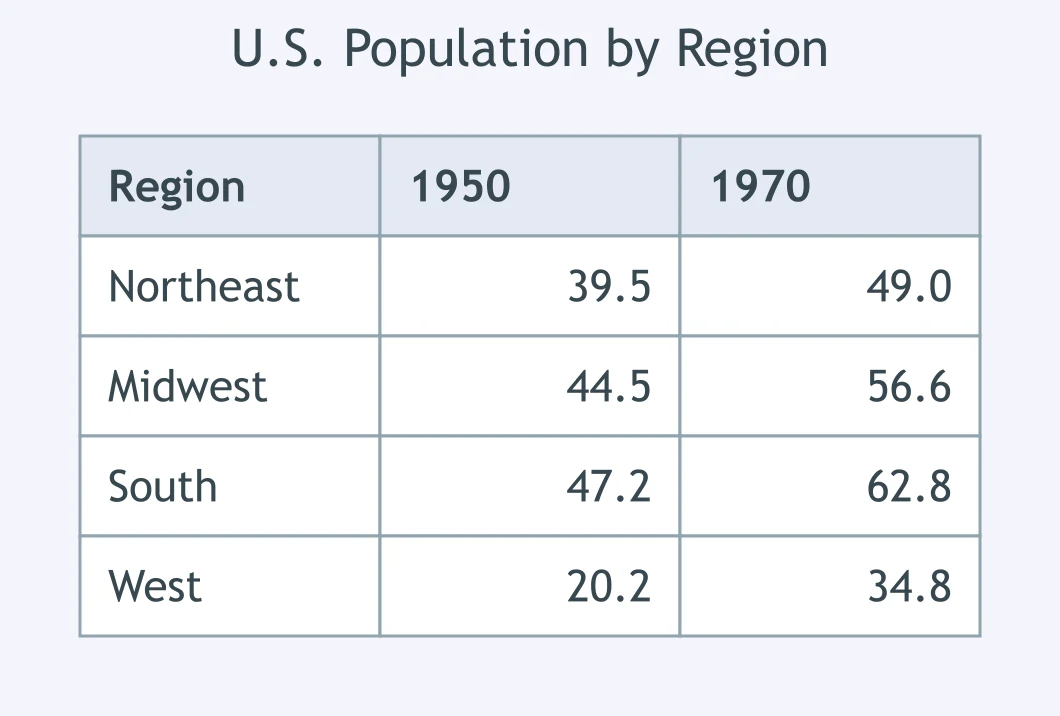
Use the regional population table. Which pattern best matches the data from 1950 to 1970?
In 1956, Congress passed a law to build a 41,000-mile national network of interstate highways. What was the law called?

After the Soviet Union launched Sputnik in 1957, U.S. leaders raised funding for science classes. What U.S.-Soviet competition to put satellites and astronauts in orbit intensified?
In 1958, after Sputnik, Congress created a civilian agency to lead U.S. aeronautics and space exploration. What agency was created?
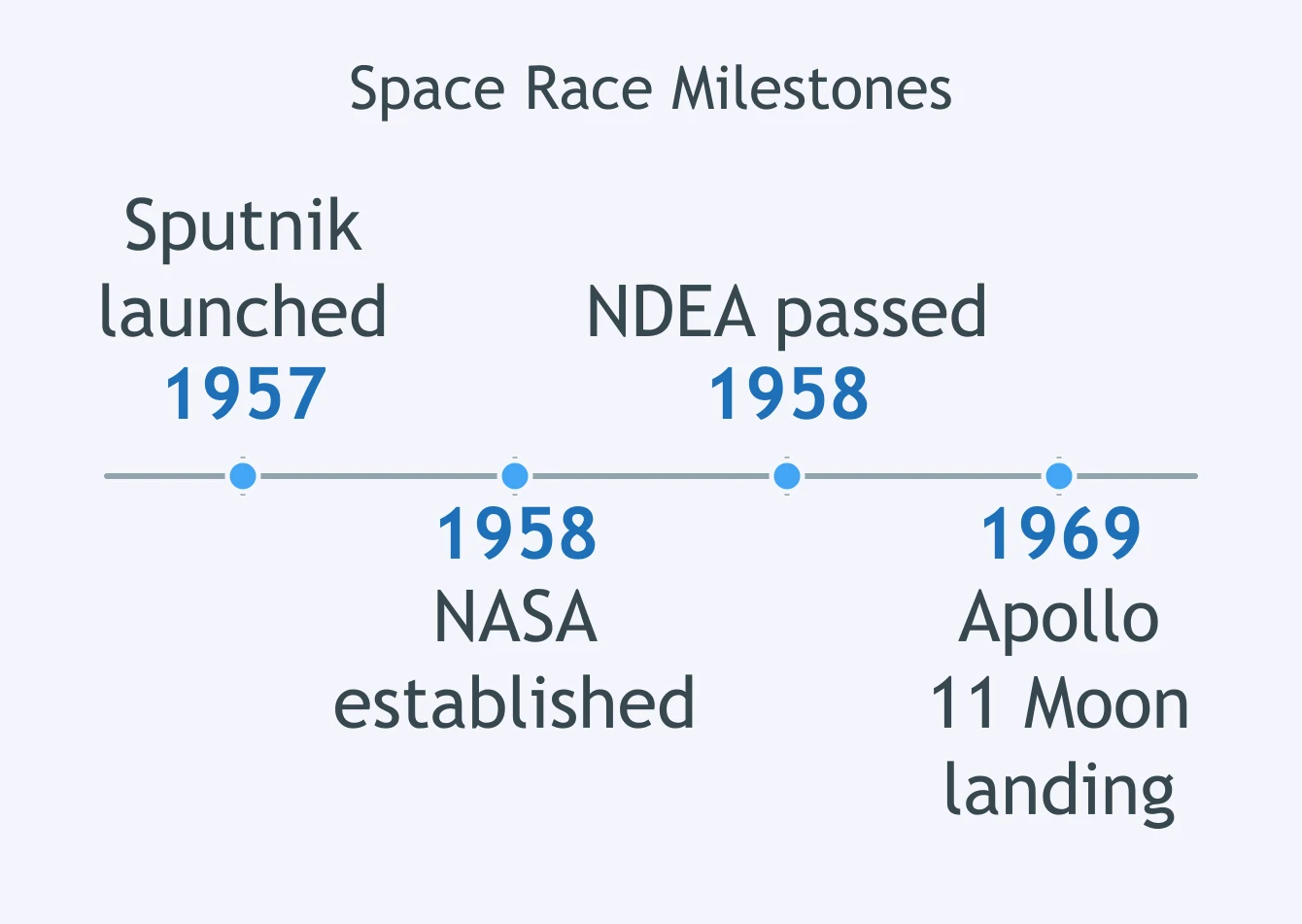
Use the space-race timeline. Which event happened in 1969?
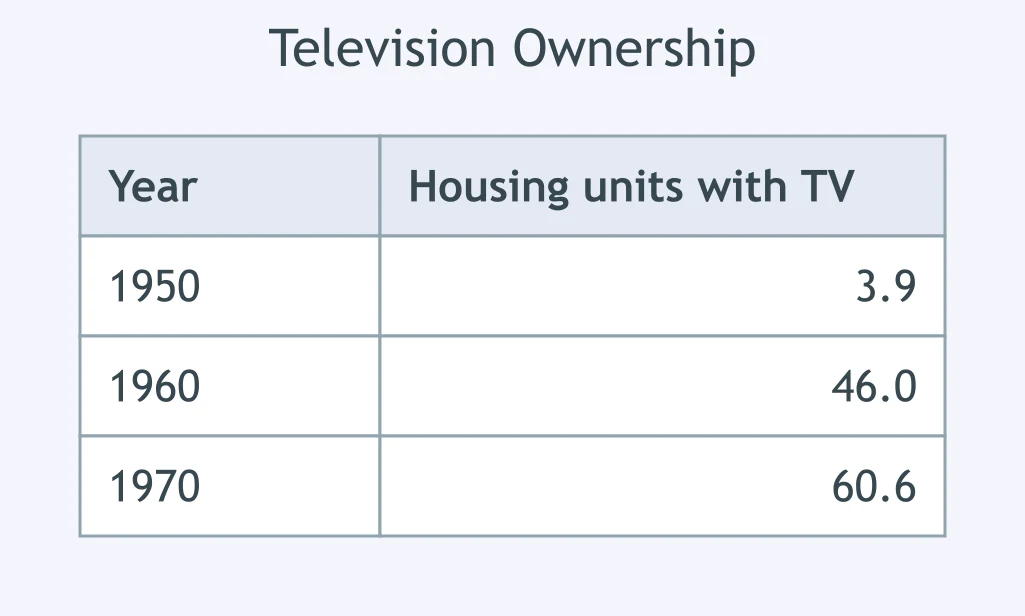
Use the TV ownership table. What cultural change does the data show?
In the 1950s, rock-and-roll records, teen magazines, and new fashions were sold to millions of teenagers. What cultural development does this show?
President Lyndon B. Johnson asked Congress in 1965 for reforms in education, health, poverty, urban renewal, and voting rights. What was his domestic agenda called?
A 1965 law created health insurance for Americans aged 65 and older through the Social Security system. What program did this create?
A 1965 program used federal and state funds to provide health coverage for people with limited income. What program was this?
A War on Poverty preschool program gave low-income children education, health, and nutrition services before kindergarten. What program was this?
The 1965 education law gave federal grants to districts serving low-income students and funds for textbooks and libraries. Which law was it?

As baby boomers reached school age in the 1950s, what challenge did many communities face?
Restrictive covenants and redlining kept many Black veterans out of new postwar suburbs. What problem did this reveal?
The Supreme Court's 1954 Brown decision relied on equal protection to challenge a major postwar social tension. What practice did it strike down?
Rosa Parks's 1955 arrest became a rallying point for a boycott in Montgomery, Alabama. What local system did protesters challenge?
In Selma and other communities, threats, literacy tests, and extra fees kept many Black citizens from voting. What did the 1965 Voting Rights Act do in response?
Crack the passcode before the zombies get in.
Answer, then swat bugs for bonus points.
Race through questions at your own speed.
Same question on every screen. Fastest wins.

Pick a tile, answer, hit bonuses and steals.
Review: The Revolution and the Founding
40 questions