Loading
by BlastRoom
Covers U.S. entry, major campaigns, the home front, and global consequences of World War II.
#us_history#us_grade_8_social_studies
20 questions
One question set, multiple game modes. Tap any game to see it in action. Not sure which to pick?
Answer to place stones and capture territory.
Outrun the snow together.
Earn blasts, then hunt the other team.
Answer to earn energy, then climb.

The class blasts through walls together.
Bid on mystery lots. Most money wins.
Sell tours. Nice, standard, or a total scam.

Answer, restock, and serve the rush.
More correct answers pulls the rope your way.
Answer, then shoot down the alien wave.
Answer, then tap to leap the frozen ridge.
On December 7, 1941, a surprise Japanese air attack struck the U.S. Pacific Fleet, and Congress declared war on Japan the next day. What was this event?
Before full U.S. entry, the United States sent weapons and supplies to countries resisting Axis aggression without demanding immediate payment. What program did this?
After Pearl Harbor, what event brought the United States into war against Germany and Italy on December 11, 1941?
During World War II, what alliance included the United States, Britain, the Soviet Union, and China fighting against the Axis powers?
Use the map. In June 1944, Allied troops landed on the marked coast of France. What event opened a new Western Front there?
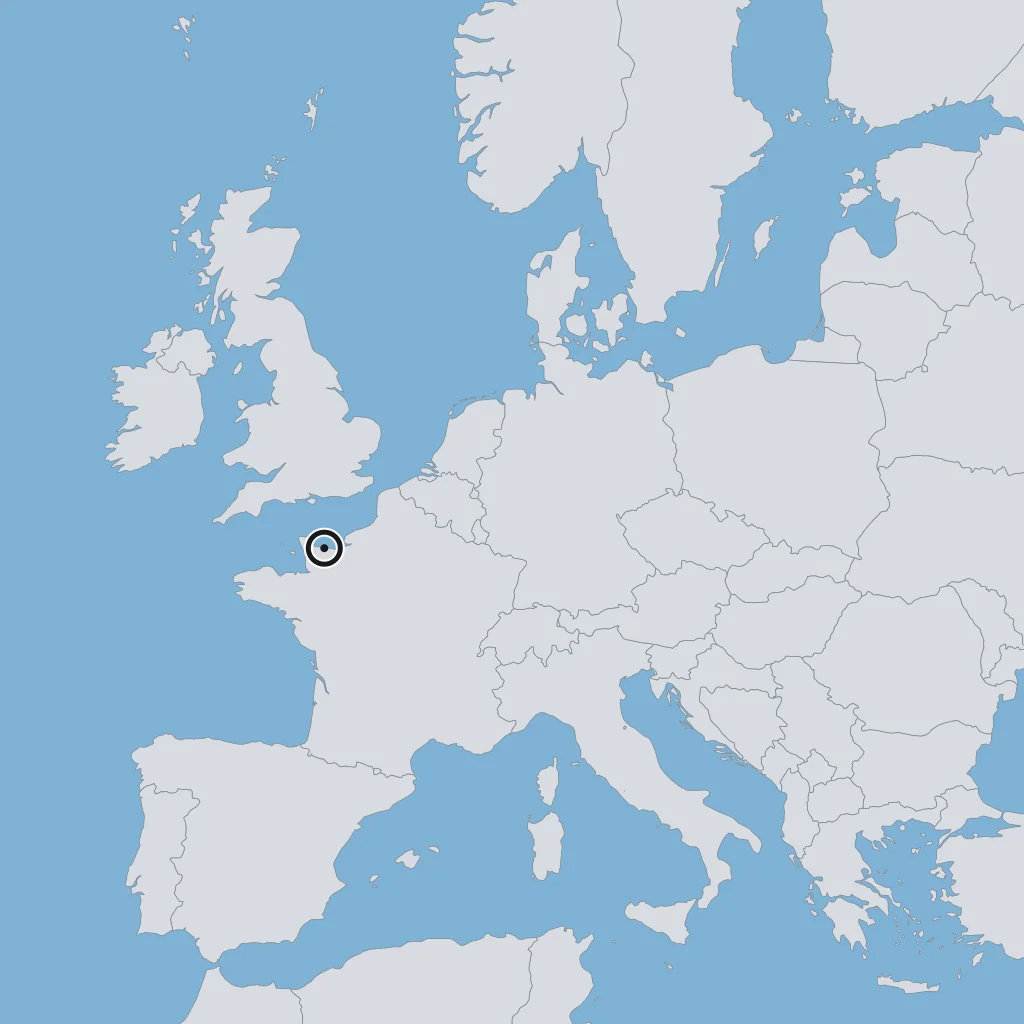
Use the map. In June 1942, U.S. code breaking helped carriers ambush a Japanese attack near the marked atoll. What battle shifted sea power in the Pacific?
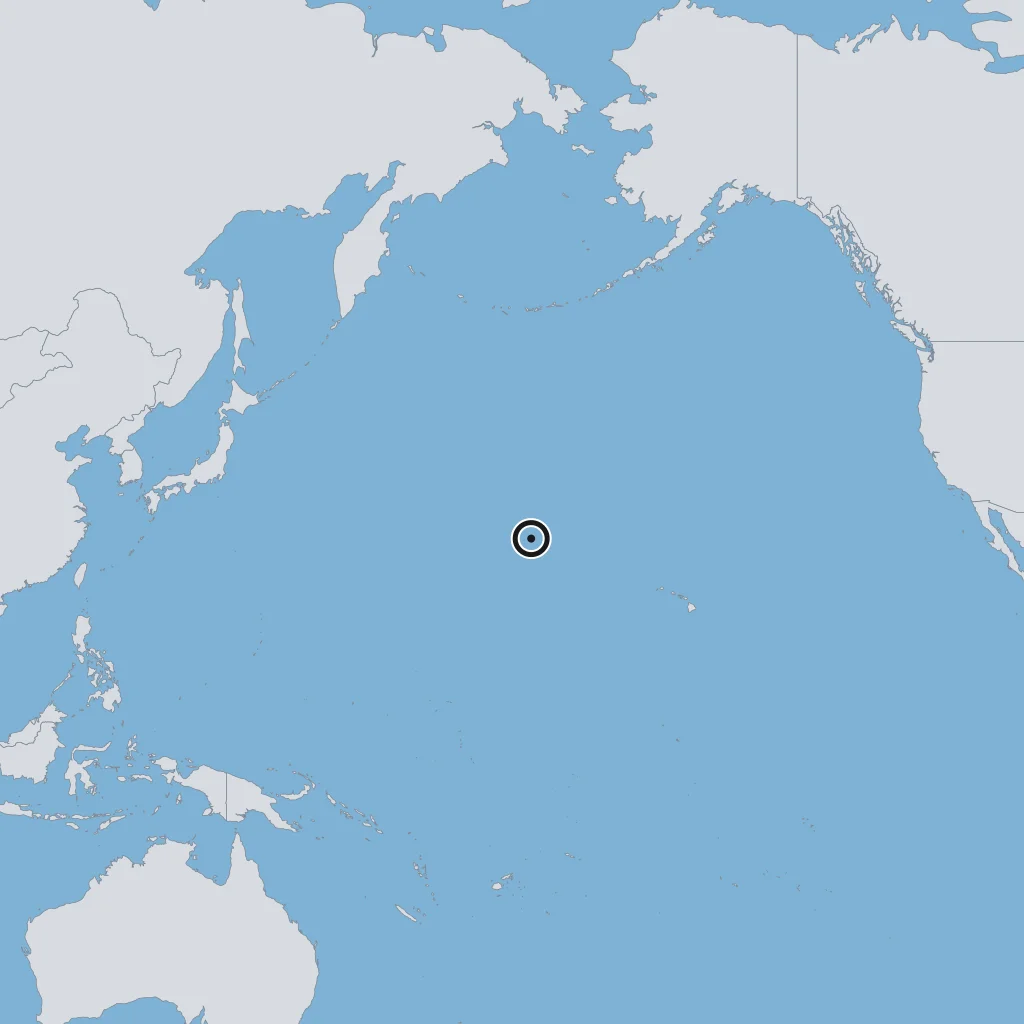
Use the map. Along the path shown, Allied forces skipped some heavily fortified Pacific islands and captured others that supported the next advance toward Japan. What strategy was this?
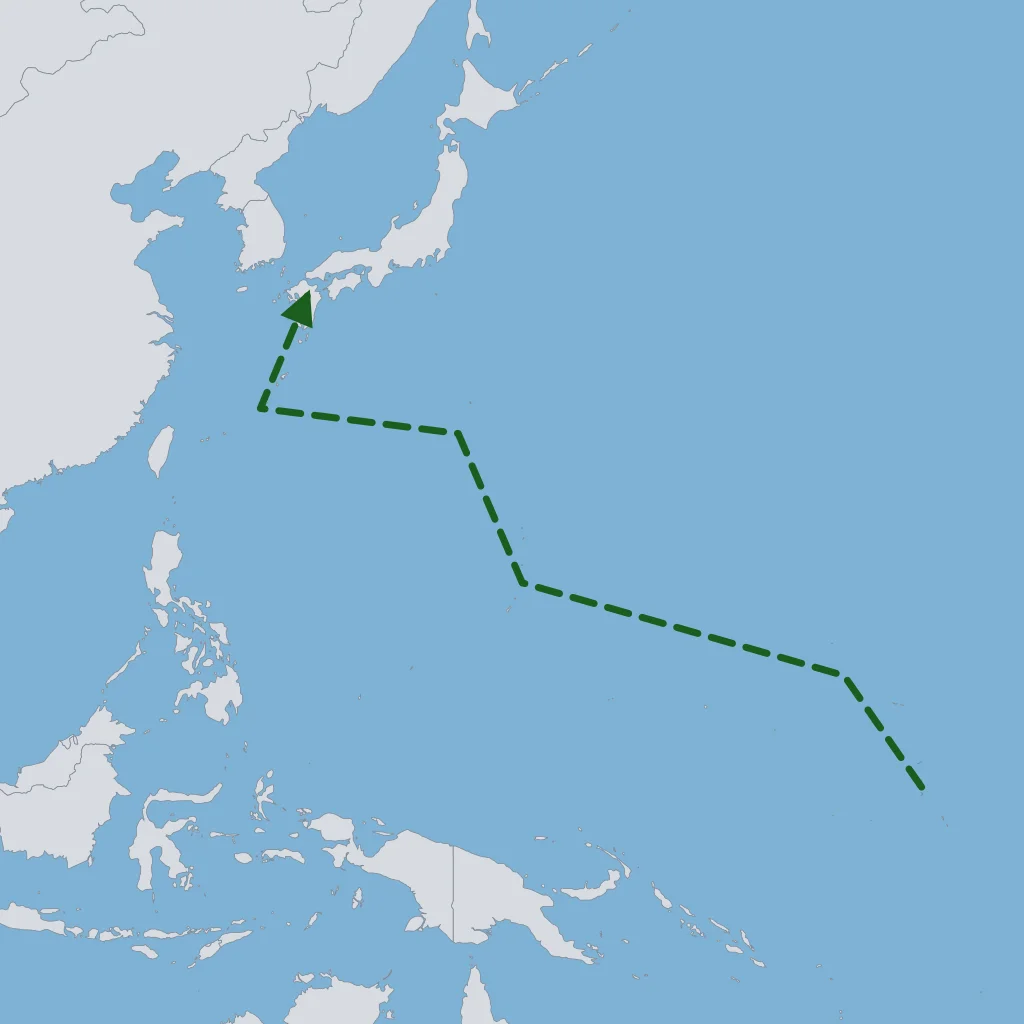
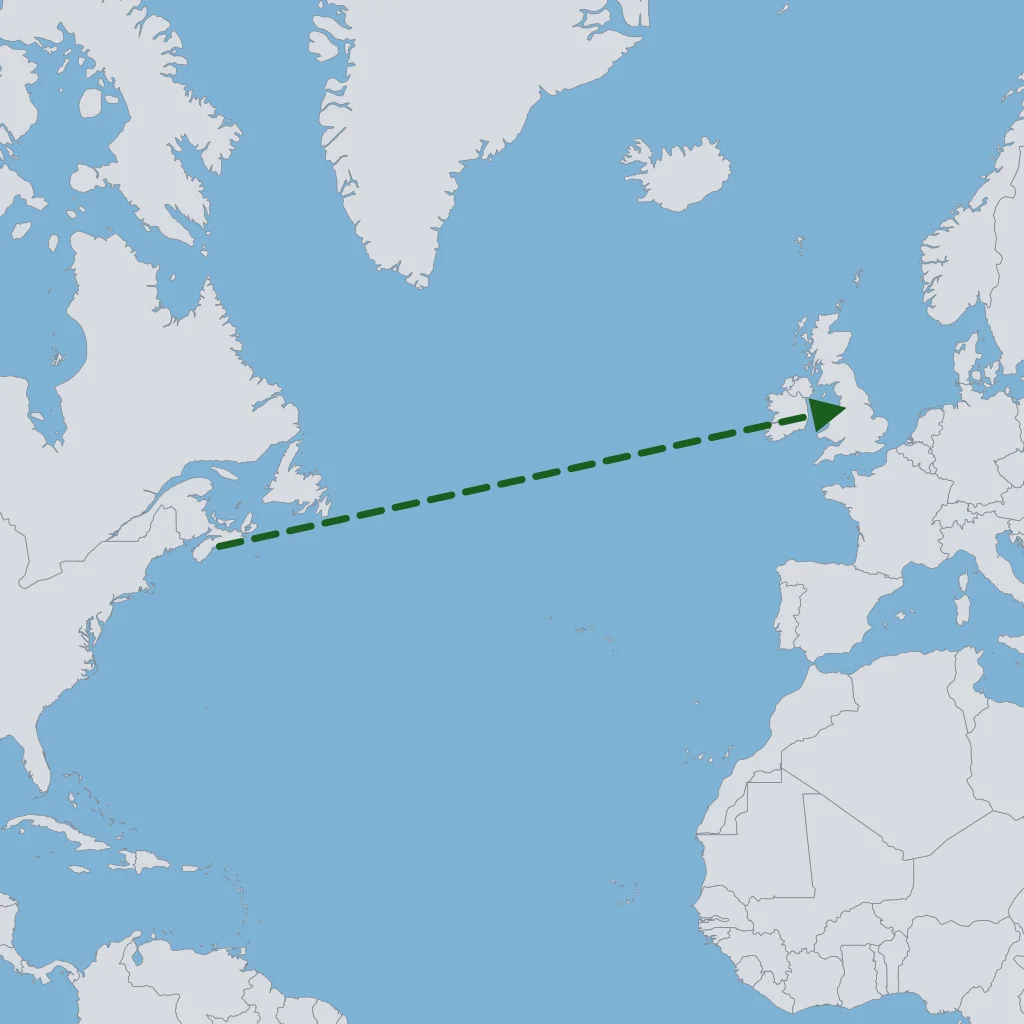
Use the map. Along routes like the one shown, Allied ships carried troops and supplies across the Atlantic while German U-boats attacked the convoys. What long naval campaign was this?
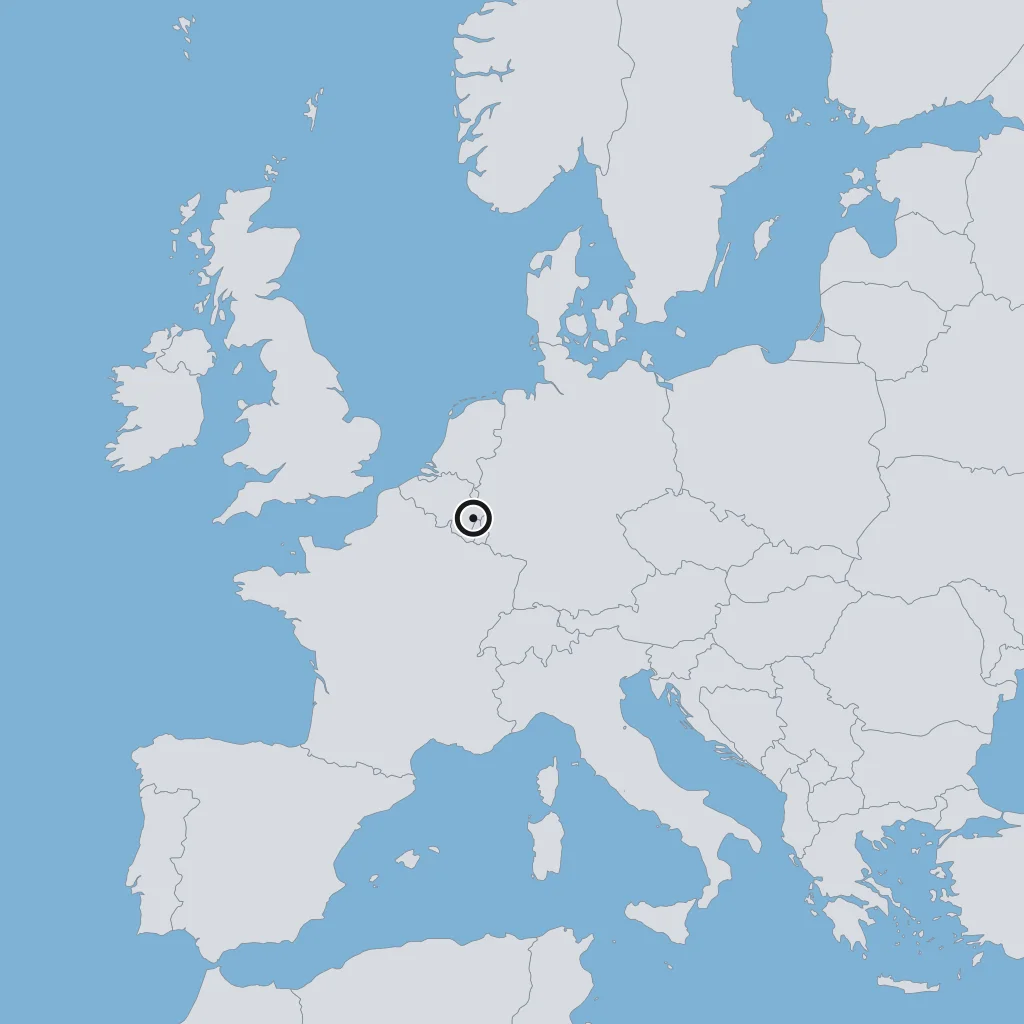
Use the map. In December 1944, Germany launched its last major Western Front offensive through the marked forest region of Belgium and Luxembourg. What battle was this?
In 1942, what order signed by President Roosevelt allowed the military to remove Japanese Americans from West Coast homes and send them to guarded camps?
Families used coupons and points to buy limited amounts of sugar, gasoline, and meat during wartime shortages. What home-front system controlled these goods?
A bandanna-wearing woman worker became the wartime symbol for women taking industrial jobs in factories. What home-front symbol was this?
To help pay for the war, the federal government borrowed money from civilians who purchased special savings certificates. What were these called?
Why did the U.S. government urge Americans to plant victory gardens during World War II?
Nazi Germany’s systematic murder of six million Jews and millions of other victims during World War II is known by what name?
In occupied Poland and eastern Europe, Nazi authorities forced Jews into confined city districts before deportations and mass murder. What were those districts called?
Auschwitz-Birkenau was one of six Nazi killing centers built chiefly to murder victims with poison gas. Which of these was another killing center?
In January 1945, troops from one Allied country liberated Auschwitz. Which Allied forces reached that camp?
Hiroshima on August 6 and Nagasaki on August 9, 1945, were destroyed by what U.S. weapon before Japan surrendered?
After World War II, rivalry and distrust grew between the United States and the Soviet Union rather than leading to a direct war. What conflict began?
Crack the passcode before the zombies get in.
Answer, then swat bugs for bonus points.
Race through questions at your own speed.
Same question on every screen. Fastest wins.

Pick a tile, answer, hit bonuses and steals.
The Civil Rights Movement
20 questions