Loading
by BlastRoom
Questions review U.S. entry into World War I, wartime mobilization, peace debates, and major changes of the 1920s.
#us_history#us_grade_8_social_studies
20 questions
One question set, multiple game modes. Tap any game to see it in action. Not sure which to pick?
Answer to place stones and capture territory.
Outrun the snow together.
Earn blasts, then hunt the other team.
Answer to earn energy, then climb.

The class blasts through walls together.
Bid on mystery lots. Most money wins.
Sell tours. Nice, standard, or a total scam.

Answer, restock, and serve the rush.
More correct answers pulls the rope your way.
Answer, then shoot down the alien wave.
Answer, then tap to leap the frozen ridge.
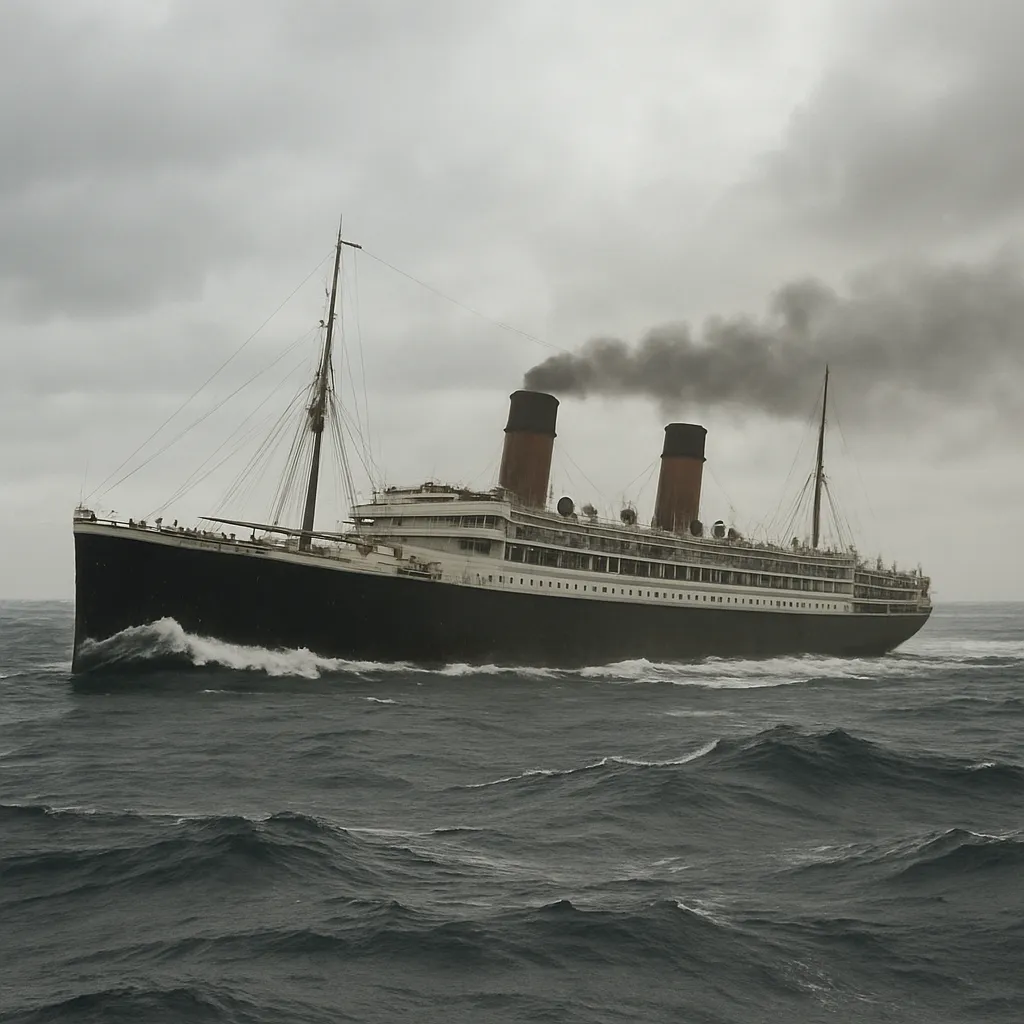
Germany resumed attacks on ships headed to Allied ports, including vessels carrying Americans. What German policy does this describe?
A 1917 German message promised Mexico help recovering Texas, New Mexico, and Arizona if it joined a war against the United States. What was this message called?
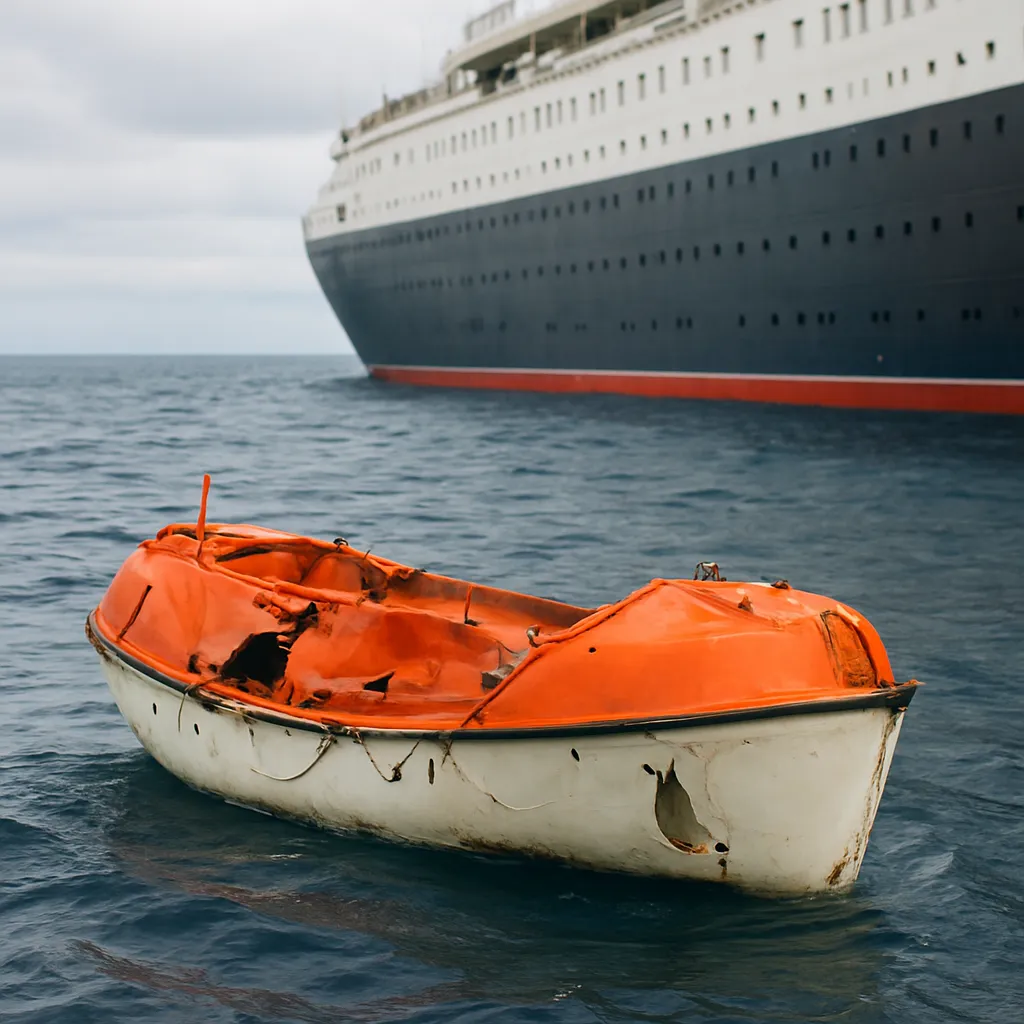
In 1915 a German U-boat sank a British passenger liner, killing 128 Americans. Which event increased U.S. anger over Germany's sea war?
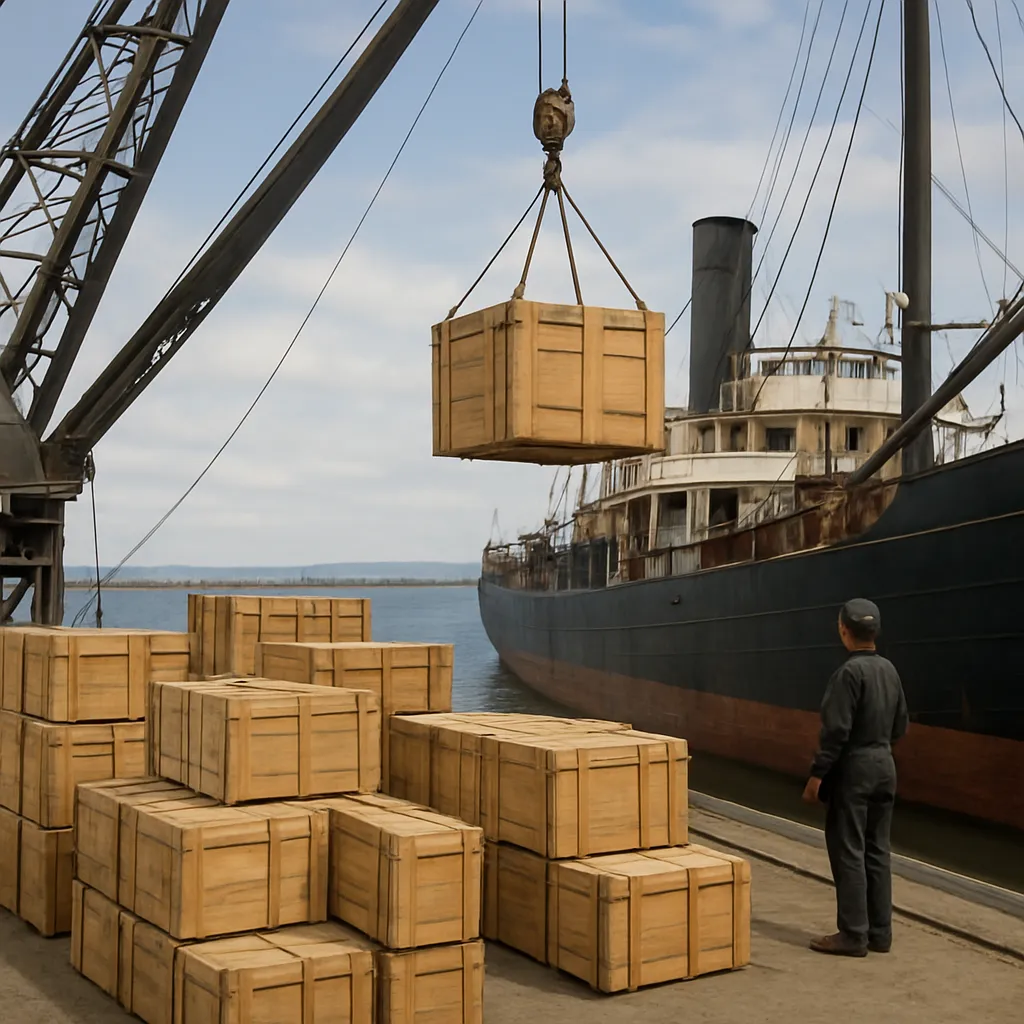
U.S. munitions sales and more than $2 billion in bank loans went to Britain and France before 1917. Which cause of U.S. entry into the war does this show?
In April 1917, Wilson asked Congress to declare war on Germany. Which argument did he make?
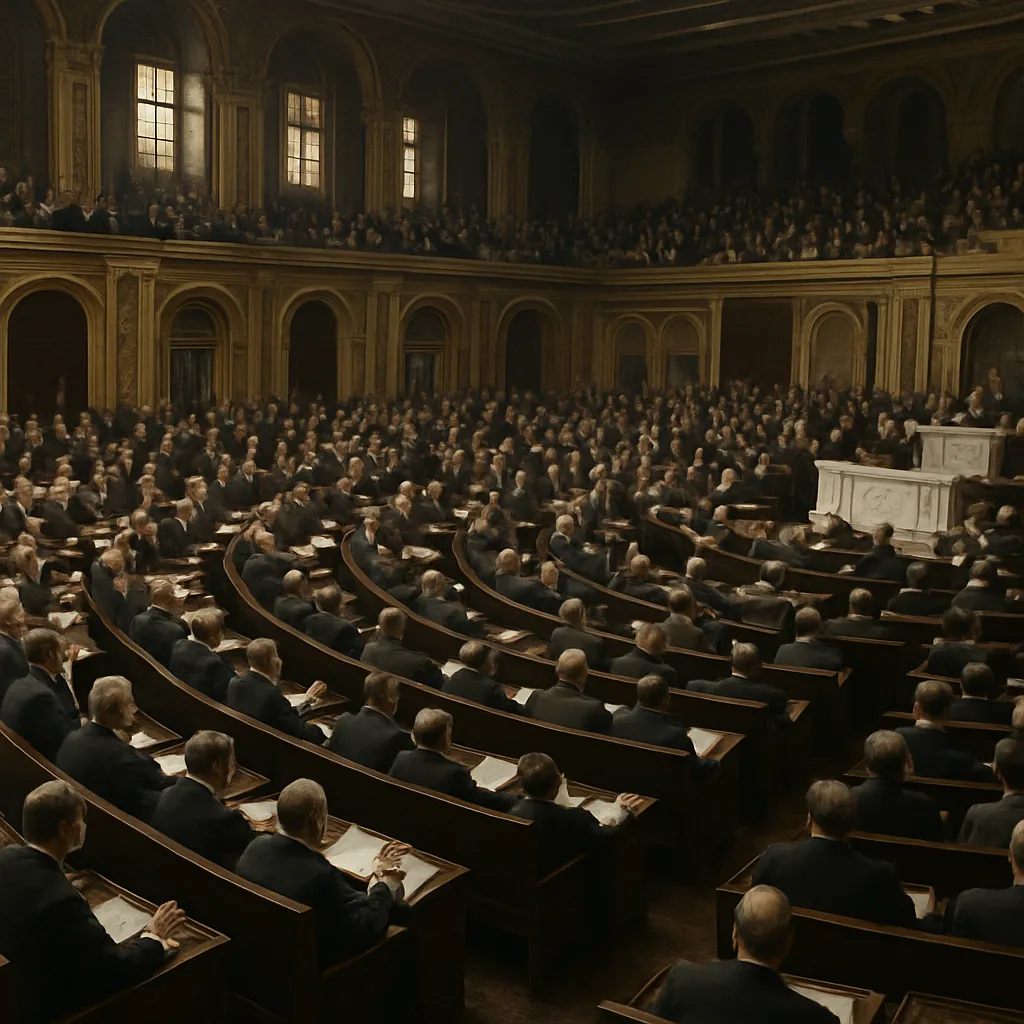
Congress passed a 1917 law requiring millions of men to register for possible military service. Which wartime policy was this?
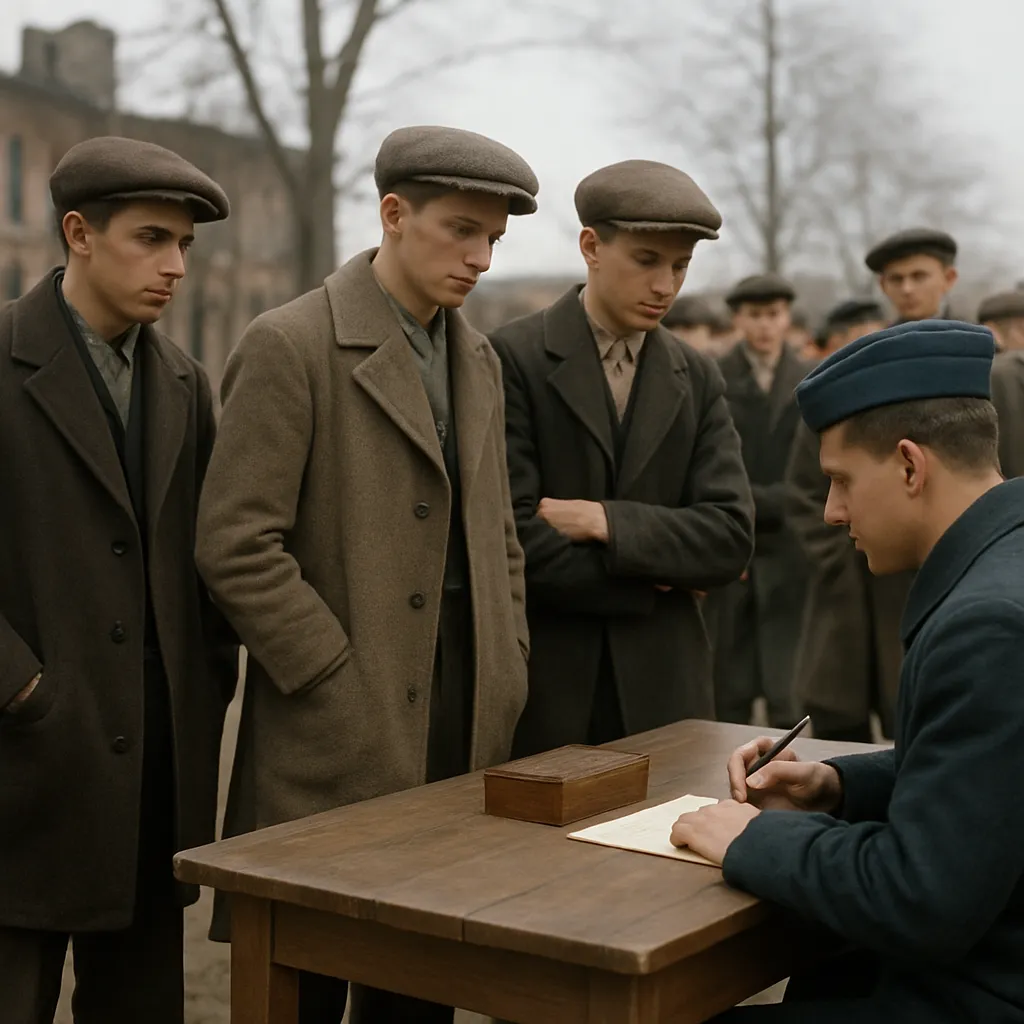
Hoover's wartime agency asked Americans to observe Meatless Tuesdays and Wheatless Wednesdays so troops and allies had enough to eat. Which agency led this effort?

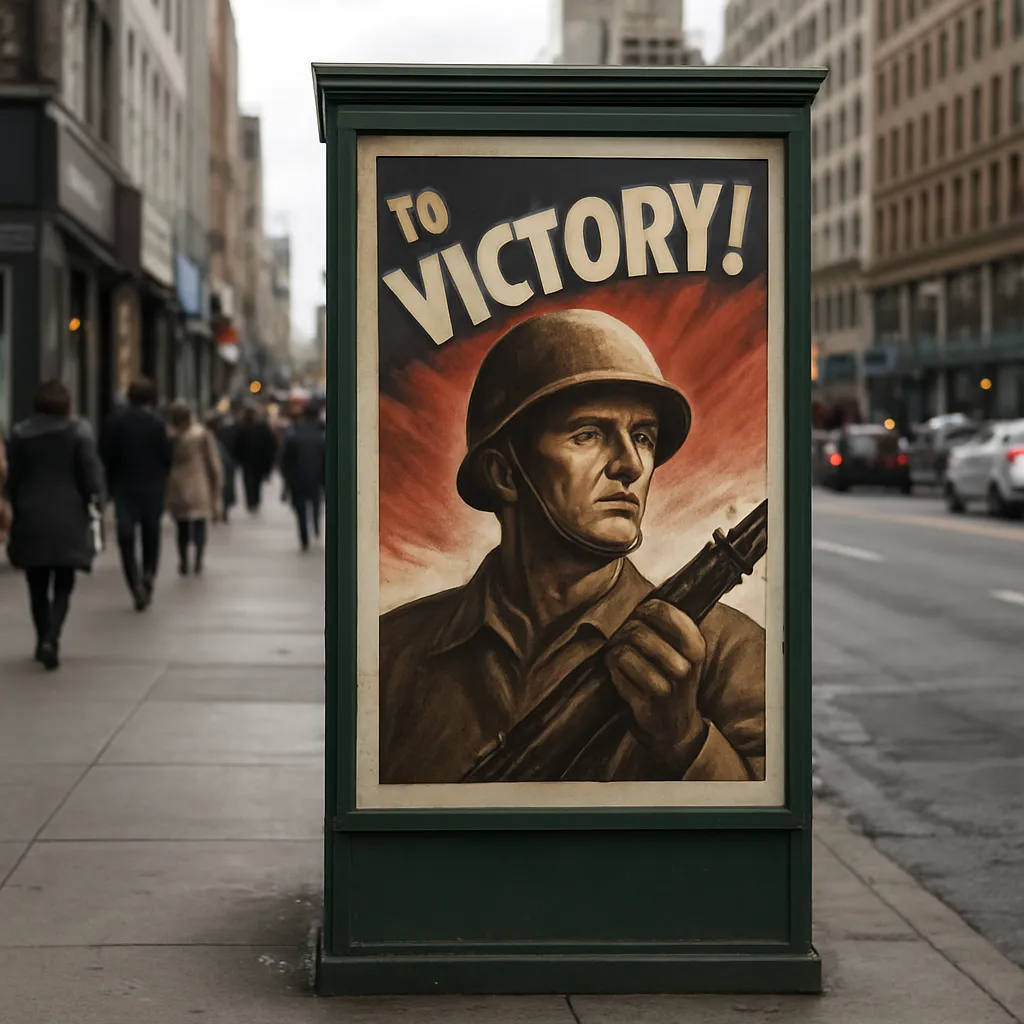
Government posters urged Americans to lend money to help pay World War I costs. Which home-front program was being promoted?
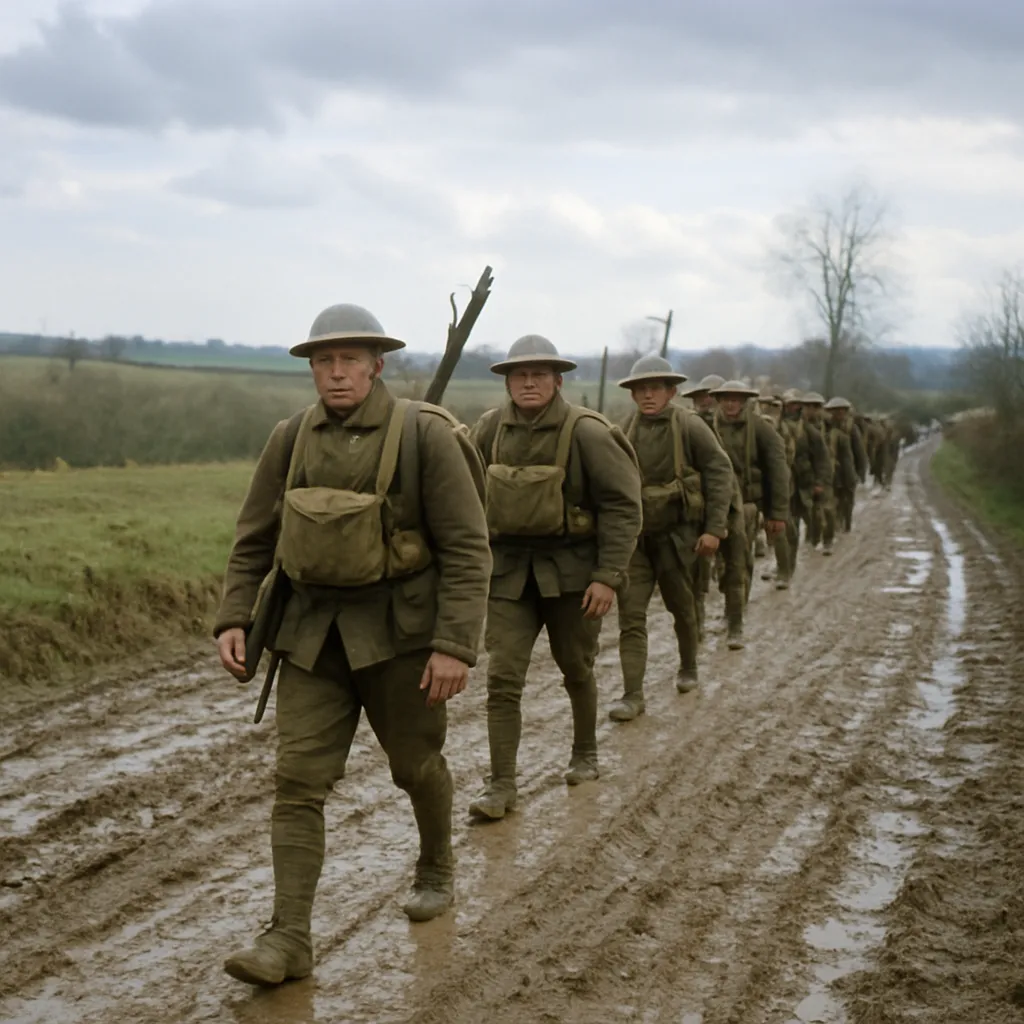
General John J. Pershing commanded U.S. troops sent to fight in France during World War I. What was this force called?
Wilson's peace plan called for a League of Nations, but many senators objected to Article X. What concern did they raise?
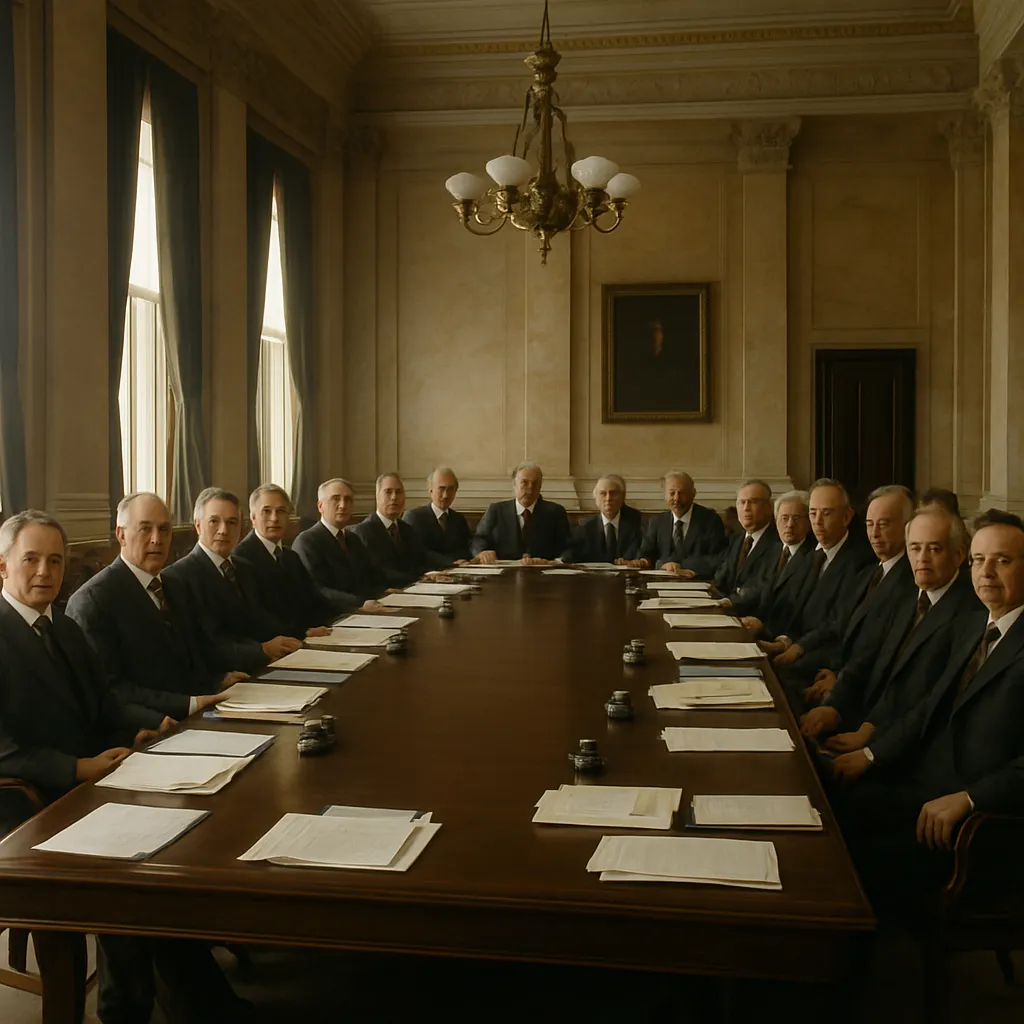
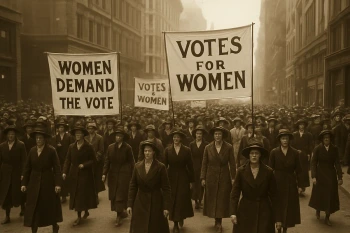
In 1920 a constitutional amendment legally guaranteed American women the right to vote. Which amendment made that change?
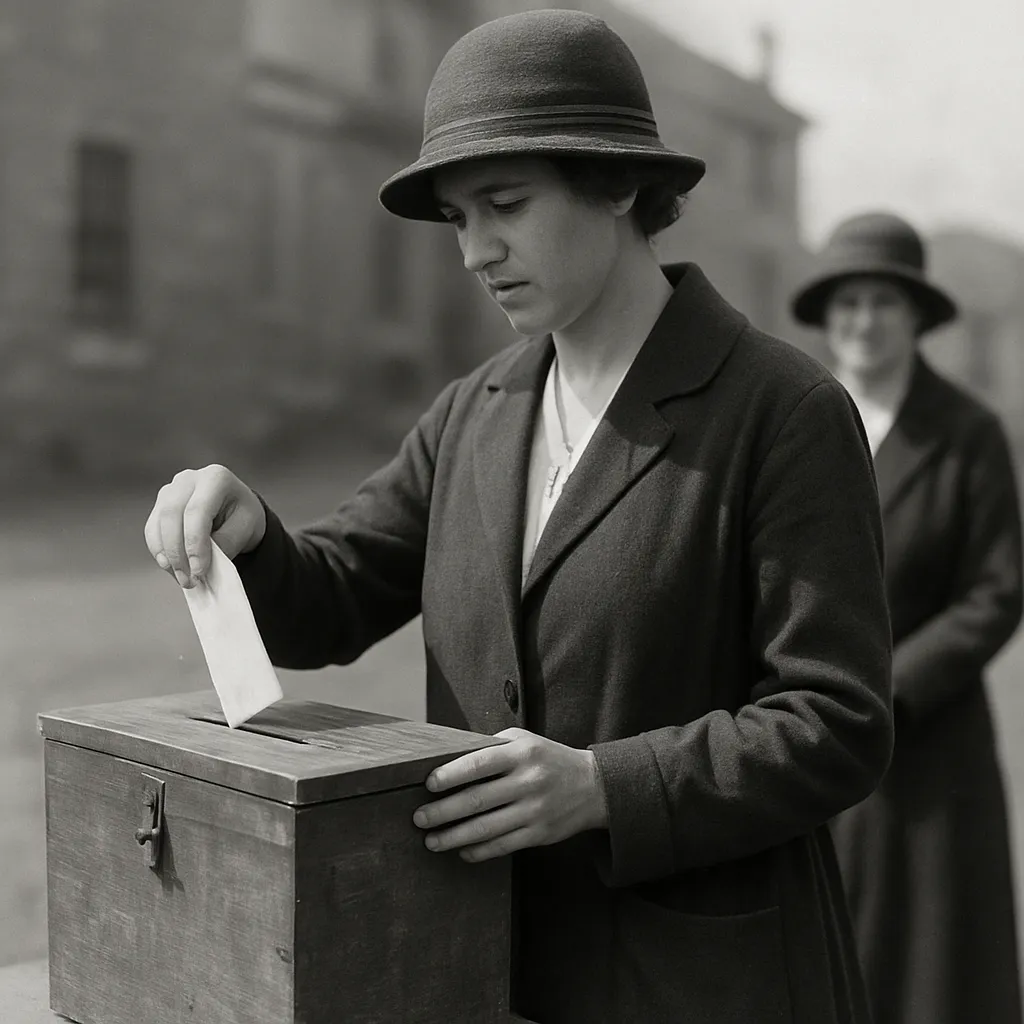
The Eighteenth Amendment and the Volstead Act took effect in January 1920. Which 1920s policy did they create?
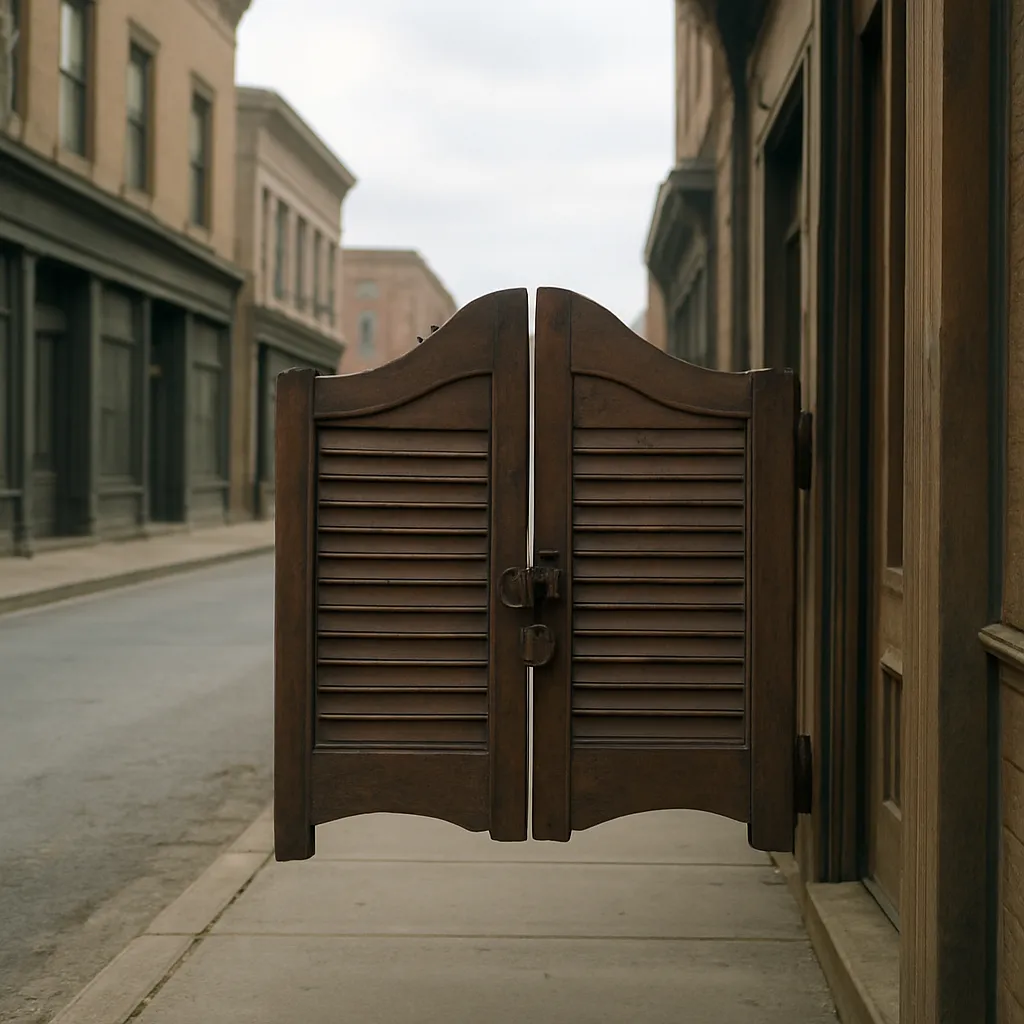
African American writers, artists, and musicians such as Langston Hughes and Zora Neale Hurston gained national attention in a New York neighborhood in the 1920s. What movement was this?
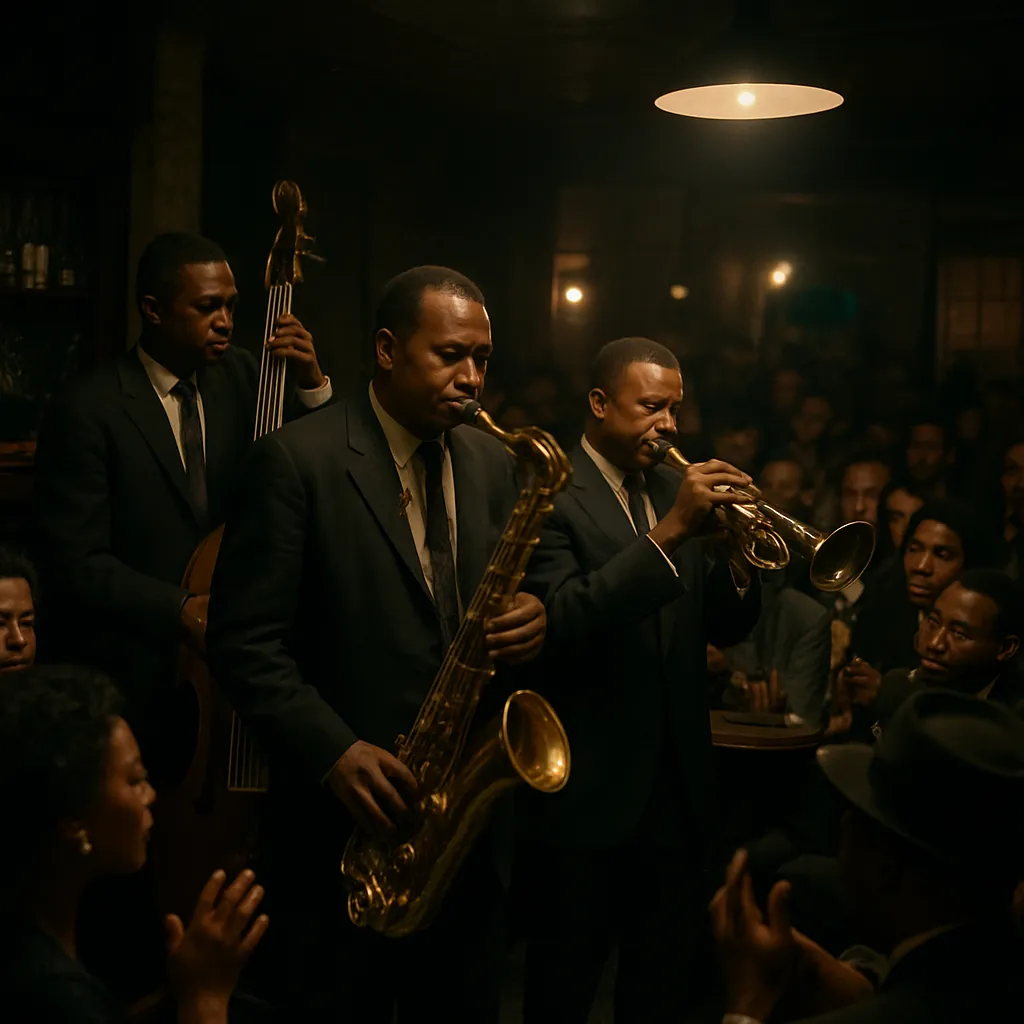
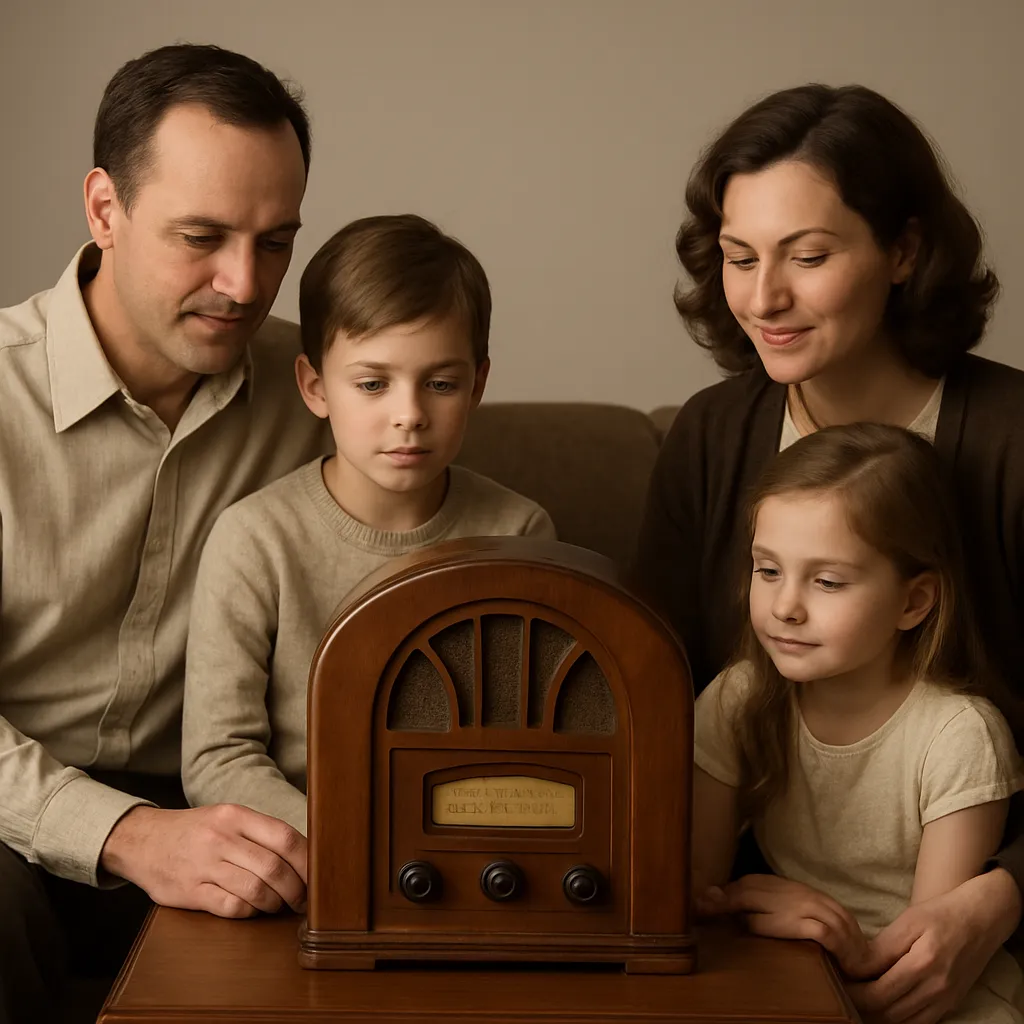
Radios, movies, chain stores, and national advertising spread the same entertainment and products to many Americans. Which 1920s change is shown?
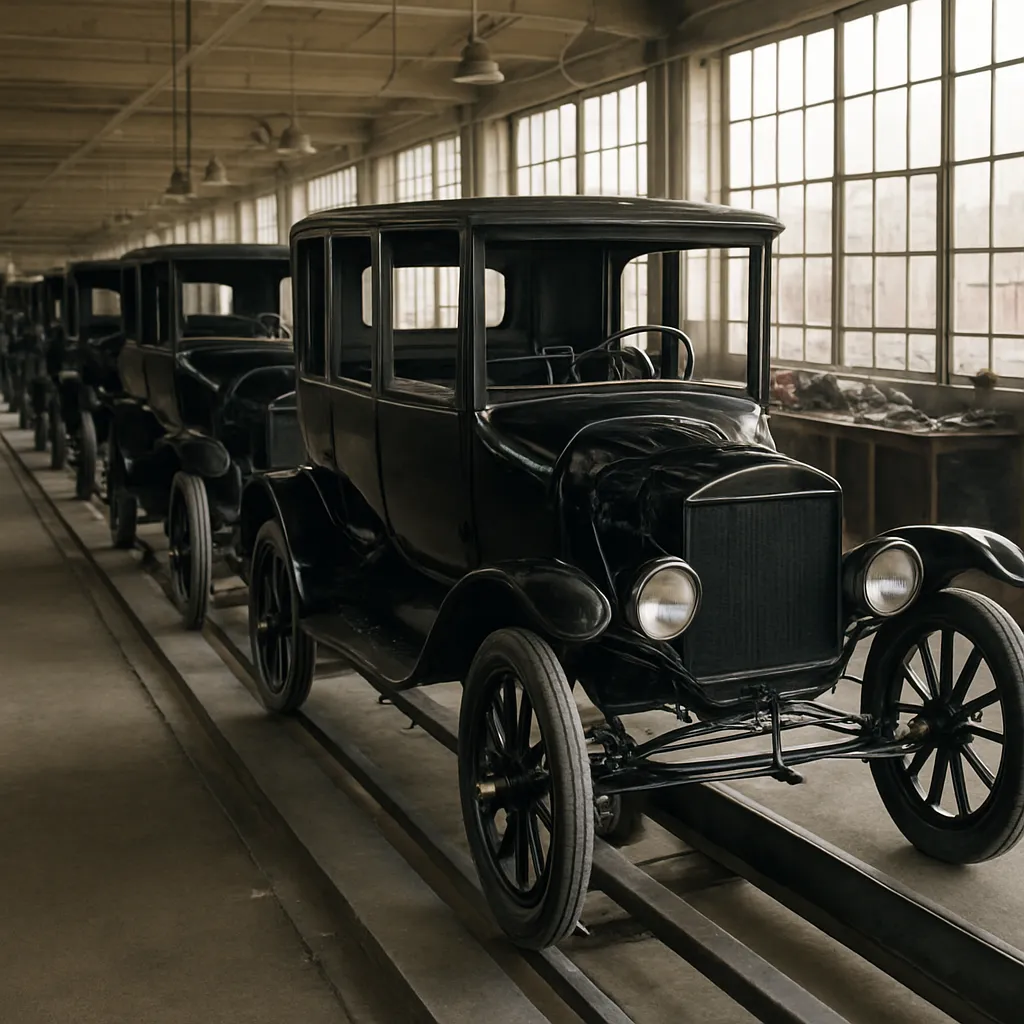
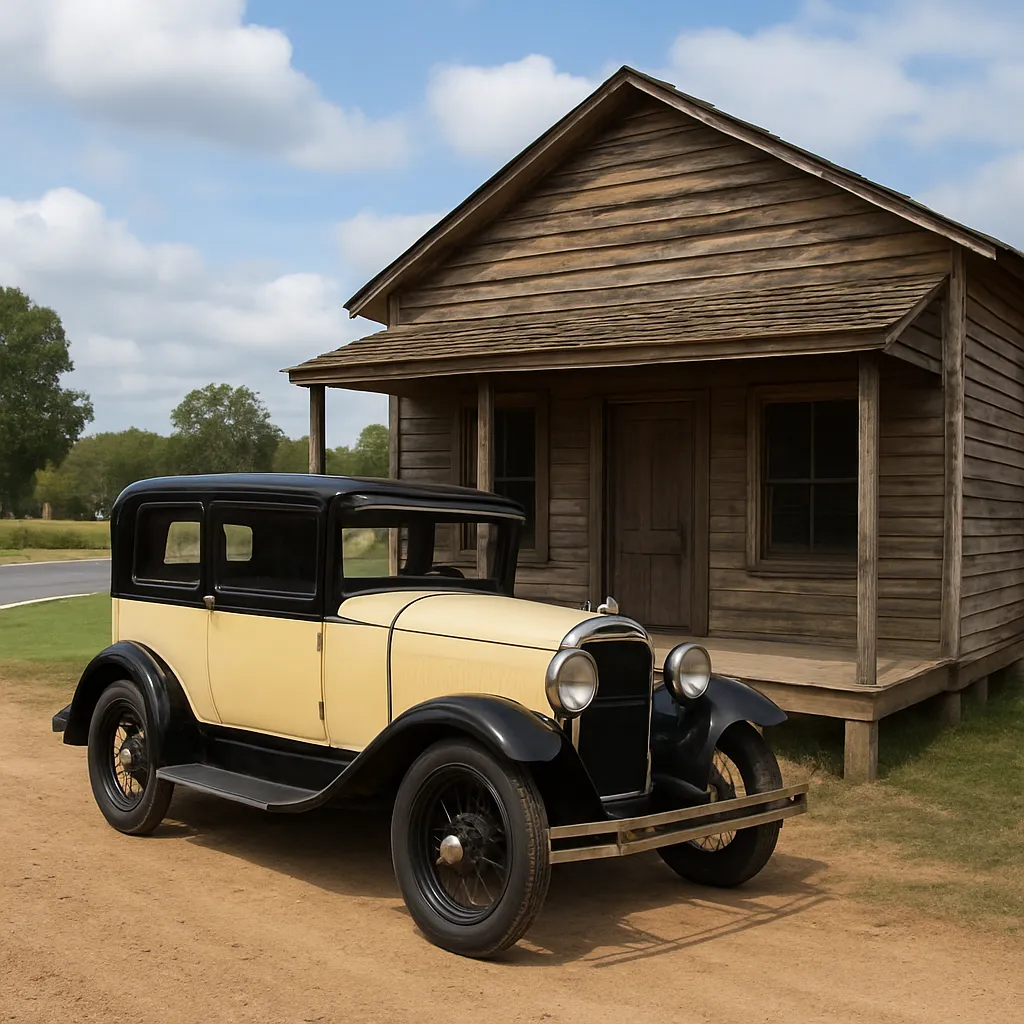
Ford's moving assembly line let workers build cars faster and cheaper, making the Model T easier for middle-class families to buy. Which change is shown?
In 1925 John Scopes was tried for teaching evolution in a Tennessee public school. What social conflict did the trial highlight?
Many 1920s shoppers bought radios, cars, and appliances with installment plans instead of paying full price at once. What did this practice increase?
Car ownership expanded rapidly in the 1920s. What consequence followed?
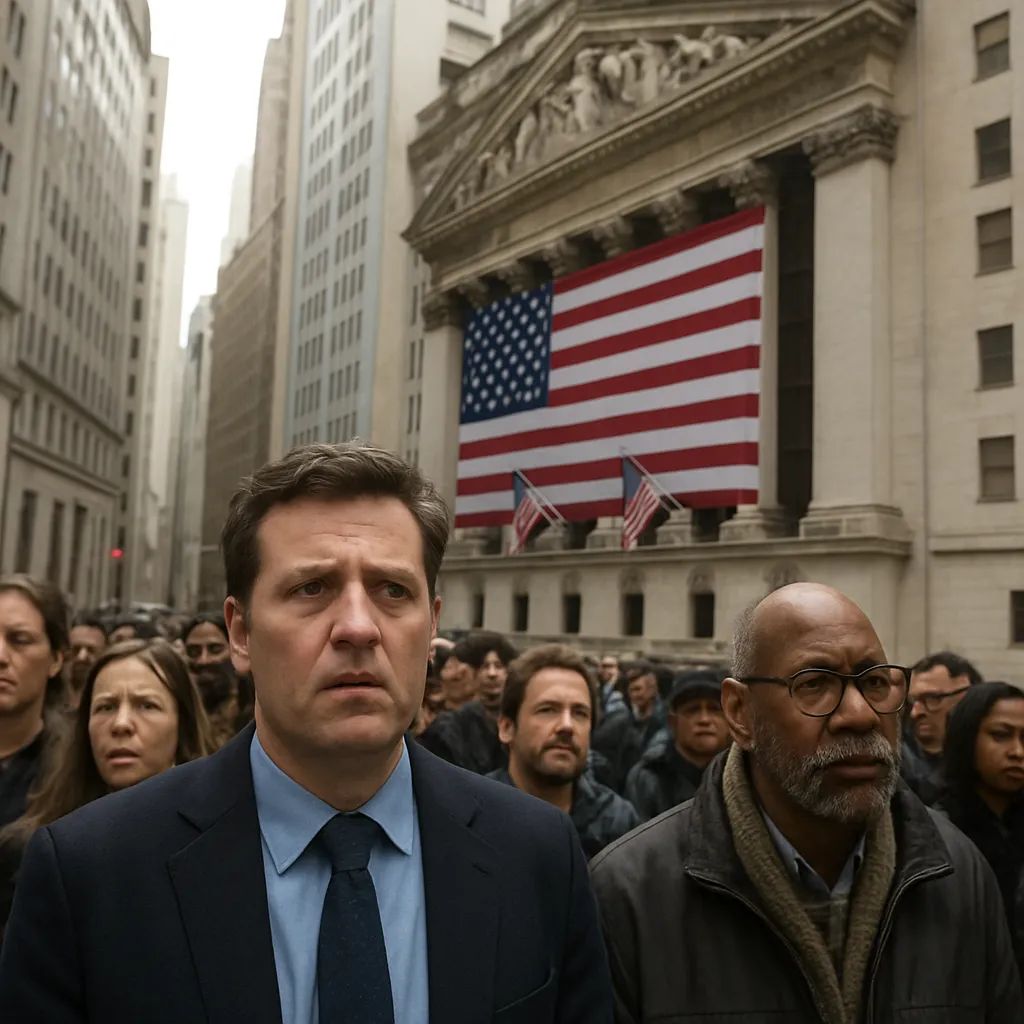
Some 1920s investors bought stocks on margin, paying only part of the price and borrowing the rest. What consequence did this create when prices fell?
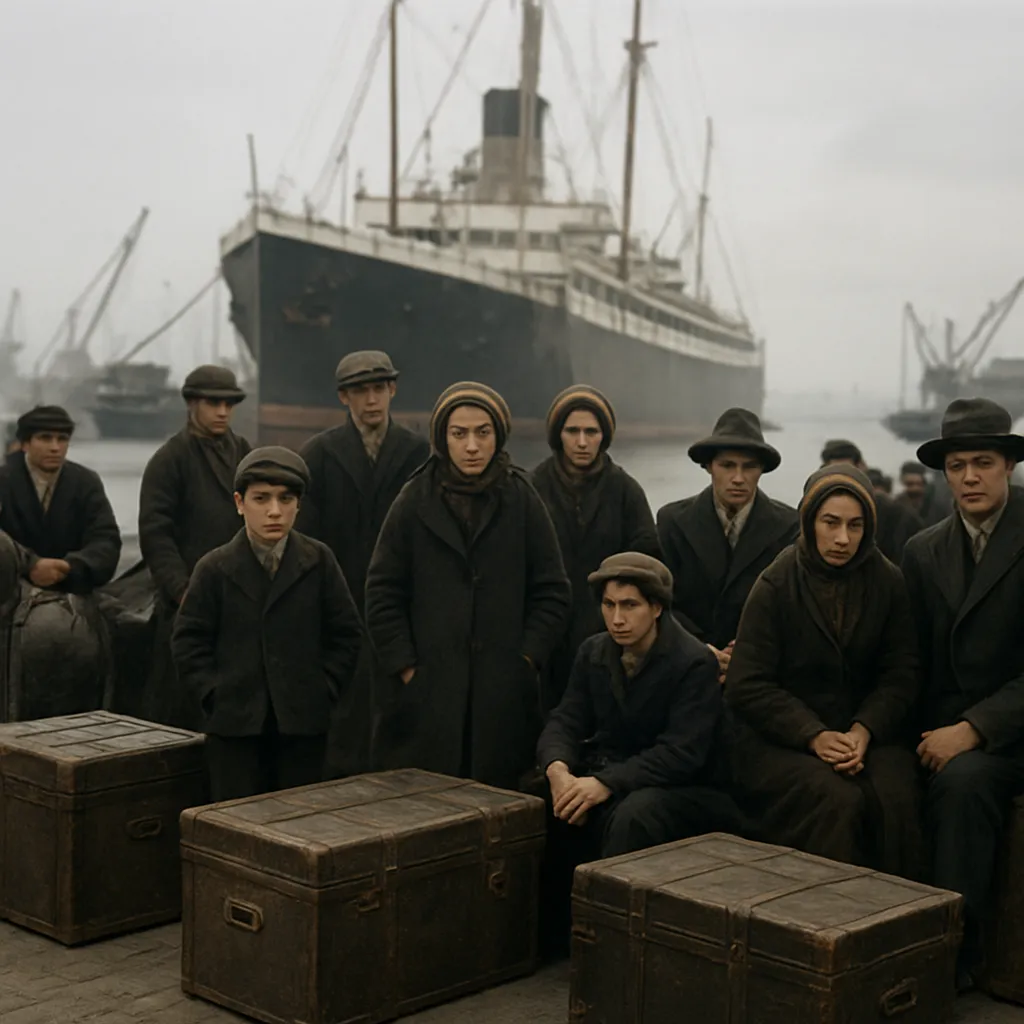
The Immigration Act of 1924 set national-origin quotas and barred immigrants ineligible for citizenship. What consequence did that policy have?
Crack the passcode before the zombies get in.
Answer, then swat bugs for bonus points.
Race through questions at your own speed.
Same question on every screen. Fastest wins.

Pick a tile, answer, hit bonuses and steals.
World War II
20 questions