Loading
by BlastRoom
Students identify new immigration patterns, entry stations, urban changes, and reactions to newcomers.
#us_history#us_grade_8_social_studies
20 questions
One question set, multiple game modes. Tap any game to see it in action. Not sure which to pick?
Answer to place stones and capture territory.
Outrun the snow together.
Earn blasts, then hunt the other team.
Answer to earn energy, then climb.

The class blasts through walls together.
Bid on mystery lots. Most money wins.
Sell tours. Nice, standard, or a total scam.

Answer, restock, and serve the rush.
More correct answers pulls the rope your way.
Answer, then shoot down the alien wave.
Answer, then tap to leap the frozen ridge.
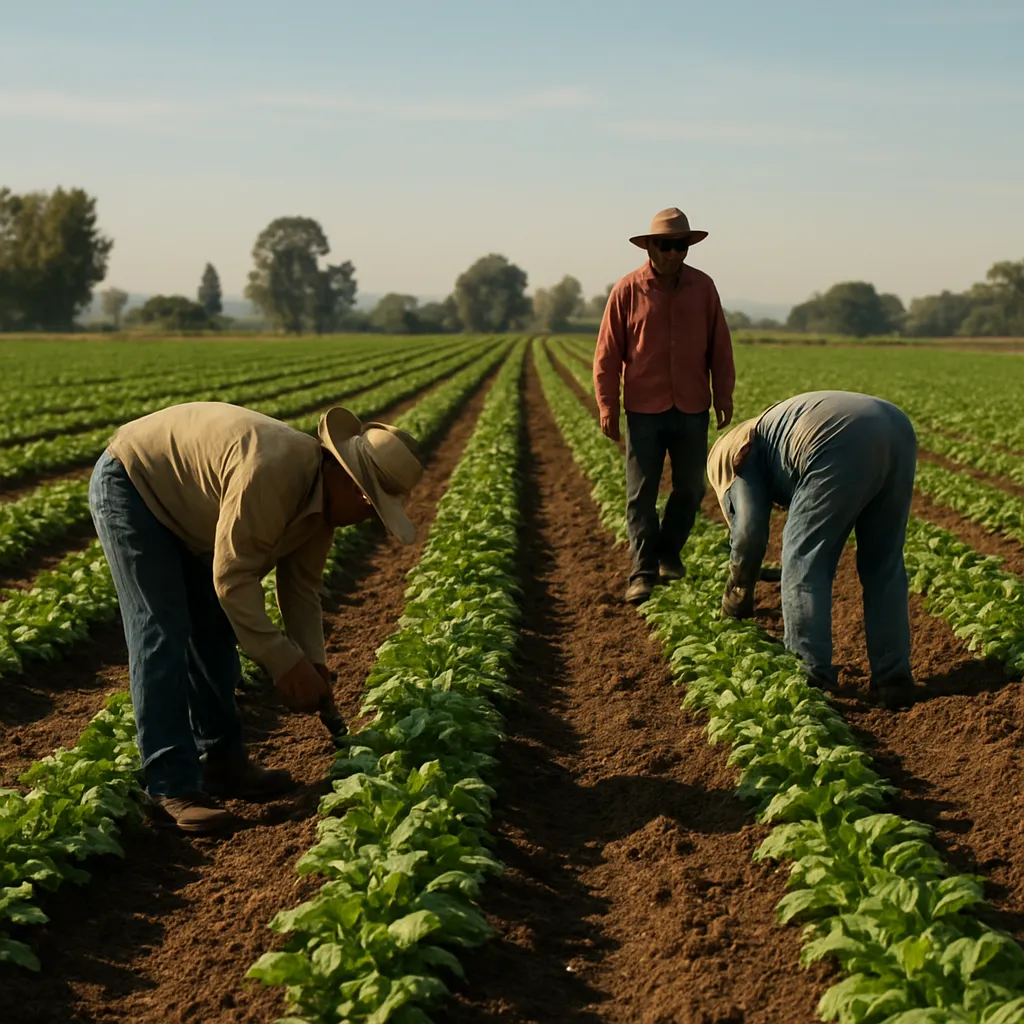
A Sicilian laborer arrived in 1905 after hearing that U.S. cities offered wages and factory work. What pull factor brought him?
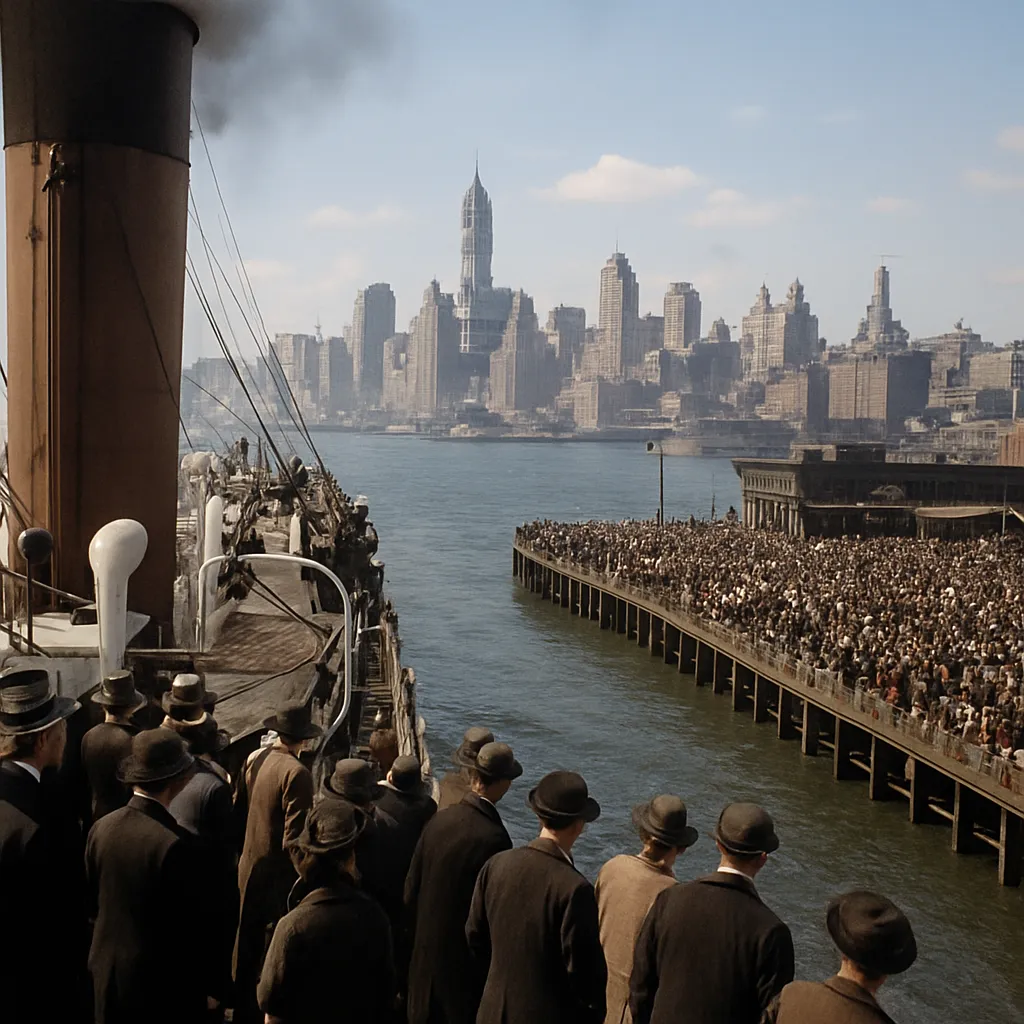
An Eastern European Jewish family fled pogroms and legal discrimination in the Russian Empire before sailing to New York. What push factor is shown?
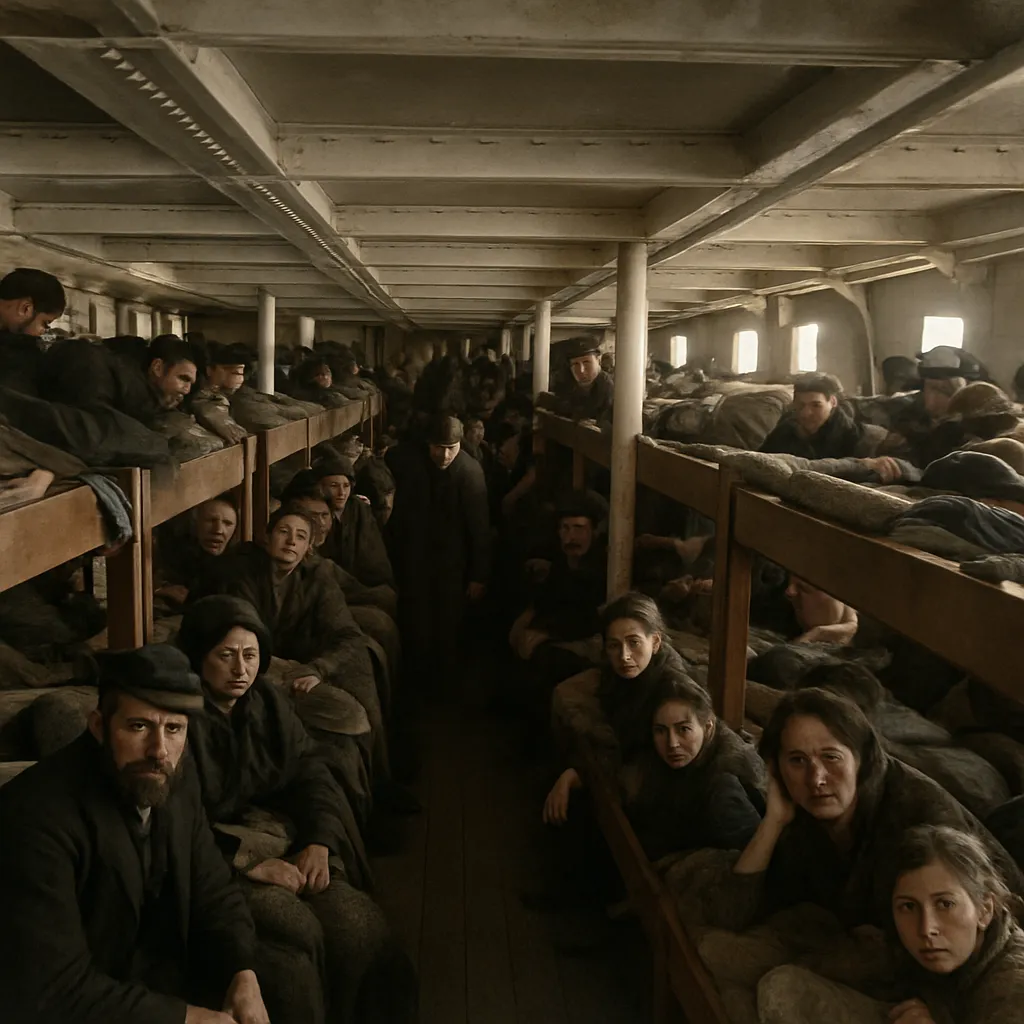
By the early 1900s, more than half of U.S. immigrant arrivals came from a newer stream. What main regions supplied that stream?
Around 1900, thousands of young Japanese men sailed to Hawaii and California. What pull factor drew most of them?
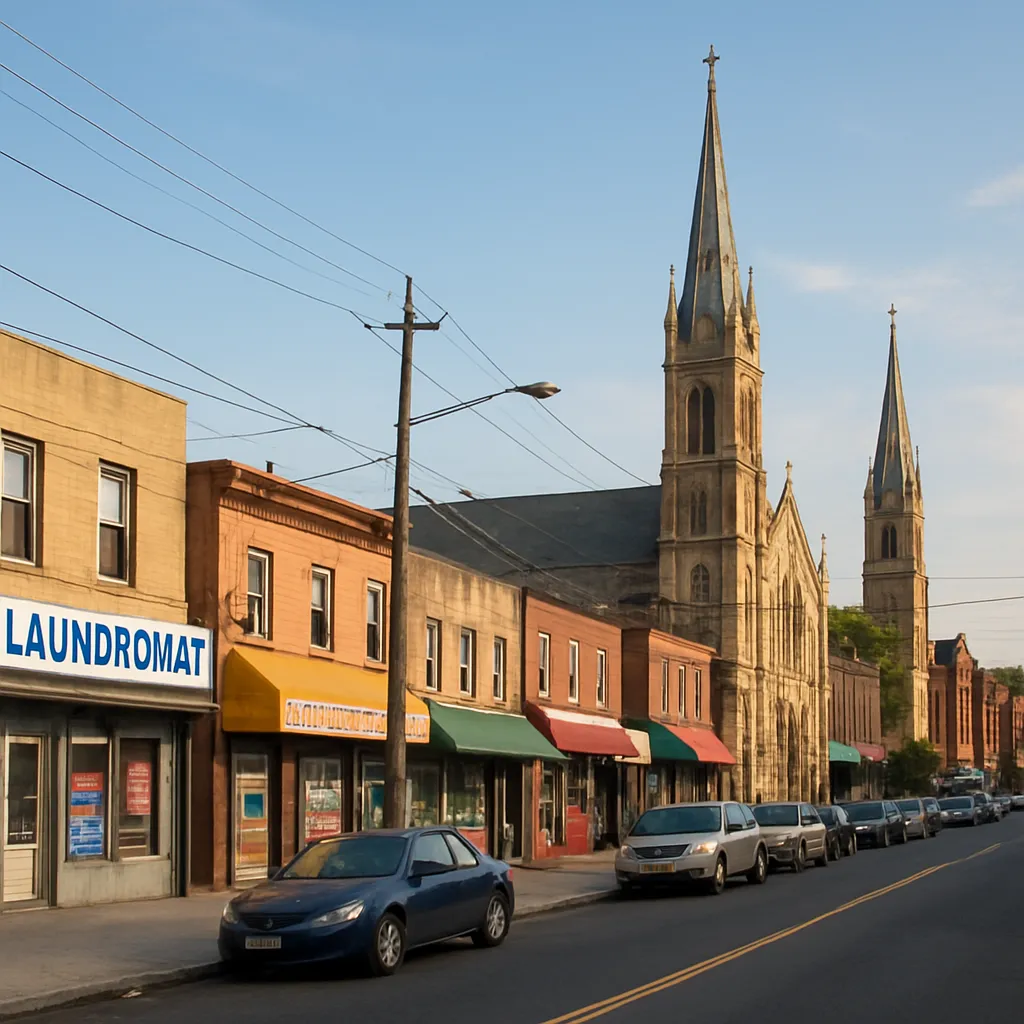
New immigrants in Lowell formed churches, clubs, and neighborhoods where familiar languages and customs continued. What reason for settling together is shown?
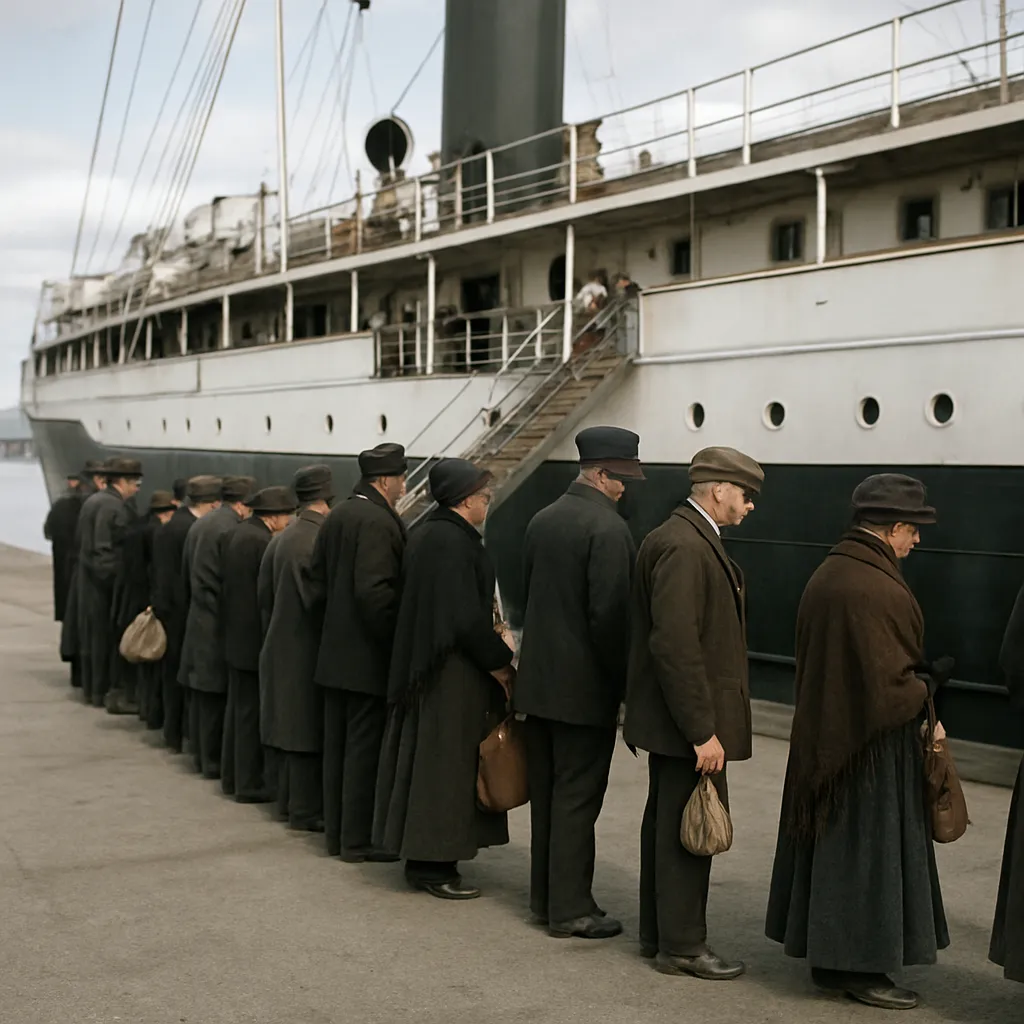
An immigrant steamship reached New York Harbor in 1903, and third-class passengers entered a federal inspection station. What station handled them?
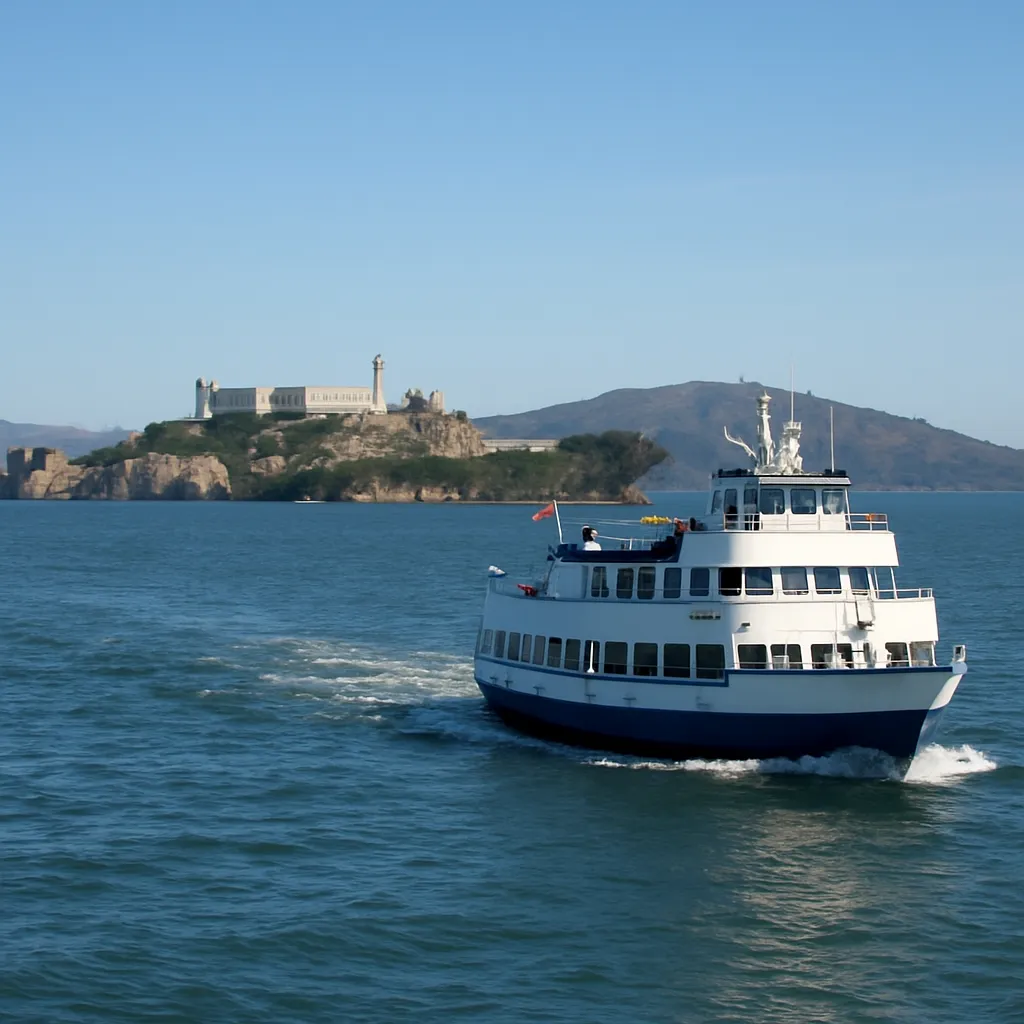
A Chinese immigrant with questioned papers arrived in San Francisco Bay in 1912 and was sent by ferry for further examination. What station handled the case?
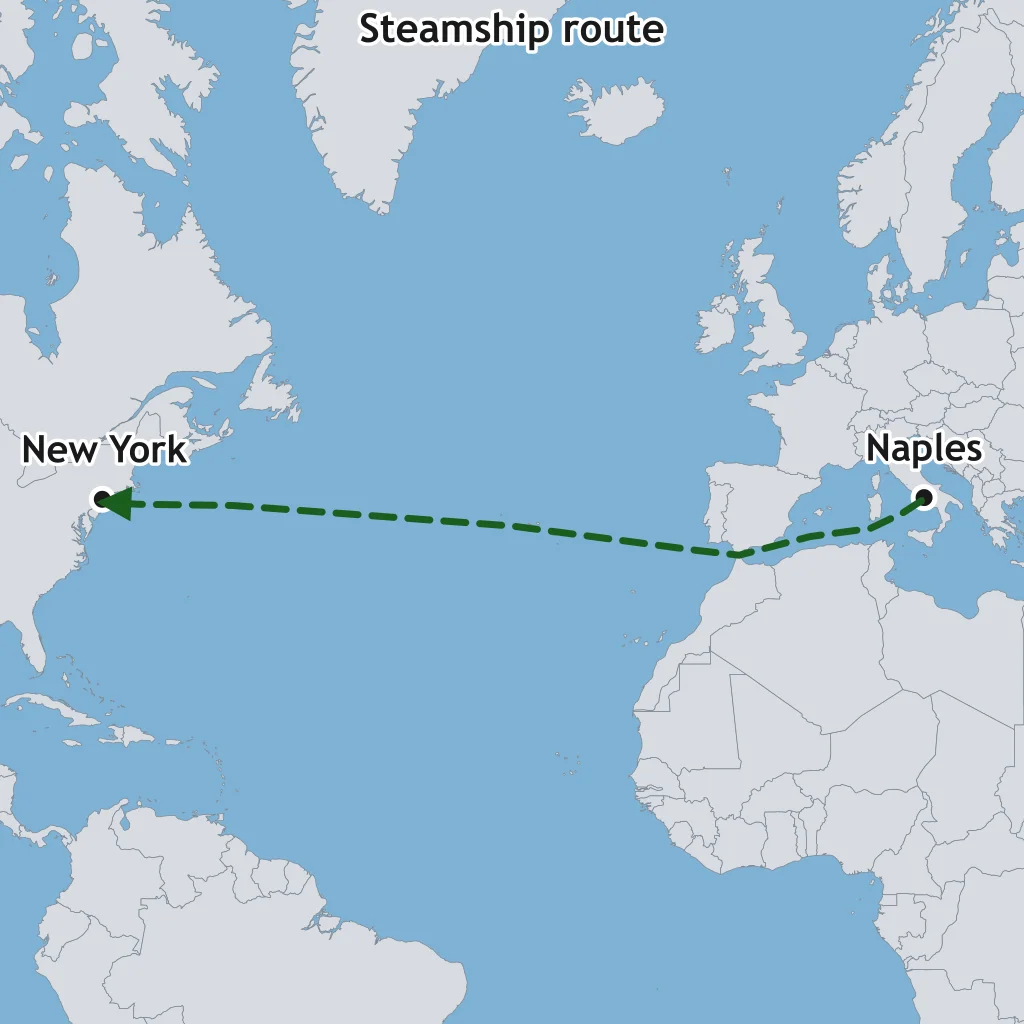
Use the map. A steerage passenger leaving Naples for New York in 1900 most likely took the steamship route shown. Which ocean route was it?
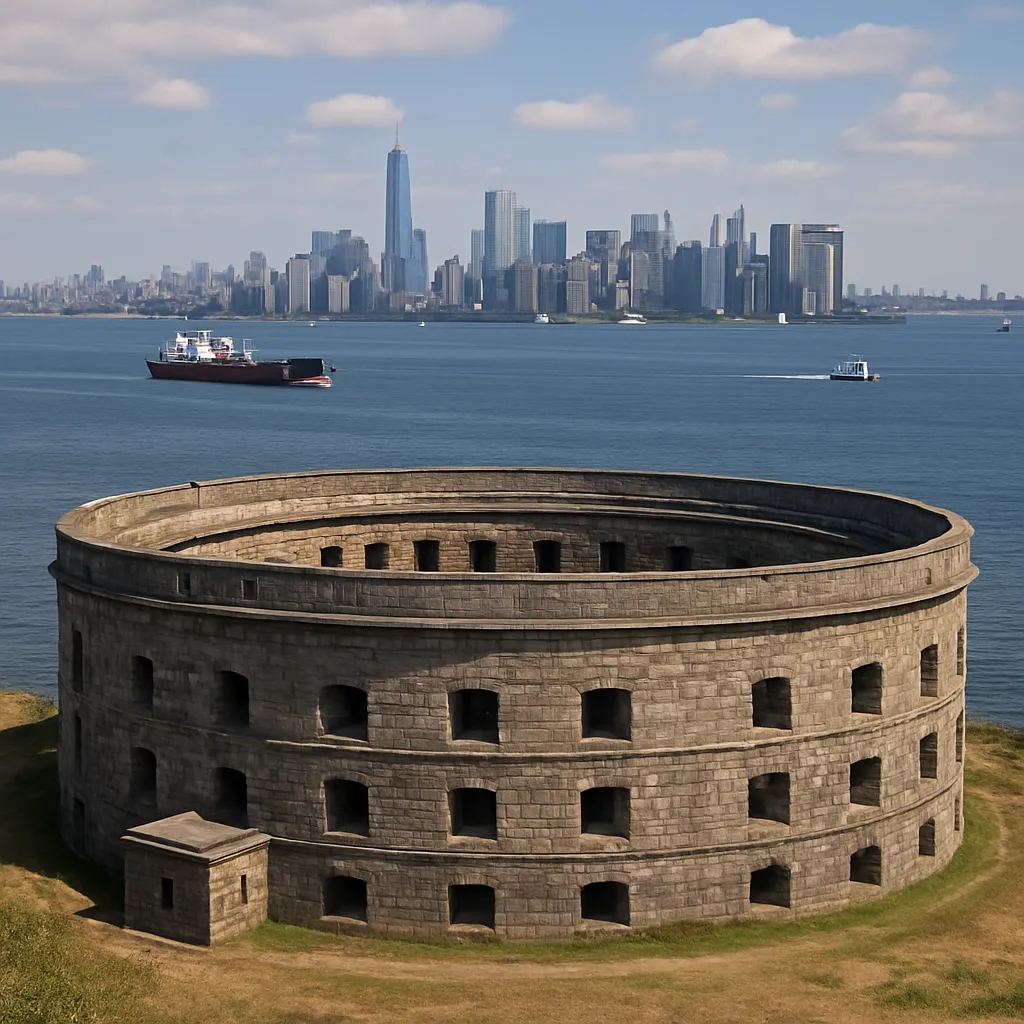
In 1885, an immigrant arriving at New York was processed at what depot near Manhattan's tip?
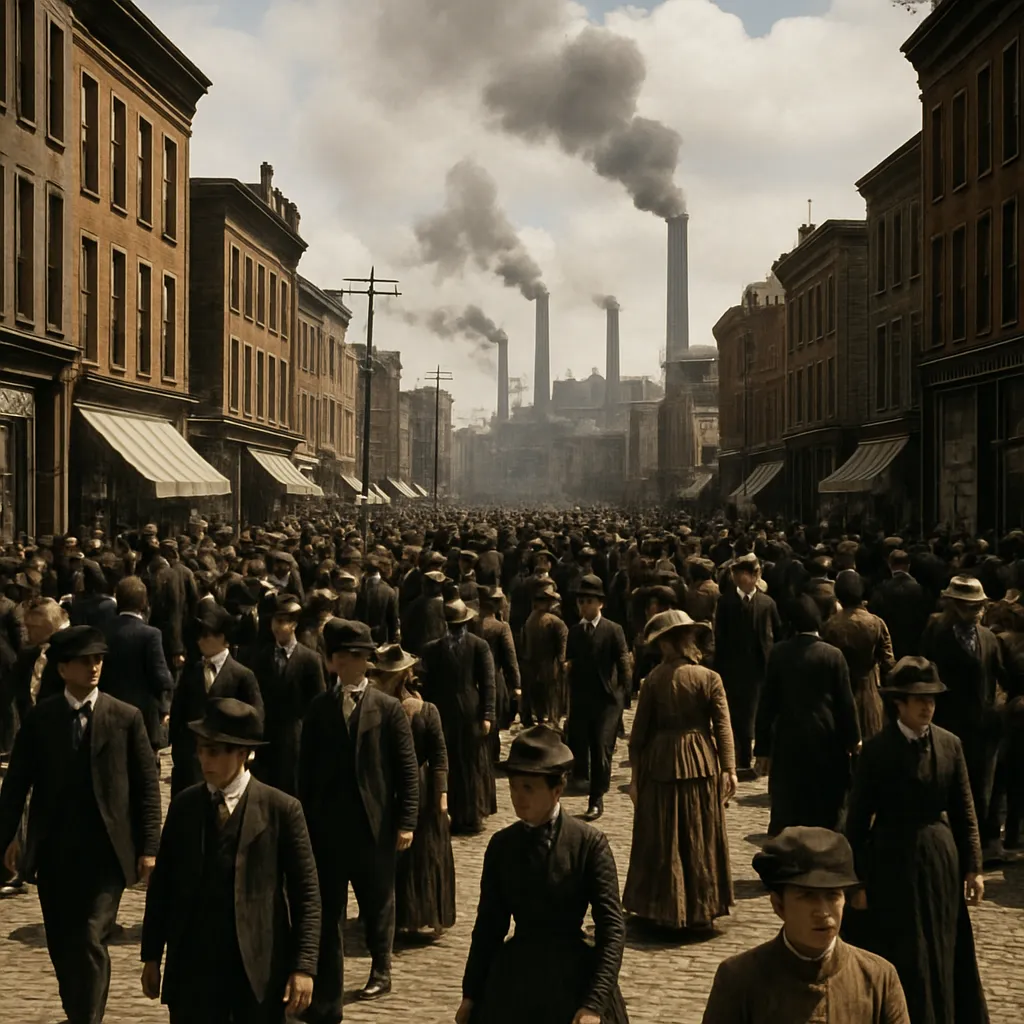
Between 1880 and 1900, factories and immigrants made U.S. city populations rise quickly. What process does this growth describe?
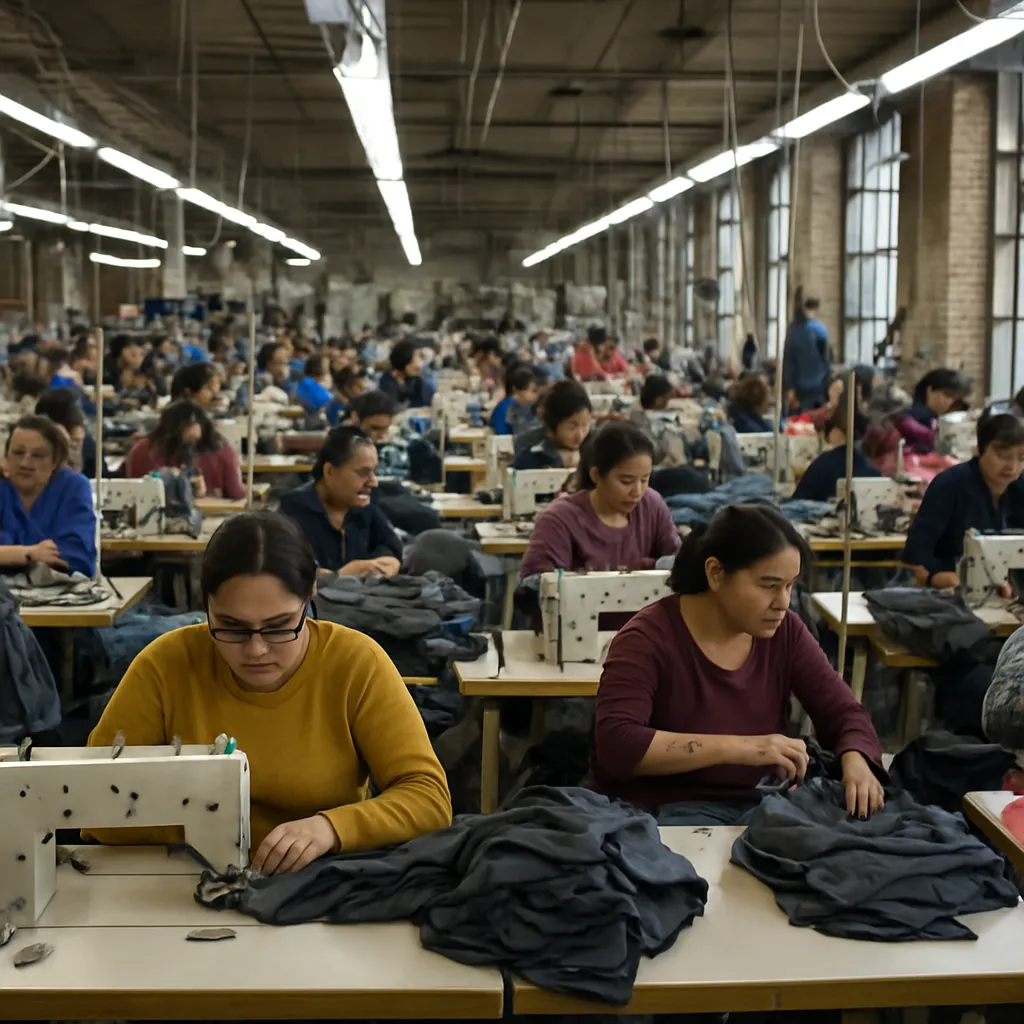
Many poor immigrant families rented cramped rooms in narrow apartment buildings with little light, ventilation, or plumbing. What were these buildings called?

Immigrant women in a Chicago garment shop worked long shifts in cramped rooms with poor lighting and production quotas. What workplace is described?
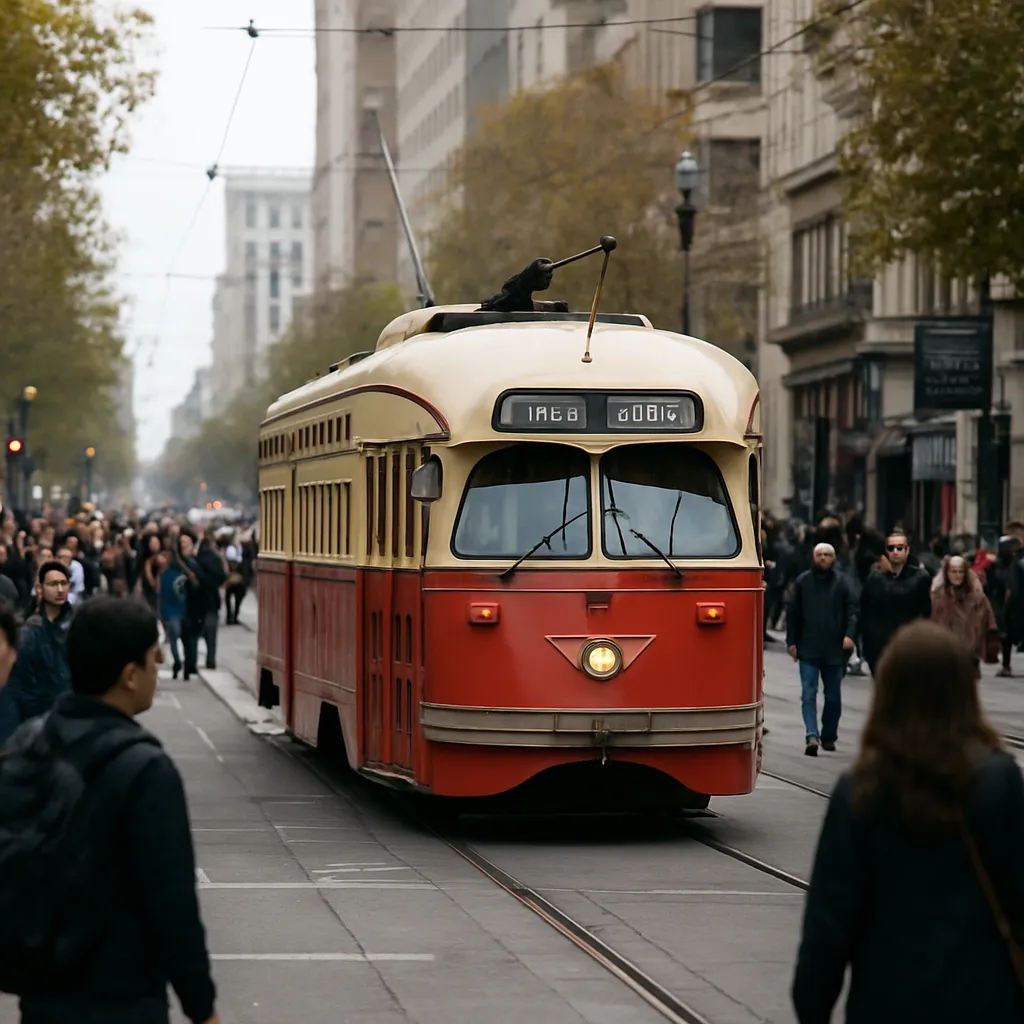
Cities built trolleys, cable cars, and subways so workers could travel across growing urban areas. What city change is shown?
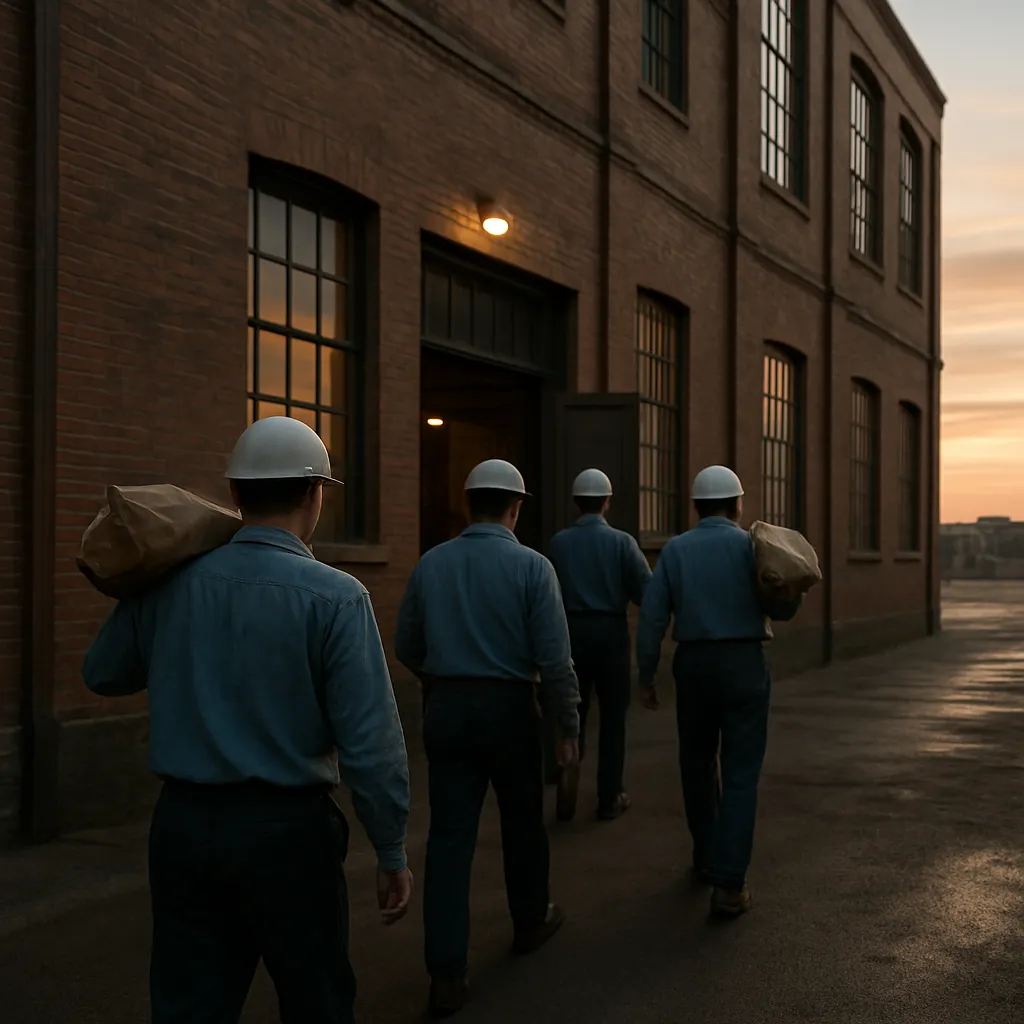
A farm worker moved to Chicago for a meatpacking job in 1905. What change in work life does this example show?
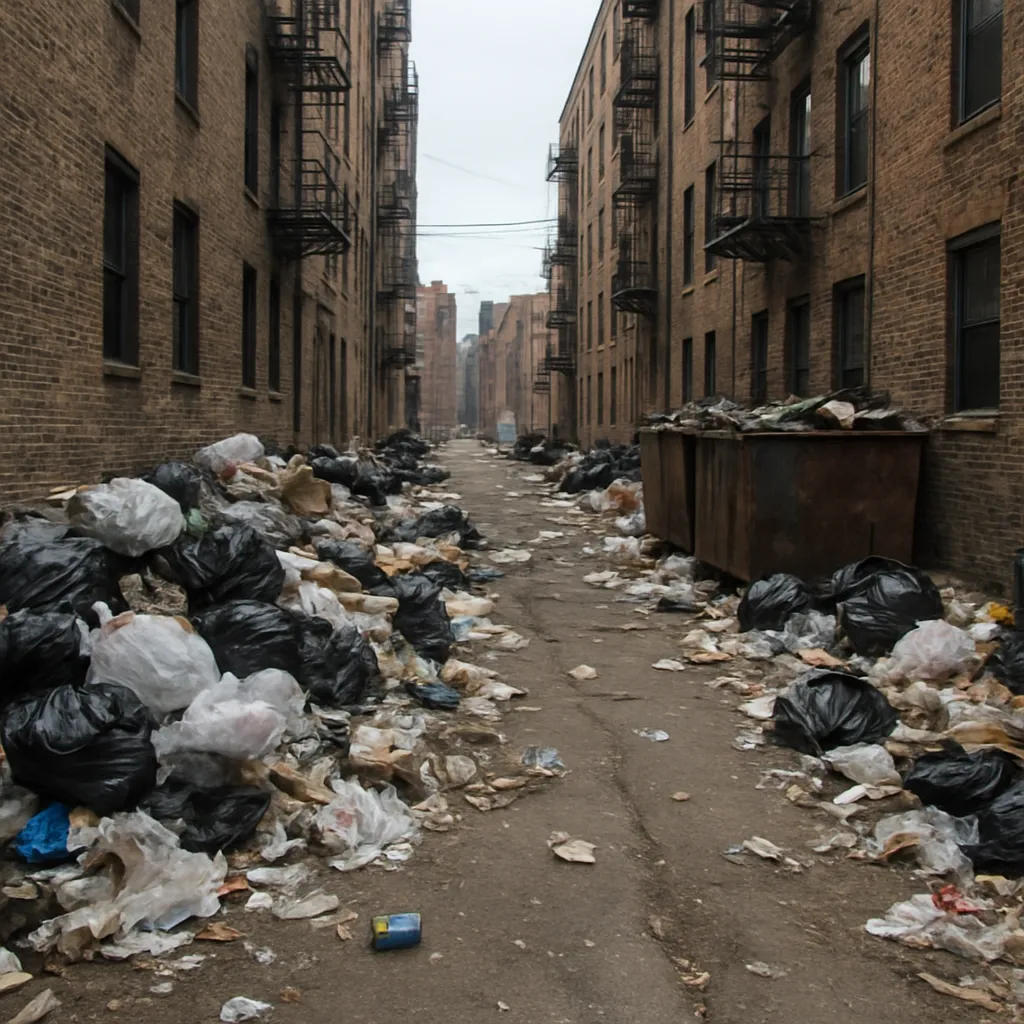
A city tenement block had garbage in alleys, overflowing sewers, and disease. Which urban problem do these conditions describe?
Jacob Riis used reporting and photographs to expose crowded tenement conditions in New York. What reform response does his work represent?

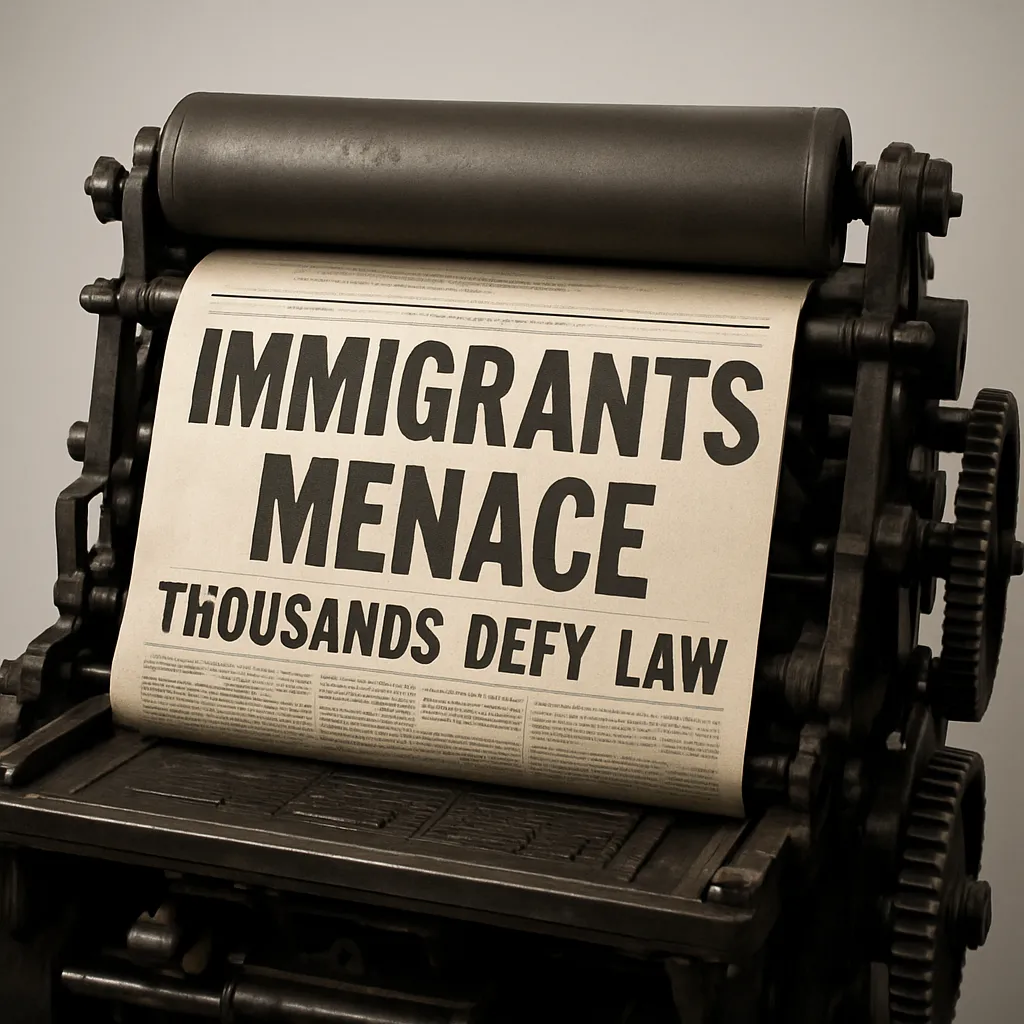
A newspaper warns that immigrants are taking jobs and changing American culture too quickly. What reaction does this claim show?
In 1882, Congress passed the first major U.S. law to ban immigration by nationality. It barred laborers from one country for ten years. Which law was it?

Jane Addams and Ellen Gates Starr opened Hull-House in Chicago to offer services to immigrant and working-class neighbors. What reform response was this?
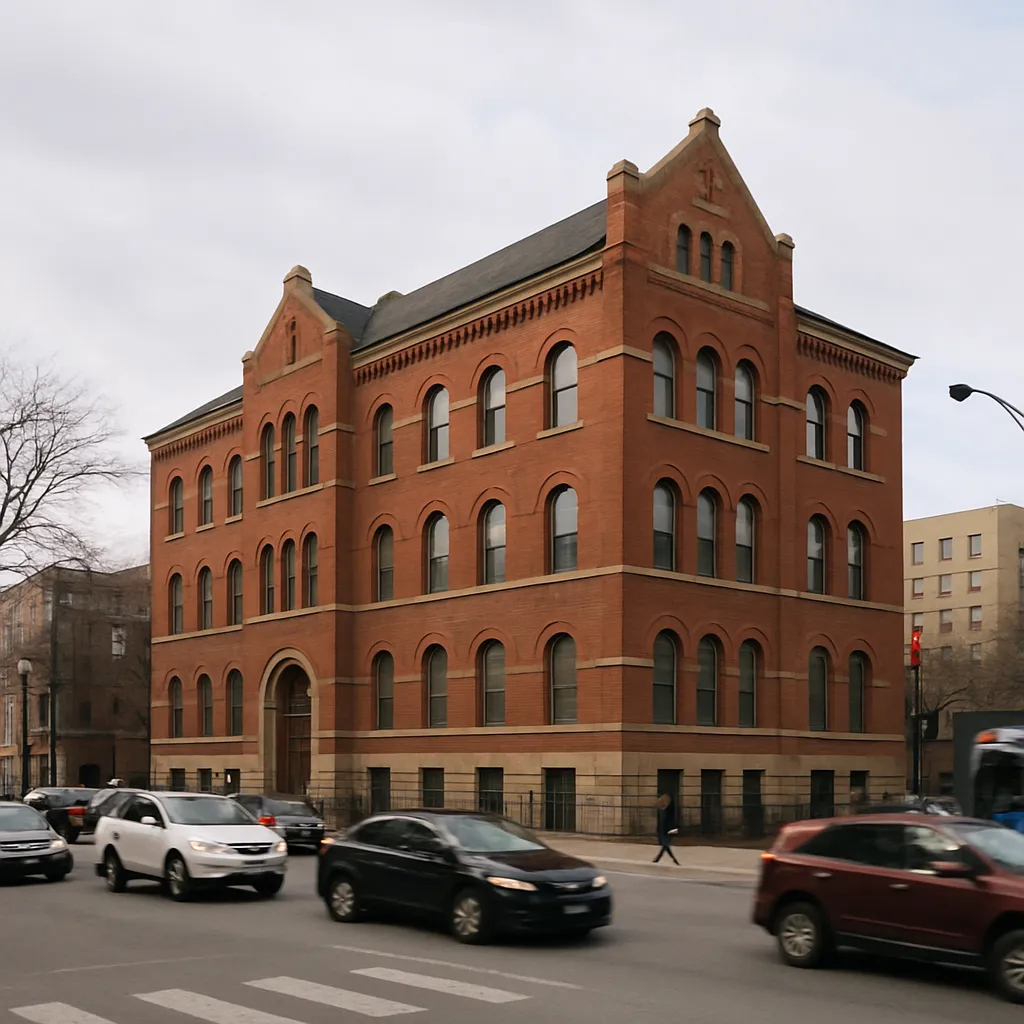
A 1924 law set each country's yearly immigrant quota at 2 percent of the people from that country living in the U.S. in 1890. What response to immigration was this?
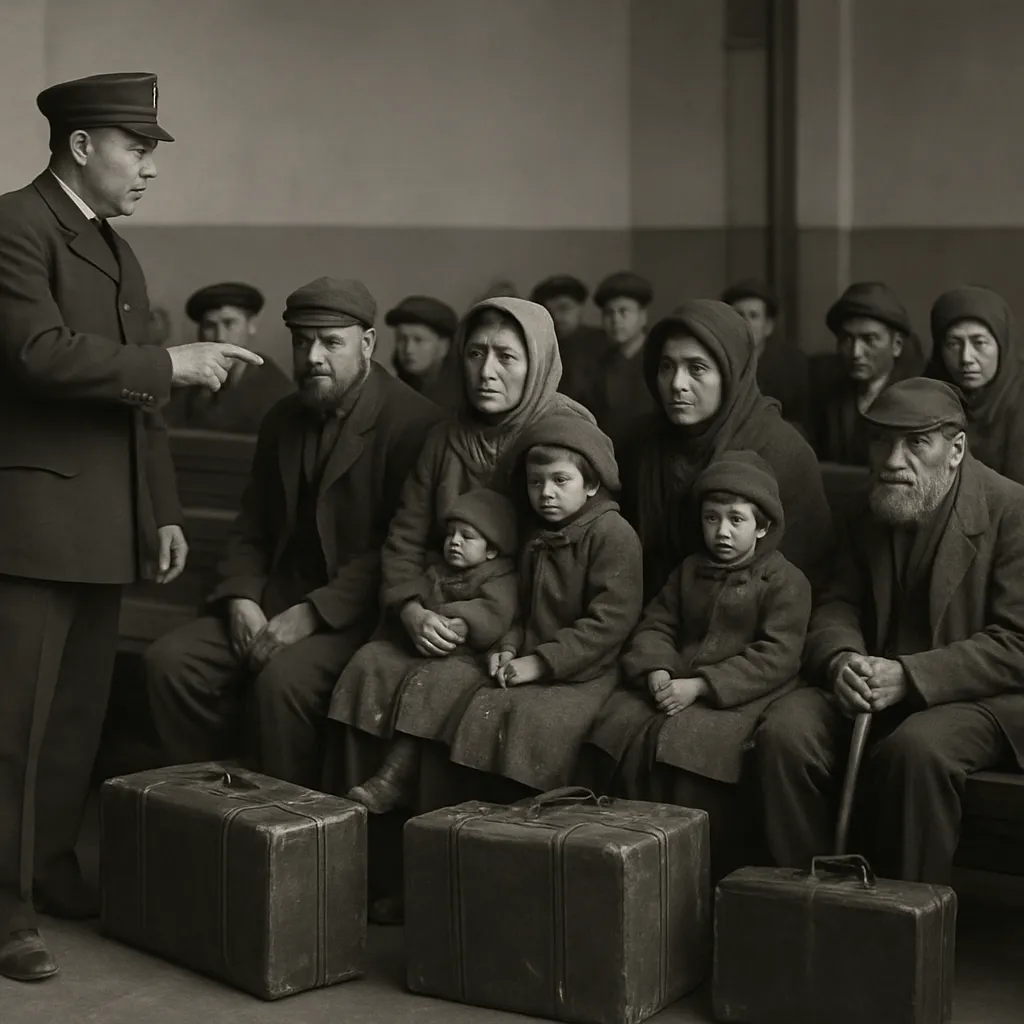
Crack the passcode before the zombies get in.
Answer, then swat bugs for bonus points.
Race through questions at your own speed.
Same question on every screen. Fastest wins.

Pick a tile, answer, hit bonuses and steals.
Expansion and Imperialism
20 questions