Loading
by BlastRoom
Questions review segregation, protest, leaders, civil rights laws, and voting protections.
#us_history#us_grade_8_social_studies
20 questions
One question set, multiple game modes. Tap any game to see it in action. Not sure which to pick?
Answer to place stones and capture territory.
Outrun the snow together.
Earn blasts, then hunt the other team.
Answer to earn energy, then climb.

The class blasts through walls together.
Bid on mystery lots. Most money wins.
Sell tours. Nice, standard, or a total scam.

Answer, restock, and serve the rush.
More correct answers pulls the rope your way.
Answer, then shoot down the alien wave.
Answer, then tap to leap the frozen ridge.
In 1954, the Supreme Court ruled unanimously that segregated public schools were unconstitutional. Which Chief Justice wrote that opinion?
In 1896, a Supreme Court case upheld racial segregation under the “separate but equal” doctrine. Which case was it?
NAACP lawyers argued the Brown school-segregation cases before the Supreme Court. Which lawyer later became the first African American Supreme Court justice?
After Arkansas officials blocked the Little Rock Nine in 1957, which president sent federal troops to enforce desegregation at Central High School?
A federal court case struck down racial segregation on Montgomery city buses during the boycott. Which case was it?
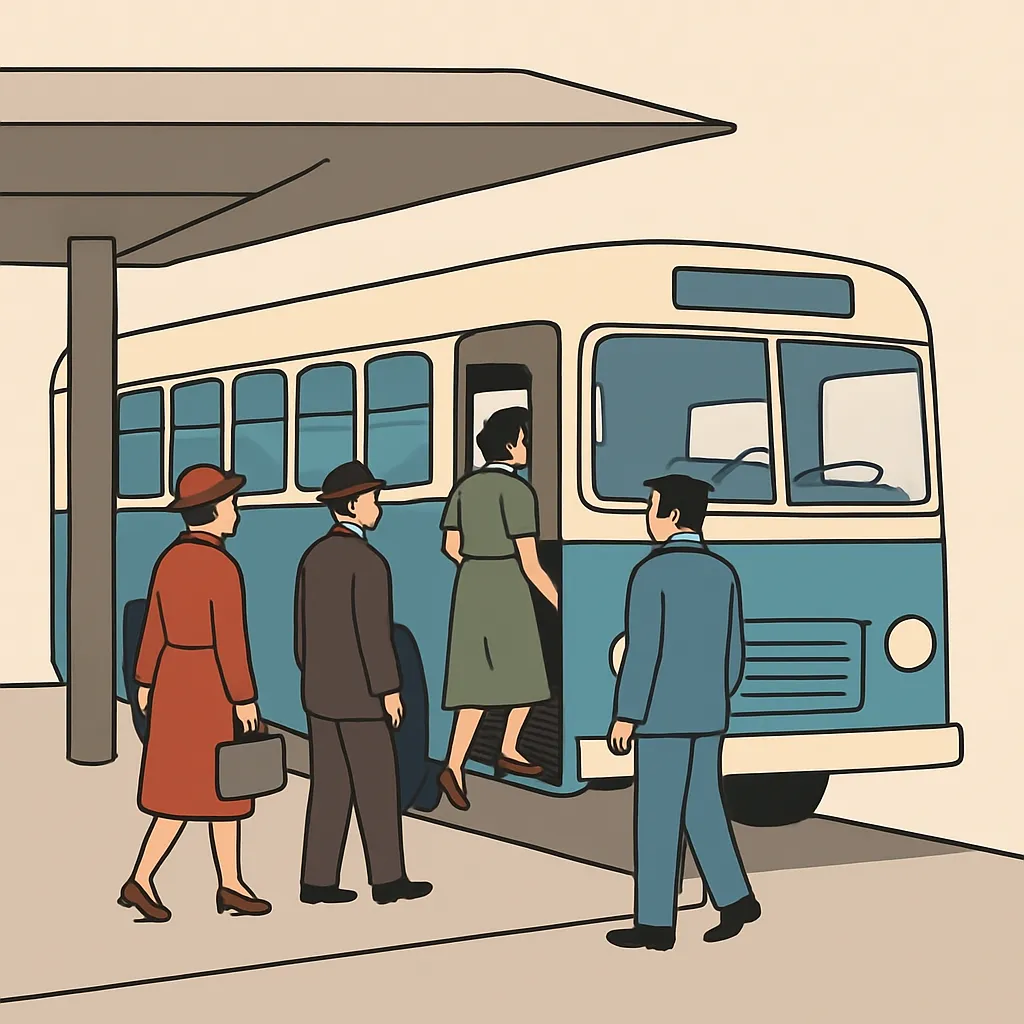
After Rosa Parks was arrested in December 1955, African American residents of her city stayed off public transit for 381 days. Which protest was this?
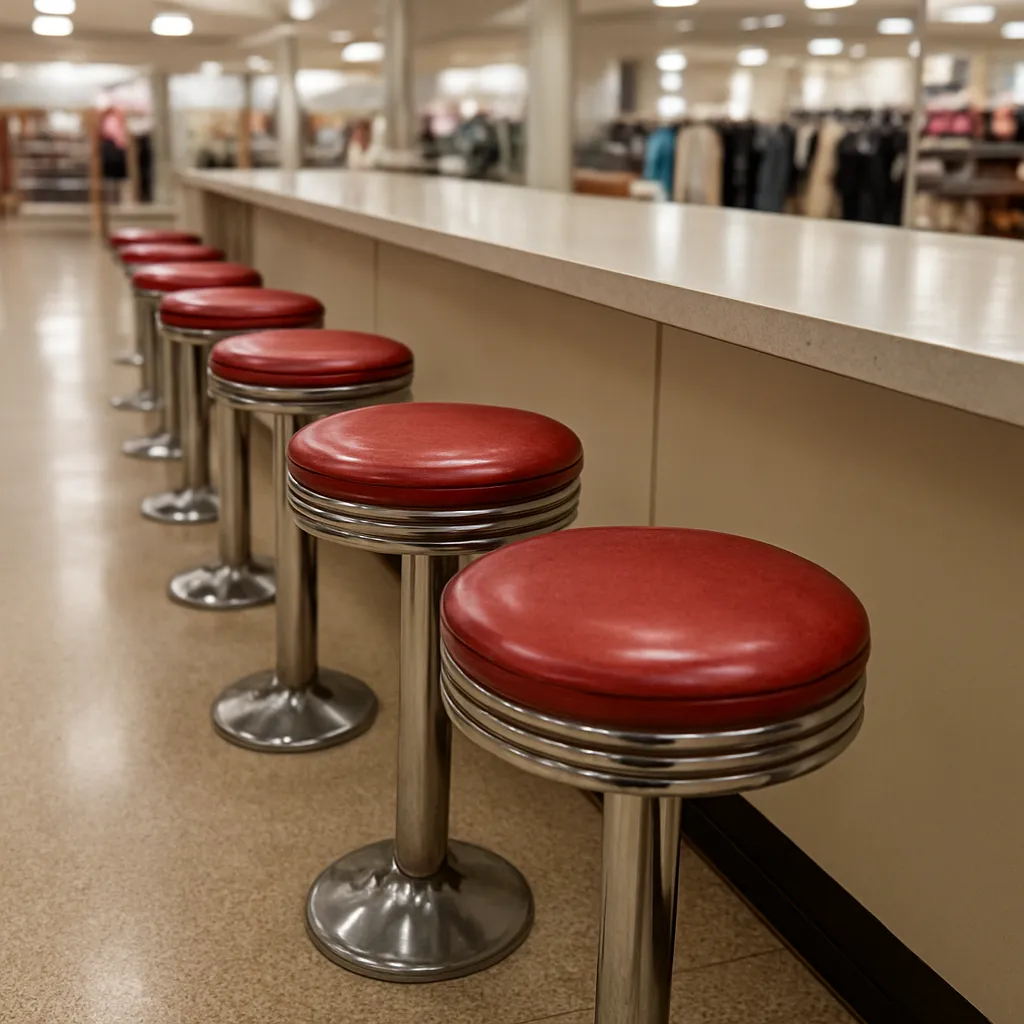
In 1960, Greensboro students took places at a whites-only lunch counter, asked to be served, and stayed until closing each day. Which protest method was this?
CORE activists traveled on interstate buses through the South in 1961 to test whether terminals obeyed desegregation rulings. Which action was this?
A group formed after the Montgomery boycott to coordinate nonviolent direct action across the South. Which organization did Martin Luther King Jr. help found?
The 1963 March on Washington needed detailed planning for a huge peaceful demonstration. Which organizer handled much of that work?
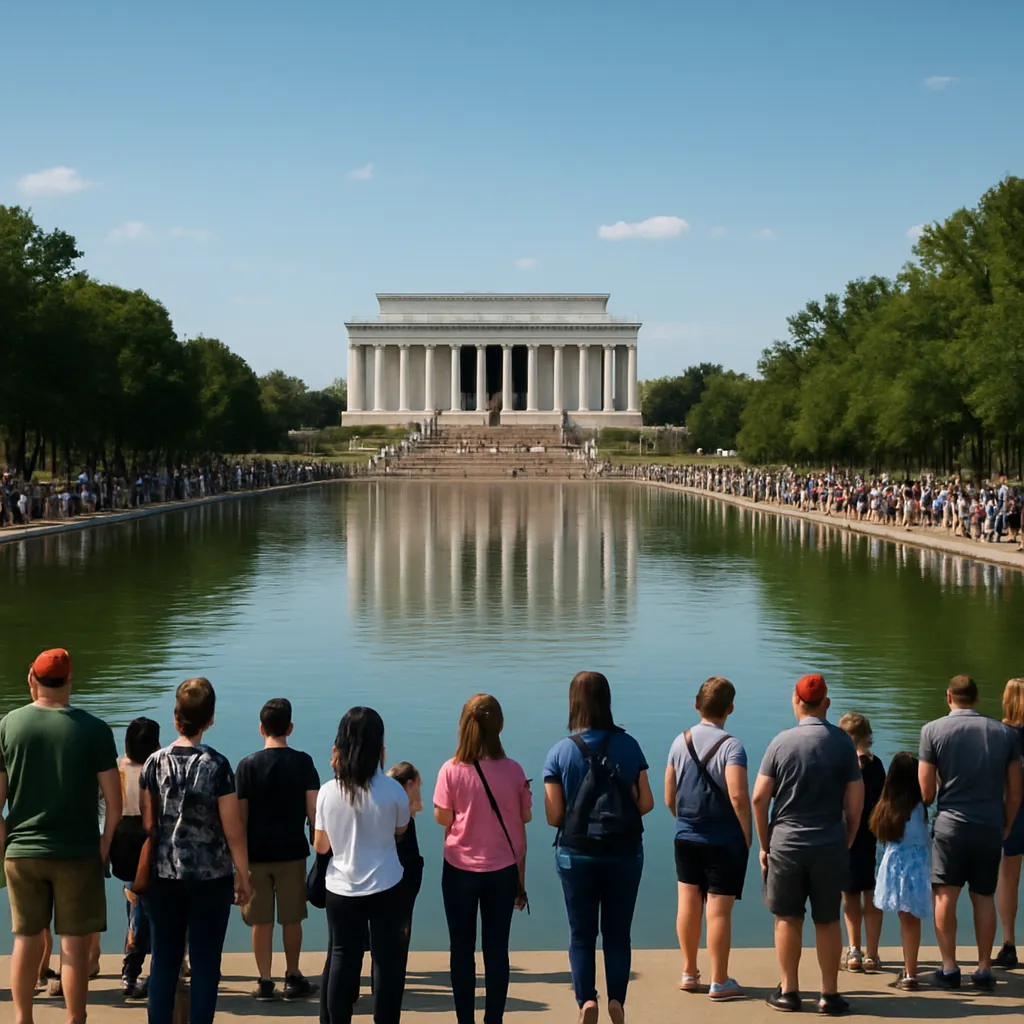
A federal law banned segregation in public places such as hotels and restaurants and made job discrimination illegal. Which law did this?
Civil rights marchers were attacked at Selma, Alabama, and the President then asked Congress to act. Which law was signed a few months later?
Which constitutional amendment barred poll taxes in federal elections after activists challenged barriers to voting?
A law signed one week after Martin Luther King Jr. was assassinated banned discrimination in the sale, rental, and financing of housing. Which law was this?
Congress created a fact-finding U.S. Commission on Civil Rights in the first civil rights law passed since Reconstruction. Which law created that commission?
In 1964, Freedom Summer volunteers worked to register Black voters in Mississippi. Which barrier made people read or explain a passage before they could register?
At the 1963 March on Washington for Jobs and Freedom, about 250,000 people gathered at the Lincoln Memorial. Which famous speech was given there?
What did the Supreme Court decide in its 1954 ruling in Brown v. Board of Education?
Besides banning segregation in public places, the Civil Rights Act of 1964 also changed the workplace. Which effect did it have on jobs?
After the Selma marches, Congress passed the Voting Rights Act of 1965. Which change did the law bring to Southern elections?
Crack the passcode before the zombies get in.
Answer, then swat bugs for bonus points.
Race through questions at your own speed.
Same question on every screen. Fastest wins.

Pick a tile, answer, hit bonuses and steals.
Review: Colonial America and the Road to Revolution
40 questions