Loading
by BlastRoom
Identify major Mesozoic and Cenozoic life, deposits, and tectonic changes.
#earth_space_science
40 questions
One question set, multiple game modes. Tap any game to see it in action. Not sure which to pick?
Answer to place stones and capture territory.
Outrun the snow together.
Earn blasts, then hunt the other team.
Answer to earn energy, then climb.

The class blasts through walls together.
Bid on mystery lots. Most money wins.
Sell tours. Nice, standard, or a total scam.

Answer, restock, and serve the rush.
More correct answers pulls the rope your way.
Answer, then shoot down the alien wave.
Answer, then tap to leap the frozen ridge.
The Hell Creek Formation preserves Triceratops and T. rex fossils in rocks just below the K-Pg boundary. In which period were those beds deposited?
Western U.S. river and floodplain rocks of the Morrison Formation contain Allosaurus, Apatosaurus, Diplodocus, and Stegosaurus. Which period is represented?
The Chinle Formation at Petrified Forest National Park contains petrified conifer logs, phytosaurs, and early dinosaurs such as Coelophysis. Which period does it record?
Archaeopteryx fossils from the Solnhofen Limestone in Germany are about 149–145 million years old and show feathers plus dinosaur traits. Which period is this?
Big Bend fossils include Quetzalcoatlus and Tyrannosaurus rex from the last part of the Mesozoic. Which period contains that assemblage?
Zion's Kayenta Formation includes reddish stream and floodplain deposits with early dinosaur tracks, about 195–185 million years old. Which period is it?
Coelophysis was a small, agile dinosaur that lived in the Late Triassic. What was true of Earth's land when it lived?
Utah's Cedar Mountain Formation overlies the Morrison and preserves dinosaurs from about 125–98 million years ago. Which period do these fossils belong to?
The Niobrara Chalk holds marine fossils from the Western Interior Seaway, when shallow sea water covered much of central North America. Which period is represented?
Zion's Navajo Sandstone formed from vast windblown dunes about 185–180 million years ago. Which period does this sandstone record?
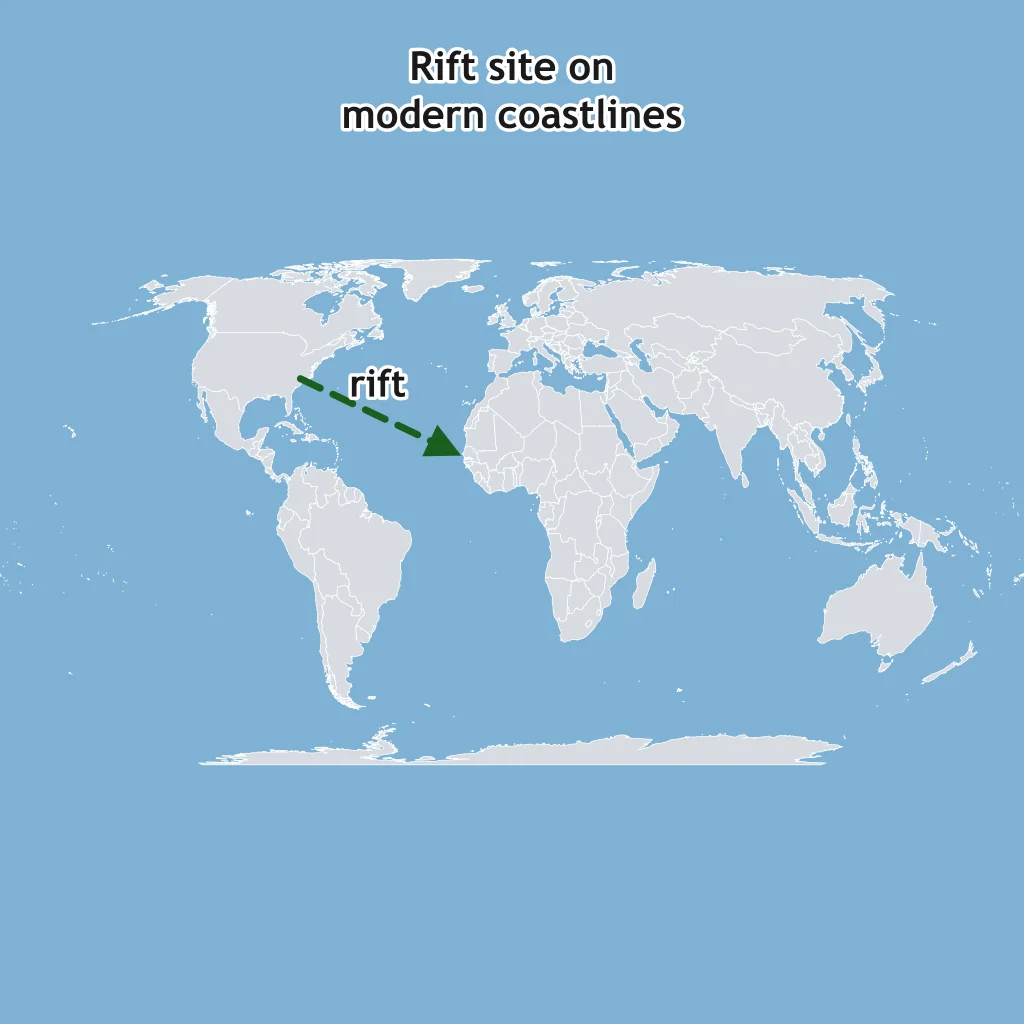
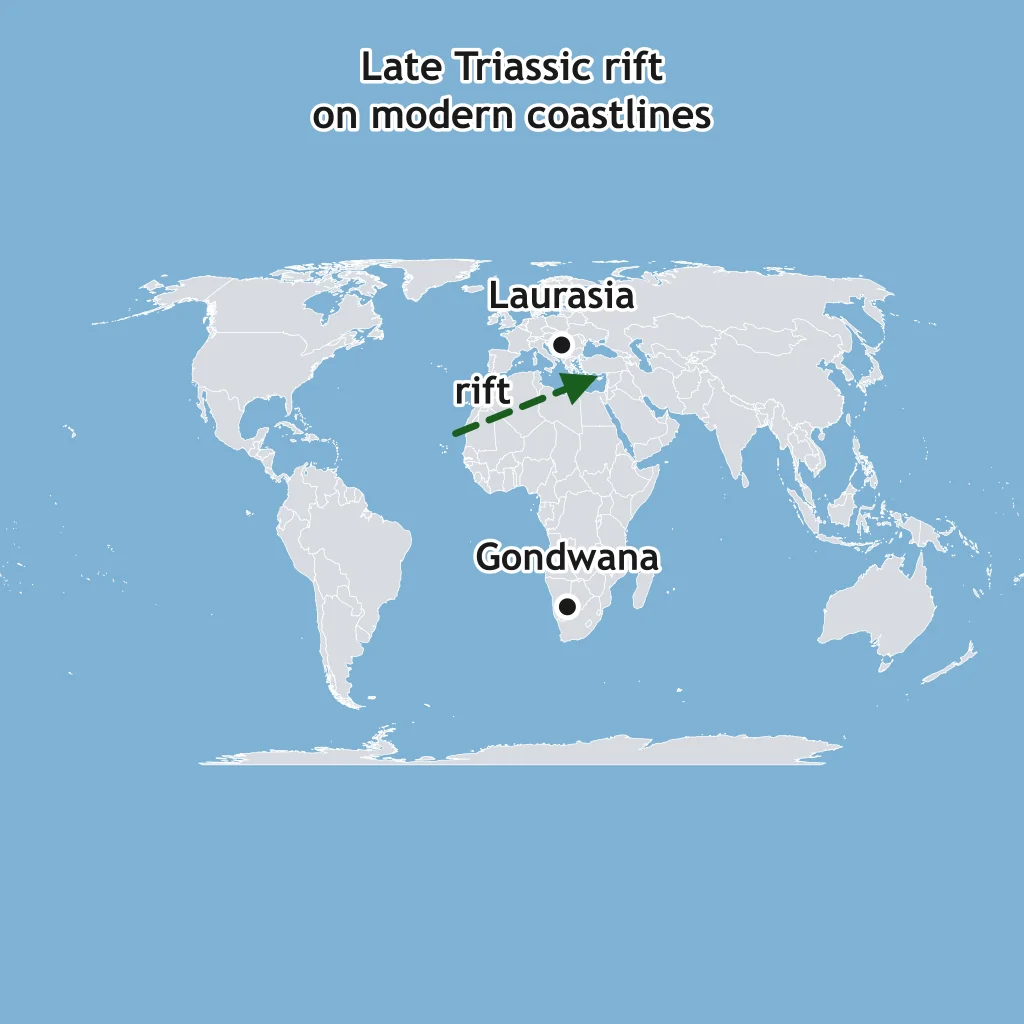
The map marks, on today's coastlines, where a rift opened about 200 Ma between eastern North America and northwest Africa while most land was still joined. What event is shown?
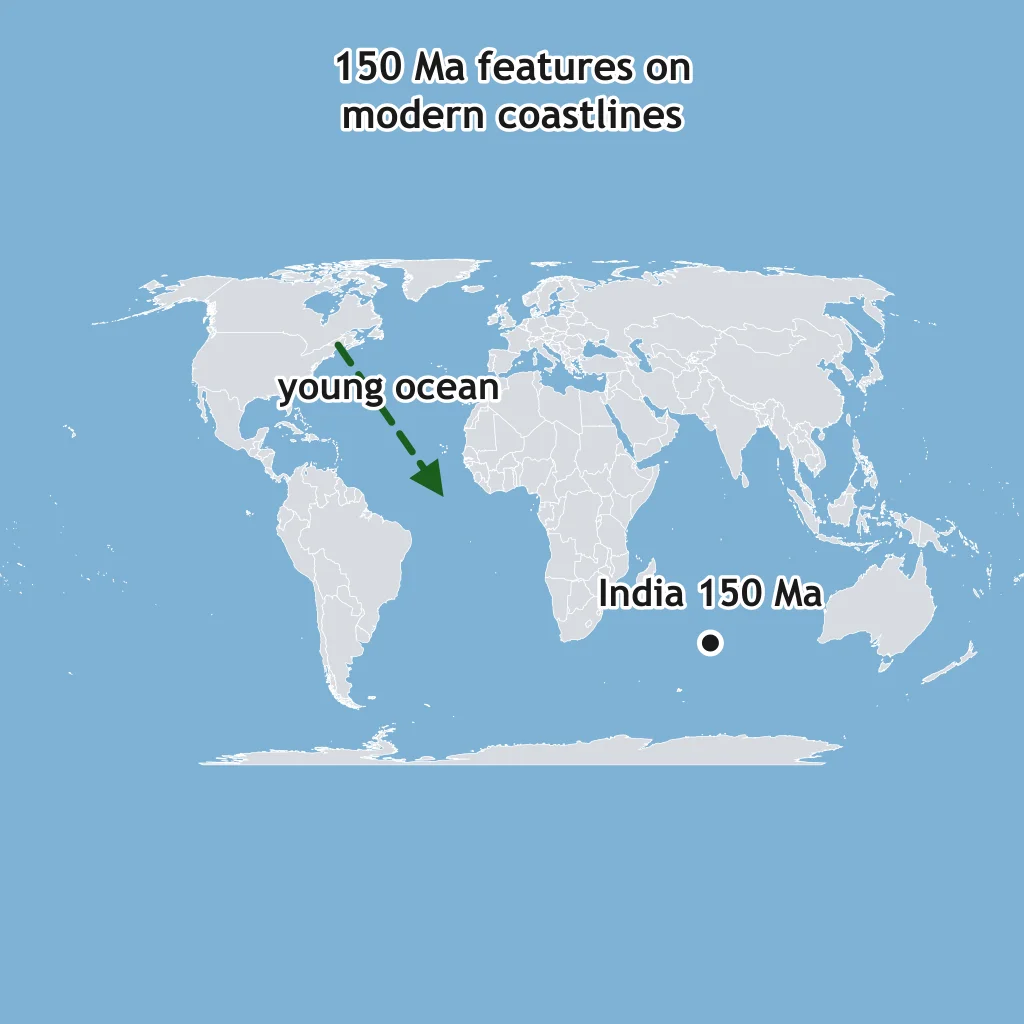
A map drawn on today's coastlines marks where a young ocean was widening between North America and Africa 150 Ma and where India sat then, far south near Antarctica. Which interpretation fits the map?
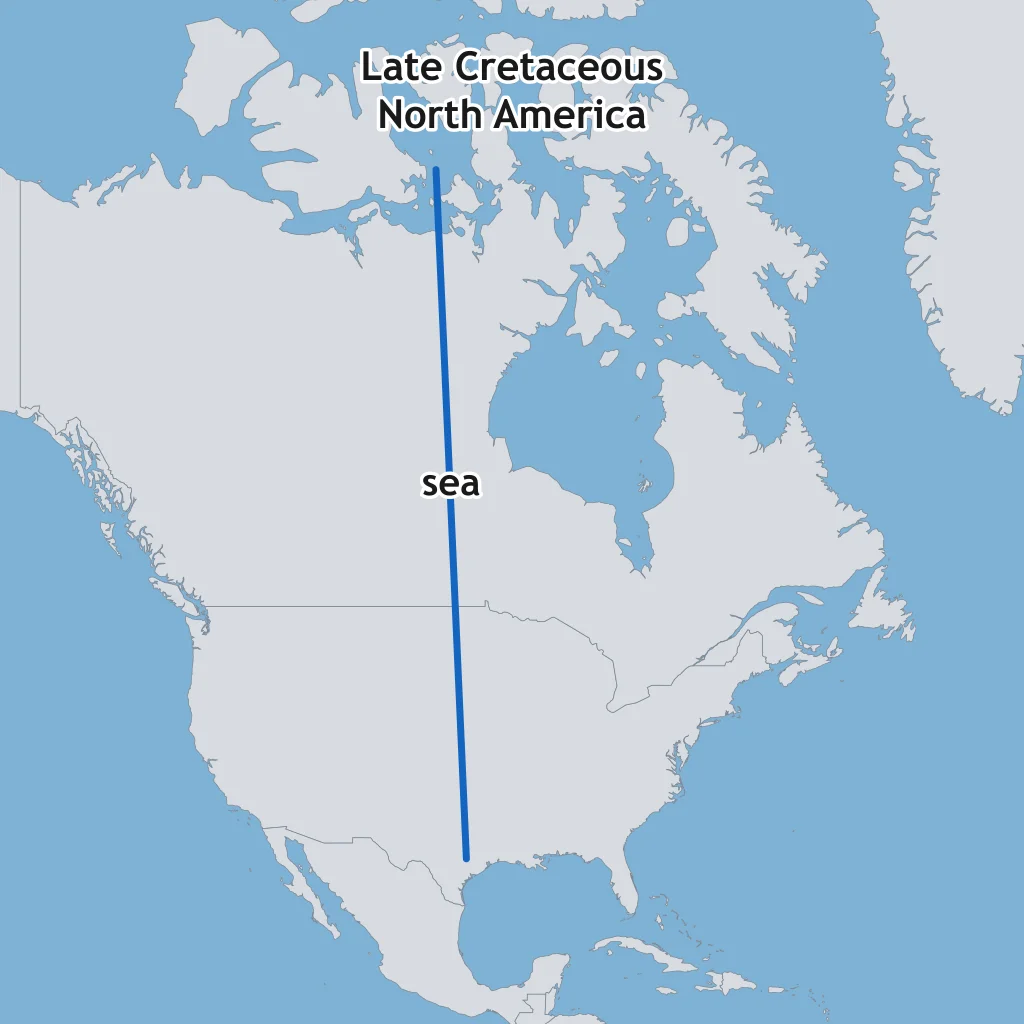
Use the map of North America. A long shallow sea connects the Arctic to the Gulf of Mexico through the continent's center. What does it show?
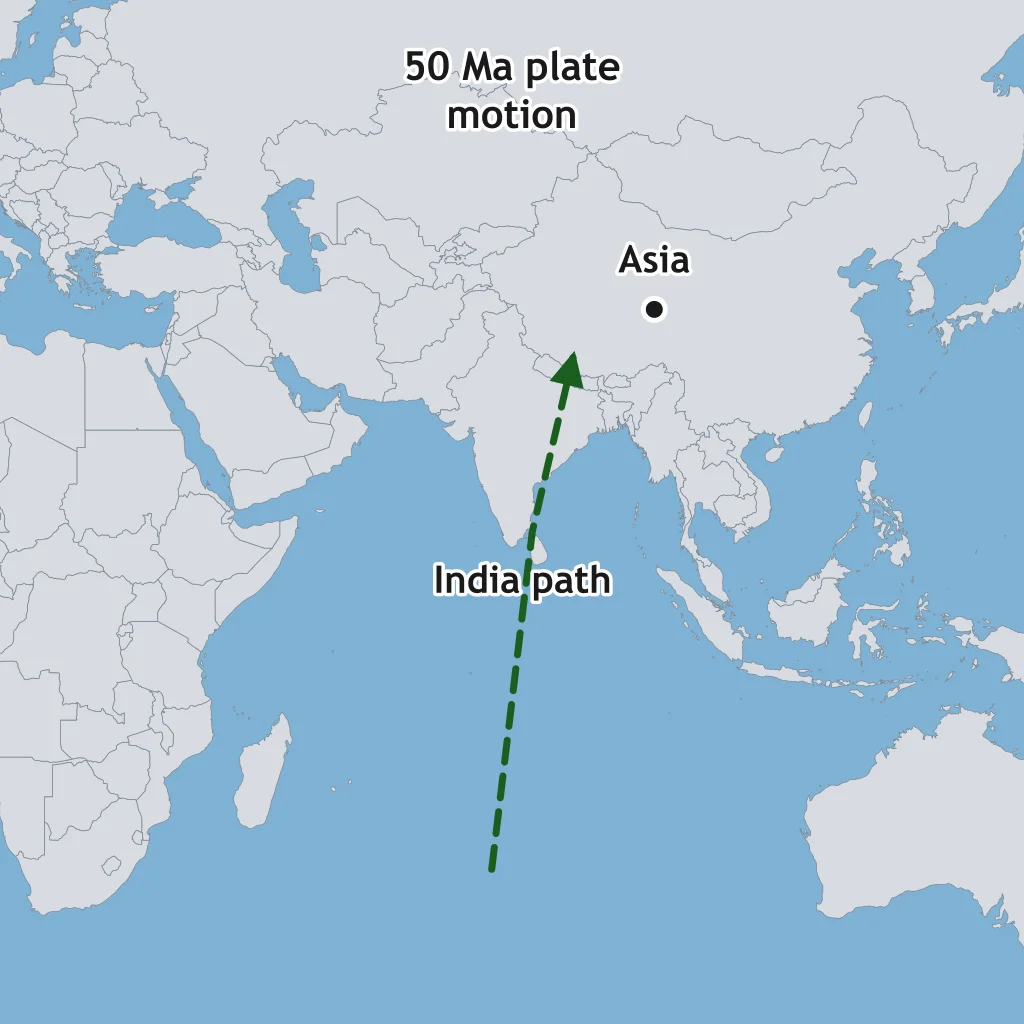
On the map, India moves north across the Indian Ocean into Asia about 50 Ma. Which tectonic event followed?
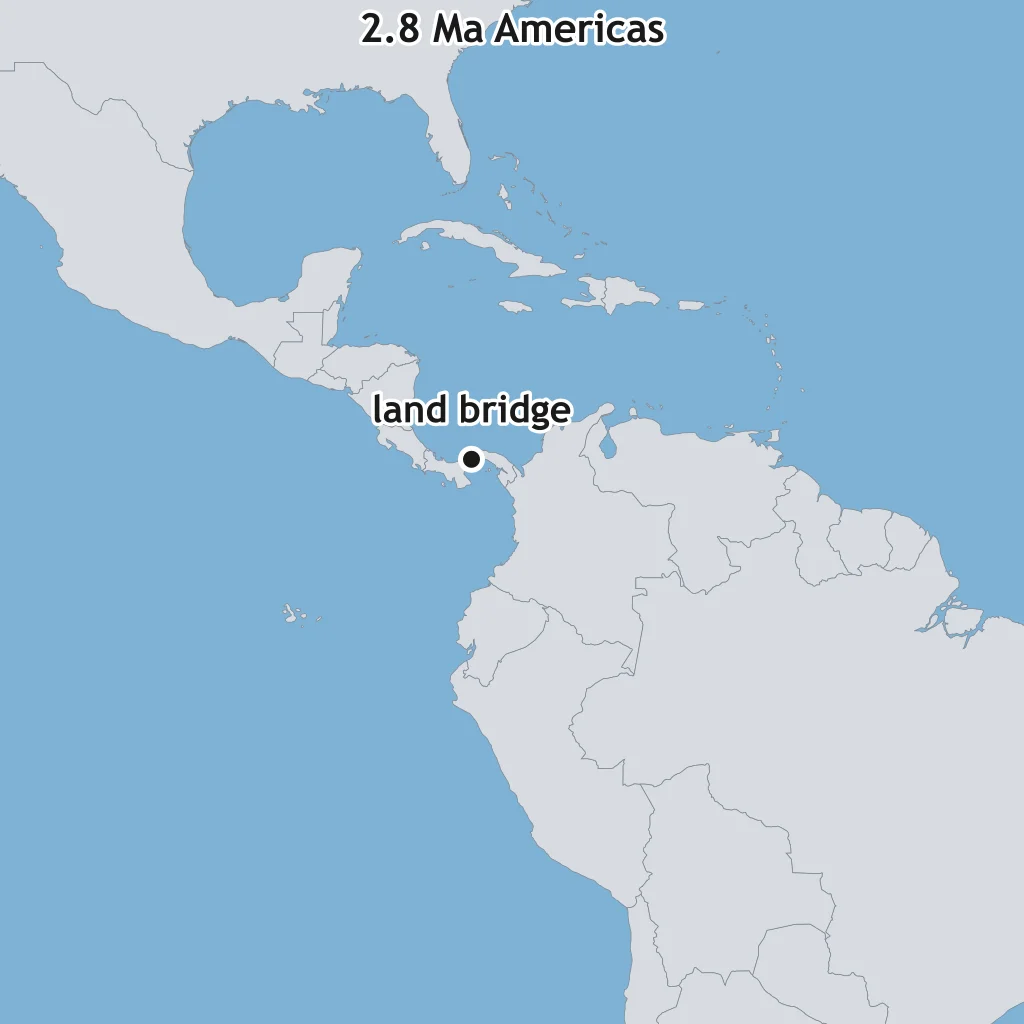
The map shows a narrow land bridge closing the seaway between North and South America about 2.8 Ma. What feature formed?
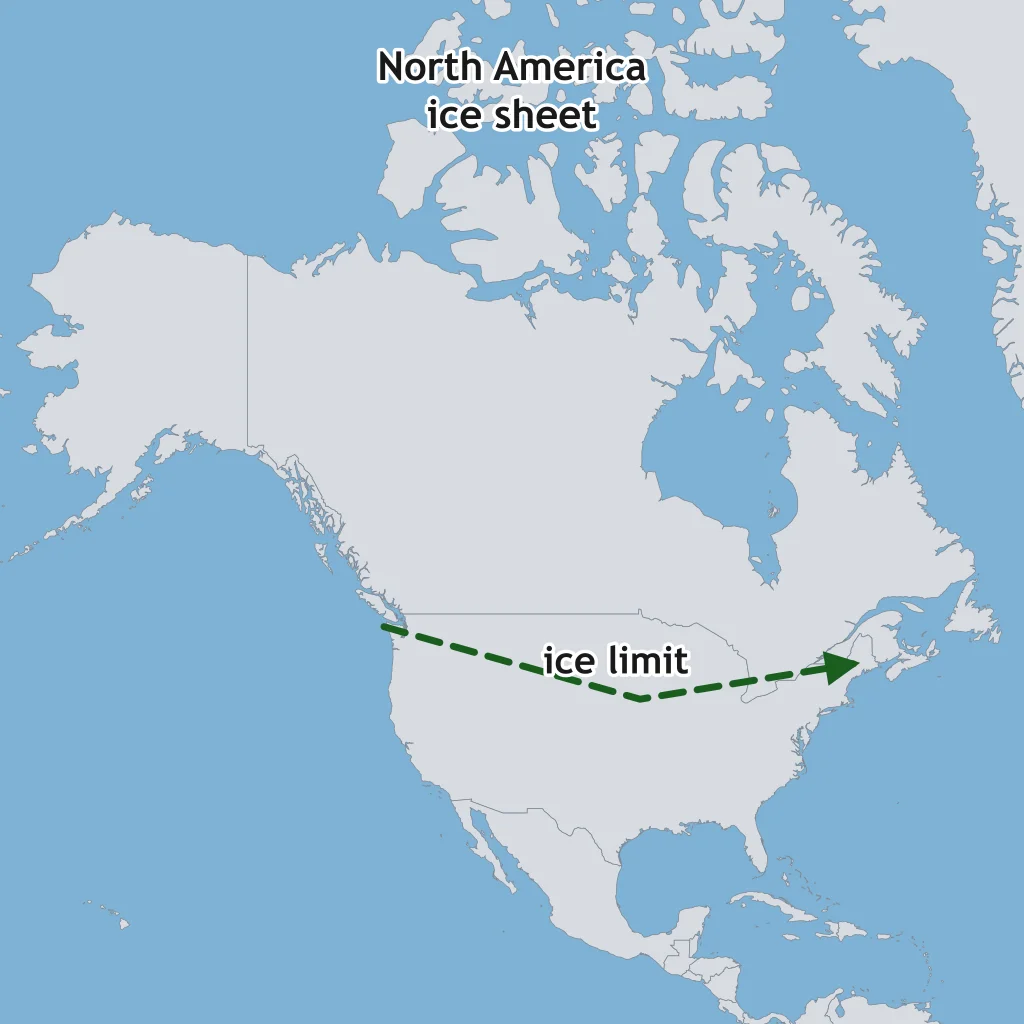
Use the map. Ice covers Canada and the northern United States, and lower sea level exposes wider continental shelves. Which interval is shown?
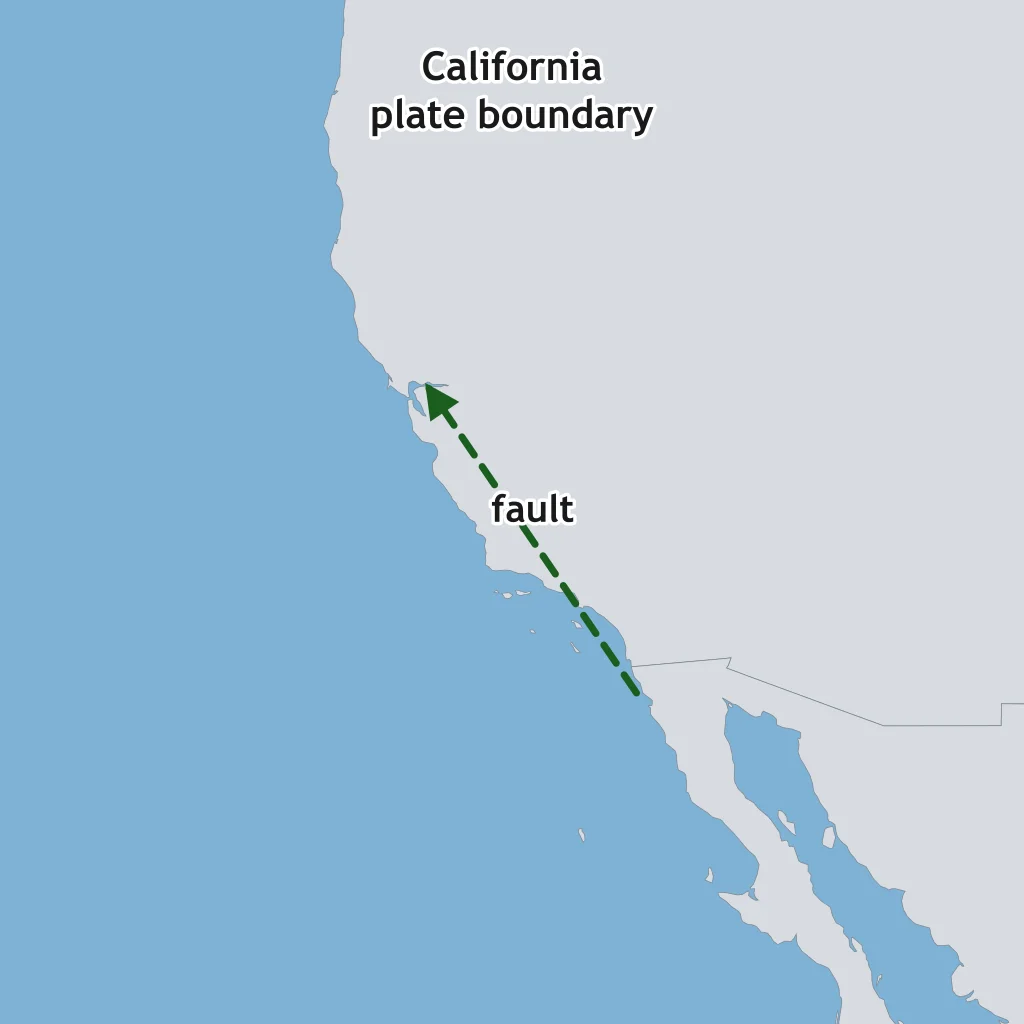
A map of western California shows Pacific Plate motion sliding northwest past North America beginning near 30 Ma. Which boundary is developing?
The map marks, on today's coastlines, where a Late Triassic rift began separating Laurasia to the north from Gondwana to the south. Which stage of plate history is shown?
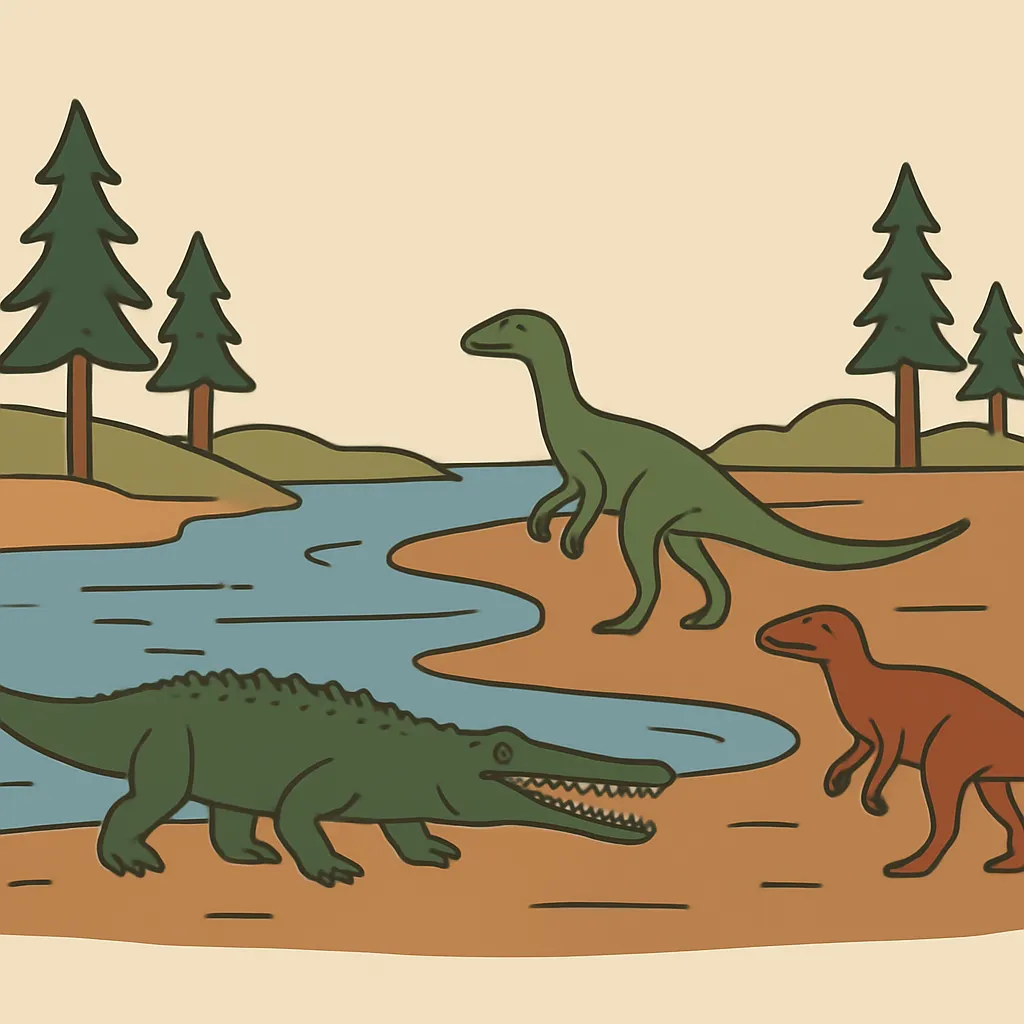
A reconstruction shows phytosaurs in a river, conifers and cycads on floodplains, and a few small early dinosaurs. Which period best fits the scene?
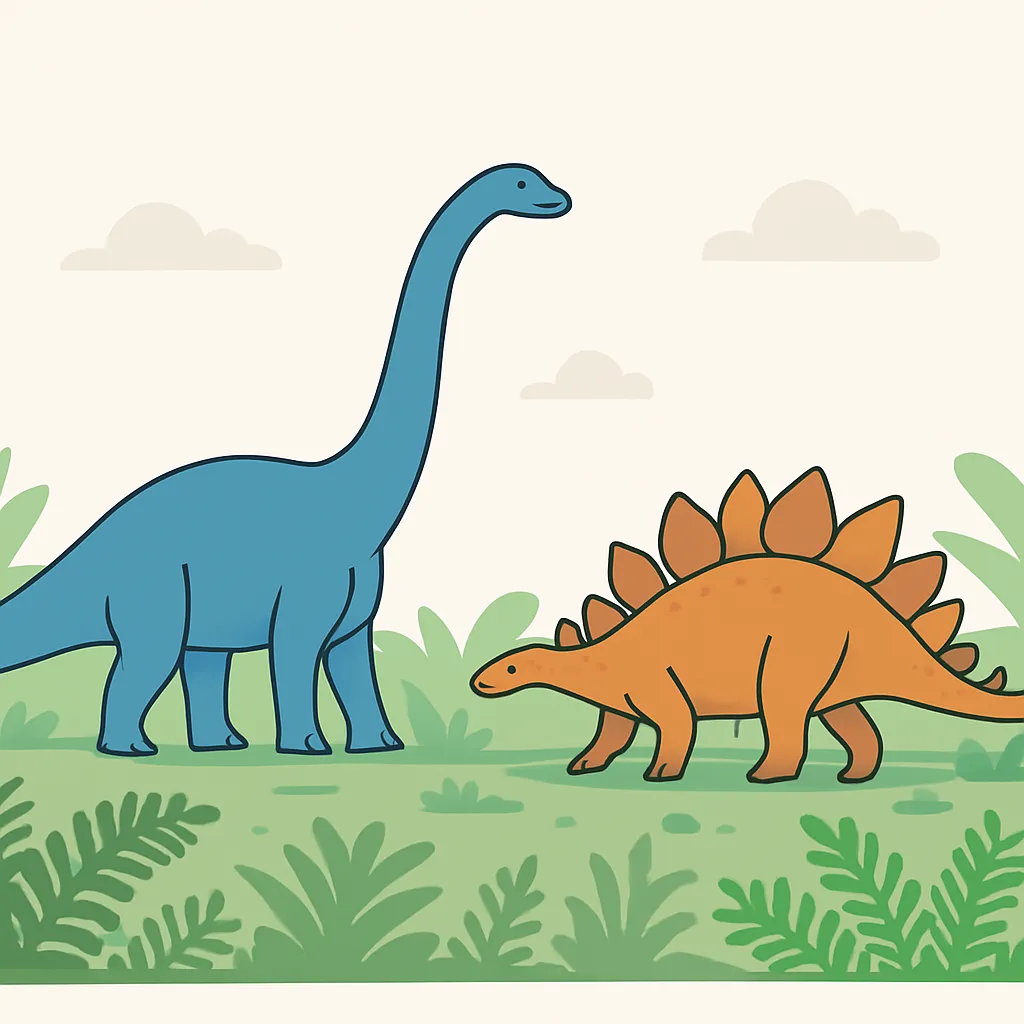
A scene shows giant sauropods, Stegosaurus, Allosaurus, ferns, ginkgoes, and conifers on a warm floodplain with no flowers. Which period is represented?
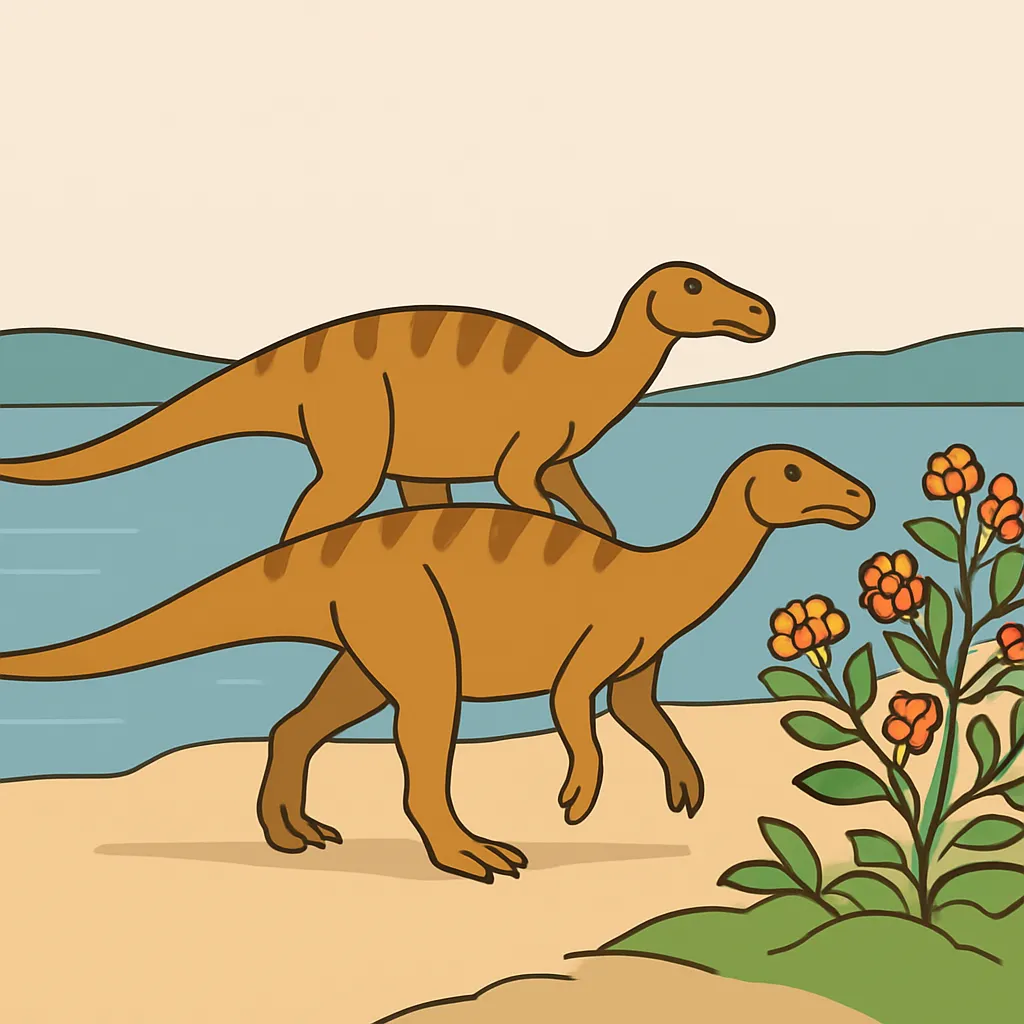
A reconstruction shows hadrosaurs and ceratopsians near flowering shrubs on a coastal plain beside a broad inland sea. Which period is shown?
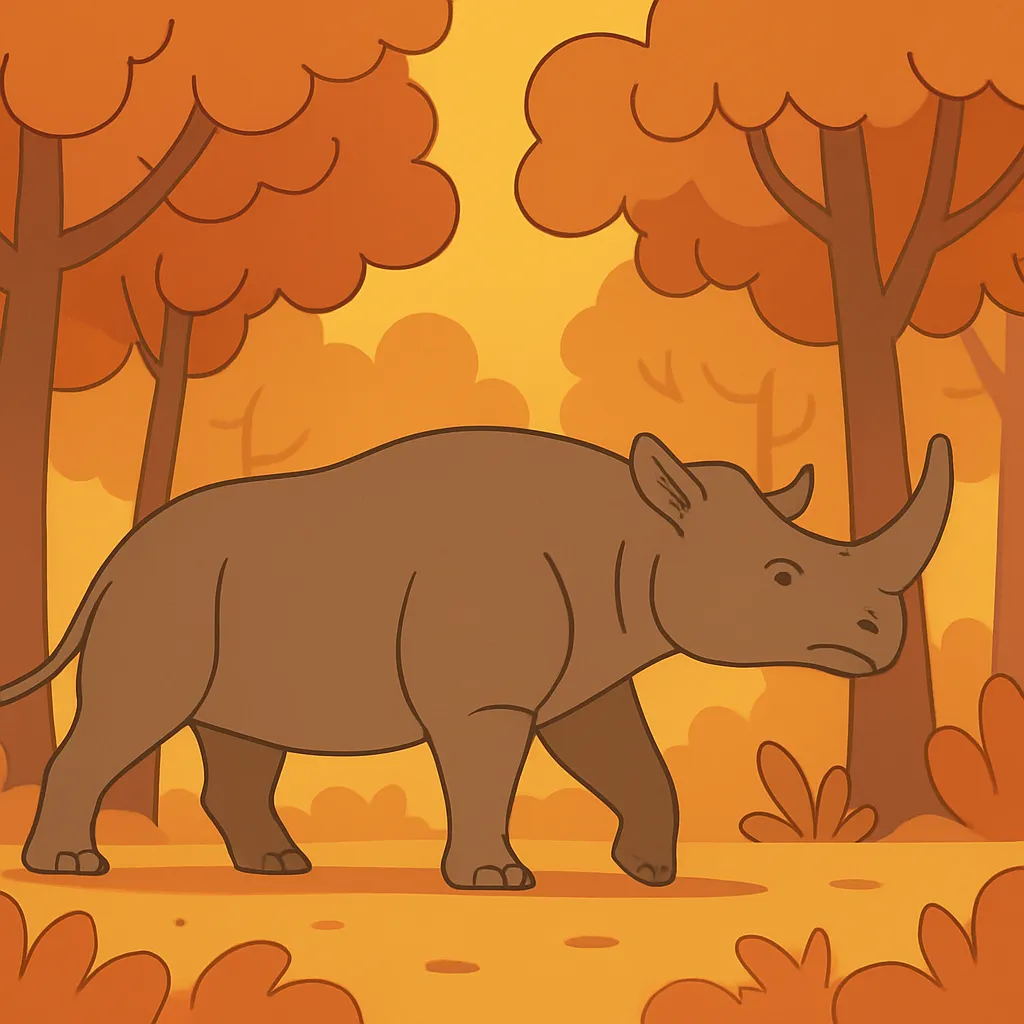
A scene shows a warm Eocene forest with brontotheres, early horses, palms, and broadleaf trees. Which Cenozoic period is represented?
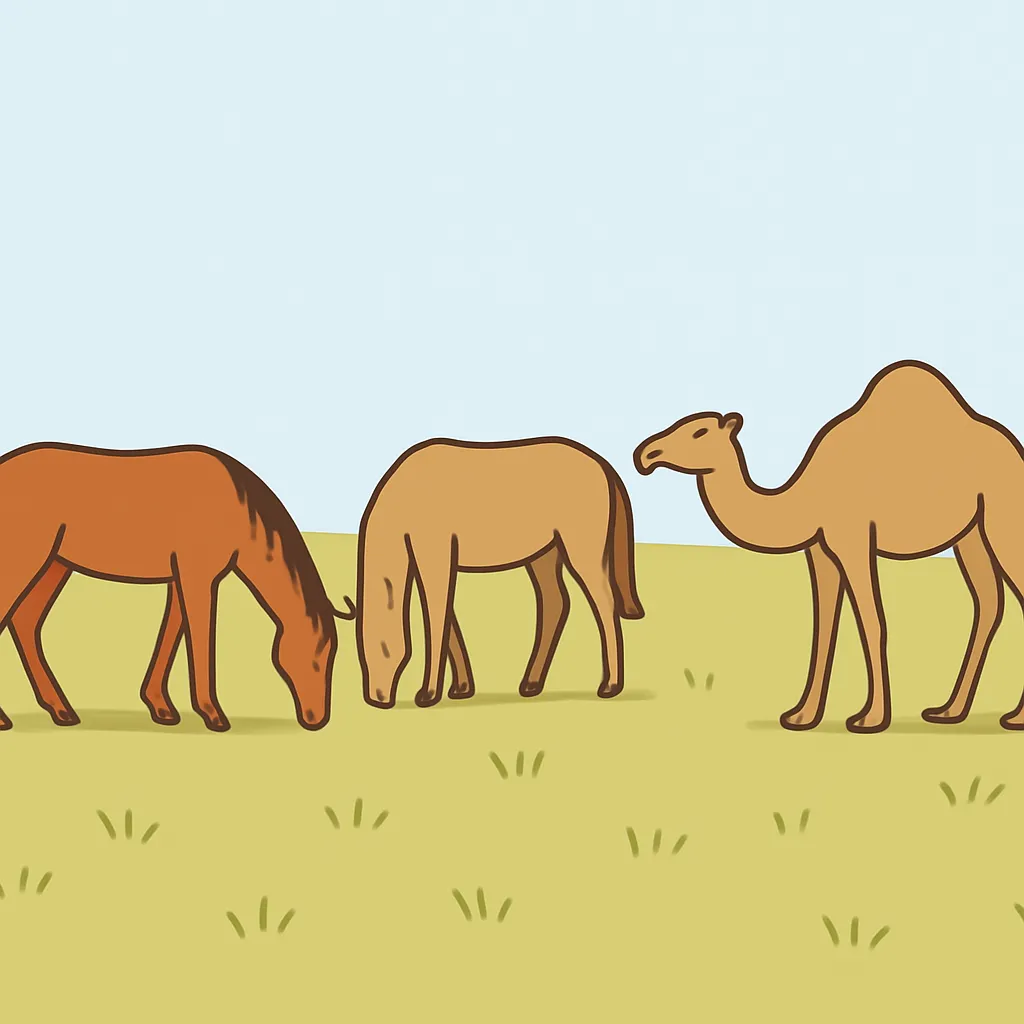
A reconstruction shows open grassland with three-toed horses, camels, burrowing beavers, and fewer dense forests. Which Cenozoic period is most likely?
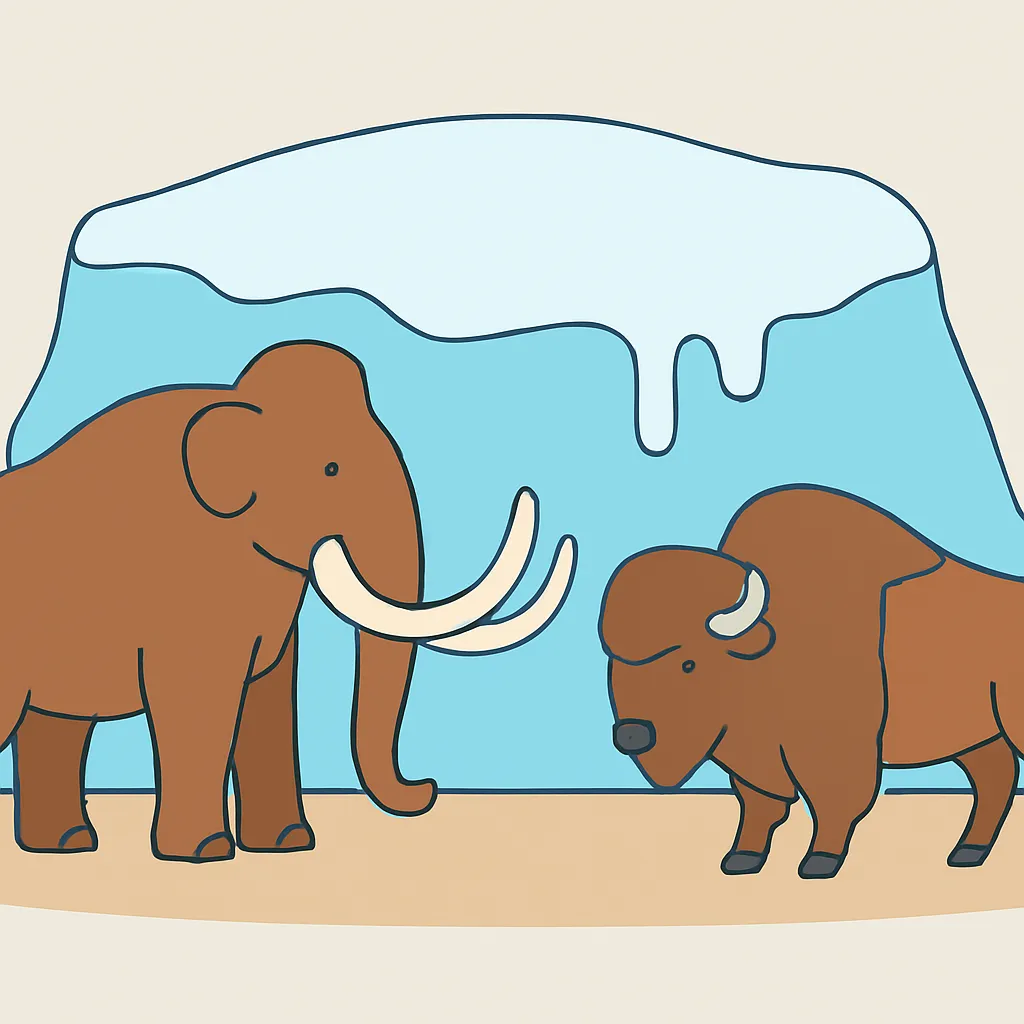
A scene shows mammoths and bison near the edge of a continental ice sheet, with braided meltwater streams in front. Which period is shown?
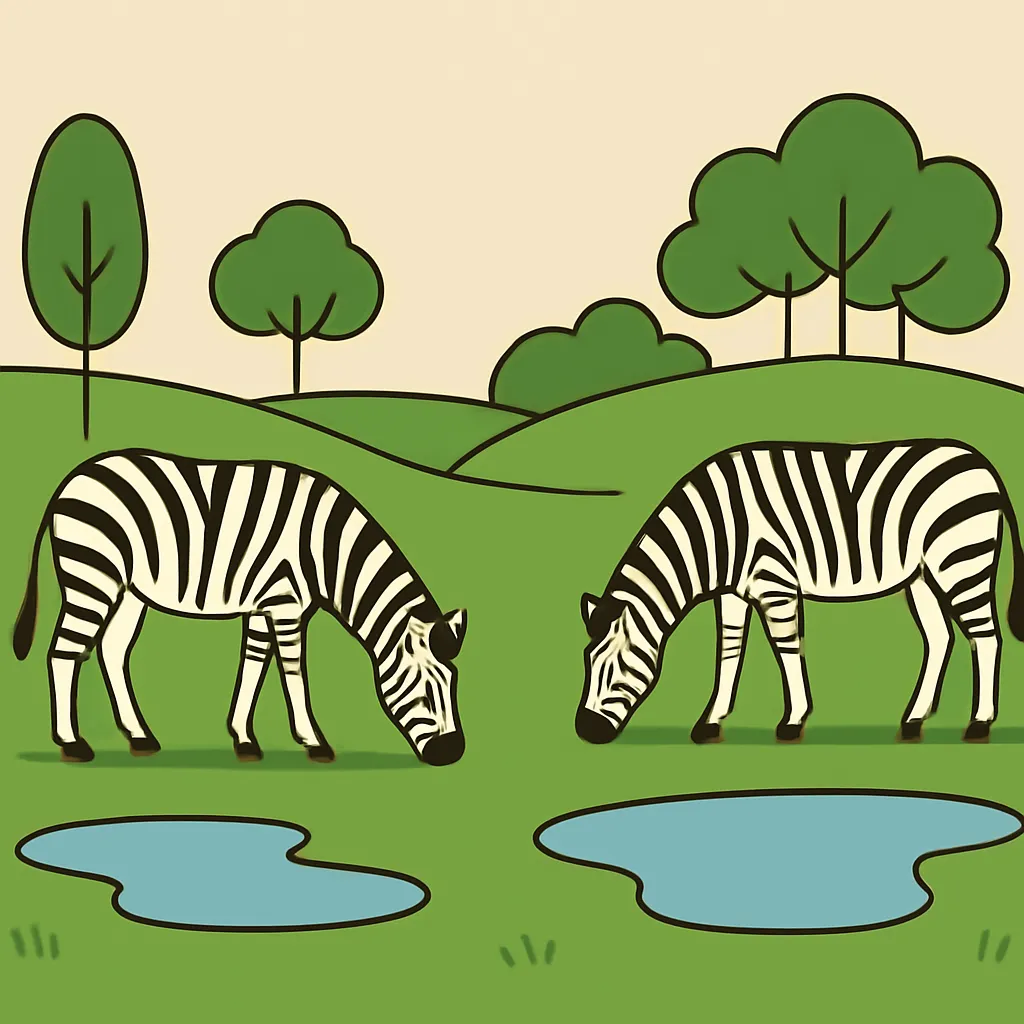
A reconstruction of Pliocene Hagerman, Idaho, shows zebra-like Equus herds on grassy plains with ponds and forest patches. Which period includes this scene?
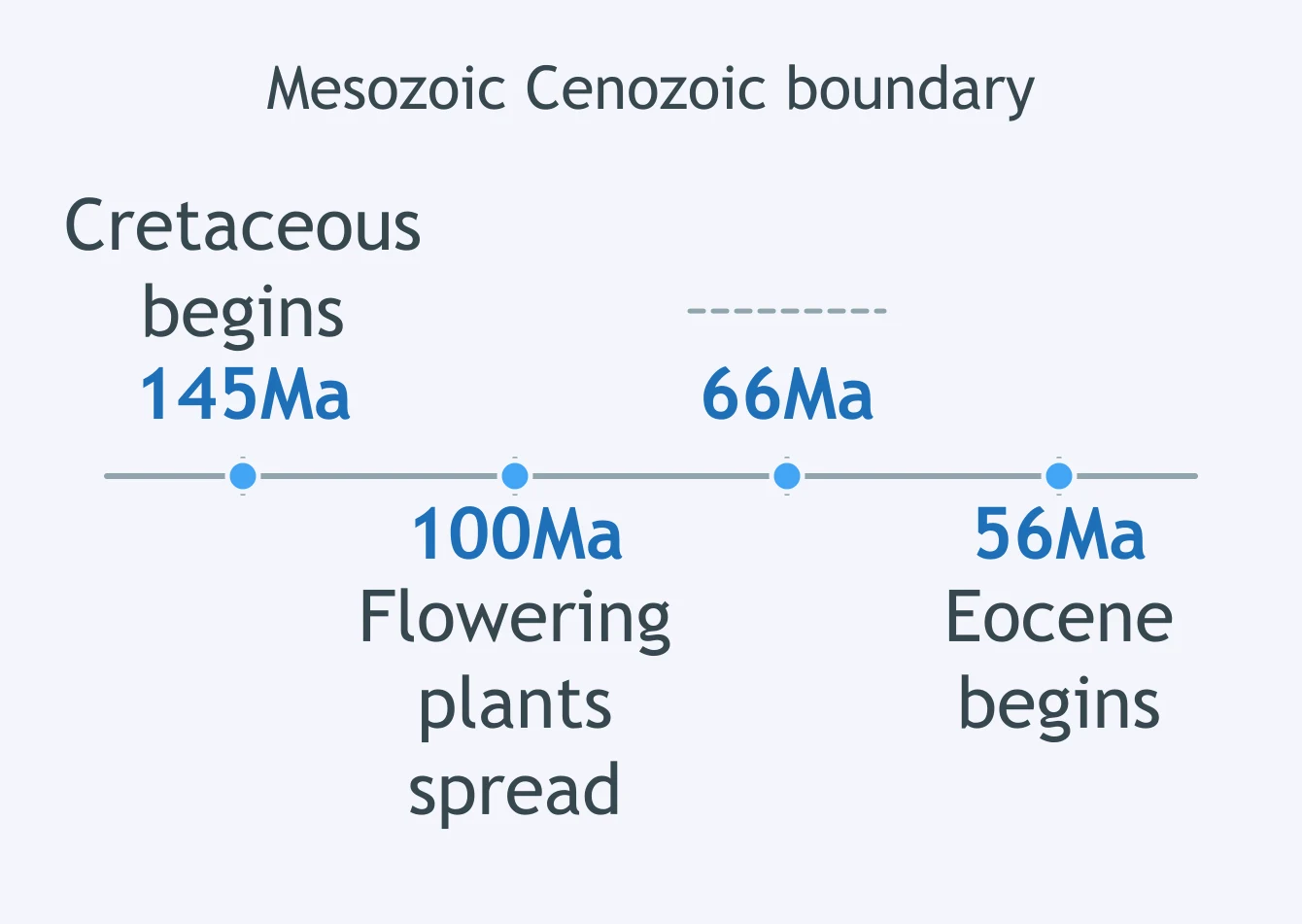
Use the timeline. Which event belongs in the blank at 66 Ma?
Four events are listed: flowering plants spread, Himalayas start rising, Pangaea rifts, Archaeopteryx lives. Which order is oldest to youngest?
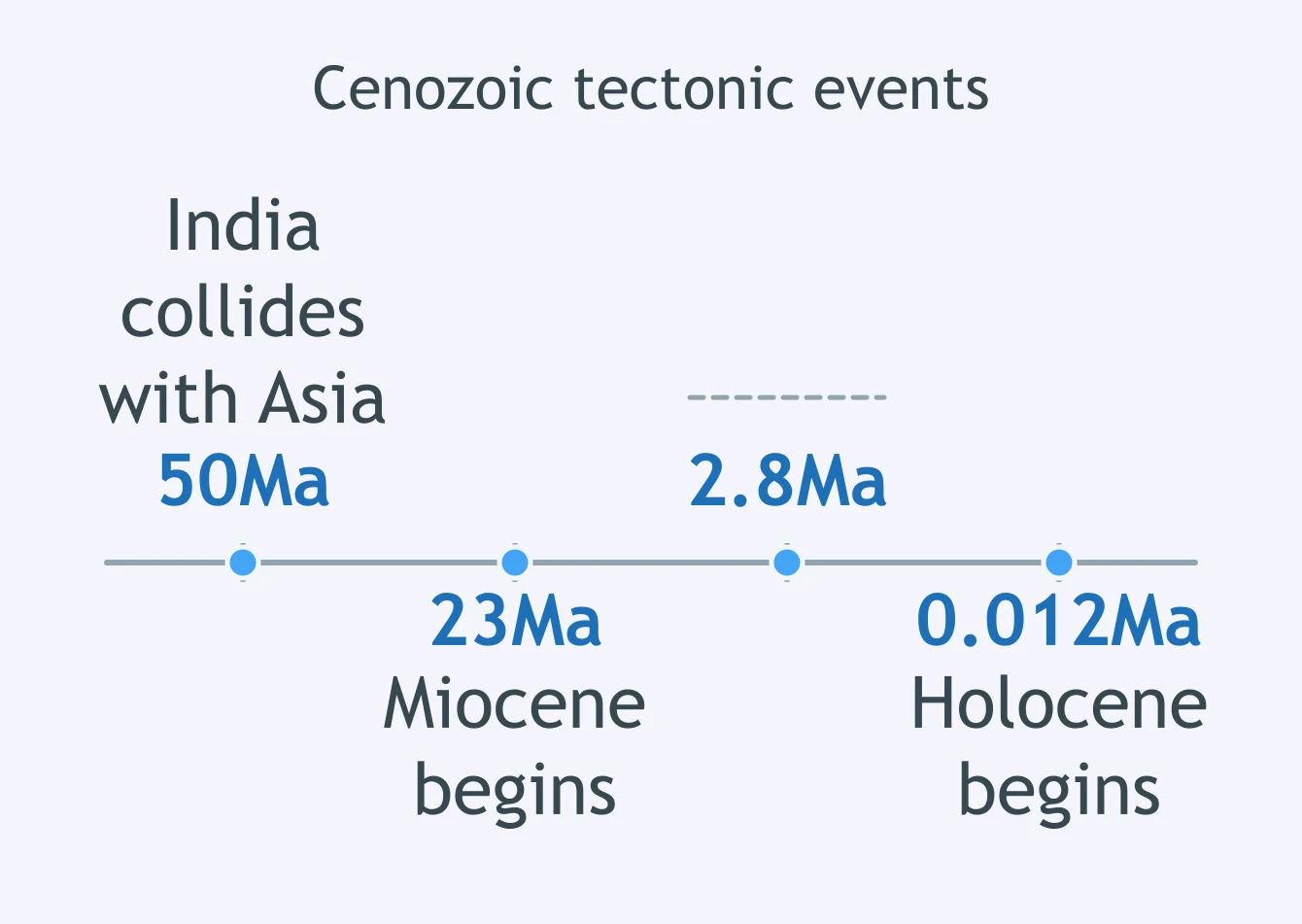
Use the Cenozoic timeline. Which event belongs in the blank at 2.8 Ma?
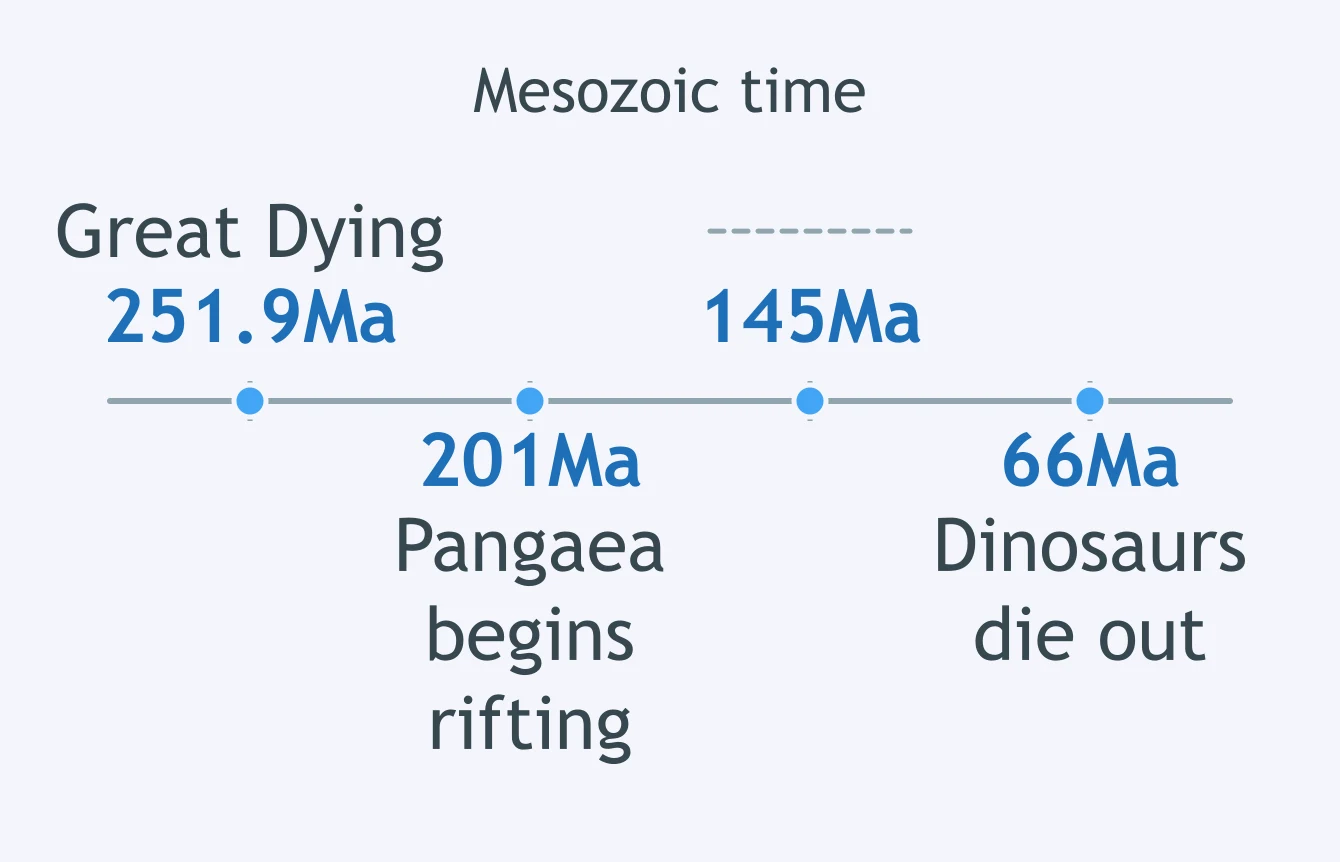
The timeline shows events in the Mesozoic Era with one date left blank. Which period boundary is at the blank?
Which sequence places these North American deposits from oldest to youngest: Chinle logs, Morrison dinosaur bones, Hell Creek dinosaurs, Long Island till?
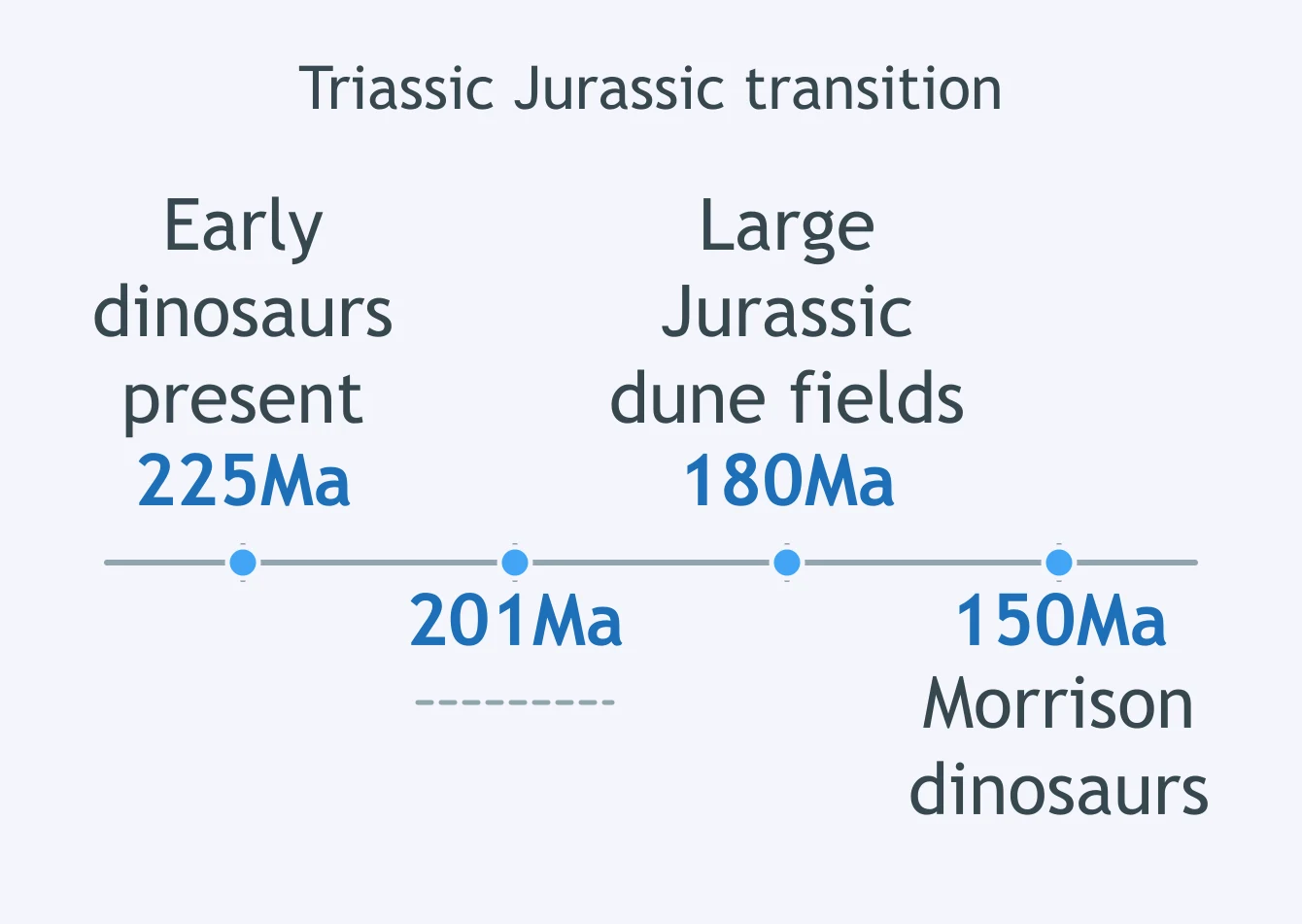
Use the timeline. Which event belongs between the Late Triassic and Early Jurassic labels at about 201 Ma?
Use the timeline. Which interval begins at 23 Ma and includes Miocene grassland expansion in North America?
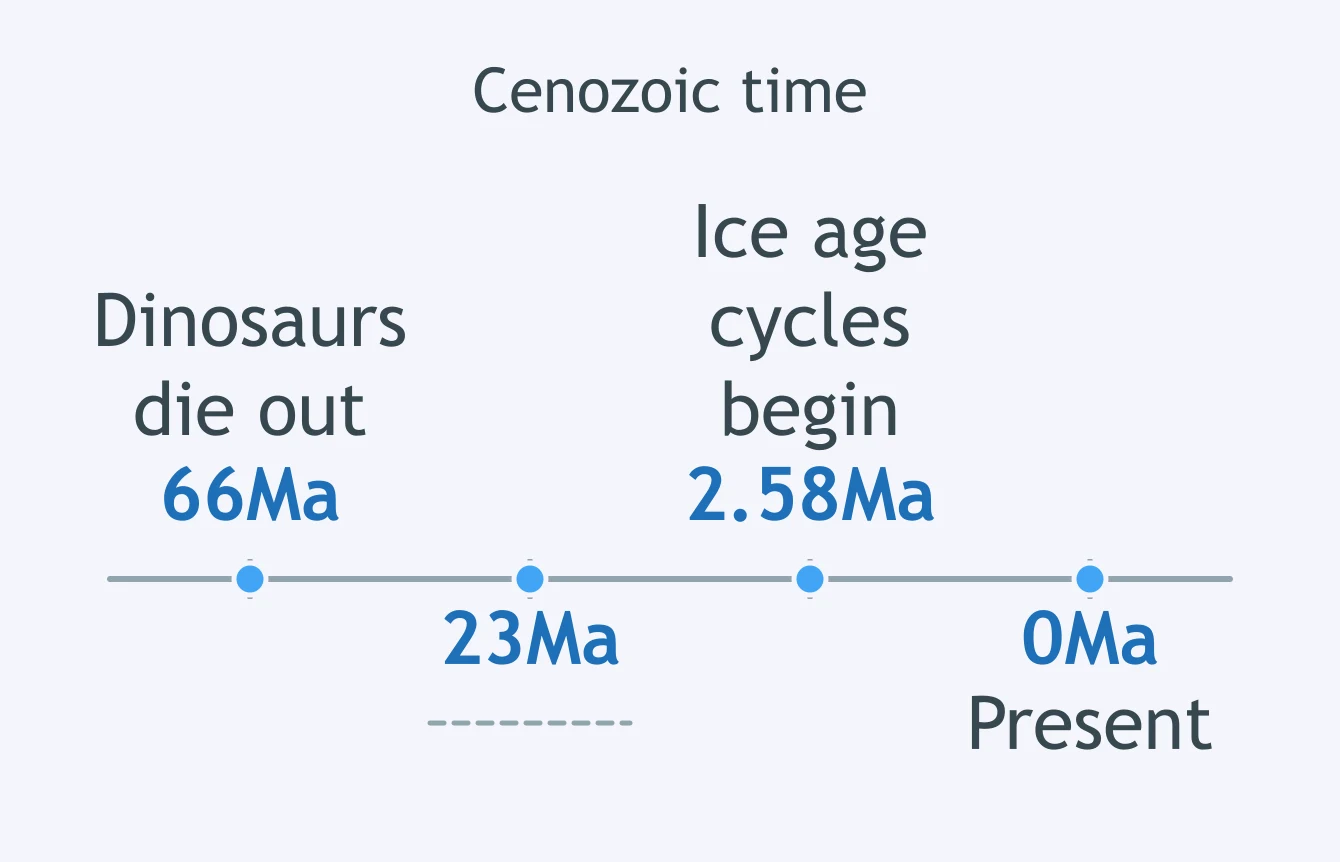
Four events are: Panama closes, Western Interior Seaway floods North America, Pleistocene ice sheets spread, India collides with Asia. Which order is oldest to youngest?
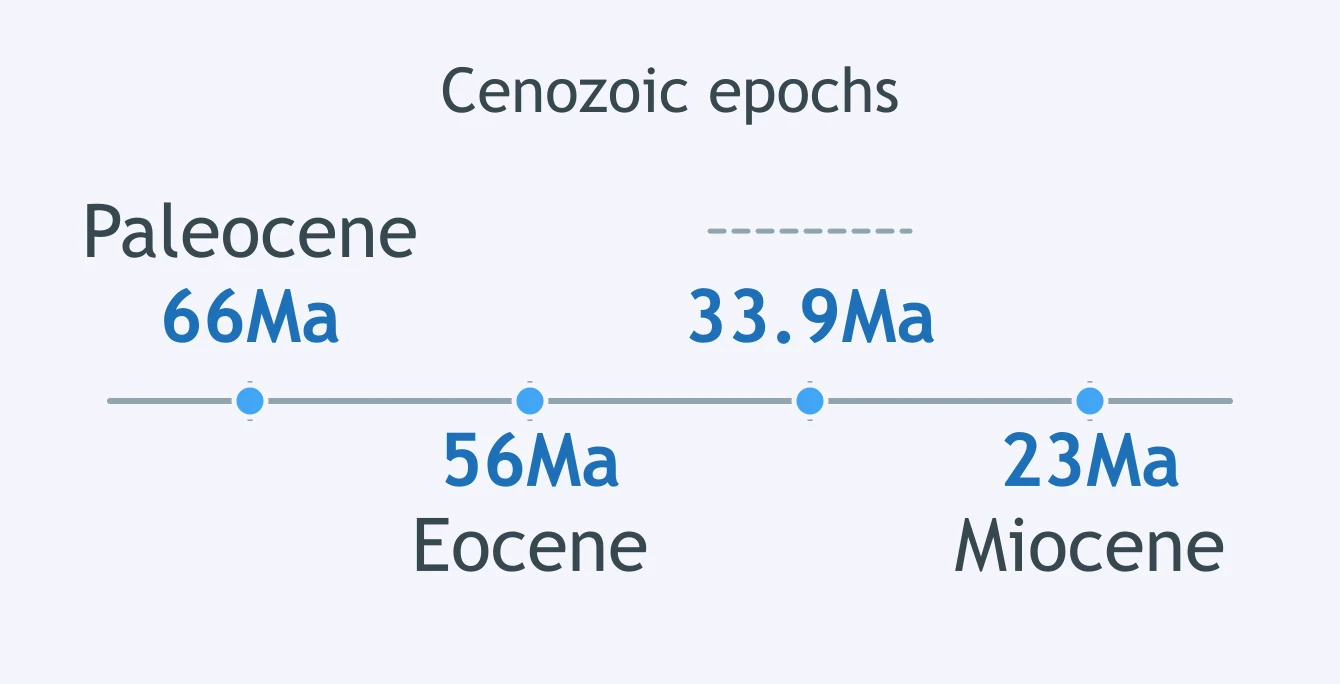
The Cenozoic epochs timeline has one label left blank. What starts at the blank?
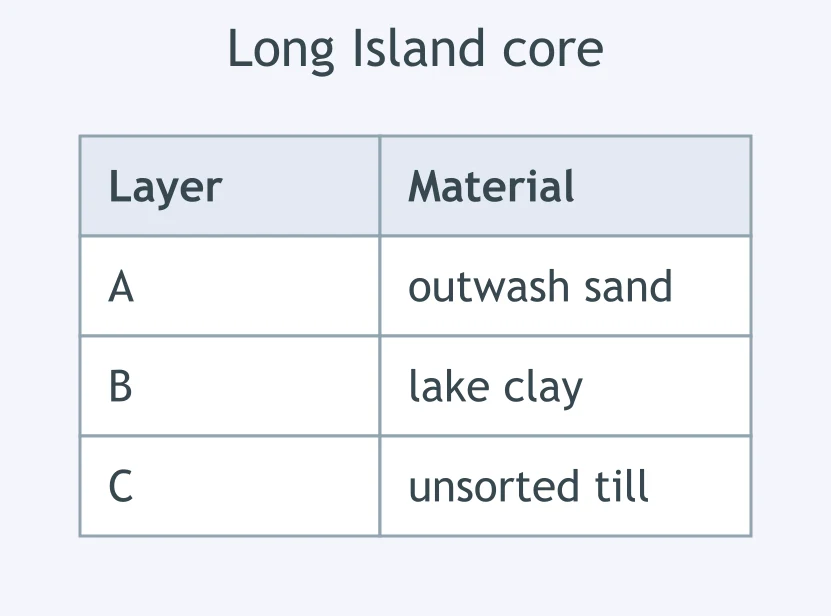
A core from Long Island shows poorly sorted till below lake clay and outwash sand deposited as a continental ice sheet retreated. Which epoch fits?
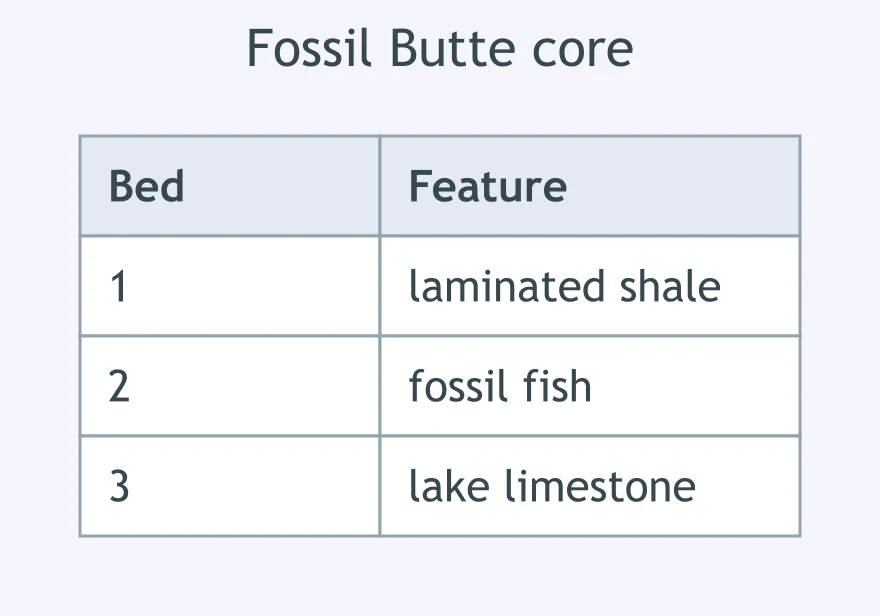
Fossil Butte's Green River Formation preserves laminated lake beds with abundant fossil fish about 52 Ma. Which epoch is this deposit from?
Florissant paper shales in Colorado contain insects, leaves, and redwood stumps from a lake formed by volcanic debris about 34 Ma. Which epoch is recorded?
At Agate Fossil Beds in Nebraska, volcanic ash dates sandstone below a mammal bone bed at about 22.9 Ma. Which epoch does that deposit represent?
Hagerman Fossil Beds in Idaho preserve river and lake sediments about 4–3 Ma with many fossils of Equus simplicidens, the Hagerman Horse. Why is this horse important?
The La Brea Tar Pits trapped dire wolves, saber-toothed cats, mammoths, and ground sloths in asphalt seeps. Which epoch do these Ice Age fossils represent?
Crack the passcode before the zombies get in.
Answer, then swat bugs for bonus points.
Race through questions at your own speed.
Same question on every screen. Fastest wins.

Pick a tile, answer, hit bonuses and steals.
Earth History Review
40 questions