Loading
by BlastRoom
A review bank on fossils, geologic time, life history, and mass extinctions.
#earth_space_science
40 questions
One question set, multiple game modes. Tap any game to see it in action. Not sure which to pick?
Answer to place stones and capture territory.
Outrun the snow together.
Earn blasts, then hunt the other team.
Answer to earn energy, then climb.

The class blasts through walls together.
Bid on mystery lots. Most money wins.
Sell tours. Nice, standard, or a total scam.

Answer, restock, and serve the rush.
More correct answers pulls the rope your way.
Answer, then shoot down the alien wave.
Answer, then tap to leap the frozen ridge.
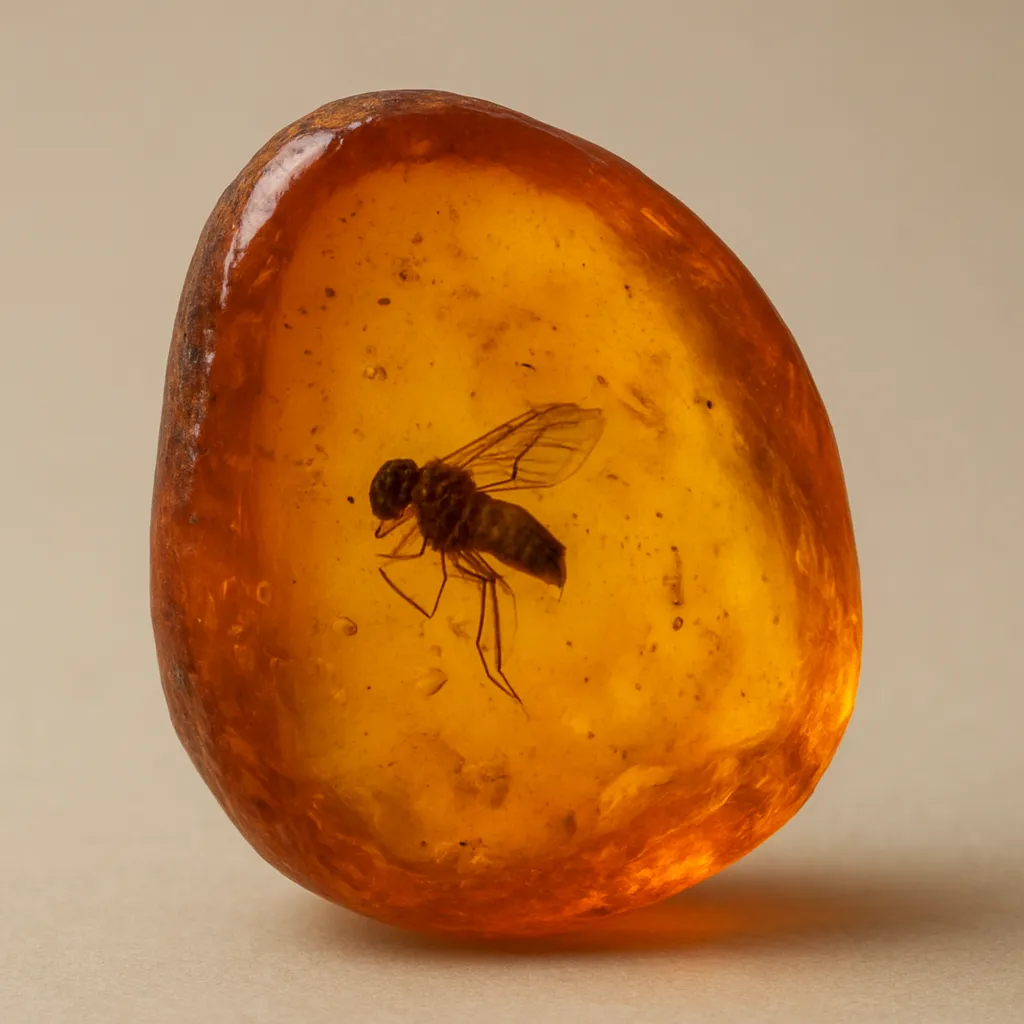
A clear piece of hardened tree resin holds a whole insect with wings, legs, and antennae still in place. Which preservation type is shown?
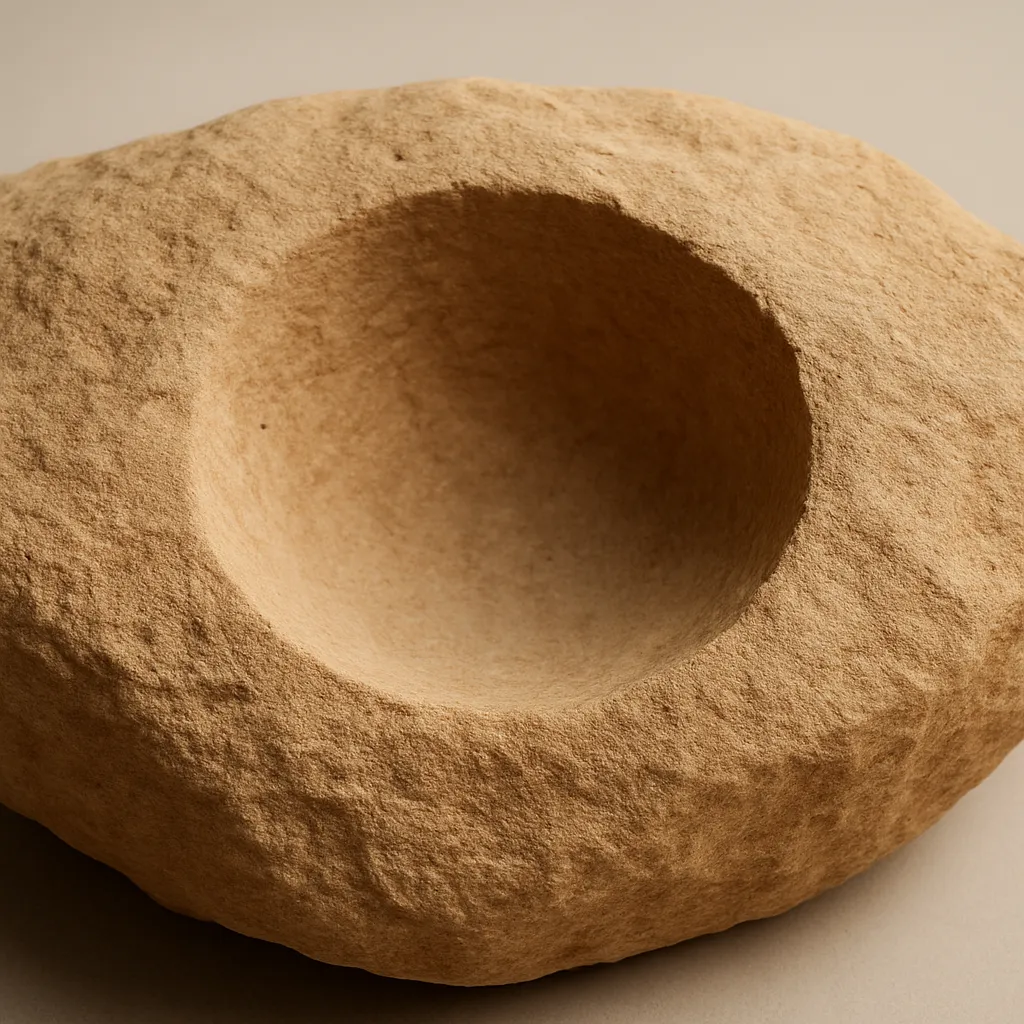
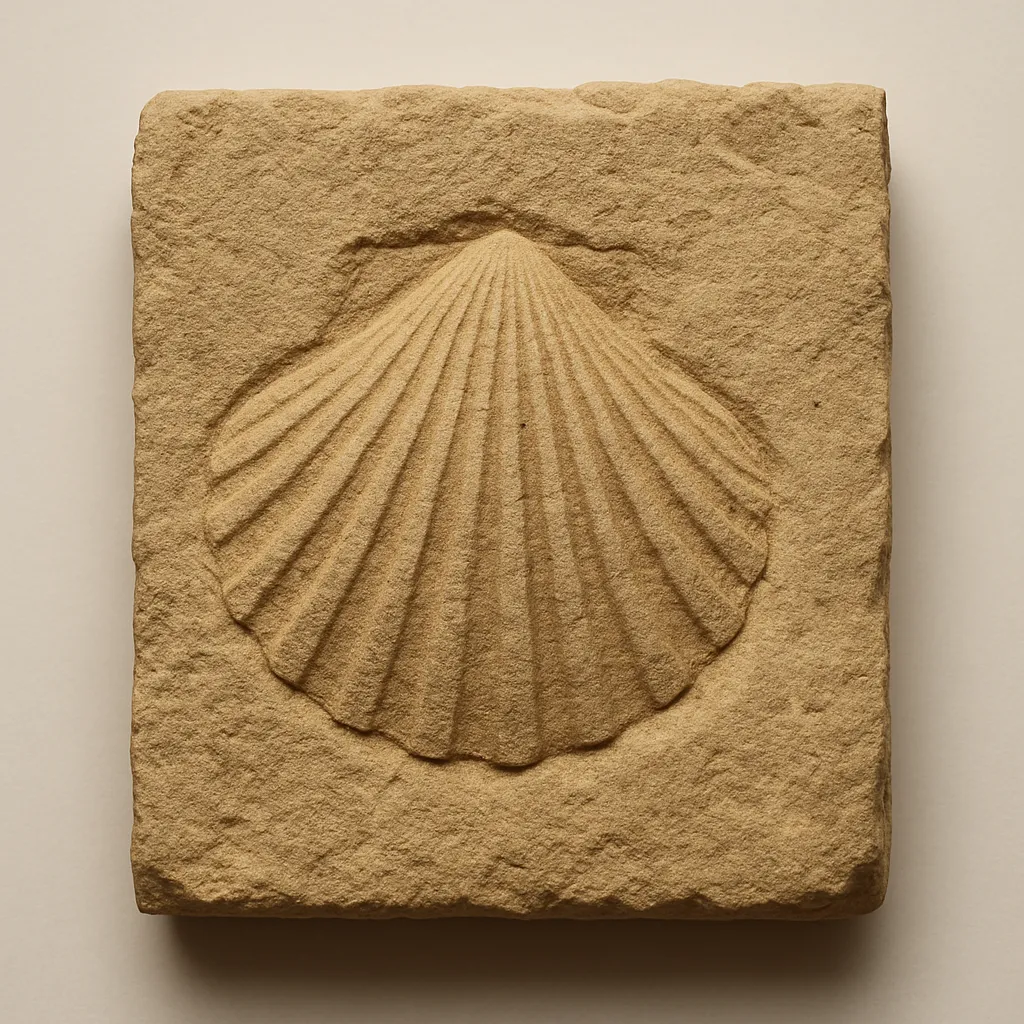
A shell dissolved away and left a hollow, three-dimensional impression of its outside surface in sandstone. Which preservation type is this?
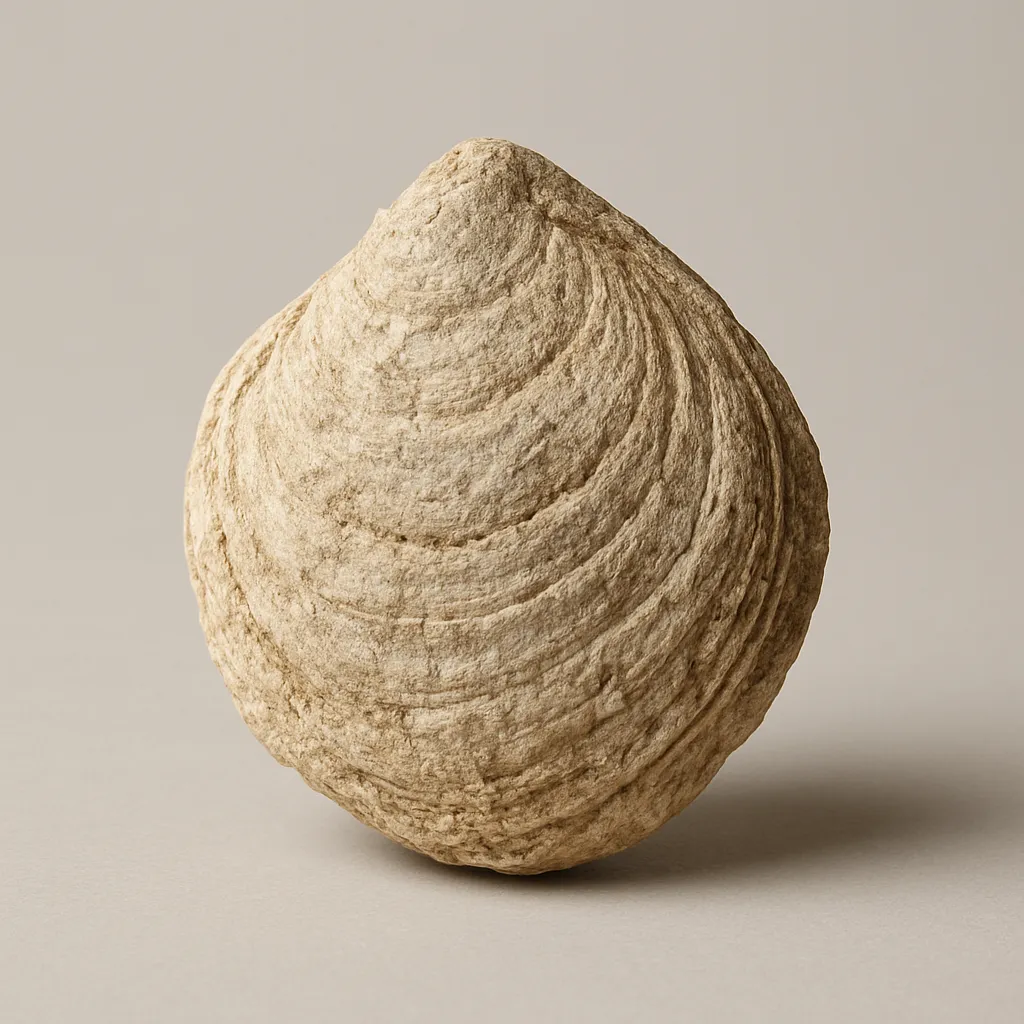
Minerals filled a shell-shaped hollow and hardened into a raised replica of the original shell. Which preservation type formed?
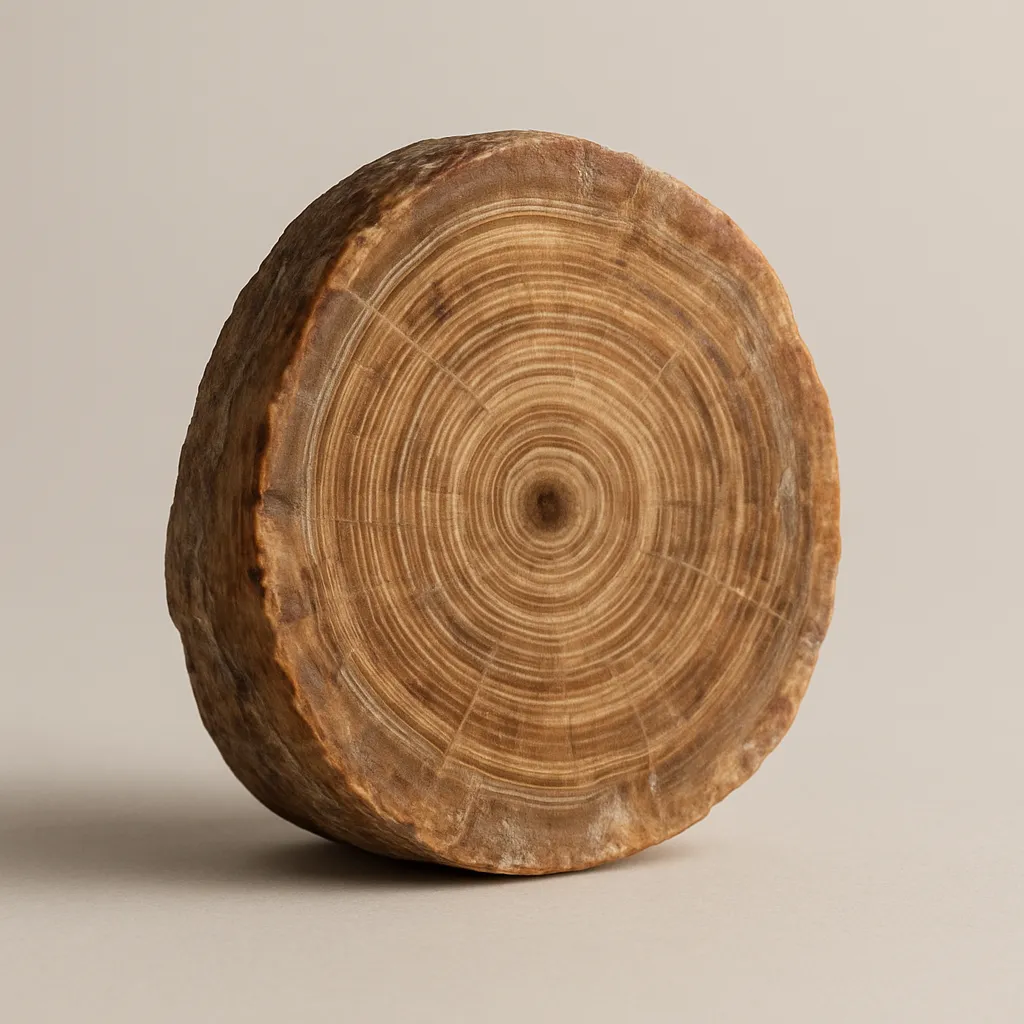
A log still shows bark and growth rings, but its pores are filled with silica and the wood has become stone. Which process best describes it?
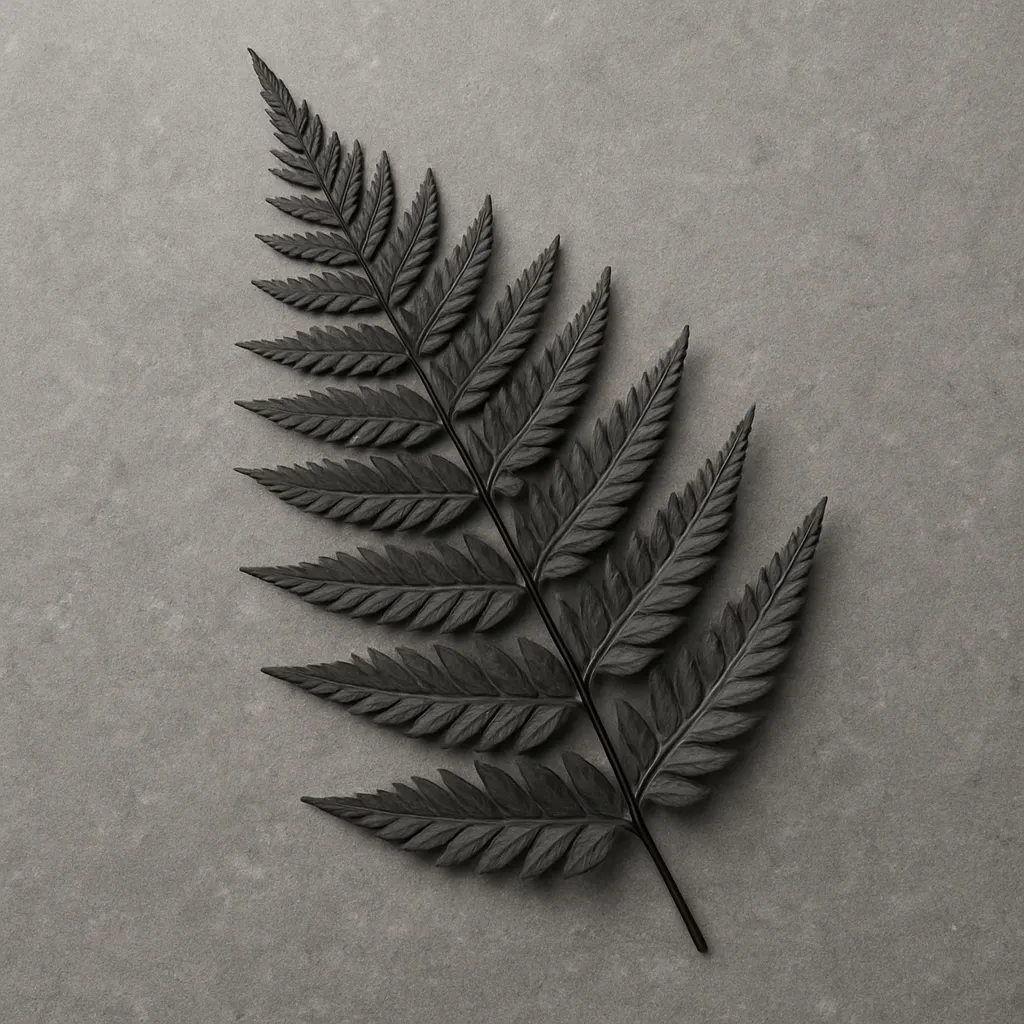
A fern leaf appears as a thin, dark, flattened film on shale, with little three-dimensional relief. Which preservation type is most likely?
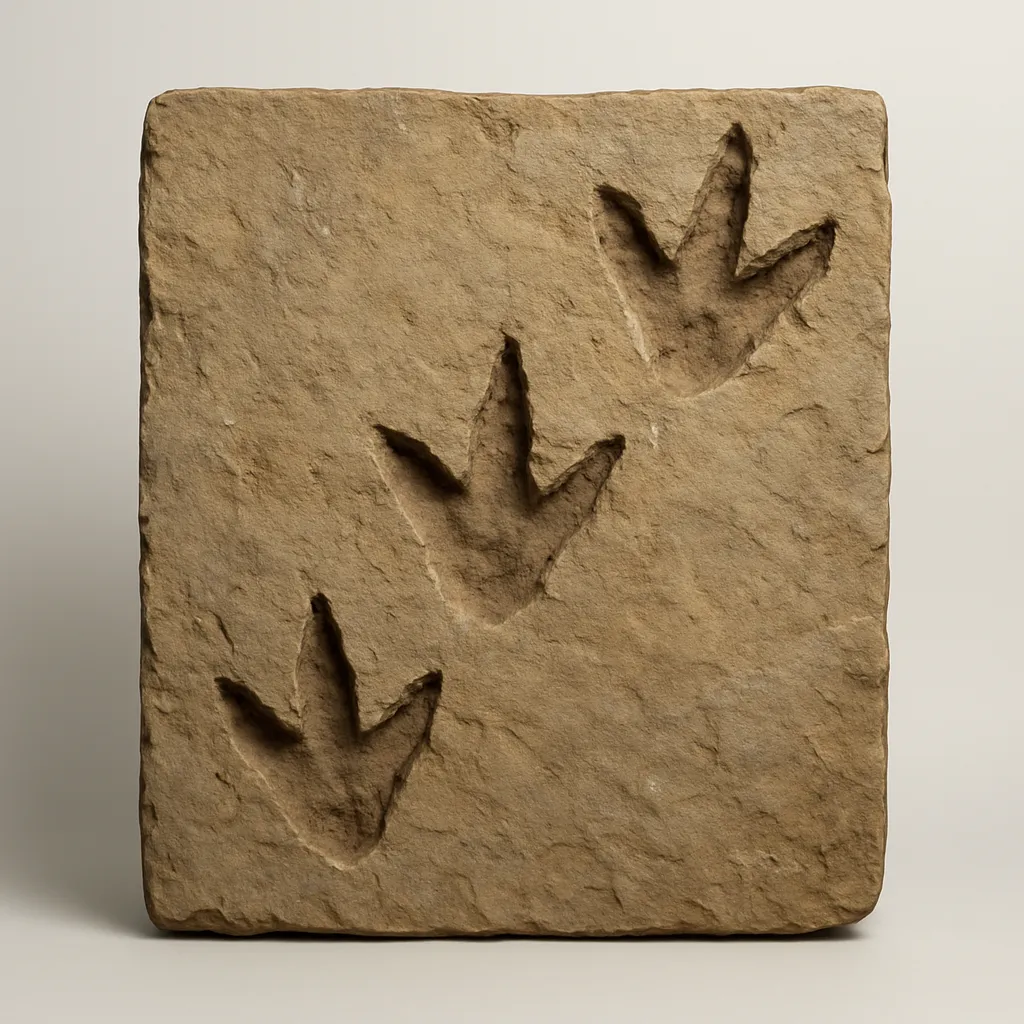
A slab preserves a row of dinosaur footprints but no bones from the trackmaker. What kind of fossil evidence is this?
A clam shell dissolved after sediment filled its inside, leaving a stony model of the shell interior. Which fossil type is shown?
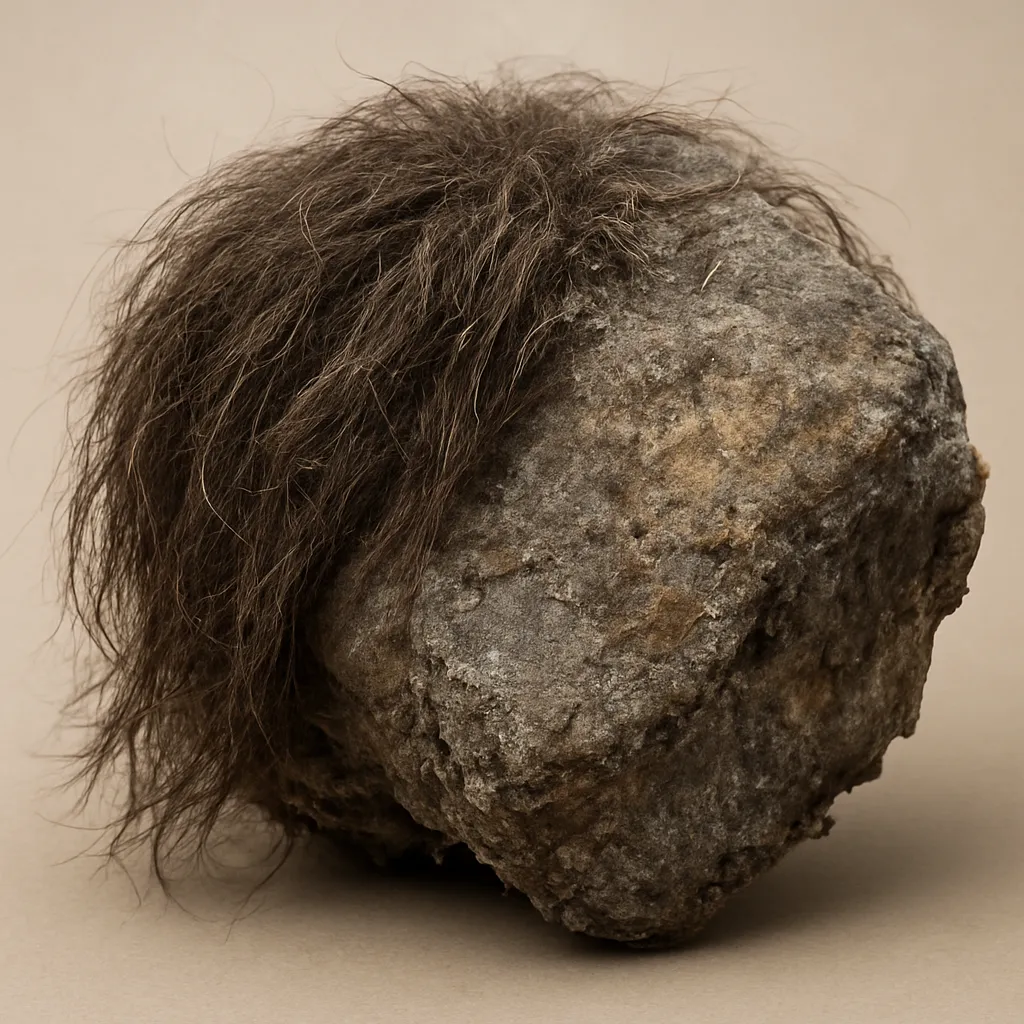
A mammoth carcass dug out of Siberian permafrost still has hair and skin rather than mineral-filled bone only. Which preservation type best fits?
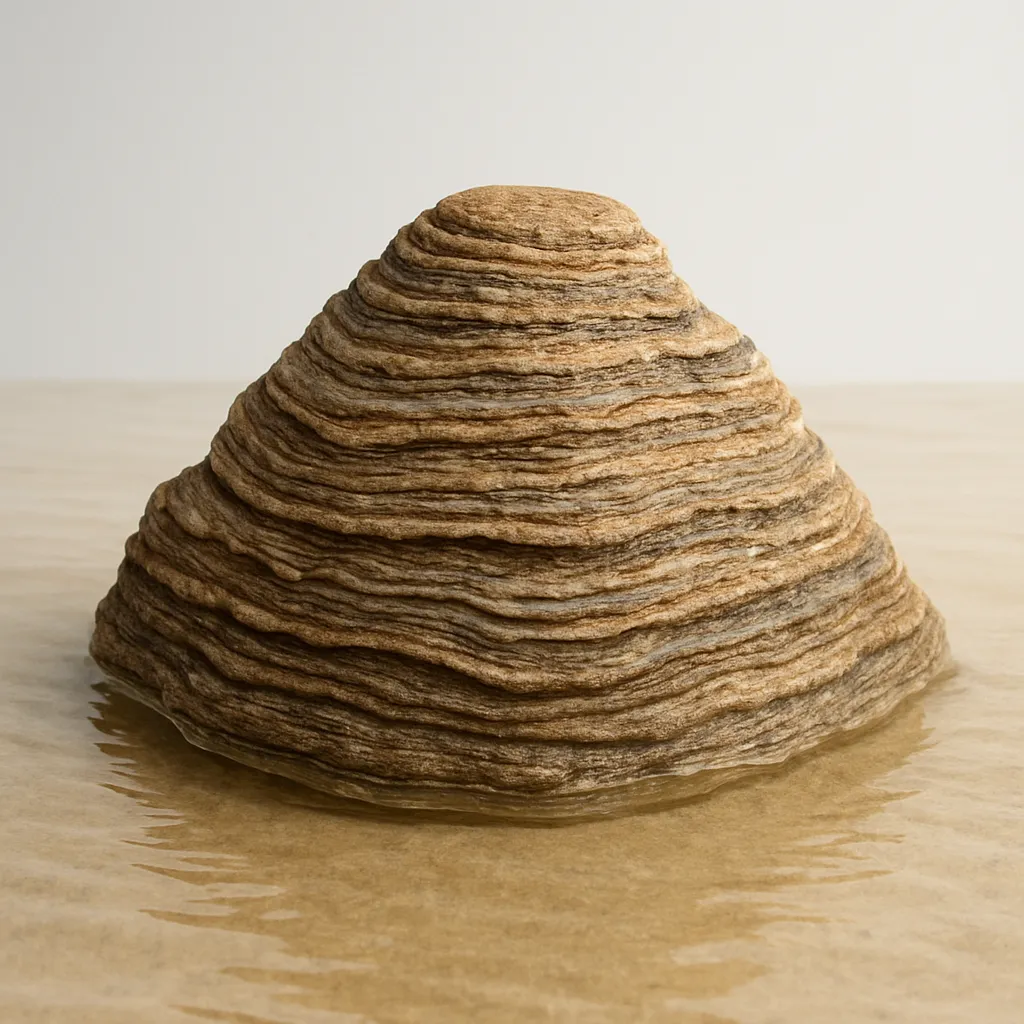
Layered mounds built by mats of photosynthetic microbes are common fossils in very old Precambrian rocks. What are they called?
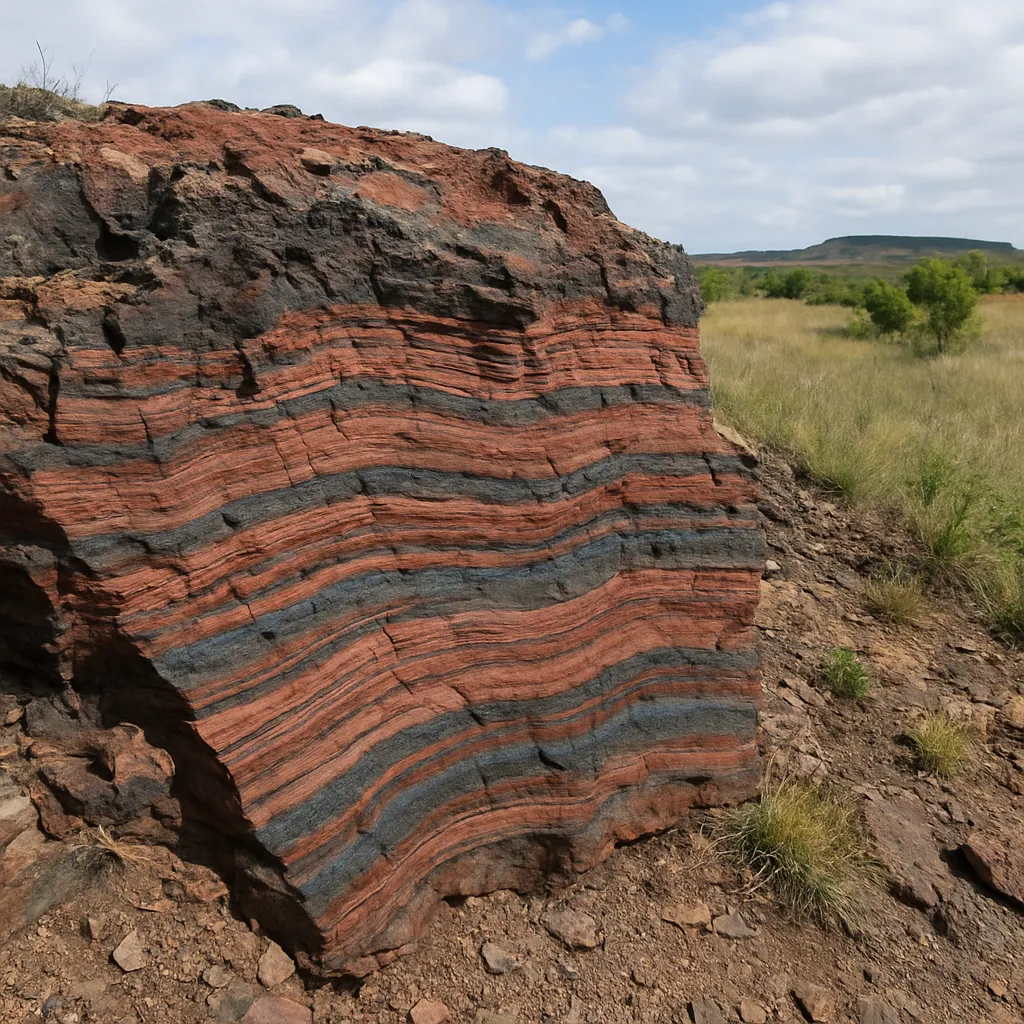
Banded iron formations are striped rocks of iron minerals that settled out of ancient seawater, mostly before about 1.8 billion years ago. Which Earth-history change do they help document?
About 540 million years ago, many animal groups with hard parts appear rapidly in the fossil record. What is this burst of diversification called?
Which period is the youngest period of the Paleozoic Era?
Trilobites were abundant marine arthropods during much of the Paleozoic and disappeared in which mass extinction?
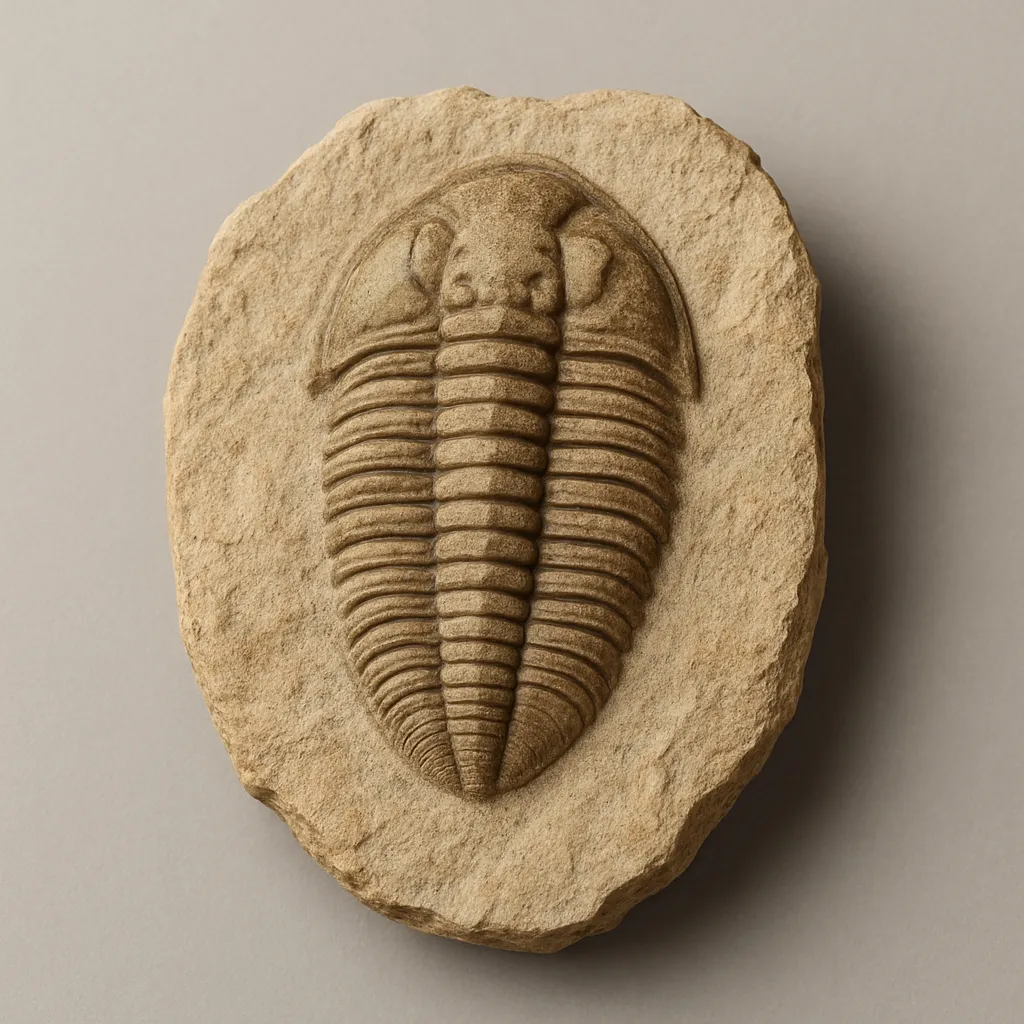
The Devonian is often called the Age of Fishes. Which additional land-life change also occurred during the Devonian?
Pennsylvanian rocks in North America commonly include coal. Which environment produced much of that plant material?
By the late Paleozoic, continent-continent collisions assembled which supercontinent?
Which event marks the boundary between the Paleozoic Era and the Mesozoic Era?
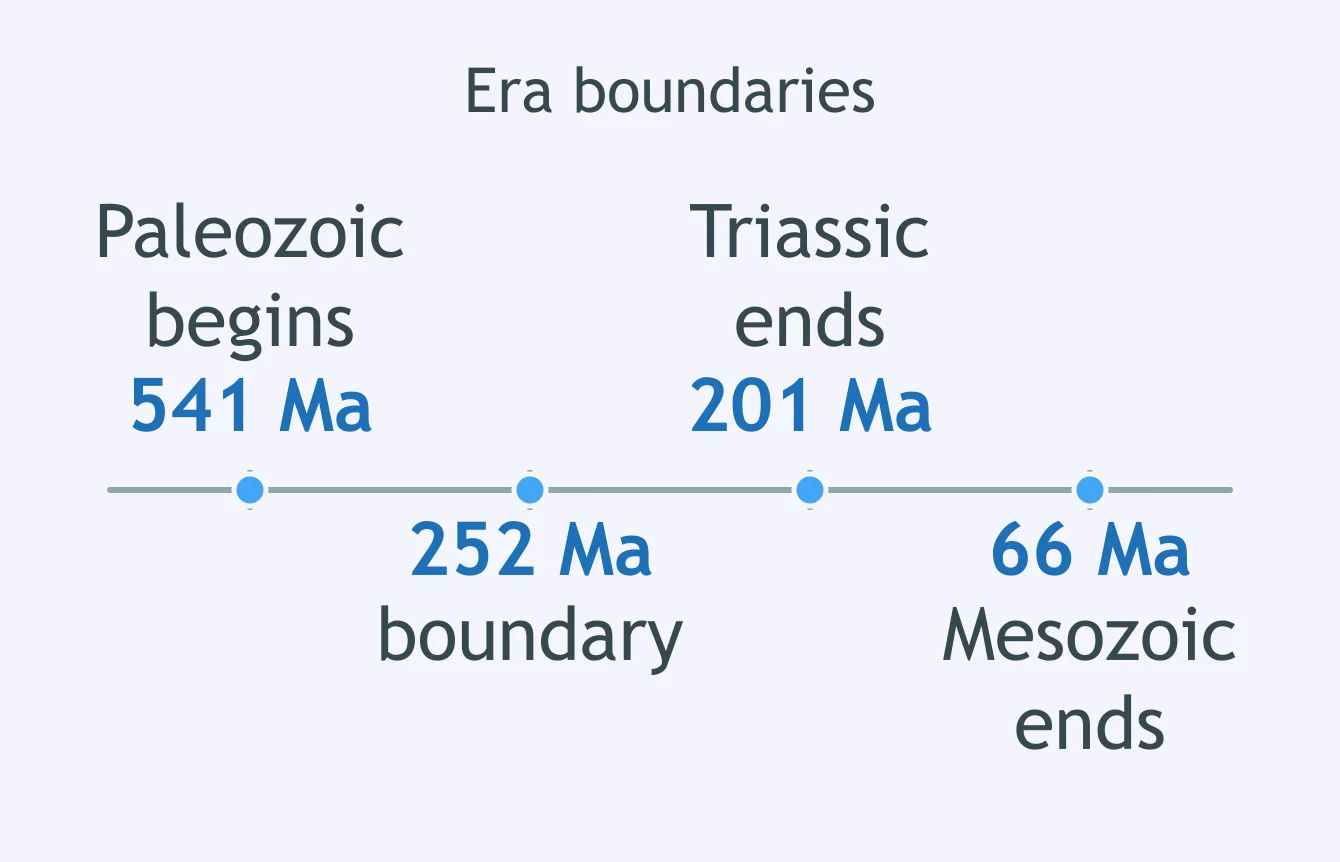
Grand Canyon layers with brachiopods, crinoids, and sponges most directly show that many Paleozoic beds formed in what setting?
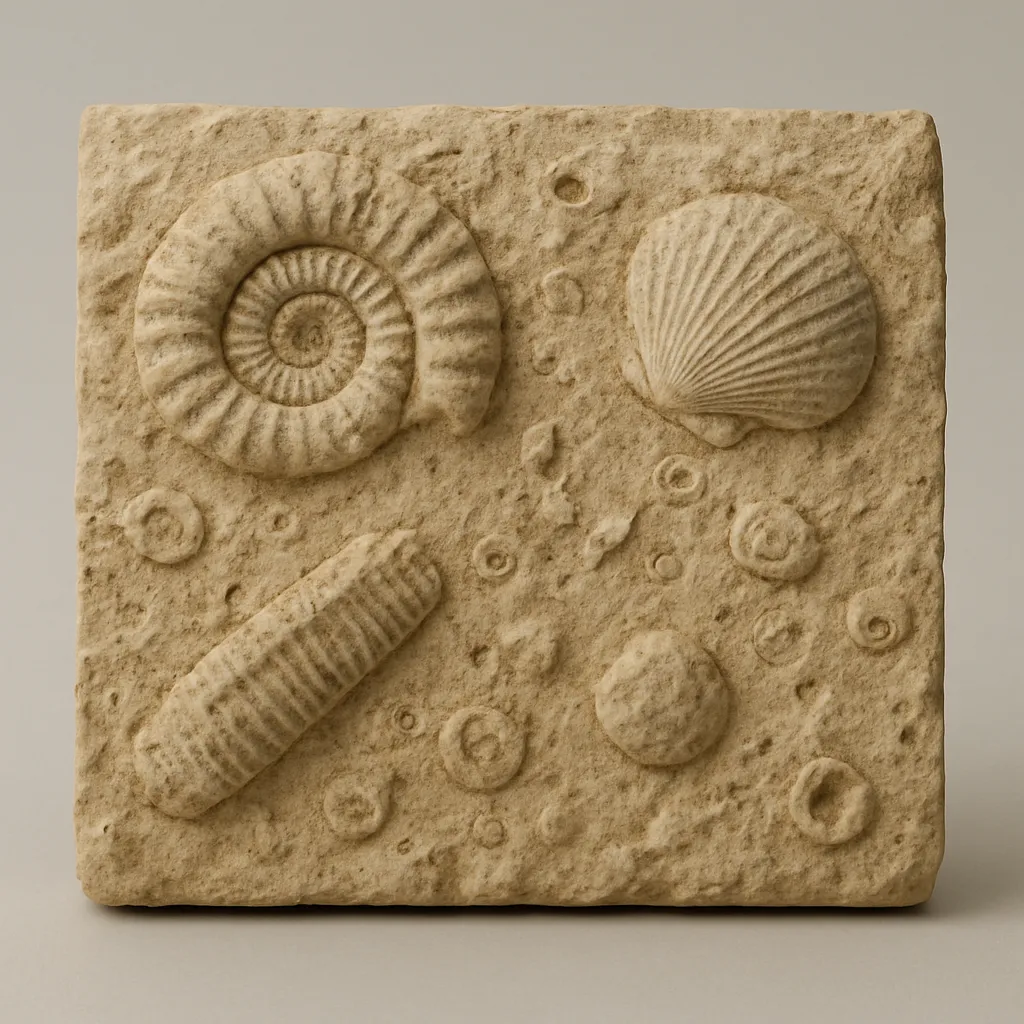
Petrified Forest National Park preserves Chinle Formation river deposits with petrified conifer wood and early dinosaurs. Which interval is recorded?
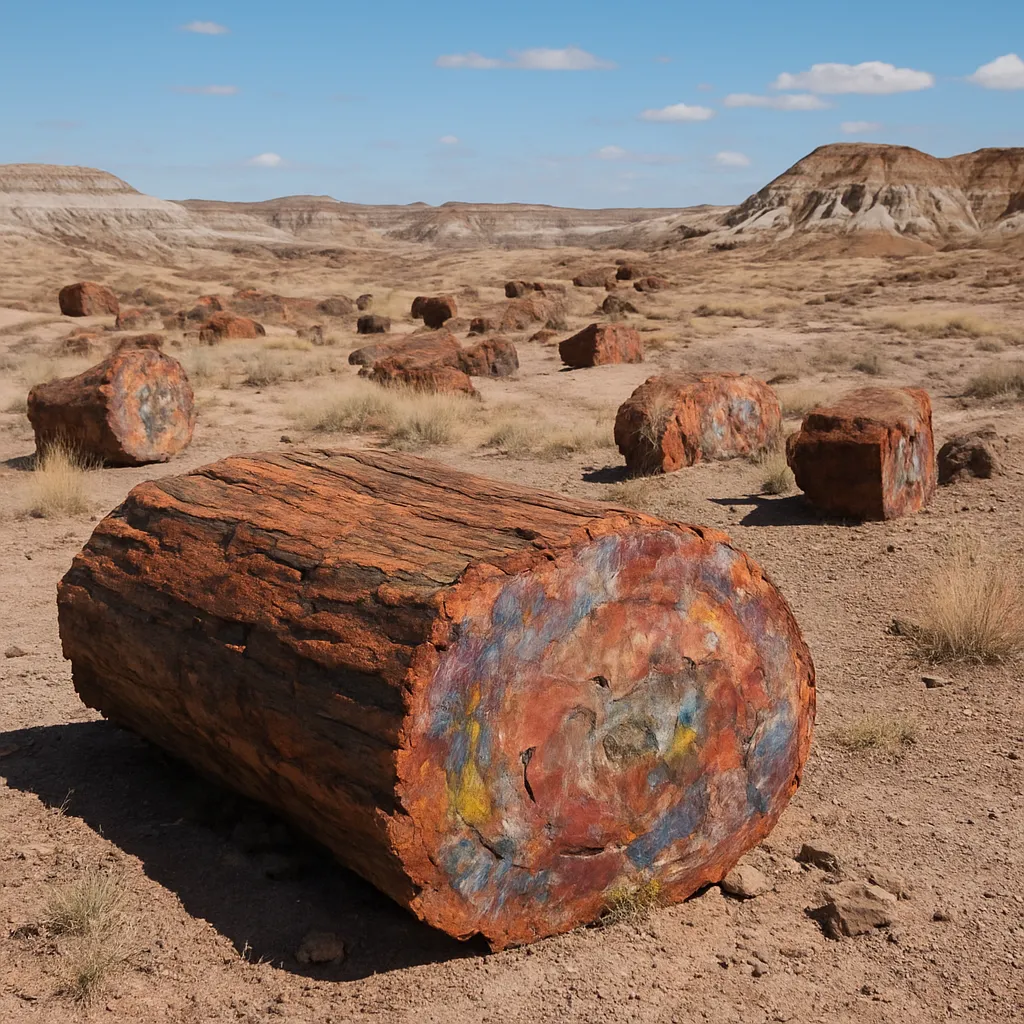
The Morrison Formation has sauropods, Stegosaurus, and Allosaurus in river-channel and floodplain deposits. Which period does it represent?
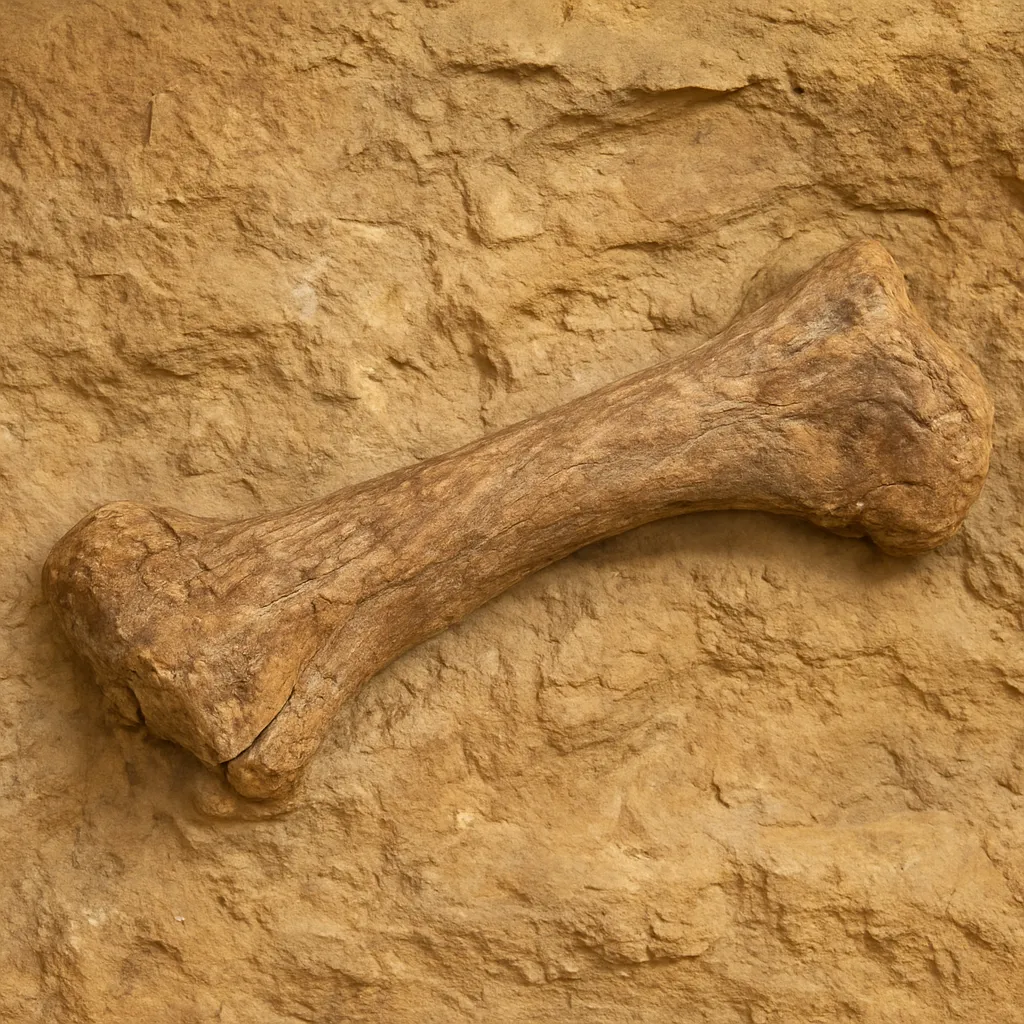
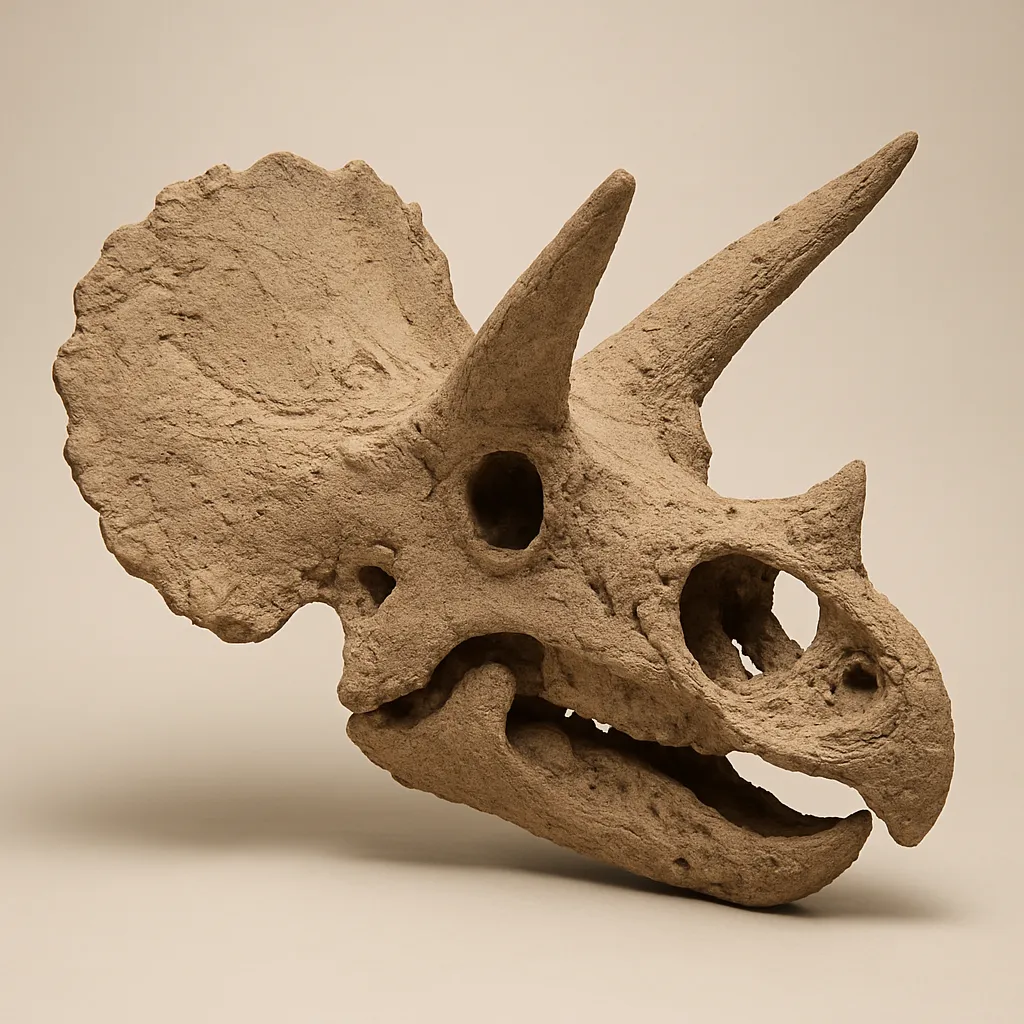
Hell Creek Formation beds contain Triceratops, tyrannosaurs, turtles, and crocodilians close to the K-Pg boundary. Which period is represented?
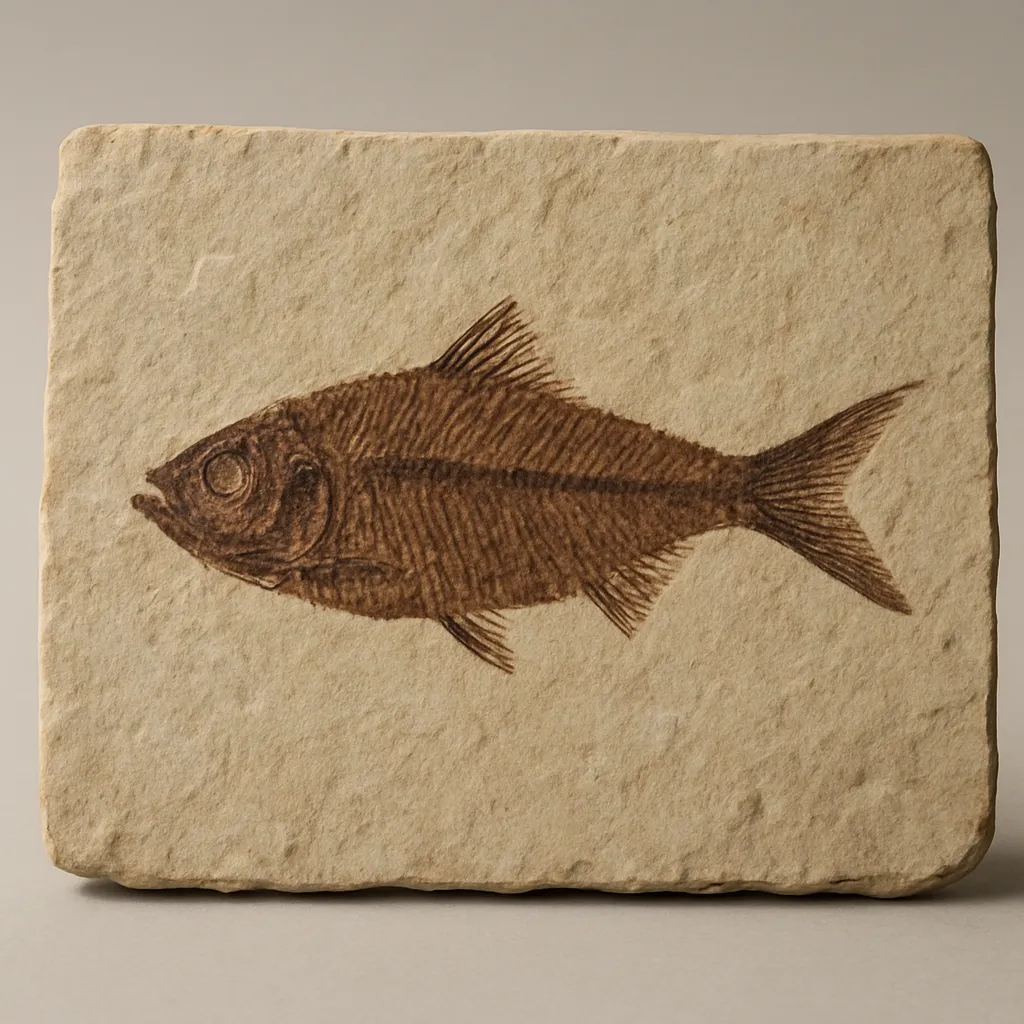
Fossil Butte slabs from the Green River Formation preserve many flat fish skeletons from Fossil Lake. Which Cenozoic epoch is this deposit famous for?
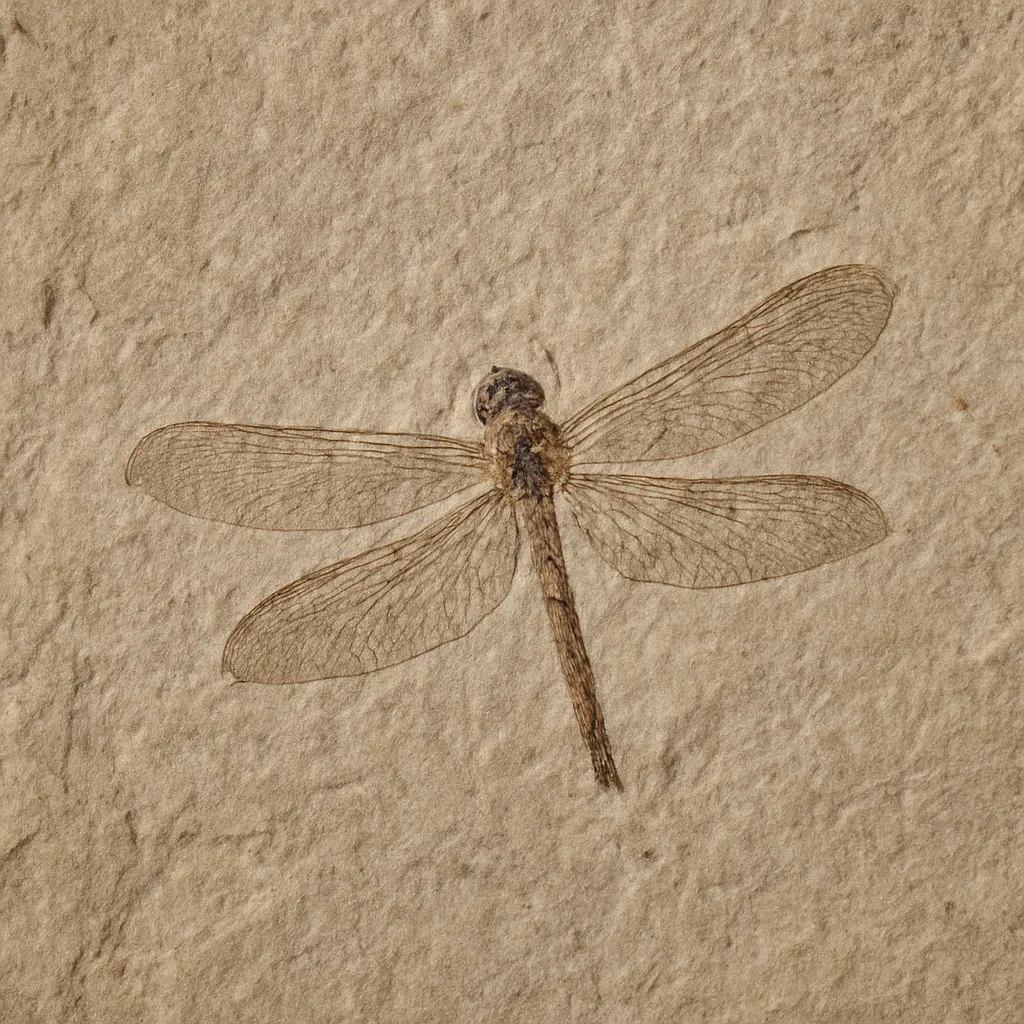
Florissant Fossil Beds preserve insects, leaves, and petrified stumps in volcanic lake sediments about 34 Ma. Which epoch do they represent?
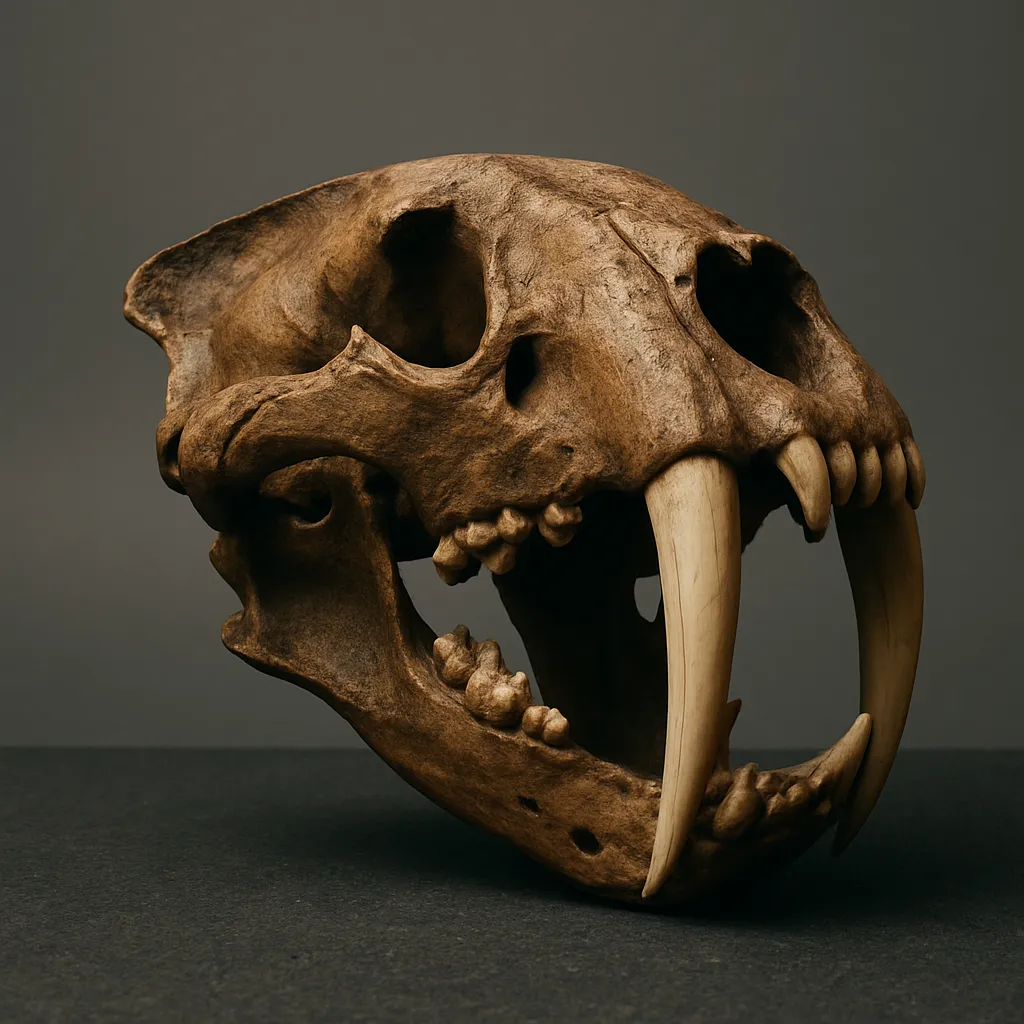
La Brea Tar Pits trapped dire wolves, saber-toothed cats, mammoths, and other Ice Age animals in asphalt. Which epoch is represented?
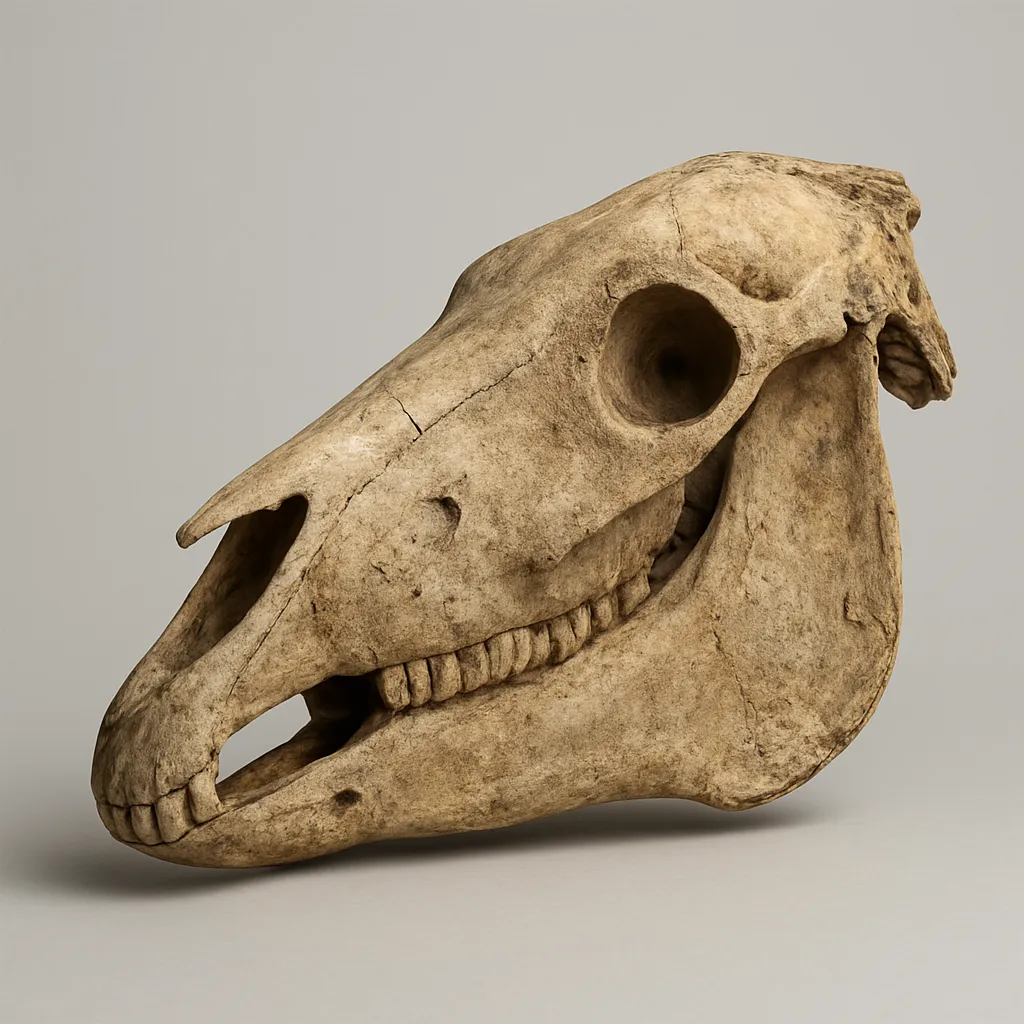
Hagerman Fossil Beds preserve hundreds of Equus simplicidens fossils from about 4 to 3 Ma. Which epoch fits that age and fauna?
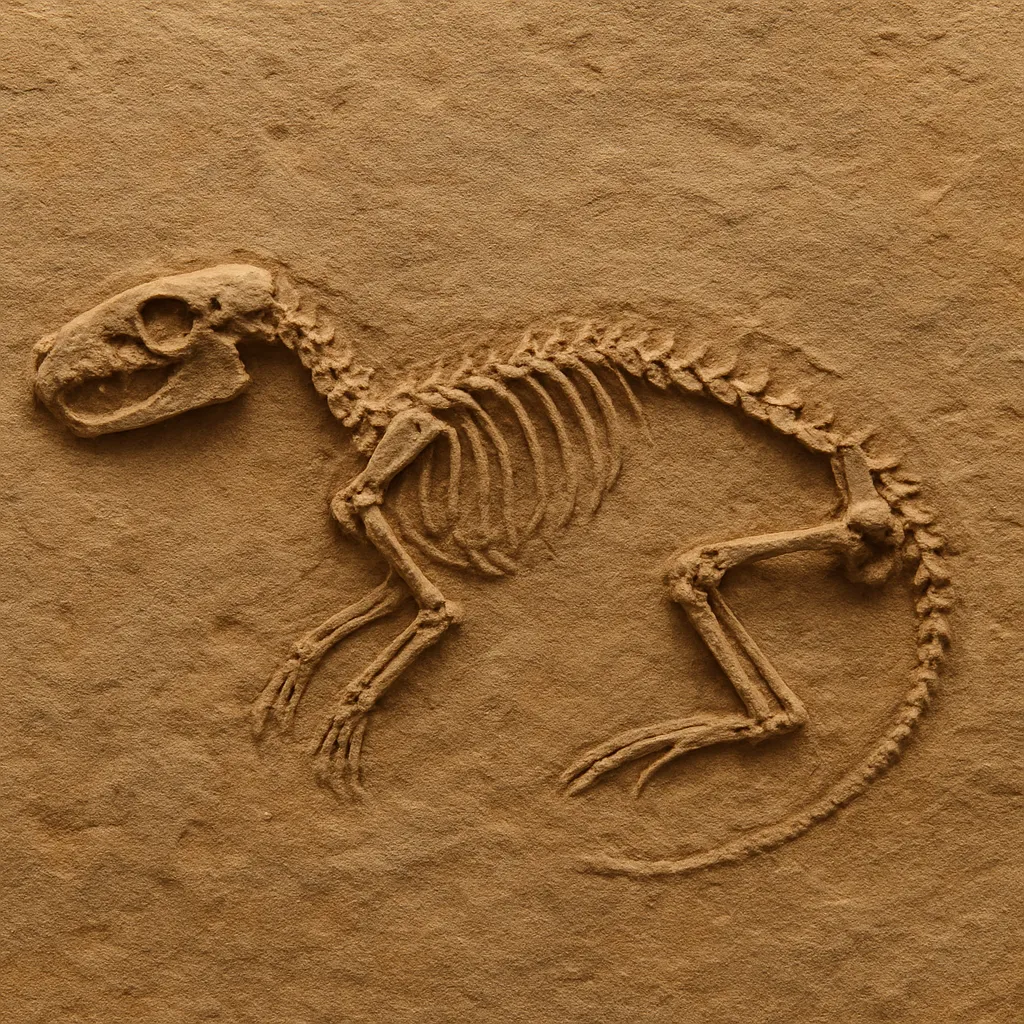
Agate Fossil Beds in Nebraska include dense bonebeds of extinct rhinos, bear dogs, and other mammals dated near 22.9 Ma. Which epoch is recorded?
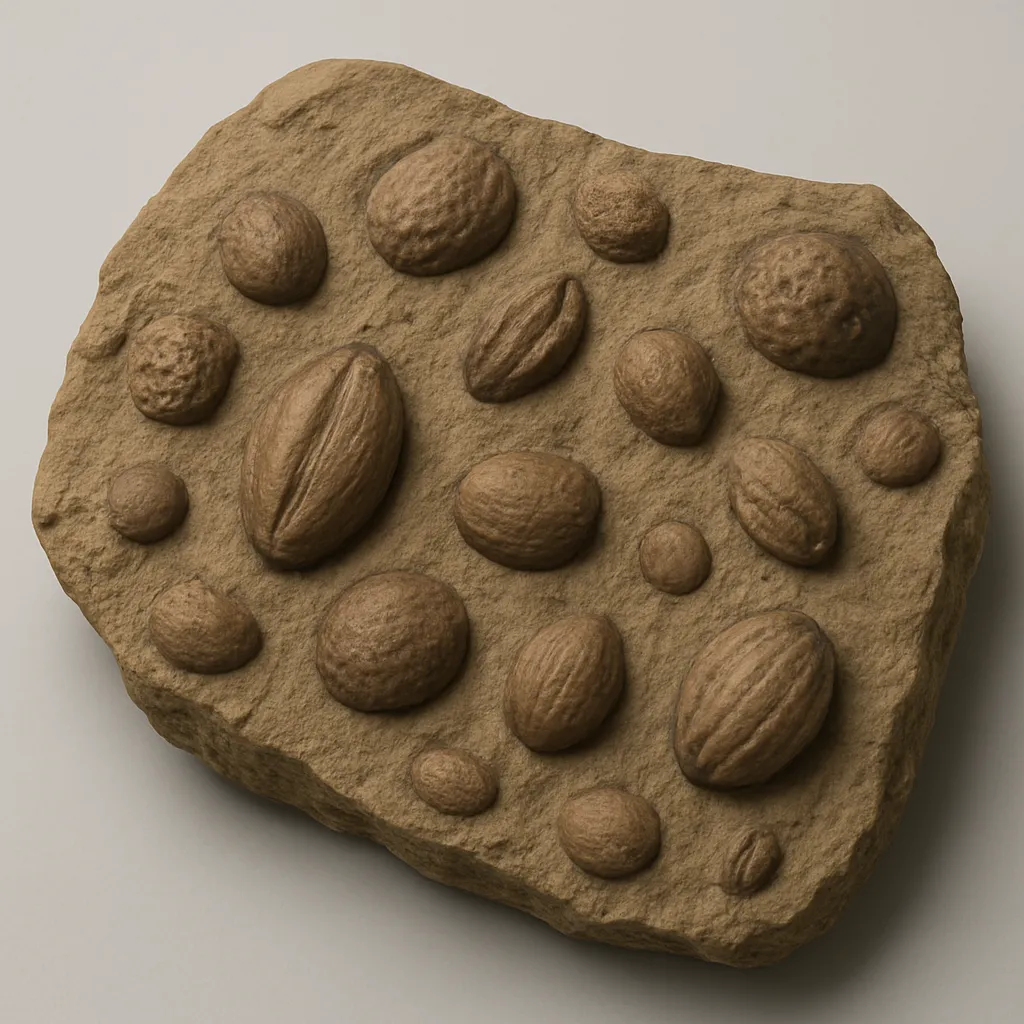
John Day’s Clarno Nut Beds preserve fruits, seeds, and brontotheres from a hot subtropical forest about 44 Ma. Which epoch is this?
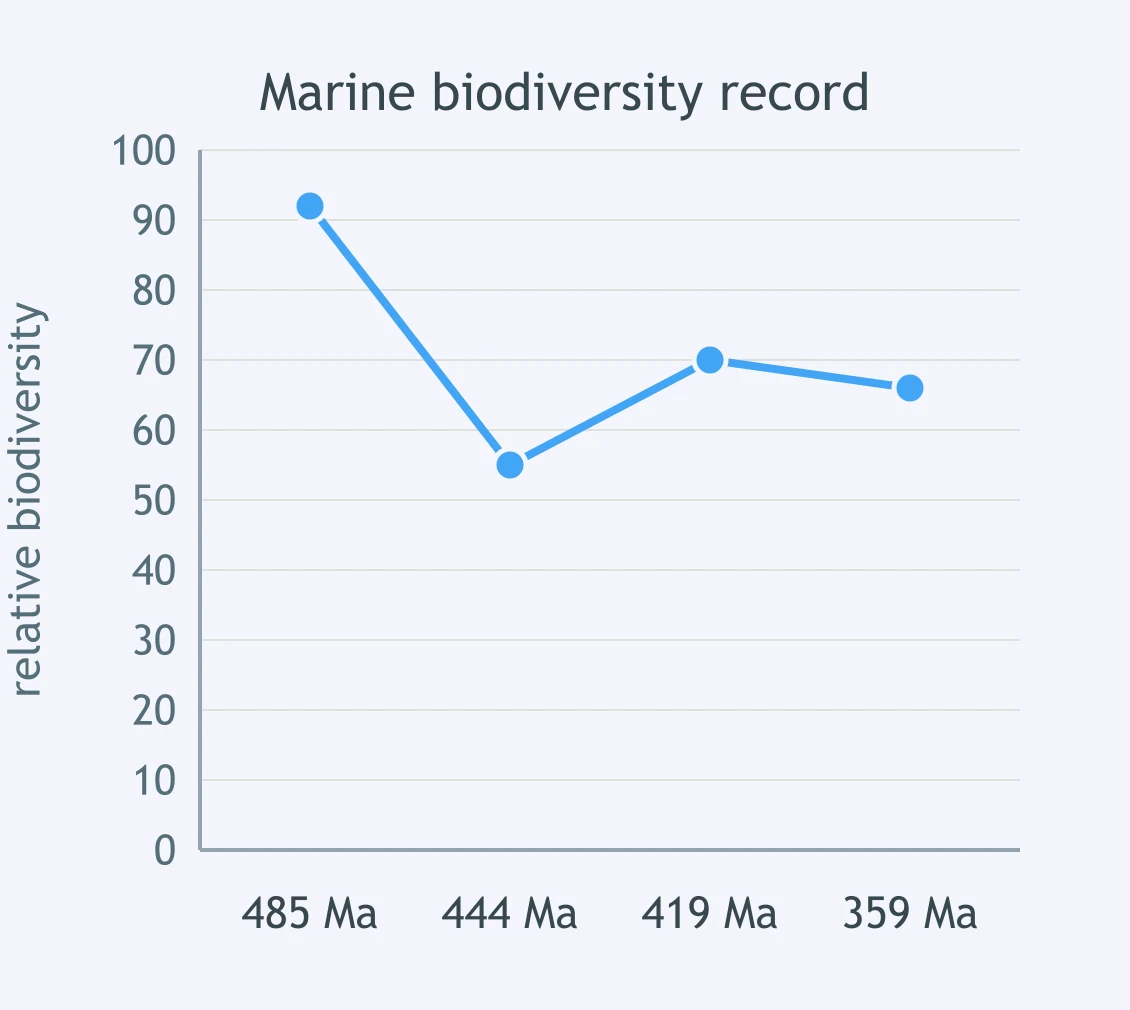
A biodiversity curve shows its first major drop near 444 Ma, when glaciation on Gondwana lowered sea level. Which extinction is marked?
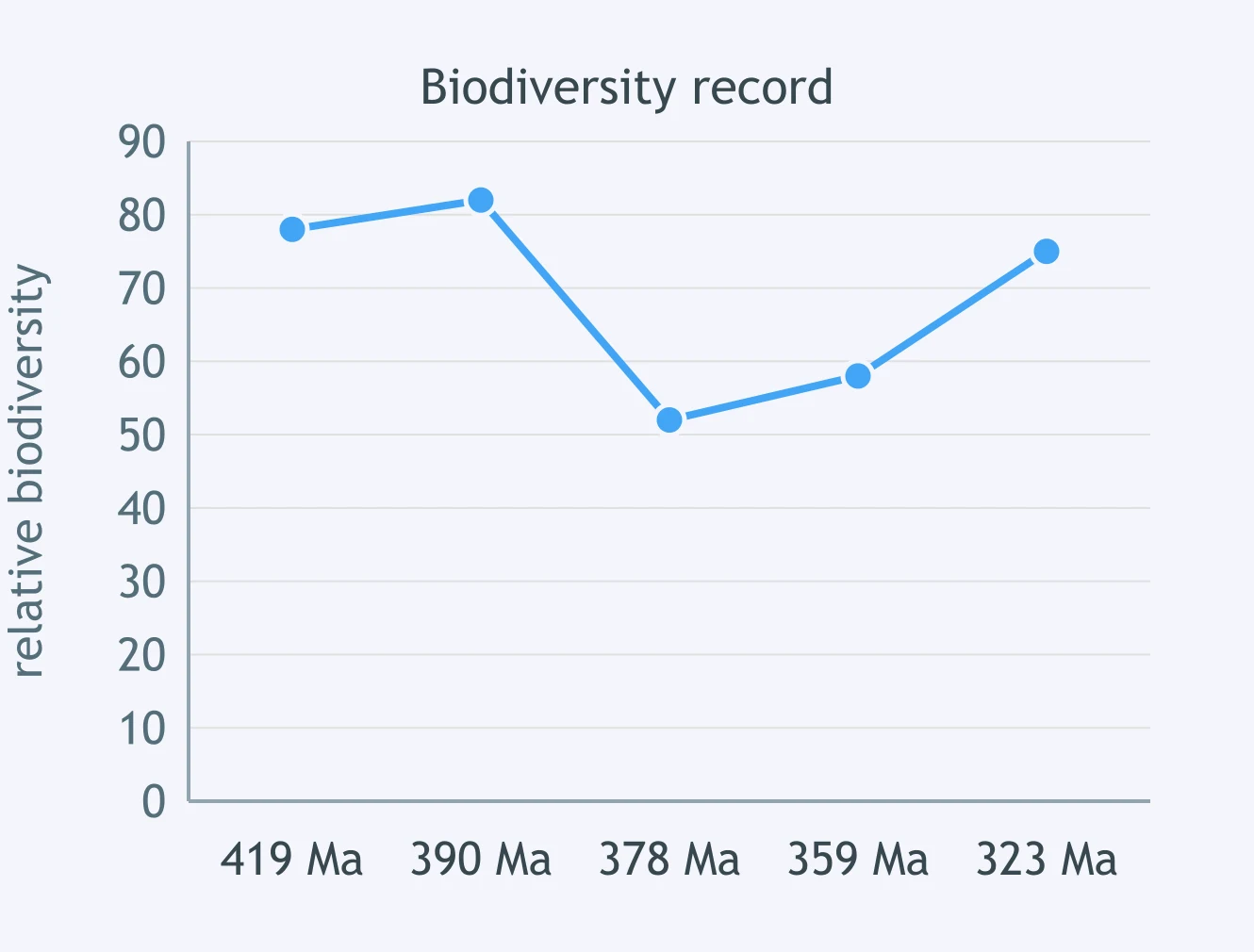
The graph’s decline near 378 Ma mainly affects marine groups such as corals and brachiopods, and its exact trigger is still debated. Which extinction is this?
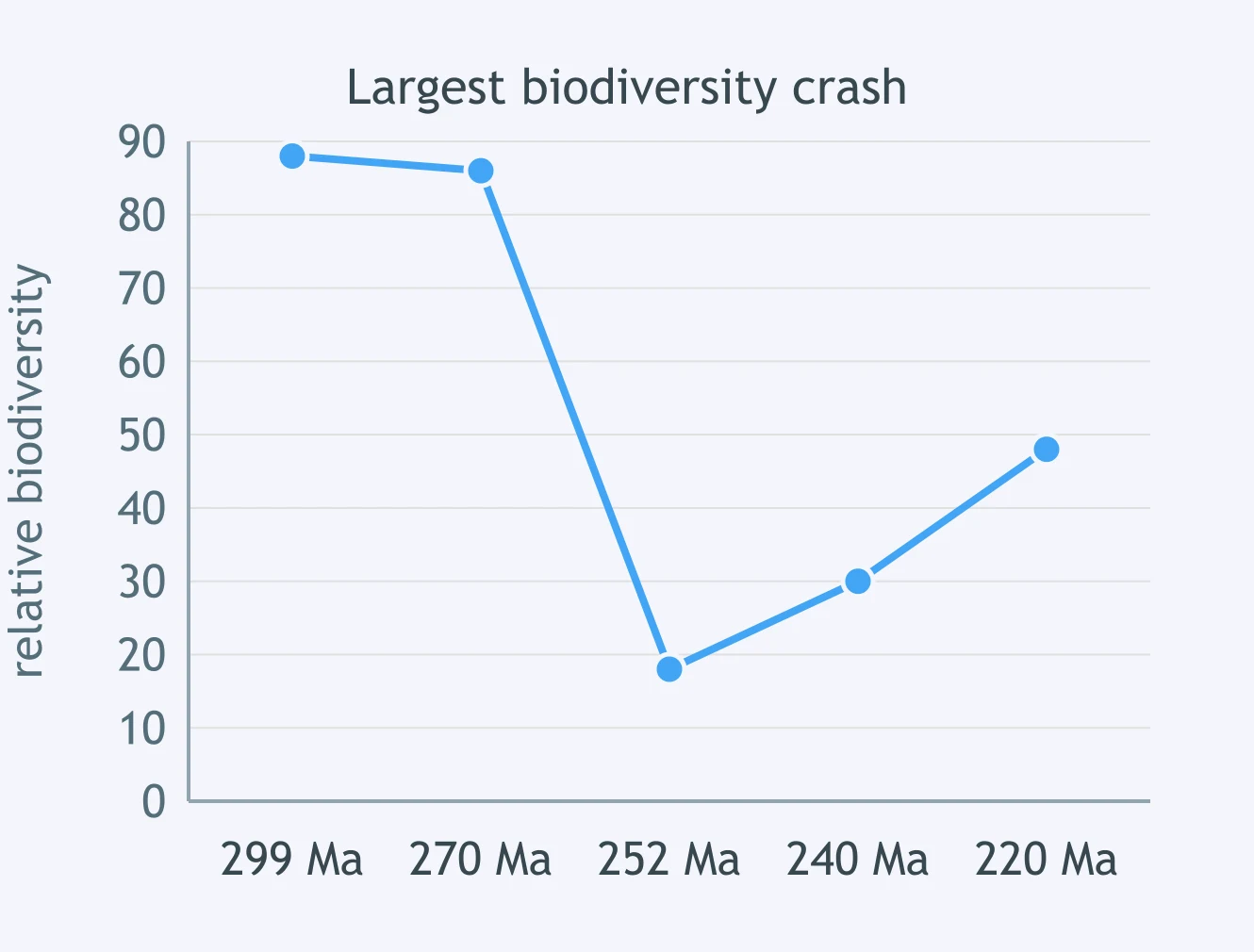
A curve has its deepest Phanerozoic crash at 252 Ma, and trilobites disappear after the drop. Which mass extinction is shown?
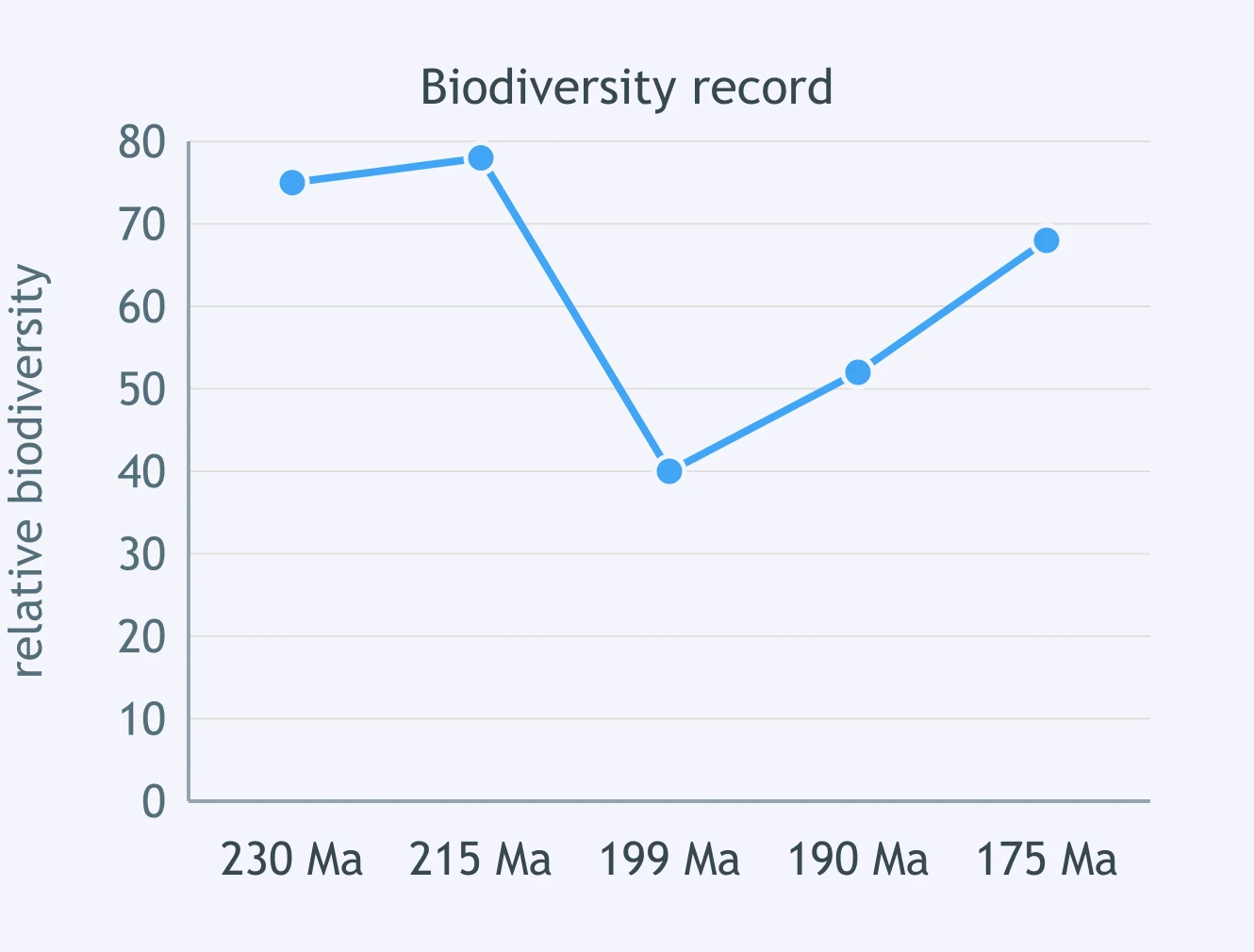
The graph shows a drop near 199 Ma, coinciding with huge volcanic eruptions as the Atlantic Ocean began opening. Which extinction is shown?
A biodiversity graph drops sharply at 66 Ma, the same boundary as an iridium-rich layer and the Chicxulub impact. Which extinction is recorded?
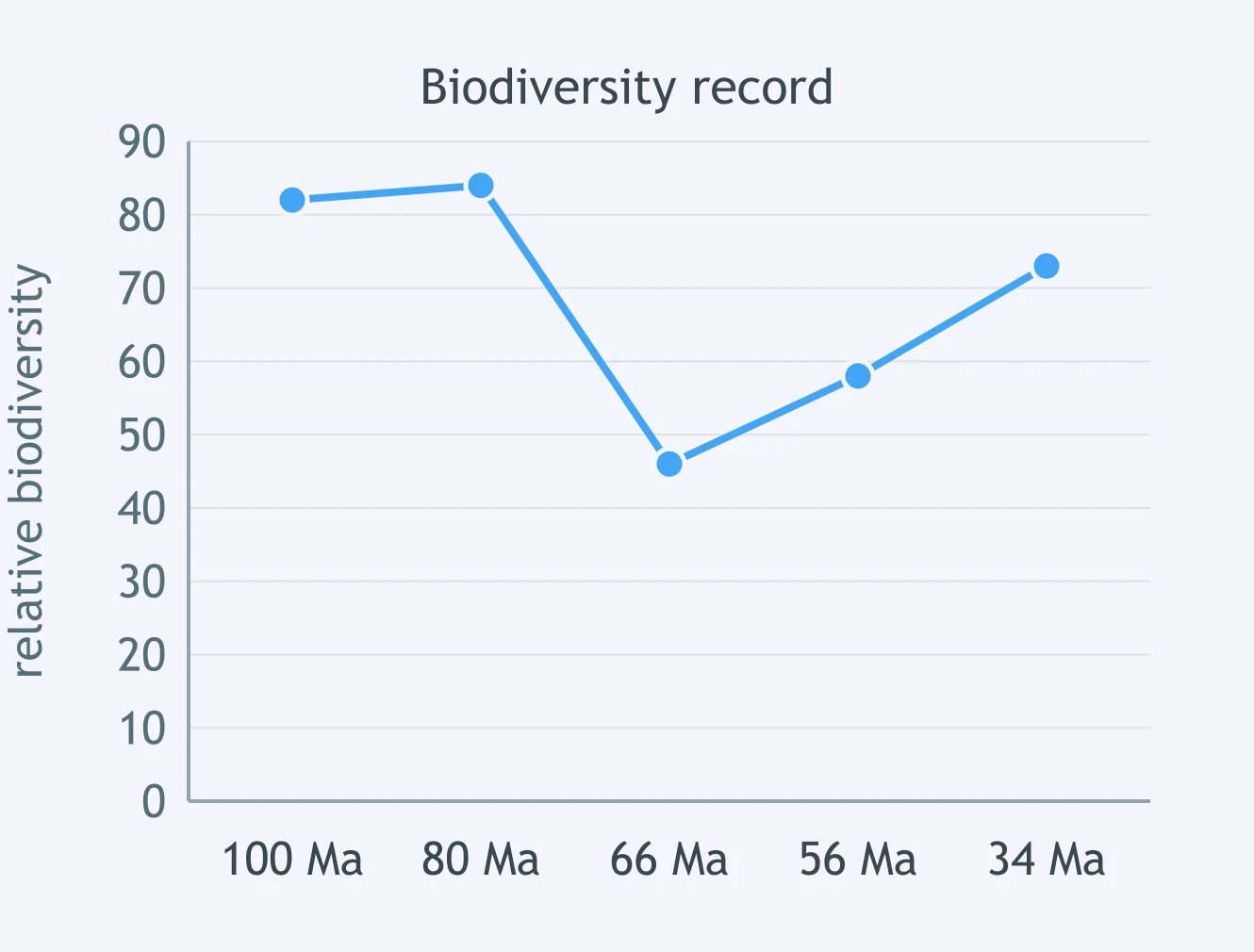
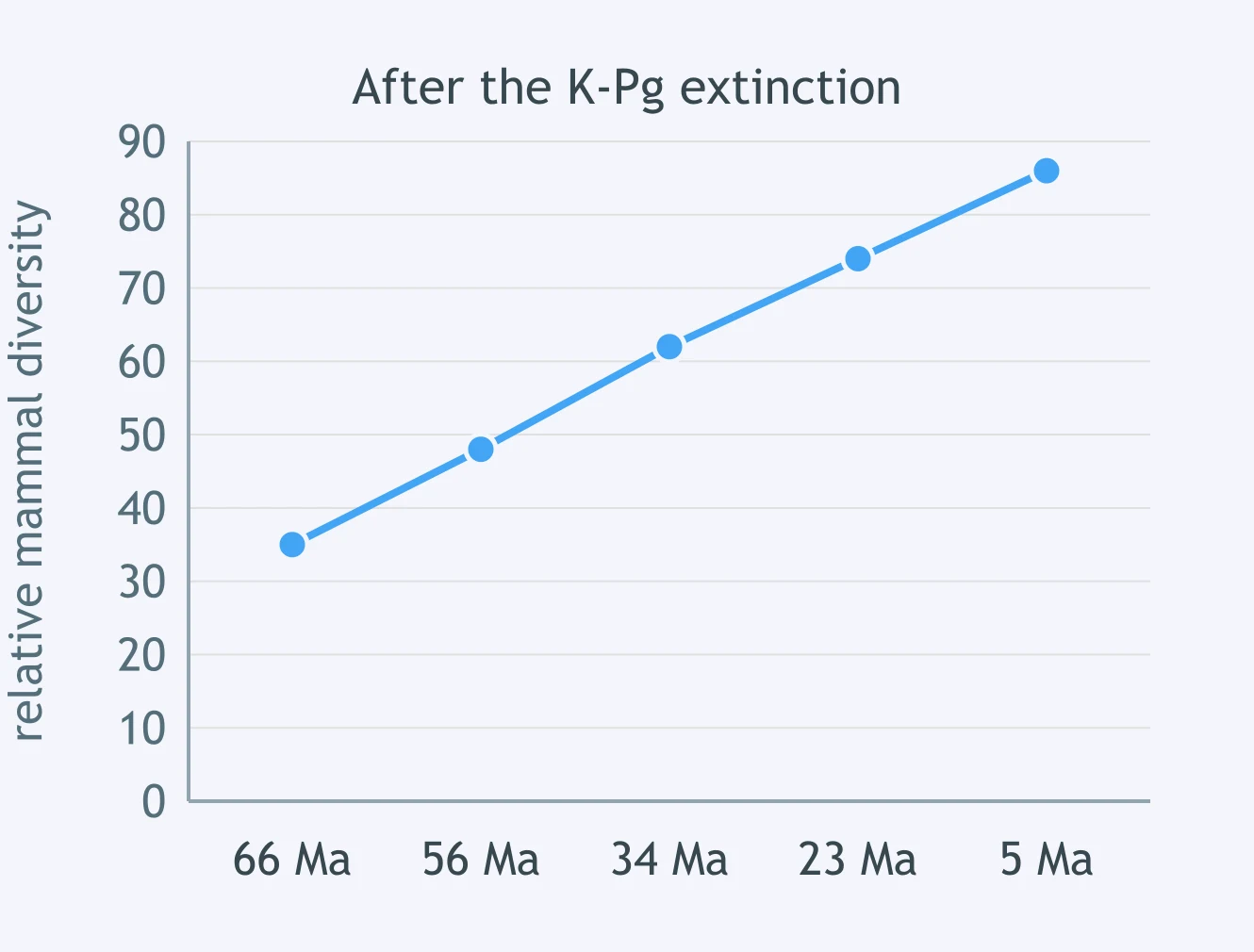
After the 66 Ma drop, the curve rises while mammals occupy many land niches left open by extinct non-avian dinosaurs. What consequence is shown?
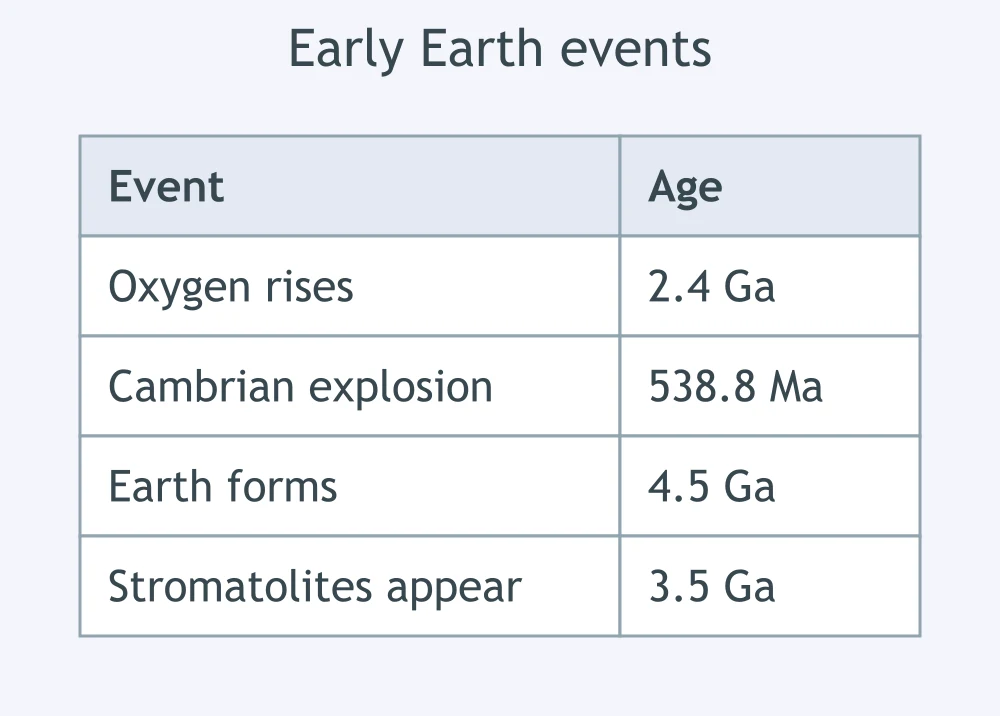
The table lists four events in early Earth history with their ages. Which order is oldest to youngest?
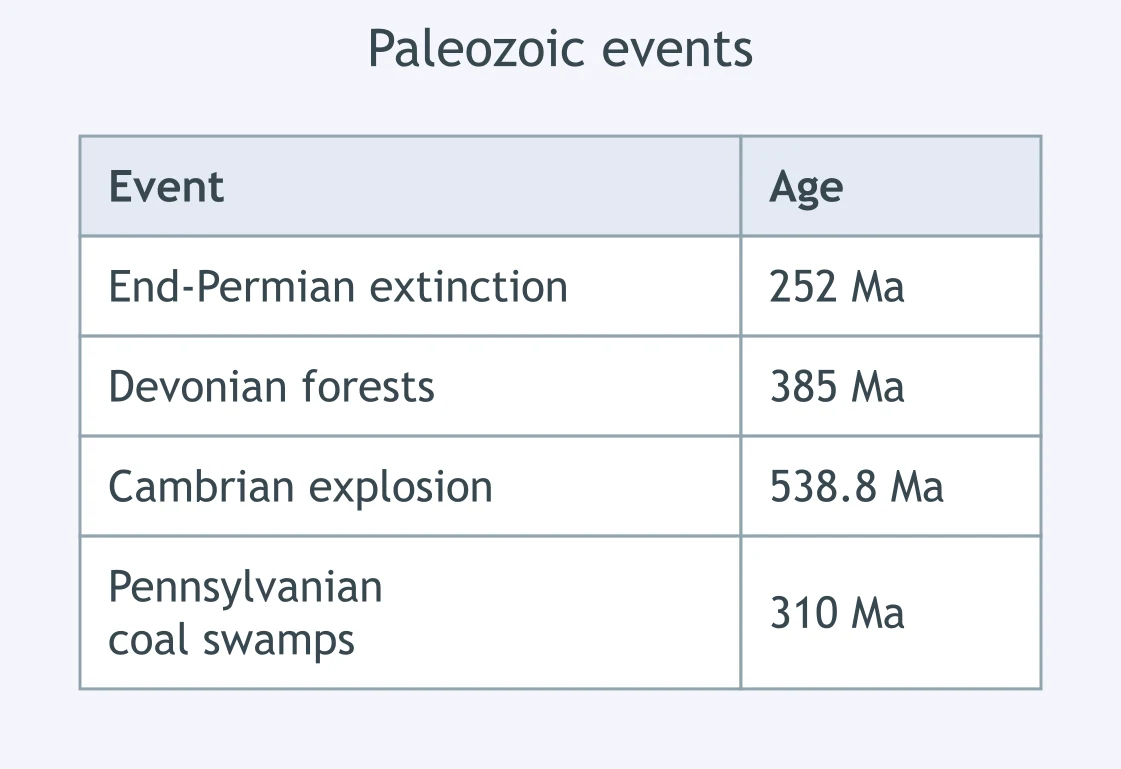
The table lists four Paleozoic events with their ages. Which order is oldest to youngest?
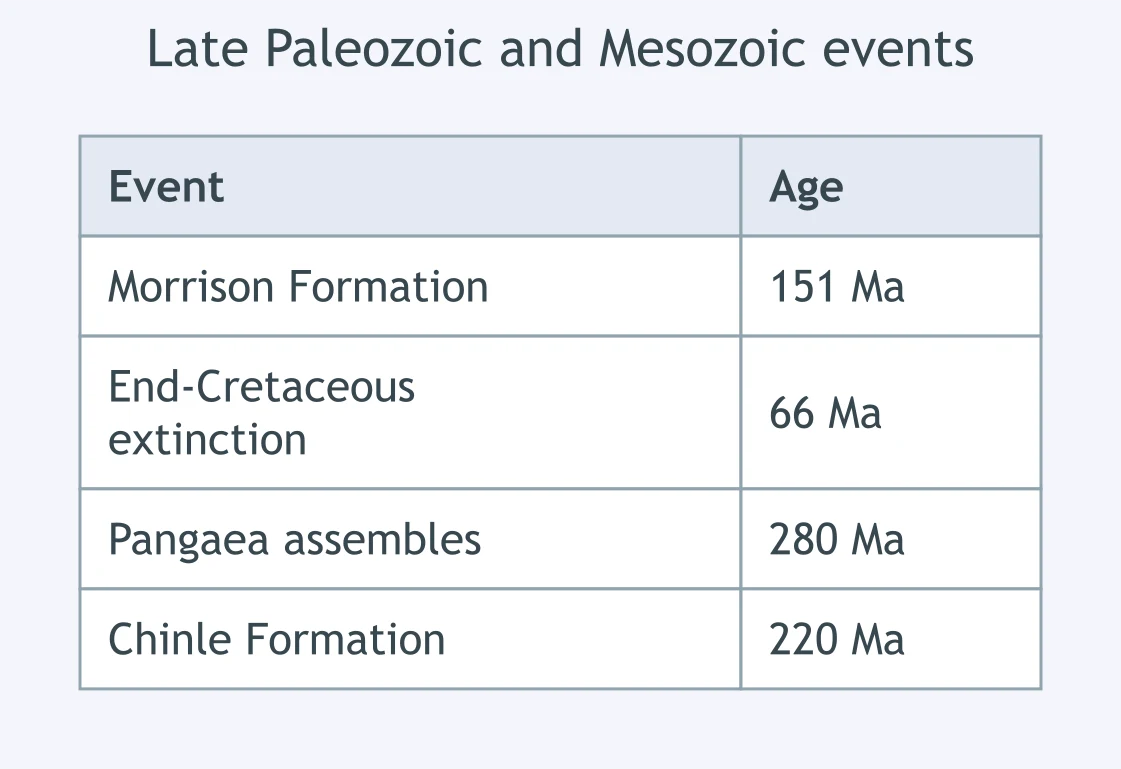
The table lists four events with their ages. Which order is oldest to youngest?
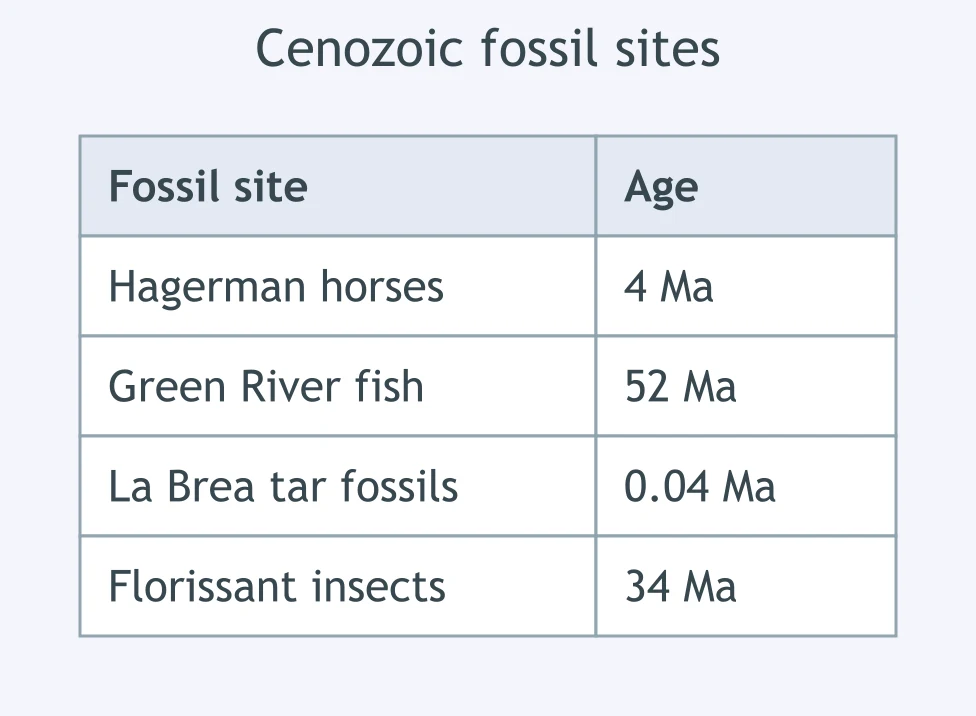
The table lists four Cenozoic fossil sites with their ages. Which order is oldest to youngest?
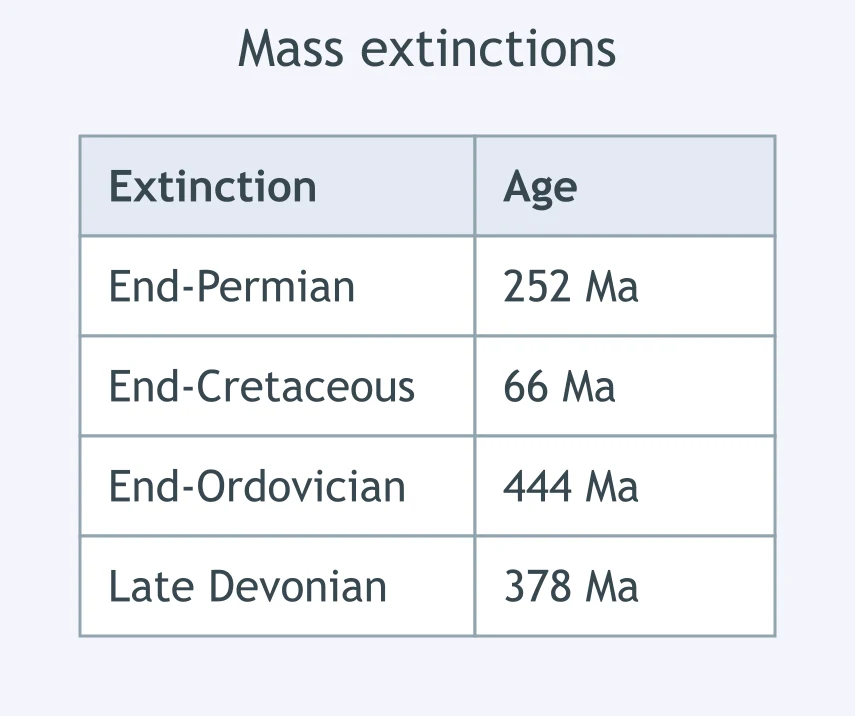
The table lists four of the Big Five mass extinctions with their ages. Which sequence runs from oldest to youngest?
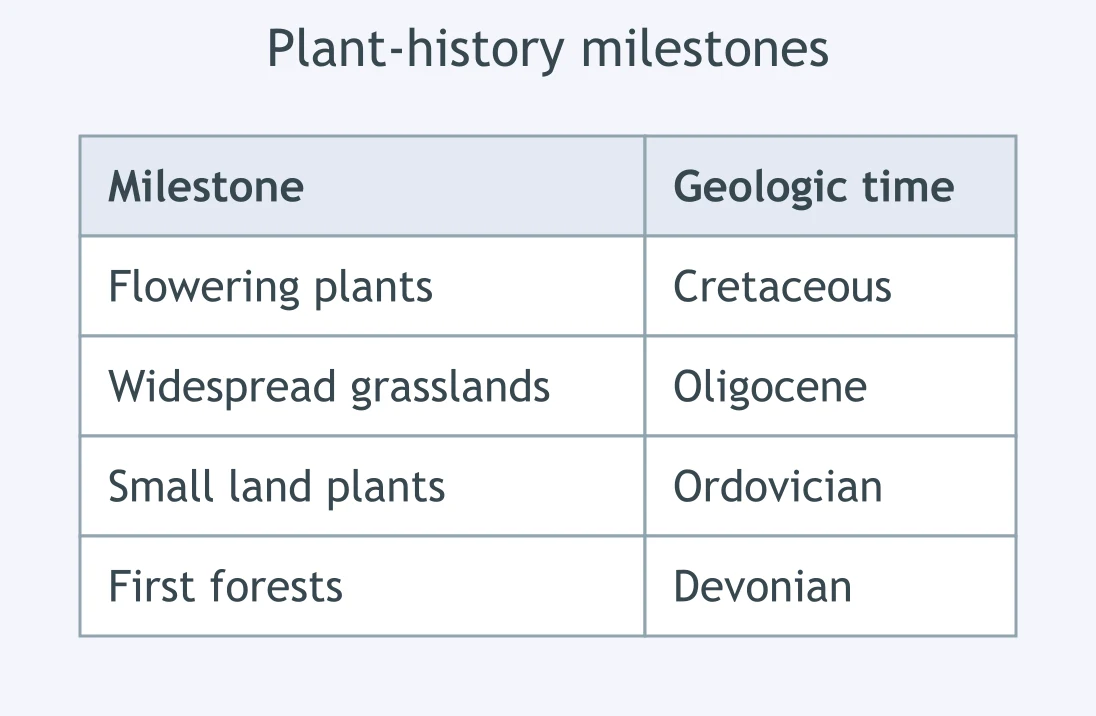
The table gives the geologic time of four milestones in plant history. Which order runs from oldest to youngest?
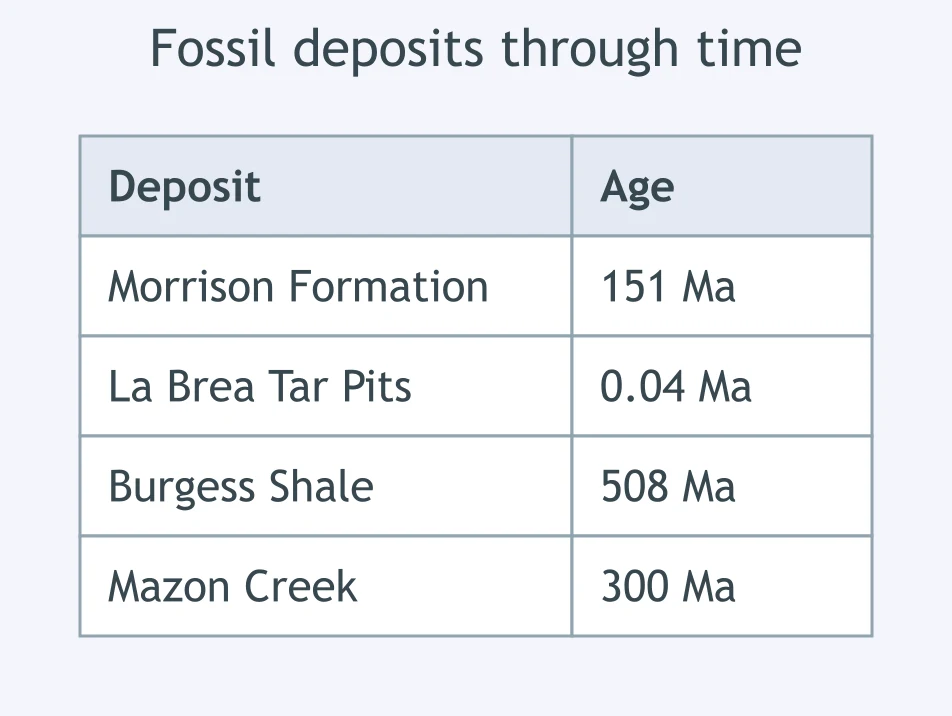
The table gives the ages of four fossil deposits: Burgess Shale, Mazon Creek, Morrison Formation, and La Brea Tar Pits. Which order is oldest to youngest?
Crack the passcode before the zombies get in.
Answer, then swat bugs for bonus points.
Race through questions at your own speed.
Same question on every screen. Fastest wins.

Pick a tile, answer, hit bonuses and steals.
Seawater
30 questions