Loading
by BlastRoom
Students identify fossilization processes and infer past environments from fossil evidence.
#earth_space_science
30 questions
One question set, multiple game modes. Tap any game to see it in action. Not sure which to pick?
Answer to place stones and capture territory.
Outrun the snow together.
Earn blasts, then hunt the other team.
Answer to earn energy, then climb.

The class blasts through walls together.
Bid on mystery lots. Most money wins.
Sell tours. Nice, standard, or a total scam.

Answer, restock, and serve the rush.
More correct answers pulls the rope your way.
Answer, then shoot down the alien wave.
Answer, then tap to leap the frozen ridge.
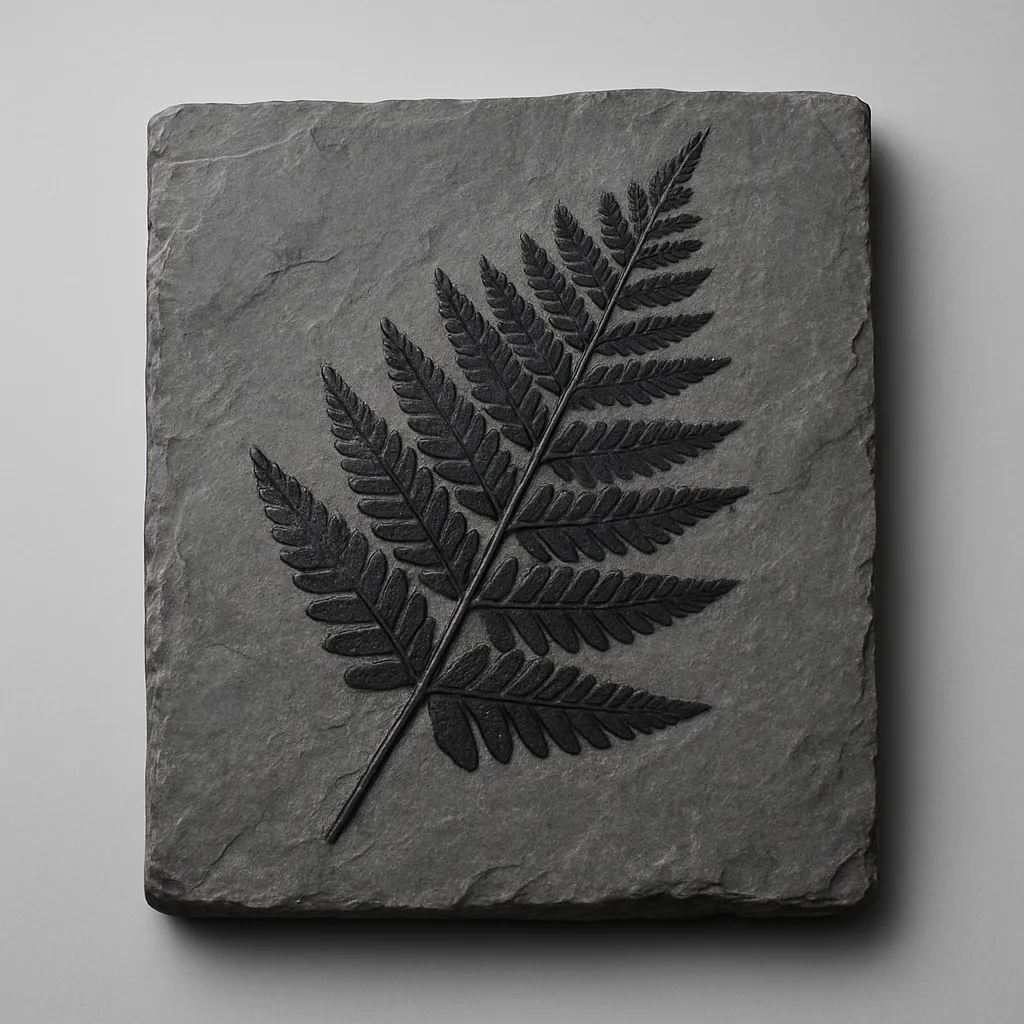
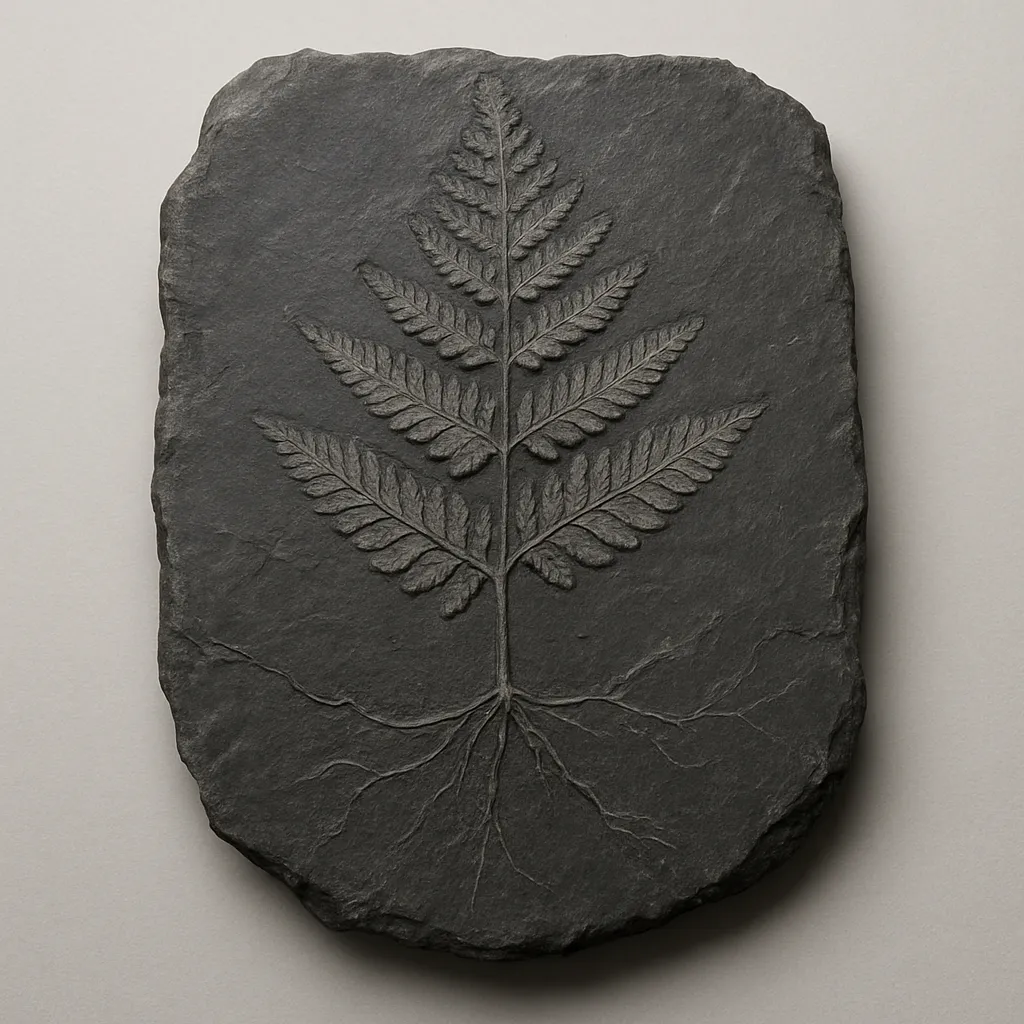
A thin black film shaped like a fern frond lies on a shale slab. Only dark plant residue remains, with no three-dimensional tissue. What preservation type does the specimen show?
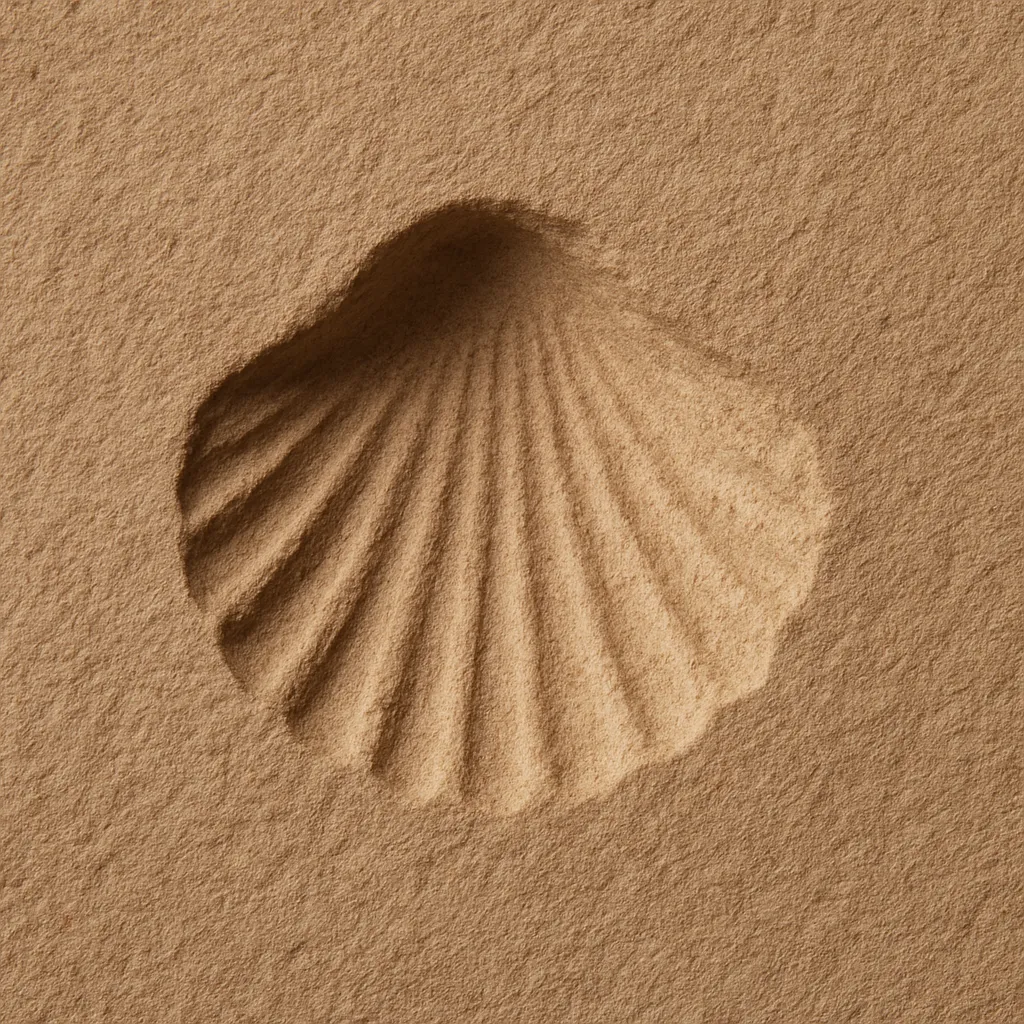
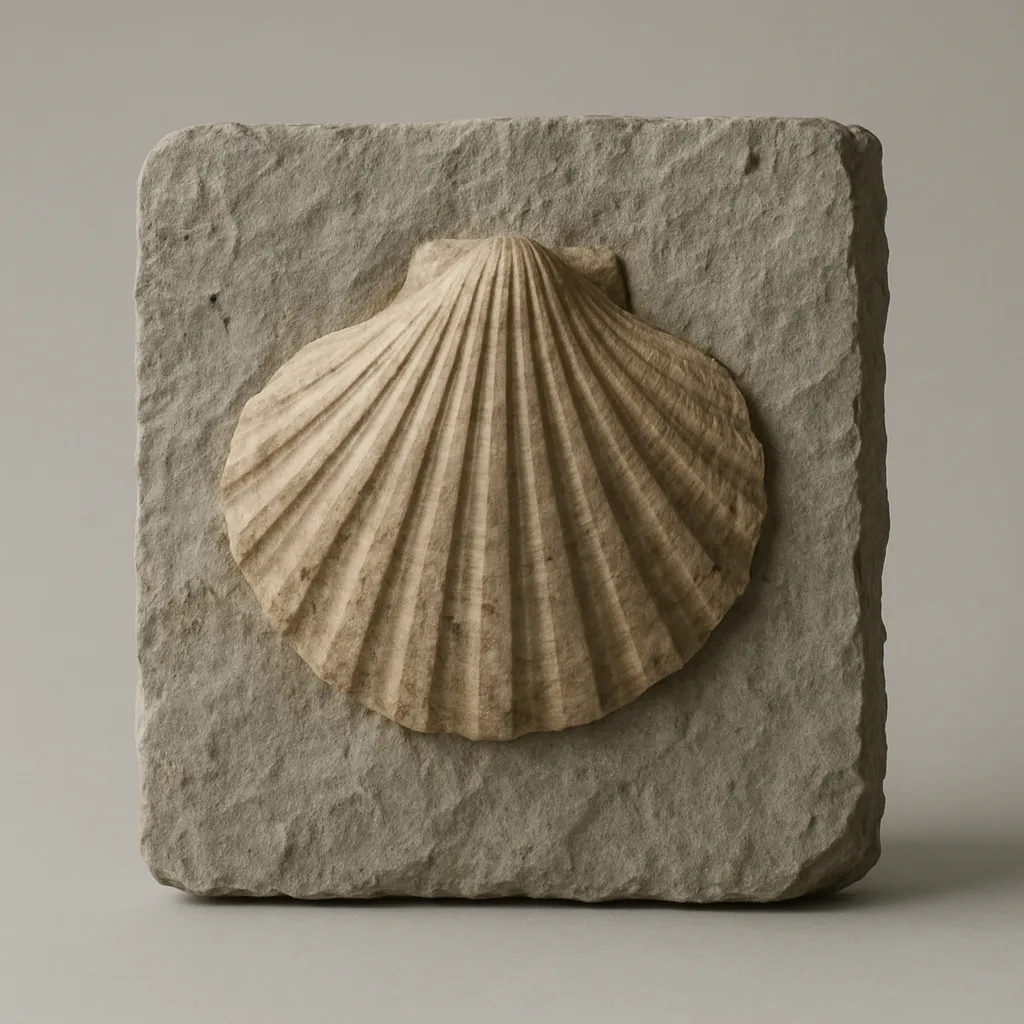
A scallop shell dissolved after pressing into sand. The rock now has a hollow, shell-shaped imprint with rib details but no shell material. What can scientists learn from this fossil?
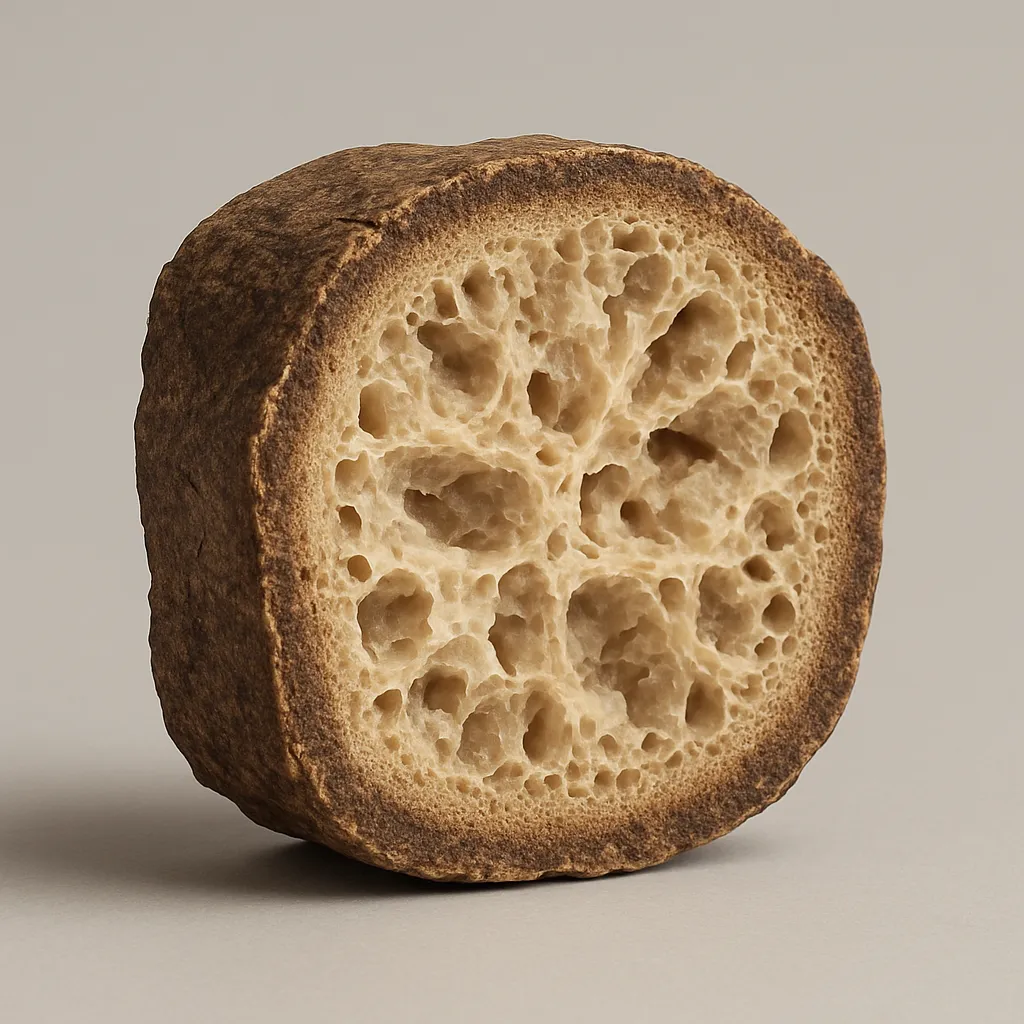
A dinosaur bone is heavier than fresh bone. The original pores are filled with silica crystals, but the bone's shape is still recognizable. What process preserved it?
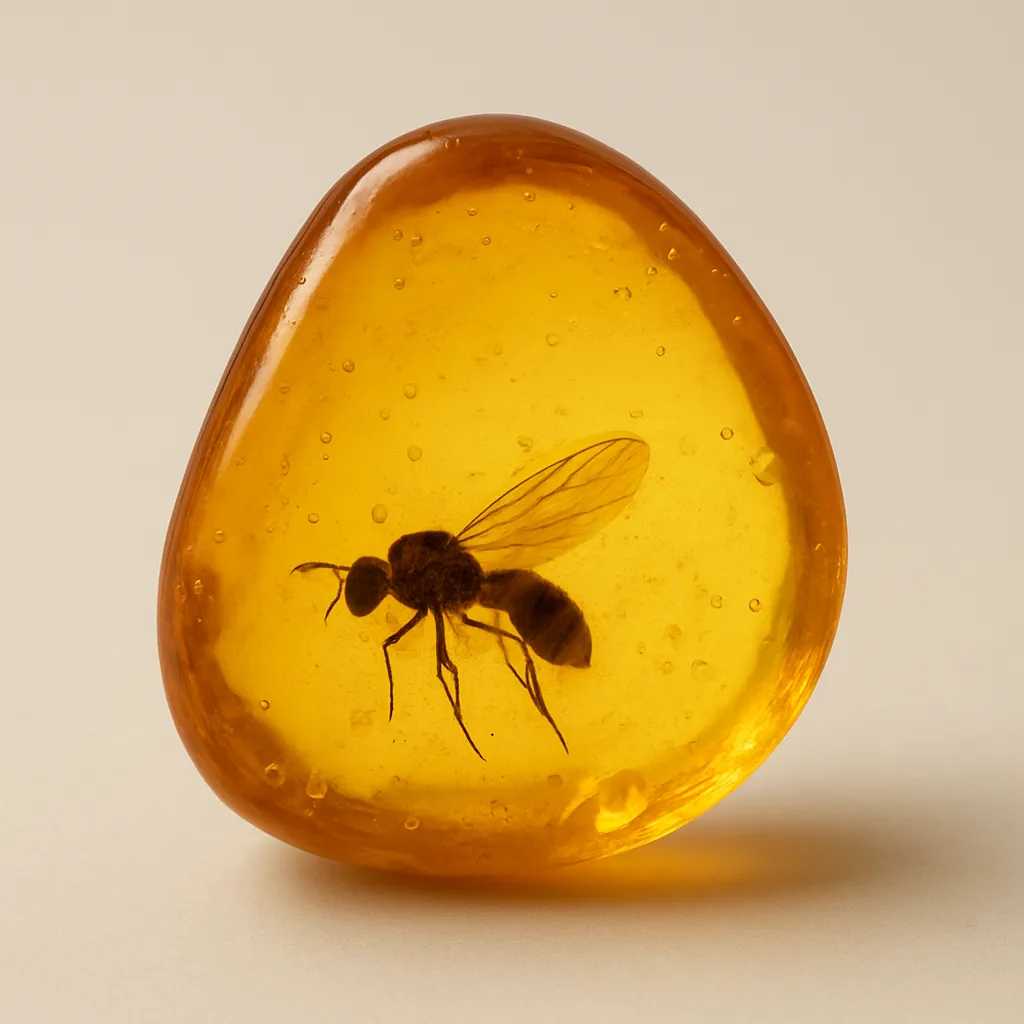
A tiny fly is sealed inside a clear golden piece of hardened tree resin, and its wings and legs are still visible. What preservation type is shown?
A raised shell-shaped fossil fills a former cavity in limestone. It is made of sediment and minerals and matches the outside of the original shell. What is it?
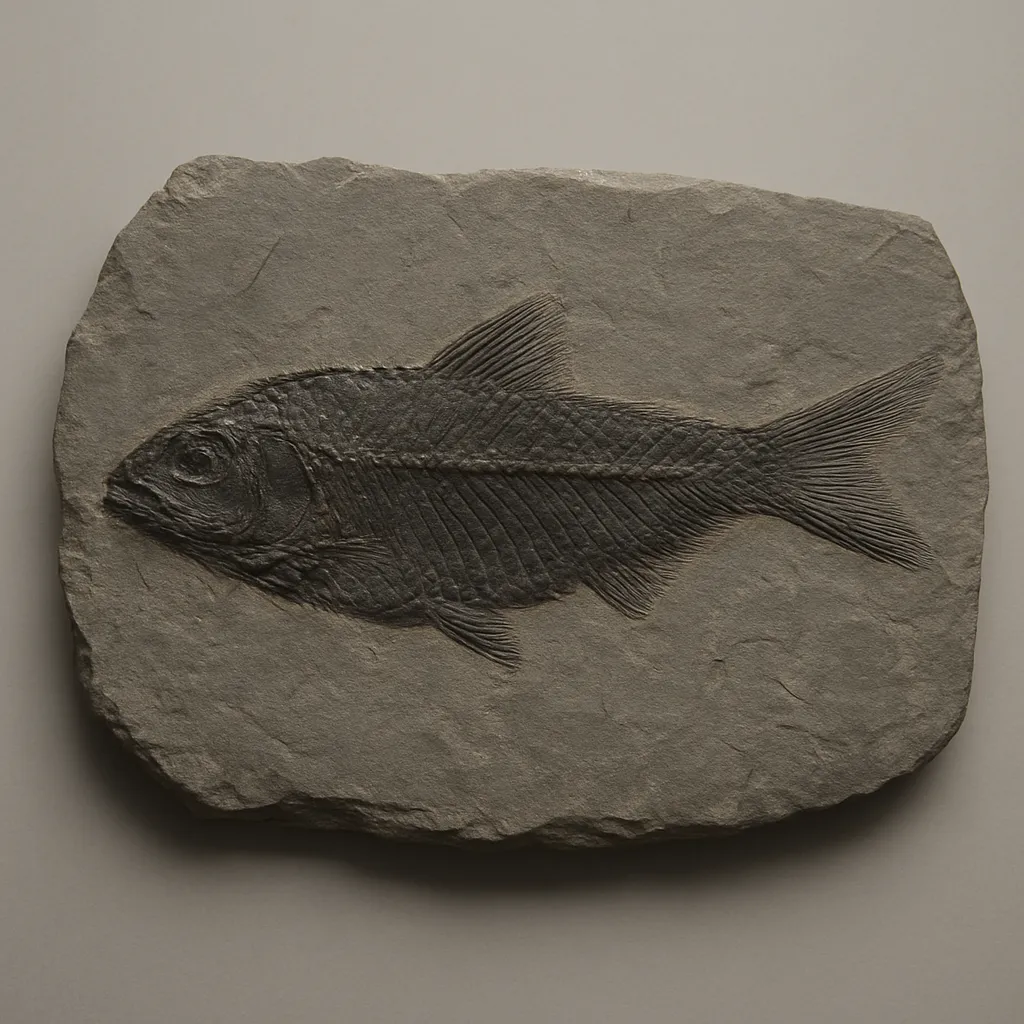
A fish fossil is flattened between shale layers, and a brown-black film outlines the body and fins. What is this dark film mostly made of?
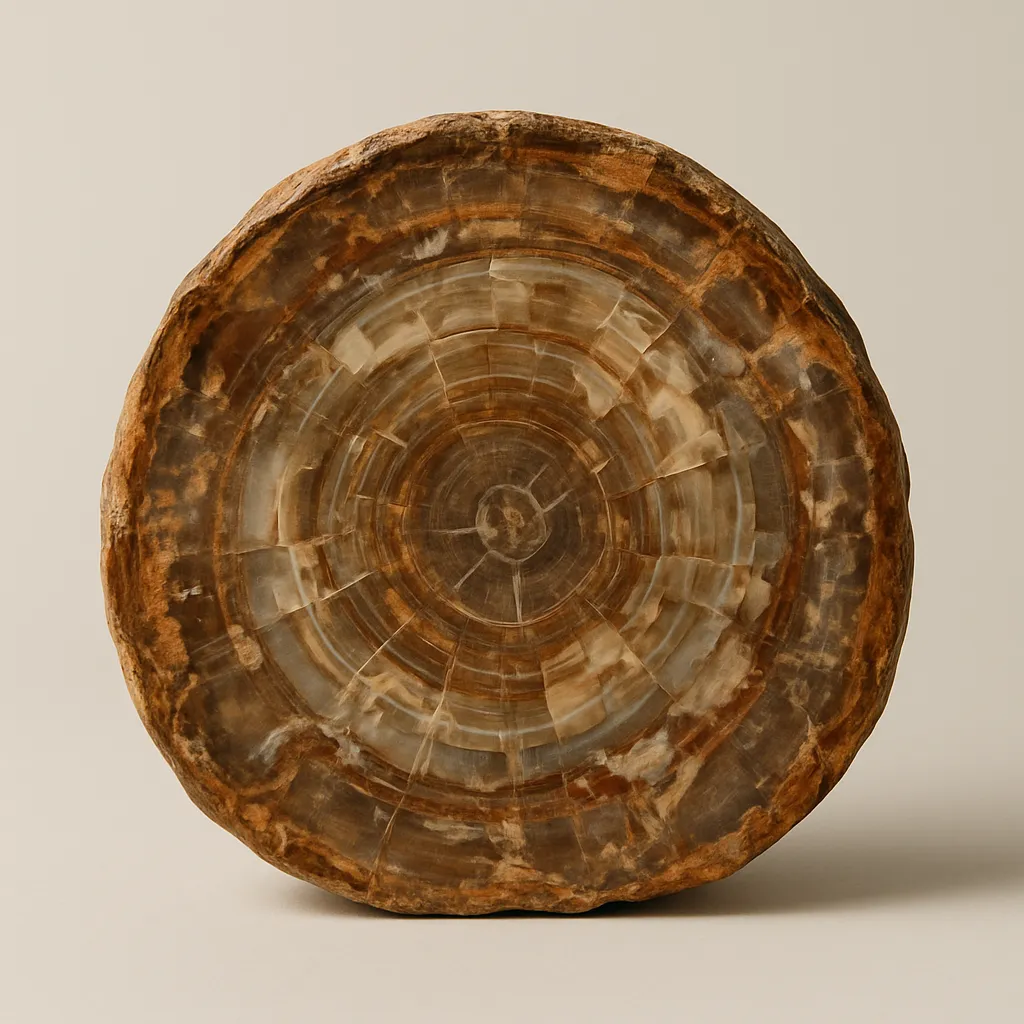
A piece of petrified wood still shows its growth rings, even though it is now stone. Why could the growth-ring pattern survive?
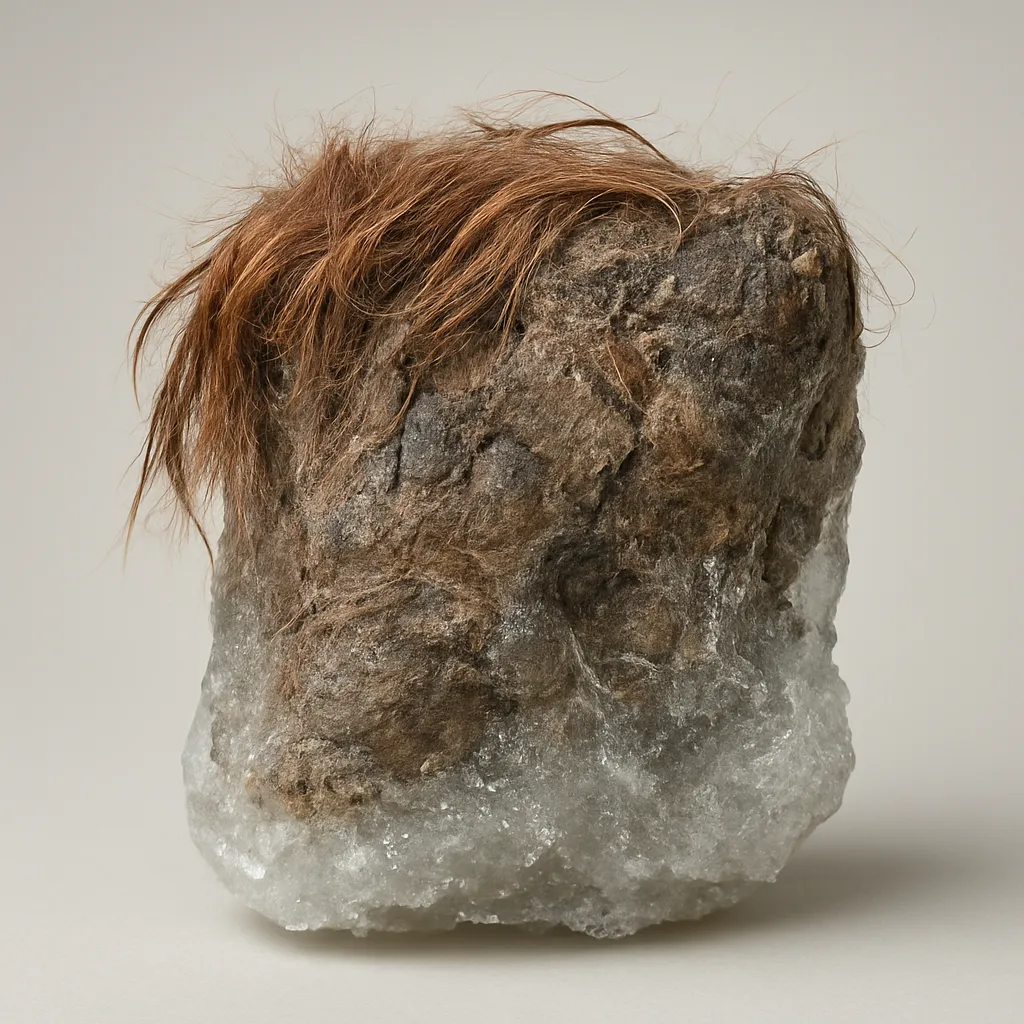
A mammoth hair-and-skin fragment is found in frozen sediment, with much original tissue still present rather than replaced by rock. What preservation type is this?
The sequence shows a clam buried in mud; its shell dissolves and the space fills with quartz. What fossil product forms at the end?

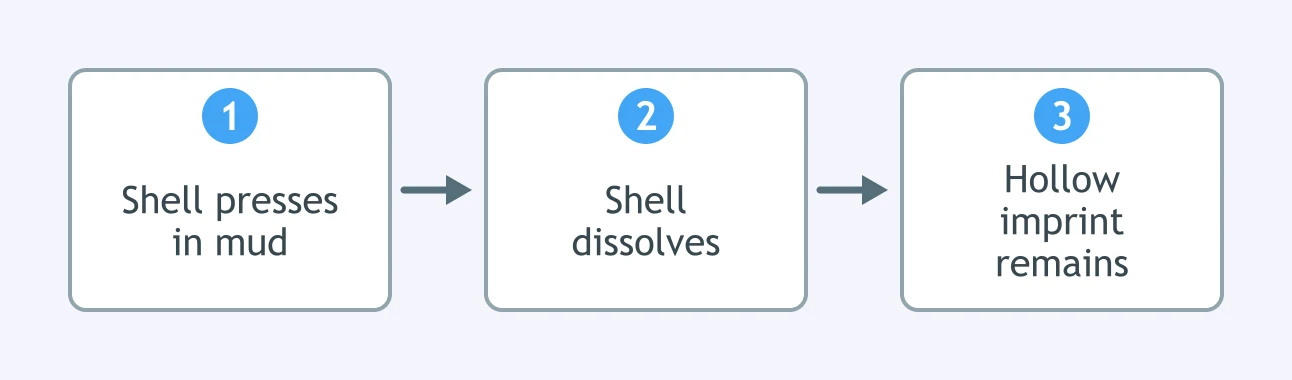
The figure stops after a shell presses into mud, dissolves, and leaves a hollow imprint in hardened sediment. What preservation type is present then?
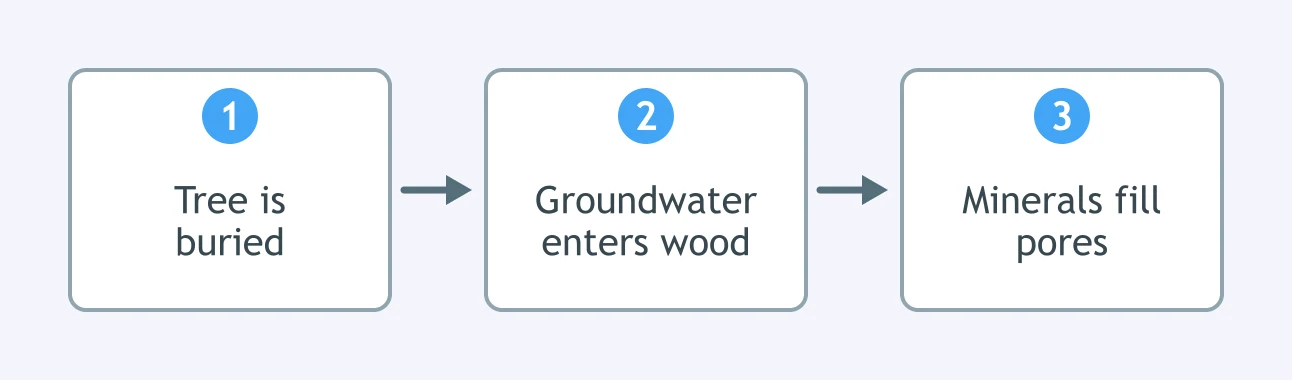
In the sequence, a buried tree is soaked by groundwater and minerals fill the wood's pores. What kind of fossil does this produce?
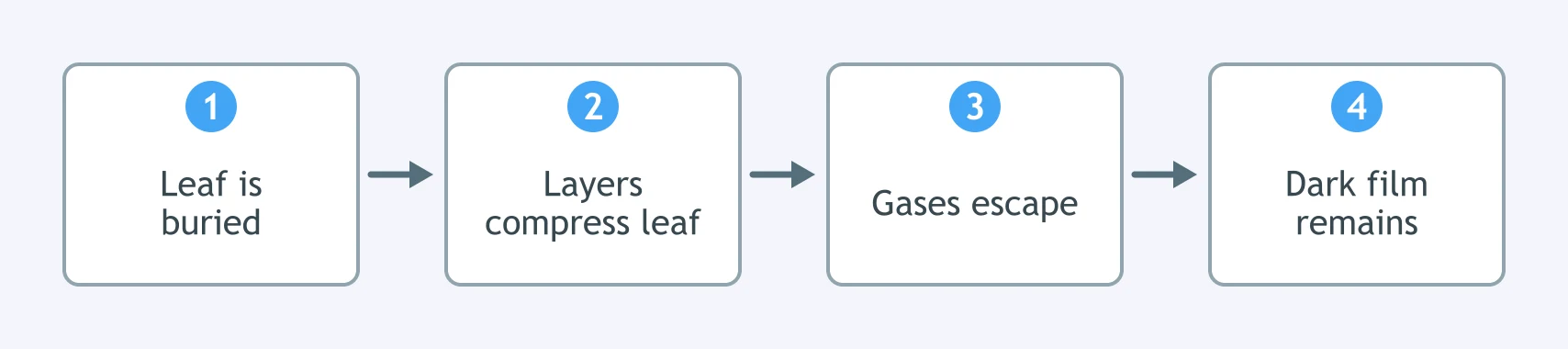
A leaf is buried in fine mud, compressed by layers above it, and loses gases while a dark film remains. What does the sequence produce?
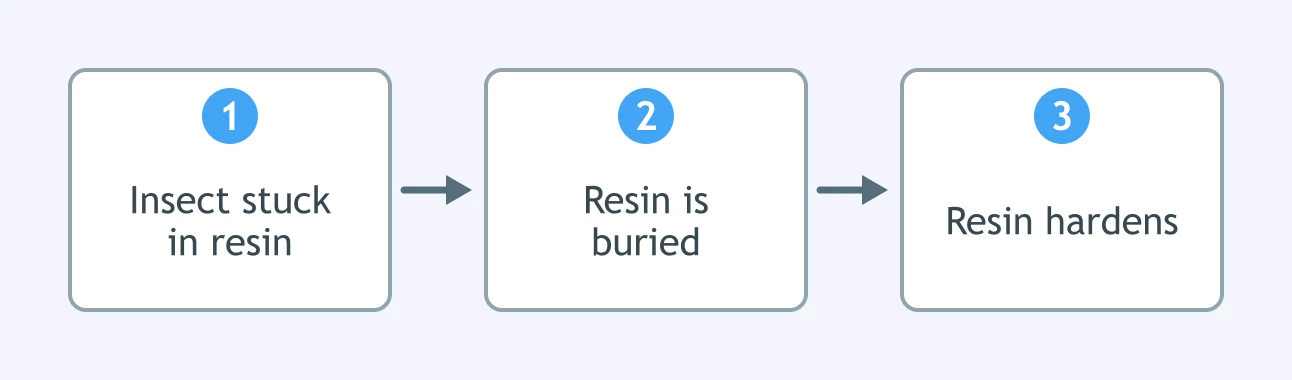
A small insect sticks in tree resin, the resin is buried, and it hardens over time. What fossil product is most likely?
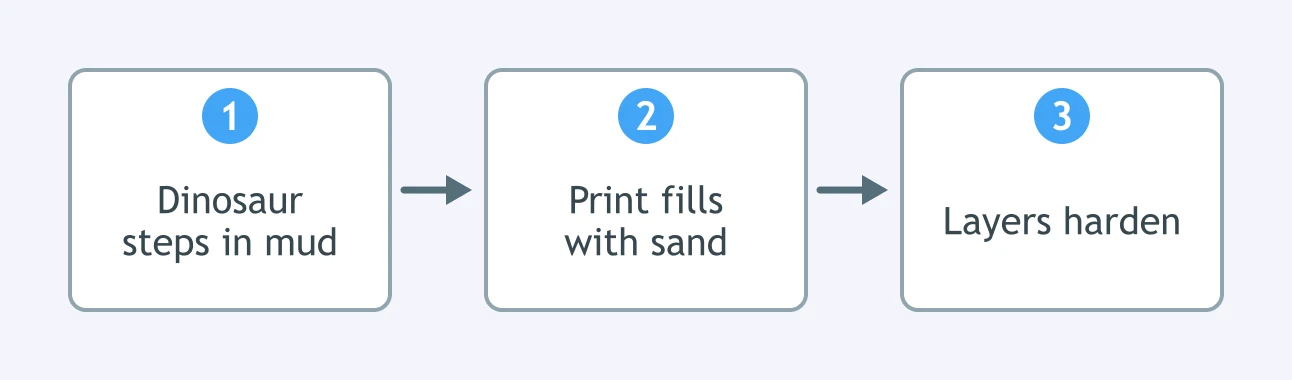
A dinosaur steps in wet mud, sand later fills the footprint, and the layers harden. What fossil product forms from the filled footprint?
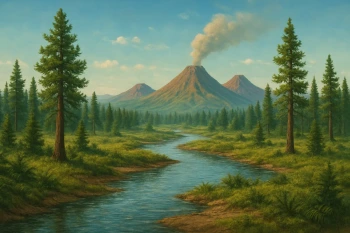
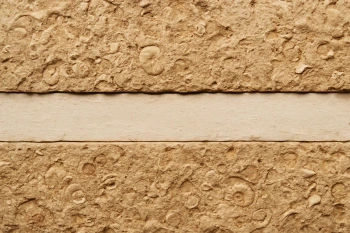
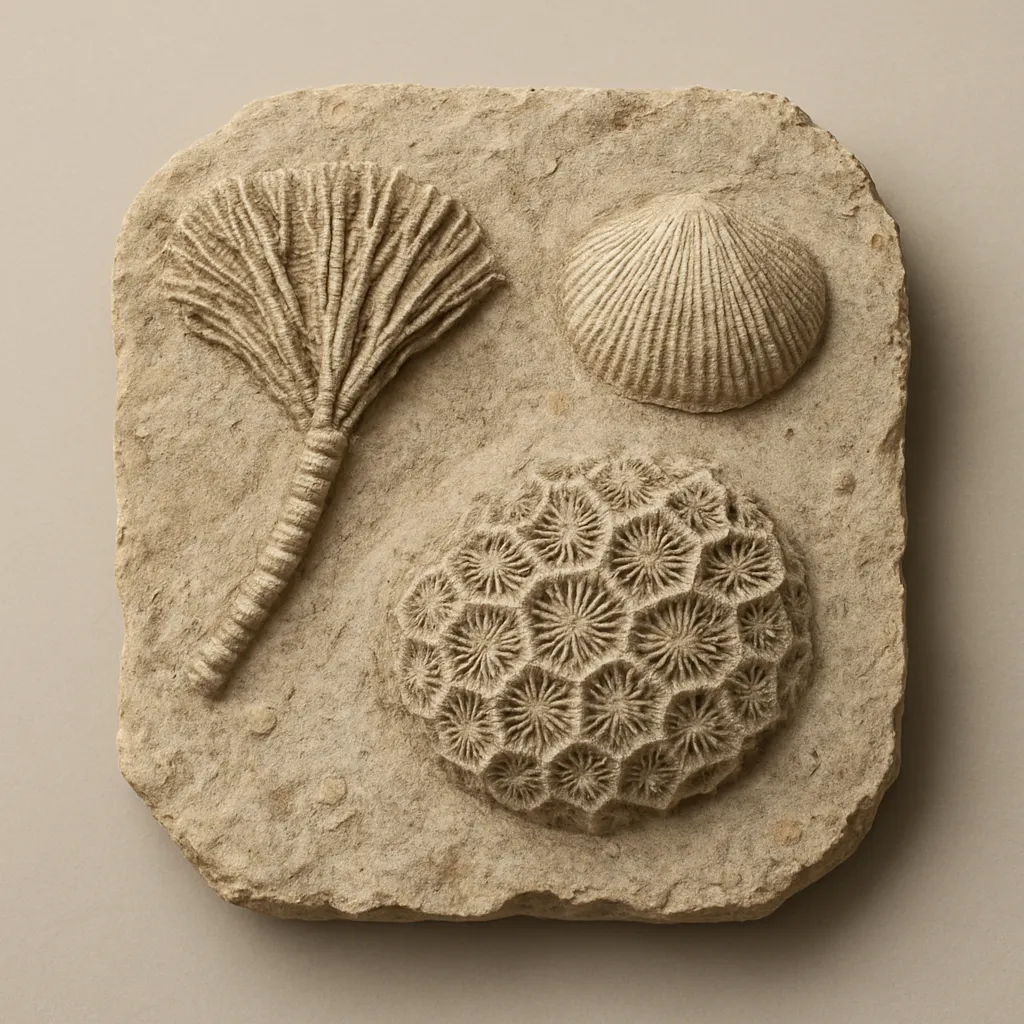
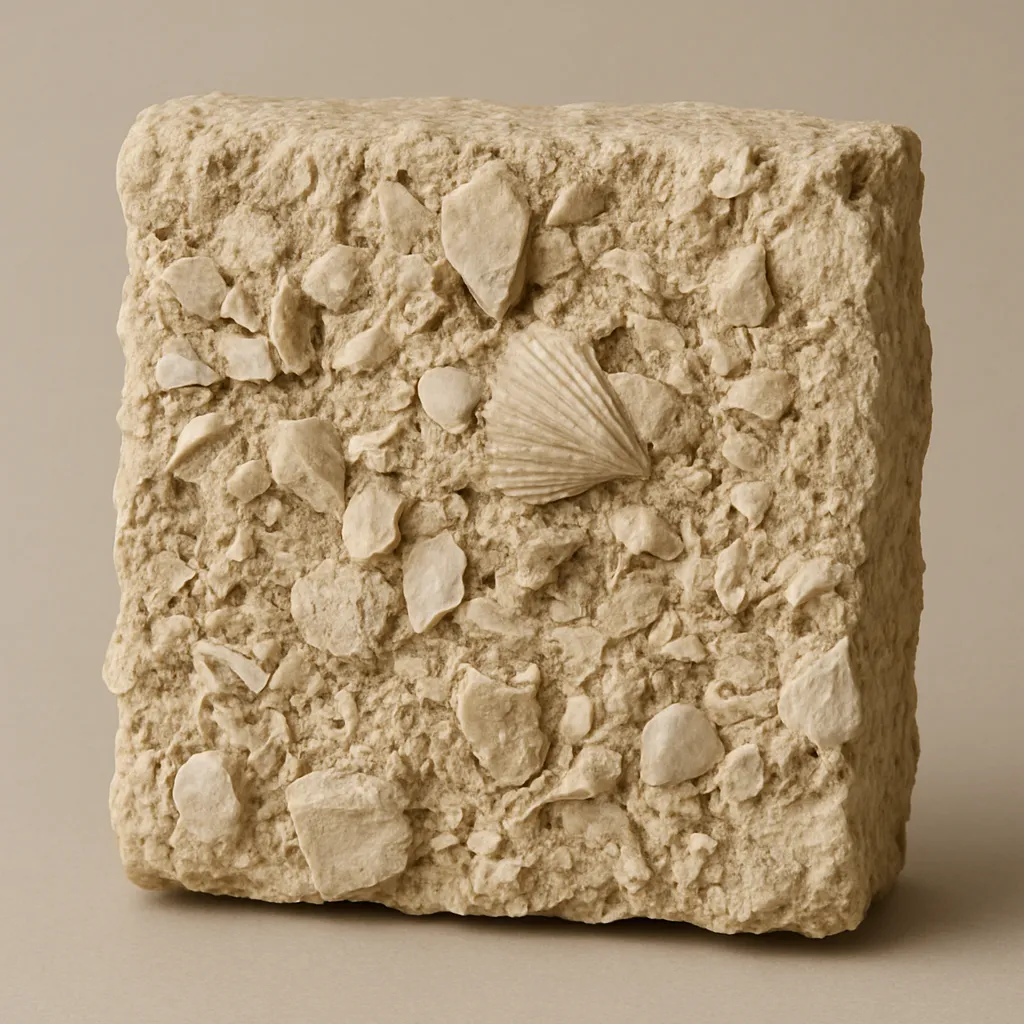
A limestone bed contains crinoid stems, brachiopods, and colonial corals preserved near growth position. What past environment does the assemblage indicate?
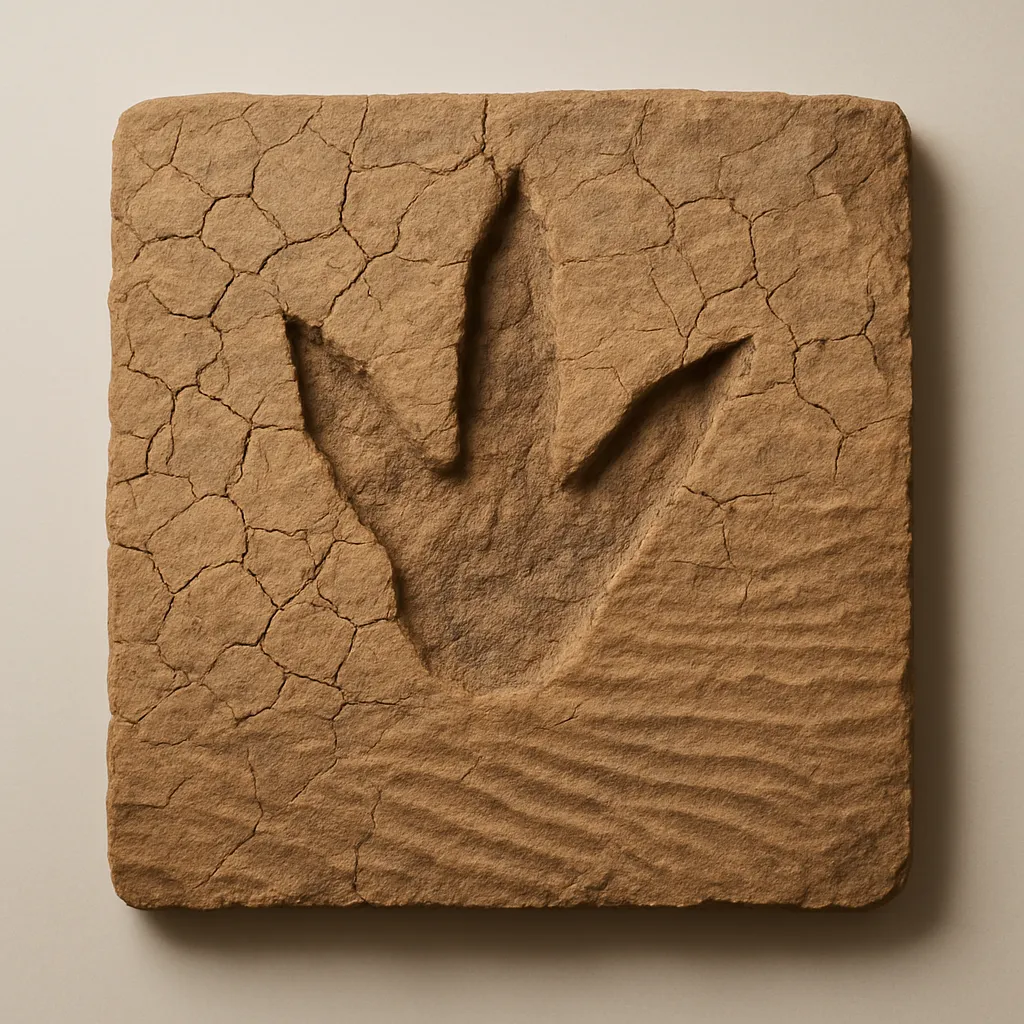
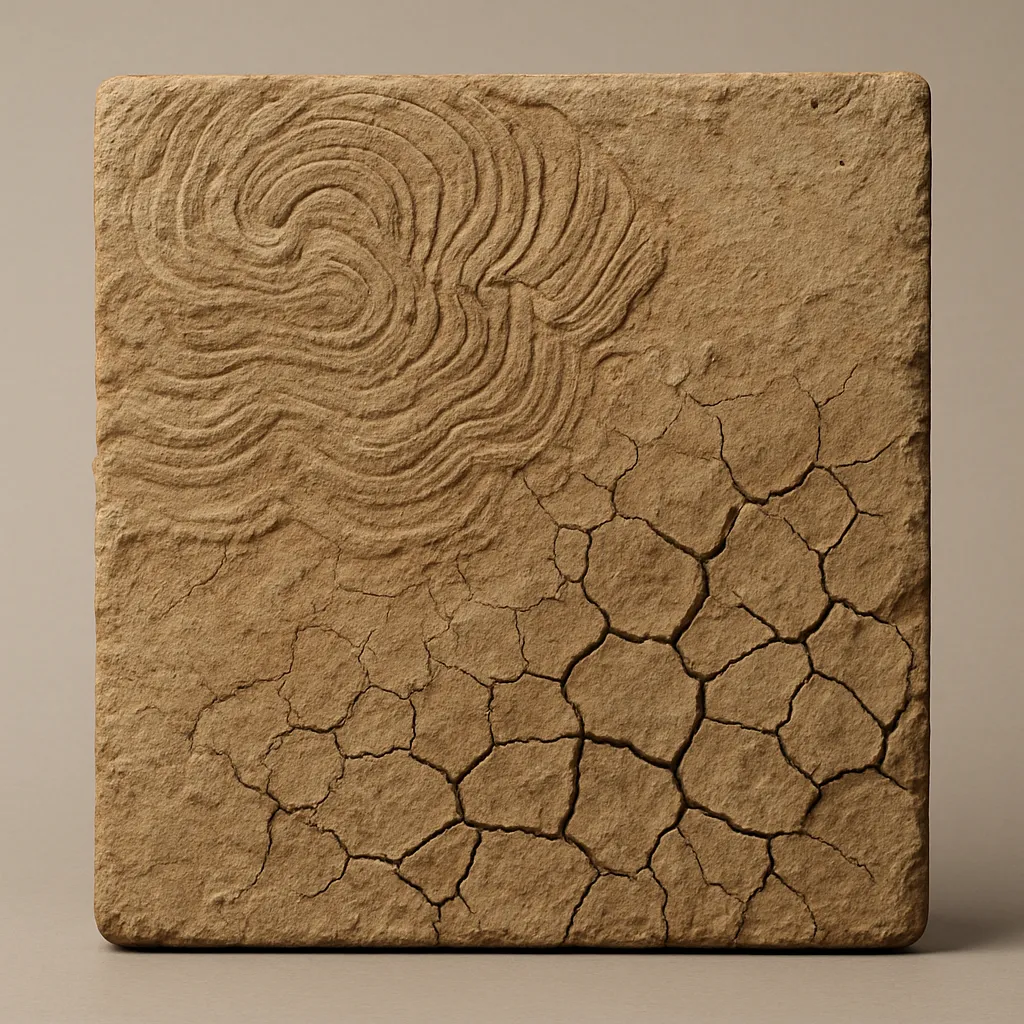
A sandstone surface preserves dinosaur tracks, ripple marks, and mud cracks but no bones. What environment is best supported by these fossils and sedimentary structures?
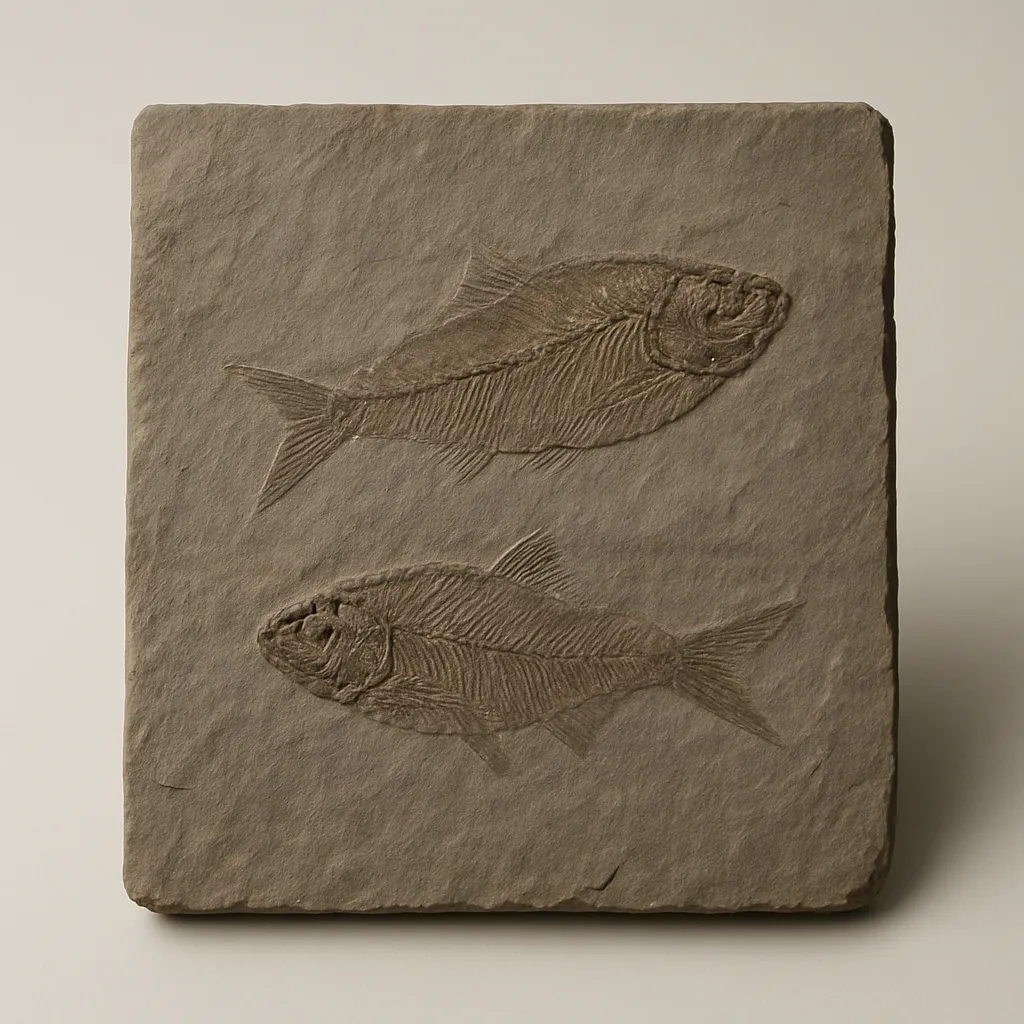
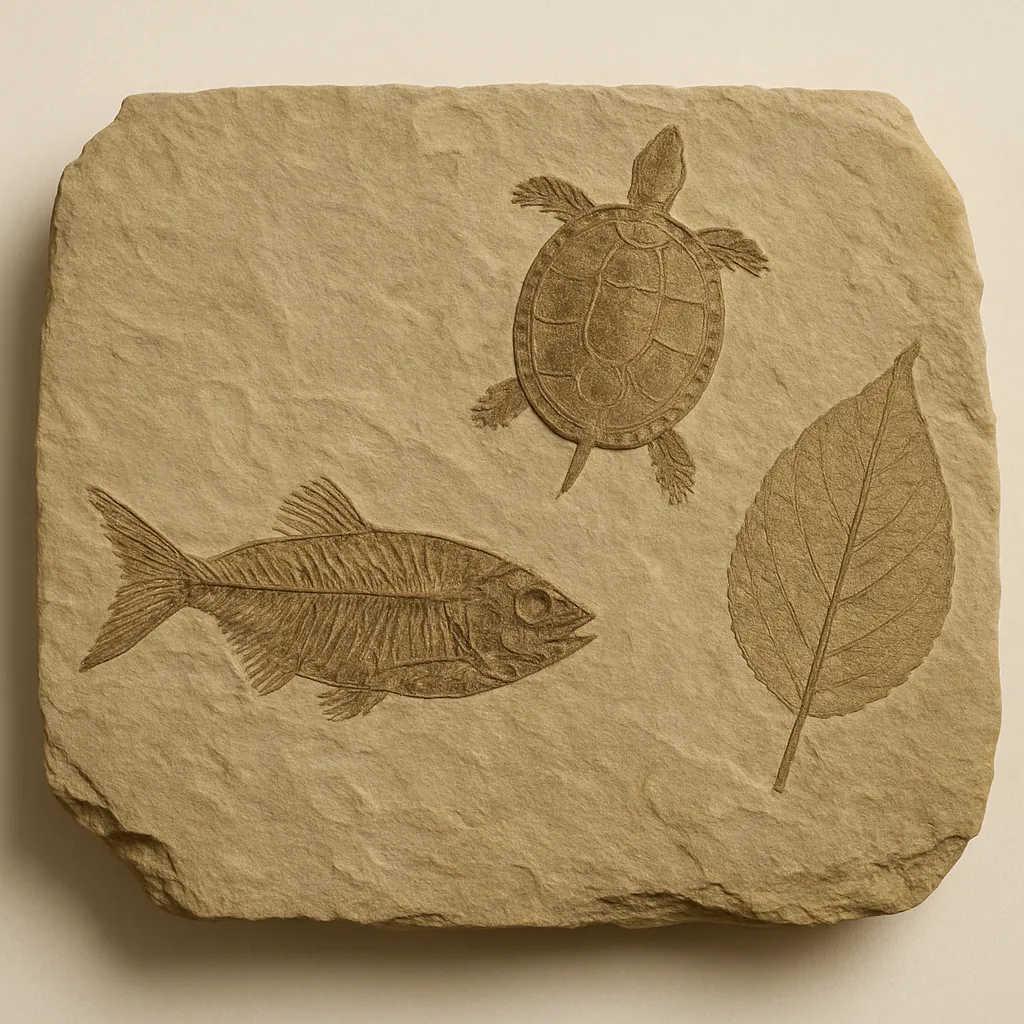
Thin shale contains delicate fish fossils, unbroken leaves, and fine laminations with little evidence of current damage. What setting most likely preserved them?
A dark bed contains compressed fern leaves, root traces, and abundant plant fragments that became coal. What past environment is indicated?
A dolomite layer contains stromatolite mats, mud cracks, and a few marine shells. What depositional environment best fits that evidence?
Laminated mudstone contains freshwater fish, turtle bones, insects, and broad leaves, with no marine shells. What environment is most likely recorded?
A limestone layer is made mostly of broken brachiopod shell fragments packed together. What environment most likely produced this shell hash?
Four organisms die on the same day. Which death and burial setting has the greatest chance of preserving a body fossil?
A soft-bodied insect, a fish, a leaf, and a worm all die. Which situation is most likely to preserve soft details?
Four leaves fall in different places. Which one is most likely to become a clear compression fossil?
Four remains end up in different places after death. Which has the best chance of lasting long enough to fossilize?
Four dinosaurs cross different surfaces. Which track is most likely to be preserved as a trace fossil?
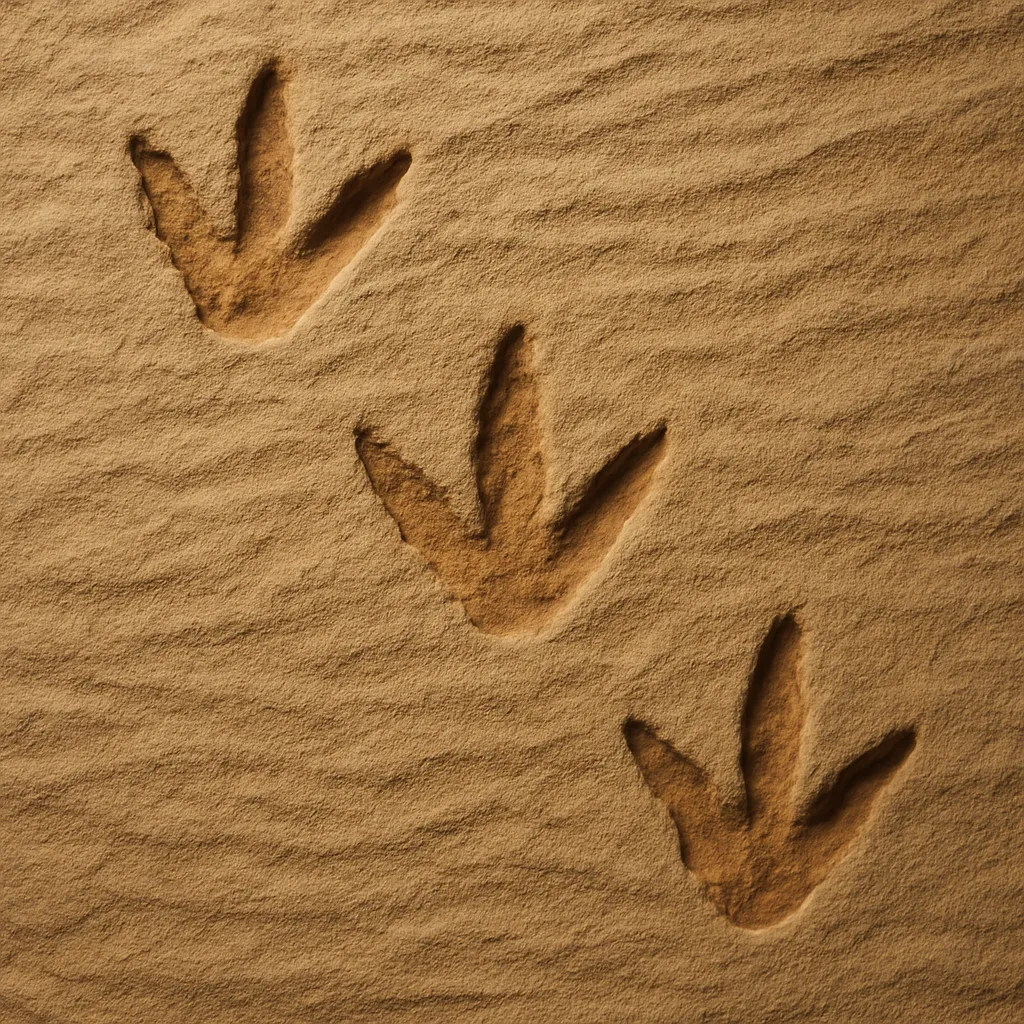
A sandstone bed preserves a line of three-toed footprints crossing a rippled surface. What kind of fossil is it, and what does it show?
A spiral-shaped coprolite contains tiny fish scales and bone fragments. What kind of fossil is it, and what can it reveal?
A clam shell fossil preserves the shell's hinge, growth lines, and mineralized hard parts. What kind of fossil is it, and what information is strongest?
Branching tube-shaped structures cut through siltstone, but no shell or bone remains inside them. What kind of fossil is this, and what does it record?
Crack the passcode before the zombies get in.
Answer, then swat bugs for bonus points.
Race through questions at your own speed.
Same question on every screen. Fastest wins.

Pick a tile, answer, hit bonuses and steals.
Mesozoic and Cenozoic Earth
40 questions