Loading
by BlastRoom
Students interpret evidence for Earth's shape and classify parts of the Earth system into interacting spheres.
#earth_space_science
30 questions
One question set, multiple game modes. Tap any game to see it in action. Not sure which to pick?
Answer to place stones and capture territory.
Outrun the snow together.
Earn blasts, then hunt the other team.
Answer to earn energy, then climb.

The class blasts through walls together.
Bid on mystery lots. Most money wins.
Sell tours. Nice, standard, or a total scam.

Answer, restock, and serve the rush.
More correct answers pulls the rope your way.
Answer, then shoot down the alien wave.
Answer, then tap to leap the frozen ridge.
Mount Everest rises about 9 km above sea level, and the deepest ocean trench is about 11 km deep. Earth's radius is about 6,371 km. What do these numbers show?
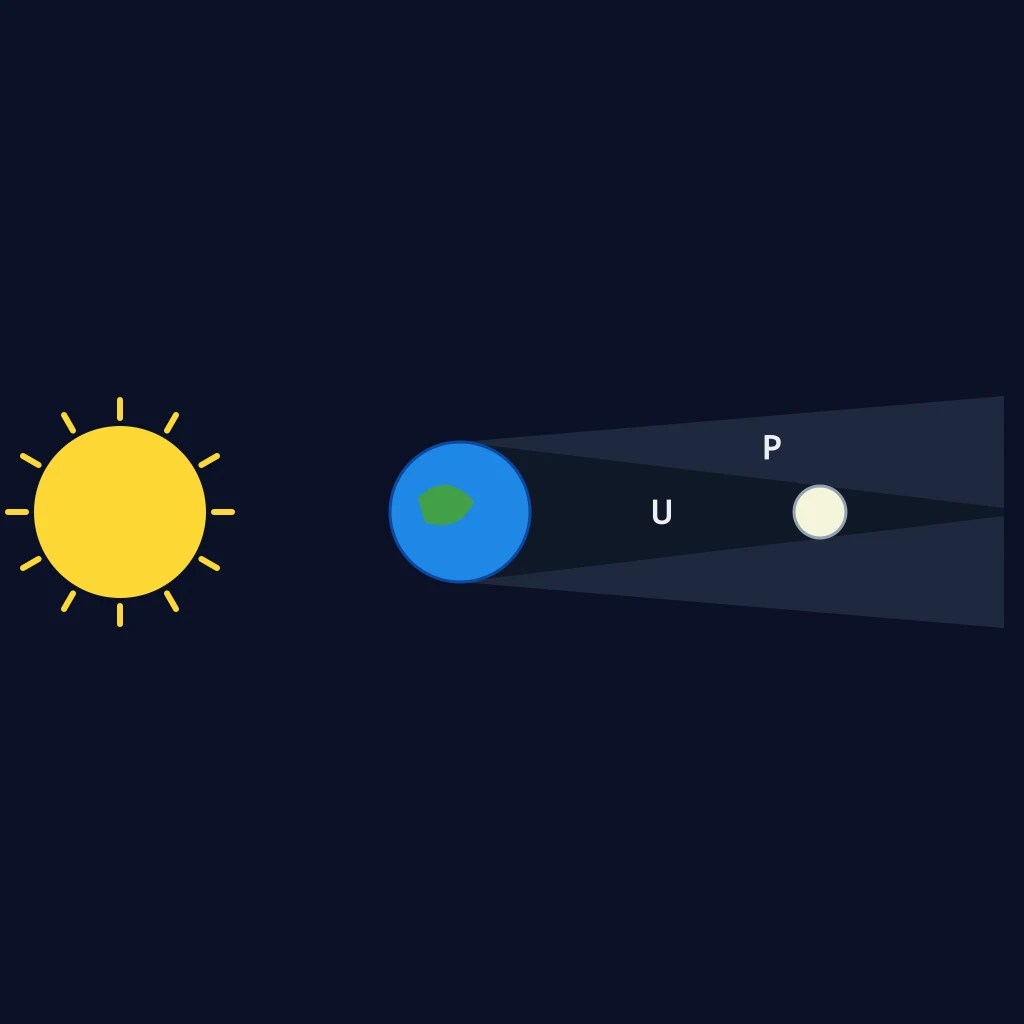
During a lunar eclipse, Earth's shadow crosses the Moon with a curved edge. What does that observation support?
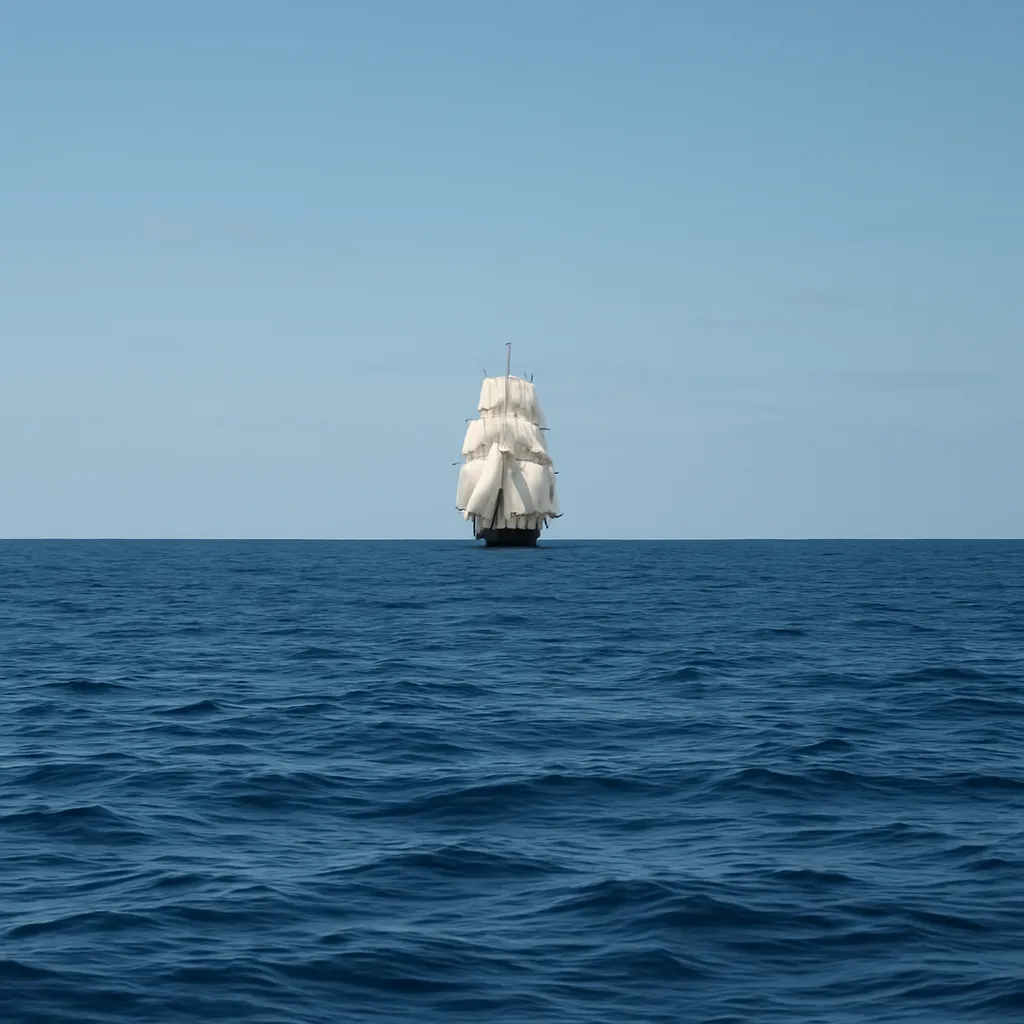
A ship sailing away on a calm ocean appears to lose its hull before its mast. What feature of Earth explains that pattern?
A traveler moving north sees Polaris higher above the horizon each night. What does that change show about Earth?
Measurements give Earth's equatorial diameter as 12,756 km and its polar diameter as 12,714 km. What shape is established by that evidence?
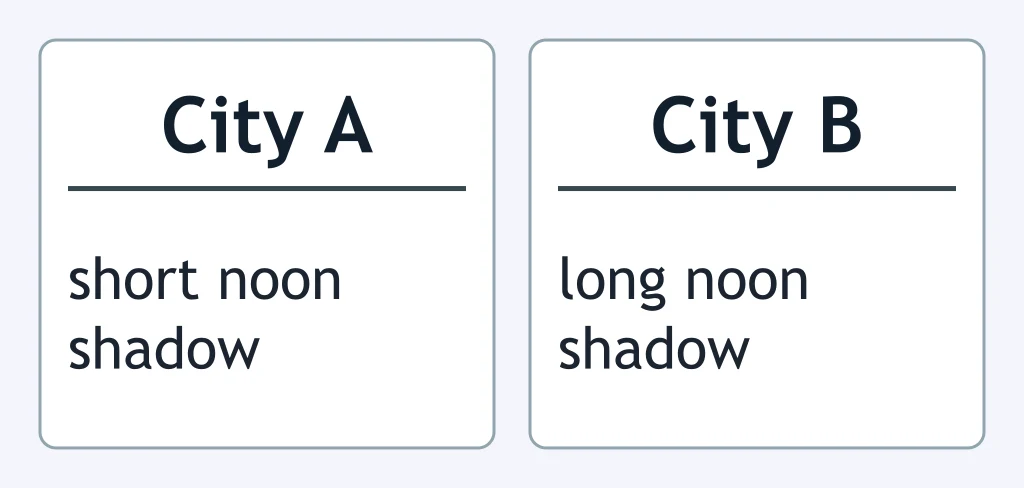
At the same time of day, two cities at different latitudes measure different Sun-shadow angles. What conclusion can be drawn from the pattern?
Earth bulges slightly at the equator and is slightly flattened at the poles. What causes this shape?
Earth's equatorial diameter is 12,756 km, and its polar diameter is 12,714 km. How much larger is the equatorial diameter?
If Earth's diameters differ by 42 km, how much farther from the center is sea level at the equator than at the poles, ignoring terrain?
A 42 km diameter difference divided by Earth's 12,756 km equatorial diameter is closest to what percent?
On a drawing where Earth's equatorial diameter is 10 cm, the polar diameter would be only about 0.33 mm shorter. How should Earth be drawn at that scale?
At a scale of 1 cm = 1,000 km, Earth's 12,756 km equatorial diameter would be about how wide on a model?
Use the labeled flower figure. Which Earth sphere contains the structure marked B?

The nitrogen and oxygen gases above a school are being sorted into one Earth sphere. What sphere are they part of?
Granite bedrock exposed in a roadcut is being sorted into one Earth sphere. What sphere is it part of?
Liquid water flowing in the Mississippi River is being sorted into one Earth sphere. What sphere is it part of?
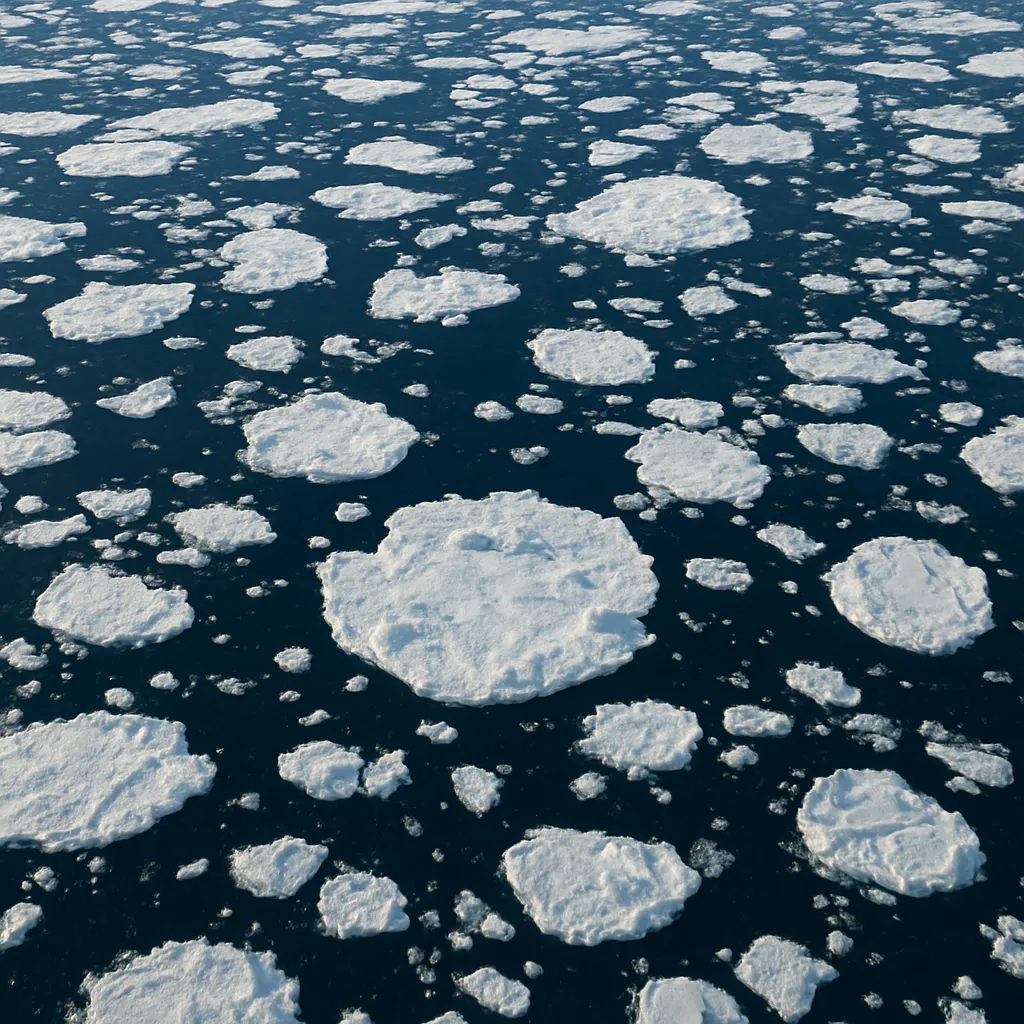
Winter sea ice covers part of the Arctic Ocean. In the four-sphere model used here, what sphere includes that ice?
Mushrooms decomposing a fallen log in a forest are being sorted into one Earth sphere. What sphere are they part of?
Quartz and shell fragments make up the sand on a beach. Which Earth sphere includes those sand grains?
Carbon dioxide gas surrounding Earth is being sorted into one Earth sphere. What sphere is it part of?
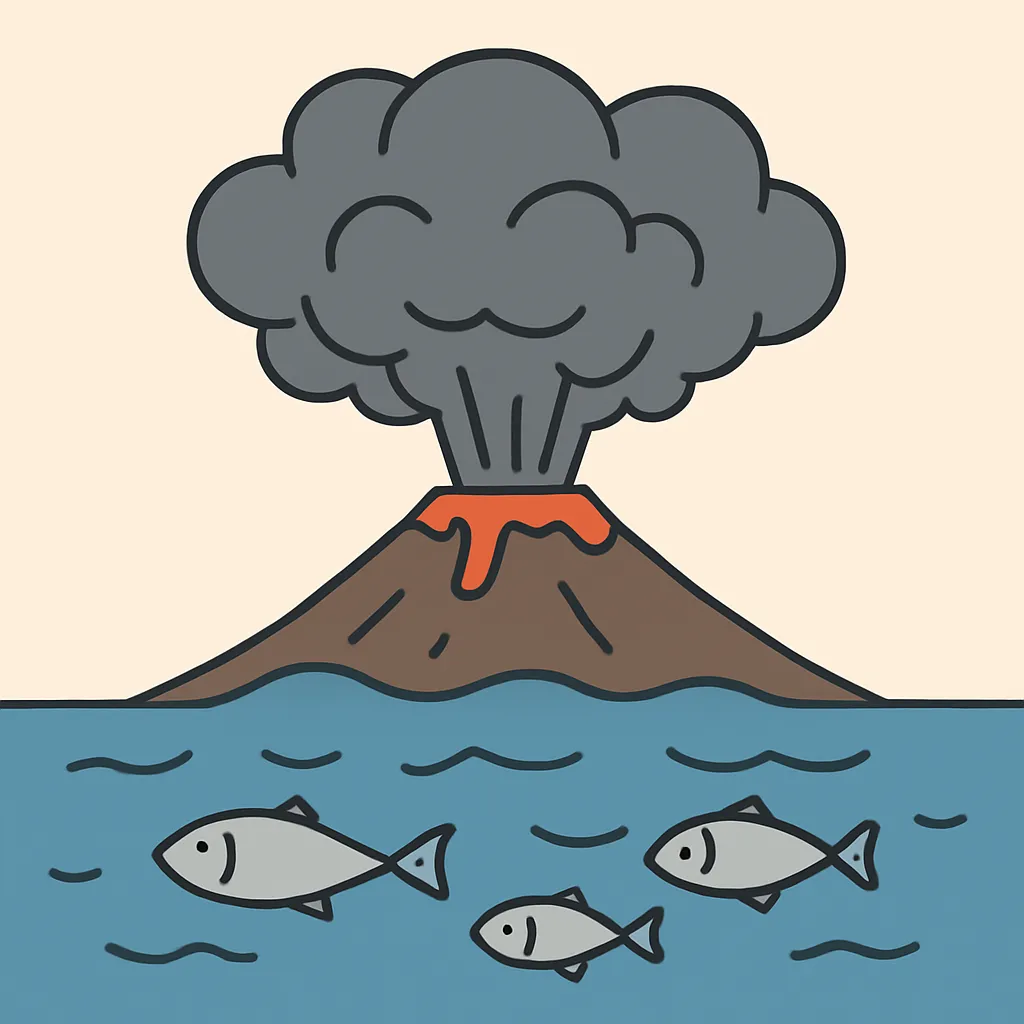
An eruption sends ash and gas into the air; ash settles on a lake and kills fish. What spheres are involved?
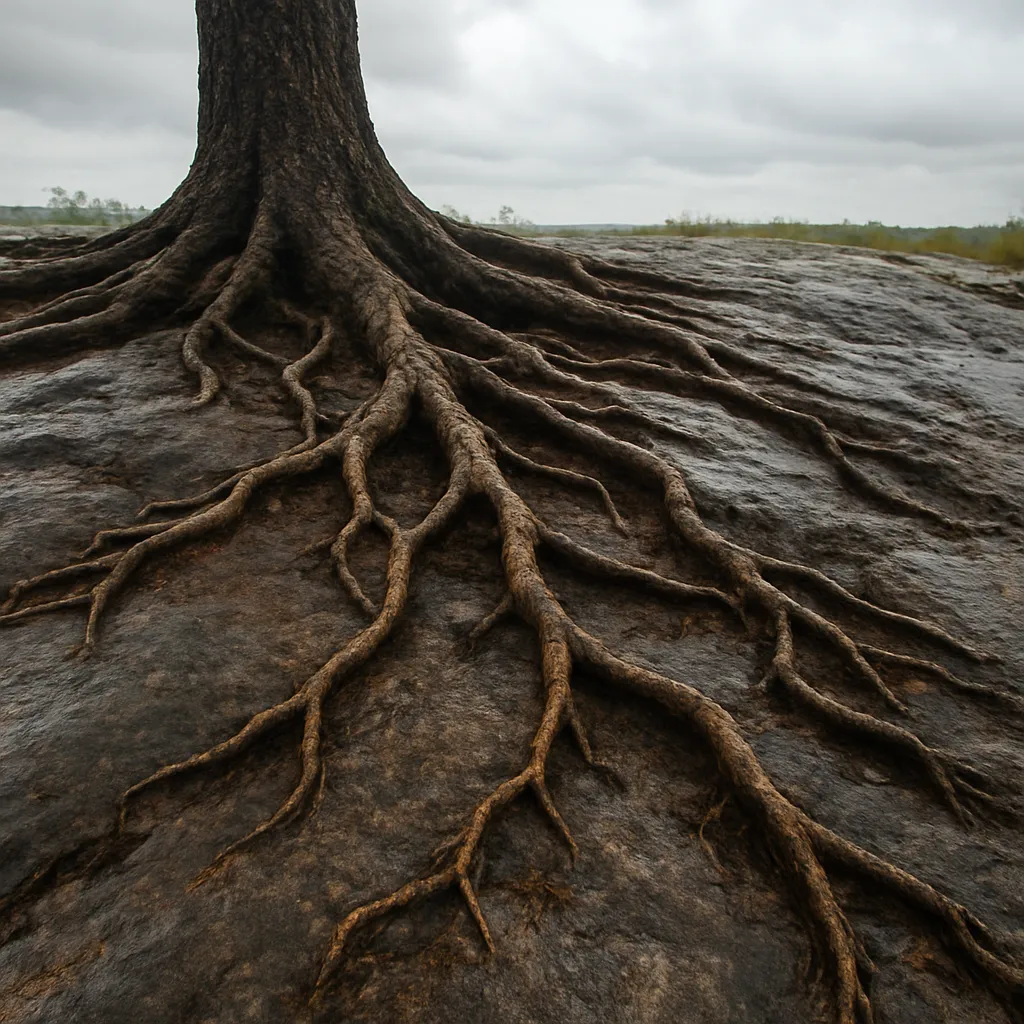
Tree roots widen rock cracks after rain while leaves exchange gases with air. What spheres interact in this example?
Rain falls through air onto a bare slope and carries sediment into a stream. Which sphere supplies the sediment?
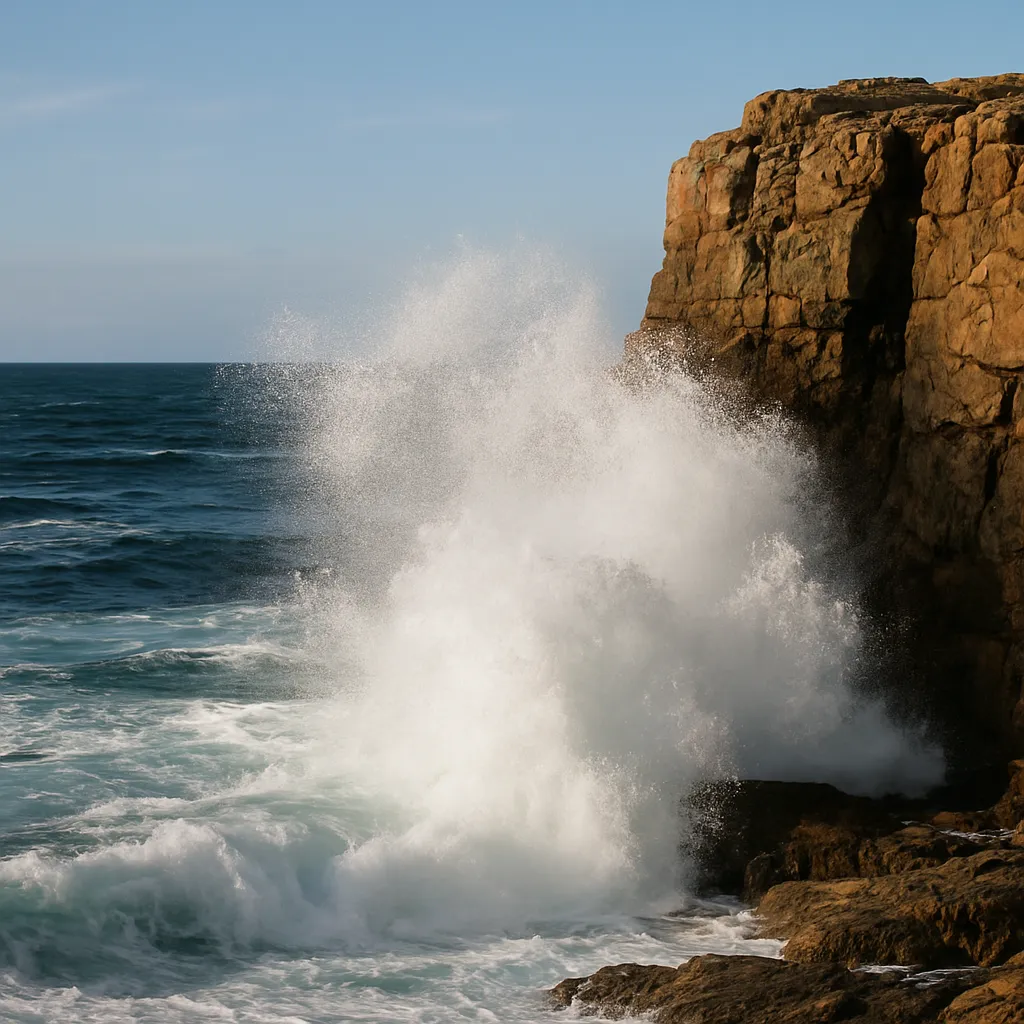
Ocean waves erode a rocky cliff, and sea spray puts tiny water droplets into the air. When the spray enters the air, which two spheres are interacting?
A river irrigates a cornfield; corn grows in mineral soil and exchanges gases with the air. What spheres are interacting?
Wind lifts dry dust from an unvegetated desert basin and carries it through the air. What spheres are directly involved?
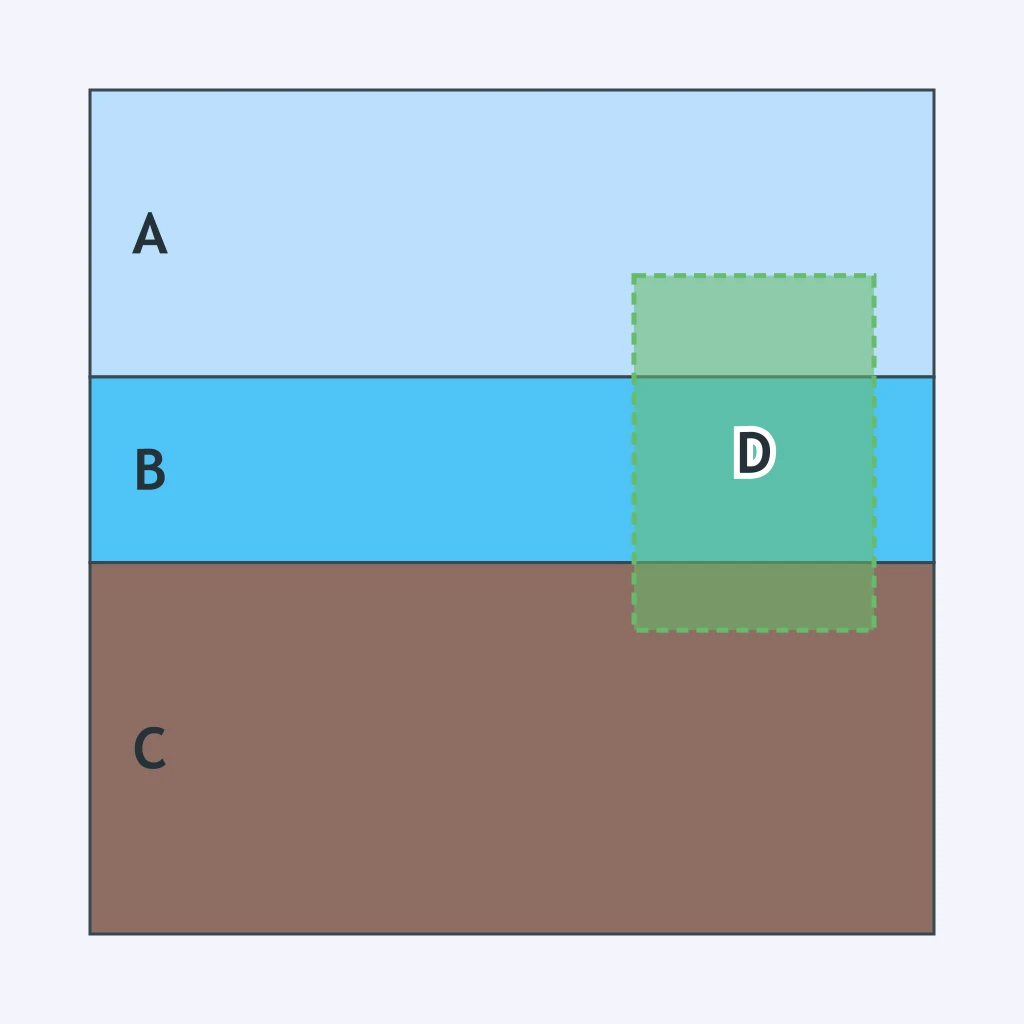
Look at the layered Earth-spheres section. The outer band surrounds the planet as gases. What sphere does that band represent?
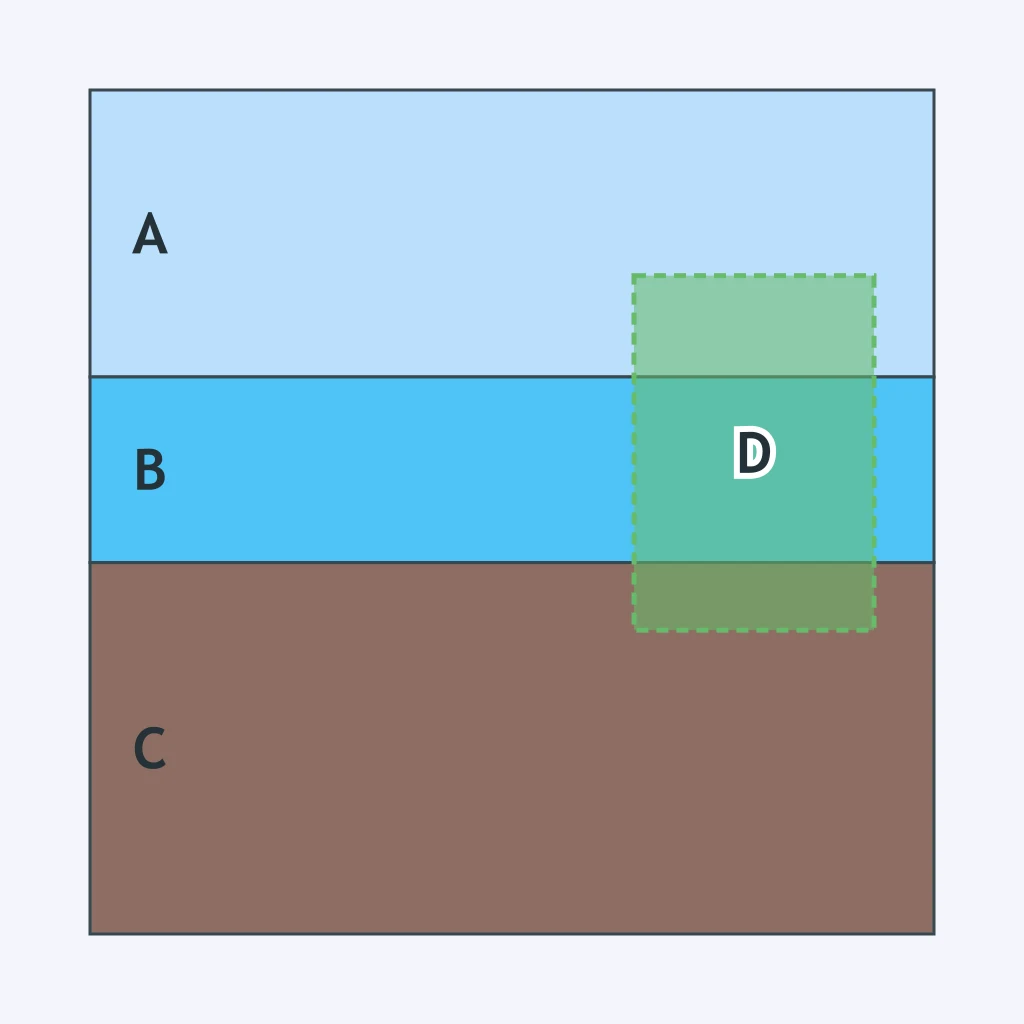
In the layered section, the blue band fills ocean basins between air above and solid rock below. What sphere is that band?
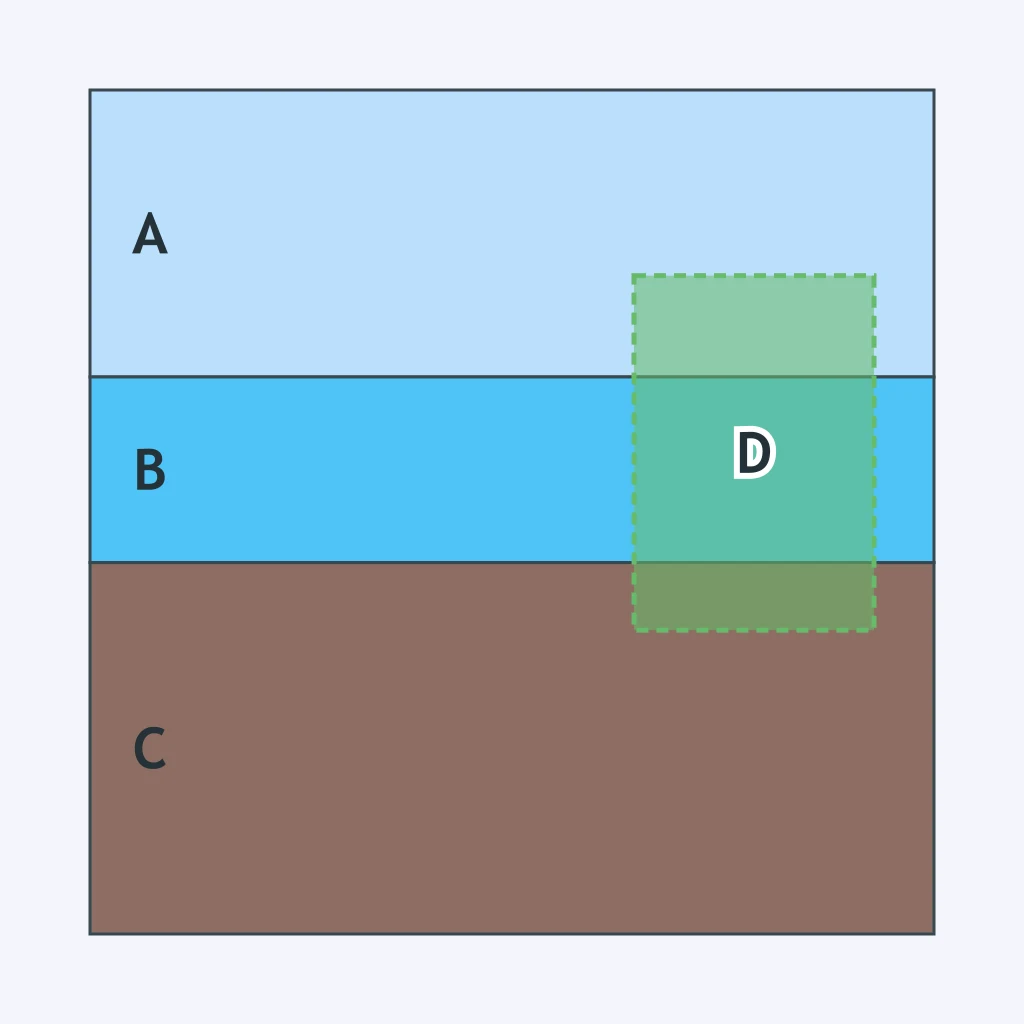
In the layered section, a thin green zone touches land, ocean water, and lower air. What sphere does that zone show?
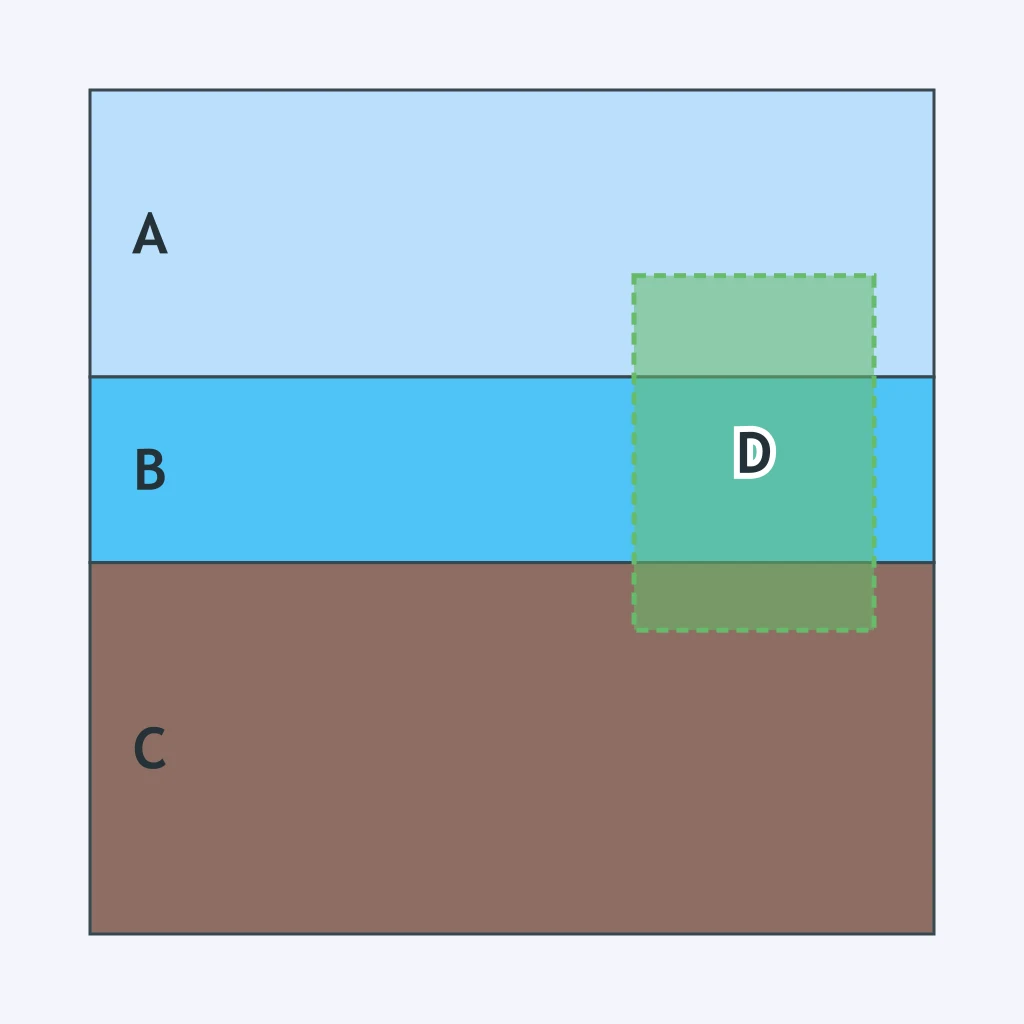
The brown solid band lies below ocean water and air in the layered Earth-spheres section. What Earth sphere is it?
Crack the passcode before the zombies get in.
Answer, then swat bugs for bonus points.
Race through questions at your own speed.
Same question on every screen. Fastest wins.

Pick a tile, answer, hit bonuses and steals.
Topographic Maps
60 questions