Loading
by BlastRoom
Practice metric measurement, density calculations, rearranged density equations, and percent deviation.
#earth_space_science
60 questions
One question set, multiple game modes. Tap any game to see it in action. Not sure which to pick?
Answer to place stones and capture territory.
Outrun the snow together.
Earn blasts, then hunt the other team.
Answer to earn energy, then climb.

The class blasts through walls together.
Bid on mystery lots. Most money wins.
Sell tours. Nice, standard, or a total scam.

Answer, restock, and serve the rush.
More correct answers pulls the rope your way.
Answer, then shoot down the alien wave.
Answer, then tap to leap the frozen ridge.
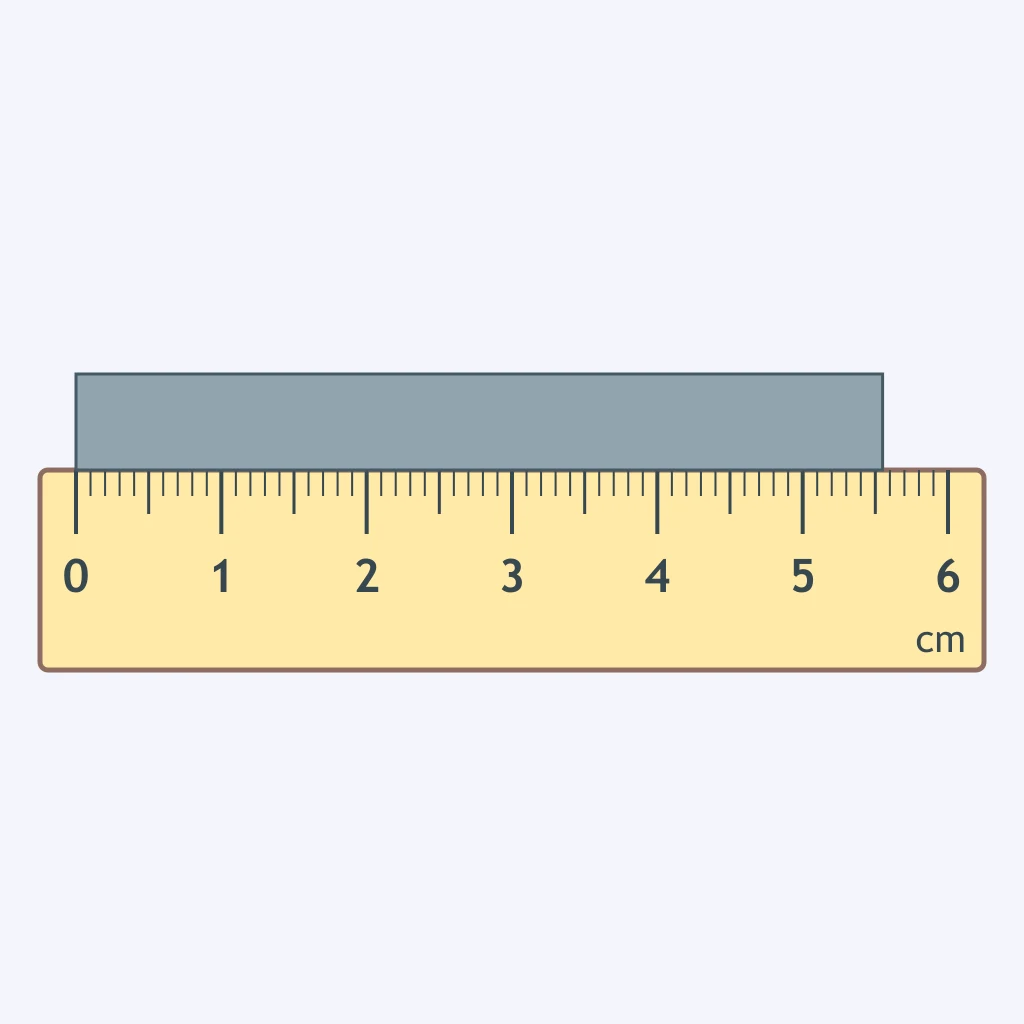
Use the metric ruler in the figure. What is the best recorded length of the specimen?
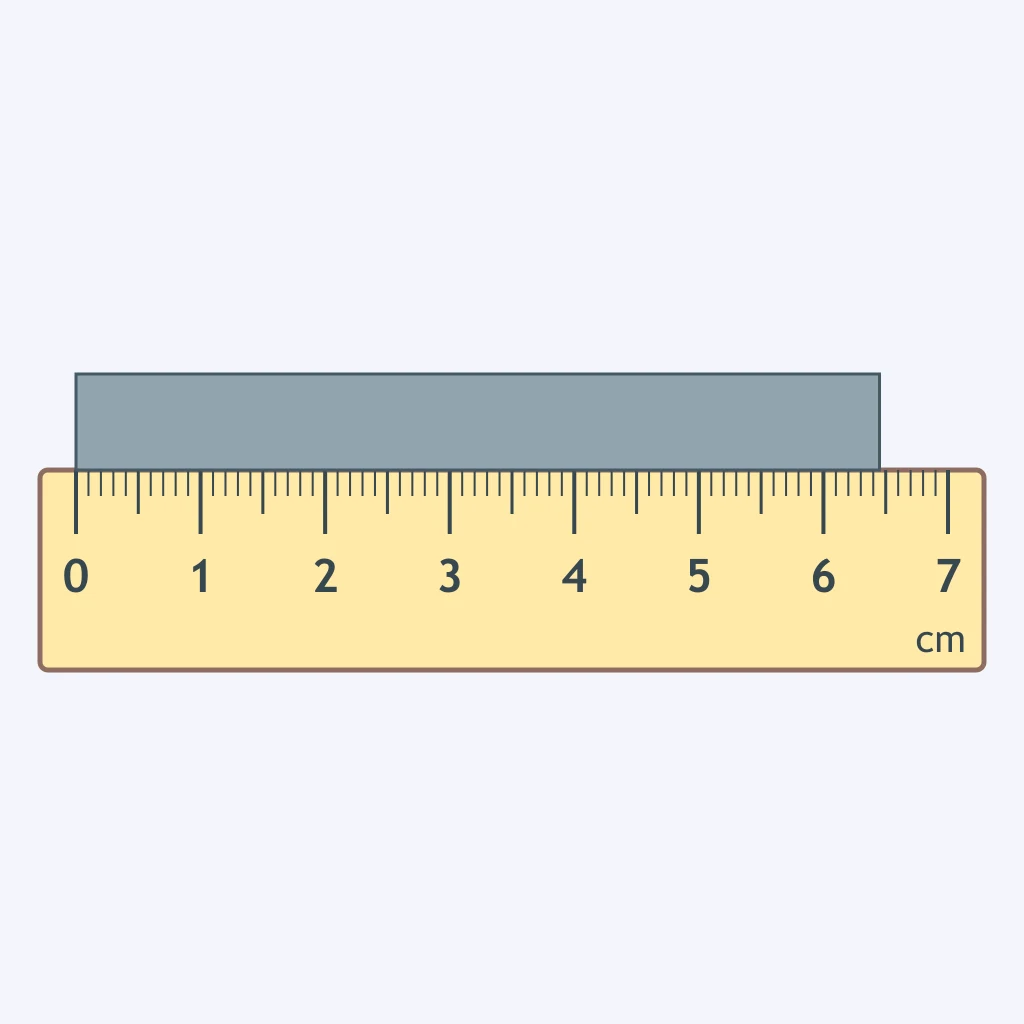
The specimen's right end lines up exactly with a mark on the centimeter ruler in the figure. What length records the correct precision?
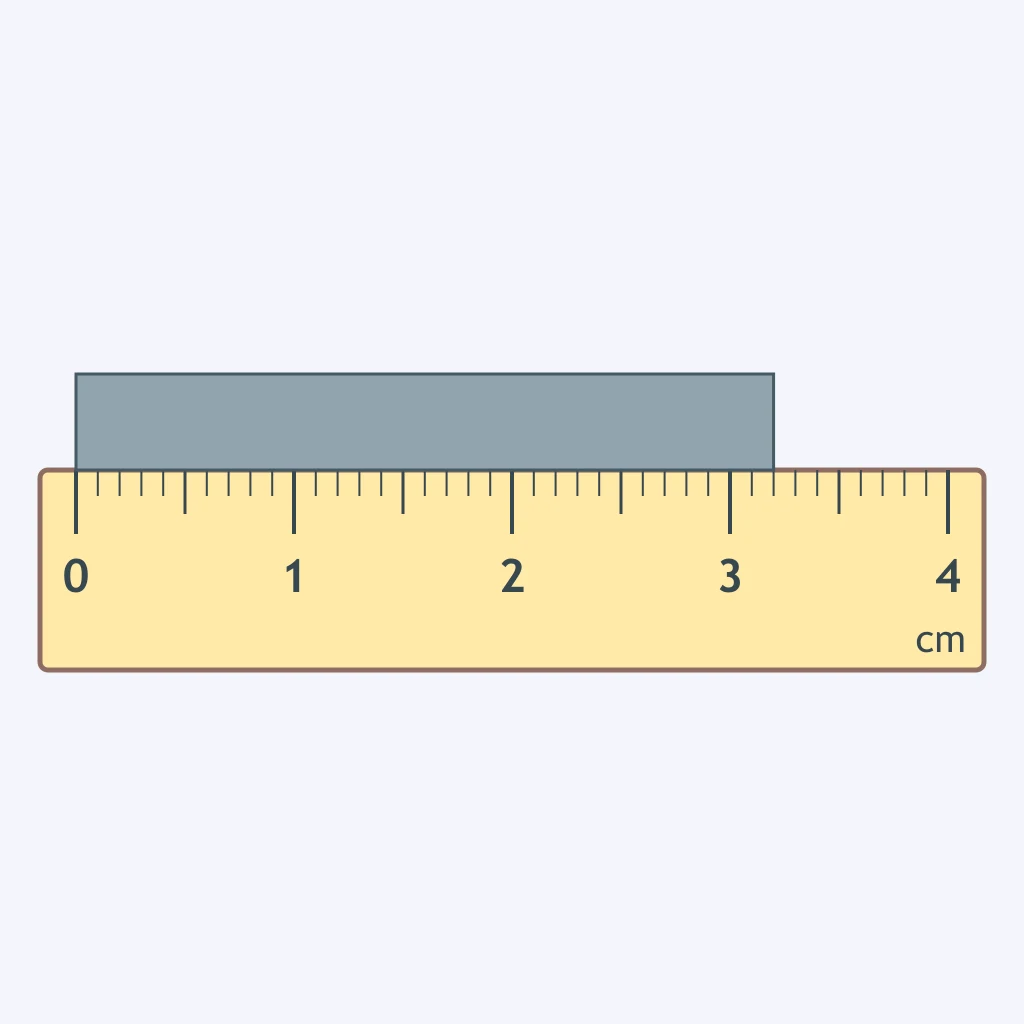
Read the metric ruler in the figure. What is the length of the fossil fragment?
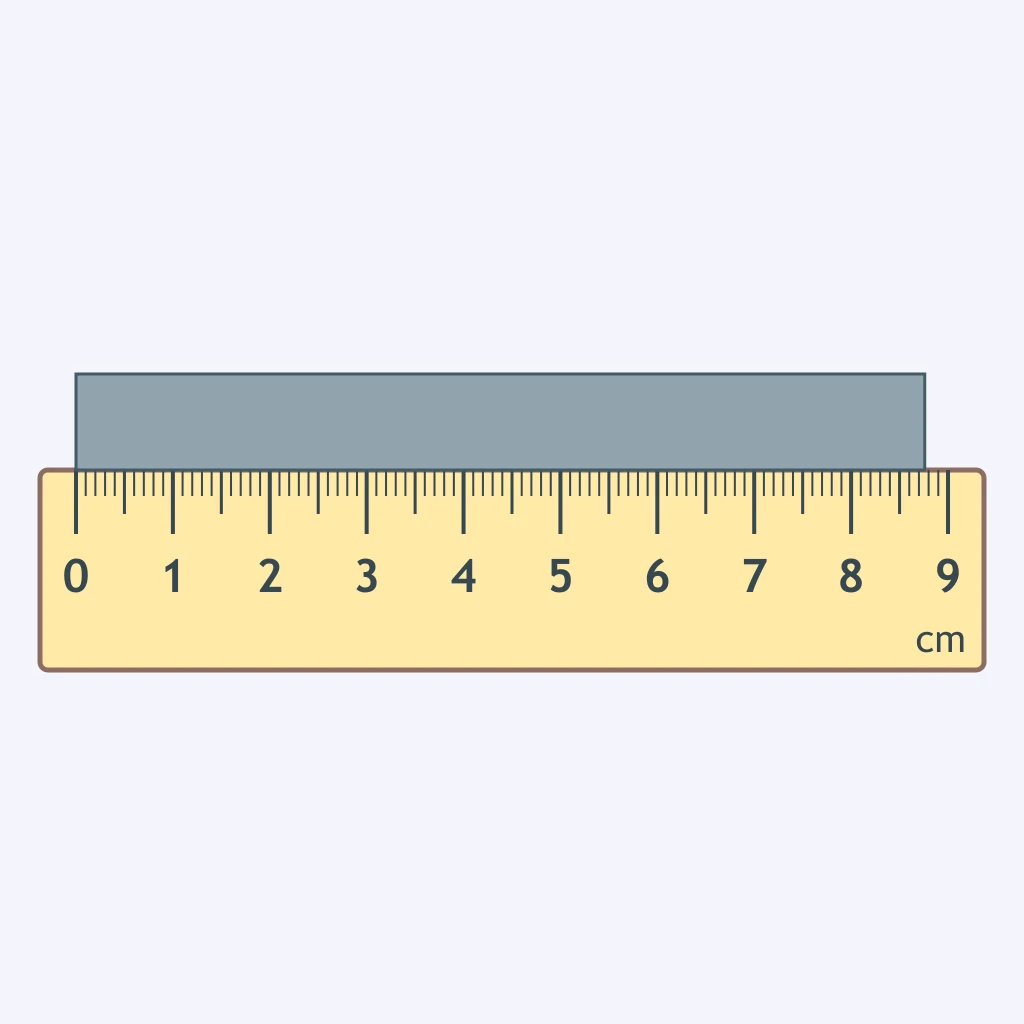
Use the ruler drawing of the core sample. What length should be written in the data table?
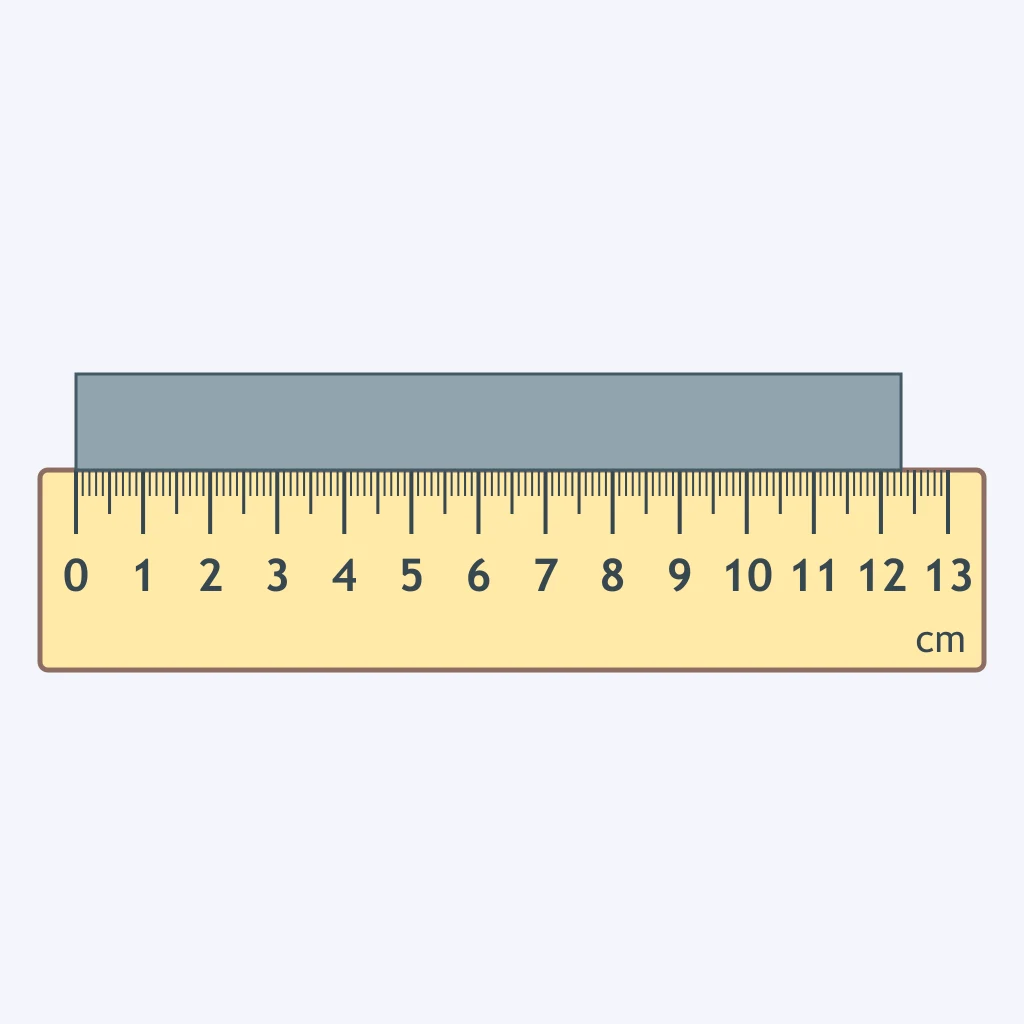
The figure shows a small mineral chip on a metric ruler. What is its best measured length?
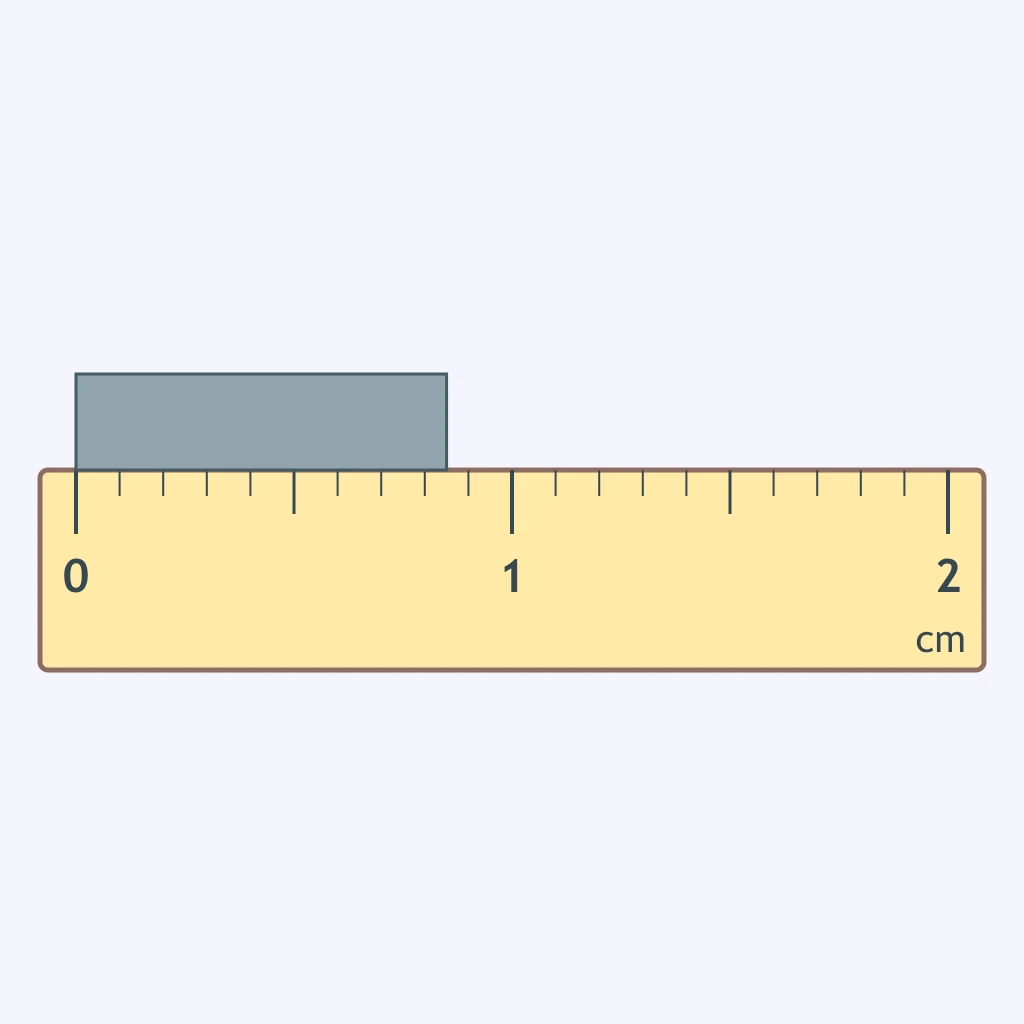
A thin shell piece is measured on the ruler in the figure. What length should be recorded?
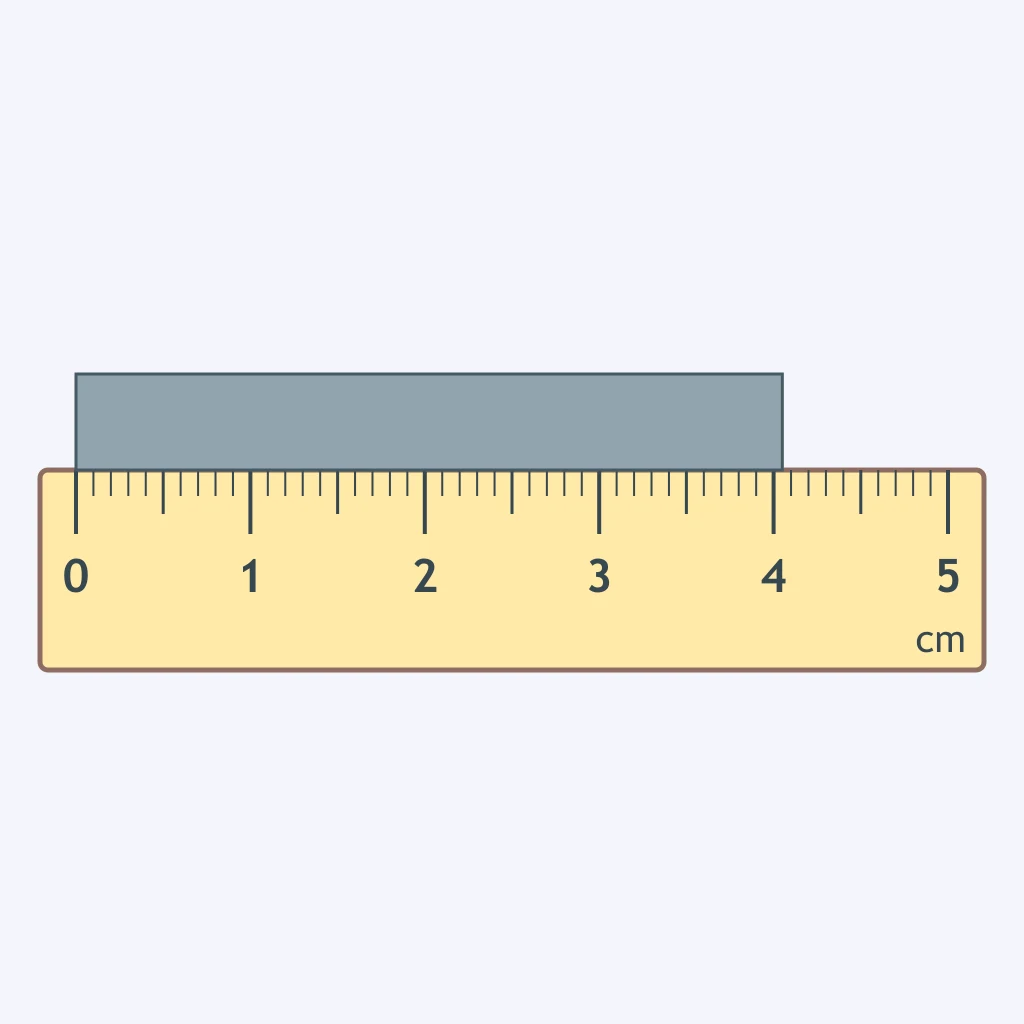
Read the ruler drawing of the lab sample. What is the sample's length?
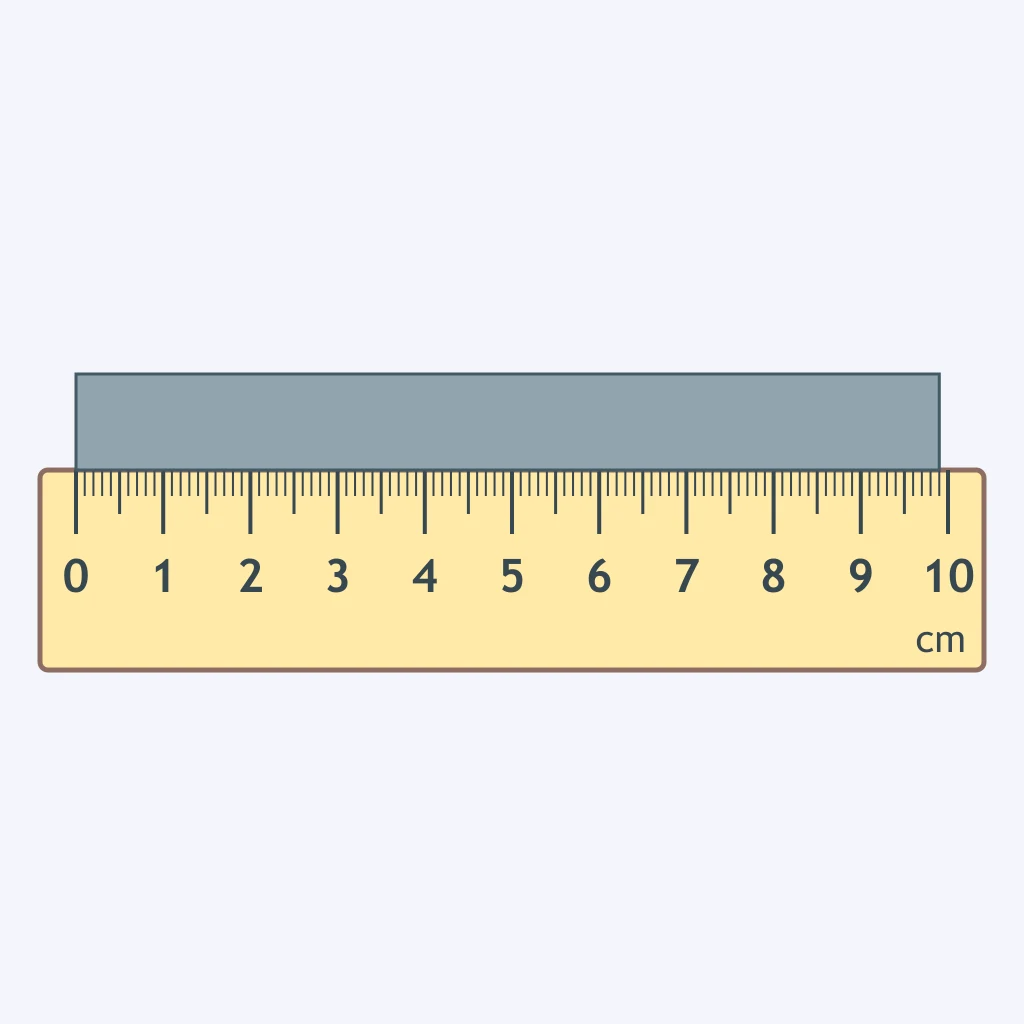
Use the metric ruler figure to measure the gray mineral strip. What is the correct length?
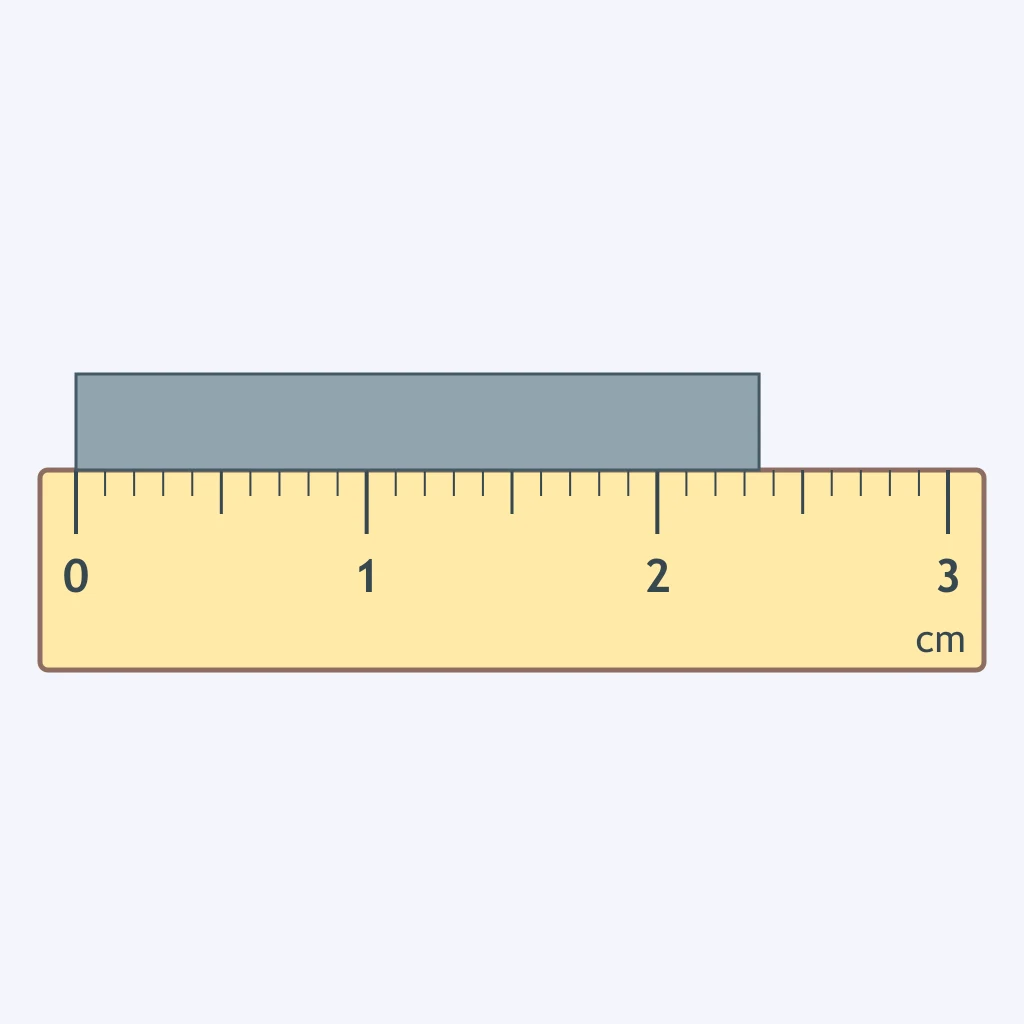
A crystal lies along the ruler in the figure with one end on the zero mark. What is the best recorded length?
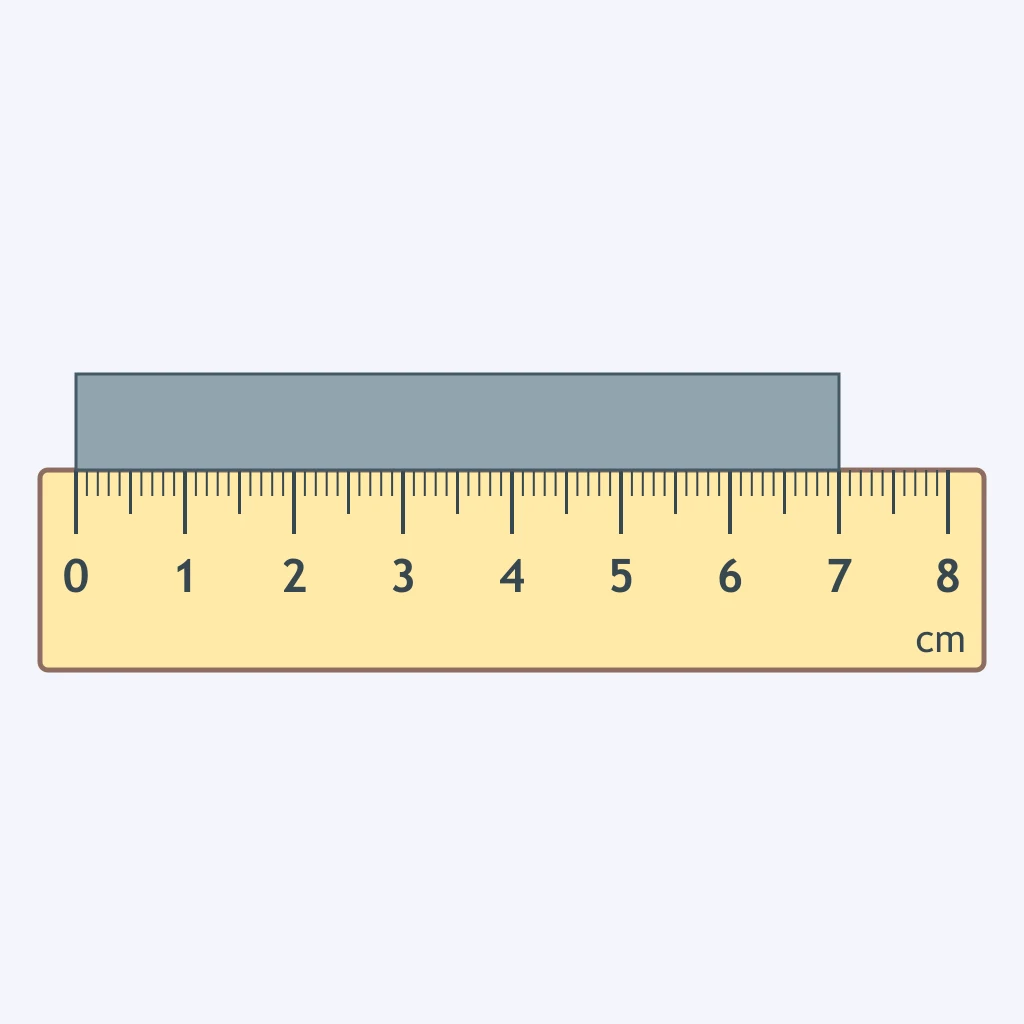
Use the ruler in the figure. What length belongs in the observation column?
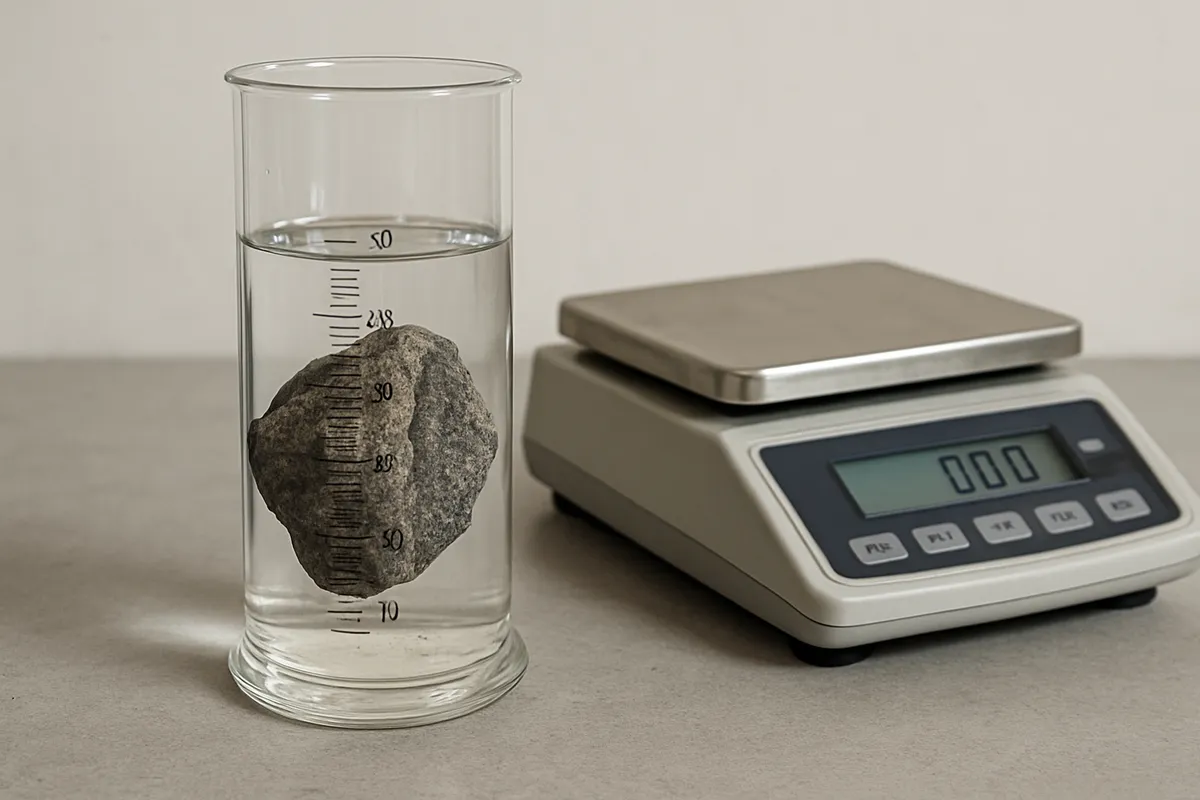
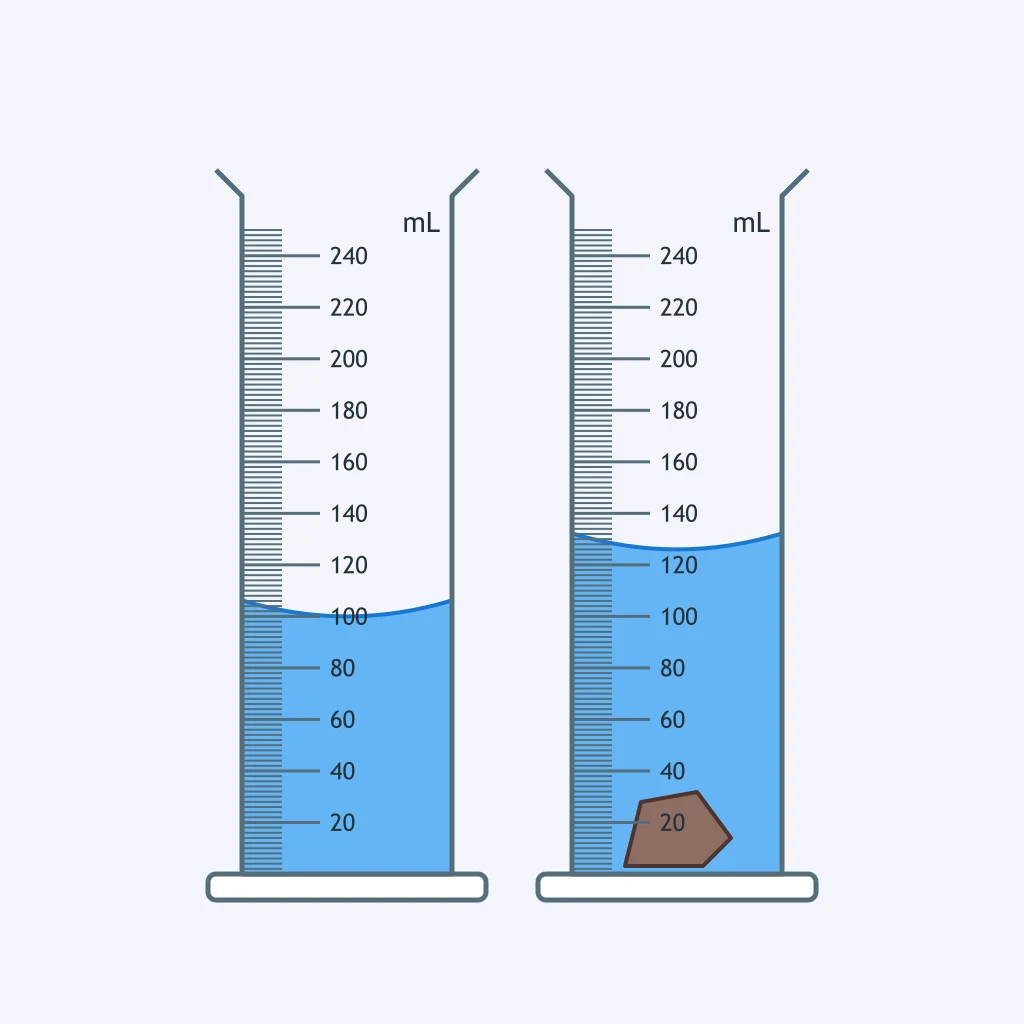
Use the graduated cylinders. What is the volume of the rock by water displacement?
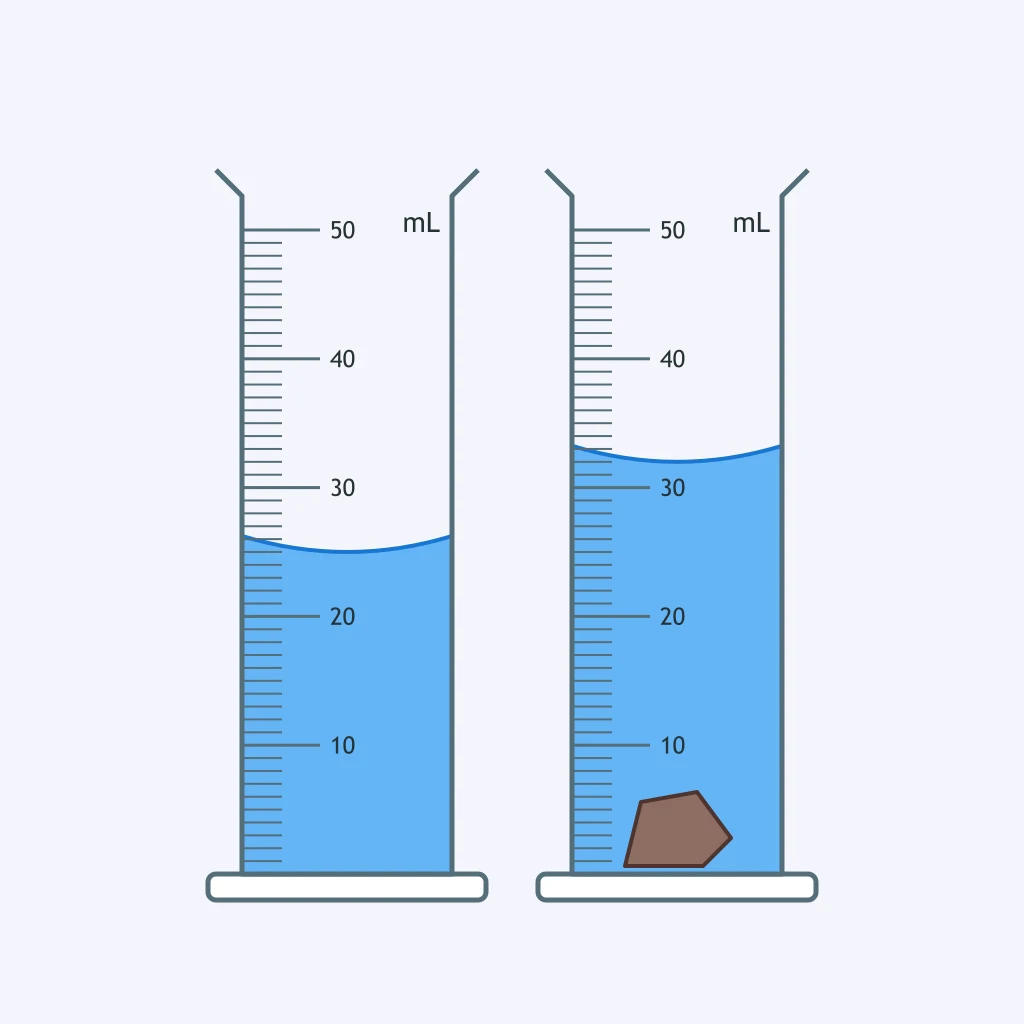
A pebble is lowered into the graduated cylinder pair. What volume does the pebble have?
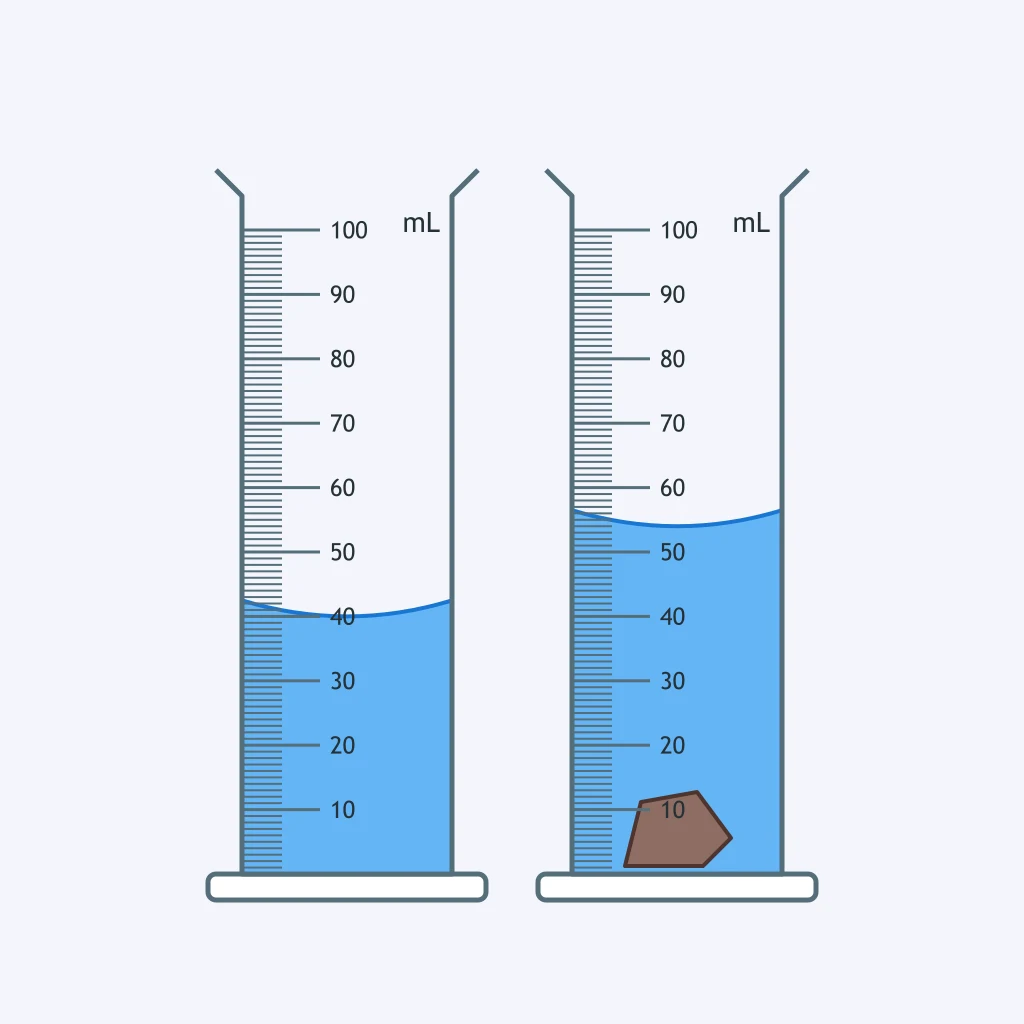
The figure shows water before and after an irregular mineral is added. What is the mineral's volume?
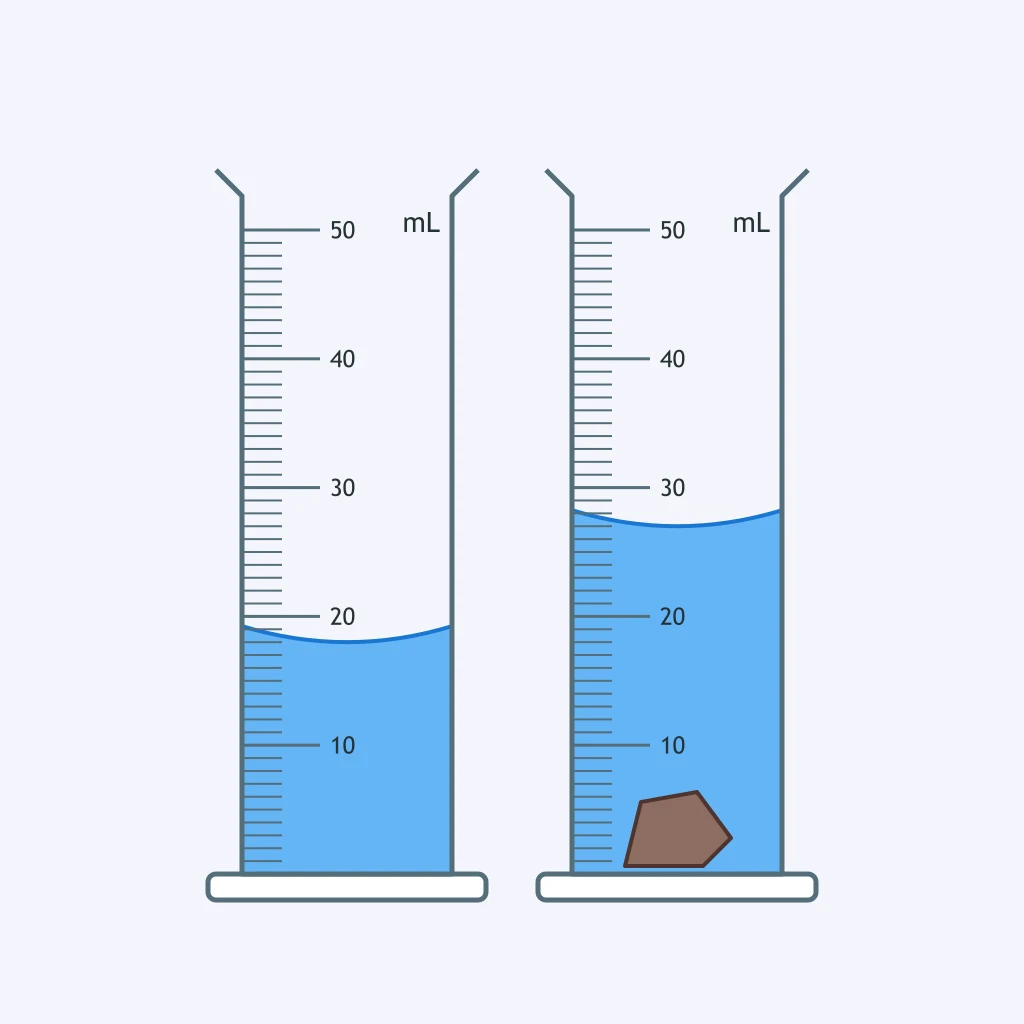
Use the cylinder readings in the figure. What is the volume of the metal sample?
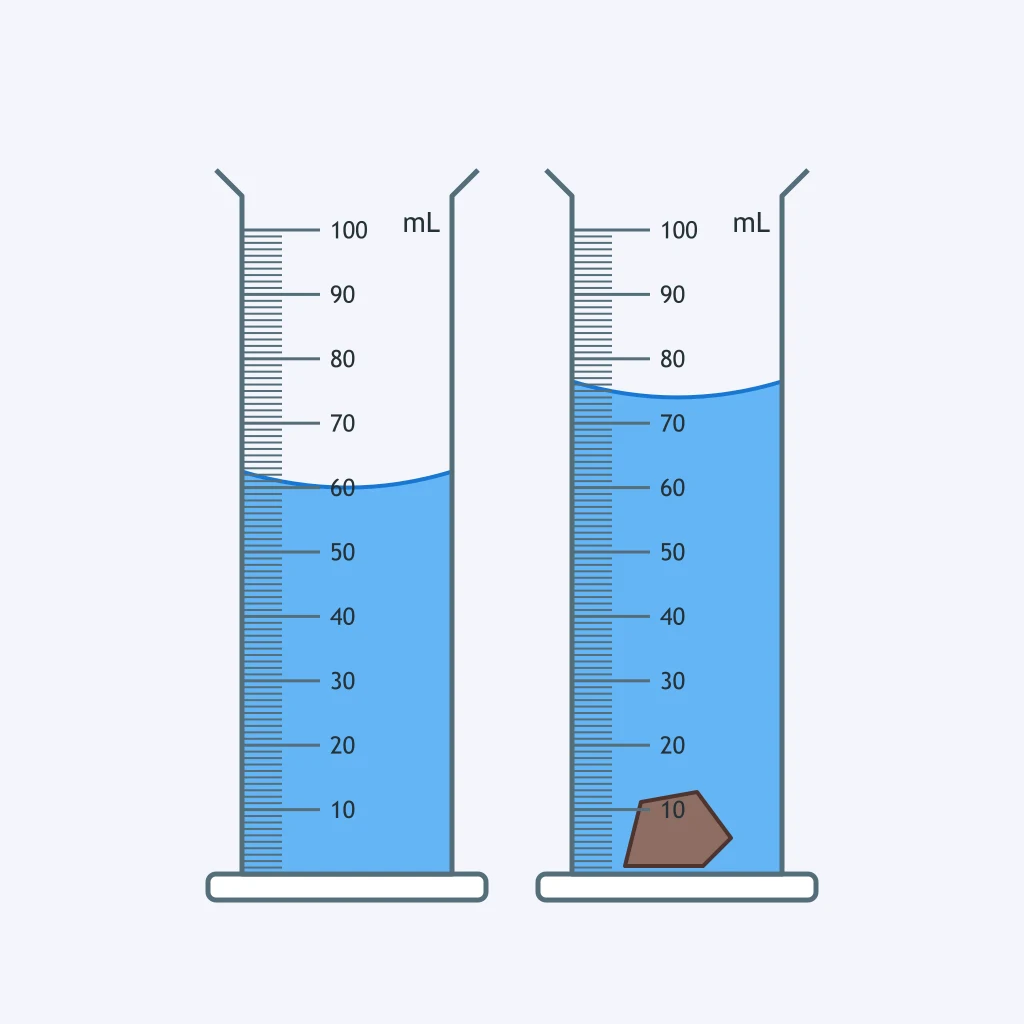
The graduated cylinder pair shows a bead dropped into water. What volume should be recorded for the bead?
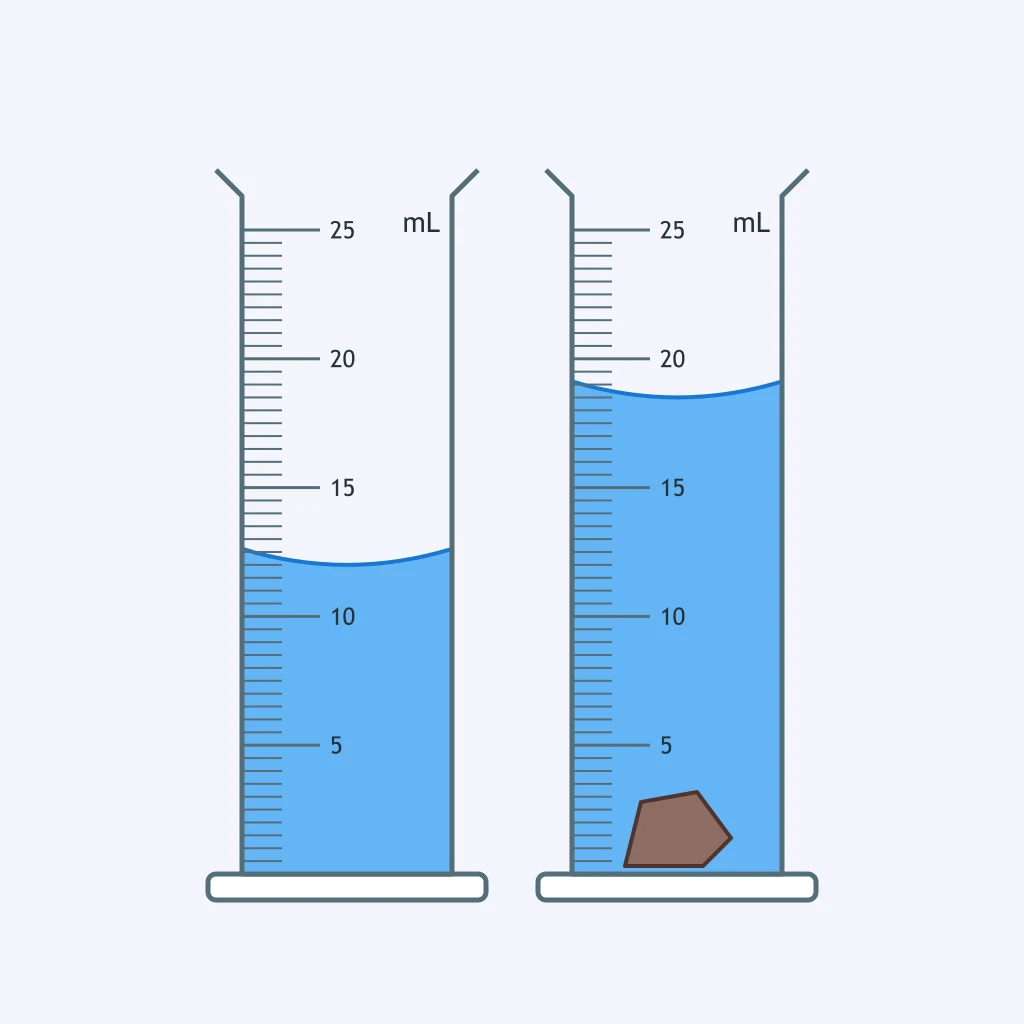
Use the water-displacement figure. What is the volume of the unknown solid?
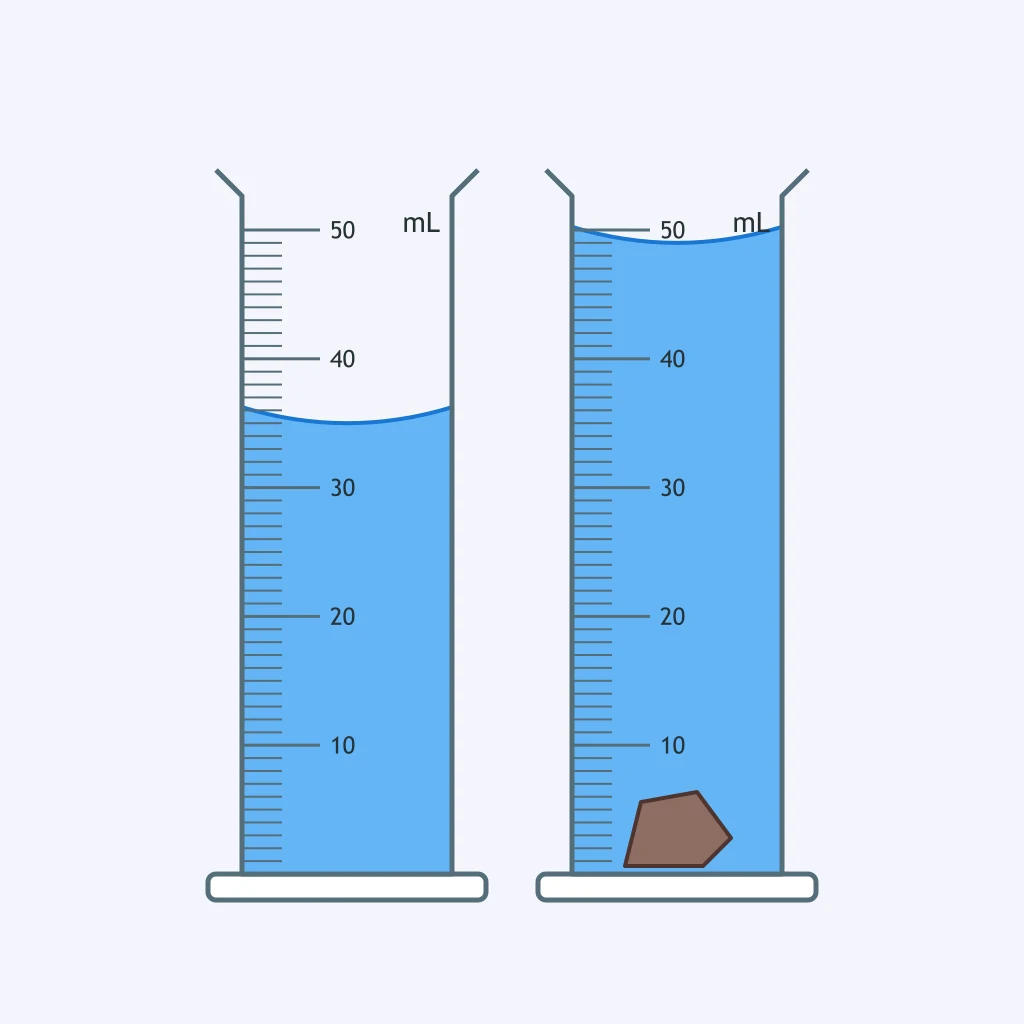
A dense ore chip is placed in the cylinder shown. What is the chip's volume?
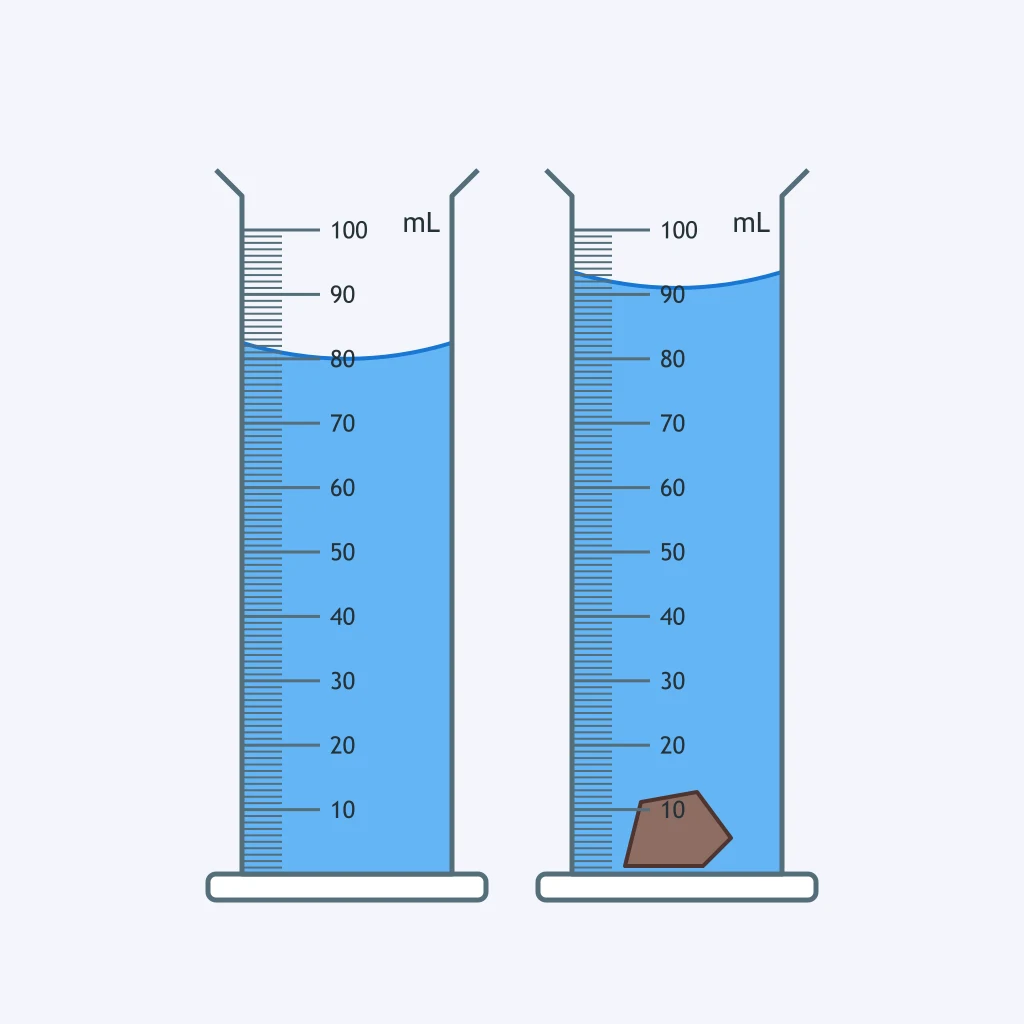
Read the before-and-after cylinder figure. What volume did the shell fragment displace?
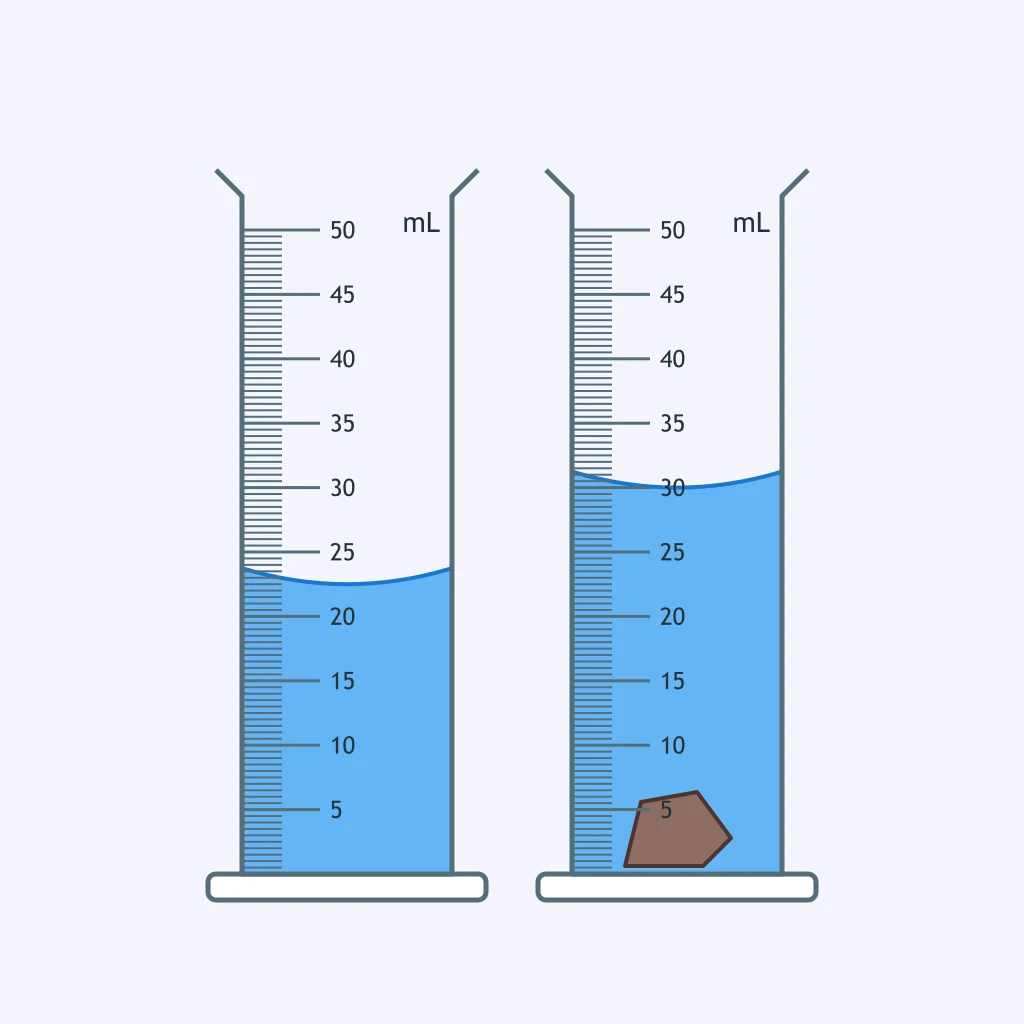
The figure shows a small stone added to water in a graduated cylinder. What is the stone's volume?
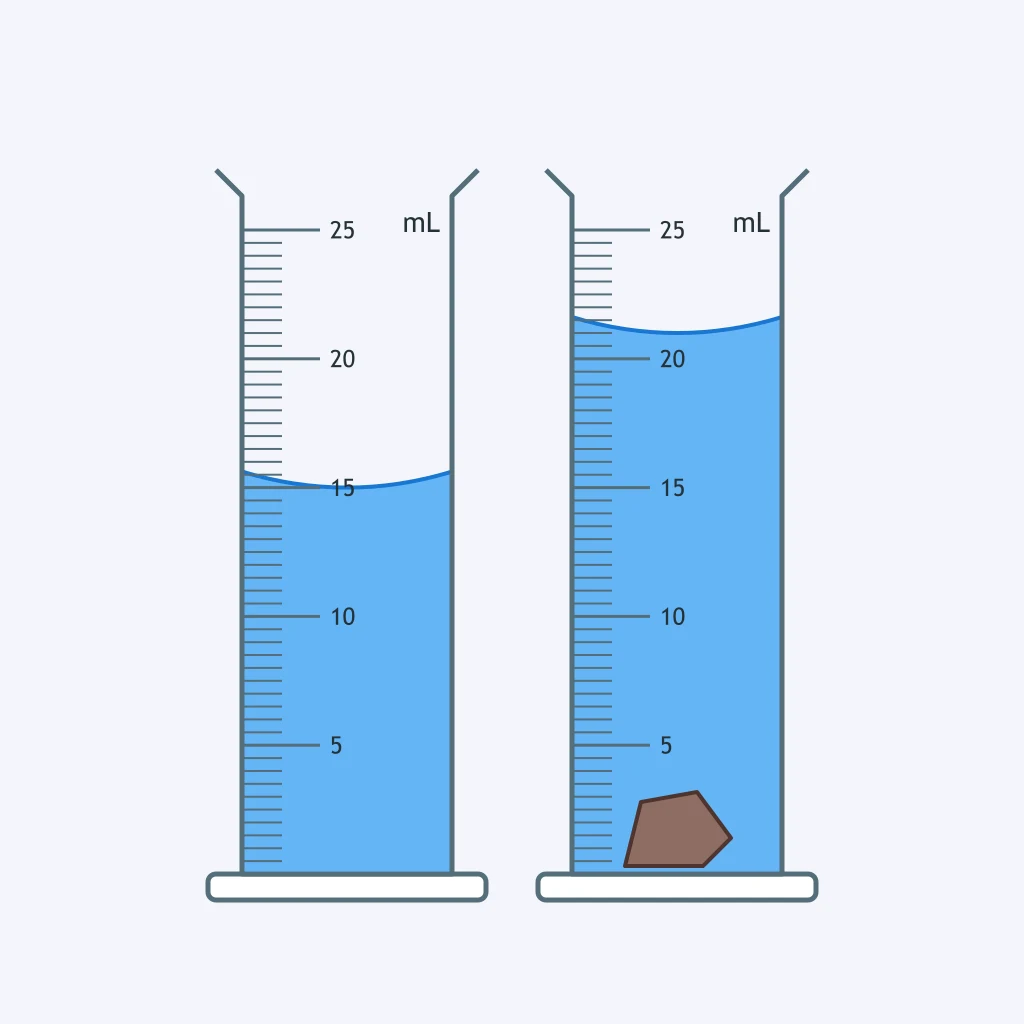
Use the graduated cylinder pair. What is the volume of the large rock sample?
Use the density data table. What is the density of sample B?
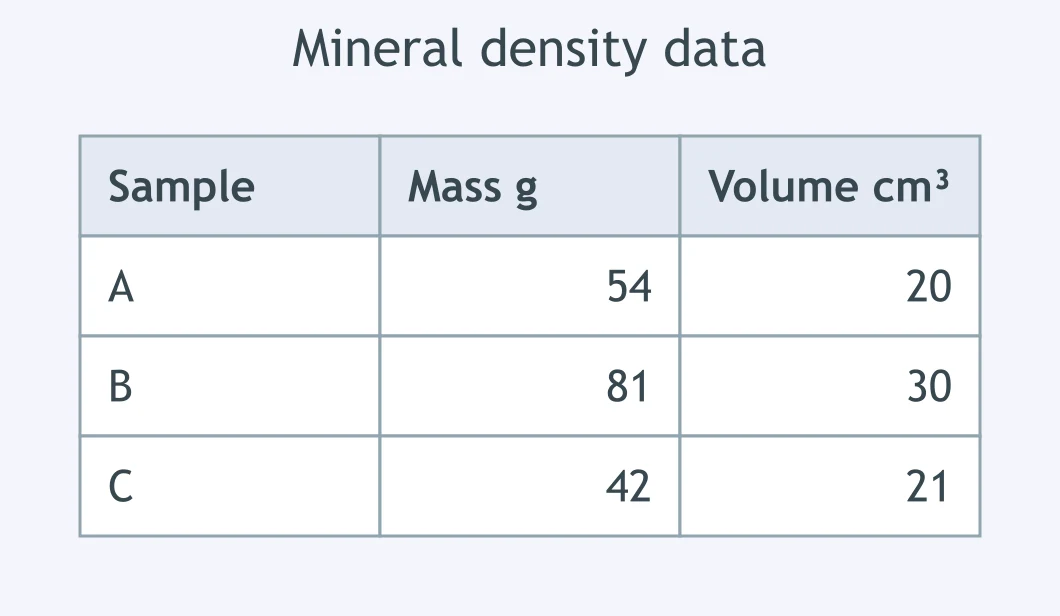
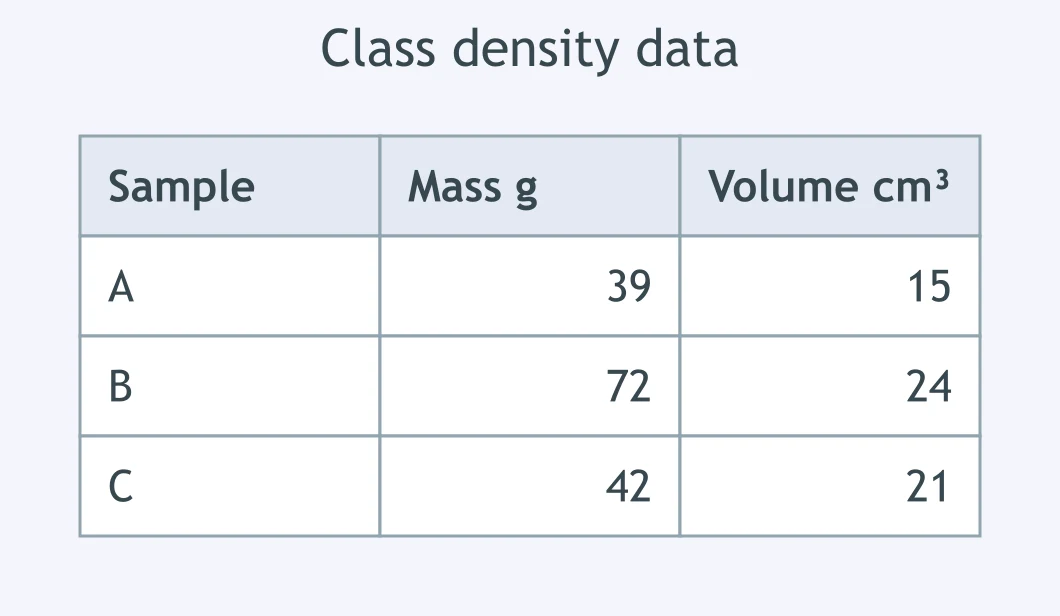
Use the table of Earth materials. Which density should be calculated for sample C?
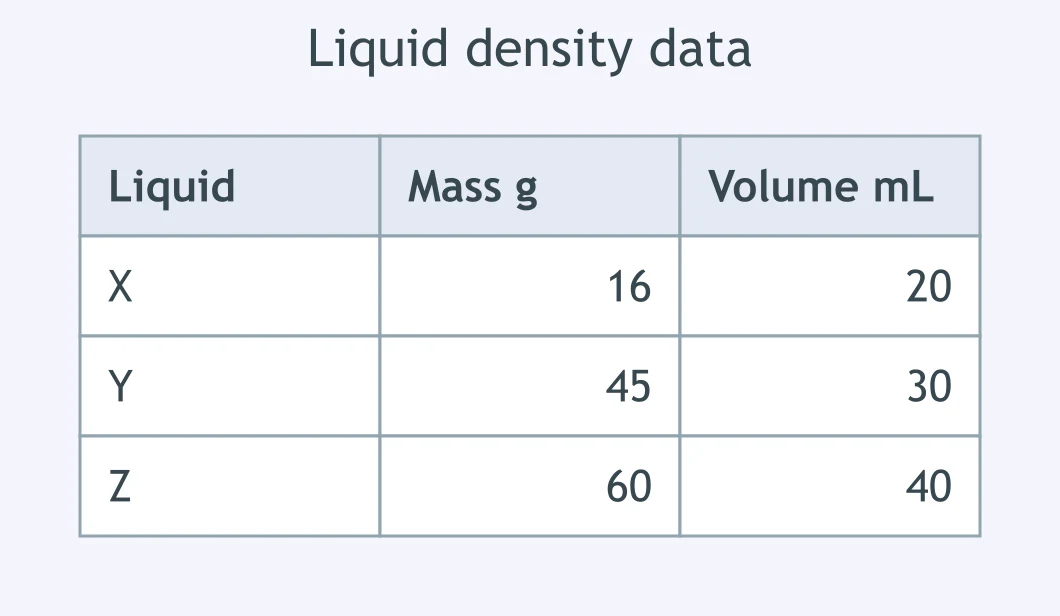
Use the liquid data table. What is the density of liquid X?
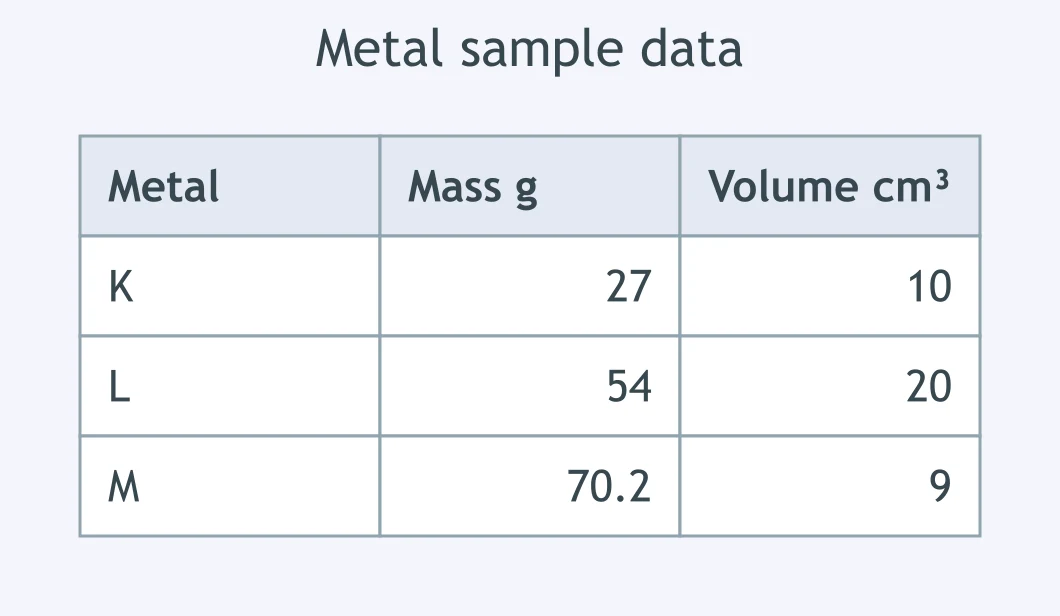
Use the metal-sample table. What density should be reported for metal M?
A basalt sample has a mass of 88.5 g and a volume of 30.0 cm³. What is the density of the sample?
A pumice sample has a mass of 19.8 g and a volume of 45.0 cm³. What density does the sample have?
A magnetite specimen has a mass of 156 g and a volume of 30.0 cm³. What is its density?
A limestone chip has a mass of 67.5 g and a volume of 25.0 cm³. What is the chip's density?
A sandstone sample has a mass of 46.8 g and a volume of 18.0 cm³. What density should be recorded?
A liquid sample has a mass of 120.0 g and a volume of 125.0 mL. What is its density?
An iron-rich meteorite fragment has a mass of 237 g and a volume of 30.0 cm³. What is its density?
An obsidian piece has a mass of 65.1 g and a volume of 27.0 cm³. What density does it have?
Density equals mass divided by volume. To find mass when density and volume are known, what should a student do?
Density equals mass divided by volume. To find volume when mass and density are known, what should a student do?
Galena has a density of 7.5 g/cm³. A cut cube of galena has a volume of 4.0 cm³. What is the mass of the cube?
A liquid has a density of 0.80 g/mL and a measured volume of 50.0 mL. What is the mass of the liquid?
A mineral has a density of 3.0 g/cm³ and a volume of 12.0 cm³. What mass should be recorded?
A rock sample has a mass of 52 g and a density of 2.6 g/cm³. What is the sample's volume?
A metal piece has a mass of 90.4 g and a density of 11.3 g/cm³. What is its volume?
A brine sample has a mass of 300 g and a density of 1.2 g/mL. What volume does the sample occupy?
A sulfide mineral has a mass of 75 g and a density of 5.0 g/cm³. What is the mineral's volume?
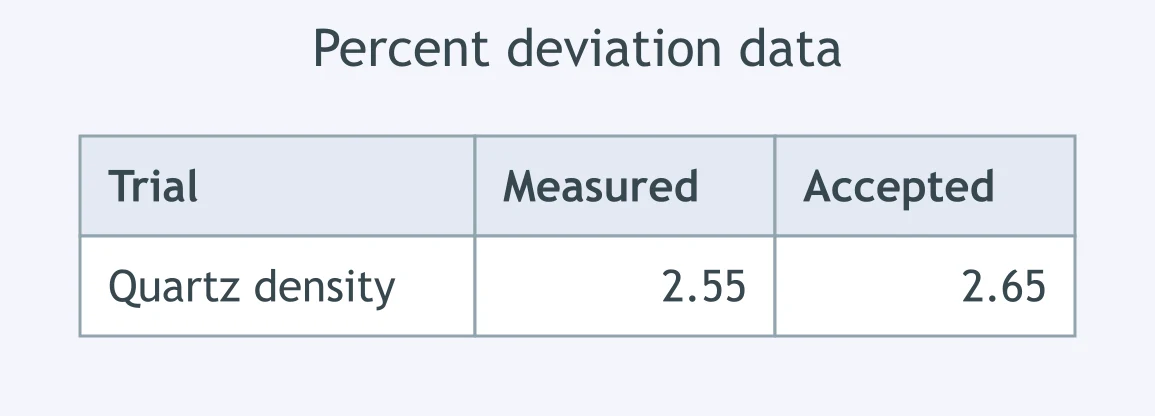
Use the percent-deviation table. What percent deviation should be reported for the quartz density trial?
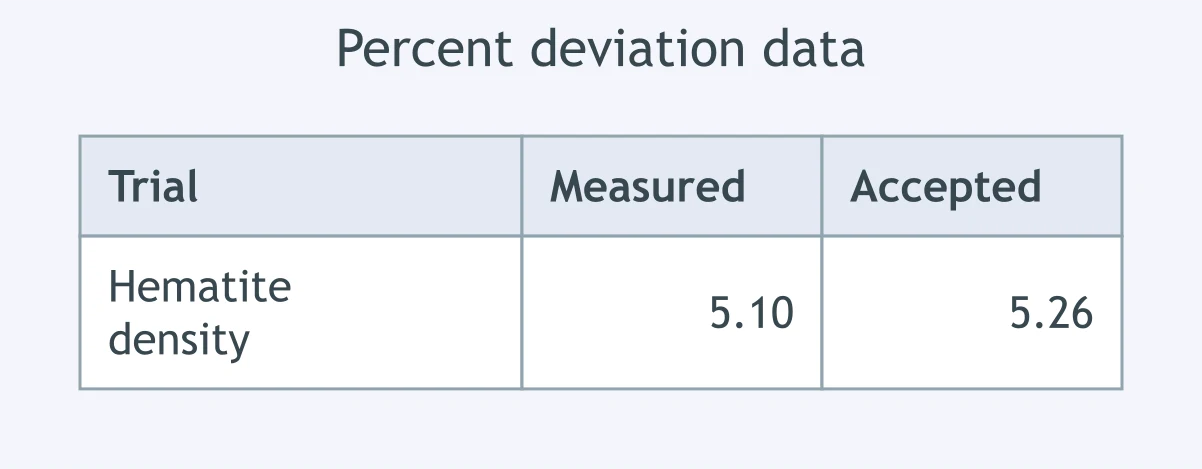
Use the table for the hematite density trial. What is the percent deviation to the nearest tenth?
Use the table for the density measurement. What percent deviation is shown by the trial?
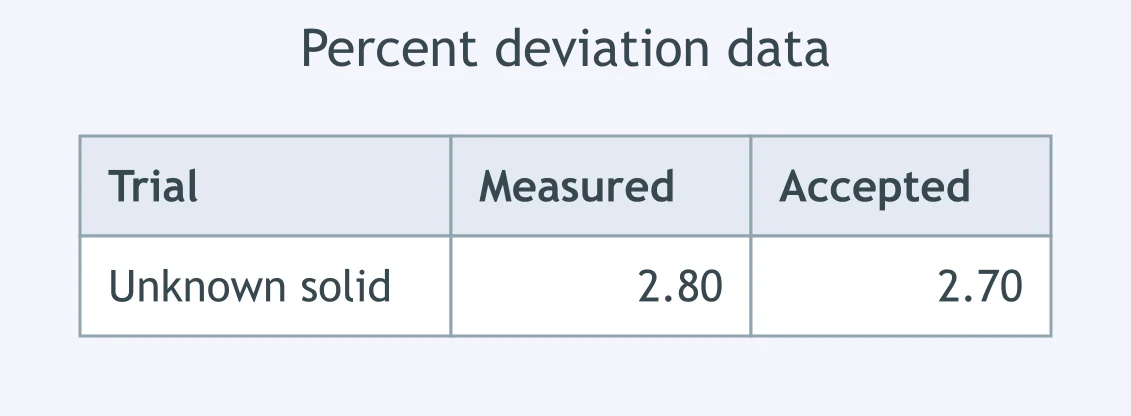
Use the table for the mass standard. What percent deviation should be recorded?
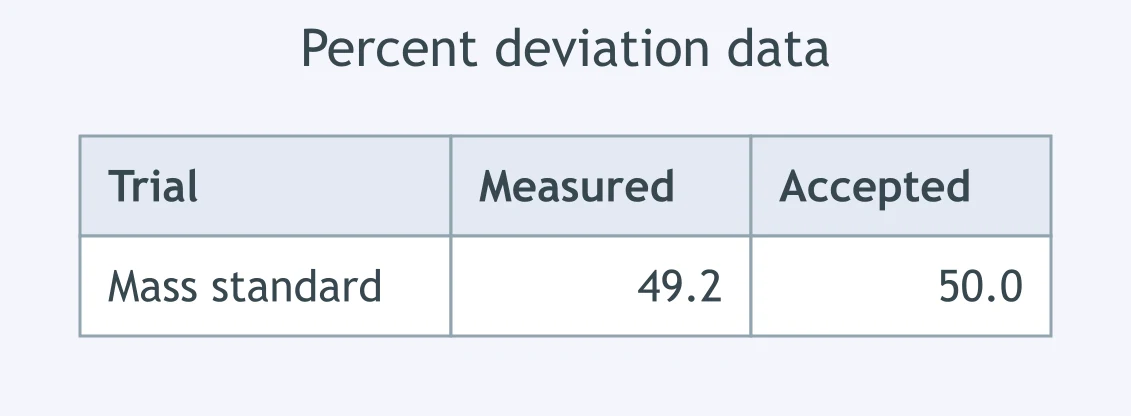
A student measures a volume as 24.0 mL, but the accepted value is 25.0 mL. What is the percent deviation?
A thermometer reads 20.8 °C for a water bath whose accepted temperature is 20.0 °C. What is the percent deviation?
A lab group measures water density as 0.92 g/mL when the accepted value is 1.00 g/mL. What is the percent deviation?
A balance reads a 100 g standard as 102 g. What percent deviation does this measurement have?
A triple-beam balance has riders at 200 g, 30 g, and 7.4 g, and the pointer is level. What is the specimen's mass?
A triple-beam balance has riders at 100 g, 60 g, and 3.2 g. The pointer is level. What mass should be recorded?
A balance reading uses riders at 300 g, 70 g, and 5.6 g. What is the mass of the rock sample?
A laboratory thermometer is marked every 1 °C, and the liquid column is halfway between 21 °C and 22 °C. What temperature should be recorded?
A thermometer column is two tenths of the way from the 4 °C mark to the 5 °C mark. What is the best recorded temperature?
A lab thermometer is marked every 1 °C, and the liquid column is nine tenths of the way from 17 °C to 18 °C. What is the best reading?
A slab of granite is cut into two unequal pieces. How do the densities of the pieces compare with the original slab?
Two samples of the same pure mineral are measured: one has twice the mass and twice the volume of the other. How do their densities compare?
A wax block floats in water. It is cut exactly in half without melting or losing material. What will each half do when placed in the water?
Sample A has a mass of 24 g and a volume of 10 cm³. Sample B of the same material has a mass of 48 g and a volume of 20 cm³. What is true?
Why can density help identify an unknown mineral sample?
Crack the passcode before the zombies get in.
Answer, then swat bugs for bonus points.
Race through questions at your own speed.
Same question on every screen. Fastest wins.

Pick a tile, answer, hit bonuses and steals.
30 questions