Loading
by BlastRoom
Practice matching lab safety rules to the hazards they prevent.
#earth_space_science
40 questions
One question set, multiple game modes. Tap any game to see it in action. Not sure which to pick?
Answer to place stones and capture territory.
Outrun the snow together.
Earn blasts, then hunt the other team.
Answer to earn energy, then climb.

The class blasts through walls together.
Bid on mystery lots. Most money wins.
Sell tours. Nice, standard, or a total scam.

Answer, restock, and serve the rush.
More correct answers pulls the rope your way.
Answer, then shoot down the alien wave.
Answer, then tap to leap the frozen ridge.
Lab rules require long hair to be secured before students work at a Bunsen burner station. Which hazard is this rule written to prevent?
Students must wear chemical splash goggles during a density lab that uses glassware and dilute acid. What hazard does this rule mainly reduce?
A lab requires closed-toe shoes before students handle rock samples, glassware, and liquids. Which hazard is this rule written to prevent?
A student wants to drink from a water bottle while testing mineral hardness at the lab bench. Which hazard does the no-food-or-drink rule prevent?
In an odor test, the procedure says to waft vapors toward the nose rather than smell the container directly. What hazard does wafting reduce?
A procedure says to add acid slowly to water, not water to acid. Which hazard is this rule meant to prevent?
Backpacks must be stored away from aisles and lab benches during a stream-table investigation. Which hazard does this rule most directly prevent?
Before using unknown powders in a soil test, students must read the procedure and ask questions before starting. Which hazard is this rule meant to prevent?
A rule says never pipette any solution by mouth, even if the liquid looks like water. Which hazard does this rule prevent?
Every beaker used in a lab must be labeled with its contents and concentration. Which hazard does this rule reduce?
Look at the labeled heating setup. Which labeled detail is unsafe because it could spray hot liquid toward another person?
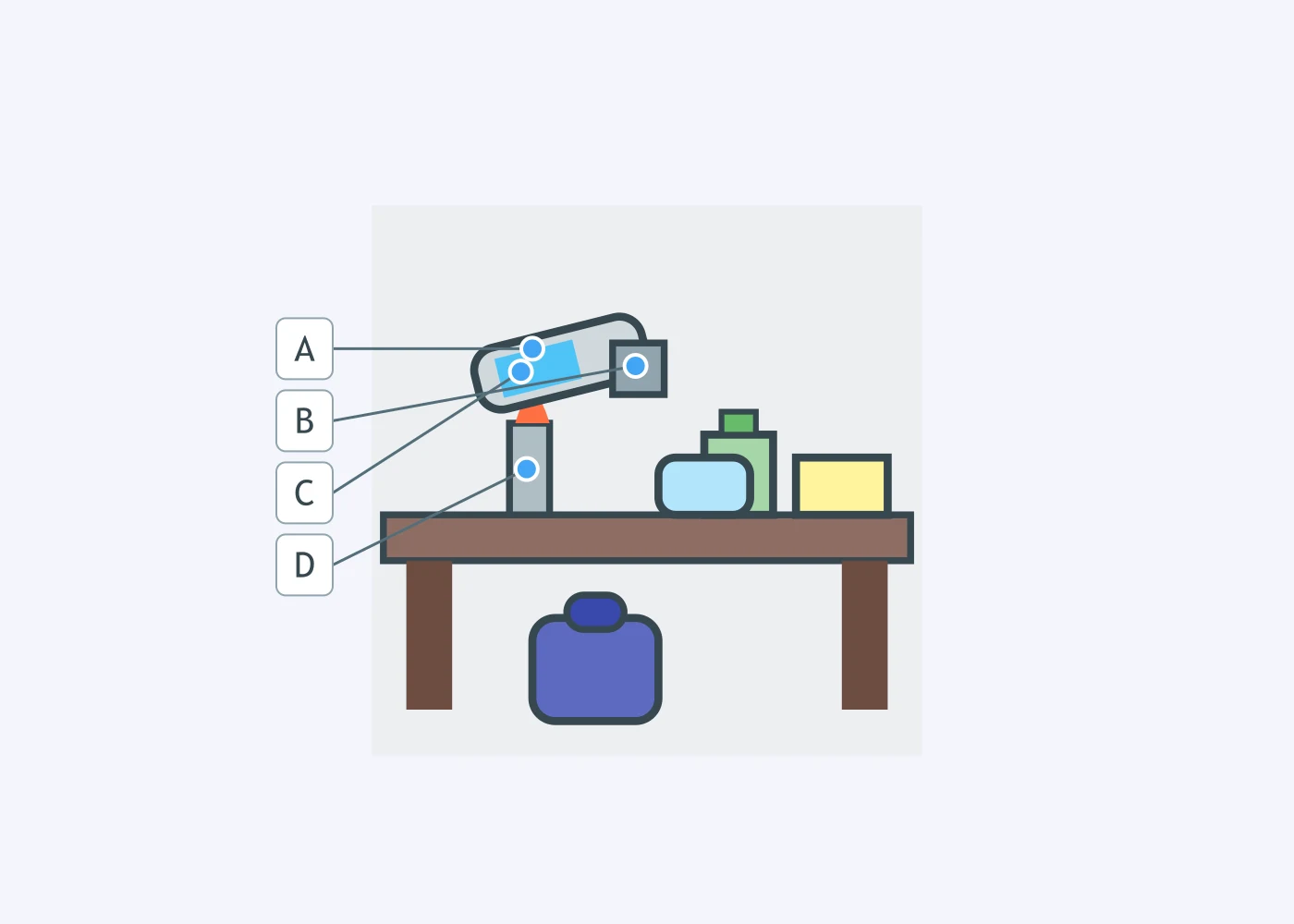
Look at the labeled lab bench. Which labeled detail is the unsafe act that could create a trip hazard and contaminate materials?
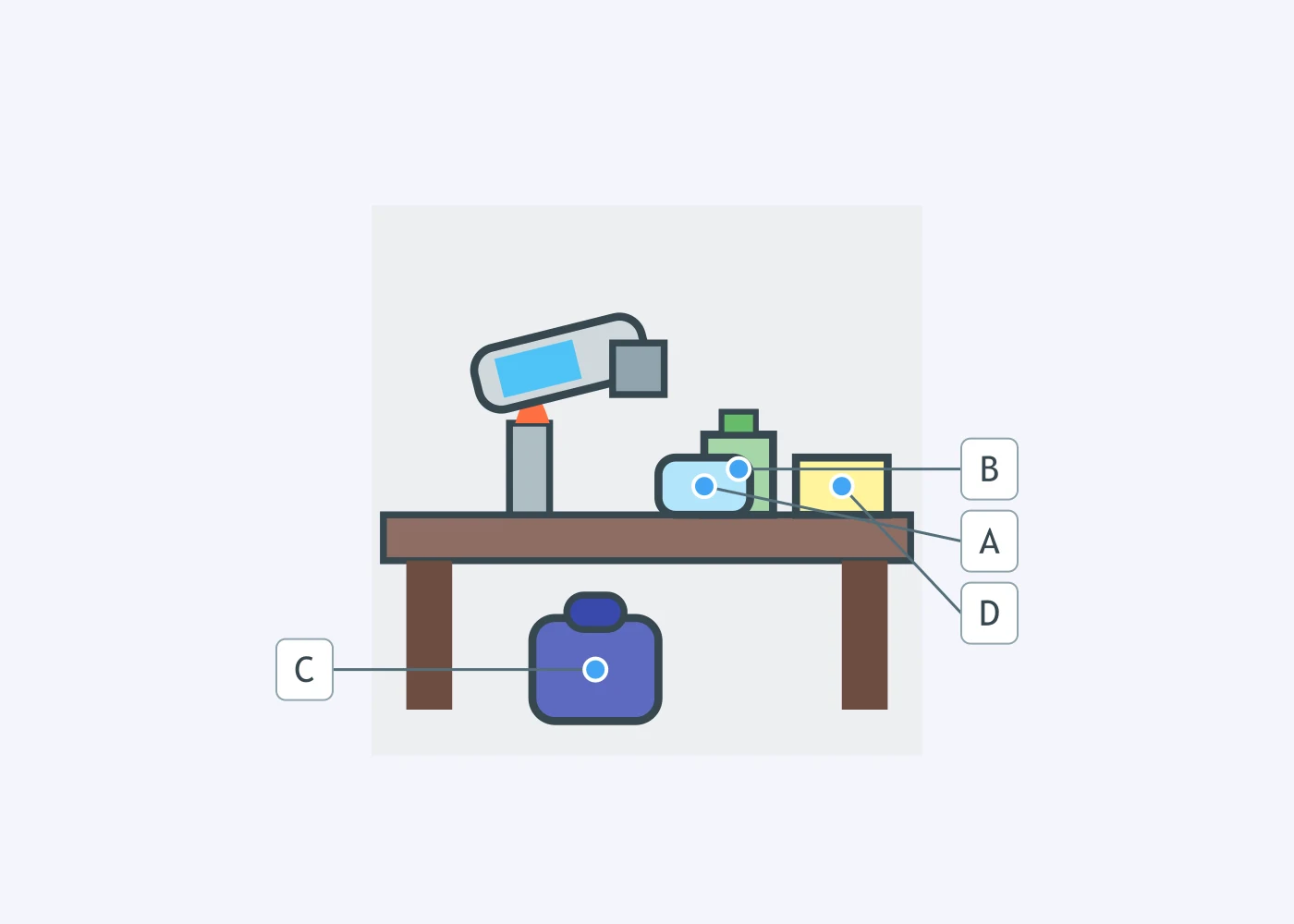
During a mineral-identification lab, a student touches a white powder to the tongue to check whether it is salty. What is the unsafe act?
A student wearing nitrile gloves handles dilute acid, then uses the same gloves to text on a phone. What unsafe act is occurring?
A student notices a chipped graduated cylinder but starts measuring water with it anyway. What is unsafe about the scene?
In a porosity lab, a beaker of water is balanced halfway over the bench edge while students pour gravel into it. What detail is unsafe?
A student opens a bottle of ammonia solution and puts the nose directly over the mouth of the bottle. What is the unsafe act?
At a burner station, an open ethanol bottle is left beside the flame while another student heats a sample. Which detail is unsafe?
A student walks quickly across the lab carrying several uncovered test tubes in one hand. What is the unsafe behavior?
After taking too much copper sulfate solution, a student pours the extra back into the stock bottle. What is unsafe about this action?
Dilute hydrochloric acid splashes onto a student's forearm during a carbonate rock test. What is the correct first response?
A drop of chemical solution splashes into a student's eye while rinsing sediment. What should the student do first?
A student's sleeve catches fire while reaching near a burner. What is the correct first response?
A beaker breaks and a student gets a small cut while cleaning it up by hand. What should happen first?
A thermometer breaks on the floor during a lab station rotation. What is the correct first response by nearby students?
A strong irritating vapor escapes when a bottle is opened at the bench. What should a student do first?
A small flame starts in a waste container at the lab bench. What should students do first?
A student touches hot glassware that looked cool after heating a mineral sample. What is the best first response?
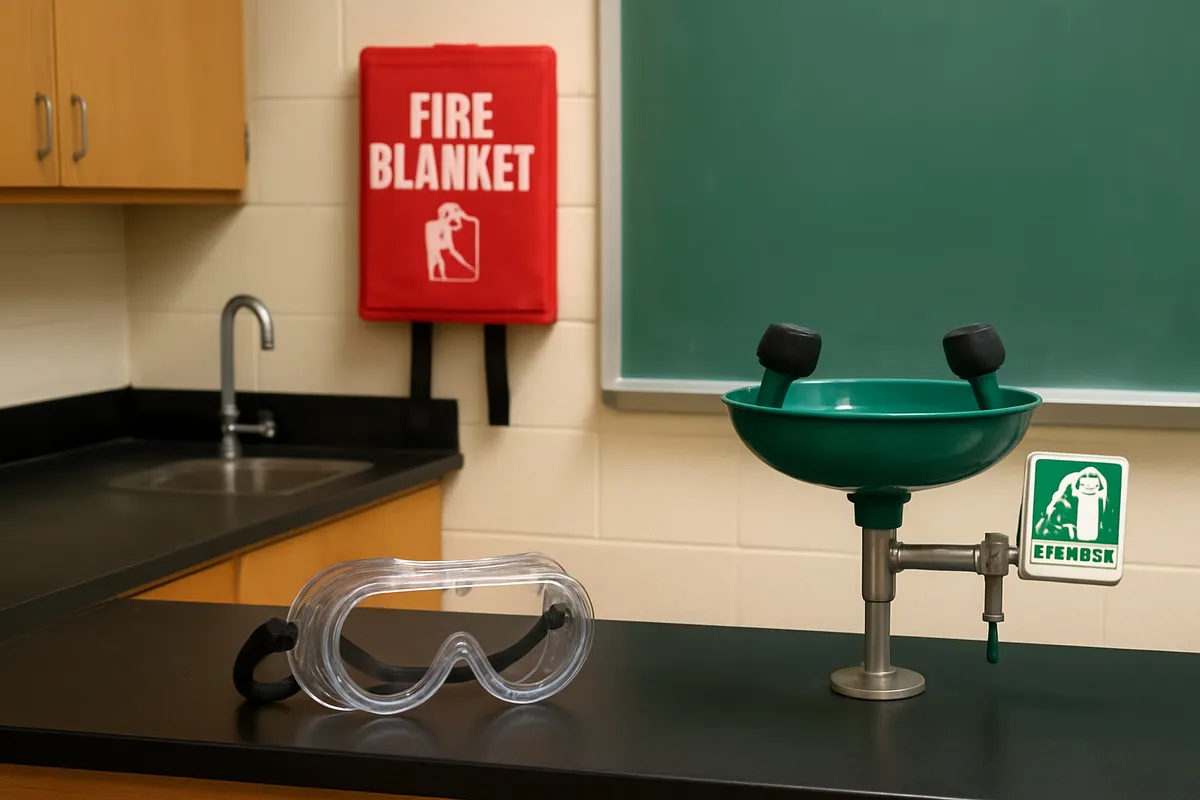
A reaction in an open beaker begins giving off an irritating vapor at the bench. Which room fixture should the work be moved to?
A chemical splashes into a student's eye, and the student gets to the eyewash station. For about how long should the eye be flushed?
A large spill of corrosive solution soaks the front of a student's apron and shirt. Which room fixture is designed for immediate drenching?
A small contained fire starts in a beaker, and the trained teacher decides it can be put out. Which room fixture is used for that job?
A lab stores small bottles of ethanol and acetone between classes. Which storage fixture is meant for these flammable liquids?
Students smell gas from an unlit burner before any flame is lit. Which room control should the teacher use to stop gas flow?
What does the NFPA diamond on this storeroom bottle report?
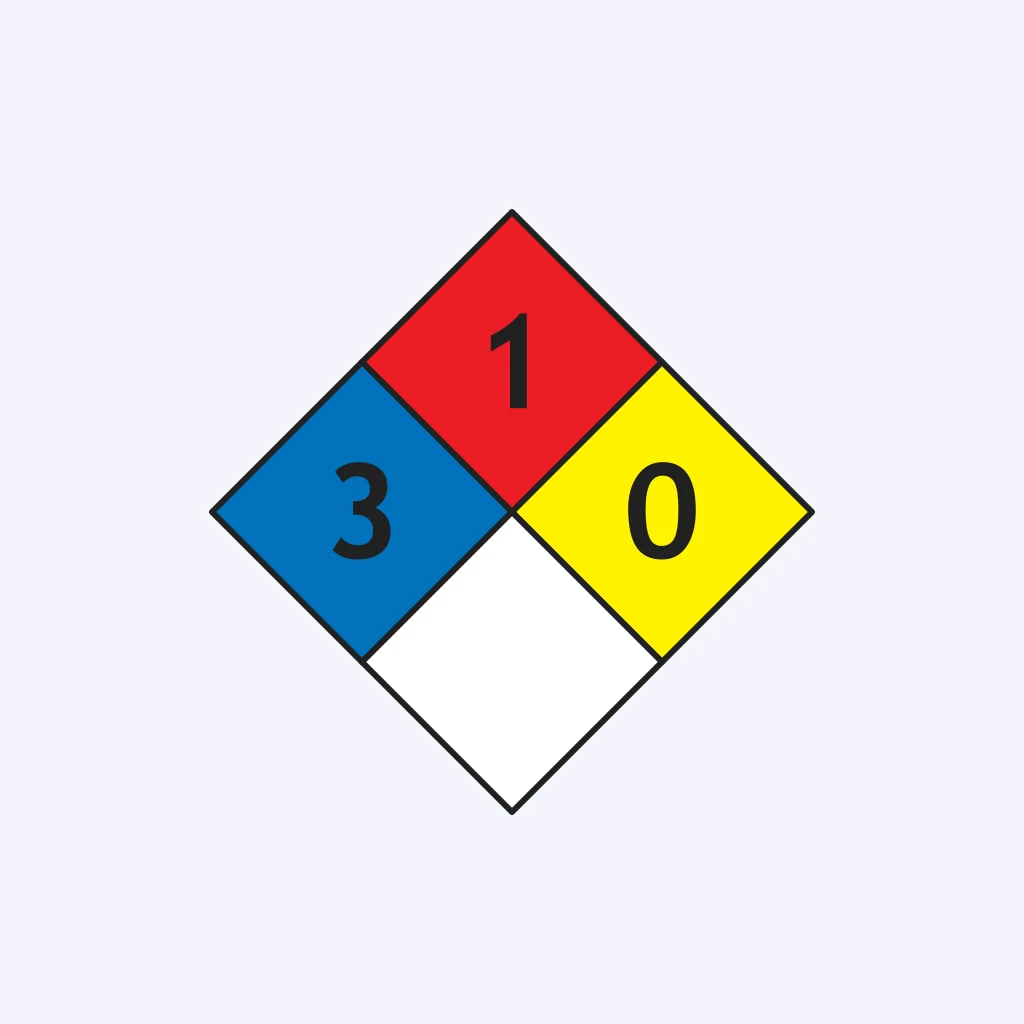
An NFPA diamond from a storeroom bottle is shown. What is the main warning from this label?
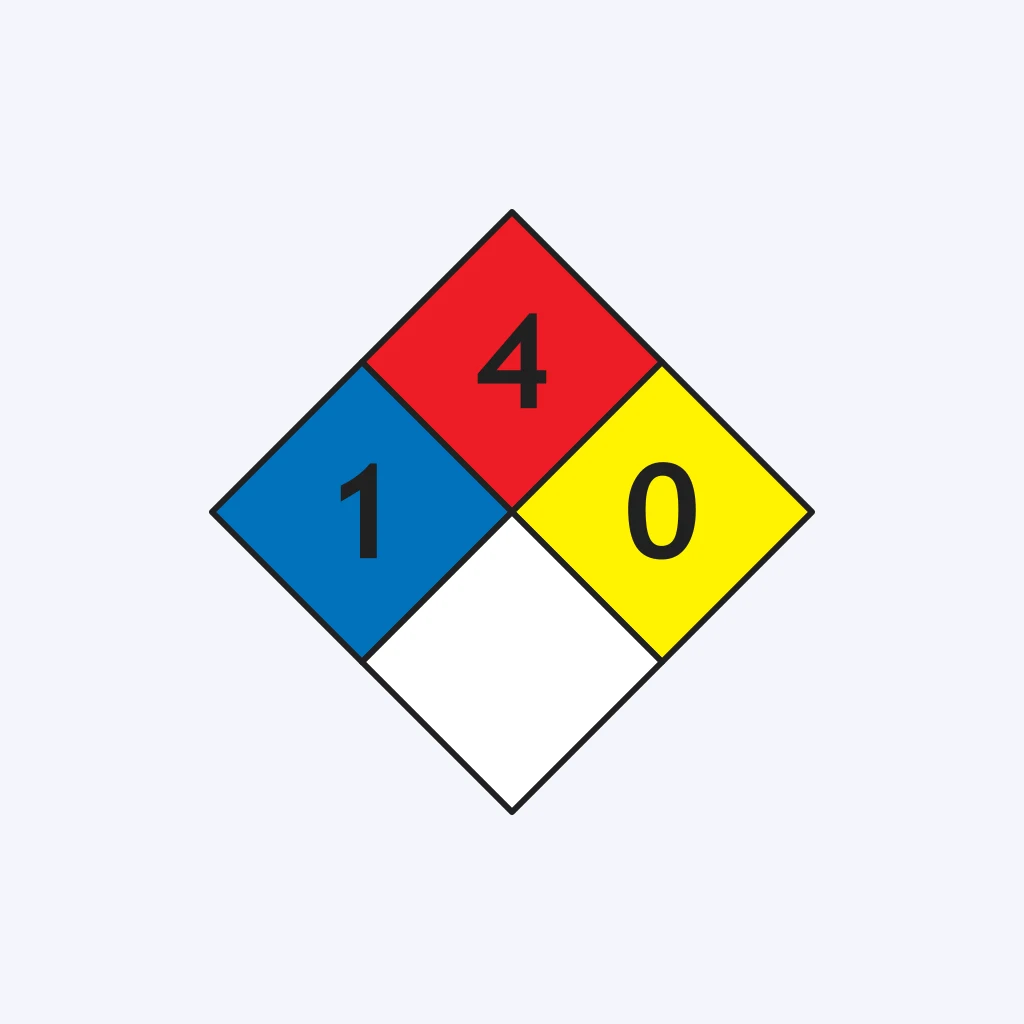
A bottle's NFPA diamond is shown. What does the rating in the yellow section indicate?
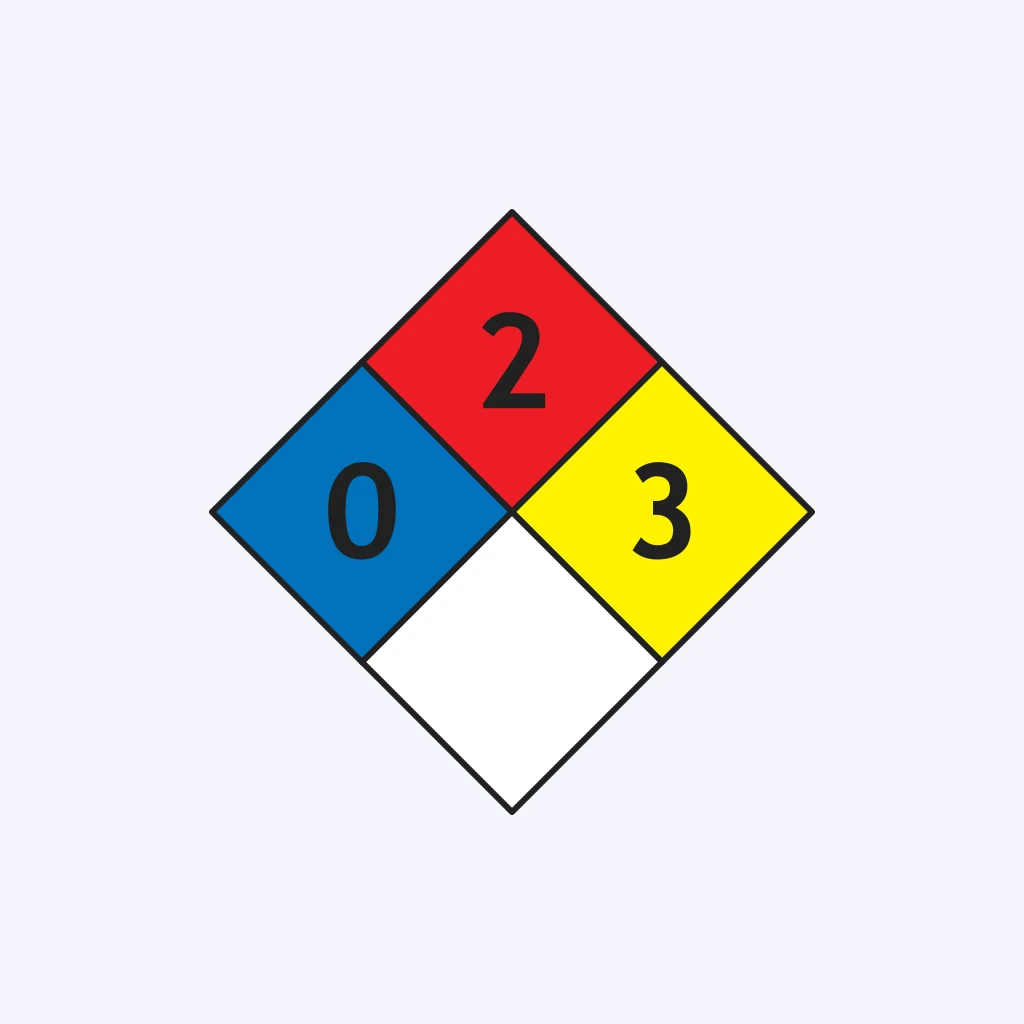
An NFPA diamond shows OX in the white square. What does OX mean?
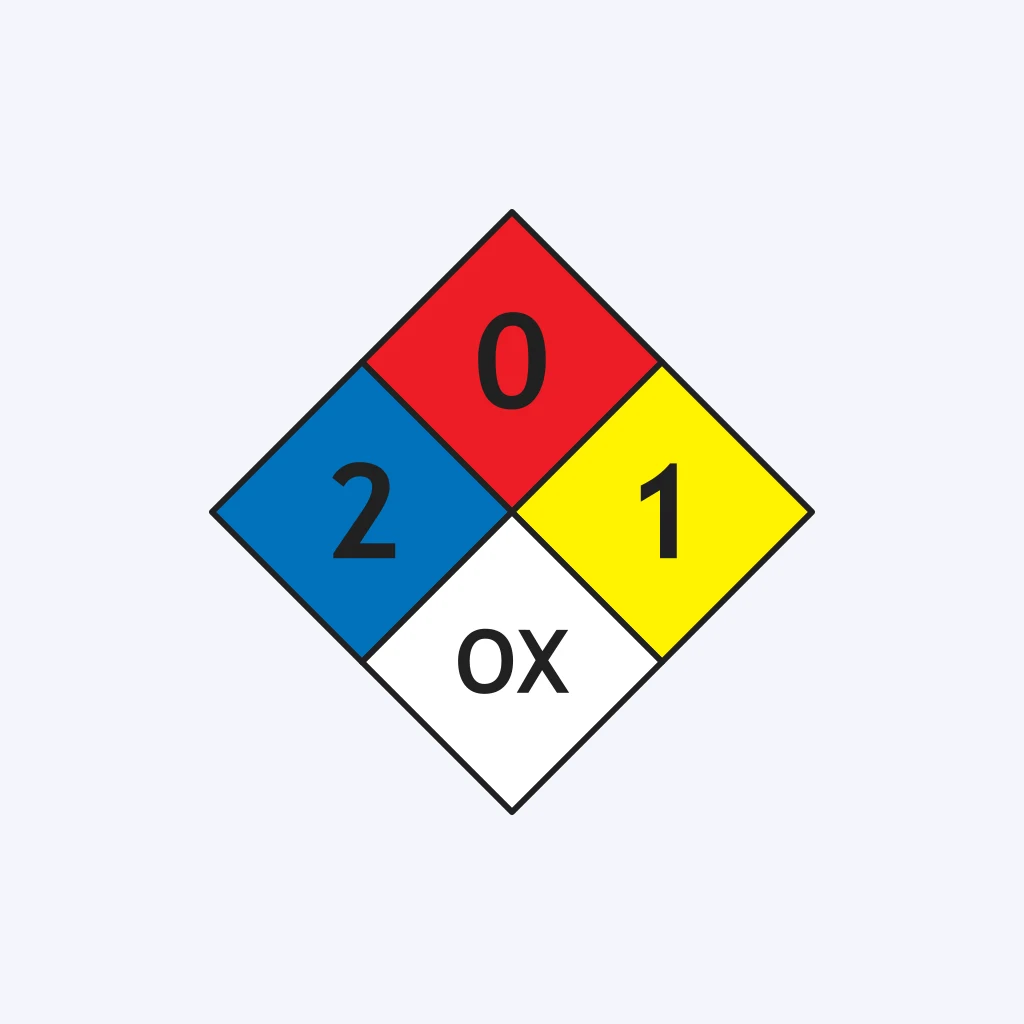
The white square on an NFPA diamond shows a W with a slash through it. What warning does that symbol give?
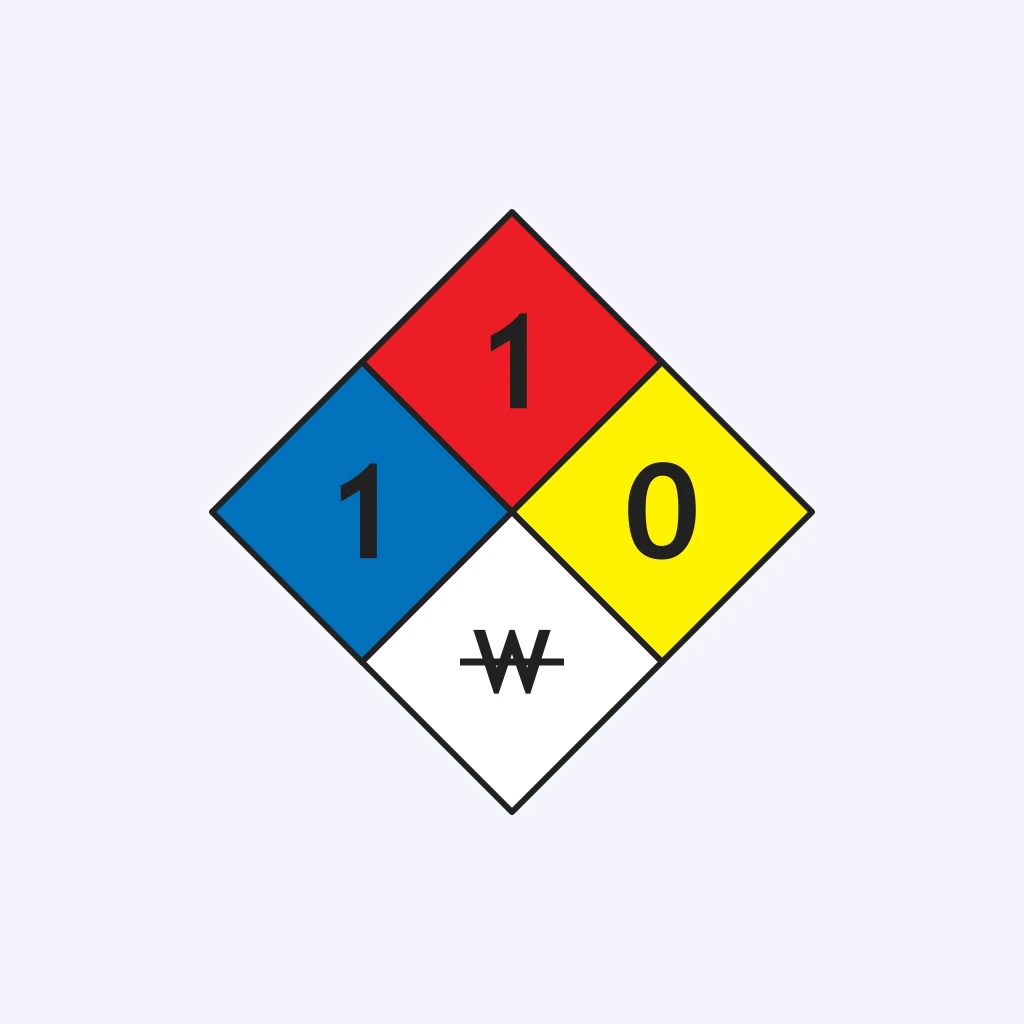
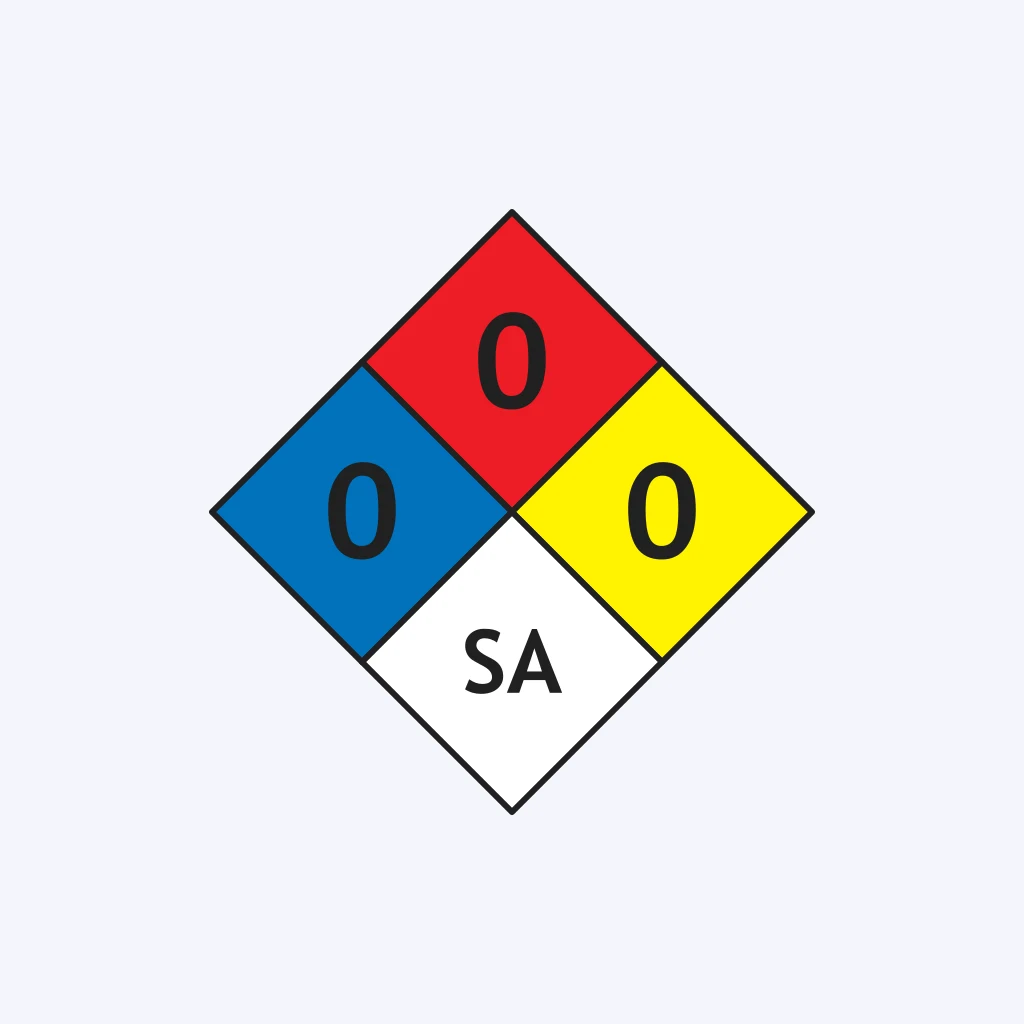
An NFPA diamond shows blue 0, red 0, yellow 0, and SA in the white square. What does SA identify?
Crack the passcode before the zombies get in.
Answer, then swat bugs for bonus points.
Race through questions at your own speed.
Same question on every screen. Fastest wins.

Pick a tile, answer, hit bonuses and steals.
Earth's Shape and Spheres
30 questions