Loading
by BlastRoom
Use climate proxies to infer past temperature, atmosphere, vegetation, and environments.
#earth_space_science
25 questions
One question set, multiple game modes. Tap any game to see it in action. Not sure which to pick?
Answer to place stones and capture territory.
Outrun the snow together.
Earn blasts, then hunt the other team.
Answer to earn energy, then climb.

The class blasts through walls together.
Bid on mystery lots. Most money wins.
Sell tours. Nice, standard, or a total scam.

Answer, restock, and serve the rush.
More correct answers pulls the rope your way.
Answer, then shoot down the alien wave.
Answer, then tap to leap the frozen ridge.
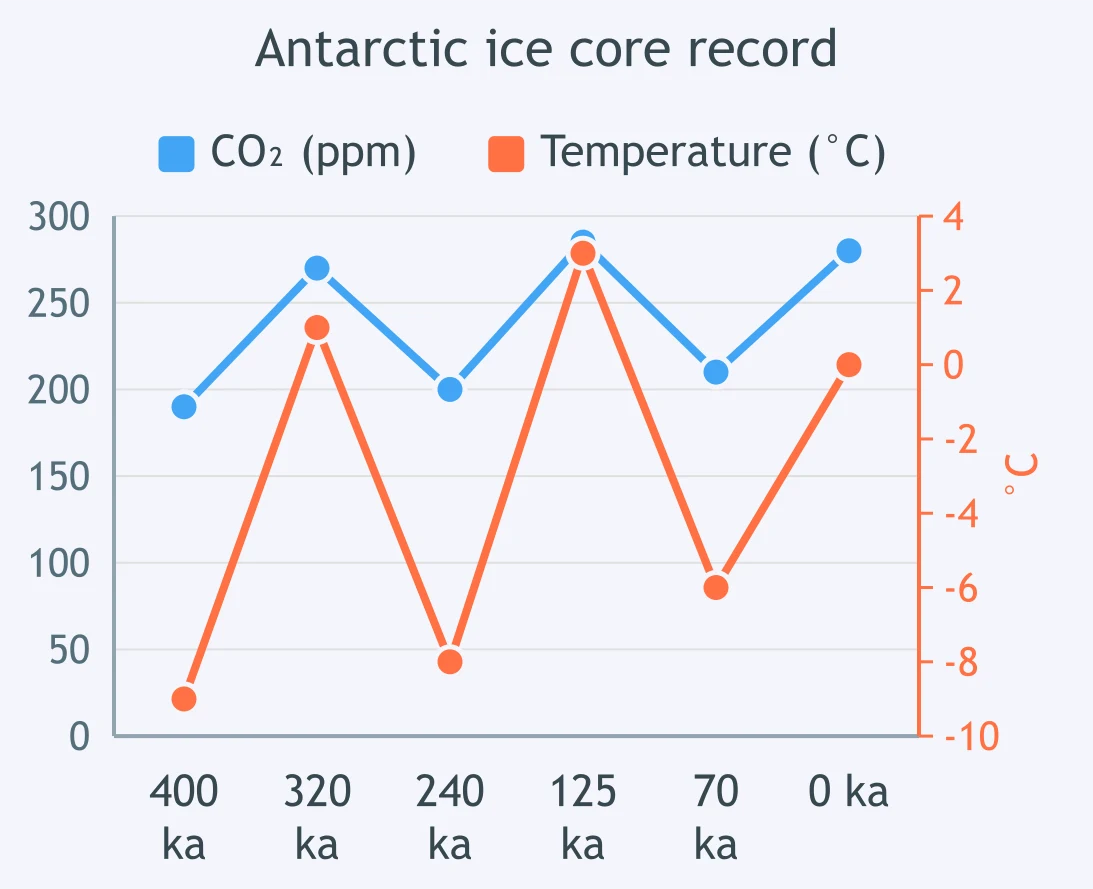
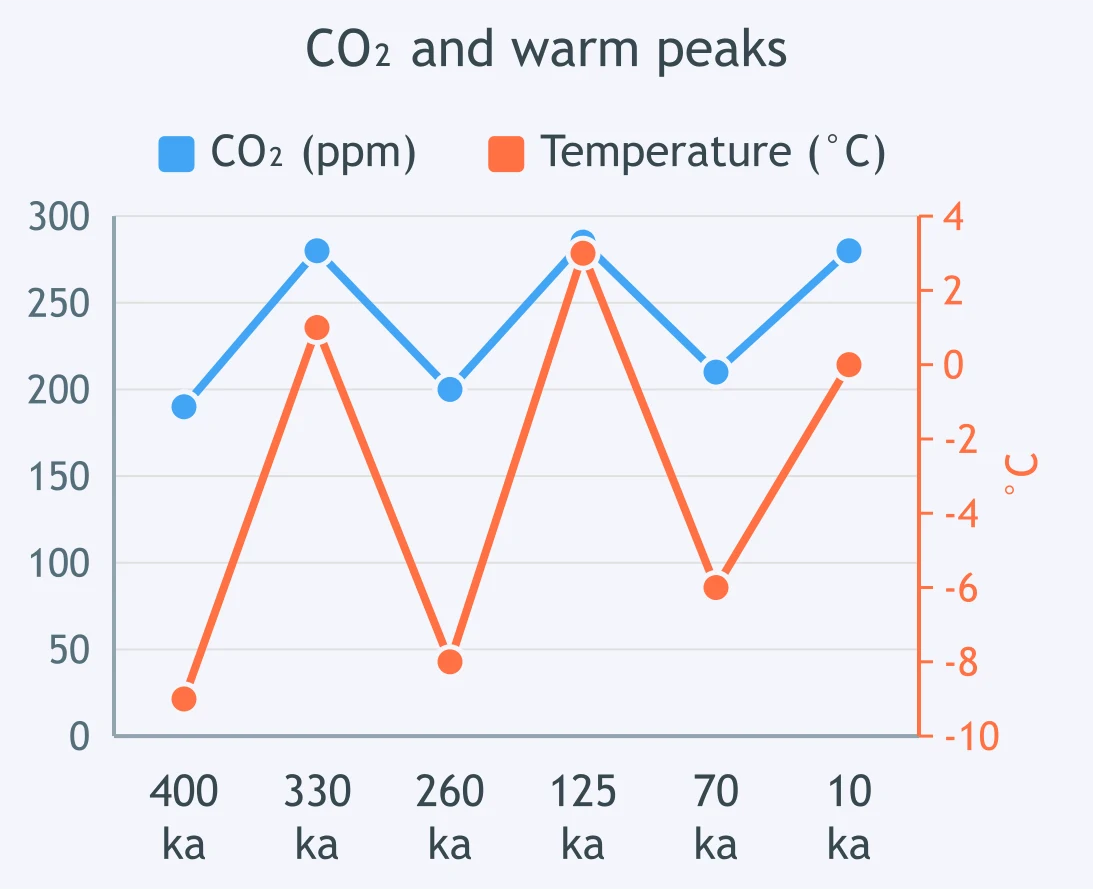
Use the paired ice-core graph. During intervals when CO₂ is highest, what is true of reconstructed temperature?
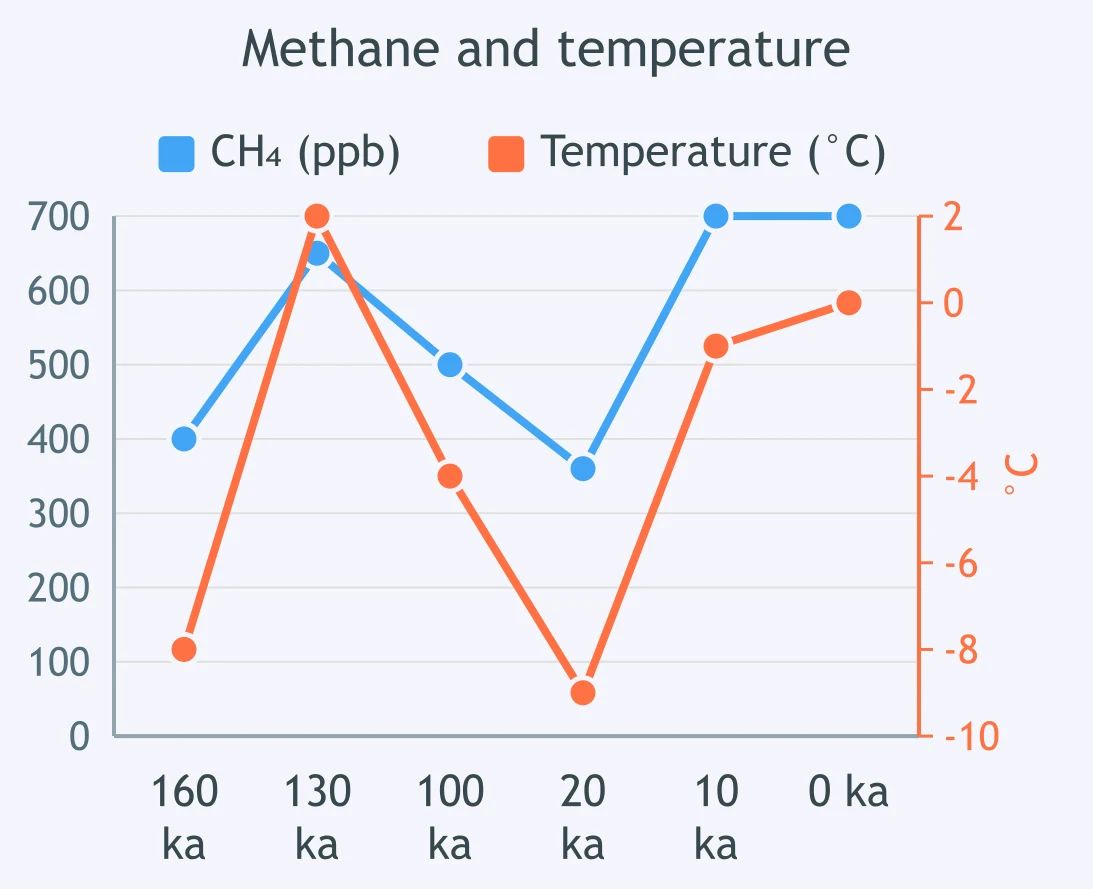
Use the methane-temperature ice-core graph. At the warmest plotted times, how does methane compare with the other plotted times?
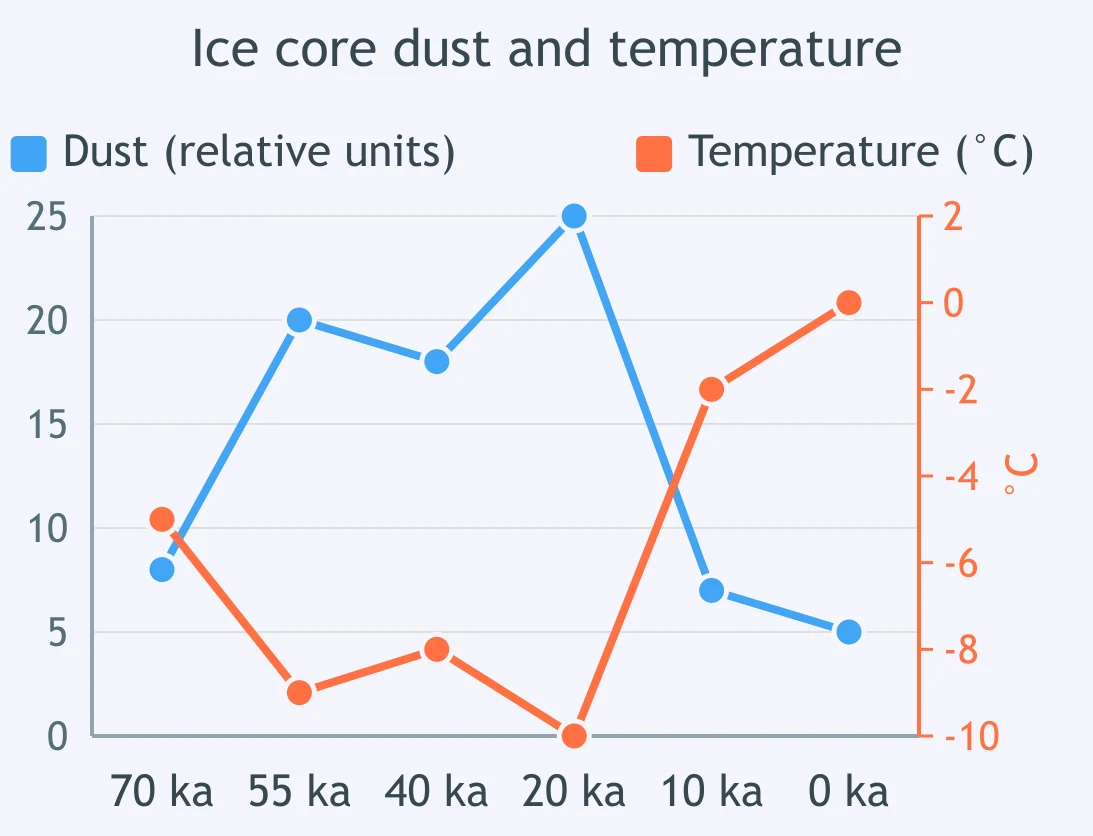
Use the dust-temperature ice-core graph. What happens to dust content at the coldest plotted intervals?
In polar ice cores, how do less negative δ¹⁸O values relate to the air temperature when the snow fell?
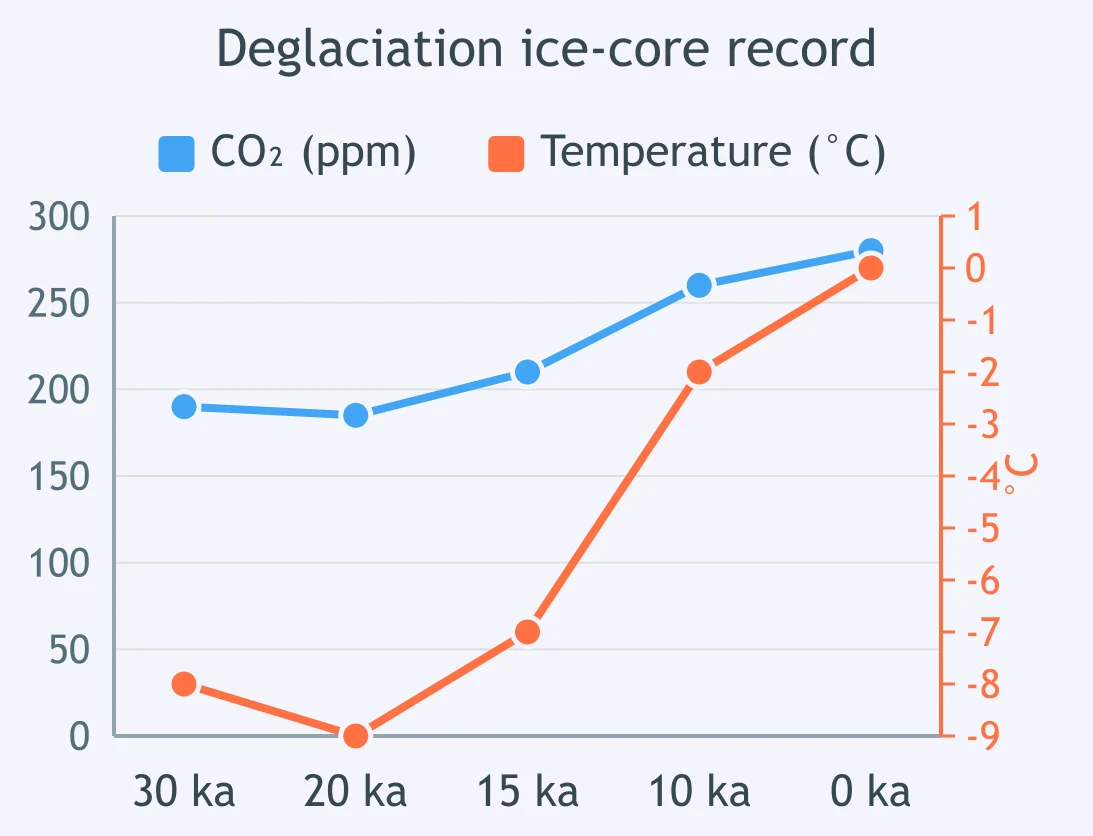
Use the deglaciation graph. From 20 ka to 10 ka, what happened to CO₂ and reconstructed temperature?
Use the paired ice-core graph. How many CO₂ peaks coincide with warm temperature peaks?
A researcher needs atmospheric methane from 20,000 years ago measured from trapped gas of that age. What proxy should be sampled?
A climate scientist wants an annual record of drought and wet years in a dry forested region. What proxy is most useful?
A team needs past tropical sea-surface temperature and salinity from a reef organism's skeleton. What proxy should be collected?
A lake study needs to identify the kinds of plants growing near the shore through time. What proxy should be counted in sediment layers?
A study needs a long ocean record of ice volume and deep-water temperature using tiny marine fossils. What proxy is best?
A researcher wants an annual, countable record of runoff into a low-oxygen lake basin. What proxy archive should be sampled?
A tree from a dry region shows several narrow rings between wider rings. What do the narrow rings show?

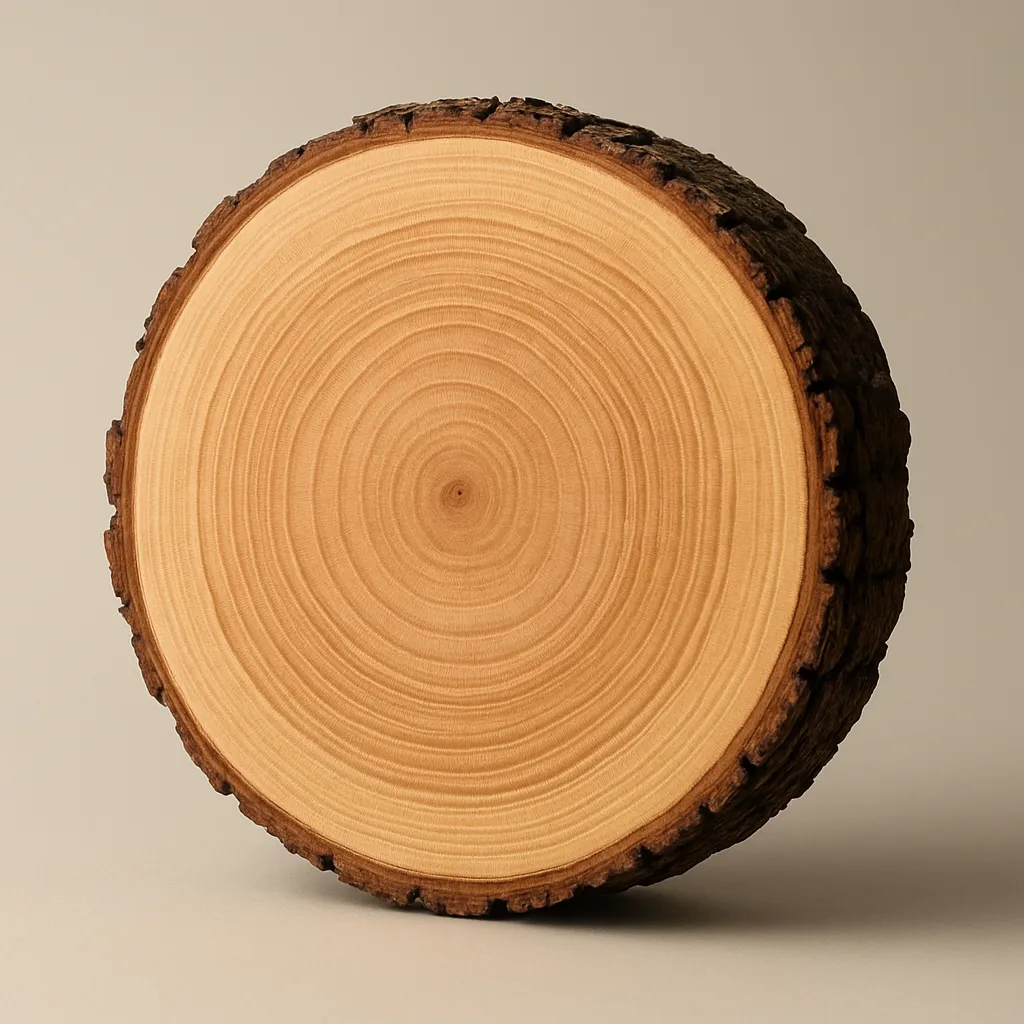
In the pictured tree section, where is the oldest growth recorded?
Two tree cores from the same valley share a narrow-wide ring pattern. One comes from a tree cut in a known year. What can cross-dating determine for the other wood?
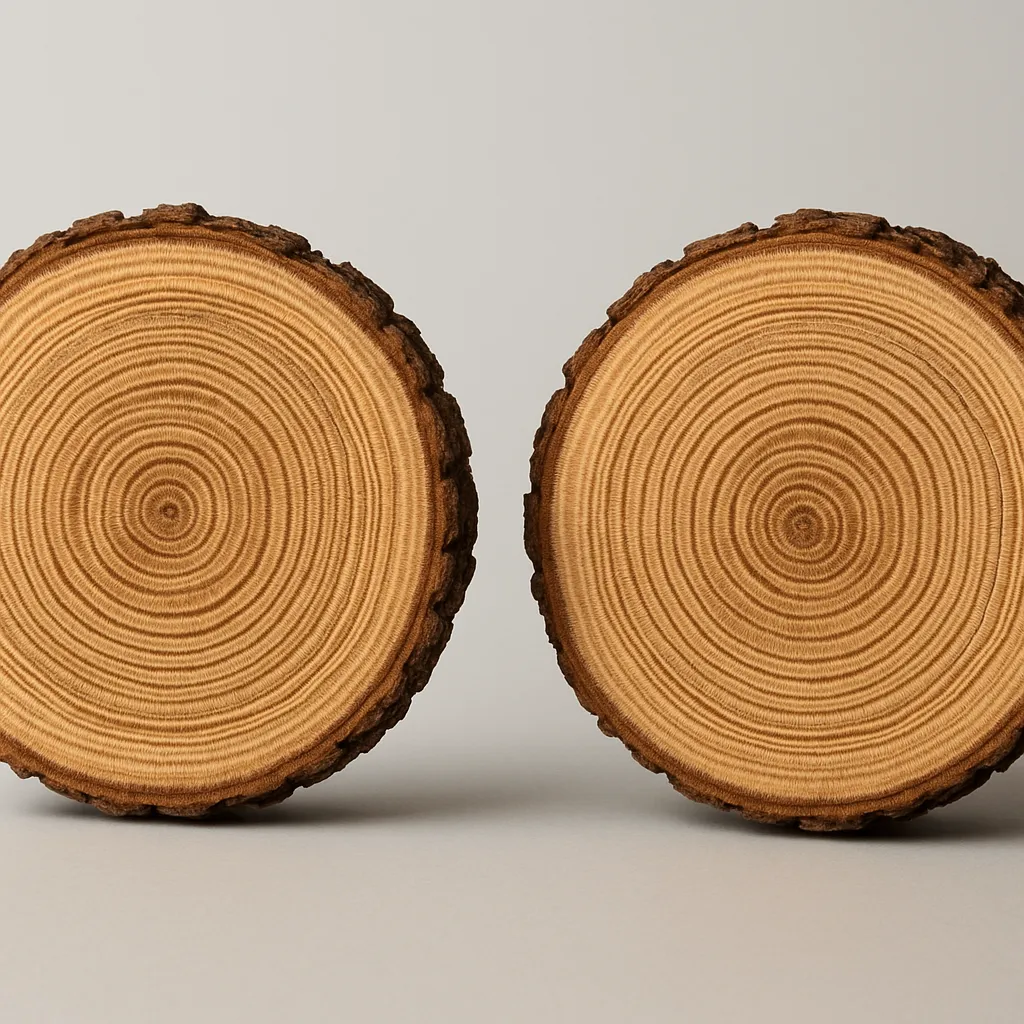
The split lake core shows repeated light-dark couplets called varves. What time span does one complete couplet usually represent?
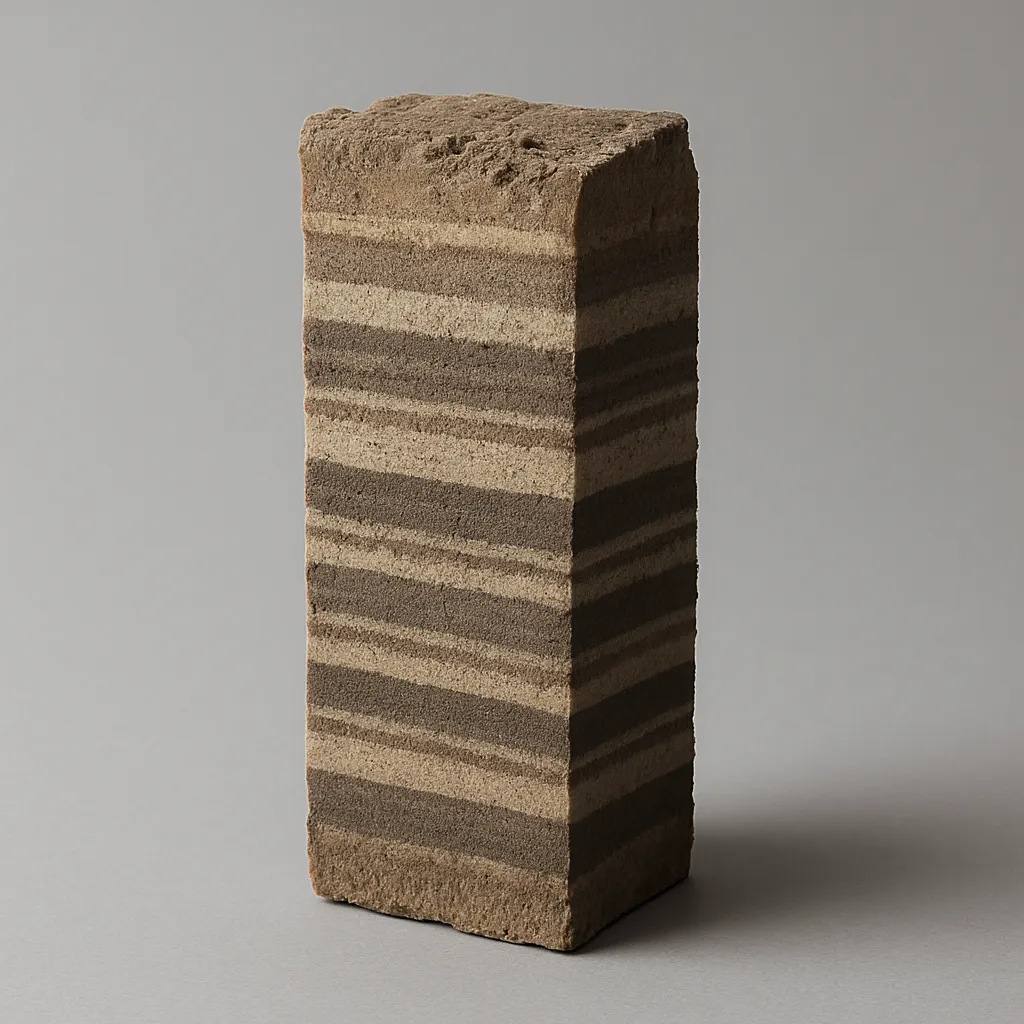
A proglacial lake core shows one unusually thick coarse light band among thinner varves. What event most likely deposited it?
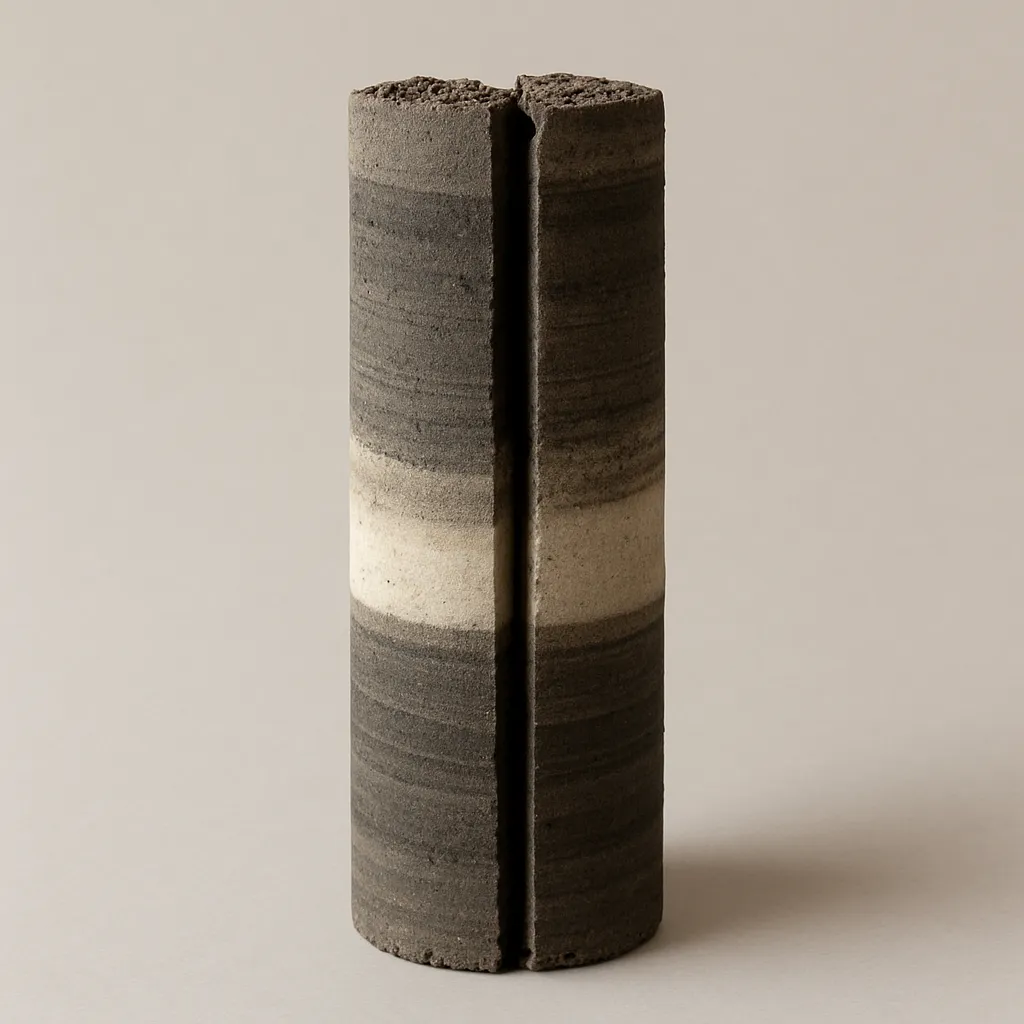
A thick coal bed contains abundant swamp-plant fossils. What past climate and environment does that rock record?
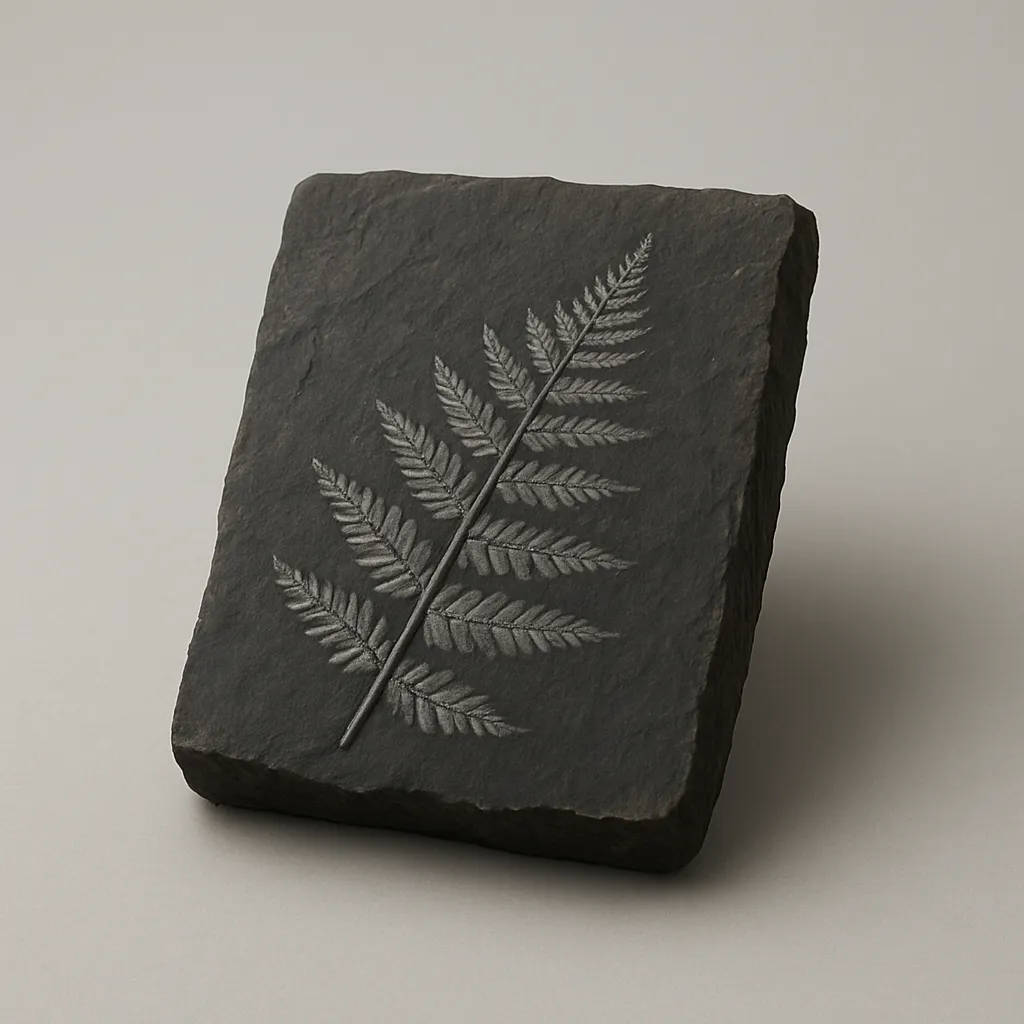
Bedrock is scratched by parallel striations and covered by unsorted till. What past climate condition does this evidence show?
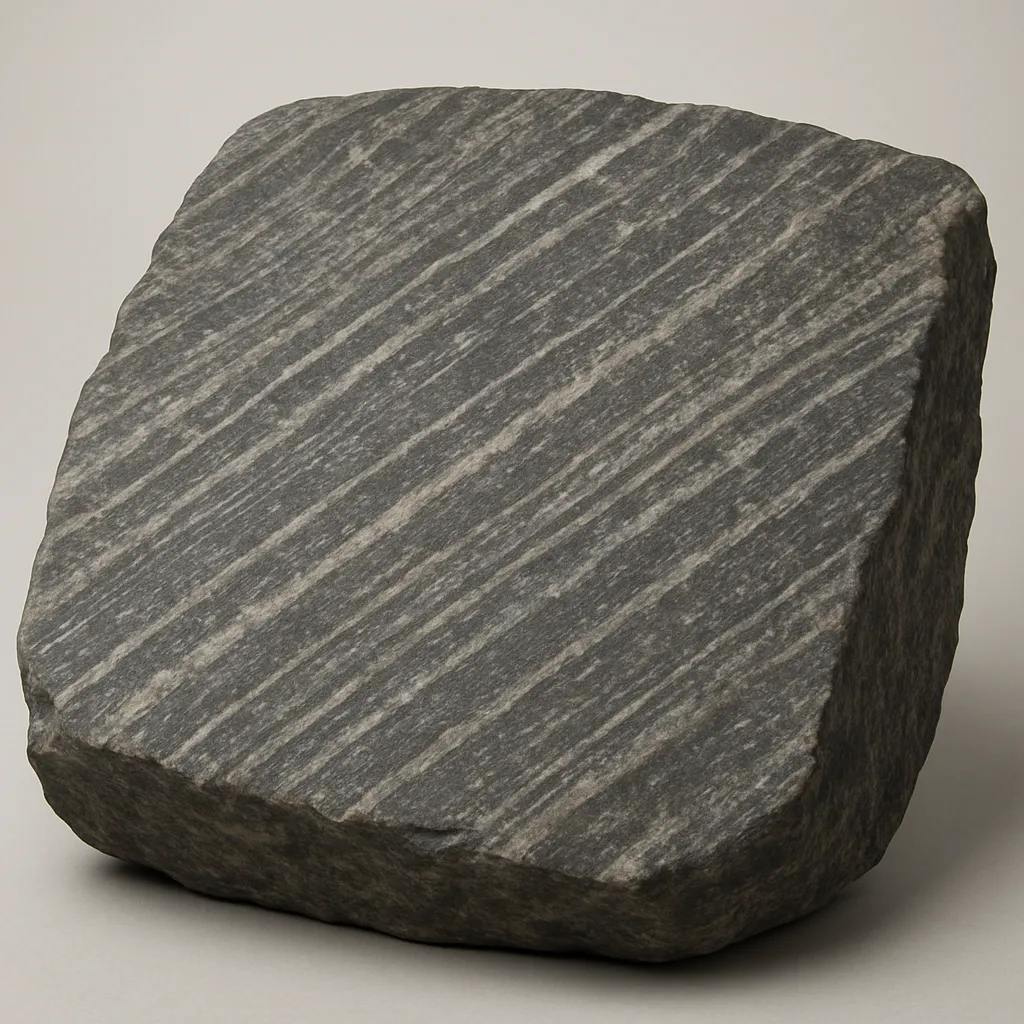
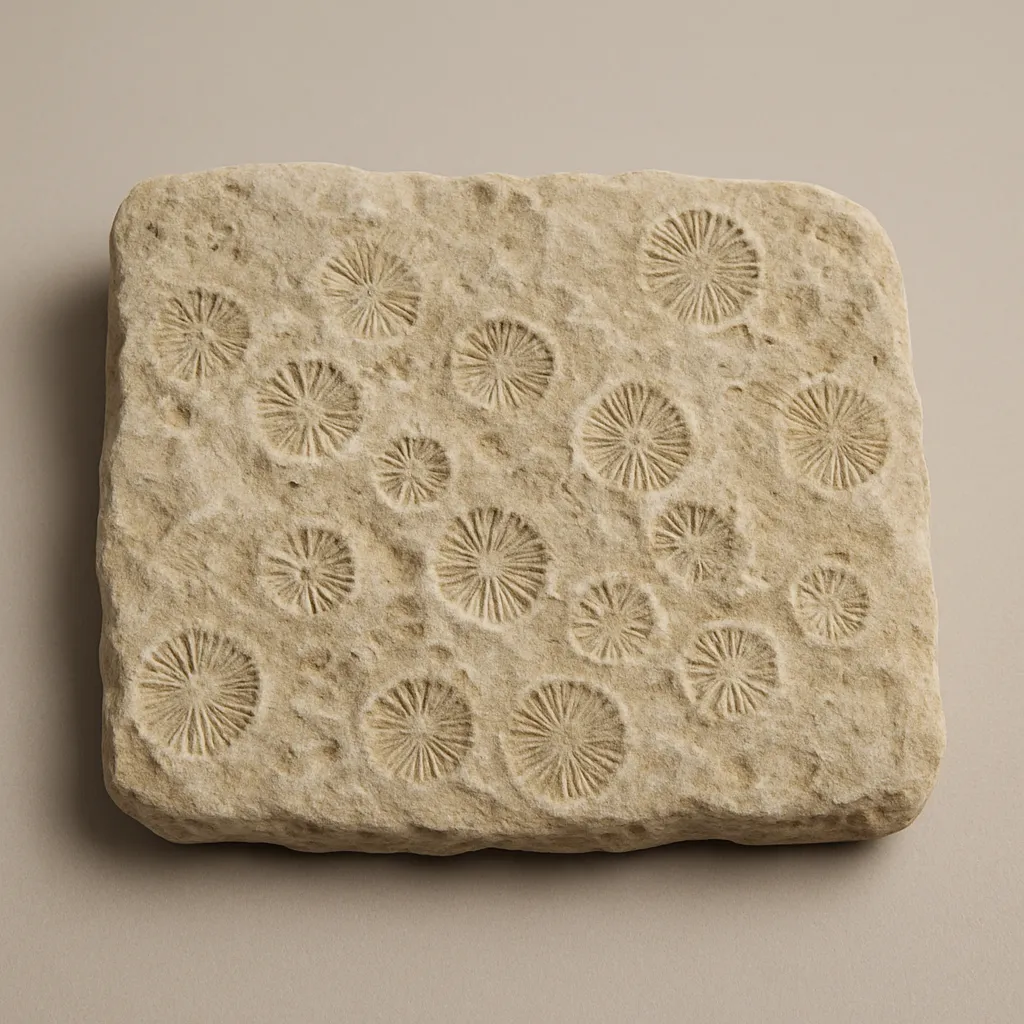
Limestone in bedrock is packed with coral reef fossils. What environment existed there when it formed?
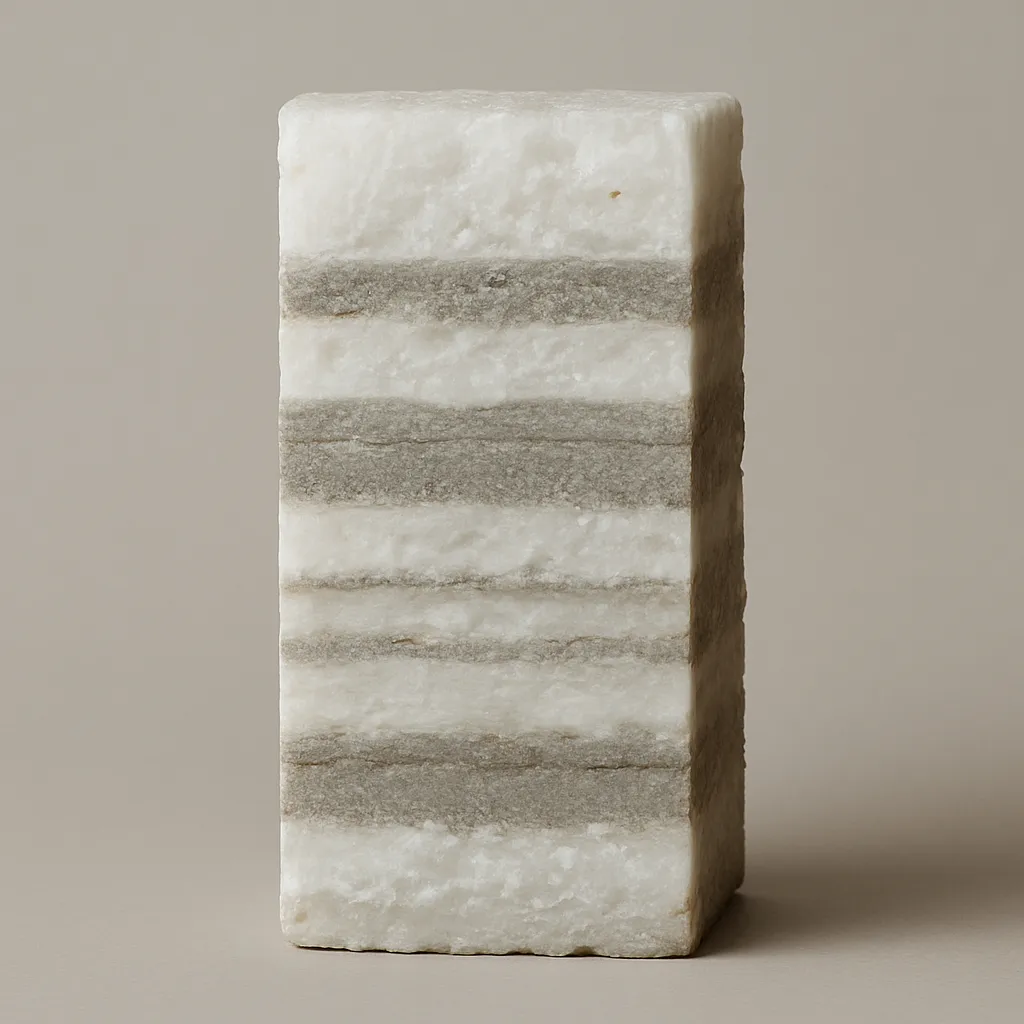
A sedimentary core contains halite and gypsum with mud cracks. What past setting is most likely recorded?
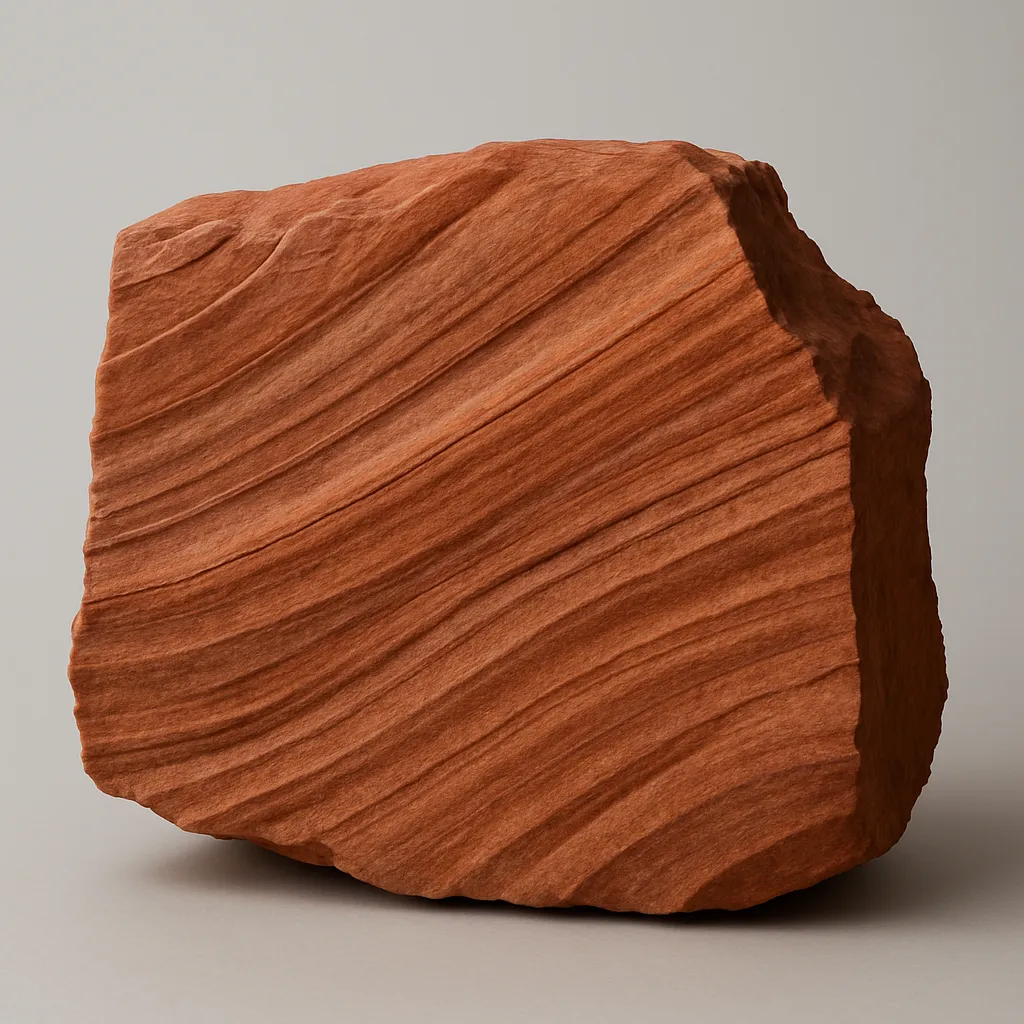
A rock unit contains sandstone with large-scale cross-bedding made of well-sorted, rounded sand grains. What past environment does it indicate?
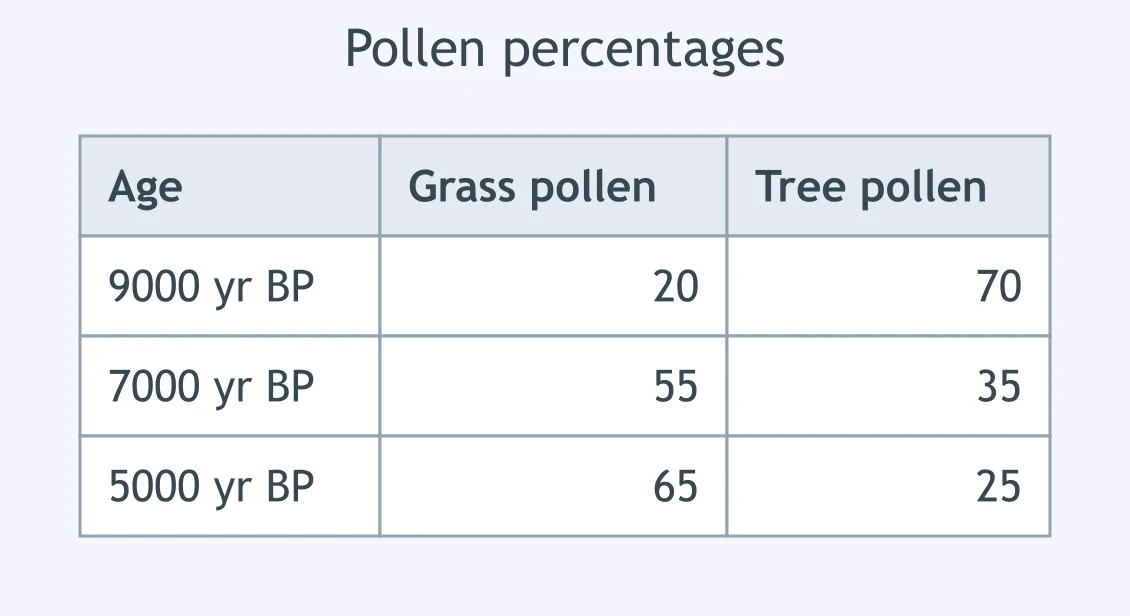
Use the lake-core pollen table. What climate change is recorded from the deepest layer to the shallowest layer?
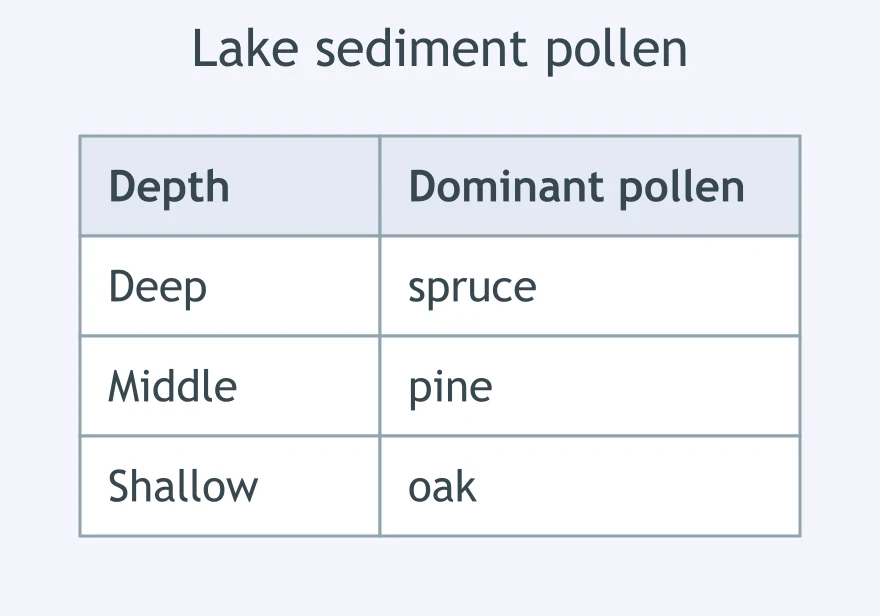
Use the pollen table. What environment is reconstructed as grass pollen rises and tree pollen falls?
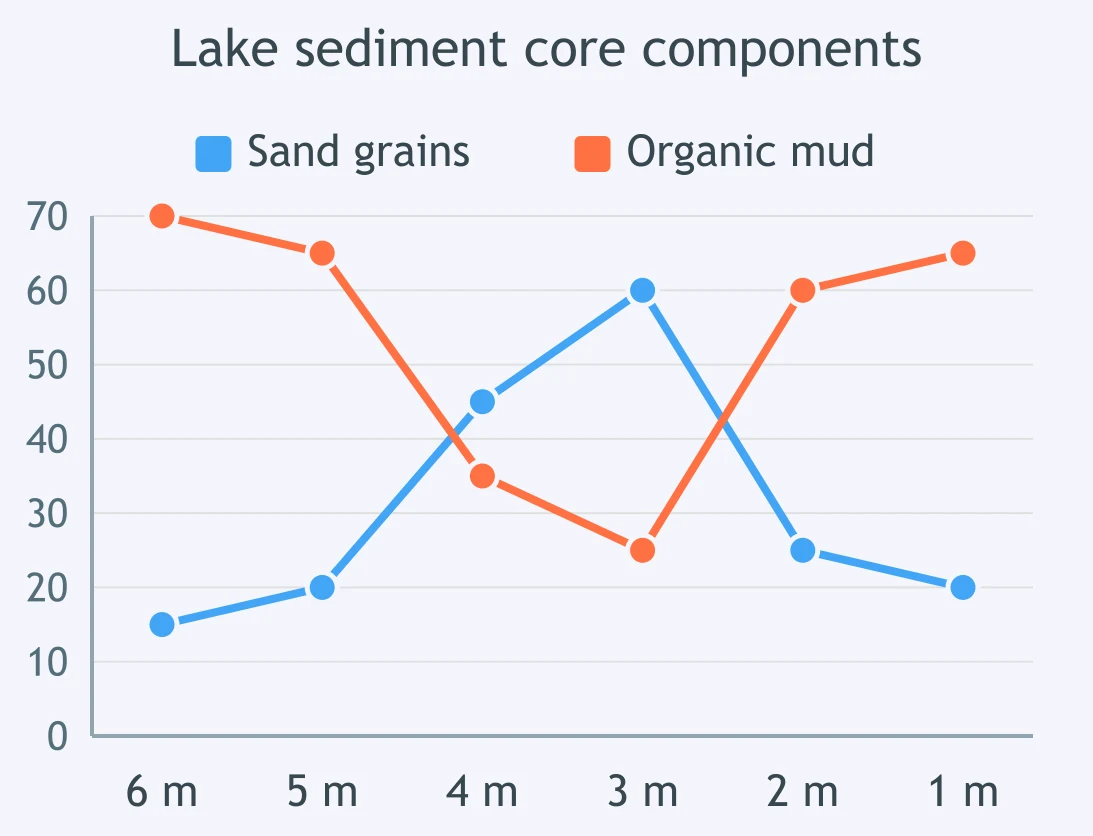
Use the lake-sediment graph. What does the interval with high sand and low organic mud most likely record?
Crack the passcode before the zombies get in.
Answer, then swat bugs for bonus points.
Race through questions at your own speed.
Same question on every screen. Fastest wins.

Pick a tile, answer, hit bonuses and steals.
40 questions