Loading
by BlastRoom
How coal, petroleum, and natural gas form and where major deposits are found.
#earth_space_science
20 questions
One question set, multiple game modes. Tap any game to see it in action. Not sure which to pick?
Answer to place stones and capture territory.
Outrun the snow together.
Earn blasts, then hunt the other team.
Answer to earn energy, then climb.

The class blasts through walls together.
Bid on mystery lots. Most money wins.
Sell tours. Nice, standard, or a total scam.

Answer, restock, and serve the rush.
More correct answers pulls the rope your way.
Answer, then shoot down the alien wave.
Answer, then tap to leap the frozen ridge.
Which basin conditions let buried organic remains become petroleum instead of decaying away?
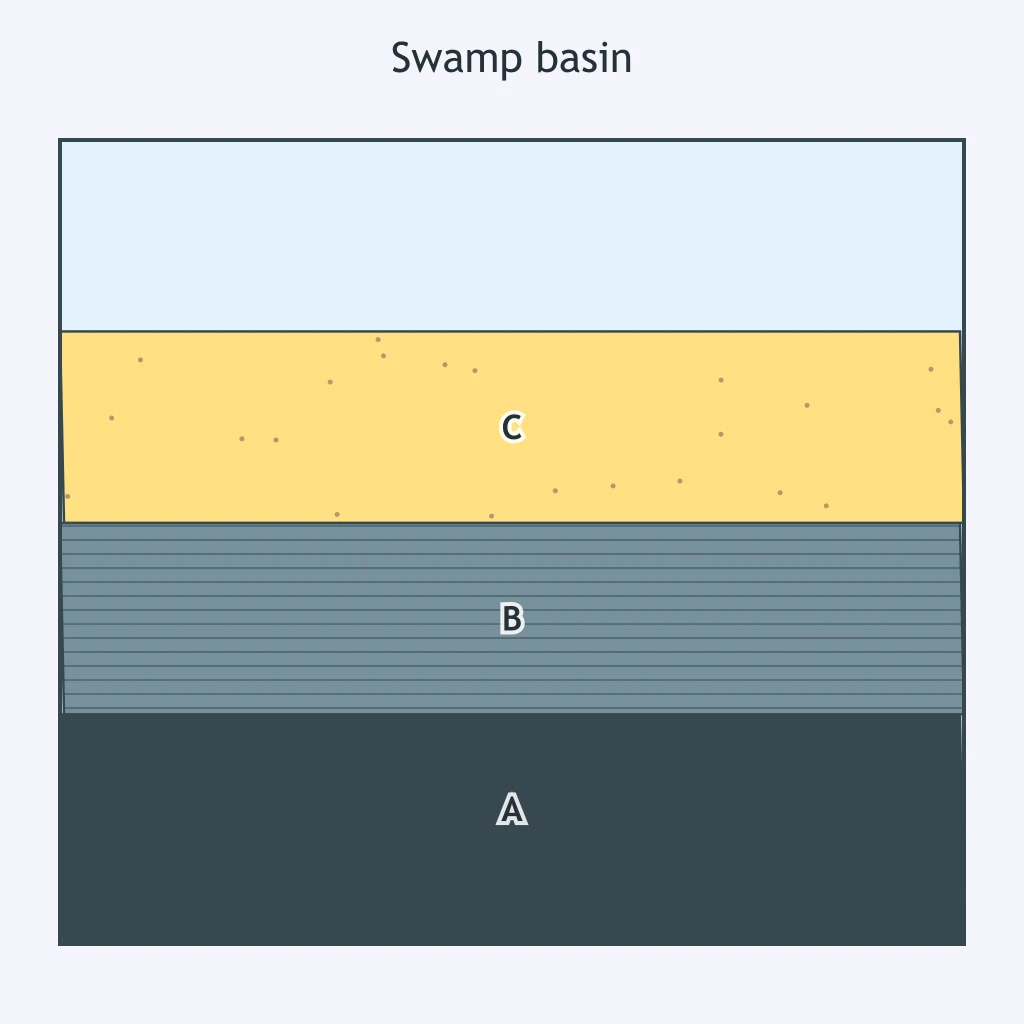
A swamp deposit stays waterlogged as plant debris piles up. Which condition allows peat, the starting material for coal, to build up?
Why are coal, petroleum, and natural gas classified as nonrenewable energy resources?
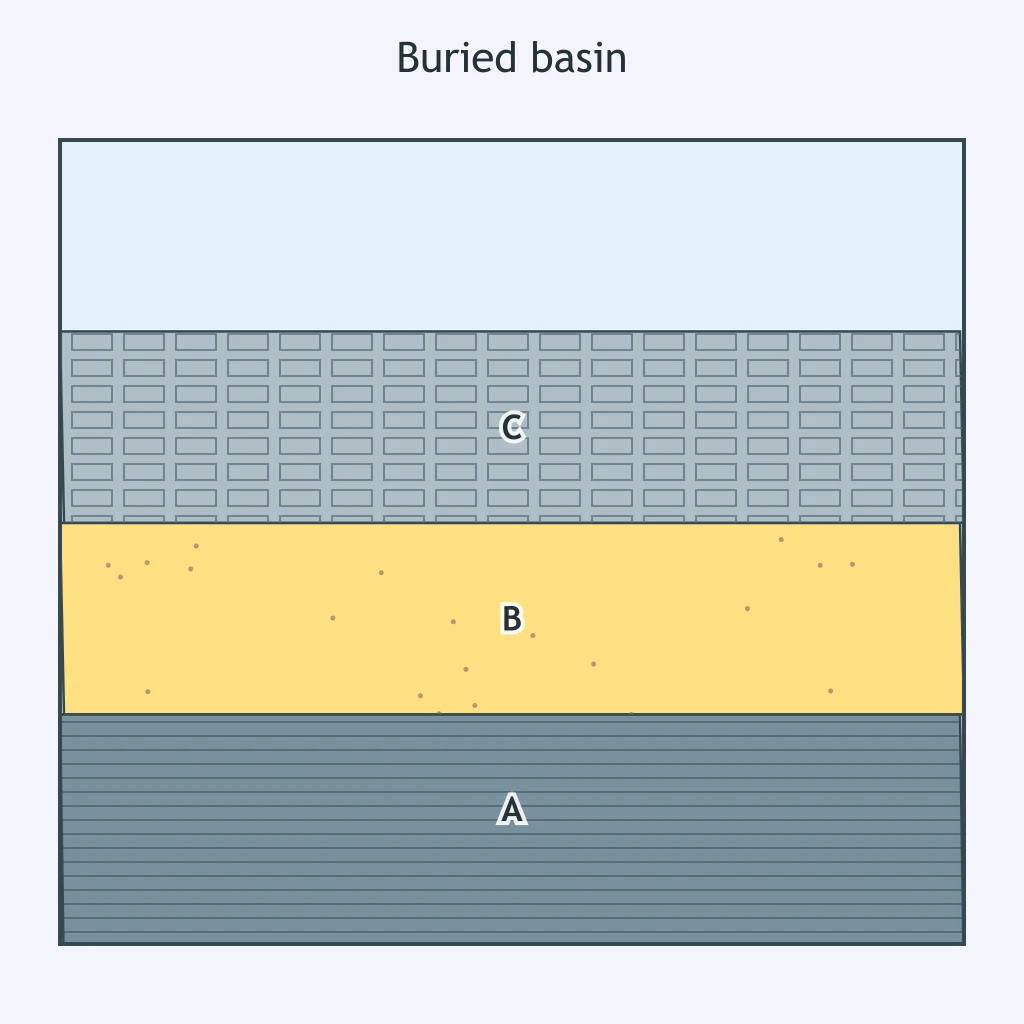
The basin cross section shows organic-rich shale buried beneath younger sediment. Which change can convert the organic matter into oil or gas?
Coal forms mainly from land plants buried in swamps. Petroleum and natural gas form mainly from which kind of organic remains?
In the trap cross section, gas, oil, and water occupy an arched reservoir under shale. What keeps the oil from migrating upward out of the arch?
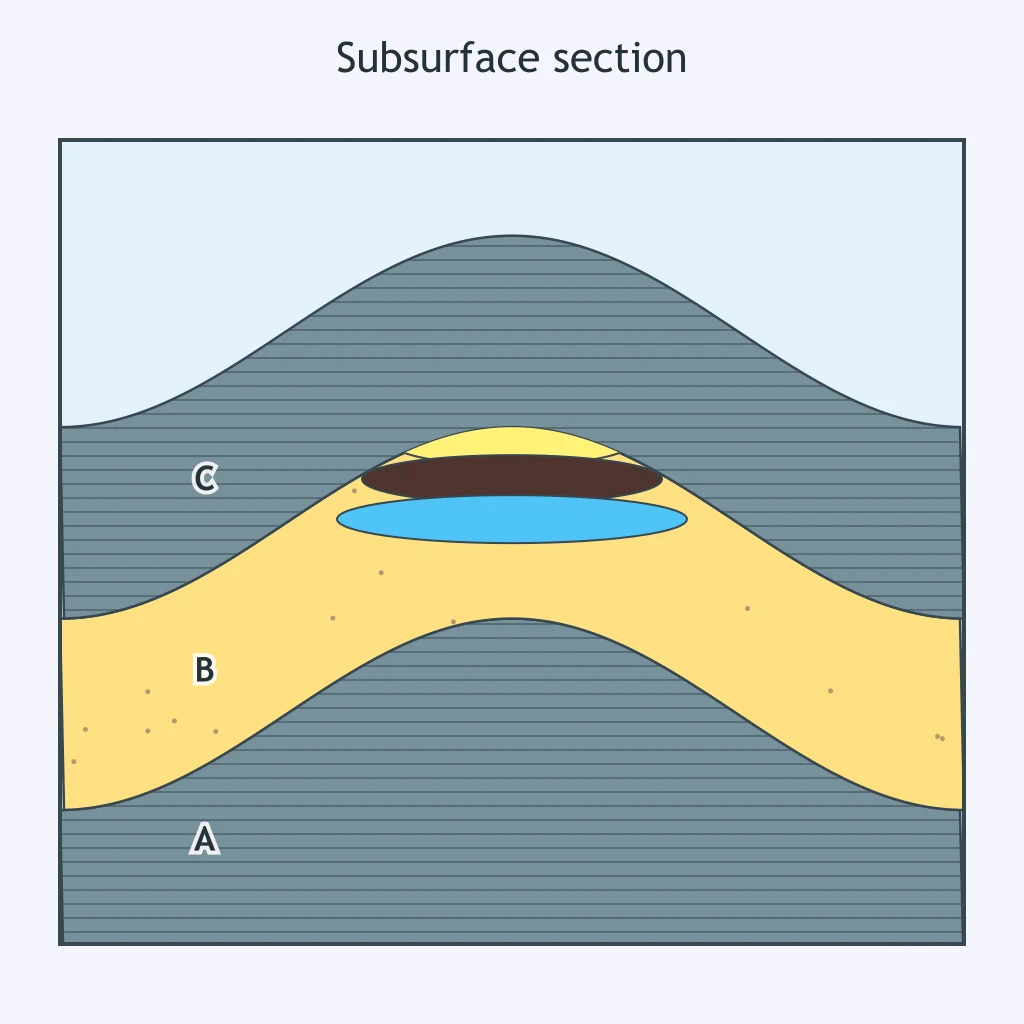
The trap cross section shows gas above oil and water below oil inside one reservoir. Why is natural gas at the top of the trap?
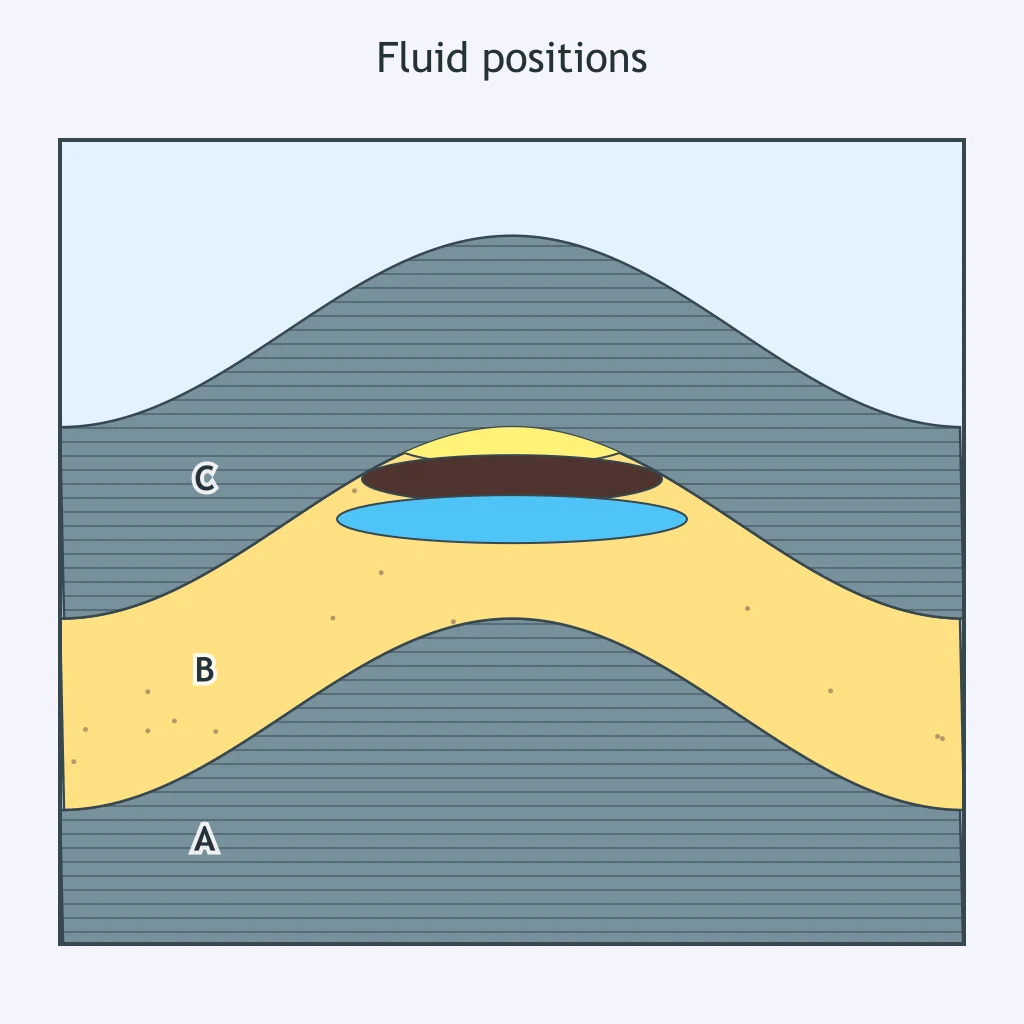
Oil has collected in a folded sandstone bed, with shale above it. What property must the sandstone have to store and transmit petroleum?
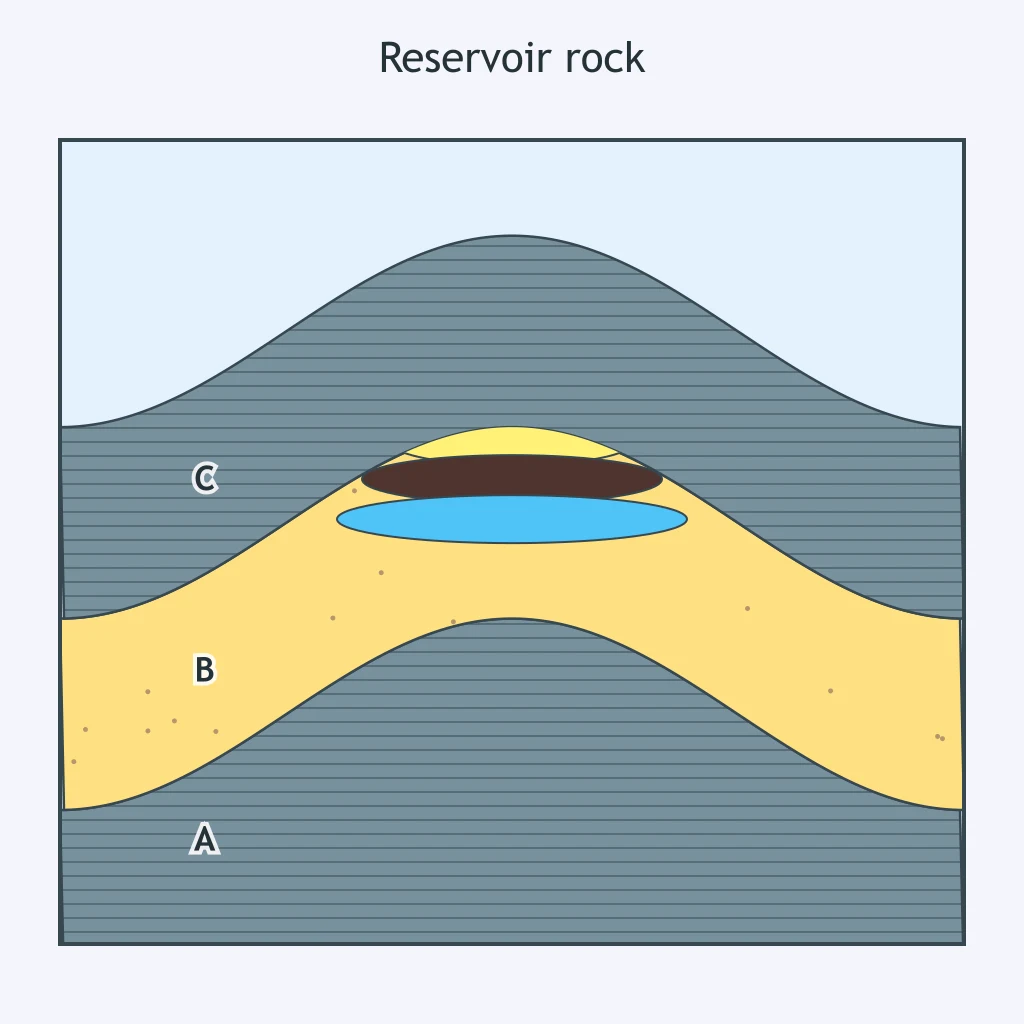
A well is drilled straight down through the crest of the arched trap shown. Which reservoir fluid is it most likely to reach first?
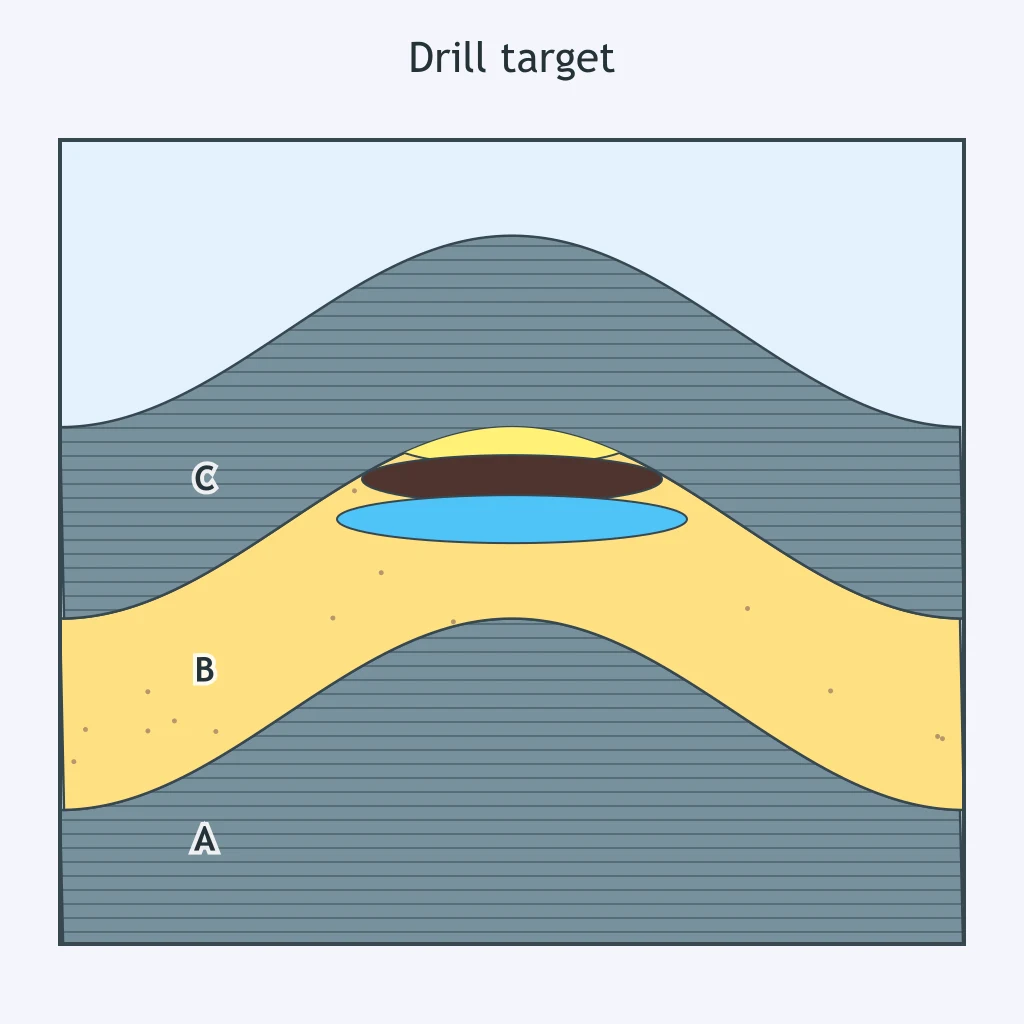
Petroleum generated in dark shale moved into an arched sandstone reservoir. What process moved the oil from source rock to reservoir rock?
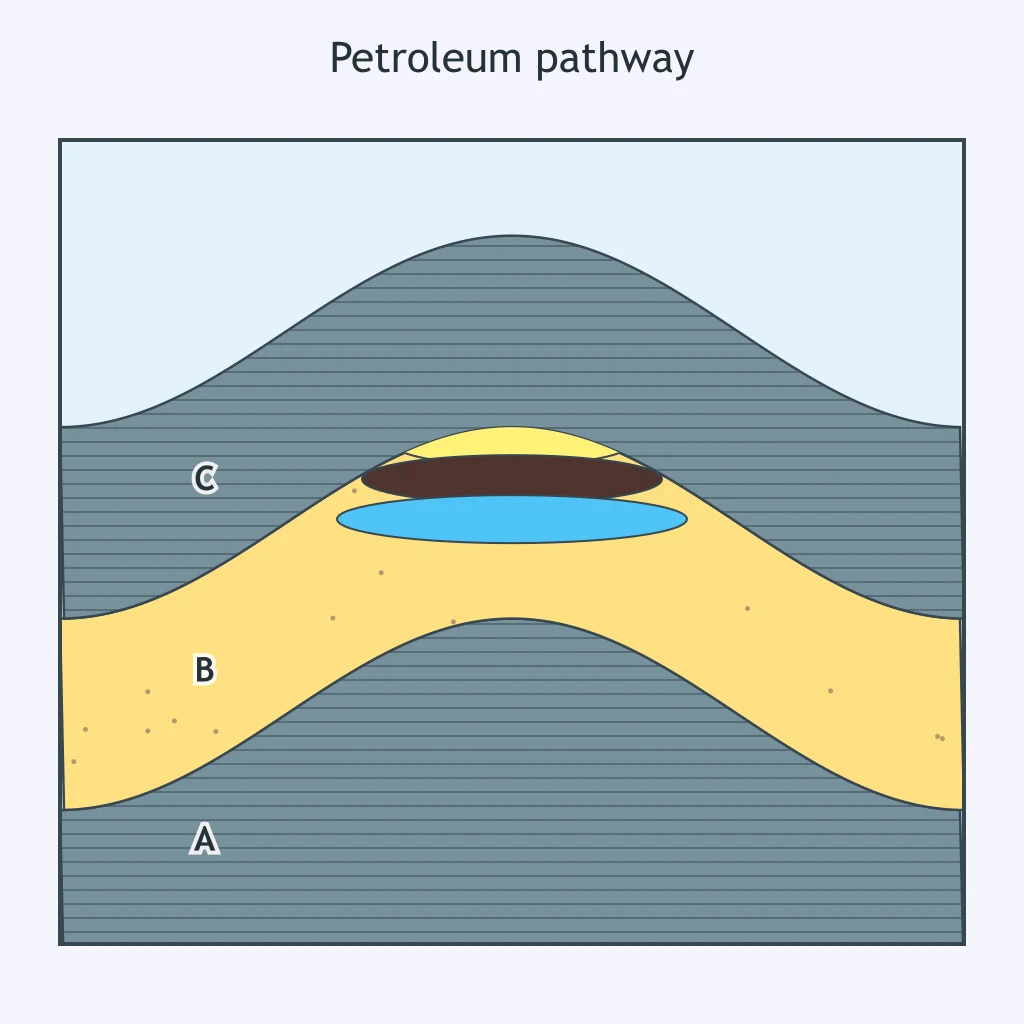
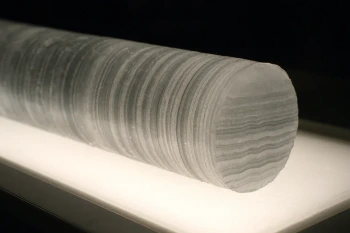
A drill core records, from shallow to deep, peat, lignite, subbituminous coal, bituminous coal, and anthracite. What generally increases downward?
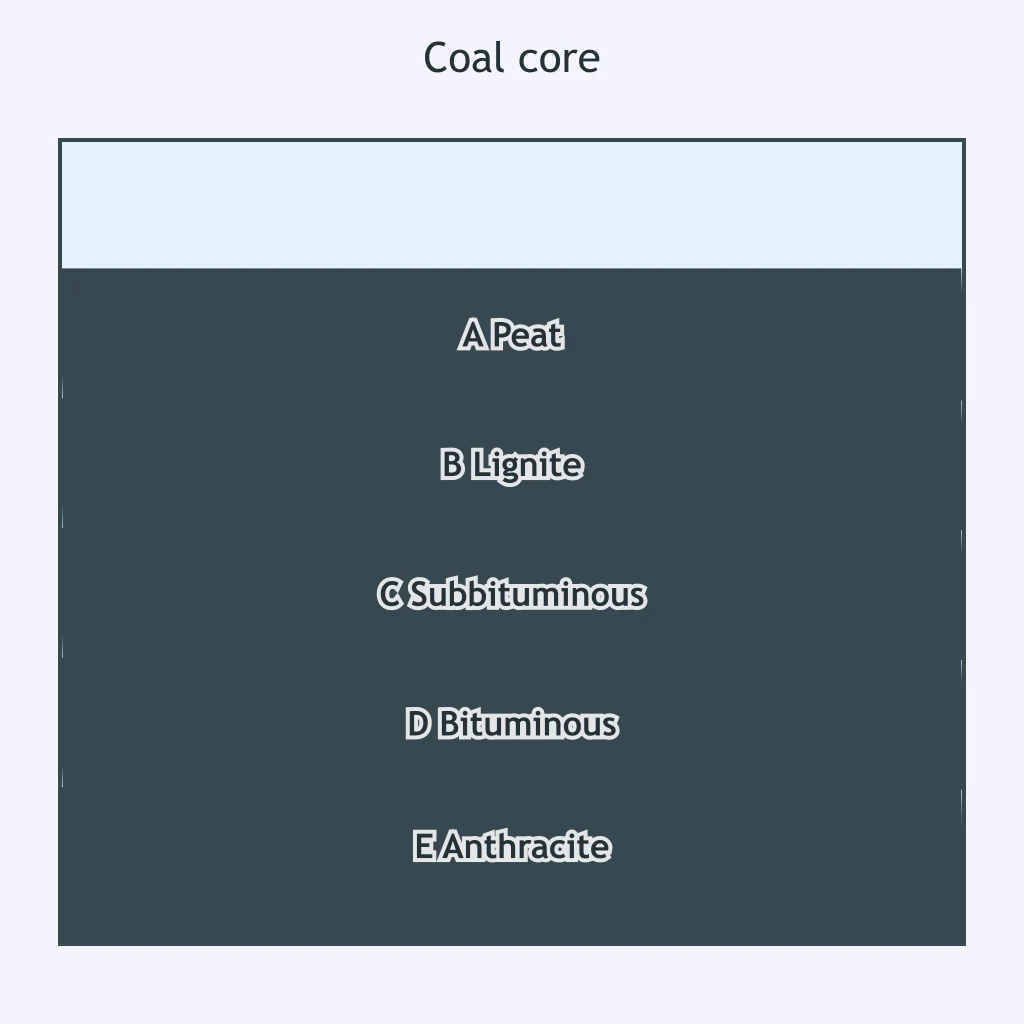
In the core diagram, the deepest coal layer is labeled E and the shallow lignite layer is labeled B. Which layer has experienced the greatest coalification?
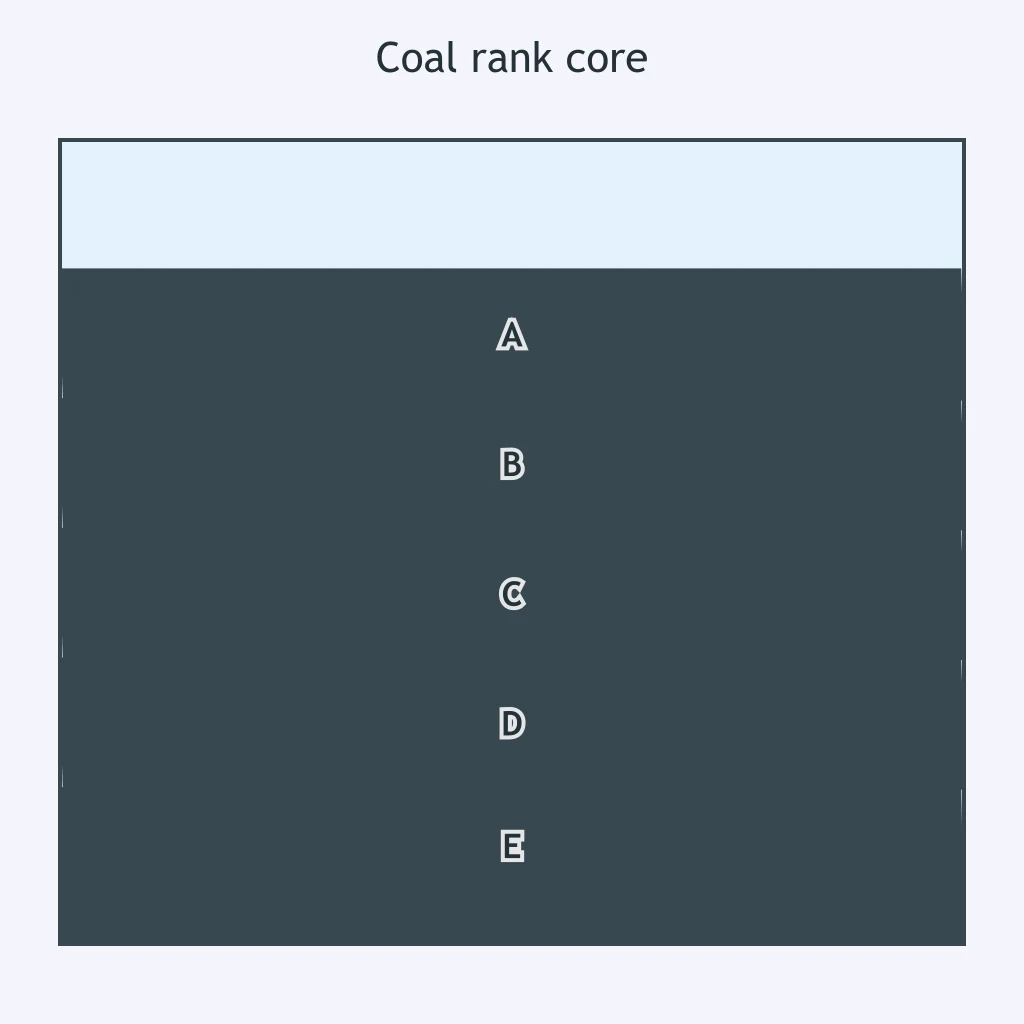
A power plant wants the lowest-rank coal from the core sequence shown. Which rank should it choose?
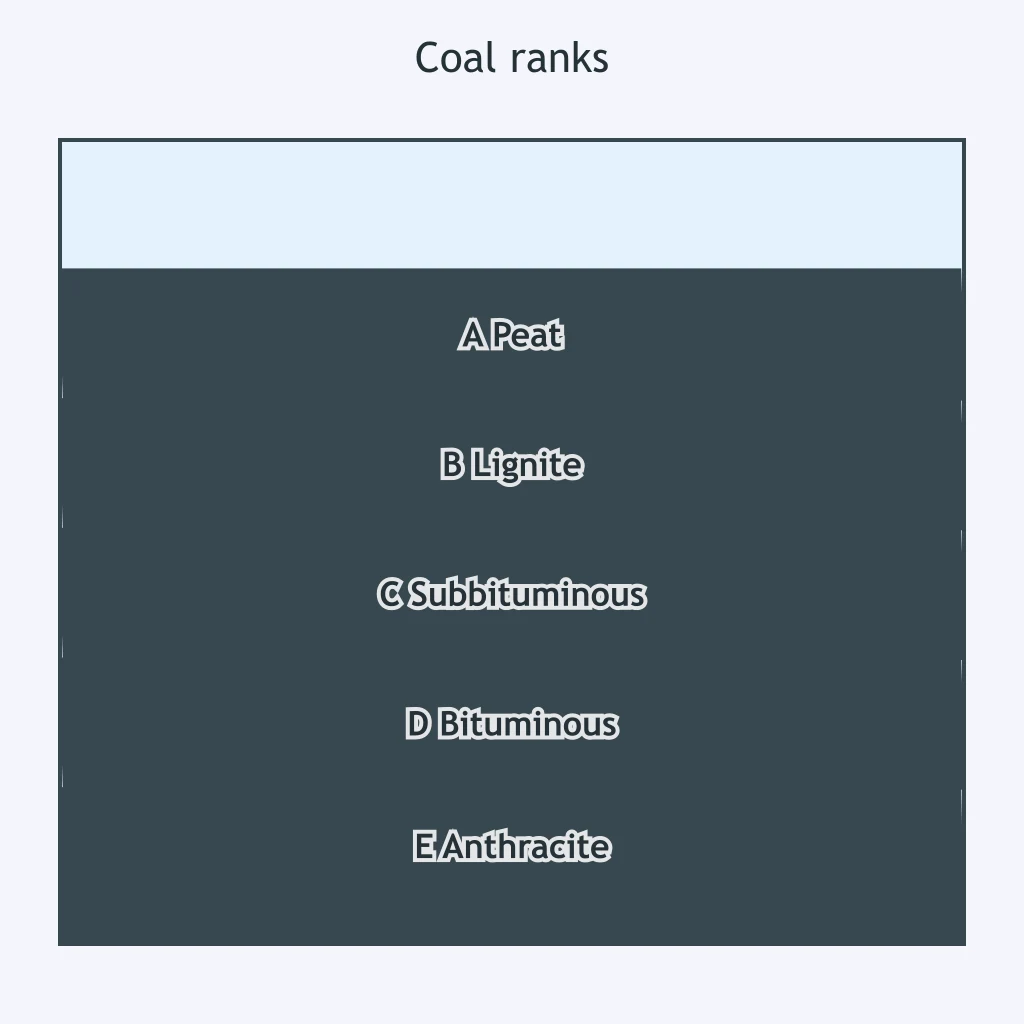
A core shows coal rank changing from lignite near the top to anthracite at depth. What caused the higher rank at depth?

The Bakken Formation, the Permian Basin, and Prudhoe Bay are all known for which fossil-fuel resource?
What do the Powder River Basin, the Appalachian Basin, and the Illinois Basin have in common as fossil-fuel regions?
The Marcellus Shale, Haynesville Shale, and Utica Shale are best known for which fossil-fuel resource?
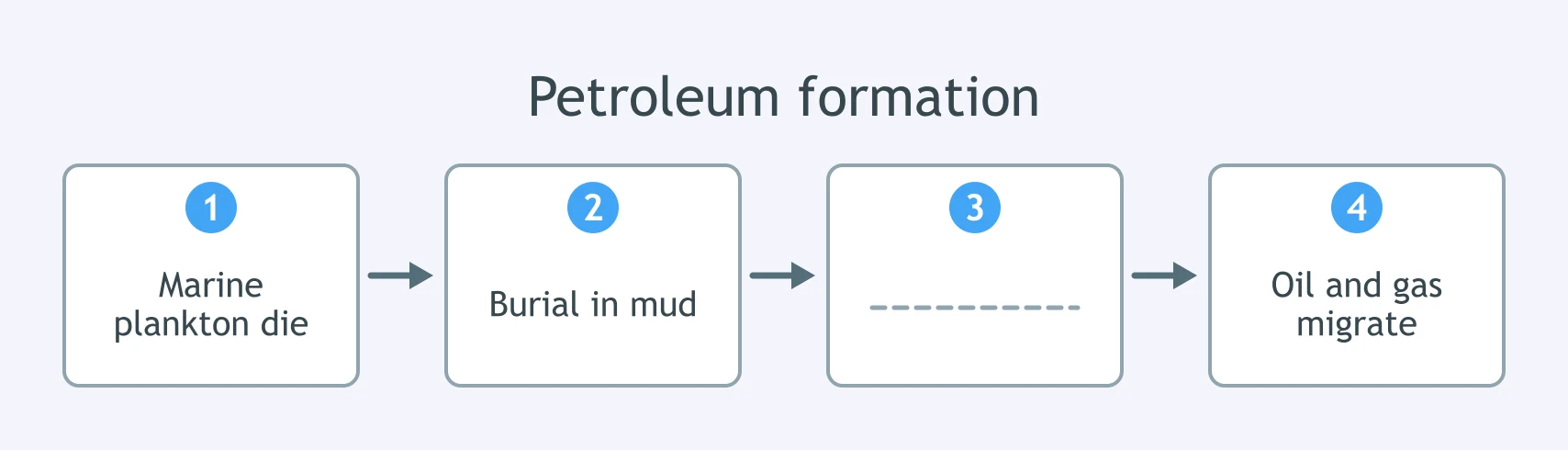
The diagram shows marine plankton die → burial in mud → ___ → oil and gas migrate. What belongs in the blank?
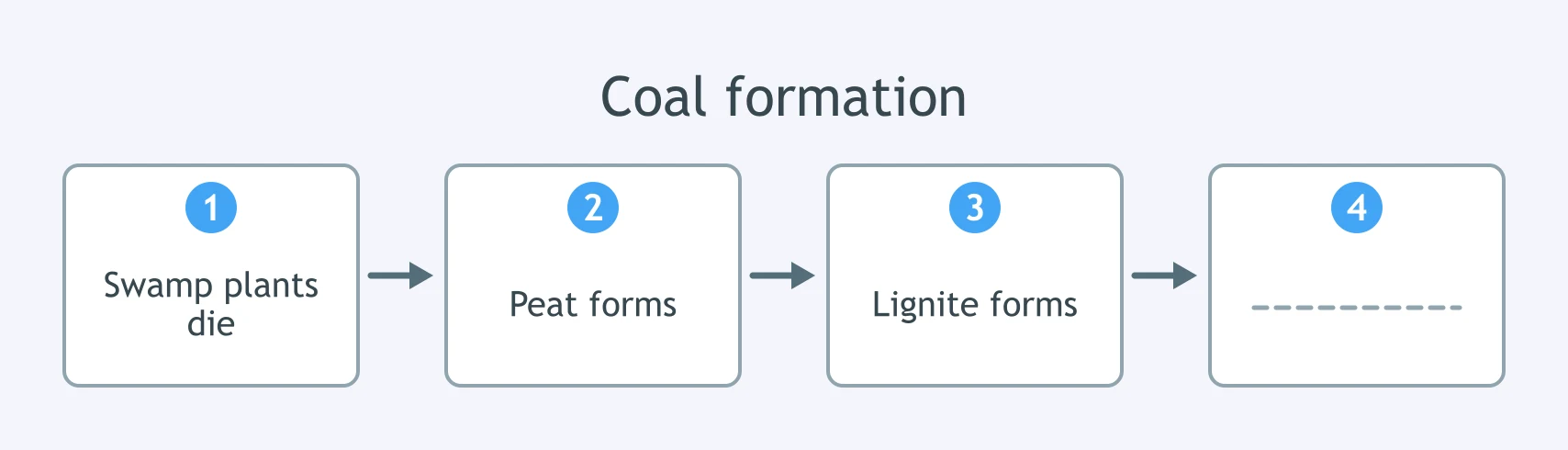
The coal diagram shows swamp plants die → peat forms → lignite forms → ___. Which step follows lignite in the rank sequence?
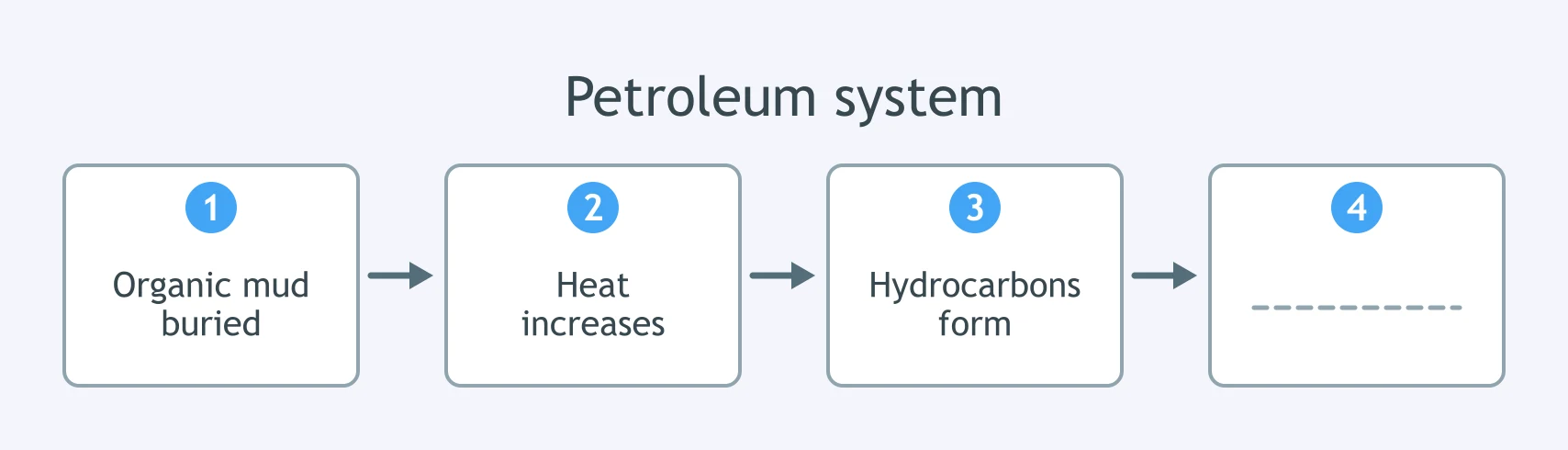
The petroleum-system diagram shows organic mud buried → heat increases → hydrocarbons form → ___. What final step makes a recoverable deposit?
Crack the passcode before the zombies get in.
Answer, then swat bugs for bonus points.
Race through questions at your own speed.
Same question on every screen. Fastest wins.

Pick a tile, answer, hit bonuses and steals.
Natural Hazards
40 questions