Loading
by BlastRoom
Apply Kepler's laws and gravity to orbital motion in the solar system.
#earth_space_science
25 questions
One question set, multiple game modes. Tap any game to see it in action. Not sure which to pick?
Answer to place stones and capture territory.
Outrun the snow together.
Earn blasts, then hunt the other team.
Answer to earn energy, then climb.

The class blasts through walls together.
Bid on mystery lots. Most money wins.
Sell tours. Nice, standard, or a total scam.

Answer, restock, and serve the rush.
More correct answers pulls the rope your way.
Answer, then shoot down the alien wave.
Answer, then tap to leap the frozen ridge.
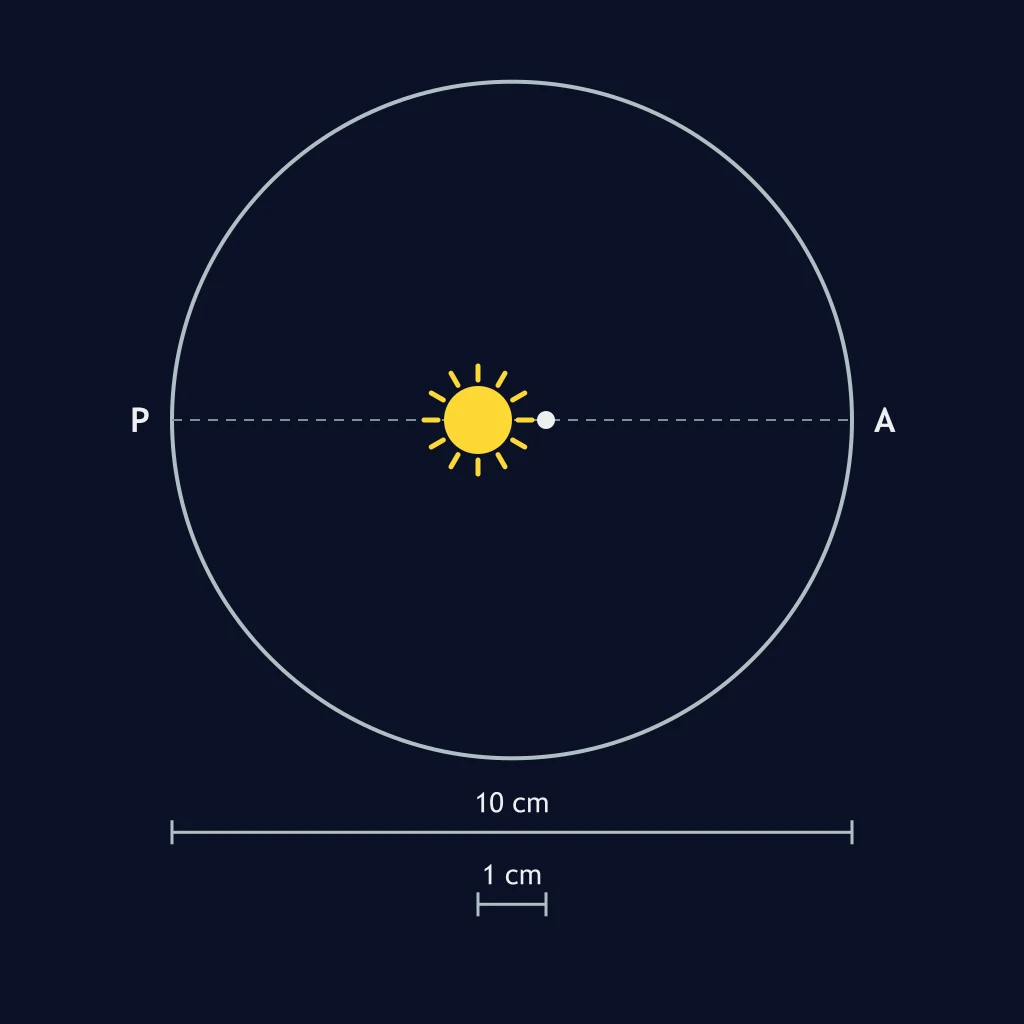
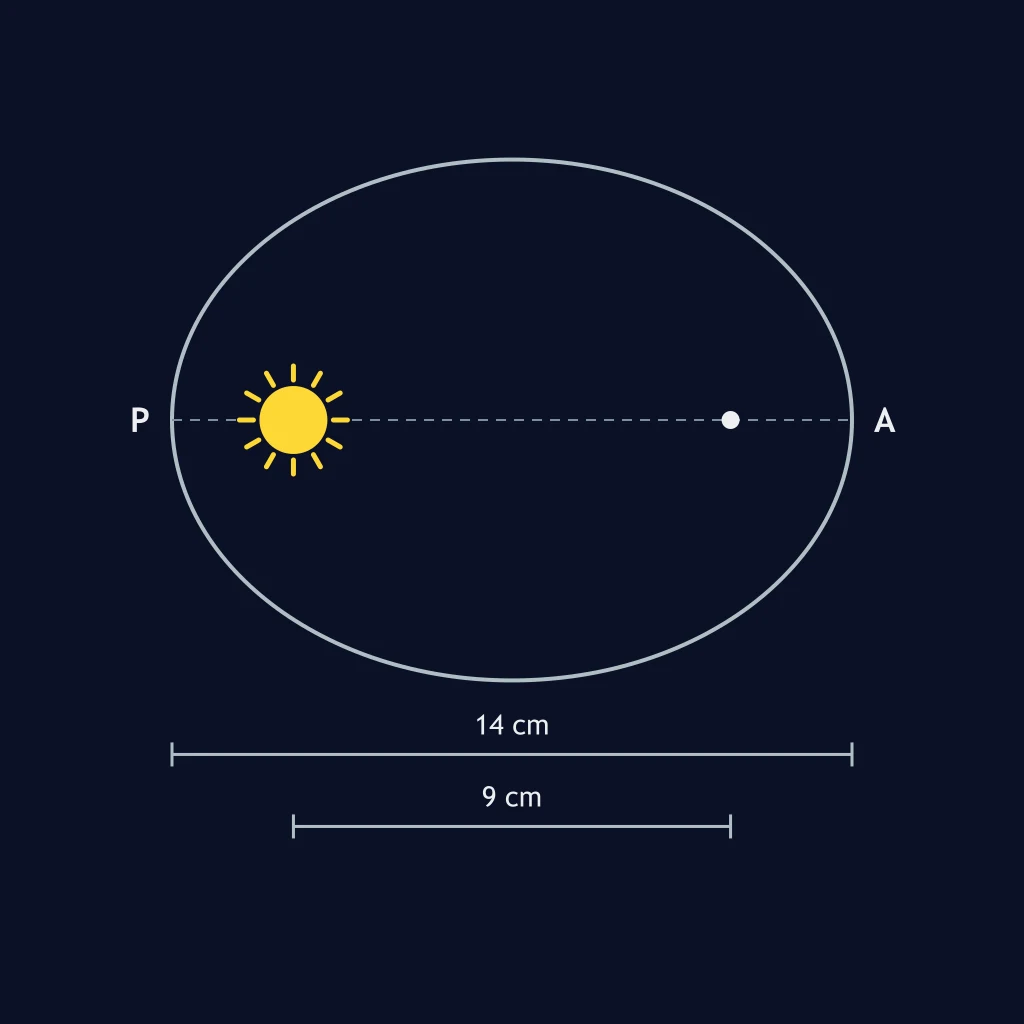
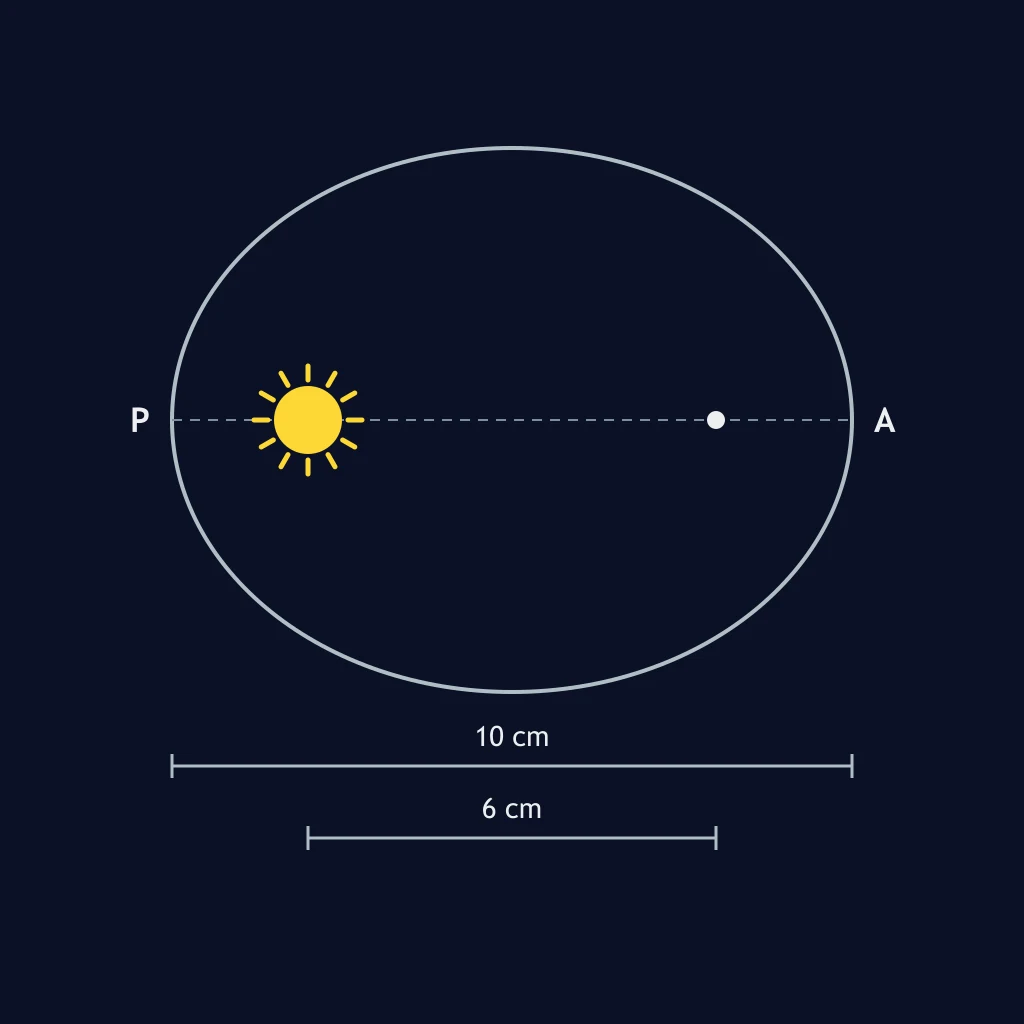
Use the orbit diagram. What eccentricity is found from the focus separation and major-axis length?
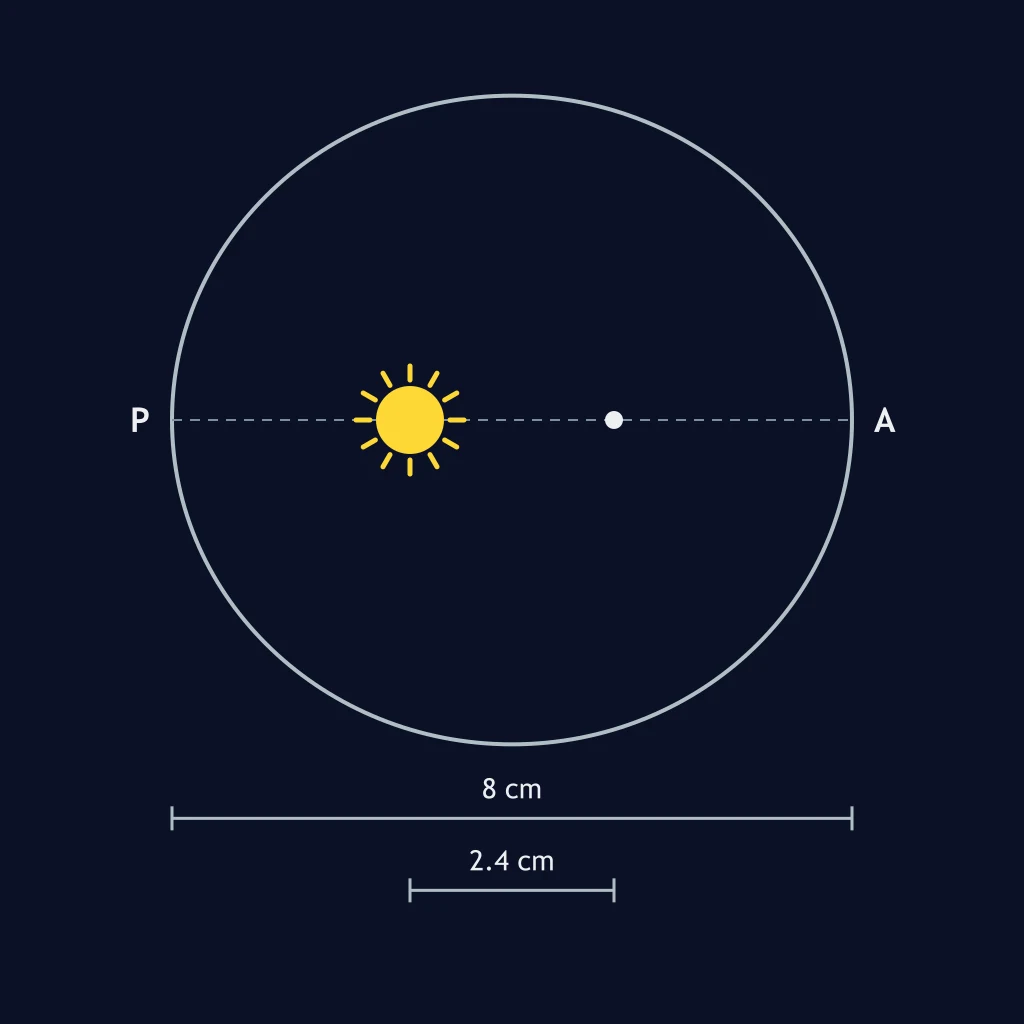
The diagram gives the major axis and the distance between foci. What is this orbit's eccentricity?
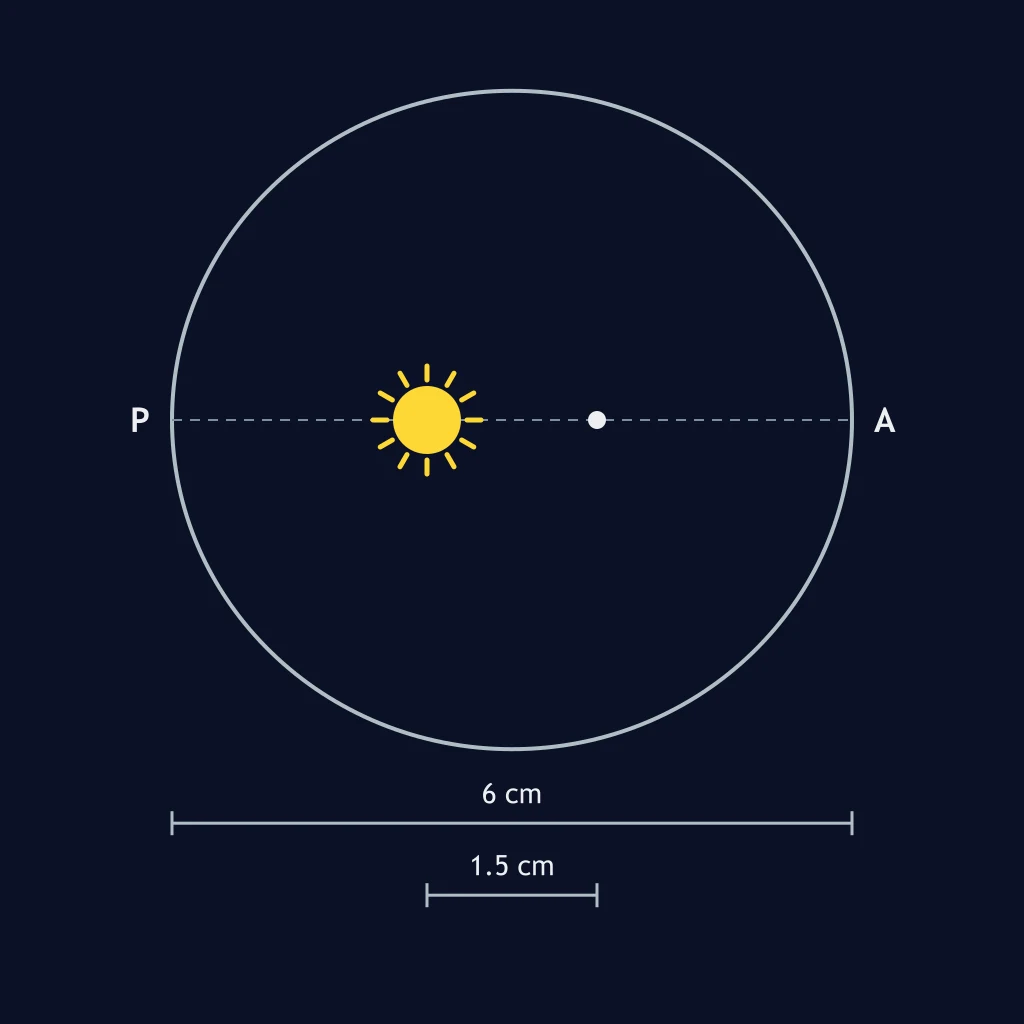
Read the ellipse dimensions in the diagram. What eccentricity should be reported?
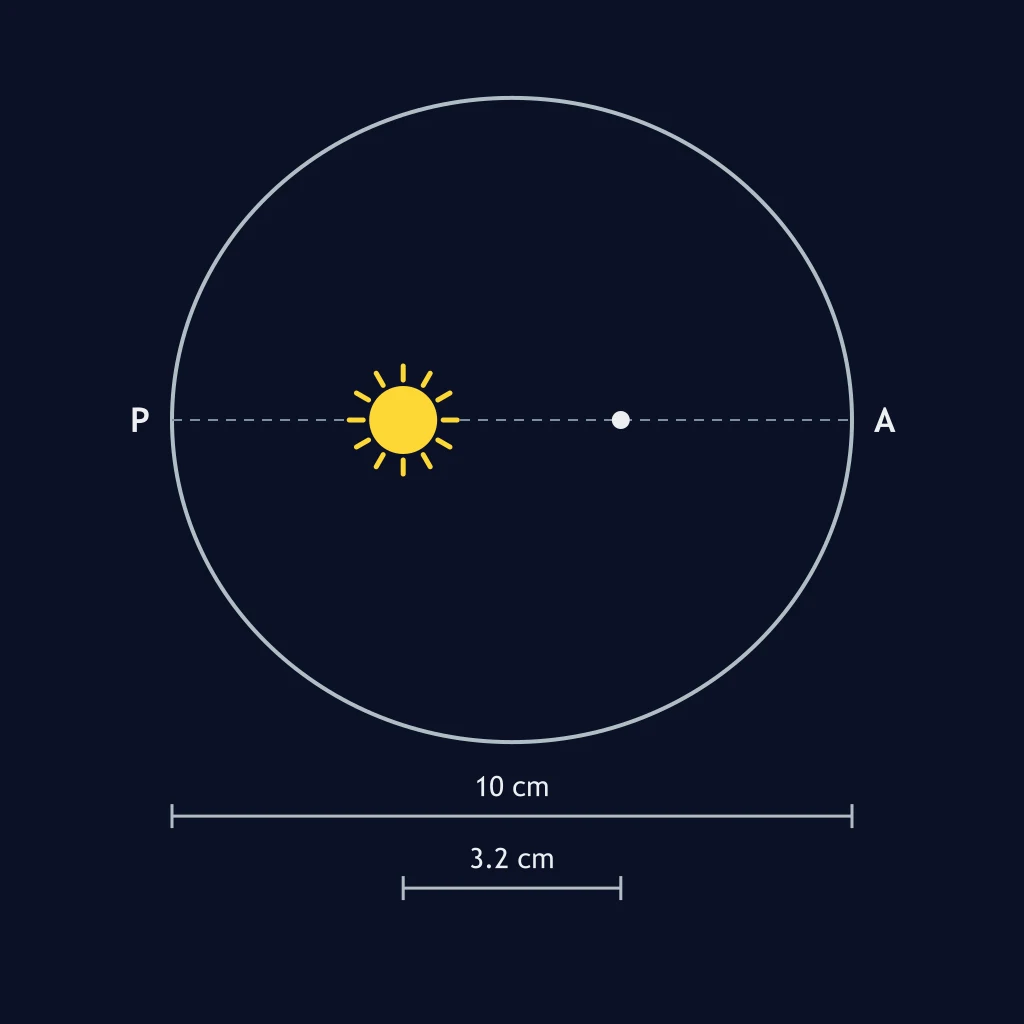
Using the focus separation and major-axis length shown, what is the eccentricity of the orbit?
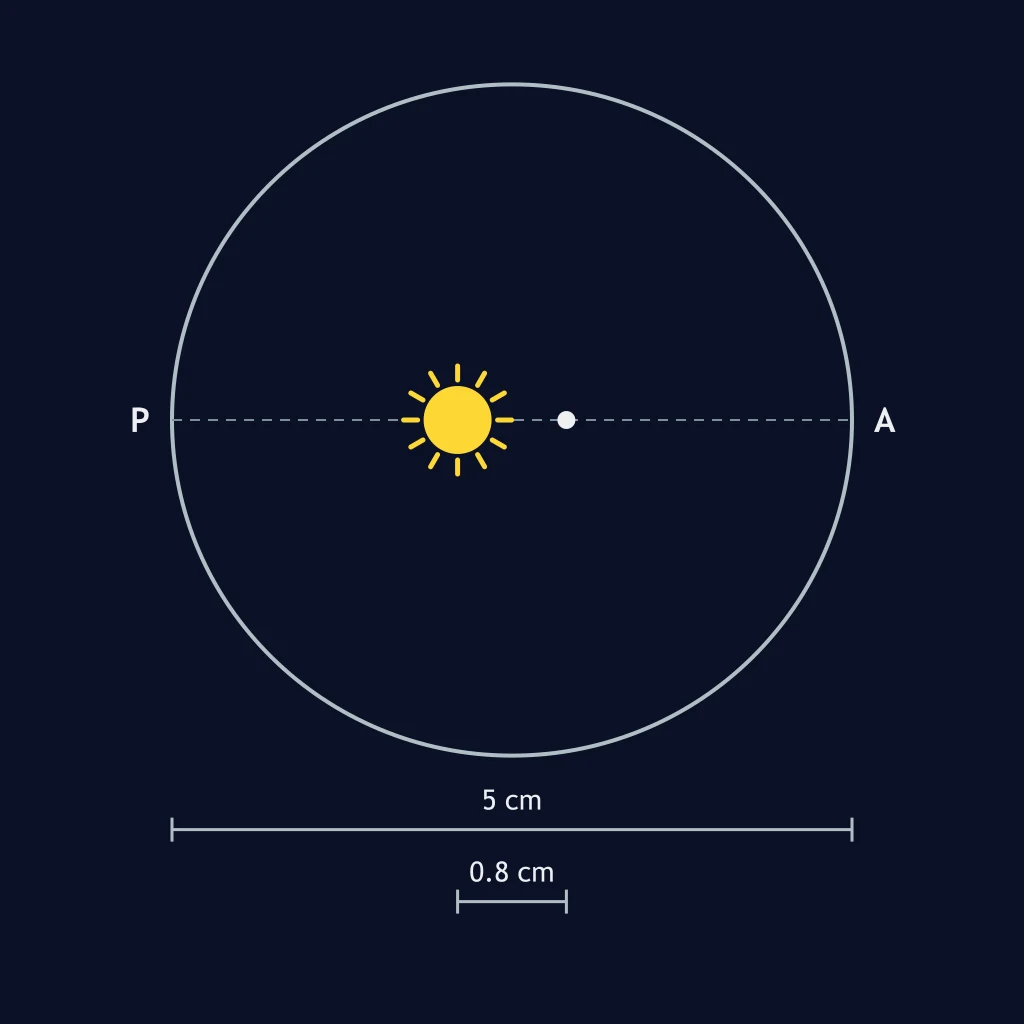
A student calculates eccentricity from the diagram's two printed lengths. What value is correct?
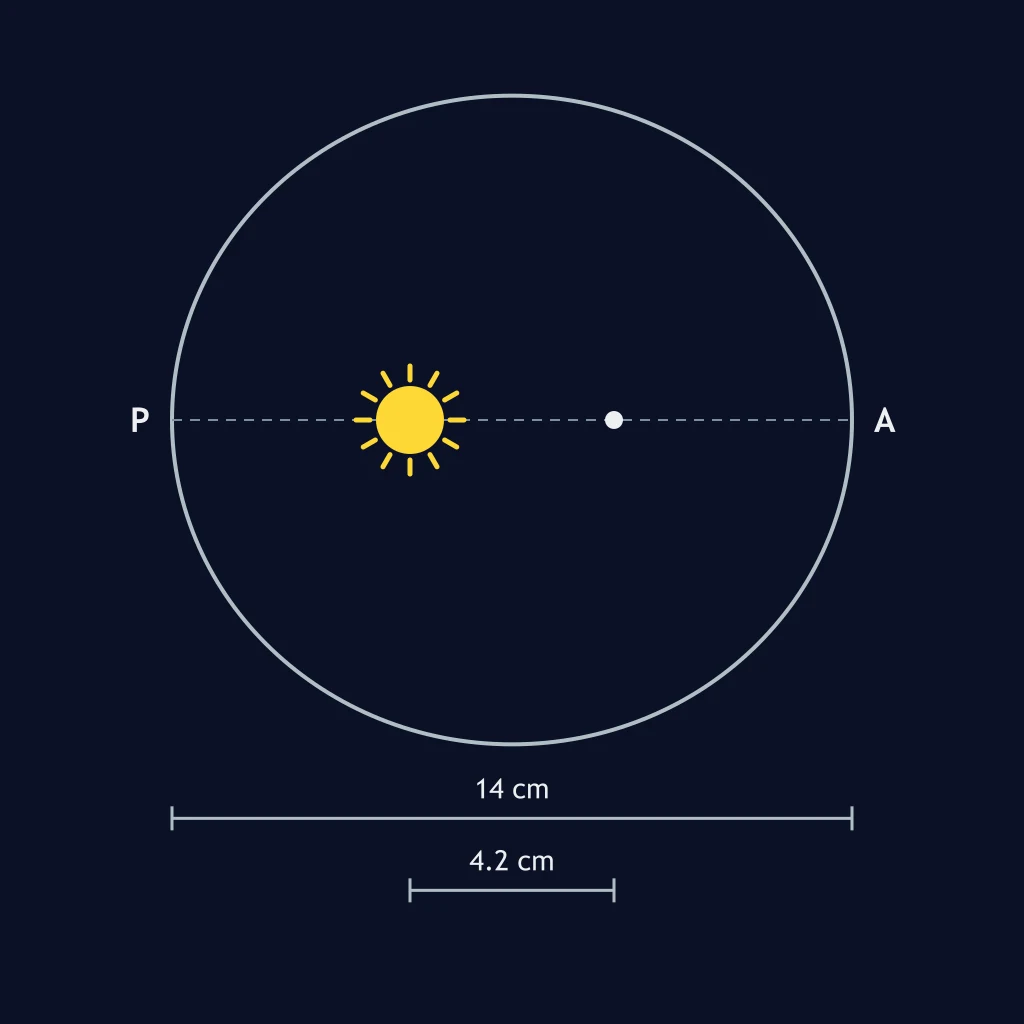
Use the orbit diagram. Which eccentricity matches the ellipse shown?
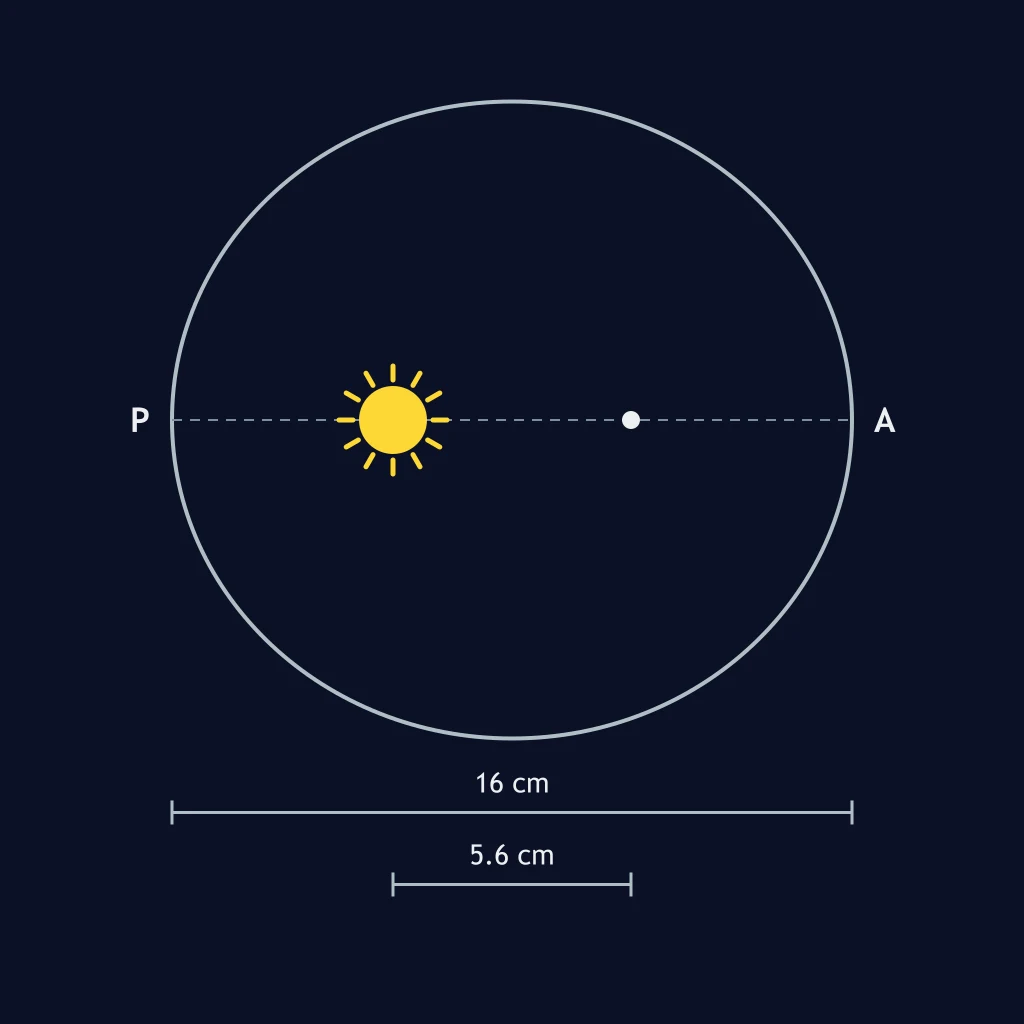
The Sun is shown at one focus of the ellipse. What statement matches Kepler's first law?
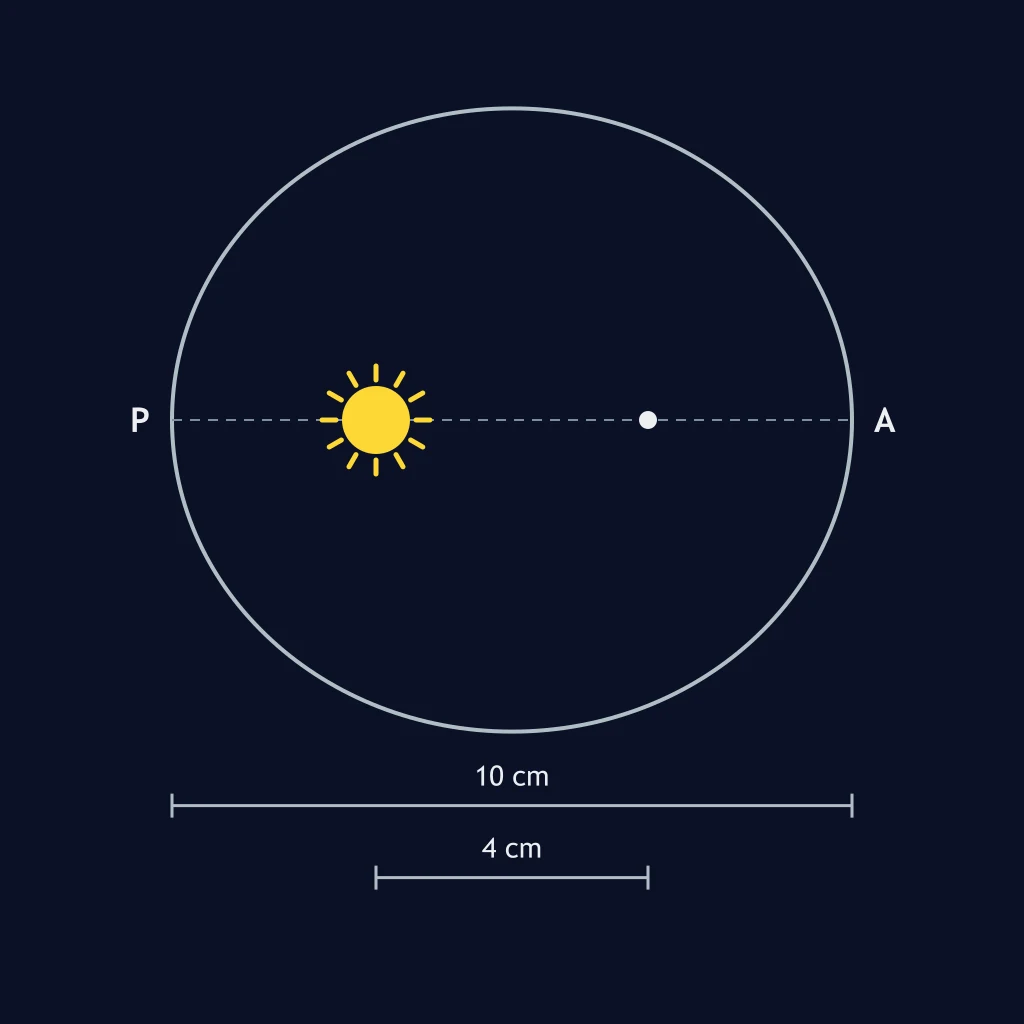
On the orbit diagram, what is the name of the marked point closest to the Sun?
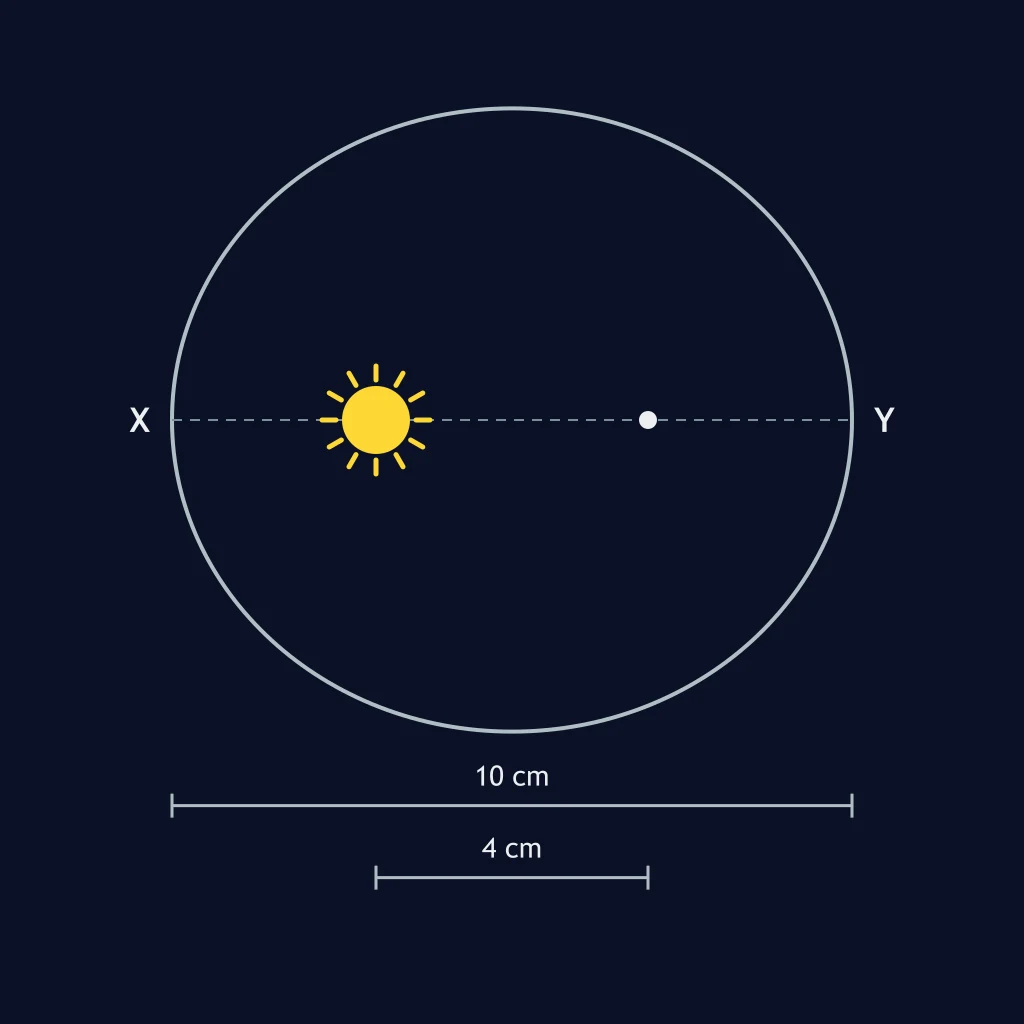
On the orbit diagram, what is the name of the marked point farthest from the Sun?
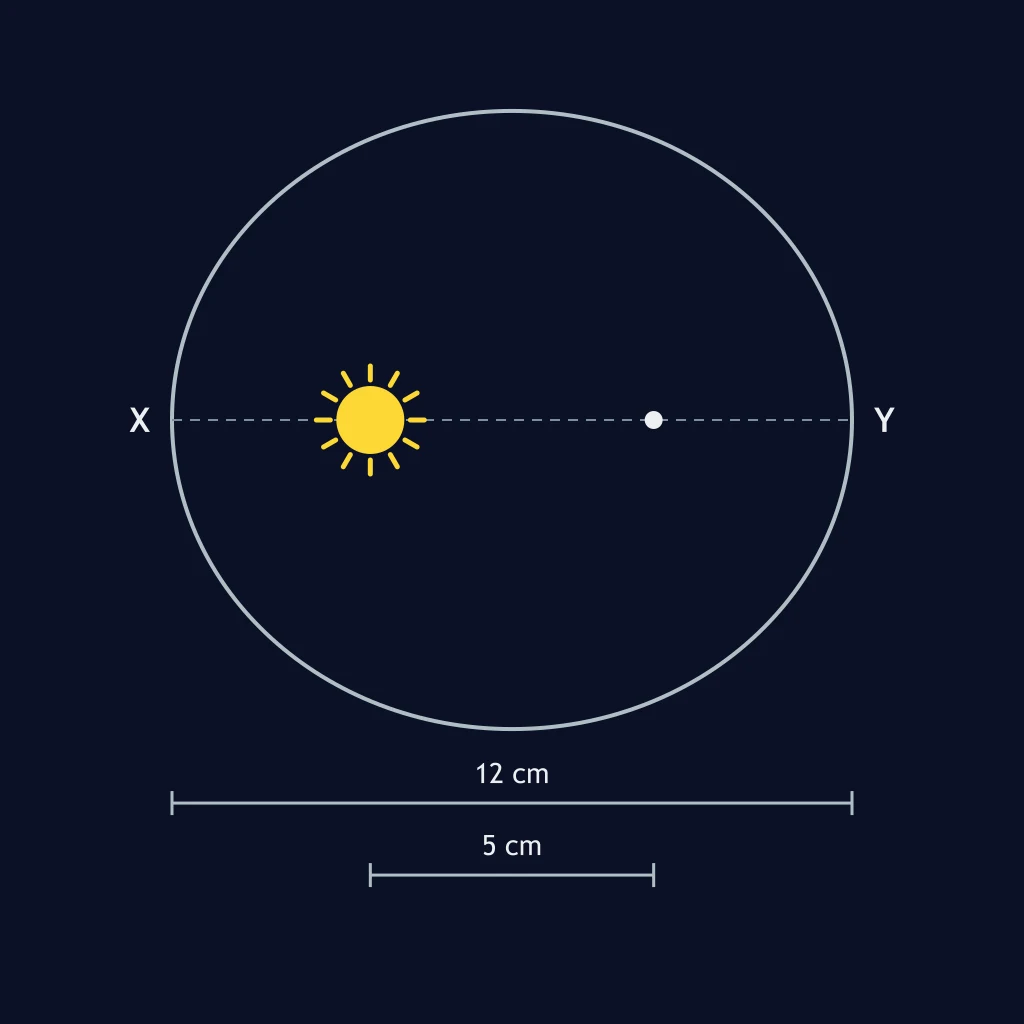
A planet moves from P to a nearby point in 15 days and from A to a nearby point in 15 days. Kepler's second law says what is equal?
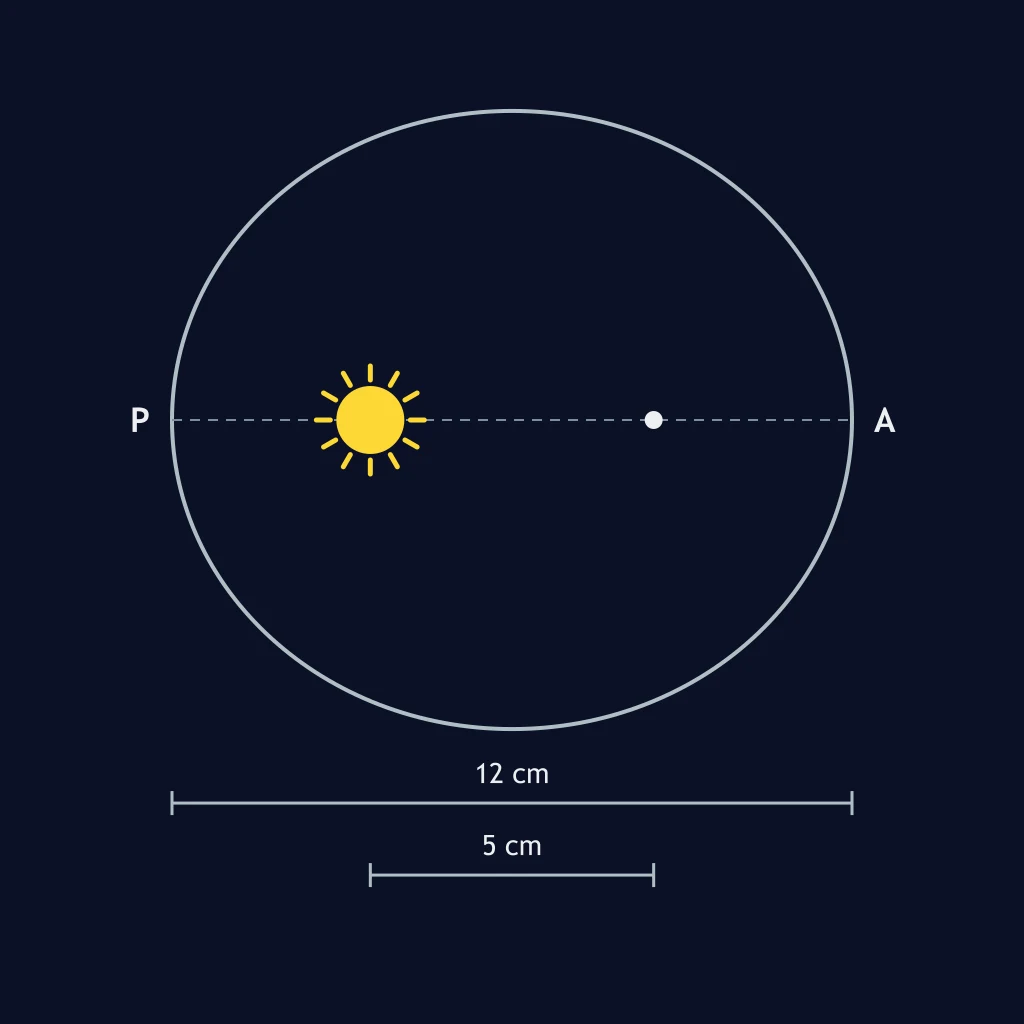
Use the orbit diagram. How should the planet's speed at P compare with its speed at A?
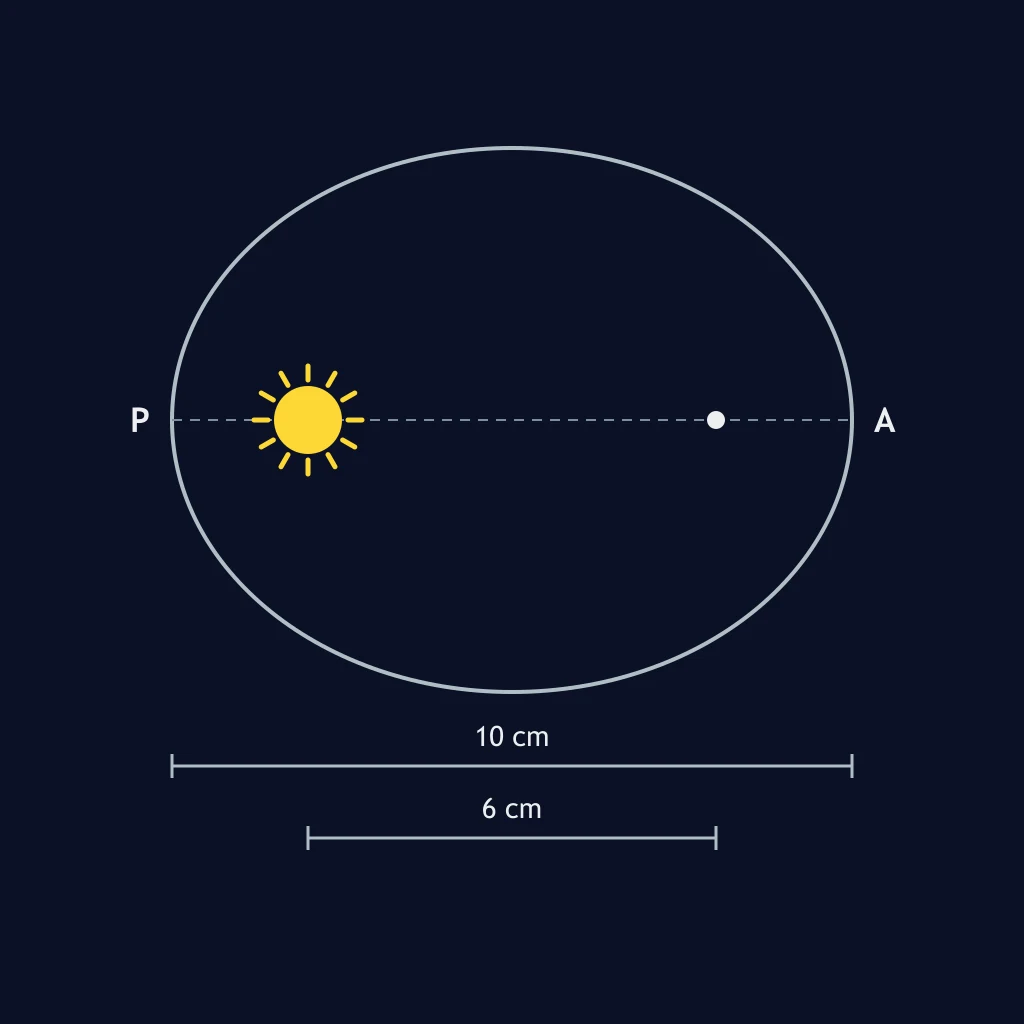
As a planet moves away from perihelion toward aphelion, what happens to its orbital speed?
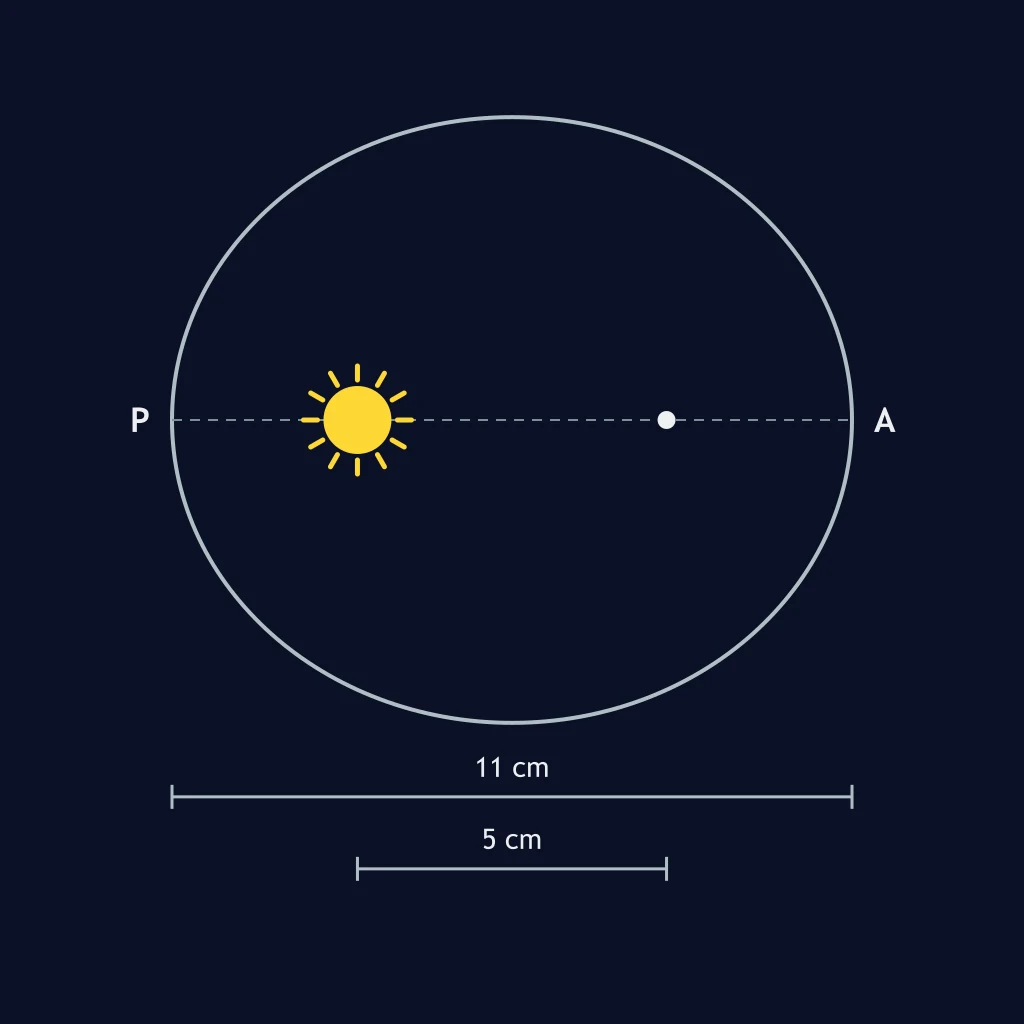
Planet A orbits a star at 1 AU, and planet B orbits the same star at 4 AU. What period ratio does Kepler's third law predict for B?
One asteroid's semimajor axis is 1 AU, and another around the same star has a semimajor axis of 9 AU. How many times longer is the 9 AU object's period?
A planet orbits the same star at 0.25 AU instead of 1 AU. How does its orbital period compare with the 1 AU planet's period?
For a small planet around a Sun-mass star, . If T = 8 years, what is a?
Use the orbit diagram. At which marked position is the Sun's gravitational pull on the planet strongest?
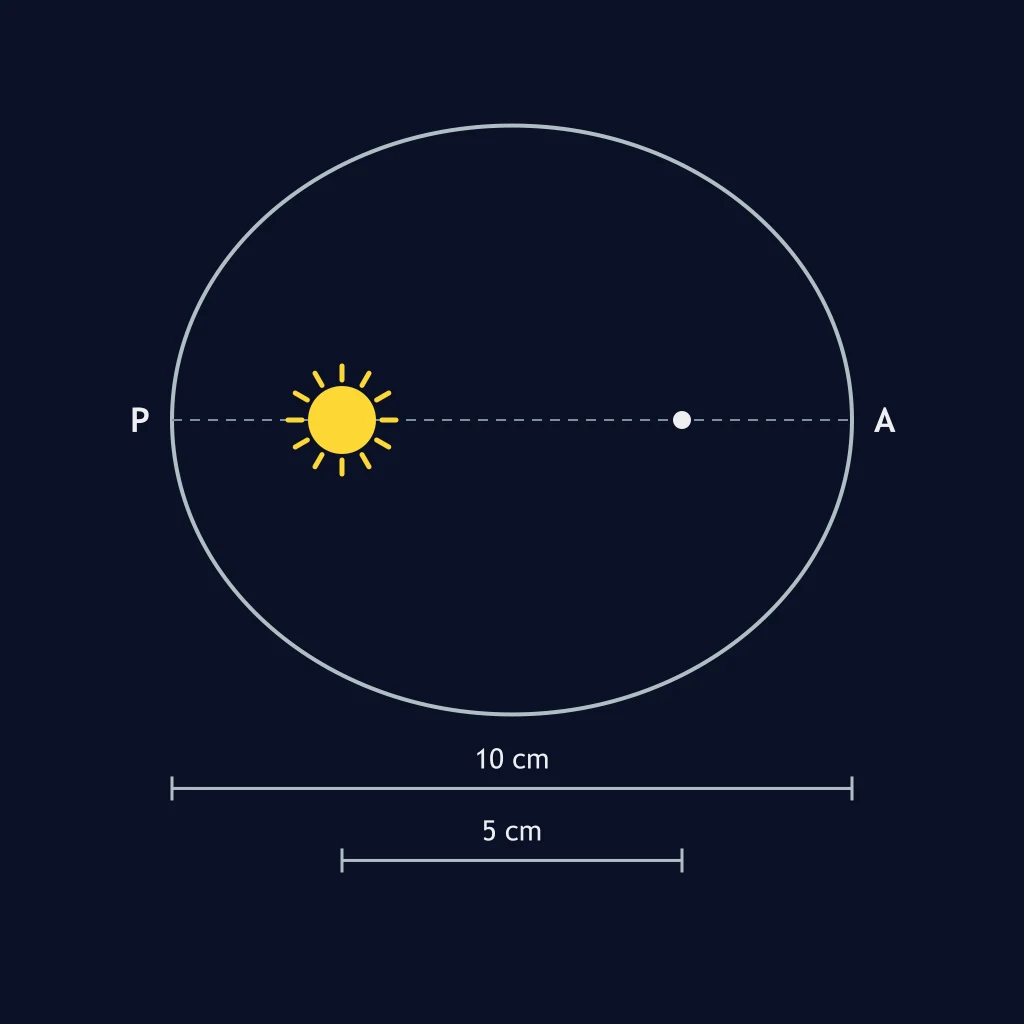
At A the spacecraft is twice as far from the Sun as at P. How does the Sun's gravitational force at A compare with at P?
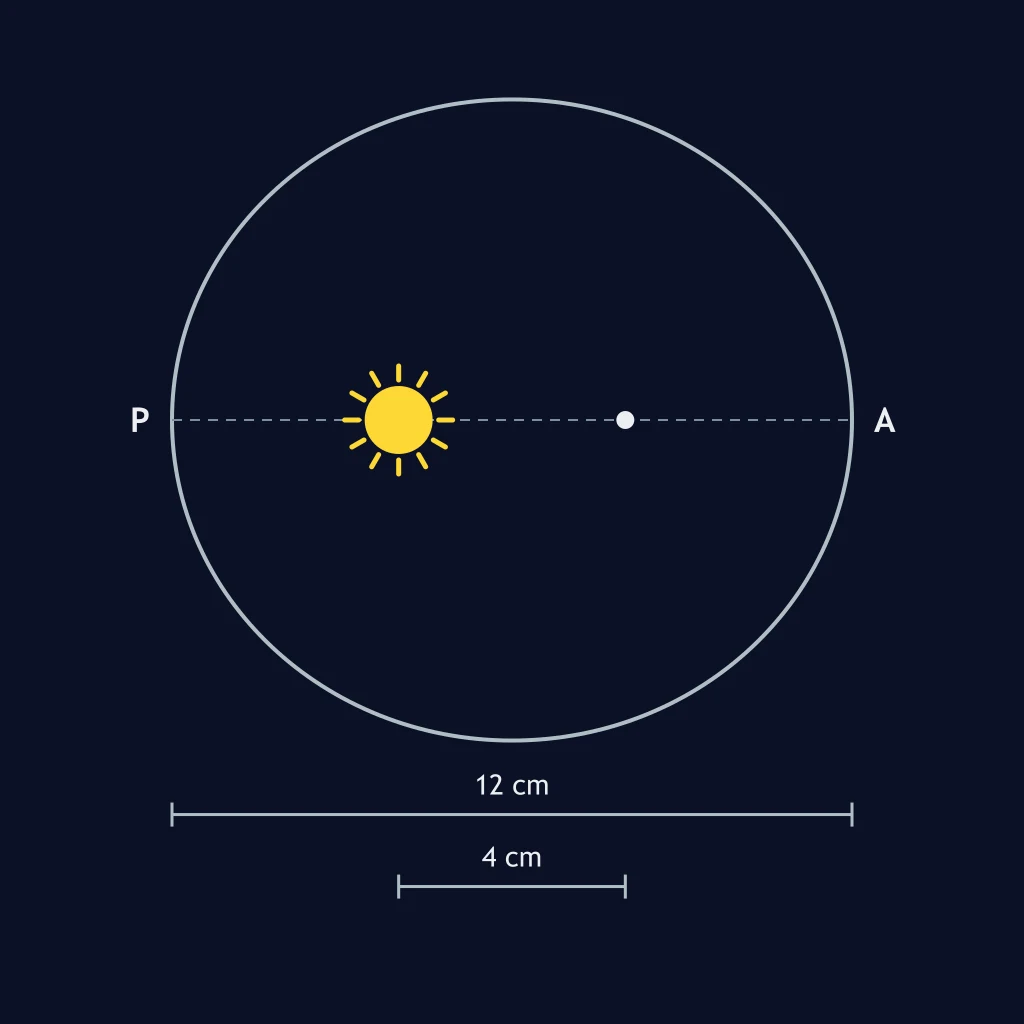
Two spacecraft are the same distance from Earth, but spacecraft X has twice the mass of spacecraft Y. How does Earth's pull on X compare with its pull on Y?
At A a probe is three times as far from the Sun as at P. With the same probe mass, what force ratio follows from inverse-square gravity?
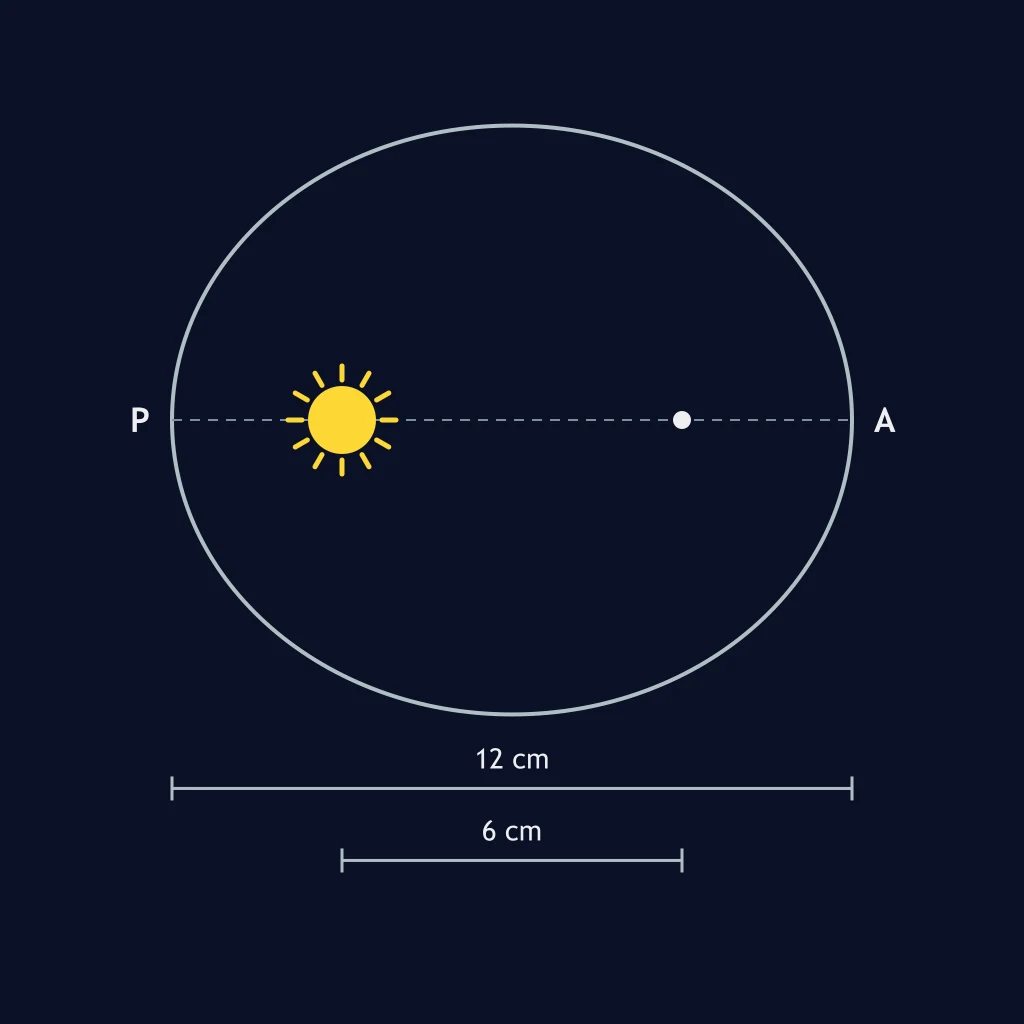
Use the orbit diagram. At any marked point, what direction is the gravitational force on the planet?
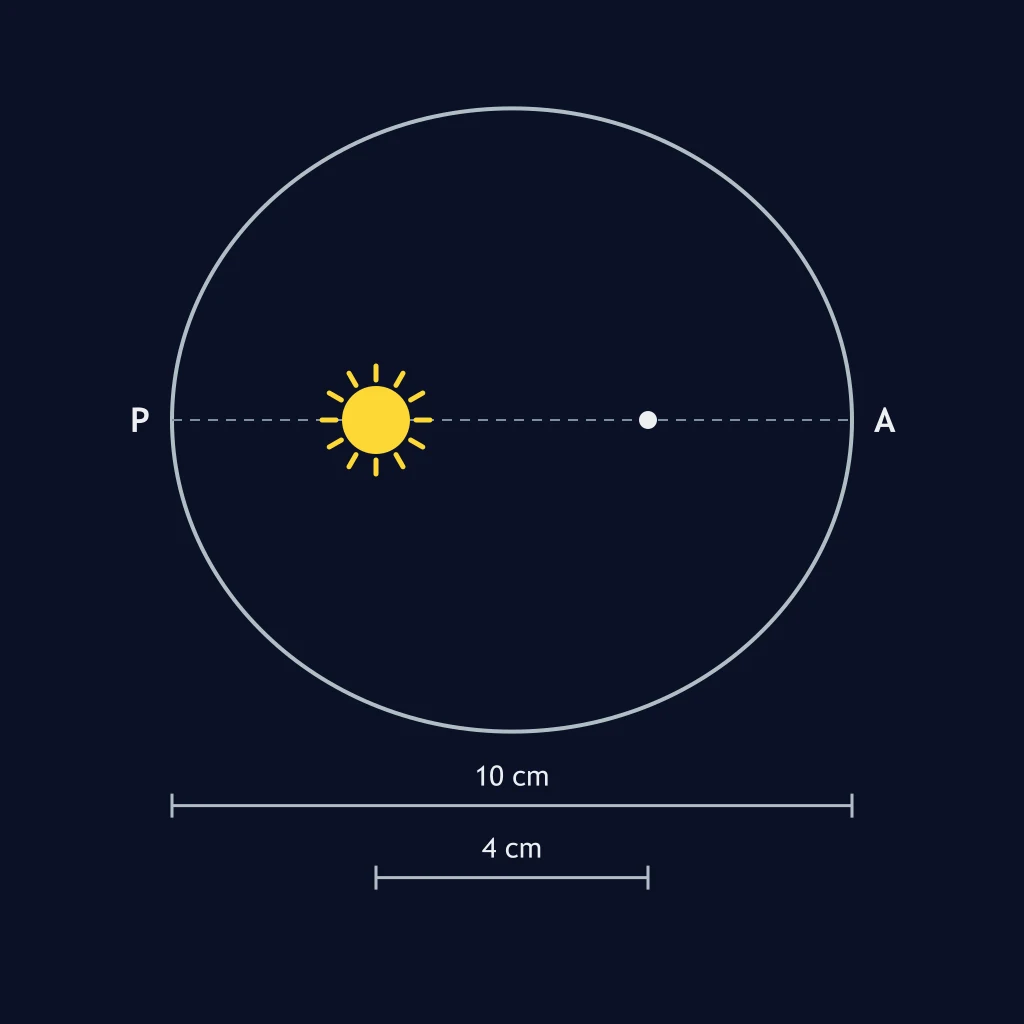
Earth is about 147 million km from the Sun in early January and about 152 million km in early July. What is measured in January?
A planet's distance from its star changes from 100 million km to 200 million km. How intense is the starlight at the farther point?
A comet follows a very eccentric orbit. What observable change is most likely as it approaches perihelion?
From a planet with eccentricity 0.60 rather than 0.02, what would vary most during its orbit?
Crack the passcode before the zombies get in.
Answer, then swat bugs for bonus points.
Race through questions at your own speed.
Same question on every screen. Fastest wins.

Pick a tile, answer, hit bonuses and steals.
Space Exploration and What It Found
25 questions