Loading
by BlastRoom
Compare the giant planets and locate major bodies beyond Neptune.
#earth_space_science
40 questions
One question set, multiple game modes. Tap any game to see it in action. Not sure which to pick?
Answer to place stones and capture territory.
Outrun the snow together.
Earn blasts, then hunt the other team.
Answer to earn energy, then climb.

The class blasts through walls together.
Bid on mystery lots. Most money wins.
Sell tours. Nice, standard, or a total scam.

Answer, restock, and serve the rush.
More correct answers pulls the rope your way.
Answer, then shoot down the alien wave.
Answer, then tap to leap the frozen ridge.
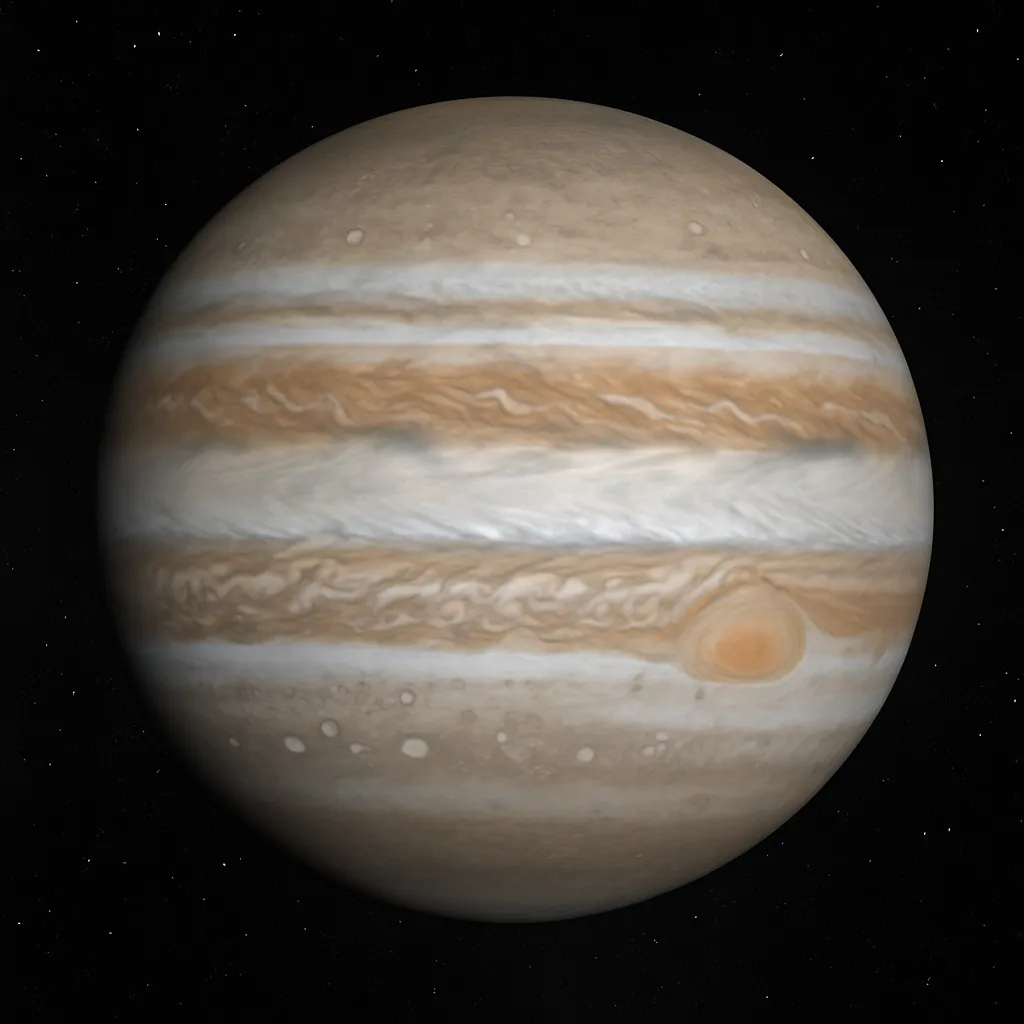
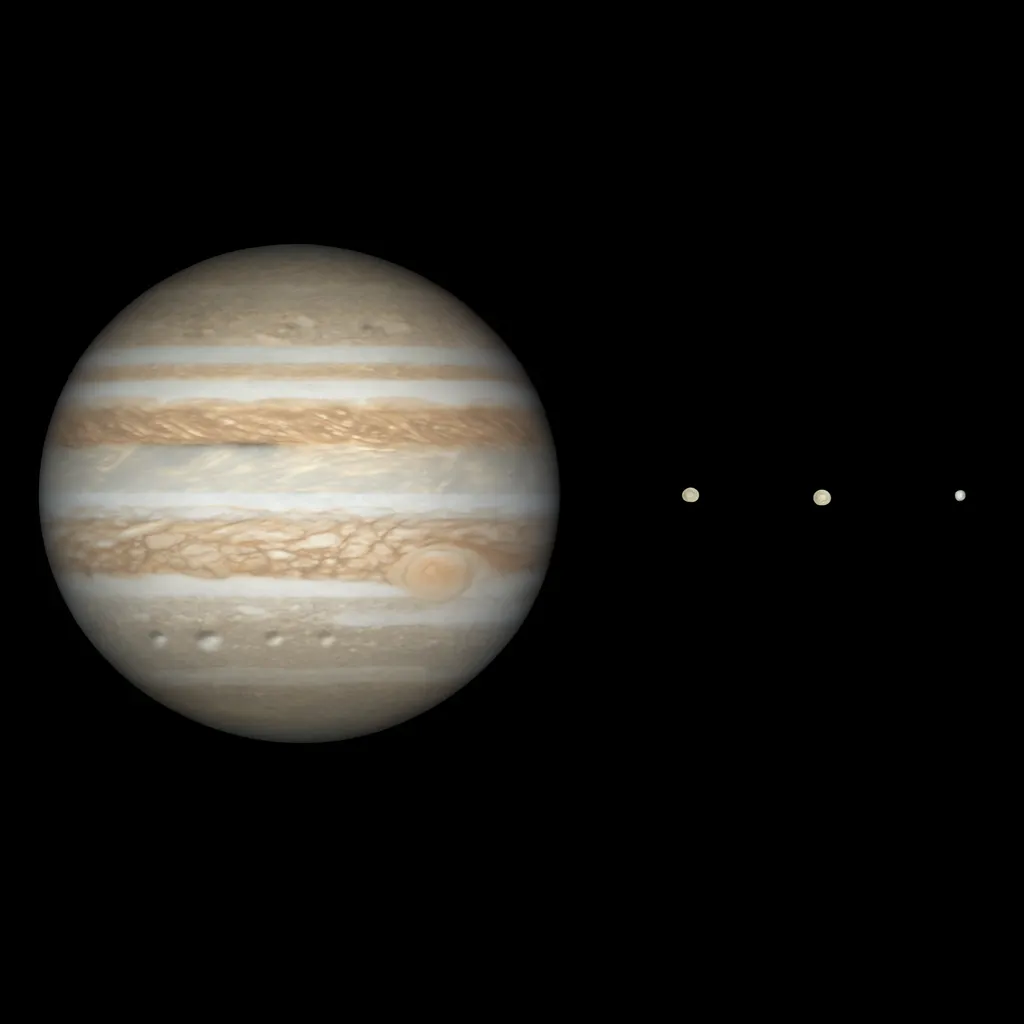
The image shows a banded giant world with tan and white cloud belts and a large reddish oval storm south of the equator. Which planet is shown?
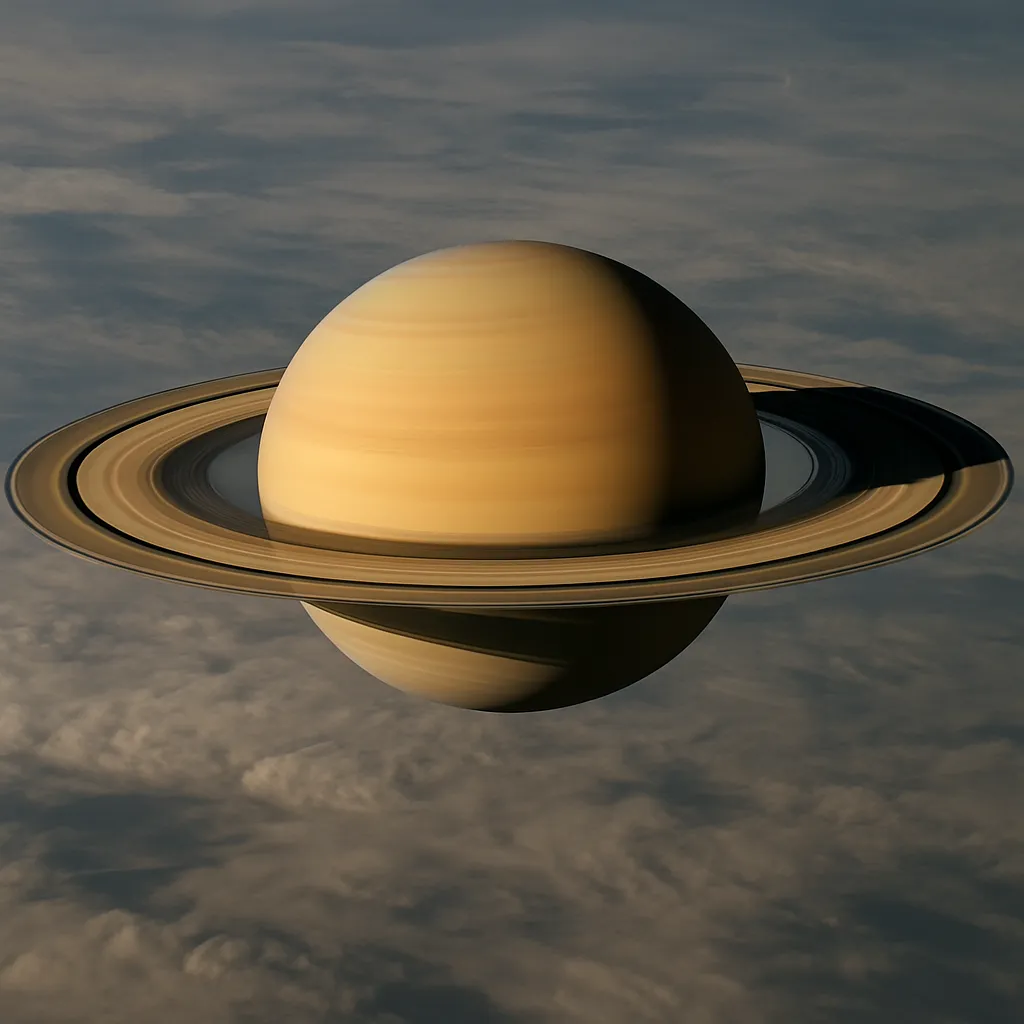
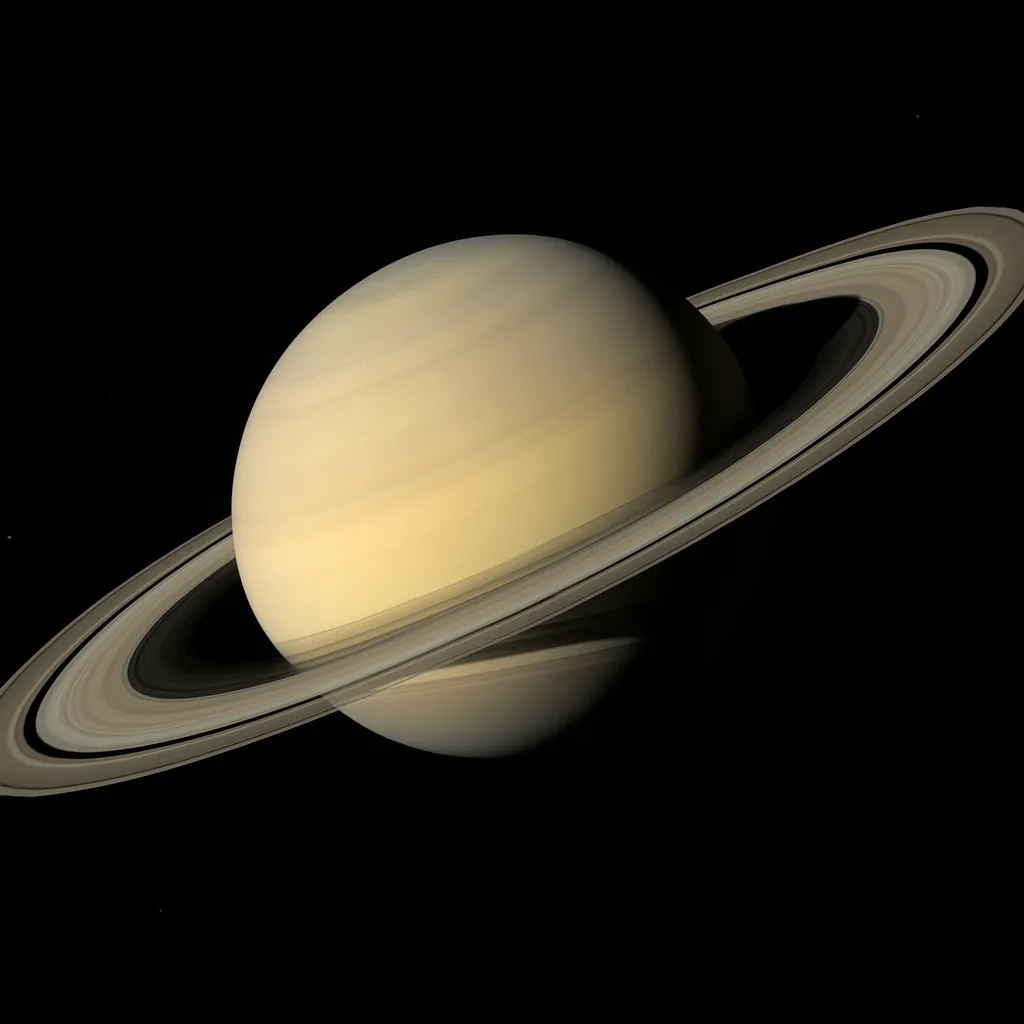
The image shows a golden giant planet crossed by broad, bright rings that cast a shadow on its cloud tops. Which planet is shown?
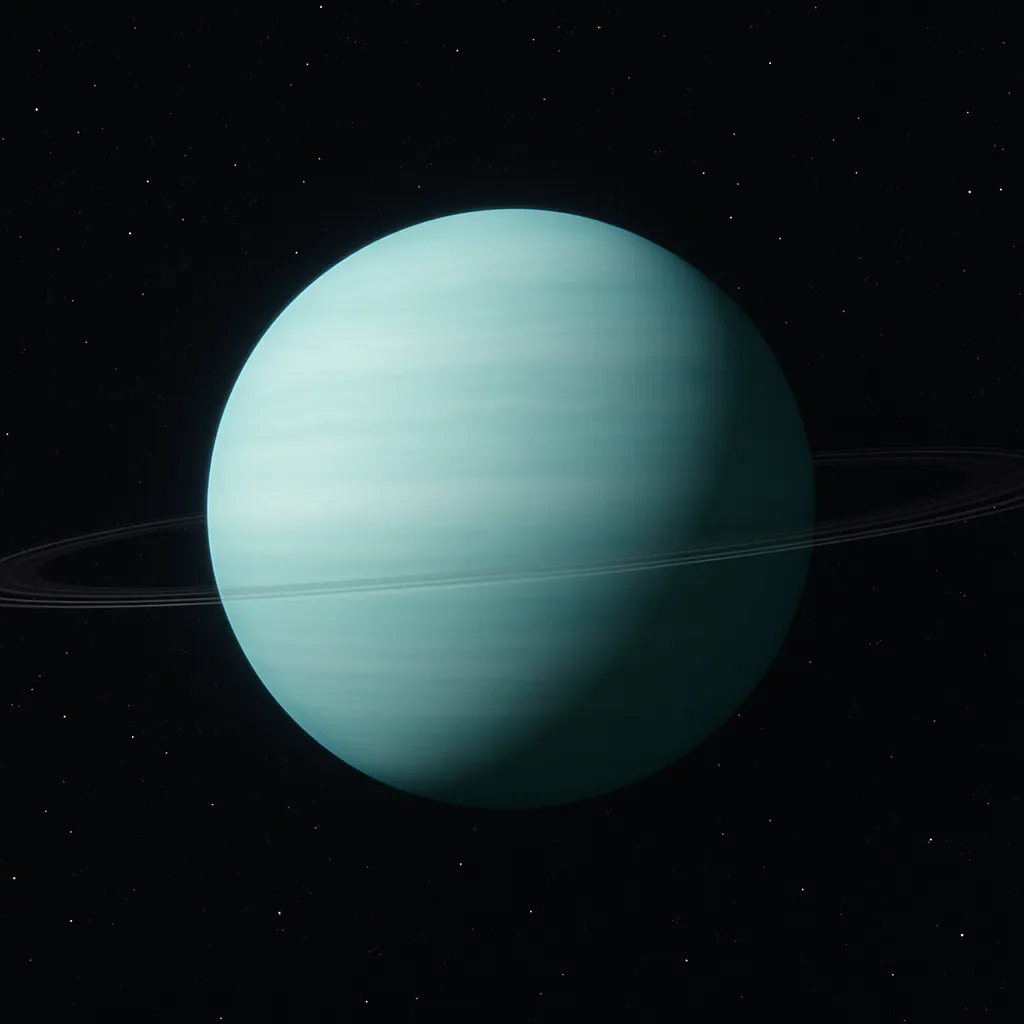
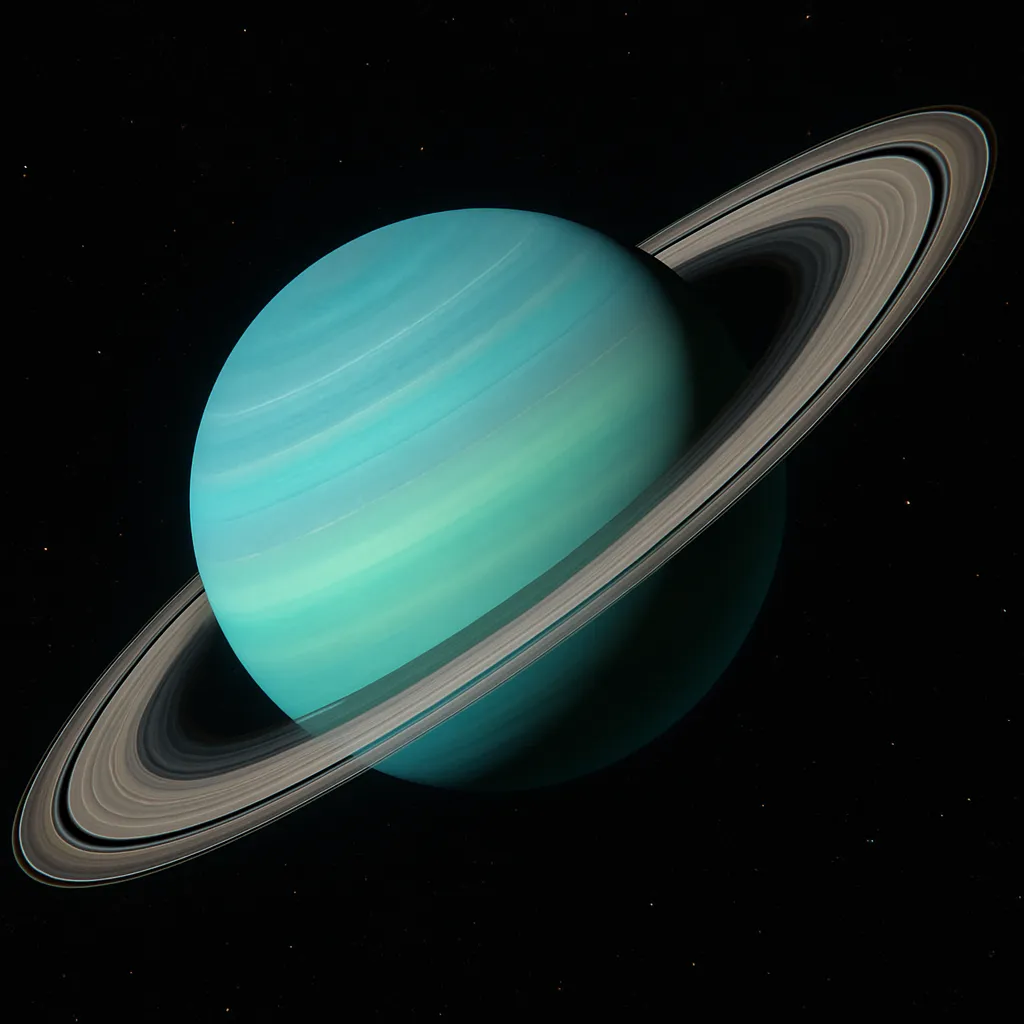
The image shows a pale blue-green giant planet with a nearly featureless disk and faint narrow rings. Which planet is shown?
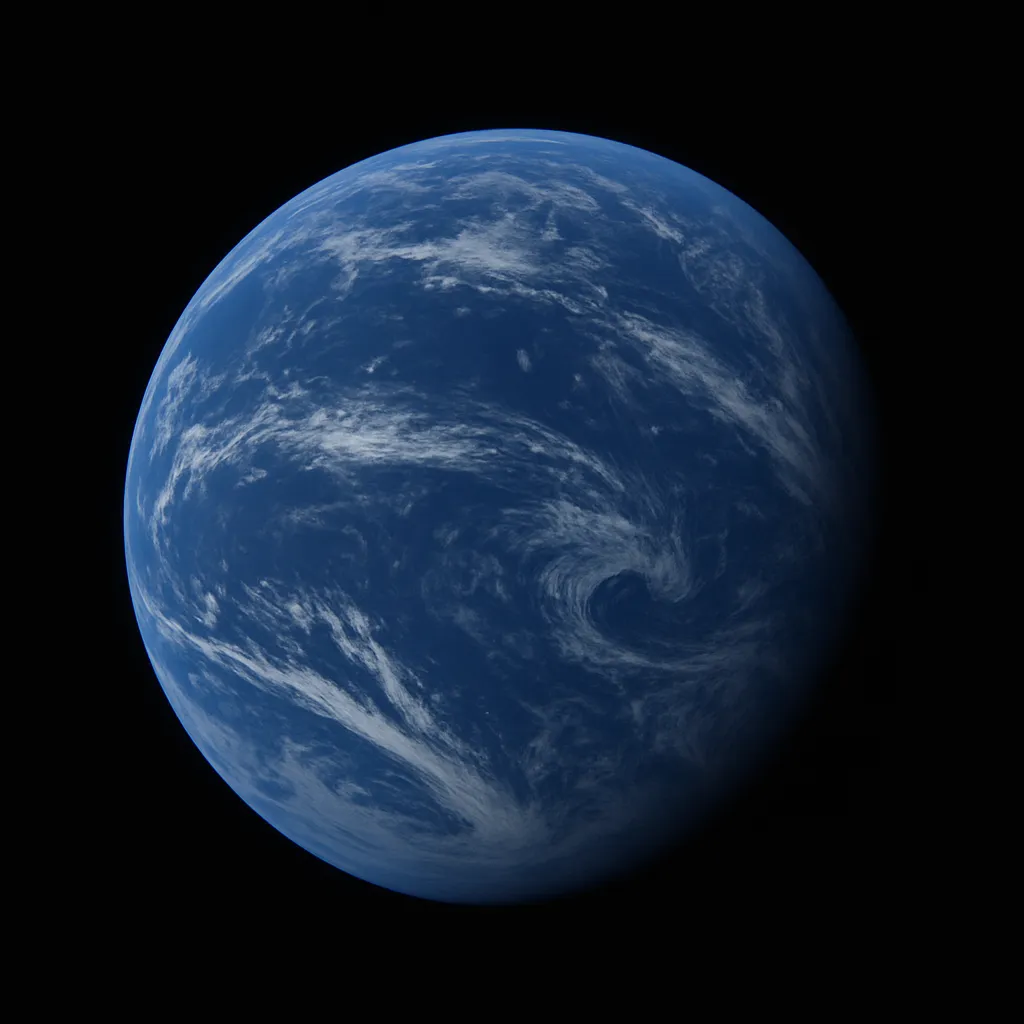
The image shows a deep blue giant planet with small white methane clouds and a dark oval storm. Which planet is shown?
A spacecraft view shows a striped outer planet with no broad ring system visible and several small moons aligned nearby. Which planet is shown?
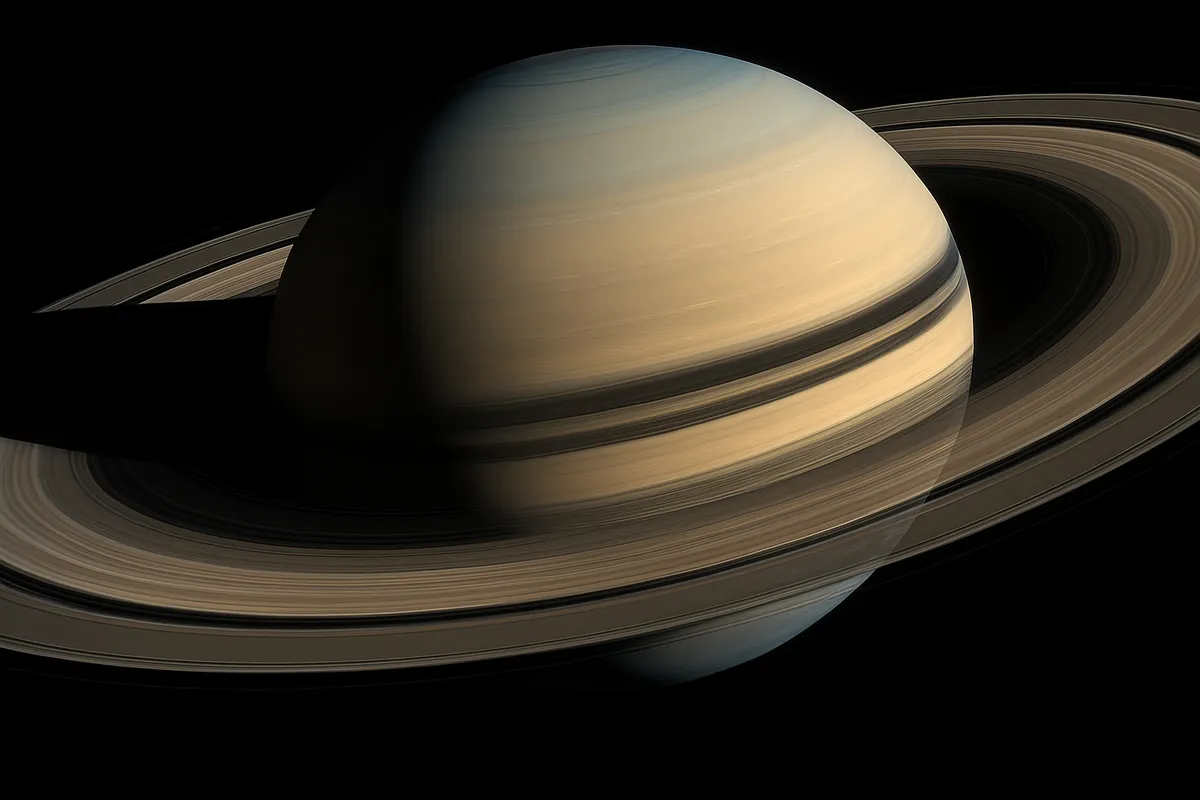
The image shows a pale yellow planet with a broad ring system seen at a low, slanted angle. Which planet is shown?
The image shows a blue-green planet whose ring plane makes the planet look like a tilted bullseye. Which planet is shown?
The image shows a dark blue outer planet with high white clouds but no large bright ring disk. Which planet is shown?
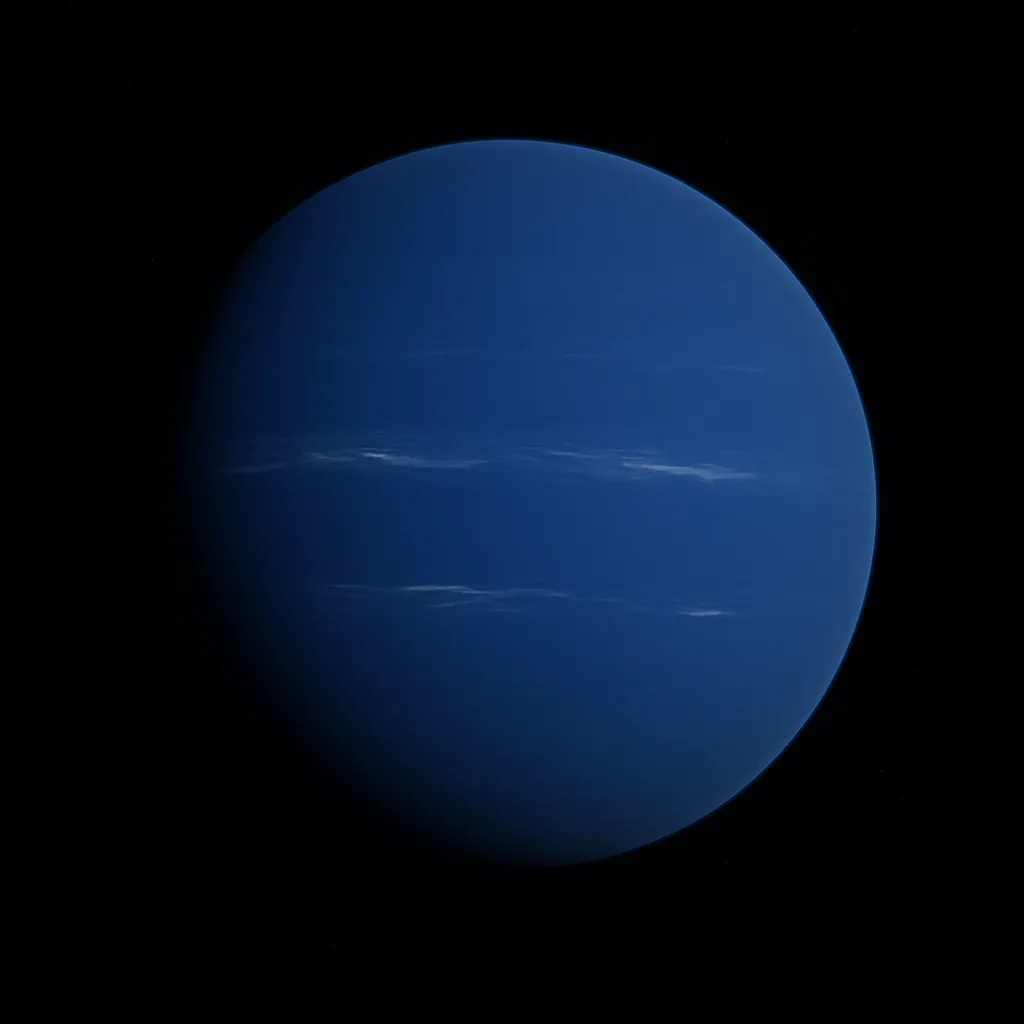
The image shows a giant planet with alternating dark belts and bright zones but no icy ring disk. Which planet is shown?
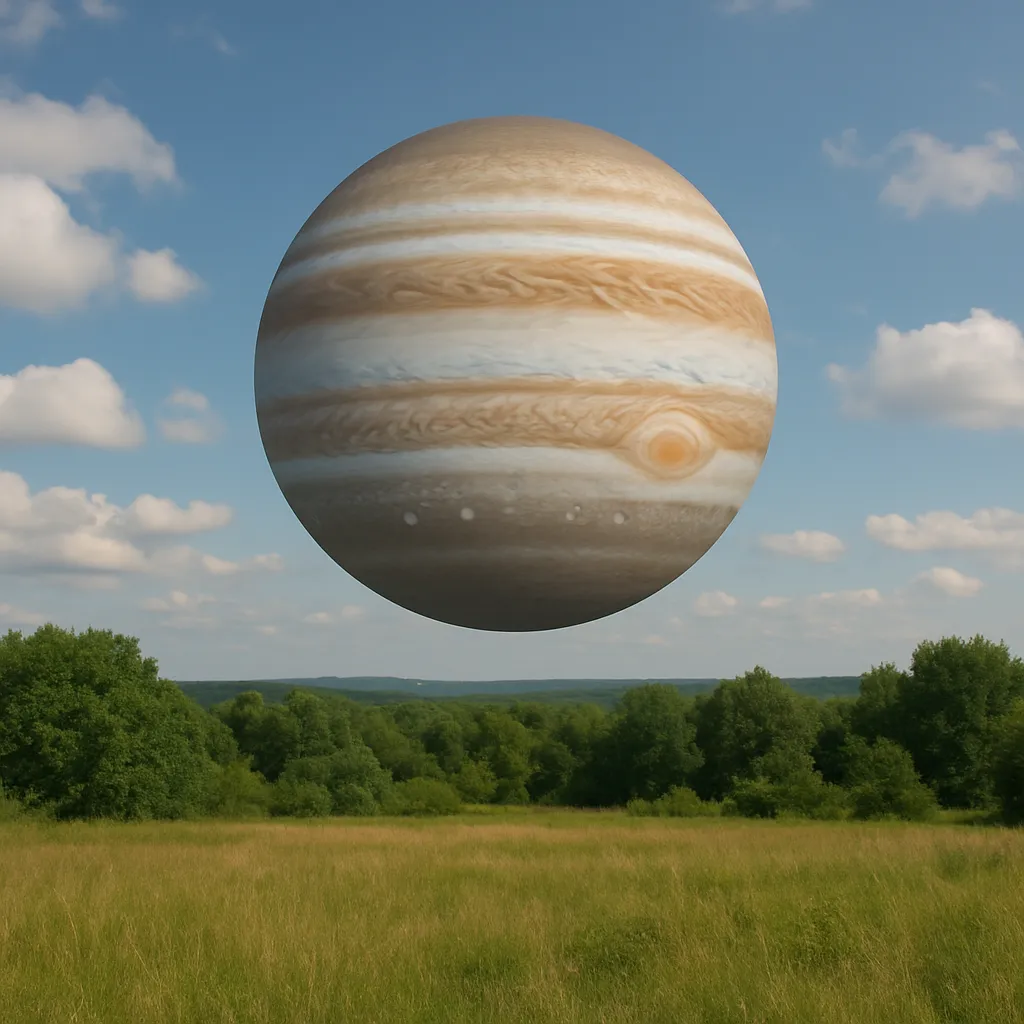
The image shows a ringed planet with a six-sided cloud pattern centered on its north pole. Which planet is shown?
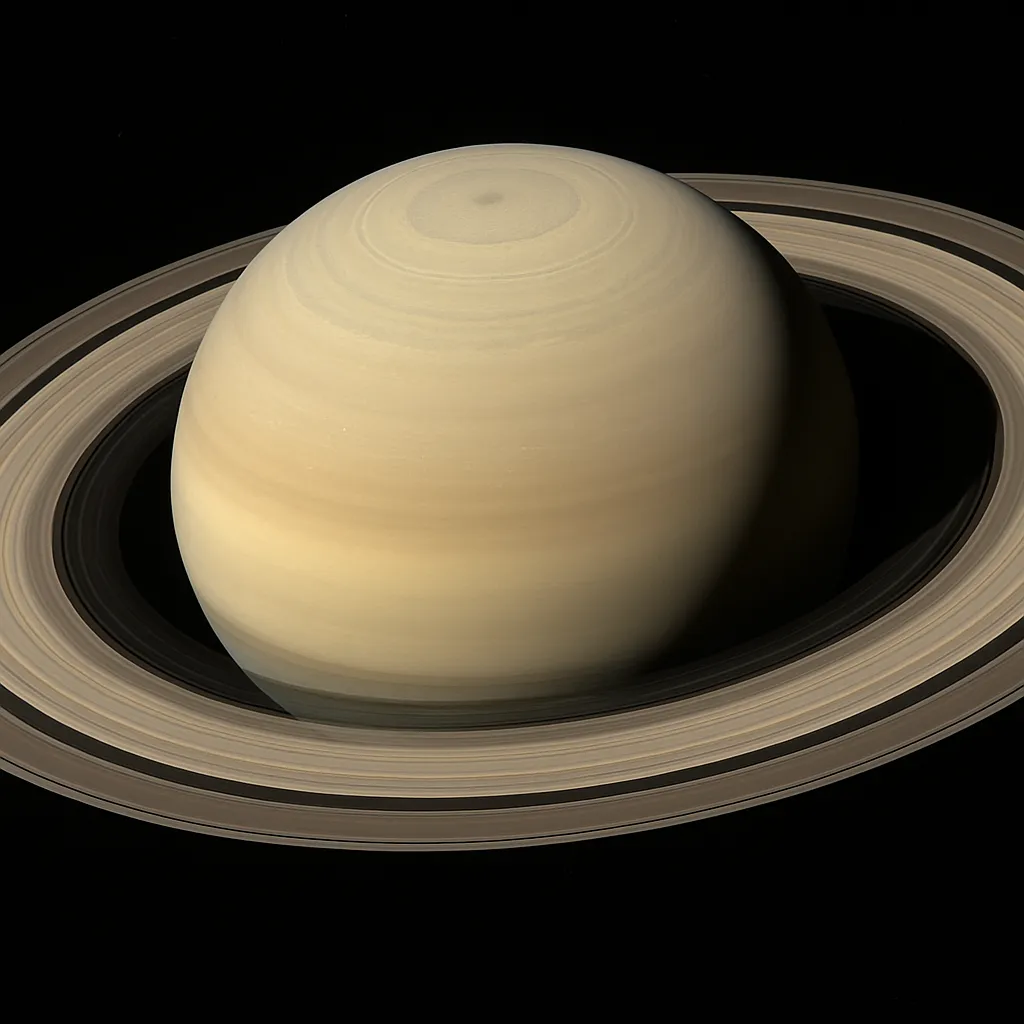
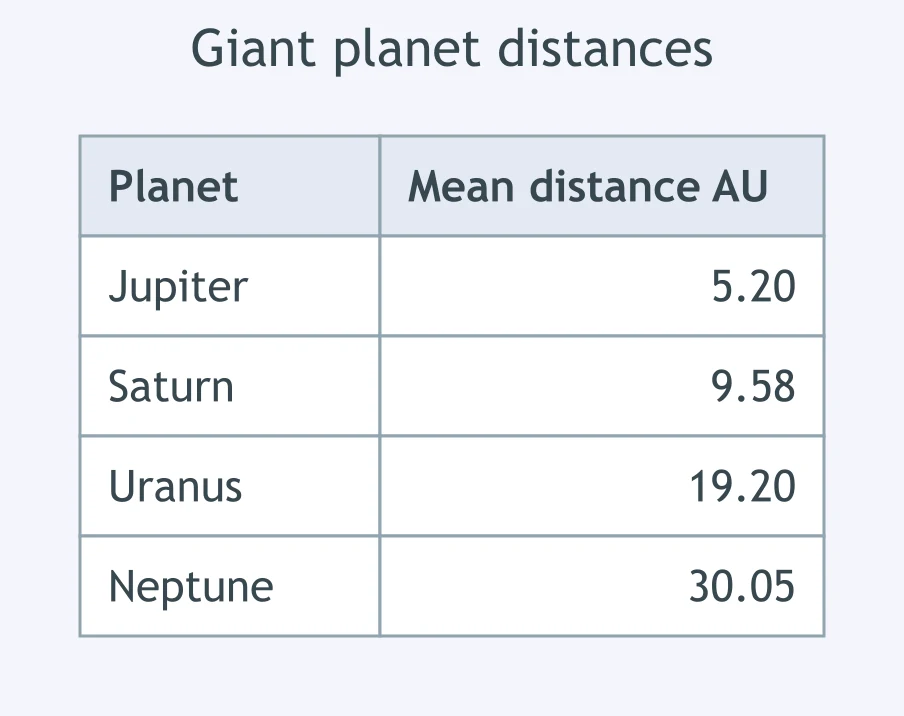
Use the distance table. Which giant planet would receive the weakest insolation at its cloud tops?
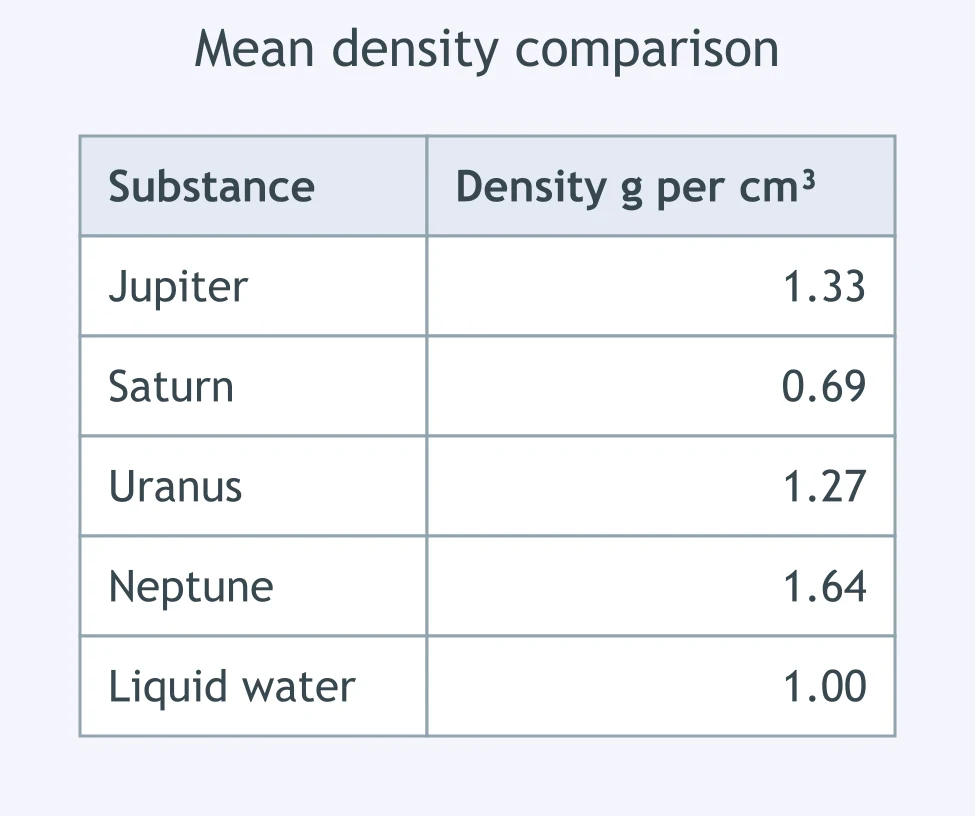
Use the density table. Compared with liquid water at 1.00 g/cm³, what is true of Saturn?
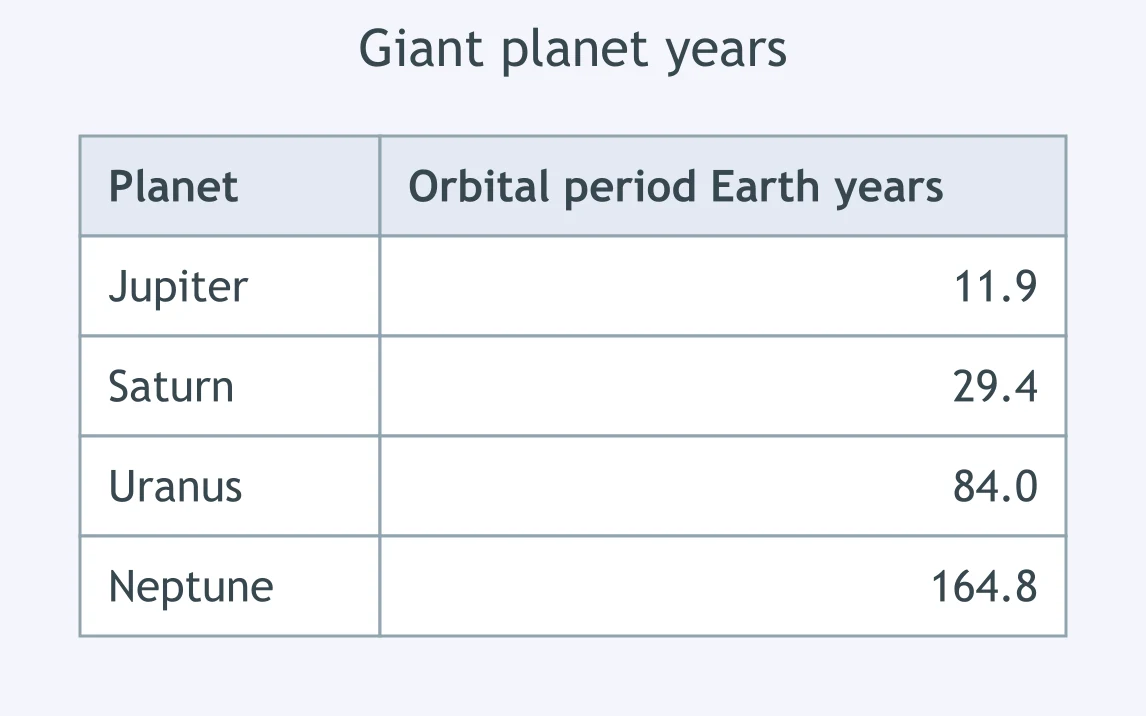
Use the orbital-period table. About how many more Earth years does Neptune take to orbit the Sun than Uranus?
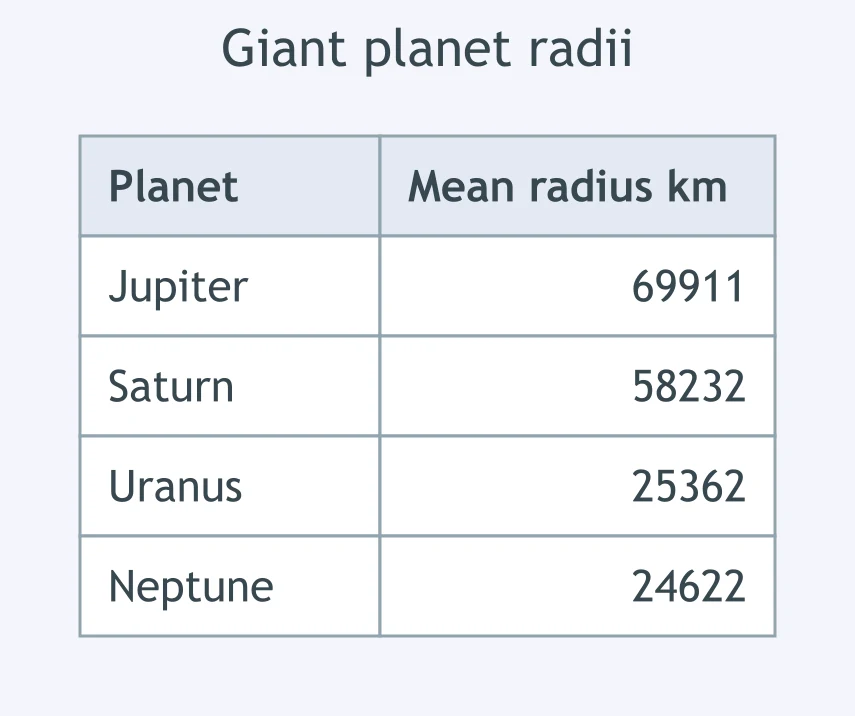
Use the radius table. Which giant planet has the largest mean radius?
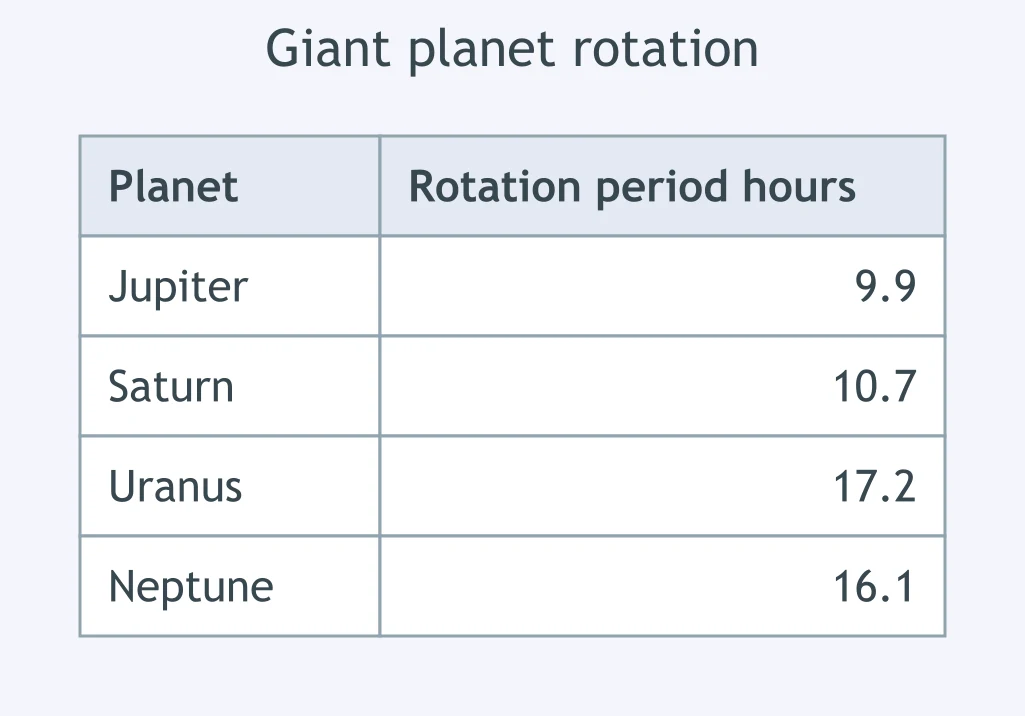
Use the rotation table. Which giant planet has the shortest day?
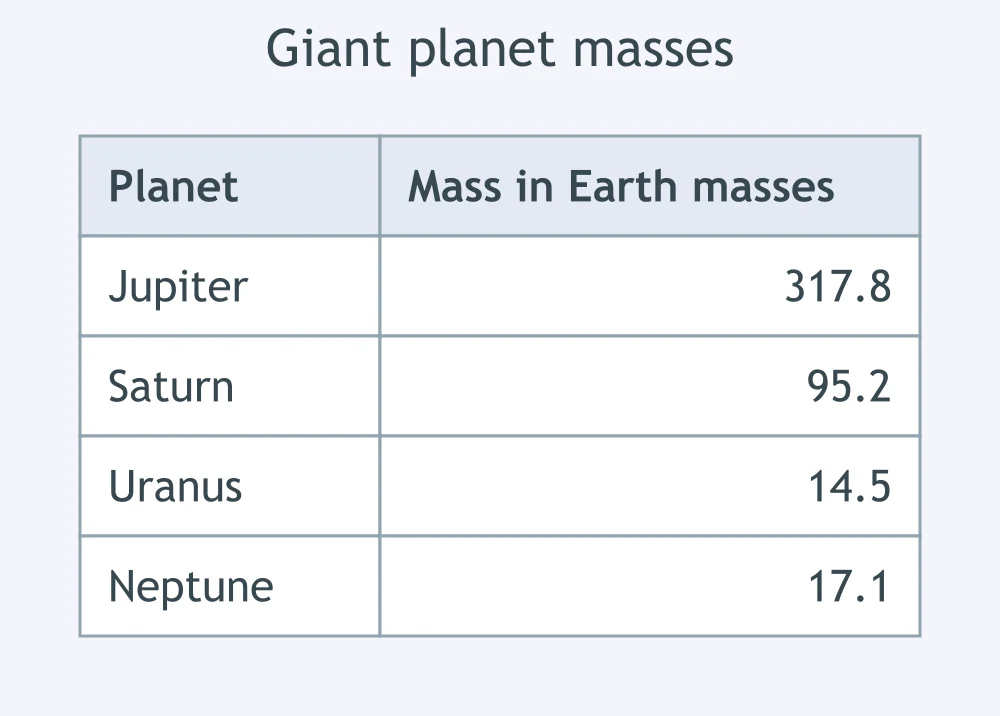
Use the mass table. Neptune's mass compared with Uranus's mass is ___.
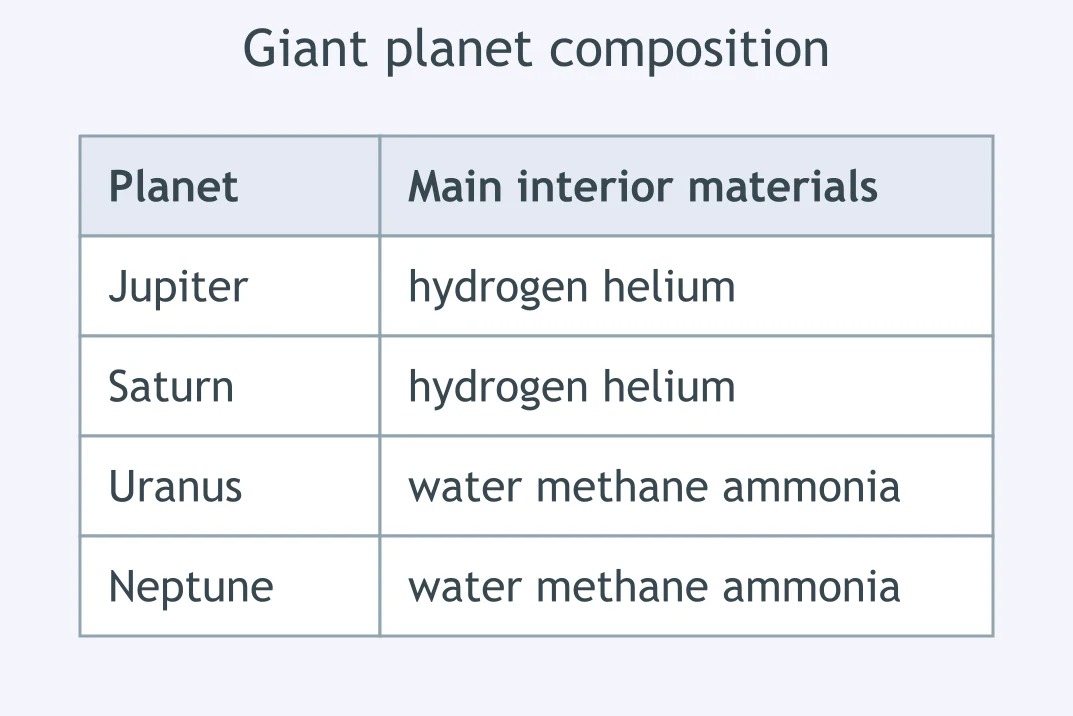
Use the composition table. Which pair is classified as ice giants because water, methane, and ammonia make up much of their mass?
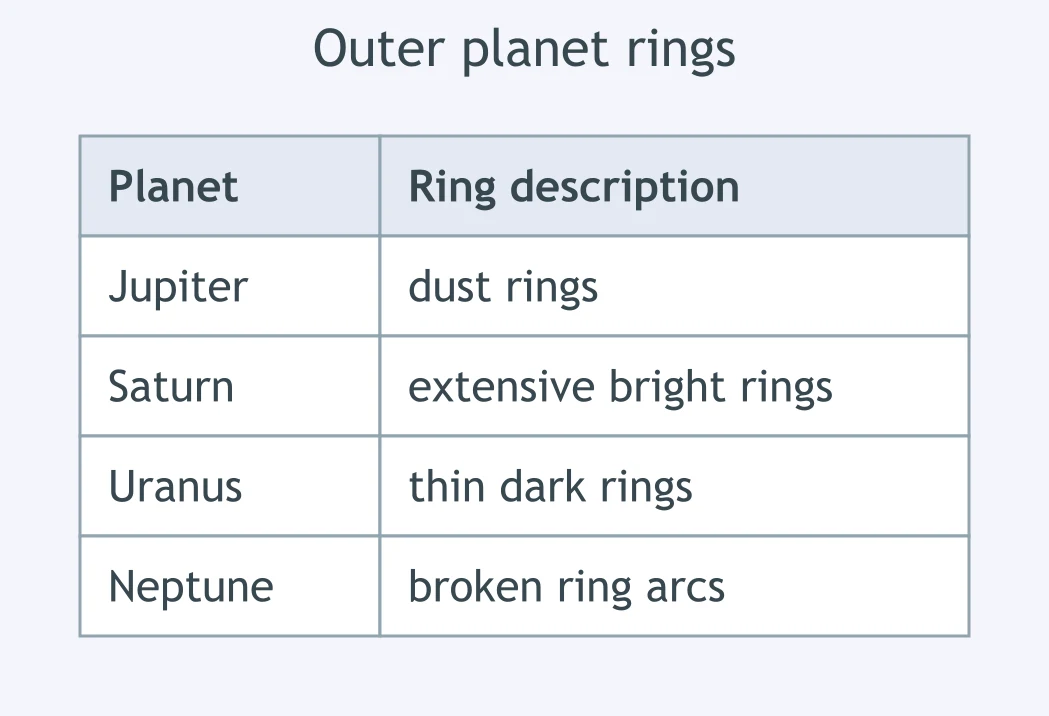
Use the ring-system table. The giant planet whose rings are listed as broken arcs is ___.
A probe descending into Jupiter would measure rising pressure and temperature but would not find a crust to land on. What does that show about Jupiter?
An Earth hurricane loses energy when it moves over land. The Great Red Spot has no comparable landfall. What property of Jupiter helps the storm persist?
Methane in Uranus's and Neptune's atmospheres absorbs red light and reflects blue-green light. If an ice giant had much less methane, its visible color would most likely be what?
A student groups Jupiter and Saturn apart from Uranus and Neptune. What composition difference justifies the two groups?
Deep inside Jupiter, hydrogen stops behaving like a thin gas and becomes liquid metallic hydrogen. What causes that change?
Saturn's visible cloud tops can be photographed, but a lander would not stop on them. What are those visible bands?
Uranus is slightly larger in diameter than Neptune, but Neptune has more mass. What must be true of Neptune's average density?
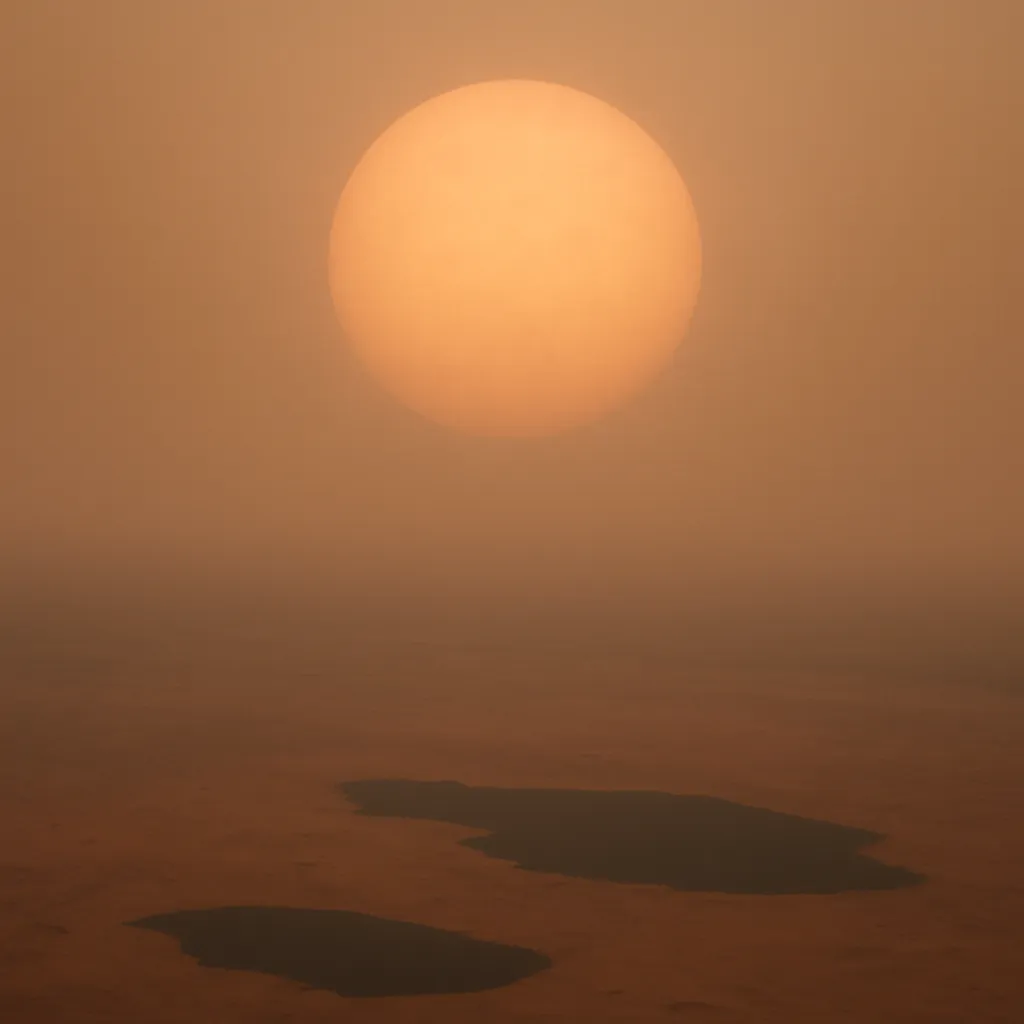
The image shows an orange-hazed moon with dark lakes and seas on a cold surface. Which moon is shown?
A moon of Jupiter has a smooth, cracked water-ice surface and strong evidence for a salty ocean beneath its crust. Which moon is described?
A moon of Jupiter is resurfaced by hundreds of active volcanoes because Jupiter and nearby moons flex it tidally. Which moon is described?
The largest moon in the solar system is also the only moon known to have its own magnetic field. Which moon is described?
A gray, icy moon of Jupiter is densely covered with overlapping impact craters and has a huge multi-ring impact basin. Which moon is described?
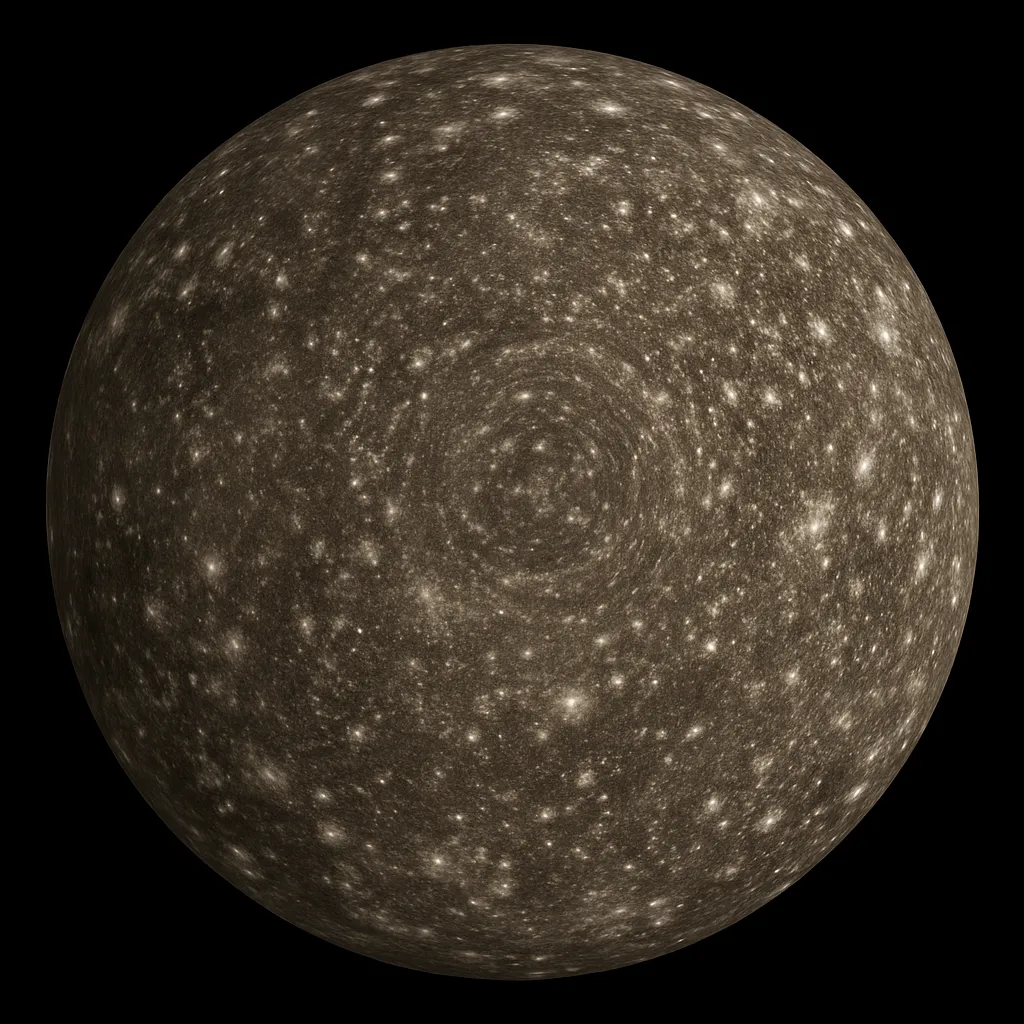
Jets from a small icy moon spray water vapor and ice particles into space and supply material to Saturn's E ring. Which moon is described?
A large moon of Neptune orbits opposite the planet's rotation and is thought to be a captured Kuiper Belt Object. Which moon is described?
A ring system is made mostly of countless water-ice chunks, with the Cassini Division separating two bright main rings. Which planet's ring system is described?
Pluto orbits the Sun, is nearly round, and shares its orbital neighborhood with many similar icy bodies. How is Pluto classified?
An icy body is found in the doughnut-shaped zone that begins near Neptune's orbit, about 30 AU from the Sun. What region is it in?
A comet has a highly tilted orbit and may take millions of years to orbit the Sun. Which reservoir is the likely source?
A short-period comet follows an orbit near the plane of the planets and returns in less than 200 years. Which source region best matches that orbit?
An icy dwarf planet about Pluto's size orbits in the scattered disk and helped trigger the 2006 planet-definition debate. Which body is described?
A Kuiper Belt Object visited by New Horizons on January 1, 2019, is a double-lobed contact binary. Which body is described?
A rapidly spinning dwarf planet in the Kuiper Belt is stretched into a football-like shape. Which body is described?
Crack the passcode before the zombies get in.
Answer, then swat bugs for bonus points.
Race through questions at your own speed.
Same question on every screen. Fastest wins.

Pick a tile, answer, hit bonuses and steals.
25 questions