Loading
by BlastRoom
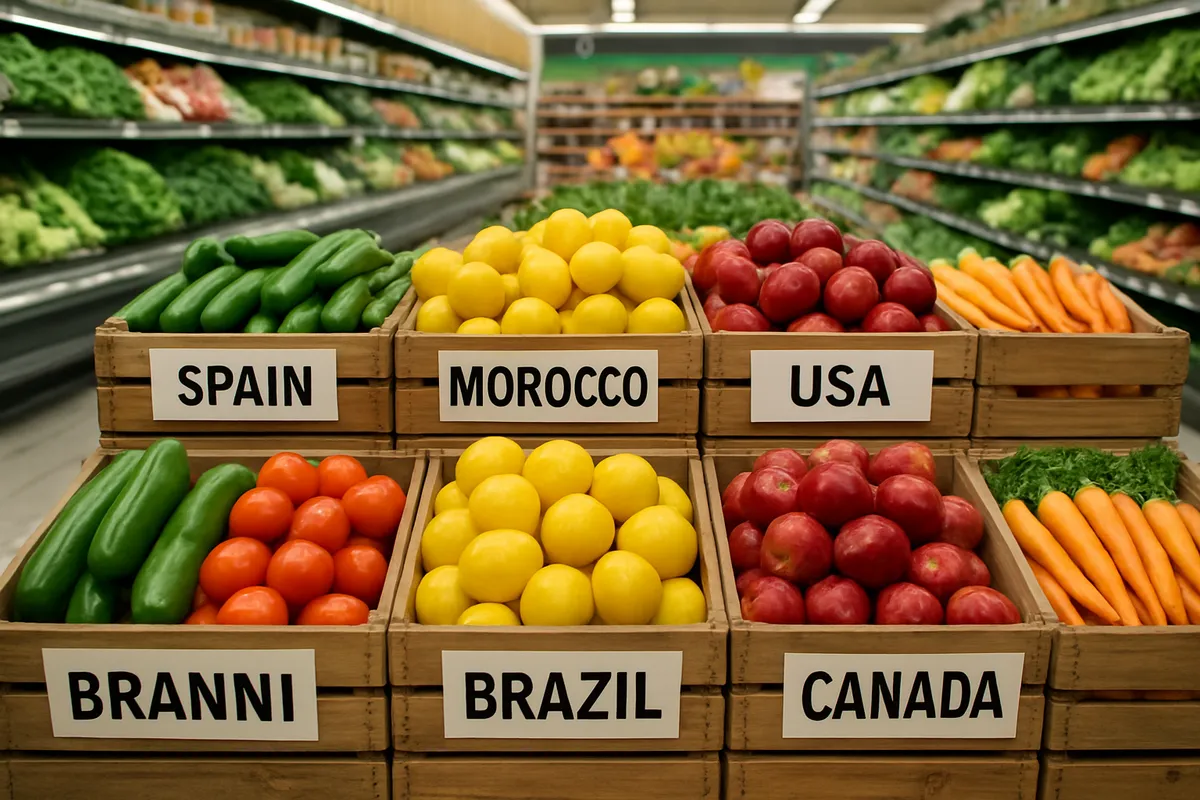
How food gets from a field in one country to a shelf in another.
#us_hs_human_geography
35 questions
One question set, multiple game modes. Tap any game to see it in action. Not sure which to pick?
Answer to place stones and capture territory.
Outrun the snow together.
Earn blasts, then hunt the other team.
Answer to earn energy, then climb.

The class blasts through walls together.
Bid on mystery lots. Most money wins.
Sell tours. Nice, standard, or a total scam.

Answer, restock, and serve the rush.
More correct answers pulls the rope your way.
Answer, then shoot down the alien wave.
Answer, then tap to leap the frozen ridge.
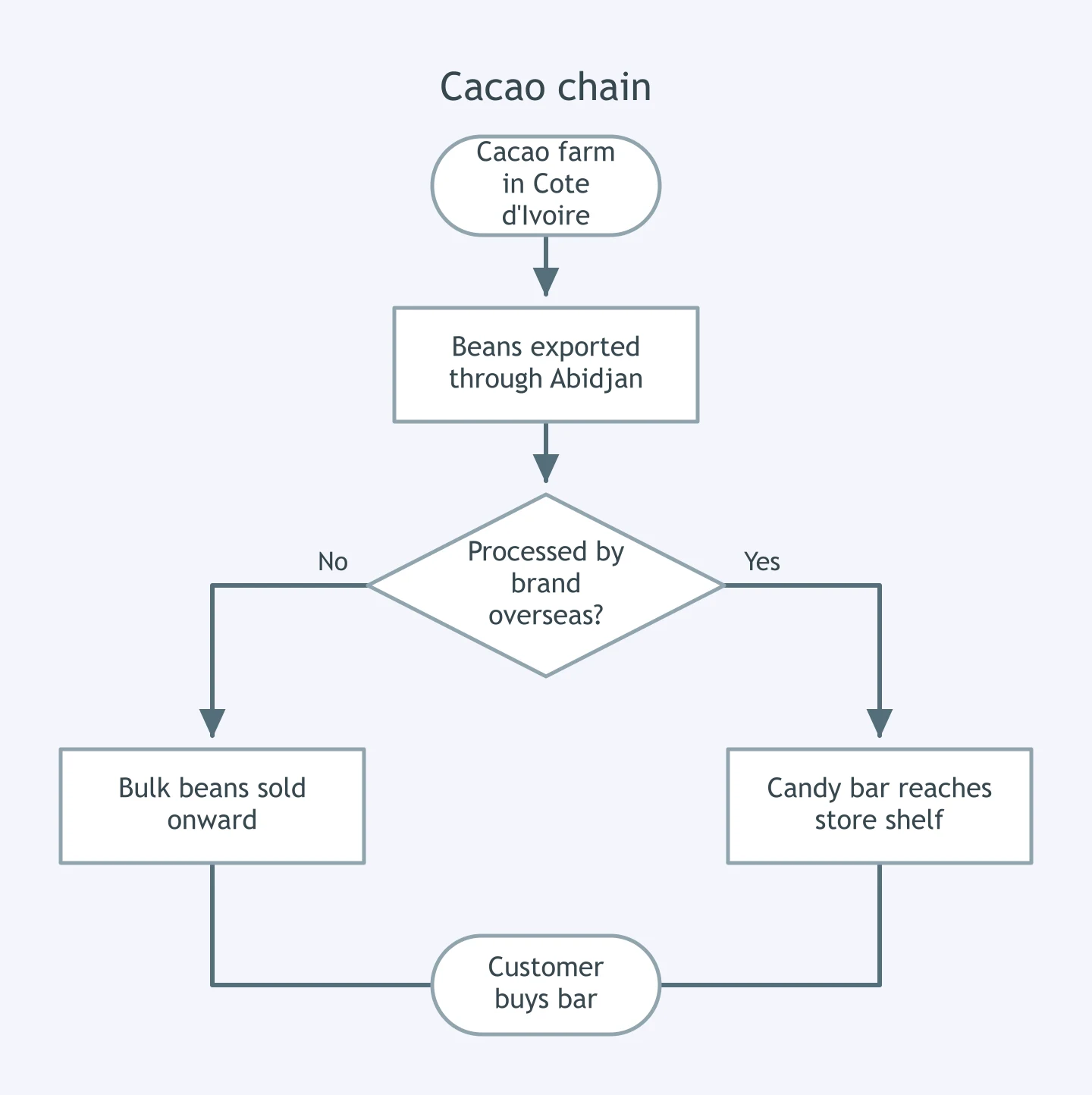
Use the cacao flowchart. Where is the most new market value created before the product reaches the store shelf?
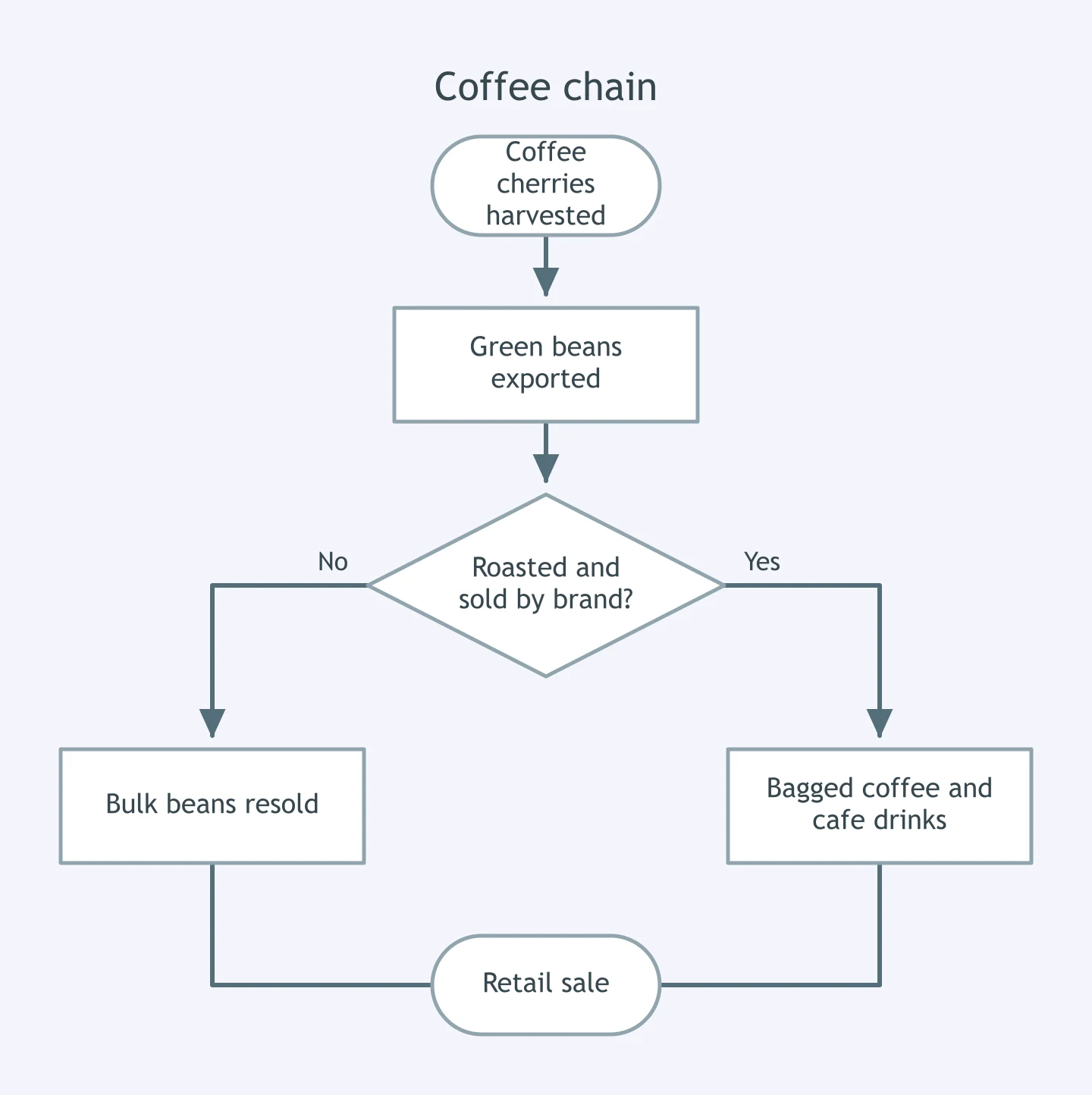
A coffee chain moves from picked cherries to exported green beans to a branded cafe drink. At which stage is the largest price increase usually added?
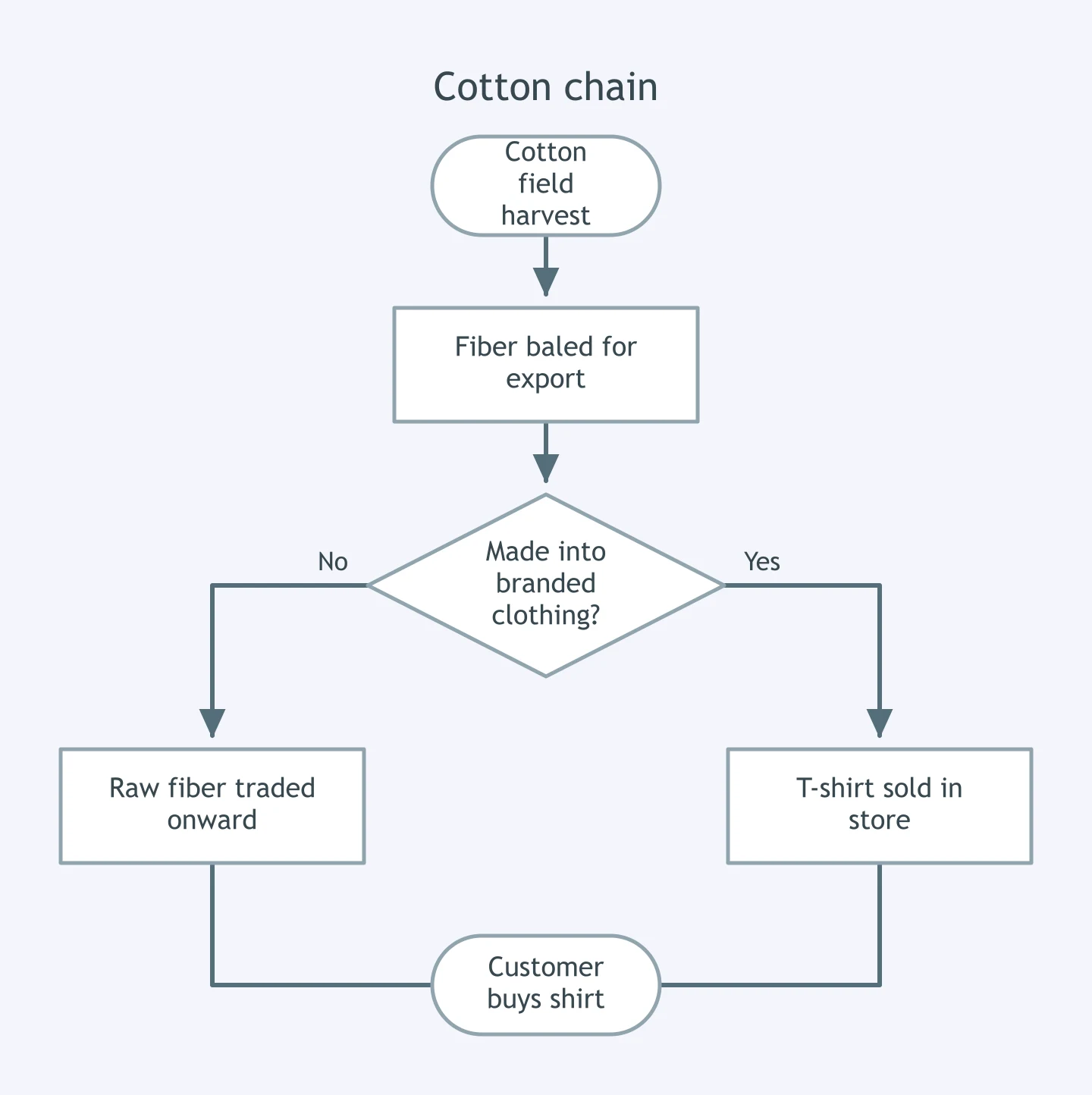
In the cotton flowchart, raw cotton becomes a branded T-shirt sold in another country. Which part of the chain adds the most value?
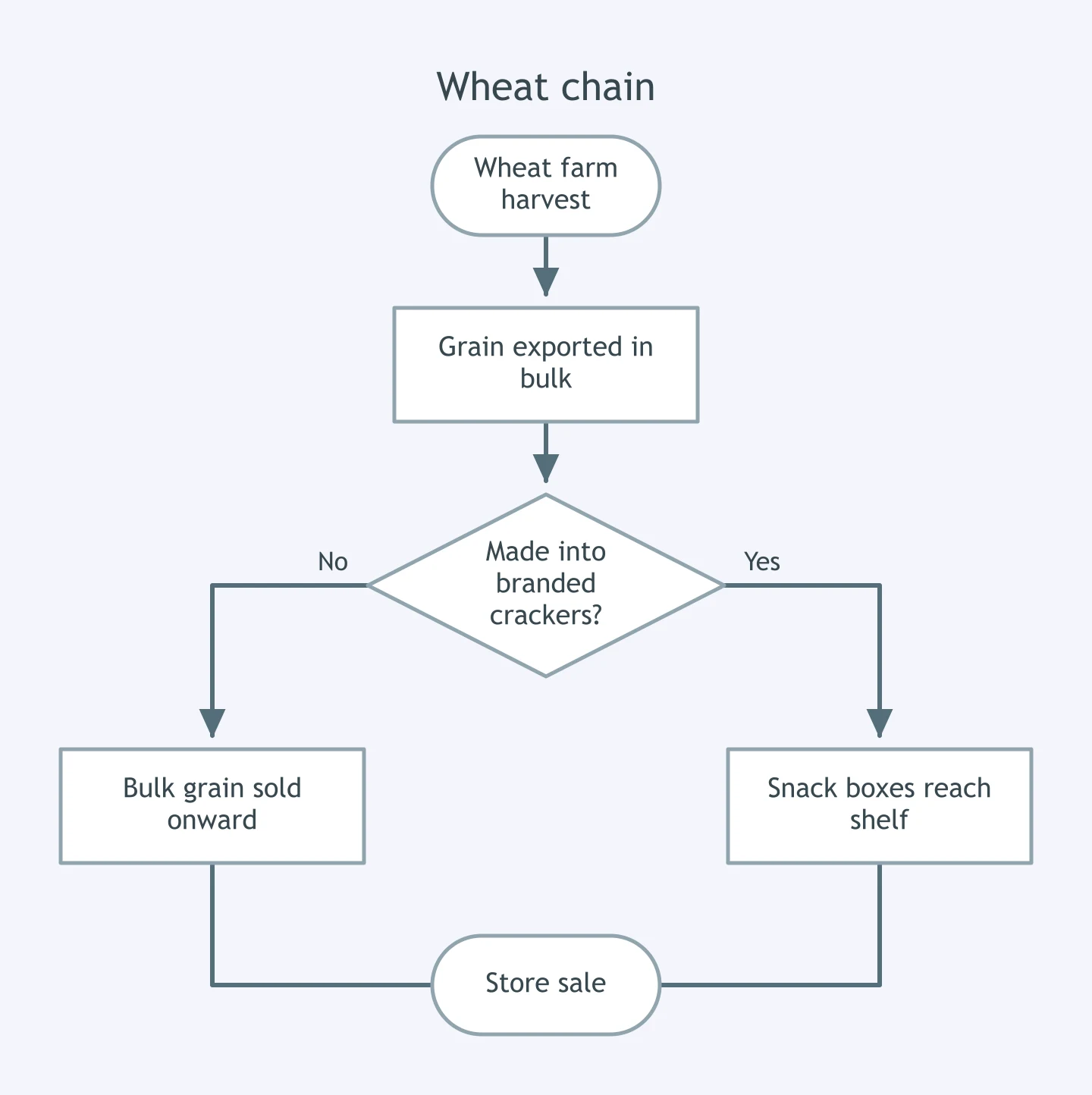
Wheat grown on a prairie is exported, milled, baked into crackers, and sold by a snack company. Where is the key value added?
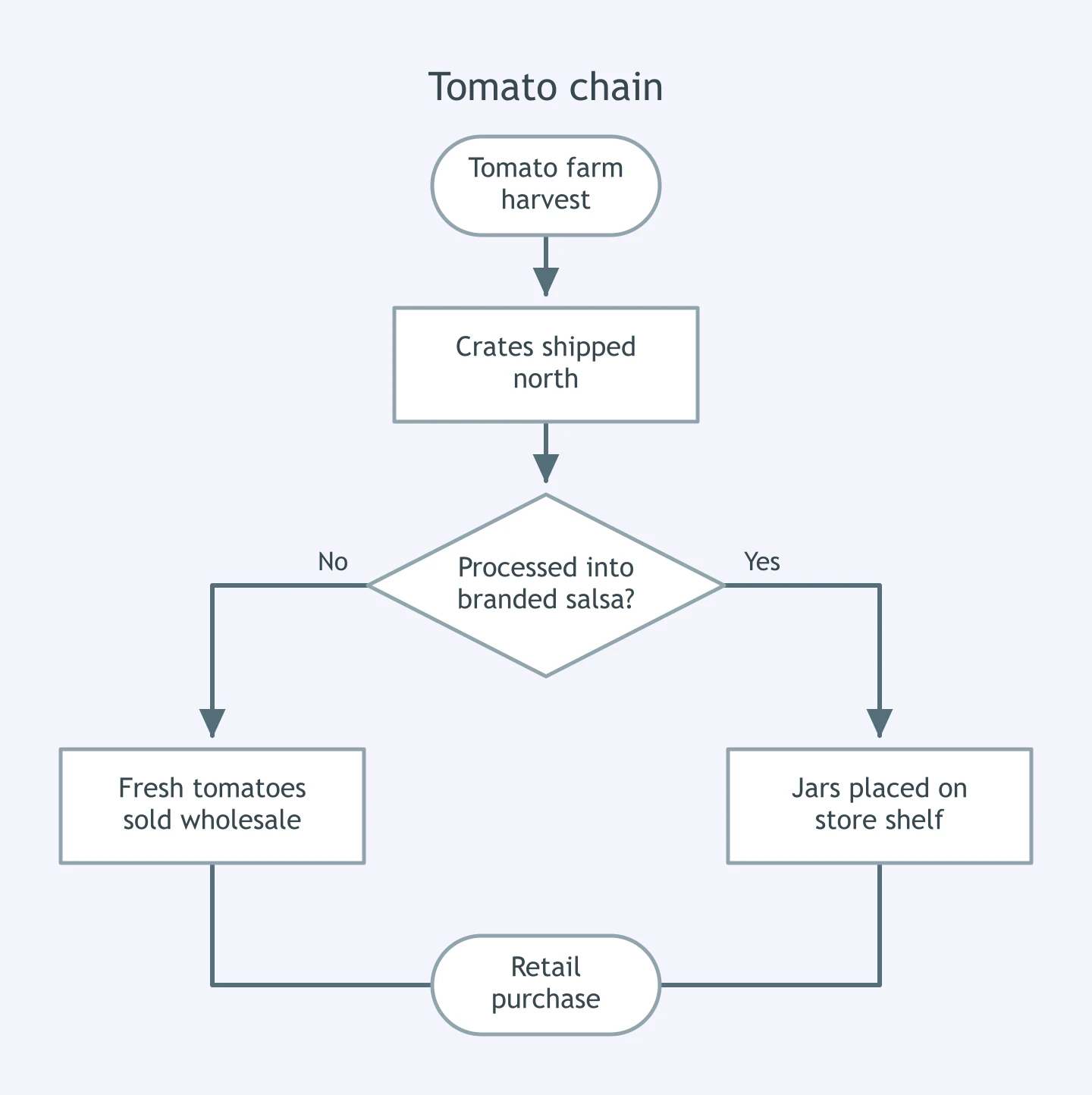
Tomatoes are grown in Mexico, shipped north, processed into salsa, and sold under a U.S. label. Which stage creates the largest added value?
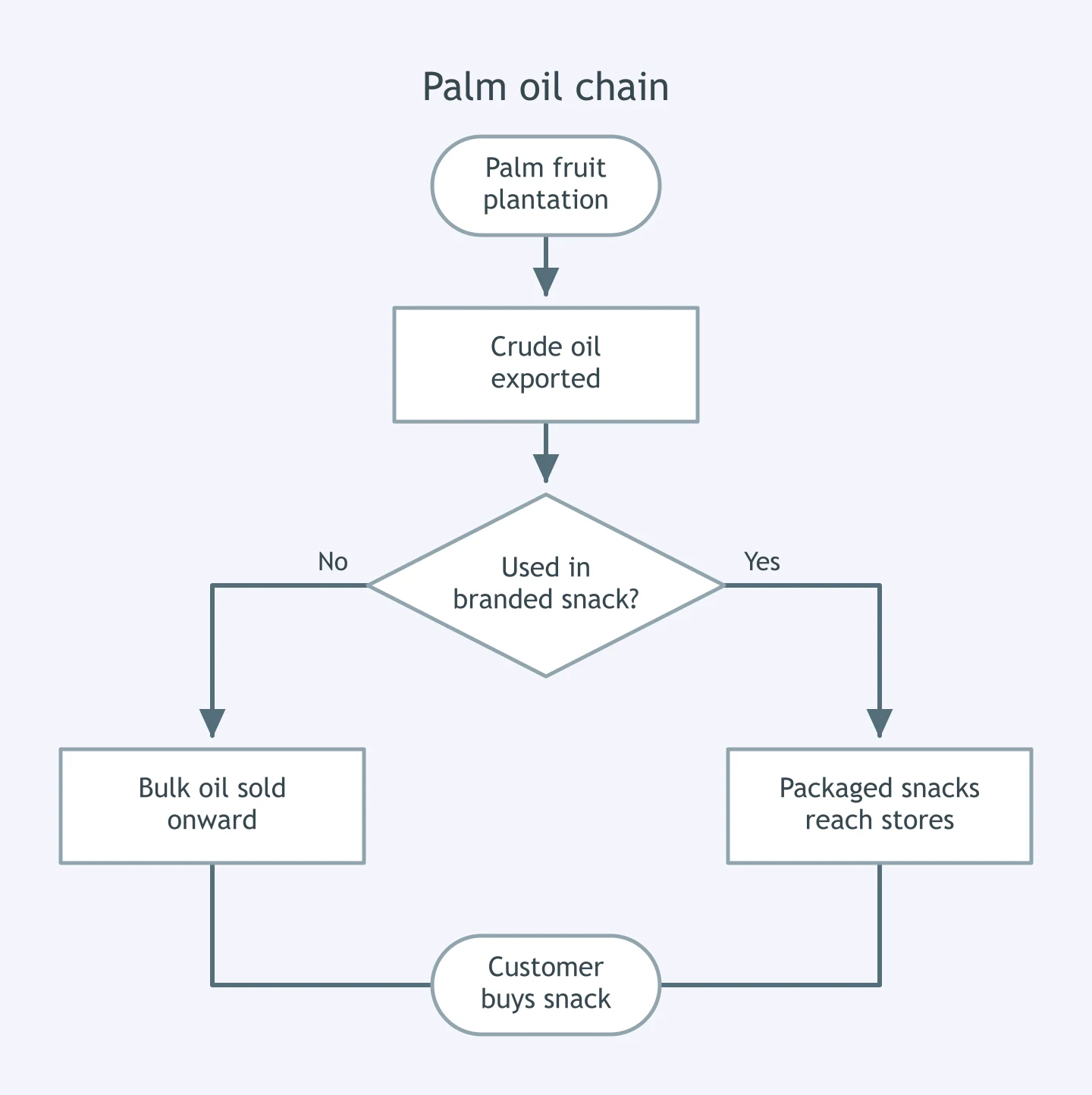
Palm fruit is grown in Southeast Asia, refined into oil, made into snacks, and sold by a global company. Where is most value added?
Milk from New Zealand is dried, made into infant formula, safety-tested, branded, and sold abroad. Which stage adds the most value?
Grapes grown in Chile are crushed, aged, bottled under a label, and sold in U.S. stores. Where is value mainly added?
One agribusiness owns seed suppliers, feed mills, hatcheries, slaughterhouses, and the brand on the package. What is this arrangement?
A beef company owns feedlots, slaughter plants, refrigerated trucks, and a national meat label. What is one advantage this gives the company?
A family owns poultry barns, but a company supplies chicks and feed and requires exact growing methods. What arrangement is this?
A fruit corporation buys many competing banana plantations in the same region while leaving shipping and retail to other firms. What is this?
A grain company that owns flour mills buys grain elevators, bakeries, and a bread brand. A rival company instead buys five other flour mills. How do the two strategies differ?
A tomato processor signs multiyear contracts requiring growers to plant its variety and sell the crop back at a formula price. What is one drawback for the growers?
A household has reliable access all year to enough safe and nutritious food for an active life. Which term fits?
A rural family skips meals every year in the weeks before harvest because stored grain runs out. Which term best describes this pattern?
A household gets enough calories from cheap staples but cannot regularly obtain fruits, vegetables, or protein. Which term applies?
After a hurricane closes roads, a family cannot reach stores or receive deliveries for a week. Which concept describes their situation?
A community decides which crops to grow locally and how food markets should serve residents rather than export buyers. Which term fits best?
A country grows enough food to feed its whole population, yet many low-income families still go hungry. What does this show about food security?
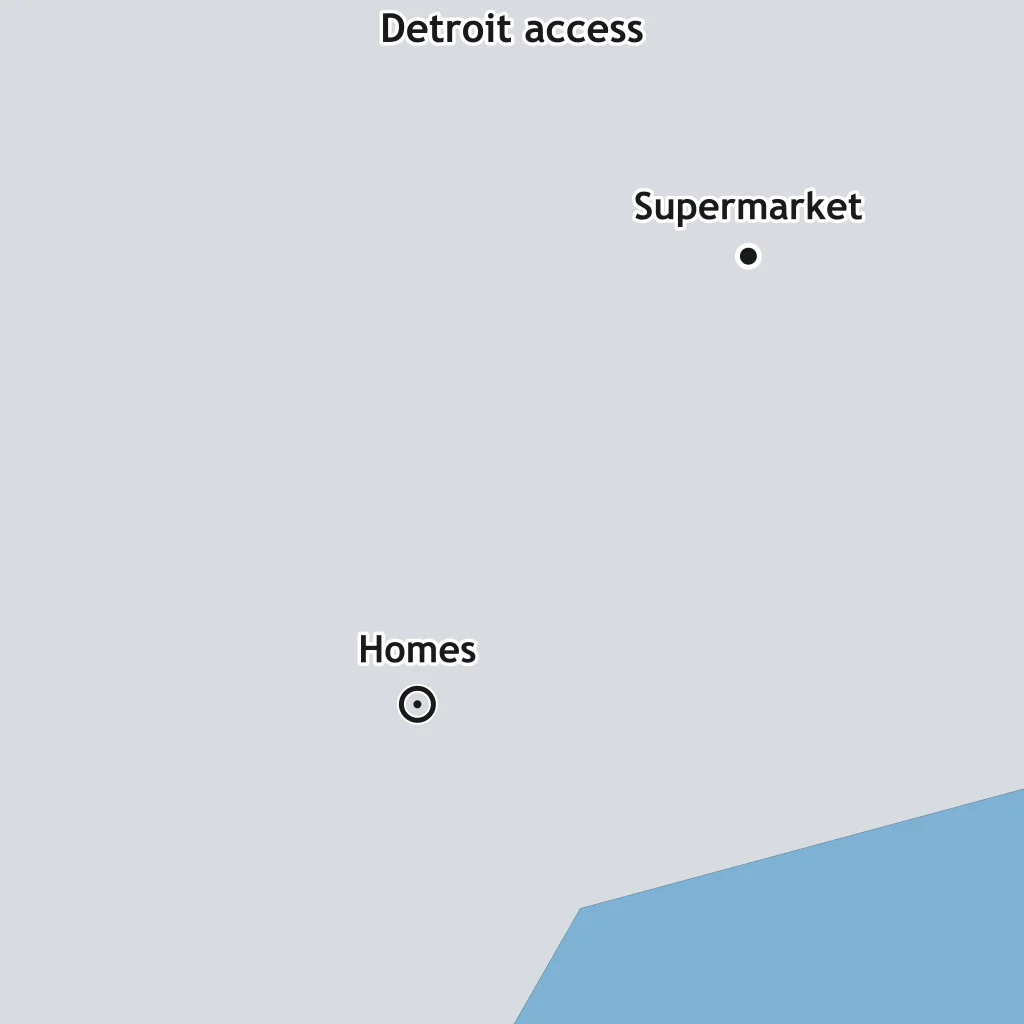
Use the Detroit access map. Low-income homes are far from the nearest full-service grocery store. Which term names this mapped area?
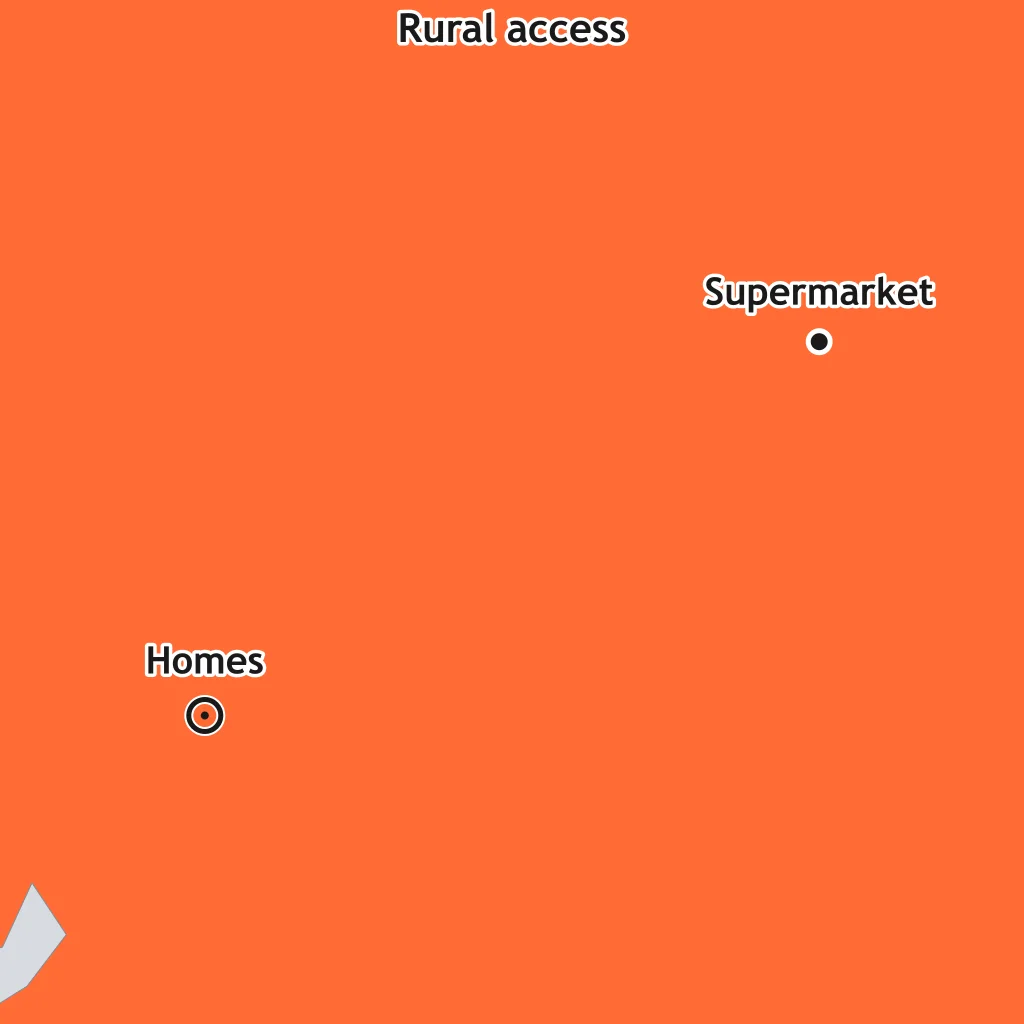
On the rural access map, homes are many miles from the only full-service grocery store and many residents lack cars. What does the pattern show?
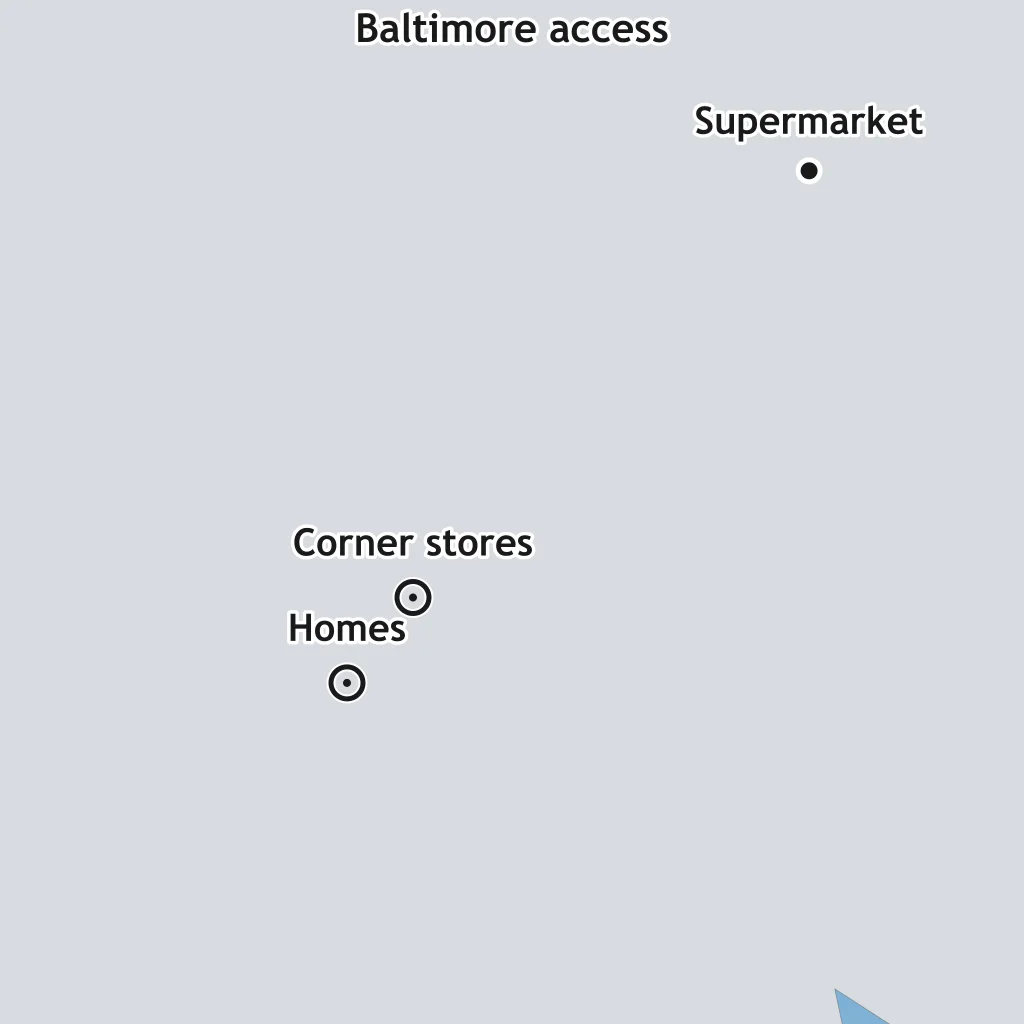
The Baltimore map shows low-income blocks with corner stores nearby but the nearest supermarket outside the neighborhood. What is a likely effect?
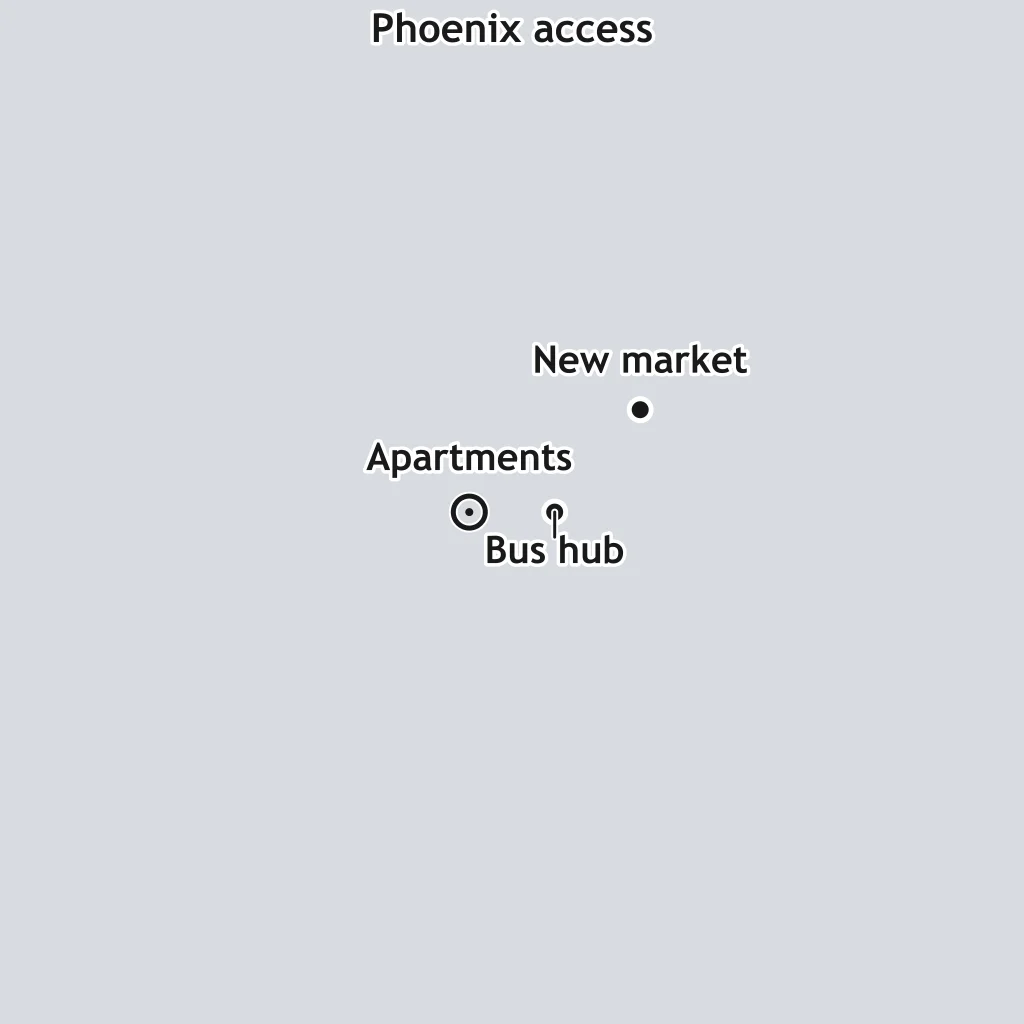
A Phoenix access map adds a supermarket at a bus transfer point near low-income apartments. What change would this most directly make?
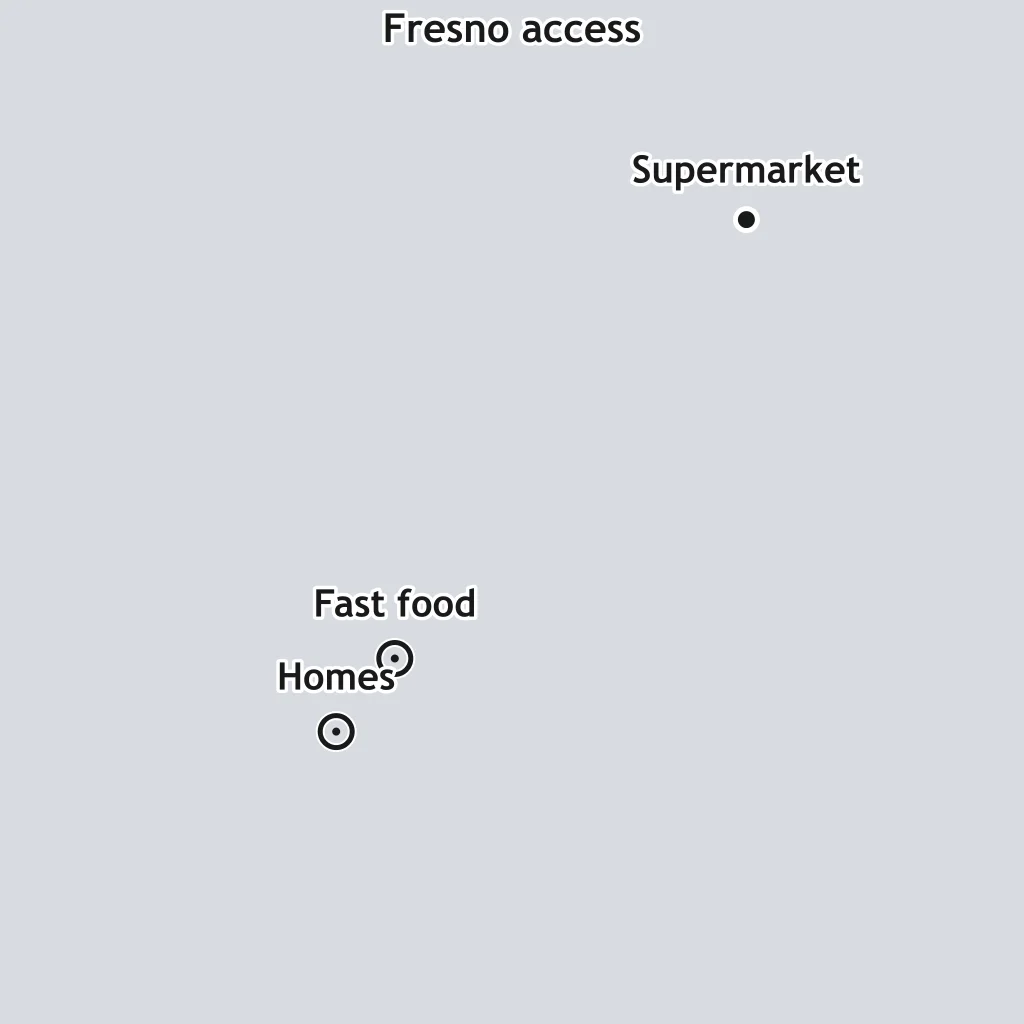
Use the Fresno access map. Low-income housing is separated from full-service groceries, while fast-food outlets are nearby. Which label fits best?
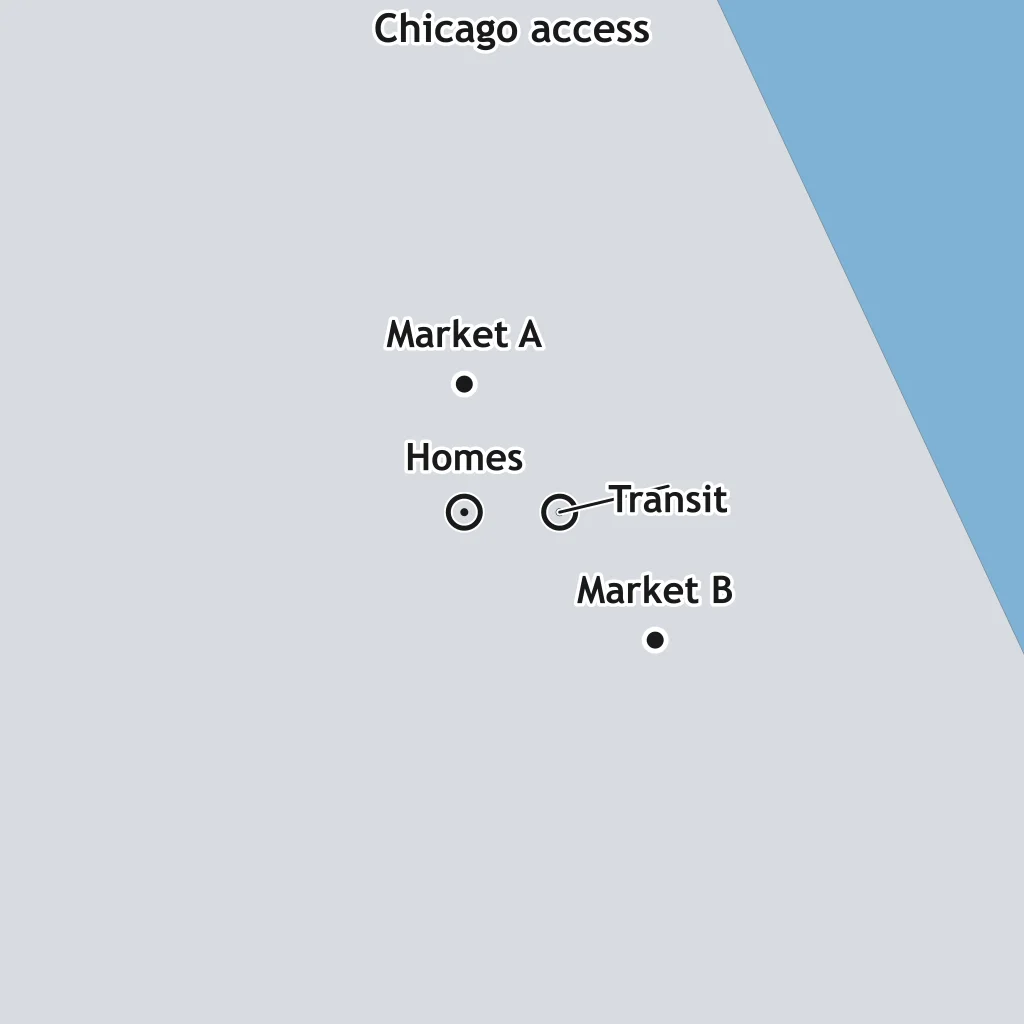
The Chicago map shows low-income homes close to several full-service grocery stores and transit stops. What does the pattern imply?
A country earns most export income from cocoa, and the world cocoa price falls sharply. What is the likely result?
A banana-exporting country is hit by a disease that destroys much of its single main crop. Which risk does this reveal?
Coffee provides most of a country's export taxes. If global coffee prices drop for two years, which budget change is most likely?
World sugar prices rise, and a sugar-dependent country clears forest and food plots to plant more cane. What risk does this create for the country?
A country adds vegetable exports and food processing after years of relying on coffee alone. Why does this reduce risk?
A Chicago supermarket sells fresh grapes from Chile in February. What does this reveal about the modern food system?
New York stores sell asparagus from Peru in January. Which feature of global agriculture does this best show?
A Minneapolis grocery carries green beans flown from Kenya during winter. What does this show about commodity chains?
A Boston store imports apples from New Zealand in July instead of selling stored local apples. What is one cost of this kind of global sourcing?
The Green Revolution and Its Consequences
30 questions
Subsistence Agriculture: Regions and Practices
35 questions
Commercial Agriculture: Regions and Practices
35 questions
The Von Thunen Model and Bid-Rent
30 questions
Consequences of Agricultural Practices: Land, Soil, Water and Sustainability
35 questions
Crack the passcode before the zombies get in.
Answer, then swat bugs for bonus points.
Race through questions at your own speed.
Same question on every screen. Fastest wins.

Pick a tile, answer, hit bonuses and steals.
Contemporary Challenges: GMOs, Organics, Food Deserts and Women in Agriculture
35 questions