Loading
by BlastRoom
Why cities appeared where they did and why they keep growing.
#us_hs_human_geography
30 questions
One question set, multiple game modes. Tap any game to see it in action. Not sure which to pick?
Answer to place stones and capture territory.
Outrun the snow together.
Earn blasts, then hunt the other team.
Answer to earn energy, then climb.

The class blasts through walls together.
Bid on mystery lots. Most money wins.
Sell tours. Nice, standard, or a total scam.

Answer, restock, and serve the rush.
More correct answers pulls the rope your way.
Answer, then shoot down the alien wave.
Answer, then tap to leap the frozen ridge.
A settlement began on a river island high enough to avoid spring floods. Does this evidence point most directly to site, situation, hinterland, or threshold?
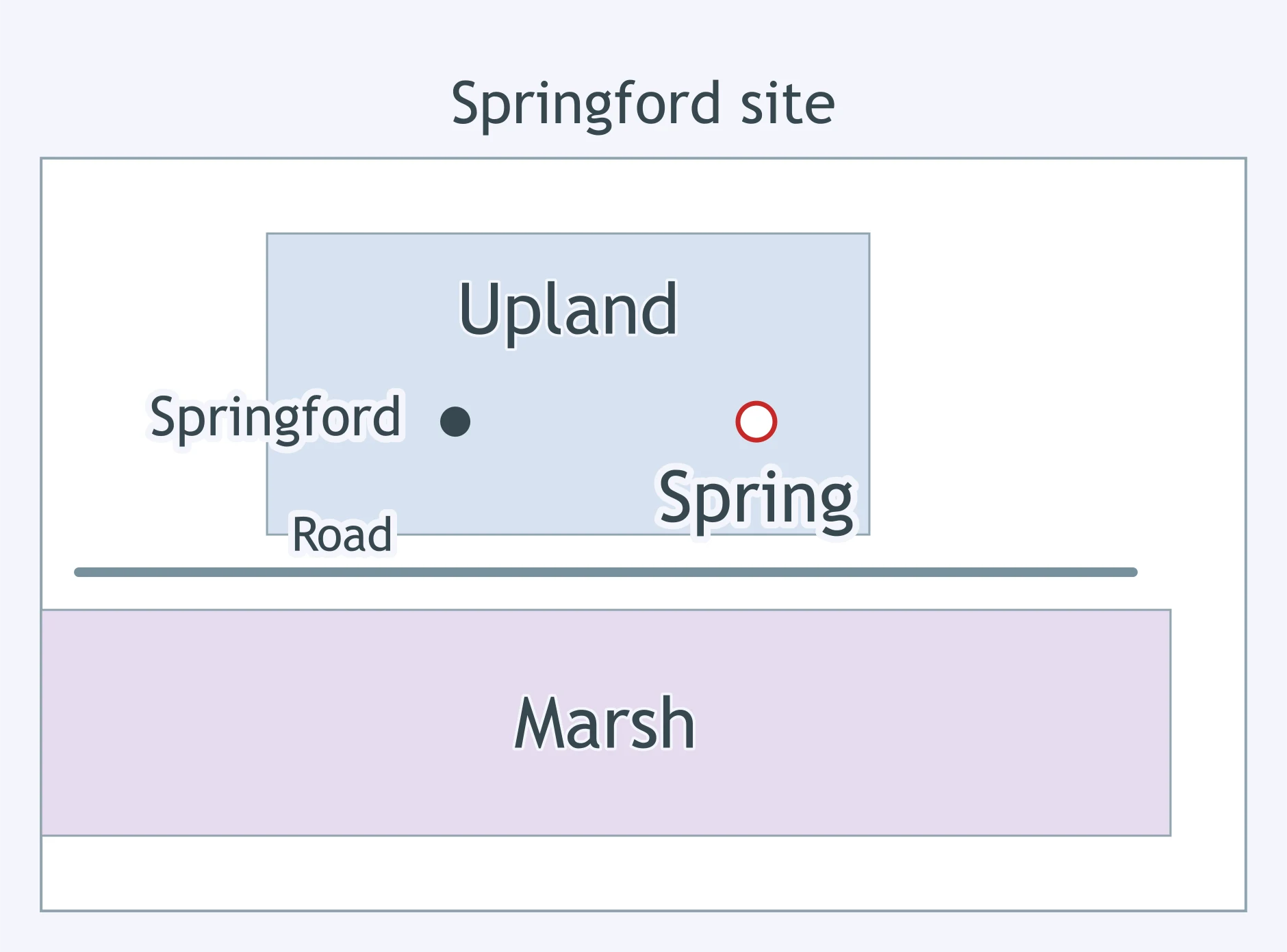
Use the sketch map of Springford. The settlement's clearest advantage on its own ground is what?
A town was founded where a headland protects a deep bay from storms. The founders were taking advantage of what physical feature?
A desert town grew around a spring with soils that could be irrigated. What site factor best explains its origin?
A town began on a steep ridge high above a river valley. What local physical advantage did the ridge provide?
A mill town formed where a river dropped sharply over resistant rock. What site advantage did that place offer?
A coastal city first built on a flat, dry terrace just above nearby marshes. What site factor made the terrace useful?
Farmers settled on the slopes of a volcano despite the risk of eruptions. What site advantage most likely drew them?
For a city at a river mouth, which advantage is a situation advantage rather than a site advantage?
A port stands on a rocky peninsula and halfway along a busy coastal shipping route. What is its situation advantage?
A prairie city has level land, deep soils, and rail lines reaching several grain districts. What is the city's situation advantage?
A canal made a lake city the cheapest route between an inland farming region and the coast. What changed most directly?
A market town lies on flat, ordinary land between a mining district and an export port. What best explains its main advantage?
A hub city sits on ordinary flat land, but flights and highways from many regions converge there. What best explains its growth?
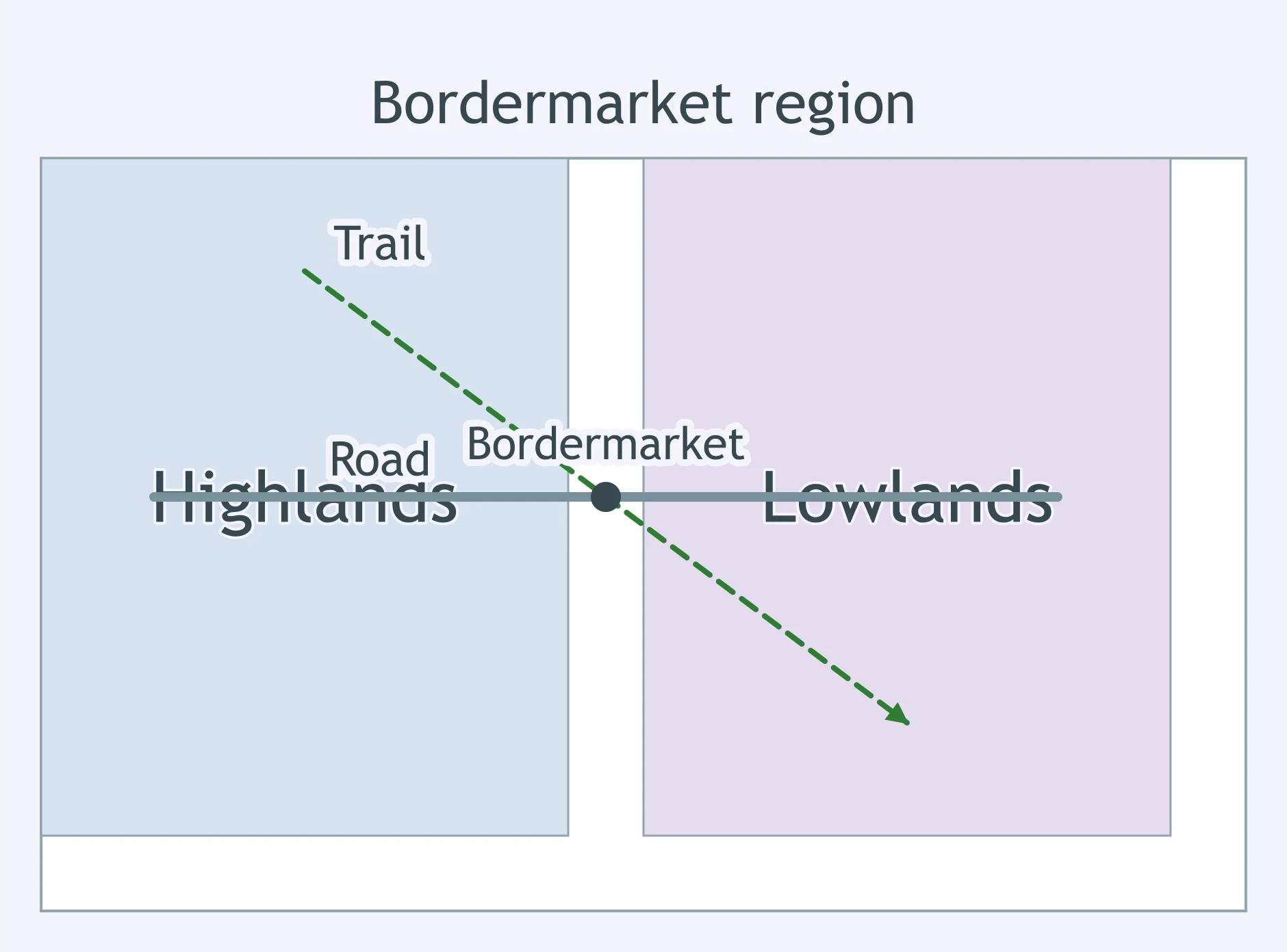
Use the sketch map of Bordermarket. What advantage is mainly shown?
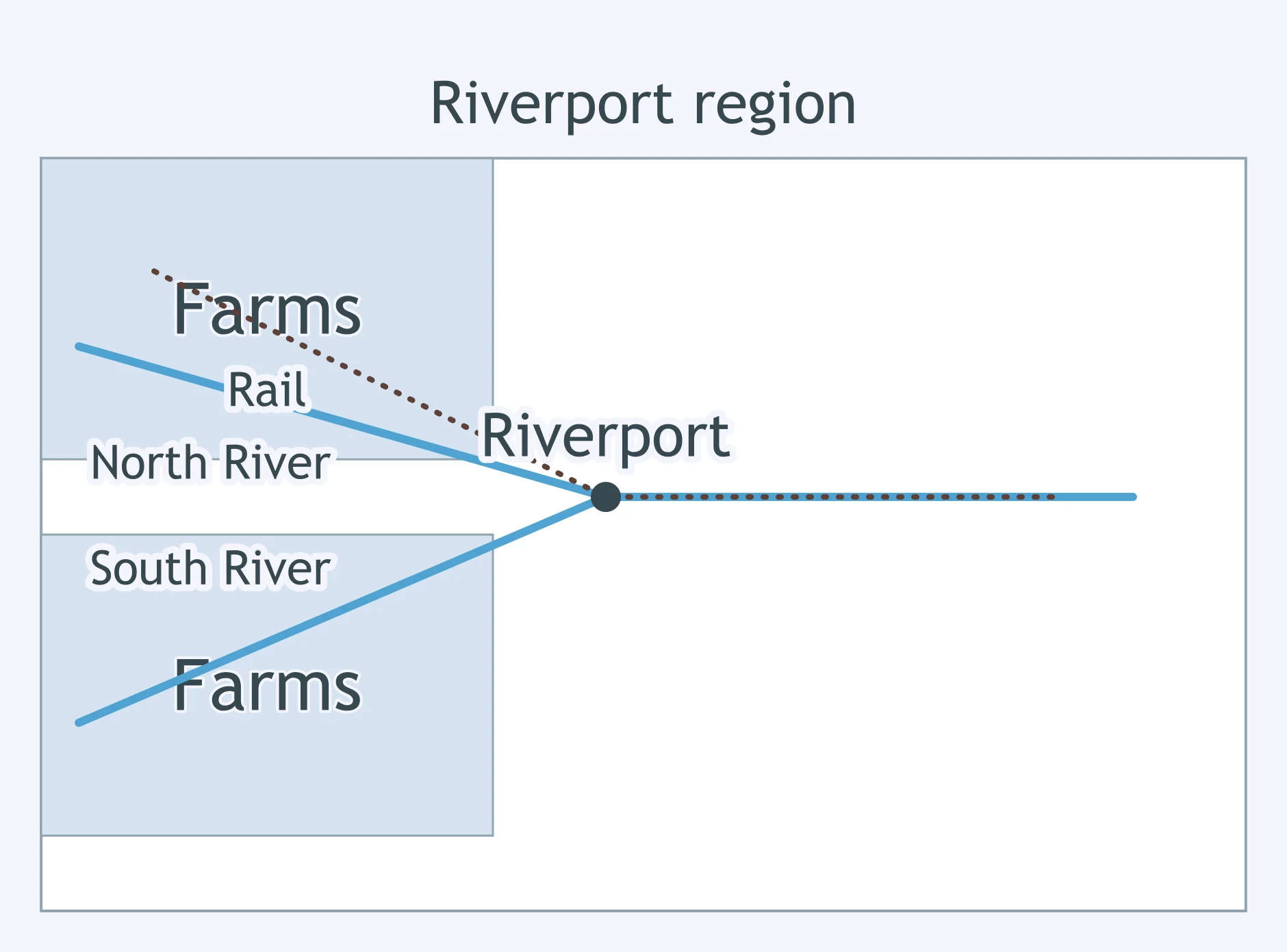
Use the sketch map of Riverport. What growth factor does the pattern best support?
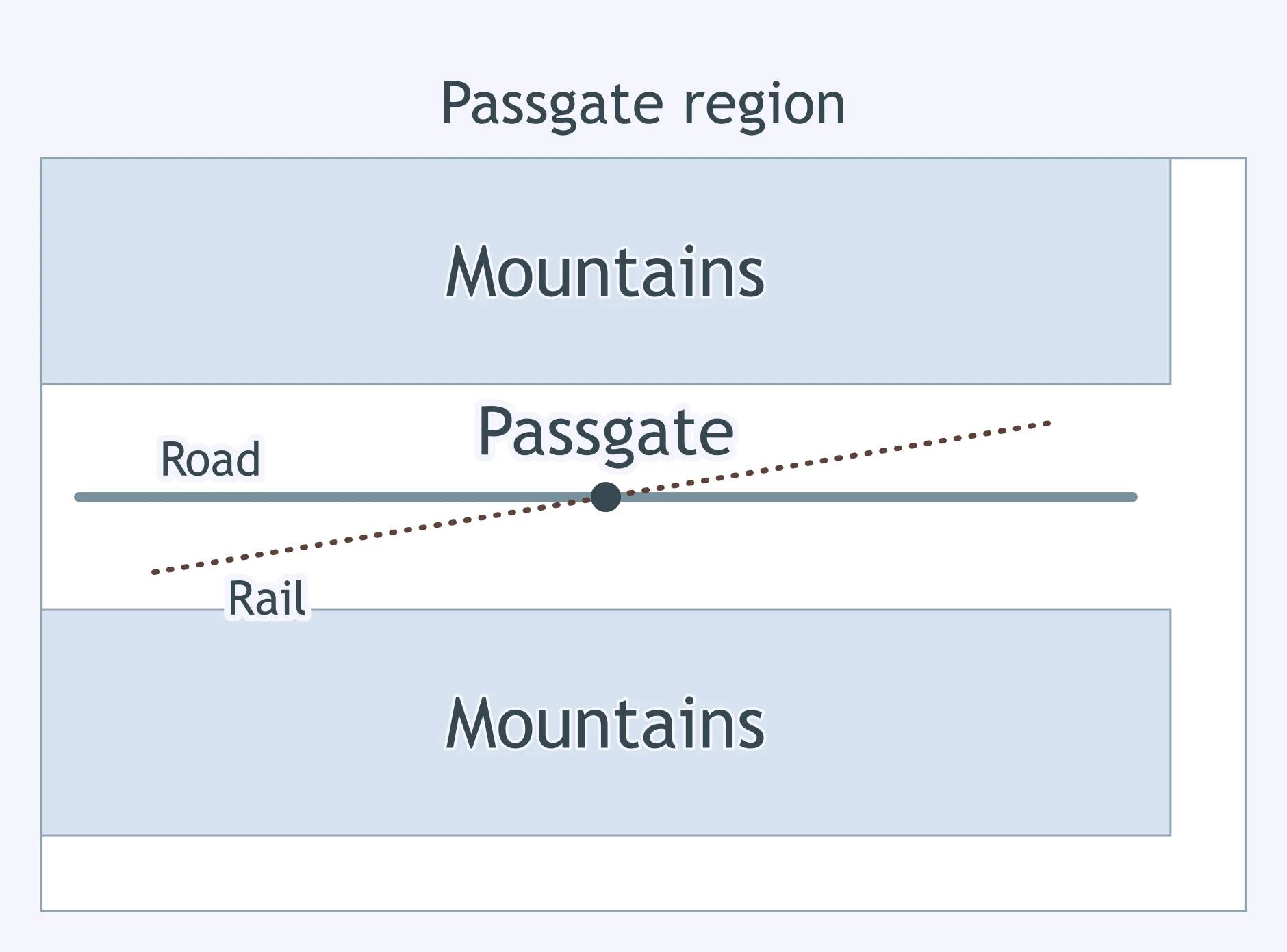
Use the sketch map of Passgate. What explains the city's growth most directly?
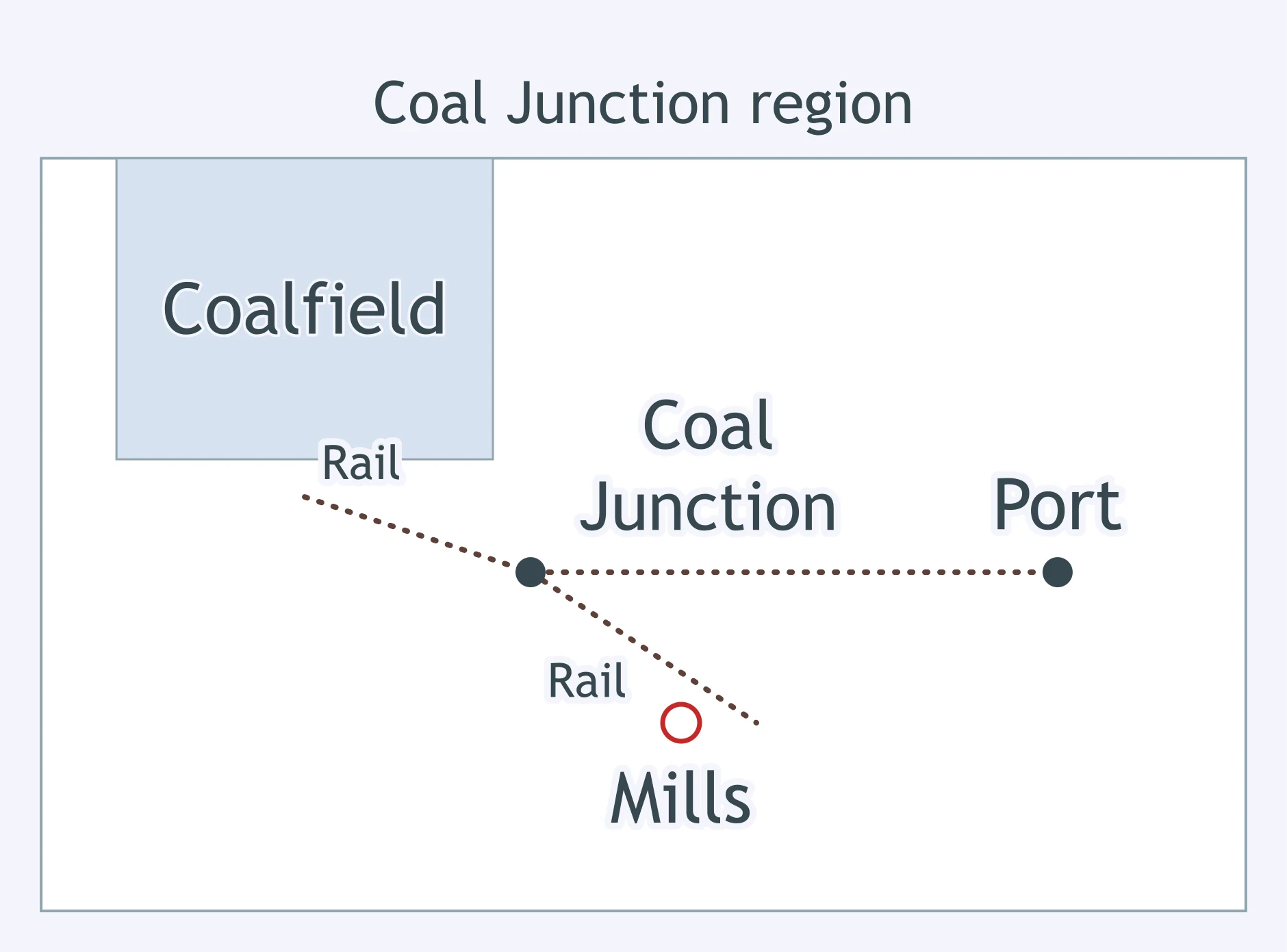
Use the sketch map of Coal Junction. The strongest explanation for growth is what?
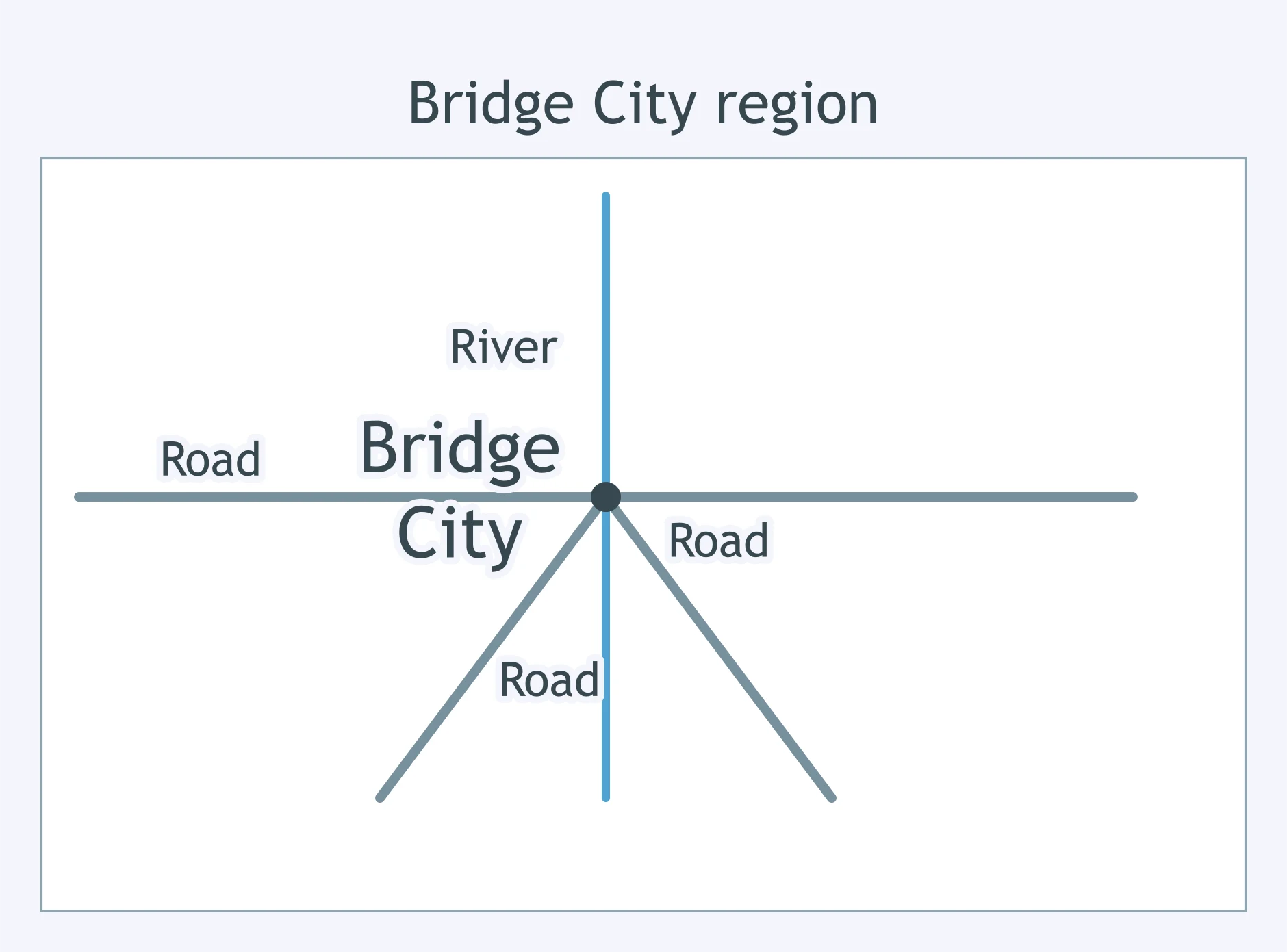
Use the sketch map of Bridge City. What location factor is most evident?
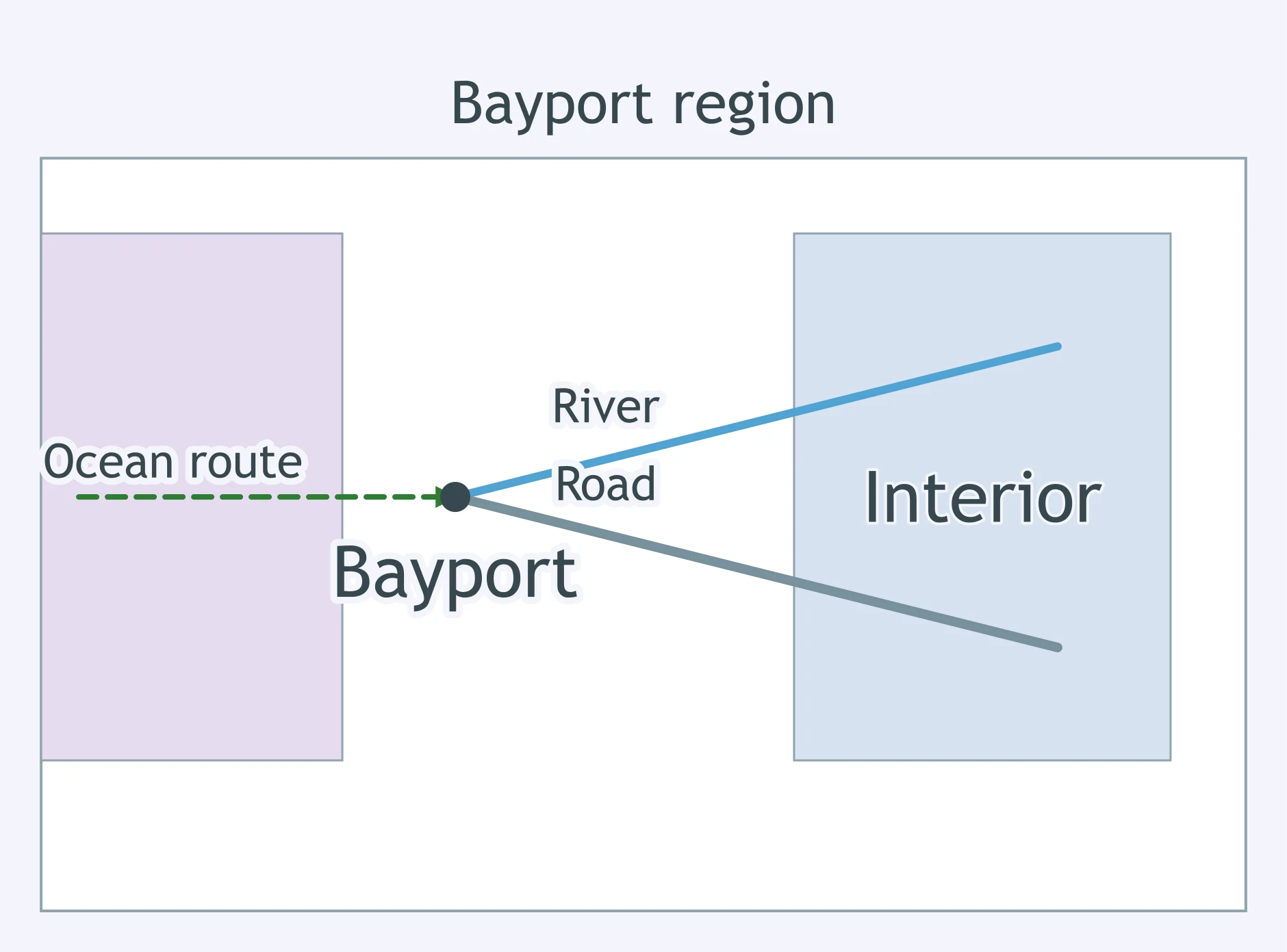
Use the sketch map of Bayport. What role does the city play in the regional system?
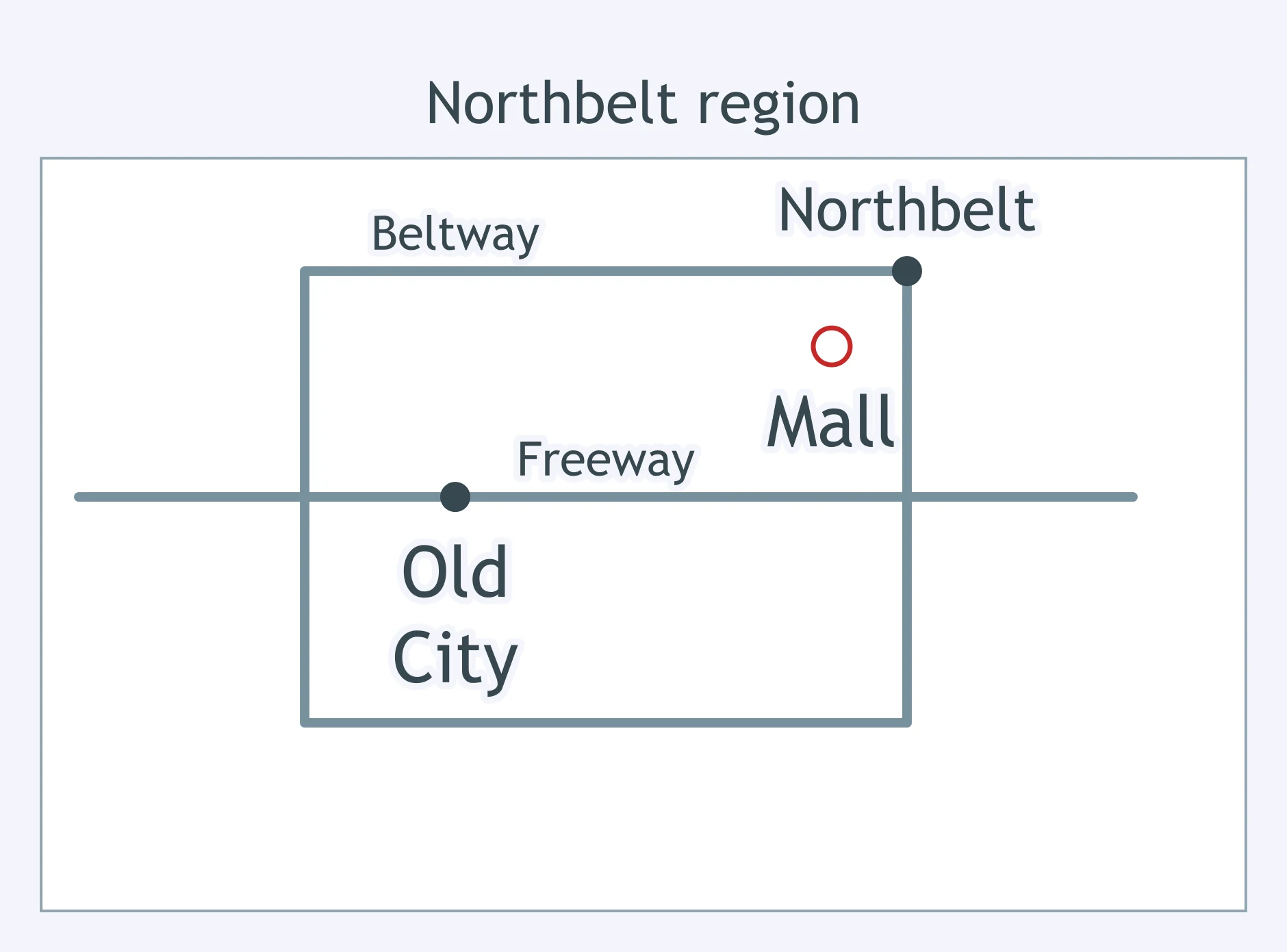
Use the sketch map of Northbelt. What process is most likely driving growth outside the old city?
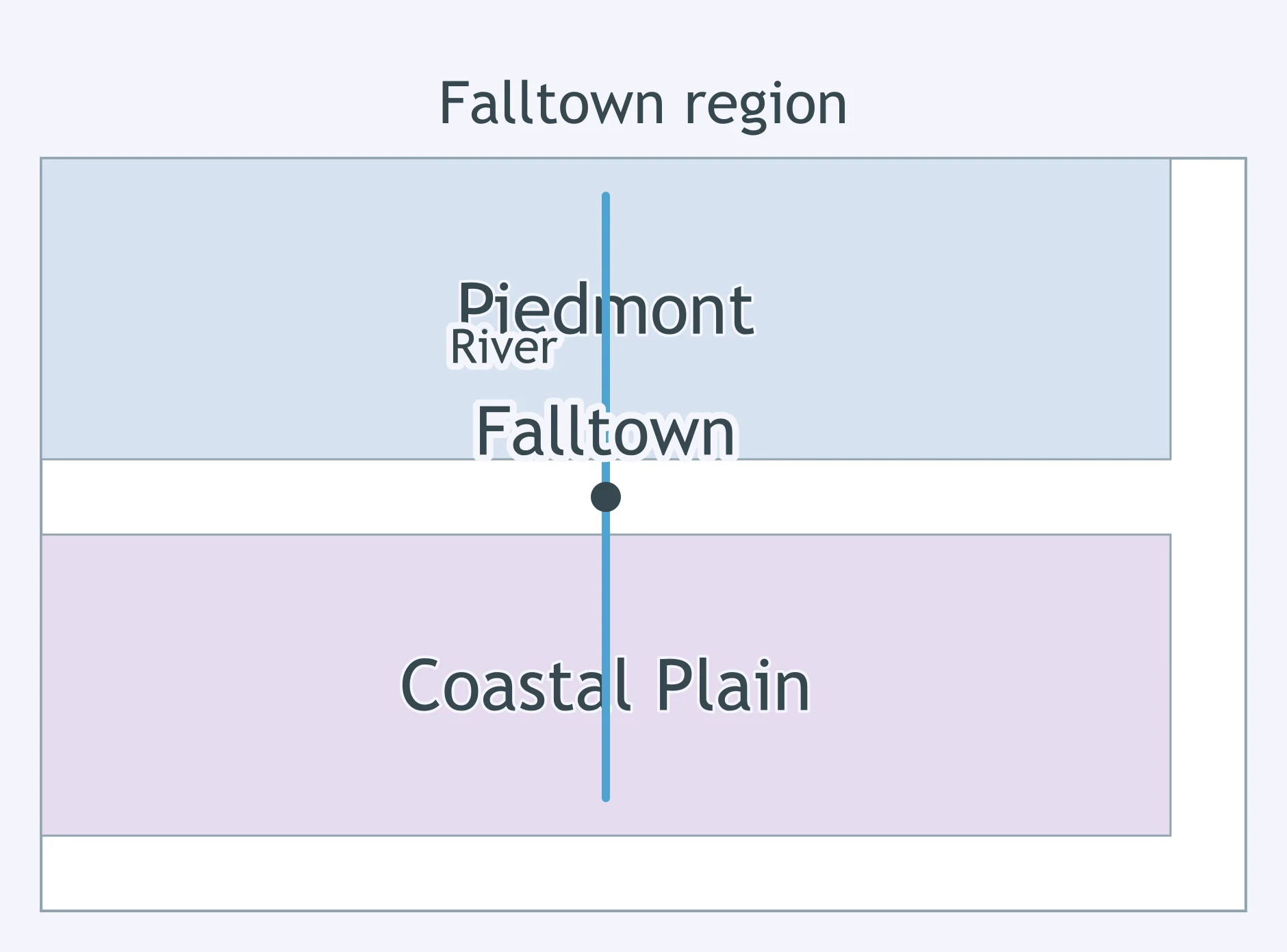
Use the sketch map of Falltown. What original growth factor is shown?
Since 1950, many cities in Africa and Asia have grown very fast. What process explains much of that urban growth?
During industrialization, why did urban growth often speed up near coalfields, ports, and rail junctions?
A megacity in a lower-income country keeps growing even when formal housing and jobs lag behind. What explanation best fits?
Why are urbanization rates often fastest today in regions with lower starting urban shares, such as parts of Sub-Saharan Africa and South Asia?
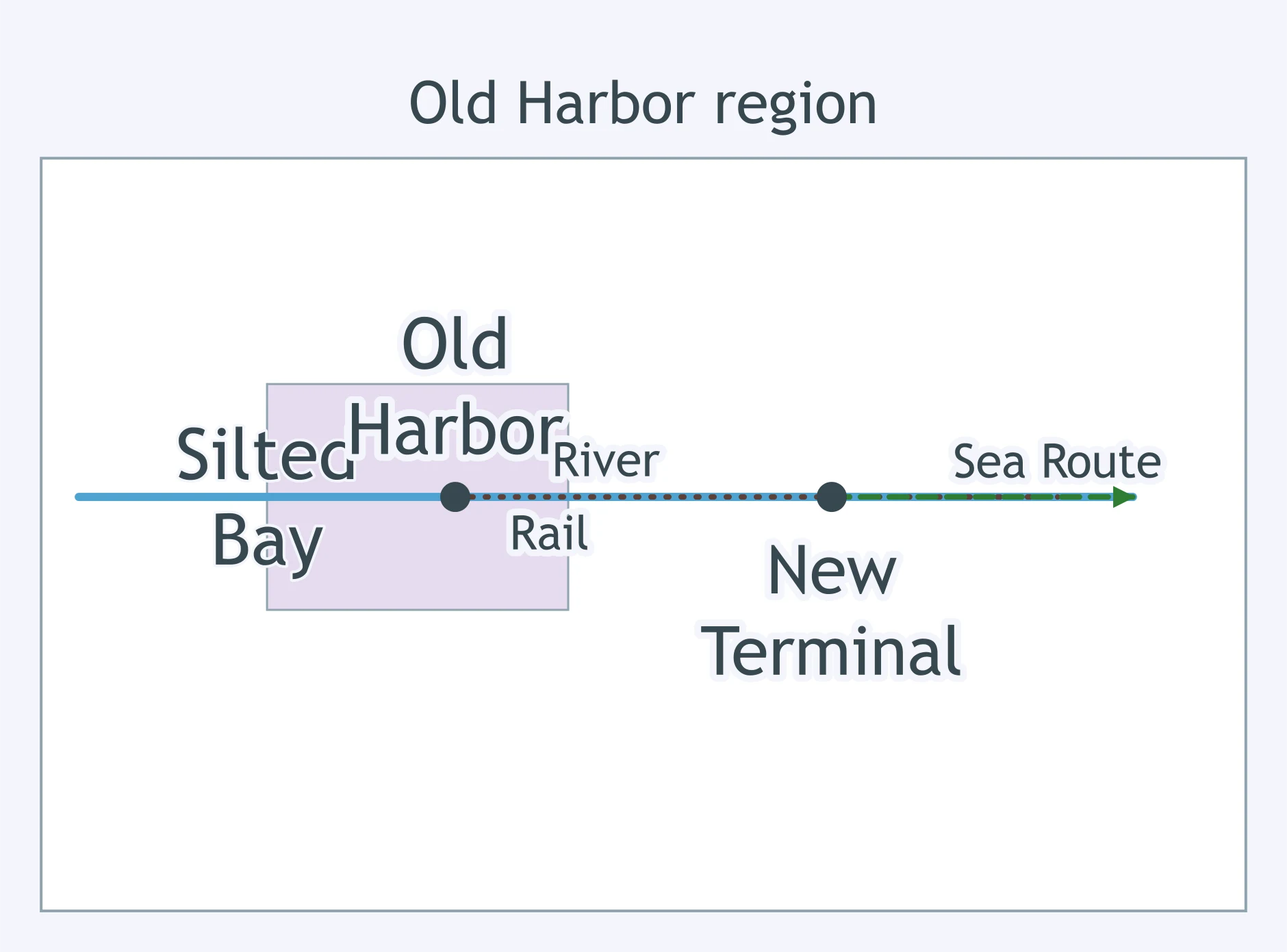
Use the sketch map of Old Harbor. Silt has filled the former waterfront, but the city still connects inland trade to the sea. What changed most?
The first cities grew in Mesopotamia more than 5,000 years ago. What change made them possible?
Some of the world's first cities developed in a few river valleys. Which group lists those early urban hearths?
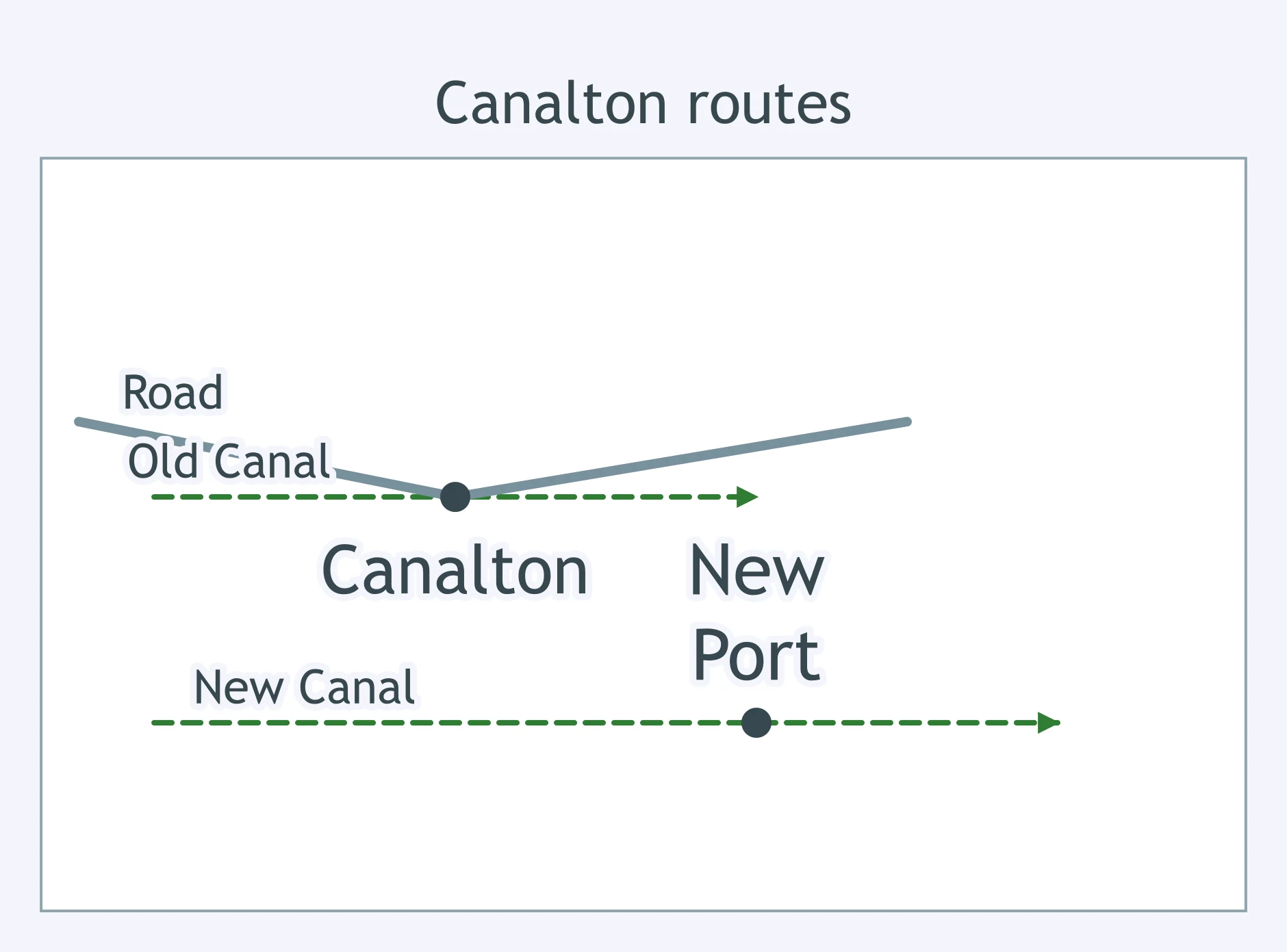
Use the sketch map of Canalton. The canal route shifted away from the old town, while the old town's landform did not change. What changed most directly?
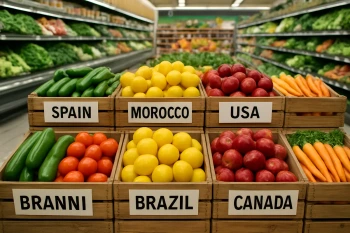
The Global System of Agriculture: Commodity Chains, Agribusiness and Food Security
35 questions
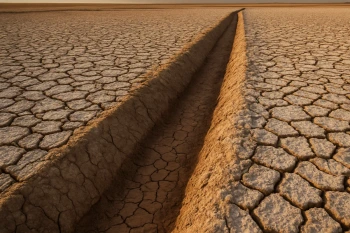
Consequences of Agricultural Practices: Land, Soil, Water and Sustainability
35 questions
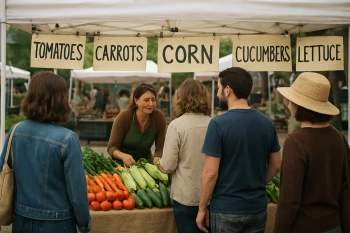
Contemporary Challenges: GMOs, Organics, Food Deserts and Women in Agriculture
35 questions
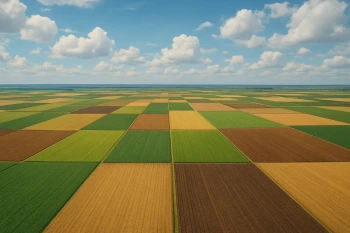
Agriculture and Rural Land Use: Mixed Review
65 questions
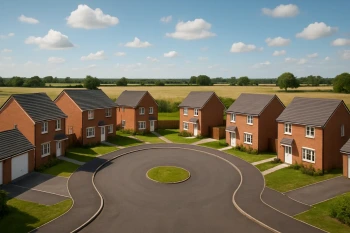
Suburbanization, Sprawl, Edge Cities and Exurbs
Crack the passcode before the zombies get in.
Answer, then swat bugs for bonus points.
Race through questions at your own speed.
Same question on every screen. Fastest wins.

Pick a tile, answer, hit bonuses and steals.
35 questions