Loading
by BlastRoom
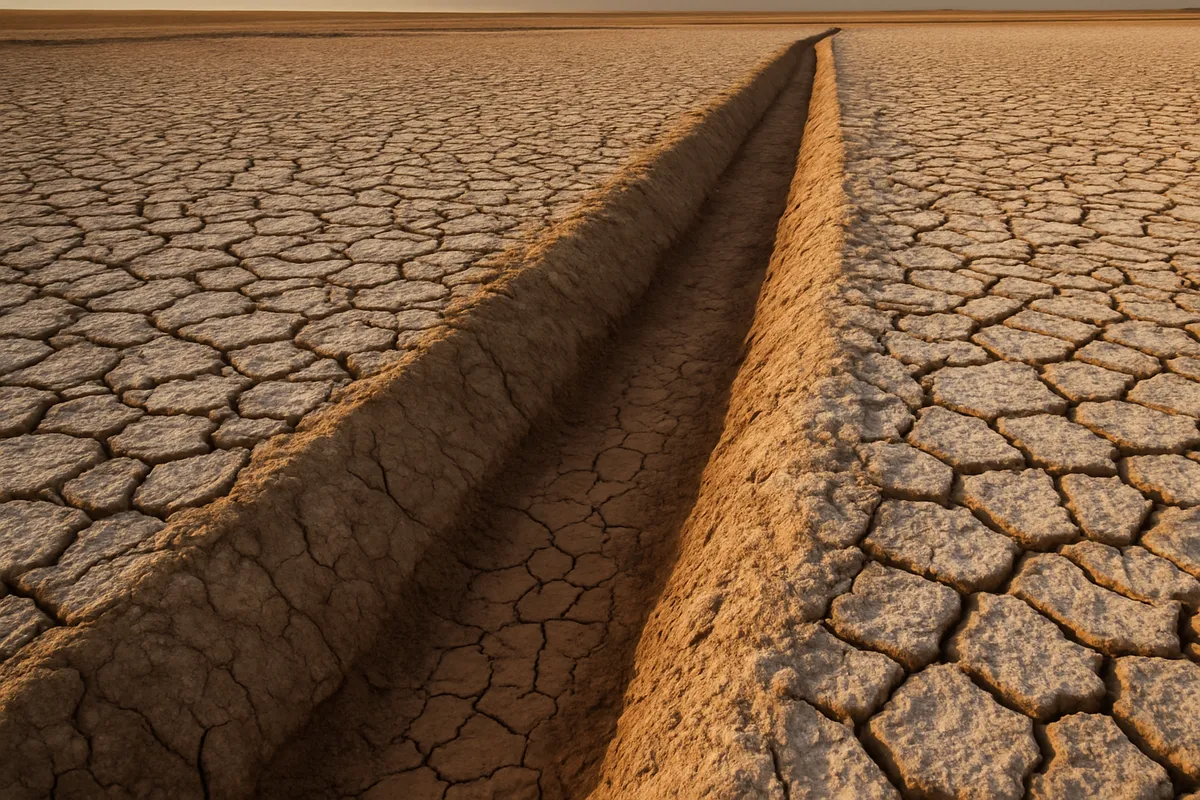
What farming does to the ground, the water and the air around it.
#us_hs_human_geography
35 questions
One question set, multiple game modes. Tap any game to see it in action. Not sure which to pick?
Answer to place stones and capture territory.
Outrun the snow together.
Earn blasts, then hunt the other team.
Answer to earn energy, then climb.

The class blasts through walls together.
Bid on mystery lots. Most money wins.
Sell tours. Nice, standard, or a total scam.

Answer, restock, and serve the rush.
More correct answers pulls the rope your way.
Answer, then shoot down the alien wave.
Answer, then tap to leap the frozen ridge.
A feedlot holds thousands of cattle and stores manure near a river. What is the most likely downstream consequence after heavy rain?
A forest plot is burned, cropped for several years, and reused before trees can regrow. What environmental damage is most likely?
A large farm plants corn on the same fields every year and applies synthetic fertilizer each spring. What is a likely water impact?
Why does salt build up faster in irrigated fields in arid regions than in irrigated fields in humid regions?
A wheat field is plowed and left bare through windy months. What environmental consequence is most likely?
Overgrazing by goats and cattle, along with drought, has spread desertification across the semiarid belt on the southern edge of the Sahara. This region is called the
Rice is grown in flooded paddies over large areas. Which atmospheric consequence is linked to this practice?
A peat wetland is drained so crops can be planted. What environmental consequence is most likely?
An orchard is sprayed repeatedly with broad-spectrum insecticides. What environmental risk increases?
After harvest, a farming region burns crop residue across many fields. What is a likely environmental consequence?
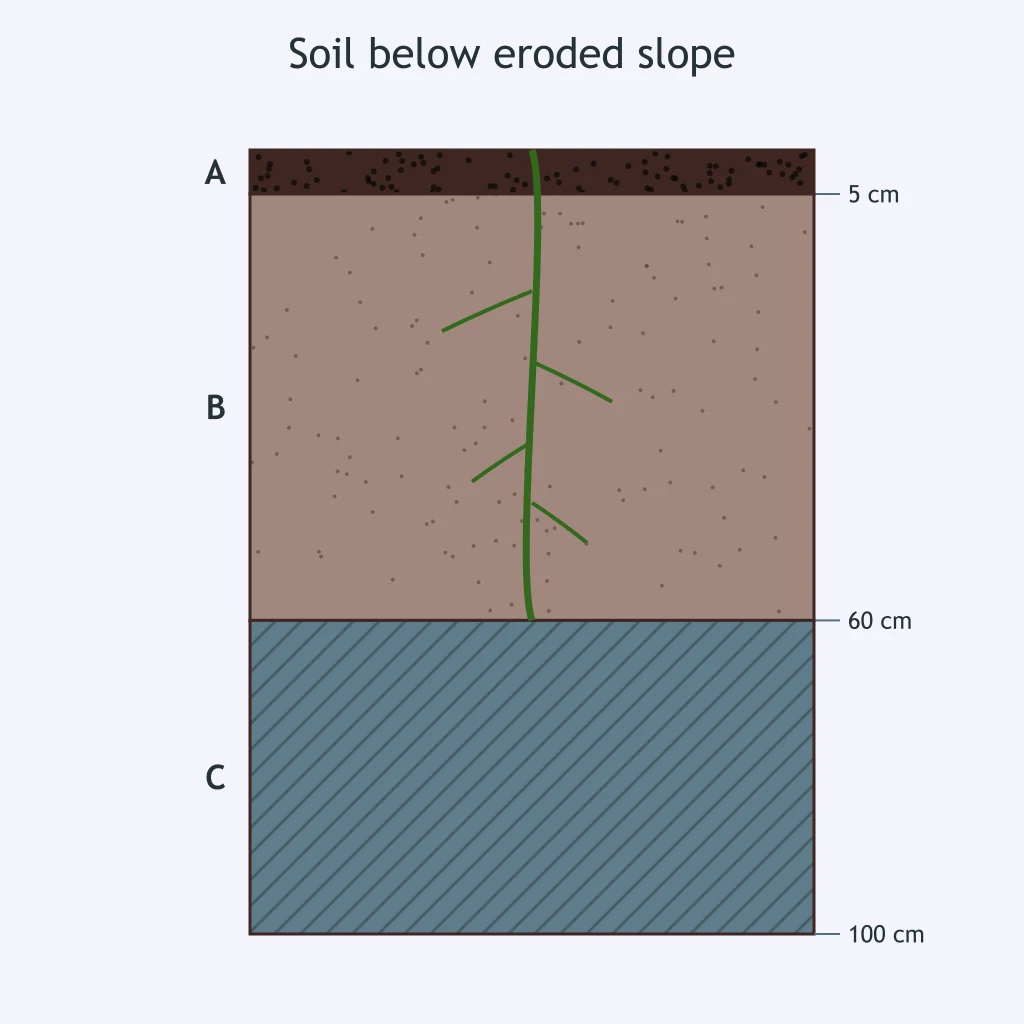
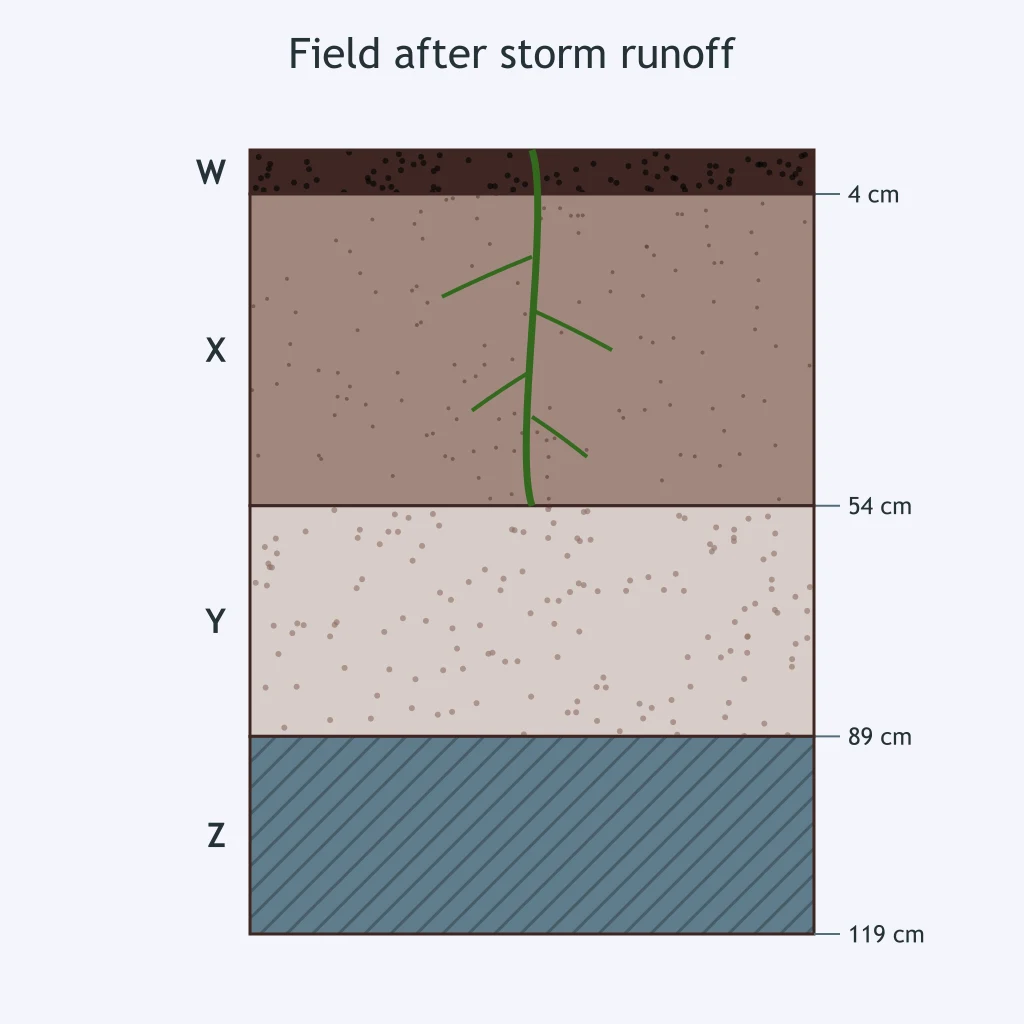
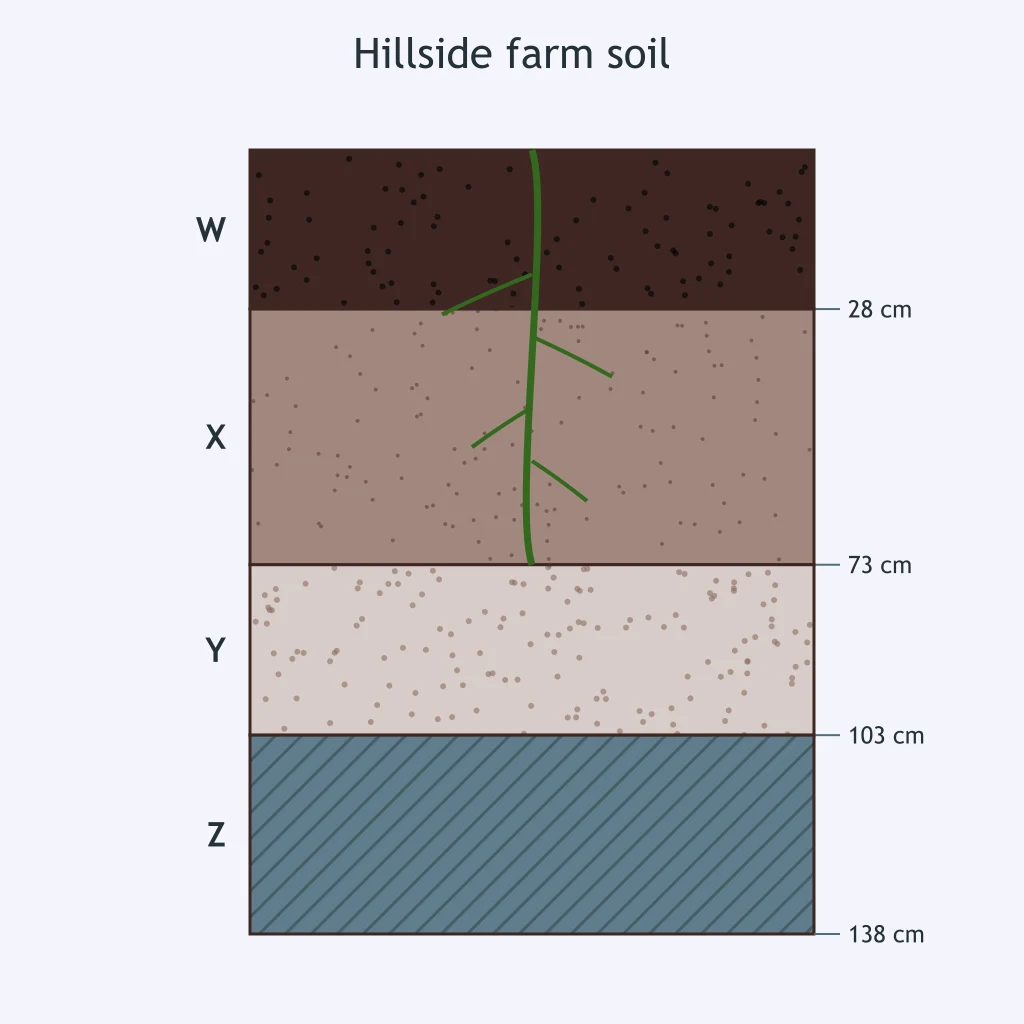
The profile and field evidence show a steep cultivated slope with little surface soil left and channels cut by runoff. Which practice most likely caused it?
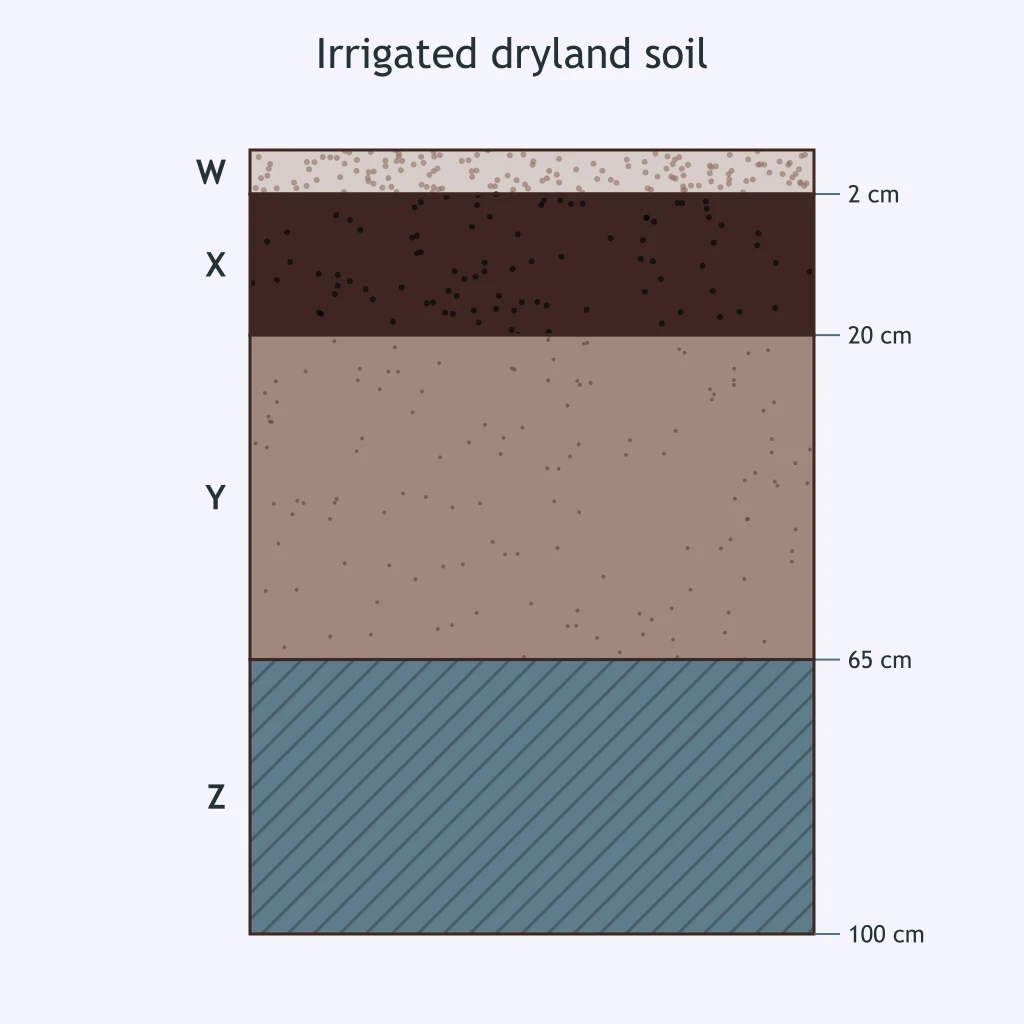
A dry valley field near an irrigation canal has a white crust and stunted crops. Which practice most likely produced this damage?
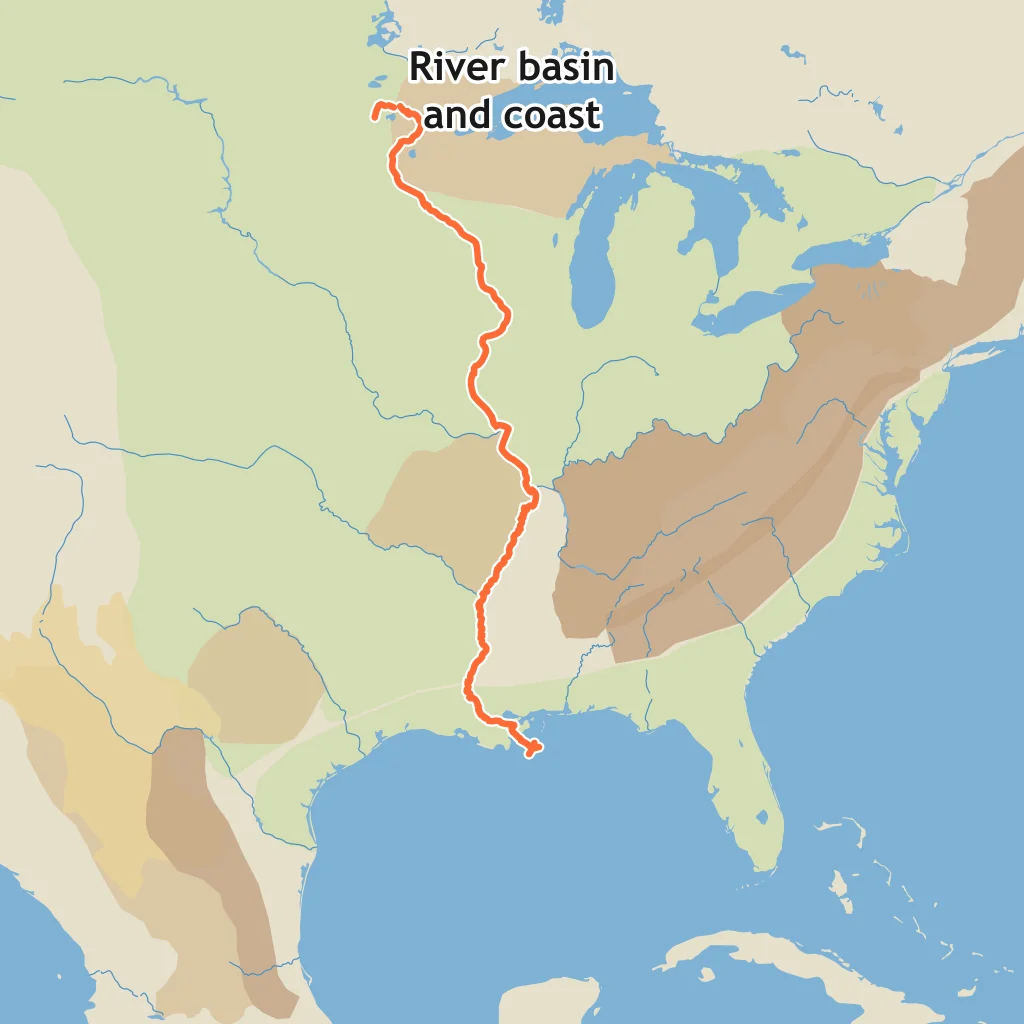
A river carries runoff from a row-crop region to a coastal zone where summer low-oxygen water appears. Which practice most likely caused the damage?
A dry pasture has bare, trampled ground clustered around wells and paths, with little grass returning. Which practice best explains the damage?
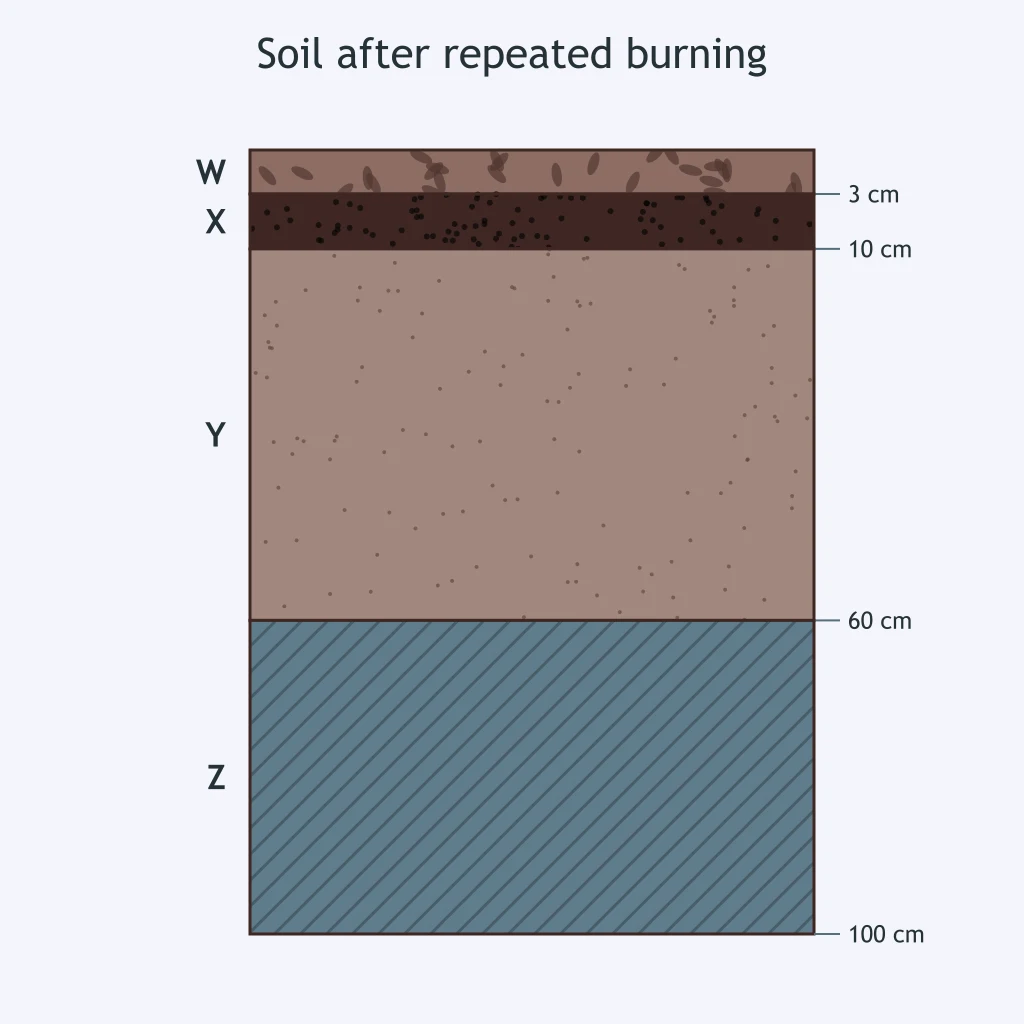
The profile shows a thin surface layer under charred plant remains after repeated clearing. Which practice most likely produced it?
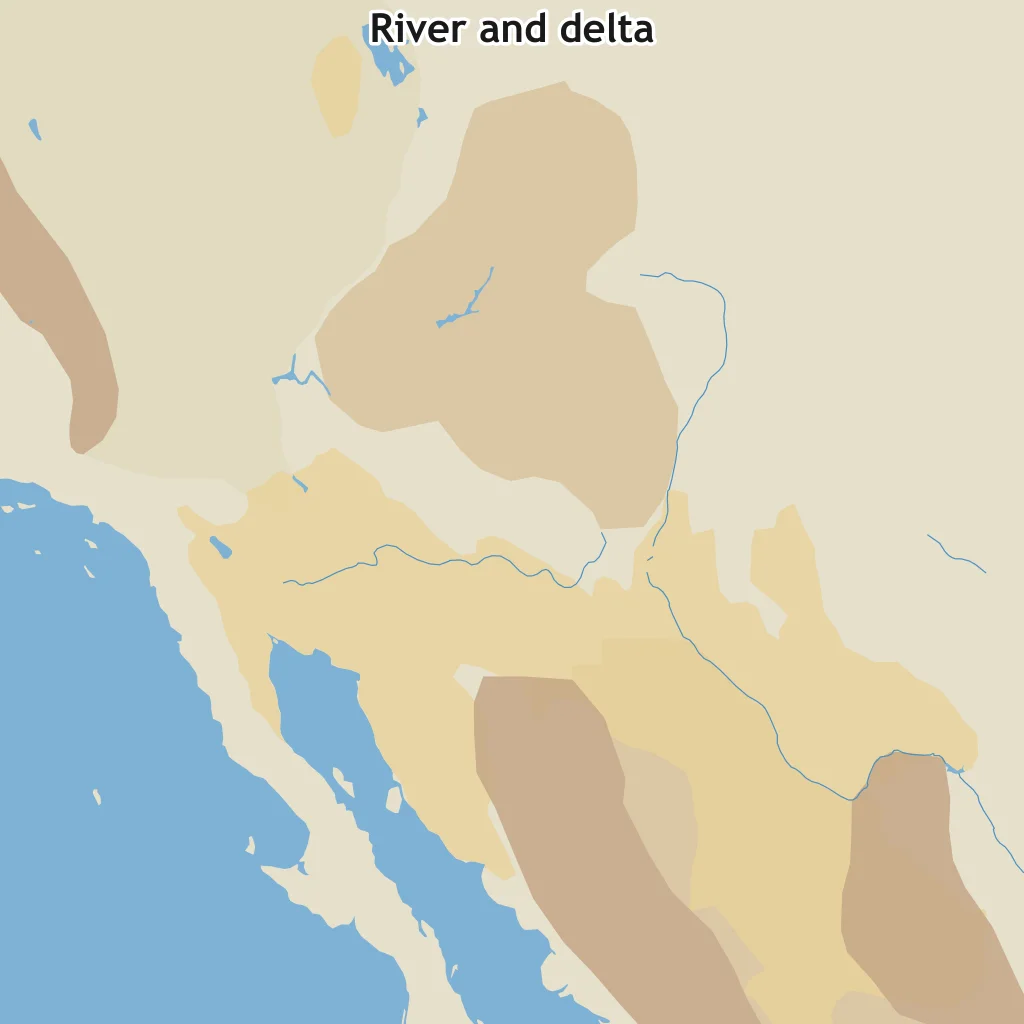
A delta map shows a river channel ending in salty tidal flats after most upstream flow is sent into canals. Which practice is behind this damage?
Gullies cut through rows of a newly cleared hillside plantation after rainy seasons. Which practice most likely caused this pattern?
A stream below an orchard has repeated fish kills, and tests find insecticide residues in the water. Which practice most likely produced this problem?
Irrigation water evaporates from a dryland field and leaves white crystals at the surface. Which degradation process is occurring?
Dryland grass is grazed so heavily that bare ground spreads, plants fail to recover, and soil blows away. Which process is this?
Storm runoff strips away the dark surface horizon and cuts small channels through a field. Which degradation process is shown?
Fertilizer enters a lake, algae multiply, and decomposition lowers dissolved oxygen so fish die. Which process is this?
Heavy machinery crosses wet fields many times, pore spaces collapse, and rain no longer soaks in easily. Which soil problem is this?
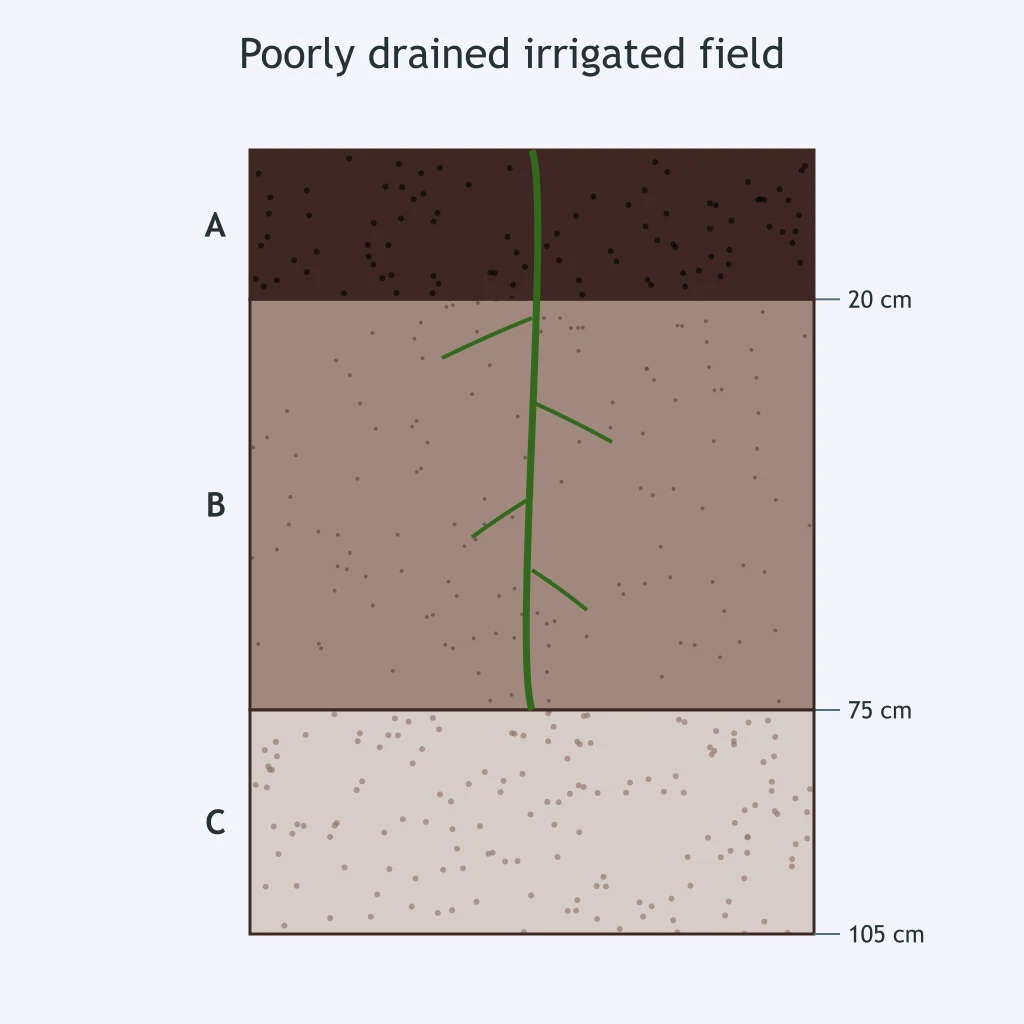
Irrigation on poorly drained flat land raises the water table until crop roots sit in saturated soil. Which degradation process is occurring?
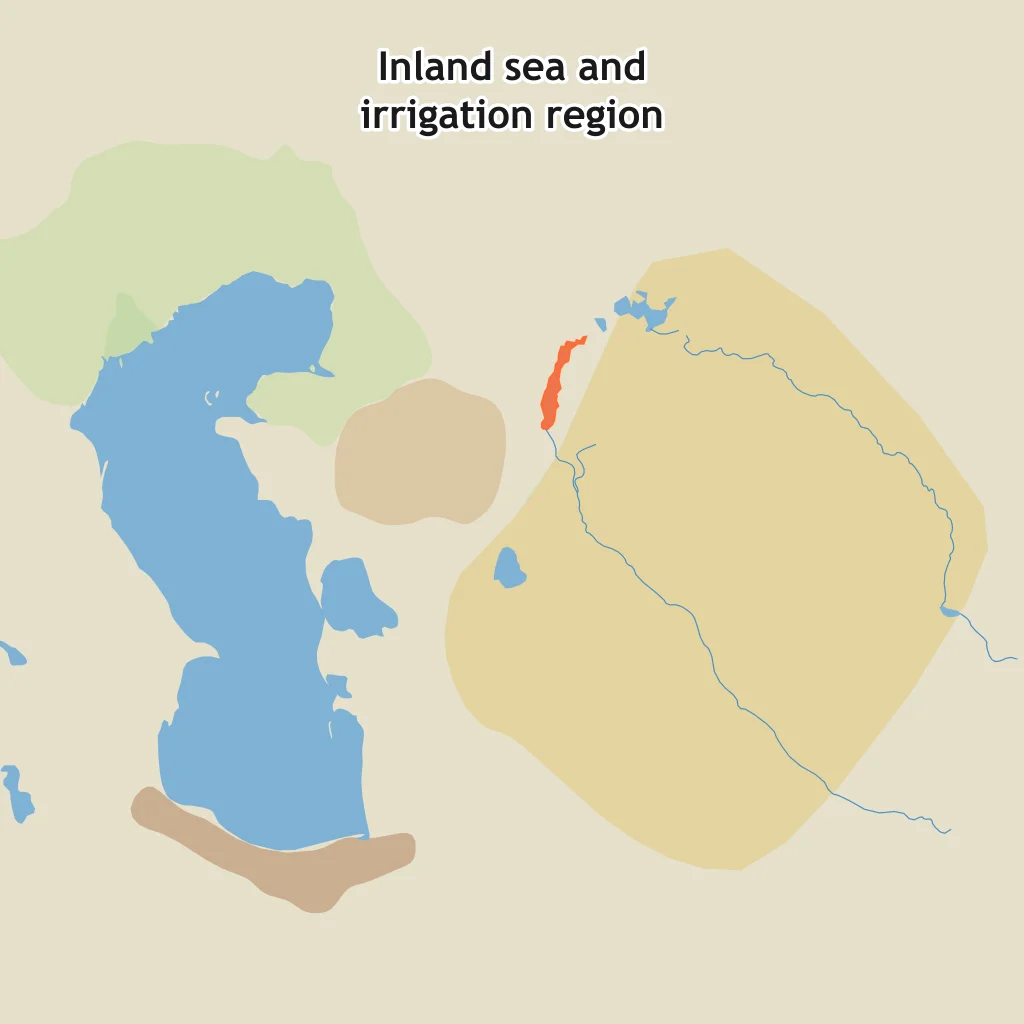
Canals diverted much of the river flow feeding the Aral Sea to irrigate cotton fields. What happened to the sea?
Irrigation withdrawals take much of the Colorado River's flow before it reaches the sea. What is the likely downstream result?
Farmers pump the Ogallala Aquifer for center-pivot irrigation faster than rainfall can recharge it. What happens to the aquifer?
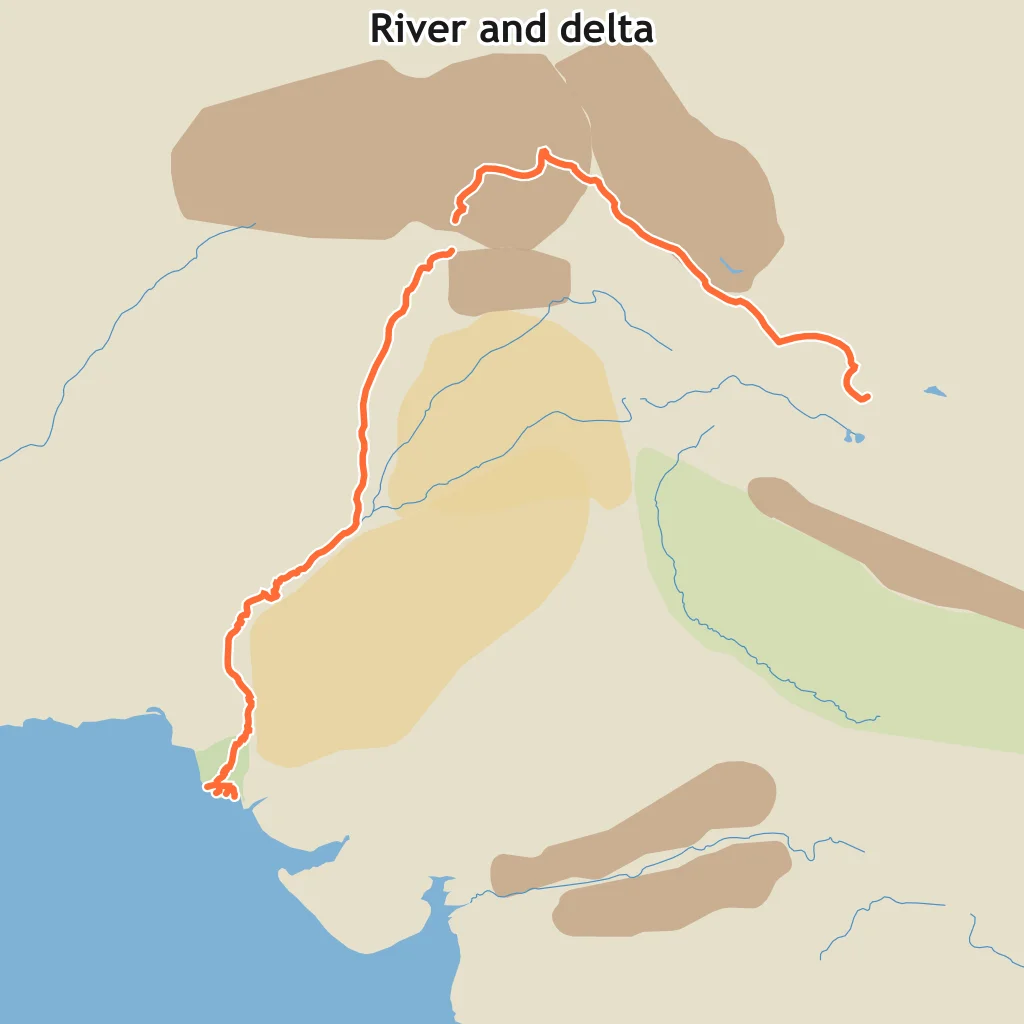
Large irrigation canals remove freshwater from the Indus River before it reaches the coast. What can happen in the delta?
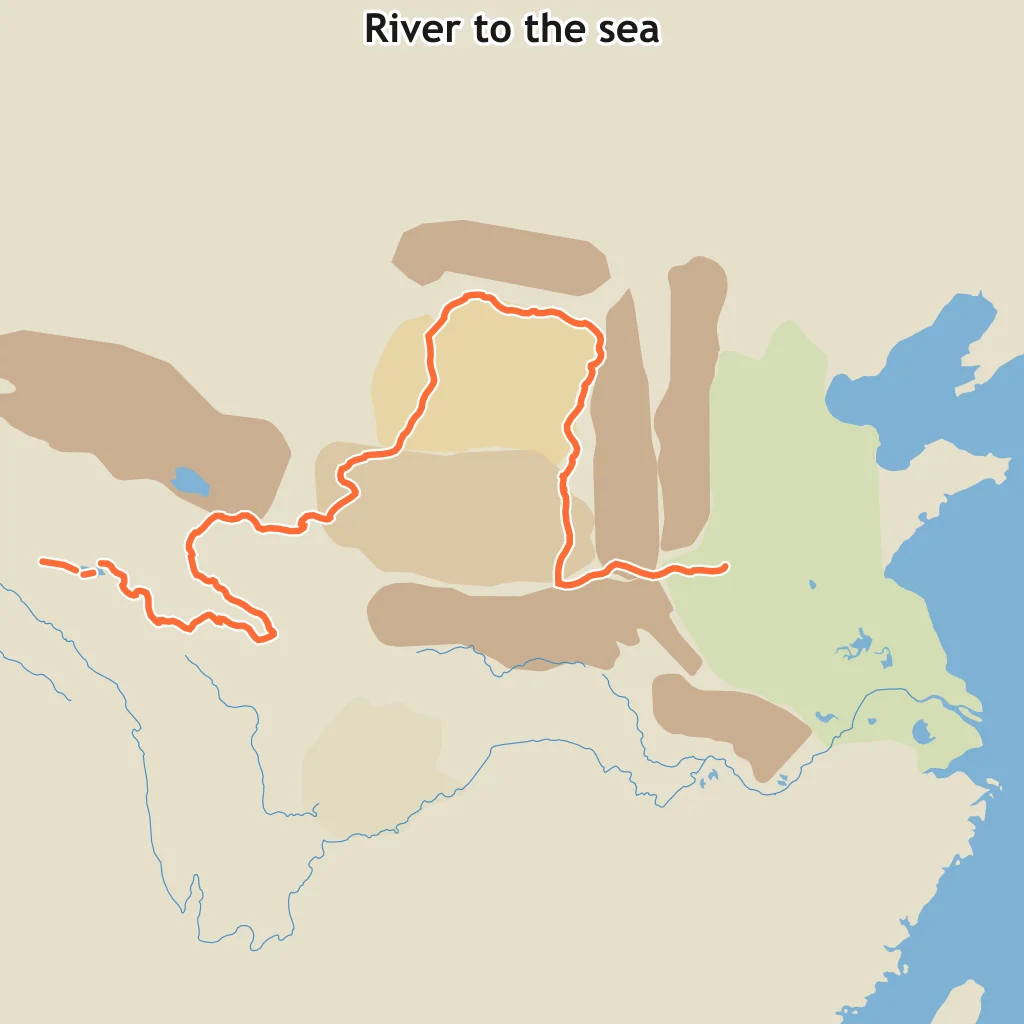
Irrigation districts withdraw heavily from the Yellow River during dry years. What downstream effect can result?
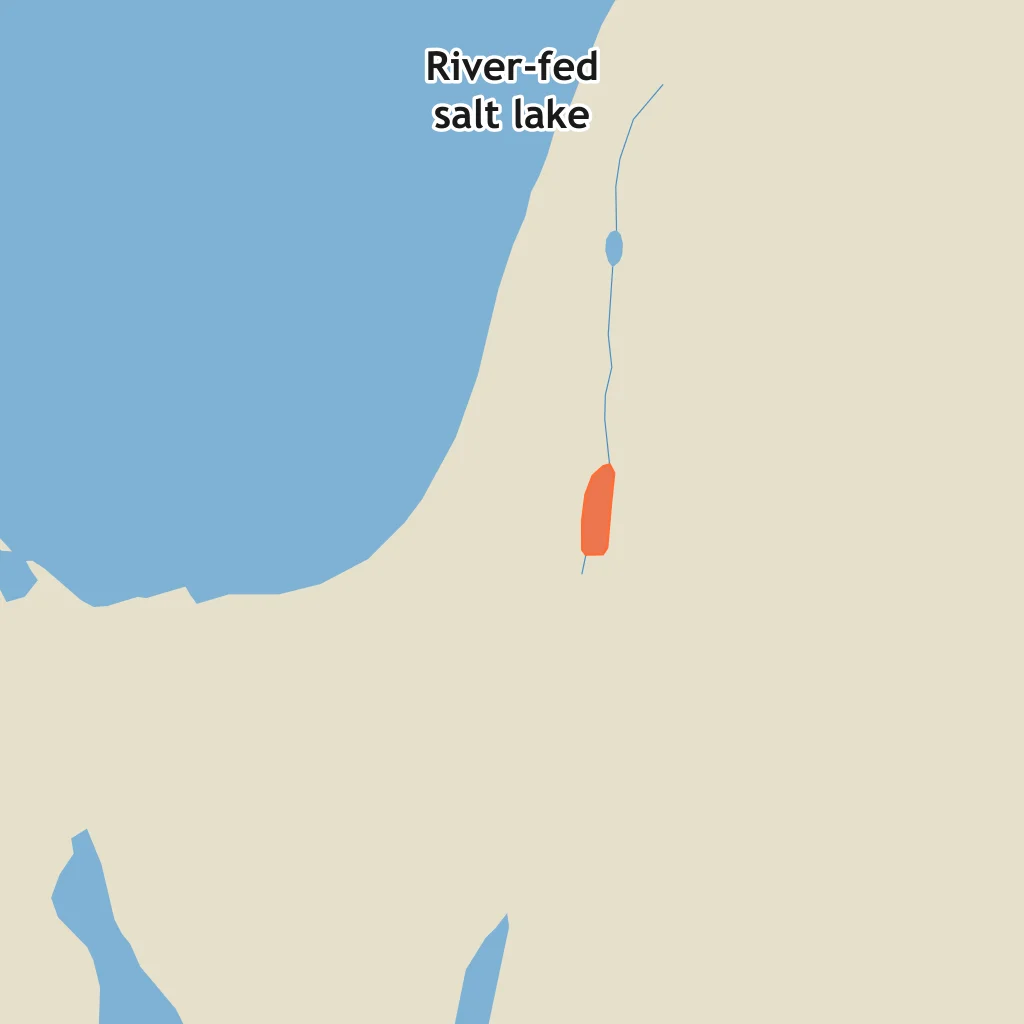
Irrigation and urban use reduce the Jordan River flow entering the Dead Sea. What happens to the Dead Sea?
A hillside farmer wants to keep the surface soil from washing downslope during heavy rains. Which practice addresses that damage directly?
A grain farm loses topsoil and leftover nitrogen after harvest because fields stay bare through winter. Which practice would reduce both problems?
An arid orchard needs to use less river water and avoid salt buildup from excess evaporation. Which practice fits that goal?
A rancher sees bare patches spreading where cattle graze the same paddock all season. Which practice best targets the damage?
A vegetable farm's fertilizer and sediment wash into a nearby creek during storms. Which conservation practice directly reduces that runoff?
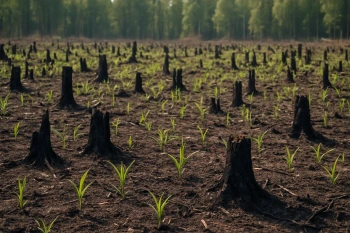
Subsistence Agriculture: Regions and Practices
35 questions
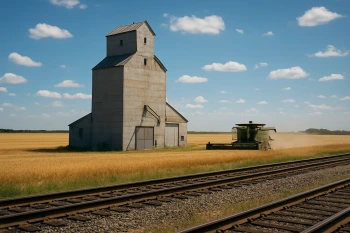
Commercial Agriculture: Regions and Practices
35 questions
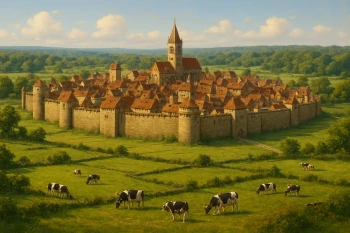
The Von Thunen Model and Bid-Rent
30 questions
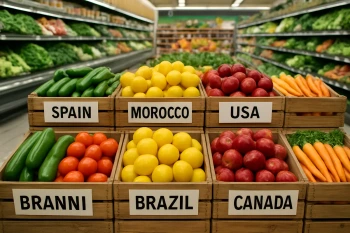
The Global System of Agriculture: Commodity Chains, Agribusiness and Food Security
35 questions

Contemporary Challenges: GMOs, Organics, Food Deserts and Women in Agriculture
35 questions
Crack the passcode before the zombies get in.
Answer, then swat bugs for bonus points.
Race through questions at your own speed.
Same question on every screen. Fastest wins.

Pick a tile, answer, hit bonuses and steals.