Loading
by BlastRoom
Farming to eat: the named systems, where each works, and why.
#us_hs_human_geography
35 questions
One question set, multiple game modes. Tap any game to see it in action. Not sure which to pick?
Answer to place stones and capture territory.
Outrun the snow together.
Earn blasts, then hunt the other team.
Answer to earn energy, then climb.

The class blasts through walls together.
Bid on mystery lots. Most money wins.
Sell tours. Nice, standard, or a total scam.

Answer, restock, and serve the rush.
More correct answers pulls the rope your way.
Answer, then shoot down the alien wave.
Answer, then tap to leap the frozen ridge.
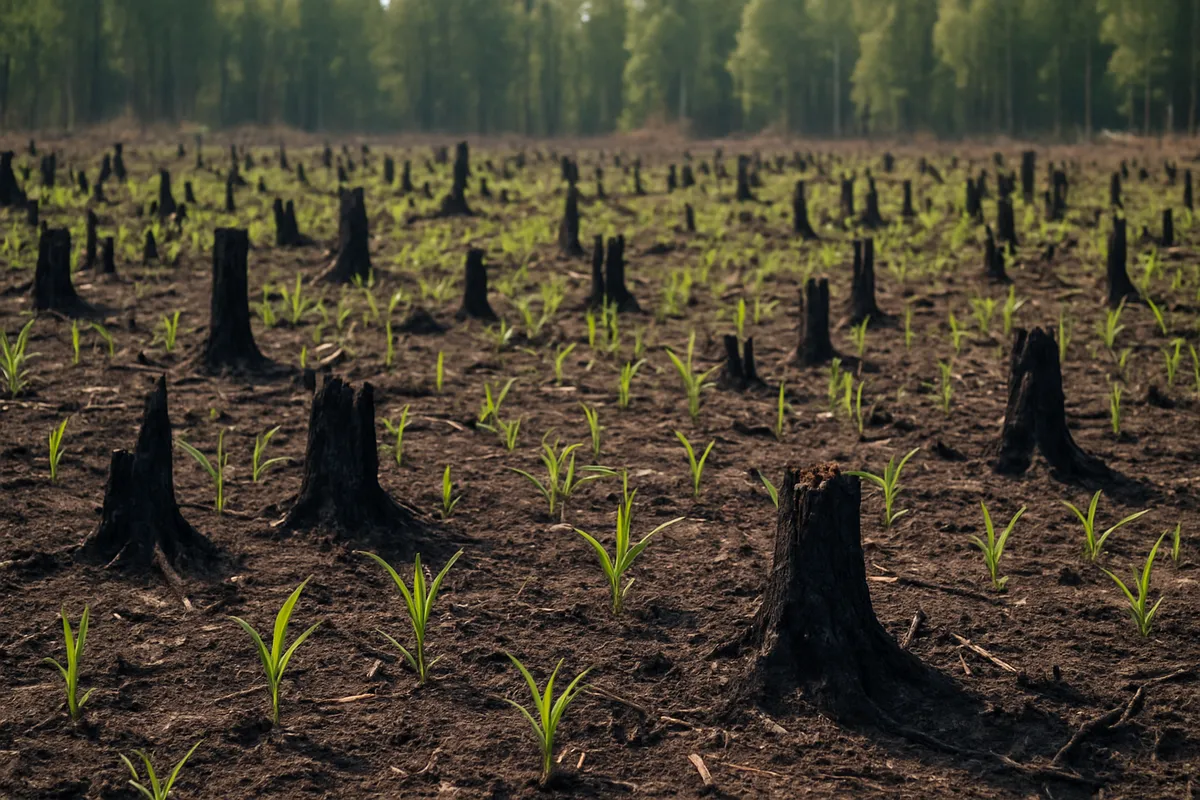
A family clears a rainforest patch, burns the cut plants, grows cassava for a few years, then leaves the plot to regrow while opening another. Which system is this?
A household keeps goats and camels in an arid grassland, moving camp as wells and pasture change. Which subsistence system is described?
Farmers transplant rice seedlings into flooded, bunded fields and use heavy family labor on small plots in a monsoon delta. Which practice is this?
A dense village grows wheat and millet on permanent dry fields, adding manure and labor each season rather than flooding paddies. Which system fits?
Farmers cut brush, burn it, and use the ash to fertilize a maize field before the plot later goes fallow. Which term names this specific clearing technique, as distinct from the overall rotation system it belongs to?
On a steep hillside, farmers carve flat steps to hold soil and water for small crop plots. What practice is this?
A warm delta village harvests rice from the same paddy twice in one year. What practice does this describe?
As population pressure grows in a shifting-cultivation region, farmers must return to previously cleared plots sooner, shortening the fallow period. What is the likely effect on soil fertility over time?
Compared with intensive wet rice cultivation, what does intensive dry grain cultivation NOT require?
Pastoral nomads may work long hours tending their herds, yet pastoral nomadism is still classified as extensive land use. Why?
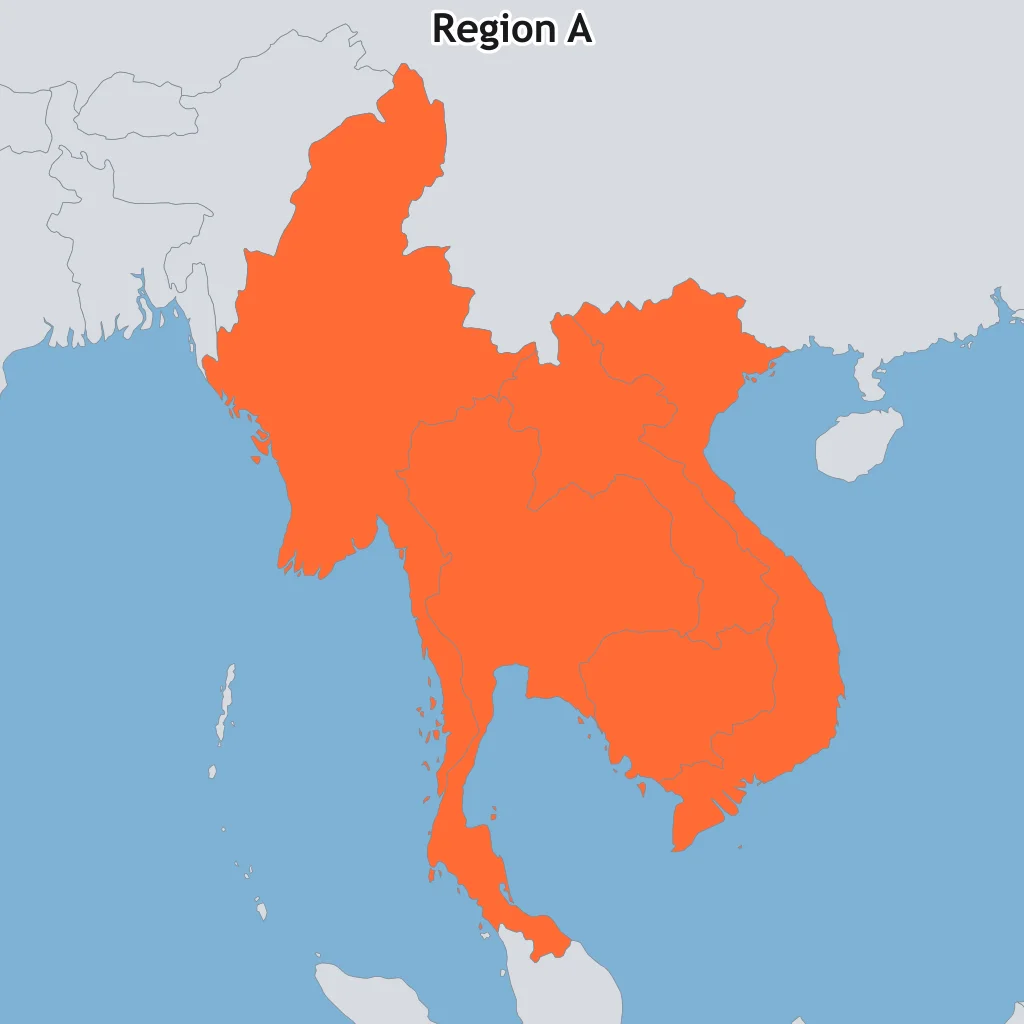
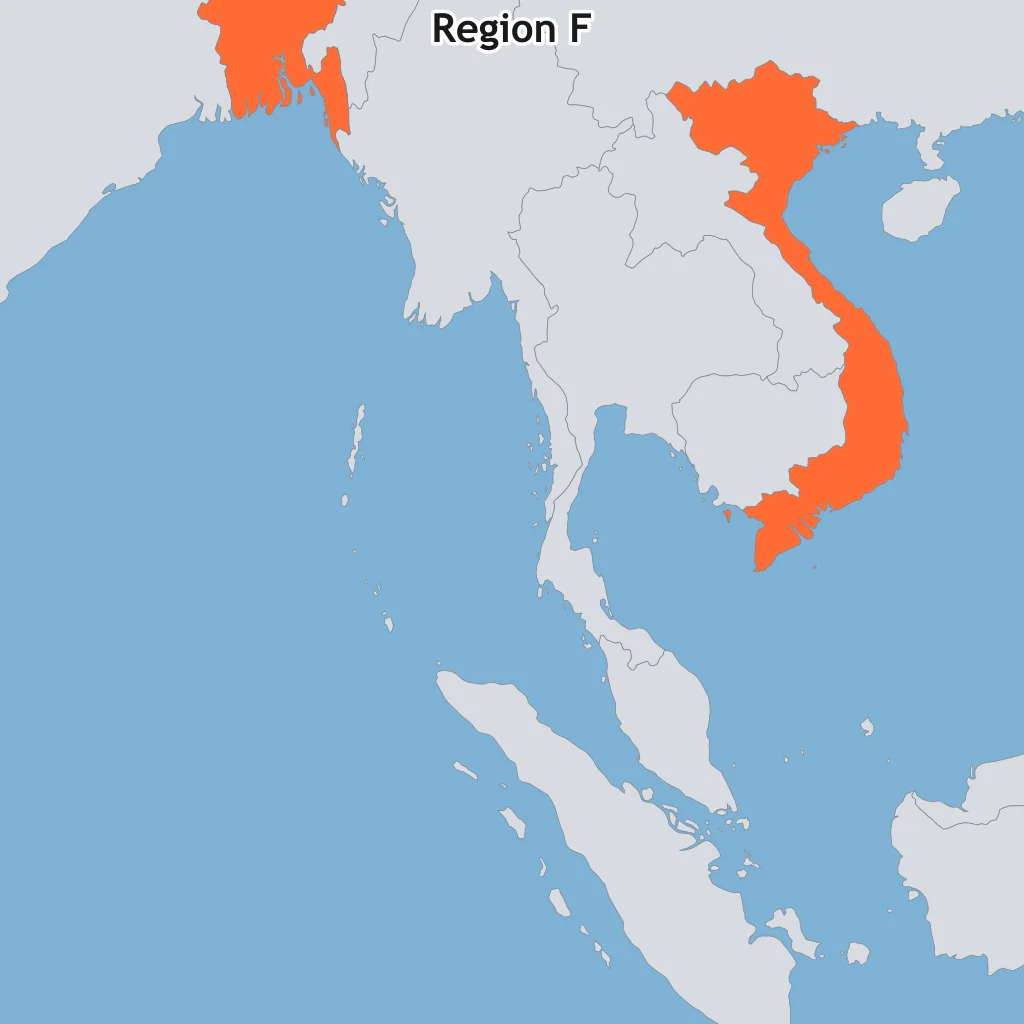
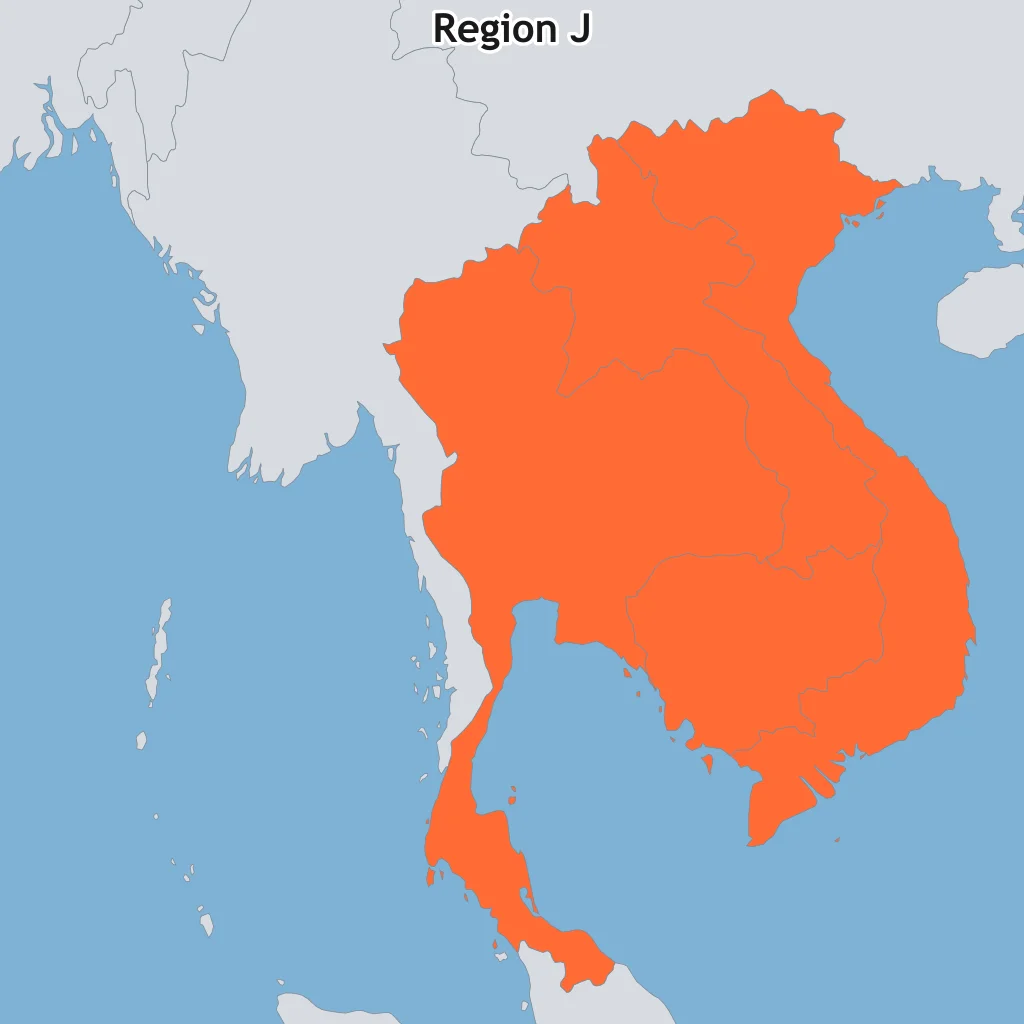
The map shades a mainland Southeast Asian farming region. Which subsistence practice is most associated with the shaded lowlands?
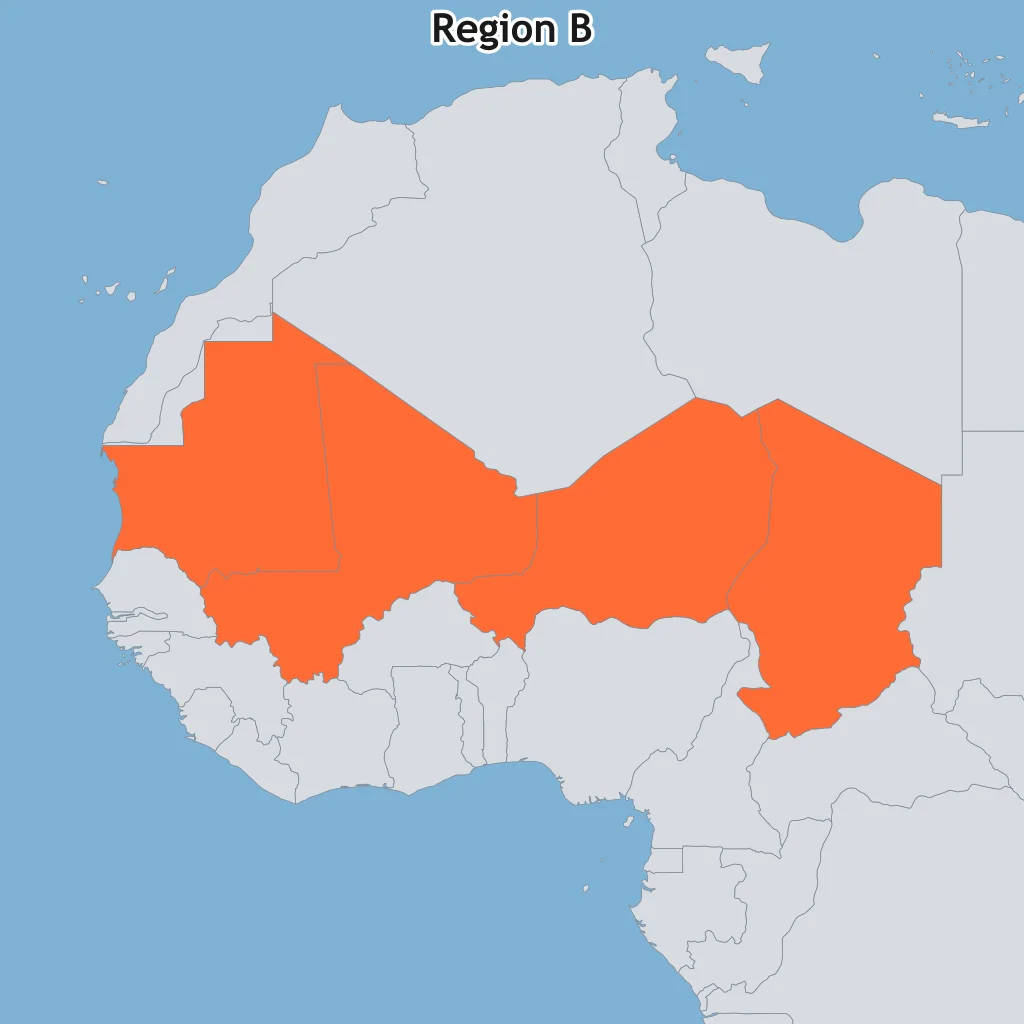
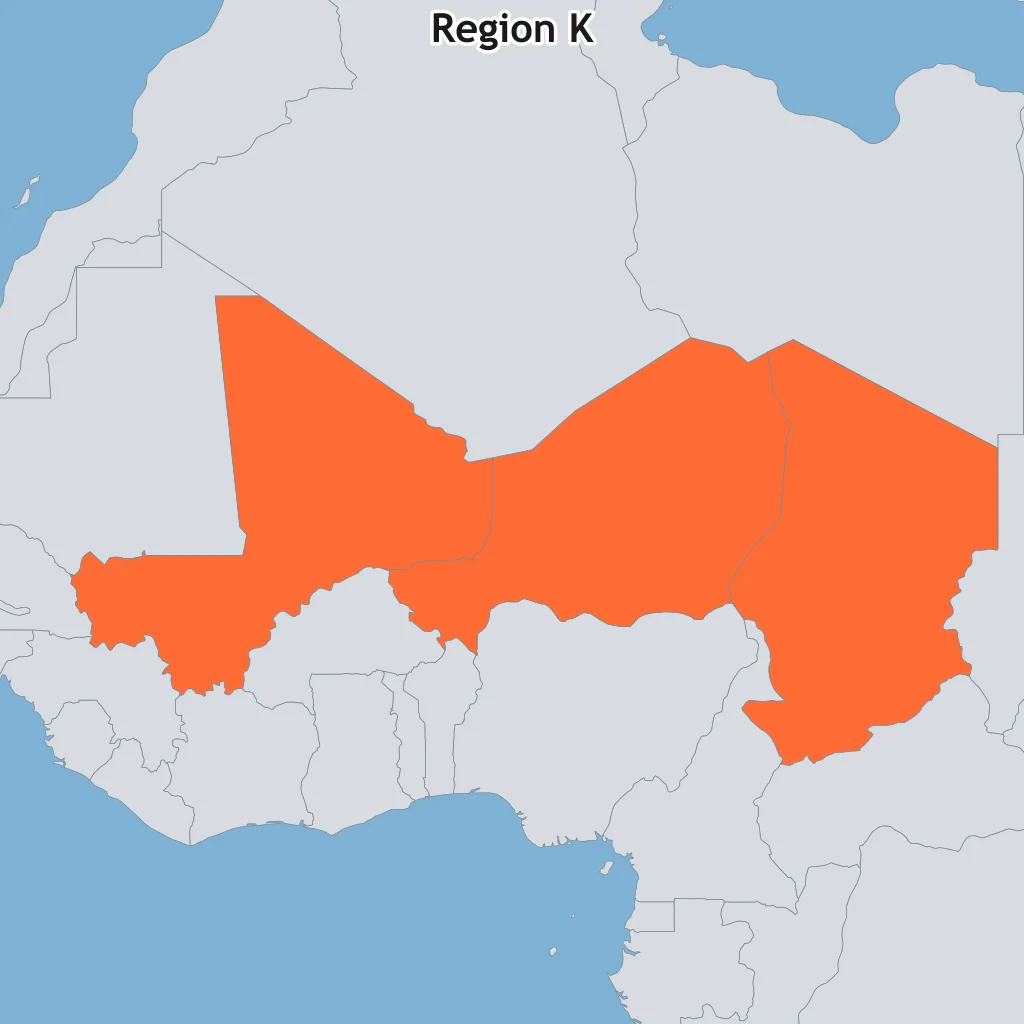
The map shades part of the dry belt south of the Sahara. Which subsistence system is most associated with this region?
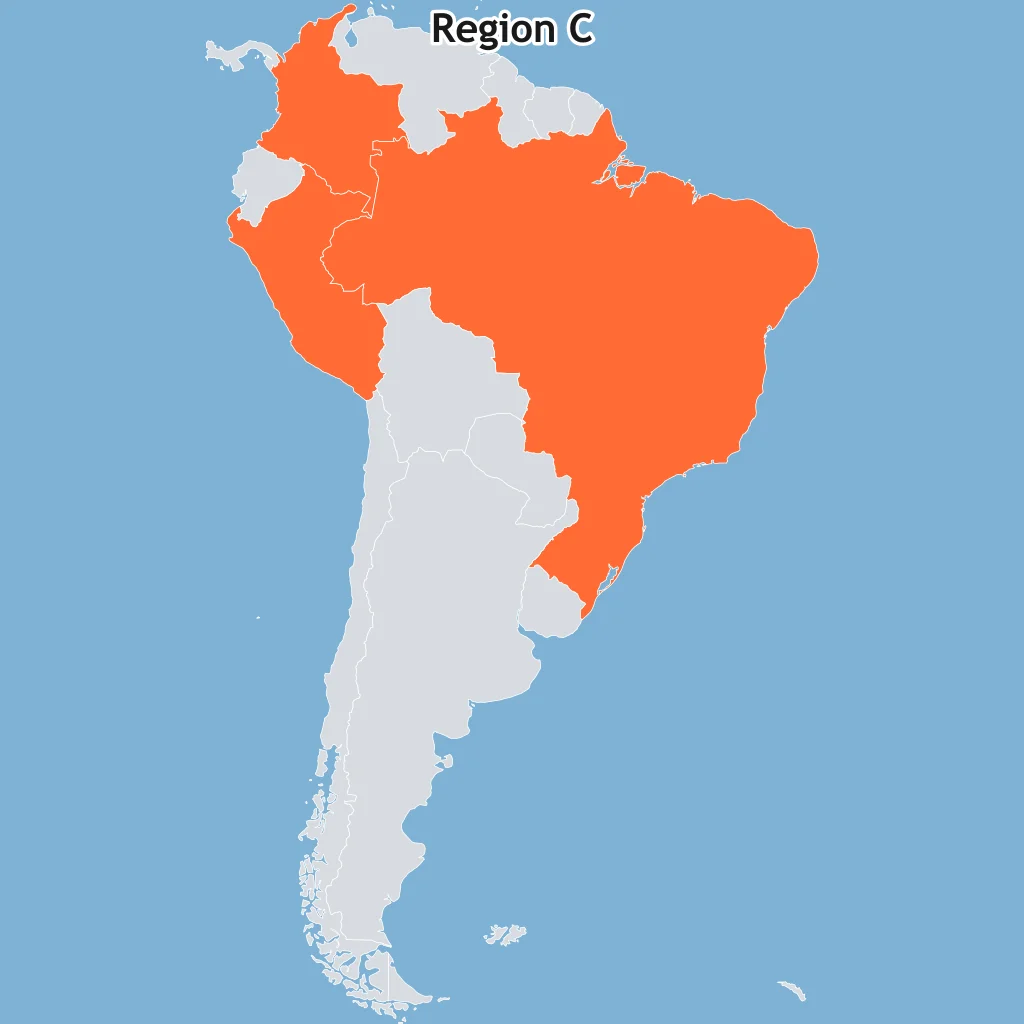
The map shades a humid tropical interior of South America. Which subsistence system is most associated with this environment?
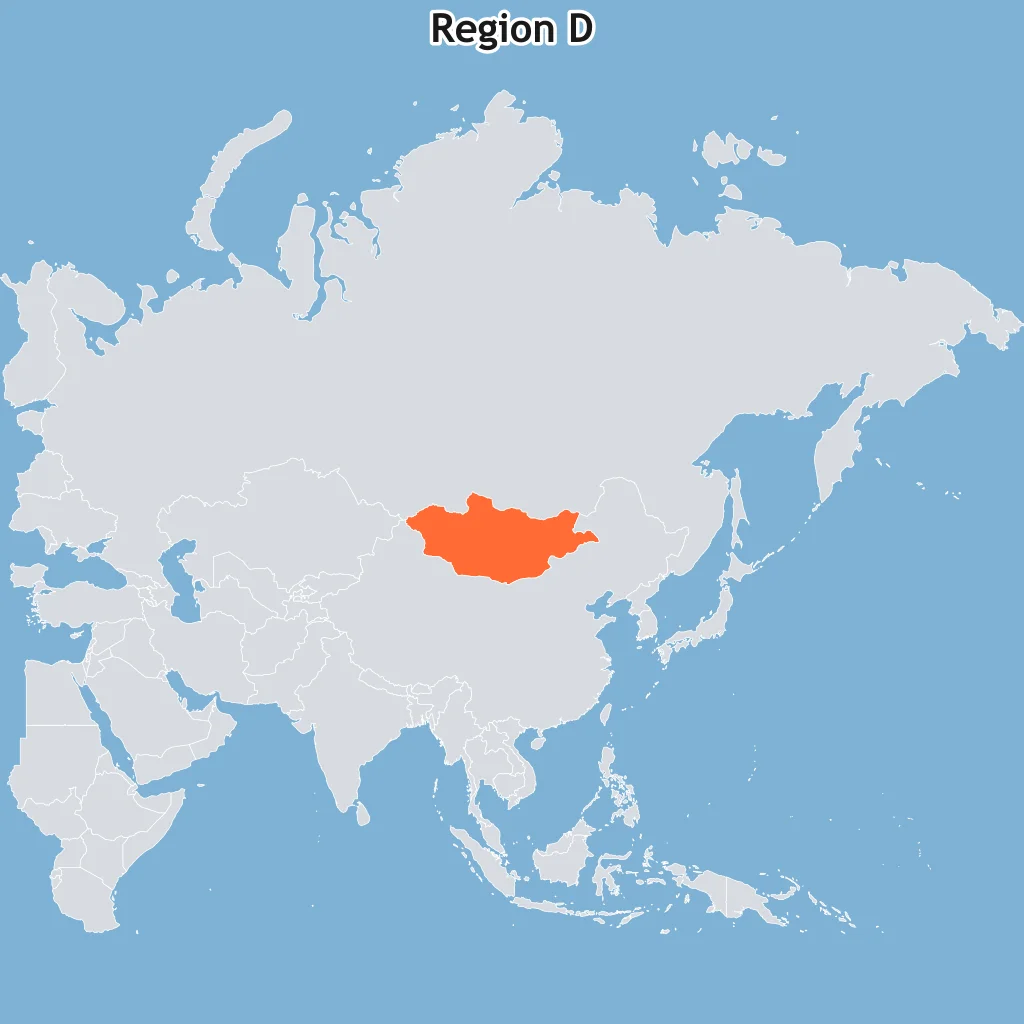
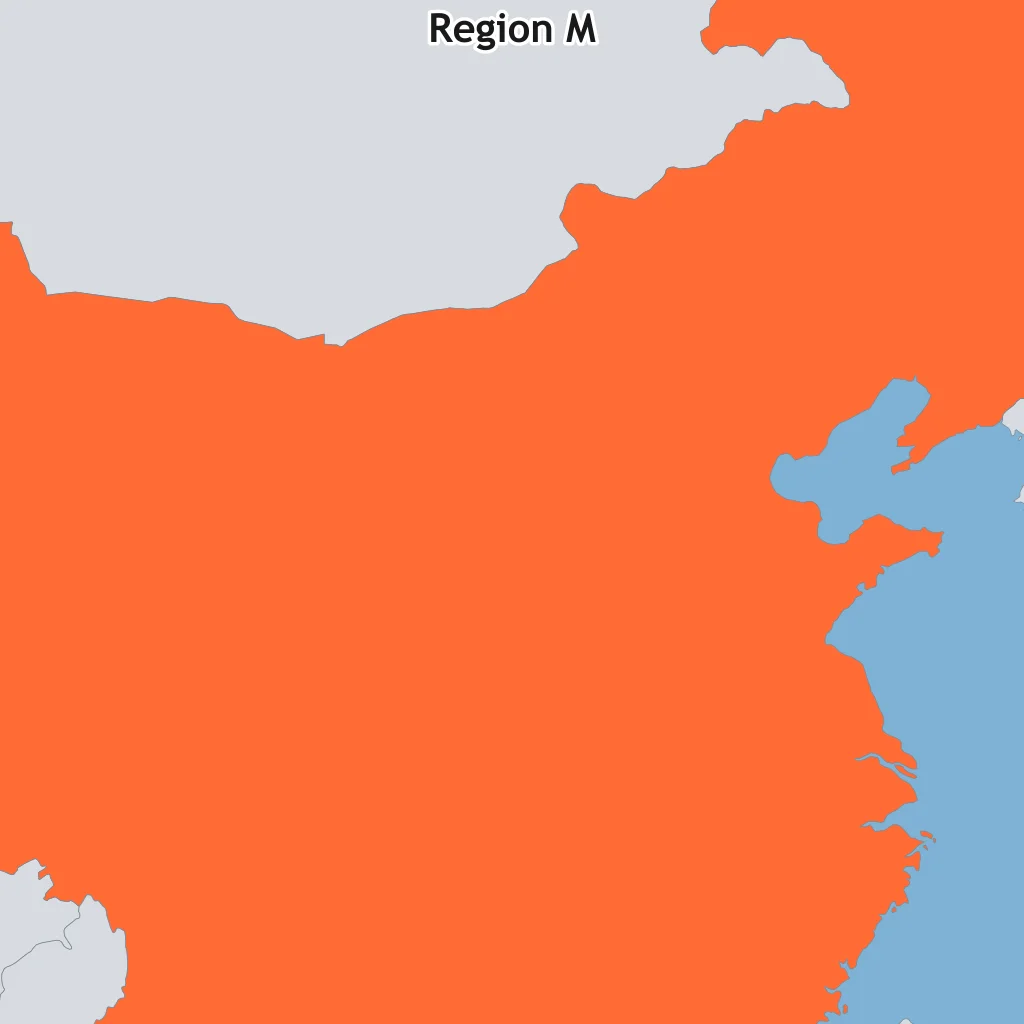
The map highlights Mongolia. Which subsistence practice is most associated with its dry steppe environment?
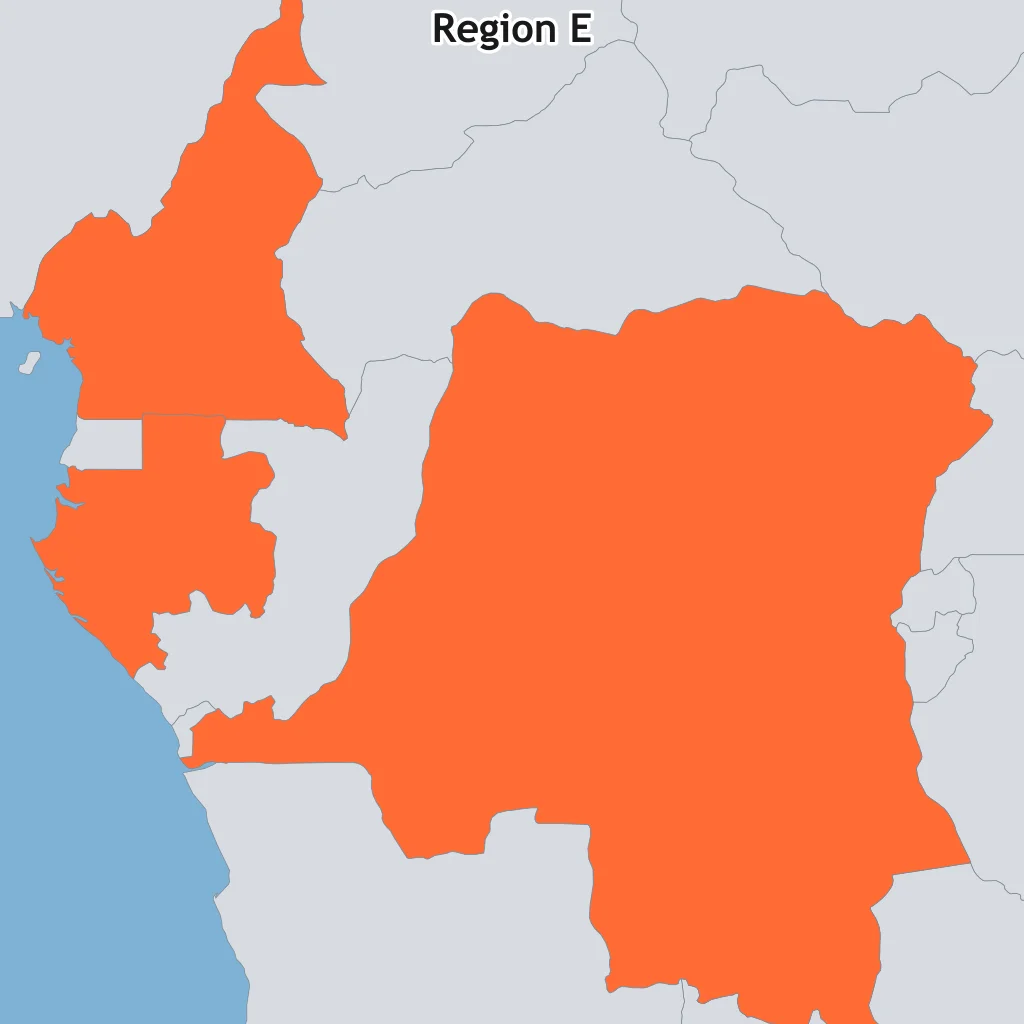
The map shades part of equatorial Central Africa. Which subsistence system is most associated with tropical forest farming there?
The map shades two monsoon delta countries. Which practice is most associated with dense subsistence farming there?
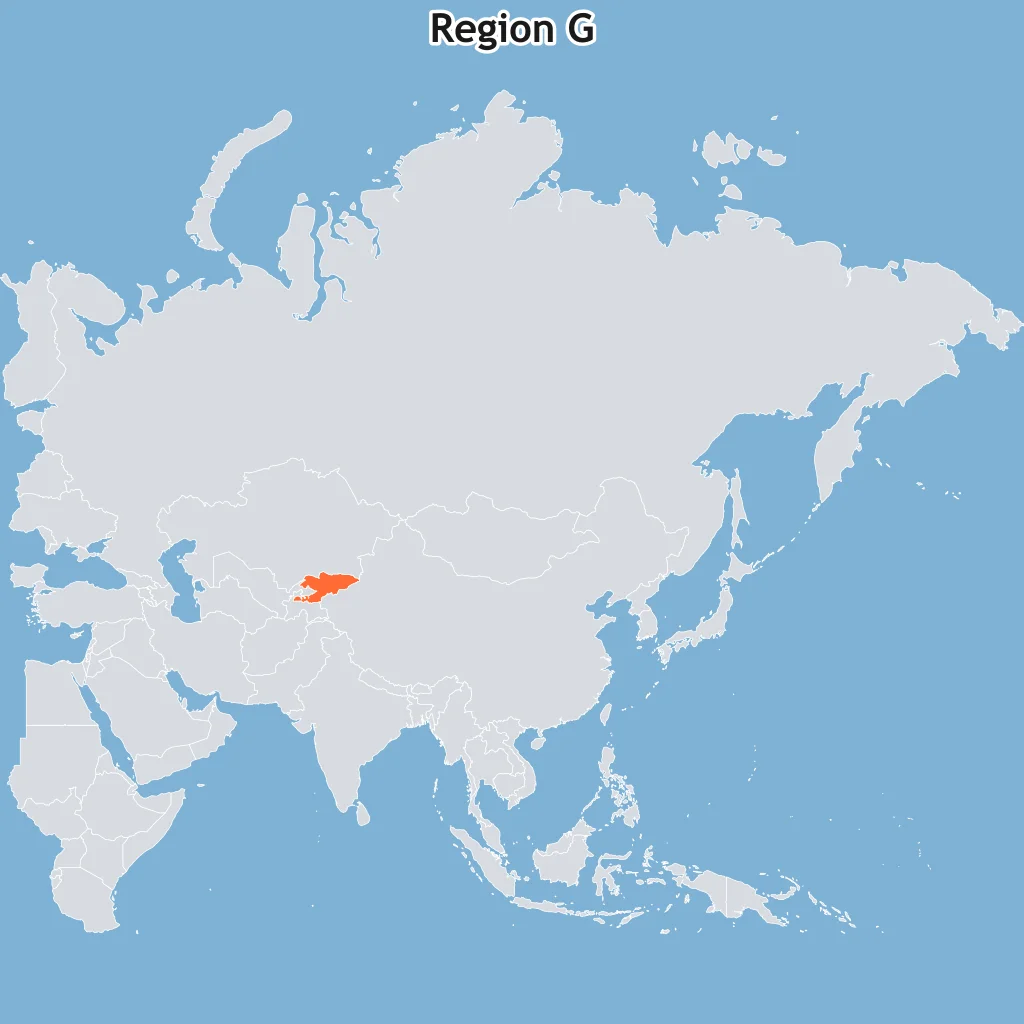
The map highlights Kyrgyzstan. Herders there move their animals up to mountain pastures in summer and back down to valley pastures in winter. What is this practice called?
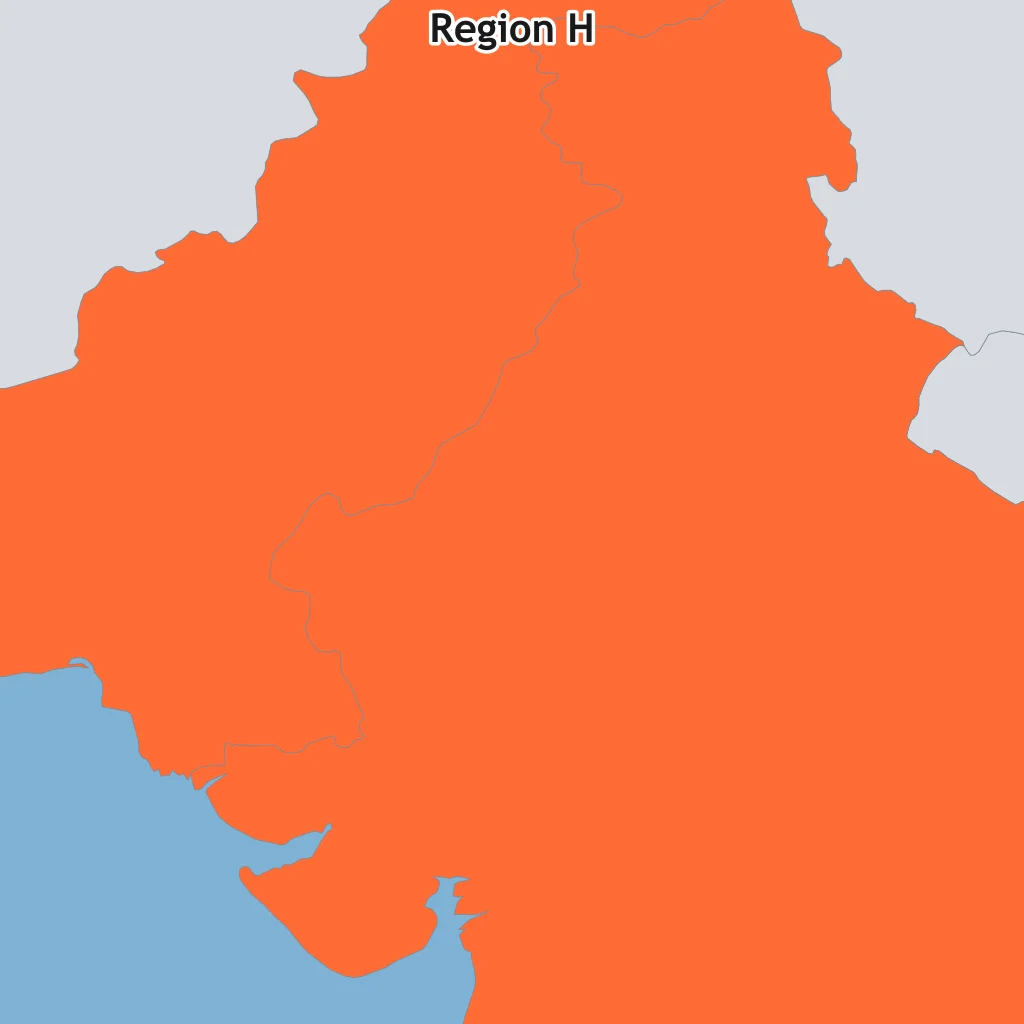
The map frames northwestern South Asia. Which subsistence crop system is most associated with the drier plains shown?
A household works a tiny flooded paddy with many hours of family labor. Is this intensive or extensive agriculture?
A camel herd needs scattered grazing over a wide dry rangeland. Is this intensive or extensive agriculture?
A swidden system leaves old fields fallow while new forest plots are opened elsewhere. Is this intensive or extensive agriculture?
Permanent wheat and millet fields near a dense village are manured, weeded, and replanted every season. Is this intensive or extensive agriculture?
Rice terraces on a mountain slope require many workers to maintain walls and water channels. Is this intensive or extensive agriculture?
Goat herders in a desert move animals across many miles of sparse pasture. Is this intensive or extensive agriculture?
In humid rainforest farming, why do families stop using a cleared field after only a few harvests?
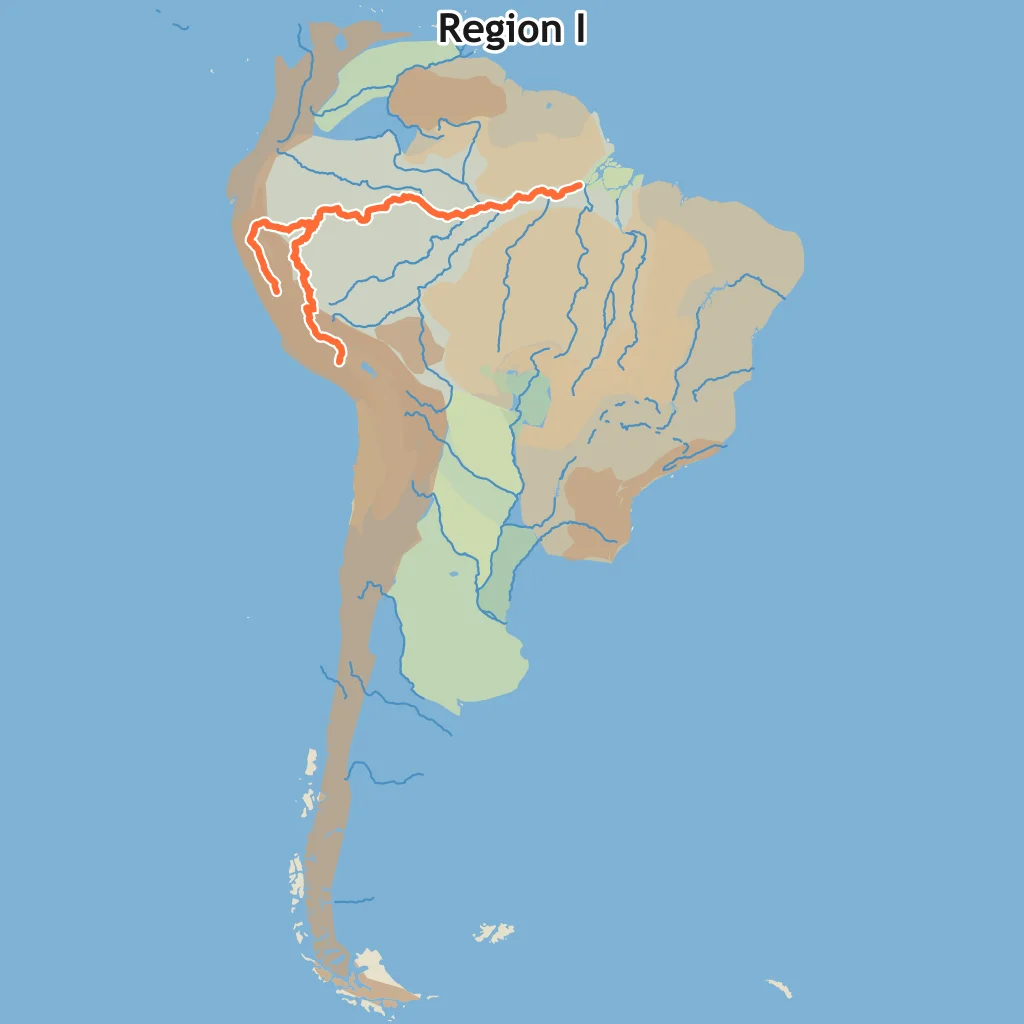
Warm monsoon lowlands can hold standing water for part of the year. Why does this environment favor wet rice farming?
In dry rangelands like the mapped belt, why do herders keep moving animals?
In high mountains, herders move livestock to upper pastures each summer and back to the valley each winter rather than grazing one fixed site year-round. Why does the environment push them toward this seasonal movement?
The mapped northern Chinese interior is drier than the rice-growing south. Why are wheat and millet common subsistence crops there?
On steep mountain slopes, why build terraces before planting?
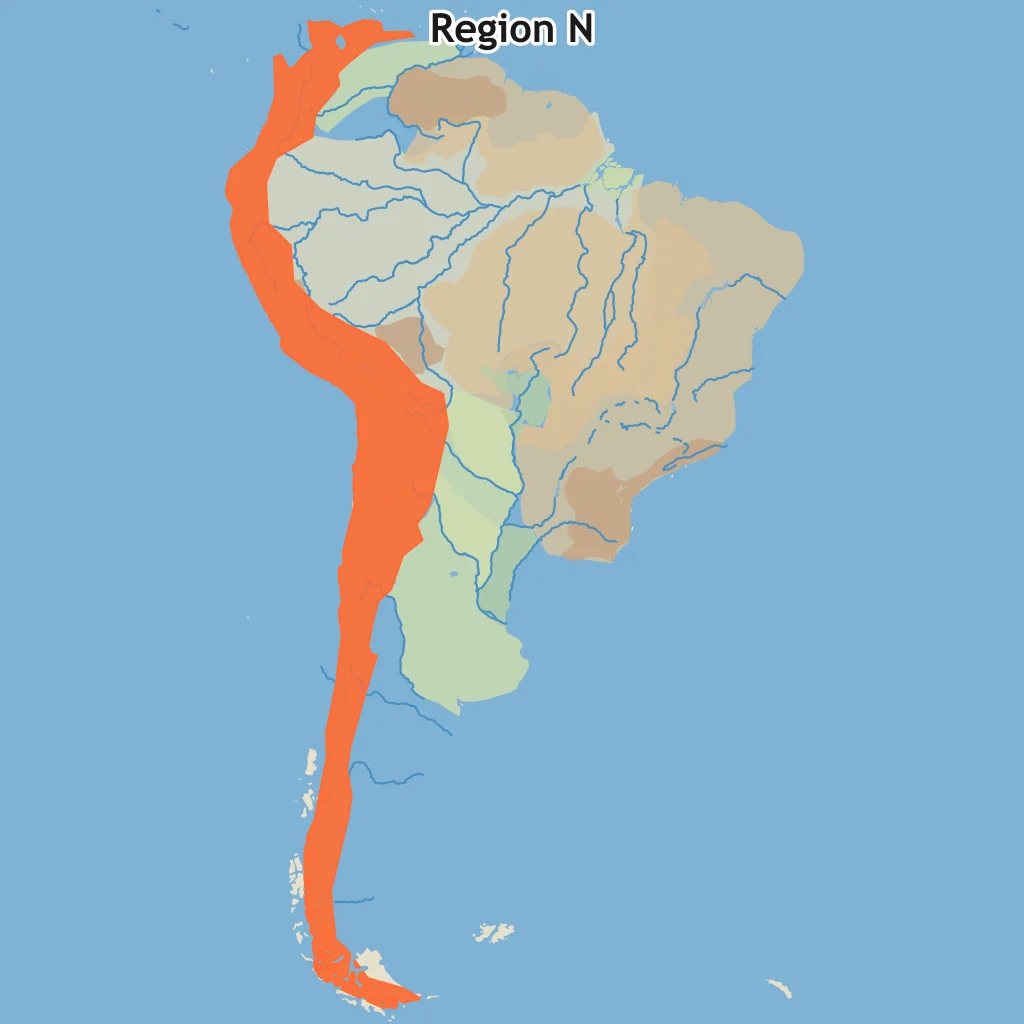
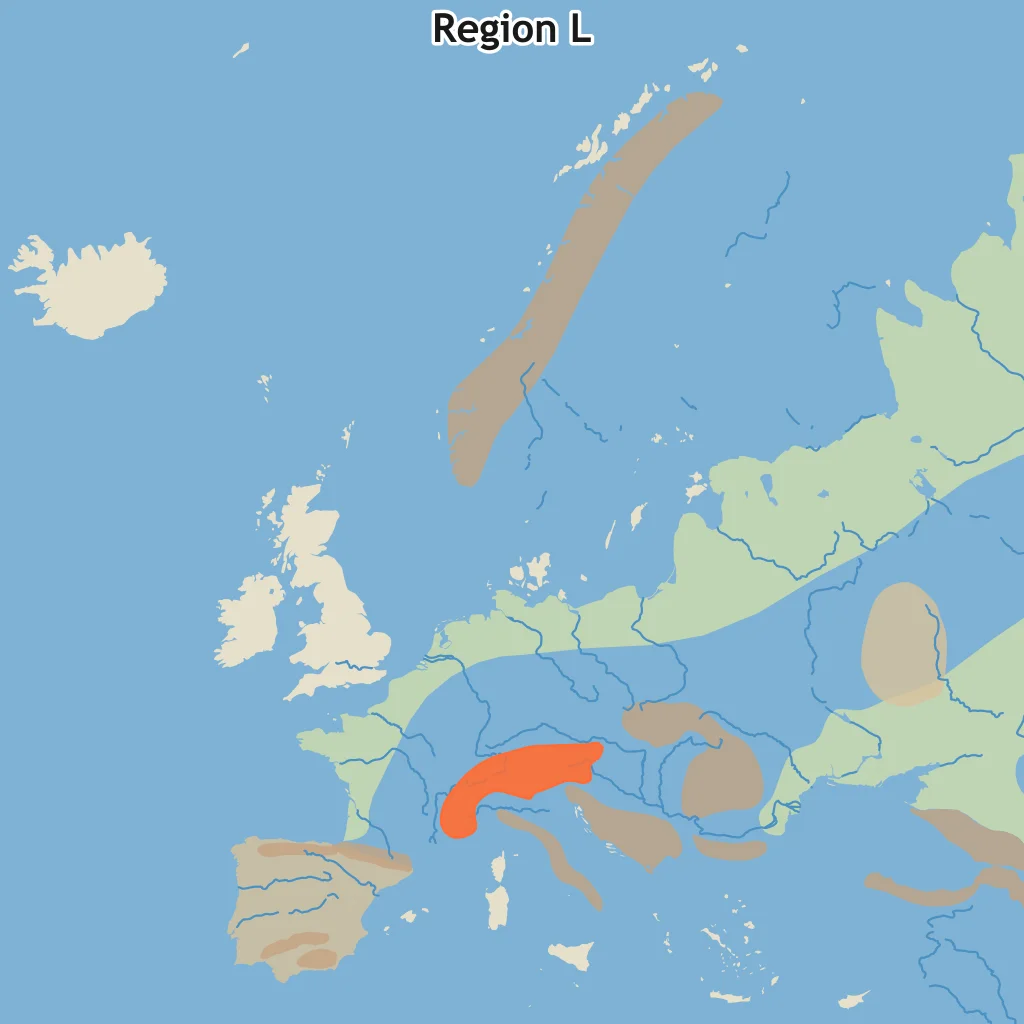
Herders in the Alps keep a village home, take cattle to high pasture in summer, and return to the valley in winter. Which movement term fits?
A Bedouin family moves tents and camels across desert grazing areas as water and pasture shift, without returning to one fixed village each year. Which term fits?
Kyrgyz herders keep permanent winter houses in the valleys and spend each summer on high jailoo pastures. Which feature makes this transhumance rather than pastoral nomadism?
A Tuareg group travels with camels from well to well across the Sahara, shifting routes as rainfall changes. Which movement term fits?
An Andean community sends alpacas upslope for summer grazing and brings them back near the village before winter. Which movement term fits?
Crack the passcode before the zombies get in.
Answer, then swat bugs for bonus points.
Race through questions at your own speed.
Same question on every screen. Fastest wins.

Pick a tile, answer, hit bonuses and steals.
The Von Thunen Model and Bid-Rent
30 questions