Loading
by BlastRoom
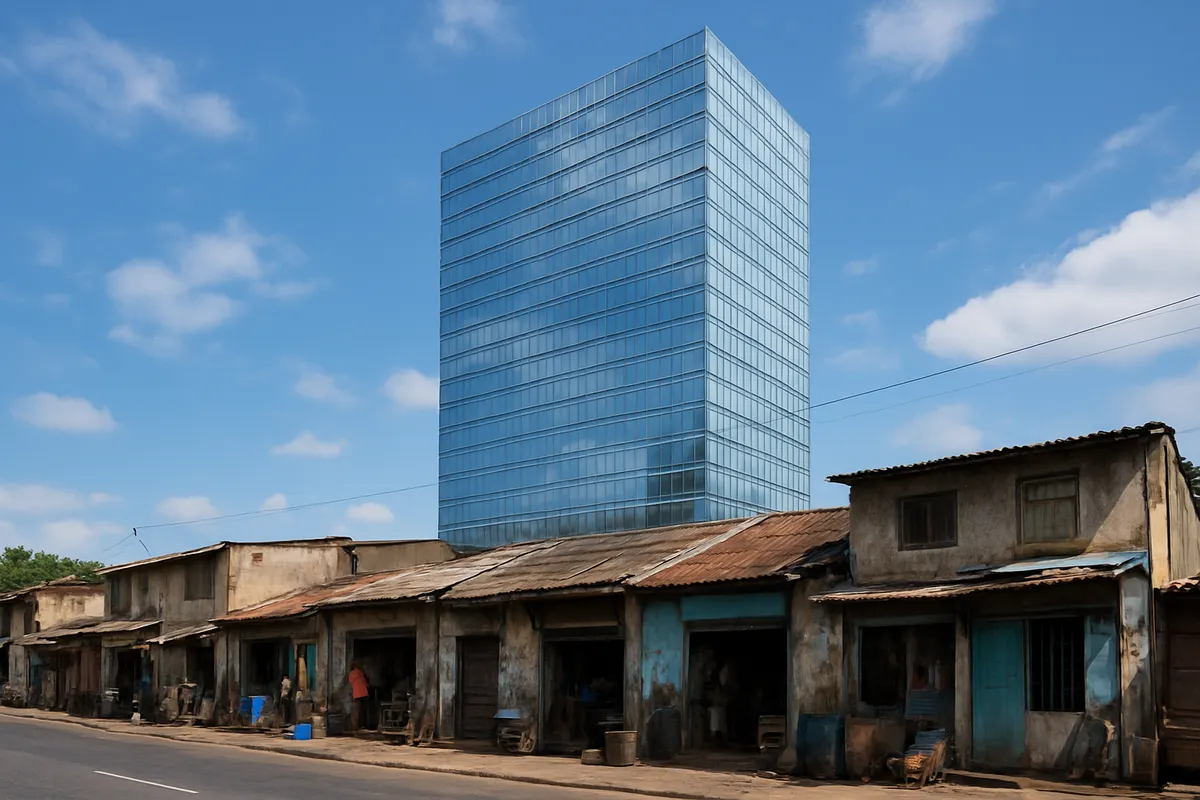
What being plugged into the world economy does to a city.
#us_hs_human_geography
25 questions
One question set, multiple game modes. Tap any game to see it in action. Not sure which to pick?
Answer to place stones and capture territory.
Outrun the snow together.
Earn blasts, then hunt the other team.
Answer to earn energy, then climb.

The class blasts through walls together.
Bid on mystery lots. Most money wins.
Sell tours. Nice, standard, or a total scam.

Answer, restock, and serve the rush.
More correct answers pulls the rope your way.
Answer, then shoot down the alien wave.
Answer, then tap to leap the frozen ridge.
Between 1970 and 2010, a port city lost most shipyard and textile jobs while downtown finance, law, and marketing employment more than doubled. The shift is best labeled as:
A former garment city now employs thousands in remote customer support, software testing, and data processing for firms overseas. The employment change most directly shows:
Factories close as routine assembly moves abroad, but local firms keep design, branding, logistics, and management jobs in the city. This pattern is best explained by:
In one district, jobs in furniture plants and food canneries fall sharply while jobs in restaurants, health care, banking, and tourism rise. The shift is best described as:
A city adds many regional headquarters whose managers coordinate mines, factories, and sales offices on several continents. The employment growth is best labeled as:
After a trade agreement, jobs expand around a port in warehousing, freight forwarding, customs brokerage, and container handling. The change is best labeled as growth in:
Accounting, legal, and advertising firms cluster near multinational offices because they share clients and specialized labor. The pattern is best labeled as:
A dockland of repair sheds becomes cruise berths, an international hotel, and offices leased to foreign banks. This landscape most directly shows:
Rail yards beside downtown are cleared for a stock exchange annex, luxury apartments, and towers funded by overseas investors. The change reflects:
A local market is replaced by a climate-controlled mall with global brands and a direct rail link to the airport. The change most clearly indicates:
A city seeking more trade builds a larger airport terminal, a convention center, and hotels near the CBD. The built environment is being adjusted to:
At a harbor, older piers are replaced by container cranes, bonded warehouses, and customs offices after export incentives are approved. This is mainly:
Renovated row houses, boutique hotels, and short-term rentals appear in a former dockworkers' district near the central city. The process is best labeled as:
Finance and technology salaries rise downtown, while more residents earn uncertain incomes from street vending, day labor, and domestic work. The pattern best shows:
Construction workers build international office towers but live in self-built settlements far from transit because central housing is too expensive. This situation best illustrates:
A city gains software jobs and app-based delivery jobs at the same time, but only the software workers receive stable salaries and benefits. The best explanation is:
Street markets grow outside a luxury mall because many residents cannot afford formal retail space or the mall's prices. The pattern suggests that:
Foreign investment upgrades the CBD, but outer districts still lack reliable transit, schools, and formal jobs. The pattern is best described as:
Global apparel brands contract with small home workshops that pay workers by the piece and avoid formal benefits. The pattern is best labeled as:
A tourist city gains nonstop international flights and visa-free entry for visitors. The most likely urban effect is:
A new container port and free-trade zone open on the urban fringe. The most likely employment outcome nearby is:
A multinational bank moves its regional headquarters into the CBD. The most likely secondary effect is increased demand for:
High-speed internet and tax credits attract firms that serve clients abroad from local offices. The most likely job growth is in:
An international research campus opens, and rules are eased for skilled foreign workers. The nearby district is most likely to experience:
After tariffs fall, global apparel firms begin contracting with workshops across a city. The most likely local effect is:

Agriculture and Rural Land Use: Mixed Review
65 questions

The Origins and Influences of Urbanization
30 questions
Suburbanization, Sprawl, Edge Cities and Exurbs
35 questions
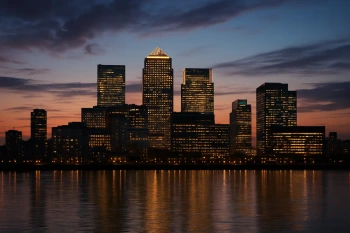
Megacities, Metacities and the World City Network
30 questions
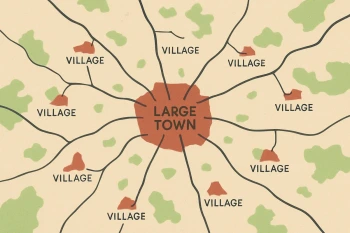
City Size and Spacing: Rank-Size, Primate City and Central Place Theory
45 questions
Crack the passcode before the zombies get in.
Answer, then swat bugs for bonus points.
Race through questions at your own speed.
Same question on every screen. Fastest wins.

Pick a tile, answer, hit bonuses and steals.