Loading
by BlastRoom
Three old arguments about which piece of the map decides world power.
#us_hs_human_geography
20 questions
One question set, multiple game modes. Tap any game to see it in action. Not sure which to pick?
Answer to place stones and capture territory.
Outrun the snow together.
Earn blasts, then hunt the other team.
Answer to earn energy, then climb.

The class blasts through walls together.
Bid on mystery lots. Most money wins.
Sell tours. Nice, standard, or a total scam.

Answer, restock, and serve the rush.
More correct answers pulls the rope your way.
Answer, then shoot down the alien wave.
Answer, then tap to leap the frozen ridge.
A theory argued that command of the landlocked interior of Eurasia would give a state the resources to dominate the world. This claim belongs to
Which theory treated the state as a living organism that must grow by taking territory or risk decline?
One theory held that the coastal belt around Eurasia mattered more than the interior because it bordered both land and sea routes. The claim belongs to
A theory says sea power cannot easily reach the central Eurasian interior, making that region a strategic base for land power. Which theory is this?
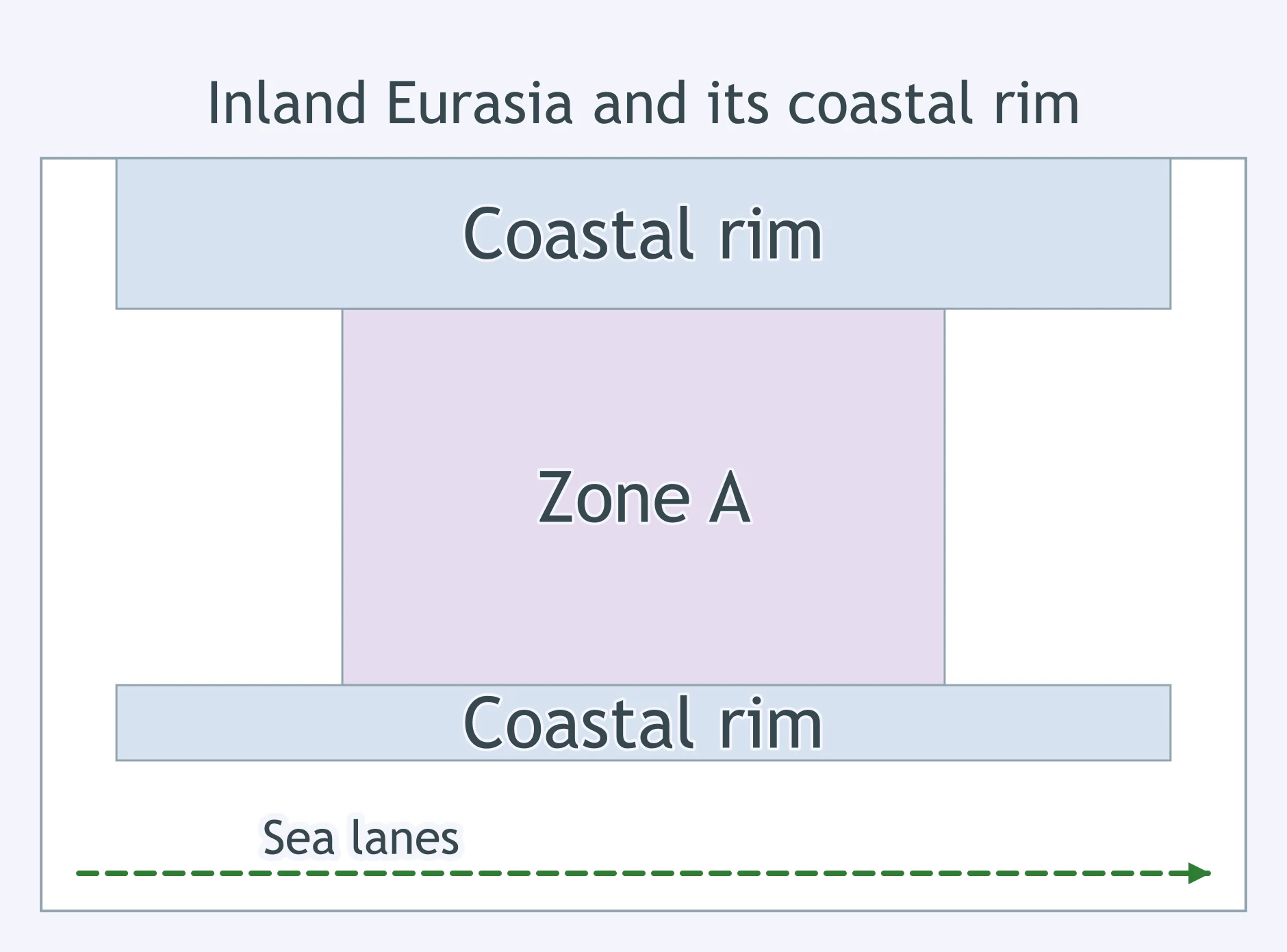
A state is described as needing more space in order to feed its population and continue growing. Which theory frames territory in that way?
A theory argues that control of Eurasia's outer coastal arc, not its deep interior, is the key to global power. Which theory makes that claim?
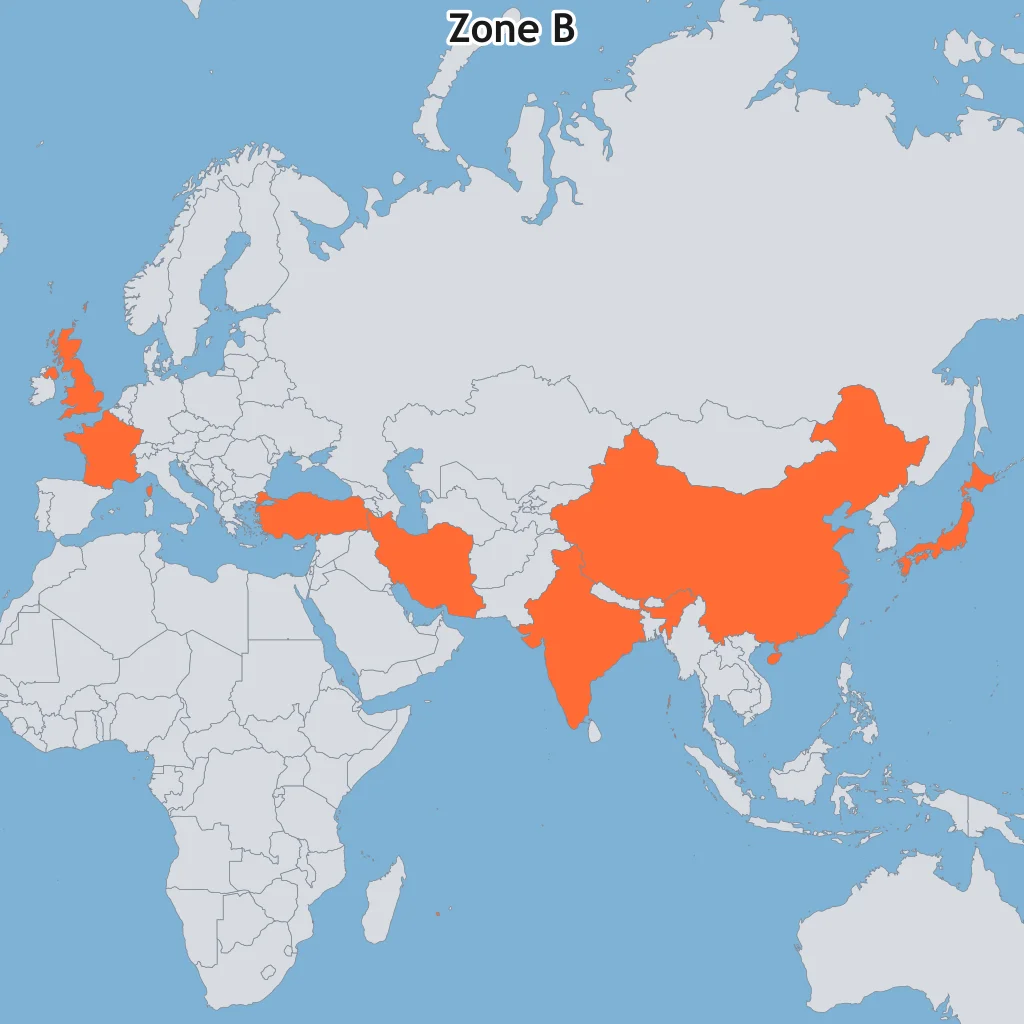
Who proposed the argument that control of the Eurasian interior could become the basis for world power?
Who is associated with the idea that states behave like organisms that grow, mature, and can decline?
Who argued that the coastal fringe of Eurasia was the critical zone for containing or projecting power?
The phrase about ruling Eastern Europe, then a central Eurasian area, then the world-island is associated with which theorist?
Spykman's rimland theory focused on a belt of lands around the edge of Eurasia. Which region falls inside that belt?
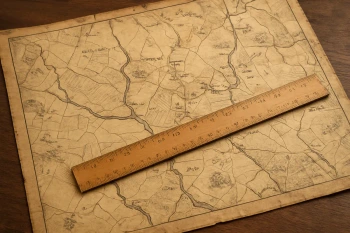
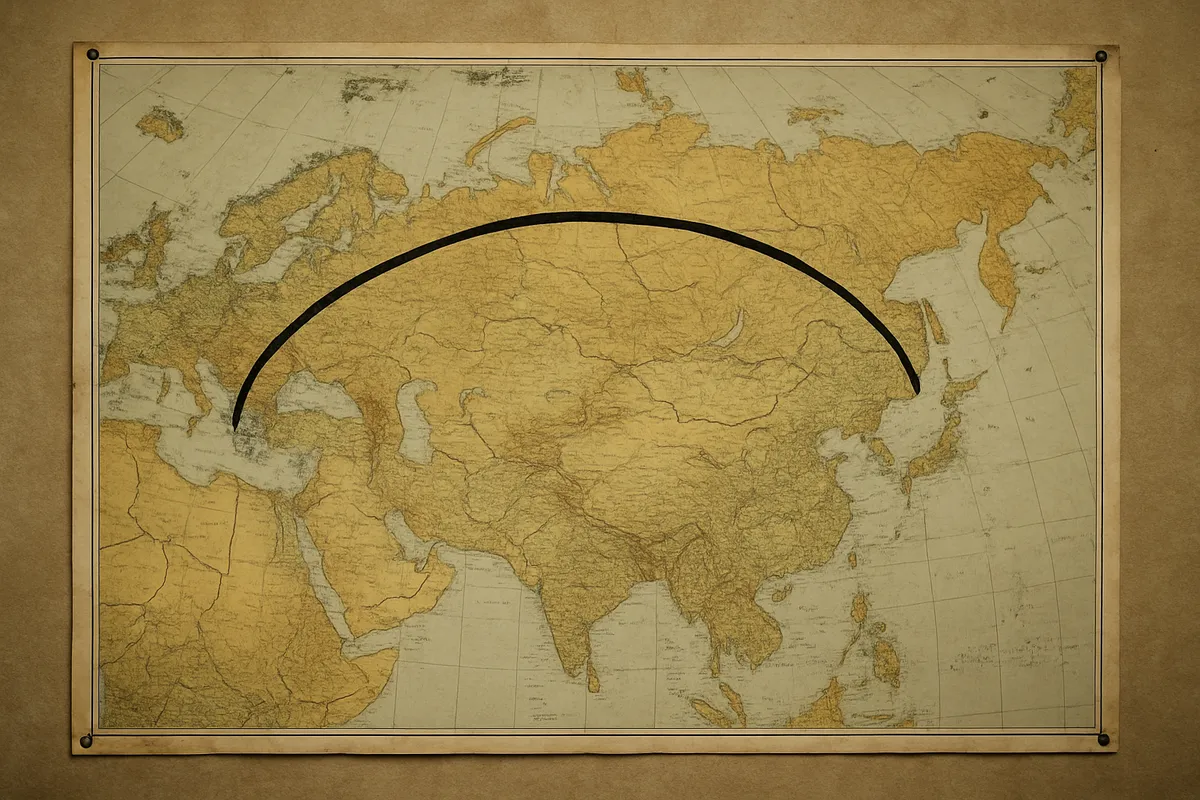
Use the map. Which geopolitical term names Zone C?
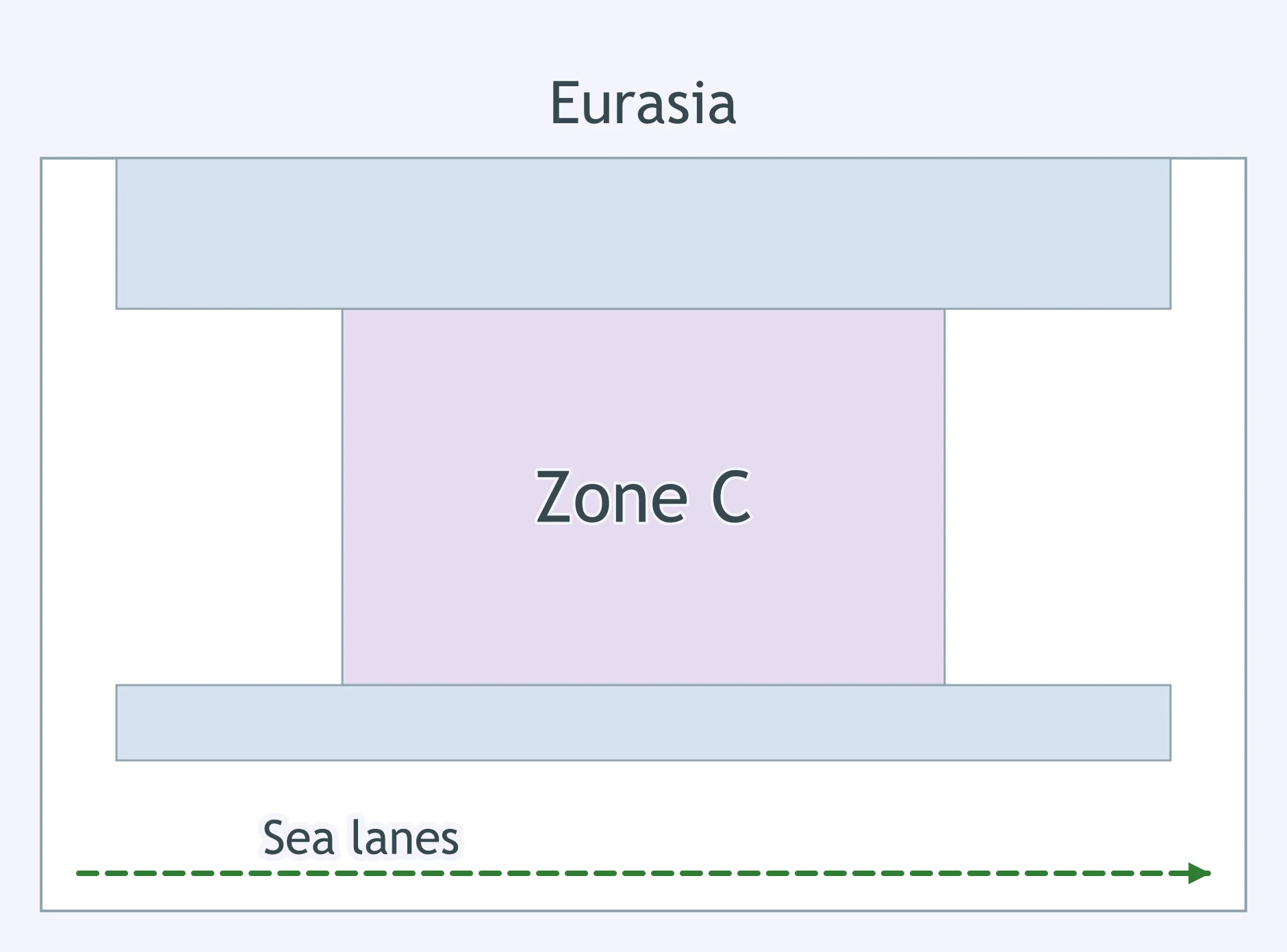
Use the shaded Eurasian zone on the map. Which geopolitical term names the shaded belt?
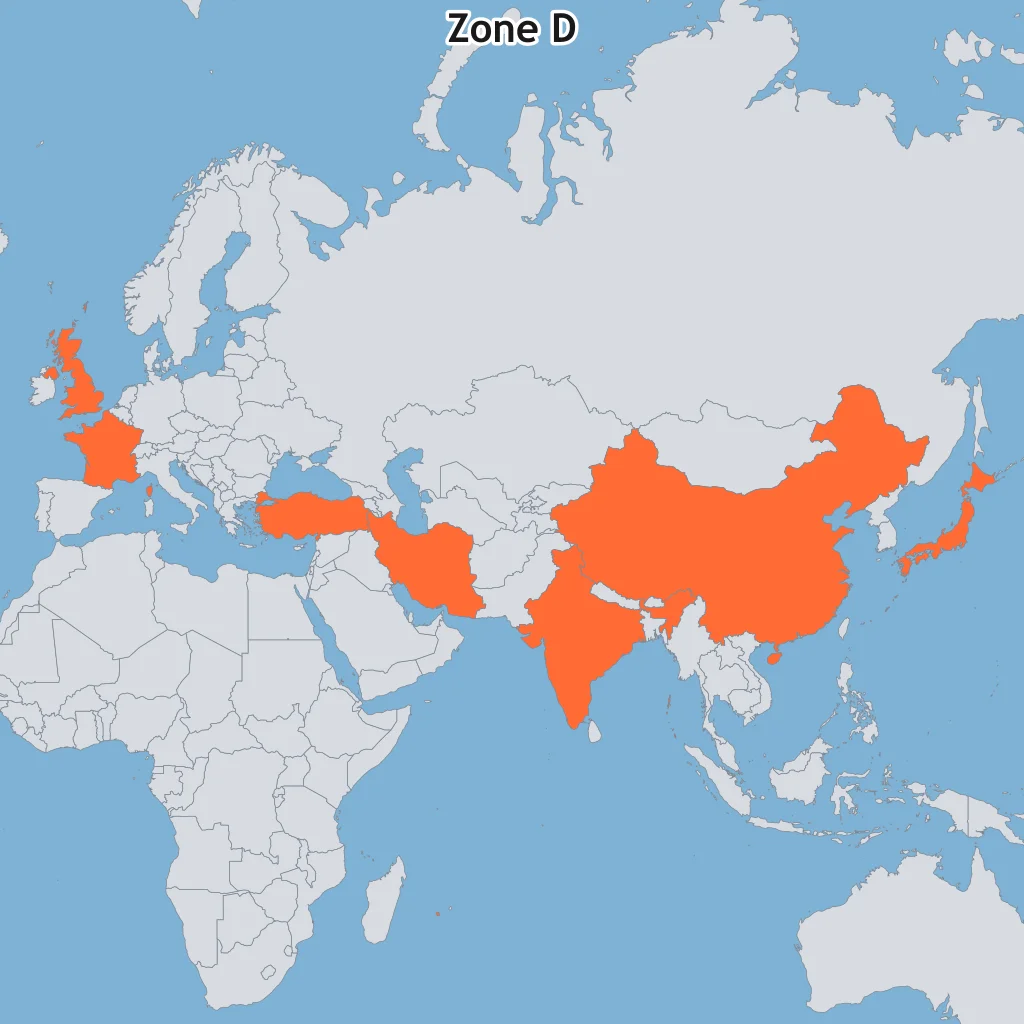
Use the shaded zone on the map. Which geopolitical term names this inland Eurasian area?
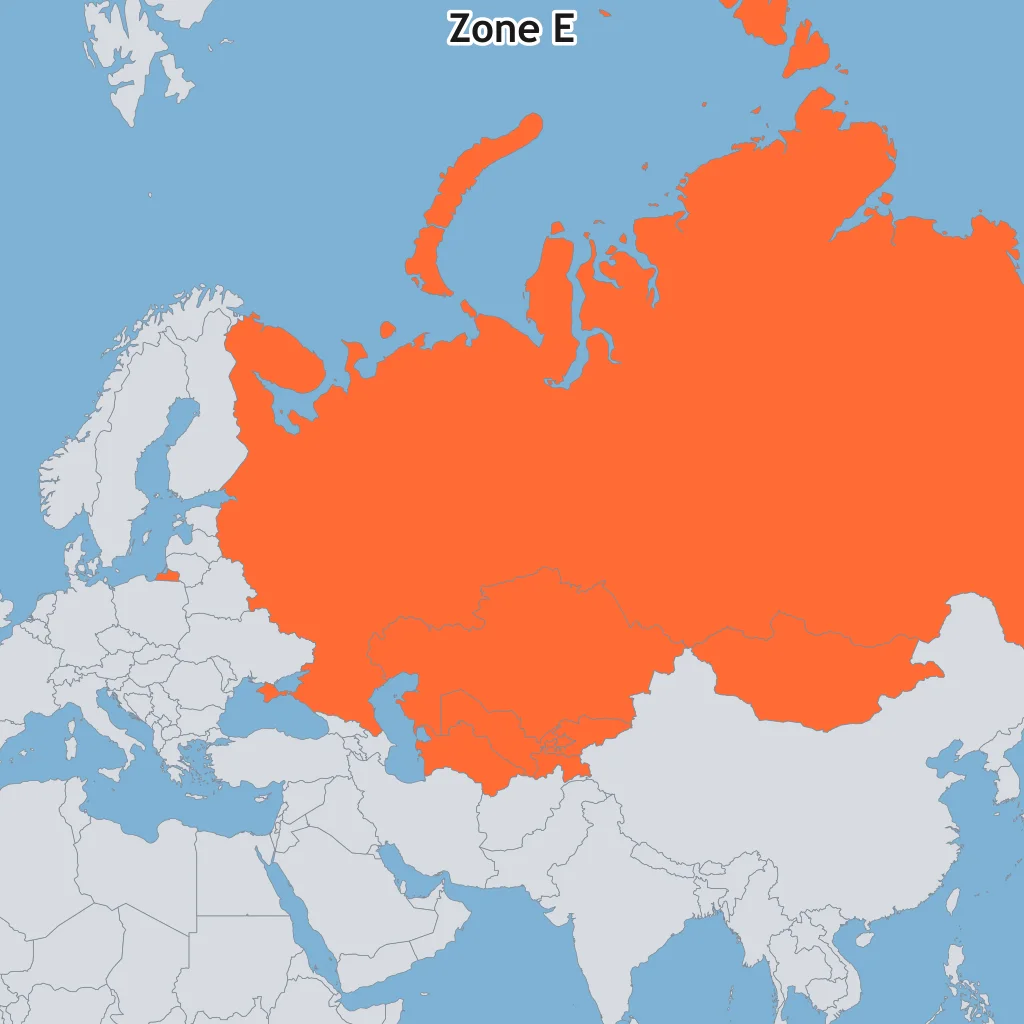
Use the shaded zone on the map. Which geopolitical term names this Eurasian coastal belt?
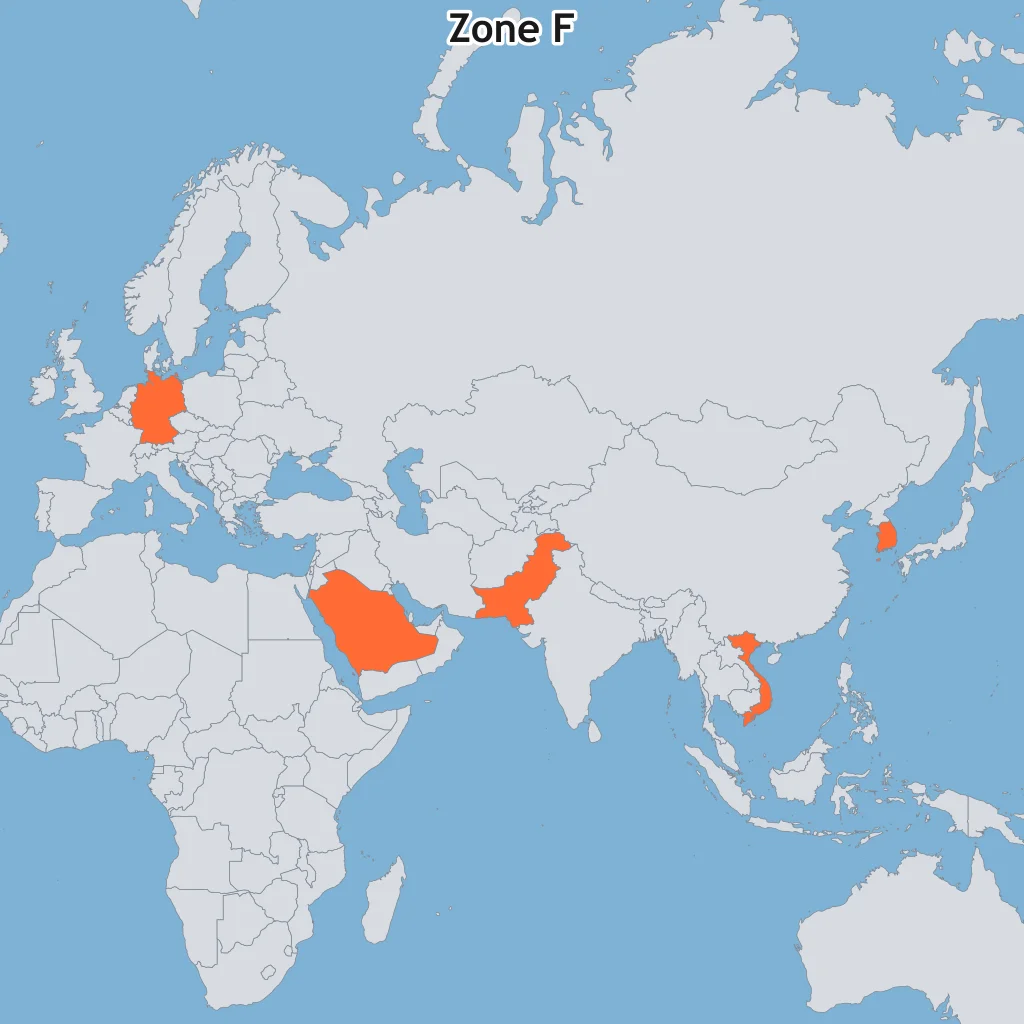
On the map, the shaded inland Eurasian area is the zone one theorist called the pivot of history. Which theorist is tied to that zone?
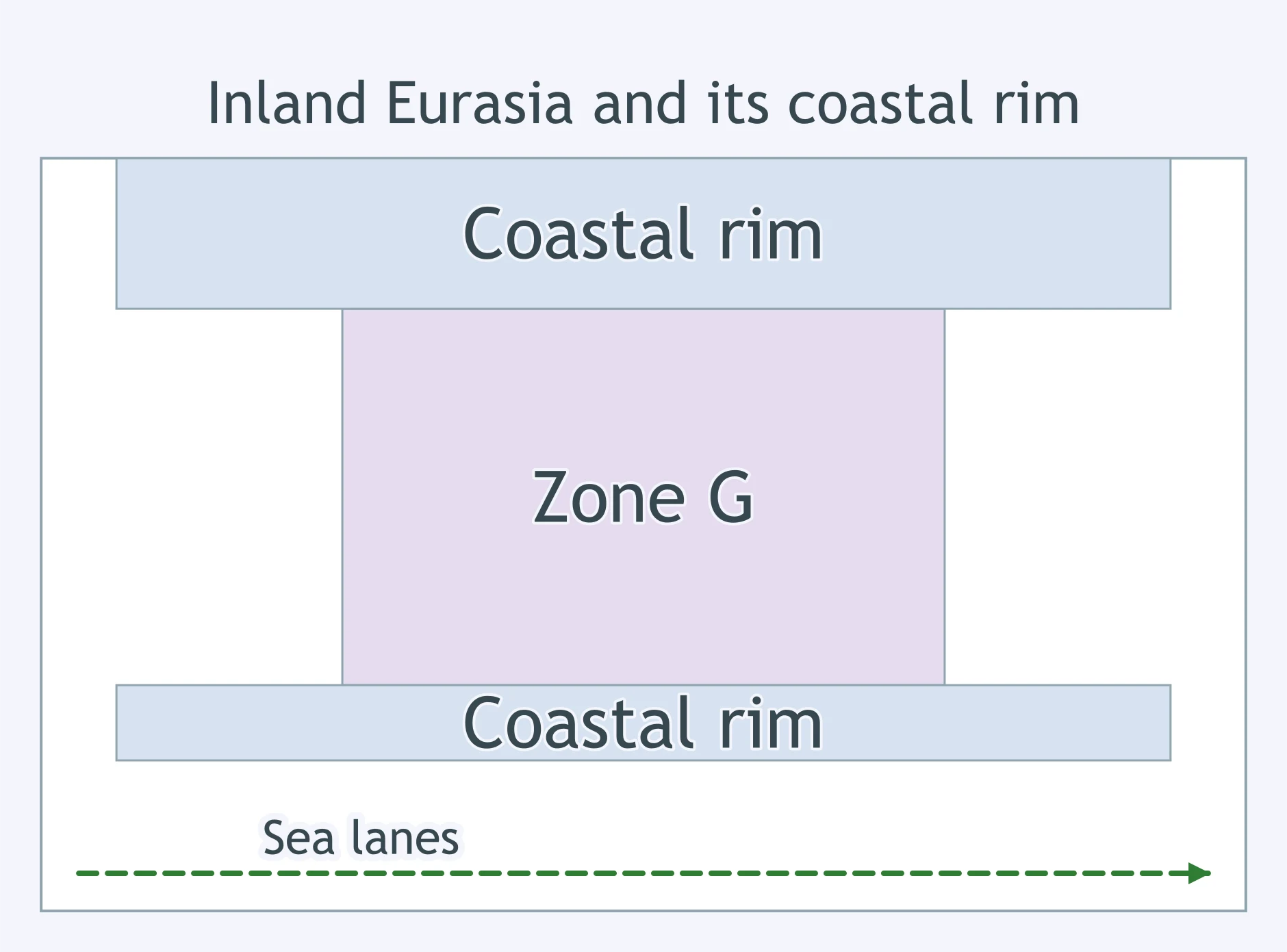
On the map, the shaded coastal Eurasian belt is the zone one theorist made central to world-power strategy. Which theorist is tied to that zone?
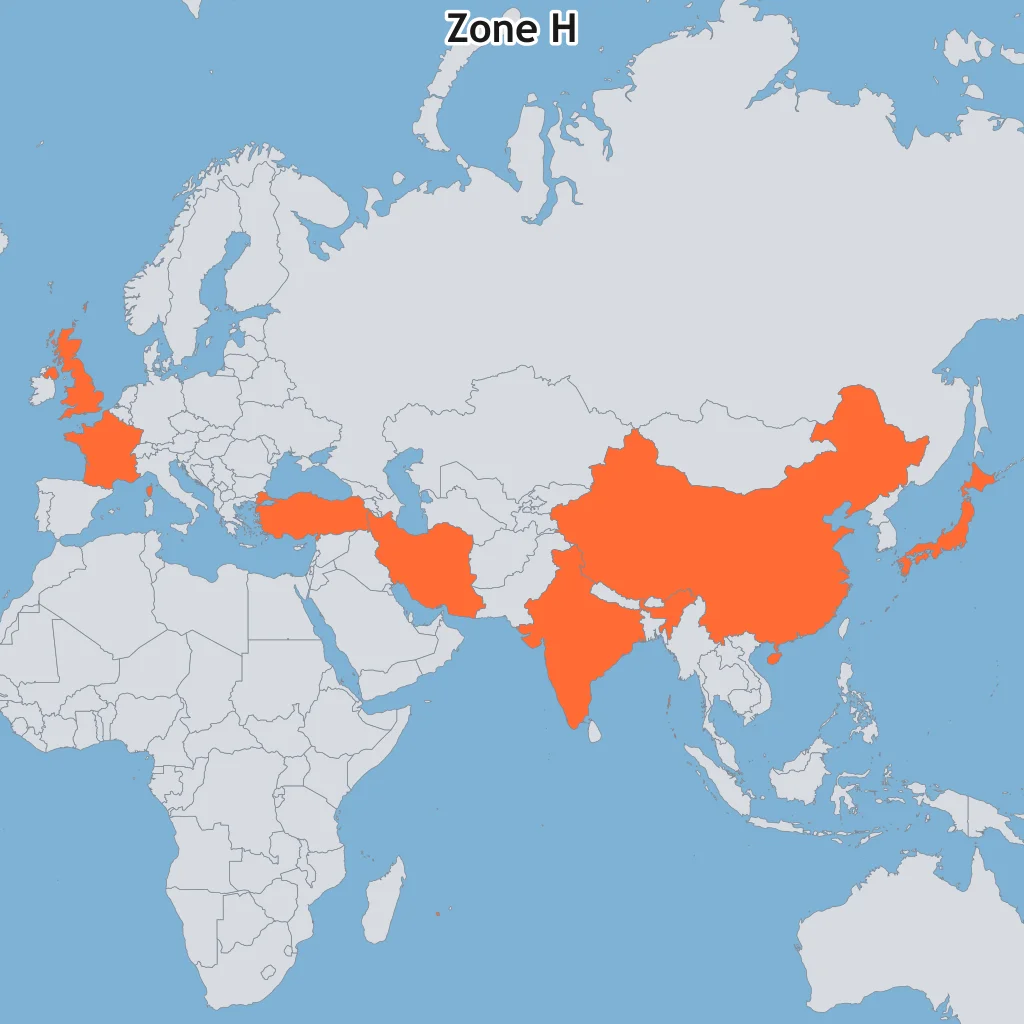
Historians note that the language of lebensraum was used to justify Nazi Germany's territorial expansion. Which theory is most closely tied to that argument?
A common critique says one theory overvalued inland land power while underestimating the strategic importance of coastal access and sea power. Which theory drew that critique?
During the Cold War, strategists used one theory to support containing rivals along Eurasia's coastal margins. Which theory was used this way?
Crack the passcode before the zombies get in.
Answer, then swat bugs for bonus points.
Race through questions at your own speed.
Same question on every screen. Fastest wins.

Pick a tile, answer, hit bonuses and steals.
The Functions of Boundaries: Disputes, Buffers and the Law of the Sea
35 questions