Loading
by BlastRoom
Attribute unfamiliar works from visible evidence.
#us_hs_art_history
30 questions
One question set, multiple game modes. Tap any game to see it in action. Not sure which to pick?
Answer to place stones and capture territory.
Outrun the snow together.
Earn blasts, then hunt the other team.
Answer to earn energy, then climb.

The class blasts through walls together.
Bid on mystery lots. Most money wins.
Sell tours. Nice, standard, or a total scam.

Answer, restock, and serve the rush.
More correct answers pulls the rope your way.
Answer, then shoot down the alien wave.
Answer, then tap to leap the frozen ridge.
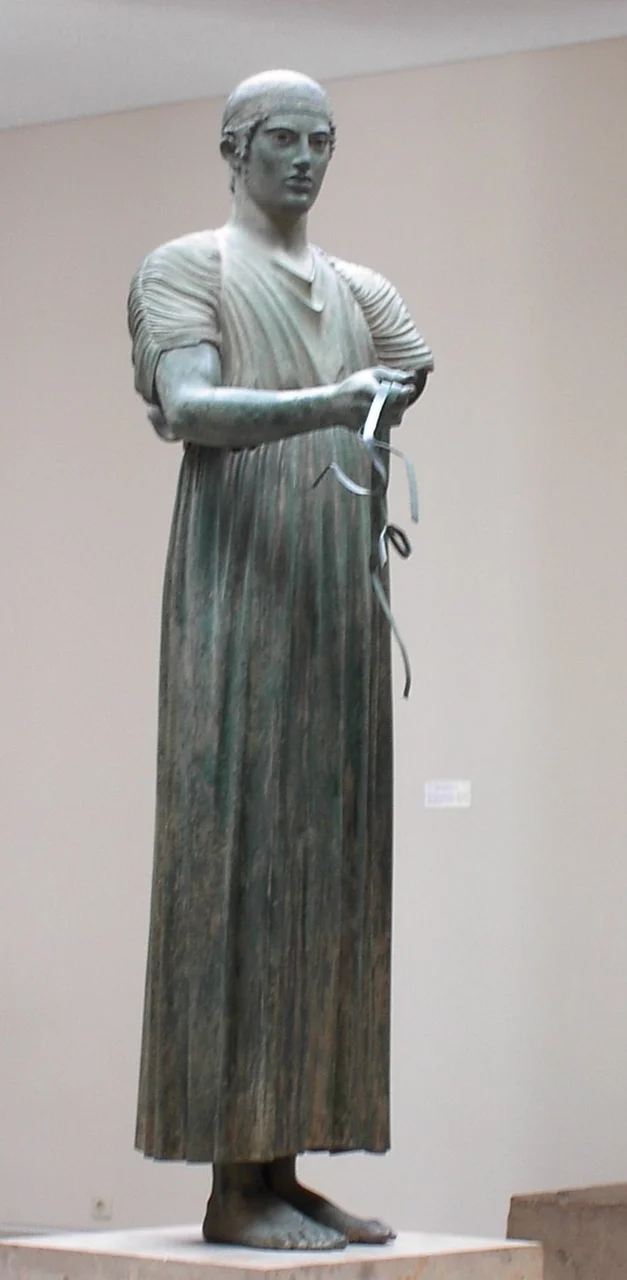
A life-size bronze charioteer stands calmly in a long pleated tunic; his head turns slightly and his anatomy is observed rather than patterned. Which phase of Greek sculpture best fits these features?
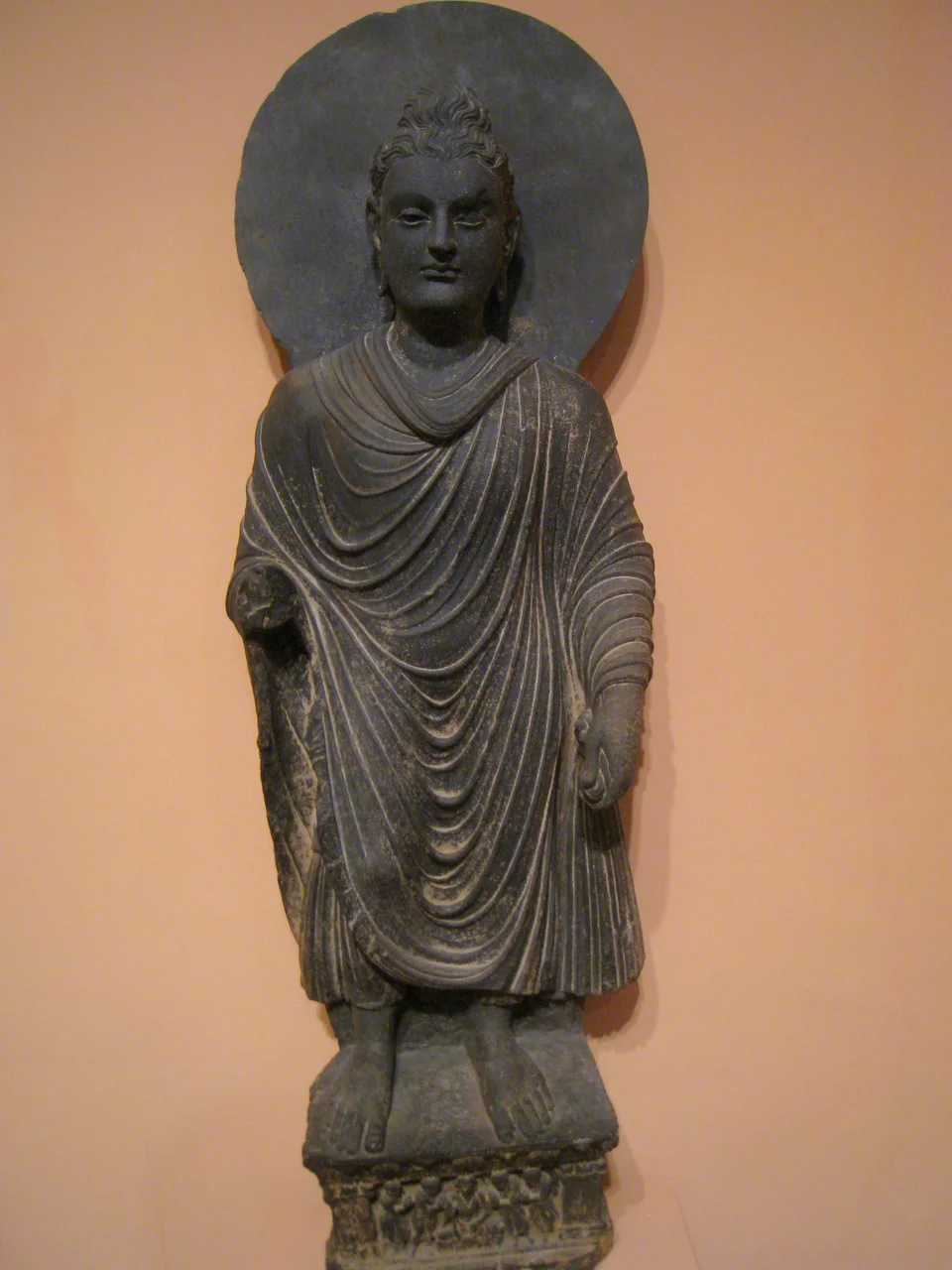
A gray schist Buddha wears heavy looping robes over both shoulders, with wavy hair gathered in a topknot and a plain halo behind his head. Which workshop tradition most likely made it?
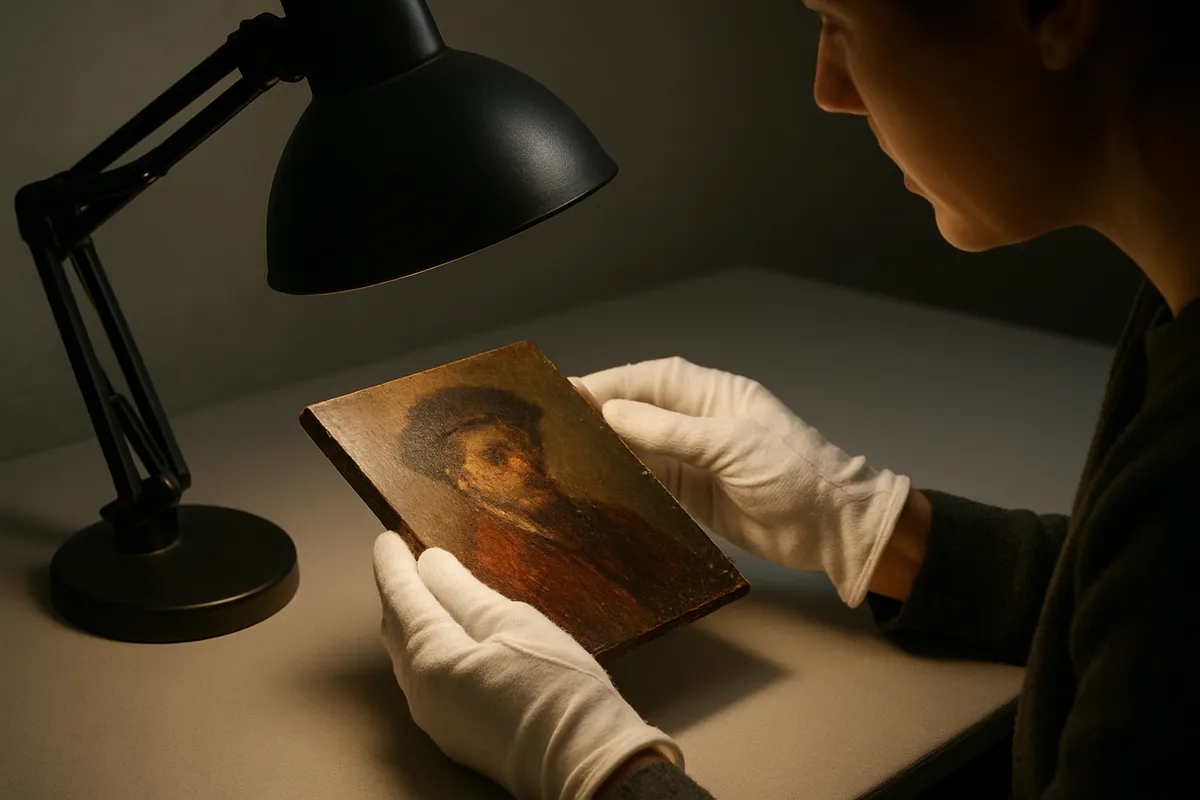
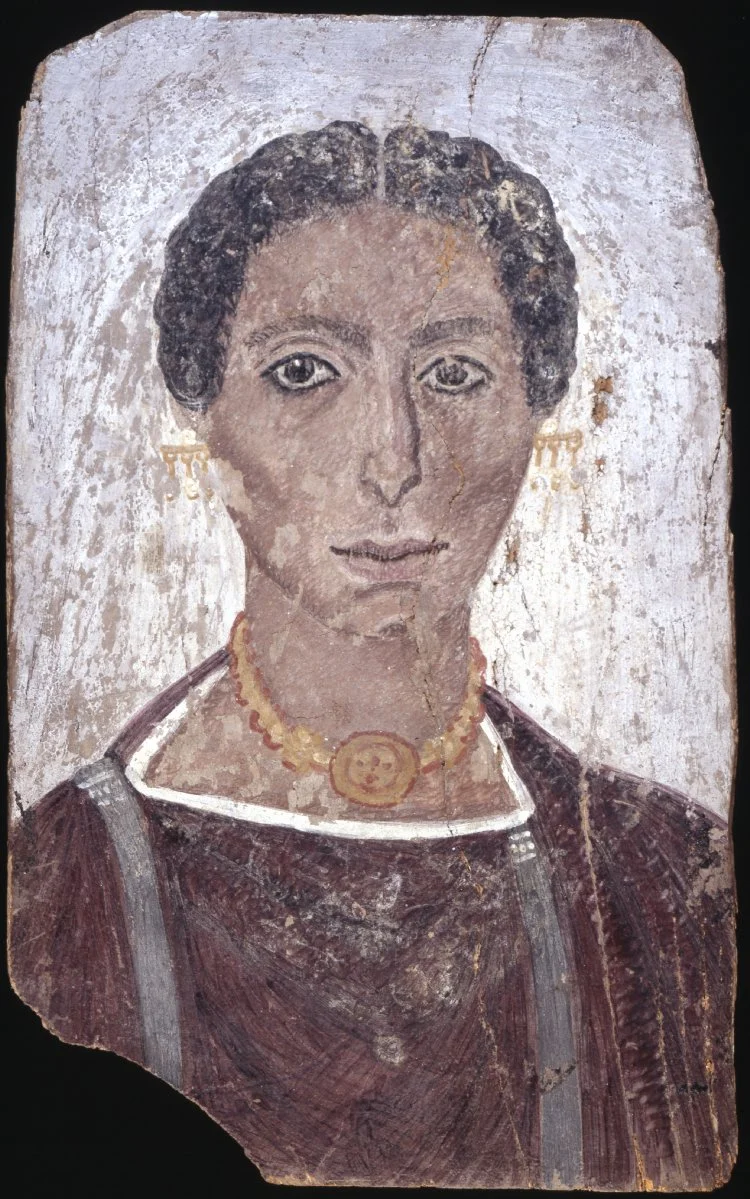
A mummy portrait on a thin wooden panel has thick opaque strokes with raised waxy ridges rather than visible brush hairs. Which medium best explains this surface?
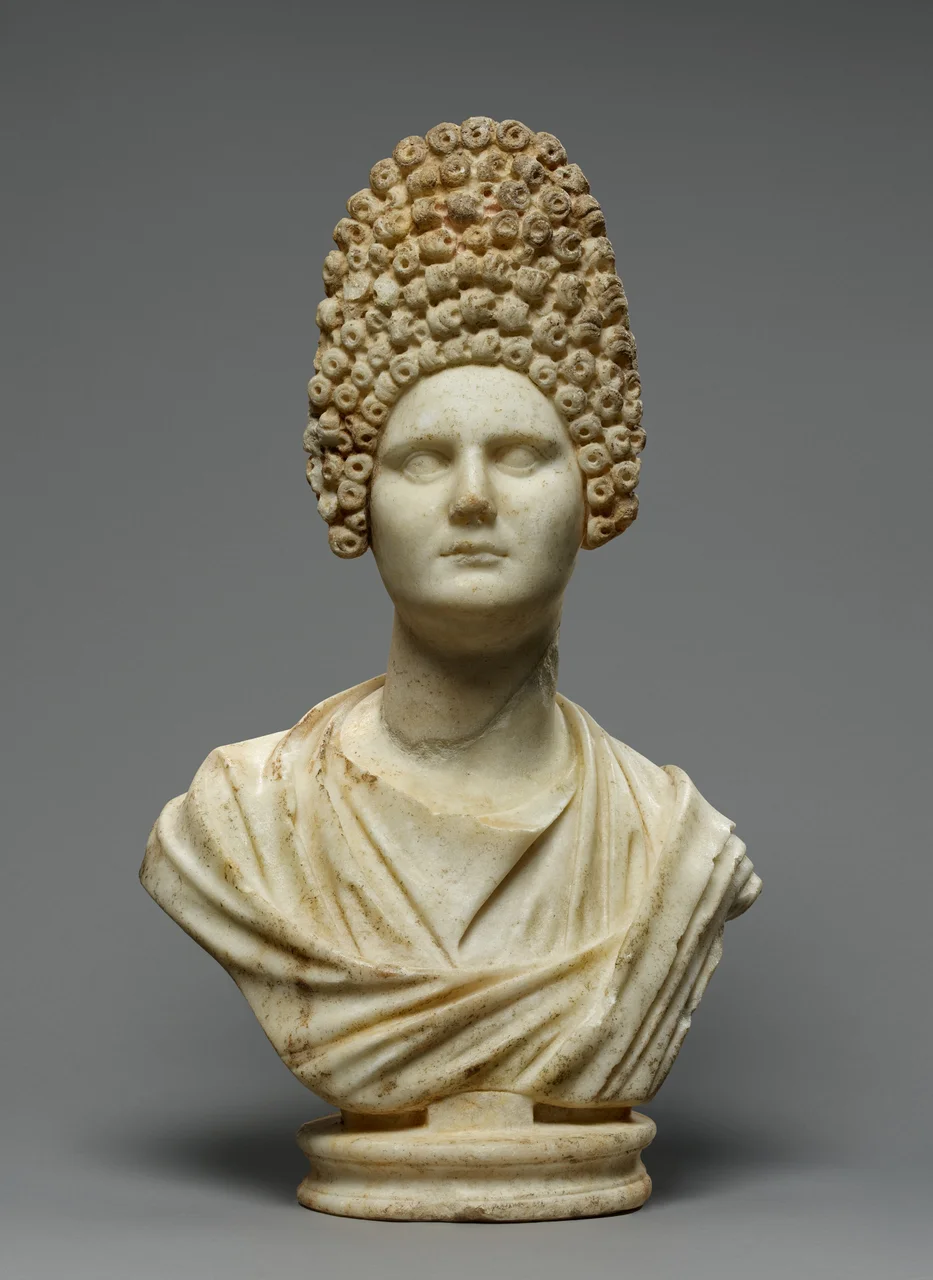
A marble woman’s portrait bust has a towering mass of deeply drilled corkscrew curls above her forehead. Which Roman period does this hairstyle most strongly indicate?
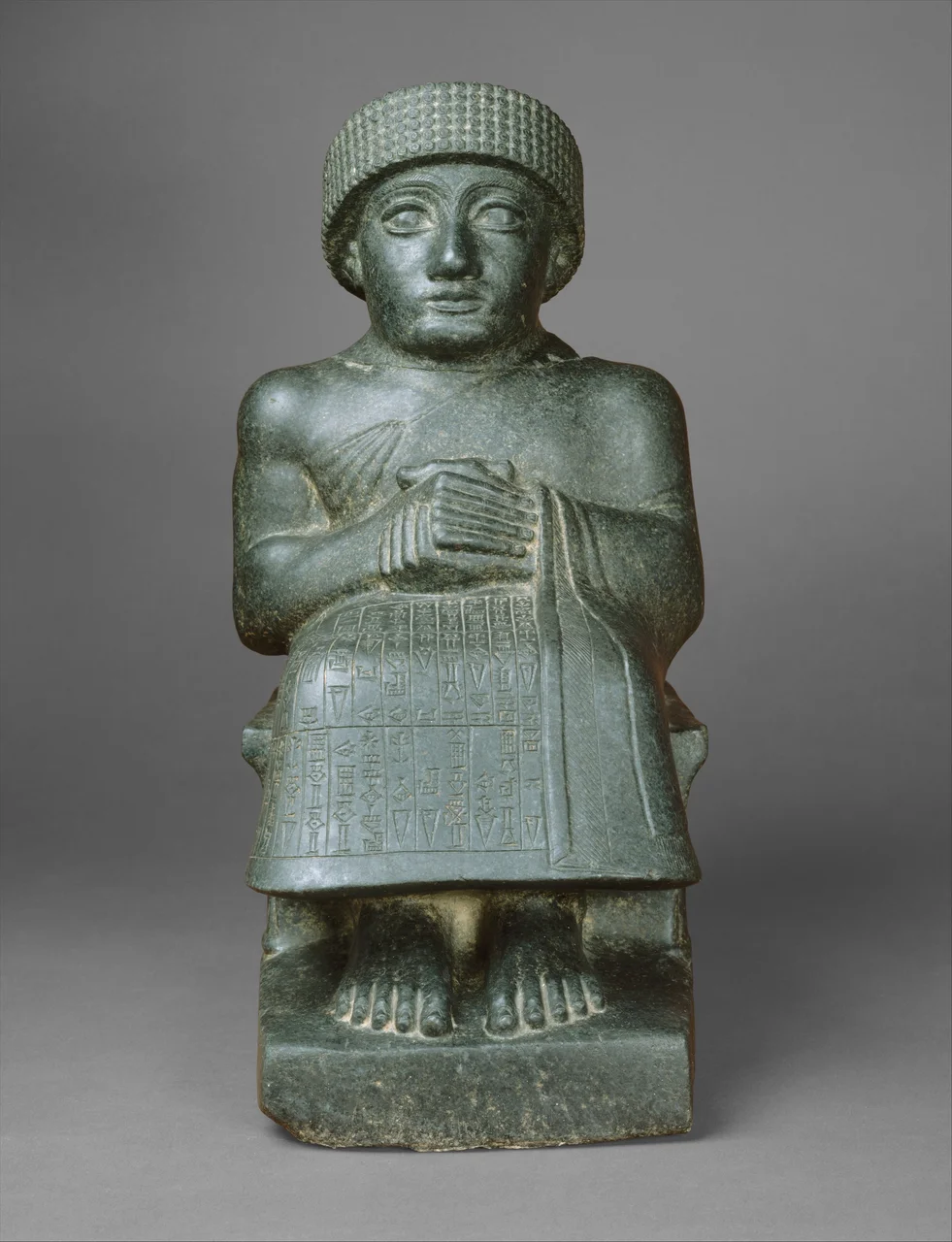
A seated ruler carved in dark diorite clasps his hands and bears long cuneiform inscriptions on his robe. Which Mesopotamian cultural period best fits this image?
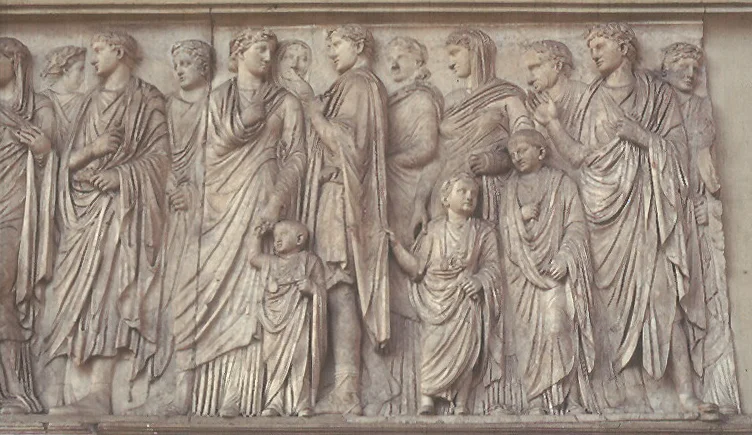
A marble relief shows a formal civic procession of idealized figures, including children and priests, moving across a shallow space. Which phase of Roman art is most likely?
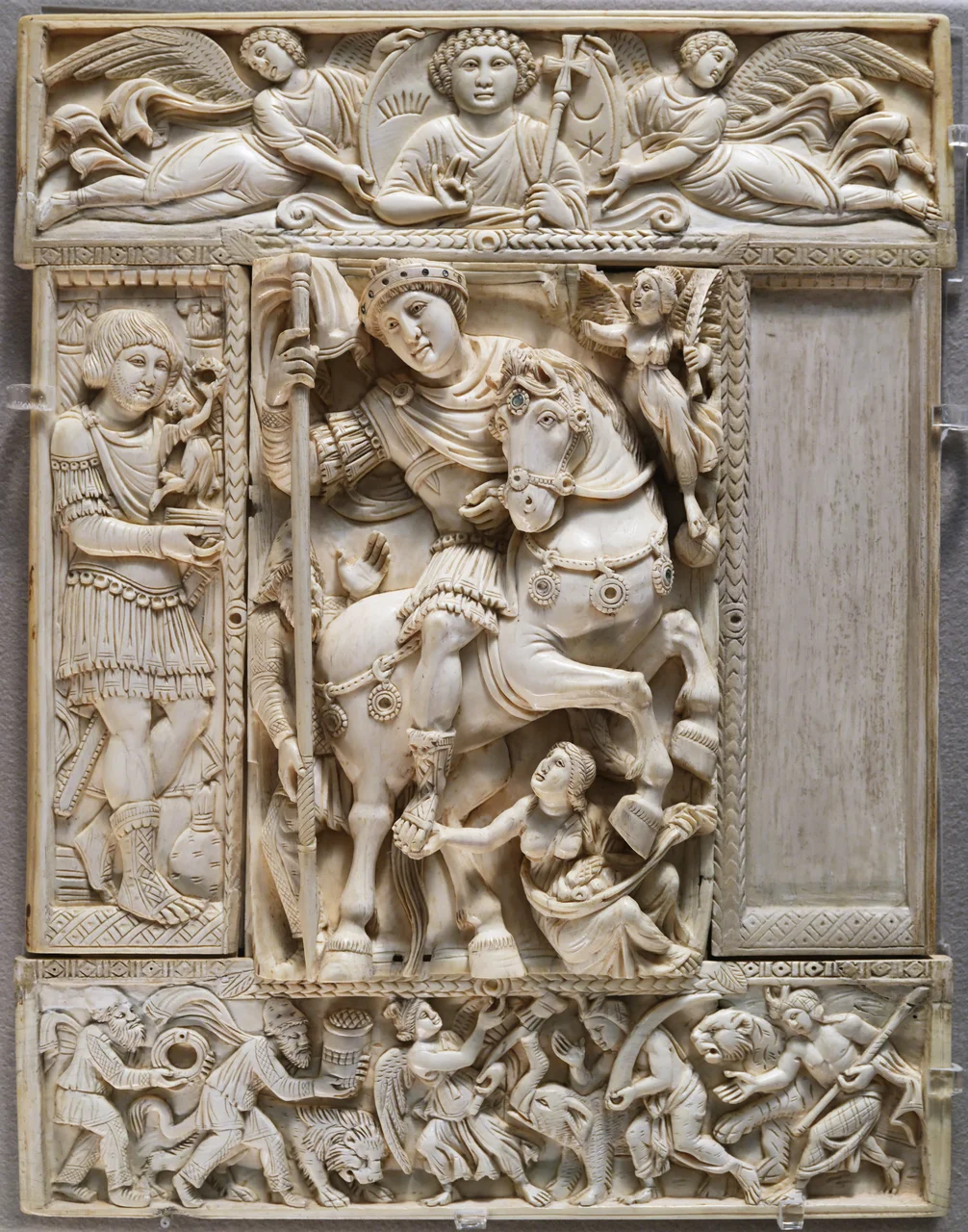
An ivory panel depicts a triumphant emperor on horseback, enlarged over smaller figures and framed by classical motifs. Which artistic phase best fits this combination of imperial imagery and Christian-era court style?
A low relief shows a high-status man hunting hippopotamuses amid dense papyrus reeds; servants and animals are arranged in horizontal registers. Which Egyptian period is most likely?
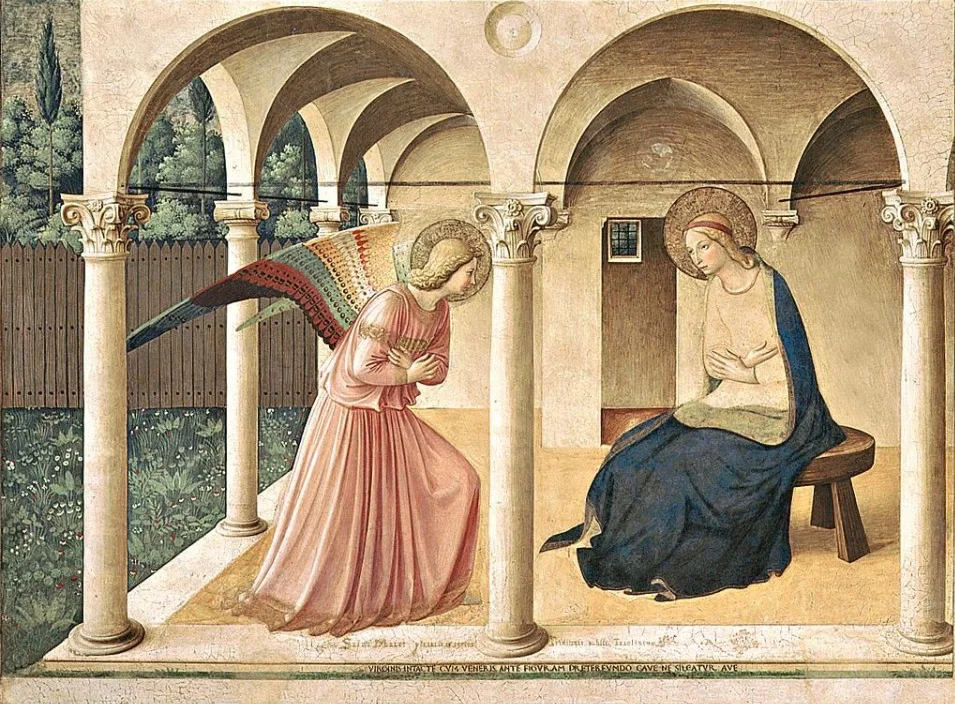
An Annunciation unfolds beneath a convincingly receding arcade, yet the figures retain delicate gold accents and calm devotional poses. Which phase of Italian painting best fits this work?
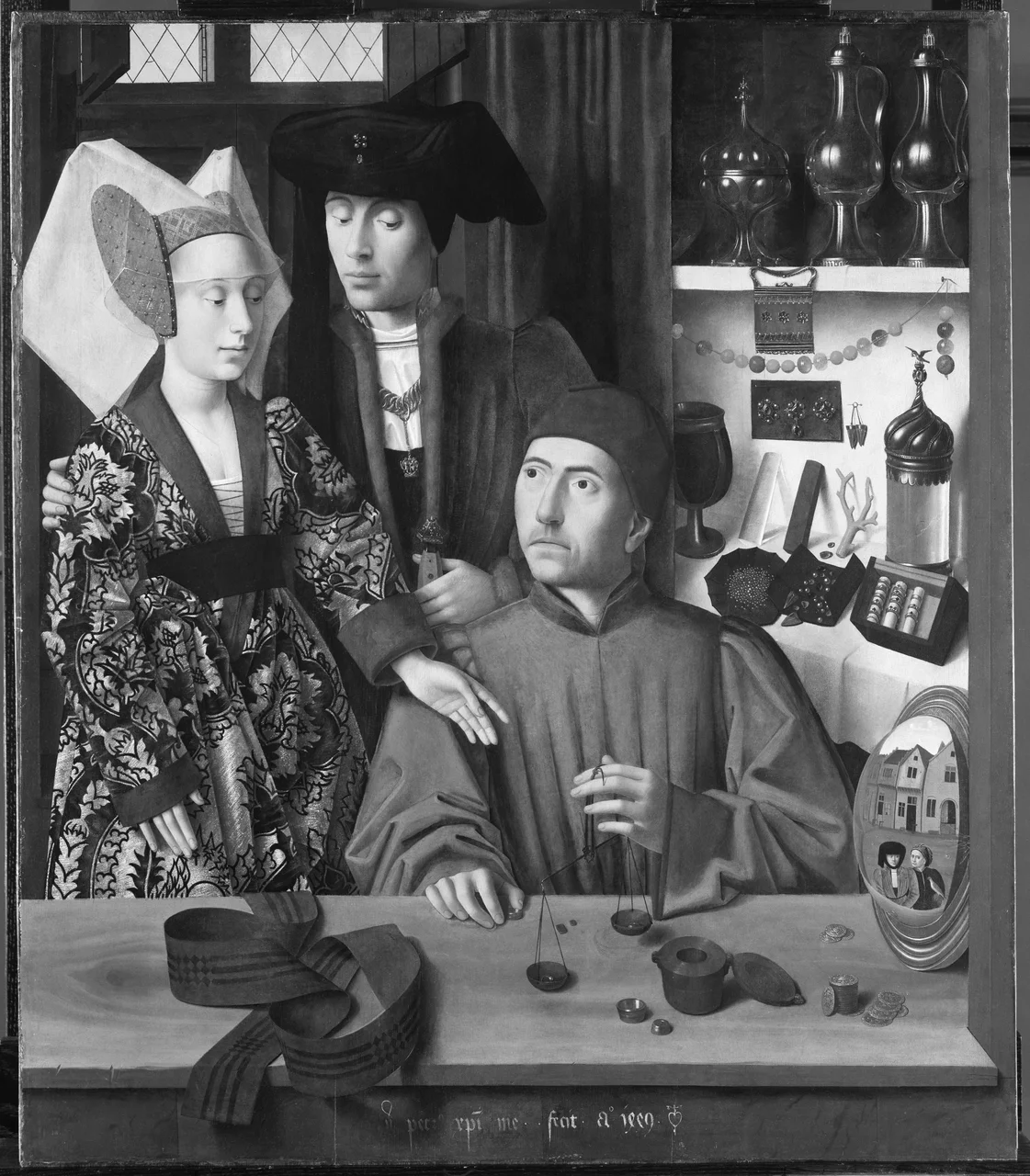
A detailed shop interior includes polished metal, transparent glass, and a convex mirror reflecting the street. Which medium most likely enabled these luminous, layered effects?
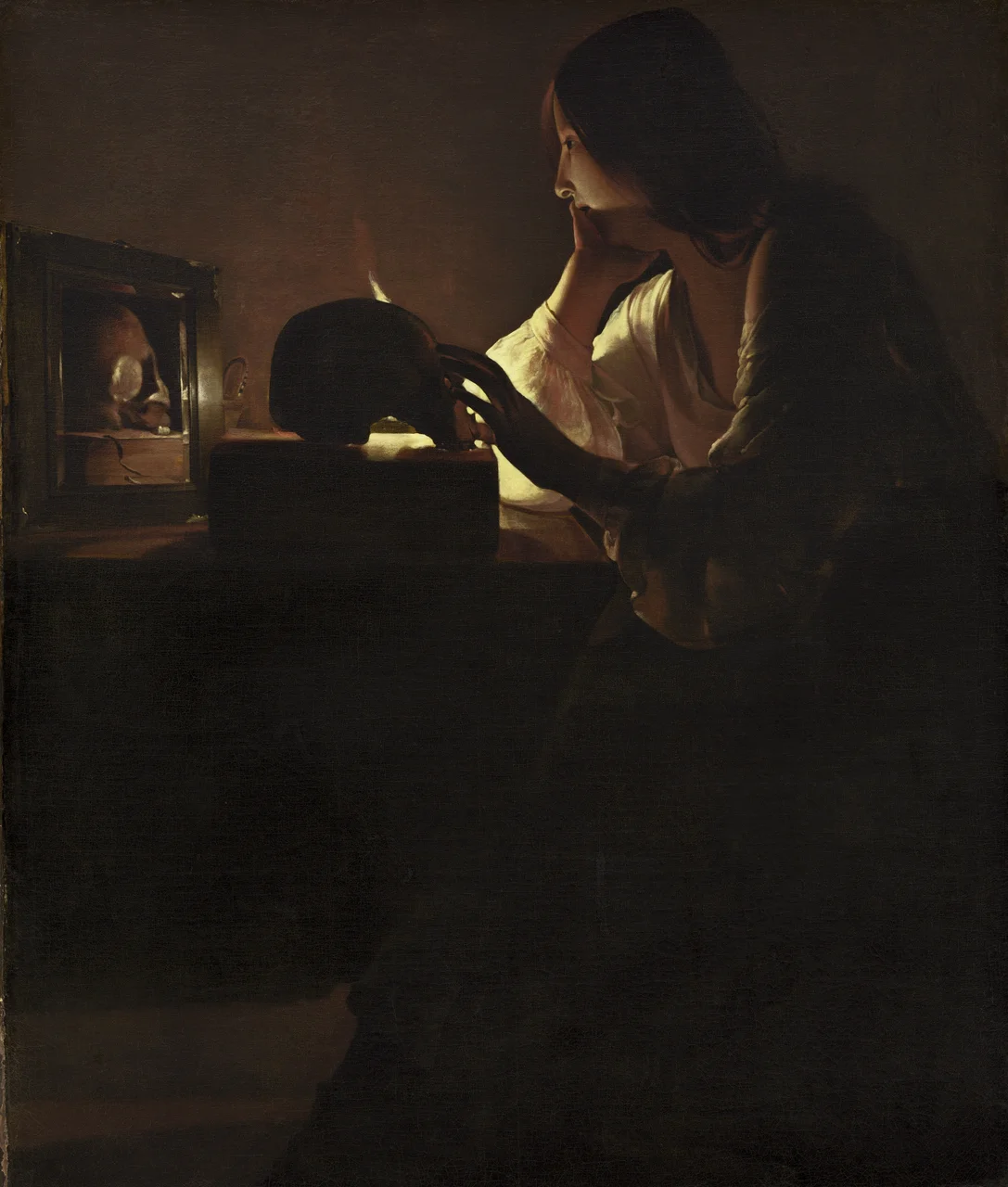
In a dark interior, one candle is the sole light source; a woman’s face and hands are simplified into smooth planes with sharply edged shadows. Which artist’s hand is most likely?
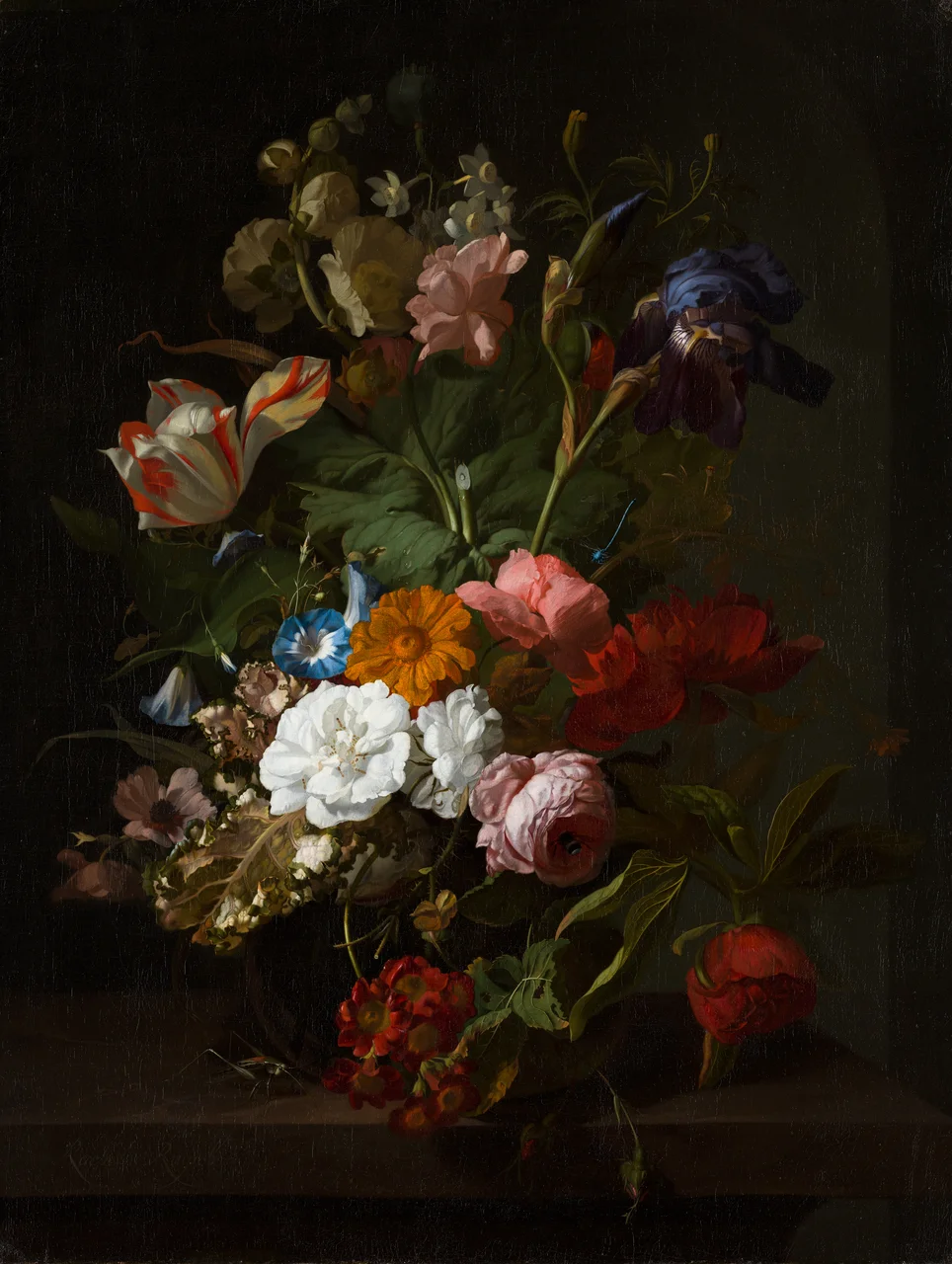
A bouquet spills diagonally across a dark background, with insects, curling stems, and highly observed blossoms creating lively movement. Which artist is the strongest attribution?
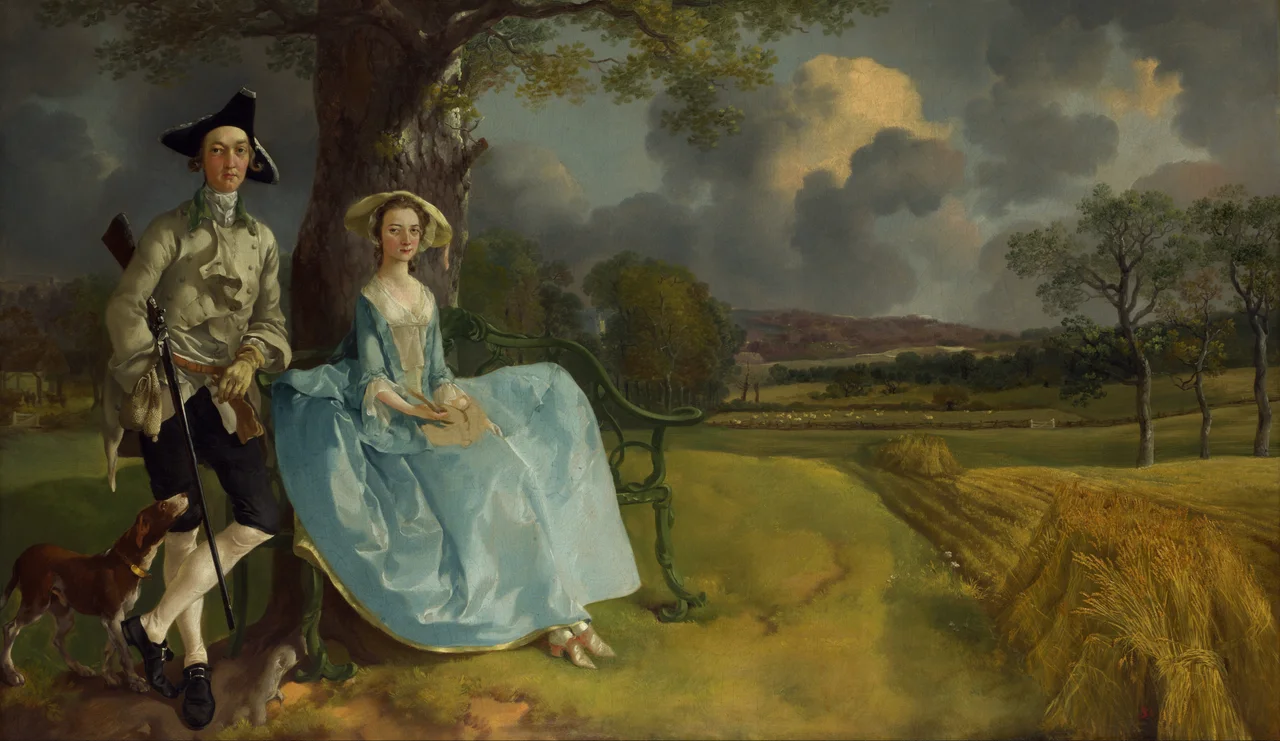
A fashionable rural couple stands before an orderly English estate, while a prized field and livestock signal landed wealth. Which date range best fits this portrait?
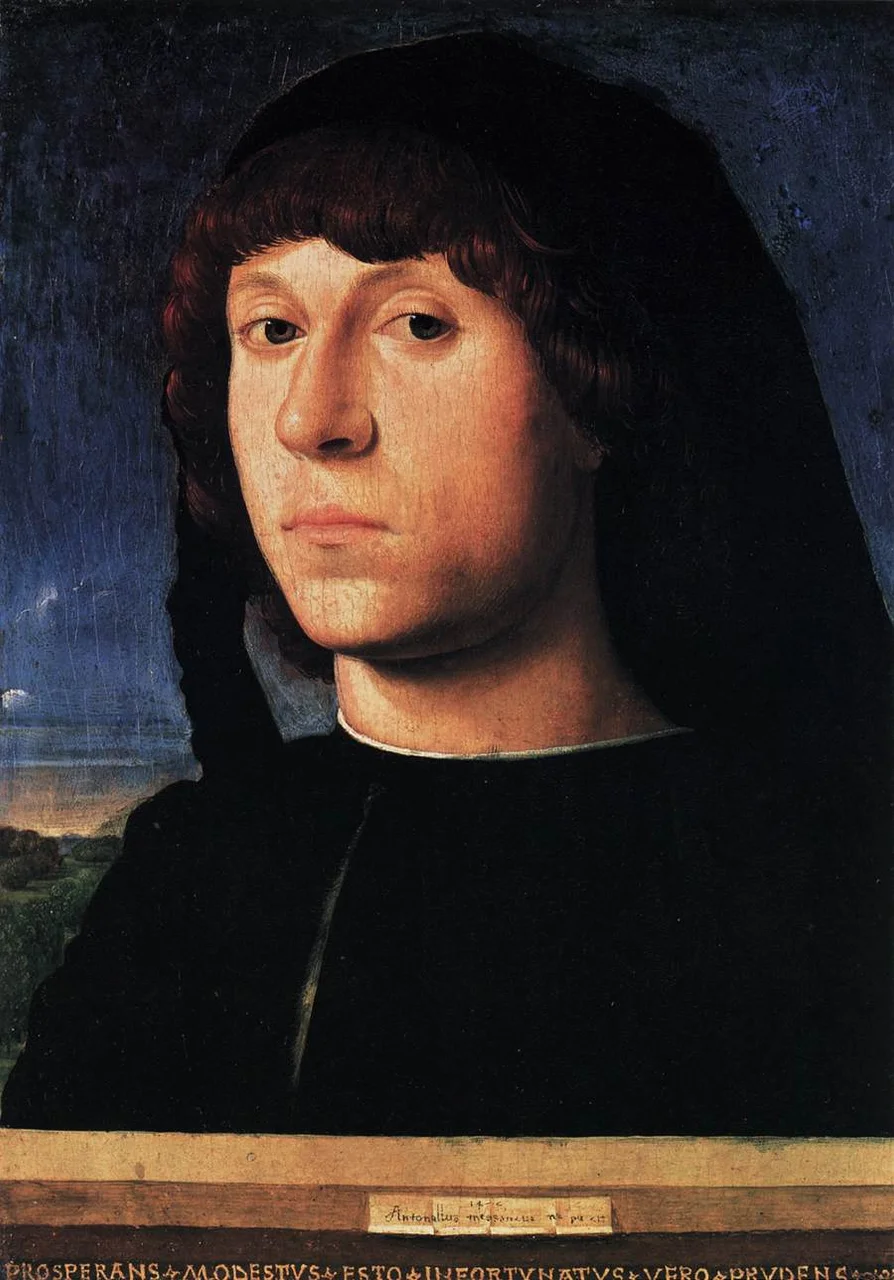
A small three-quarter portrait isolates a soberly dressed man against a dark ground, using luminous oil modeling and close attention to individual features. Which artist is the strongest attribution?
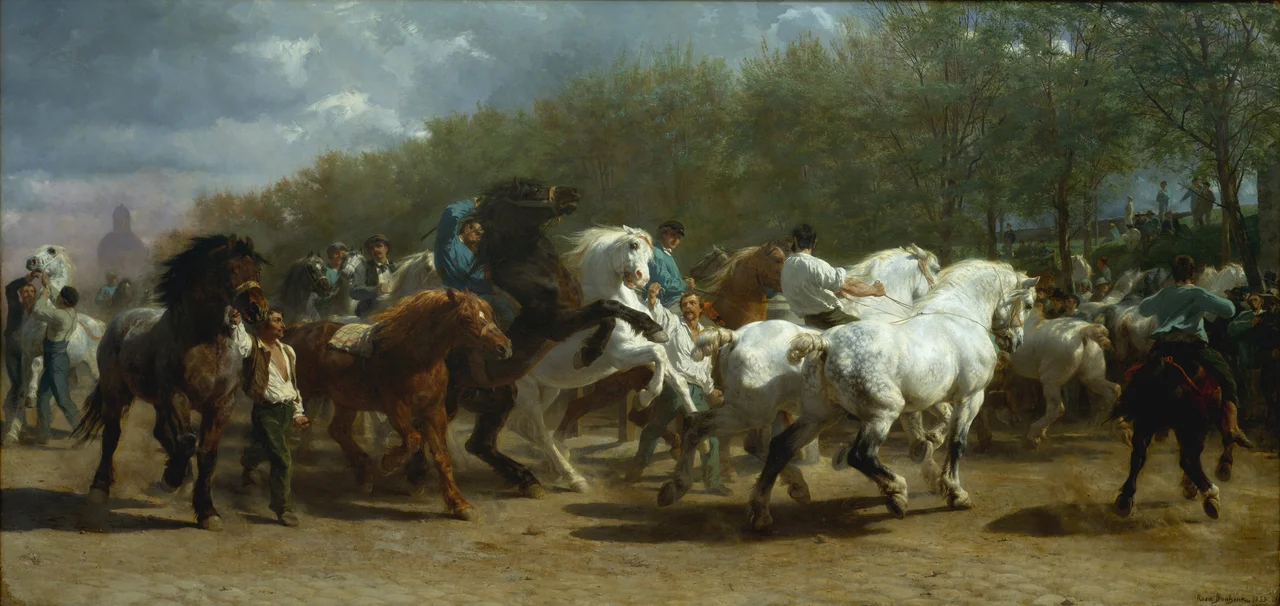
A huge canvas portrays muscular draft horses surging through a Paris horse market with unusually close observation of animal movement. Which date range best fits this work?
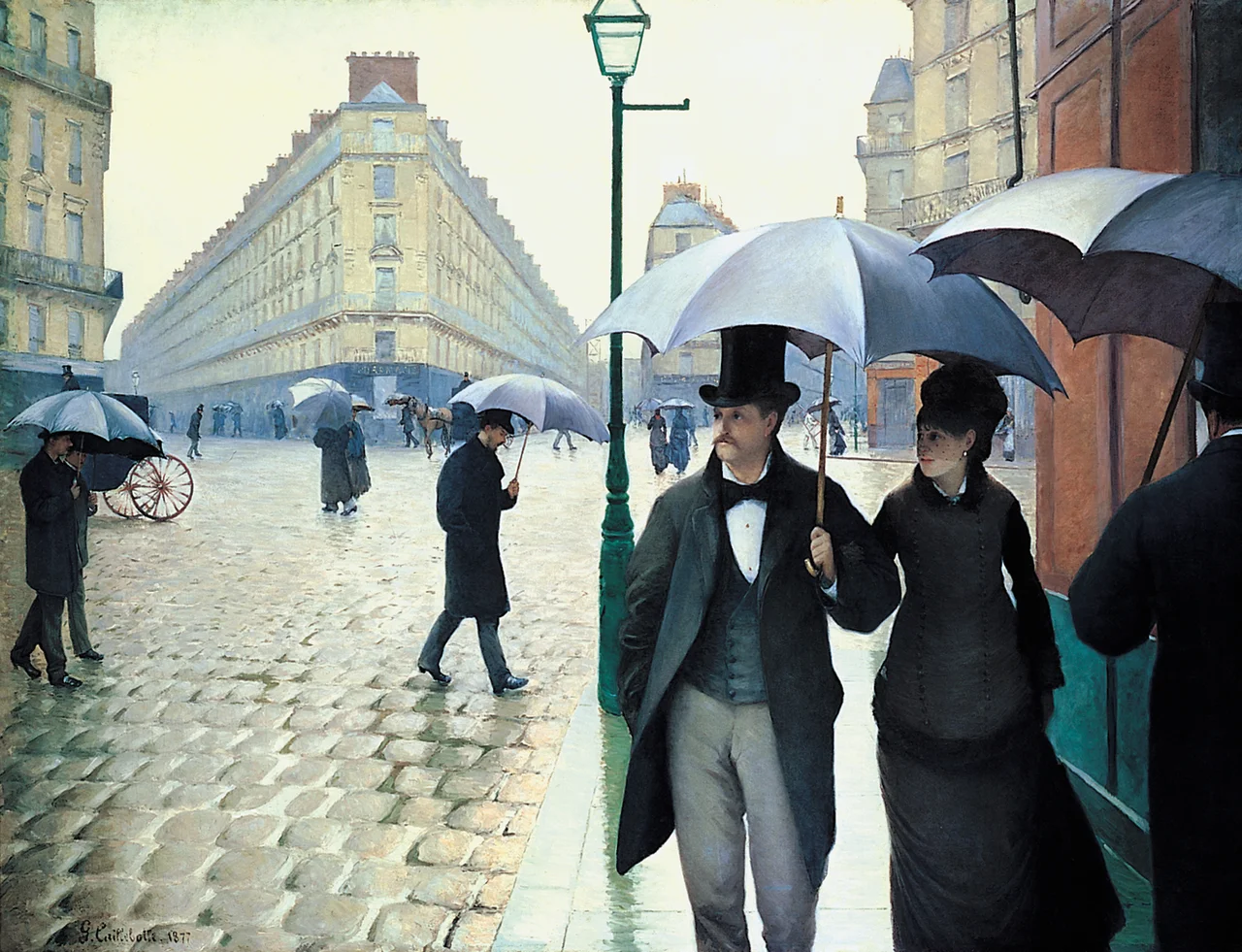
A rain-slick Paris boulevard has broad new streets, iron lamps, umbrellas, and sharply observed middle-class pedestrians. Which decade best fits this urban scene?
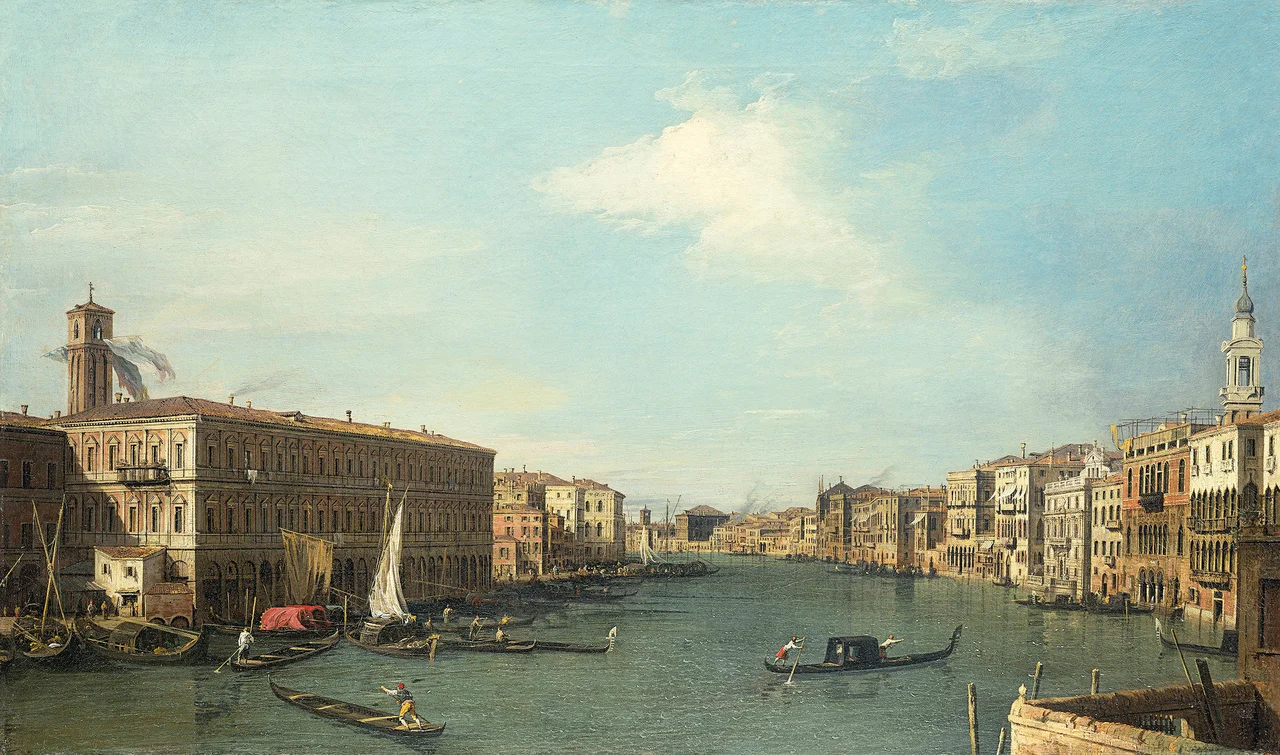
A Venetian view uses precise architecture, bright lagoon light, and tiny figures to turn a city panorama into a carefully measured spectacle. Which artist’s hand is most likely?
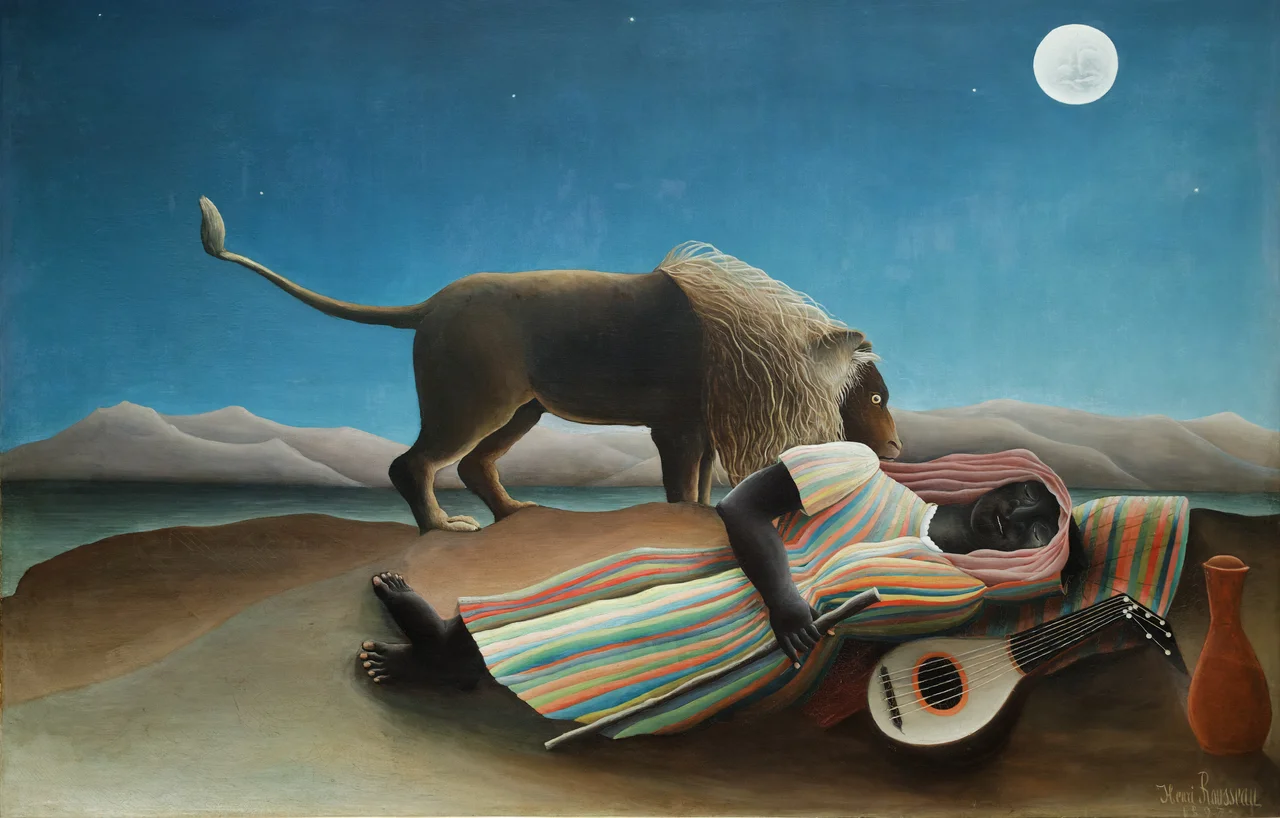
A lone sleeping woman and a lion occupy a moonlit desert, rendered in flat, oddly scaled forms that create a dreamlike mood. Which date range best fits this painting?
A rain scene is built from flat color areas and repeated fine lines, with crisp edges suggesting separately prepared color layers rather than freehand brushwork. Which medium is most likely?
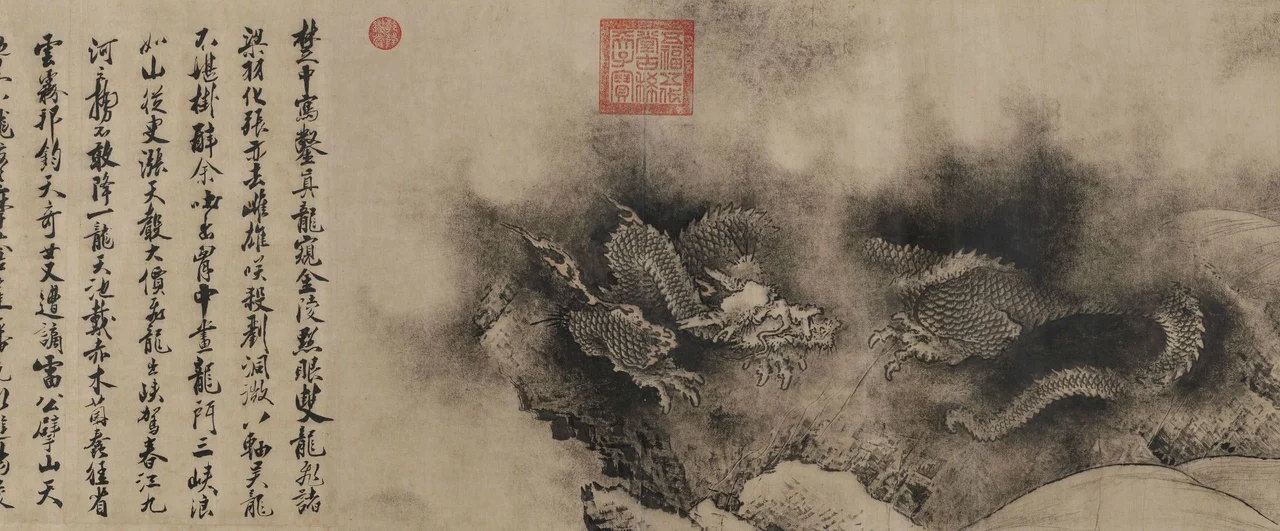
An ink handscroll shows dragons twisting through clouds and water, with calligraphy and seals integrated along the unfolding composition. Which tradition most likely produced it?
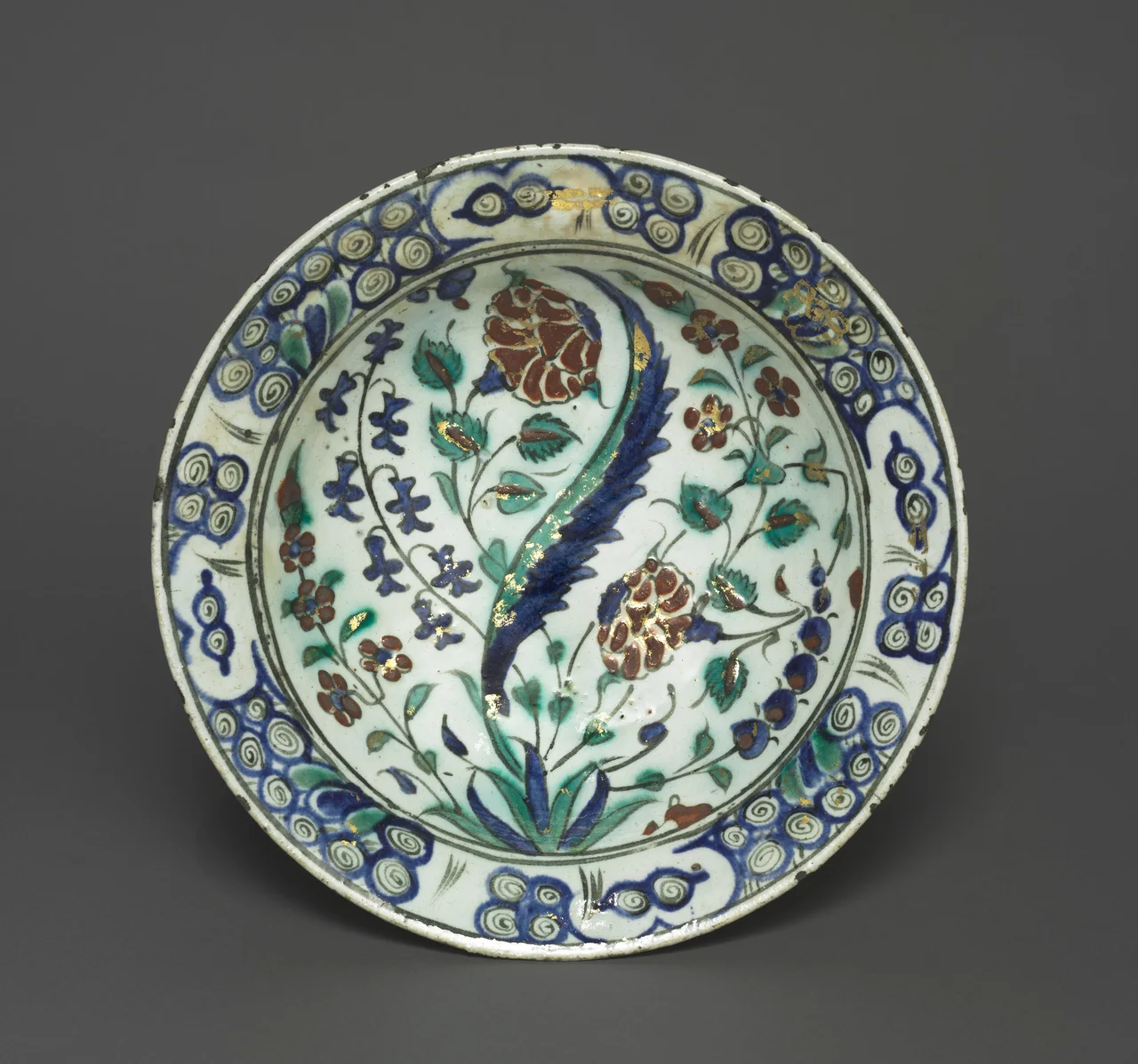
A white ceramic dish is covered with cobalt-blue arabesques, red floral motifs, and black outlines under a glossy glaze. Which regional ceramic tradition is most likely?
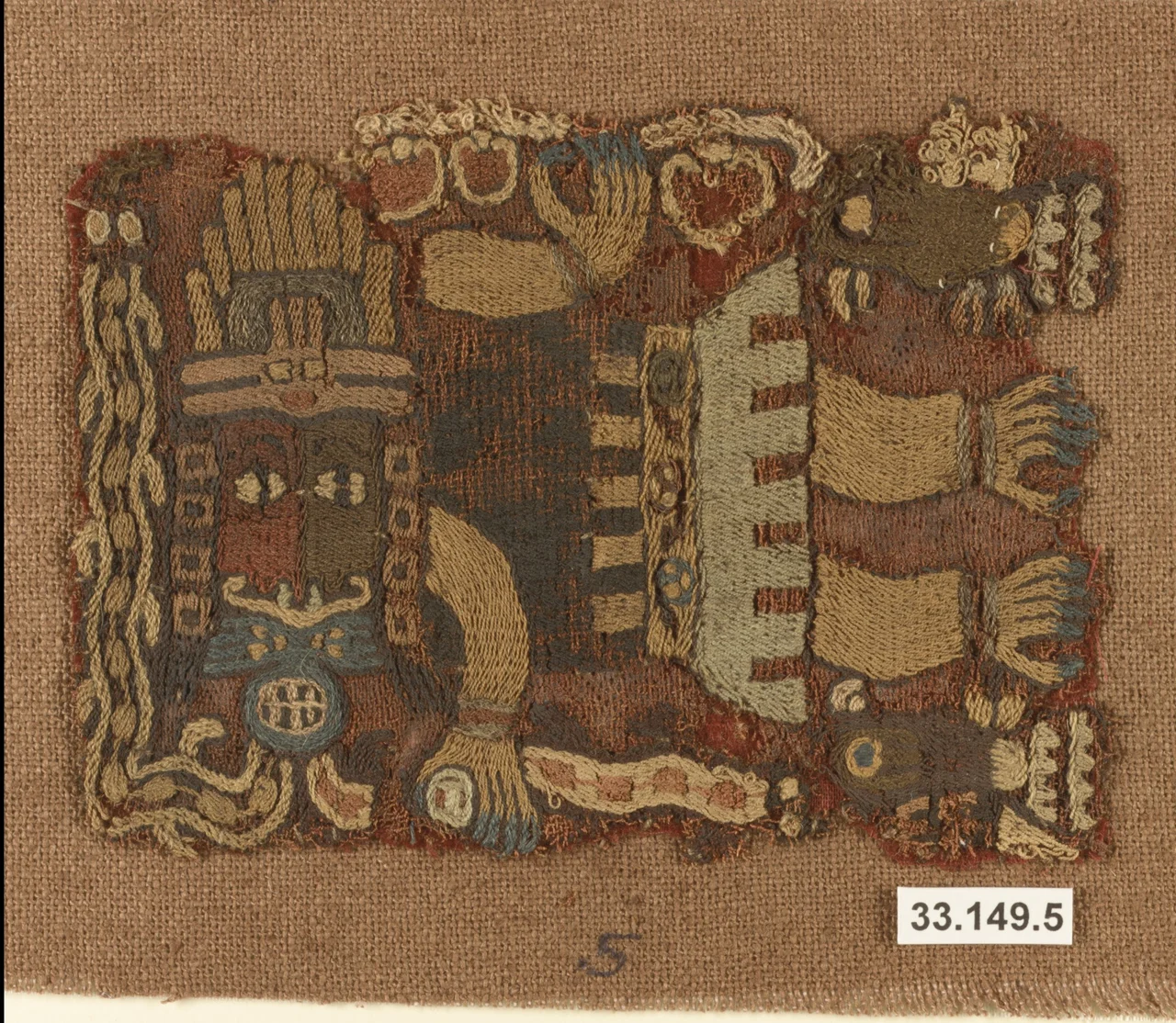
A textile mantle is densely embroidered with repeated colorful figures and was made for elite burial use on Peru’s south coast. Which culture is the best attribution?
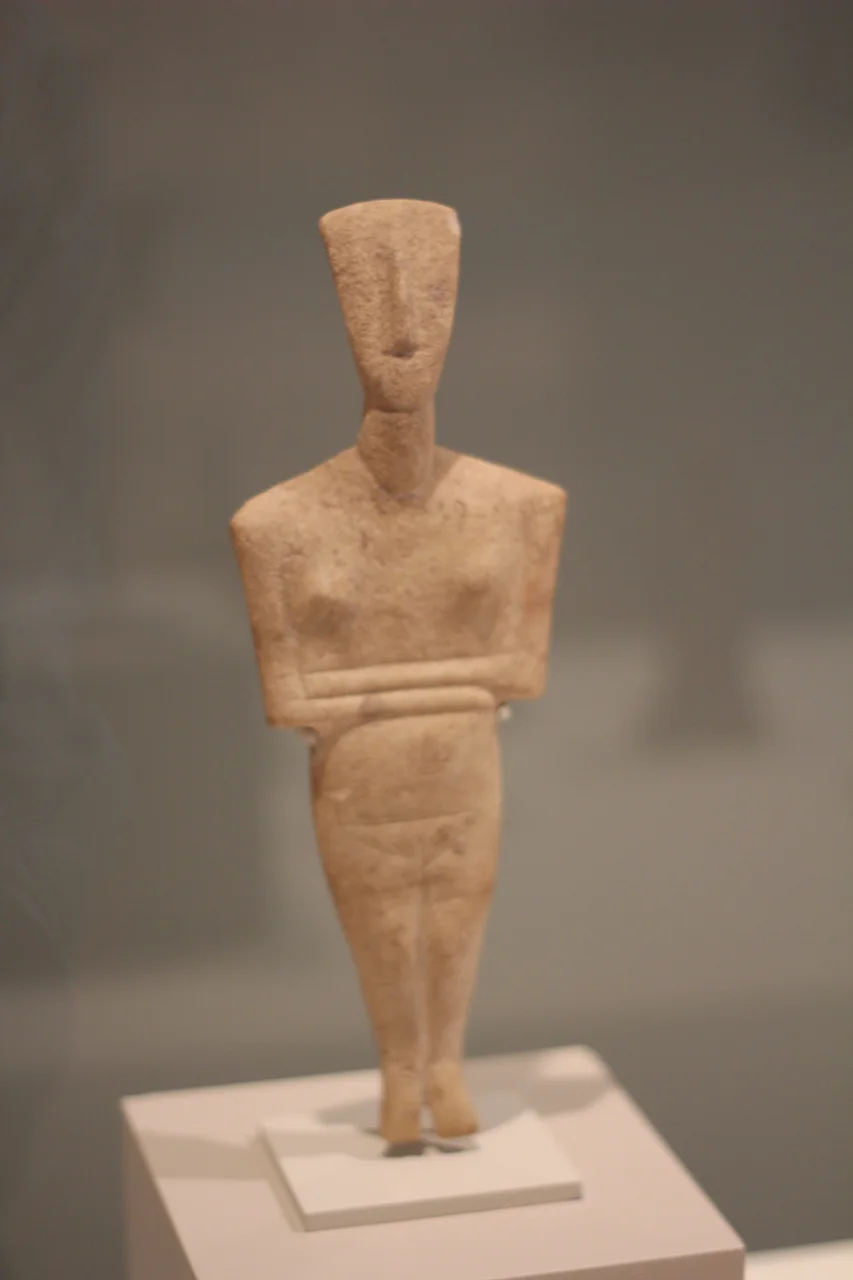
A small marble figure has a flat, folded-arm body, a tilted head, and very little facial detail. Which Aegean culture most likely made it?
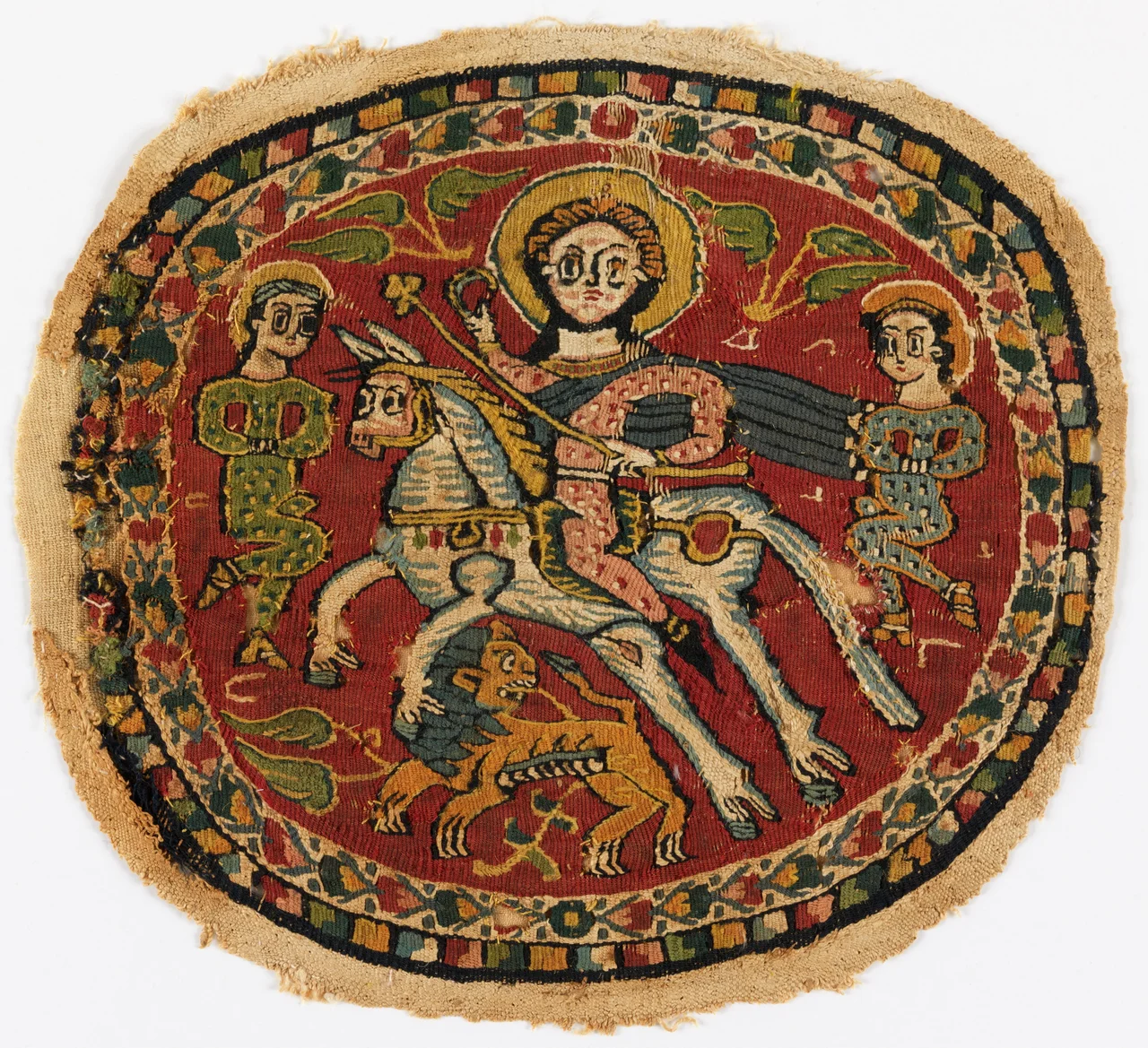
A woven roundel from Egypt shows a frontal holy figure in a compact medallion, combining classical textile techniques with Christian imagery. Which period best fits it?
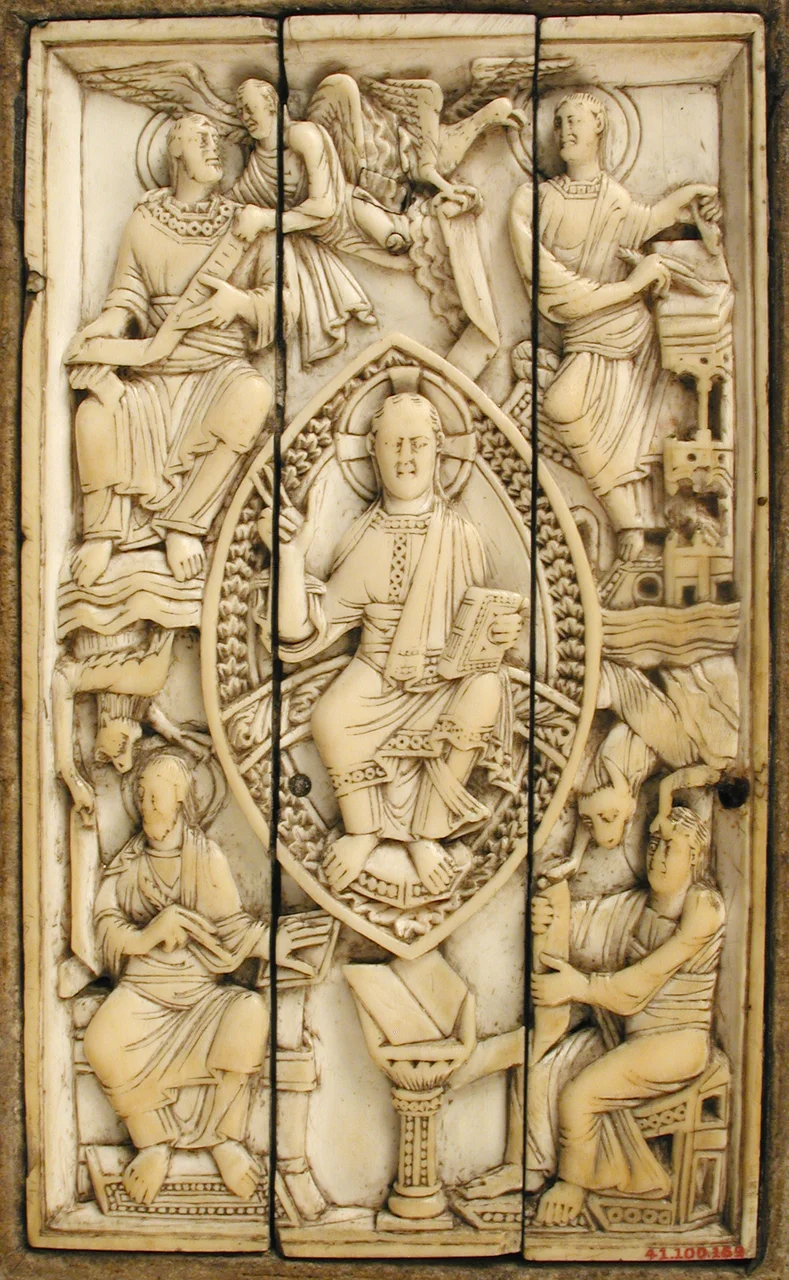
An ivory book cover centers an enthroned Christ in a formal, frontal composition, surrounded by small figures carved in shallow relief. Which medieval phase best fits it?
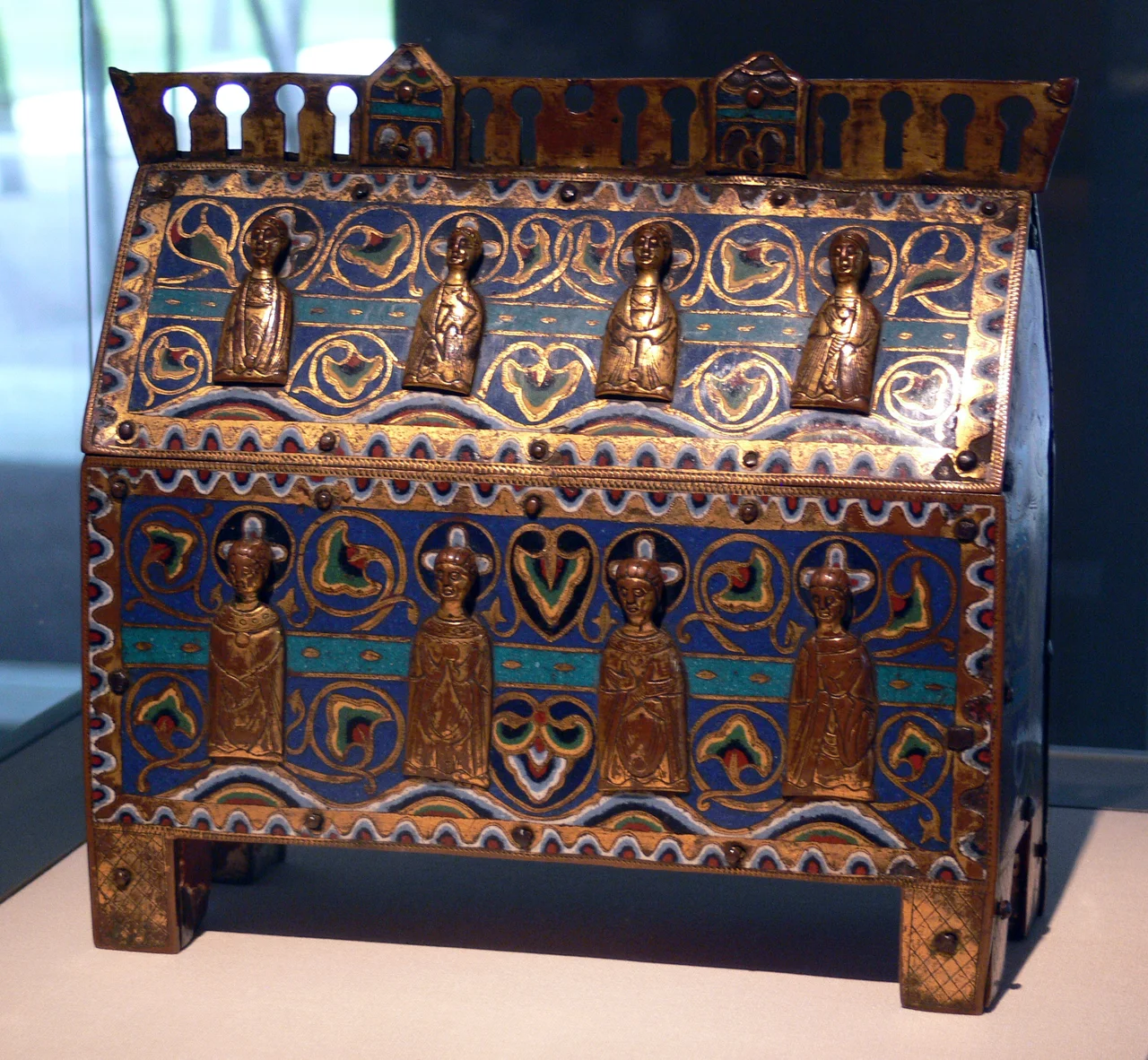
A reliquary plaque has colored glassy areas fused into recessed cells cut directly into a metal ground. Which technique is being used?
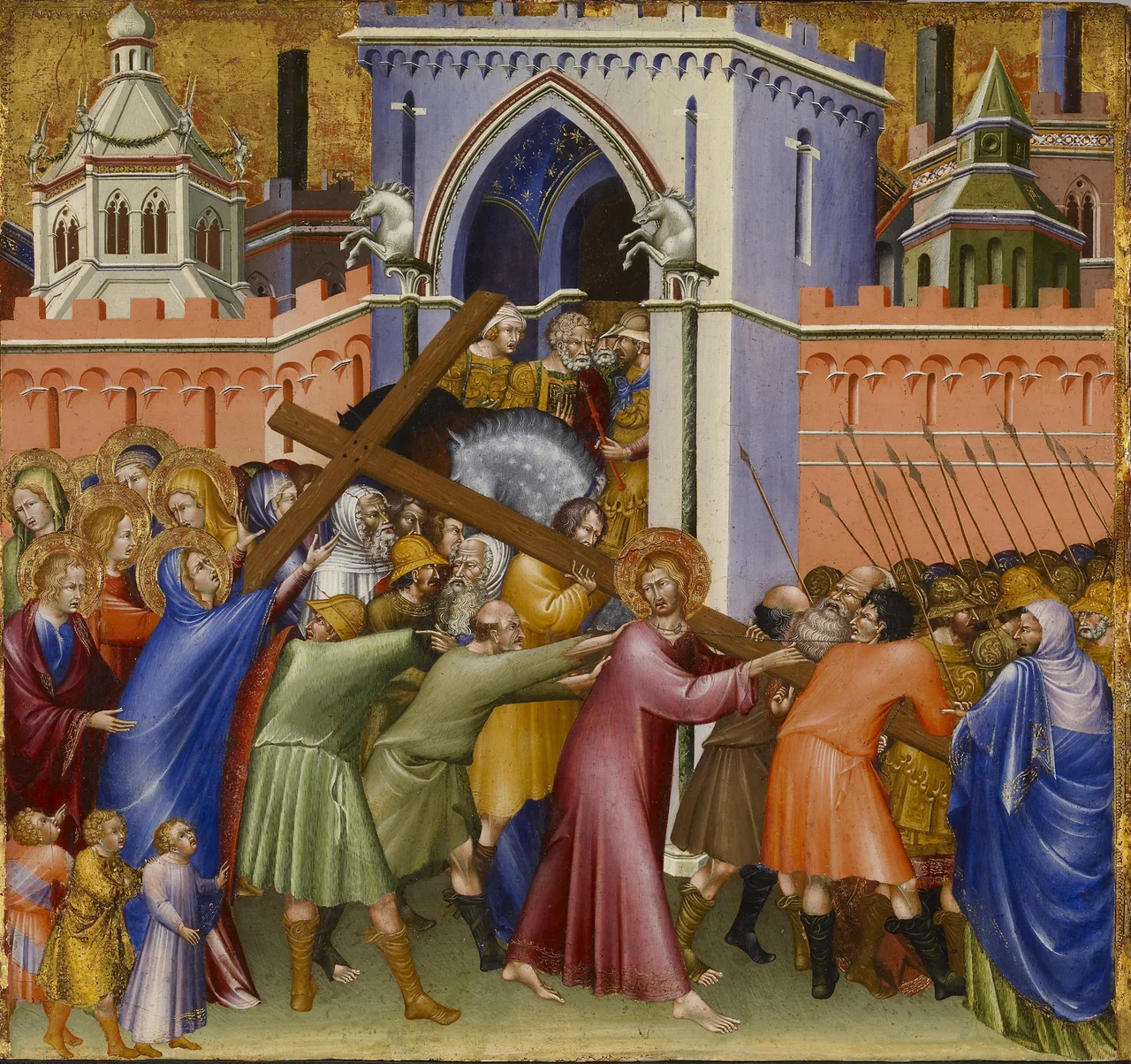
A small narrative panel uses a gold ground, slender figures, and compressed architecture, but also experiments with more coherent space and human feeling. Which phase of Italian painting best fits it?
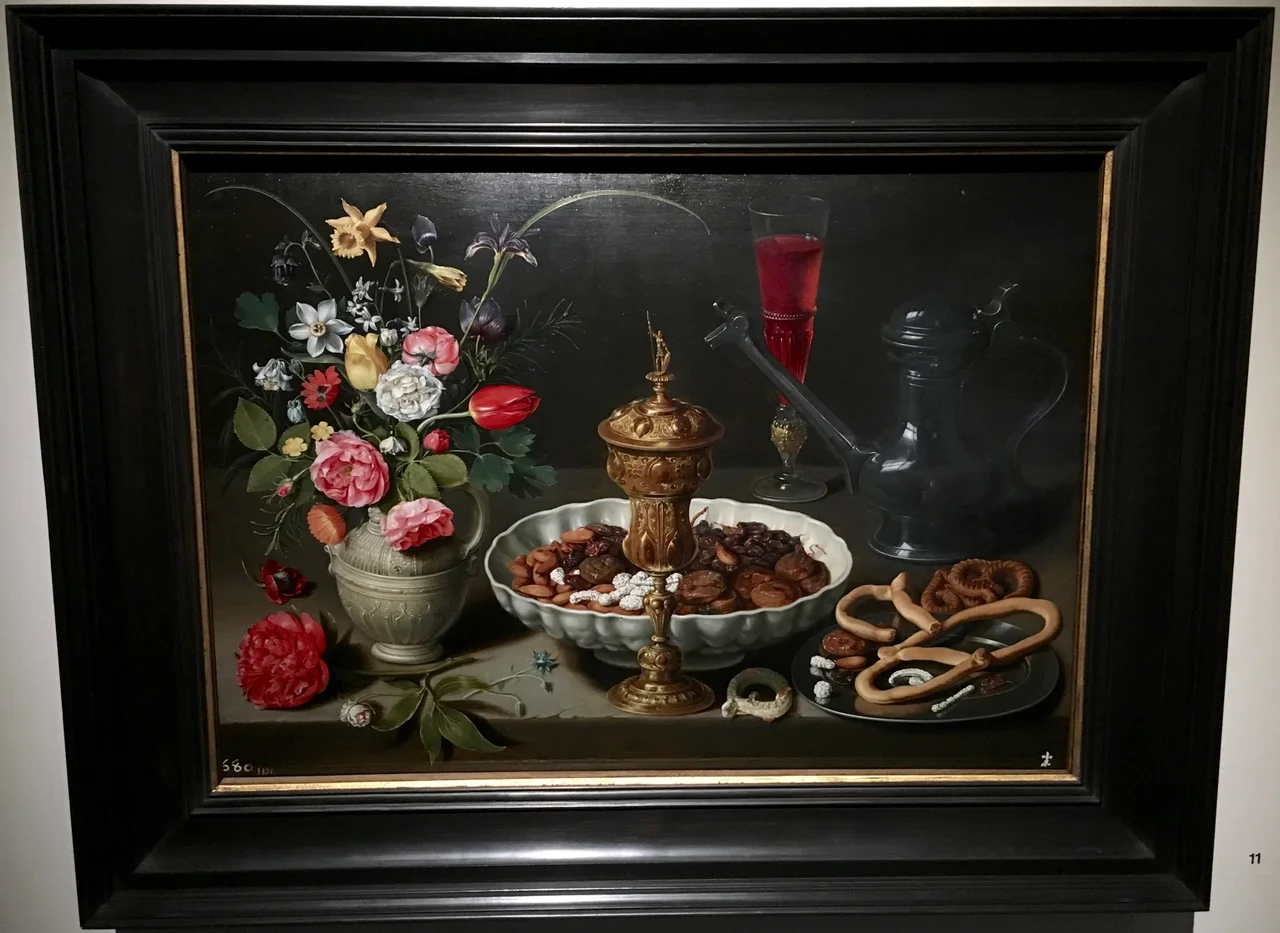
A tabletop still life displays costly foods, a decorated goblet, flowers, and a polished metal vessel that reflects the room. Which date range best fits this Flemish luxury still life?
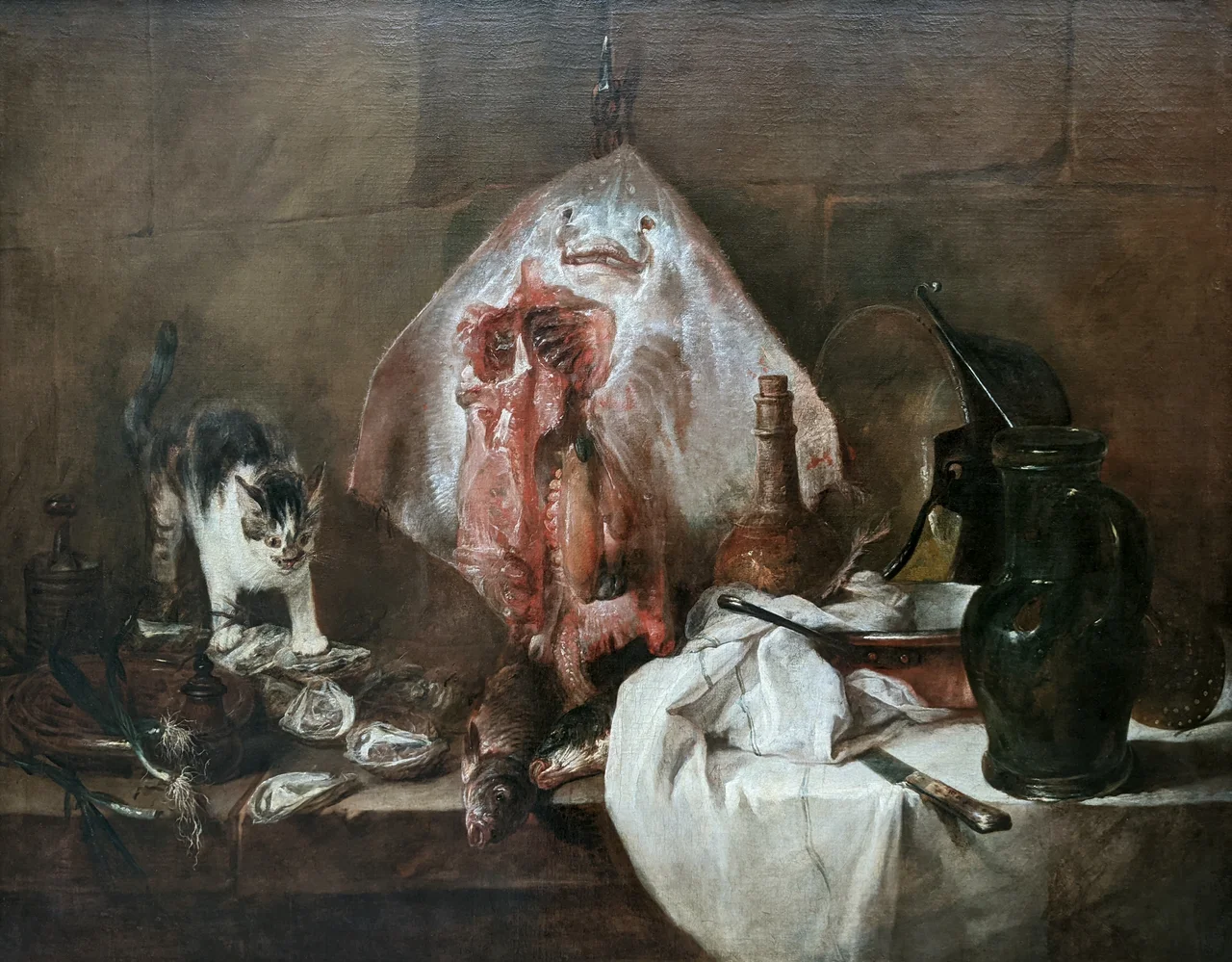
An 18th-century French kitchen still life features a large ray, copper cookware, and soft, carefully blended highlights. Which medium best fits this painting?
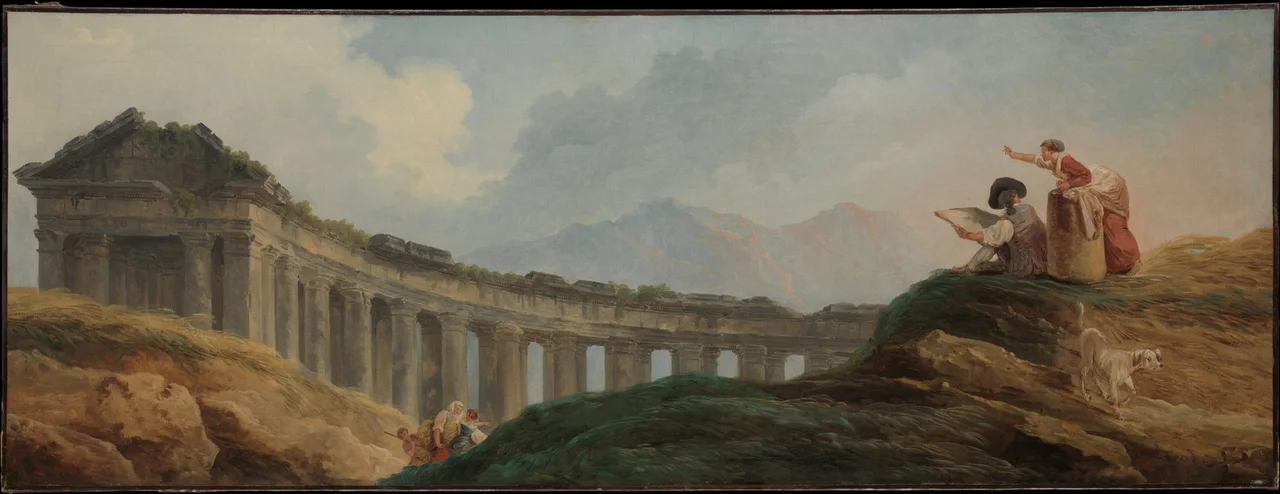
An imagined ruin fills the scene with broken classical columns and arches, while tiny modern visitors wander through the monumental decay. Which artist’s hand is most likely?
Crack the passcode before the zombies get in.
Answer, then swat bugs for bonus points.
Race through questions at your own speed.
Same question on every screen. Fastest wins.

Pick a tile, answer, hit bonuses and steals.
Patronage, Audience and Function
25 questions