Loading
by BlastRoom
How museum practices and exhibition choices shape the meaning of objects.
#us_hs_art_history
25 questions
One question set, multiple game modes. Tap any game to see it in action. Not sure which to pick?
Answer to place stones and capture territory.
Outrun the snow together.
Earn blasts, then hunt the other team.
Answer to earn energy, then climb.

The class blasts through walls together.
Bid on mystery lots. Most money wins.
Sell tours. Nice, standard, or a total scam.

Answer, restock, and serve the rush.
More correct answers pulls the rope your way.
Answer, then shoot down the alien wave.
Answer, then tap to leap the frozen ridge.
A museum legally accepts a donated bronze into its permanent collection and assigns it a control number. What is this formal act called?
A museum declines a proposed gift because it does not fit its mission and would require costly storage. What responsibility is the museum weighing?
After review, a museum formally removes a duplicate object from its permanent collection before deciding its disposition. What process has occurred?
A private collector sends a ceramic bowl for a six-month exhibition under a signed agreement. What status does the bowl have while it is displayed?
Before a borrowed drawing travels, staff photograph its tears and discoloration; they compare the same details when it returns. What document are they preparing?
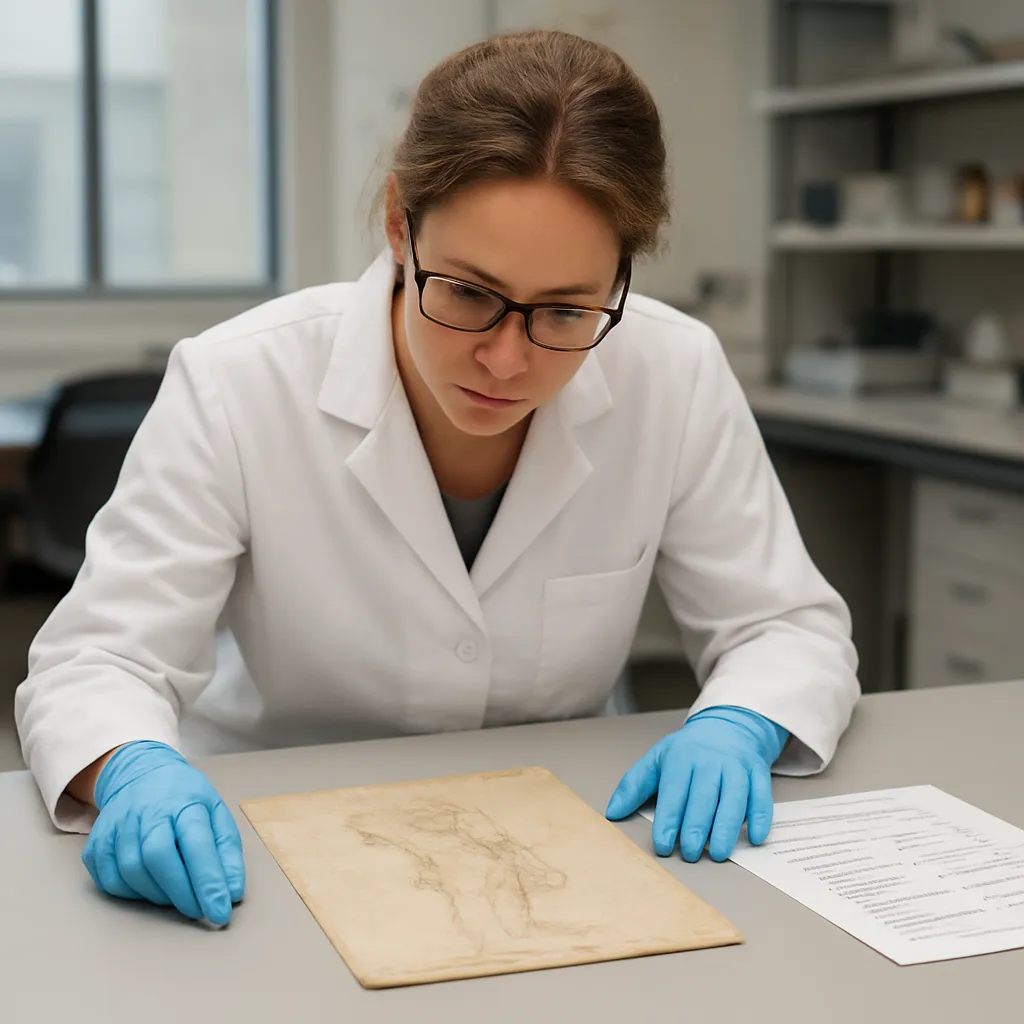
A researcher traces an object from its maker through sales and gifts to its current museum. What kind of history is being investigated?
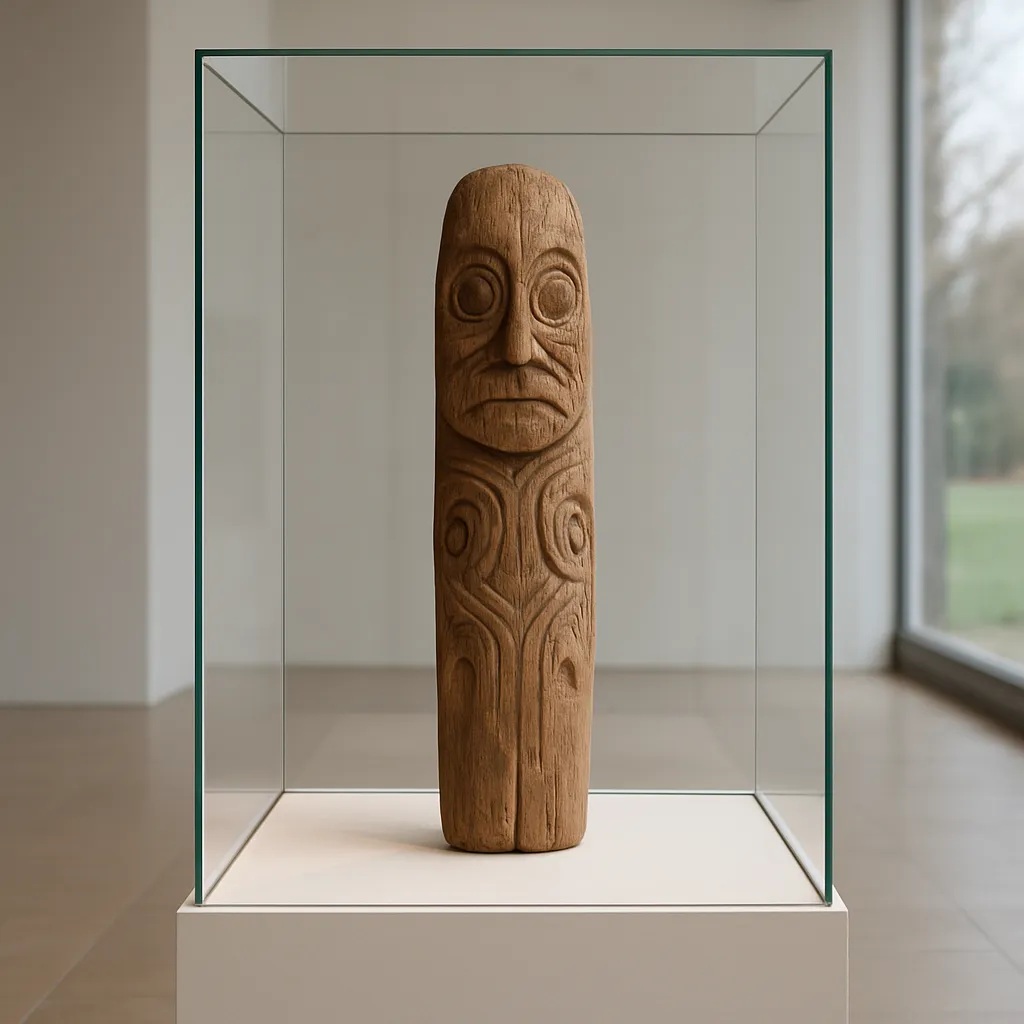
A carved wooden porch post made to bear a roof is displayed upright and alone in a glass case. What does this display most remove from the visitor's reading?
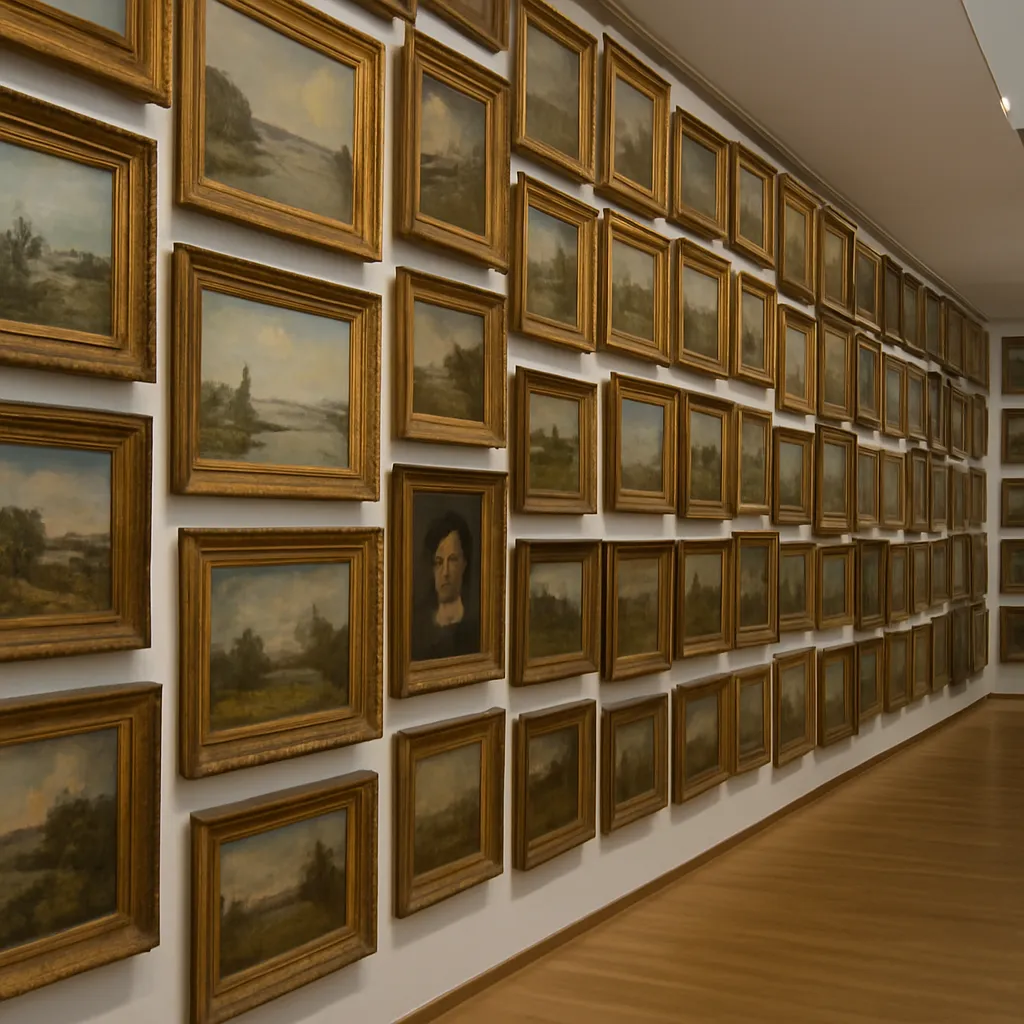
A gallery hangs many paintings edge-to-edge from floor to ceiling in a salon-style arrangement. What reading does this installation most encourage?
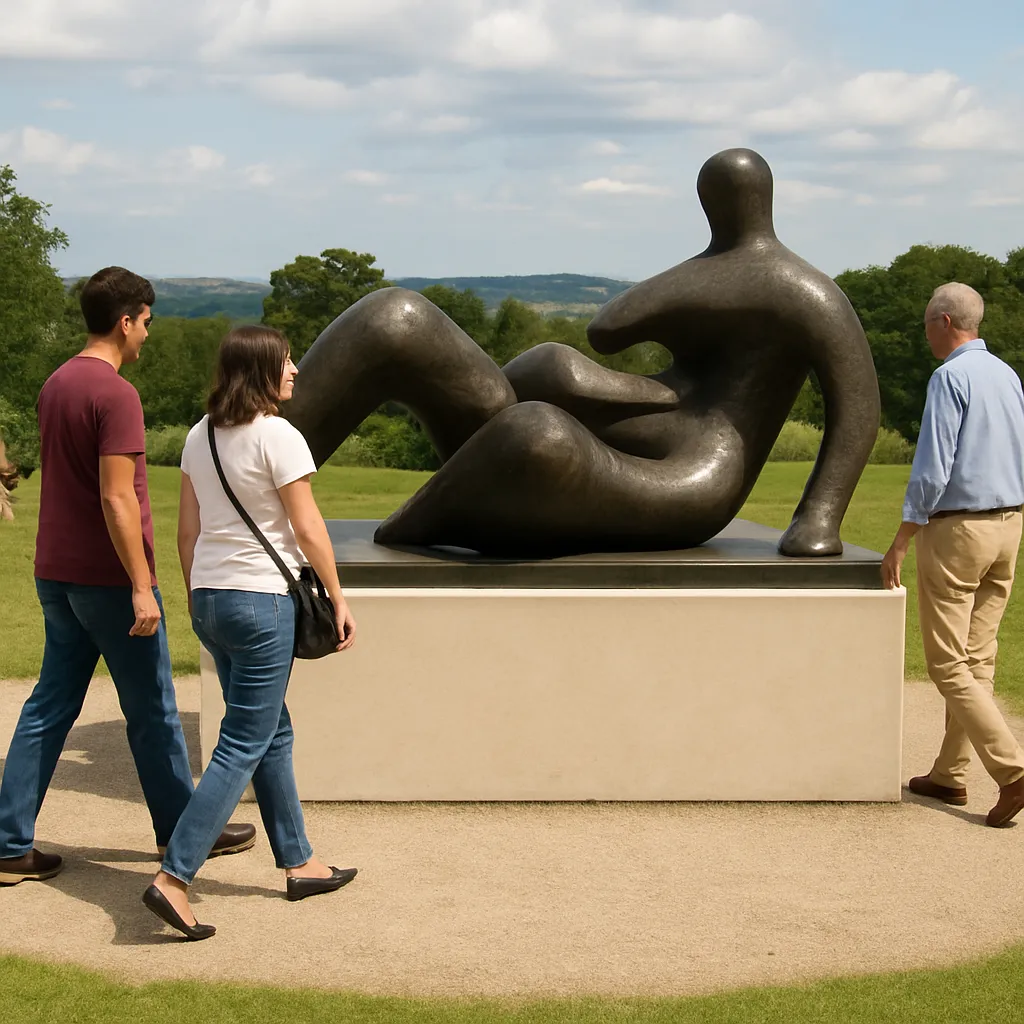
An untitled sculpture stands on a low pedestal with space for visitors to walk around it. What feature of the work becomes especially apparent?
A desk known to have been used in a historic home remains in its original room rather than a separate case. What interpretation does this arrangement support?

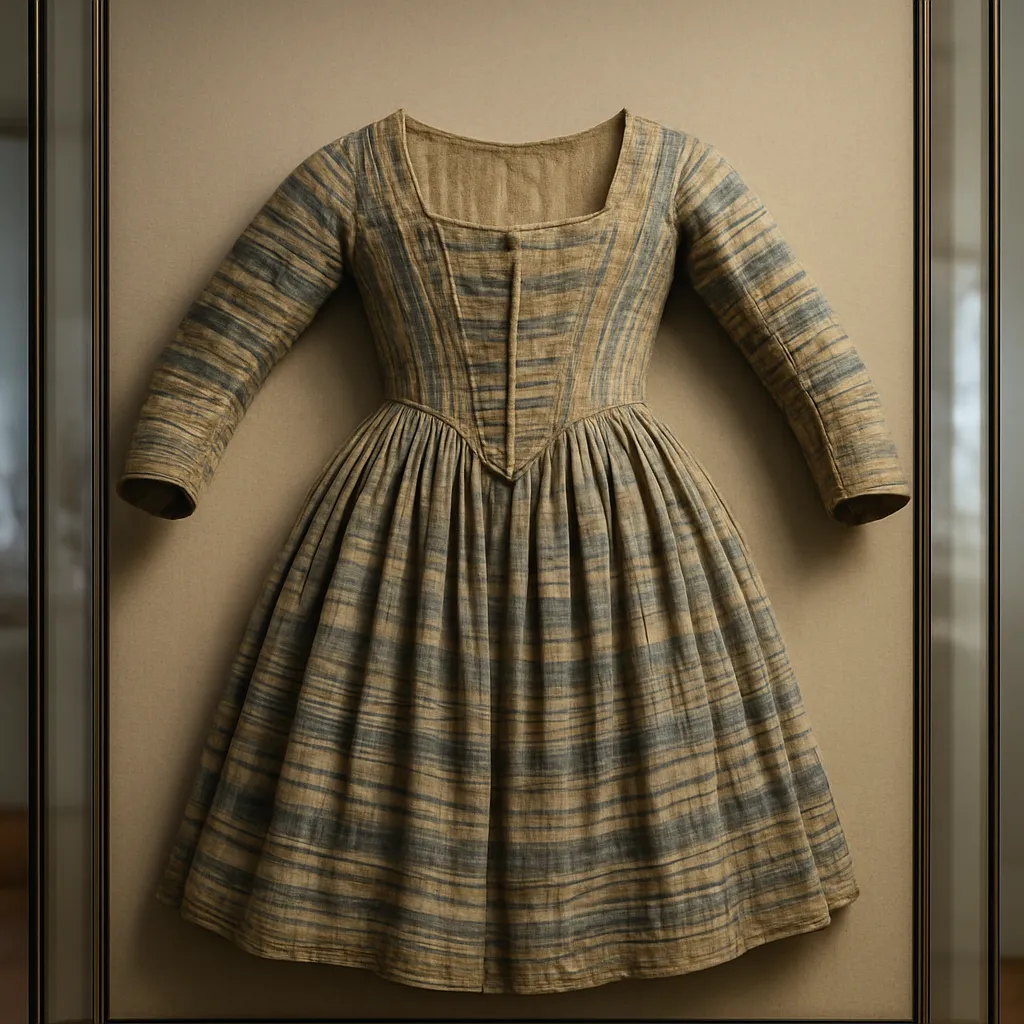
A garment is mounted flat in a frame rather than on a mannequin. What relationship is harder for visitors to understand?
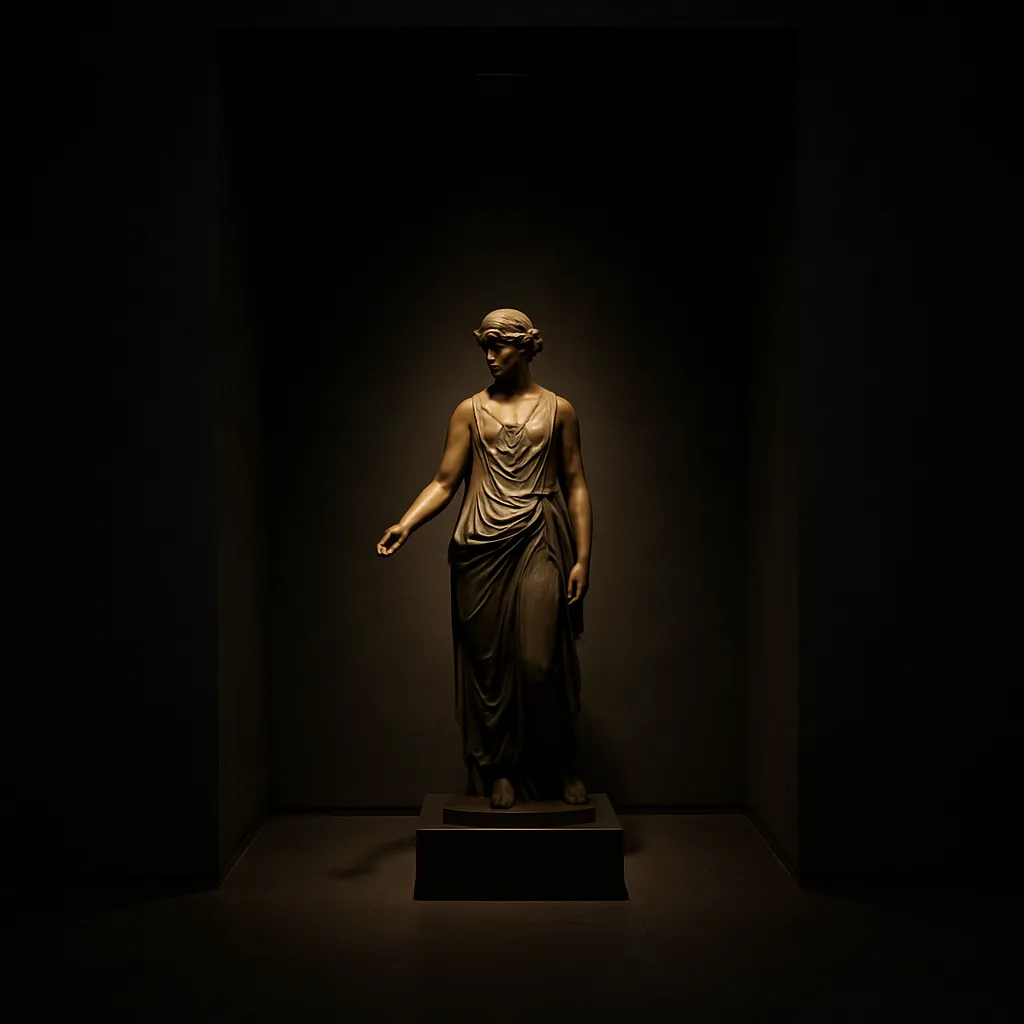
A gallery moves a bronze figure from a bright doorway into a dark alcove lit by one spotlight. What changes most in the visitor's reading?
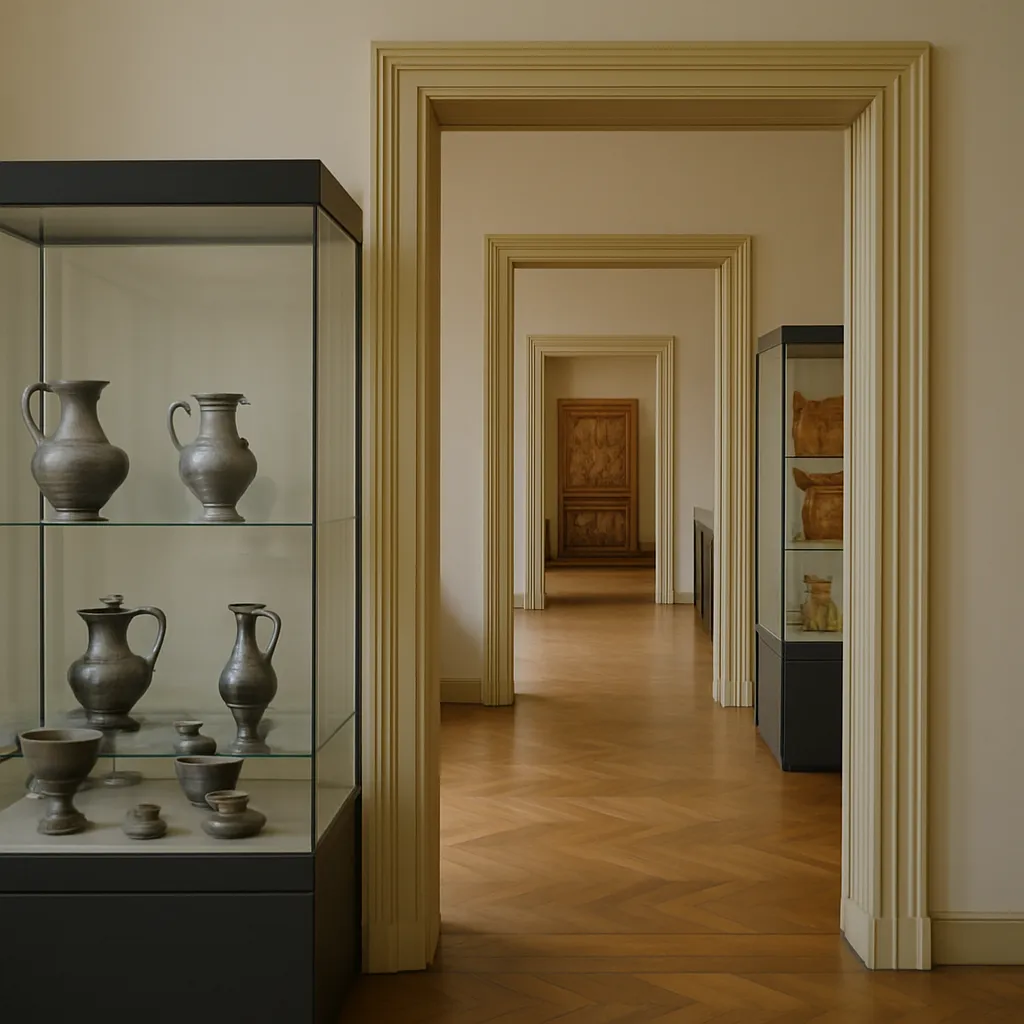
Objects once used together in one ceremony are separated into different rooms by material. What relationship becomes harder to interpret?
A label gives an object's culture, materials, and collection-entry year but omits the ritual in which it was used. How does the label frame the object?
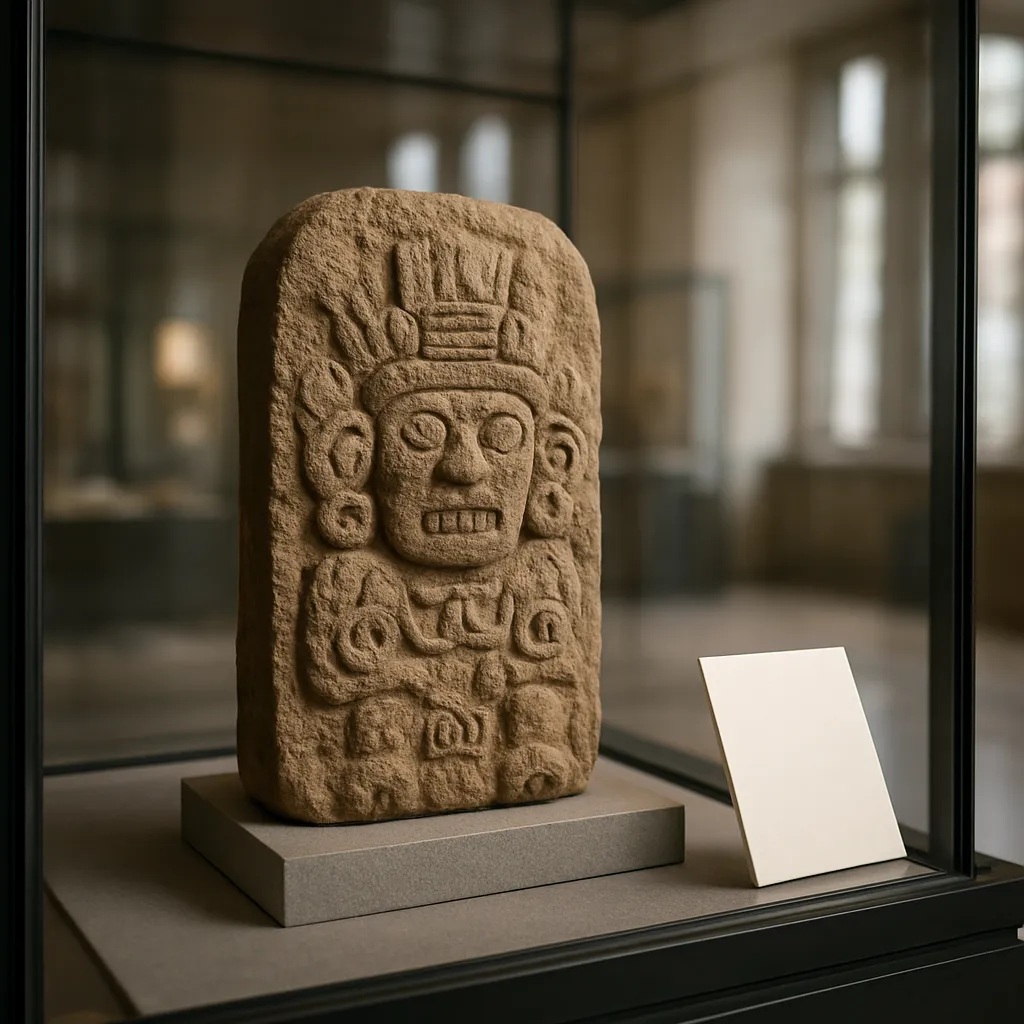
A label reads “Attributed to the workshop of an unknown master.” What does this wording communicate?
A label says “Gift of the Ramos family, 1986.” What information does this provide?
A label gives only an artist, title, date, and medium. Which context is left unexplained?
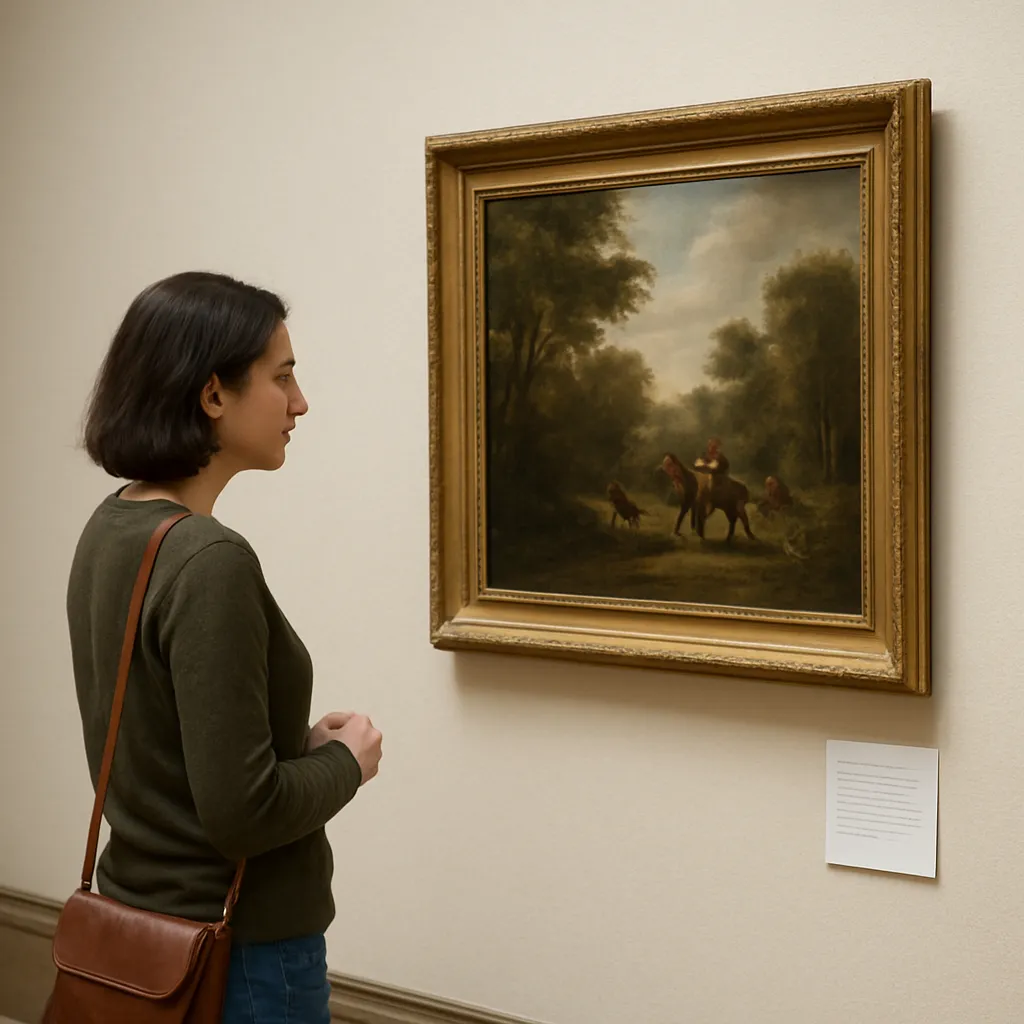
Watercolors are shown in a dim gallery and replaced with different sheets after several months. Why is this care practice used?
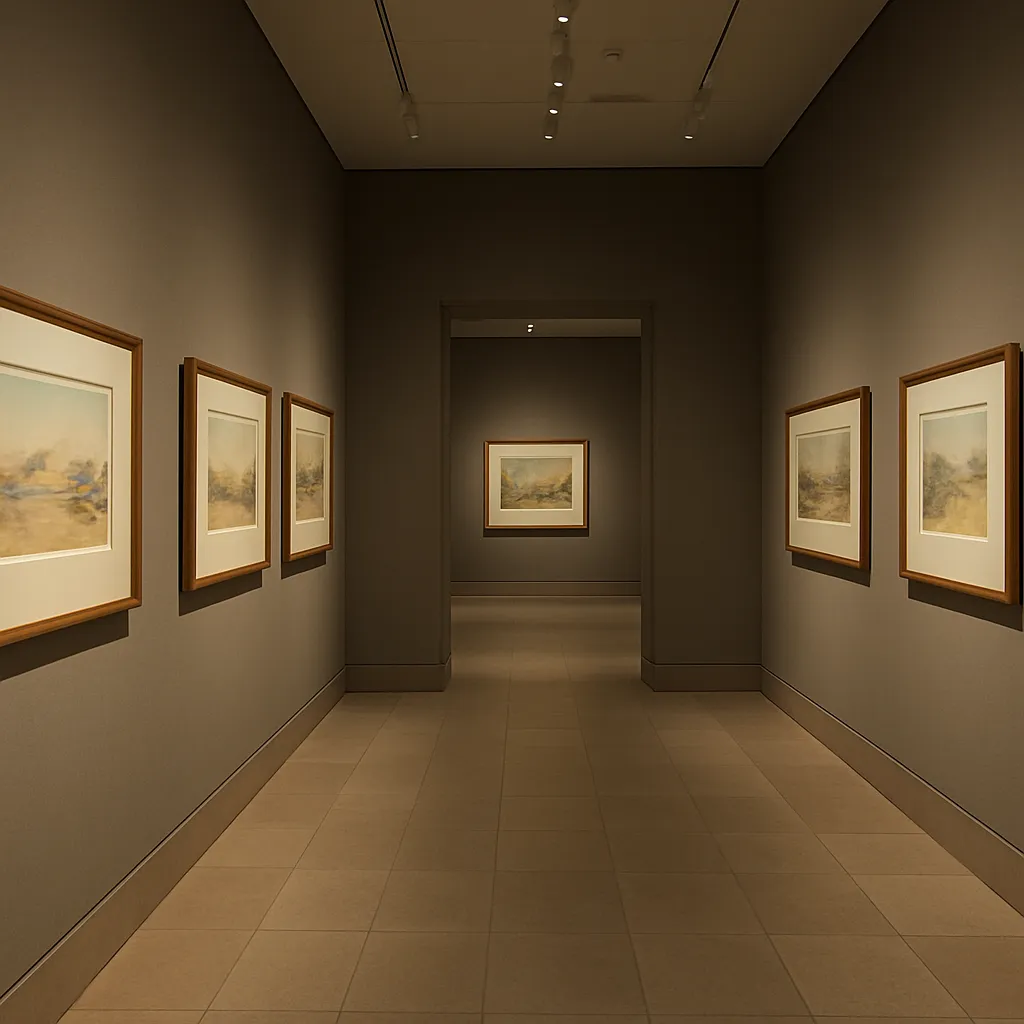
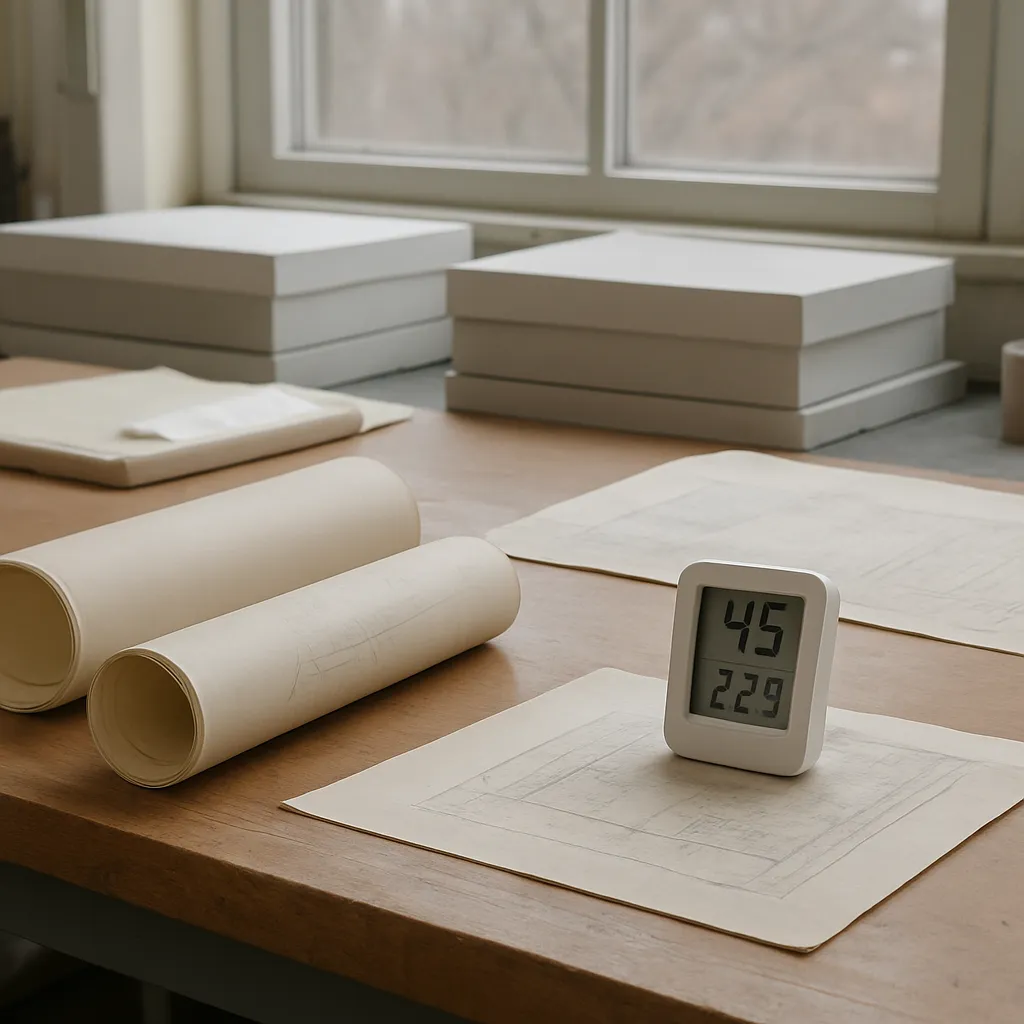
Paper drawings curl and develop musty odors after storage in humid air. Why should staff stabilize relative humidity?
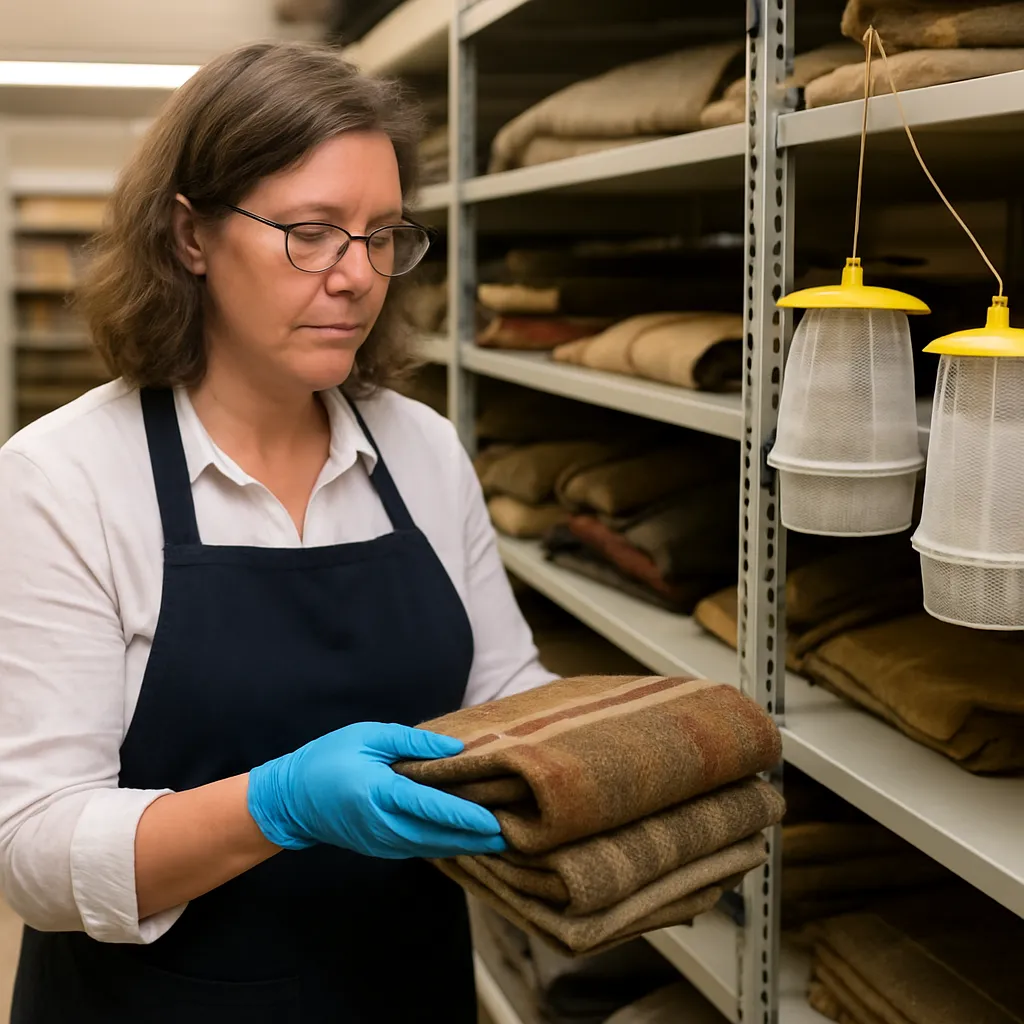
Before wool textiles enter storage, staff inspect them for small holes and cocoons, isolate suspect items, and set sticky traps nearby. What is the main goal?
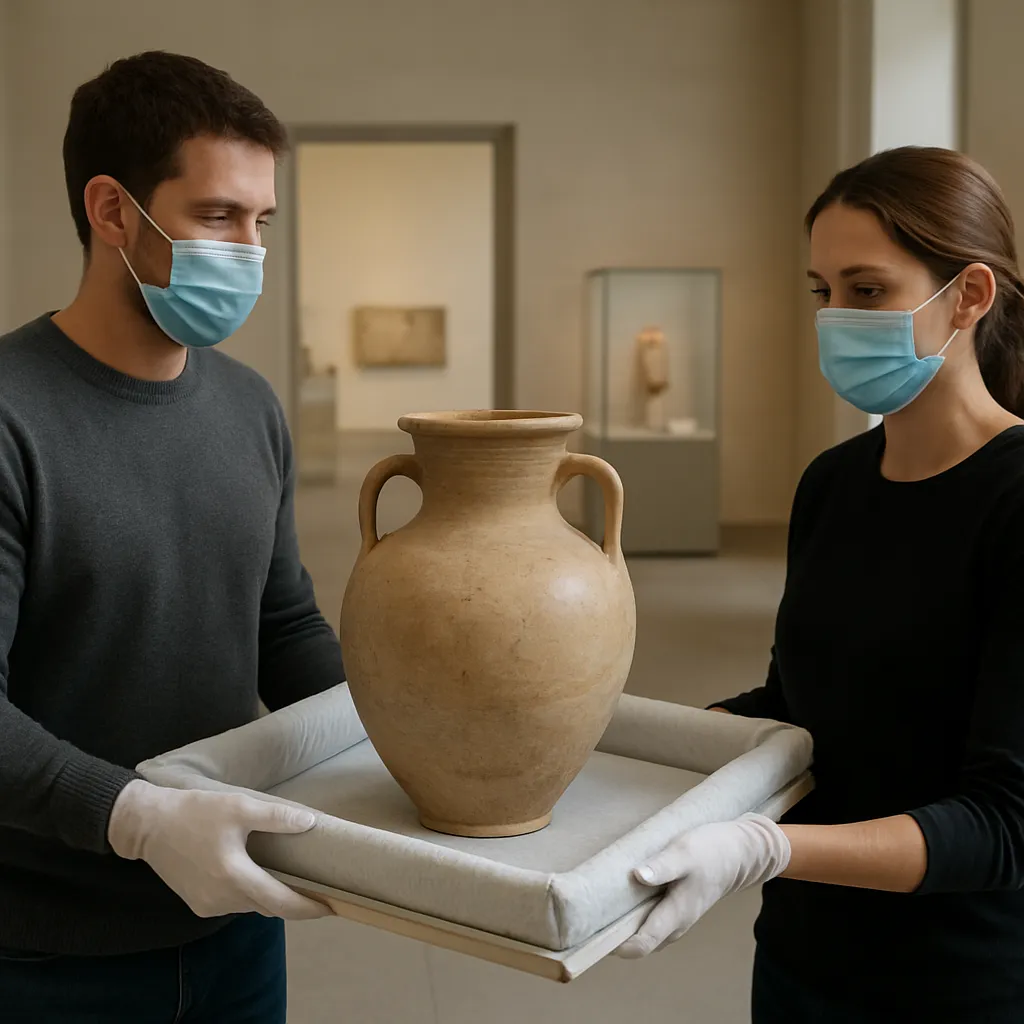
Two handlers move a fragile ceramic vessel in a padded, fitted tray. Which risk are they chiefly reducing?
After a storm, staff find stains spreading across ceiling tiles above collection shelves and move the boxes away. Which threat are they addressing?
An institution mounts changing contemporary exhibitions but owns no permanent collection. What kind of institution is it?
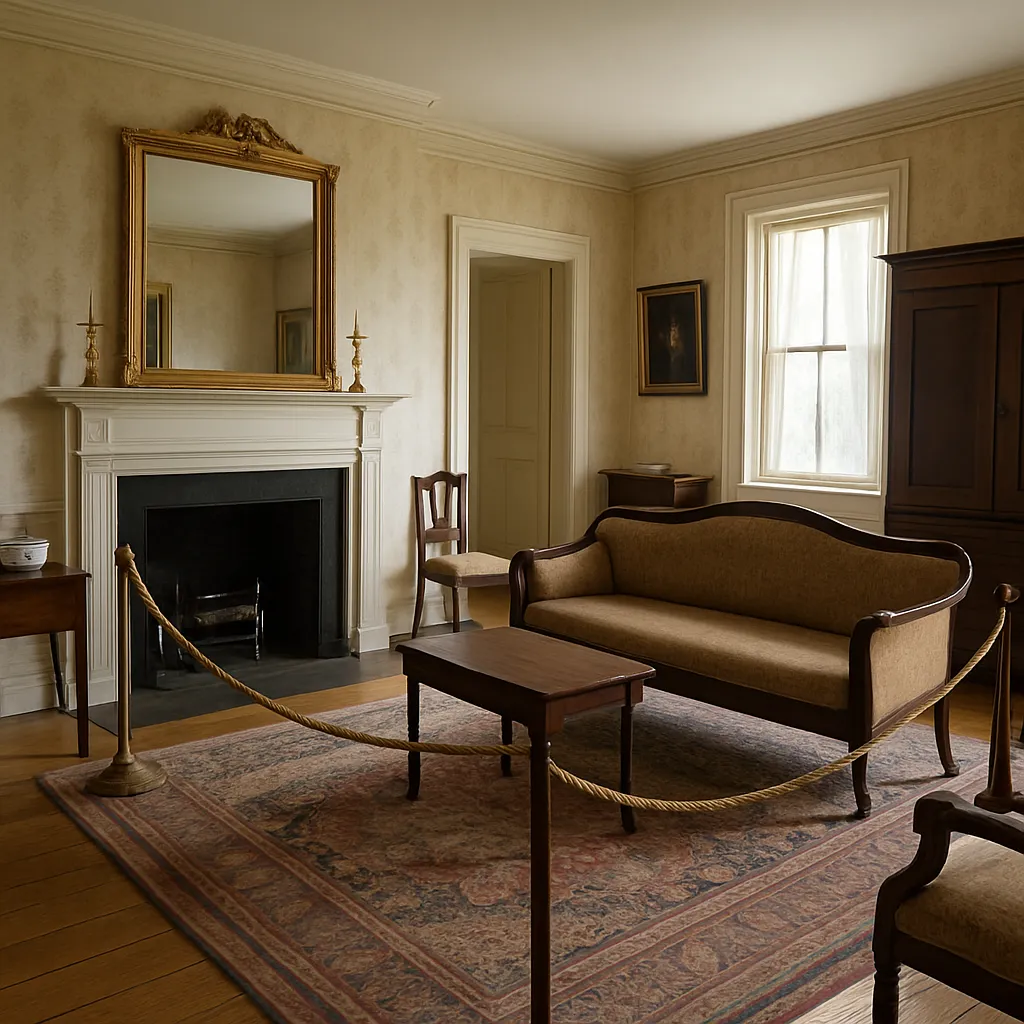
Visitors tour a preserved 1800s residence whose furnished rooms interpret the family who lived there. What kind of institution is this?
A museum maintains permanent collections of art and archaeological objects from many world regions and historical periods. What kind of museum is it?
Crack the passcode before the zombies get in.
Answer, then swat bugs for bonus points.
Race through questions at your own speed.
Same question on every screen. Fastest wins.

Pick a tile, answer, hit bonuses and steals.
Careers in Art and Museums
20 questions