Loading
by BlastRoom
Art and architecture of ancient Mesopotamian cultures and their functions.
#us_hs_art_history
30 questions
One question set, multiple game modes. Tap any game to see it in action. Not sure which to pick?
Answer to place stones and capture territory.
Outrun the snow together.
Earn blasts, then hunt the other team.
Answer to earn energy, then climb.

The class blasts through walls together.
Bid on mystery lots. Most money wins.
Sell tours. Nice, standard, or a total scam.

Answer, restock, and serve the rush.
More correct answers pulls the rope your way.
Answer, then shoot down the alien wave.
Answer, then tap to leap the frozen ridge.
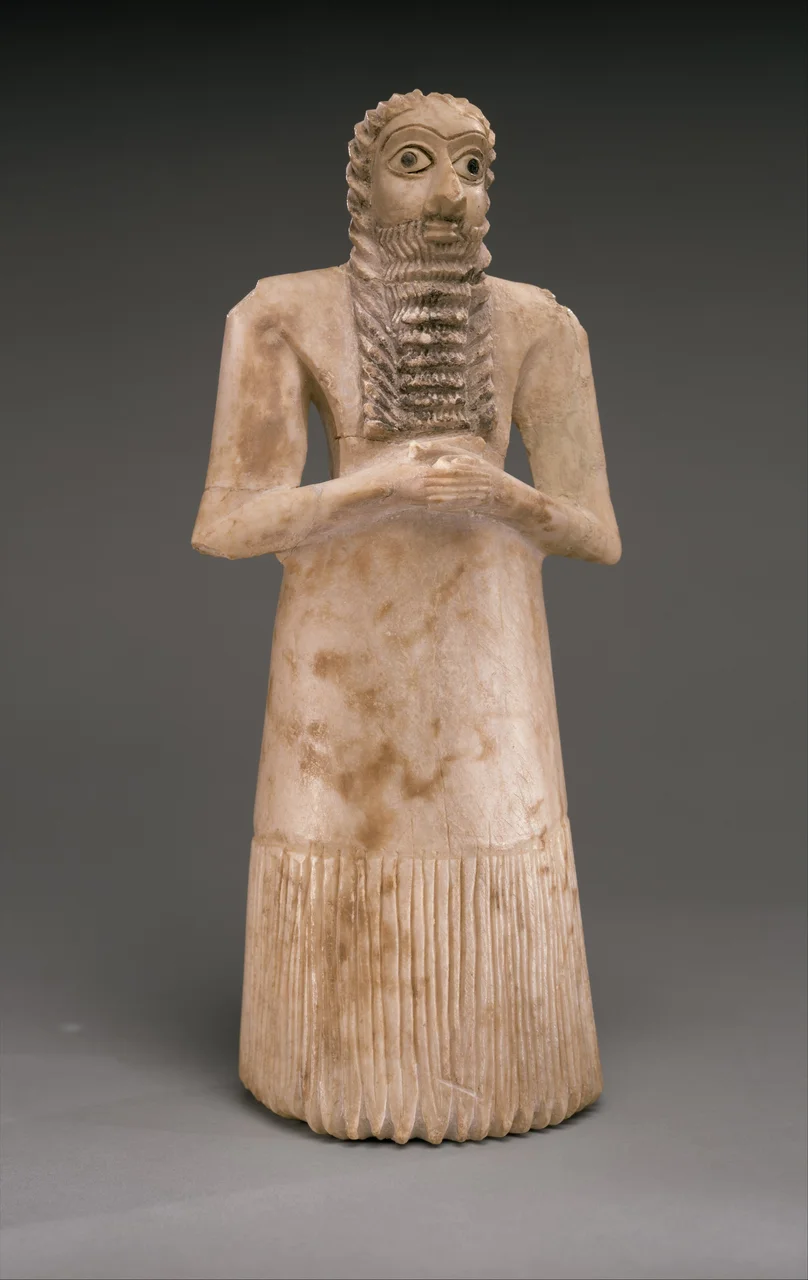
The clasped-hand figure from the Square Temple at Eshnunna faces the god with wide inlaid eyes. What role did its donor expect it to perform?
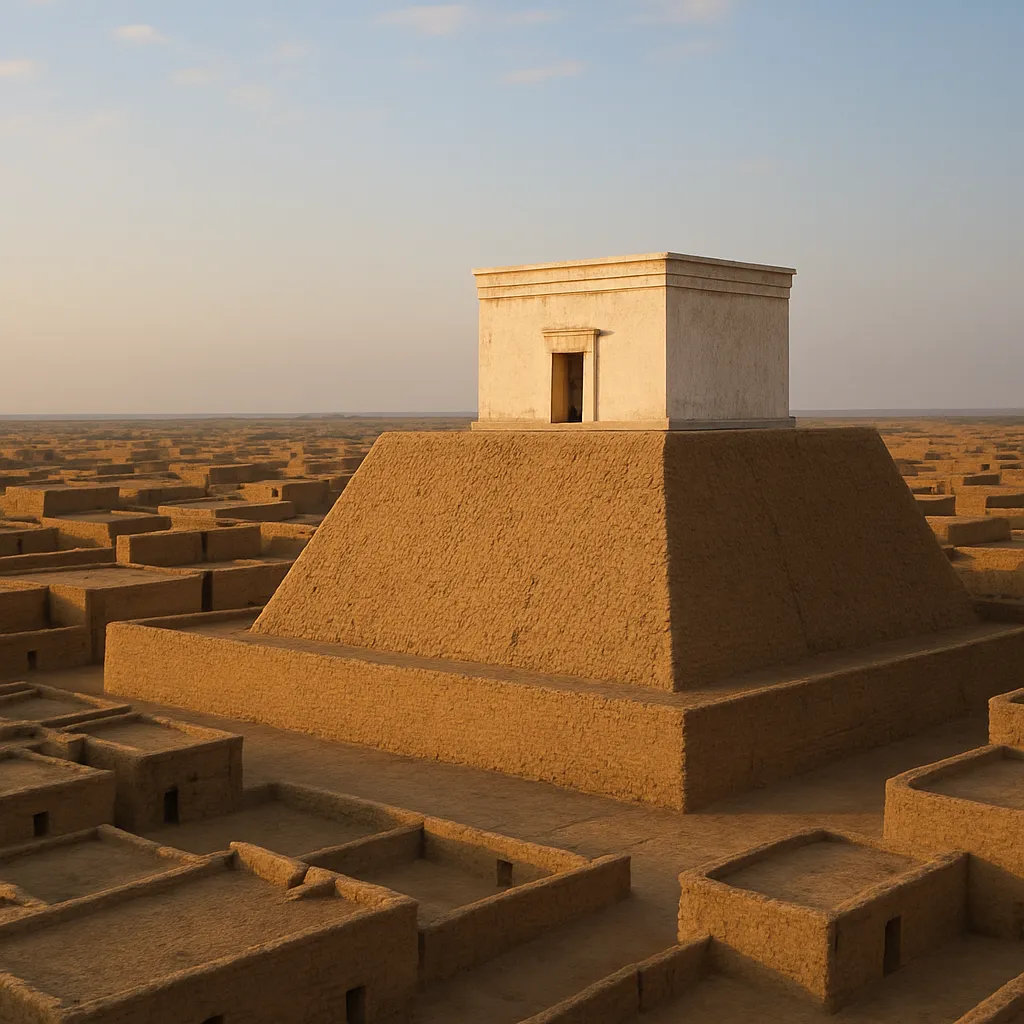
The White Temple at Uruk stood above the surrounding city on a high platform. What was the primary purpose of this elevated setting?
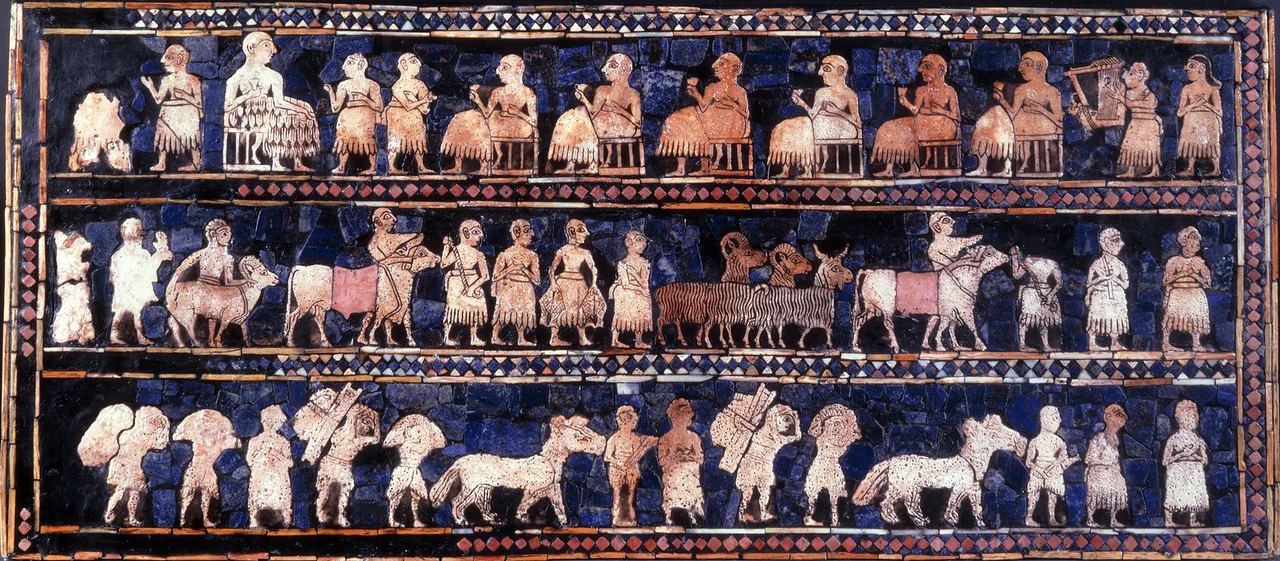
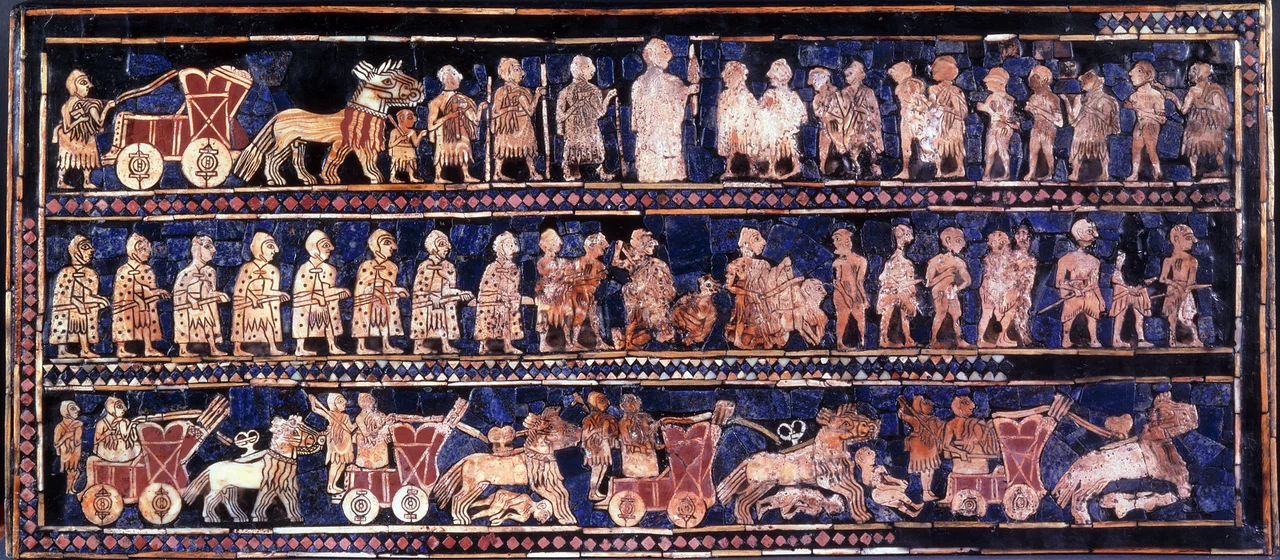
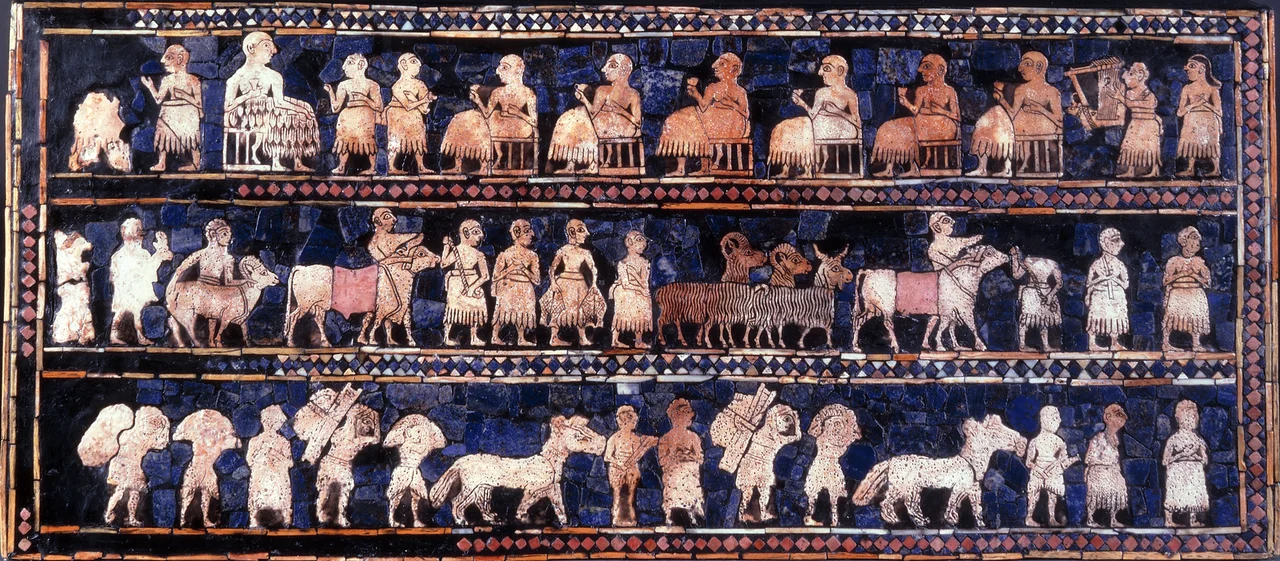
On the Peace side of the Standard of Ur, a larger seated figure receives guests in the top register. What does that scale difference communicate?
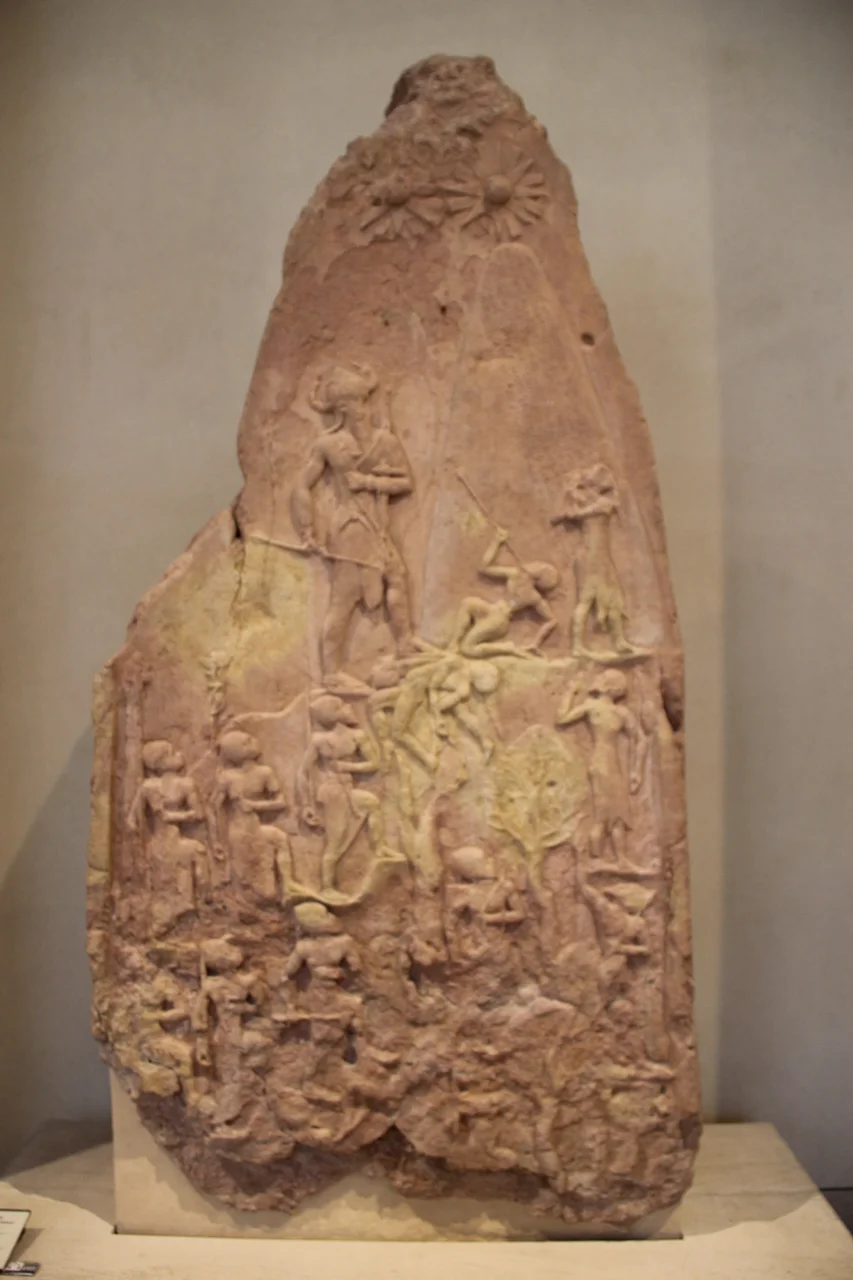
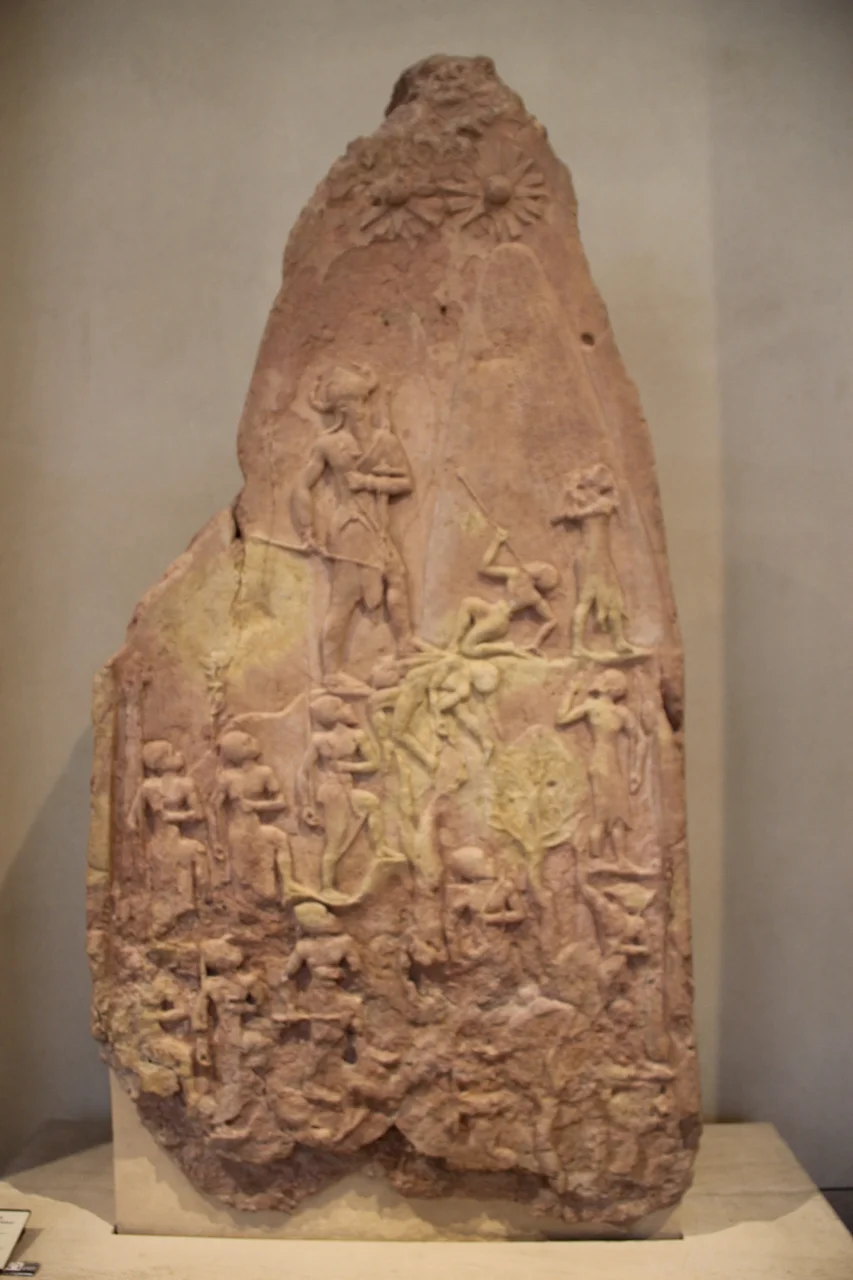
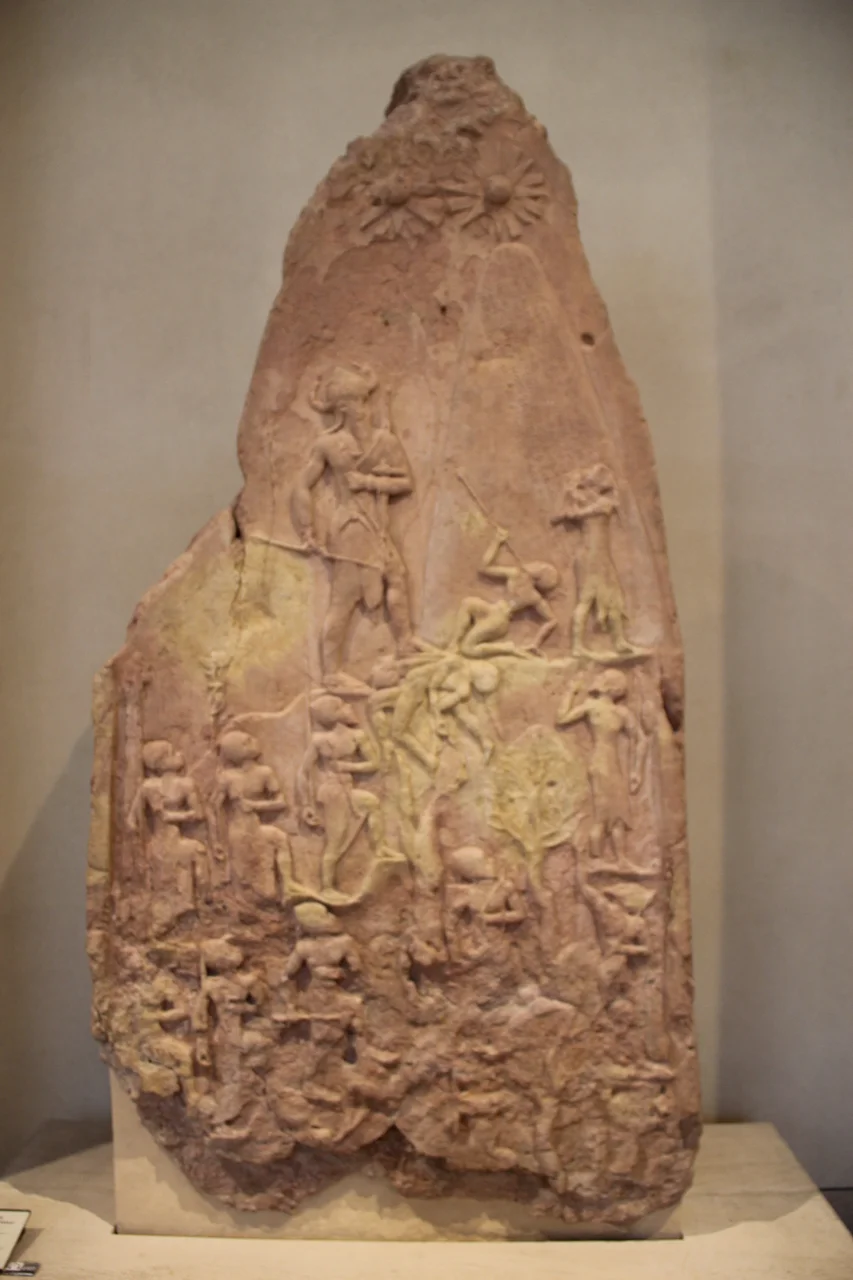
Naram-Sin strides above his troops and defeated enemies while wearing a horned helmet. What political claim does this relief make?
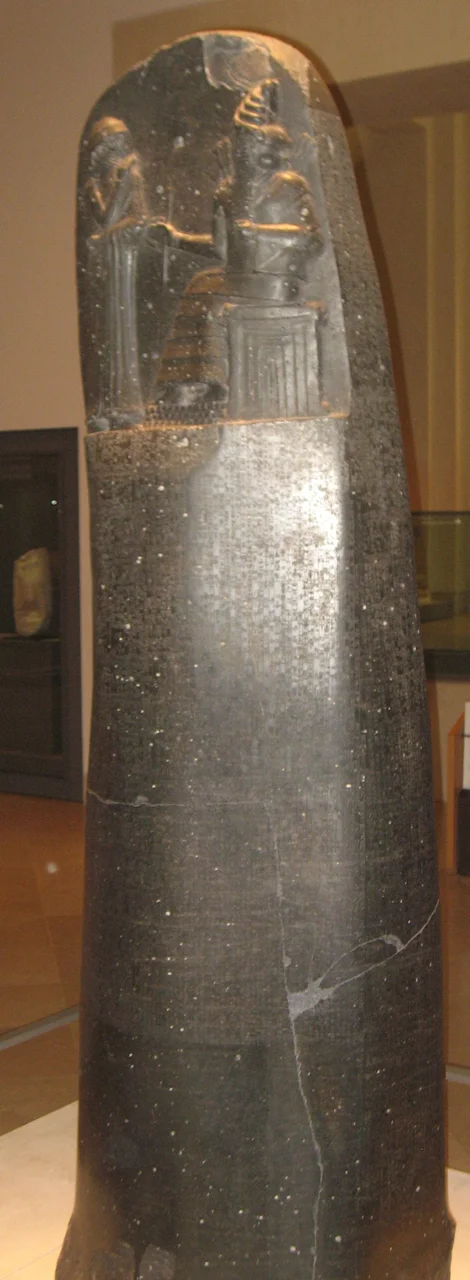
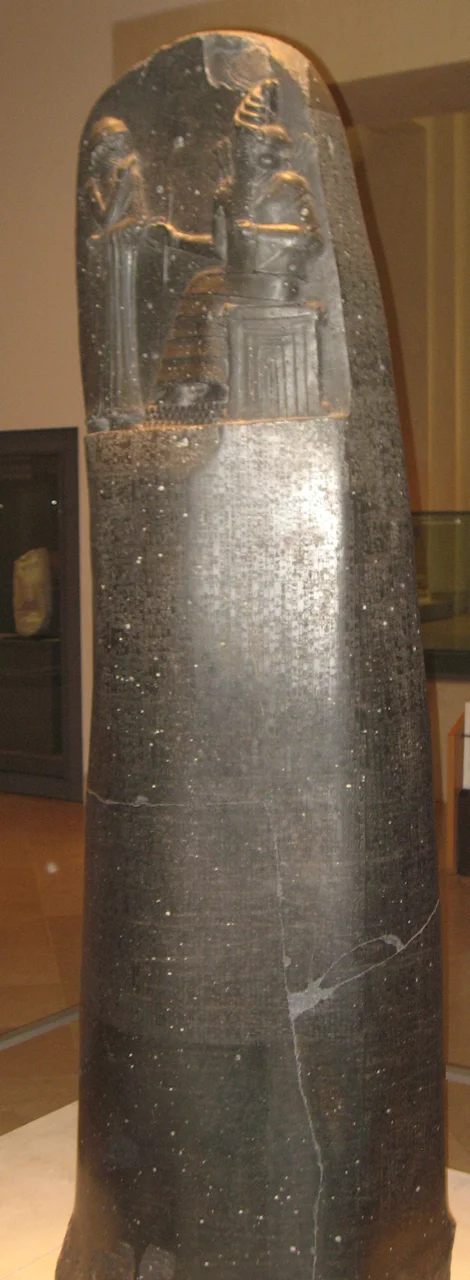
Hammurabi's basalt stele was made for a Babylonian city, but excavators found it in 1901 at Susa, in modern Iran. How did the stele end up so far from Babylon?
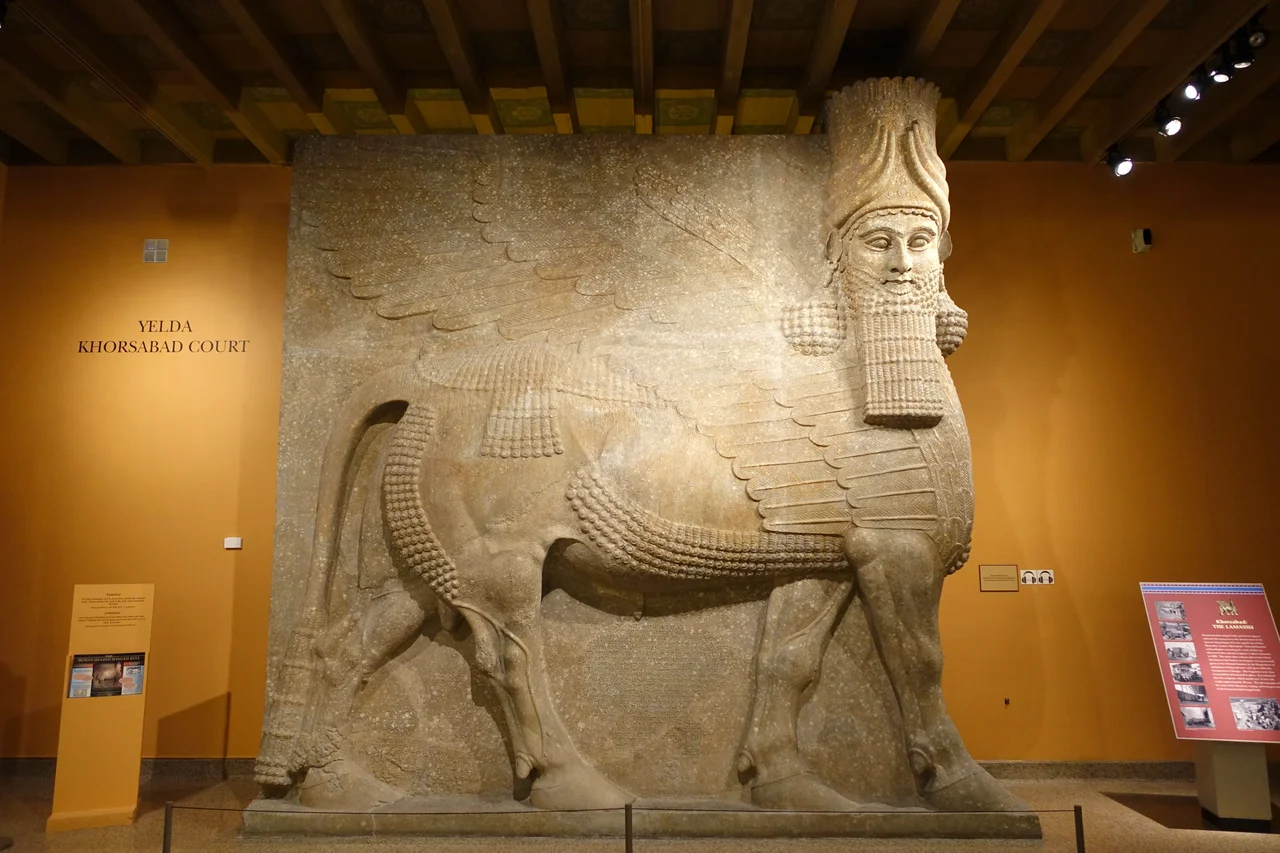
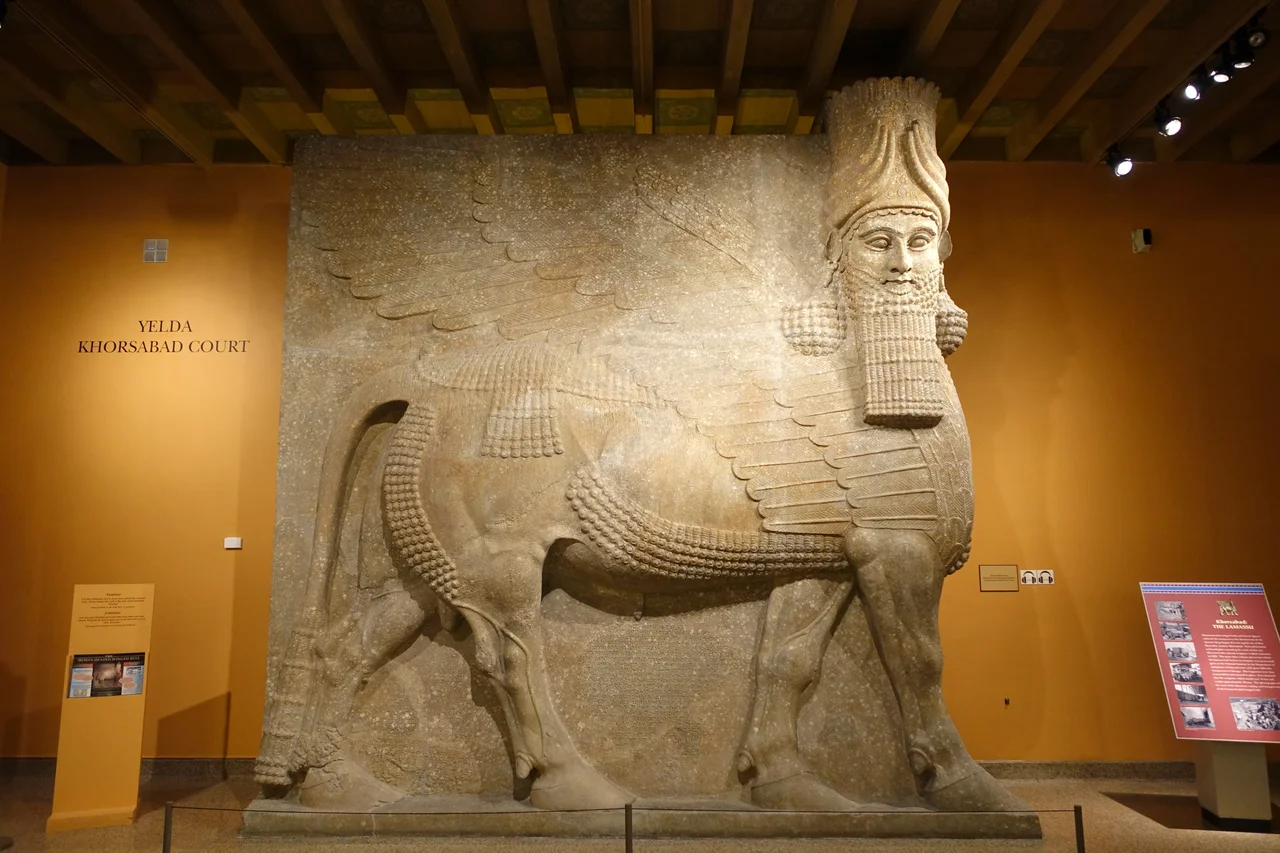
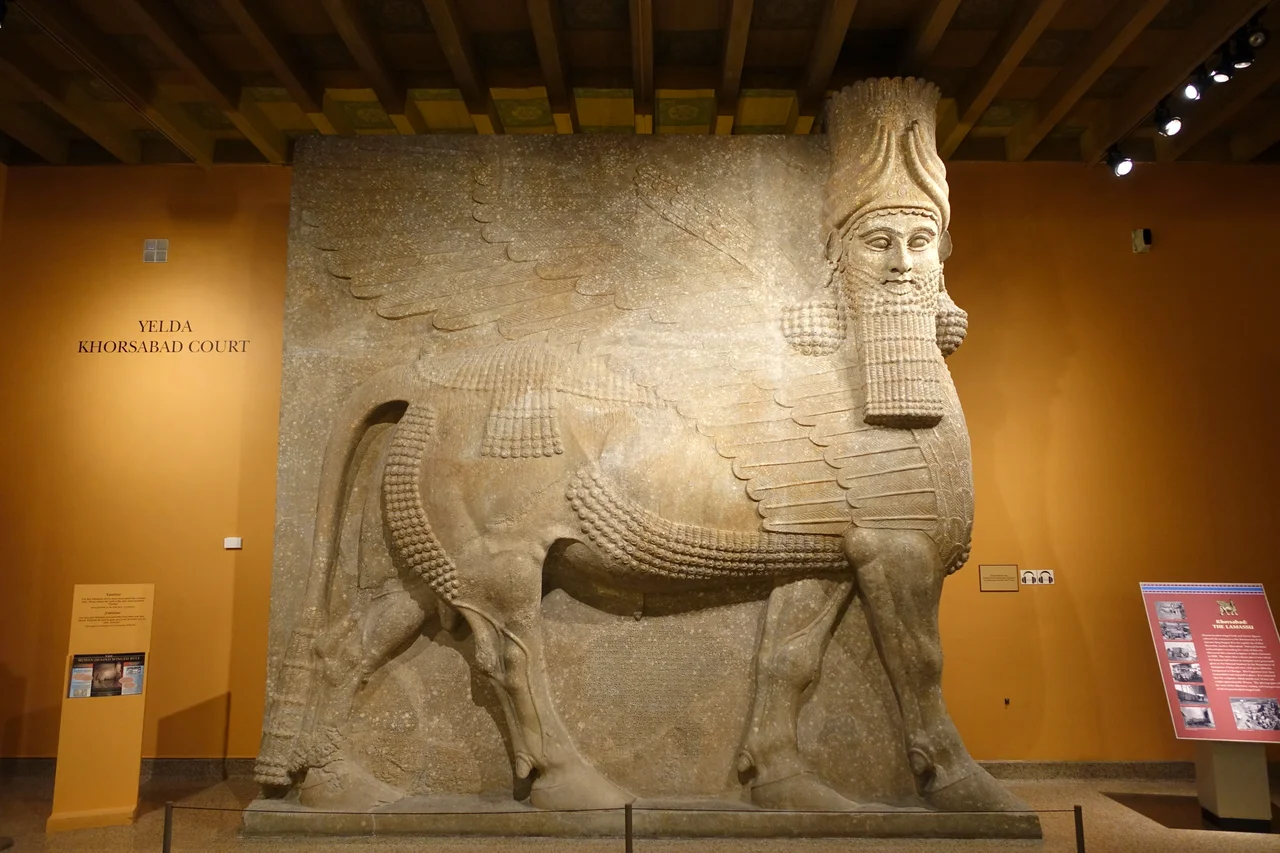
A human-headed, winged bull stands at an Assyrian palace entrance. What function did this colossal figure serve for people entering the gate?
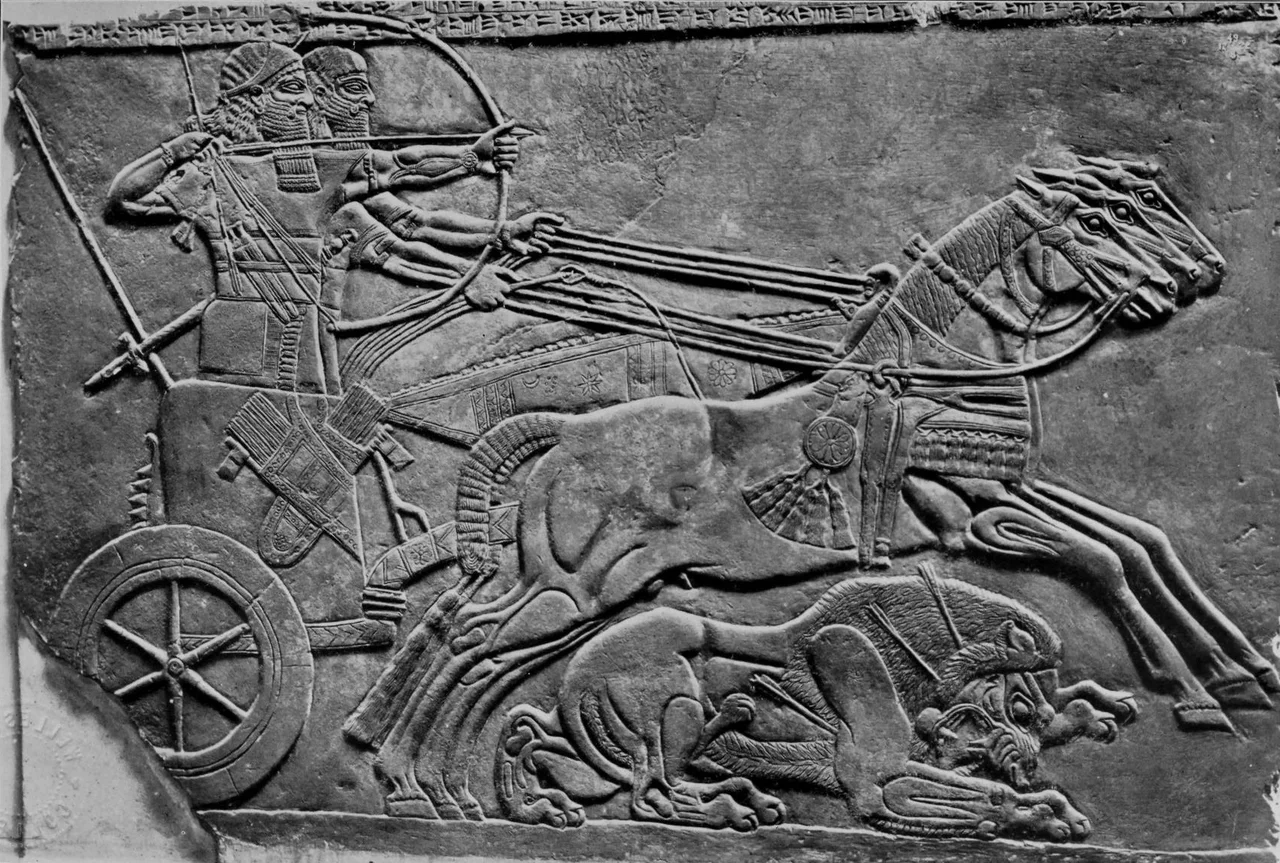
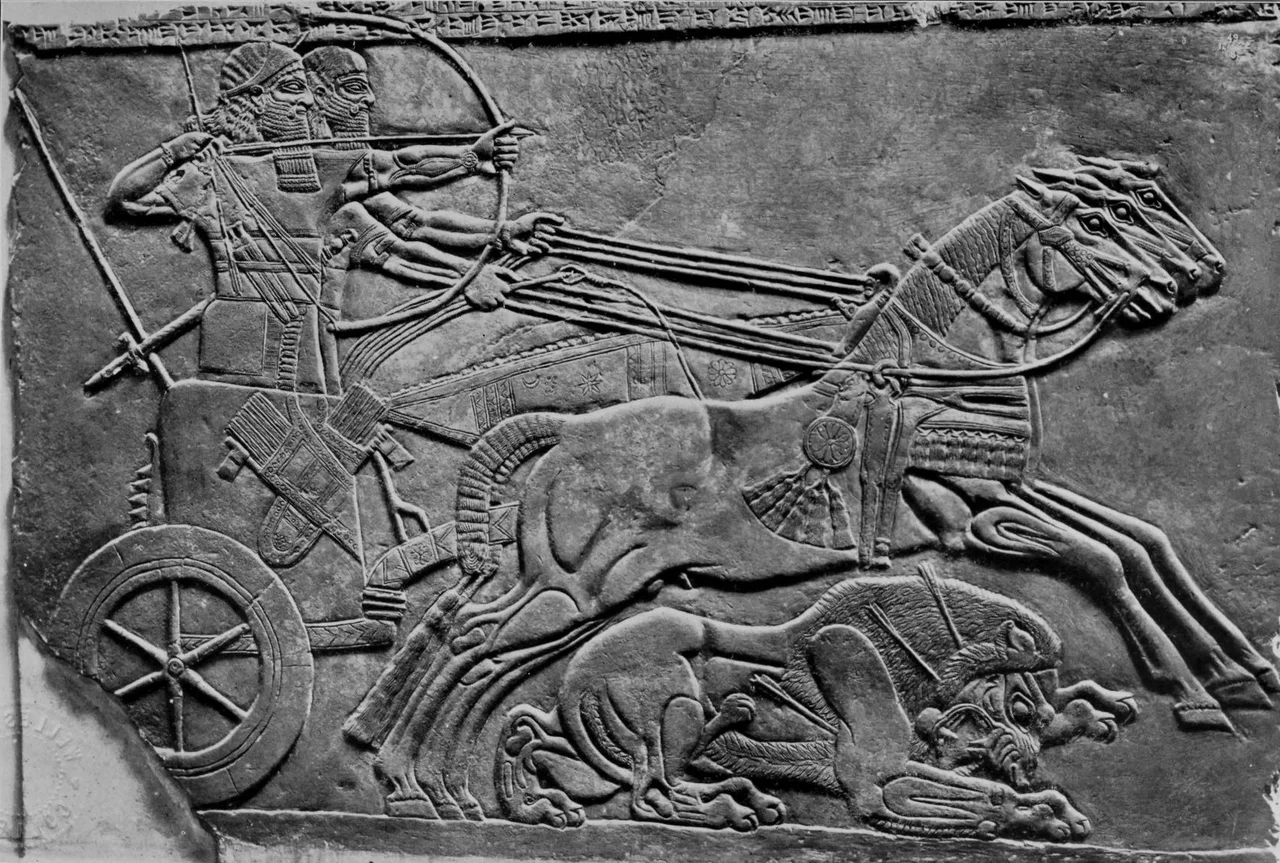
In an Assyrian palace relief, Ashurbanipal attacks lions from a chariot as attendants surround him. What message did such scenes communicate?
The Standard of Ur arranges battle, captives, and the ruler in stacked horizontal bands. What convention organizes this narrative?
Unlike the horizontal bands on the Standard of Ur, Naram-Sin's troops climb a sloping mountainside toward their king. What does the diagonal composition emphasize?
An Assyrian wall relief shows a king, attendants, and lions in shallow carving across a long stone slab. Why was relief effective in a palace corridor?
A palace guardian has a bearded human head, a bull's body, and bird wings. Why combine several creatures in one figure?
The Tell Asmar worshippers have eyes inlaid with shell and black limestone. What material forms most of these figures' bodies?
On the Standard of Ur, each horizontal band advances the action from chariots and prisoners toward the ruler. How do the registers help a viewer?
A monument shows a ruler larger than his soldiers, climbing a mountain under divine symbols and wearing a horned helmet. Which culture made this victory image?
A tall basalt monument combines cuneiform laws with a relief of Hammurabi before Shamash. Which Mesopotamian culture produced it?
A colossal winged bull with a human head guarded the citadel of Sargon II and has five legs for different views. Which empire used this gateway sculpture?
A small inlaid object presents war on one side and a banquet on the other in three registers. It comes from the Royal Cemetery at Ur. Which culture made it?
Glazed blue brick walls decorated with striding lions and other animals marked Babylon under Nebuchadnezzar II. Which culture made this imperial decoration?
Rows of small worshippers with clasped hands and inlaid eyes were buried in a temple at Eshnunna. Which culture made these votive figures?
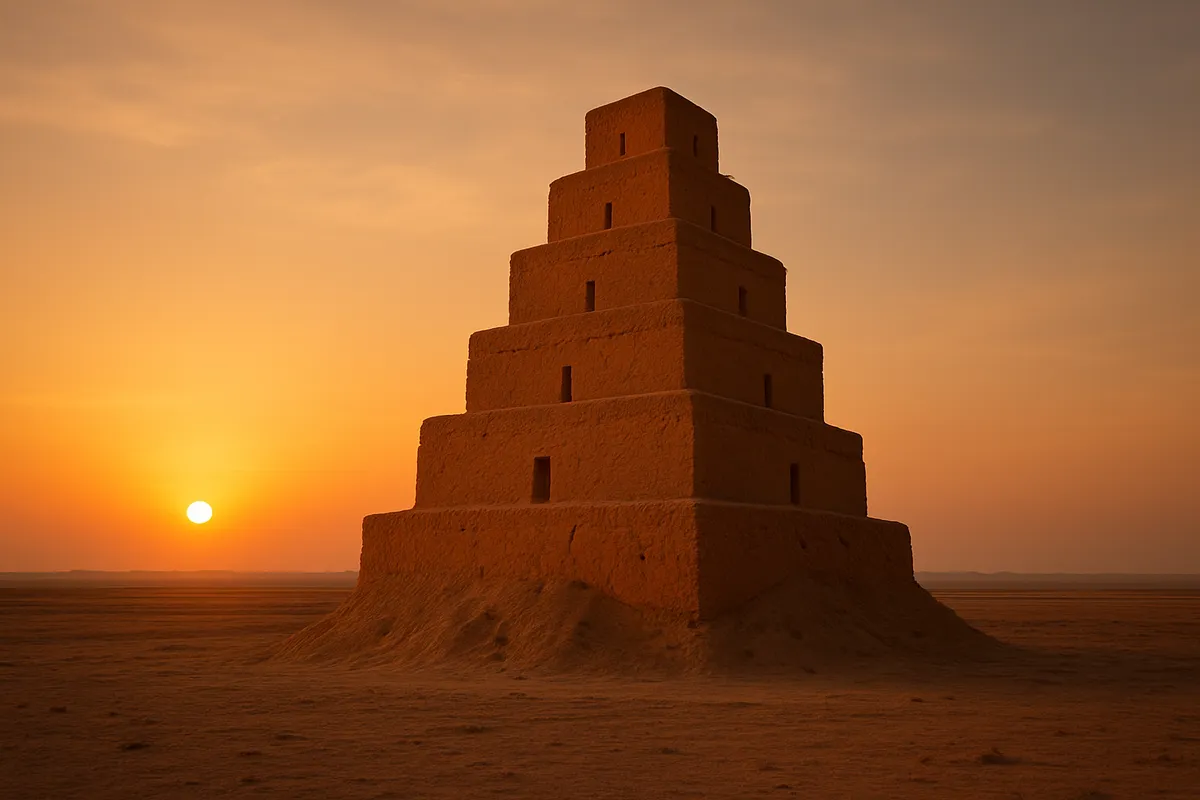
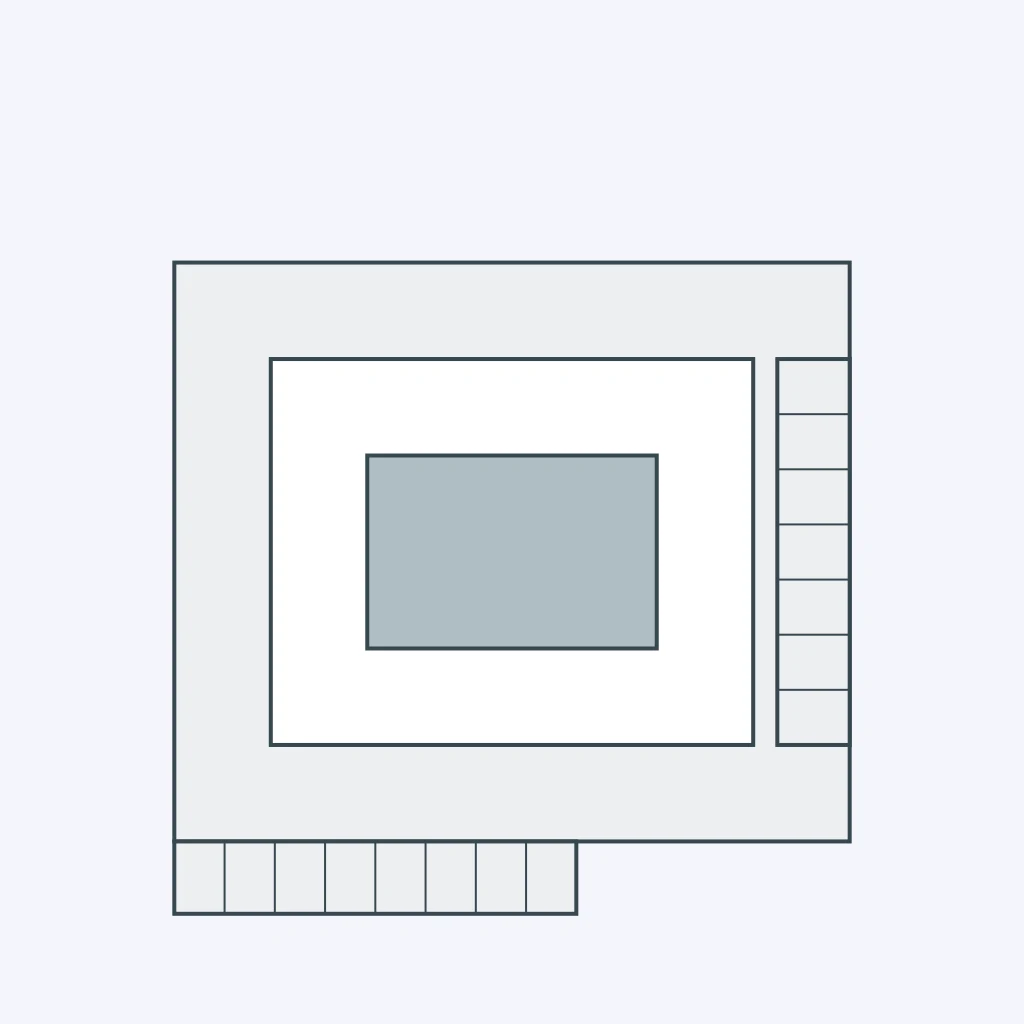
Study the plan of the stepped temple platform. The stairs change direction before reaching the shrine. What is this ritual route called?
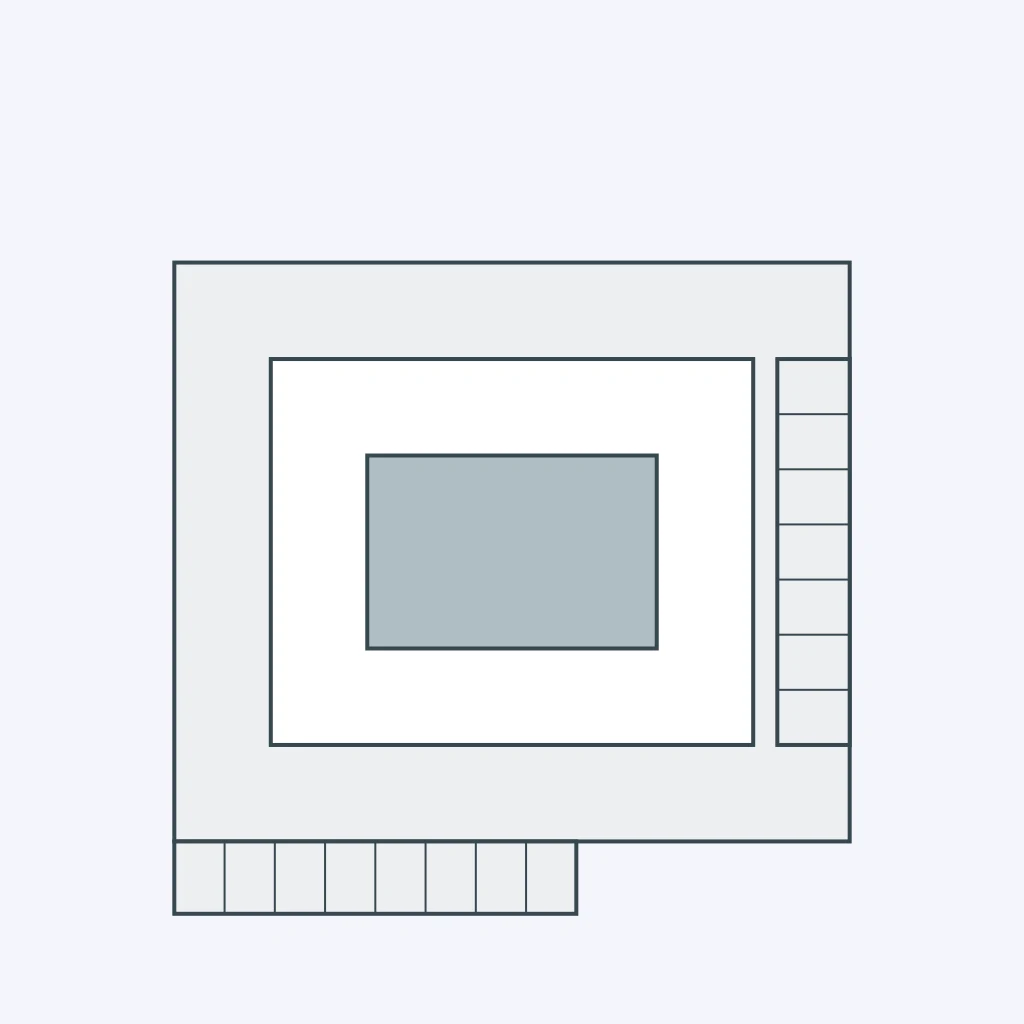
On this ziggurat plan, the stairs run along the edges of the platform instead of straight at the temple on top. What effect does this arrangement create?
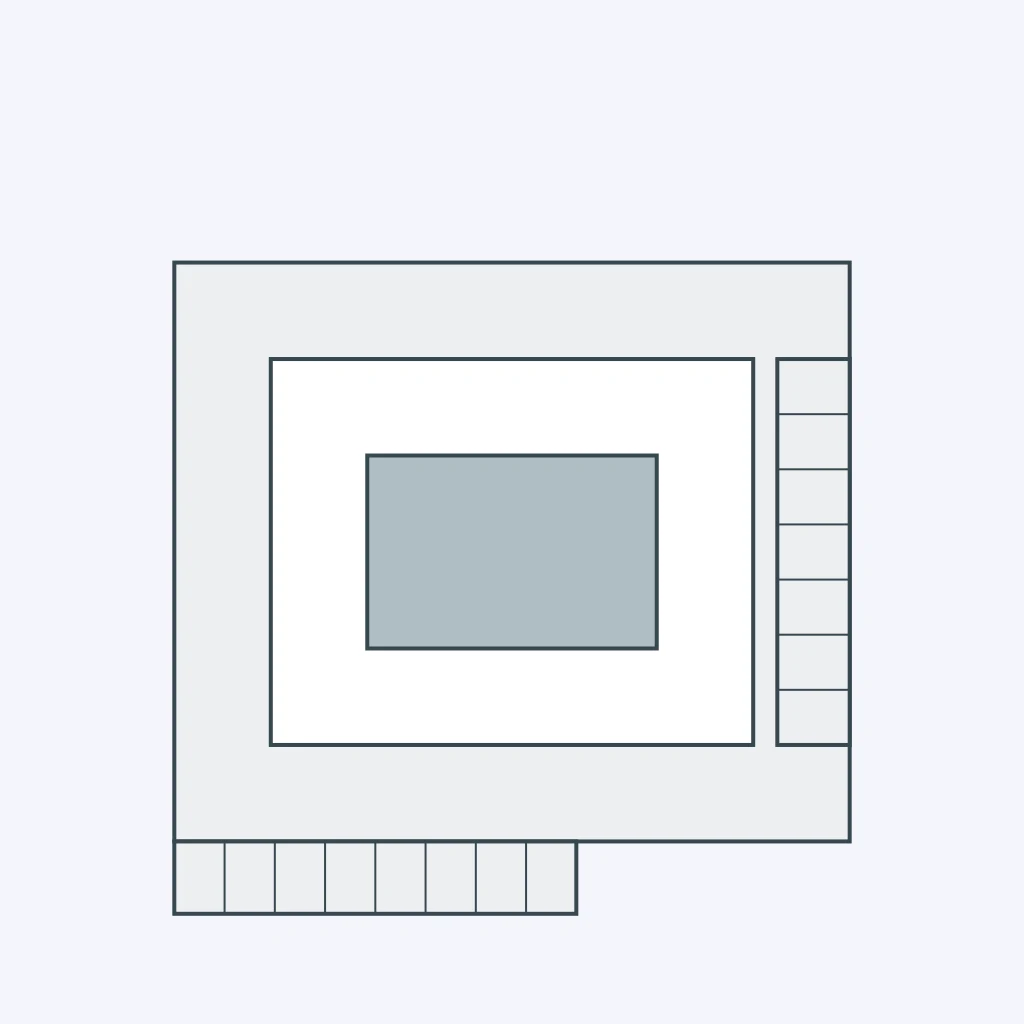
The plan shows a temple raised on a massive stepped platform above the flat plain. What did the height most strongly communicate?
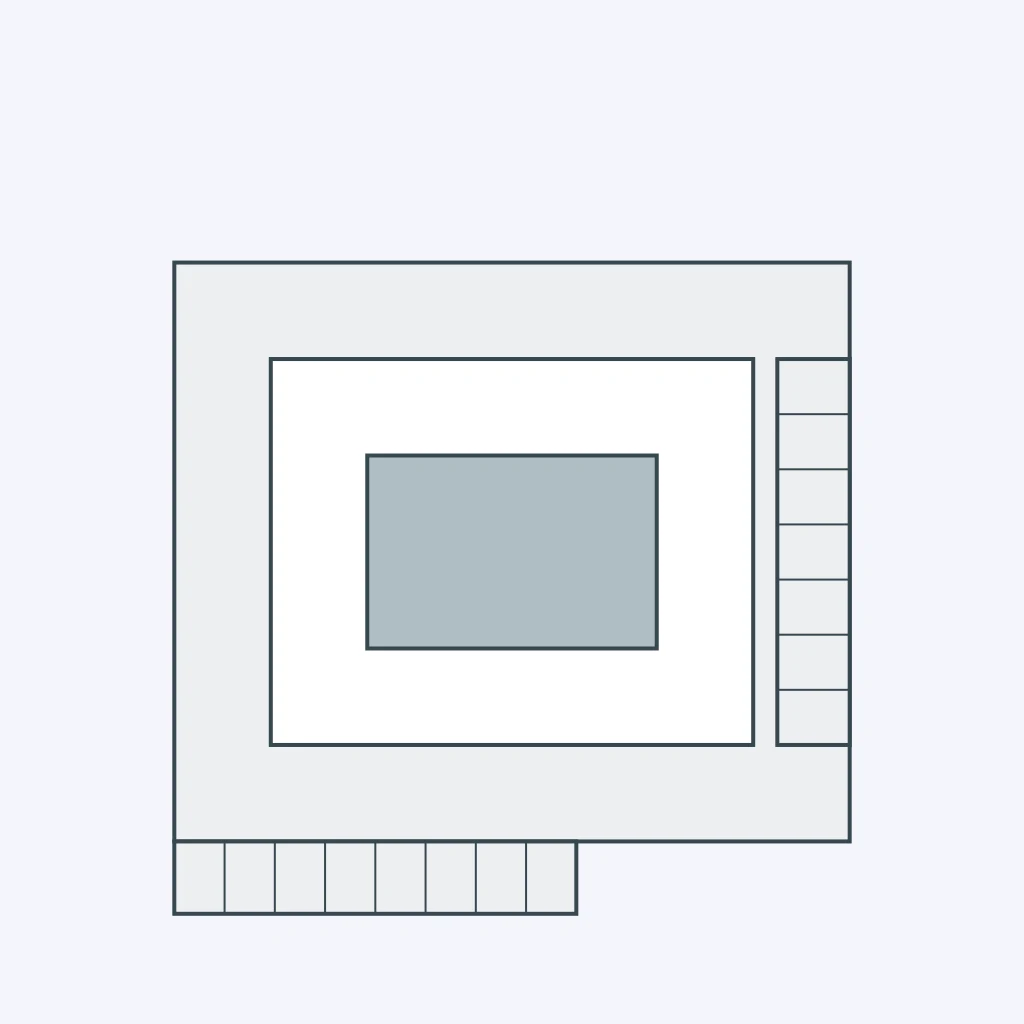
A stepped mud-brick tower supports a shrine at its summit, as shown on the plan. What building type is this?
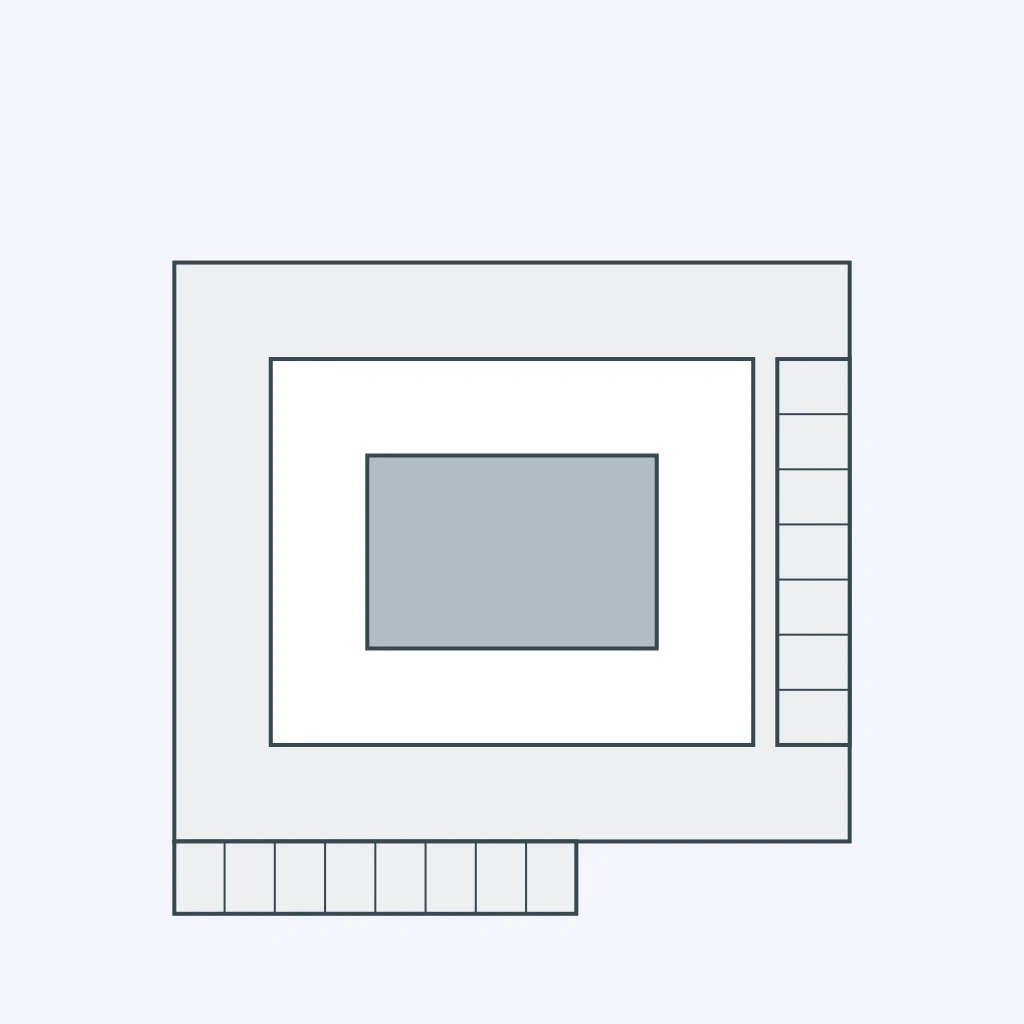
Study the ziggurat plan. Which statement best distinguishes a ziggurat from an Egyptian pyramid?
What material formed most large buildings in southern Mesopotamia, including temples and ziggurats?
The Standard of Ur's shell, limestone, and lapis pieces are fixed into a dark ground. What material held these inlays in place?
The Standard of Ur uses deep blue lapis lazuli. What does the presence of this stone indicate about Sumerian Ur?
On Hammurabi's stele, a relief above the laws shows the king standing before a seated god holding symbols of authority. Who is the seated god?
A Babylonian king's cuneiform foundation cylinder describes a new city wall and was buried in its construction. Why was the inscription placed there?
The Code of Hammurabi combines a divine audience scene with a lengthy cuneiform inscription. Together, these elements portray Hammurabi chiefly as
Crack the passcode before the zombies get in.
Answer, then swat bugs for bonus points.
Race through questions at your own speed.
Same question on every screen. Fastest wins.

Pick a tile, answer, hit bonuses and steals.
Old and Middle Kingdom Egypt
30 questions