Loading
by BlastRoom
#us_hs_art_history
25 questions
One question set, multiple game modes. Tap any game to see it in action. Not sure which to pick?
Answer to place stones and capture territory.
Outrun the snow together.
Earn blasts, then hunt the other team.
Answer to earn energy, then climb.

The class blasts through walls together.
Bid on mystery lots. Most money wins.
Sell tours. Nice, standard, or a total scam.

Answer, restock, and serve the rush.
More correct answers pulls the rope your way.
Answer, then shoot down the alien wave.
Answer, then tap to leap the frozen ridge.
A painting’s ownership is recorded from 1890 to 1933, then resumes with a dealer in 1949. What should the museum investigate about the 1933–1949 gap?
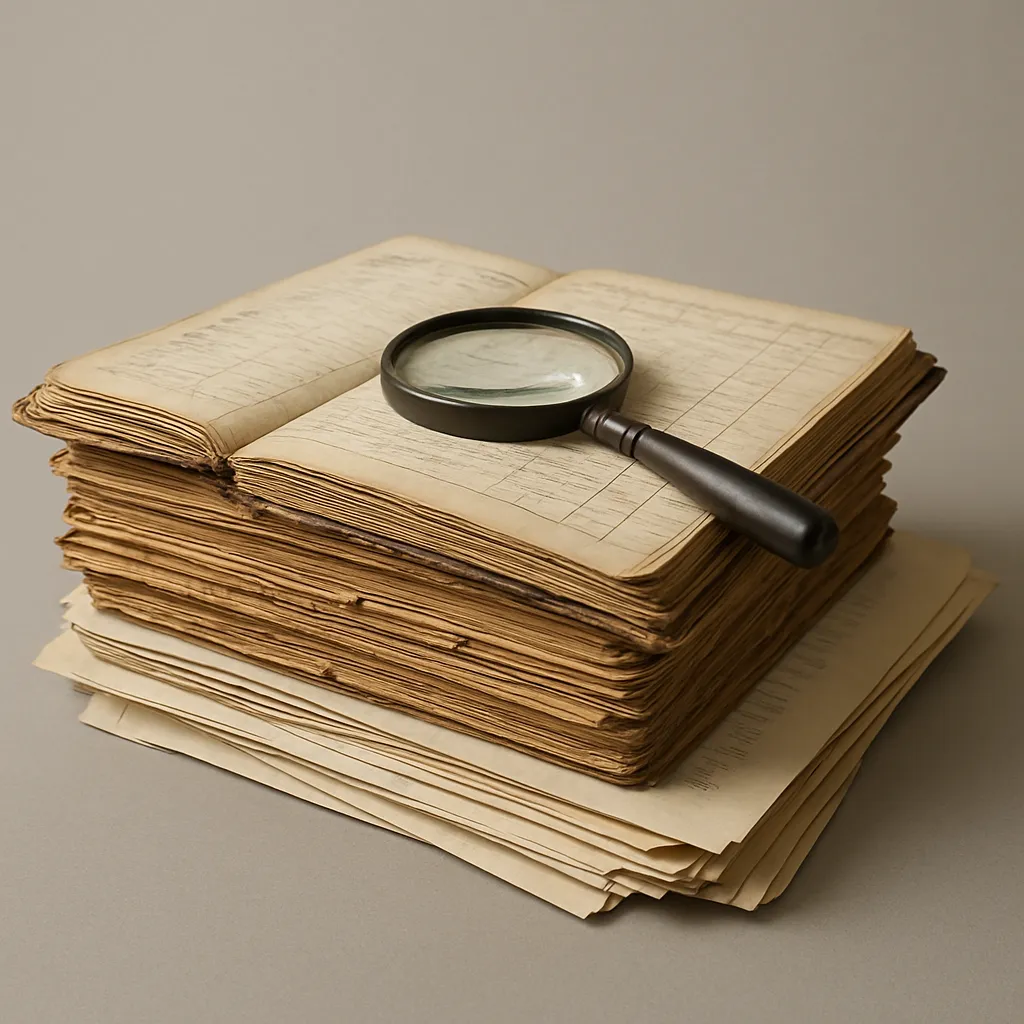
A catalog lists an object as “private collection” between two dated owners. What does that entry indicate?
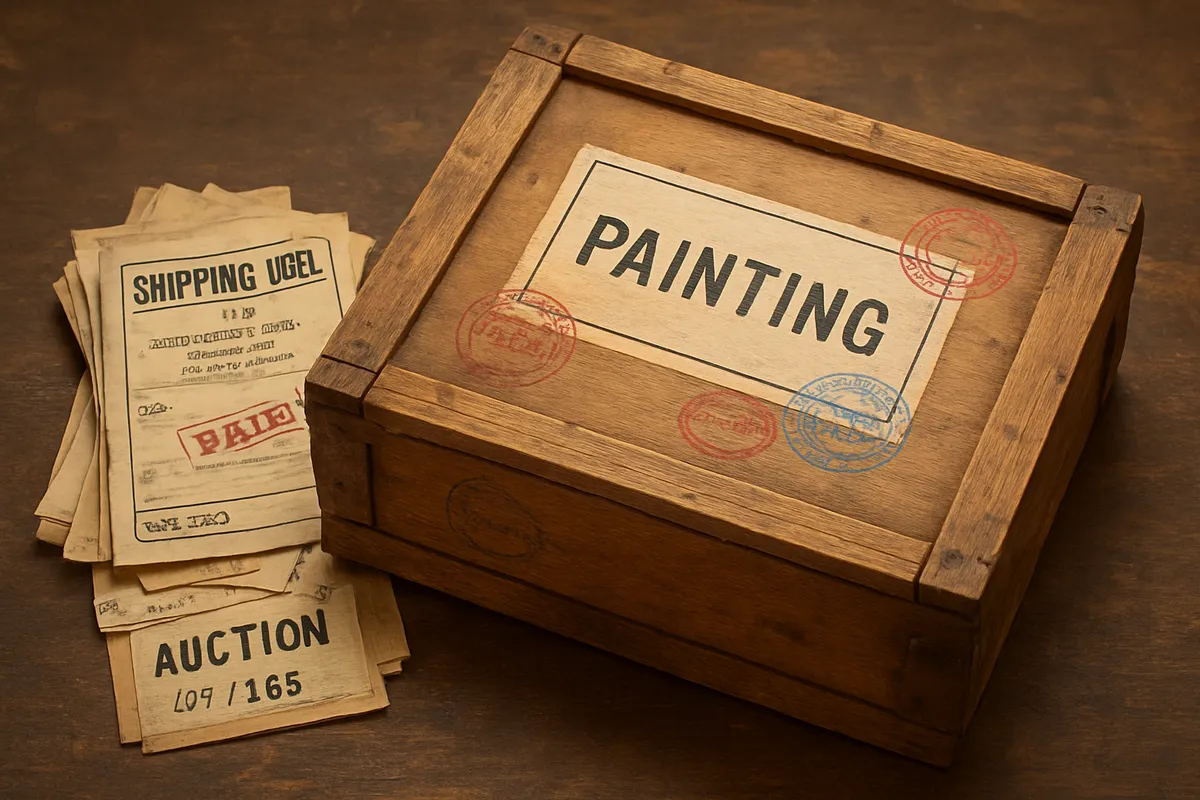
An antiquity has a 1972 shipping label but no ownership or export records from 1968–1972. Before acquisition, what should a museum seek to resolve this gap?
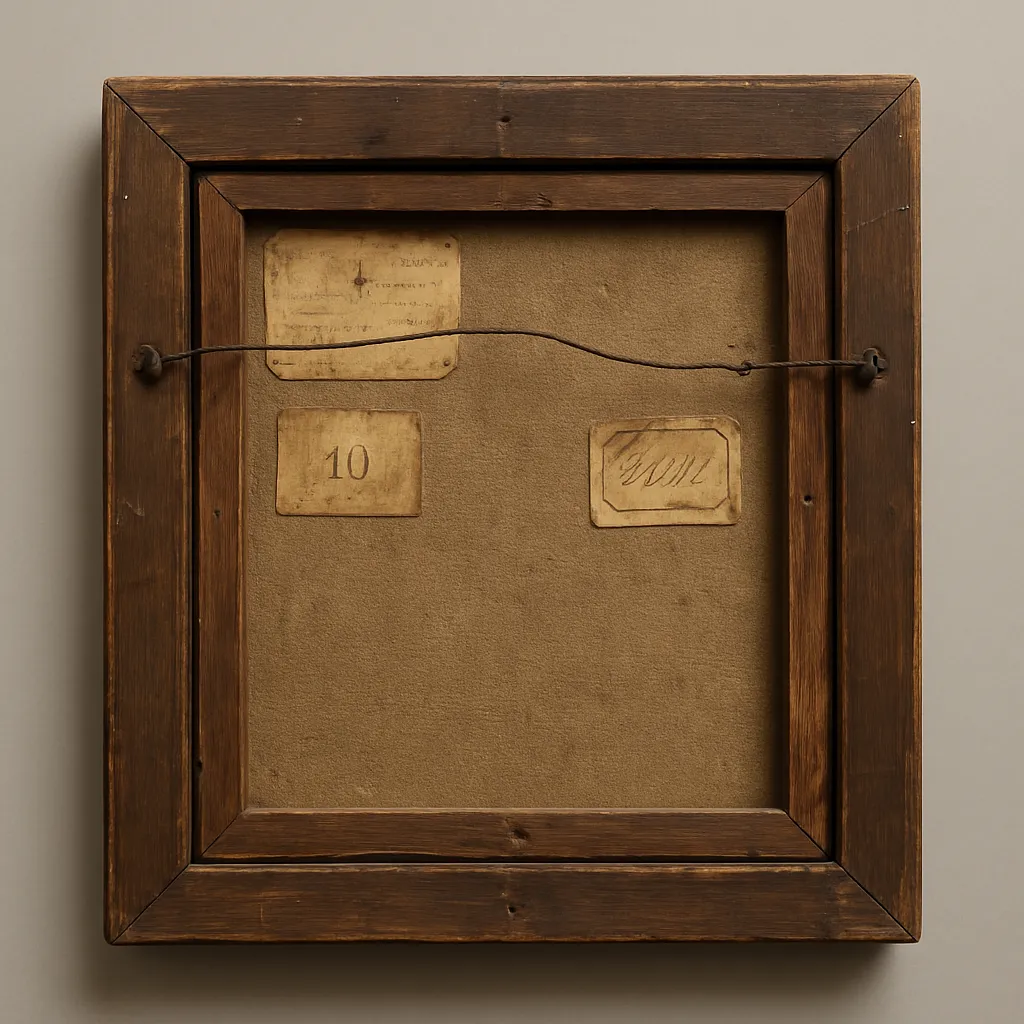
A painting’s back bears a 1961 exhibition label, although its published provenance jumps from 1955 to 1965. How should researchers use the label?
A work is documented in one country until 1938 and in another country beginning in 1946, with no record of the transfer. Why is that gap significant?
Why does a well-documented chain of ownership matter when a museum considers acquiring a work?
A painting claimed to be finished in 1650 contains a pigment first manufactured in the twentieth century within its original paint layer. What follows?
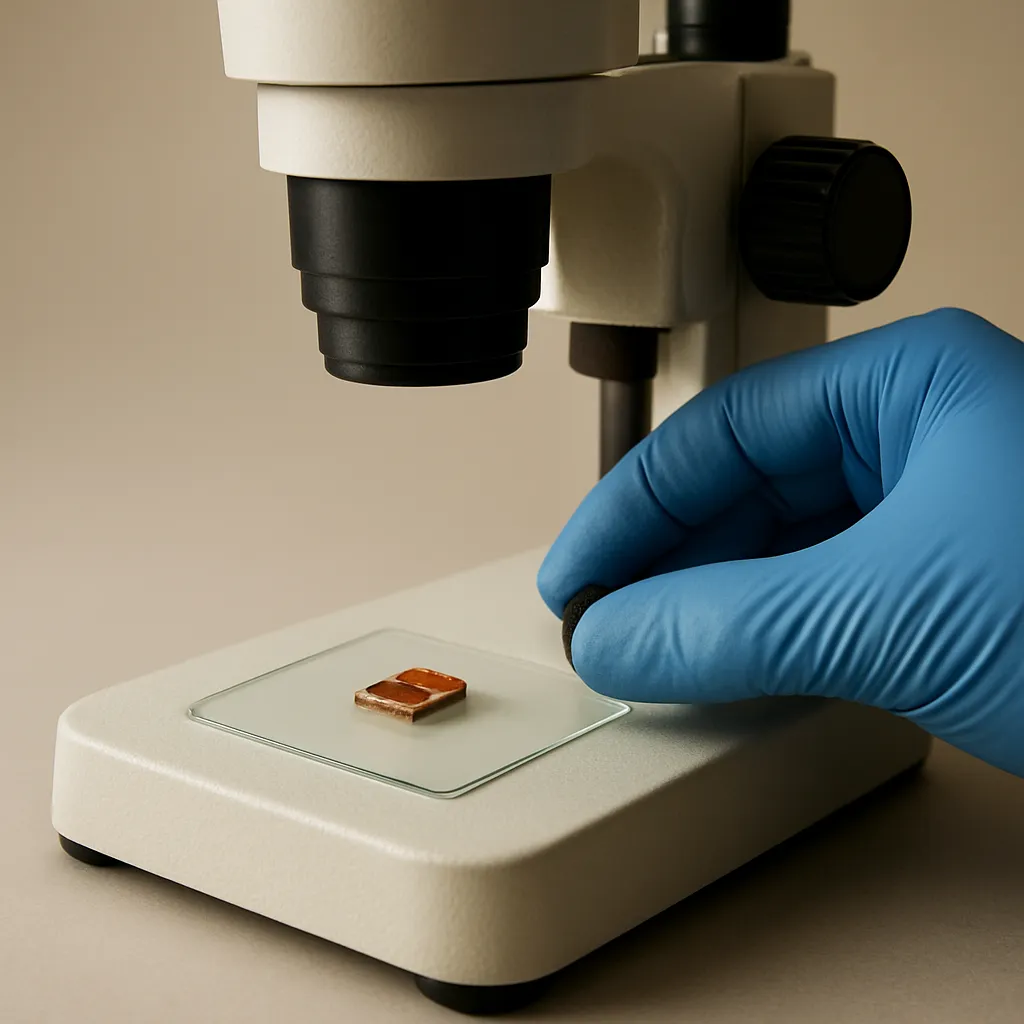
A conservator uses X-ray fluorescence to map elements across a painted surface. What question can this evidence help address?
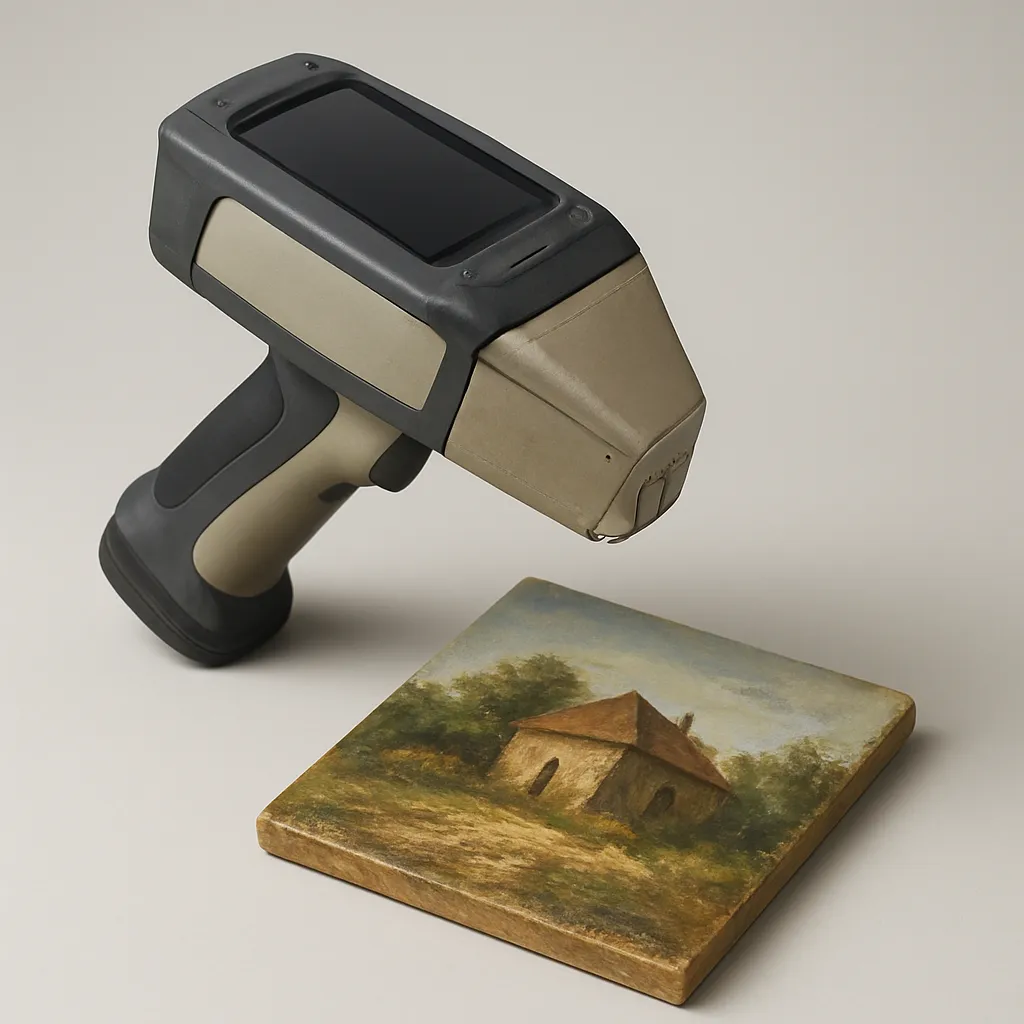
A canvas has a network of fine cracks, called craquelure, like those found on old paintings. What is the soundest conclusion from craquelure alone?
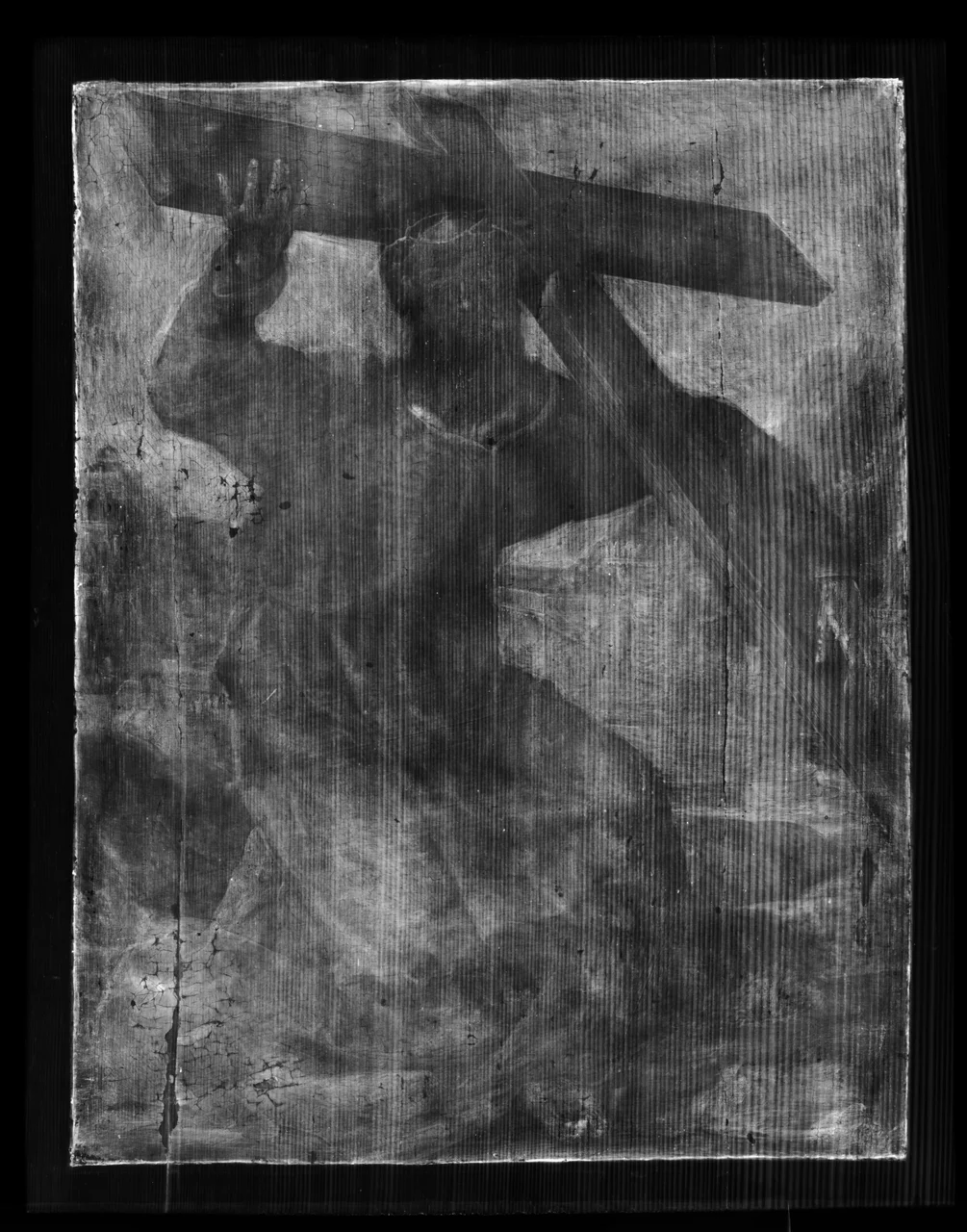
X-radiographs like this one can reveal that an artist changed a figure's arm position beneath the final paint. Why can such a change support a work being an original rather than a copy?
A photographic print claimed to be from 1920 contains optical brighteners added to many papers after World War II. What is supported by this evidence?
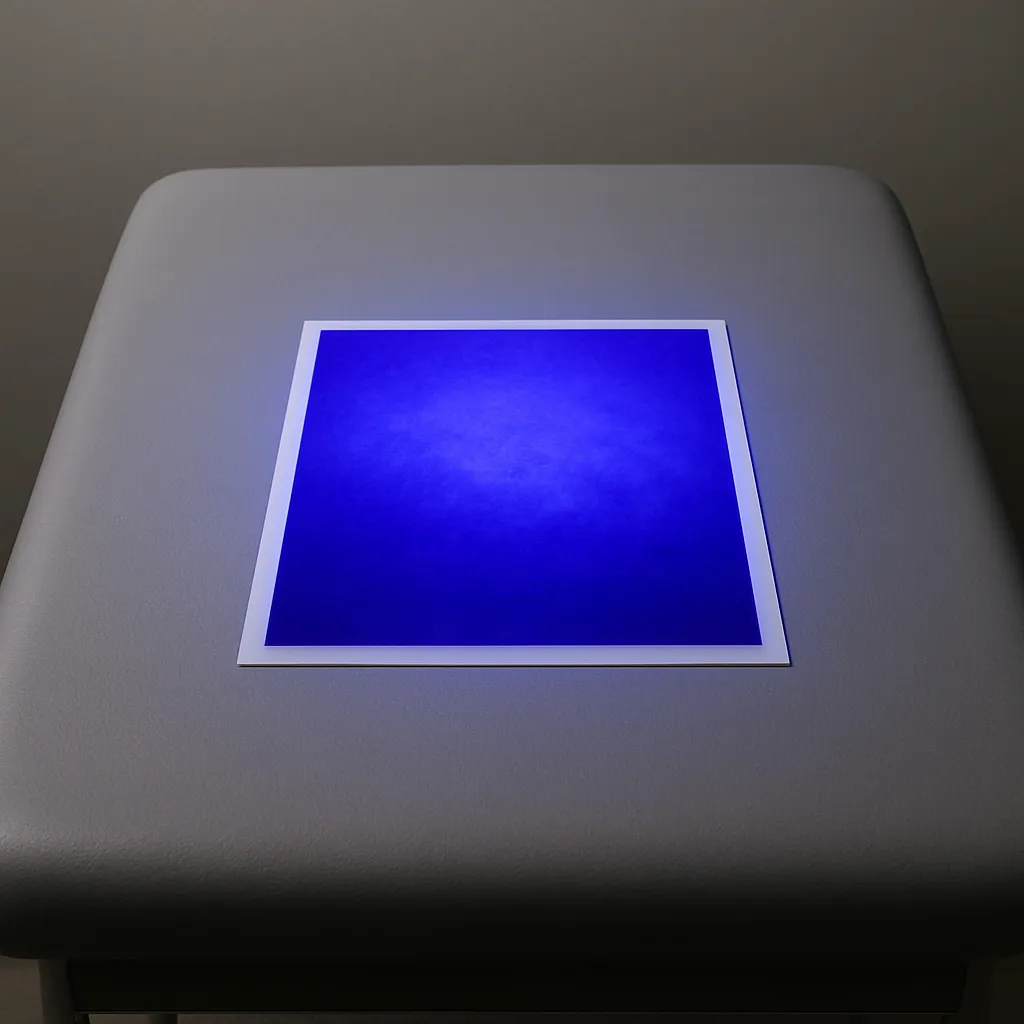
A painting has a convincing signature and resembles a famous master’s style, but analysis finds materials unavailable in that master’s lifetime. What should outweigh the stylistic resemblance?
Before removing a yellowed varnish, a conservator performs solubility tests on both varnish and paint. Why?
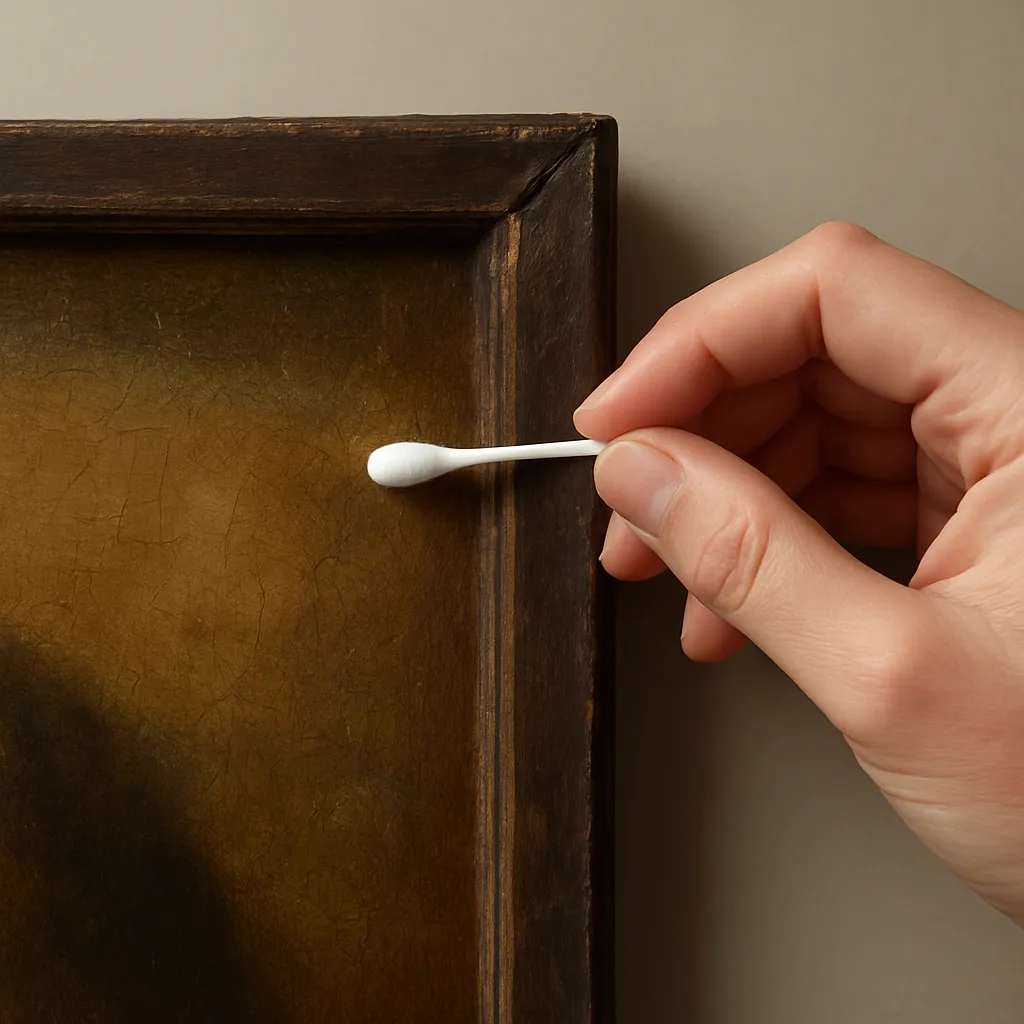
After soot and discolored animal glue are removed from a fresco, colors beneath are much brighter than scholars expected. What had likely happened?
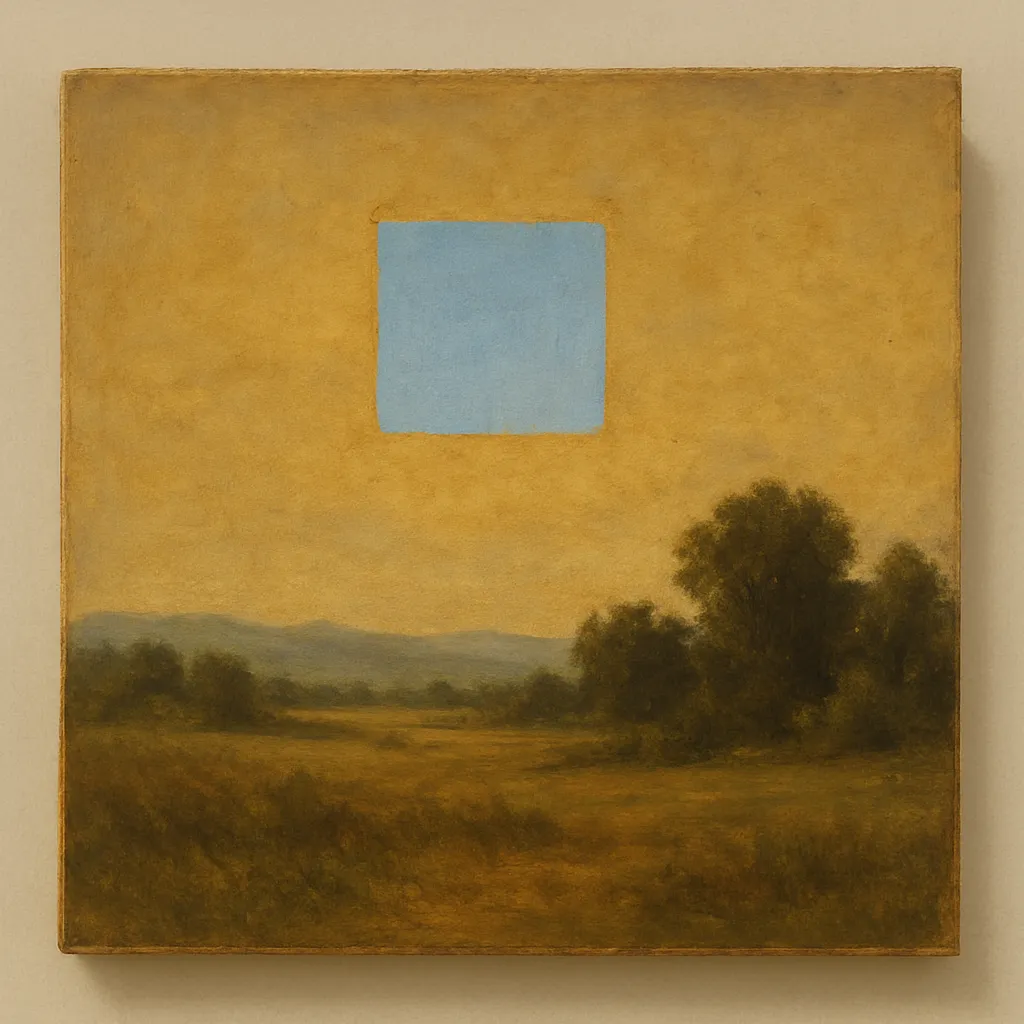
Cleaning a painting removes yellowed varnish from one tested area and reveals a cooler blue sky beneath. What is the most careful interpretation?
A canvas has flaking original paint but no missing areas. Which treatment goal best fits conservation practice?
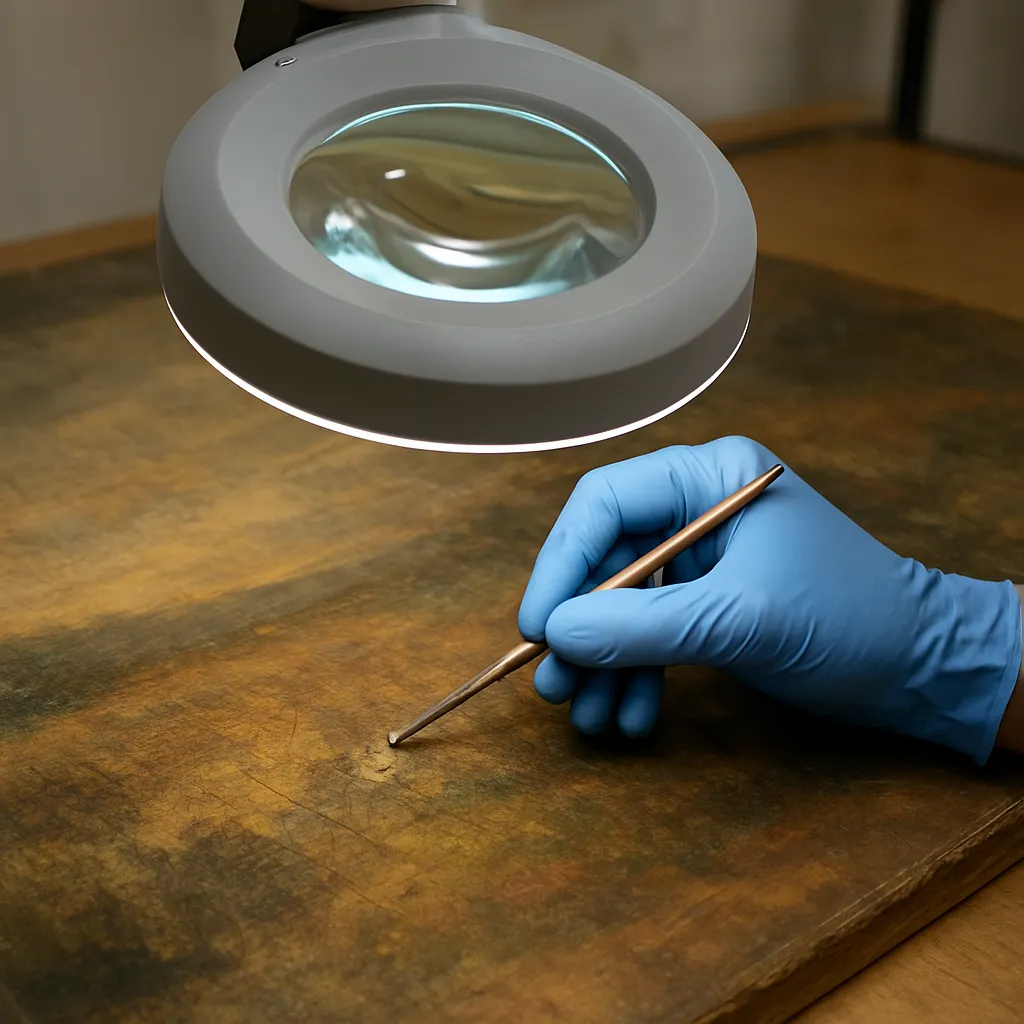
What should a conservator do before a treatment that may visibly change an artwork?
An archaeological bronze has a stable surface layer that records its burial history. A donor asks for it to be polished to a mirror shine. What is the best response?
A U.S. museum holds ancestral human remains and funerary objects claimed by a federally recognized Tribe. Which law sets the process for their return?
Which international agreement addresses illicit import, export, and transfer of ownership of cultural property?
During construction on federal land, workers uncover Native American human remains. Under NAGPRA procedures, what should happen immediately?
A federally funded U.S. museum has a sacred object subject to a culturally affiliated Tribe’s claim. What is an appropriate NAGPRA responsibility?
Assistants in a master’s studio made a painting from the master’s design, possibly under the master’s supervision. Which catalog term is most precise?
A later painter copied a known composition by a famous artist rather than creating an original design. Which catalog term fits?
An unnamed painter worked in a master’s style but was not necessarily that master’s pupil or studio assistant. Which catalog term is most precise?
Crack the passcode before the zombies get in.
Answer, then swat bugs for bonus points.
Race through questions at your own speed.
Same question on every screen. Fastest wins.

Pick a tile, answer, hit bonuses and steals.
Paleolithic and Neolithic Art
25 questions