Loading
by BlastRoom
How patrons, audiences, settings, and uses shape works of art.
#us_hs_art_history
25 questions
One question set, multiple game modes. Tap any game to see it in action. Not sure which to pick?
Answer to place stones and capture territory.
Outrun the snow together.
Earn blasts, then hunt the other team.
Answer to earn energy, then climb.

The class blasts through walls together.
Bid on mystery lots. Most money wins.
Sell tours. Nice, standard, or a total scam.

Answer, restock, and serve the rush.
More correct answers pulls the rope your way.
Answer, then shoot down the alien wave.
Answer, then tap to leap the frozen ridge.
Enrico Scrovegni commissioned Giotto to fresco the Arena Chapel beside his palace in Padua. What kind of commission was this?
Pope Julius II hired Michelangelo to paint the Sistine Chapel ceiling with Genesis scenes, prophets, and sibyls. What did this papal commission most directly require?
Abbot Suger rebuilt the ambulatory at Saint-Denis, the burial church of French kings, with an open, light-filled space around the altar. What patronage goal shaped that design?
Shah Jahan commissioned the Taj Mahal in Agra in the 1630s. Which purpose best explains its formal garden, reflecting pools, and white-marble domed building?
Athens built the Parthenon on the Acropolis during Pericles's building program. What was its primary function?
Guy Guers commissioned the Isenheim Altarpiece for the high altar of an Antonite monastery hospital chapel. Which audience most shaped this commission?
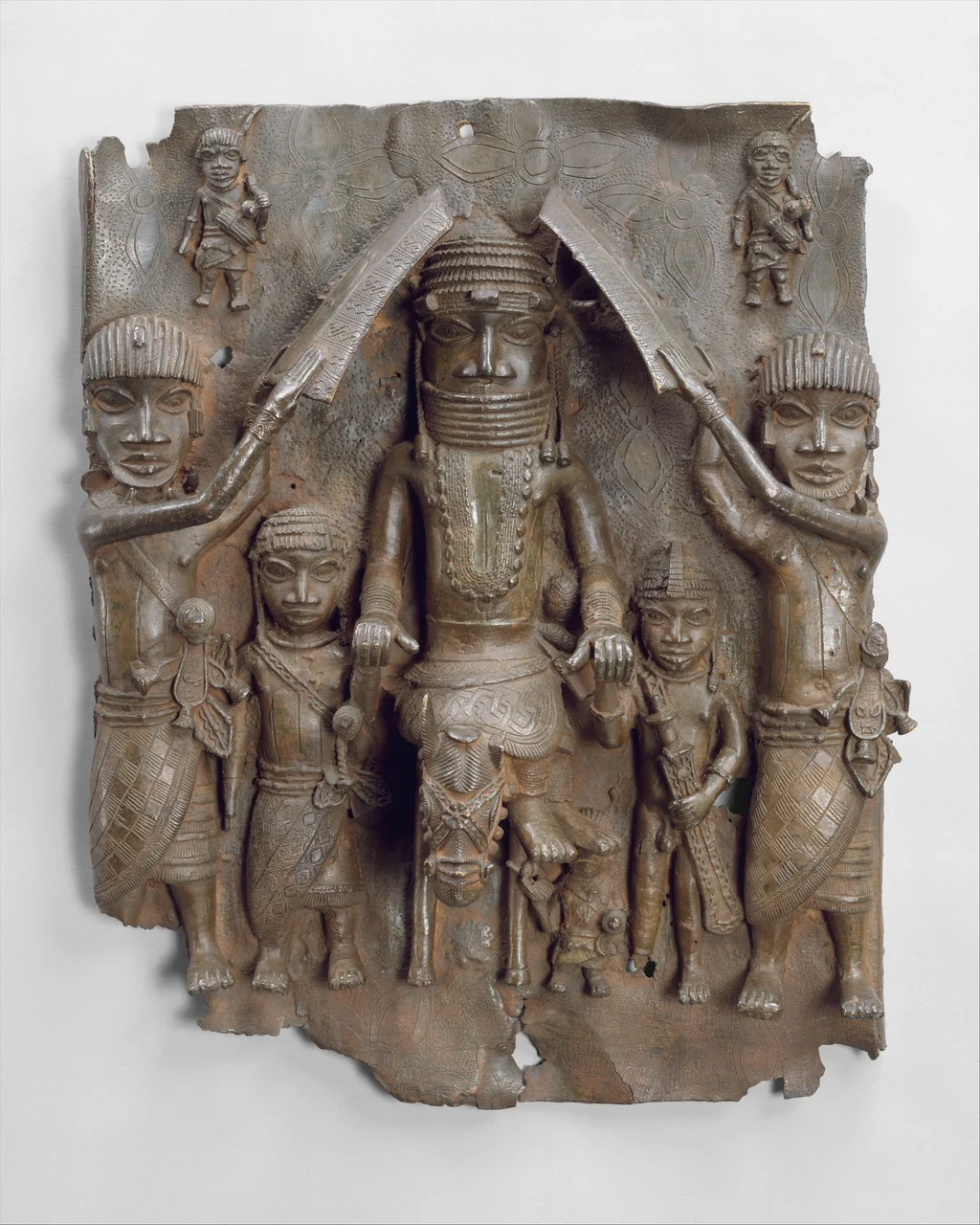
Benin's brass casters lived in their own ward of the capital and could cast brass only with the ruler's permission. Which patronage arrangement does this describe?
In a relief, one ruler is far larger than the attendants, emphasizing rank rather than natural proportion. Which patron most likely commissioned this relief for a palace court?
A seventeenth-century Dutch painter makes a small, highly finished interior with household objects and no religious altar scene. Which buyer is the most likely patron?
A vast fresco cycle covers the vault of the pope's chapel and centers on biblical history. Which patron is most consistent with this setting and scale?
A royal chapel was built to house the Crown of Thorns, a relic acquired by a thirteenth-century king. Who was the patron?
A white-marble tomb on the Jumna River has a formal eightfold garden and reflecting pools. Which patron commissioned it?
Why did the Isenheim Altarpiece need painted views that changed when its wings were opened or closed?
At Saint-Denis, an ambulatory lets visitors circulate behind the altar toward radiating chapels. What use did this plan support?
How did the Parthenon's hilltop site on the Acropolis shape its design and decoration?
Why were Benin brass plaques cast with holes at their corners?
Why did Michelangelo organize the Sistine Chapel ceiling into a large, legible biblical program across its vault?
The Taj Mahal's tomb stands beyond a formal garden and reflecting pools on the riverbank. How does this setting shape a visitor's experience?
Chartres windows show bakers, furriers, and weavers in small panels near their bases. For whom were those low panels especially visible?
Suger designed Saint-Denis so colored light poured through large windows around the choir. What response was this setting meant to encourage in worshippers?
The Sistine Chapel's painted vault is far above the floor. Which formal choice best helps its narratives reach viewers below?
A palace audience sees a ruler depicted larger than attendants on plaques covering its pillars. What message does that hierarchy send?
In the seventeenth-century Dutch Republic, artists could not rely on church or court commissions. What patronage system expanded instead?
How did patronage differ between the Protestant Dutch Republic and Catholic southern Netherlands in the seventeenth century?
Augustus commissioned a new idealized portrait type after restoring the Republic in 27 B.C. What shift in patronage does this demonstrate?
Crack the passcode before the zombies get in.
Answer, then swat bugs for bonus points.
Race through questions at your own speed.
Same question on every screen. Fastest wins.

Pick a tile, answer, hit bonuses and steals.
Provenance, Forgery, Restoration and Repatriation
25 questions