Loading
by BlastRoom
Practice describing, analyzing, interpreting, and judging artworks from visible evidence.
#us_hs_art_history

25 questions
One question set, multiple game modes. Tap any game to see it in action. Not sure which to pick?
Answer to place stones and capture territory.
Outrun the snow together.
Earn blasts, then hunt the other team.
Answer to earn energy, then climb.

The class blasts through walls together.
Bid on mystery lots. Most money wins.
Sell tours. Nice, standard, or a total scam.

Answer, restock, and serve the rush.
More correct answers pulls the rope your way.
Answer, then shoot down the alien wave.
Answer, then tap to leap the frozen ridge.
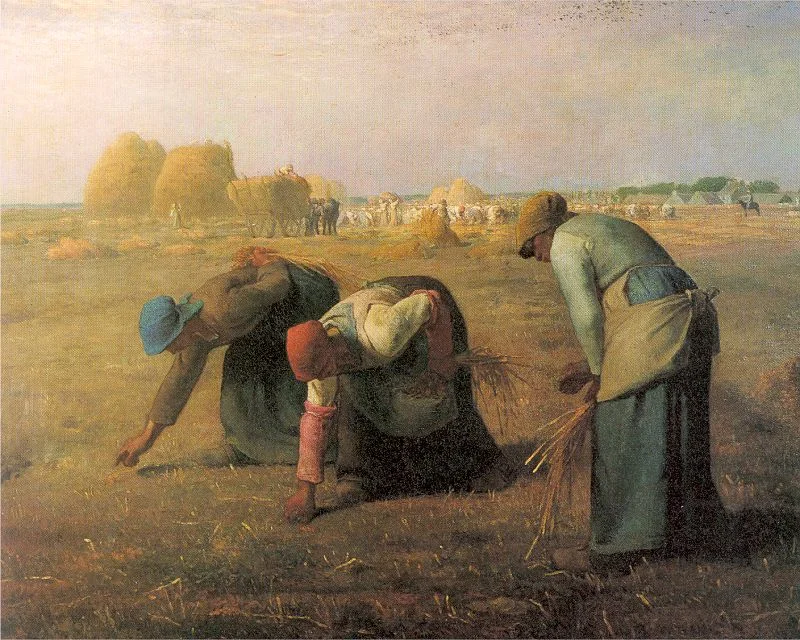
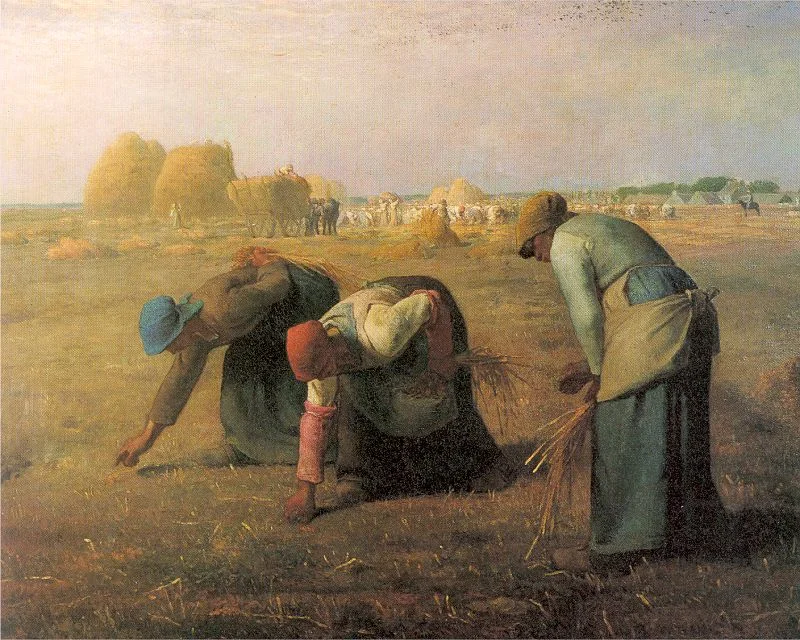
A viewer says, “I can see three bent figures in the foreground and stacks of grain farther back.” Which step of art criticism is the viewer using?
A viewer writes that repeated verticals and horizontals make an interior feel stable. Which step of art criticism is this?
A viewer says that a distorted skull may remind the audience of mortality. Which step of art criticism is the viewer using?
A viewer concludes that a painting’s restricted palette successfully creates a somber mood. Which step of art criticism is this?
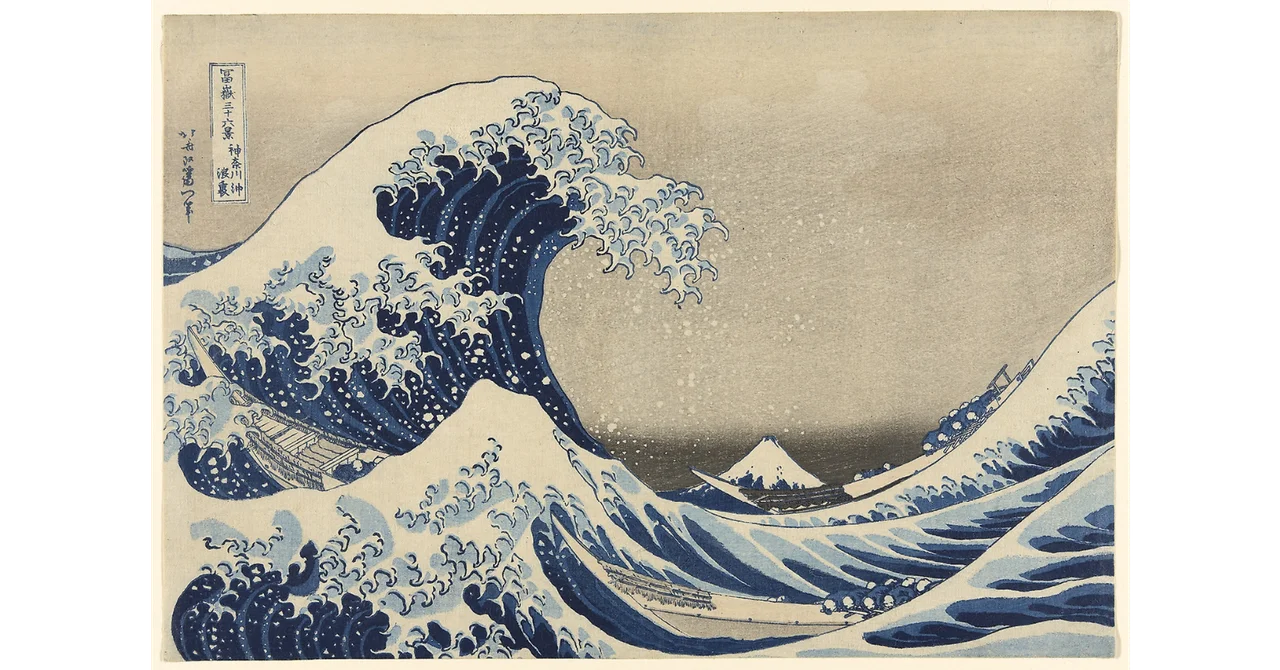
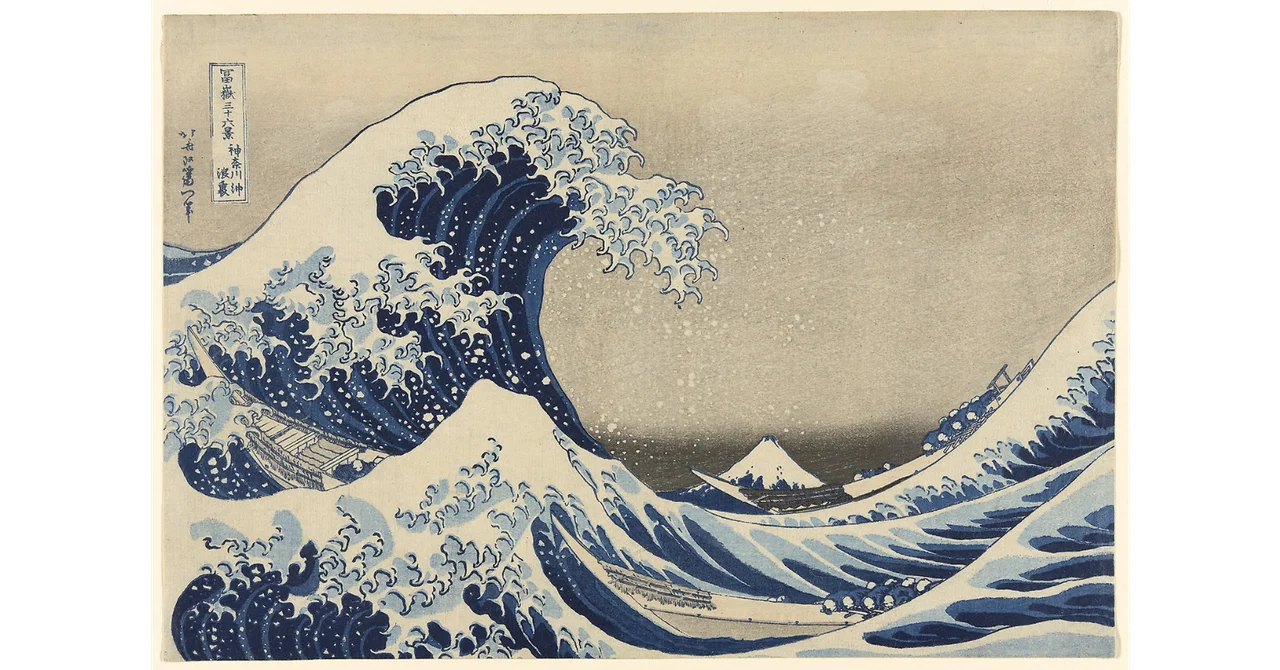
A viewer notes, “A small mountain appears inside the hollow of a much larger wave.” Which step is being used?
A viewer explains that converging diagonals direct attention toward a raised flag. Which step of art criticism is this?
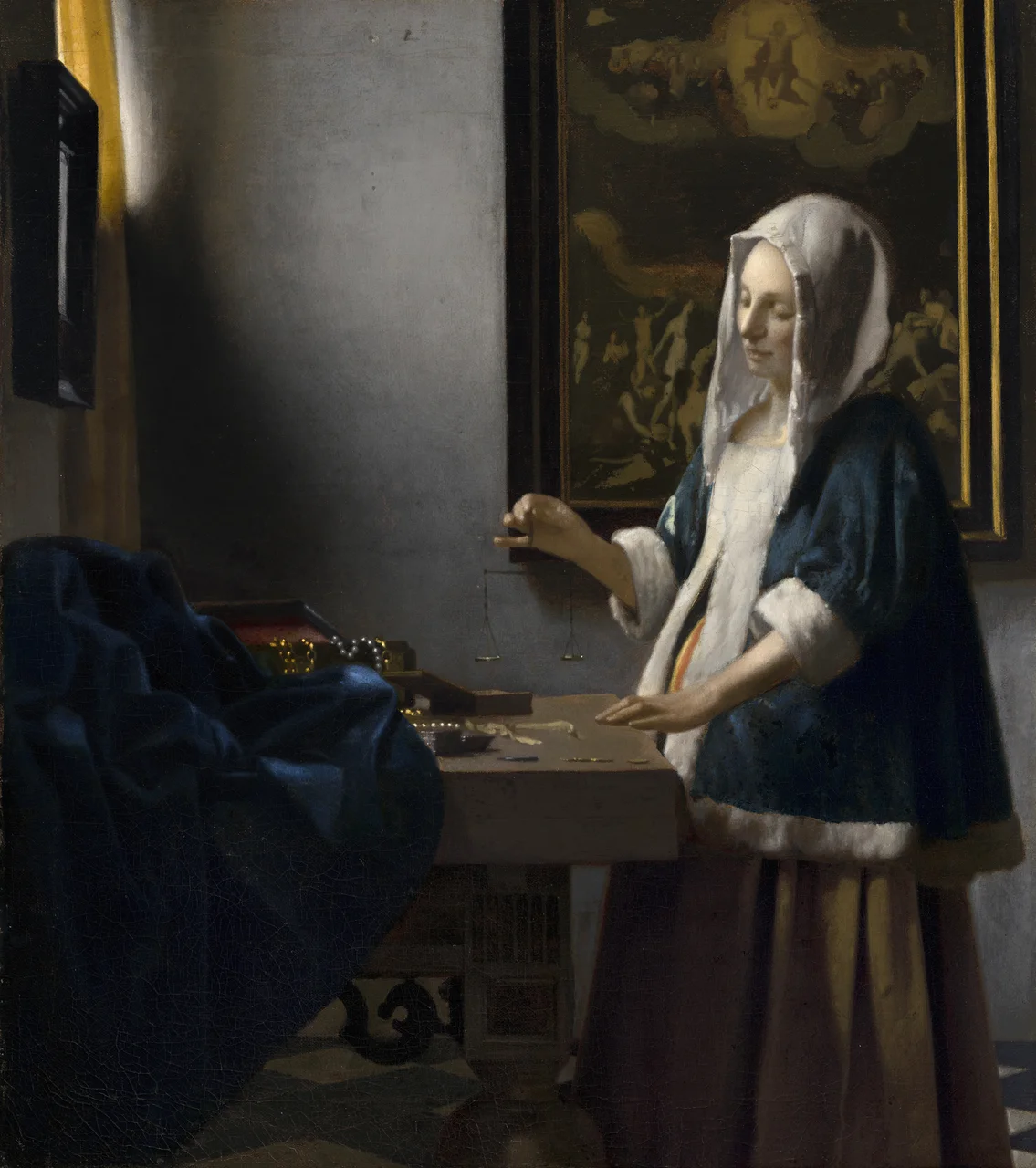
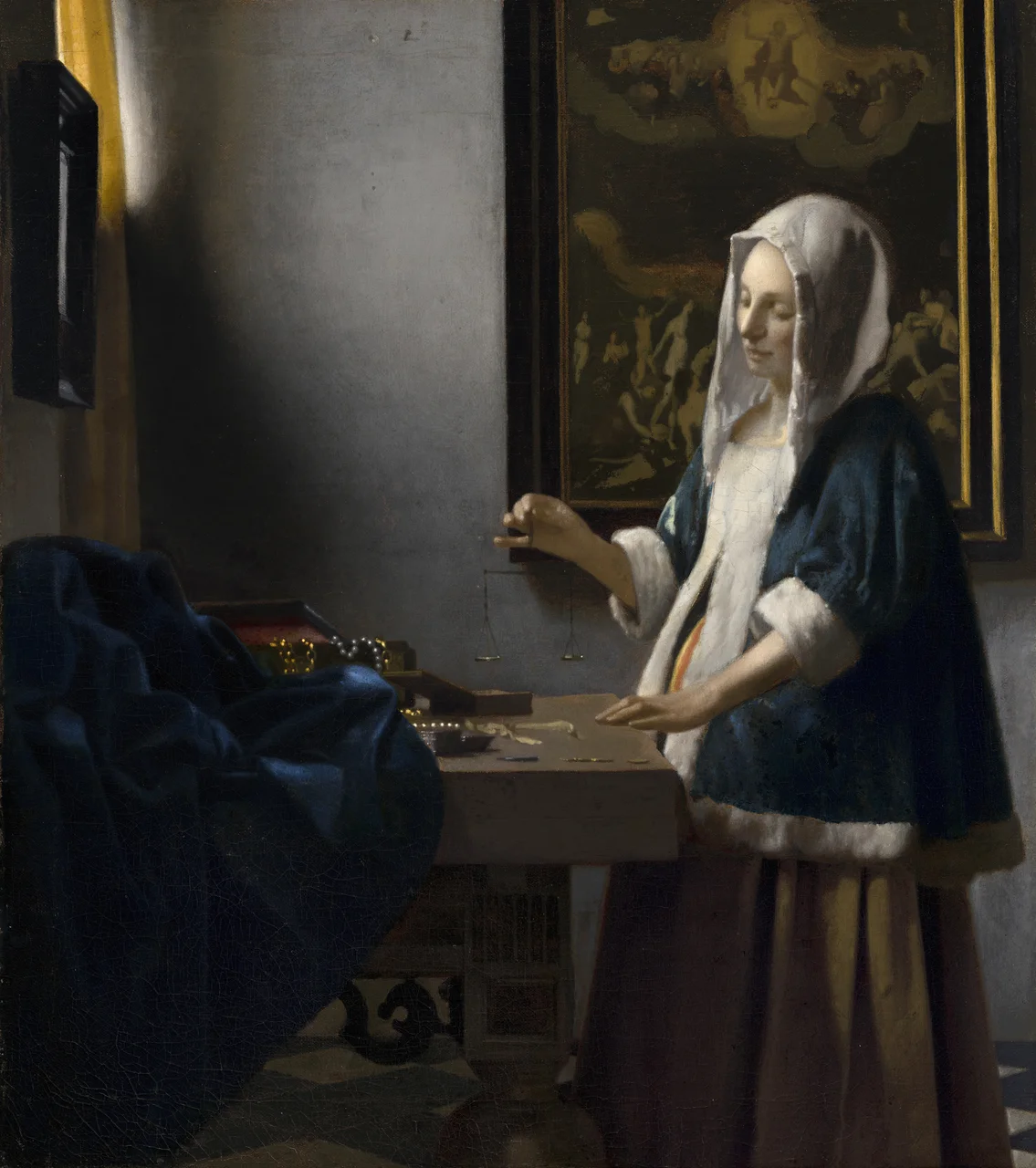
A viewer argues that an empty balance and a Last Judgment painting together suggest moral self-examination. Which step is the viewer using?
A viewer says that a work’s crowded composition effectively communicates panic. Which step of art criticism is this?
A critique has listed the objects in a painting and explained how light and balance organize them. What should the critic do next?
After a critic has described the subject of an artwork, which step should normally come next?
Which action belongs in the interpret step of a critique?
What is the correct order of the four steps of art criticism?
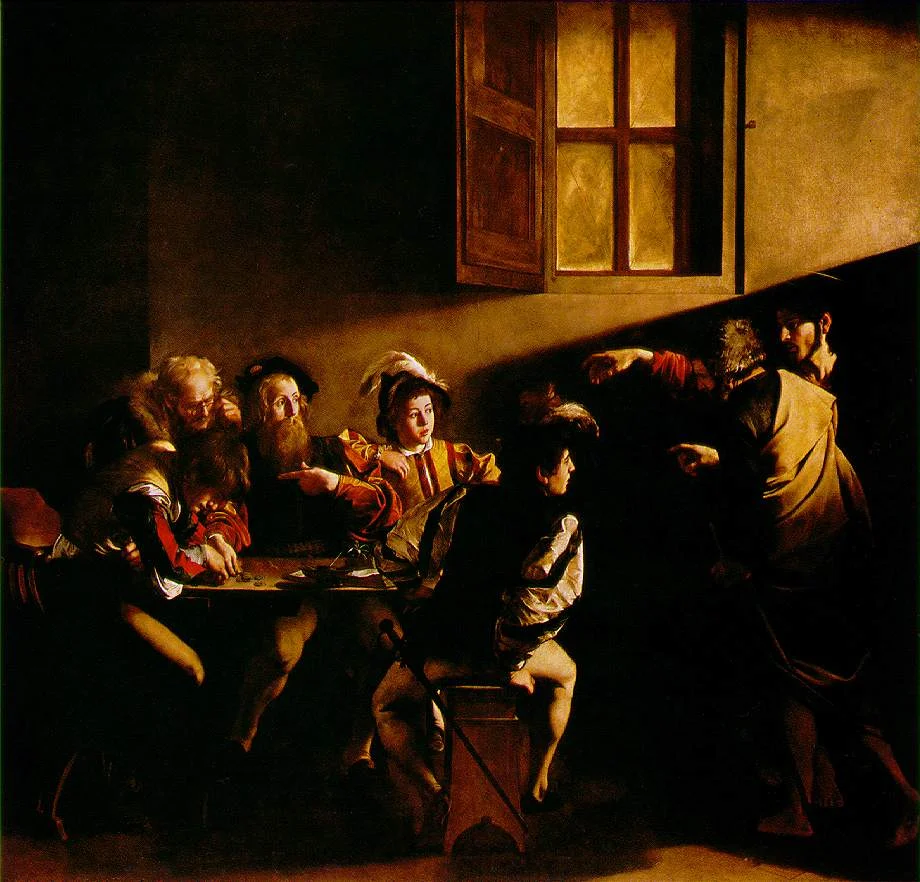
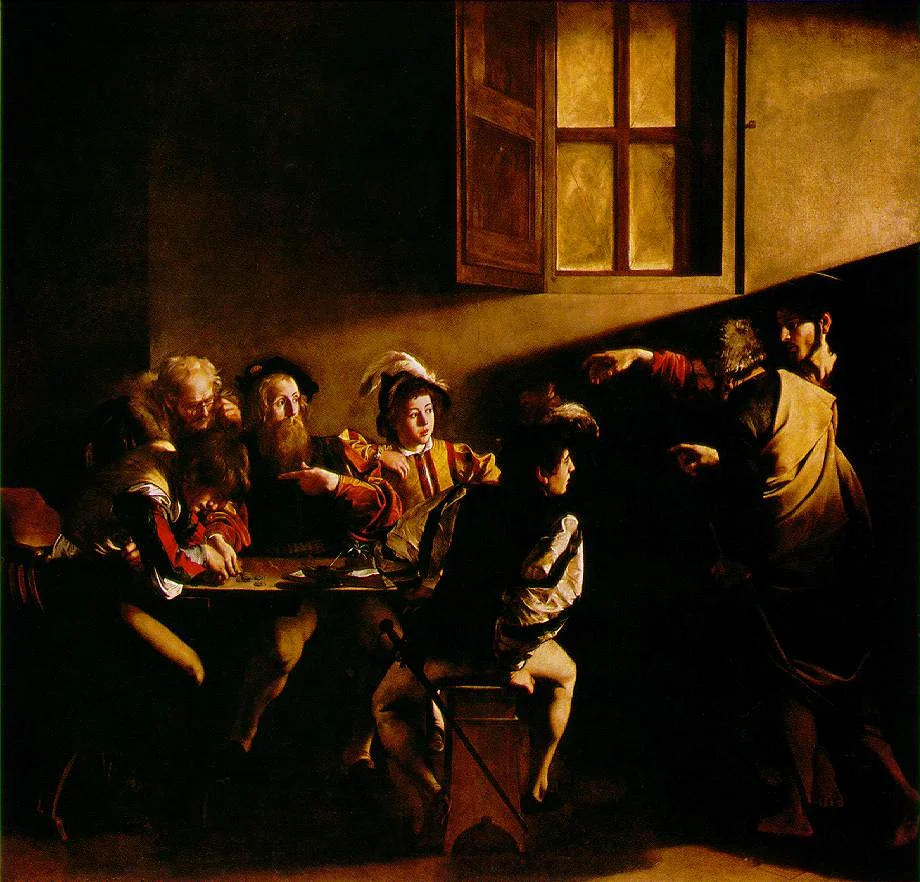
In the shown Calling of Saint Matthew by Caravaggio, which statement is an accurate description?
In Hokusai’s shown Under the Wave off Kanagawa, which statement accurately describes the print?
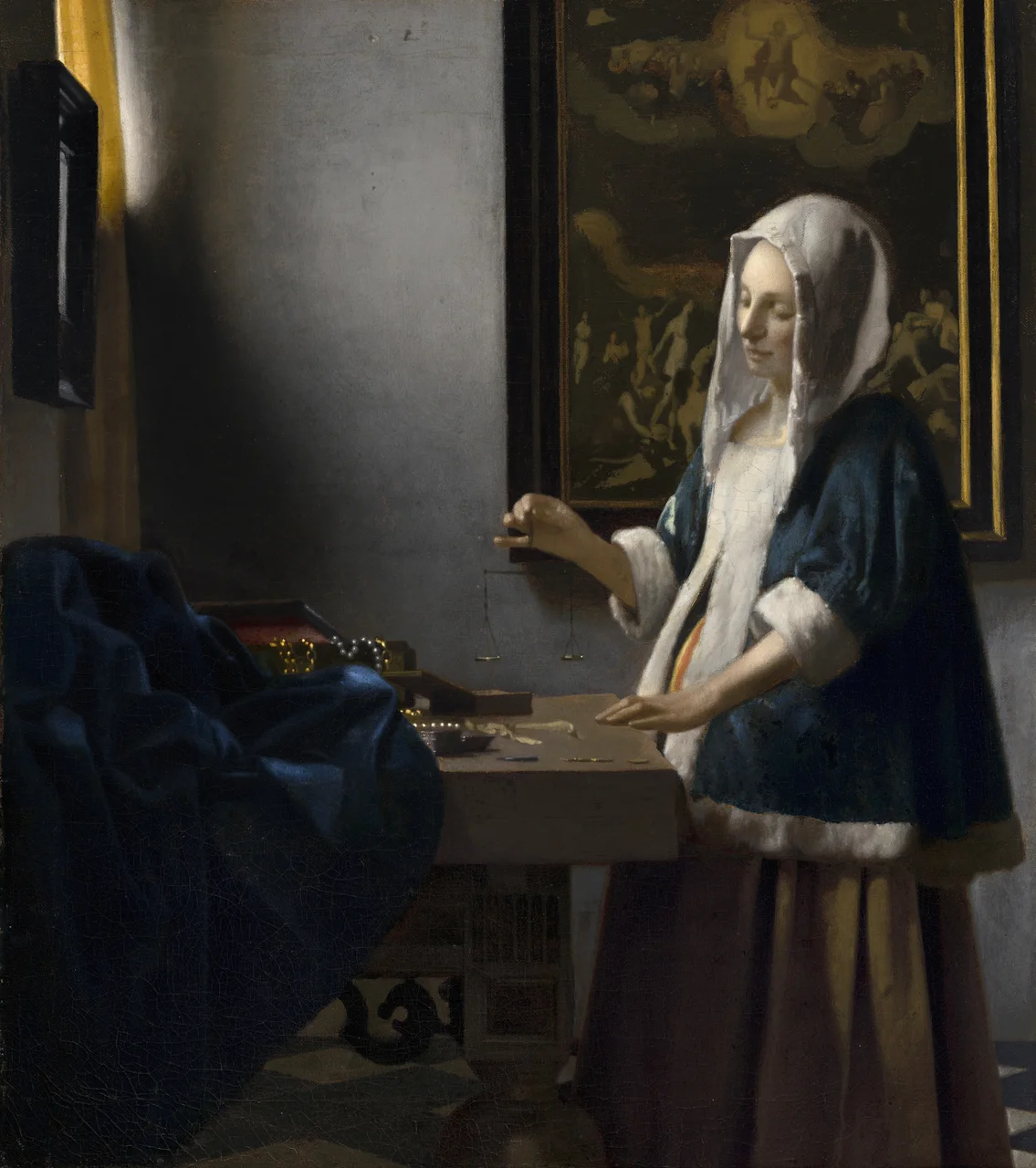
In Vermeer’s shown Woman Holding a Balance, which statement belongs in a describe step?
In Holbein’s shown The Ambassadors, which statement is an accurate description?

In Millet’s shown The Gleaners, which statement accurately describes the foreground?
In the shown Under the Wave off Kanagawa, which visual relationship carries the composition?
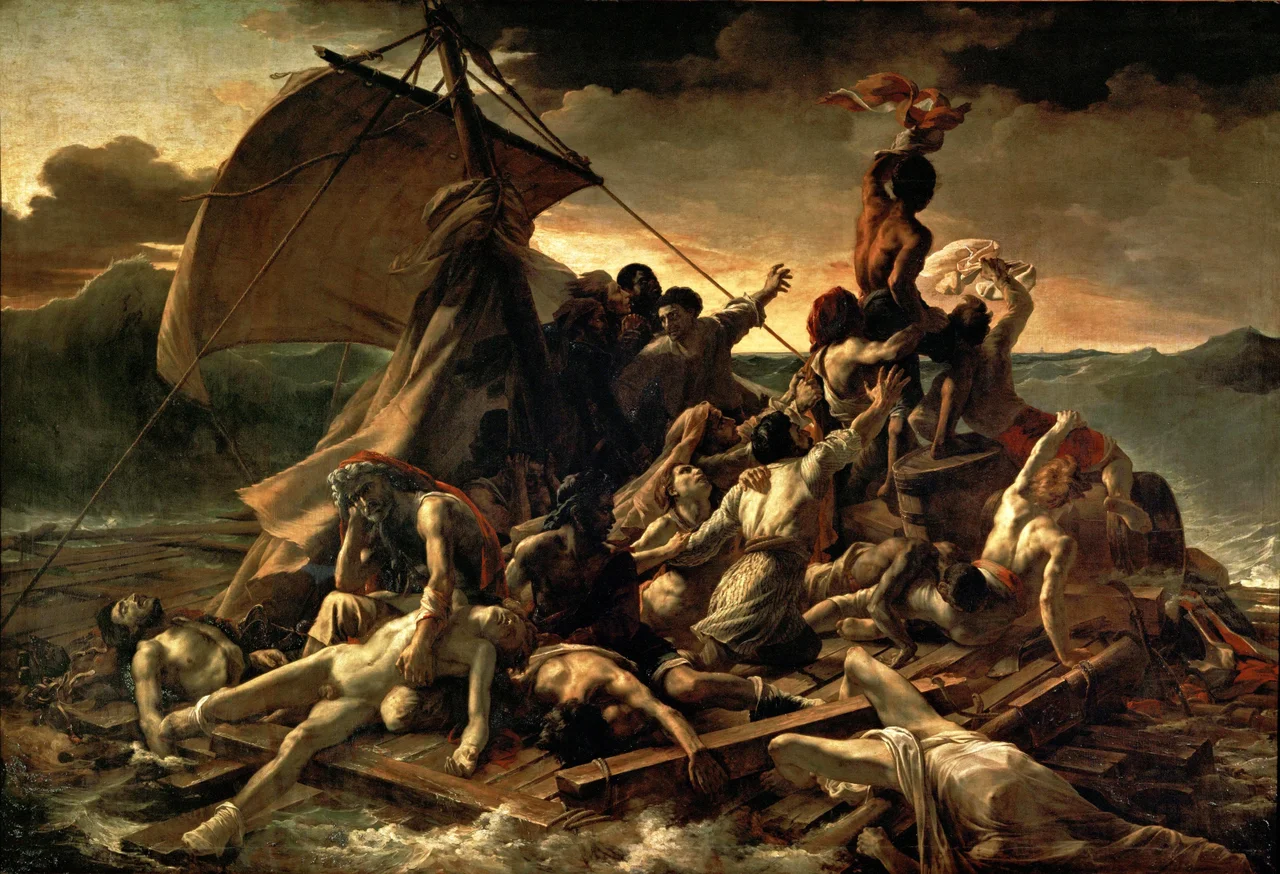
In the shown Raft of the Medusa by Géricault, how is the viewer’s eye led toward hope of rescue?
In the shown Woman Holding a Balance, how does Vermeer make the small balance visually prominent?
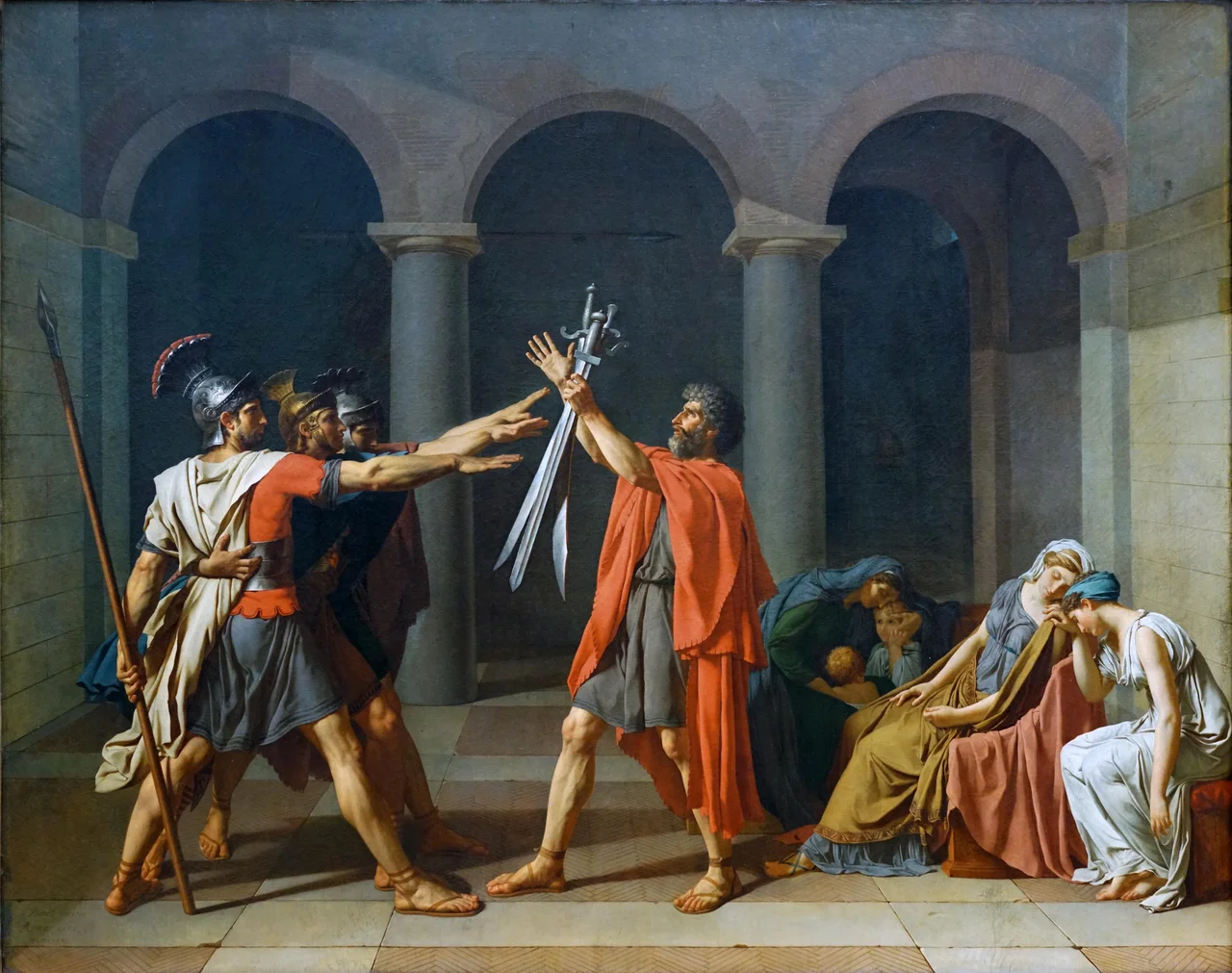
In David’s shown Oath of the Horatii, how does the composition separate resolve from grief?
In Holbein’s shown The Ambassadors, what interpretation is best supported by the distorted skull, broken lute string, and scientific instruments?

In Vermeer’s shown Woman Holding a Balance, what reading is supported by the balance, jewelry, and Last Judgment behind the woman?
In Millet’s shown The Gleaners, what interpretation is supported by the bent women in front and the abundant harvest in the distance?
In the shown Calling of Saint Matthew by Caravaggio, what interpretation is supported by Christ’s pointing gesture and the beam of light entering the dark room?
Crack the passcode before the zombies get in.
Answer, then swat bugs for bonus points.
Race through questions at your own speed.
Same question on every screen. Fastest wins.

Pick a tile, answer, hit bonuses and steals.

Attribution: Dating a Work from its Style
30 questions