Loading
by BlastRoom
Digital, installation, and time-based practices differ from traditional object-making.
#us_hs_art_history
20 questions
One question set, multiple game modes. Tap any game to see it in action. Not sure which to pick?
Answer to place stones and capture territory.
Outrun the snow together.
Earn blasts, then hunt the other team.
Answer to earn energy, then climb.

The class blasts through walls together.
Bid on mystery lots. Most money wins.
Sell tours. Nice, standard, or a total scam.

Answer, restock, and serve the rush.
More correct answers pulls the rope your way.
Answer, then shoot down the alien wave.
Answer, then tap to leap the frozen ridge.
A digital photograph is enlarged far beyond its recorded size, and blocky squares appear along curved edges. What kind of image file is it?
A designer enlarges a logo for a billboard, and its edges stay crisp because the file uses scalable lines and curves. What kind of graphic is it?
A file records 2,400 by 1,600 colored samples, each assigned a location in a grid. What is one of those samples called?
An illustrator edits a logo by moving anchor points that reshape smooth curves rather than recoloring a grid. What does the file primarily store?
A museum gives an entire room to mirrors, changing lights, and sound that visitors walk through; it is dismantled after the exhibition. What category best fits the work?
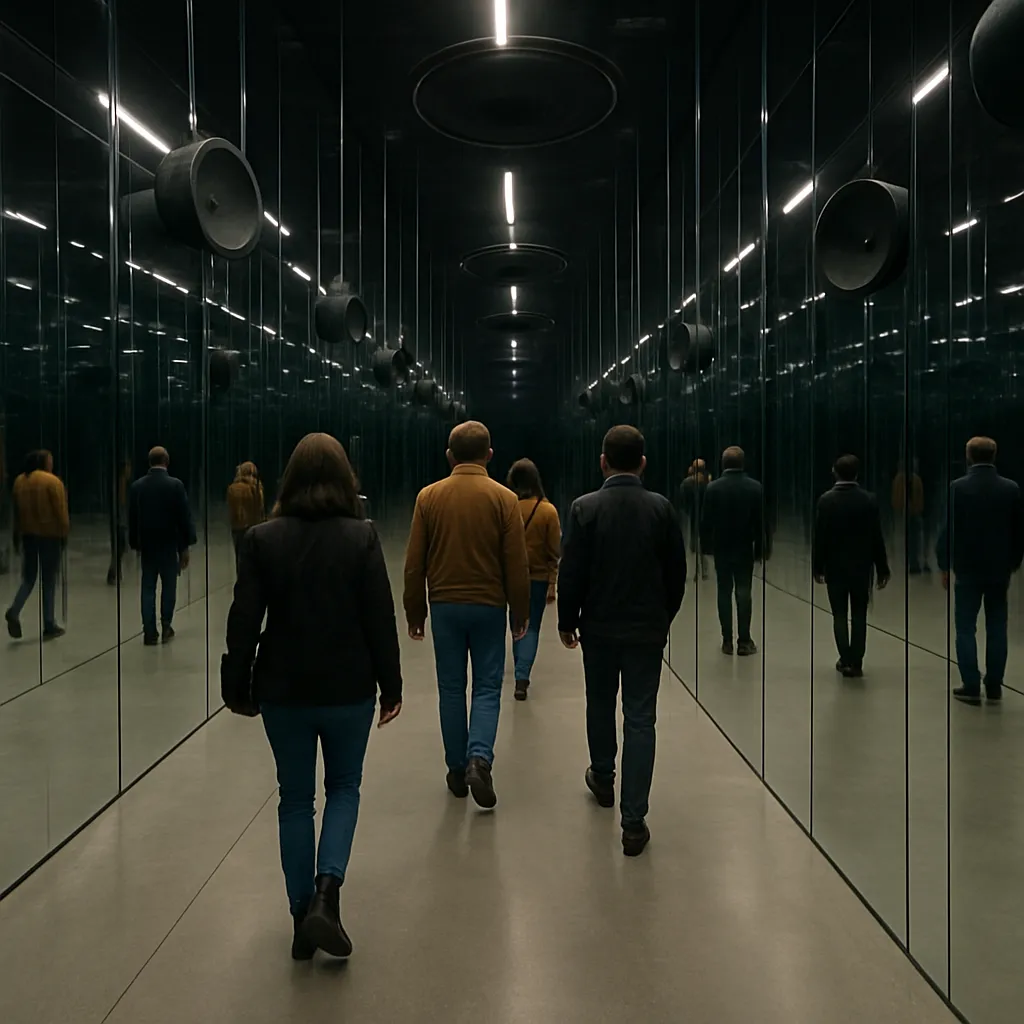
An artist specifies where projectors, speakers, and fabric walls must be placed so a gallery becomes a maze for visitors. Why is the room arrangement essential?
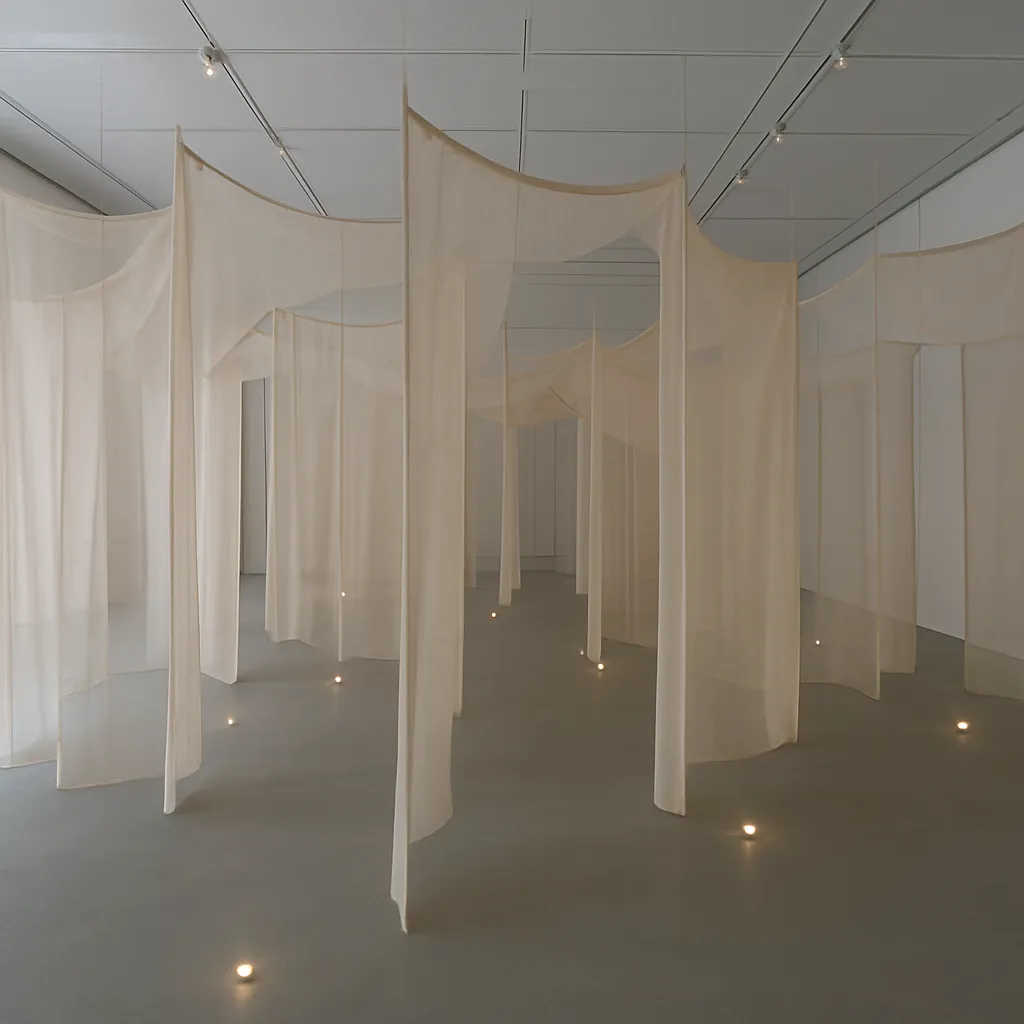
A bronze figure on a pedestal remains complete when it is moved from one gallery to another. Which category best describes it?
A visitor must weave between hanging textile panels, and that route is part of the work's meaning. Which contemporary practice does this describe?
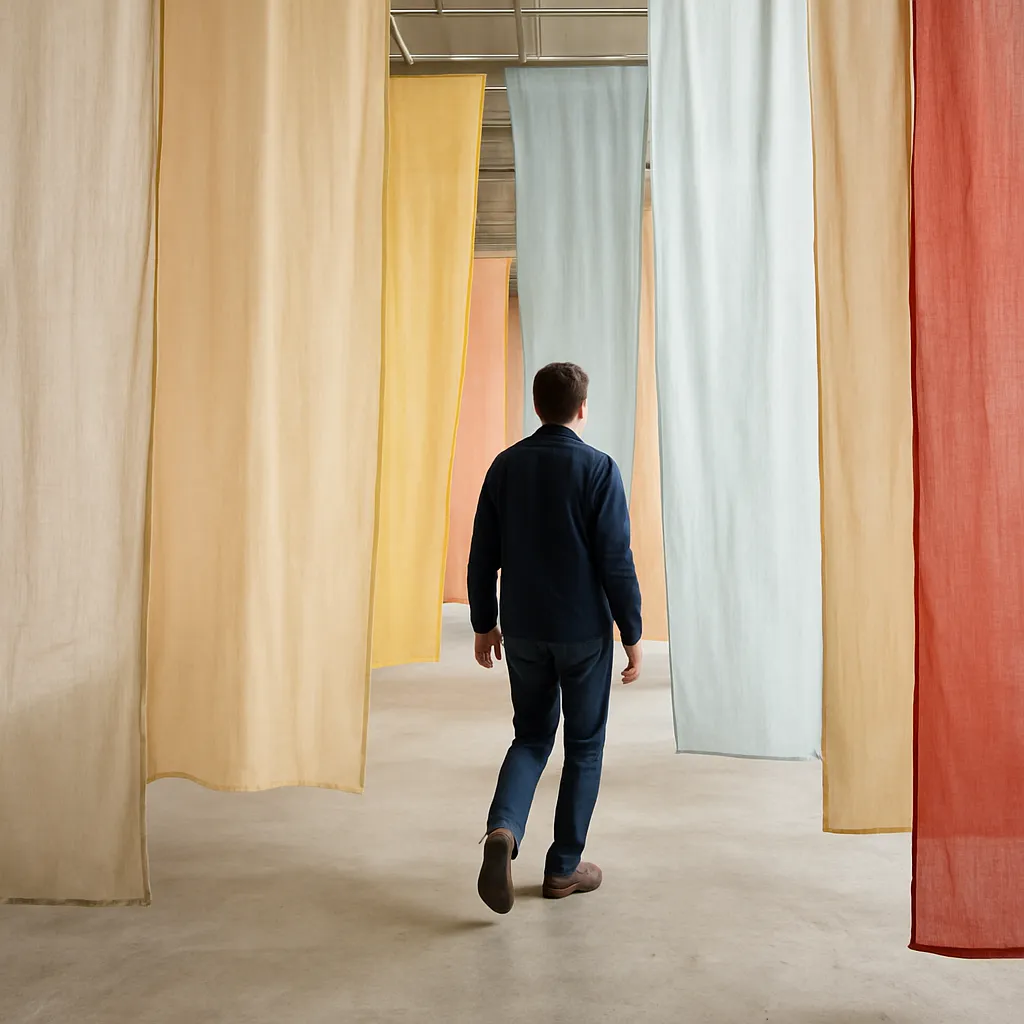
A projected work lasts 12 minutes, so a visitor arriving midway must wait for the loop to return before seeing it all. Which property is being described?
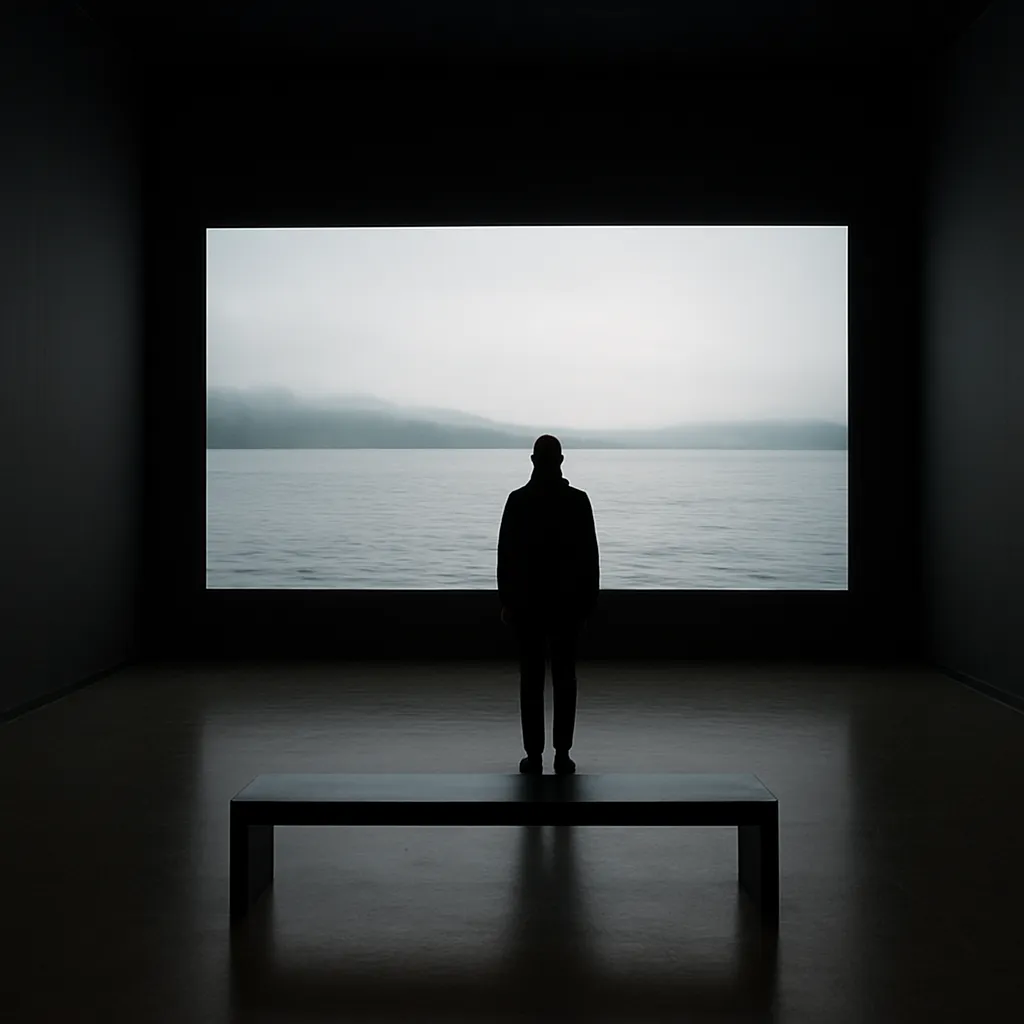
A wall projection changes its image only after a visitor raises a hand in front of a sensor. What feature does the visitor's action demonstrate?
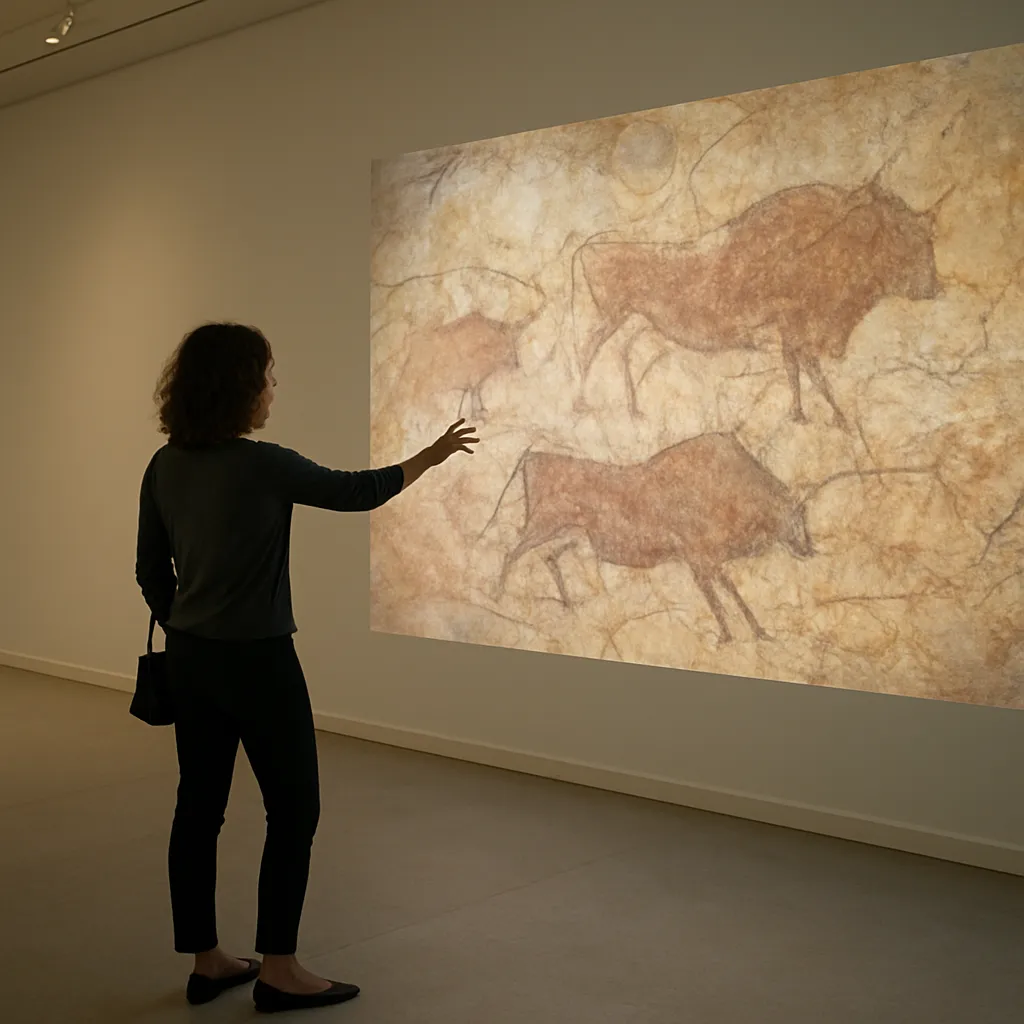
A performer follows a score in real time, and no permanent art object remains after the event. Which term describes art that exists only for a limited time?
A monitor in a gallery displays a six-minute sequence of changing images and sound. What distinguishes it from a still photograph shown on a screen?
A museum receives a signed certificate, a written installation score, and a list of equipment instead of a finished object. What has it acquired?

An artist's instructions allow a failed monitor to be replaced with an equivalent model if its image behavior is preserved. Why must the museum retain those instructions?
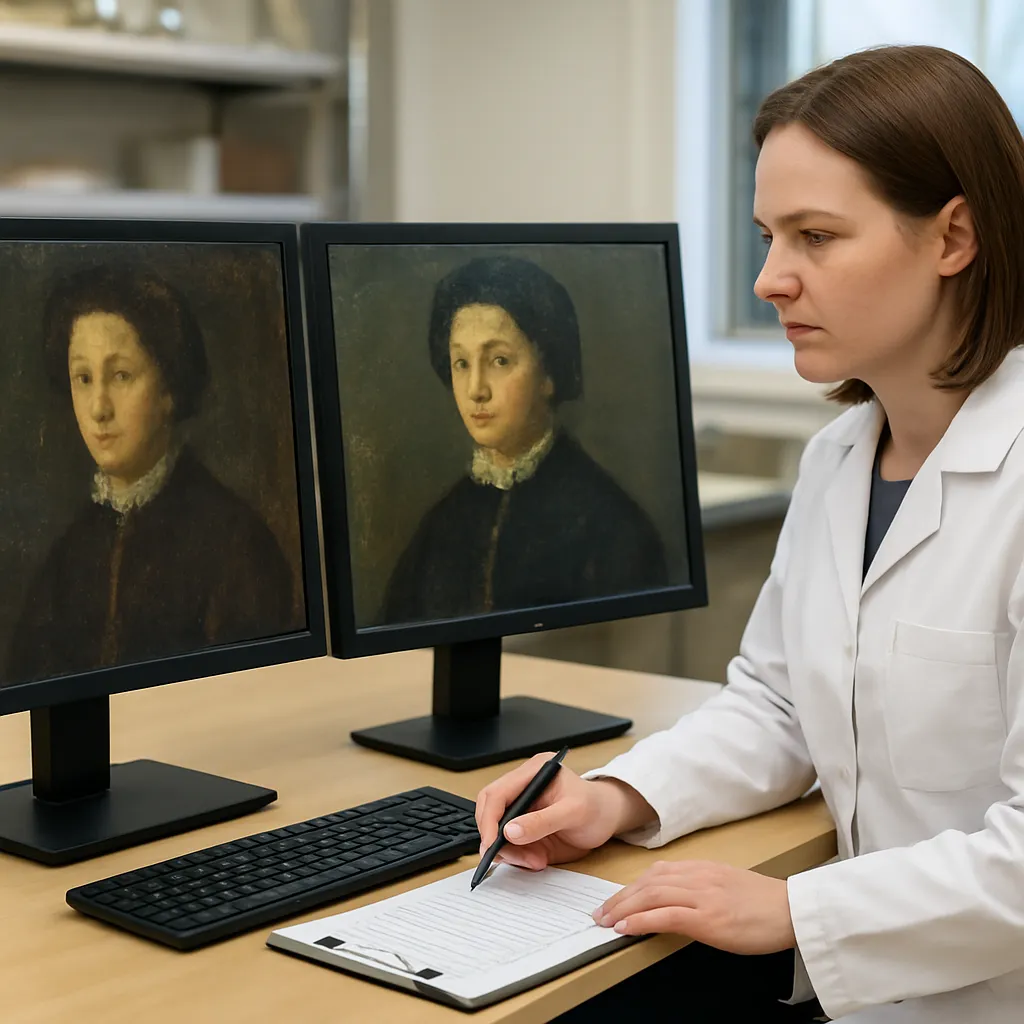
A loan crate contains speakers, projectors, cables, a floor plan, and setup diagrams; no one component is the whole work. What must the borrowing museum re-create?
For an instruction-based artwork, what document identifies an authorized realization when the physical equipment may be replaced?
A 1970s videotape is decaying and compatible players are becoming scarce. What is a conservator's usual first preservation action?

An artwork relies on software that no longer runs on current computers, but its original behavior must be experienced. Which strategy recreates an older computing environment?
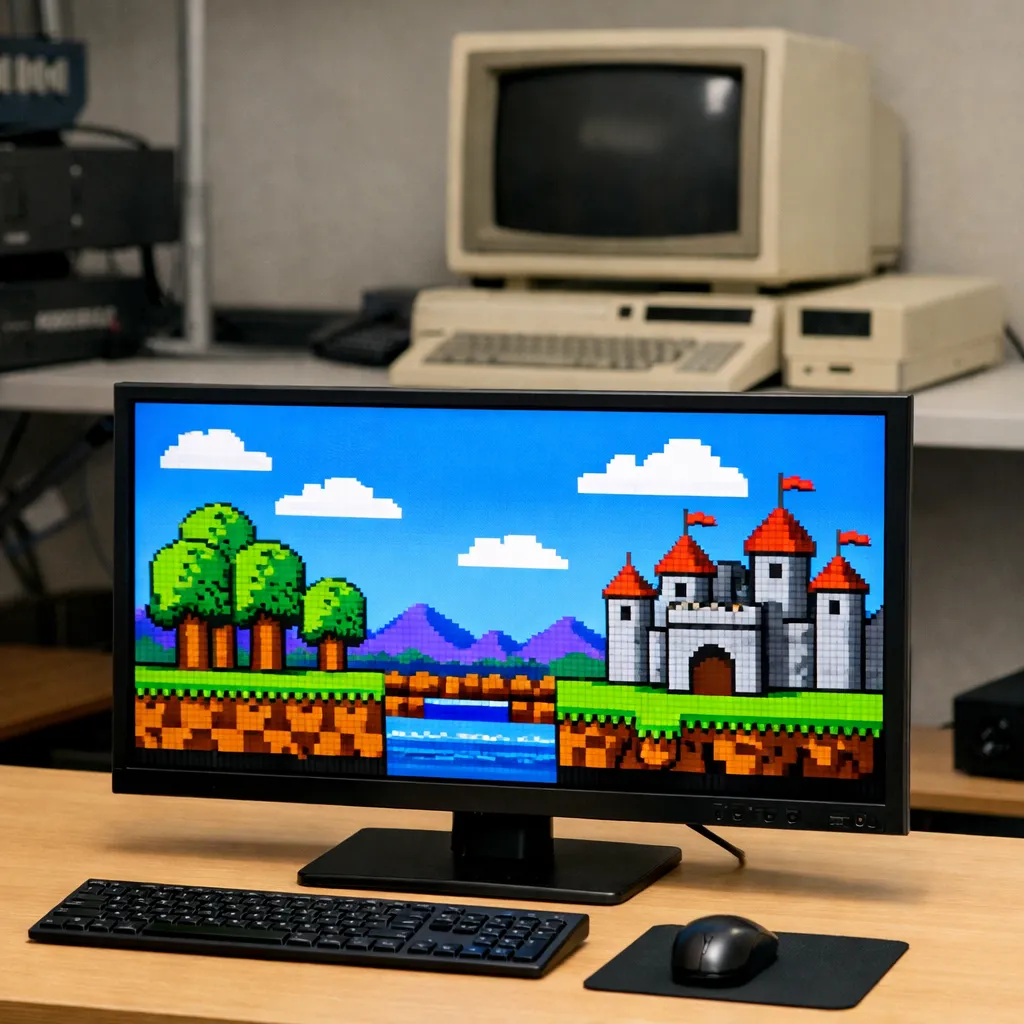
Before fragile equipment fails, a museum records a media installation's timing, sound levels, wiring, and visitor interaction. What conservation practice is this?
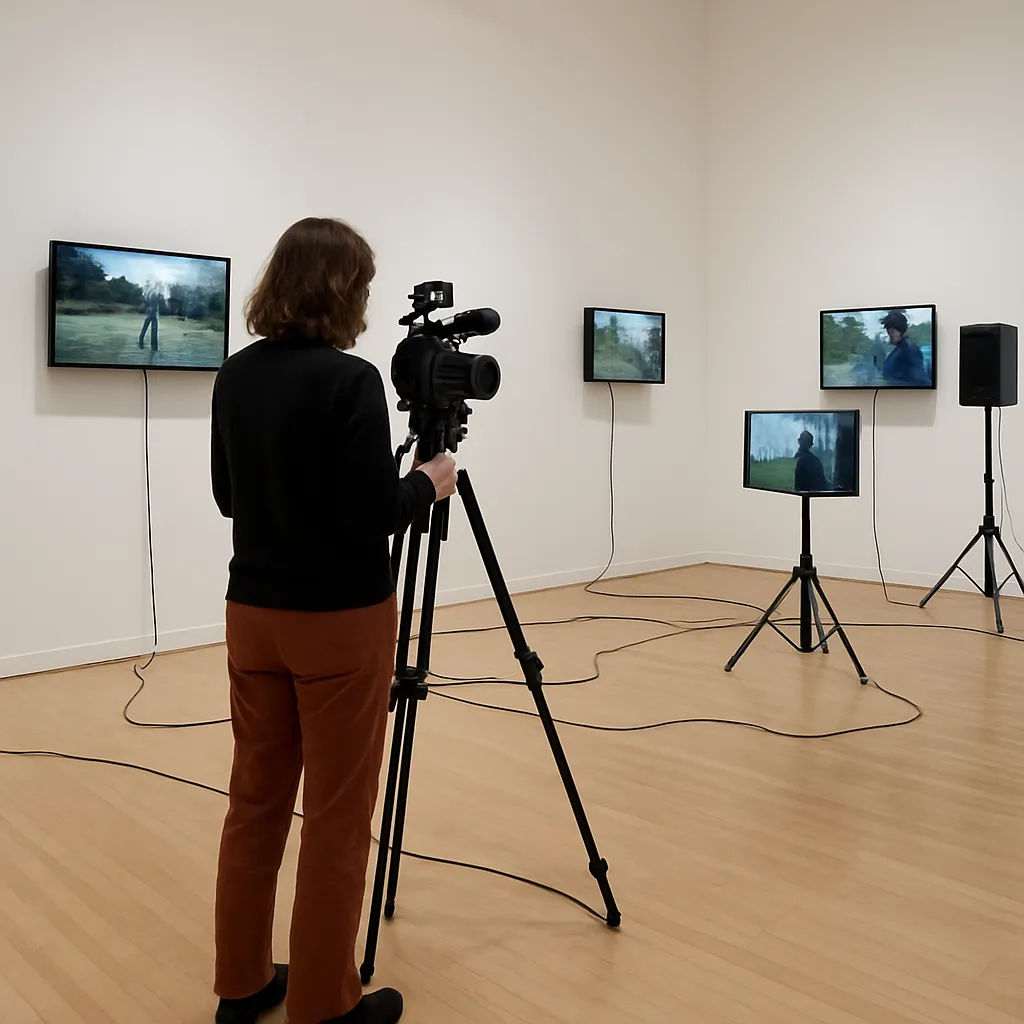
An artist says that a light installation's color temperature and brightness matter, but its ordinary bulbs may be replaced. What should the museum preserve most carefully?
Crack the passcode before the zombies get in.
Answer, then swat bugs for bonus points.
Race through questions at your own speed.
Same question on every screen. Fastest wins.

Pick a tile, answer, hit bonuses and steals.
Subject, Form and Content
25 questions